BALTWRECK
Interreg South Baltic No STHB.02.02-IP.01-0009/23

University of Gdańsk /UG (PL)
Association of Polish Communes Euroregion Baltic /APC ERB (PL)
Gdynia Maritime University /GMU (PL)
Klaipeda University /KU (LT)
Leibniz-Institute for Baltic Sea Research Warnemünde /IOW (DE)
Helmholtz Centre for Ocean Research Kiel /GEOMAR (DE)
Nature Research Centre /NRC (LT)
Chalmers University of Technology /CHALMERS (SE)
German Environment Agency /UBA (DE)
North.io LtD. /NIO (DE)
CLEANERGY LtD. /CE (PL)
Jagiellonian University /UJ (PL)
Project related events

Management of sunken munitions and their environmental impact - registration for the Stakeholder Dialogue Event in Belgium
Managing submerged munitions and their environmental impact is one of the key topics of international cooperation in Europe’s marine regions. […]
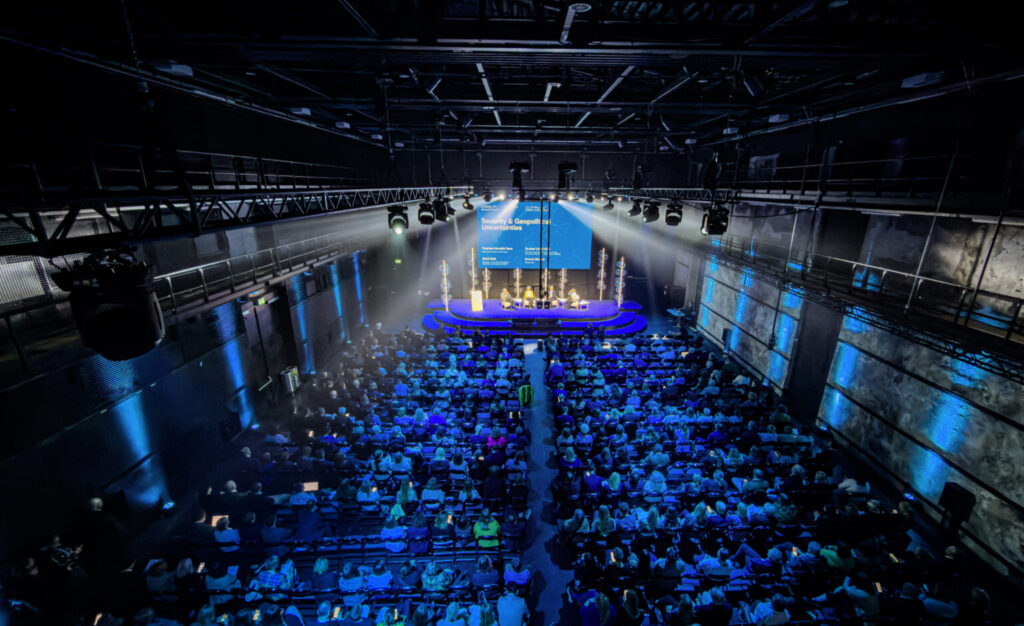
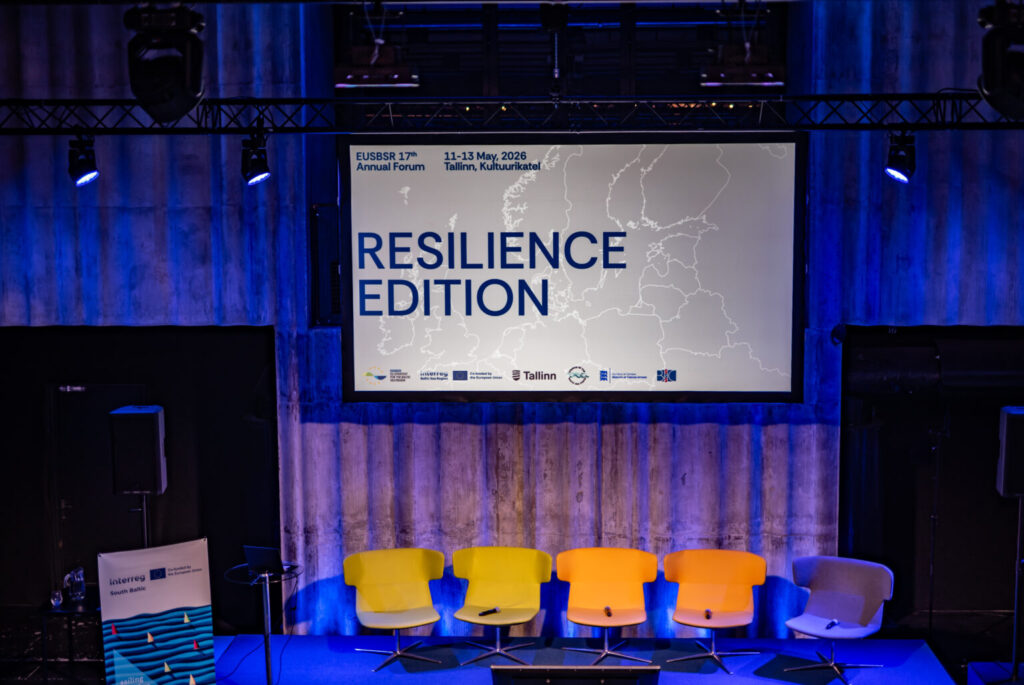
Cooperation and resilience of regions take center stage at the EUSBSR Annual Forum 2026 in Tallinn
Resilience Edition EUSBSR Annual Forum 2026 and BSSSC Day of Cities and Regions in Tallinn.Promotion of the BaltWreck, CircularMuse and […]
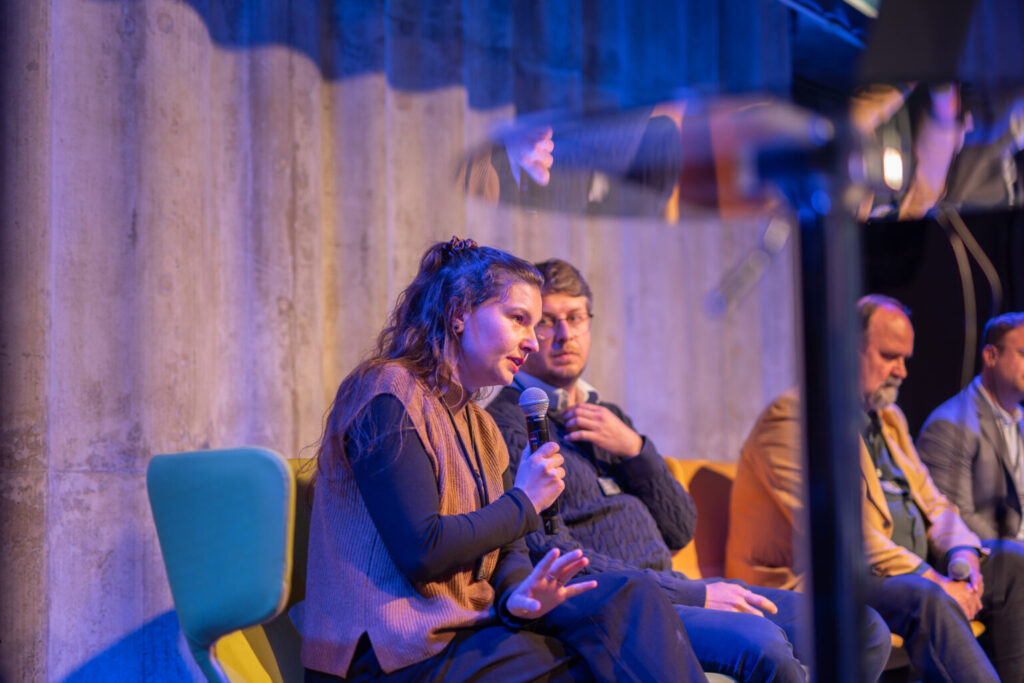
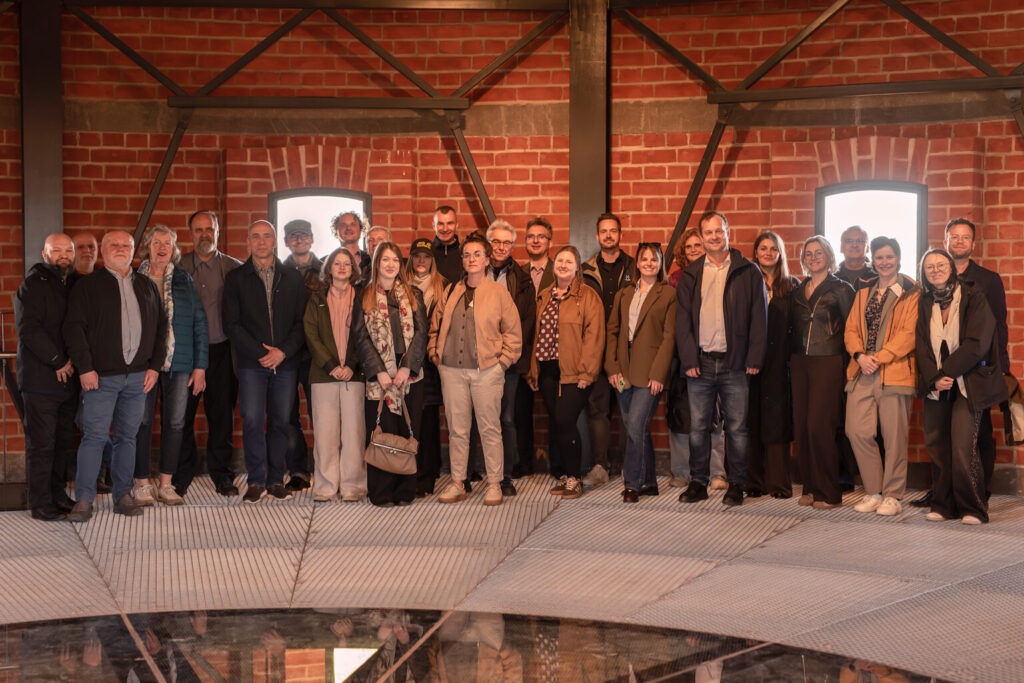
Experts on the hidden dangers at the bottom of the Baltic Sea
“Hidden ‘Treasures’ of the Baltic Sea” under expert scrutiny. International debate on wrecks and submerged munitions during the EUSBSR Annual […]

Baltic wrecks
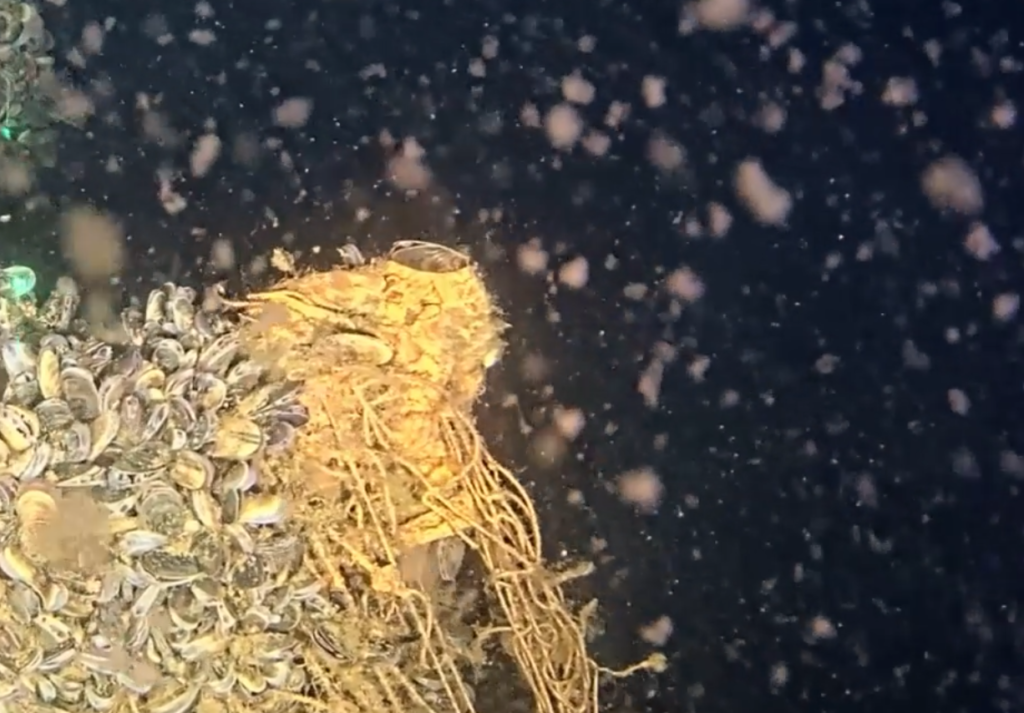
An important phase of the fieldwork for the BALTWRECK project, carried out on board the research vessel RV ALKOR, has […]
The next phase of the ALKOR research cruise as part of the BALTWRECK project
On March 30, during a stopover in Gdynia, a research cruise dedicated to the exploration of the Stuttgart wreck took […]

Synergy for the Baltic – Leaders of Port Projects Meet in Elbląg
On 24–25 March 2026, an international partner meeting of projects implemented under the Interreg South Baltic 2021–2027 programme took place […]

The Baltwreck Project - Research Cruise
The voyage of the research vessel RV ALKOR began in Kiel on March 14. The expedition aims to investigate shipwrecks […]
BALTWRECK - Preventing massive marine waters chemical pollution from the leaking wrecks and munition
The project is concerned with combating various hazardous substances in the aquatic environment in order to increase safety and water quality. There are about 20,000 known military and civilian shipwrecks at the bottom of the Baltic Sea, of which about 10 per cent are a source of contamination from fuels or remnants of sunken munitions. More than 80 years after the Second World War, hazardous fuel is leaking from some of the rusted wrecks (e.g. carcinogenic pyrolytic oil from the ‘Stuttgart’ has already contaminated 40 ha of the Bay of Gdansk). Other wrecks are close to decomposition and need to be carefully monitored to assess the risk and the real threat to marine life and the impediment to a variety of economic activities on the seabed. Decisions on monitoring, clean-up or exclusion of anthropogenic activities in the vicinity of wrecks are extremely slow, as costly and intensive studies are needed in each case.
The BaltWreck initiative believes that the time has come to bring together all relevant marine research institutions, maritime administrations and decision-makers in the region to solve this major transboundary challenge in a methodological, efficient and internationally compliant manner.
The aim of the BaltWreck project is to contribute to the reduction of pollution of the Baltic Sea by ammunition, hazardous fuel and other dangerous shipwreck residues through the joint development, demonstration and implementation of national wreck management programmes.
PROJECT BRIEF
Program: Interreg South Baltic
Project area: Water safety, environmental protection, pollution reduction, scientific activities
Project scope: European or transnational (mainly Baltic Sea countries)
Role of STG ERB: Partner with its own budget
Level of funding: 80%
Project budget: 4 000 000, 00 EUR
STG ERB budget: 133 316, 00 EUR
Project consortium: Project implemented with 14 full partners and 7 associated partners from PL, LT, SE, DK