
Euroregion Baltic News
Newstl-ne News SCONE English pll_6aba05e6d7da9 study visit
SCONE Project – From Gaining Knowledge to Developing Solutions. Final Day of the Sustainability Camp “Water is Life: Shape What’s Next”

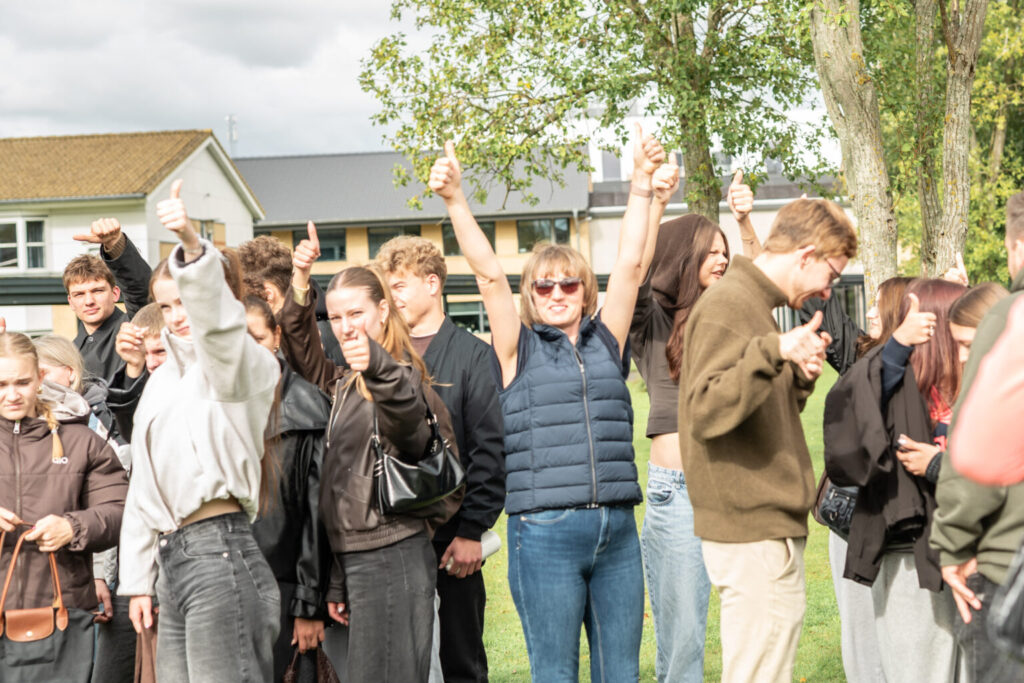
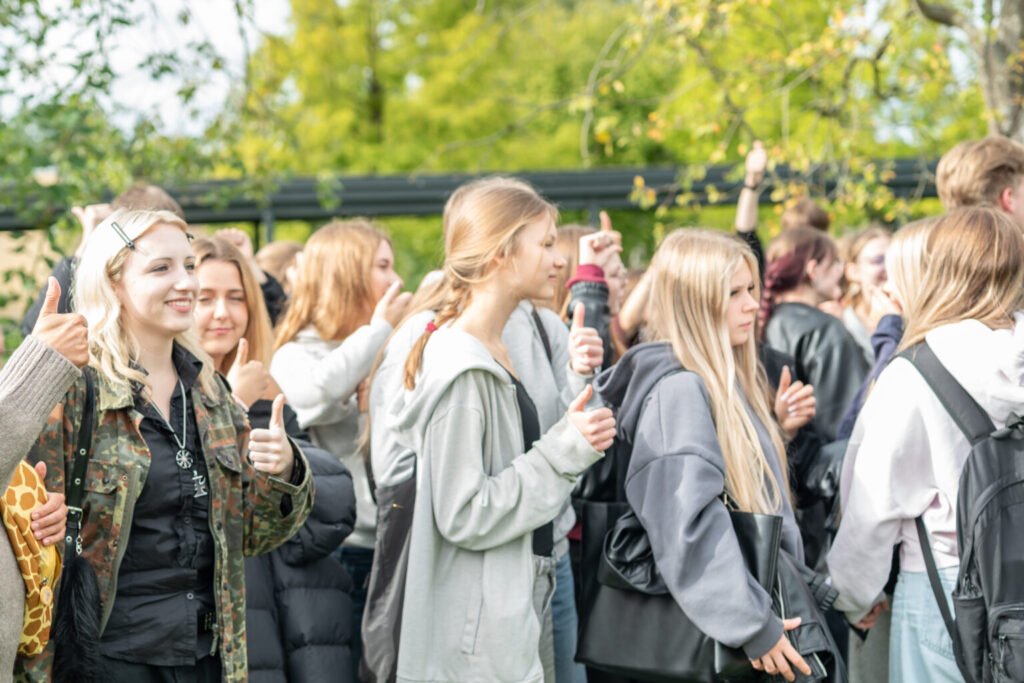
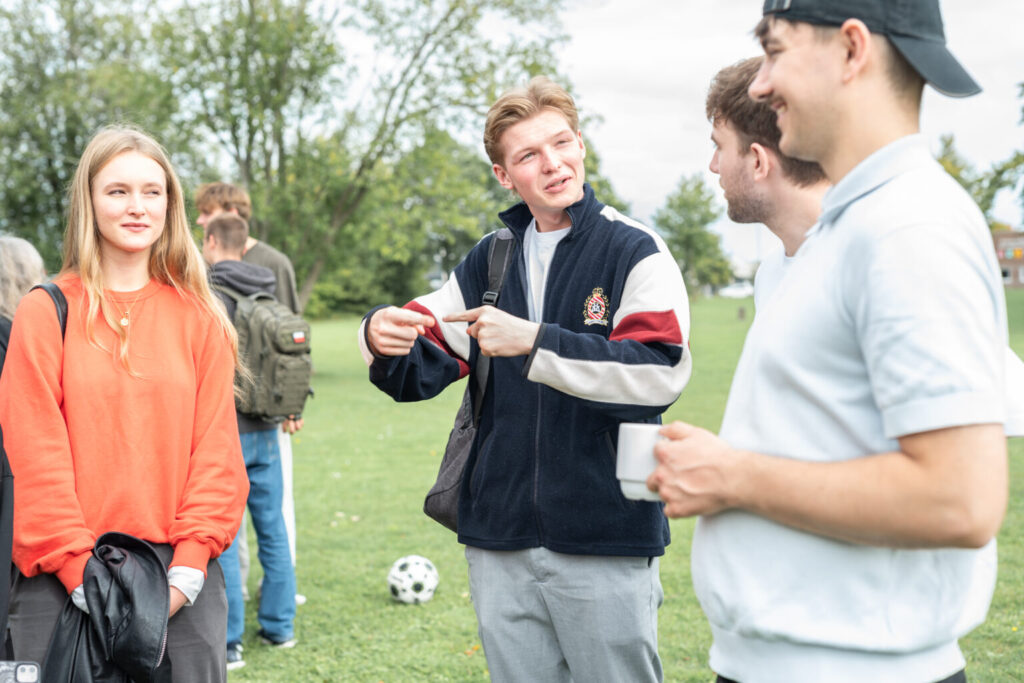
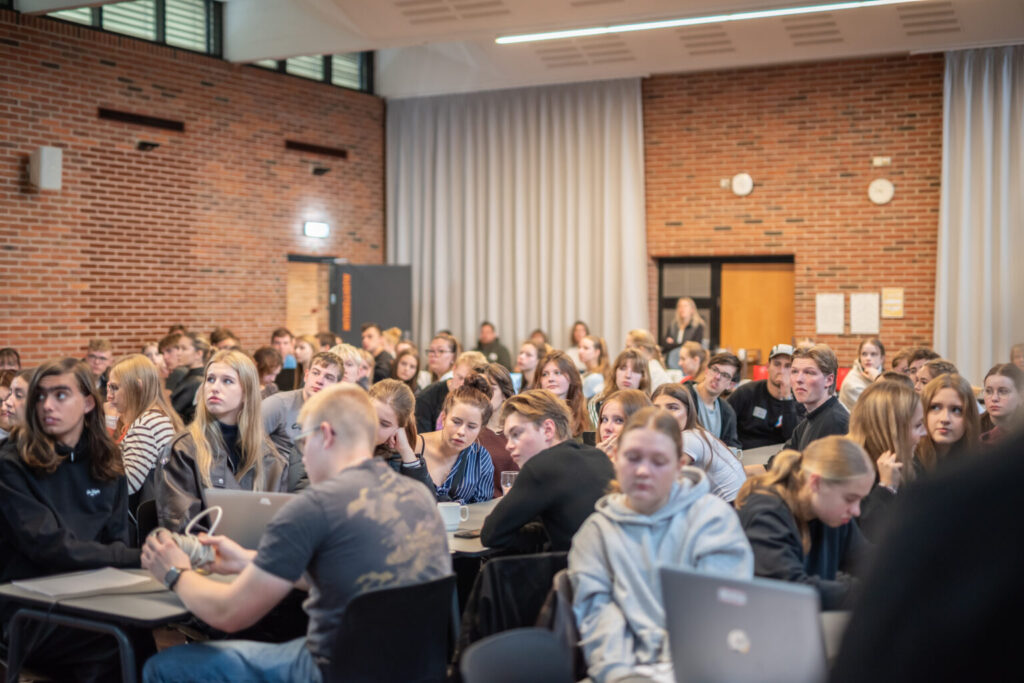
From exploring practical examples of sustainable development to developing their own solutions – this was the focus of the final day of the international Sustainability Camp “Water is Life: Shape What’s Next” in Denmark. Young people from Poland, Denmark, Lithuania and Germany used the knowledge and experience gained during previous workshops, field activities and study visits to work on challenges related to water quality, hemp-based housing and fish production. The final day also provided an opportunity to present the ideas developed by the participants and reflect on the entire three-day event.
From Gaining Knowledge to Developing Solutions
The final day of the international youth camp, organised as part of the SCONE – Sustainability Cooperation Network in the South Baltic project, had a different focus from the previous stages of the event. After days dedicated to exploring practical examples of environmental action, taking part in study visits and working in the field, it was time for participants to put their newly acquired knowledge into practice.
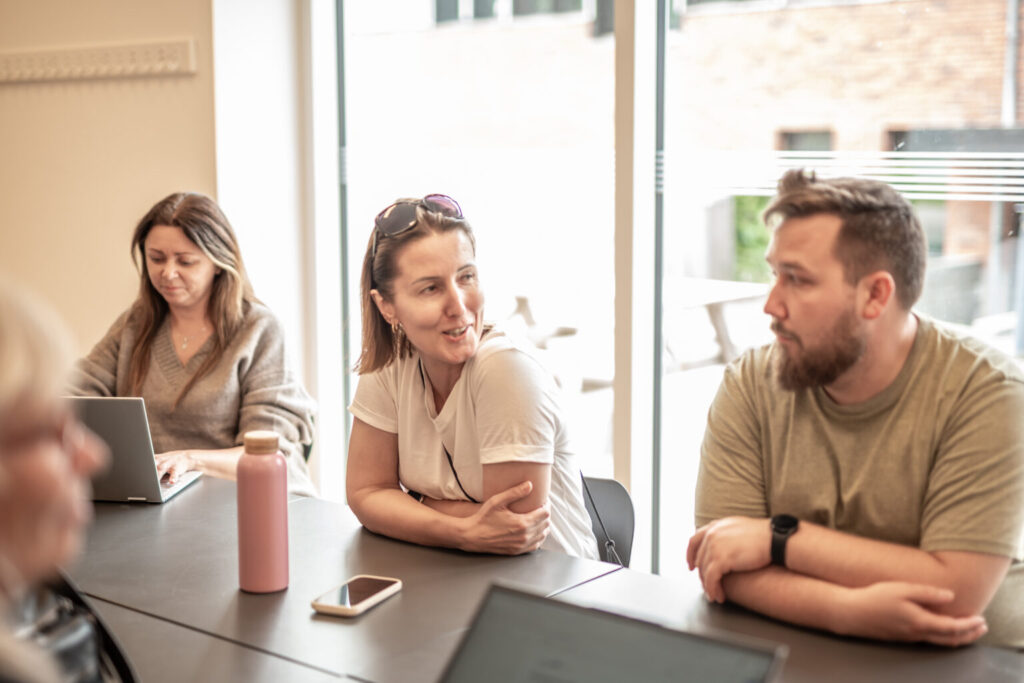
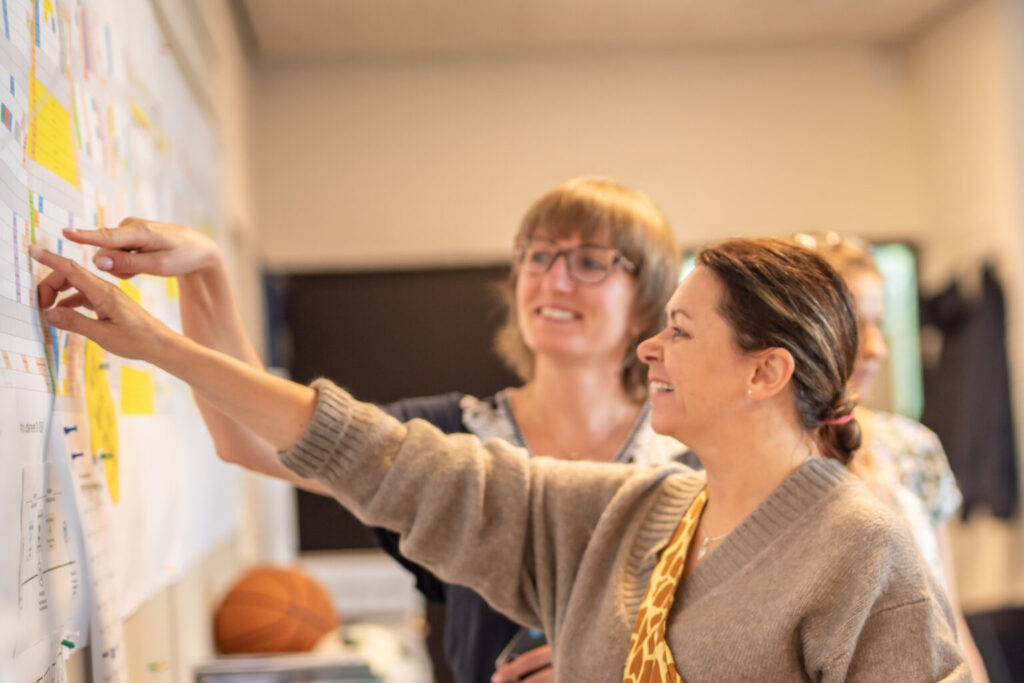
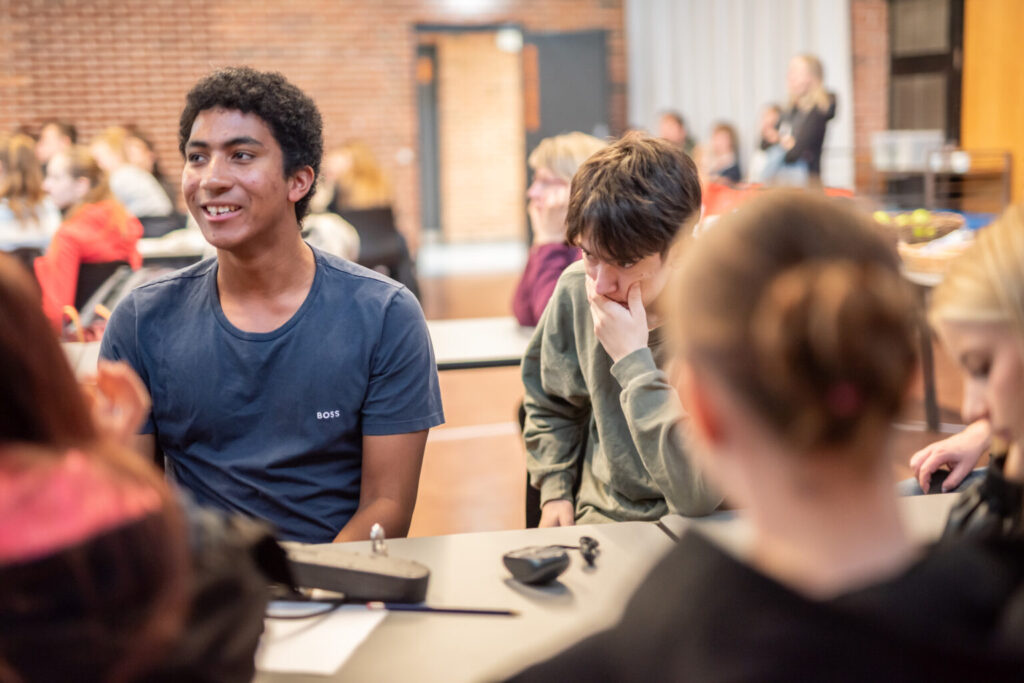
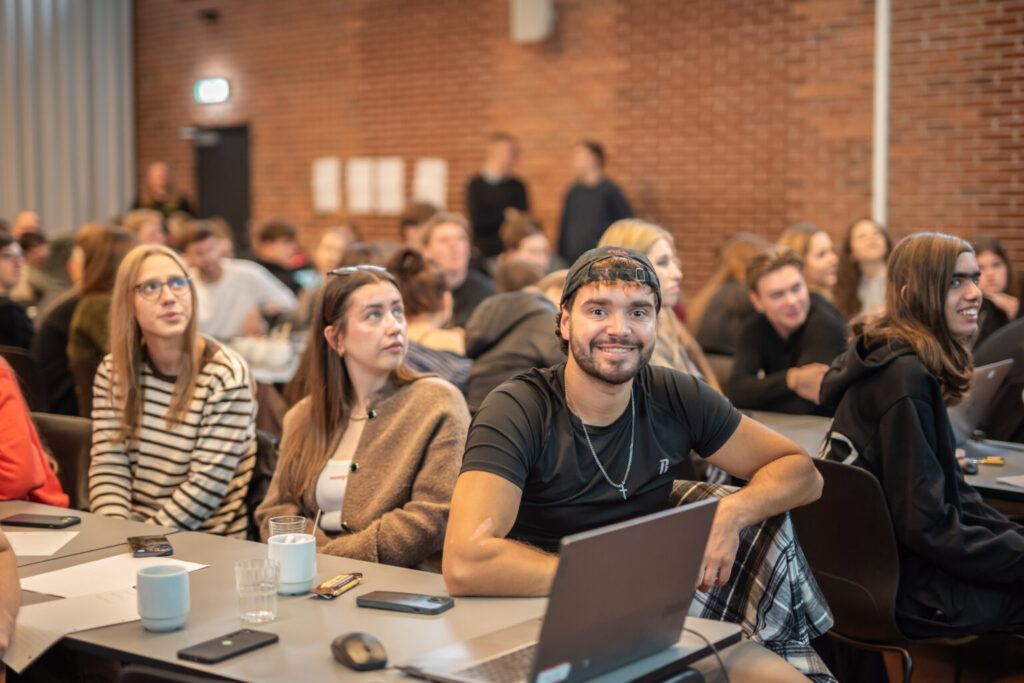
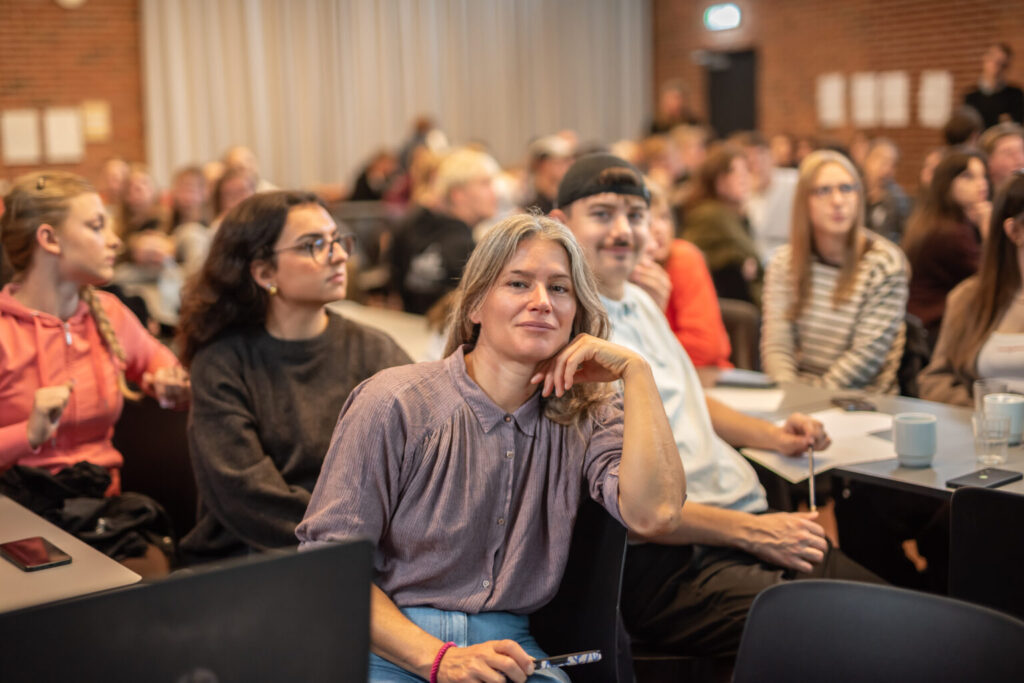
The programme focused on cooperation, creative thinking and independently searching for answers to specific sustainability challenges. Participants worked in international groups, allowing them to combine different experiences, perspectives and ideas.
In this way, the final day was a natural continuation of the previous Sustainability Camp activities – moving from observation and learning towards developing the participants’ own solutions.
Learning Through Cooperation and Problem-Solving
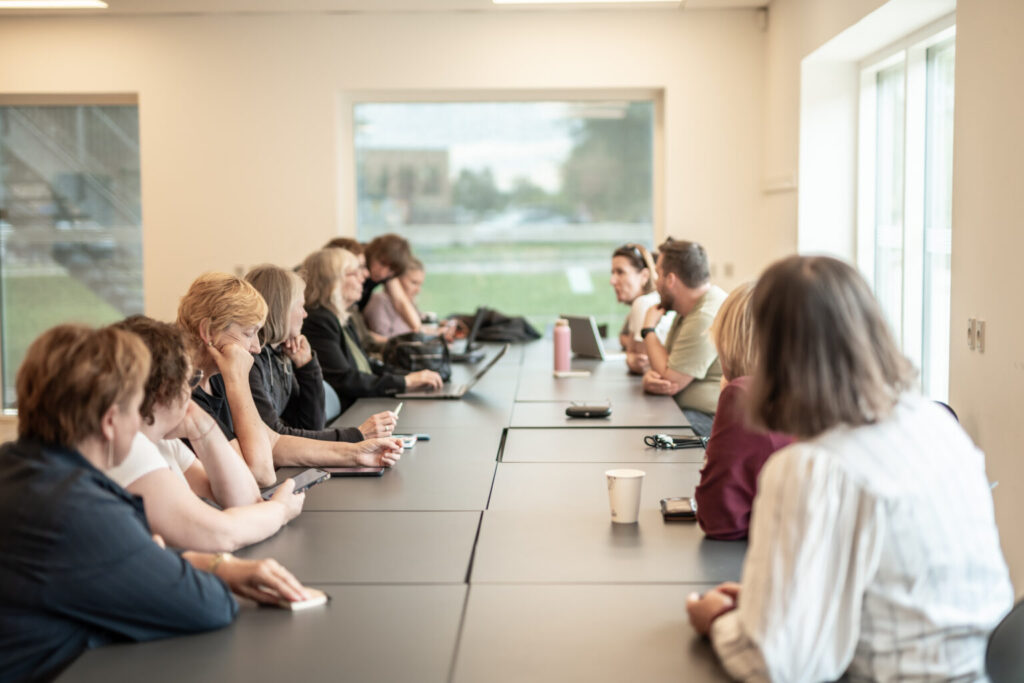
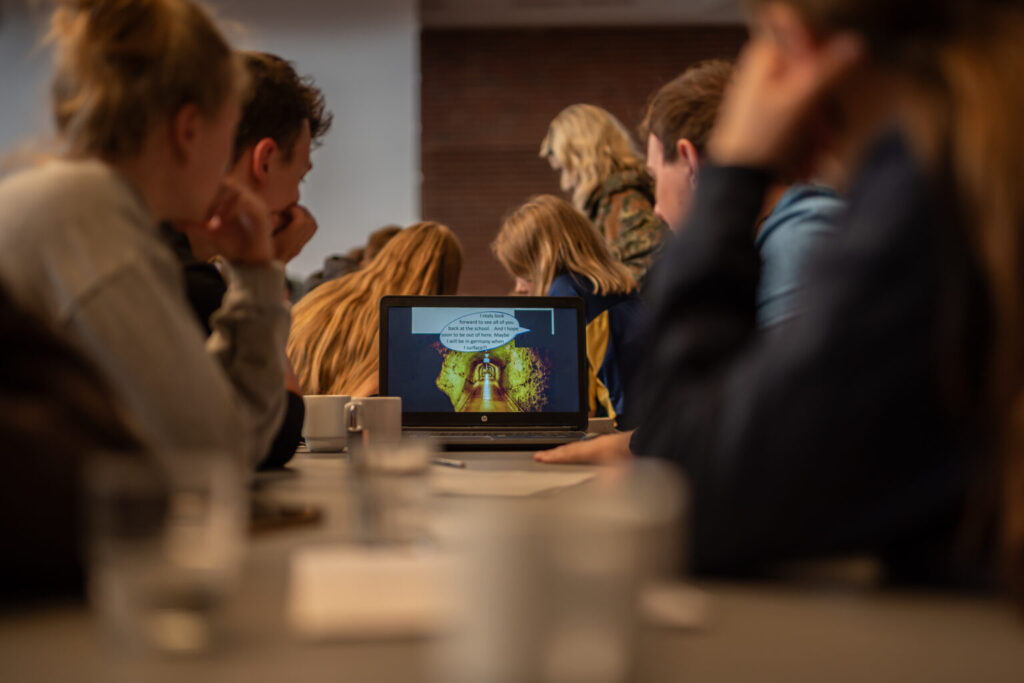
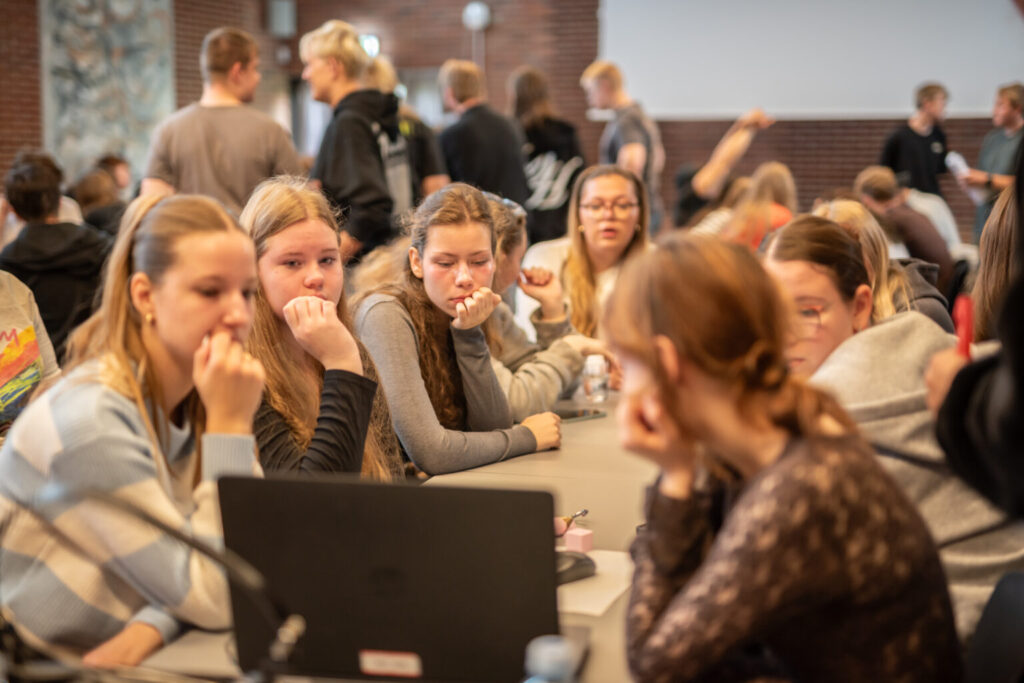
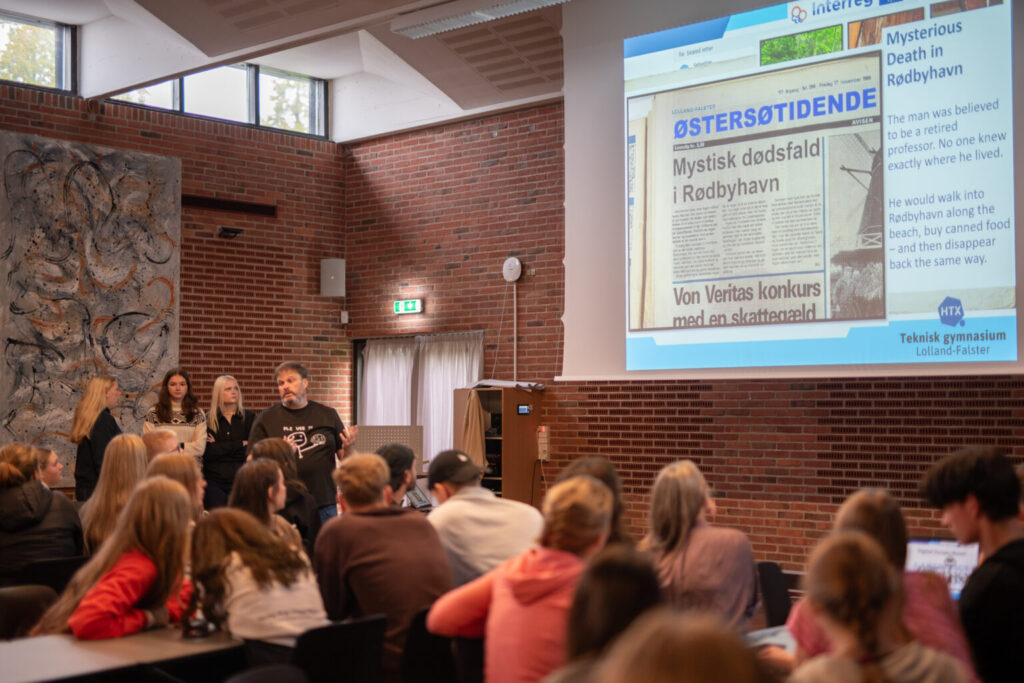
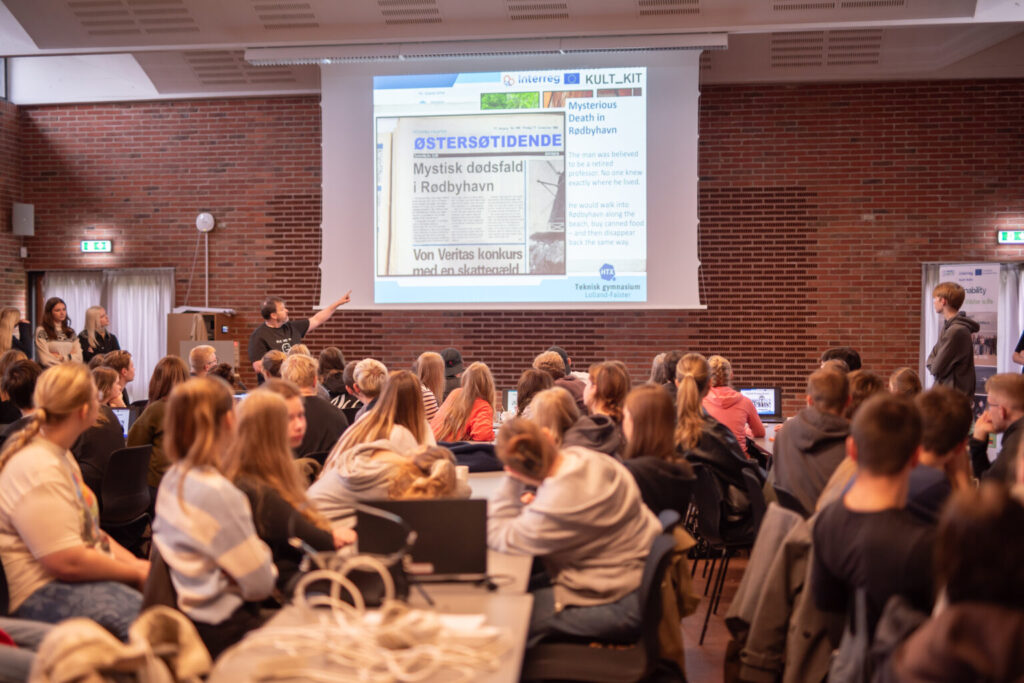
One of the activities was a digital escape room, introducing participants to a form of learning based on teamwork and collaborative problem-solving. The interactive format required cooperation, information sharing and finding answers together.
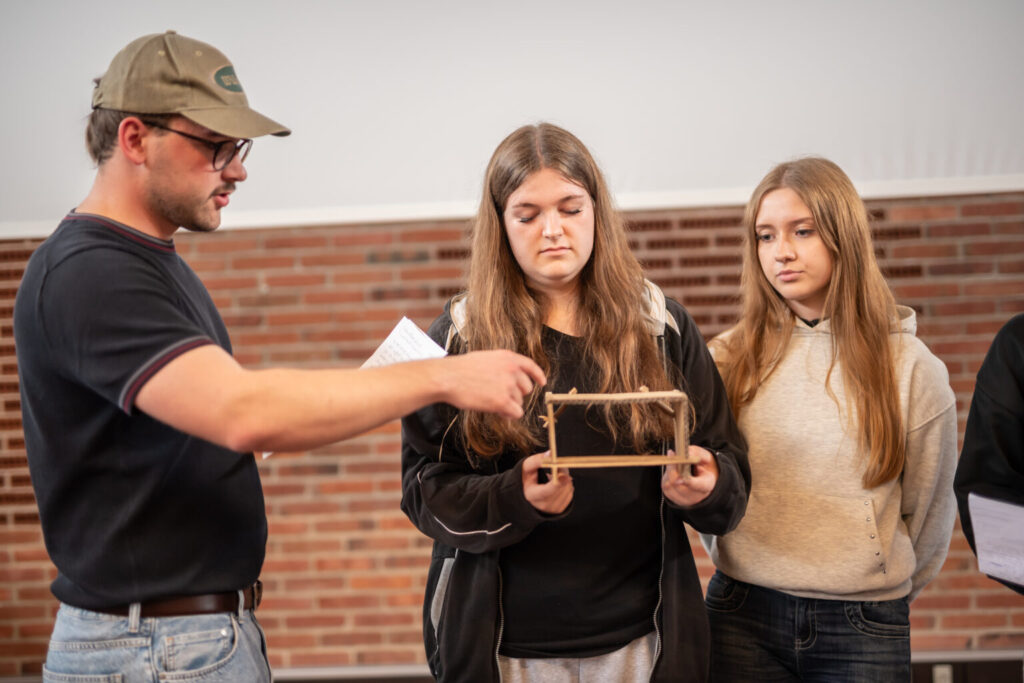
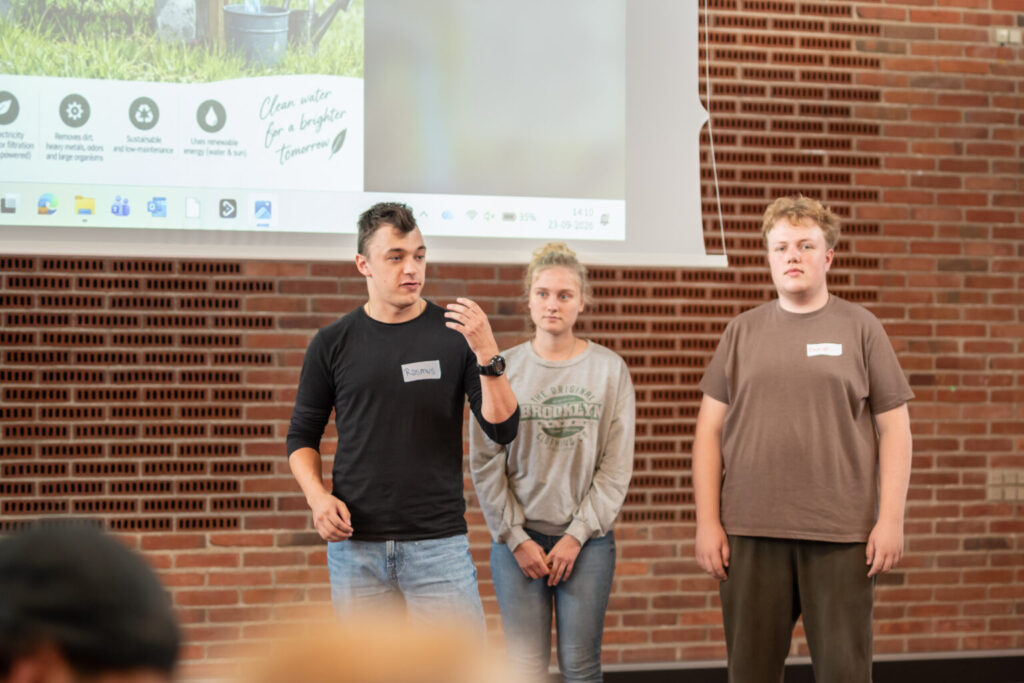
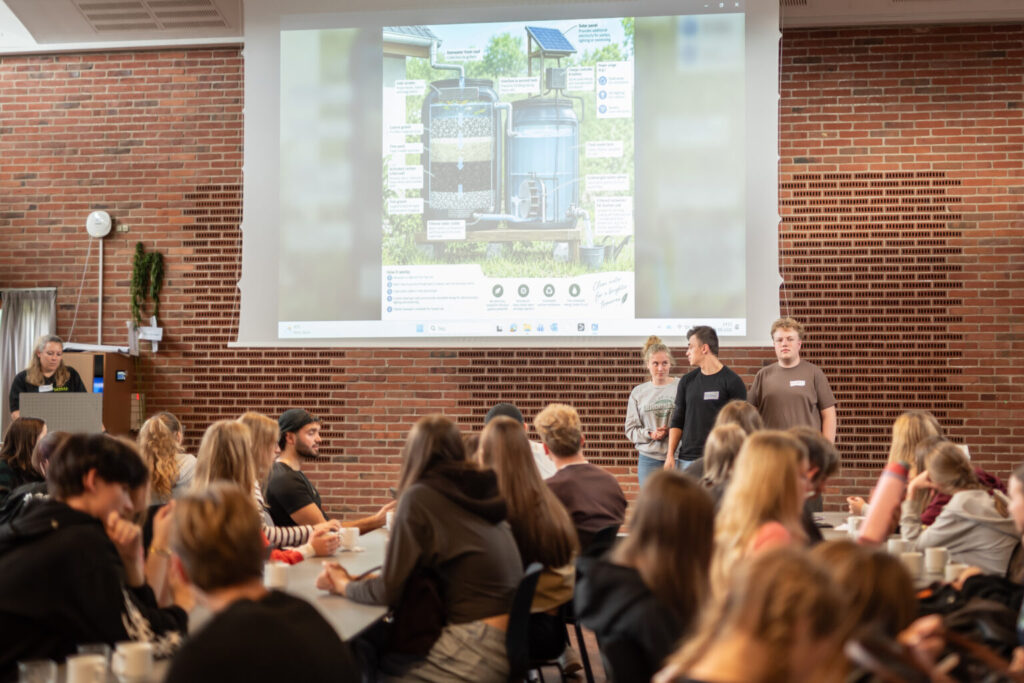
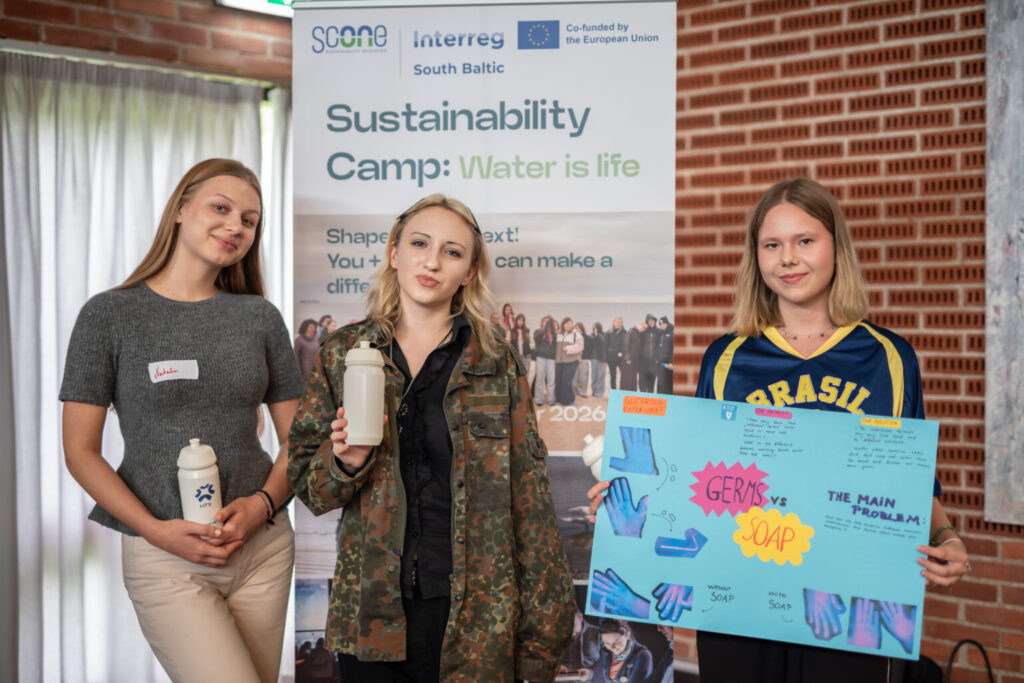
The next part of the programme focused directly on specific sustainability-related challenges. The young participants worked on three topics: water quality, hemp-based housing and fish production. Each of these issues offered a different perspective on sustainable development and encouraged participants to consider possible solutions.
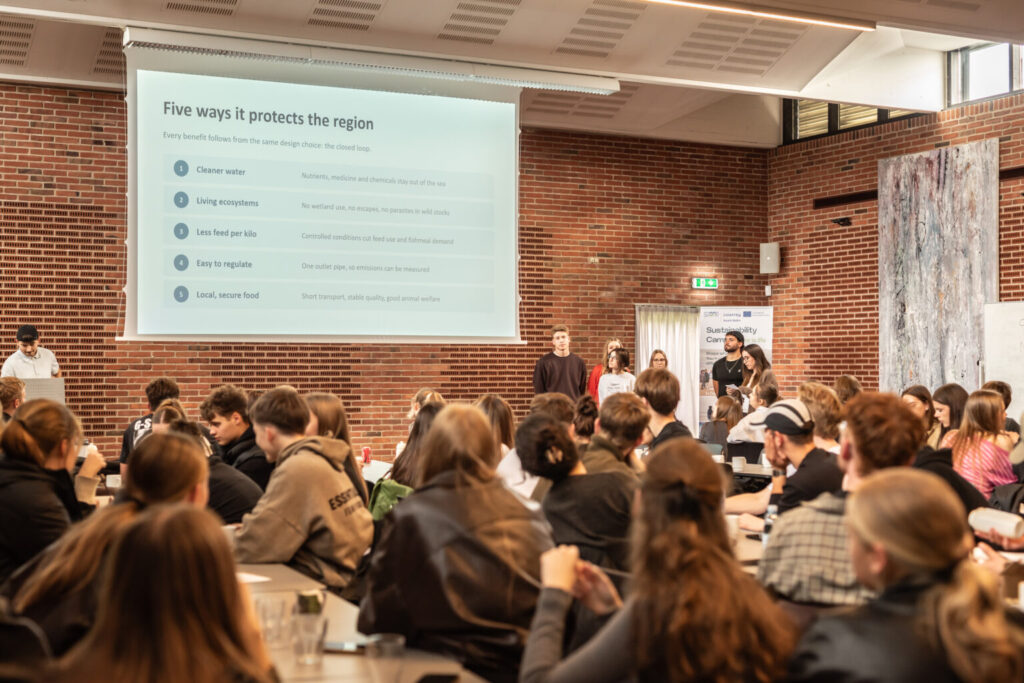
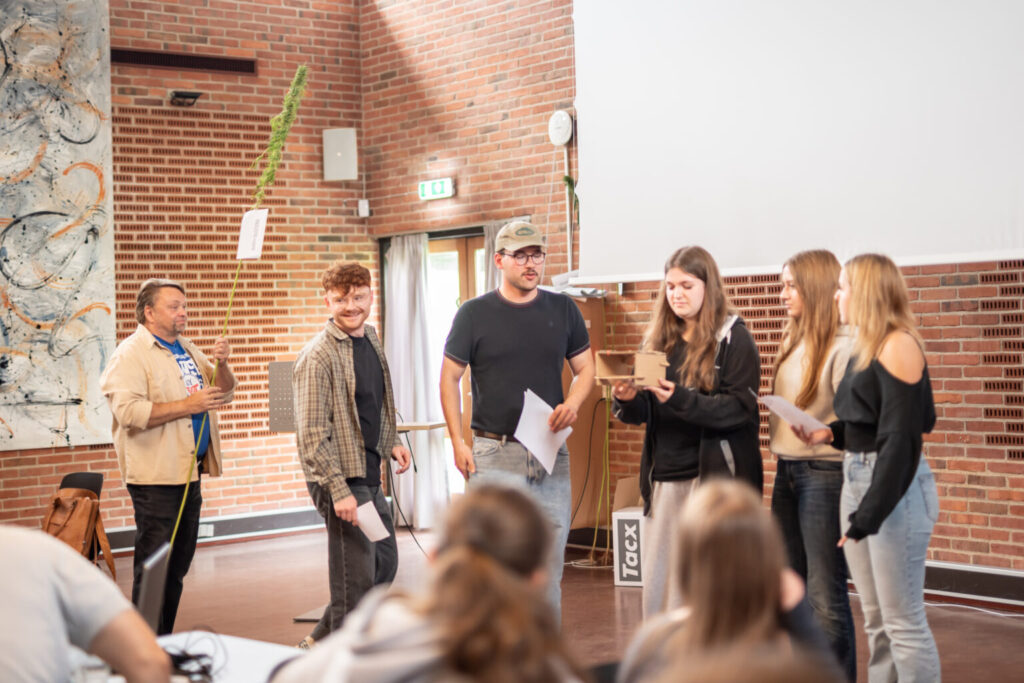
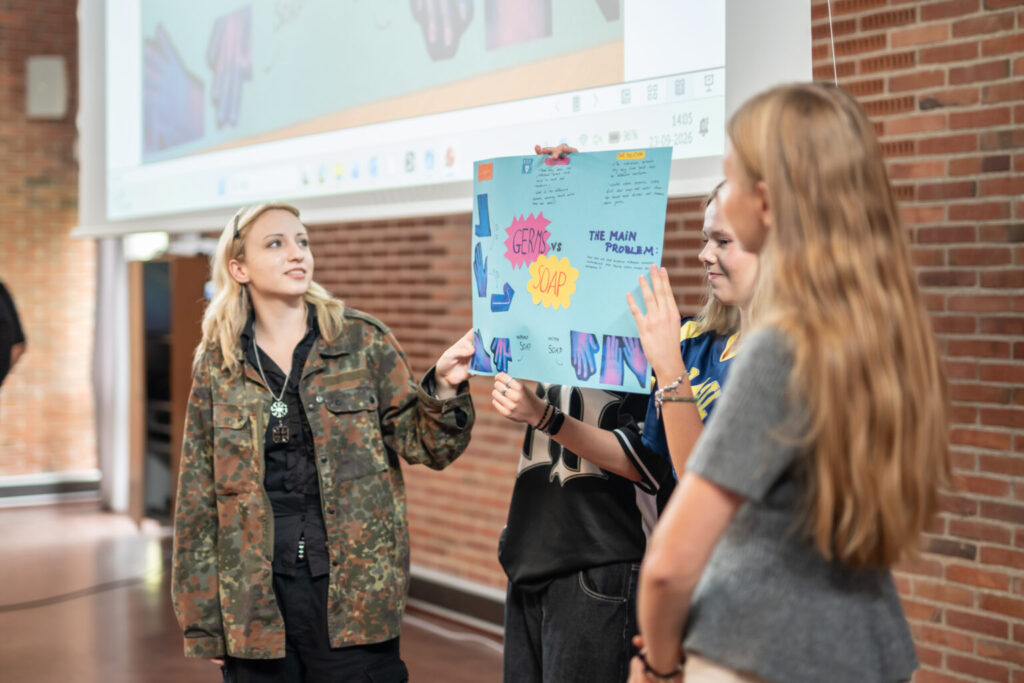
Their task was not simply to discuss the challenges. The groups analysed the selected issues, developed their own proposals and then presented the results of their work to the other participants.
From Ideas to the Final Presentation
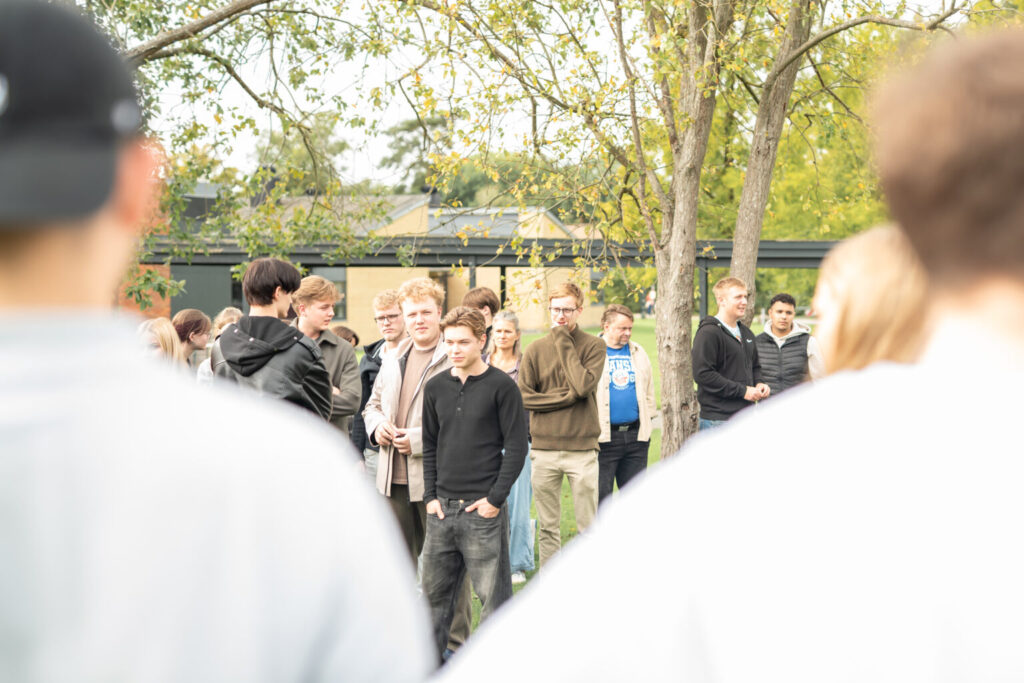
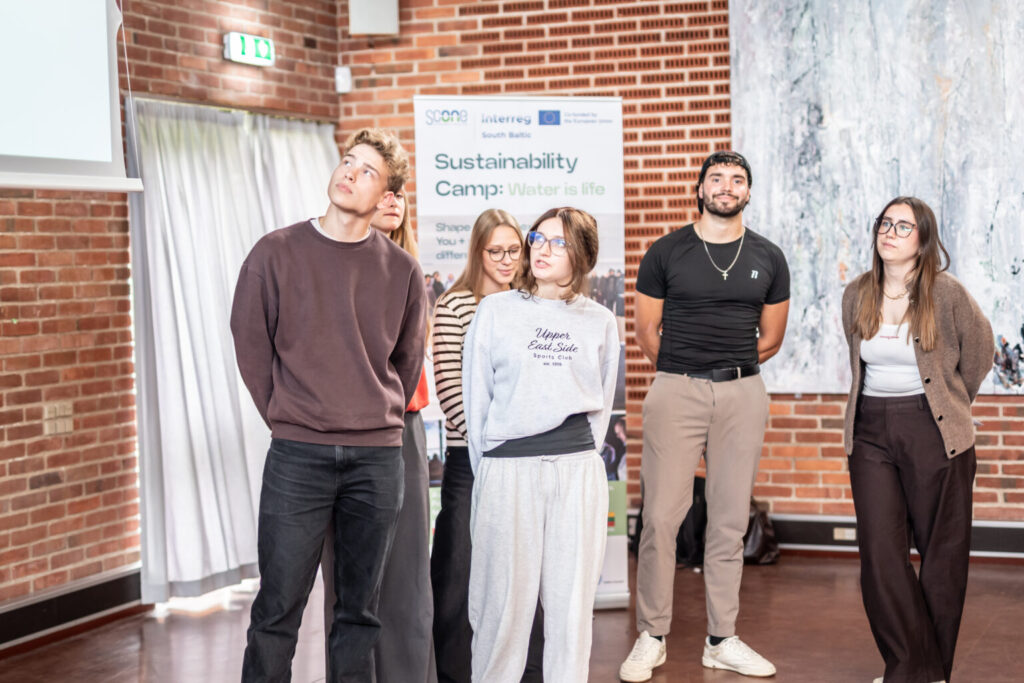
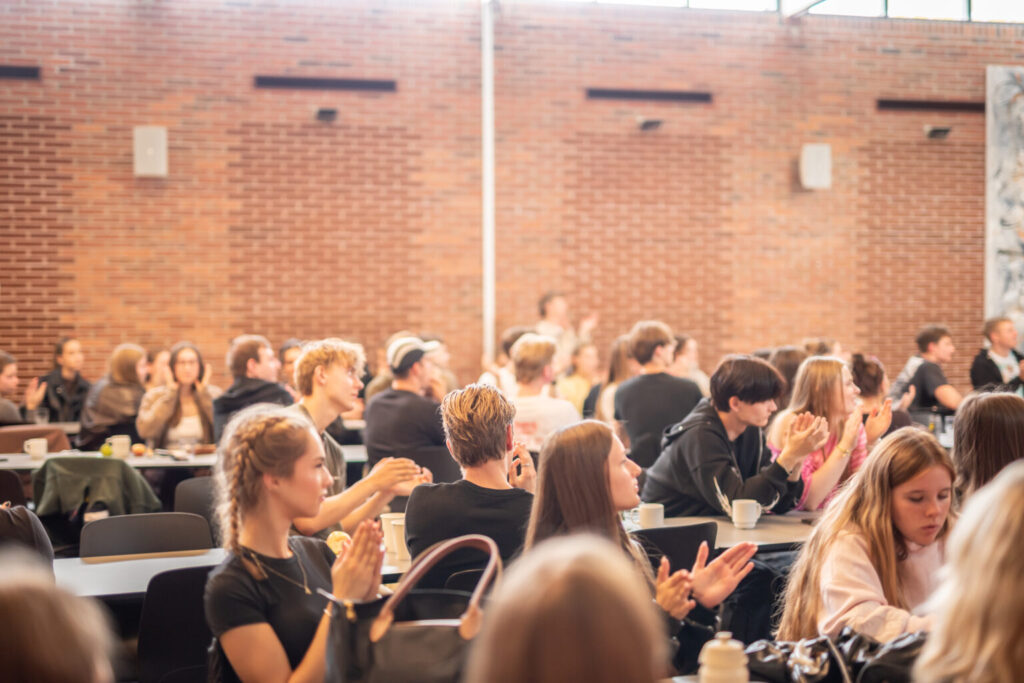
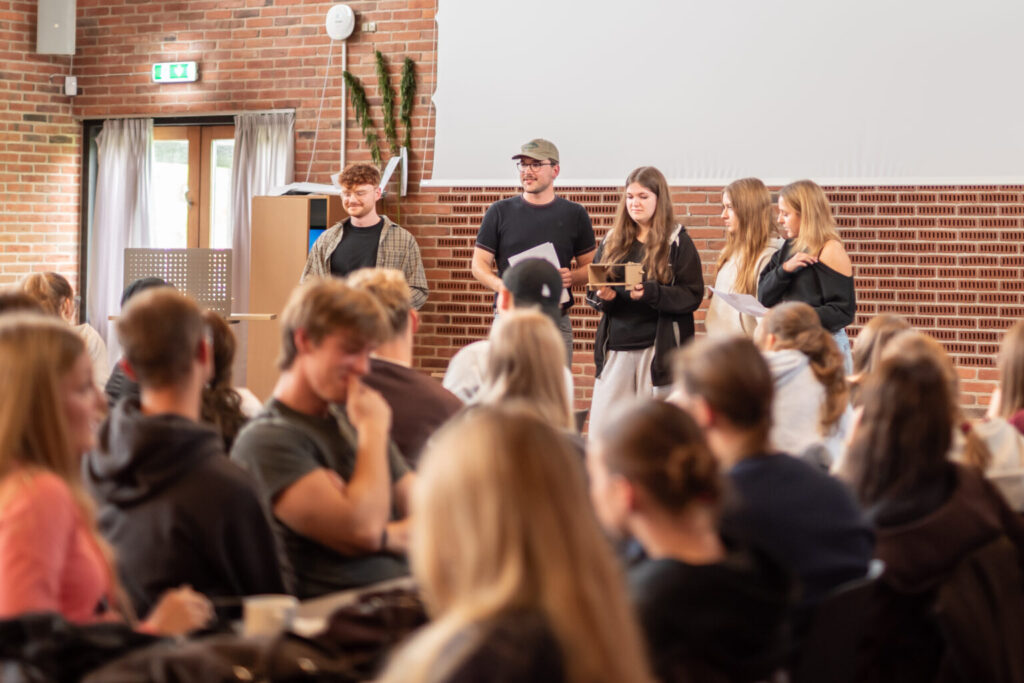
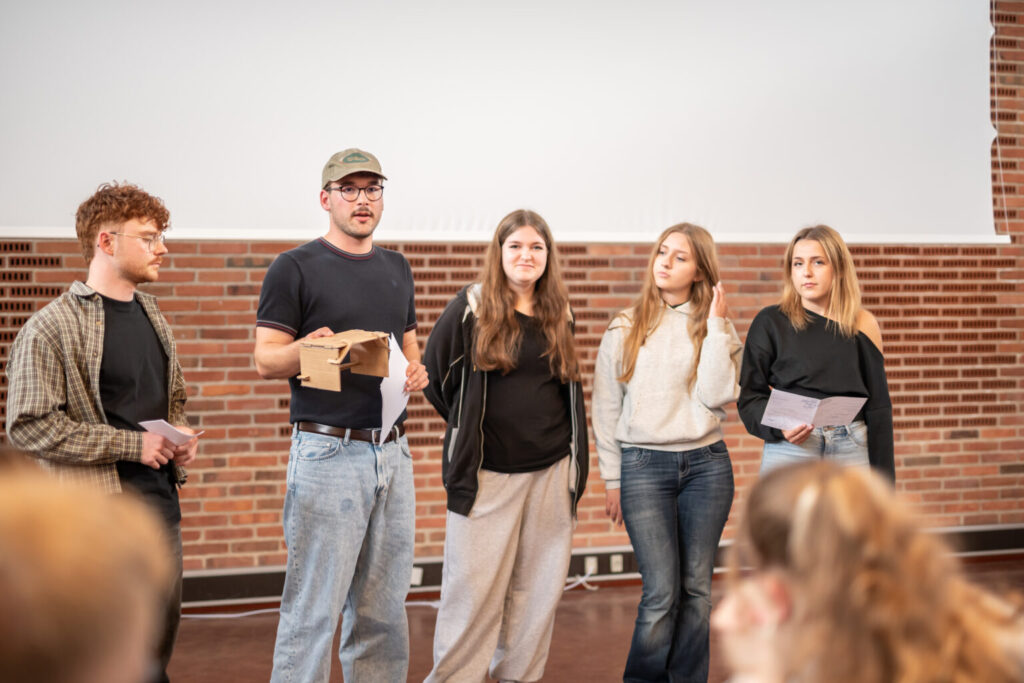
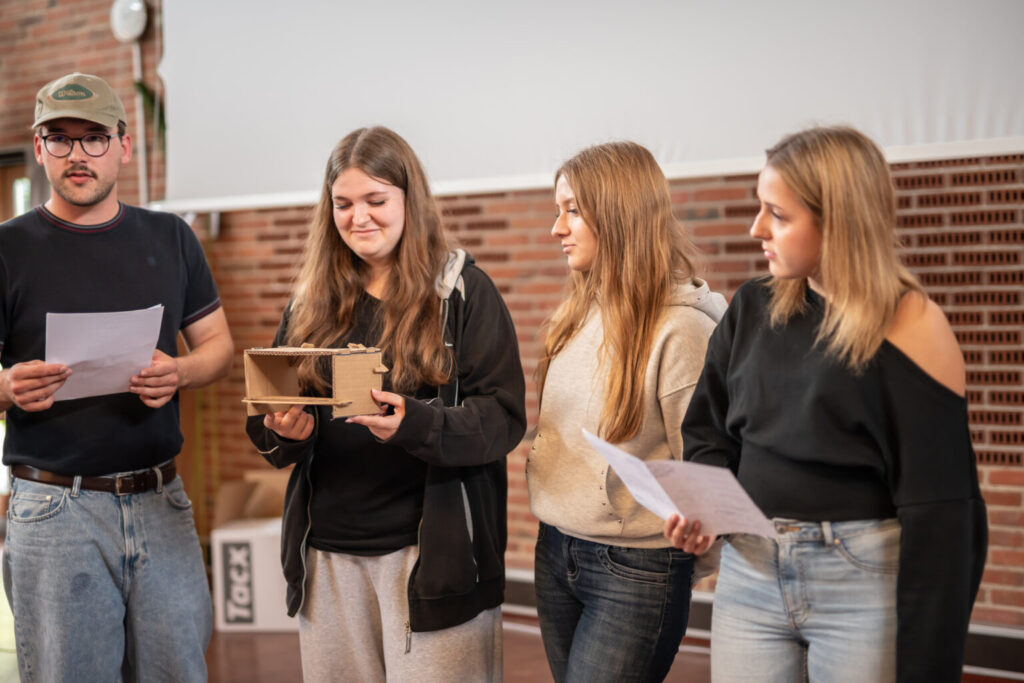
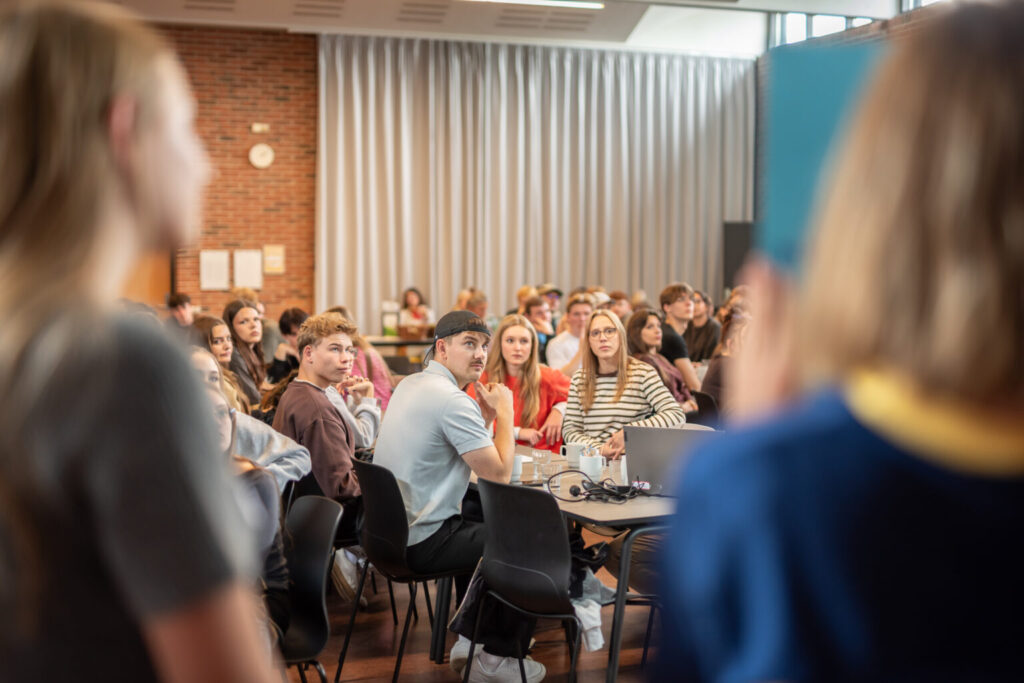
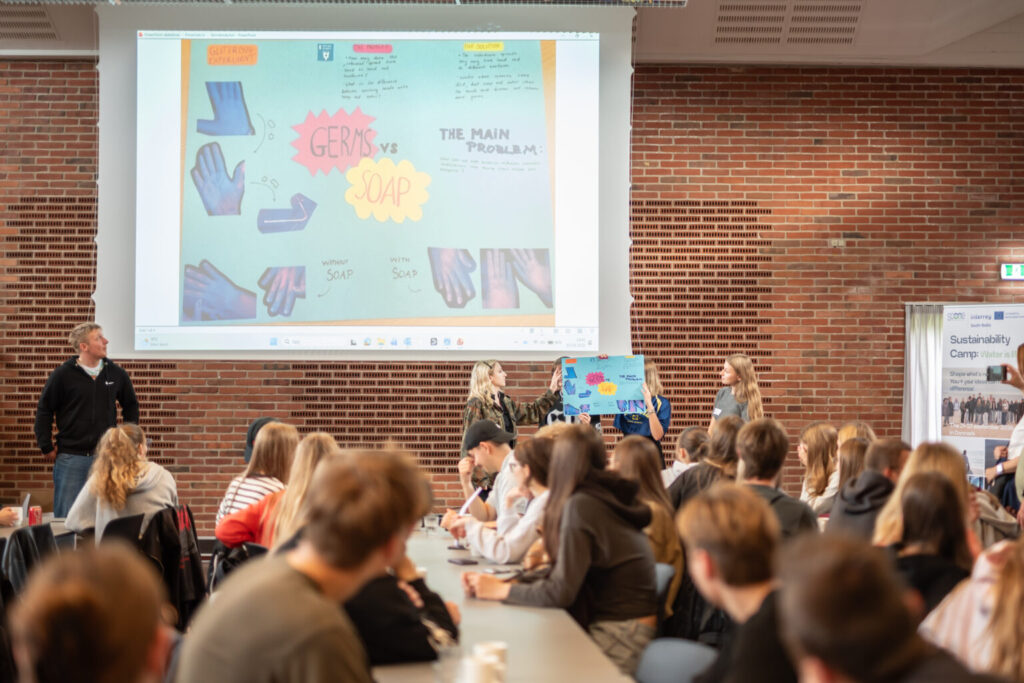
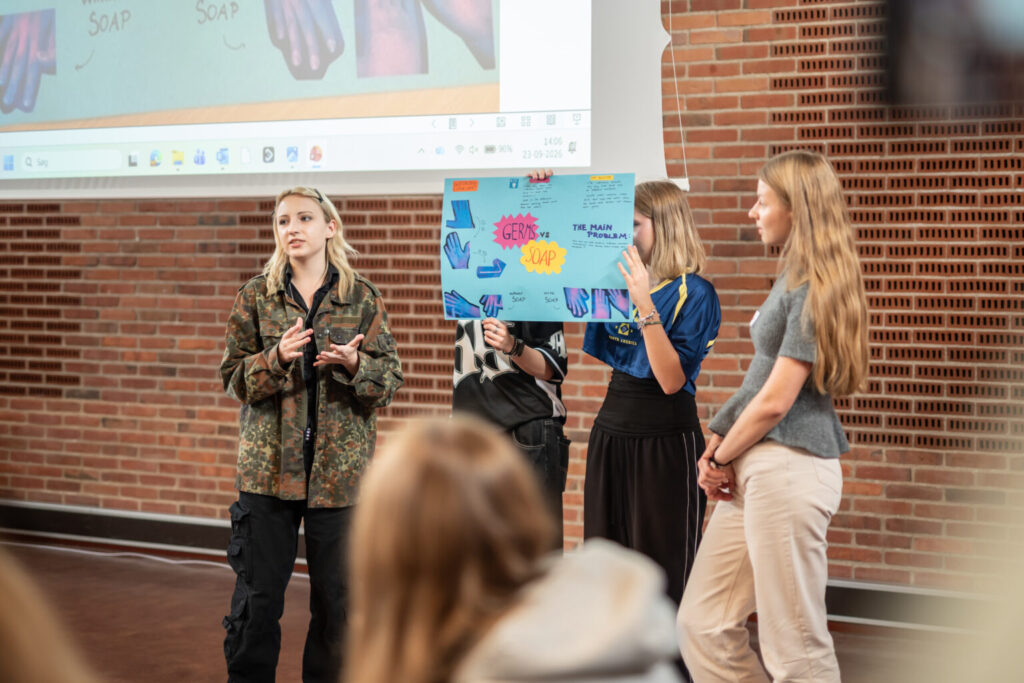
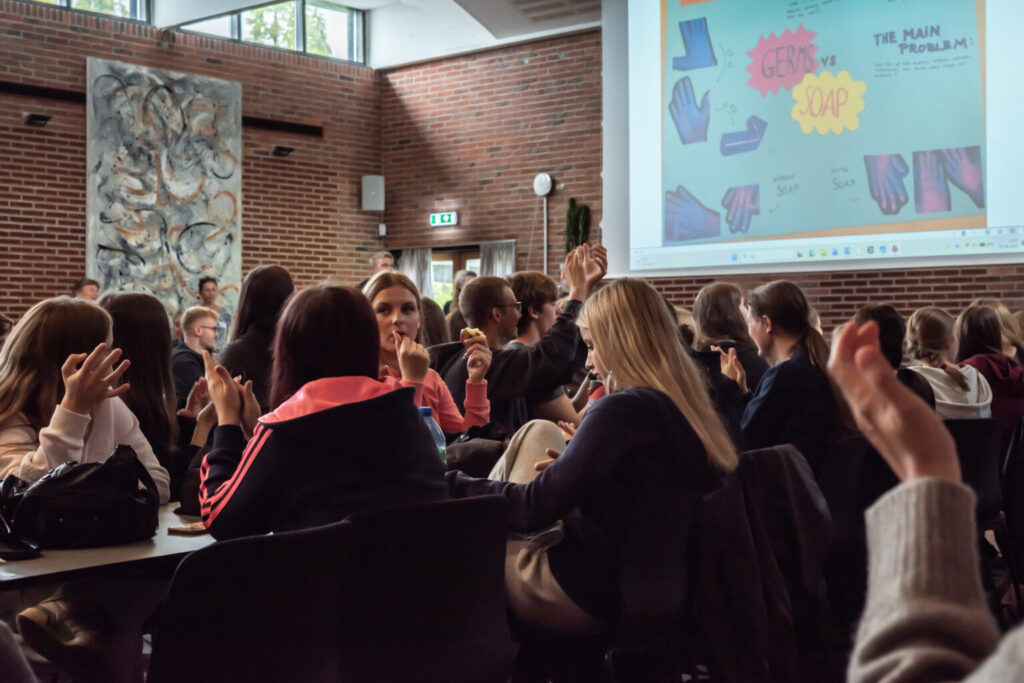
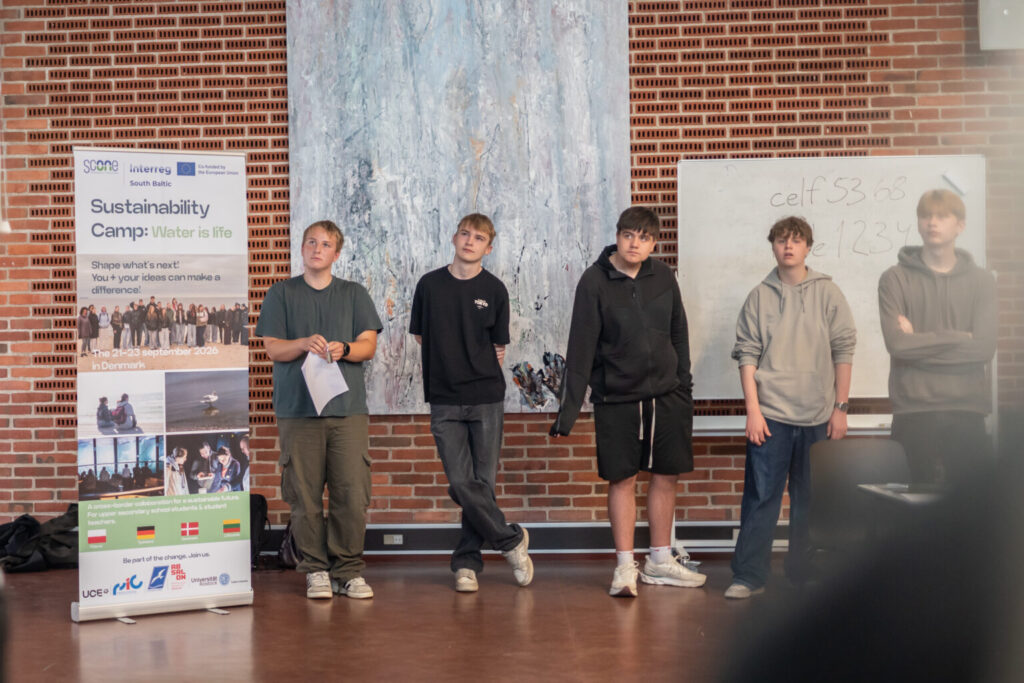
Presenting the solutions developed by the groups was an important part of the programme. Participants shared the results of their teamwork, explained their approaches and discussed their ideas with the other groups.
The best solutions were selected and presented during the final Sustainability Camp presentation. As a result, the last stage of the camp went beyond simply summarising what participants had learned – it gave them an opportunity to use their knowledge to address specific challenges themselves.
It was also a practical example of how teamwork and bringing together different perspectives can contribute to developing new ideas related to the environment and the responsible use of resources.
Three Days of Different Experiences
The final day also provided an opportunity to evaluate the entire Sustainability Camp and reflect on the experiences gained during the three-day event.
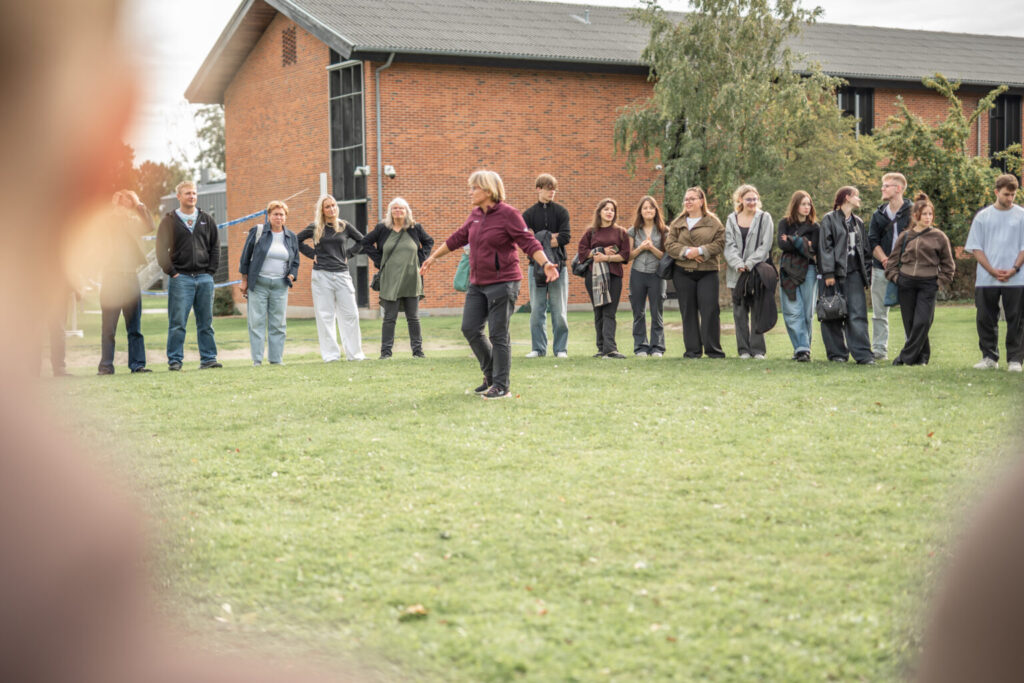
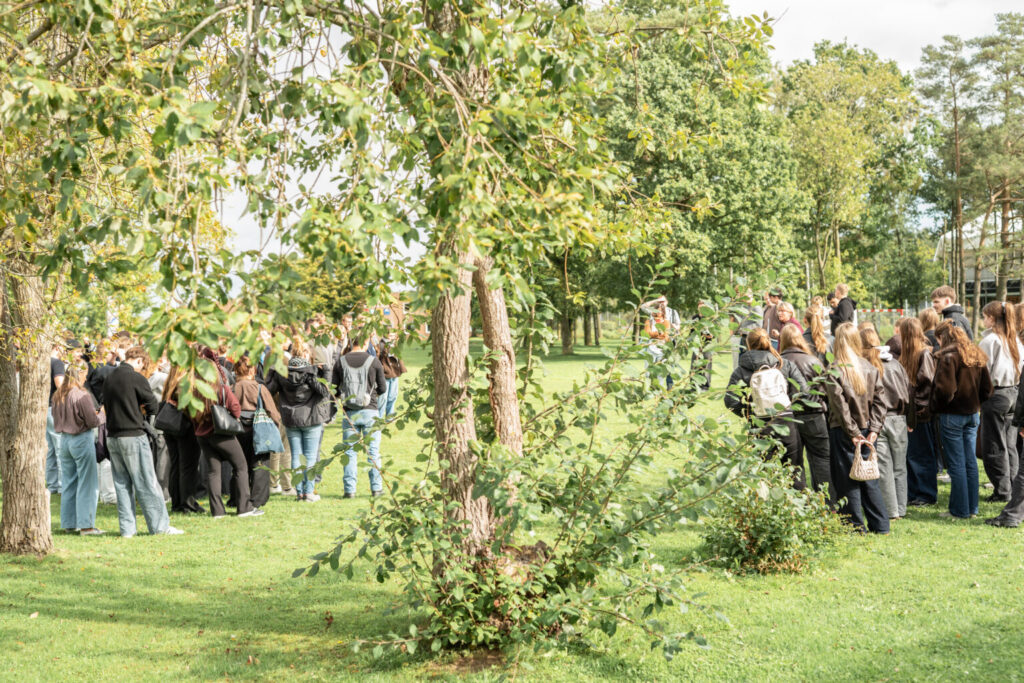
The camp programme combined different forms of learning, including workshops, field activities, study visits, environmental observations and problem-solving exercises. Participants explored topics such as water resource protection, biodiversity, climate change adaptation, the circular economy and waste management.
Activities and visits organised in Denmark enabled the young participants to see how issues discussed during workshops are addressed in real-life settings. On the final day, this perspective was reversed: instead of learning about existing solutions, the participants were challenged to develop possible solutions of their own.
International Youth Cooperation
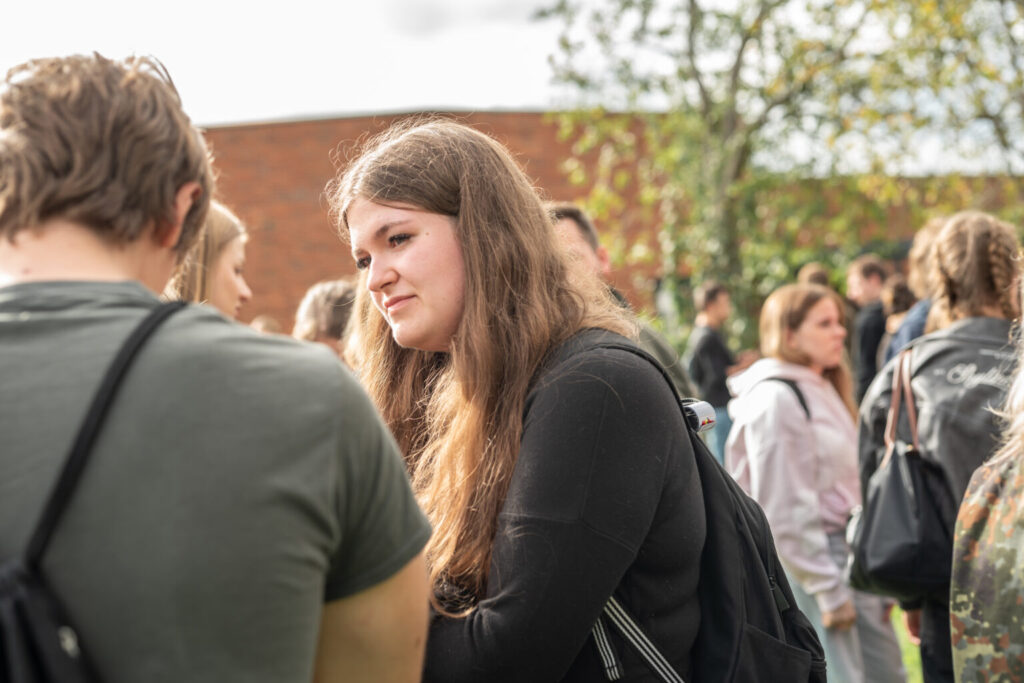
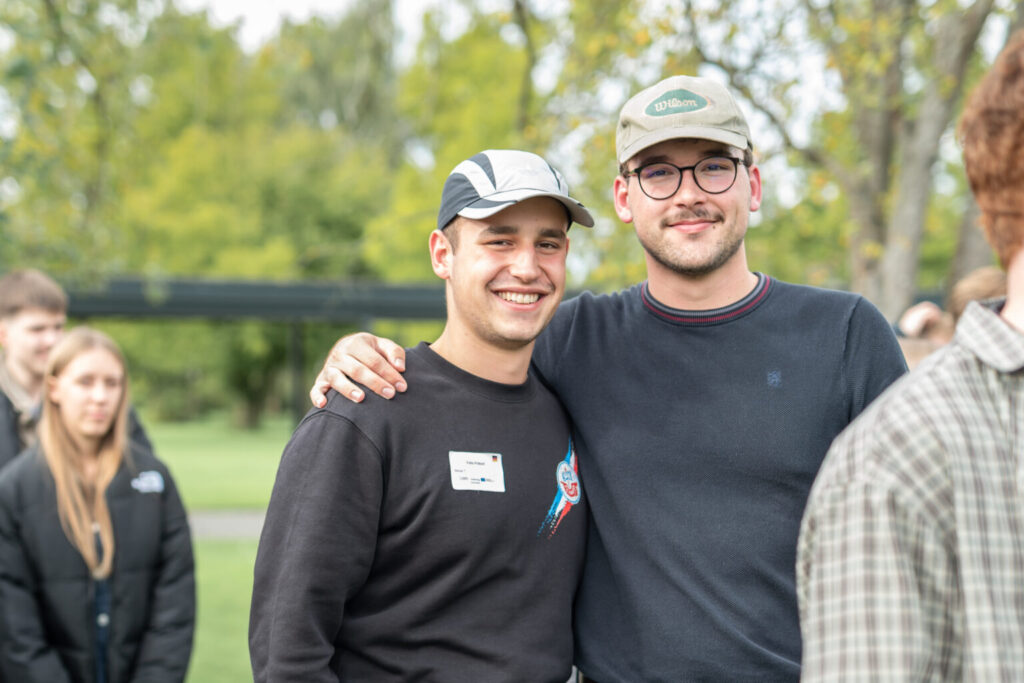
The international dimension was an important part of the Sustainability Camp. The event brought together young people from Poland, Denmark, Lithuania and Germany, with a significant part of the programme based on cooperation and the exchange of experiences.
Working in international teams enabled participants to explore different perspectives and approaches to similar challenges. It also provided an opportunity to develop skills in cooperation, communication and joint decision-making.
The Sustainability Camp “Water is Life: Shape What’s Next” therefore concluded not only with a summary of three days of learning, but above all with an opportunity to put that knowledge into practice. From the first workshops and study visits, through environmental observations, to the final work on their own solutions, participants gradually moved from exploring sustainability issues to actively seeking ways to address related challenges.
The Polish group included students from the Technical School Complex in Elbląg, Kazimierz Jagiellończyk Bilingual Secondary School No. 2 in Elbląg, and Secondary School No. 6 in Gdańsk.