CONE

Creating nature-based, sustainable solutions for cities. Engaging residents and experts in joint climate action and increasing resilience to environmental change.

The project aims to establish a multidimensional “Living Lab” to apply nature-based solutions in local contexts as a cross-sectoral, more digital, and democratic approach to mitigating and adapting to climate change. The project contributes to increasing resilience to climate change and natural disasters by implementing tailored measures with a participatory approach and supporting integrated climate adaptation policies at the local and regional levels.

Due to significant environmental, socio-economic, and human health impacts, Central European regions must increase resilience to climate change. According to the conceptual framework of the Joint Research Centre (JRC) on resilience, it is defined as the ability to face shocks and lasting structural changes in such a way that social welfare is maintained without compromising the heritage of future generations (JRC). To achieve this and ensure further urban development and adaptation of the local urban environment, CONE aims to address identified challenges and needs through local innovation living labs that engage actors from the quadruple helix: public sector, private sector, civil society, and academia.

The Urban Living Lab method includes three implementation phases:

  1. Joint research and context analysis to confirm identified challenges and recognize needs and barriers in the local context.
  2. Experimental phase, which includes ideation of innovative solutions, their incubation, and strategy development.
  3. Experiments and feedback: testing the implemented solution, collecting feedback, suggestions for improvements, validation, and replication.

There is a strong need to incorporate climate change issues into strategic risk-based planning and resilience-enhancing measures. Therefore, the innovation lies in a more democratic and data-driven approach that leads to community empowerment and raising awareness regarding climate change and potential mitigation and adaptation solutions. Within this framework, even if not technologically advanced, nature-based solutions can be a valuable and sustainable ally in combination with a participatory approach.

The CONE project will explore how the Urban Living Lab approach can be scalable and adaptable in more rural, small, and medium-sized settlements in Europe. The partnership will select co-creation / participatory design, implementation, and monitoring methods for NBS that are feasible and affordable in such Central European municipalities. The main focus will be on exploring and testing specific “living lab” methods that help municipalities design and implement - based on broader citizen engagement and better data collection, management, and use.

Link to the external project website

Project-related events

Another milestone has been reached - the construction of the rain garden in Tolkmicko as part of the CONE project is gaining momentum

On June 8, 2026, an important agreement was signed by Doctor Michał Missan, Chairman of the Board of the Association […]

9 June 2026r.

A week dedicated to the CONE project

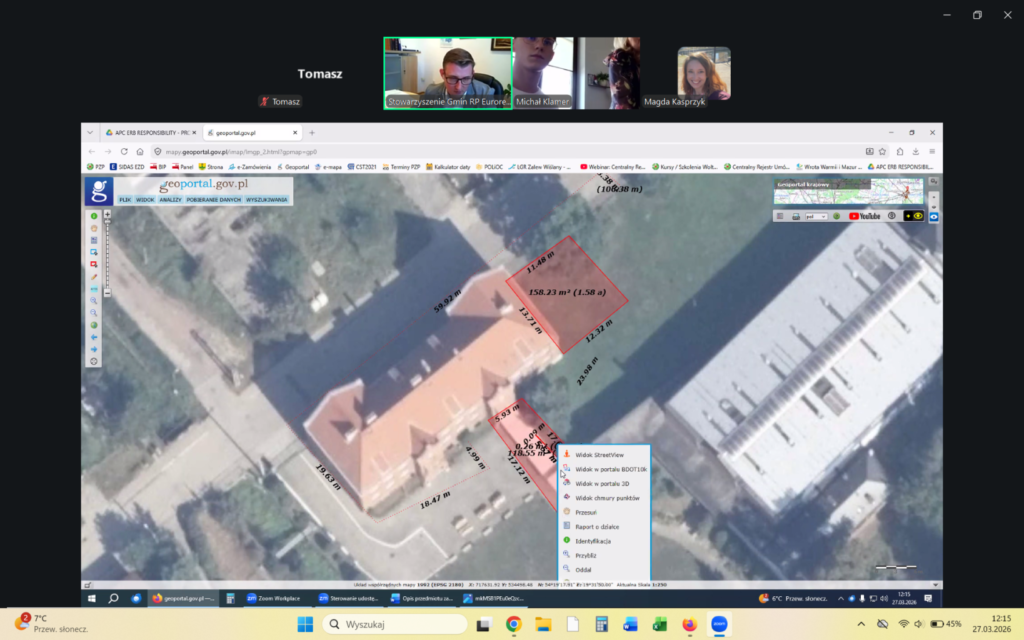
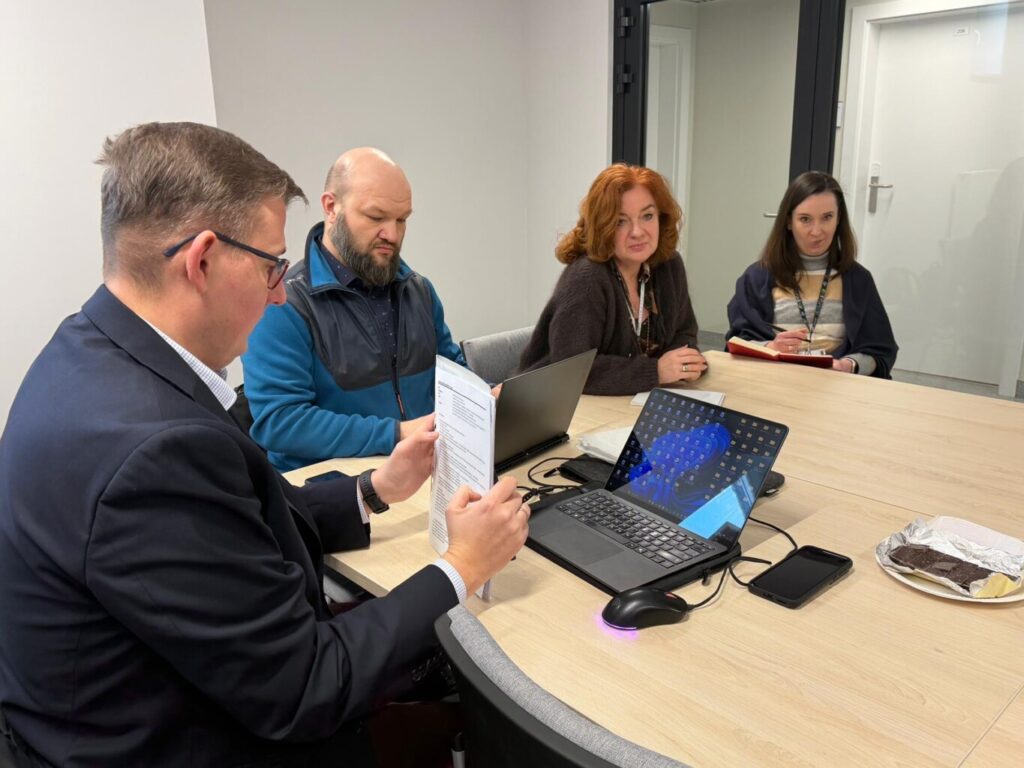
We’ve just held an important meeting regarding the implementation of the pilot project in Tolkmicko On March 27 and 30, […]

8 April 2026r.

CONE at the 11th European Local Government Forum

On March 2–3, during the international event—the 11th European Congress of Local Governments in Mikołajki—the #Cone project was presented. As […]

5 March 2026r.

The CONE project at the 11th European Congress of Local Authorities in March

The theme of the congress will be “Local government in times of uncertainty - local responses to global challenges.” Date: […]

24 February 2026r.

Synergy between the NursecoastII, Cone, CircularMUSE, and CiNURGi projects

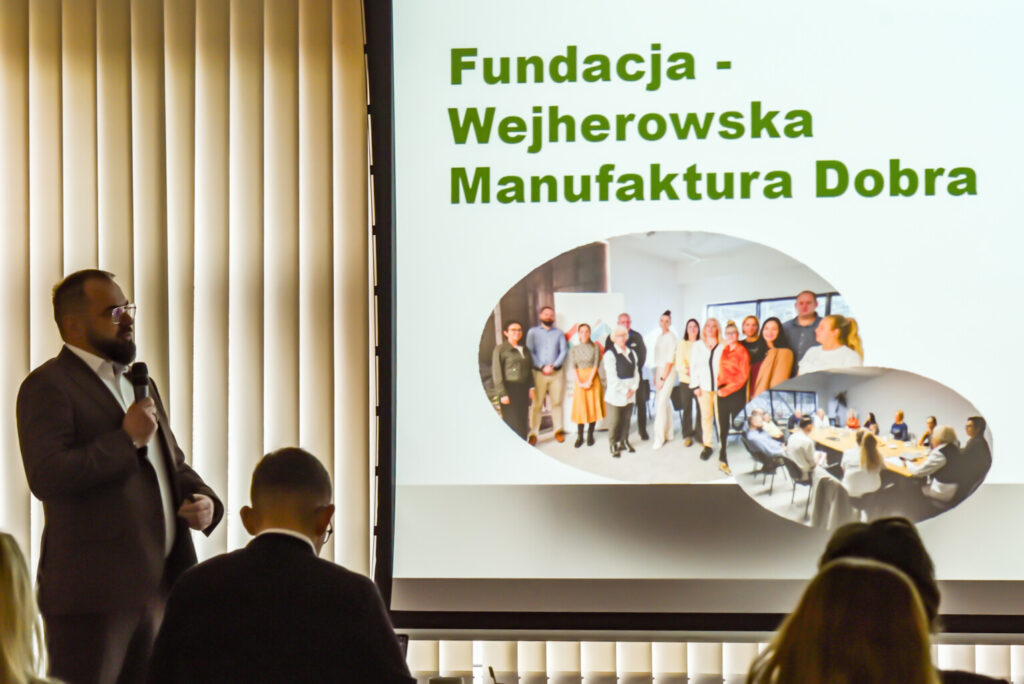
NursecoastII, Cone, CircularMUSE, CiNURGi – four projects working together for the environment and sustainable development of the Baltic Sea! Yesterday, […]
19 February 2026r.

CONE – the idea of nature-based solutions

Nature as inspiration – local nature-based solutions! Yesterday, as part of the CONE project Cities of Nature: Nature-Based Solutions in […]

22 November 2025r.

CONE - meeting in České Budějovice 1-3.10.2025

Another successful international collaboration is behind us! This time, we gathered in our small living lab in České Budějovice as […]

5 October 2025r.

Kick-off of CONE project

The conference starting the new project CONE- Cities of Nature: nature-based solutions in Urban Living Labs took place in Padua […]

17 June 2024r.

All project articles

  1. CONE Project Partners Met in Wejherowo

    11 September 2026r.

  2. NURSECOAST-II, CONE and Circular MuSe – From Knowledge to Practice at COEE 2026

    11 September 2026r.

  3. CONE on Nature-Based Solutions at COEE 2026

    8 September 2026r.

  4. CONE Living Lab in Tolkmicko – Nature, Education and Cooperation in Practice

    4 September 2026r.

  5. CONE Project Study Visit in Wejherowo

    6 August 2026r.

  6. Living Lab and NbS Working Group in Wejherowo

    8 July 2026r.

  7. Project meeting in Tolkmicko – CONE project

    23 June 2026r.

  8. The Cone Project - a study trip to Hungary and Slovenia

    13 June 2026r.

  9. Another milestone has been reached - the construction of the rain garden in Tolkmicko as part of the CONE project is gaining momentum

    9 June 2026r.

  10. A week dedicated to the CONE project

    8 April 2026r.

  11. CONE at the 11th European Local Government Forum

    5 March 2026r.

  12. The CONE project at the 11th European Congress of Local Authorities in March

    24 February 2026r.

  13. Synergy between the NursecoastII, Cone, CircularMUSE, and CiNURGi projects

    19 February 2026r.

  14. CONE – the idea of nature-based solutions

    22 November 2025r.

  15. CONE - meeting in České Budějovice 1-3.10.2025

    5 October 2025r.

  16. Kick-off of CONE project

    17 June 2024r.

  17. CONE- Cities of nature: nature-based solutions in urban living labs

    6 June 2024r.

A program co-financing activities within the project

1064

Project Partners

  • UniSMART- Foundation of Padua University (IT) - leader
  • BURST Non-profit ltd. (HU)
  • Wejherowo Municipality (PL)
  • Association of Polish Communes Euroregion Baltic (PL)
  • Gdańsk University of Technology (PL)
  • South Bohemian Agency for Support to Innovation (CZ)
  • City of České Budějovice (CZ)
  • Municipality of Poljcane (SI)
  • Municipality of Jászberény (HU)
  • Padua municipality (IT)

PROJECT BRIEF

Program
Interreg CENTRAL EUROPE
Project No
CE0200766
Project Area
circular economy, nature-based solutions, social inclusion in motivational activities
Project Scope
local and transnational
Role of STG ERB
partner with its own budget
Funding Level
80%
Project Budget
1,424,656.00 EUR
STG ERB Budget
167,520.00 EUR
Project Consortium
10 full partners and 5 associated partners from Poland, Italy, Czech Republic, Hungary, and Slovenia
Project Duration