Youth4Agri

The project, led by the Hungarian agency BORA 94, is part of a program supporting the development of competencies for smart specialization and industrial transformation in Central Europe. The project combines the results and outcomes of four previously implemented projects (AGRI-DIGITAL-GROWTH, AGROTUR+, TASK4ISI, D-EFFECT), further developing its youth work approach, creating a new, integrated transnational solution. The project's target group is rural youth aged 18-30, who have limited access to such initiatives due to economic constraints and often communication exclusion.

Project Goal

  1. The goal of Youth4Agri is to provide a better competency environment for young people and to equip them with new skills to support the transformation of agriculture towards a green and digital transformation, using a people-centered approach.
  2. The project aims to overcome the obstacles facing young people that limit social and professional mobility. Transnational cooperation aims to build competitiveness and resilience in partner territories and encourage the movement of qualified young people across borders.
  3. The project aims to increase:
    • the mobility of young people,
    • their career opportunities in agriculture,
    • the competitiveness of rural regions,
    • transnational cooperation.

Youth4Agri does not create new tools from scratch, but combines the best existing solutions into a coherent system that develops young people's competences, strengthens the agriculture of the future, removes cross-border barriers, and builds lasting international cooperation across Central European countries.

Key Project Activities

Benefits for young people resulting from the project implementation

Streets for the YOUTH

Project Streets for the Youth will engage local authorities and young people aged 15-20 from 4 EU countries (Portugal, France, Belgium and Poland) in building a vision of the city of the future - a city that is flexible, friendly, and resilient, and meets various user needs. It will create connections between young people, urban planning specialists, and local councilors, so they can jointly develop and test consultation techniques for public space development projects.
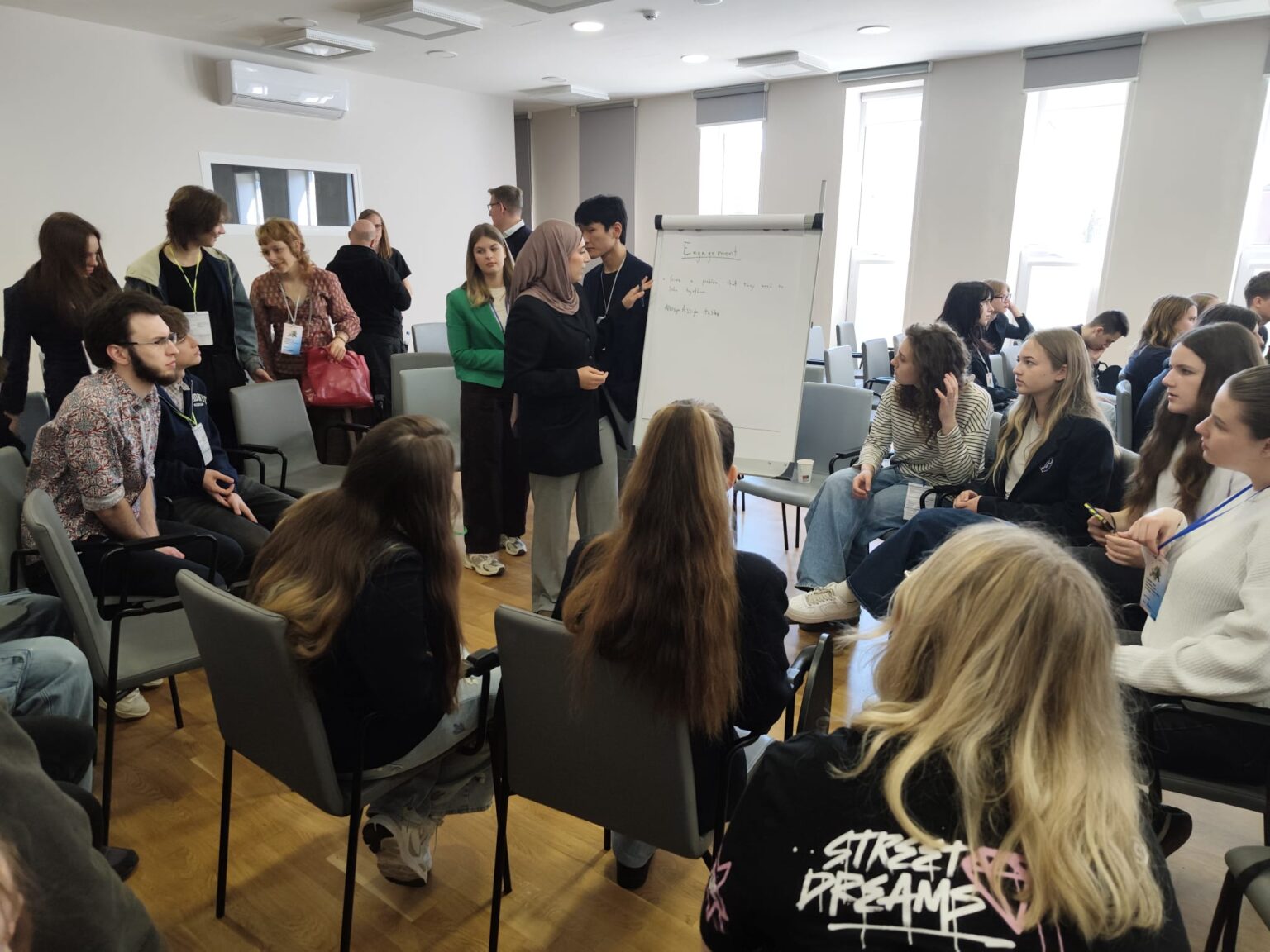
The cities of tomorrow will not be like those of yesterday. Both small and large cities must change as they face significant transformations: ecological, demographic, mental, and digital transitions. To adapt cities to the world of tomorrow, it is essential to involve their residents, especially young people. Addressing the placement of young people in public spaces is like "opening a window" to see where young people are, how they move around the city or countryside, and how they use these spaces. To achieve this, we must consider the diversity of young people (mobile and non-resident, spaces for girls, etc.), design spaces that address them as a whole, not just for recreational purposes, and finally, ask for their input by recognizing their knowledge of usage (acknowledging their understanding of the city) and by listening to and considering their expectations for the future. Young people can help us respond to the challenges of transformation and prepare our cities for the world of tomorrow.
Project Objectives:

Funded by the European Union

Support given by the European Commission for the production of this publication does not constitute acceptance of its contents, which reflect only the views of the authors. The Commission is not responsible for any use that may be made of the information contained in this publication.


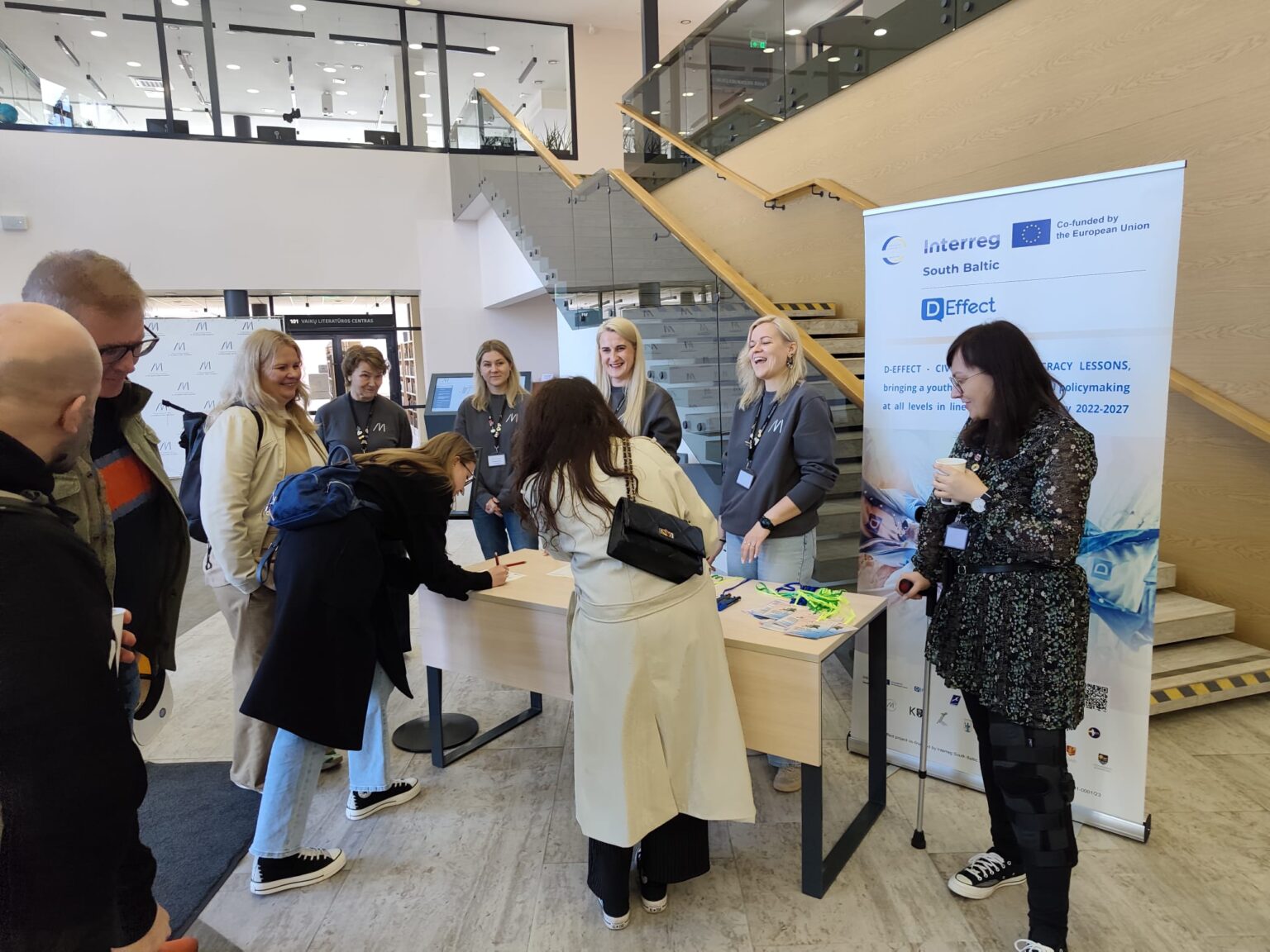
D-Effect

D-Effect – Youth, Democracy, and Joint Action

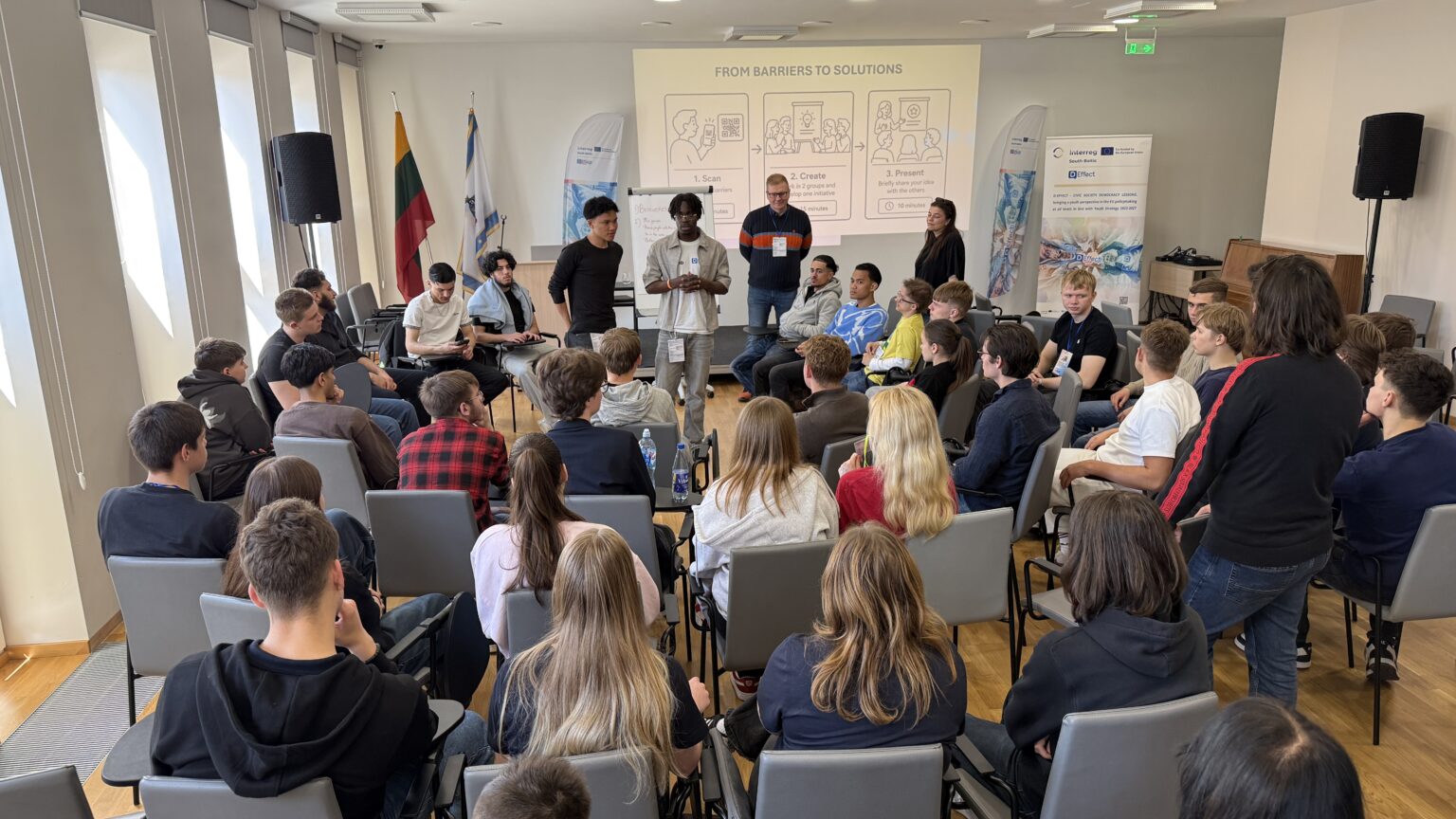
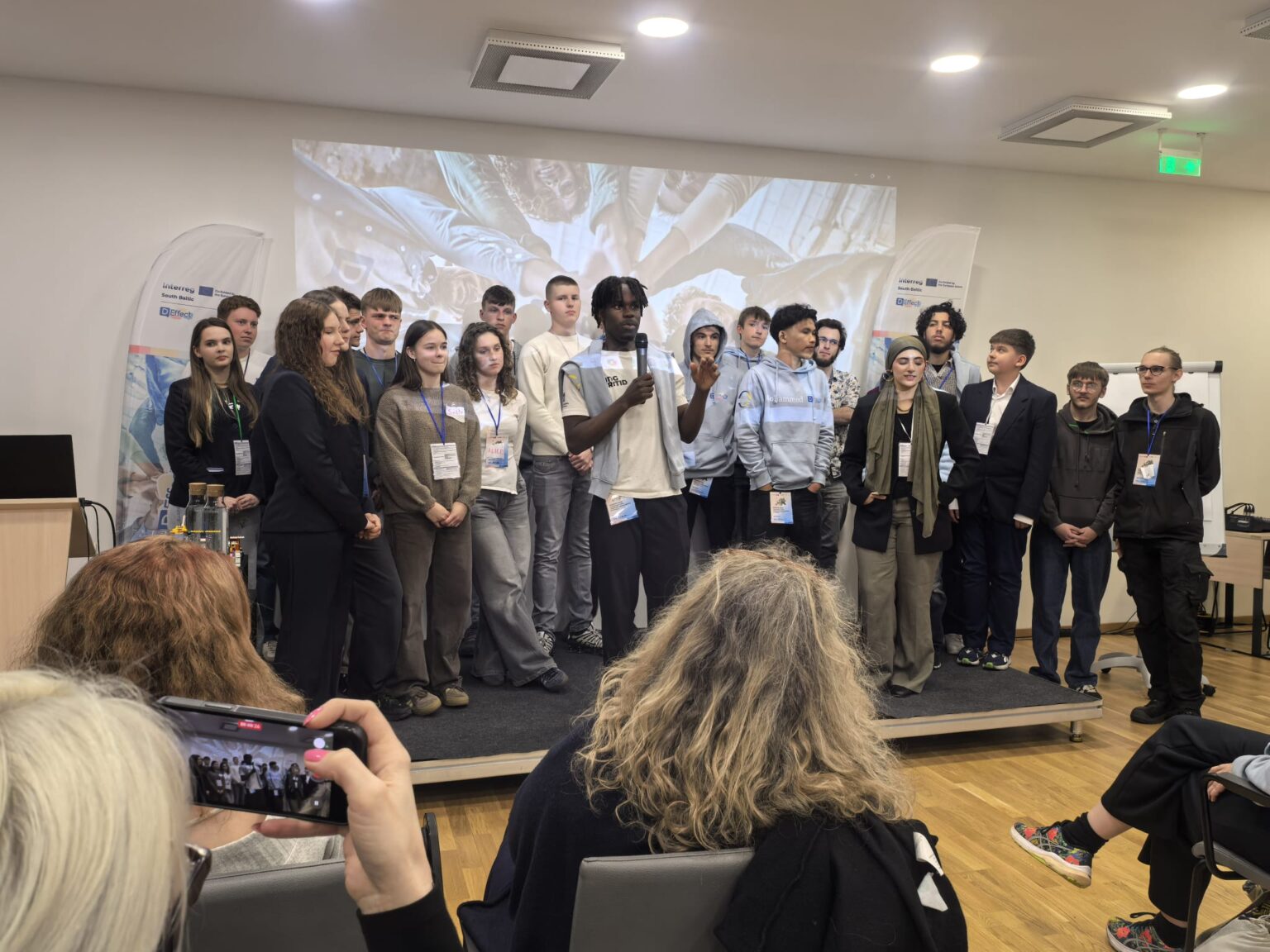
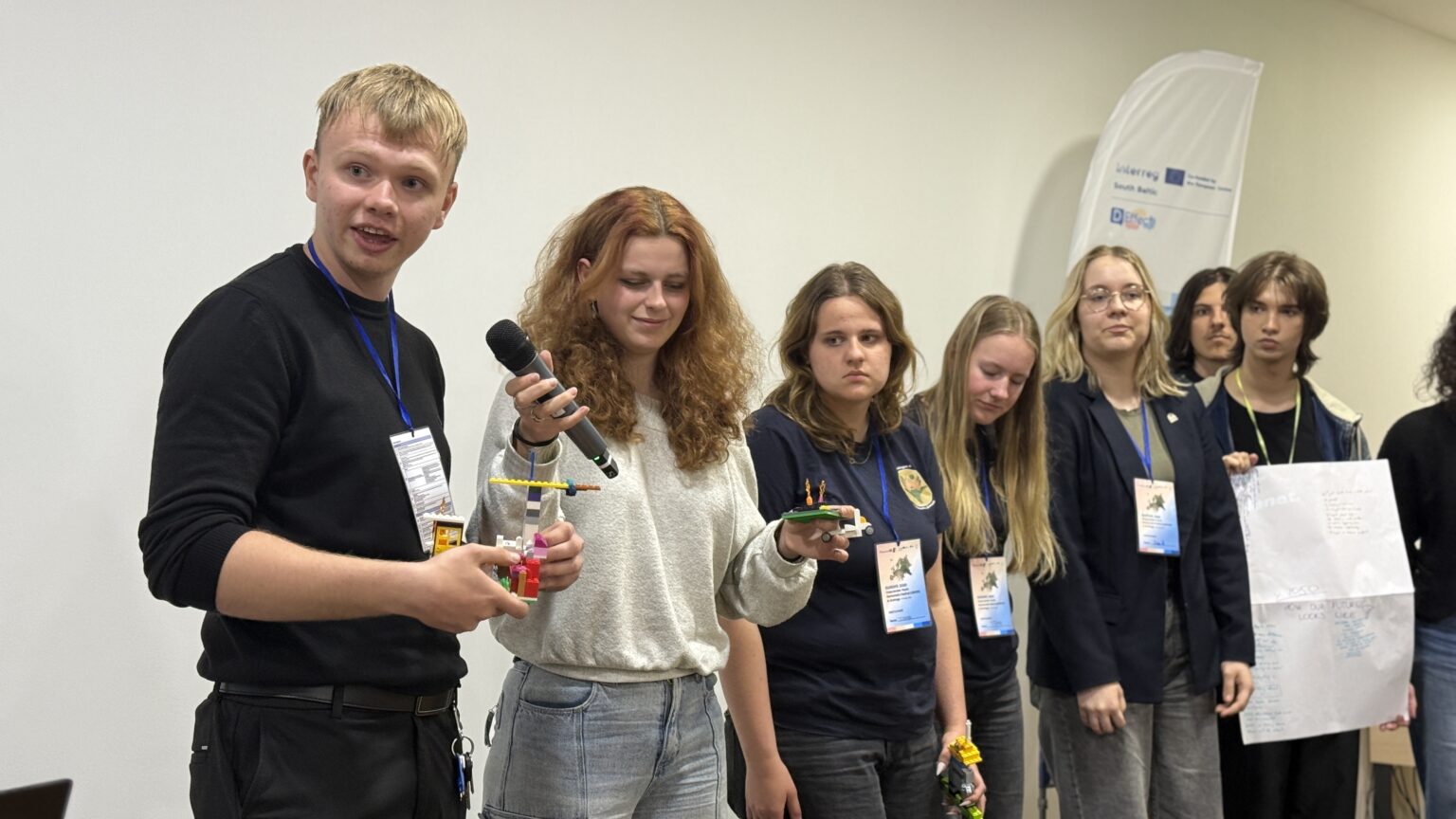
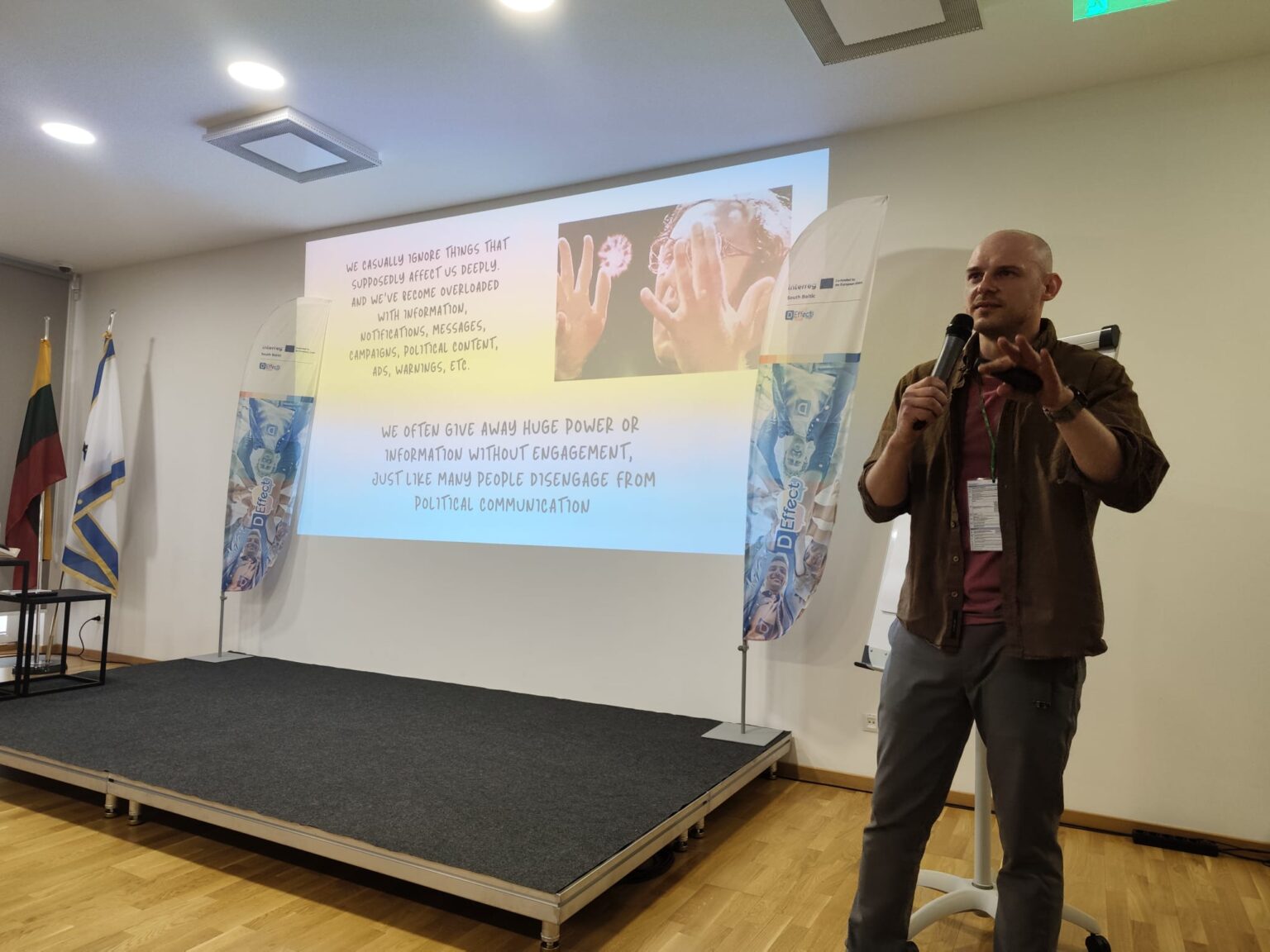
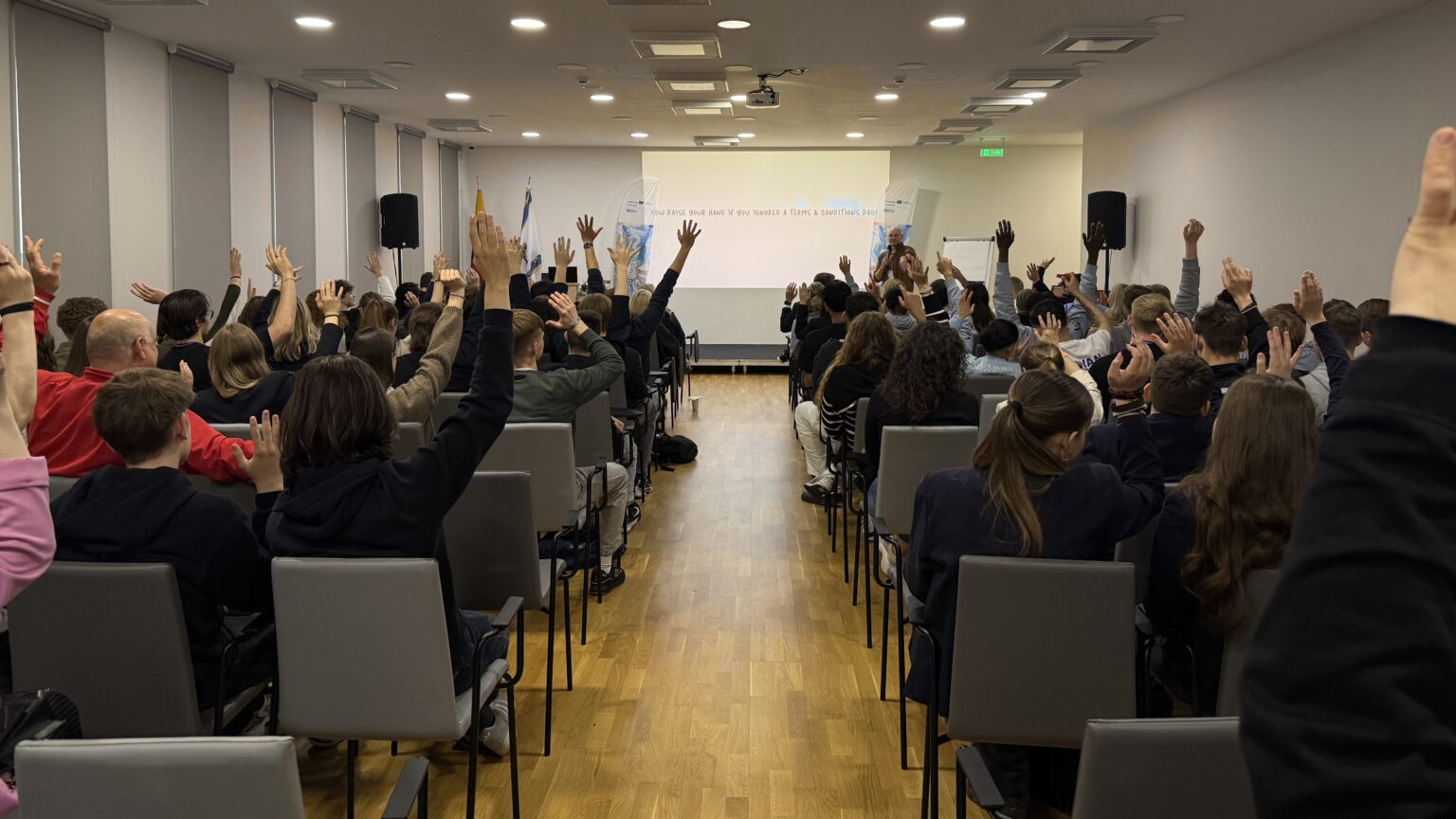
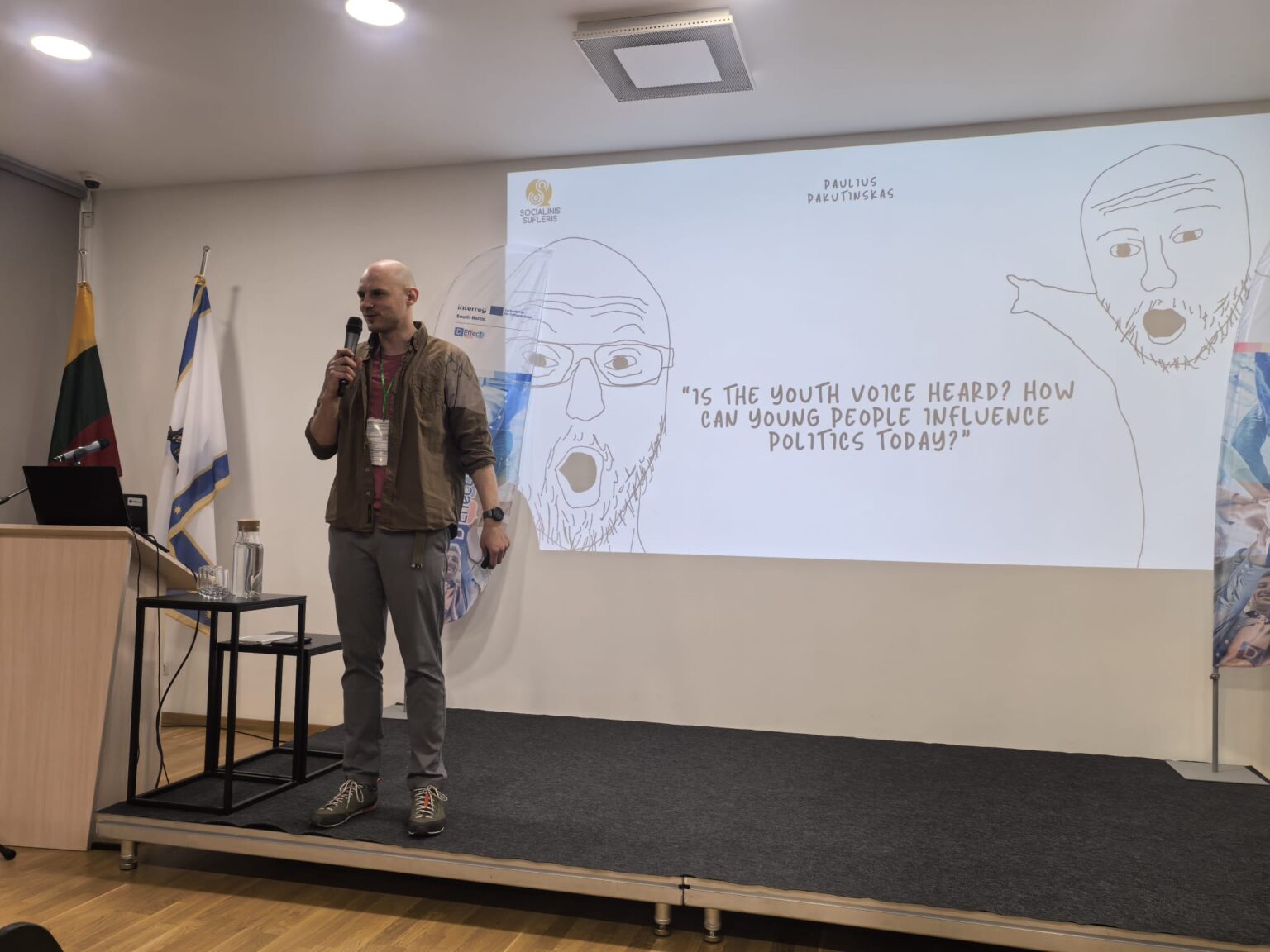
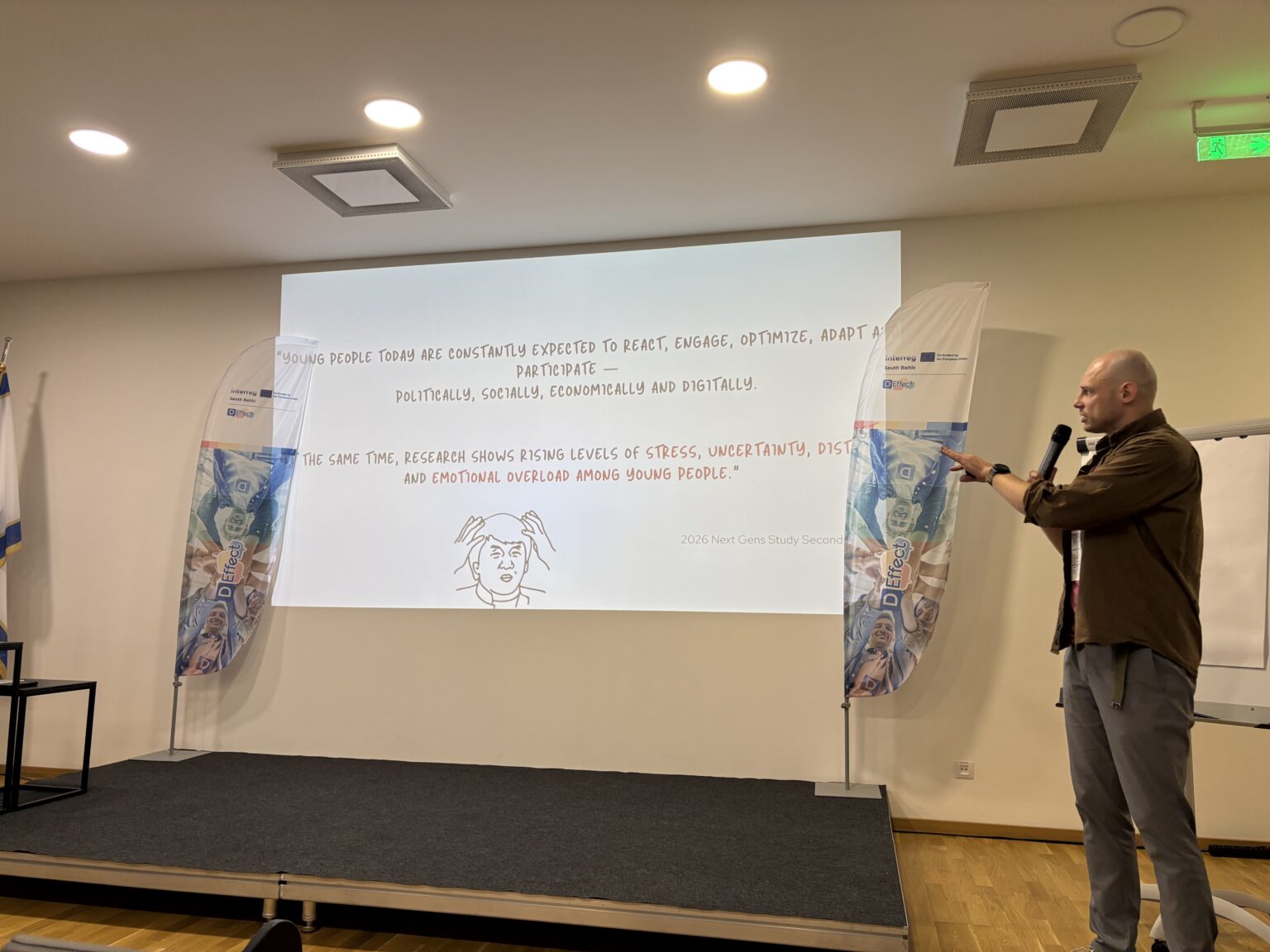
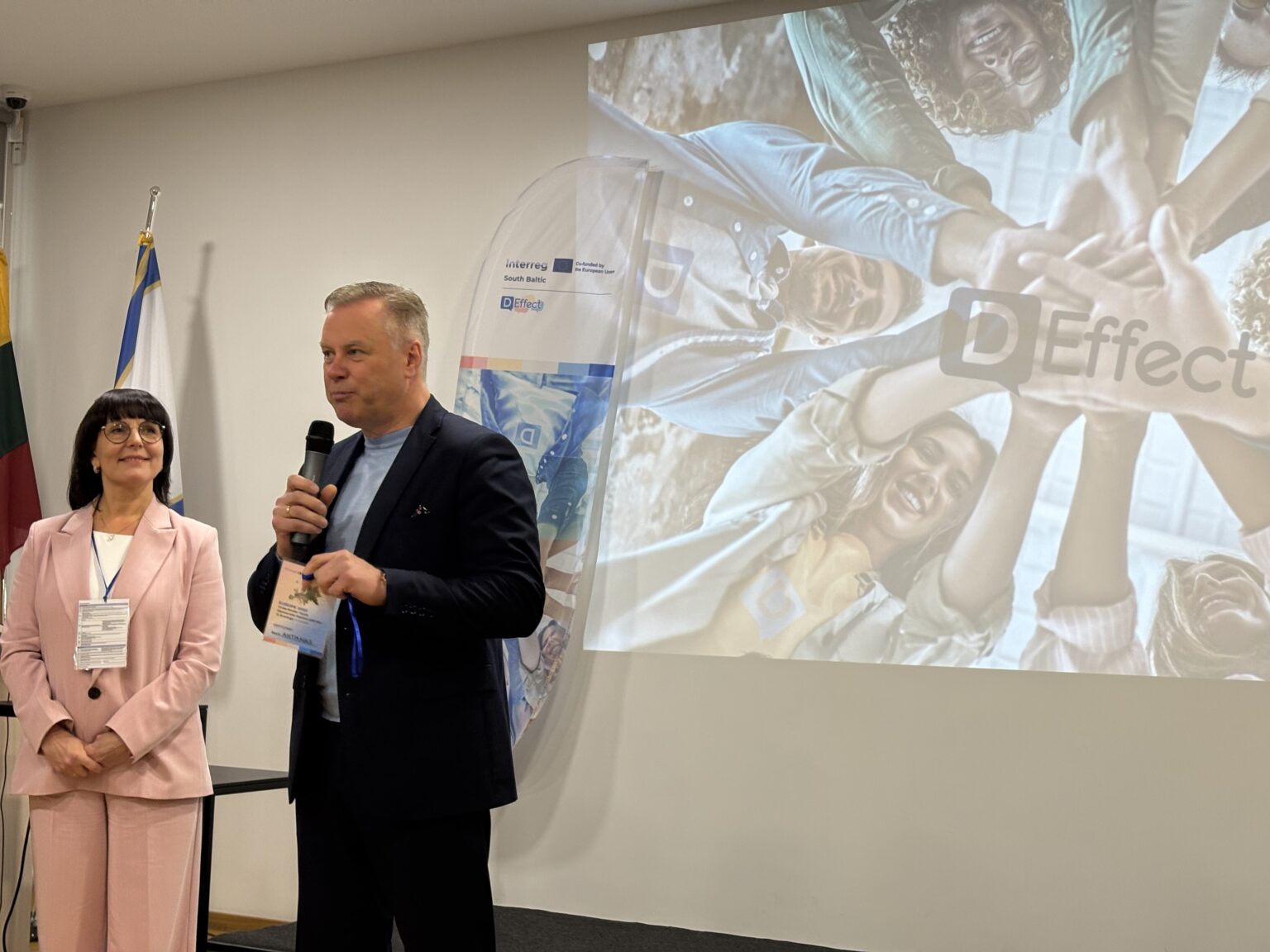
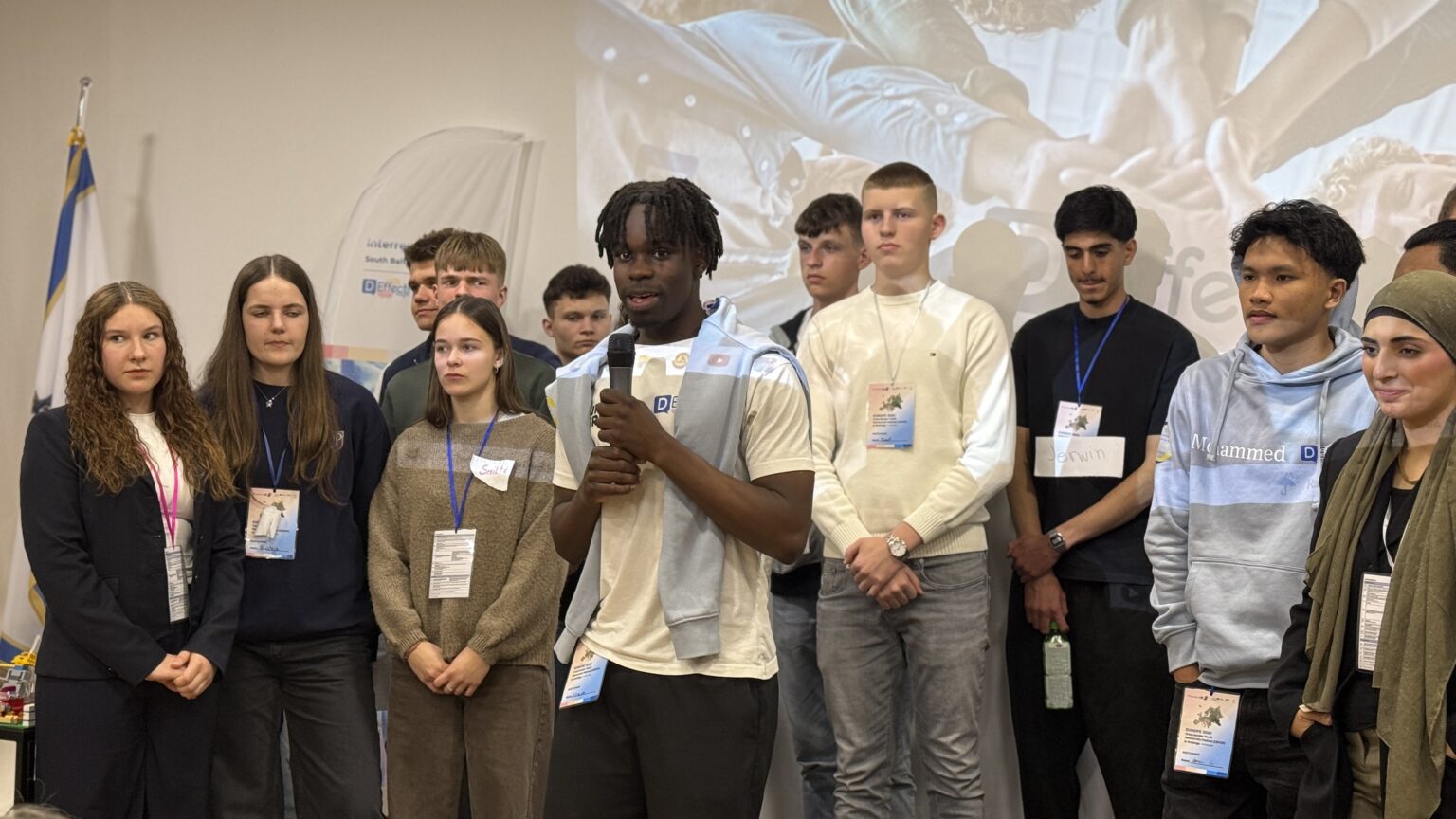
D-Effect is an international project implemented under the Interreg South Baltic Programme 2021-2027, which aims to strengthen civil society by actively engaging young people in democratic processes and the lives of local communities. The project is based on the belief that democracy is best learned through action, collaboration, and real impact on the surrounding reality.

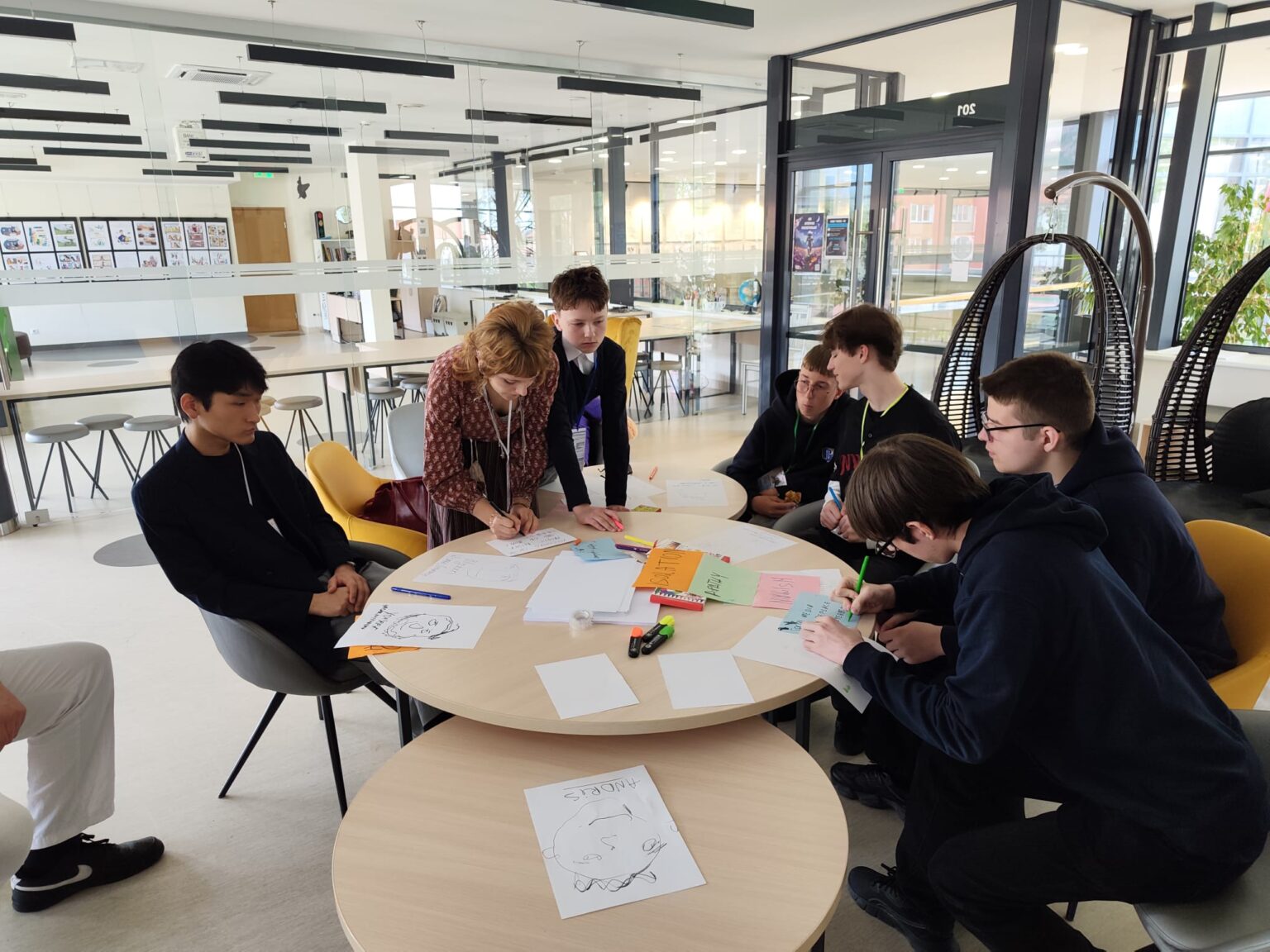
In the project, young people are not merely participants in activities, but co-creators. Together with representatives of local governments, social organizations, cultural institutions, and experts, they plan initiatives, conduct dialogue, and co-decide on the directions of action. This approach strengthens a sense of empowerment, develops civic competences, and builds lasting partnerships between young people and adults.

Methodology

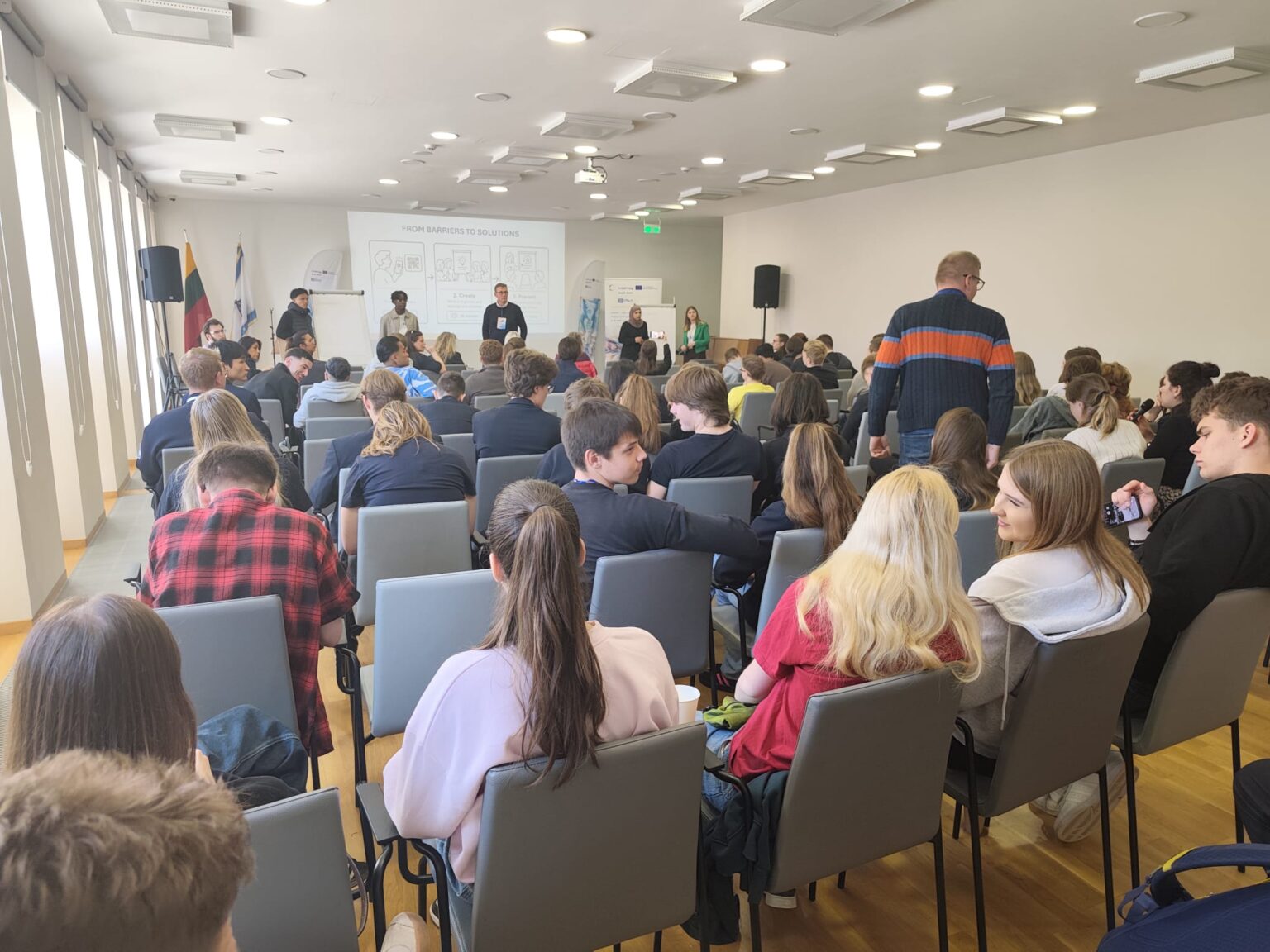
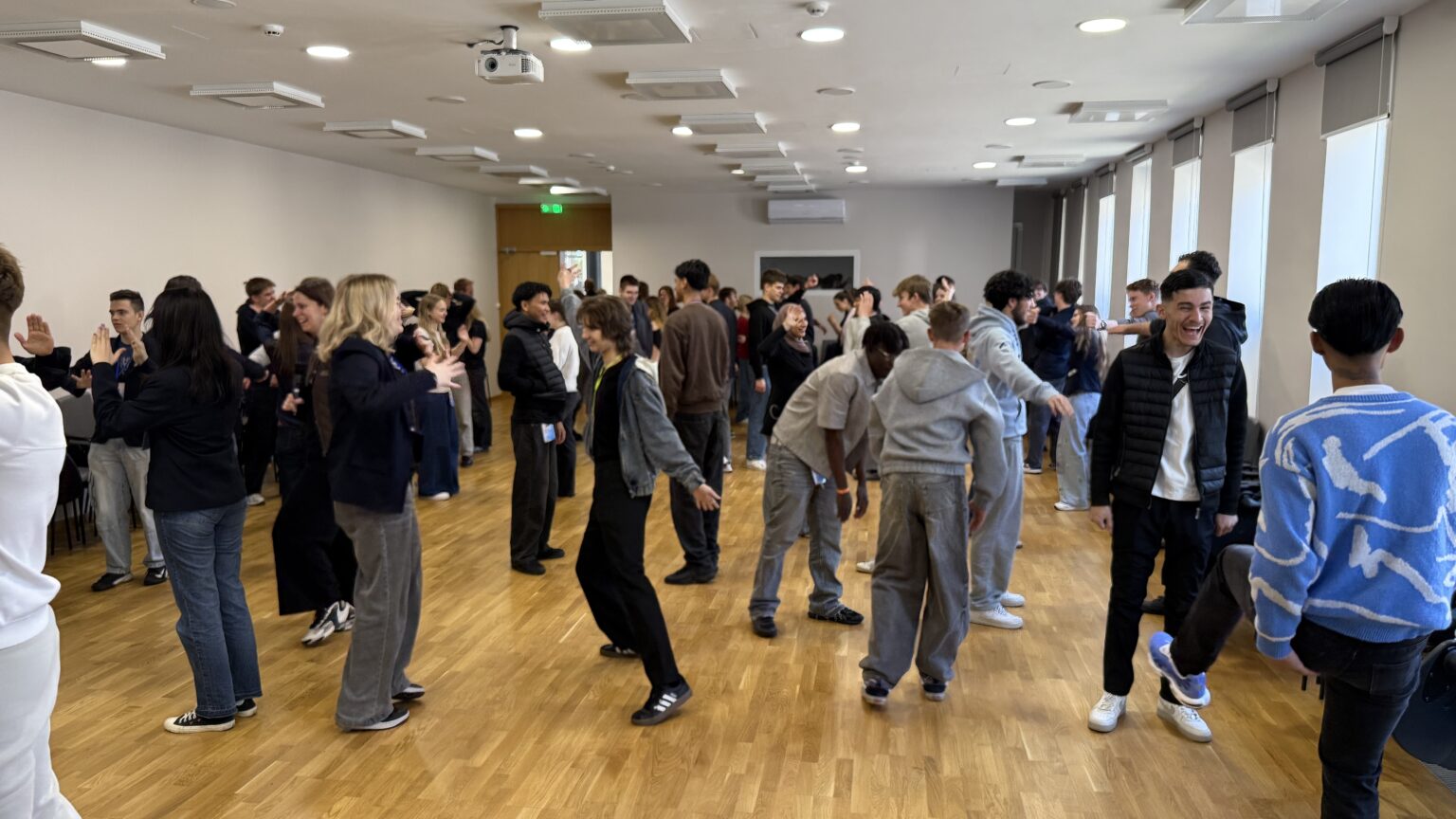
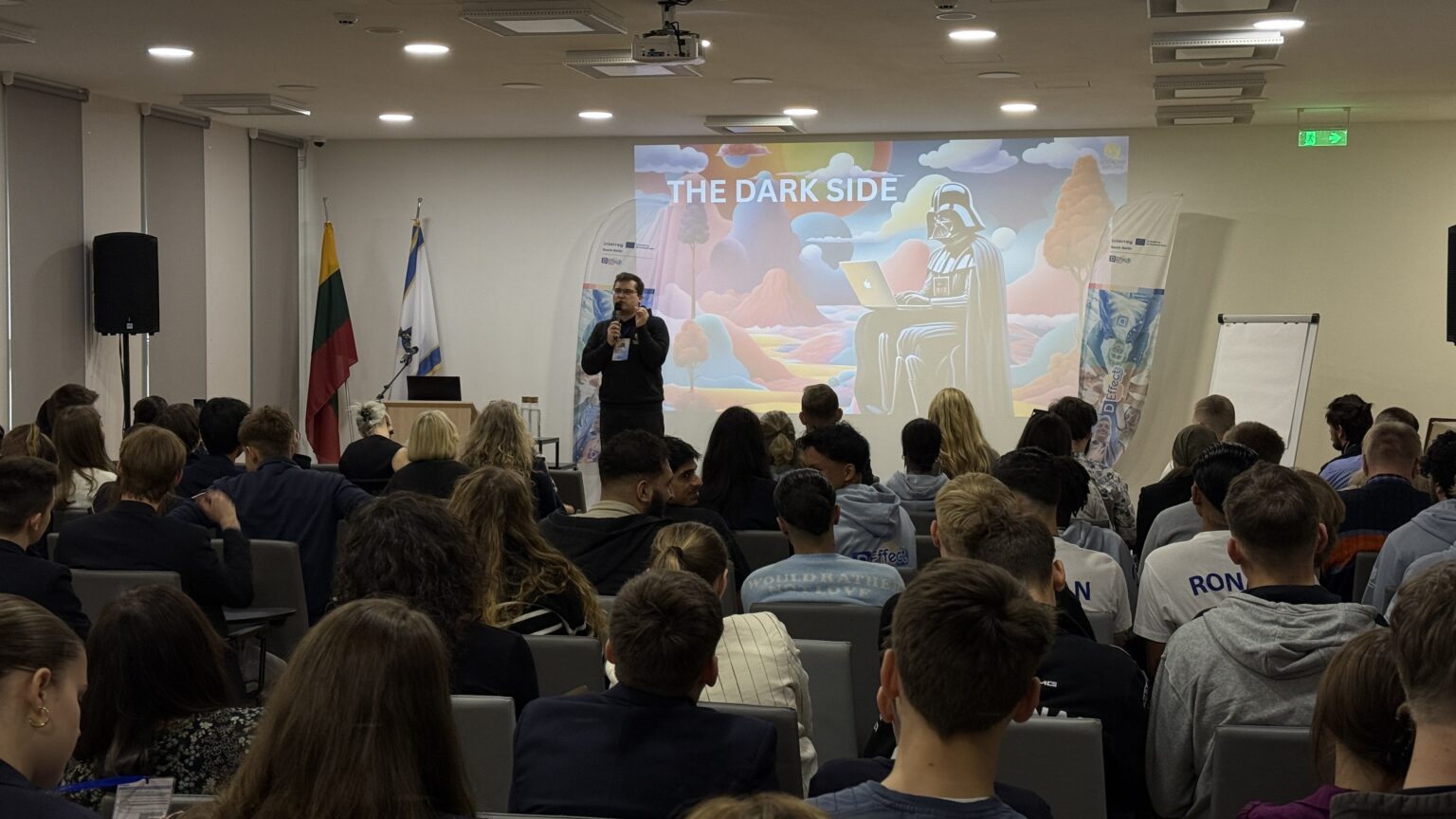
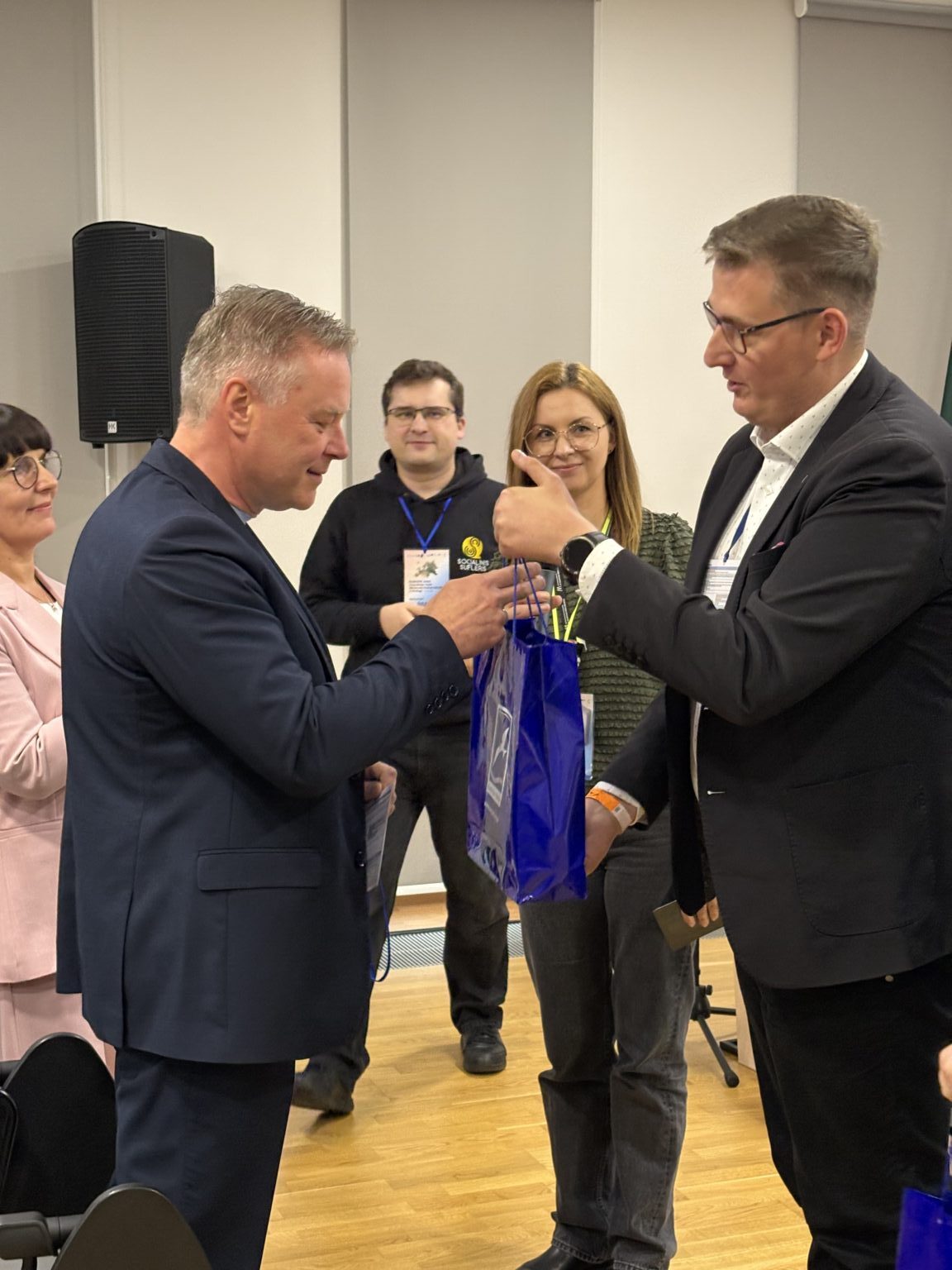
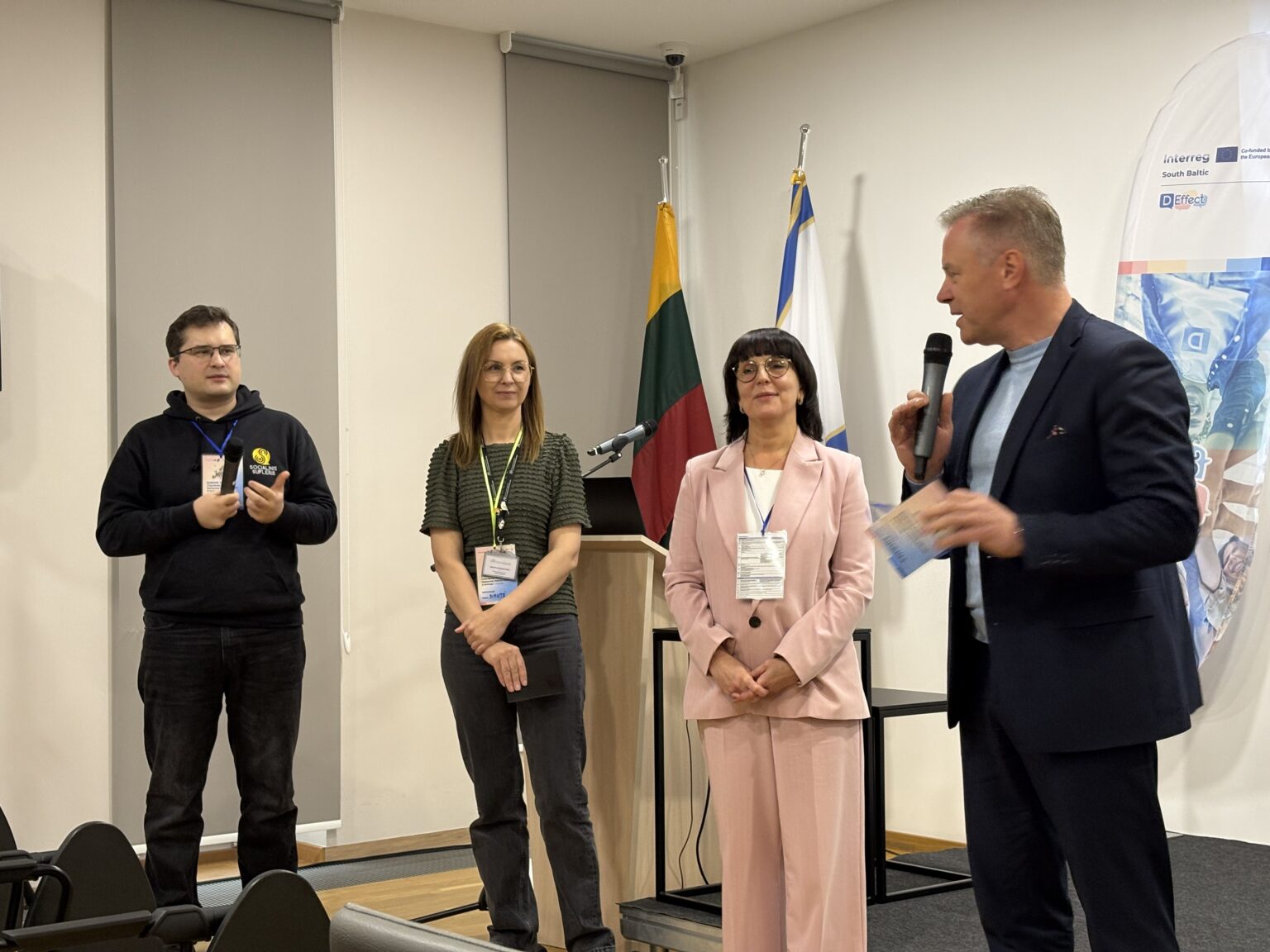
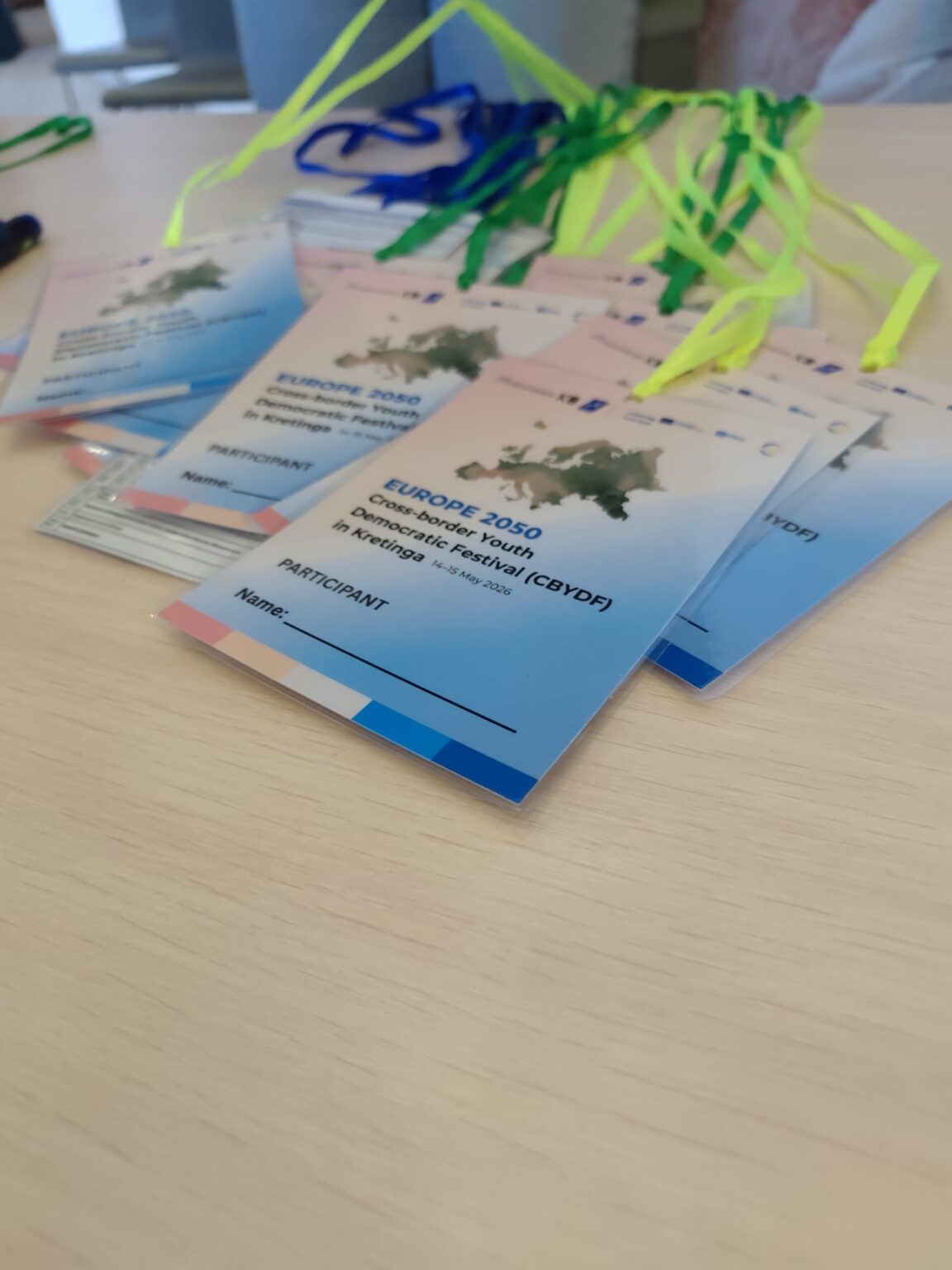
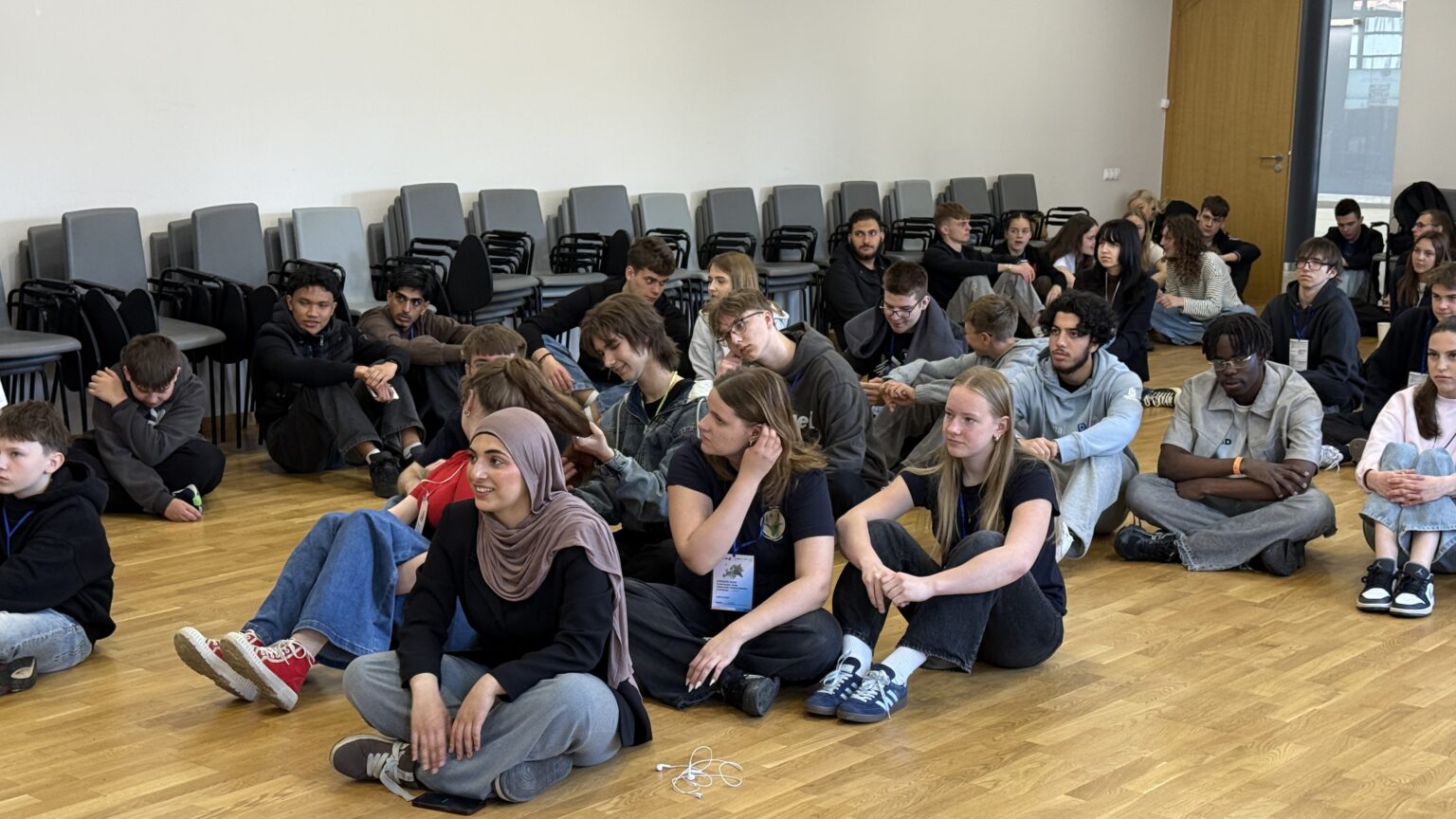
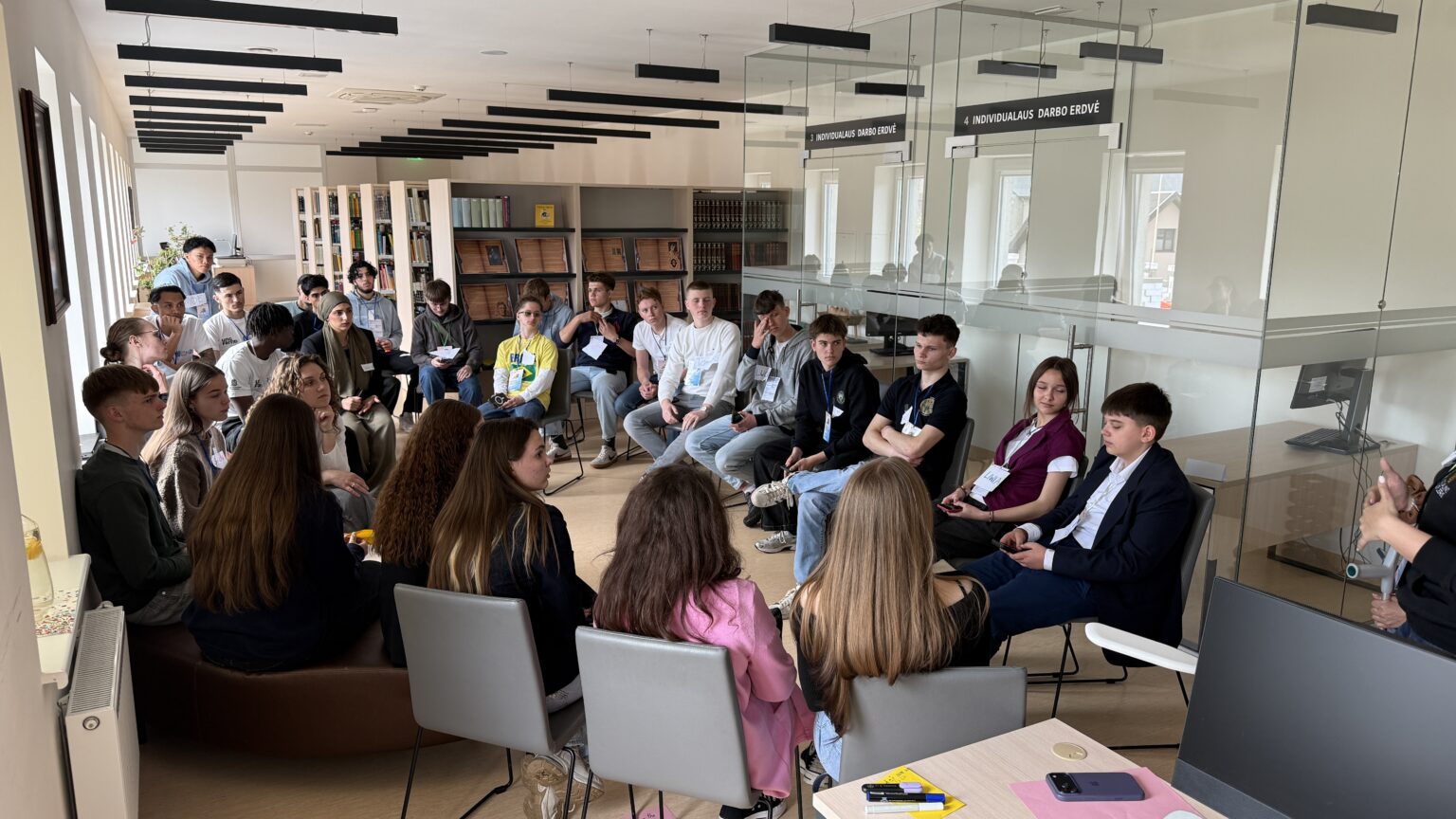
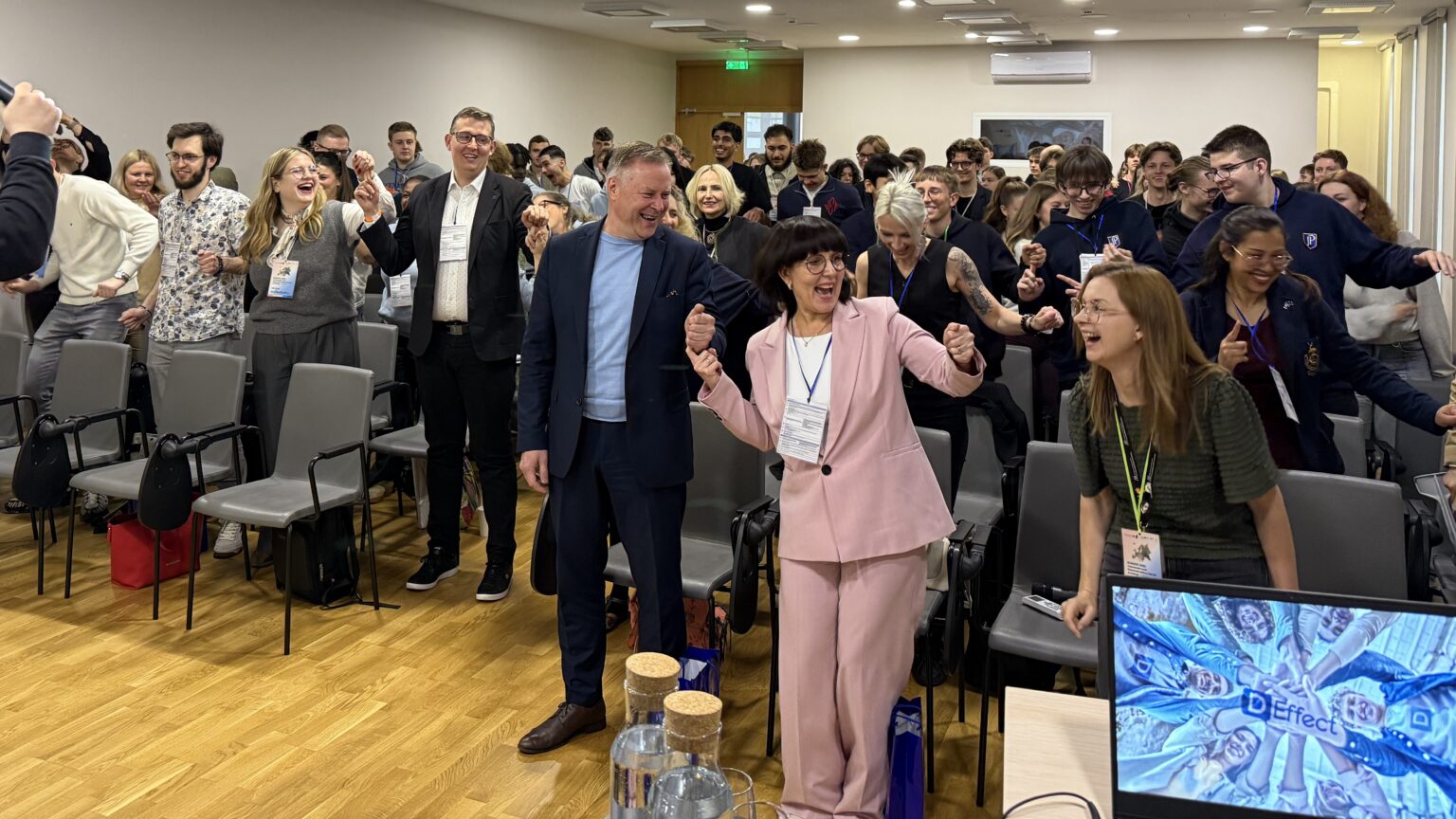
The project's activities form a coherent educational and social process. They begin with Round Tables, during which young people, together with local partners, identify the most important needs and jointly design further initiatives. This is followed by Youth Democracy Festivals – events prepared by young people with the support of adults, providing a space for conversation, collaboration, education, and active participation in public life. A key element of the project is also Live Democracy Lessons, enabling face-to-face meetings with representatives of public administration, European institutions, social organizations, and individuals involved in democratic processes.

The project is international in nature and involves partners from Poland, Sweden, Denmark, Lithuania, and Germany. Through cross-border collaboration, participants exchange experiences, learn about different models of democracy, and jointly develop solutions that can be used even after the project's conclusion.

Results and Impact

One of the most important outcomes of D-Effect will be the development of practical materials, tools, and recommendations that will help local governments, organizations, and institutions effectively engage young people in social and civic life. The developed method of Youth Democracy Festivals is intended to become a lasting tool supporting the development of civic engagement in the Baltic Sea region and an inspiration for further initiatives across Europe.

D-Effect demonstrates that democracy is not limited to elections or formal procedures. It's about daily collaboration, openness to dialogue, mutual respect, and shared responsibility for the development of local communities. Thanks to the involvement of young people, the project is building the foundations of a conscious, active, and responsible civil society.

SCONE

SCONE Project Overview

The SCONE project continues the work with schools and youth in the field of ecology, building on the GreenUp project. The main focus is on sustainable development curricula in high schools, pro-ecological activities, working with teachers and students, and strengthening extracurricular education. The project aims to fill this critical gap by developing and implementing innovative educational programs that equip youth with the knowledge and skills needed to take meaningful action in the face of the global climate crisis. By fostering a sense of agency and collective responsibility, we aim to inspire and empower future generations to be leaders in combating climate change.

Project Objectives

The SCONE project focuses on strengthening cooperation in the Southern Baltic region by addressing climate issues among students through cross-border collaboration. It aims to support cooperation, knowledge exchange, and innovation to promote innovative teaching methods and extracurricular activities. These initiatives will enable students to inspire each other and create regional networks to address global climate challenges locally and regionally. Students will enhance their cross-border collaboration skills by working together on sustainable development issues. Their efforts will be showcased at sustainability camps and hackathons, encouraging active participation in tackling climate challenges. The project recognizes the crucial role of schools and teachers in creating meaningful challenges that inspire and offer both learning potential and action opportunities. Teachers will play a key role in facilitating and supporting young people's educational activities while allowing them the freedom to develop their own initiatives.

Project Outcomes

The outcome of the project will be the creation of a network of organizations with enhanced cooperation capacity. These organizations will work together to promote sustainable development using a holistic approach that involves the entire school. High school teachers and teacher training colleges will increase their capacity to collaborate by focusing on education for sustainable development as a teaching practice.

Green up!

"GREEN UP 2022-2024 - YOUTH FOR GREEN CHANGE OF SCHOOLS AND LOCAL COMMUNITIES"

The "Green Up" project involves 3 social partners (2 PL and 1 NO), 1 business environment institution (ETP), 3 local government units and 9 educational institutions in activities pro-environmental activities through:

  1. Activation of regional civic and social involvement based on organisations of the 3rd sector and related entities working for the benefit of the younger generation in the region of Warmia and Mazury and Pomerania;
  2. Internationalization of activities and entrepreneurial attitudes of social organizations,
    civic and self-governmental organizations and increase their competence to work with young people in the field of green and blue growth (pro-climate actions) and to counteract their negative effects;
  3. Developing a long-term ecological strategy, pro-environmental activities of the young generation in peripheral regions;
  4. Creation of a regional platform for cooperation and multi-stakeholder dialogue (NGOs, local government units, schools, youth) for the benefit of local communities and environmental protection;
  5. School as a living laboratory of change - inclusion of local communities in the life of the school, in environmental education and in environmental activities.
  6. Creating new solutions to existing problems and challenges;
    "Green UP" is also to increase civic engagement and the practical influence of young people on local decisions and changes in schools (9) in 3 municipalities (at school and municipality)

PROJECT IN A NUTSHELL

Project area: building democratic culture and civic engagement at the local level - Environmental education
Project scope: local and transnational (investment action in Poland, know how from Norway)
Role of STG ERB: partner with own budget
Funding level 100%
Project budget: 114,969.00 EUR
STG ERB budget: 24,490.00 EUR
Project consortium: 5 partners 3 sector organizations from 3 from Poland and 1 from Norway

Indigise

The project is seeking new tools to reassure social business concept development and dissemination. Currently, the aid for social business is fragile, especially regarding using innovative informal learning methods. Students nowadays live in modern technology era when they are using computers, tablets, and mobiles for spending their free time and that ́s why we have decided to use advanced technology to bring the education to students by using the computers. DIGITAL TOOLS deliver one of the innovative methods - it is a well-known fact that all types of innovation - technological and societal, top-down and bottom-up (as in our project case) are using the ICT solutions such as the Internet, data gathering, social media. They all seems as crucial for catalysing the innovative process and spreading know-how across the borders

We foresee the project innovativeness due to several reasons:

This project can be seen as innovative also due to the following reasons:

The project will have a set of key outputs:

Delivery of youth-oriented, innovative educational tools to develop the entrepreneurial competence in the field of social economy;

The InnoCamps we foresee as a crucial part of our project and key-deliverable, as we've noticed that there are many compelling ideas about ‘what’ needs to be done in the field of social entrepreneurship in general. Our InnoCamps are meant to be pilot initiatives both for Lithuania and Norway, that once tested - will be described in details and available to other stakeholders (teachers, experts, youth workers, NGOs etc.) in whole Europe - they will receive complete Handbook with step-by-step guide what to do to prepare similar InnoCamp in their country/organization.

Baltic Sea Youth Platform

The BSYP will enable youth organisations to reach their fullest potential by empowering them to develop new
ideas and pursue them jointly, under the guidance of the 2030 Agenda framework.
The platform will engage youth at different levels, in the design of a common framework for action and a shared
Baltic Sea Region (BSR) identity.

The aim of the partnership is, to…

  1. Improve the political impact of youth on Baltic Sea policy-making.
  2. Develop tools for better knowledge transfer.
  3. Facilitate various innovative projects relying on the interests and capacities of youth in a broad range of policy areas.

What will be done?

The BSYP will produce several Intellectual Outputs usable for youth organisations and policy-makers in the BSR and other macroregions to promote the region and its identity.
The main output will be a virtual platform for youth, organisations and decision-makers for projects and to interact with each other. The platform will be built according to the needs of the young people in the region and the demands of policy-makers. The platform enables youth to interact, cooperate and communicate
across borders and to virtually meet peers and decision-makers in a safe and productive environment.
The BSYD will also produce a Baltic Sea Youth Power Box, with toolkits and guidelines for intergenerational dialogue, policymaking, youth engagement and advocacy especially tailored for youth in the region, but with possible transferability to other regions.
Furthermore, the youth platform participants will be able to engage in the production of youth inputs for the Baltic Sea Cultural Cities (BSCC) - a flagship project of the Policy Area Culture of the EU Strategy of the Baltic Sea Region (EUSBSR).
The platform will collectively produce External Reports to show what projects have been done and how the platform was established. Furthermore, Policy Recommendations for decision-makers in the region to emphasise the political perspective of young people and ensure their positions and rationales are delivered to those who make decisions about our future will be produced.

How will it be done?

The Youth Platform will work as an umbrella coordination mechanism for several youth organisations horizontally across sectors in connection to the different policy areas and horizontal actions of the EUSBSR.
The Strategic Partners of the Erasmus+ project (KA 205) and other associated partners will meet physically and virtually several times per year to discuss the progress and further steps of the project. There will be at least one Multiplier Event per year to inform external stakeholders about the progress of the project and showcase the
Intellectual Outputs.
In addition, young people will have a safe space to come up with concrete actions and project ideas to allow for increased participation of youth in society. This will contribute to the development of sustainable policies for future generations and the creation of future experts with the cohesion and stability of our Baltic Sea Region at heart!

Website of the project: https://bsyp.eu/

SB YCGN

The SB YCGN project addresses the low participation of local actors in the South Baltic Region and their need for capacity building. By bringing together newly arrived local authorities, in cooperation with universities, NGOs and youth, the project aims to show the benefits of soft cross-border cooperation in solving common problems in the field of low cooperation. The umbrella organization, which is the Association of Polish Communes Euroregion Baltic, which is part of the Euroregion Bałltic, will facilitate and will be an impulse for networking in the field of youth and involving new actors in internationalization. A YCG network will be established in 4 South Baltic countries. The main goal of the project is to increase cross-border cooperation that results in building the potential of local actors working with citizens.

The aim of the project is:

YCGN aims to broaden the knowledge of all stakeholders - partner cities together with the university network will conduct a joint survey among local actors in order to identify their needs and problems, providing comparable data. It is a form of sharing good practices (development and implementation of a survey in CaSYPoT). In addition, it will lead to the creation of joint knowledge-based youth modelling processes, enabling local authorities to involve young people in decision-making. YCGN will result in a new quality of the network that will promote the exchange of information on local, national and international levels, contribute to building leadership, fostering civic engagement and create opportunities to see and understand youth issues in a wider context. Finally, it activates the mutual learning process and establishes a common understanding of the entire participatory process at the international level through a practical campaign in 4 countries.


PROJECT BRIEF:

Project closed: in 2021
Project area: Youth, civic participation; innovative local government
The role of STG ERB: project leader
Co-financing rate: 85%
Project budget: 563.526,37 EUR
Budget of STG ERB: 129.000,00 EUR
Project consortium: It consists of 9 partners and 6 associate partners from PL, LT, DK, SE