Euroregion Baltic News
D-EFFECTtl-ne D-EFFECT News English pll_6b0343f516e2b workshop
DemokratON 2.0 in Elbląg - Day Two Focused on Joint Decision-Making and Youth Participation
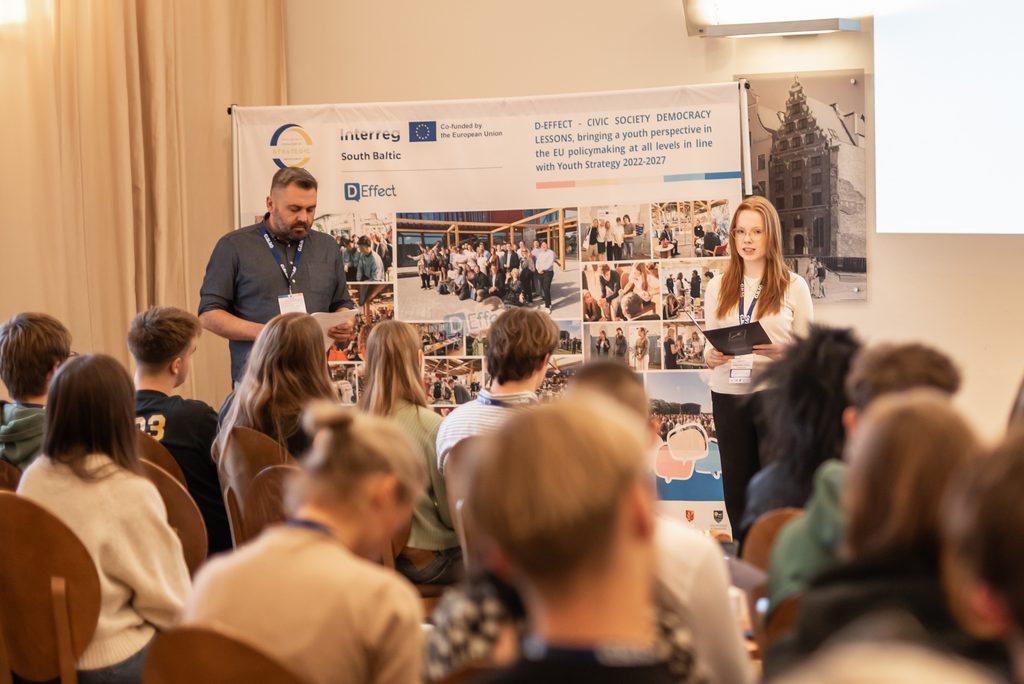
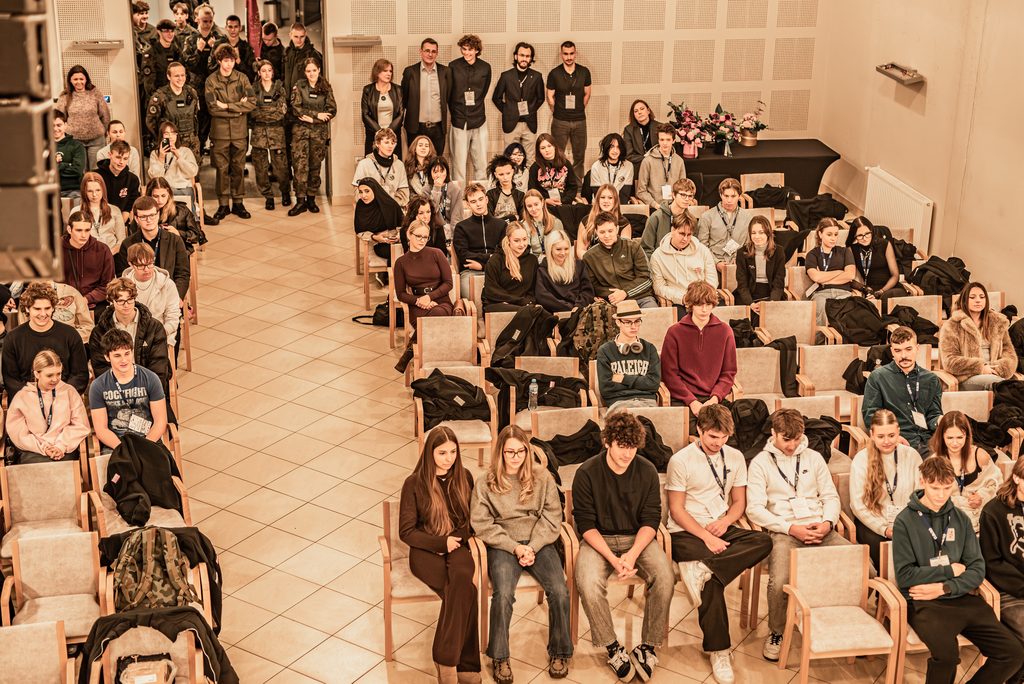
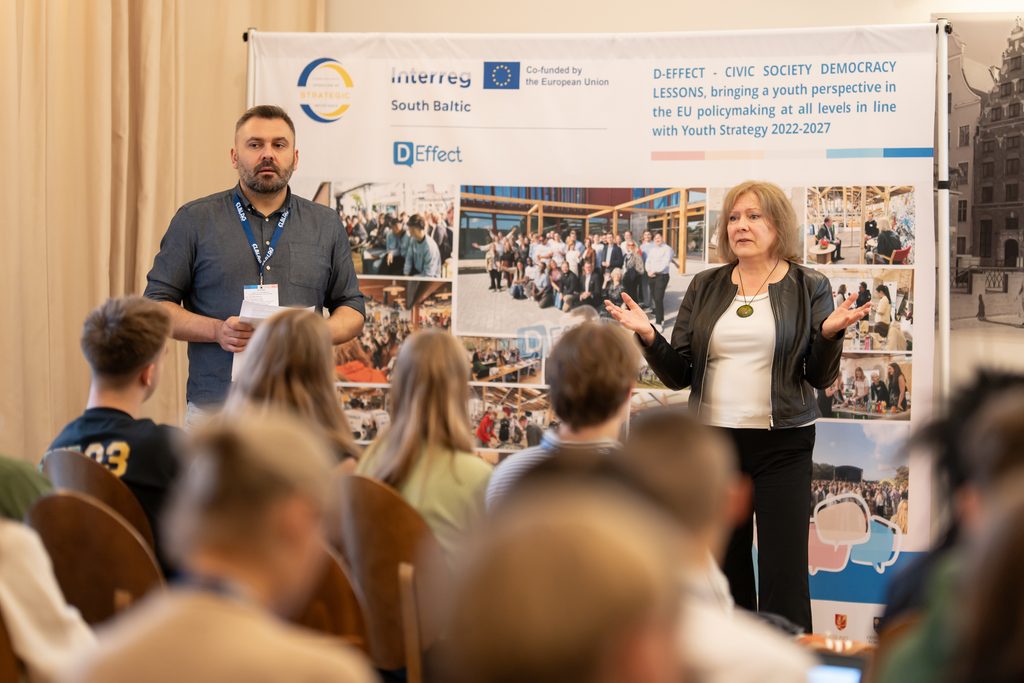
On 19 November 2026, the second day of the International Democracy Festival DemokratON 2.0 - Elbląg Youth Democracy Voice 2026 took place at the Old Town Hall in Elbląg. Following a first day dedicated to international exchange, civic education and dialogue with decision-makers, participants turned their attention to democracy in practice. The main focus was on joint decision-making, managing limited resources and creating urban spaces that respond to the needs of young people.
Participatory School Budgeting – Giving Young People a Voice
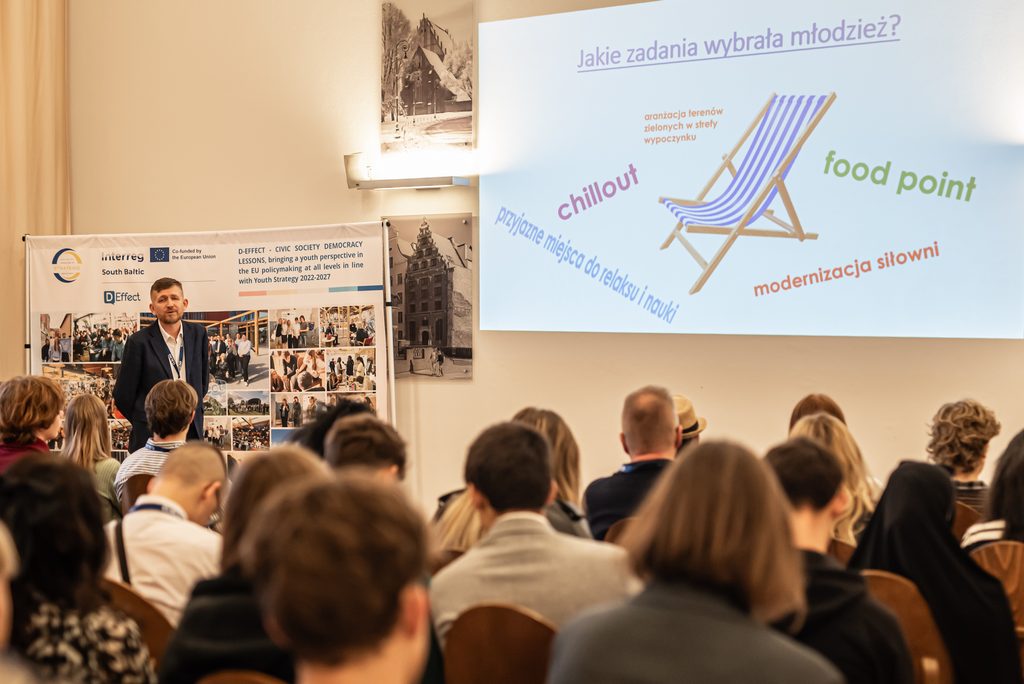
The second day began with a presentation by Marcin Figura on the concept of Participatory School Budgeting. This approach enables students to take an active role in decisions affecting their school environment – from proposing ideas and evaluating projects to selecting initiatives and putting them into practice.
The session explored how young people can move beyond simply expressing their needs and become directly involved in decisions about how those needs are addressed. Participatory School Budgeting is a practical example of how democratic principles can be introduced into everyday school life.
“Your City, Your Decision” – Democracy in Practice
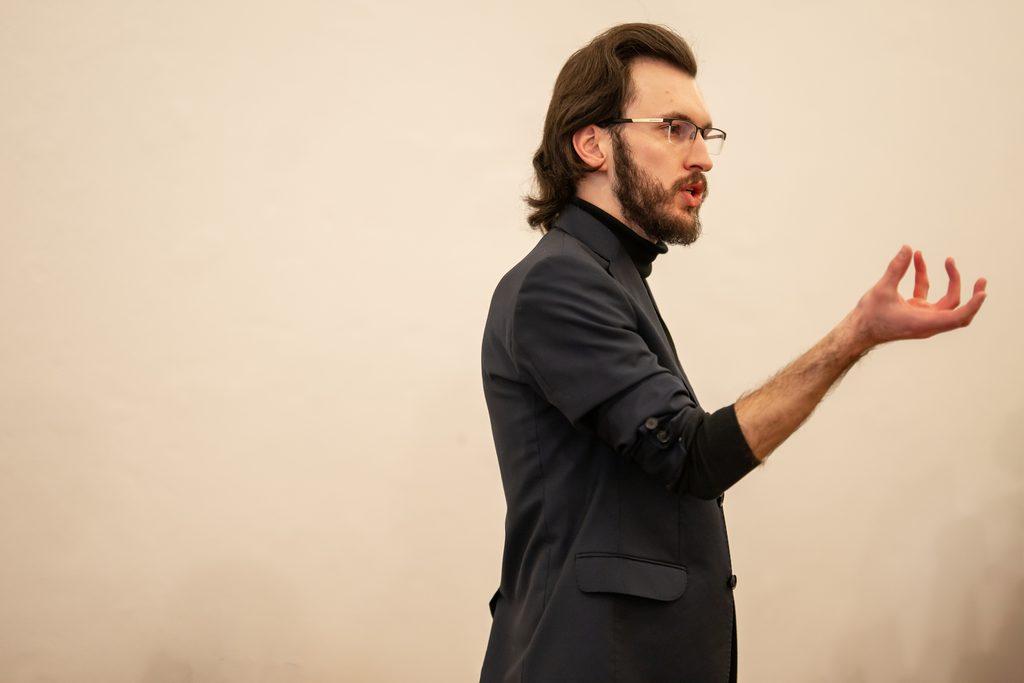
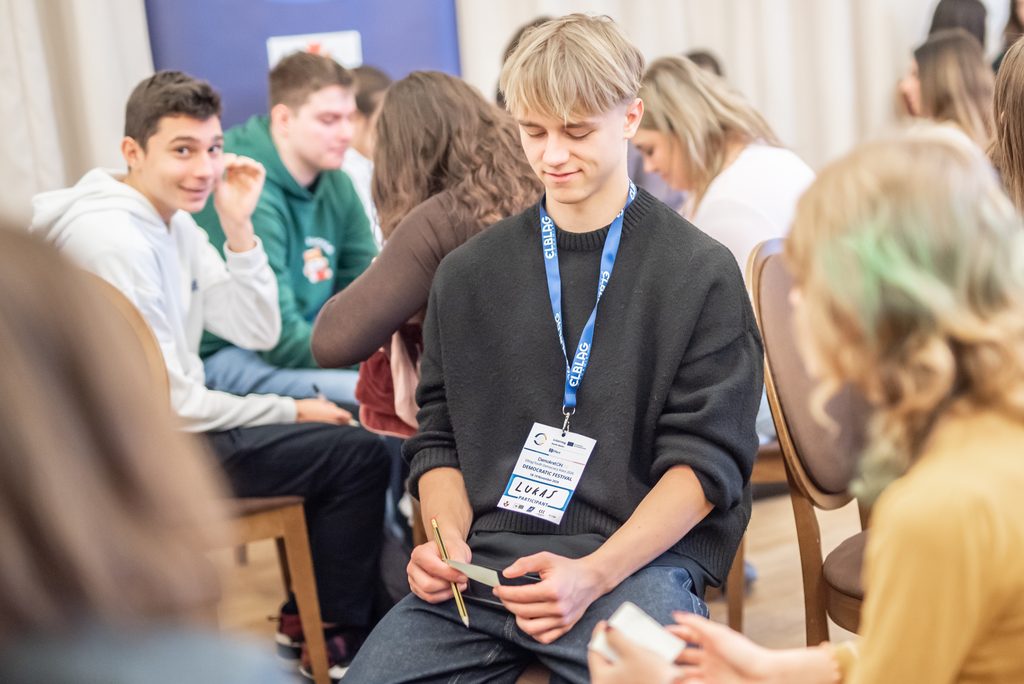
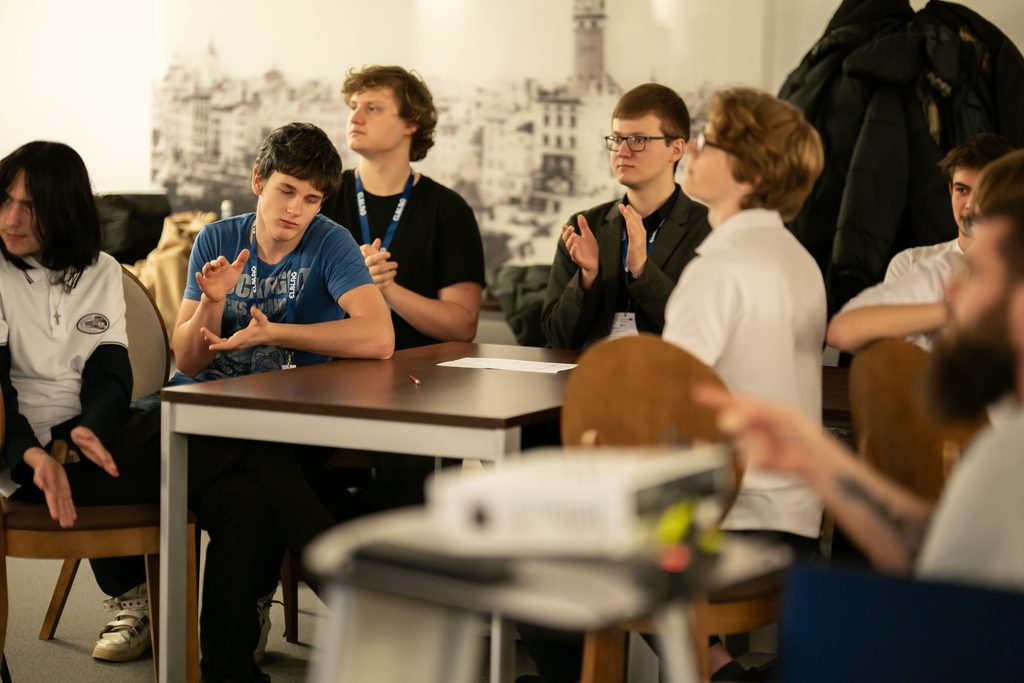
One of the main activities was the workshop “Your City, Your Decision”, facilitated by Kacper Chyła. Participants took part in a simulation of the decision-making process involved in allocating a municipal budget.
Taking on the roles of residents, local government representatives and civil society organisations, young people faced the challenge of balancing different needs and expectations while working with limited financial resources.
The exercise required participants not only to present their proposals but also to justify their priorities, negotiate and seek compromises. The workshop encouraged them to consider decision-making from the perspectives of different social groups and better understand why effective local governance requires dialogue and the consideration of diverse interests.
Urban Spaces Through the Eyes of Young People
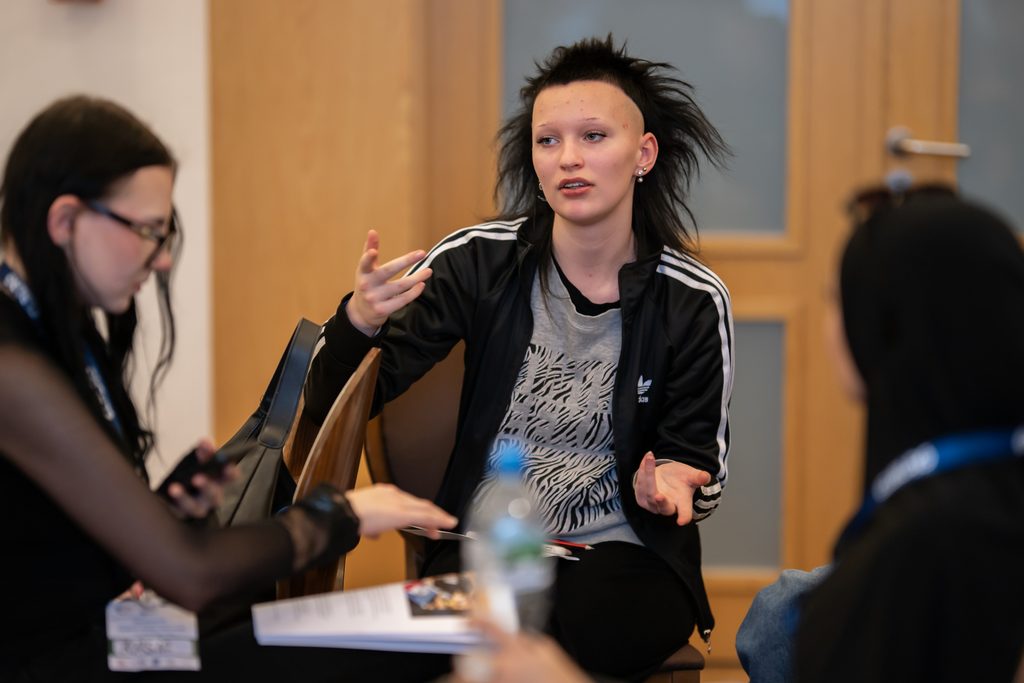
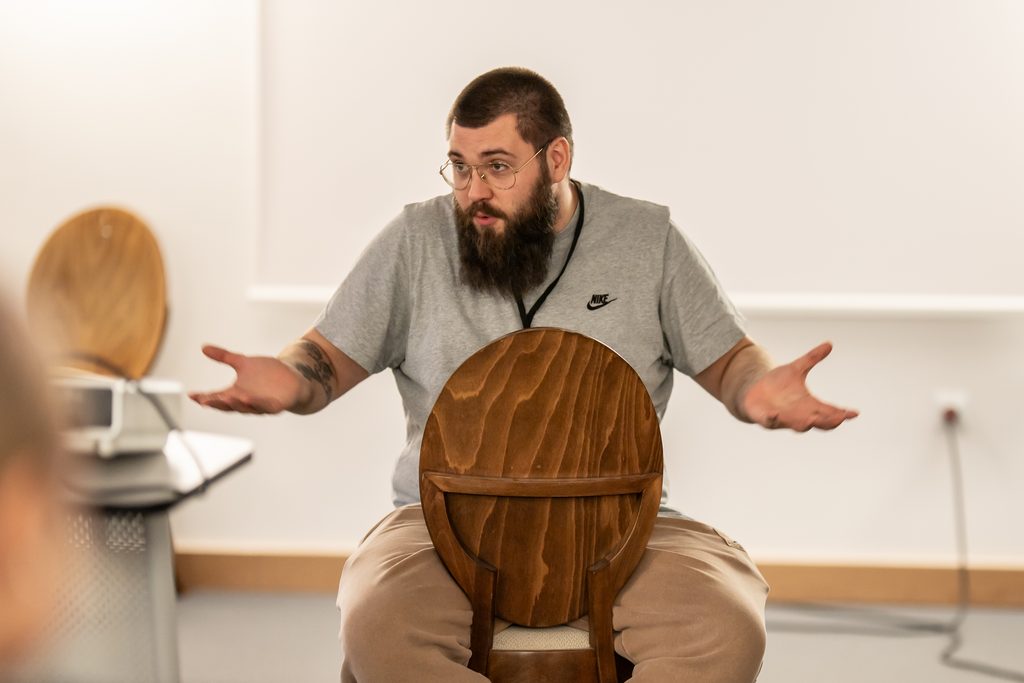
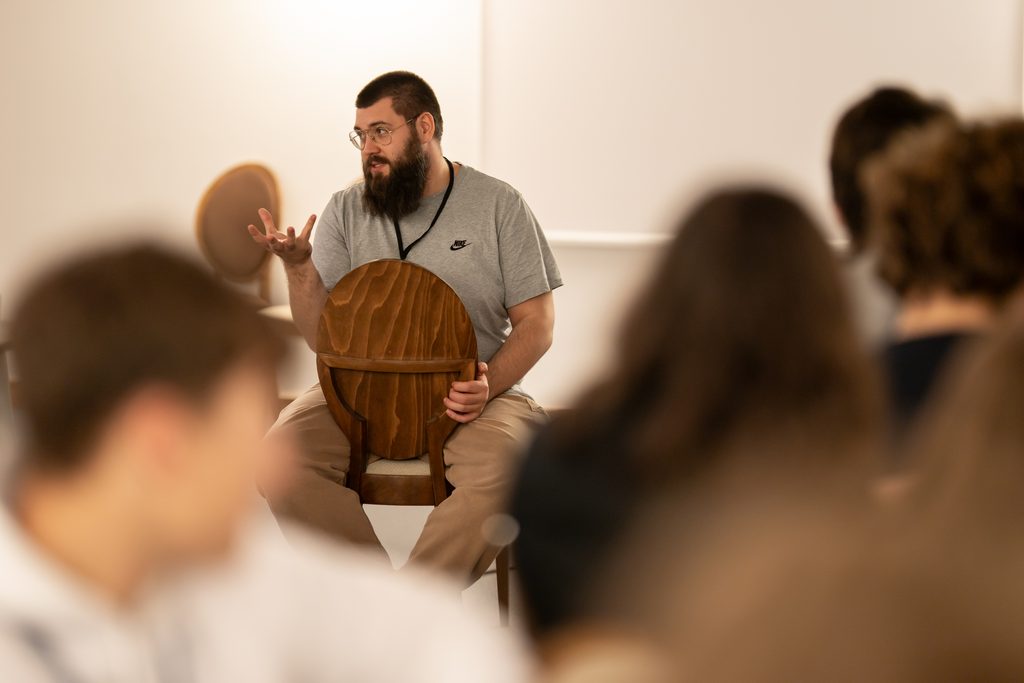
A parallel workshop facilitated by Adam Gronek focused on young people's needs and expectations regarding urban spaces.
Participants discussed what kinds of places were missing in their city, where they would like to spend their free time and what functions public spaces designed for young people should serve. Their own experiences and expectations provided the starting point for identifying potential solutions.
The workshop highlighted the importance of involving young people in discussions about the development of public spaces. Their perspectives can provide valuable insights into creating places that encourage social interaction, integration and community engagement.
From Expressing Opinions to Having a Real Influence
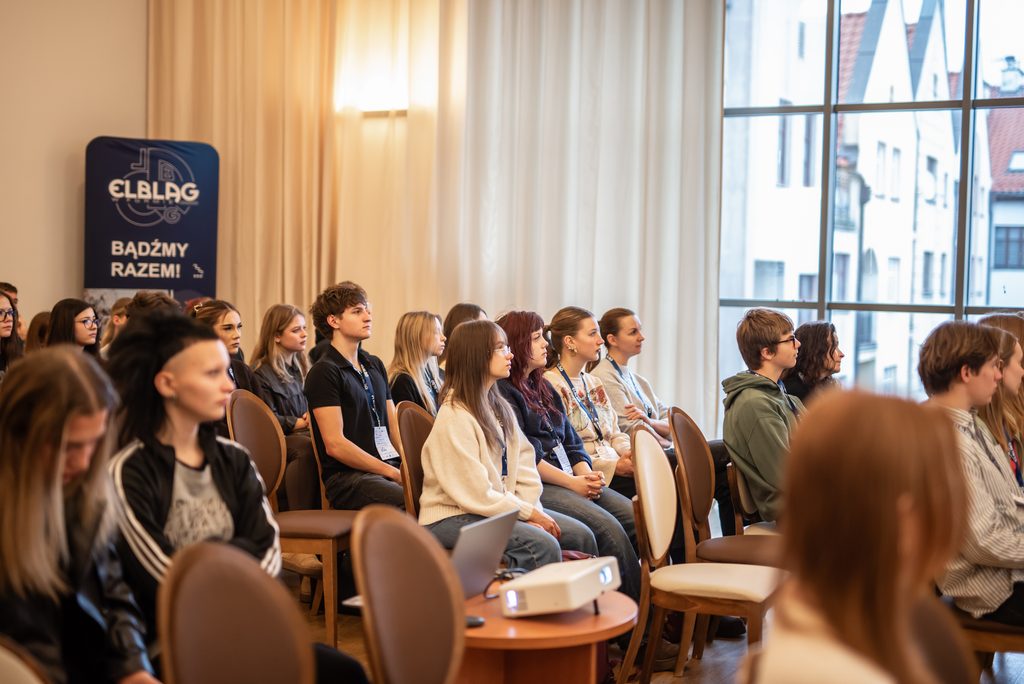
Although the two workshops addressed different issues, they shared a common objective: demonstrating that young people can actively participate in decision-making processes rather than simply receive solutions developed by adults.
Group work, discussions and practical exercises helped participants develop their skills in presenting arguments, cooperating with others and finding common solutions. The activities also encouraged reflection on what is needed to ensure that young people's voices are genuinely considered in the work of local governments and other public institutions.
The second day concluded with a joint reflection on the workshop activities and the experiences gained throughout the festival.
Two Days of International Dialogue on Democracy
DemokratON 2.0 brought together young people, local government representatives and project partners from Poland, Sweden, Denmark, Lithuania and Germany. Over two days, participants engaged in workshops, meetings and discussions addressing contemporary democratic challenges, civic participation and opportunities to strengthen young people's influence on their communities.
The first day focused on civic education, combating disinformation, responsibility for freedom of expression and dialogue with decision-makers. The second day provided an opportunity to put these ideas into practice through activities involving decision-making and the planning of local initiatives.
The festival demonstrated that strengthening youth civic engagement requires more than providing knowledge about democracy. Above all, it means creating opportunities for young people to experience democracy in practice.