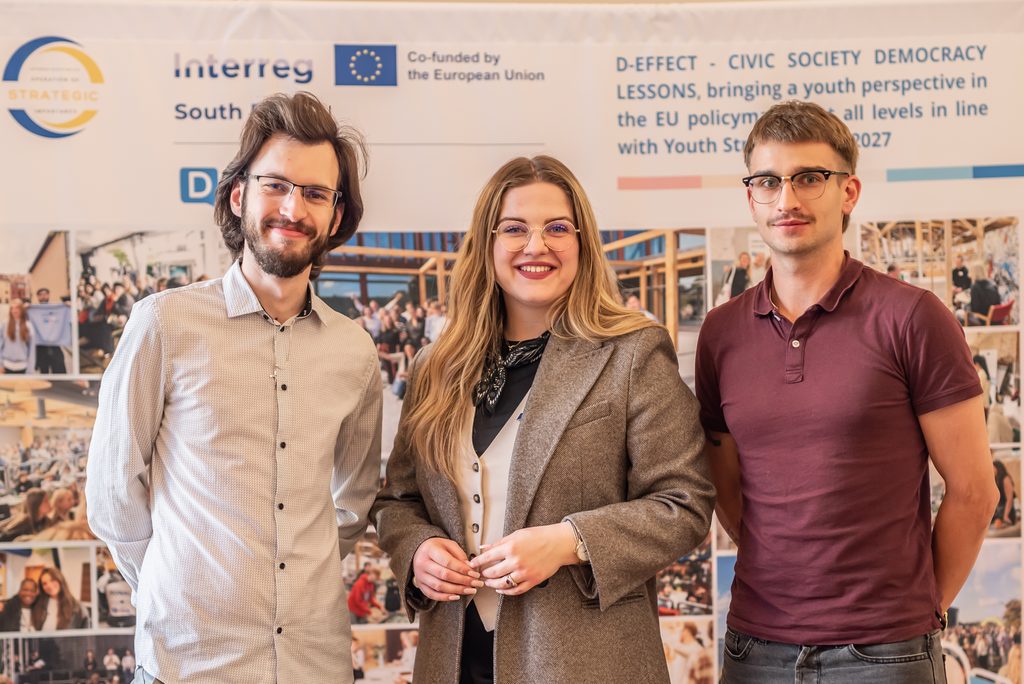
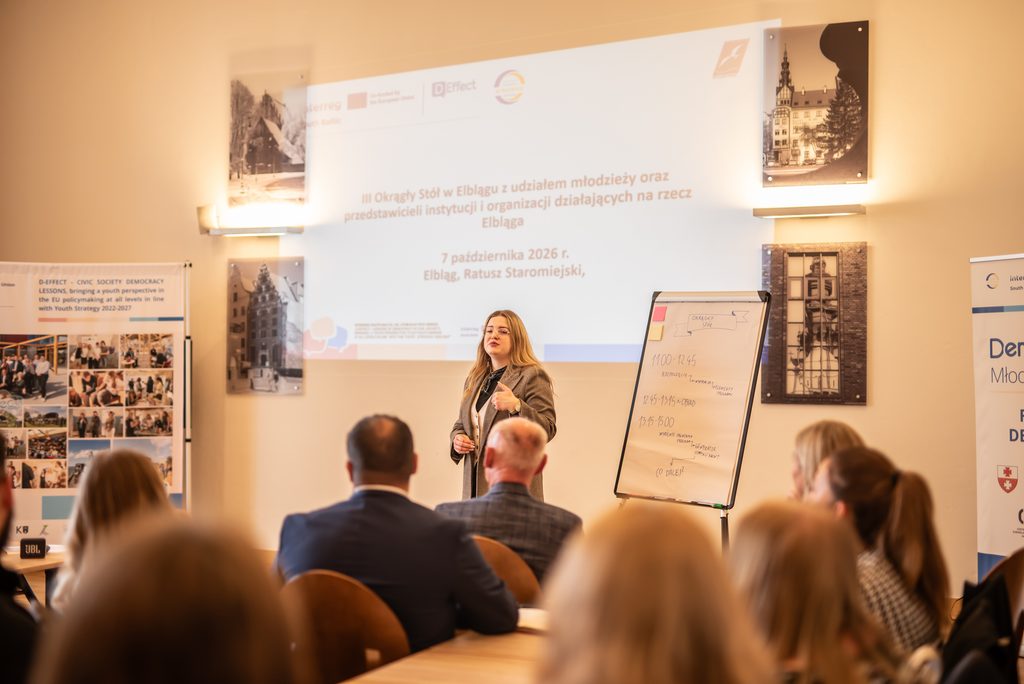
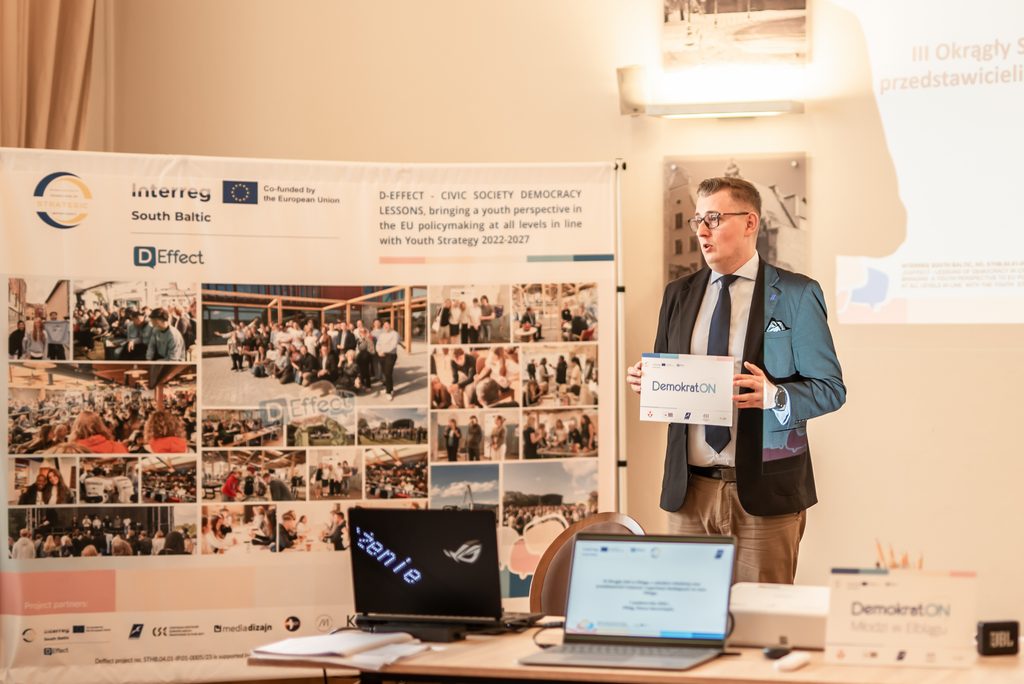
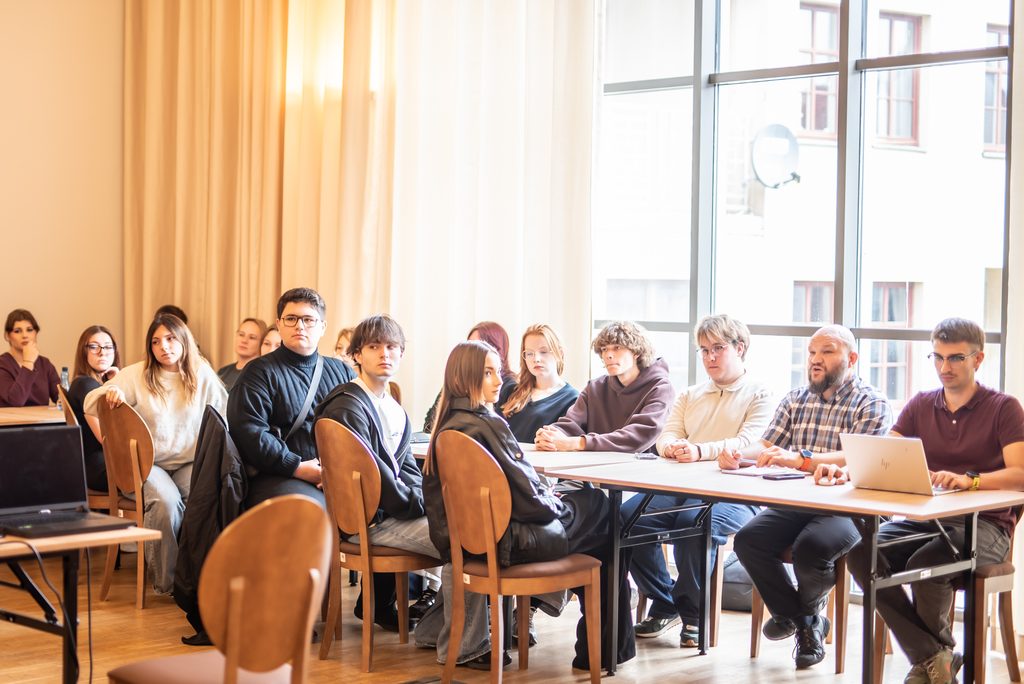
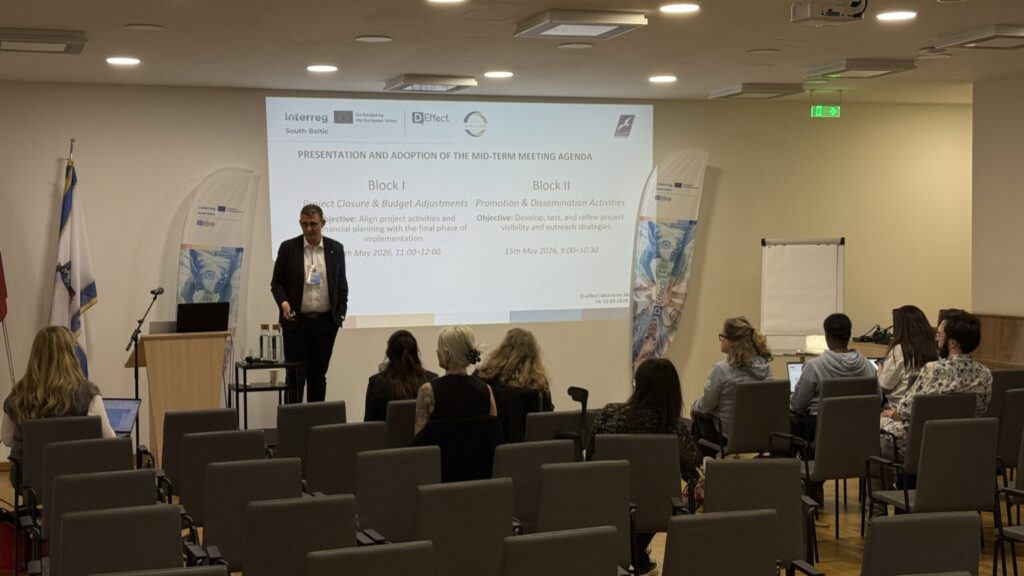
The 3rd Round Table in Olsztynek as part of the D-Effect project—joint preparations for the Youth Democracy Festival

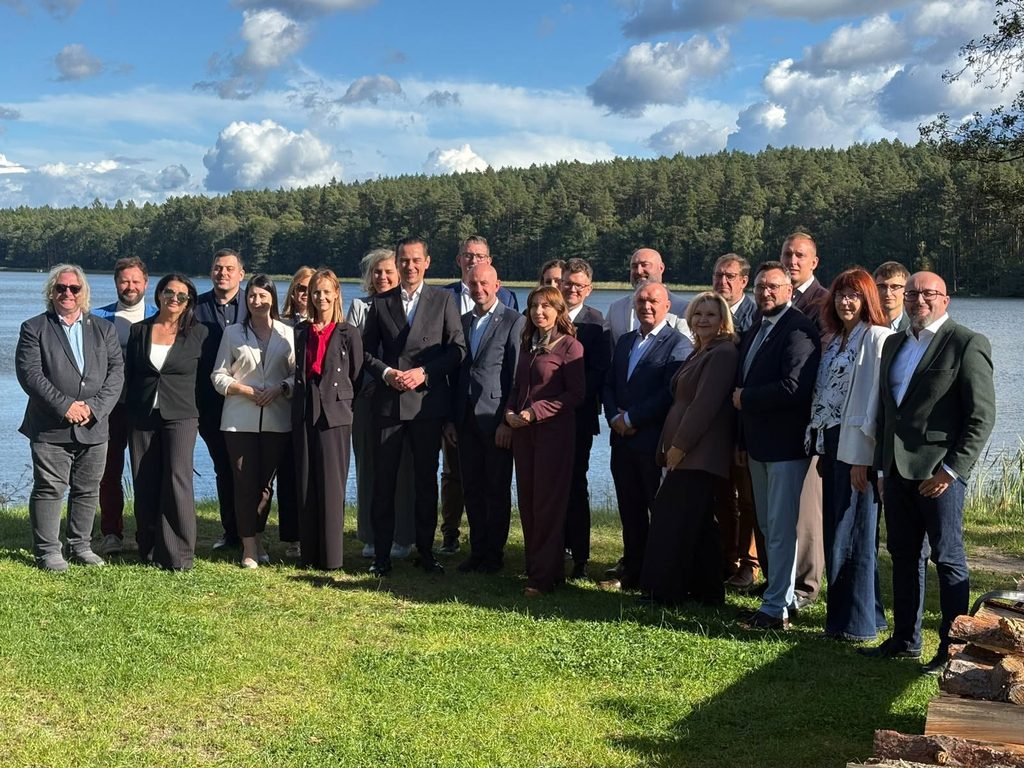
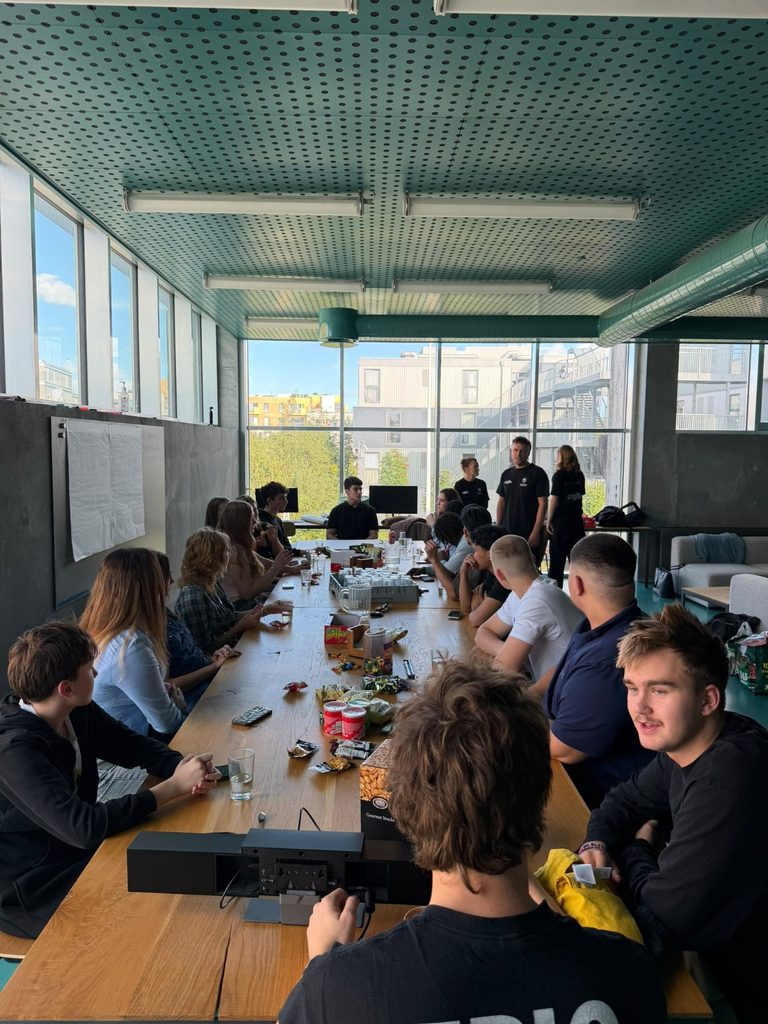
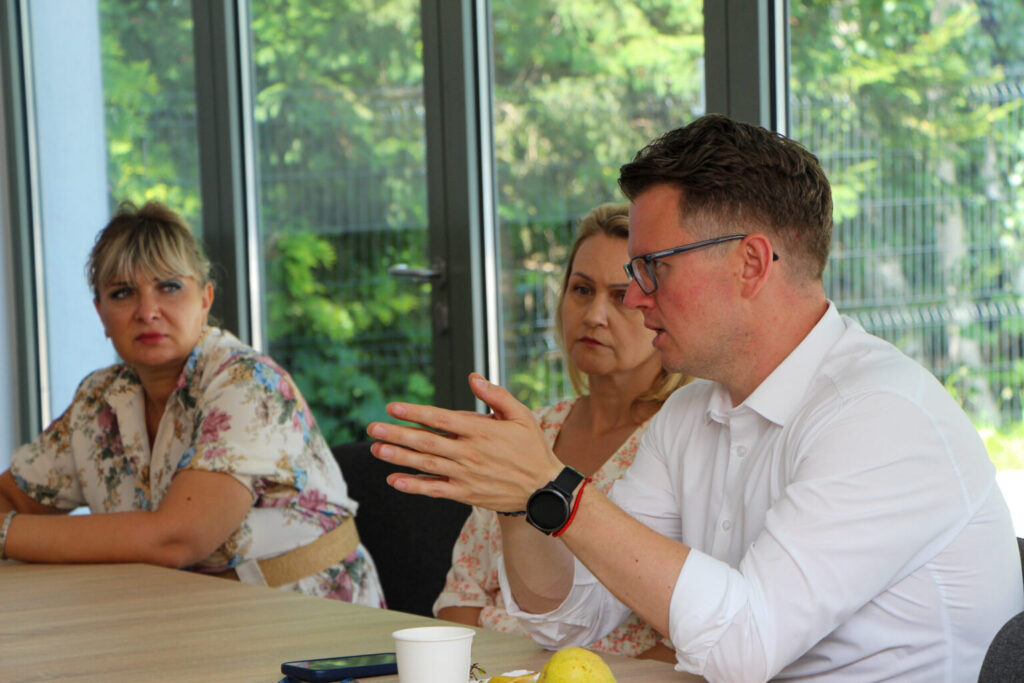
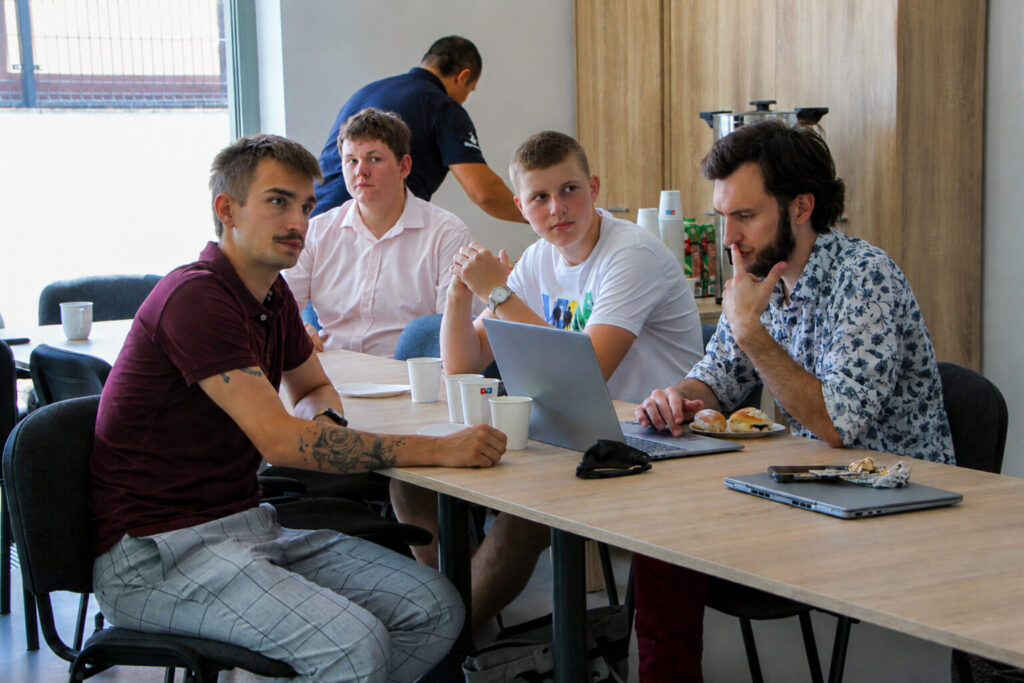
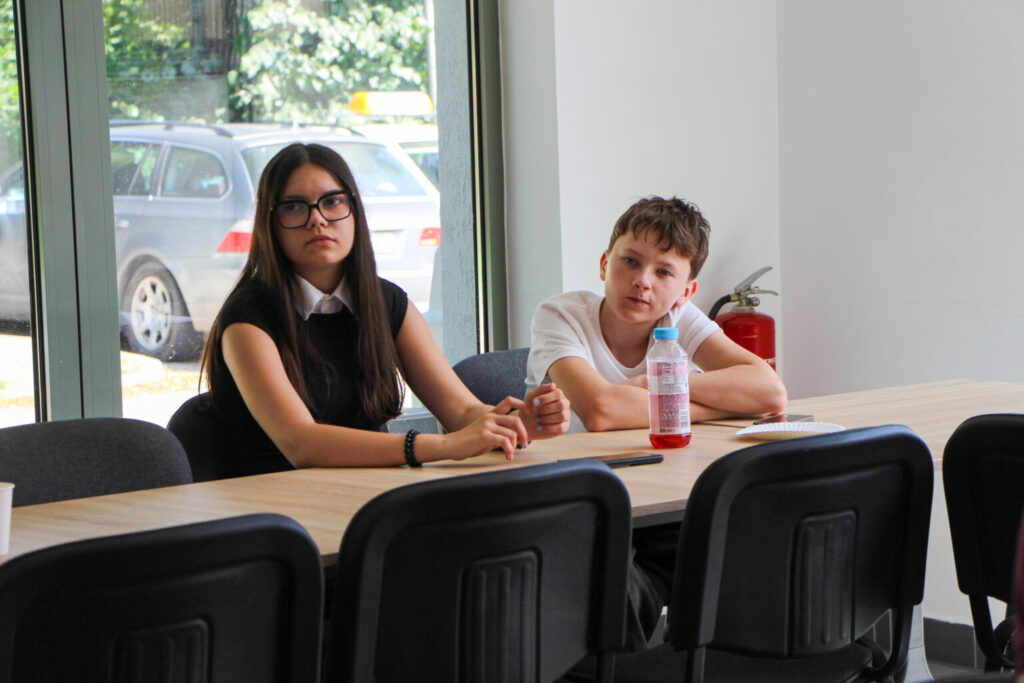
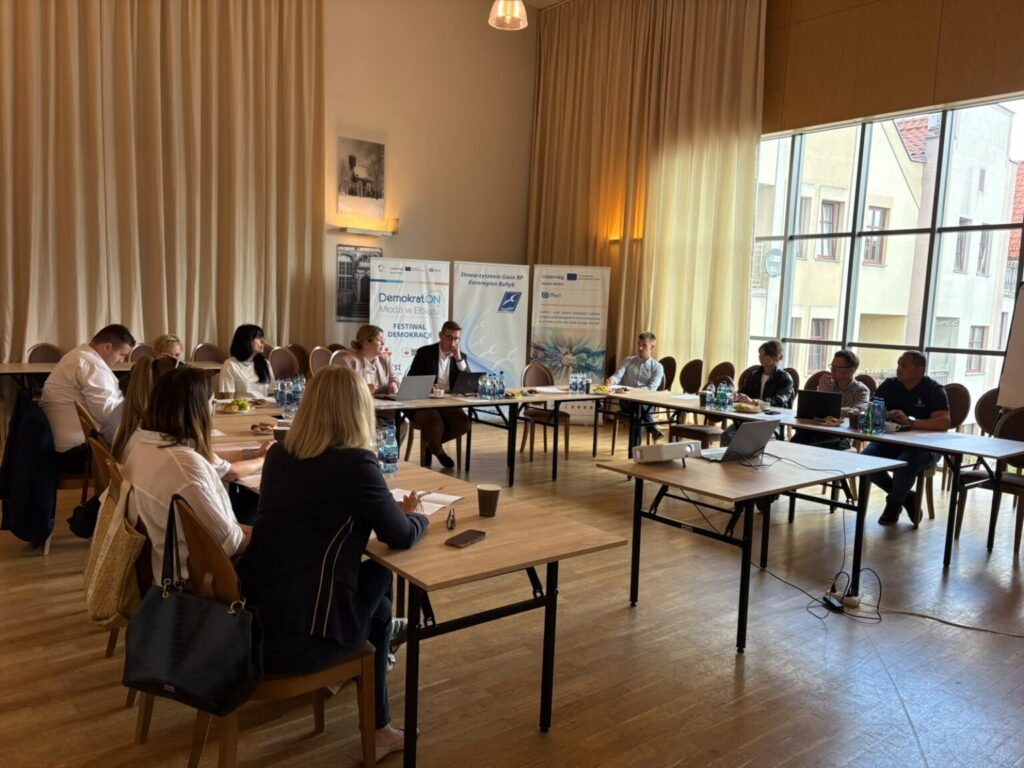
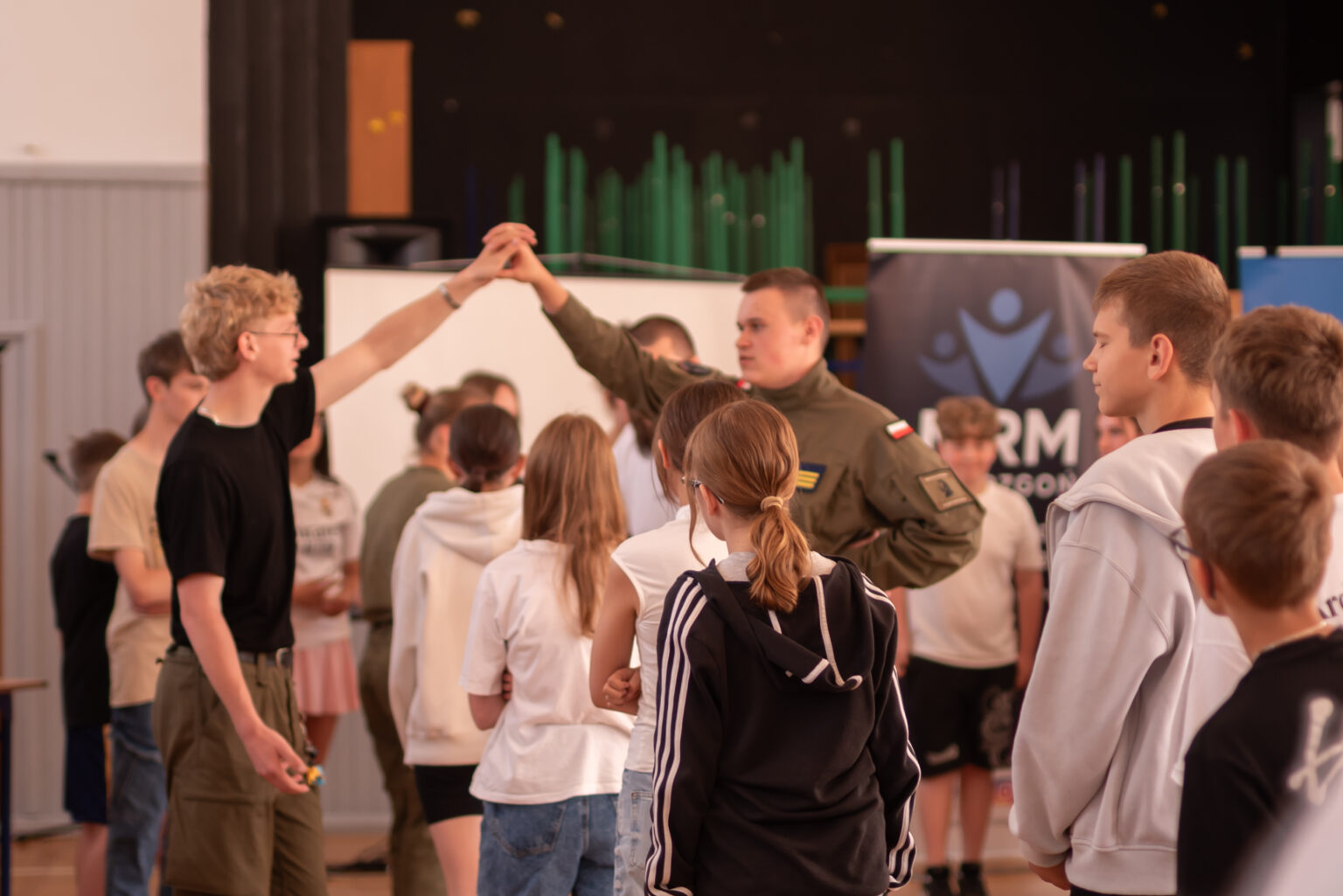
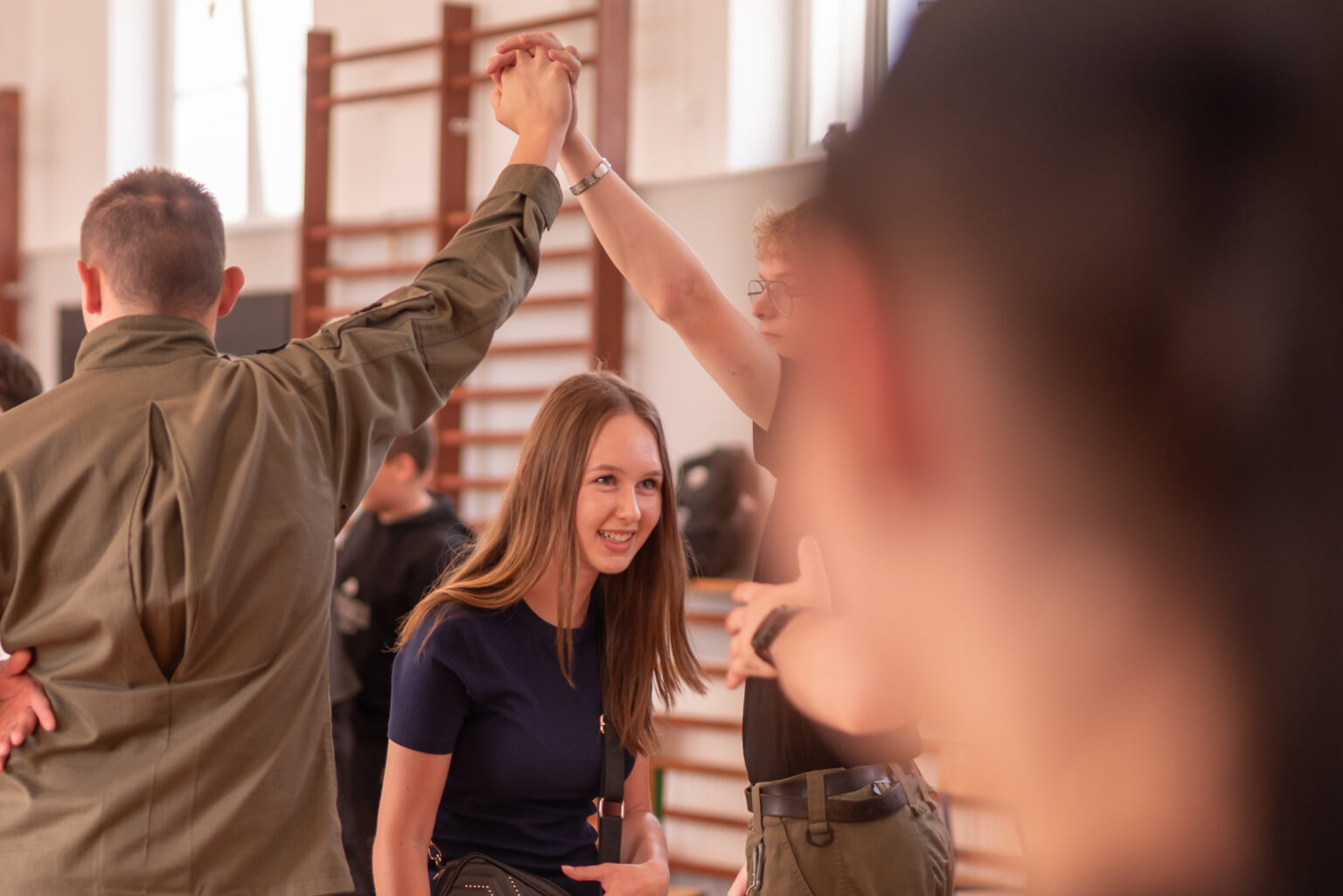
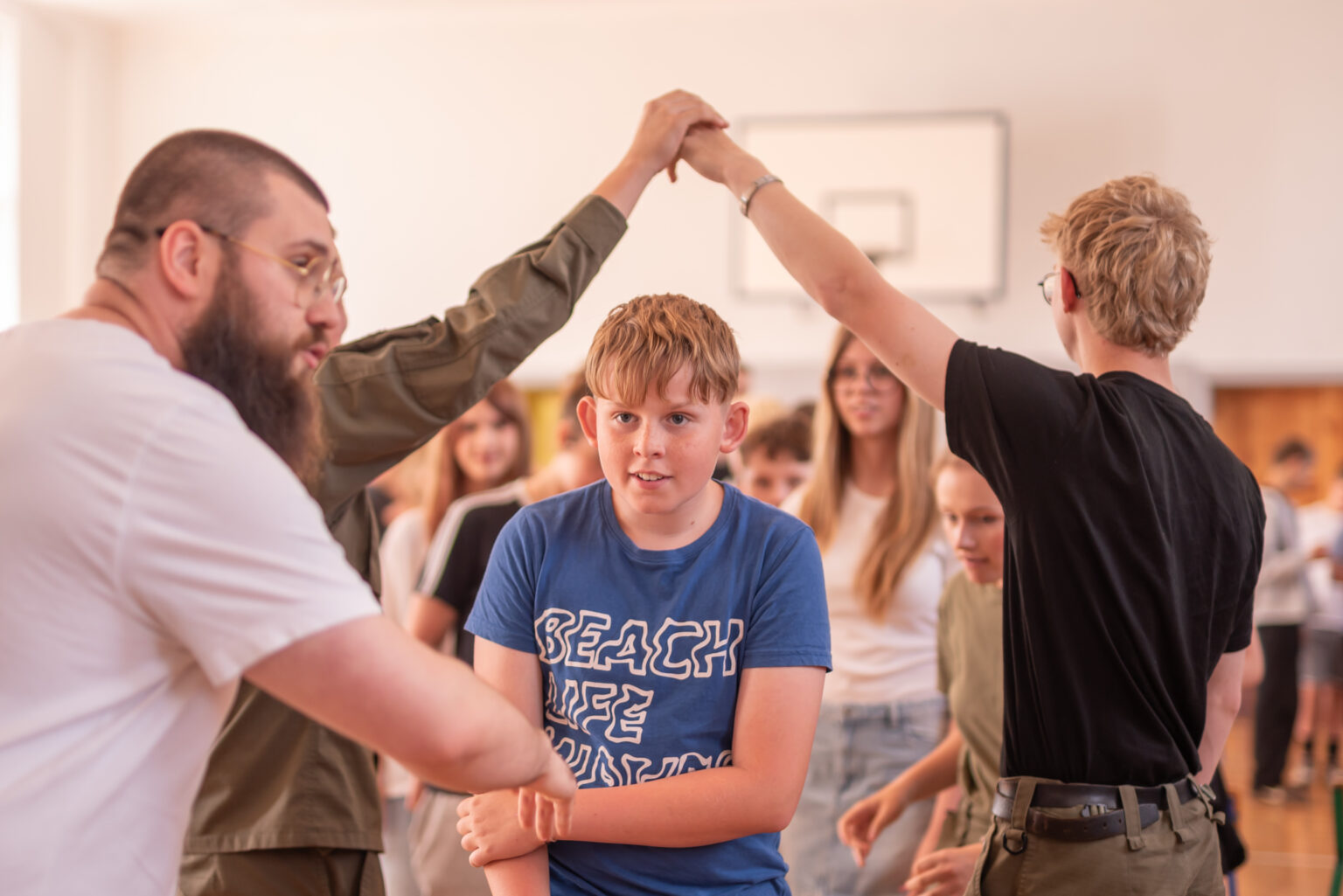
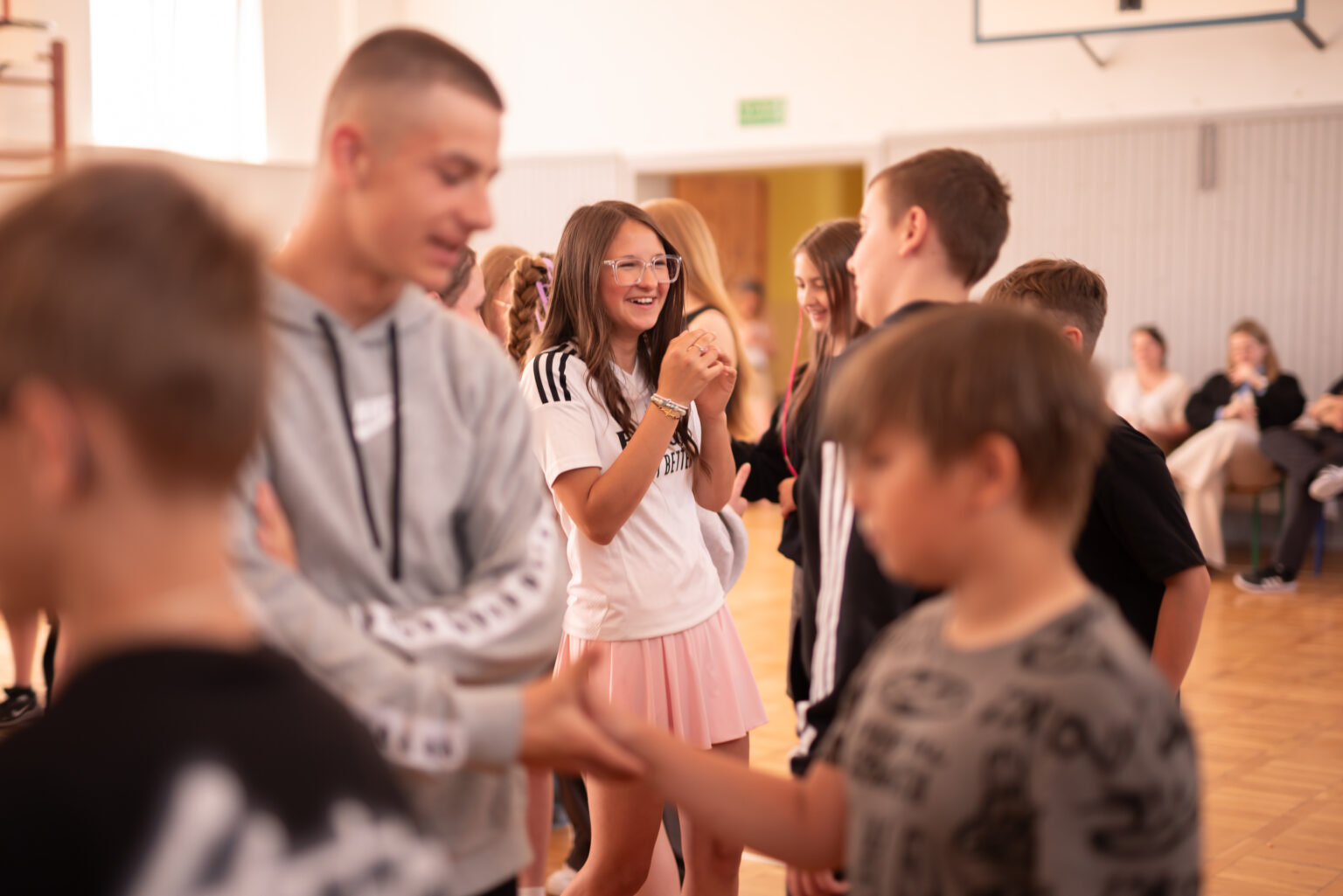
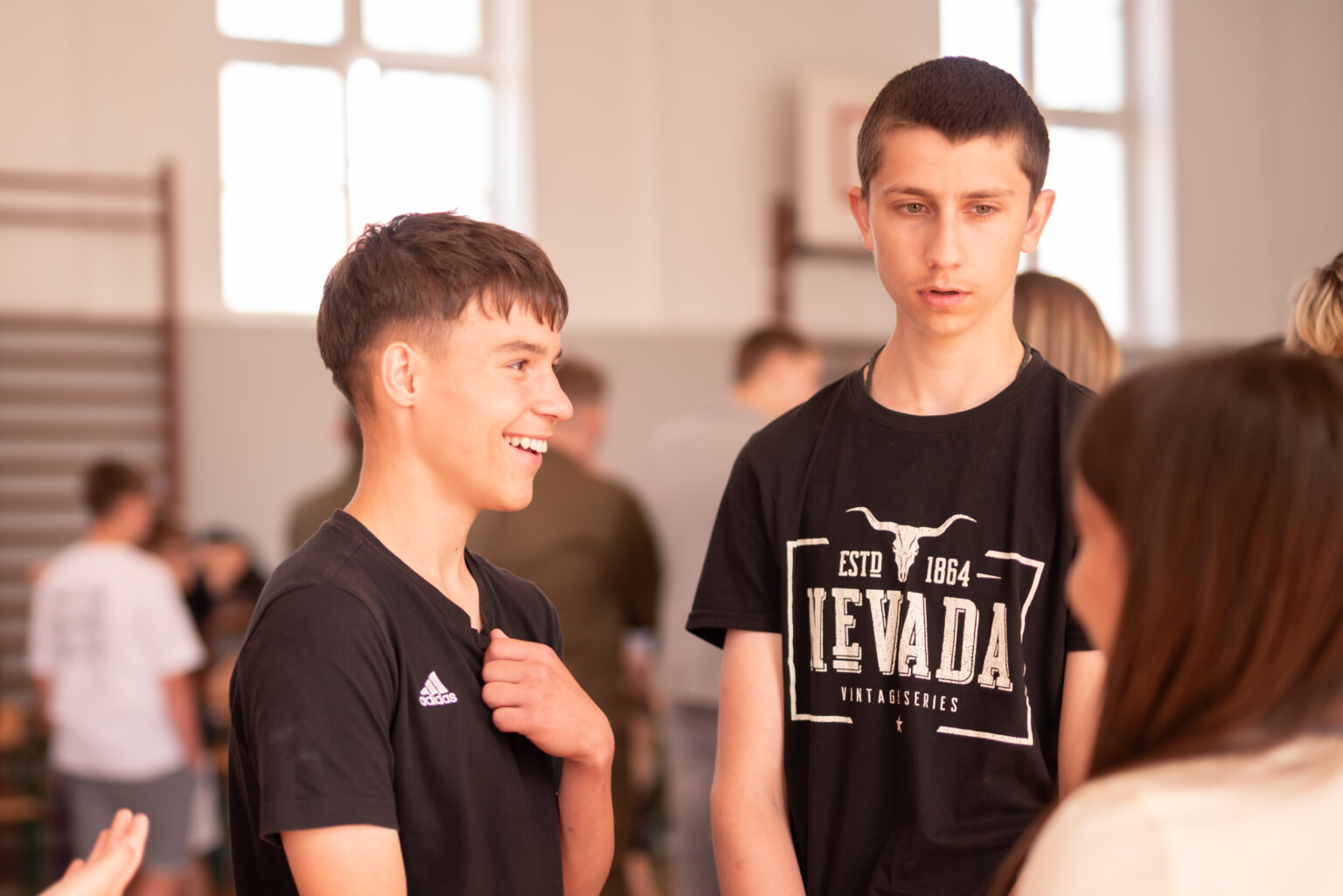
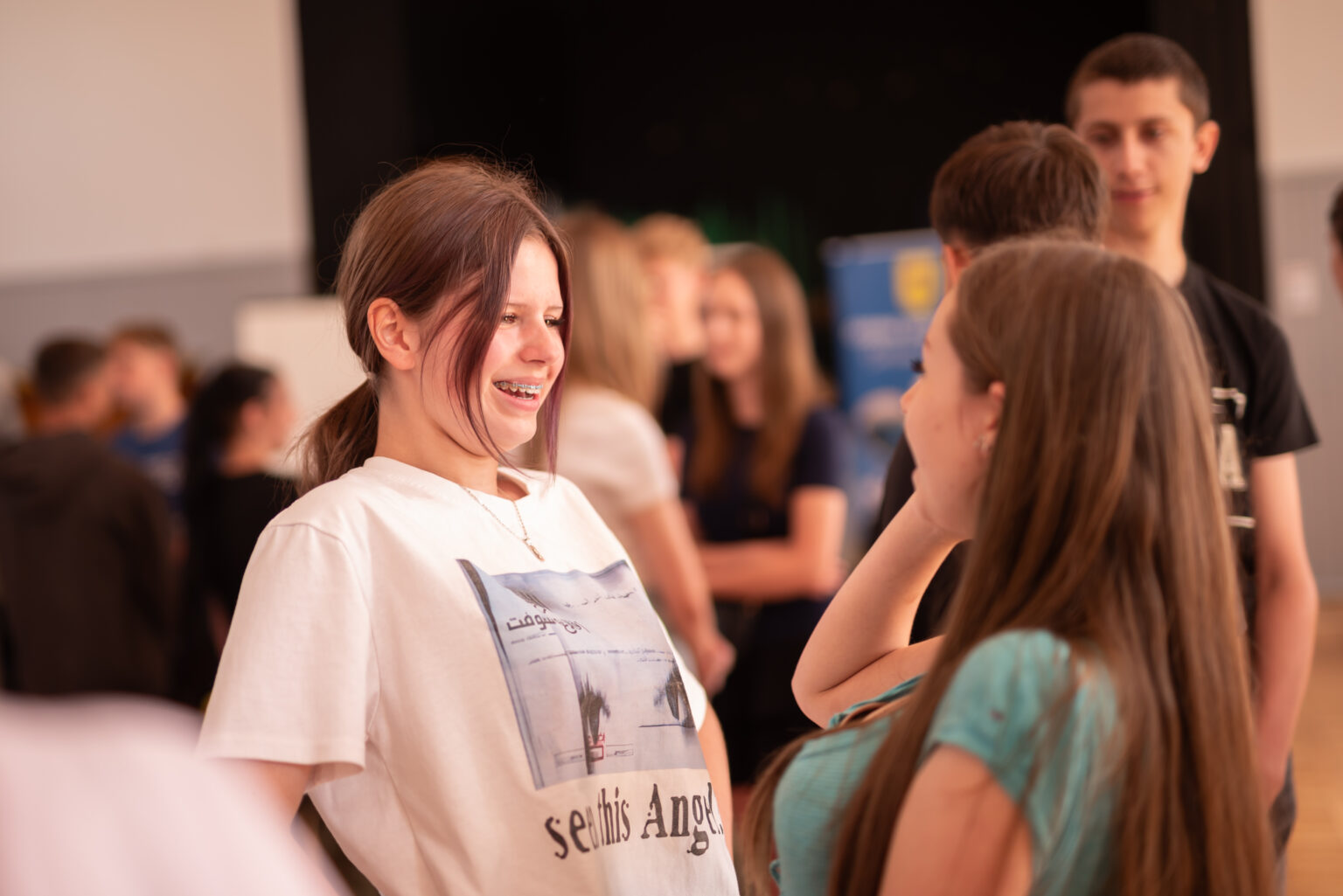
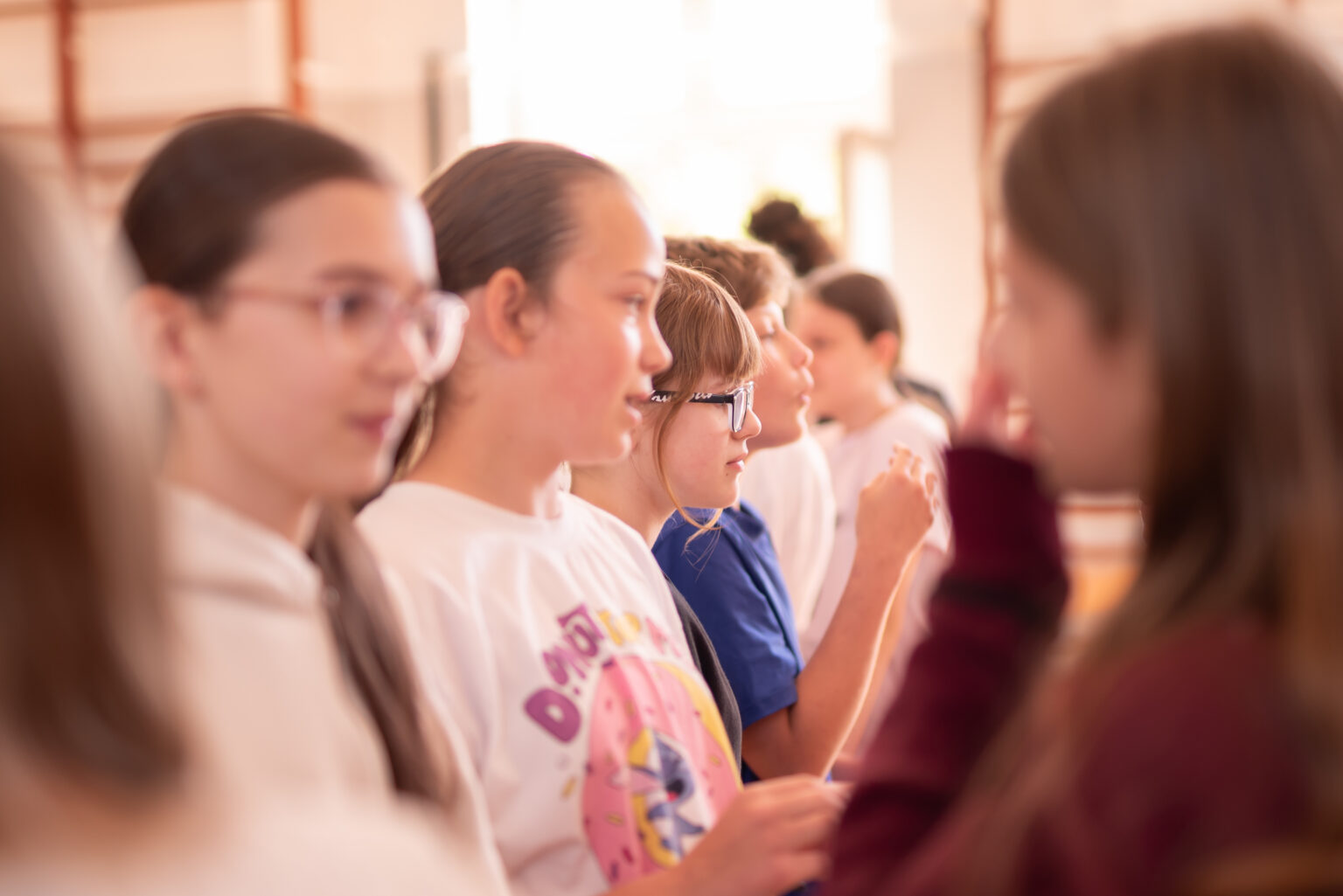
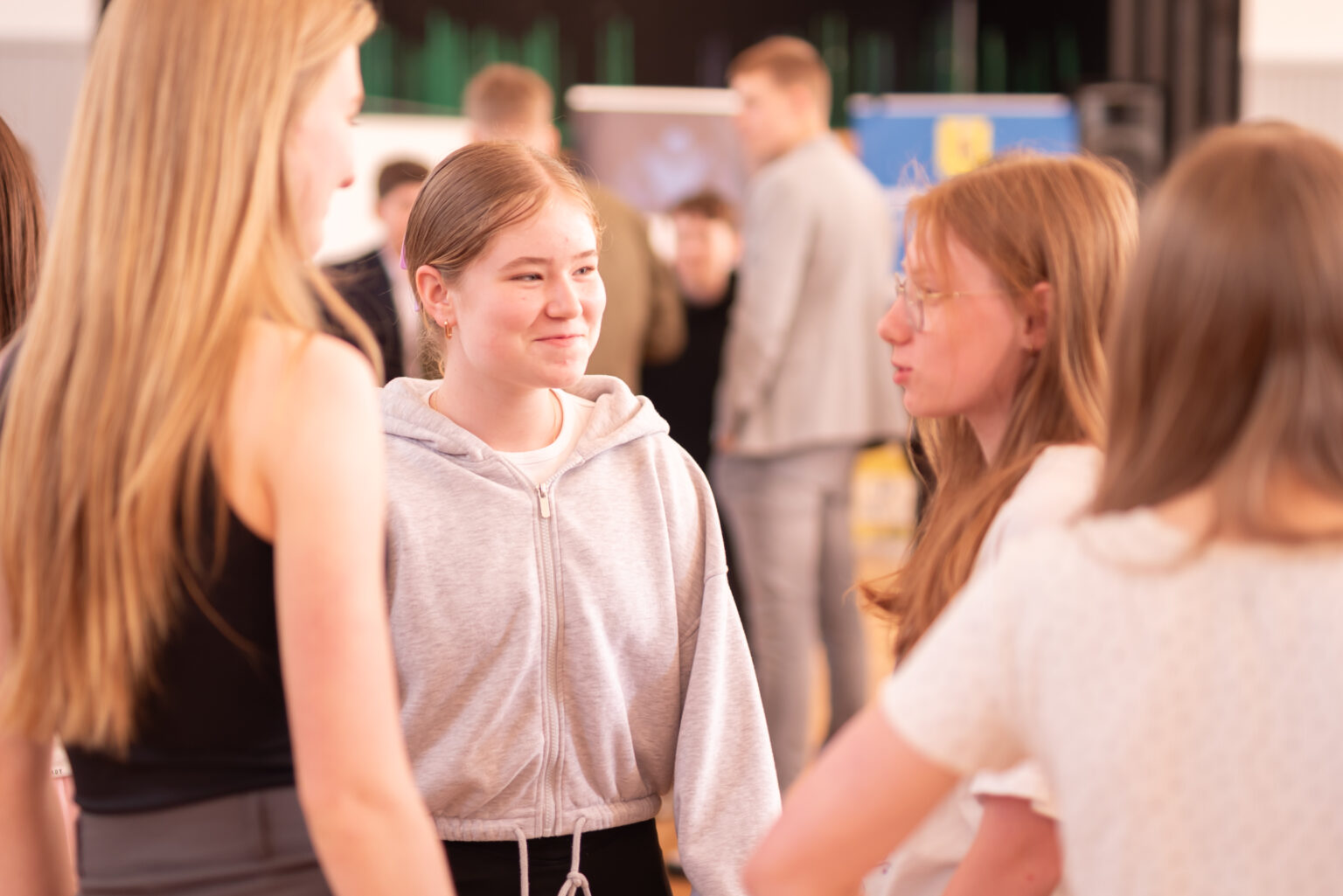
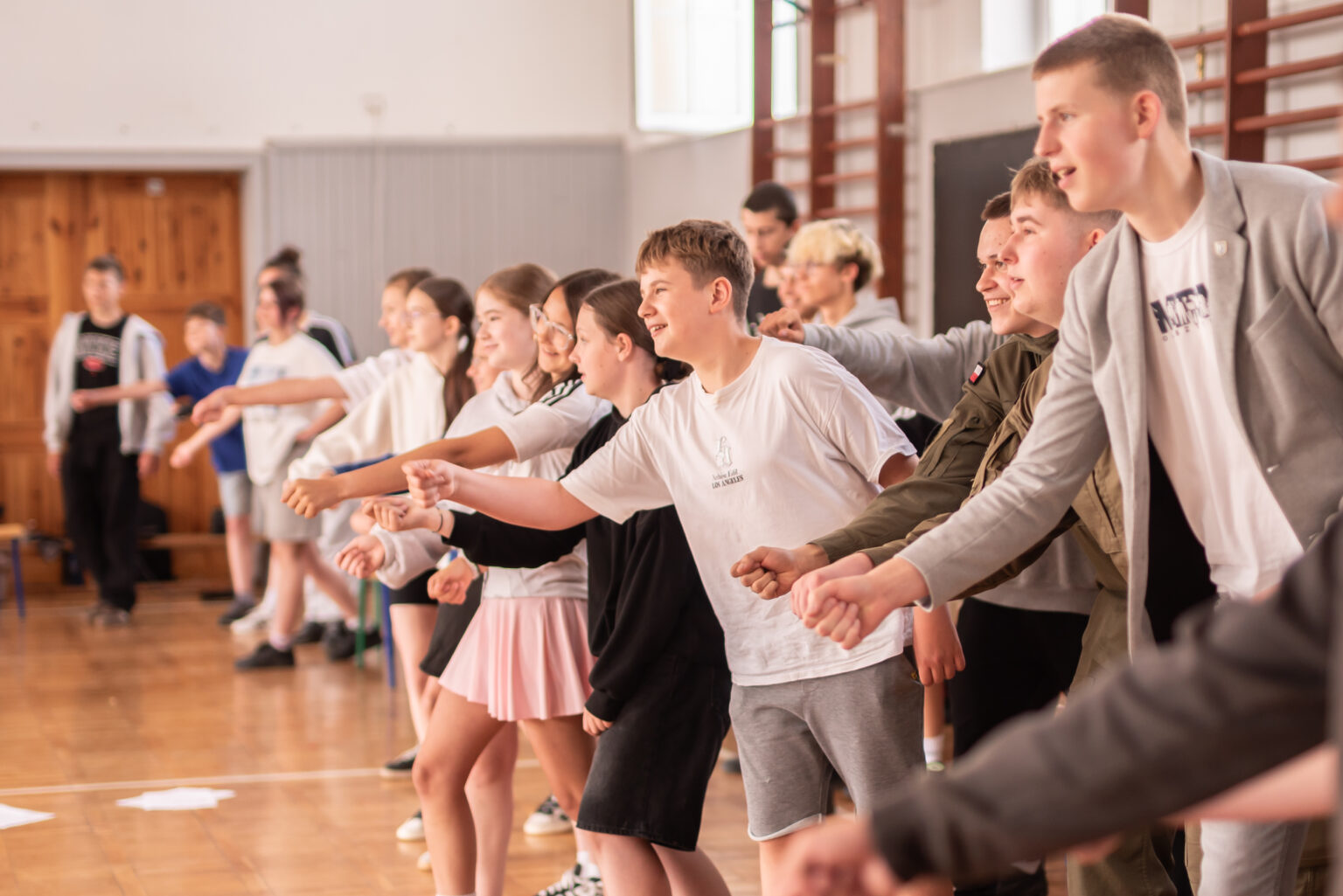
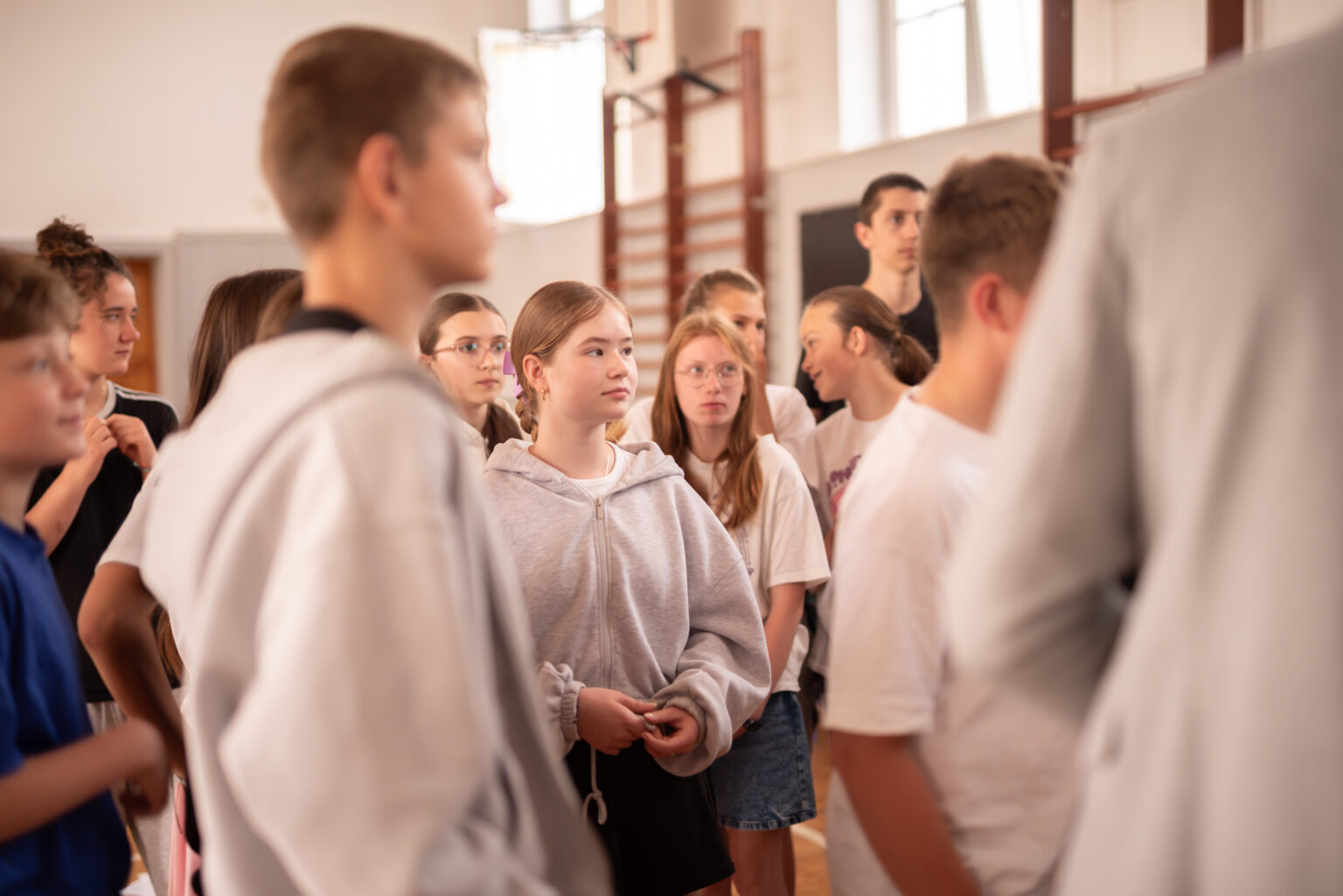
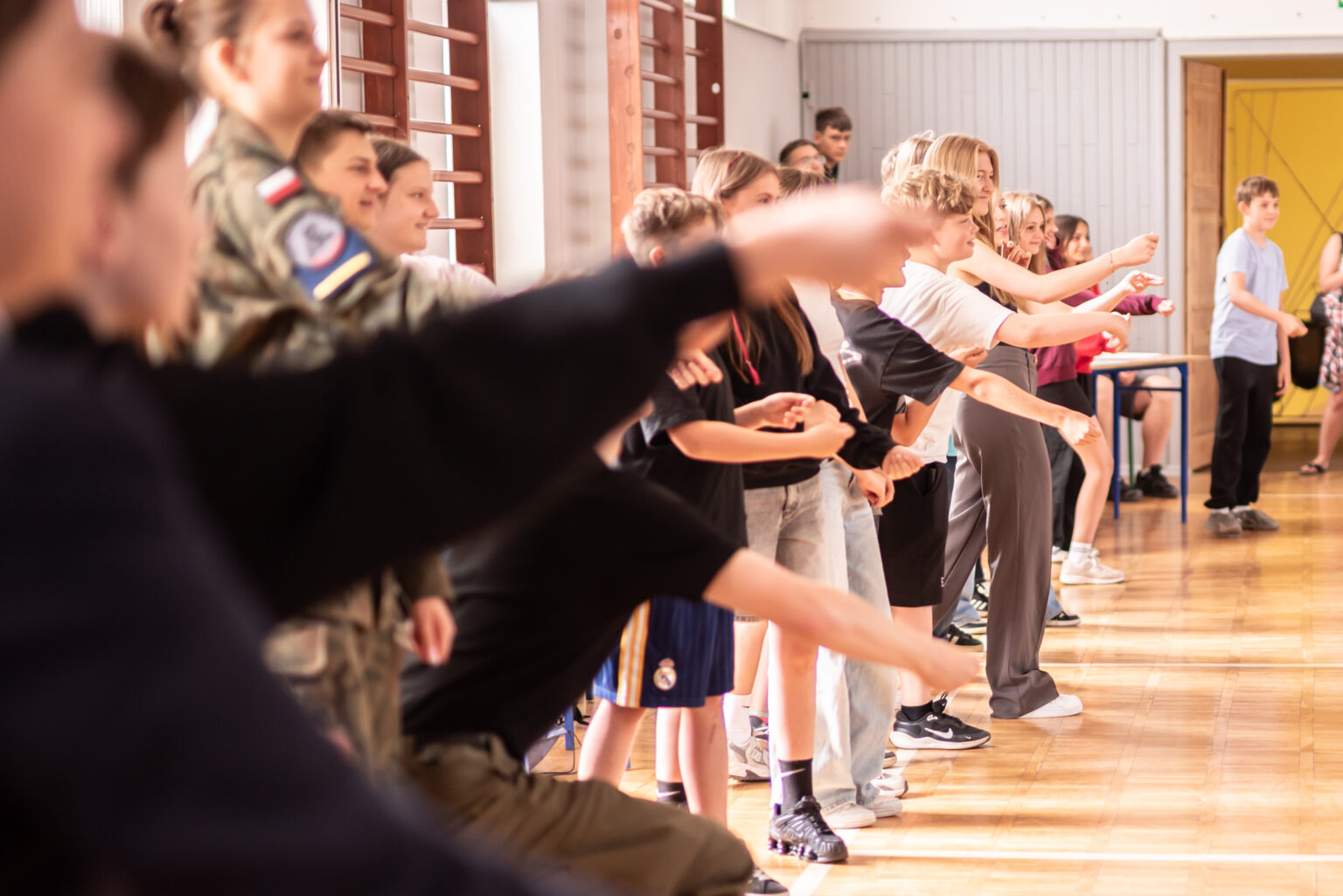
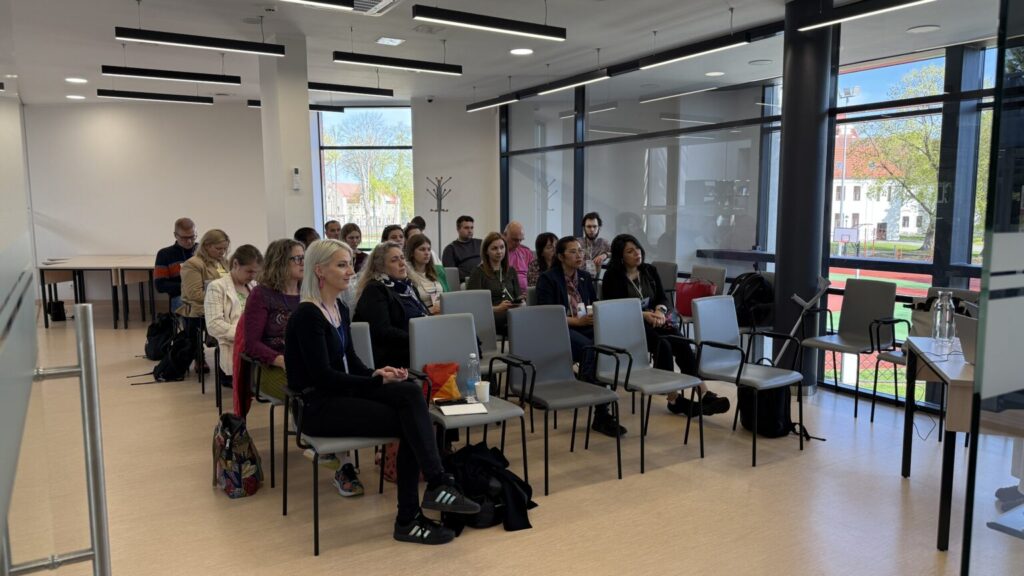
The third roundtable discussion took place in Olsztynek as part of the D-Effect project and focused on preparations for the Youth Democracy Festival (YDF), which will be held in September of this year. Representatives of youth groups, local institutions, and local governments worked together to develop the agenda for the roundtable event.

Third Roundtable

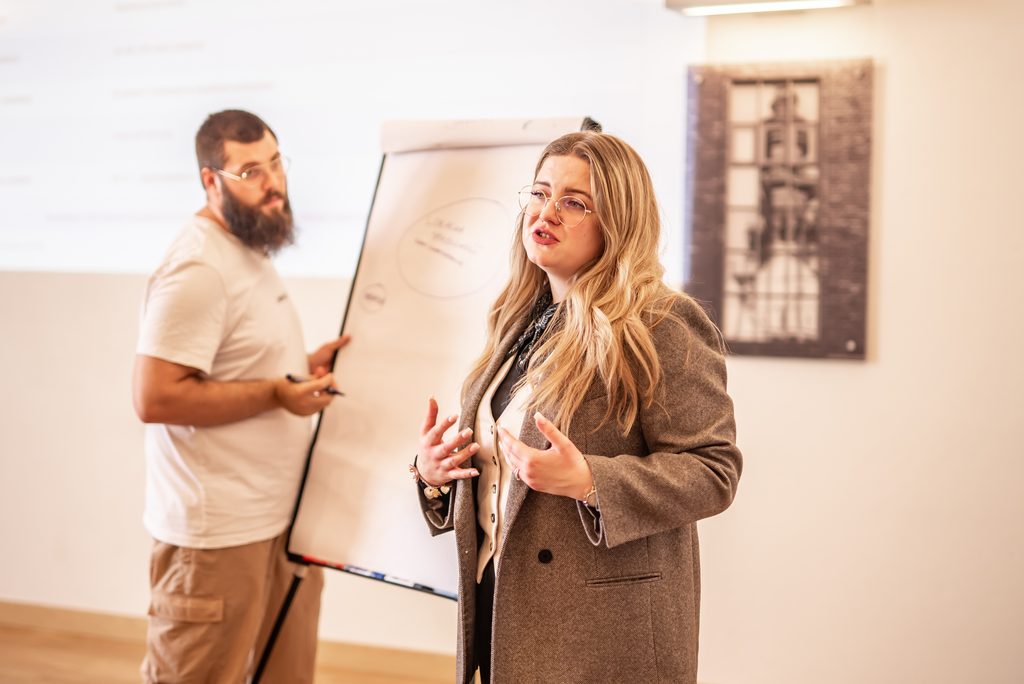
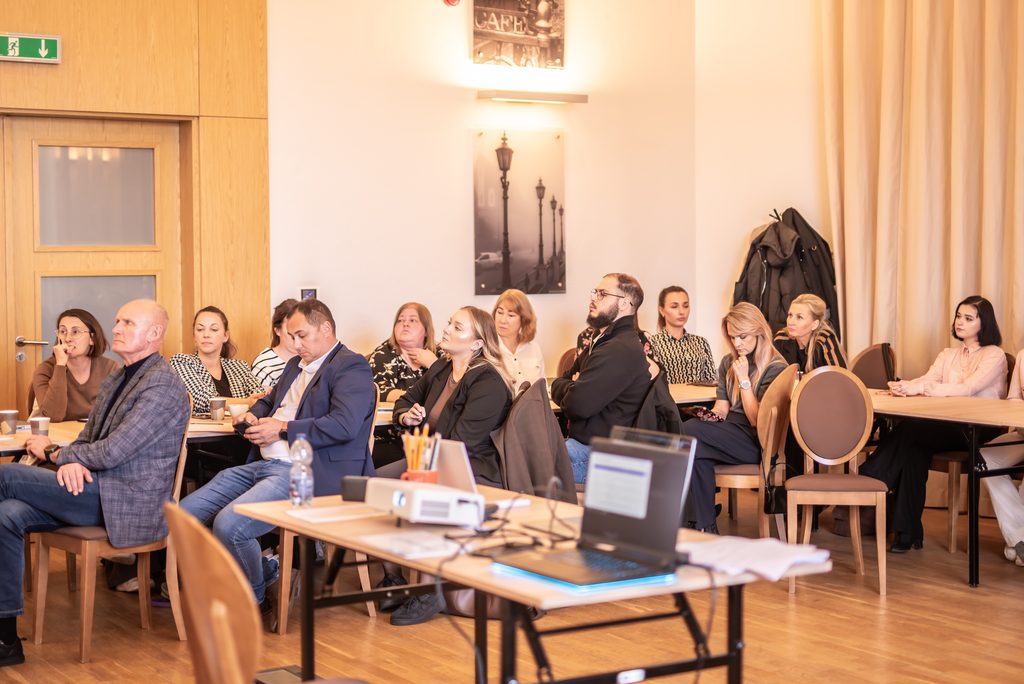
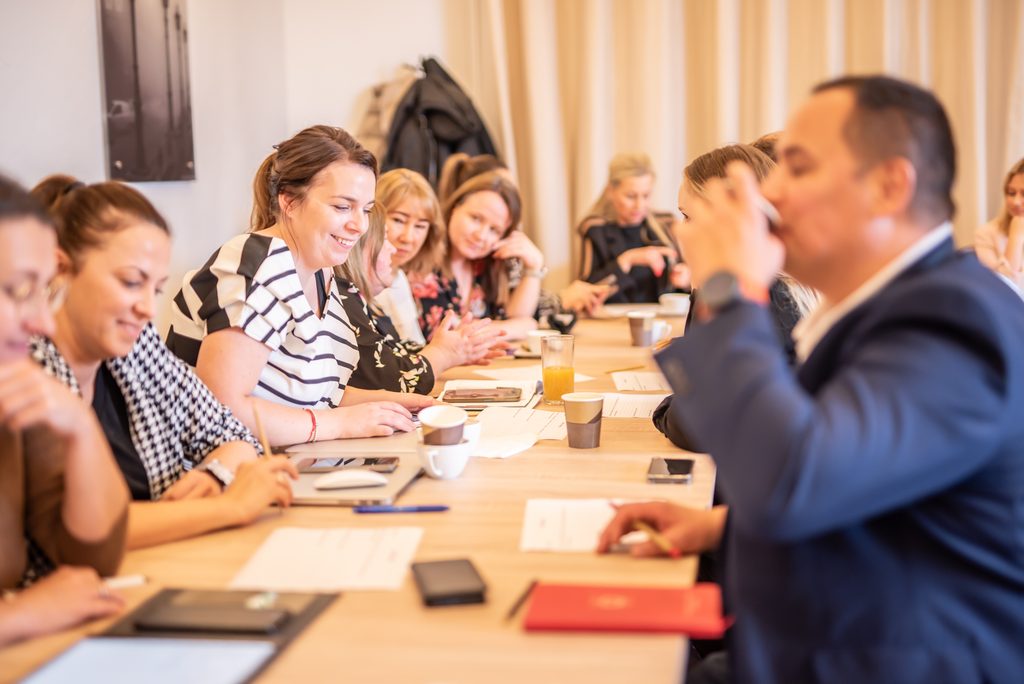
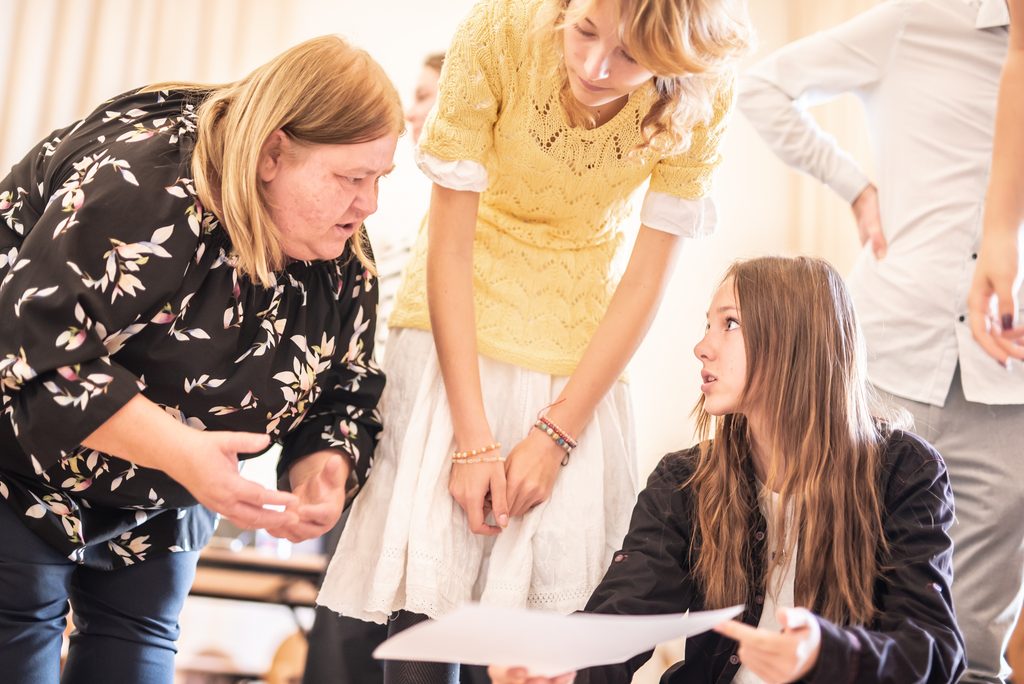
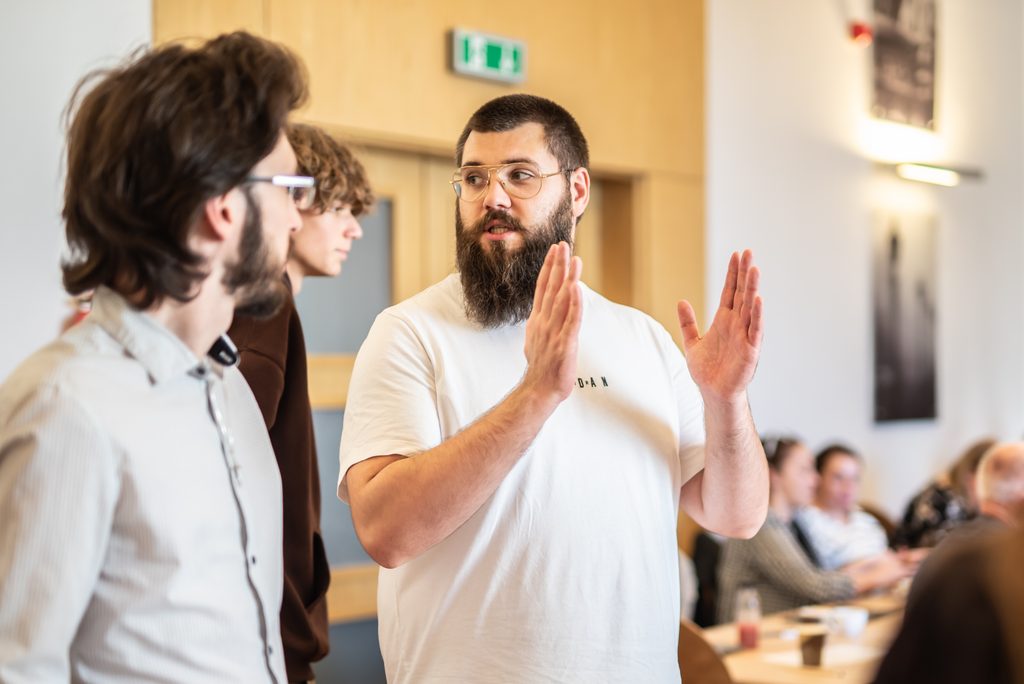
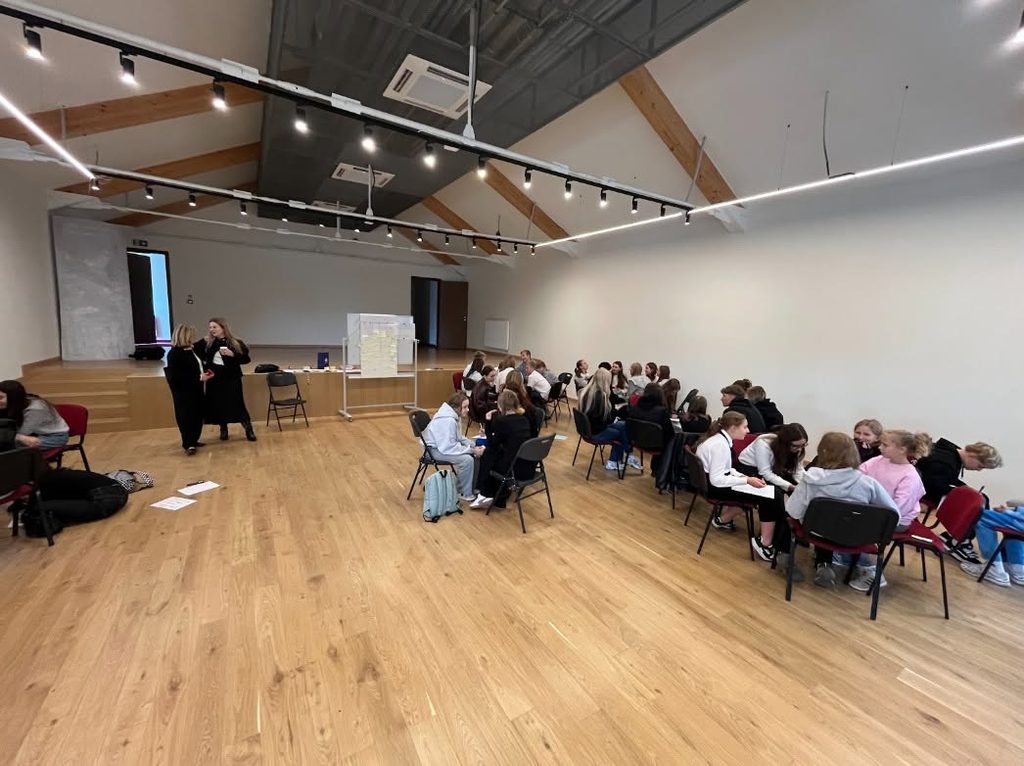
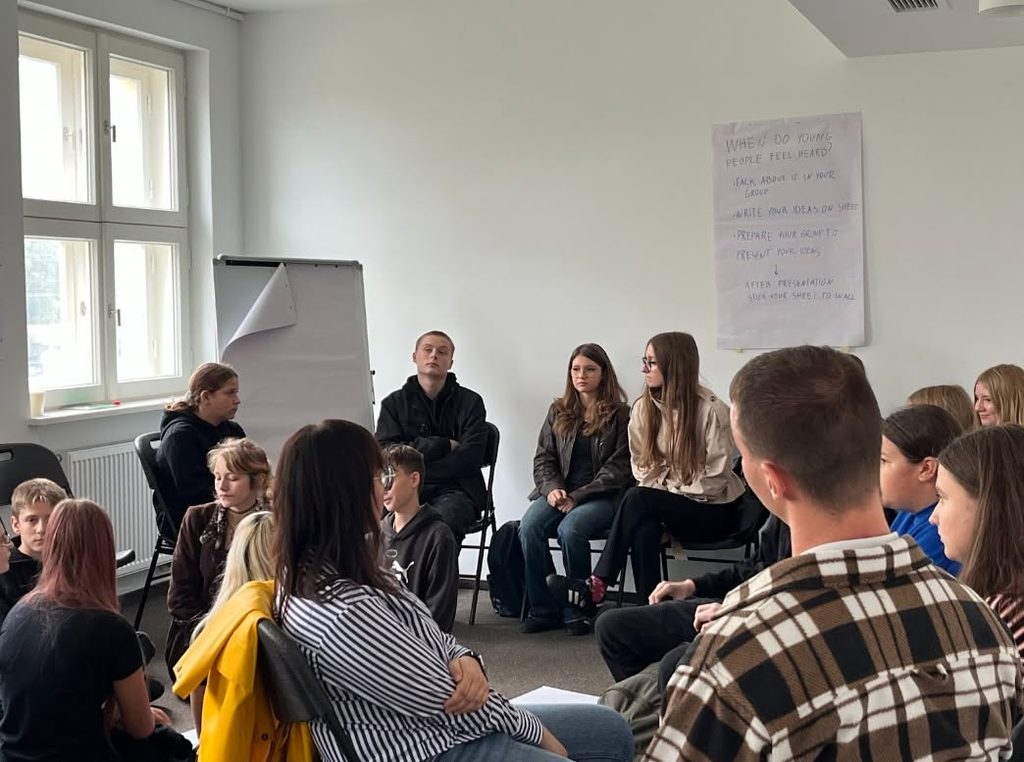
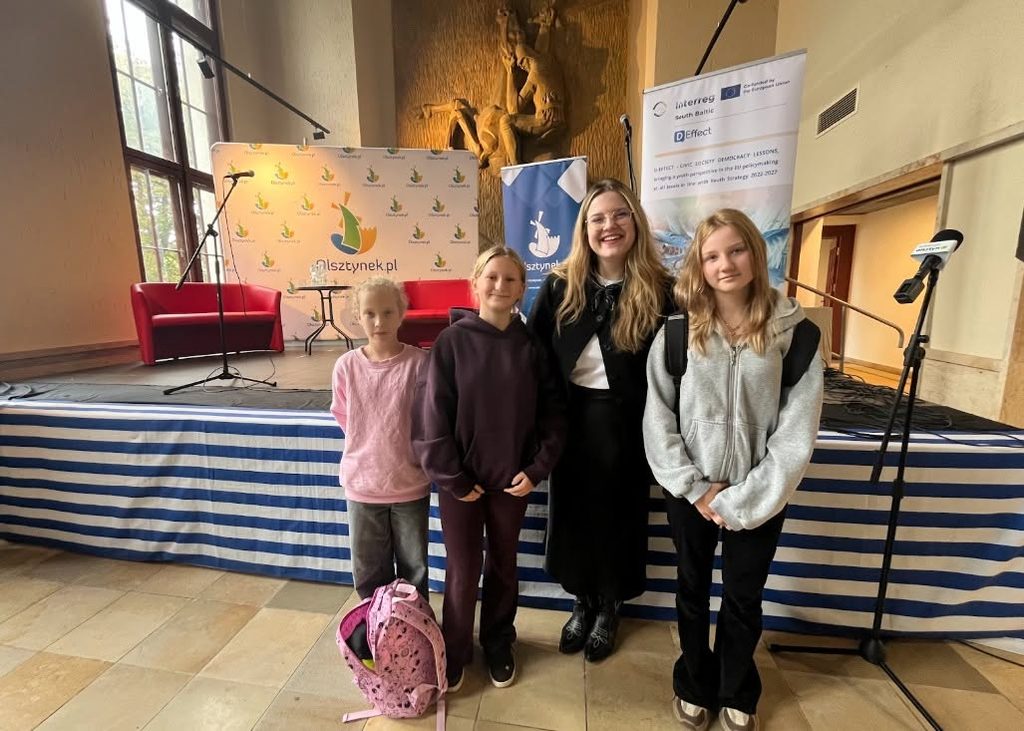
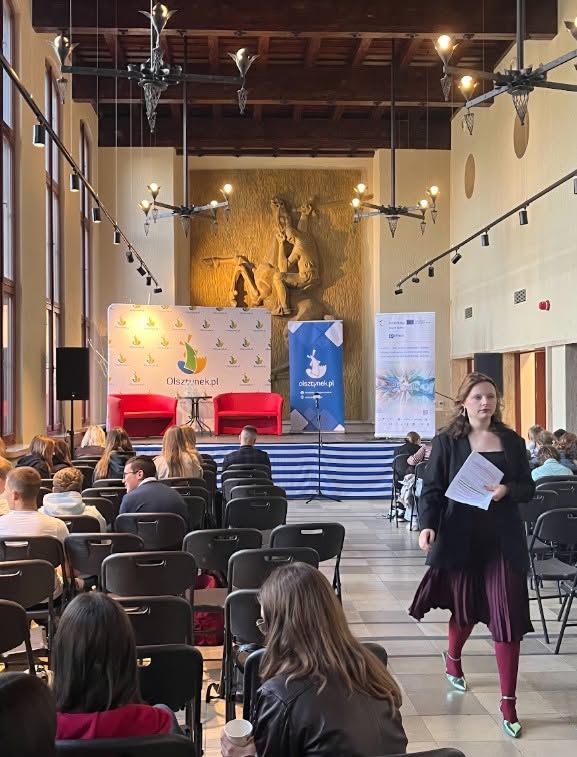
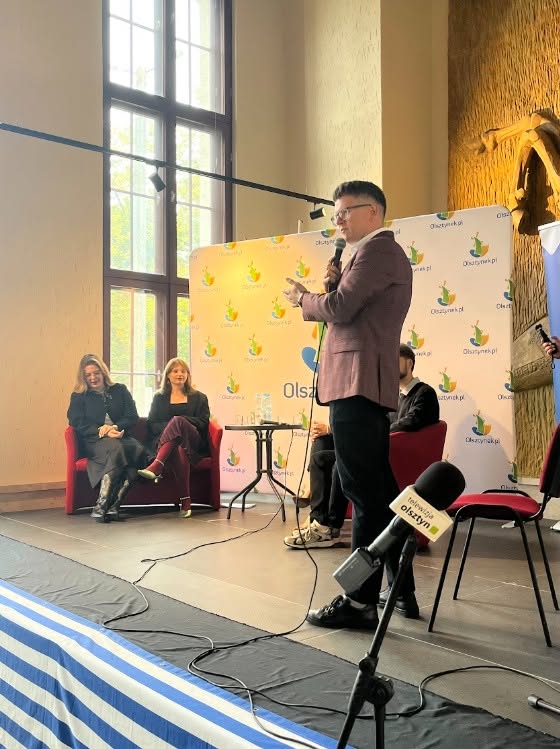
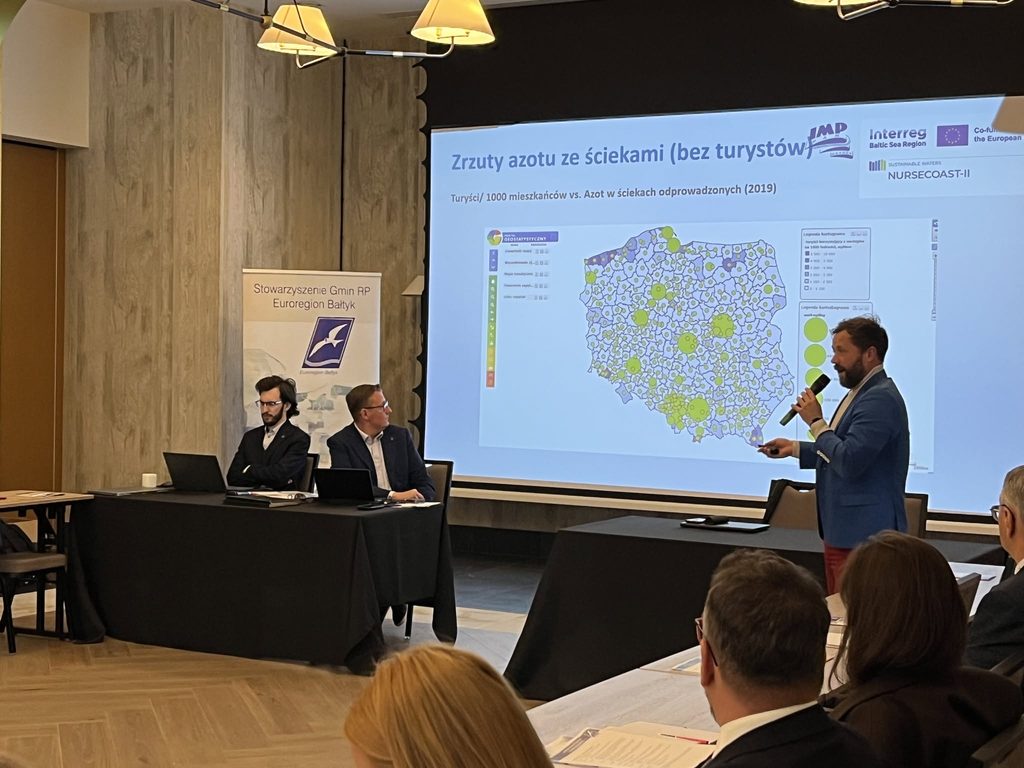
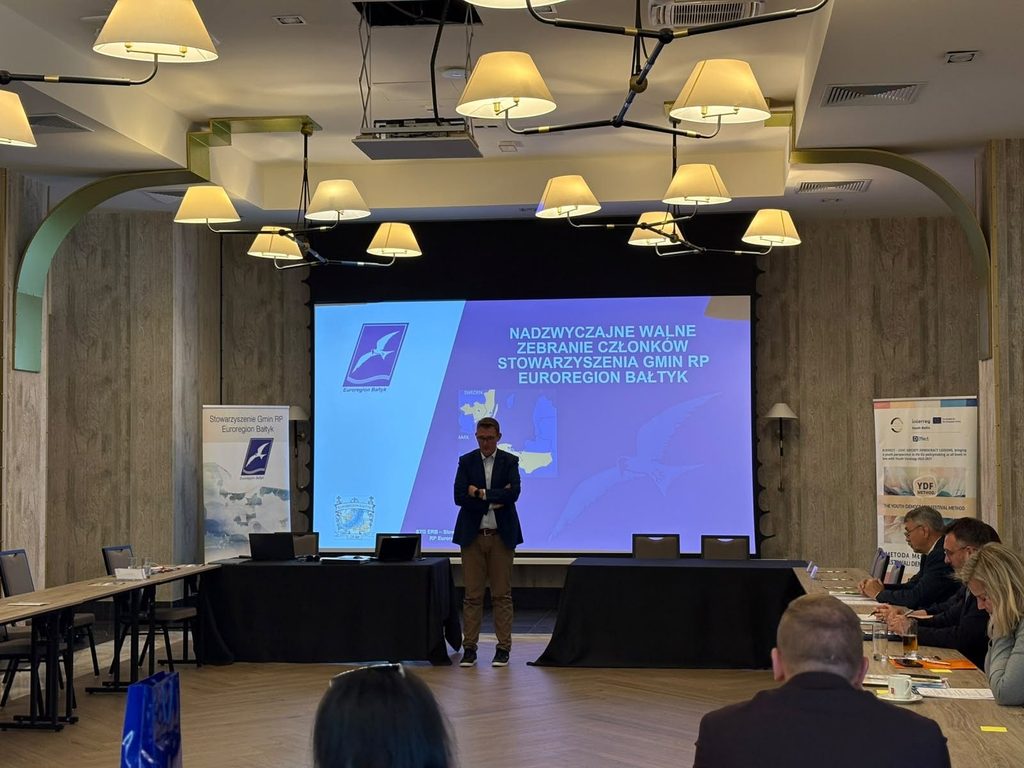
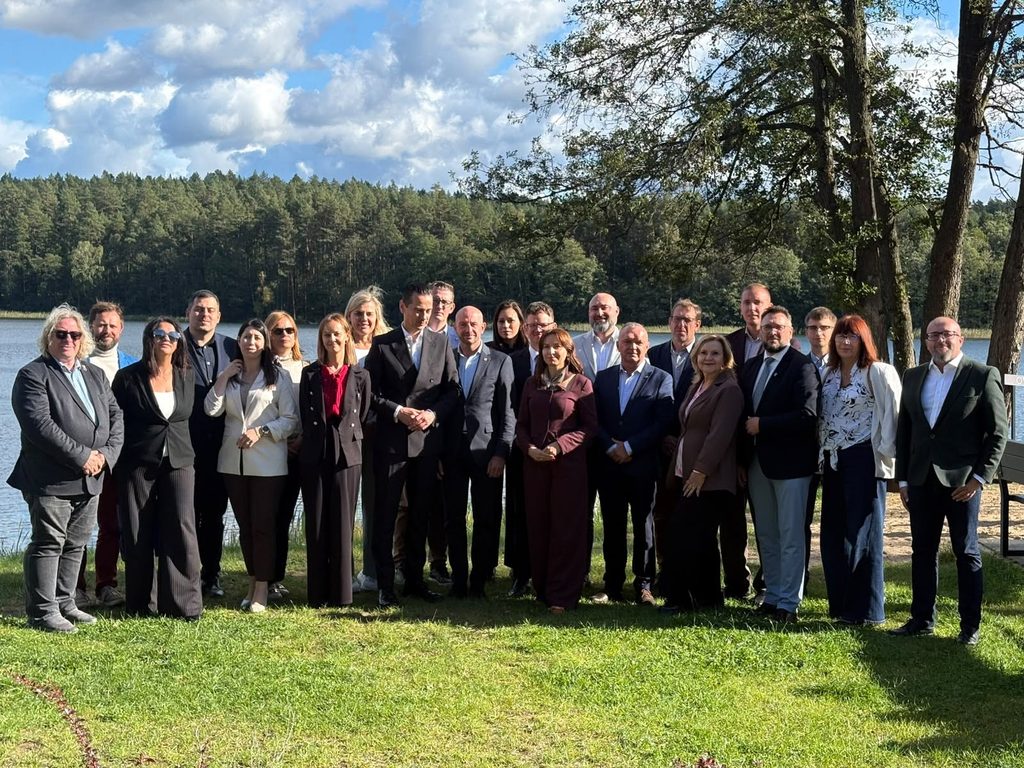
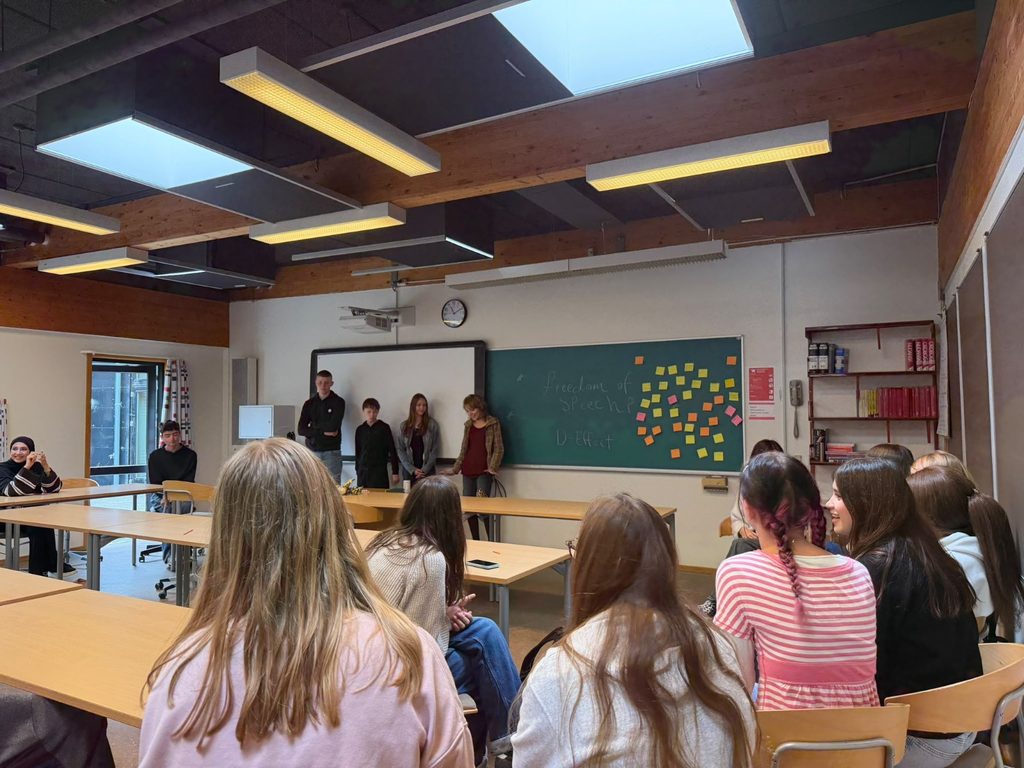
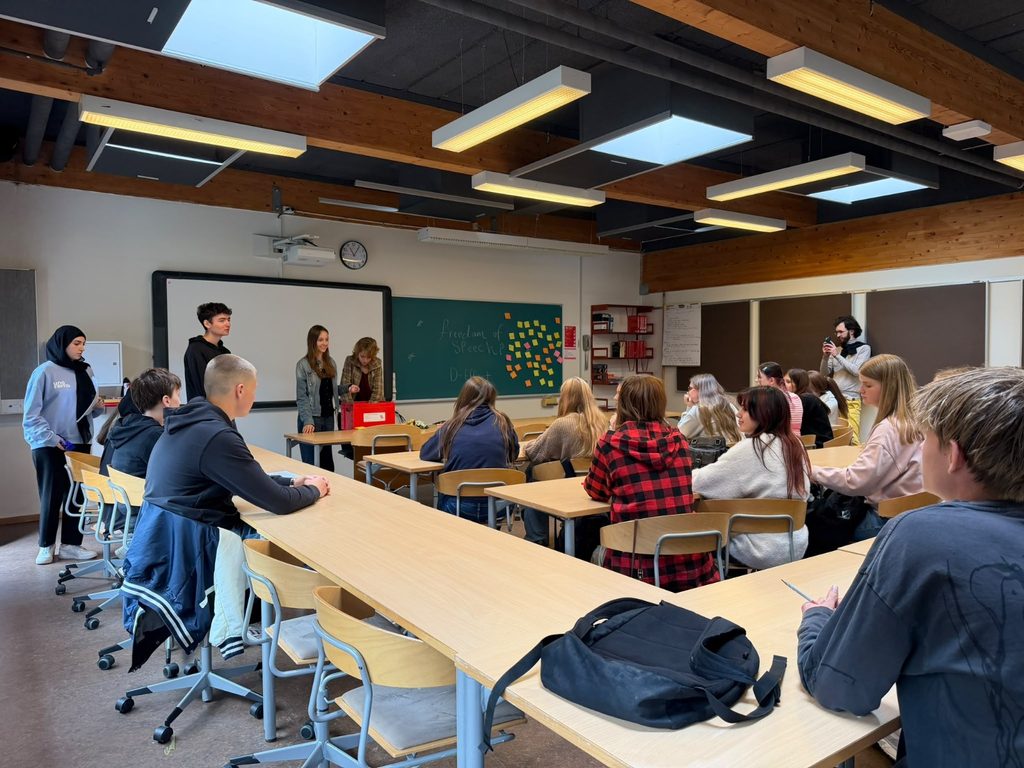
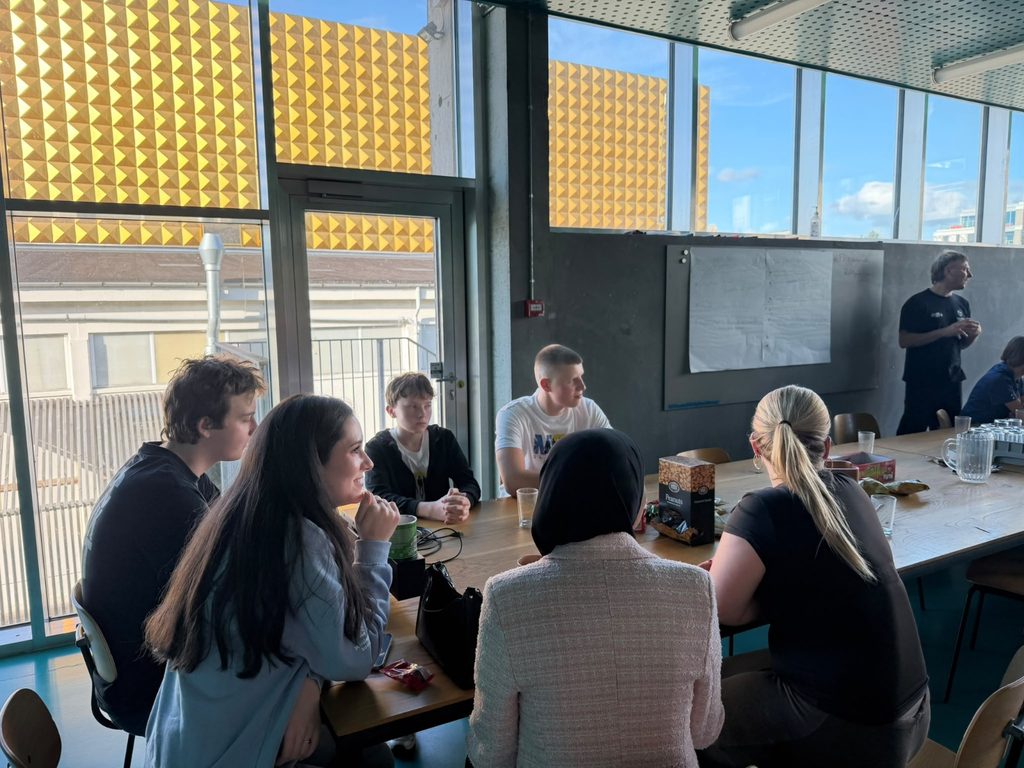
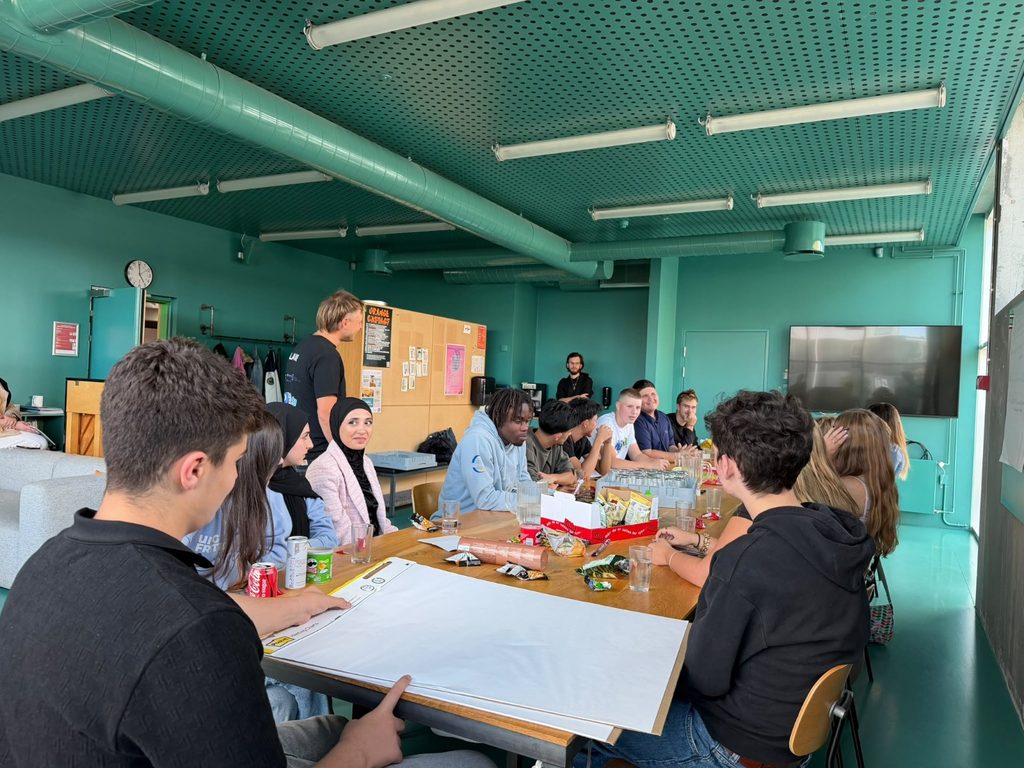
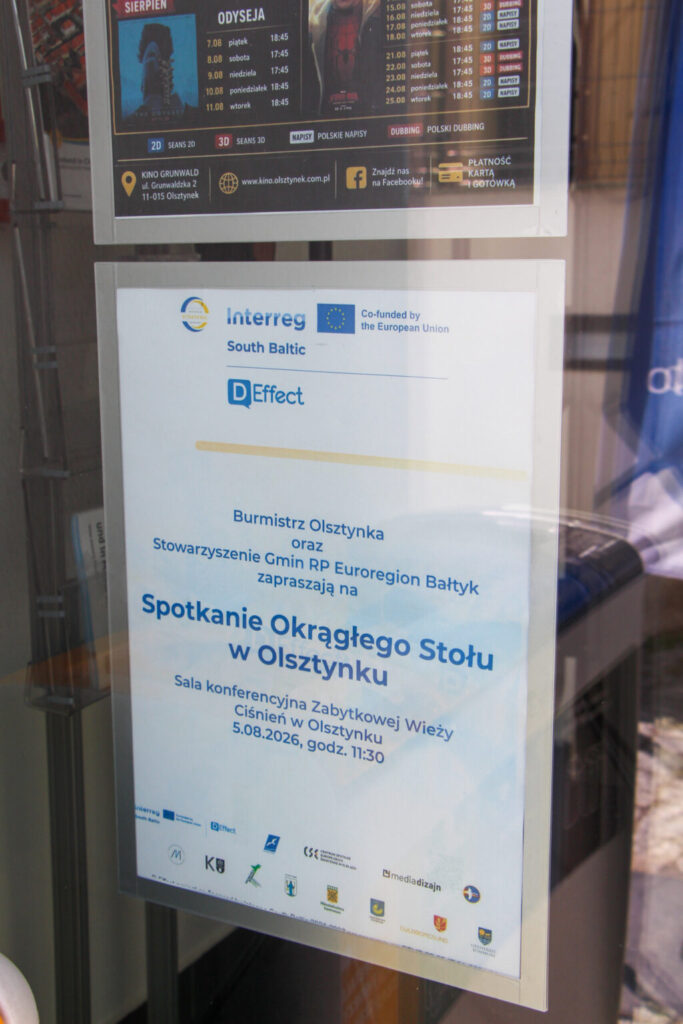
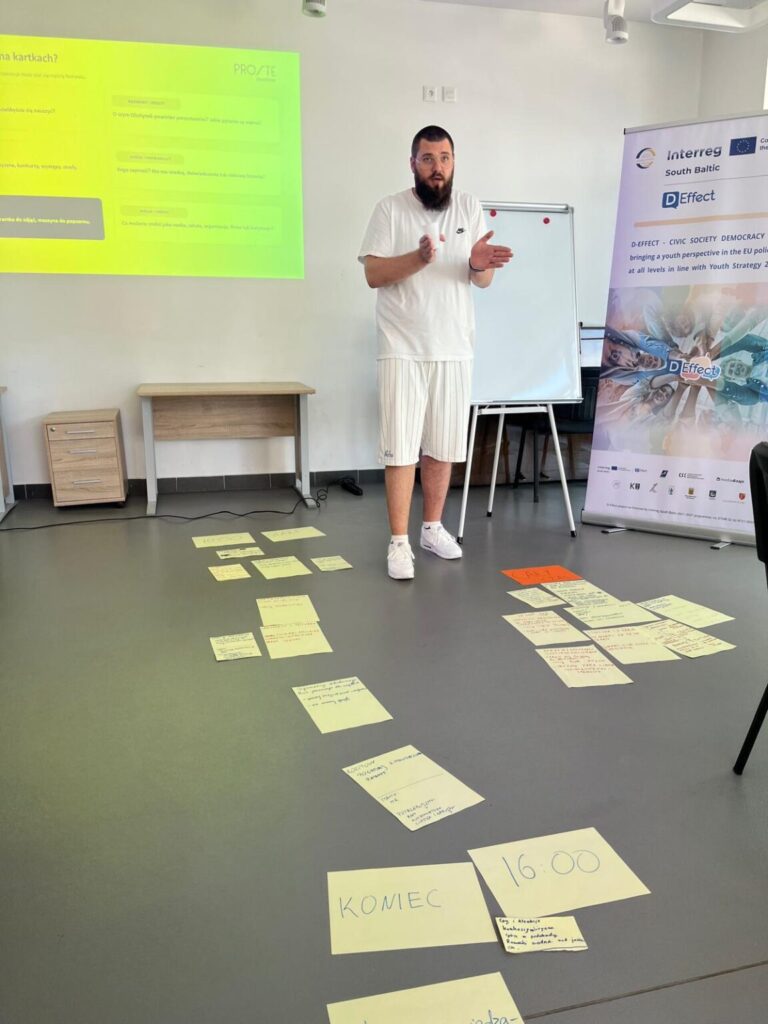
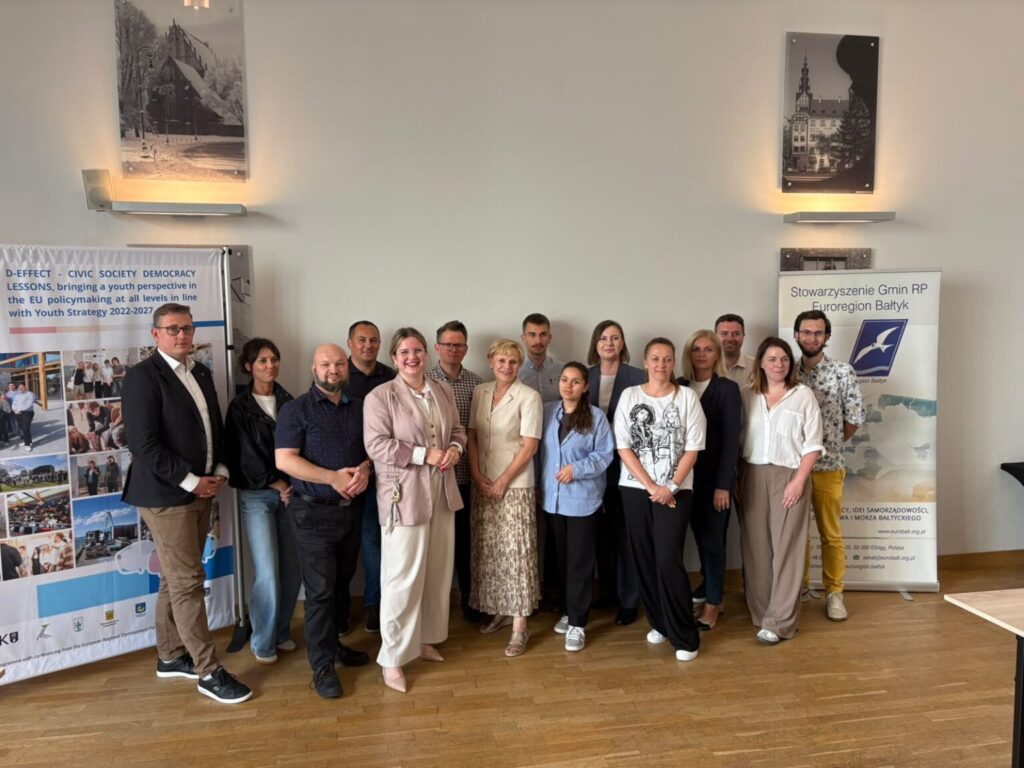
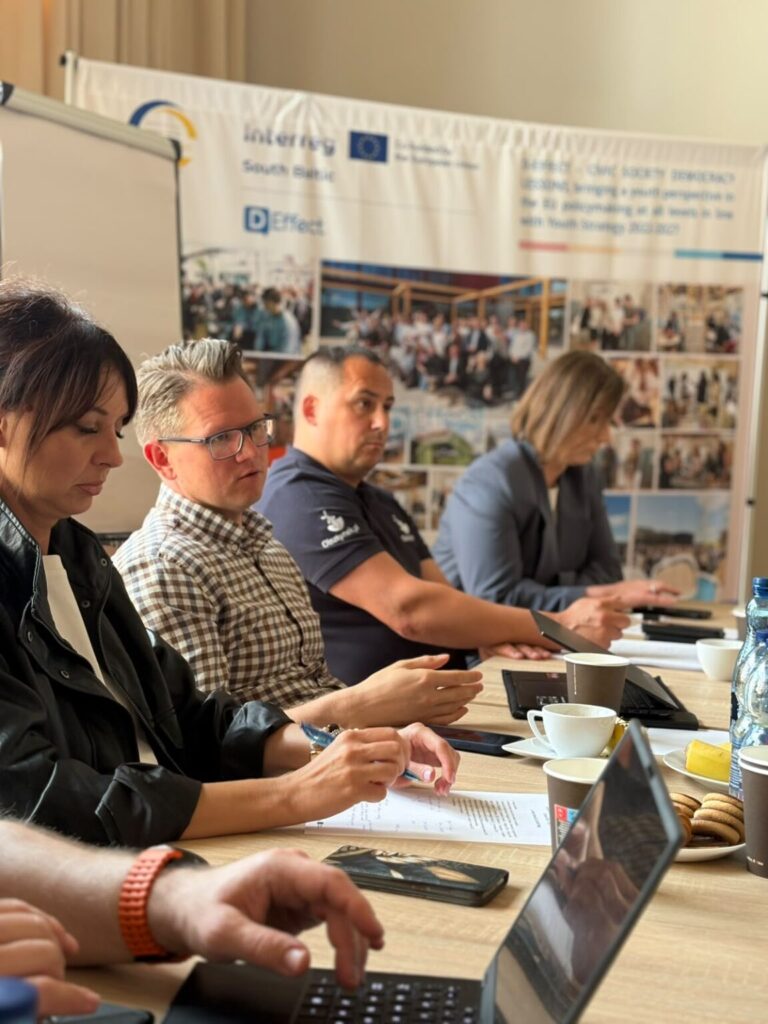
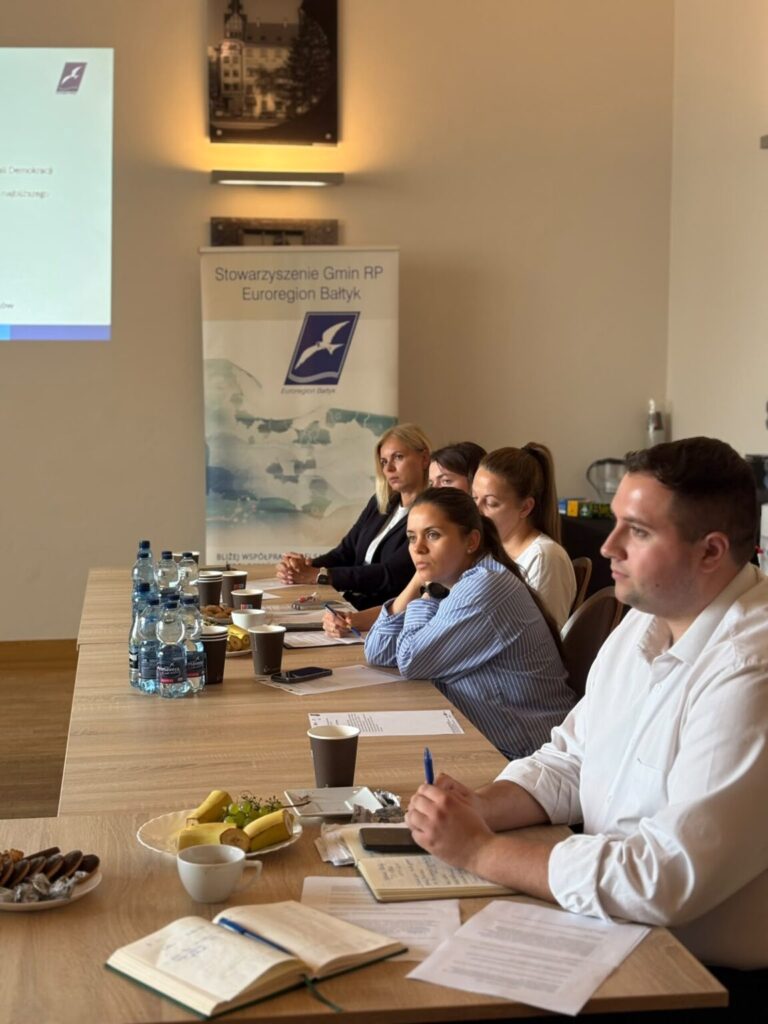
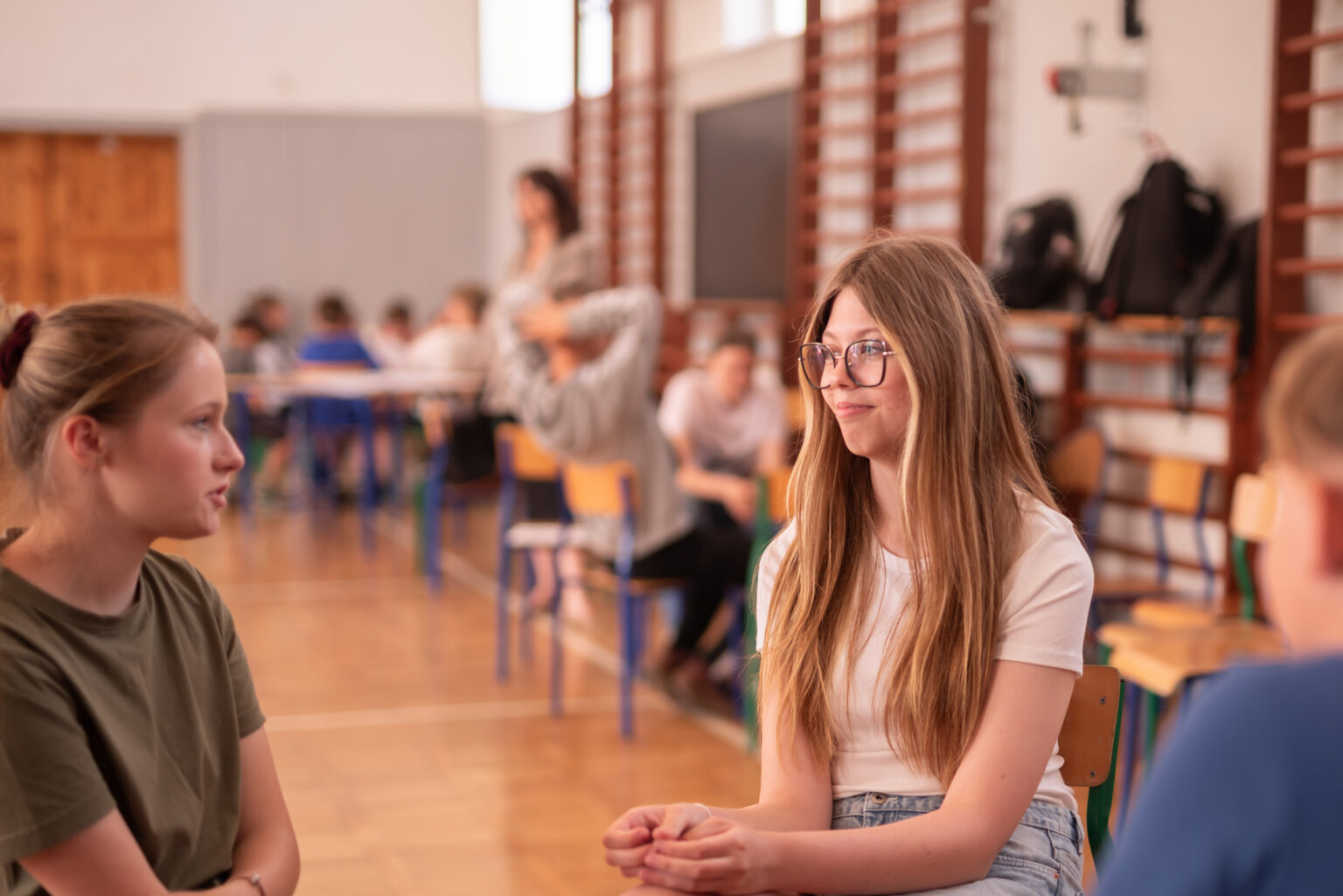
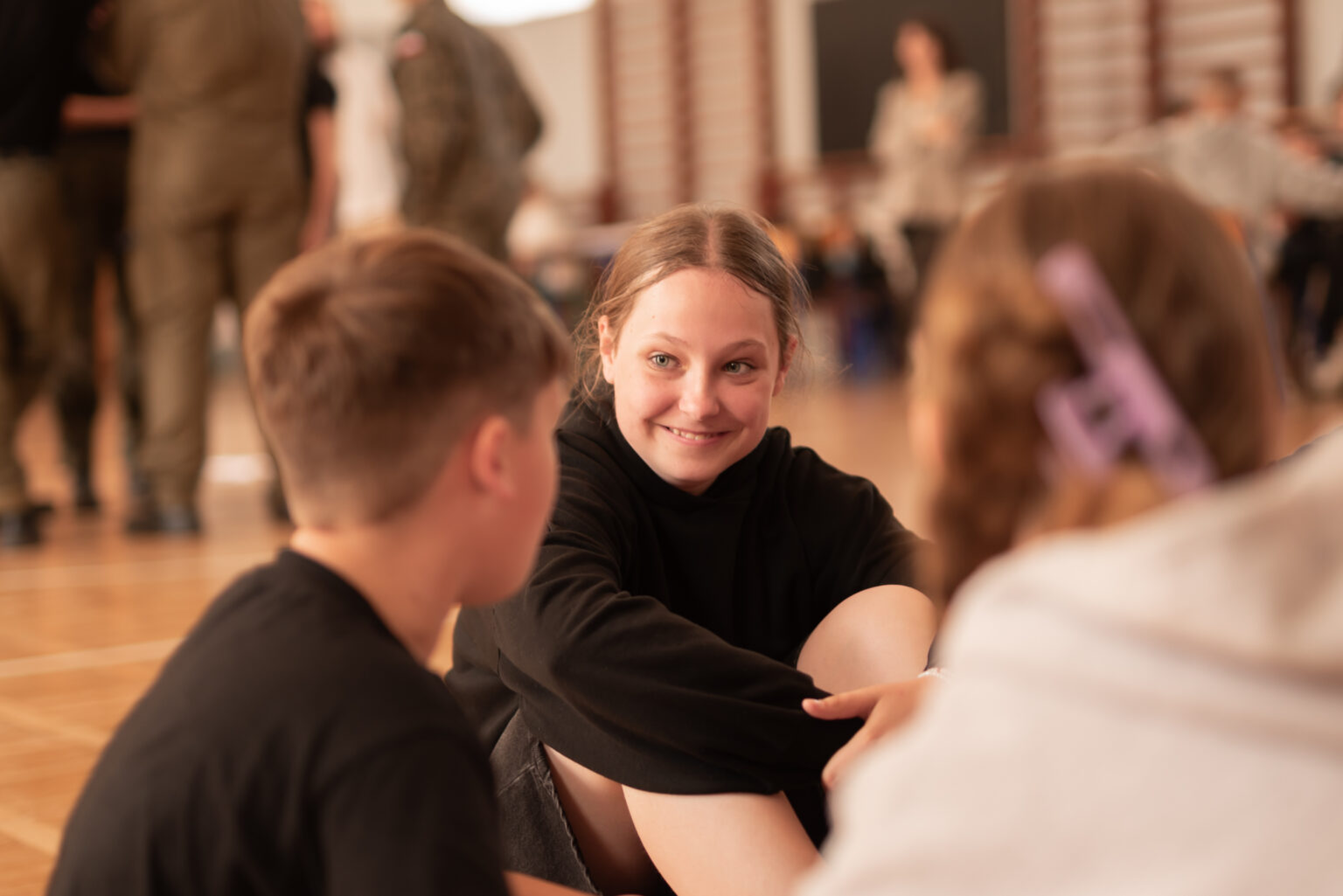
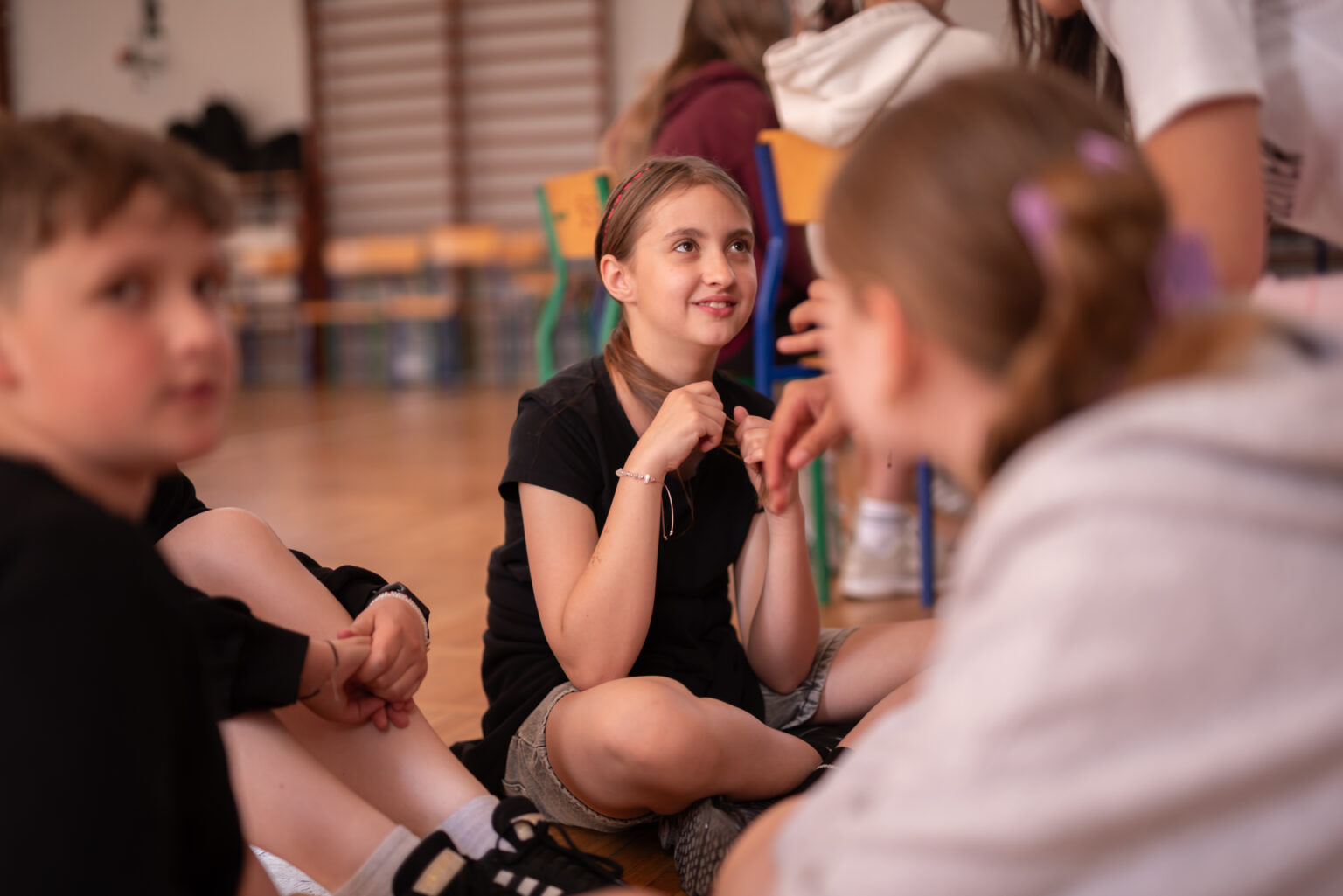
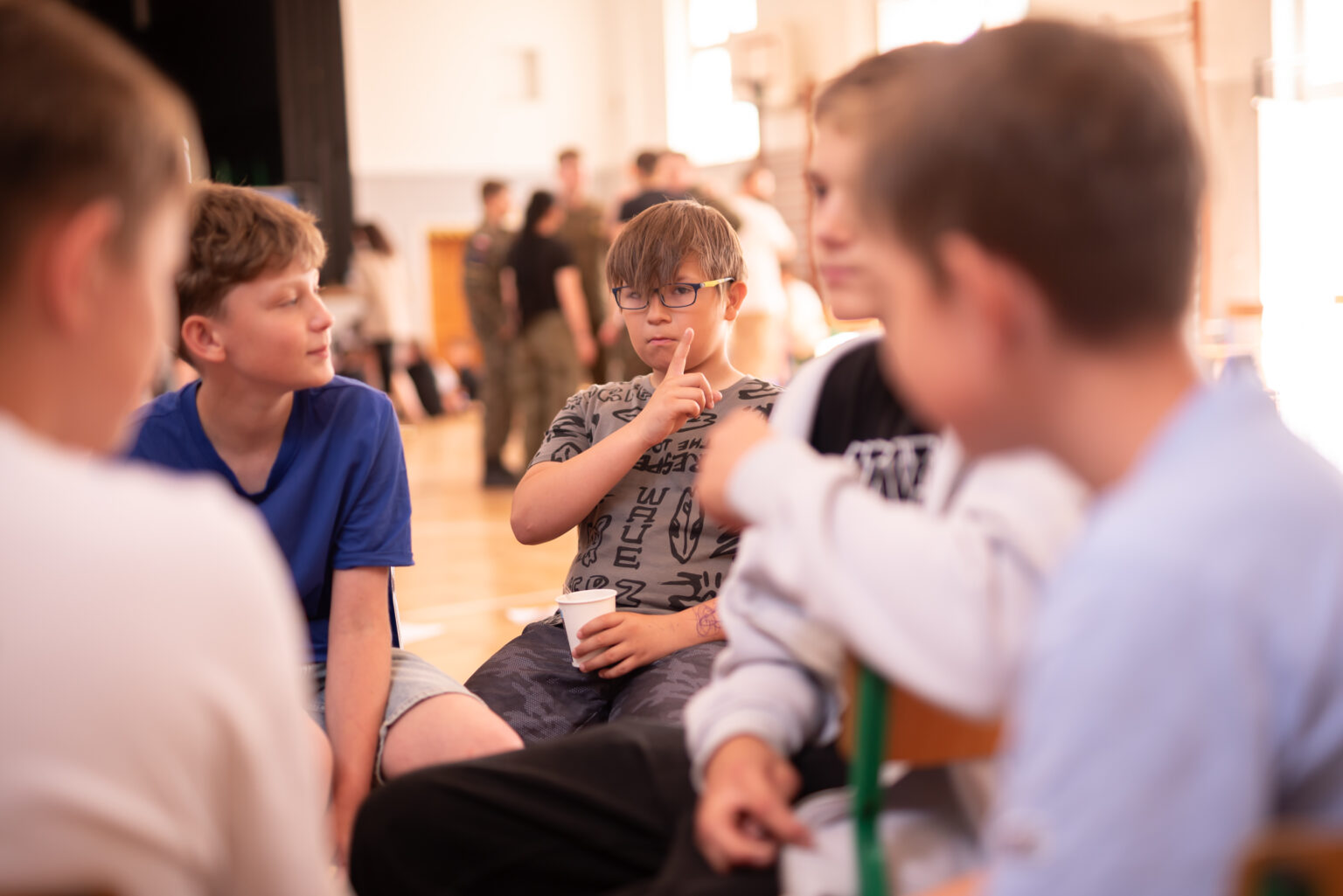
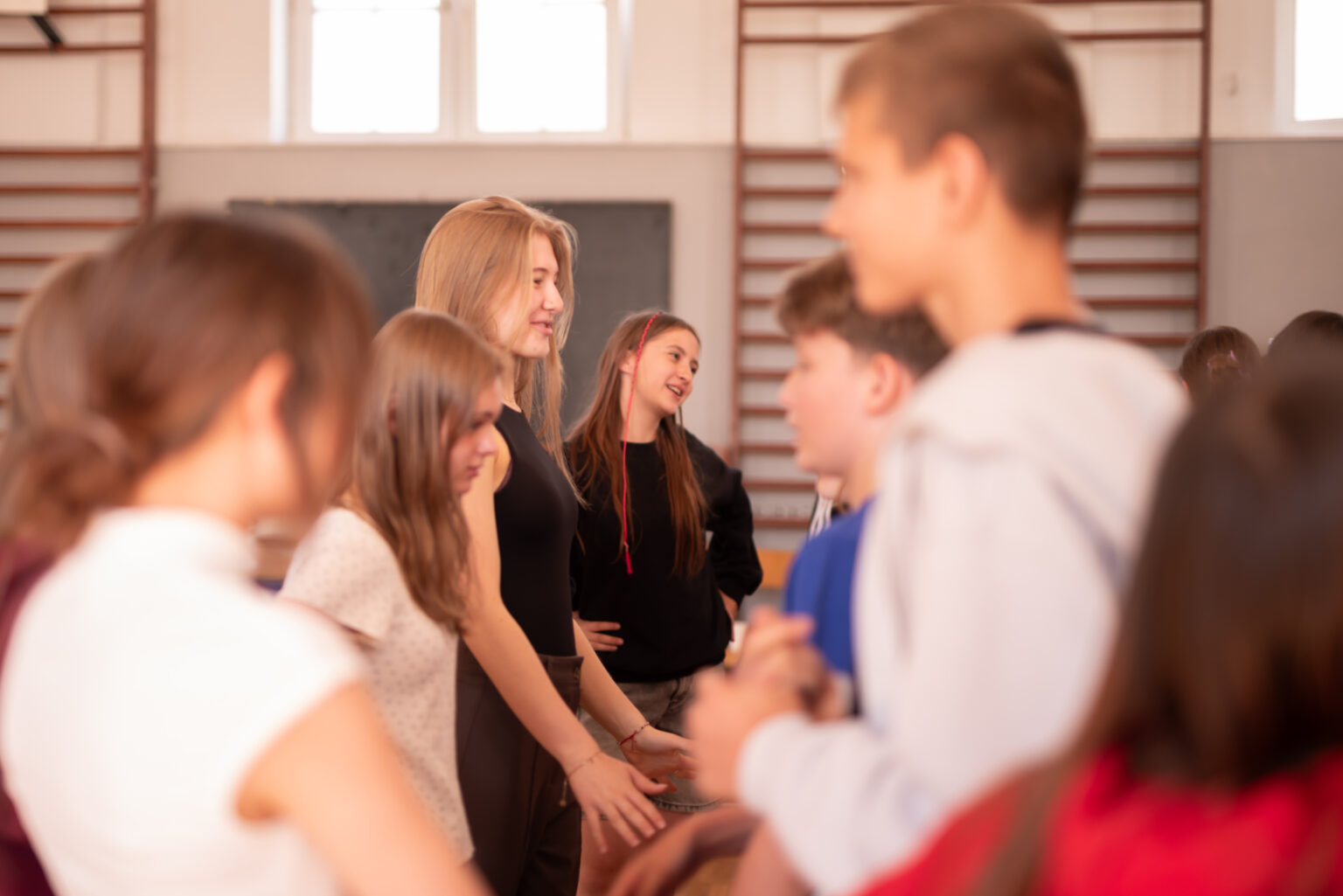
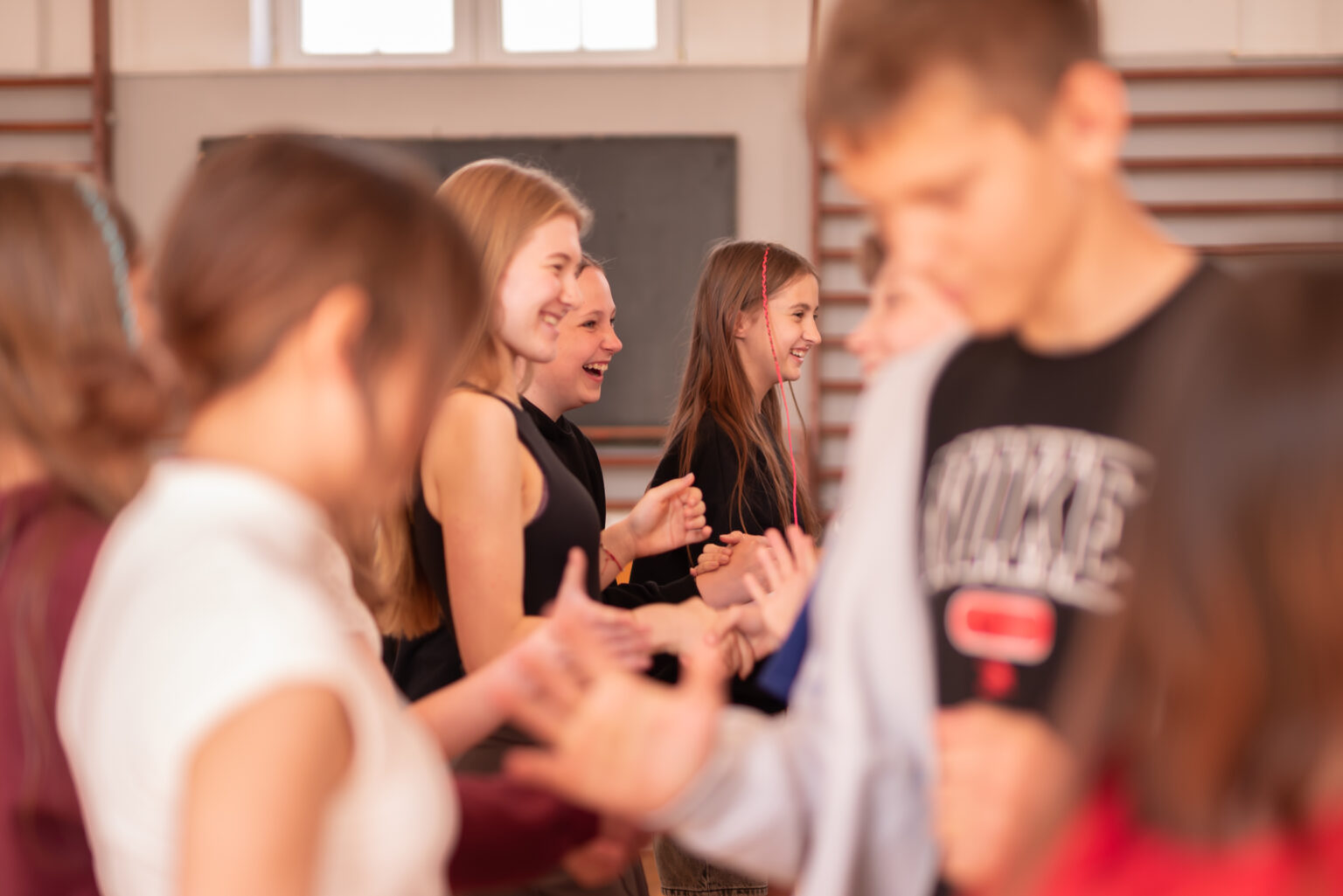
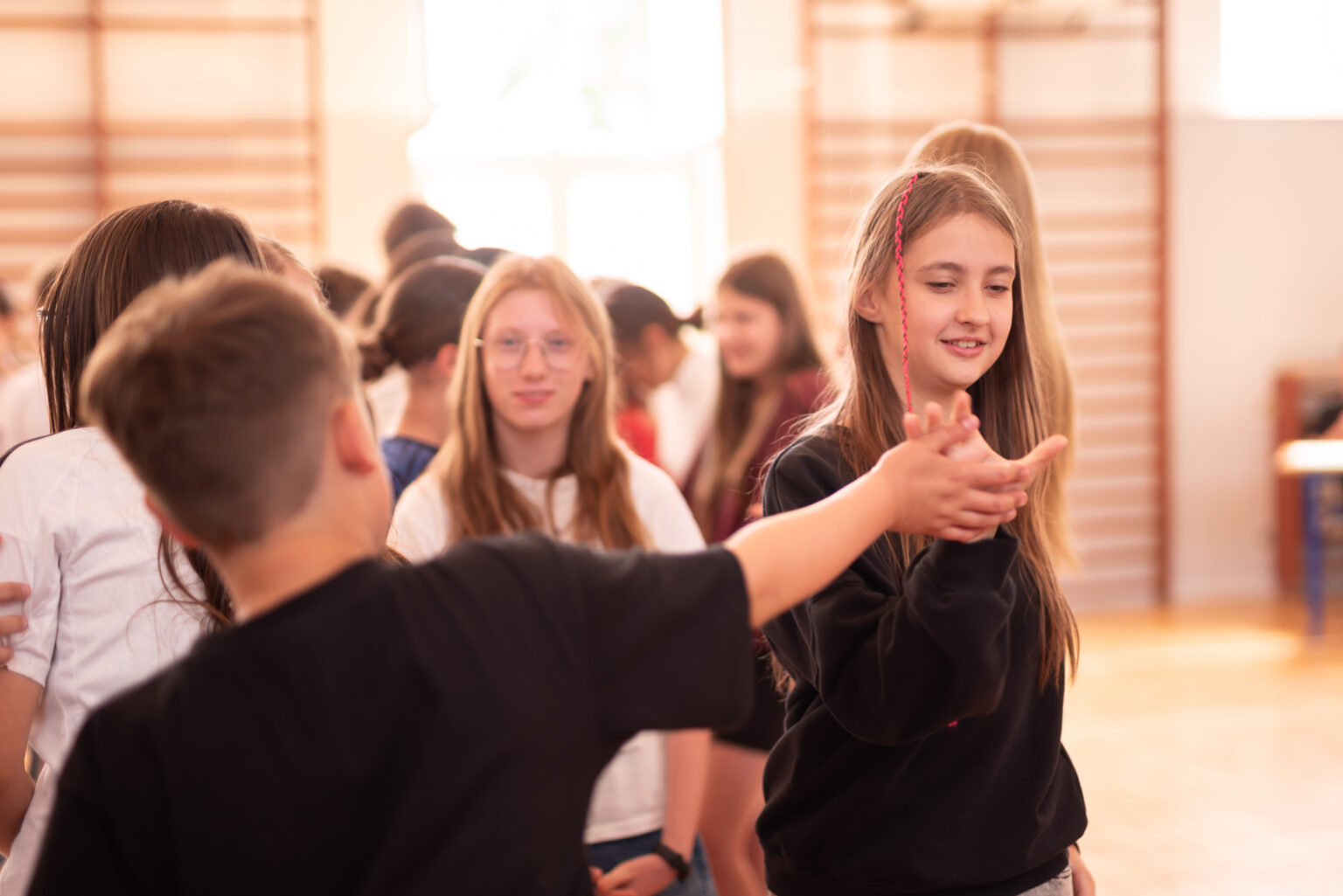
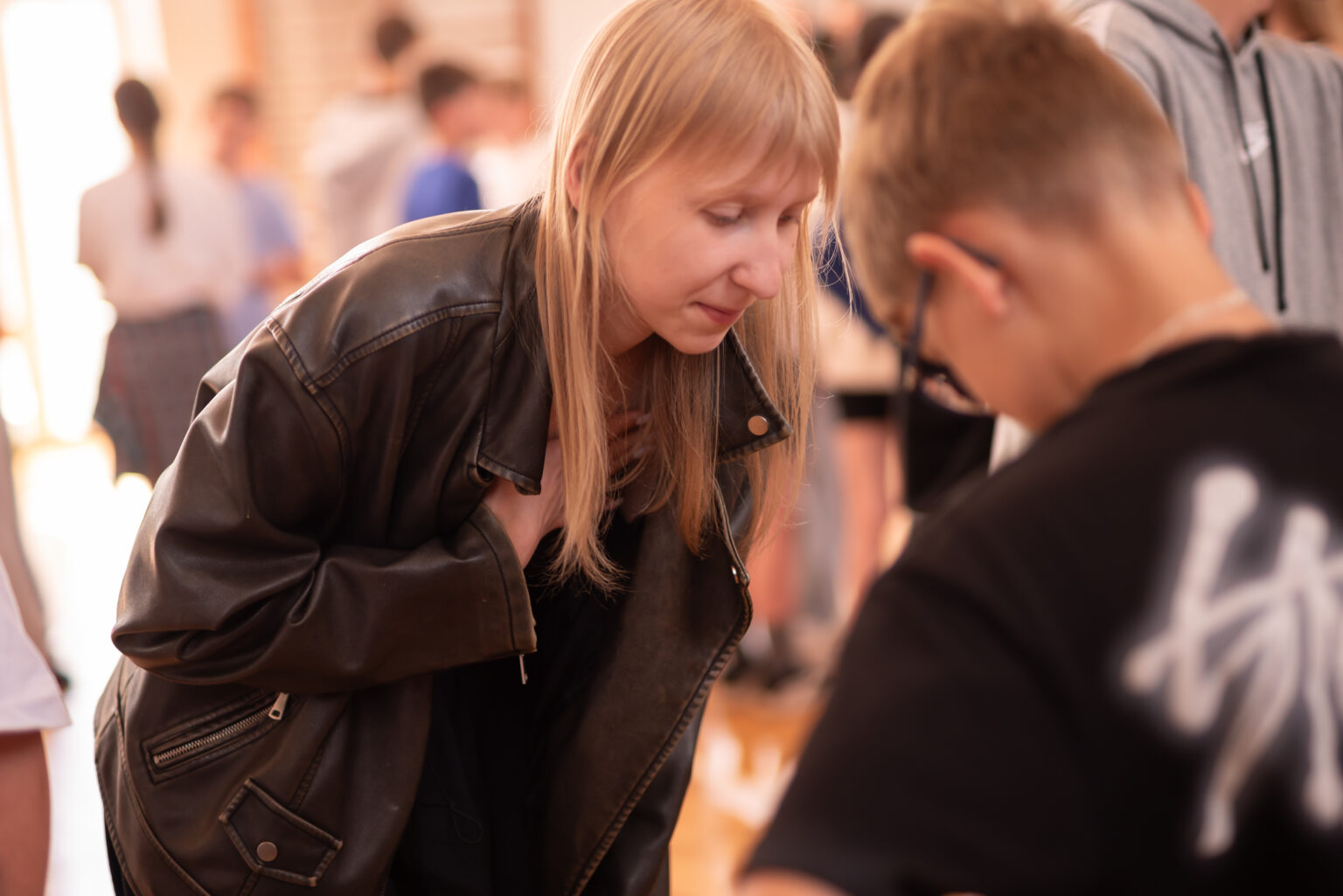
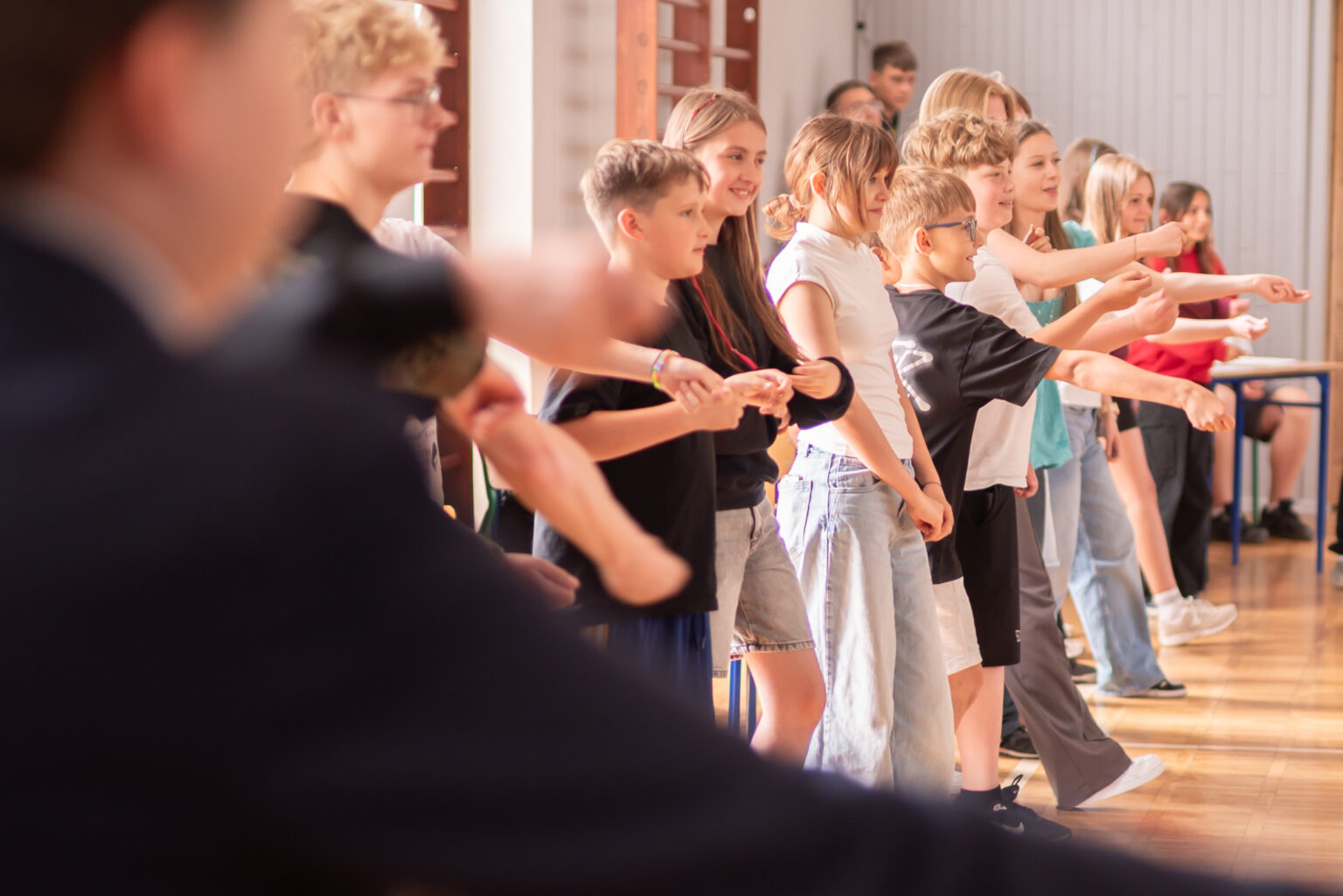
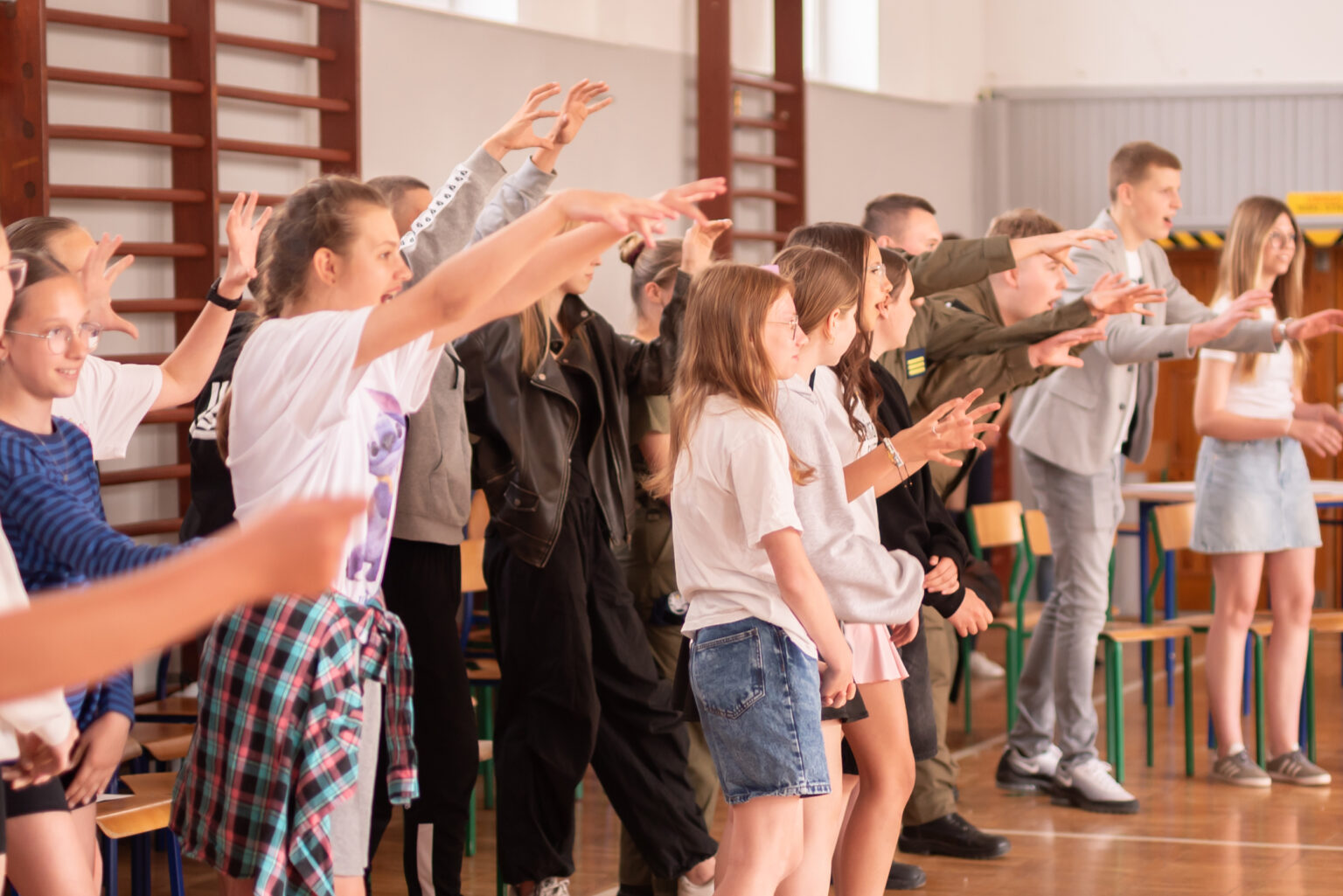
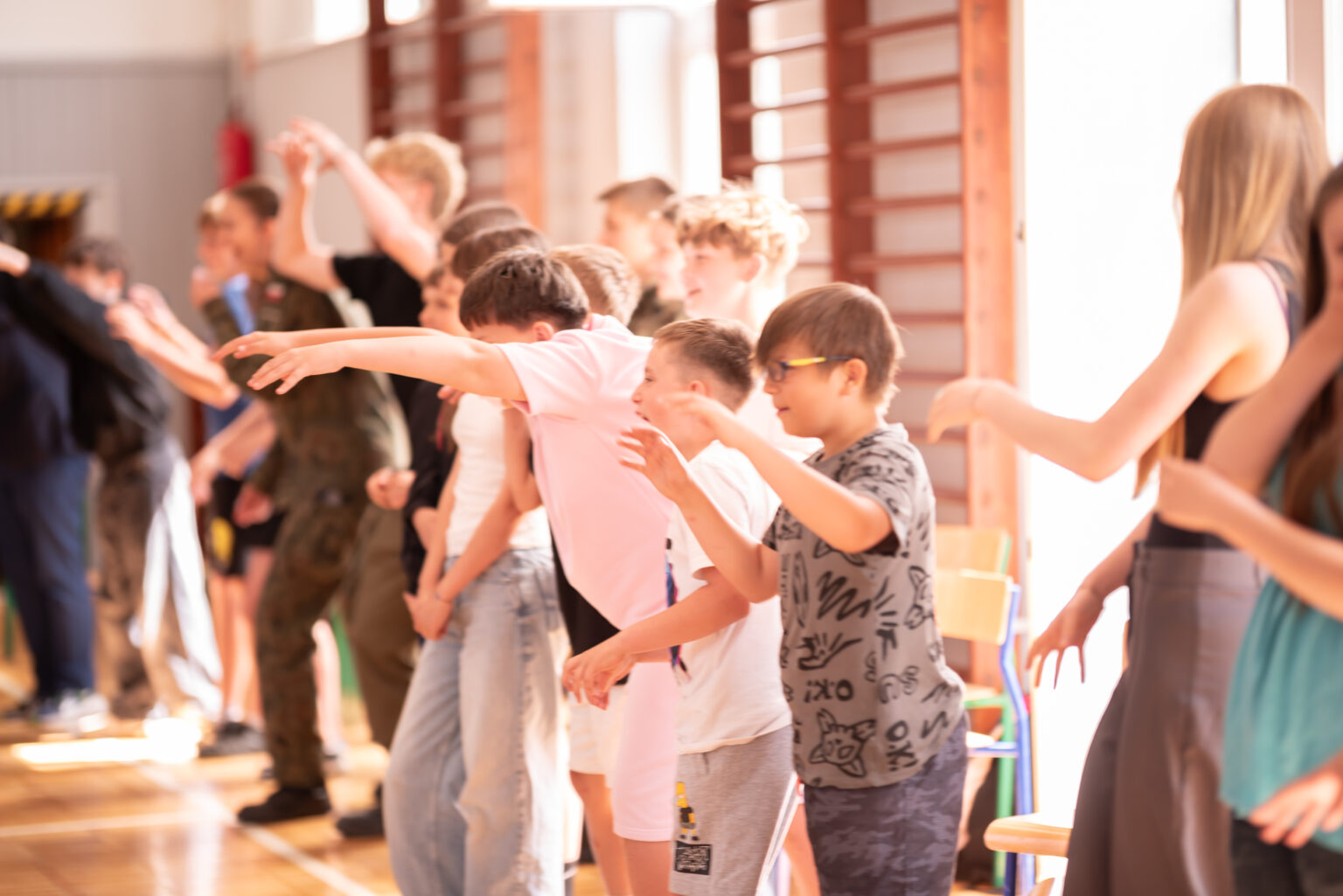
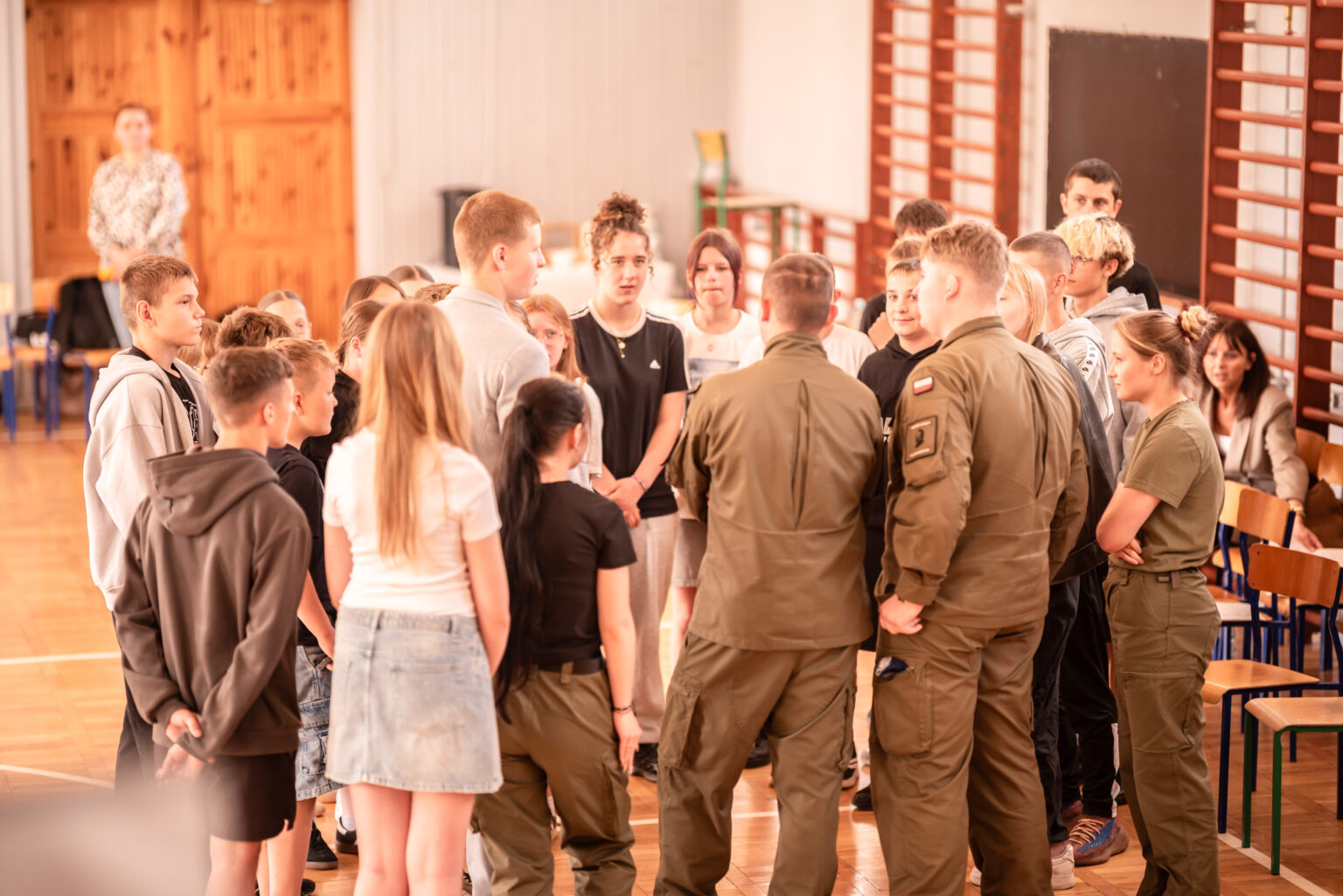
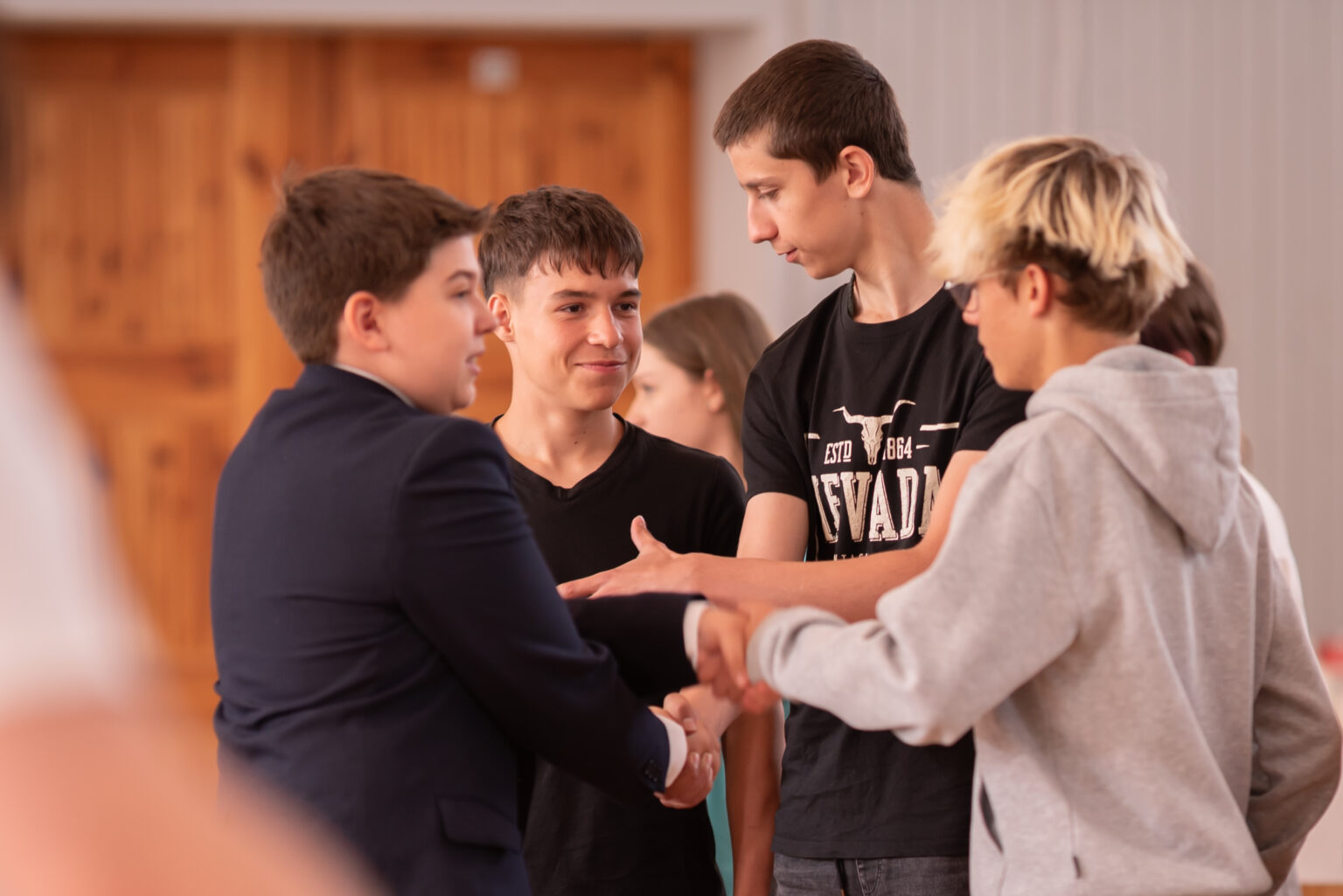
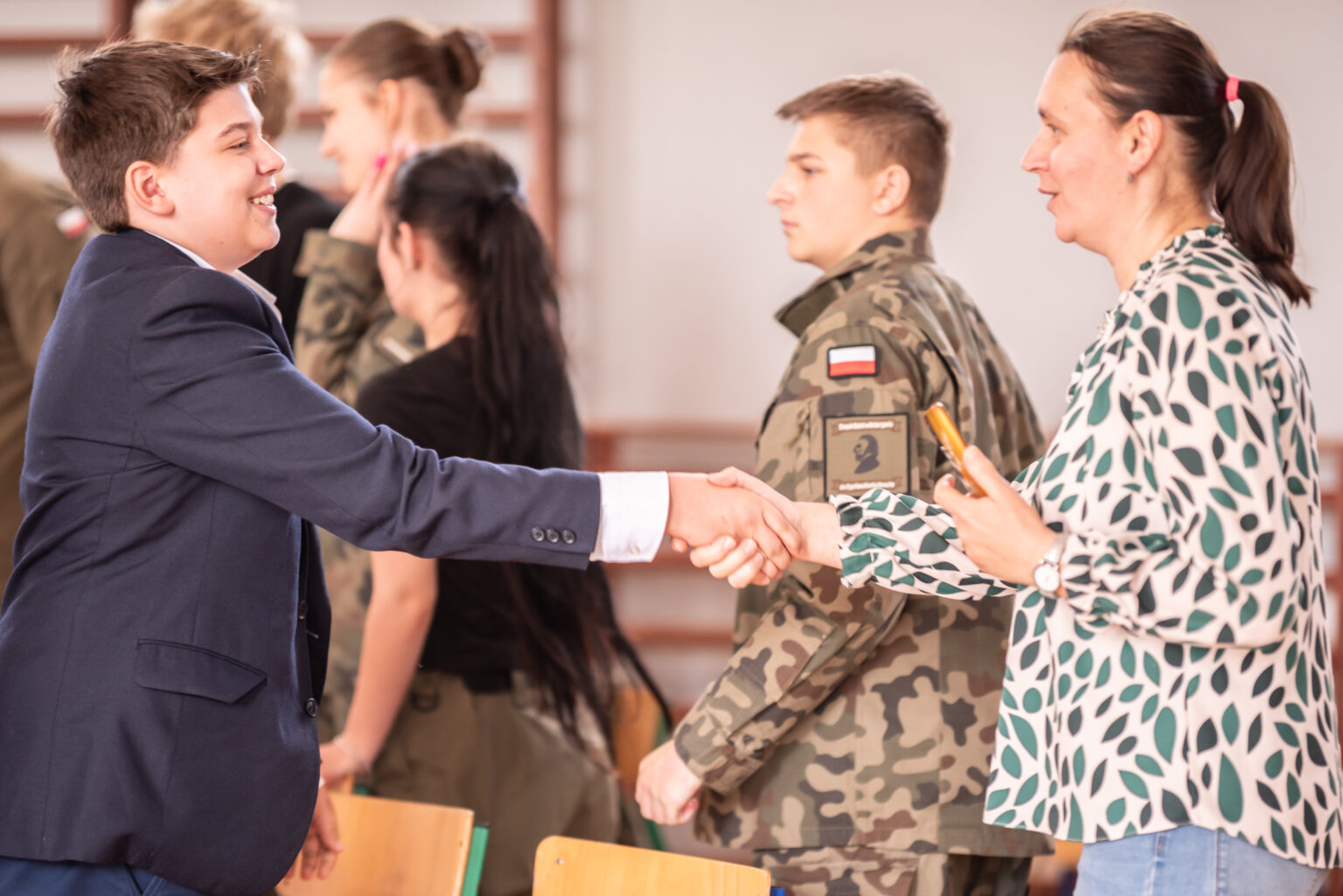
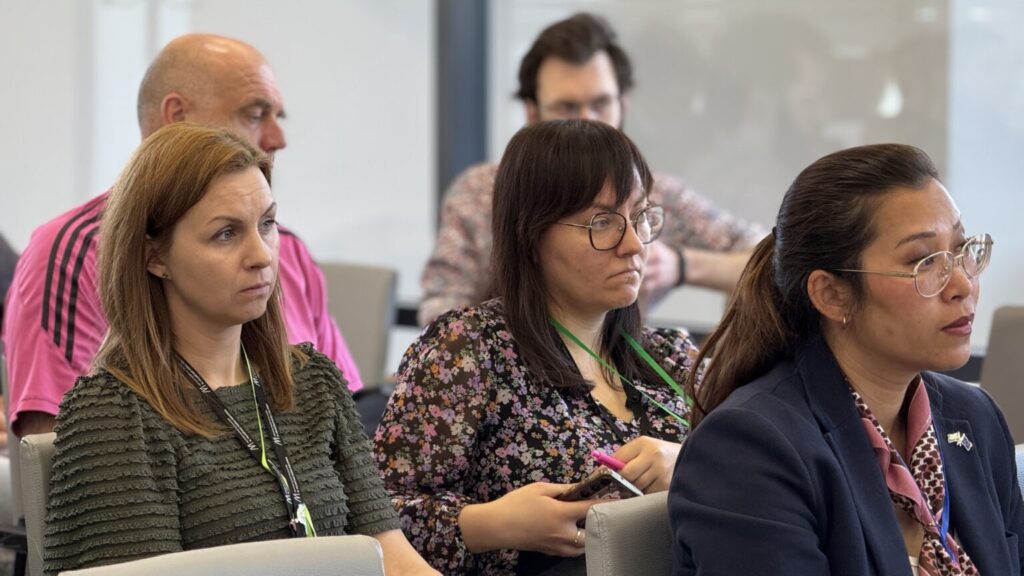
On August 5, 2026, the Third Roundtable was held in Olsztynek under the slogan “We’re Planning the Festival of Democracy”; it was dedicated to preparations for the Youth Democracy Festival. This was the final meeting of its kind, summarizing several months of consultations involving representatives of student councils, teachers, local government officials, and representatives of institutions and nongovernmental organizations. The meeting was a working session aimed at developing the program for the medium-scale, international festival.

Workshop

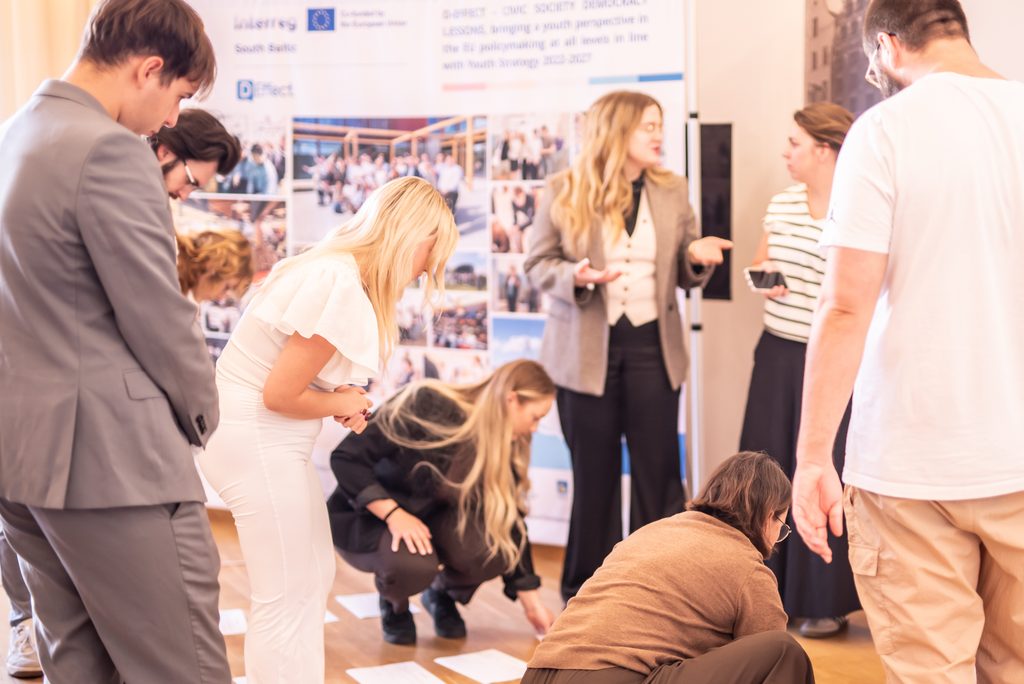
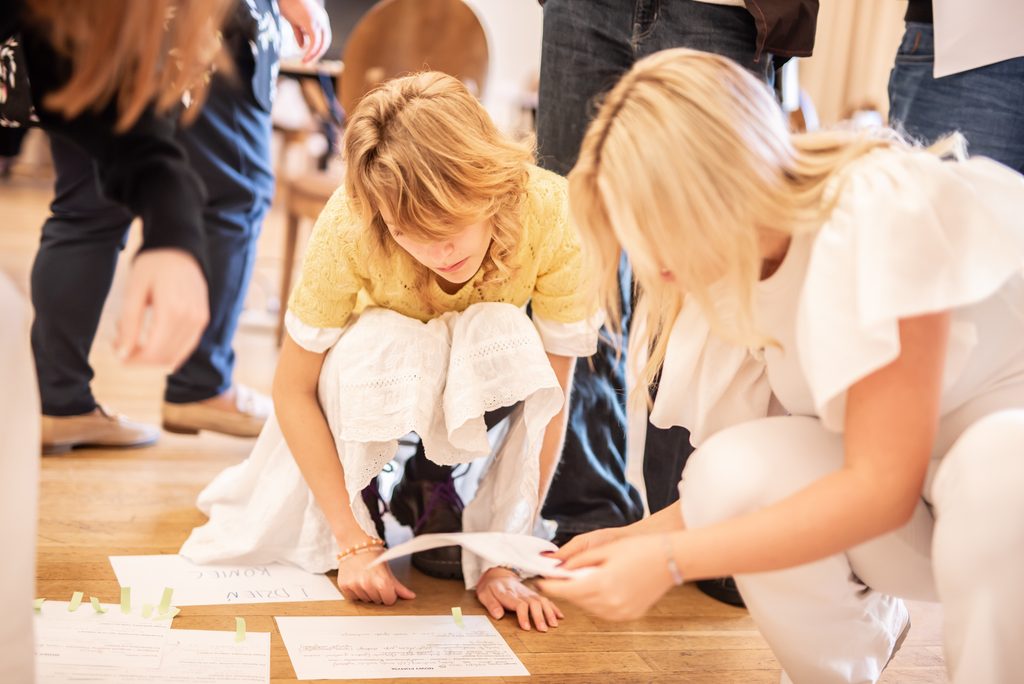
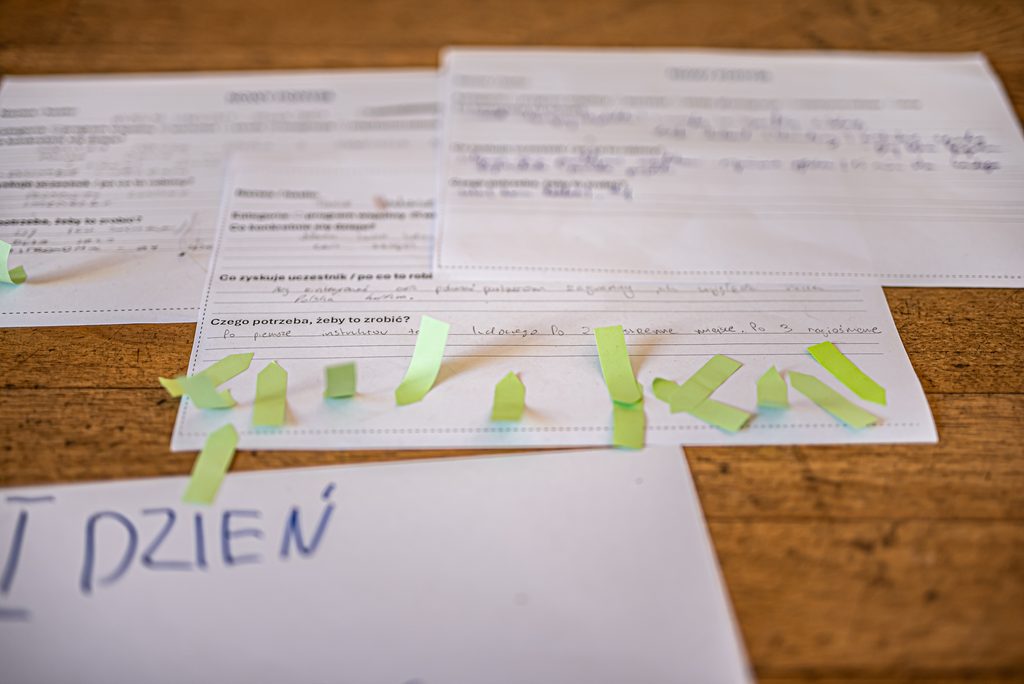
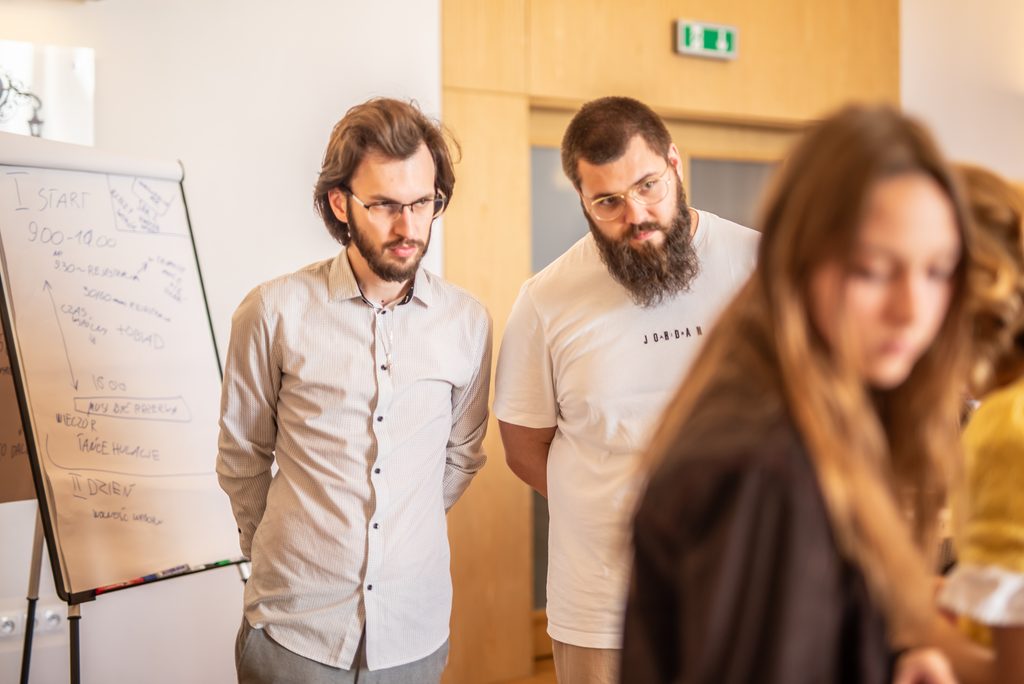
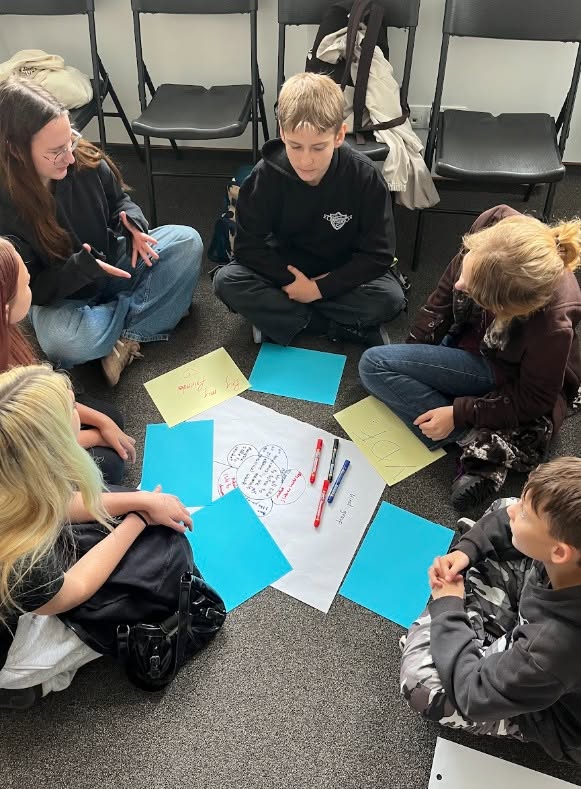
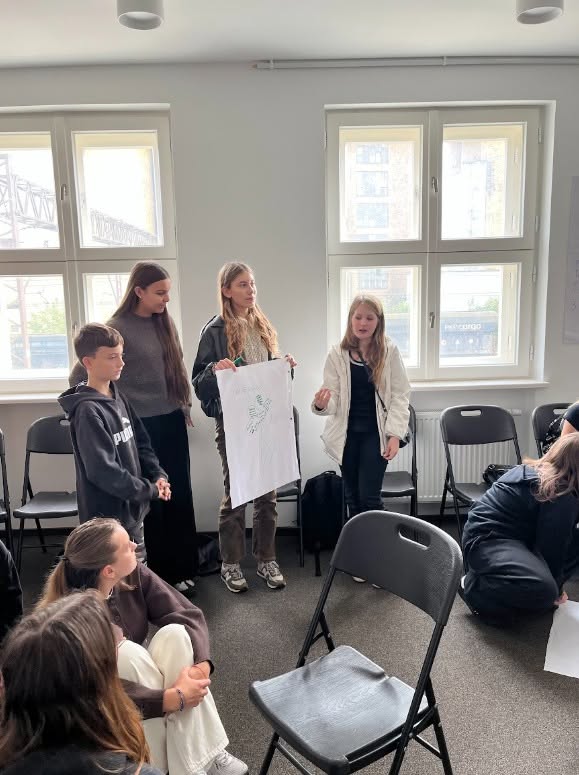
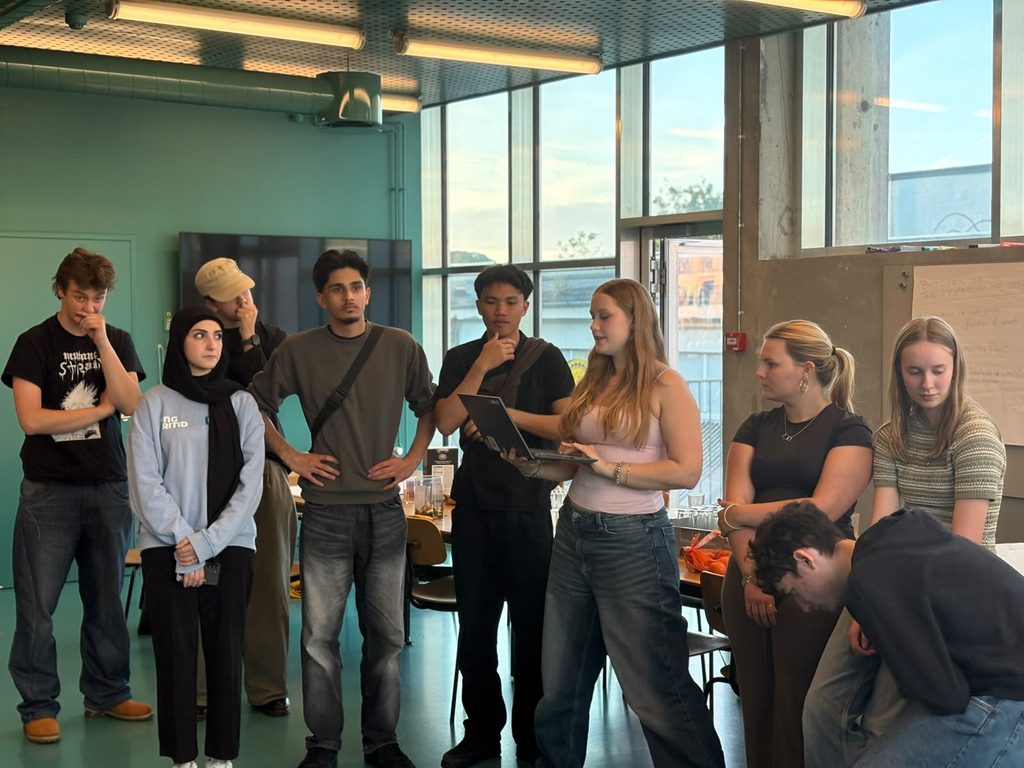
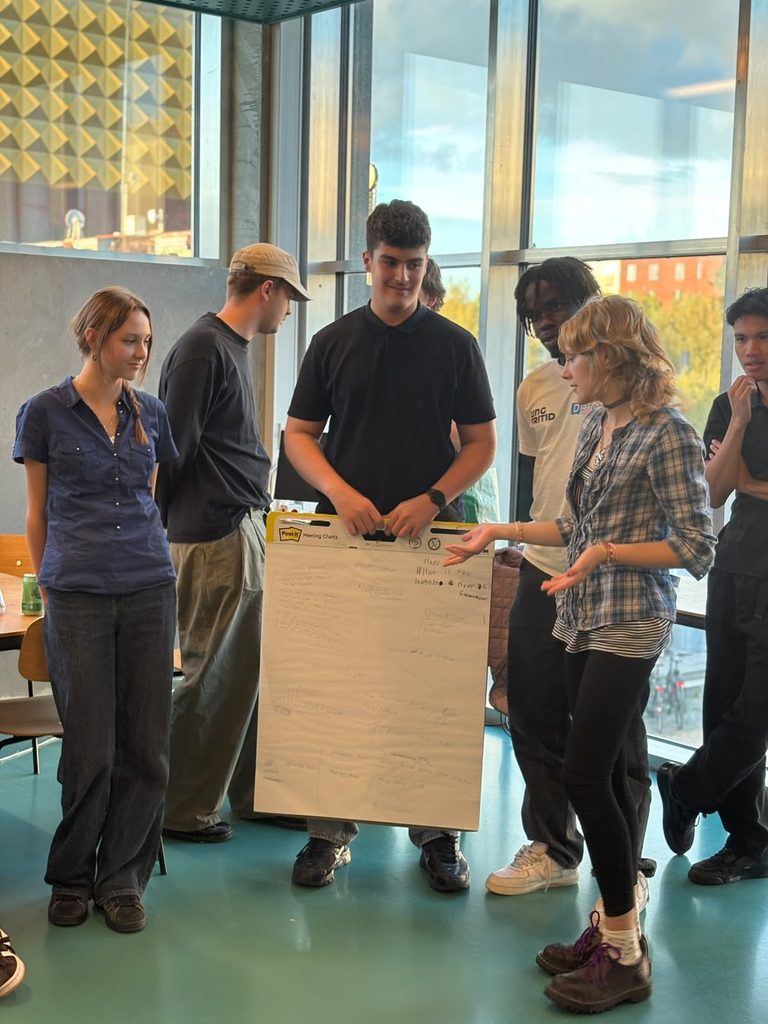
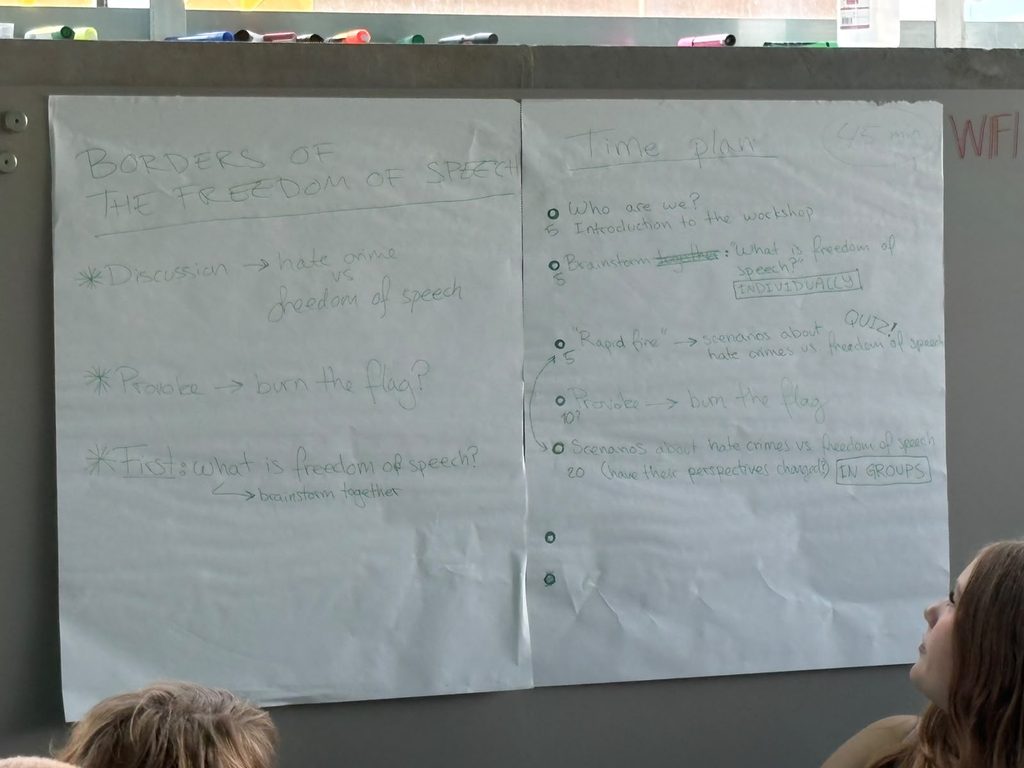
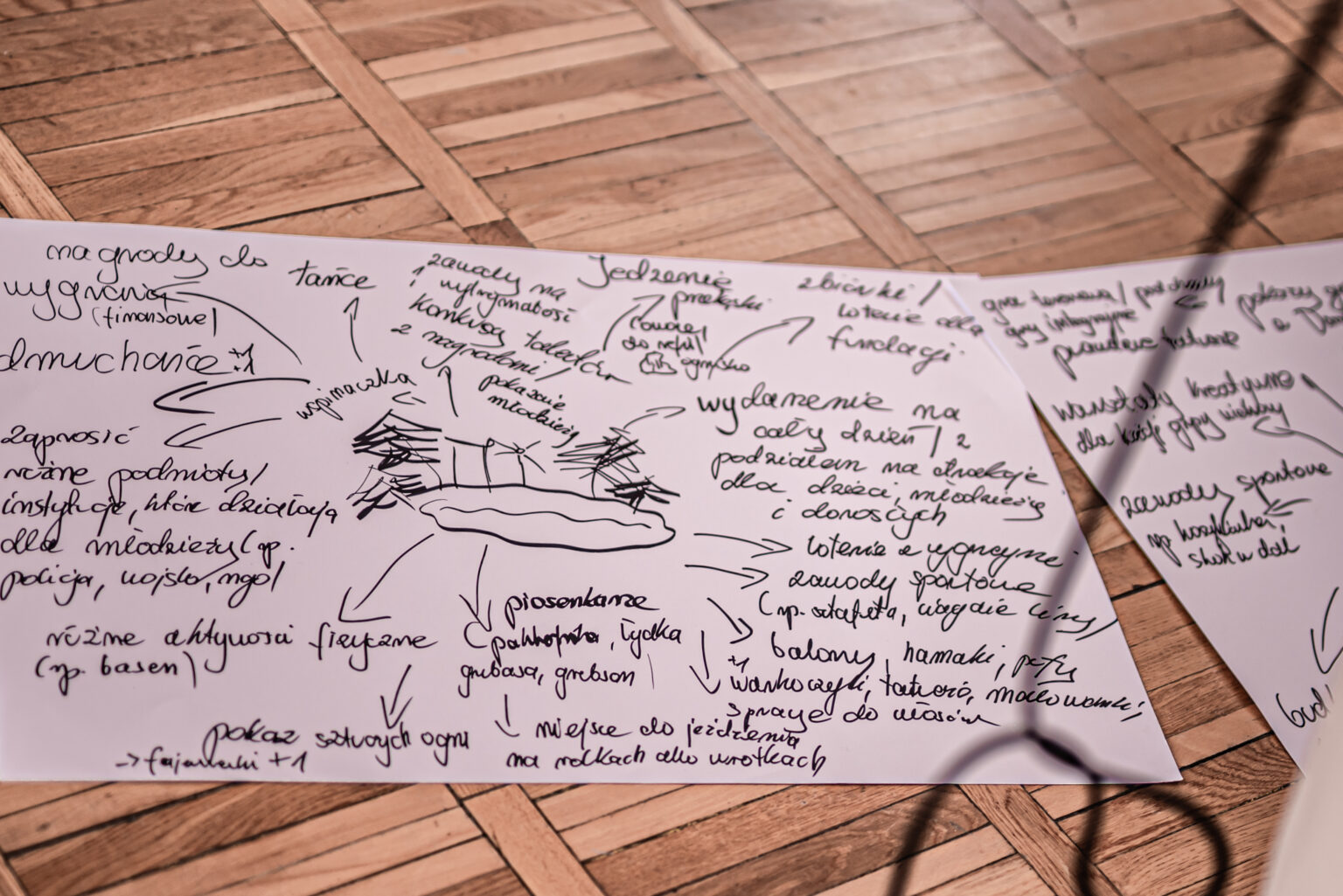
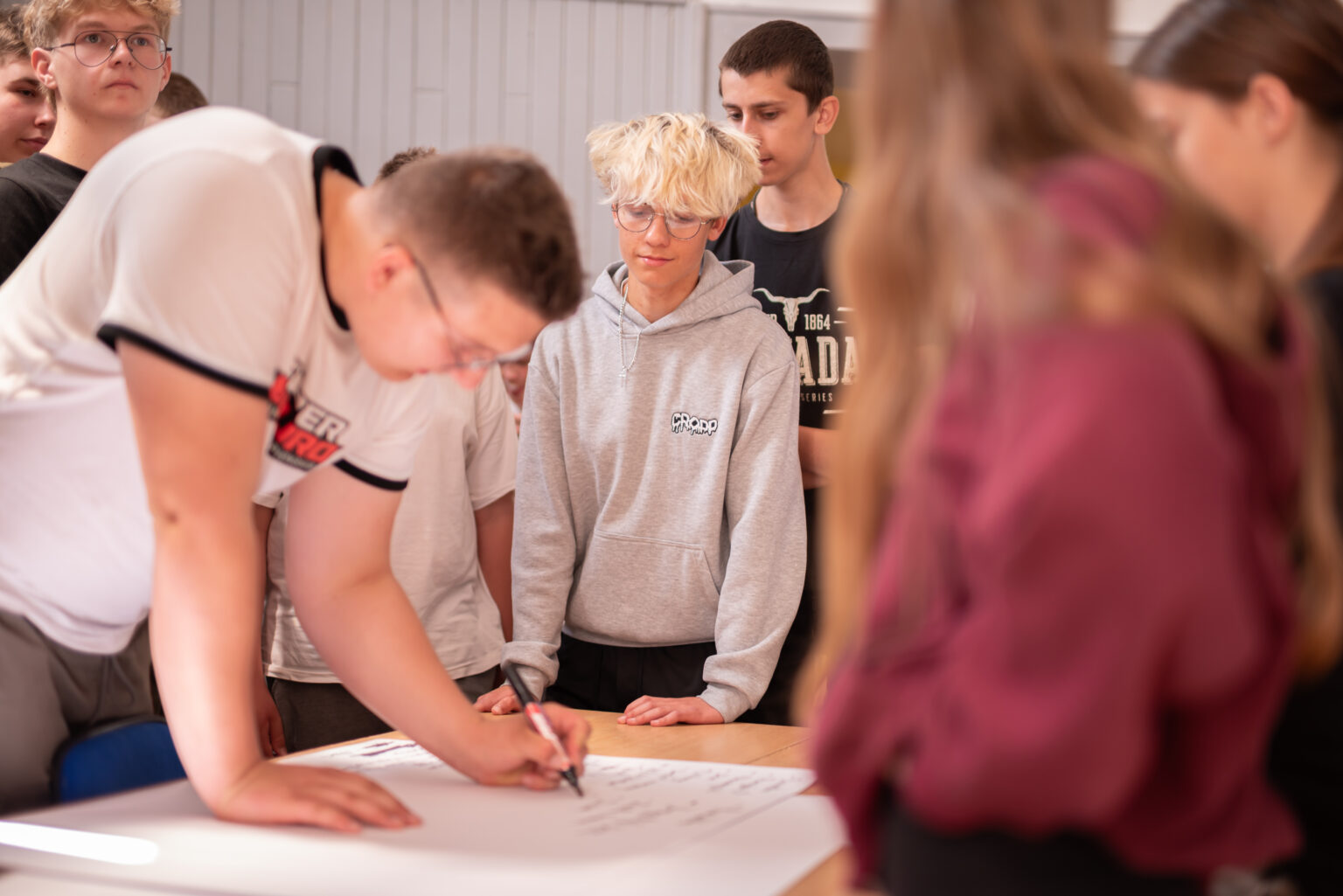
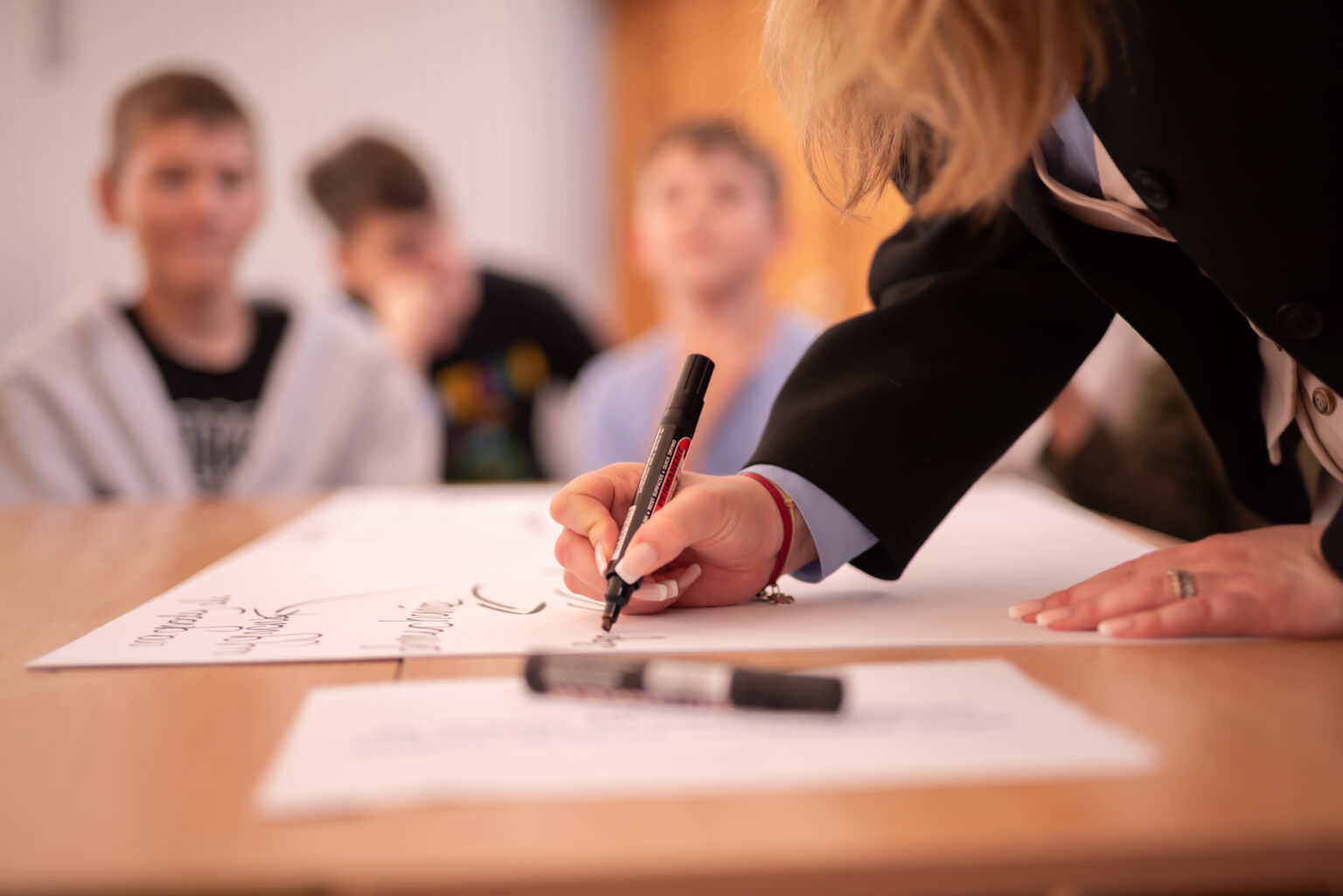
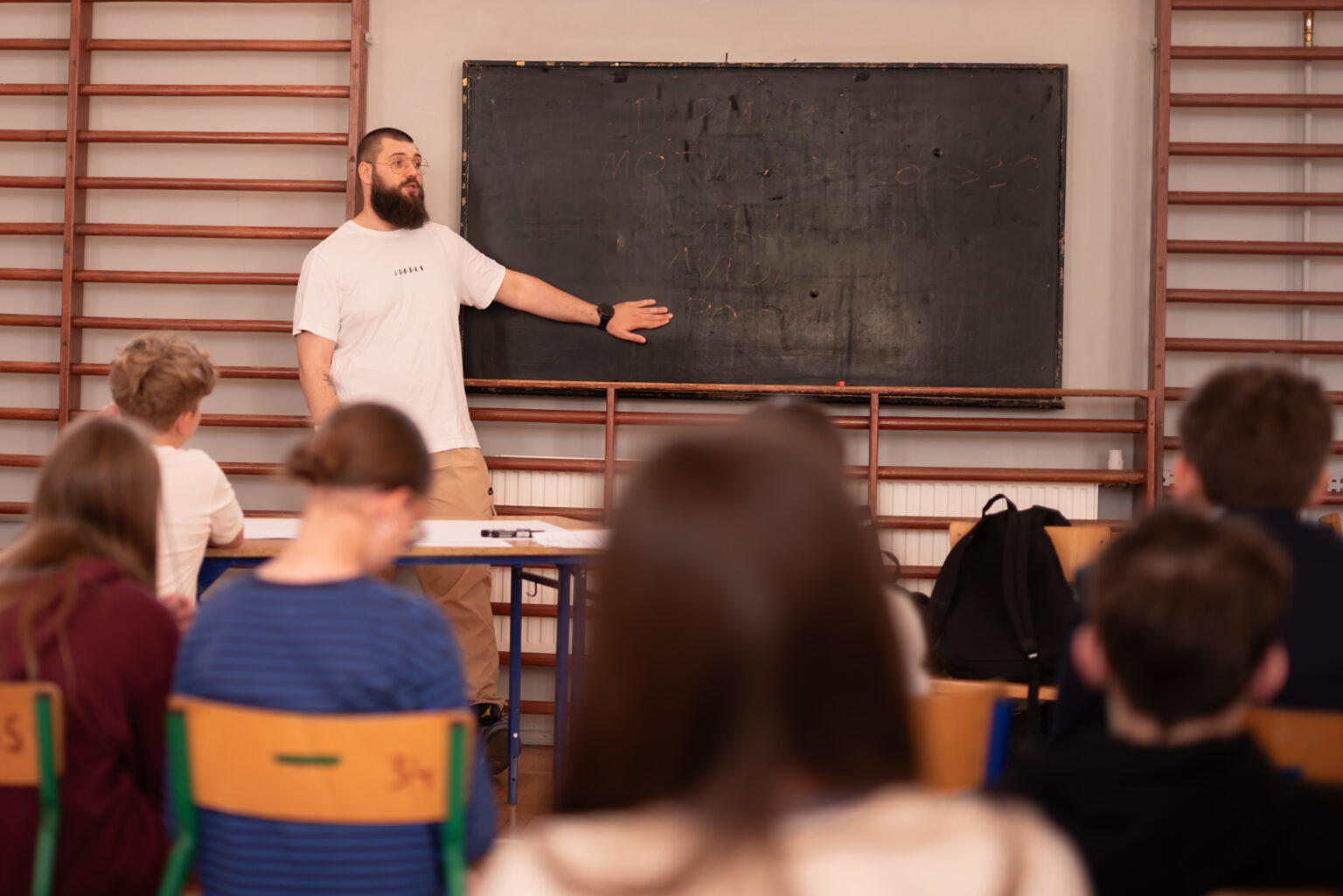
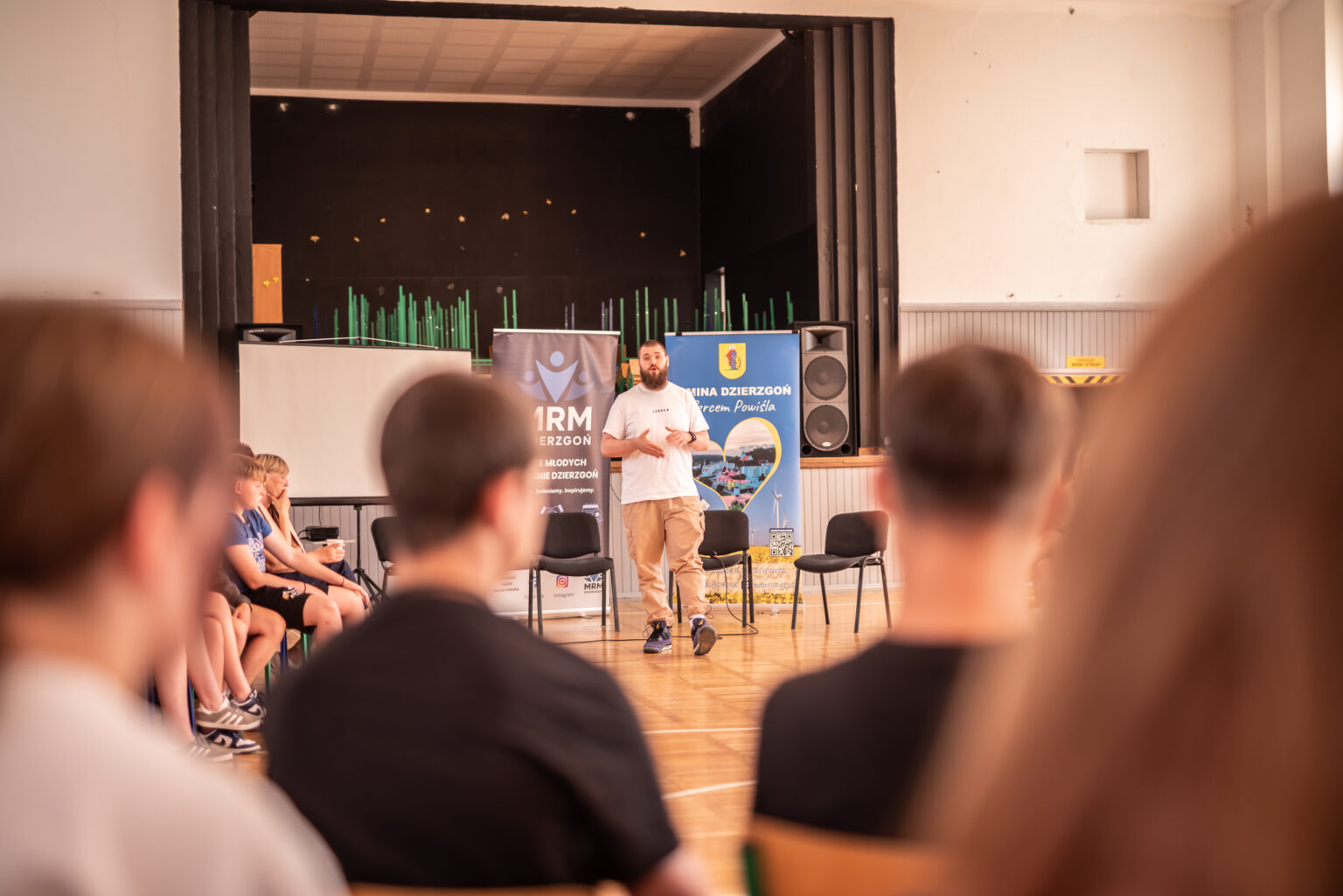
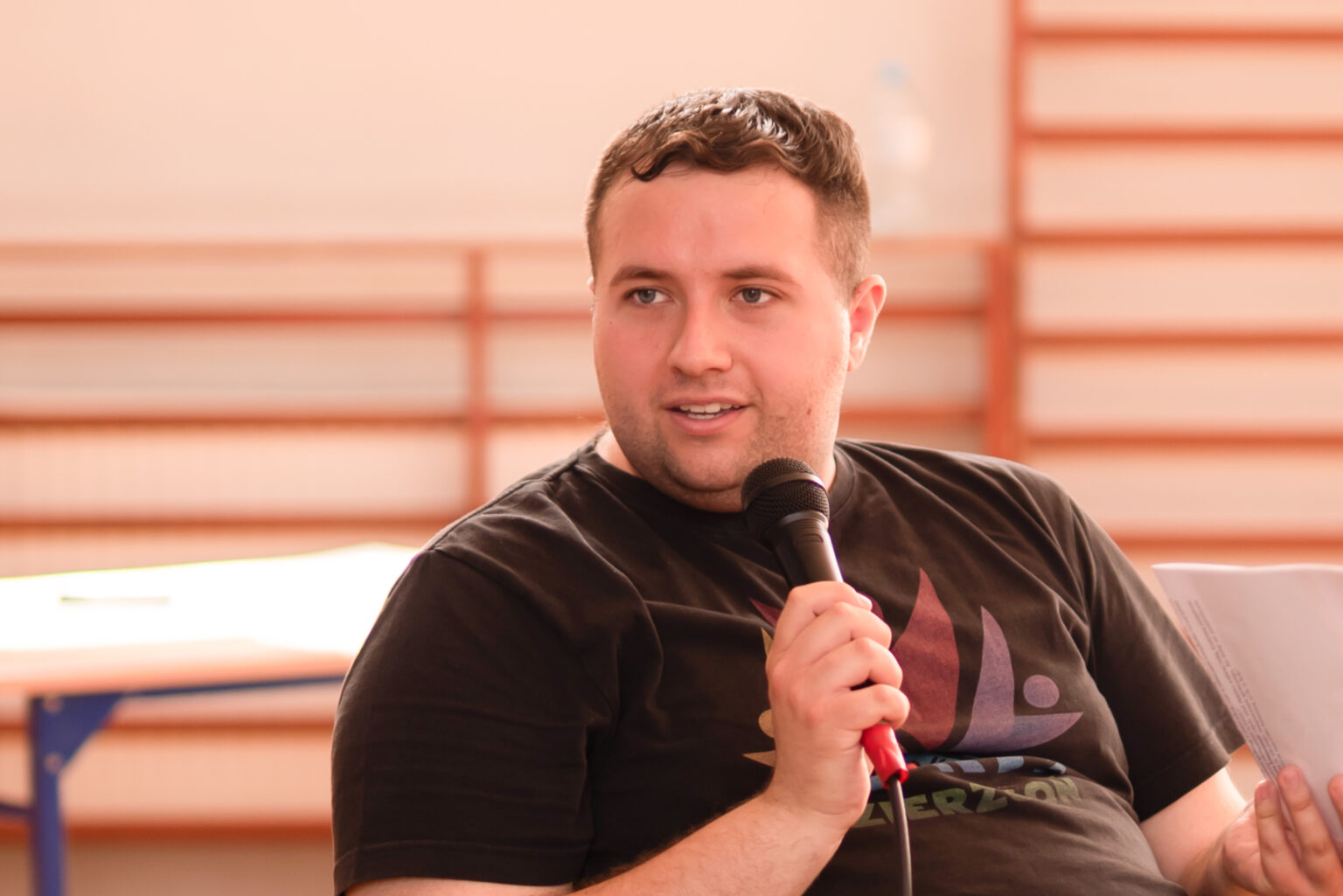
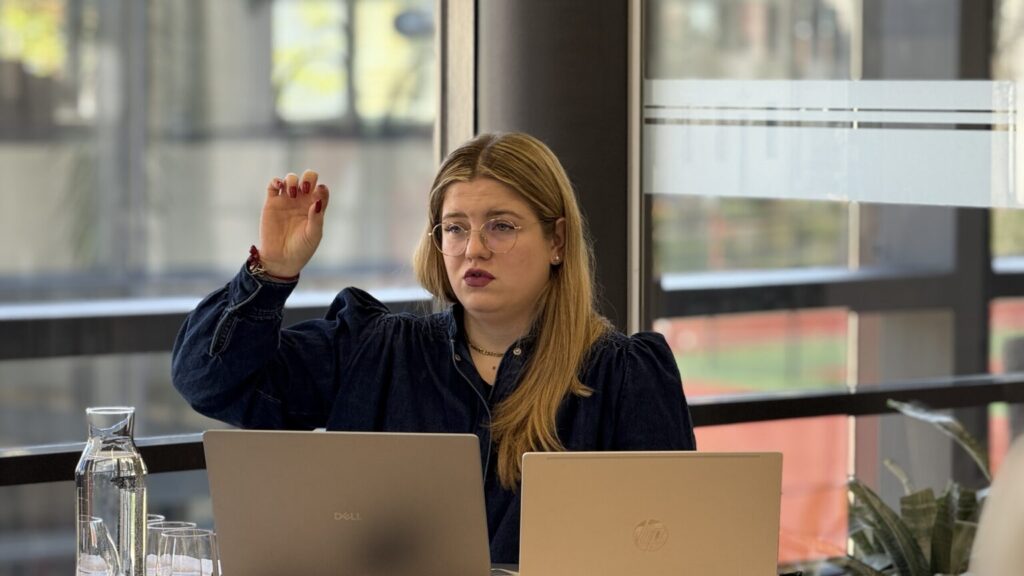
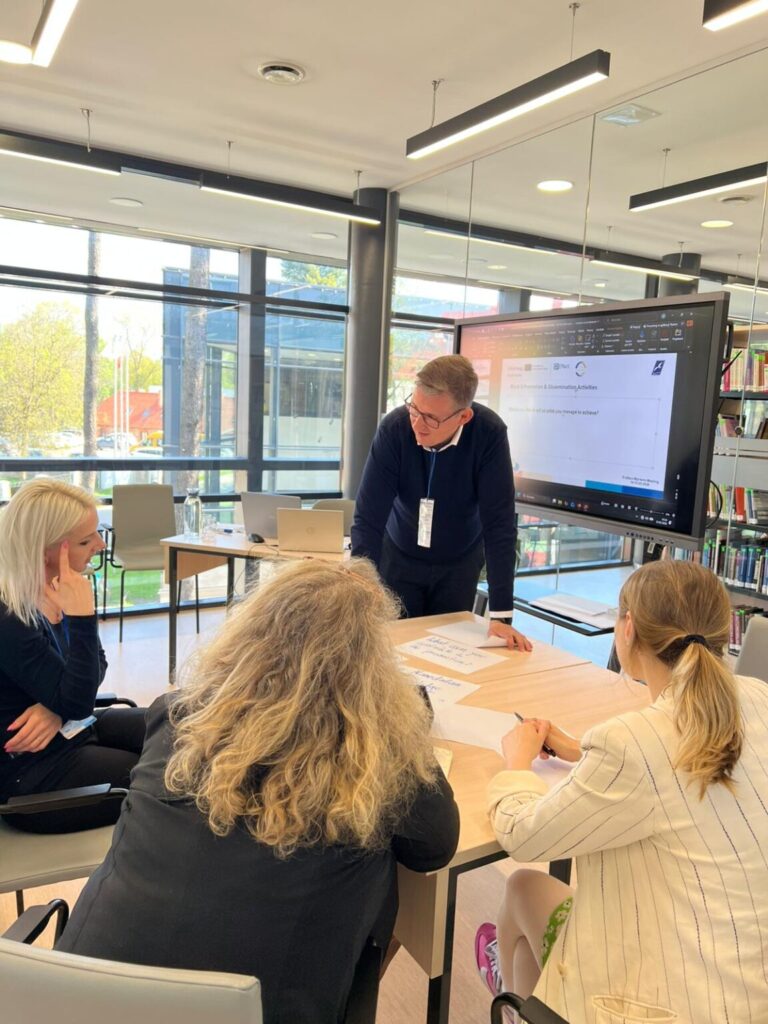
The main part of the meeting was a brainstorming workshop, during which participants collaboratively developed proposals for attractions and activities that could be included in the program of the Youth Democracy Festival. Ideas were written down on flashcards and then organized collectively in the most chronological order possible, creating a preliminary schedule for the event. The workshop was led by Kacper Chyła from the Proste Założenie Foundation, who moderated the discussion and supported the participants in developing a coherent concept for the festival program.

Results and Conclusions

The participants’ work resulted in the development of a preliminary schedule for the Youth Democracy Festival in Olsztynek, as well as the collection of numerous suggestions for attractions and activities that could be included in the event’s program, and a definition of the experience we want participants to take away from the event.

The outcomes developed during the Third Roundtable represent an important step in the preparations for the Second Youth Democracy Festival.

Coordination Meeting of the Polish Partners in the D-Effect Project

On July 20, 2026, a meeting of the Polish partners of the D‑Effect project took place in Elbląg. The event was attended by representatives of the partner institutions involved in the project.

The purpose of the meeting was to summarize activities to date and plan the next steps. The current status of the project was presented, and the results of the Roundtable Discussions, along with the conclusions and recommendations for the near future, were discussed.

Particular emphasis was placed on preparations for the Youth Democracy Festivals scheduled for September–November 2026, including the coordination of activities and the division of tasks among partners from Olsztynek, CSE Światowid, Dzierzgoń, and Elbląg. The project’s indicators, the schedule of activities for fall 2026 and the first quarter of 2027, and issues related to the reporting period on the Polish side were also discussed.

Preparations for the OSI closing conference scheduled for March 4–5, 2027, were discussed, and key challenges and project needs were identified. The meeting served to exchange experiences, strengthen cooperation among partners, and establish specific tasks and deadlines for the coming months.

The outcomes of the meeting will form the basis for further actions and project documentation and will be implemented in the subsequent phases of the D‑Effect project.

We invite you to follow the project’s next steps and learn about the project’s results and the methodology of the Youth Democracy Festivals https://eurobalt.org.pl/d-effect-toolbox/ .

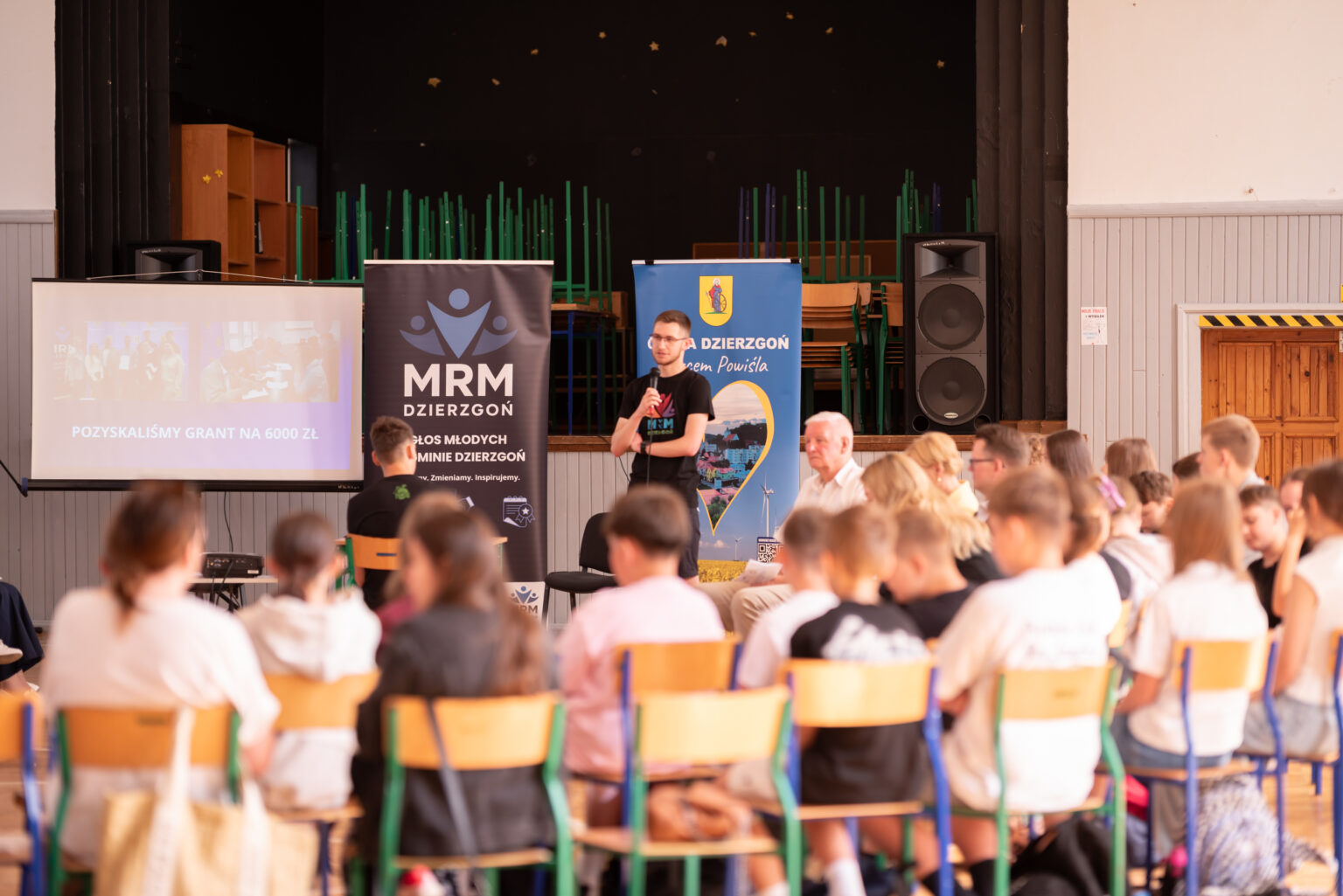
2nd Round Table on the Festival of Democracy in Dzierzgoń - young people co-create the future event

A 2nd Round Table dedicated to the preparations for the Festival of Democracy was held in Dzierzgoń. Representatives of young people, local authorities, and local institutions worked together on the concept of an event designed to respond to the needs and ideas of young residents and to strengthen their participation in public life.

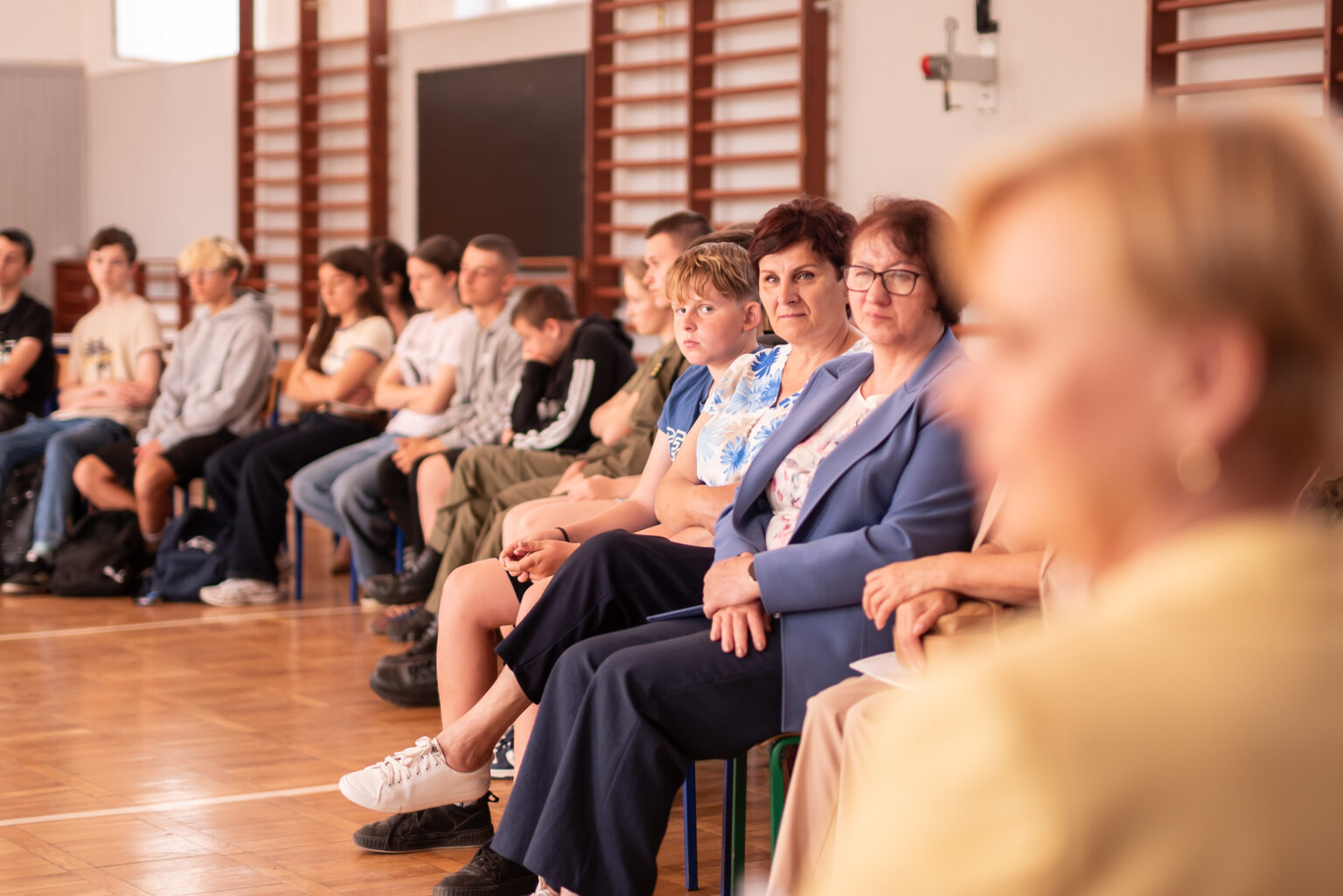
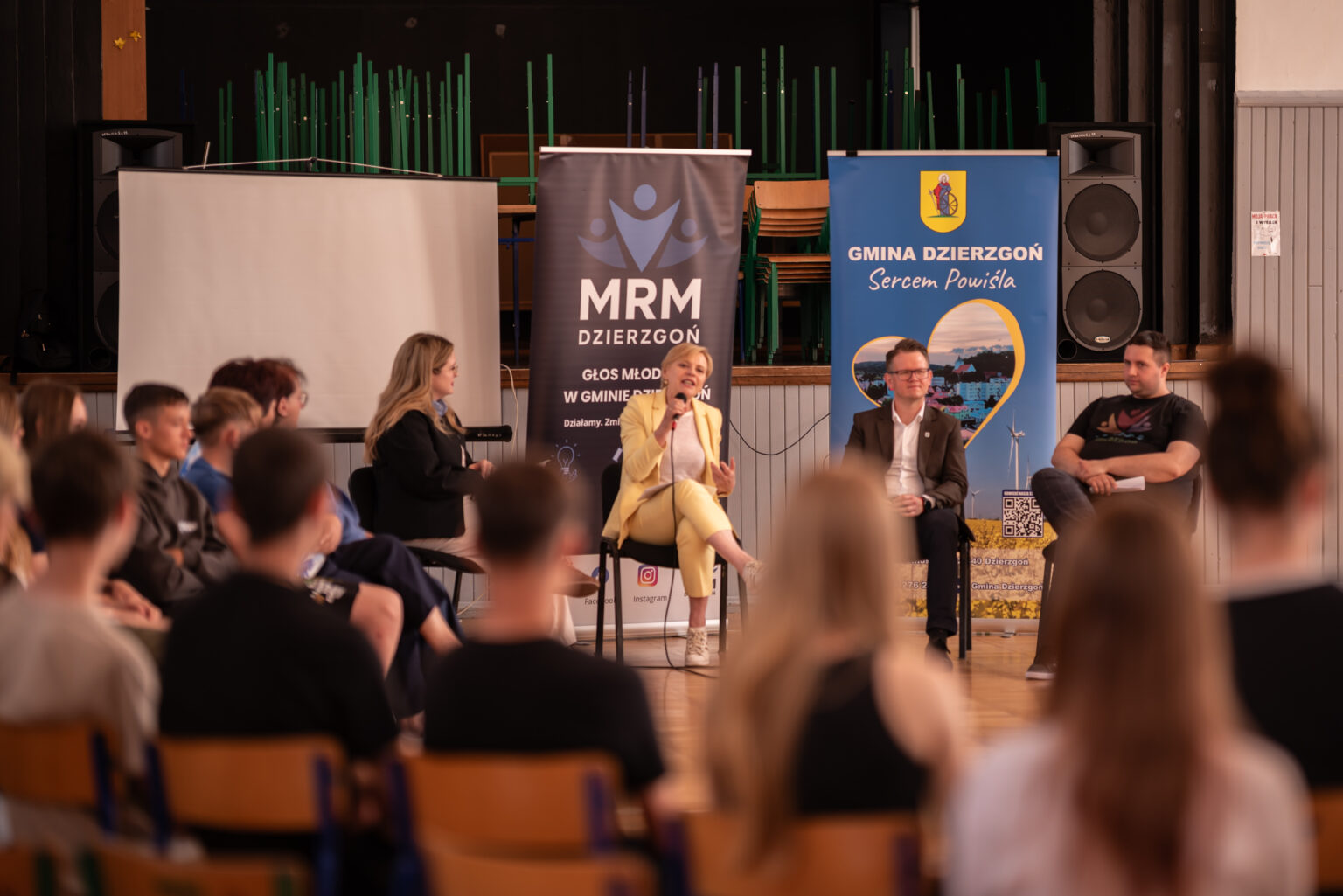
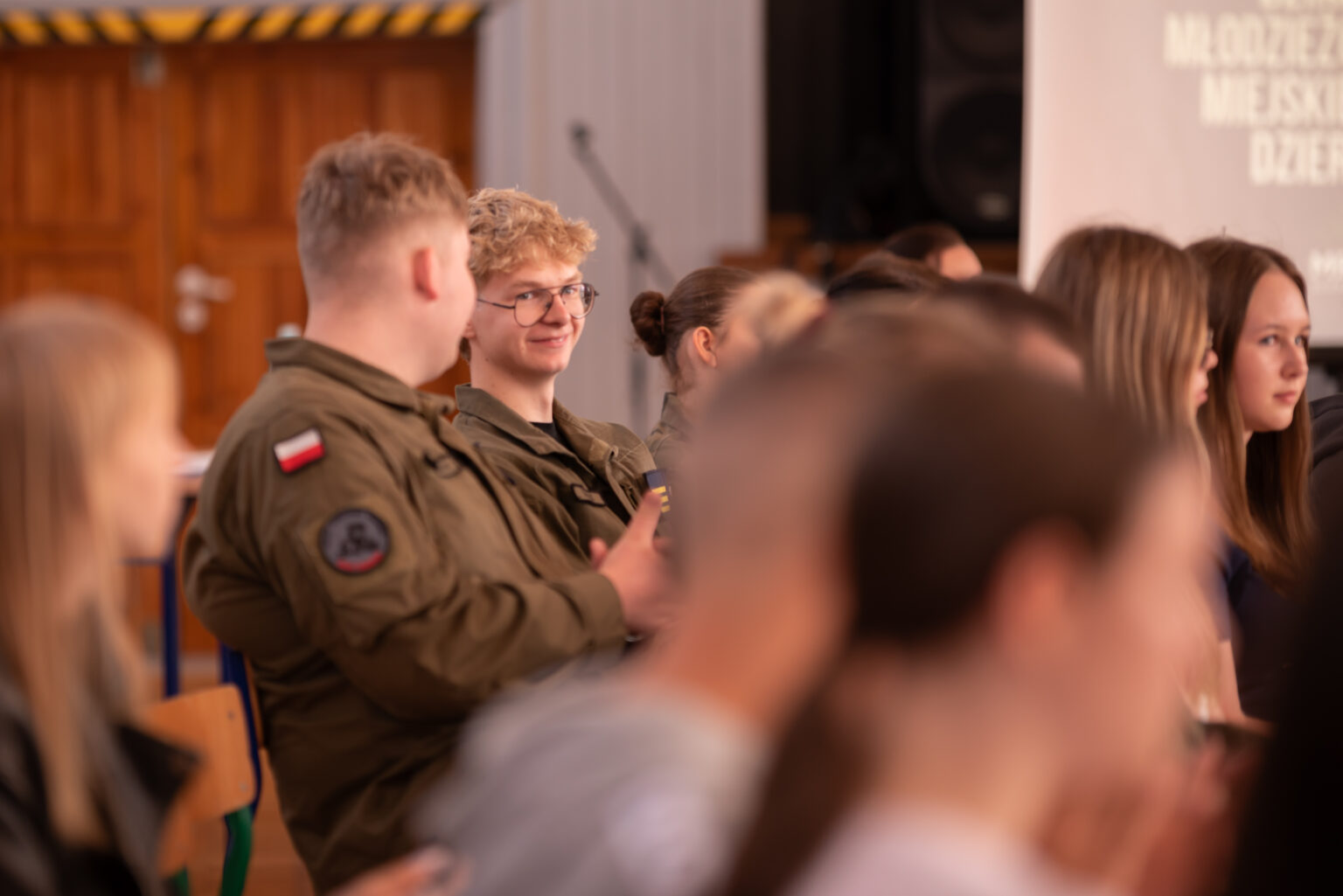
On 3 June 2026, the 2nd Round Table on the Festival of Democracy took place in Dzierzgoń. The event gathered representatives of student councils, teachers, local government officials, and people engaged in promoting youth civic participation. The meeting had a working character and aimed to develop proposals concerning the structure of the future festival, its programme, and ways of involving young residents.

Course of the meeting and key assumptions

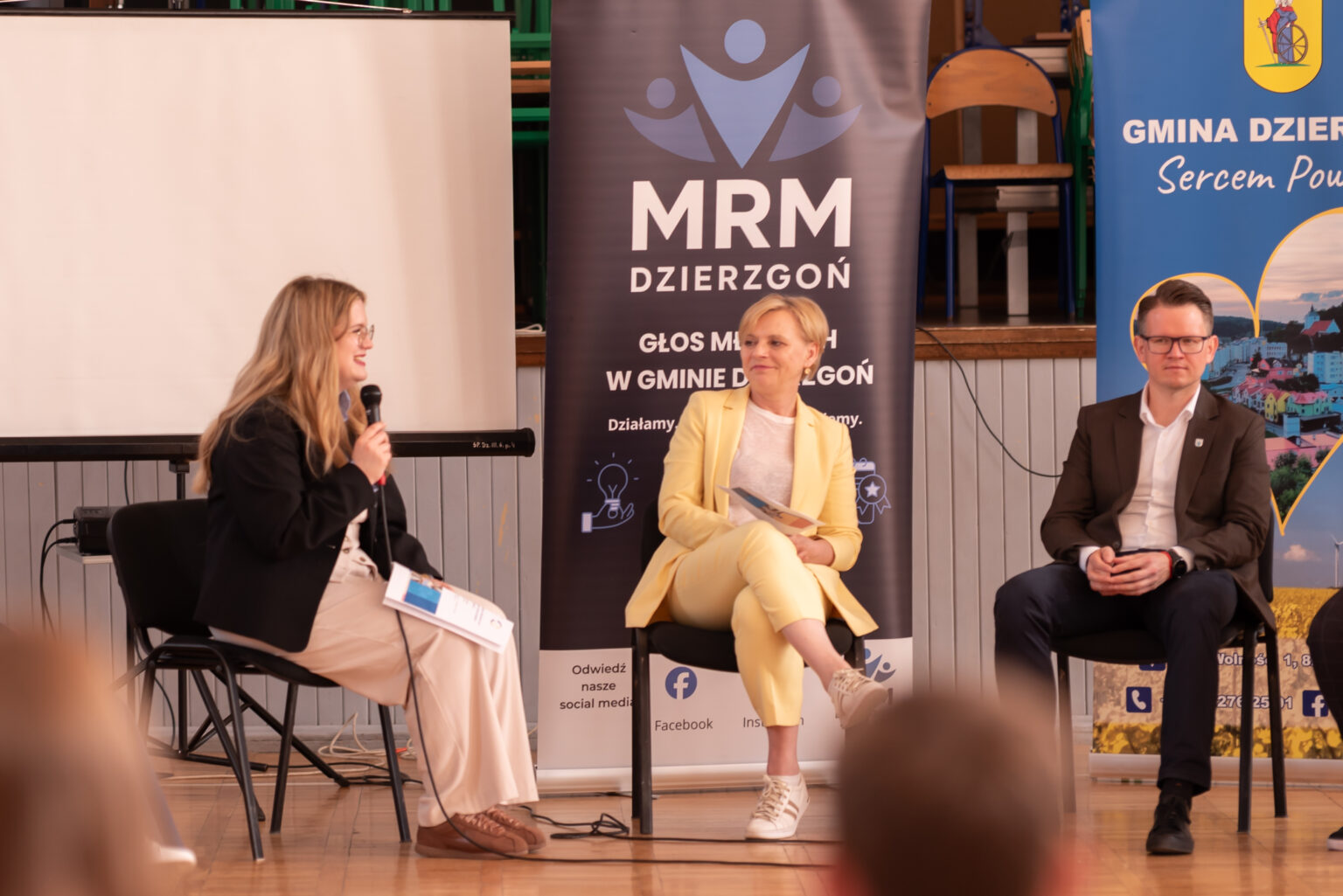
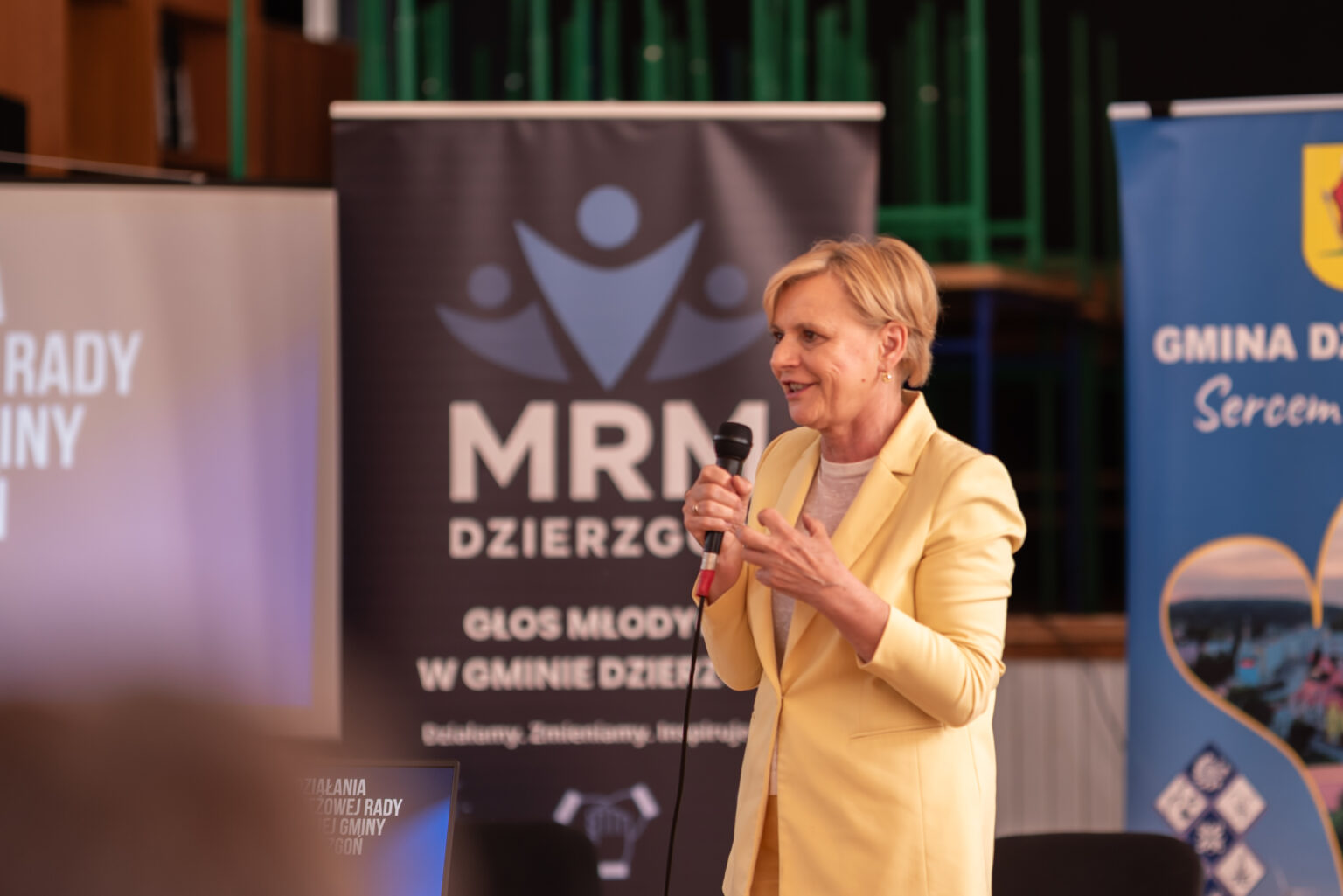
The event was opened by the Mayor of Dzierzgoń Jolanta Szewczun and representatives of the Młodzieżowa Rada Miejska Gminy Dzierzgoń.

In their introductory remarks, they emphasised the importance of intergenerational dialogue and the role of young people in shaping local democracy.

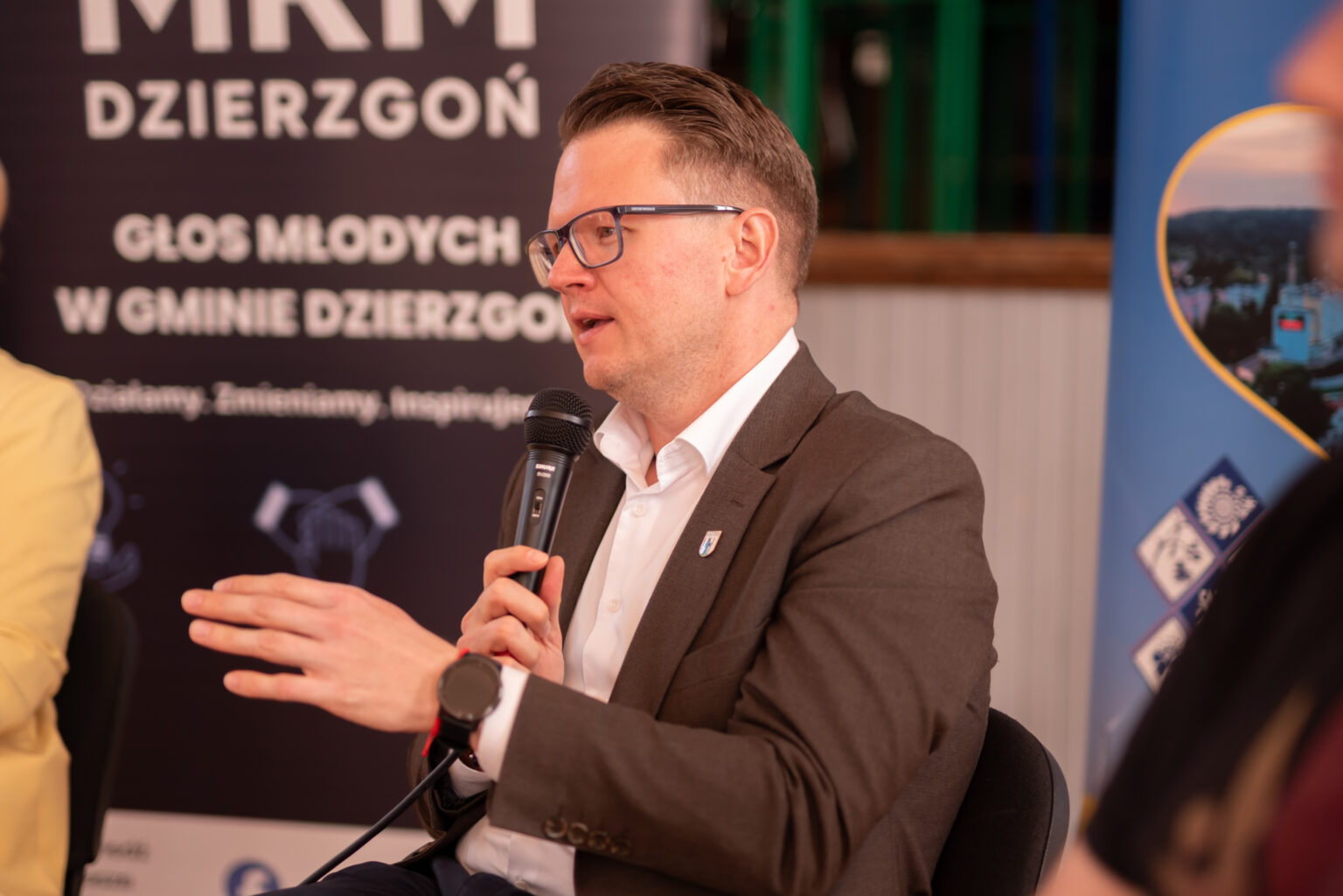
An important part of the programme was an expert panel on the impact of social activity in the school environment on the further educational and professional development of young people. Experiences were shared by the Mayor of Dzierzgoń Jolanta Szewczun and the Mayor of Olsztynek Robert Waraksa.

Workshop and youth work

A key element of the programme was a training and motivational workshop for student council representatives, led by Kacper Chyła from Fundacja Proste Założenie.

Participants worked on tools supporting effective action in the school environment as well as methods of engaging peers in social initiatives.

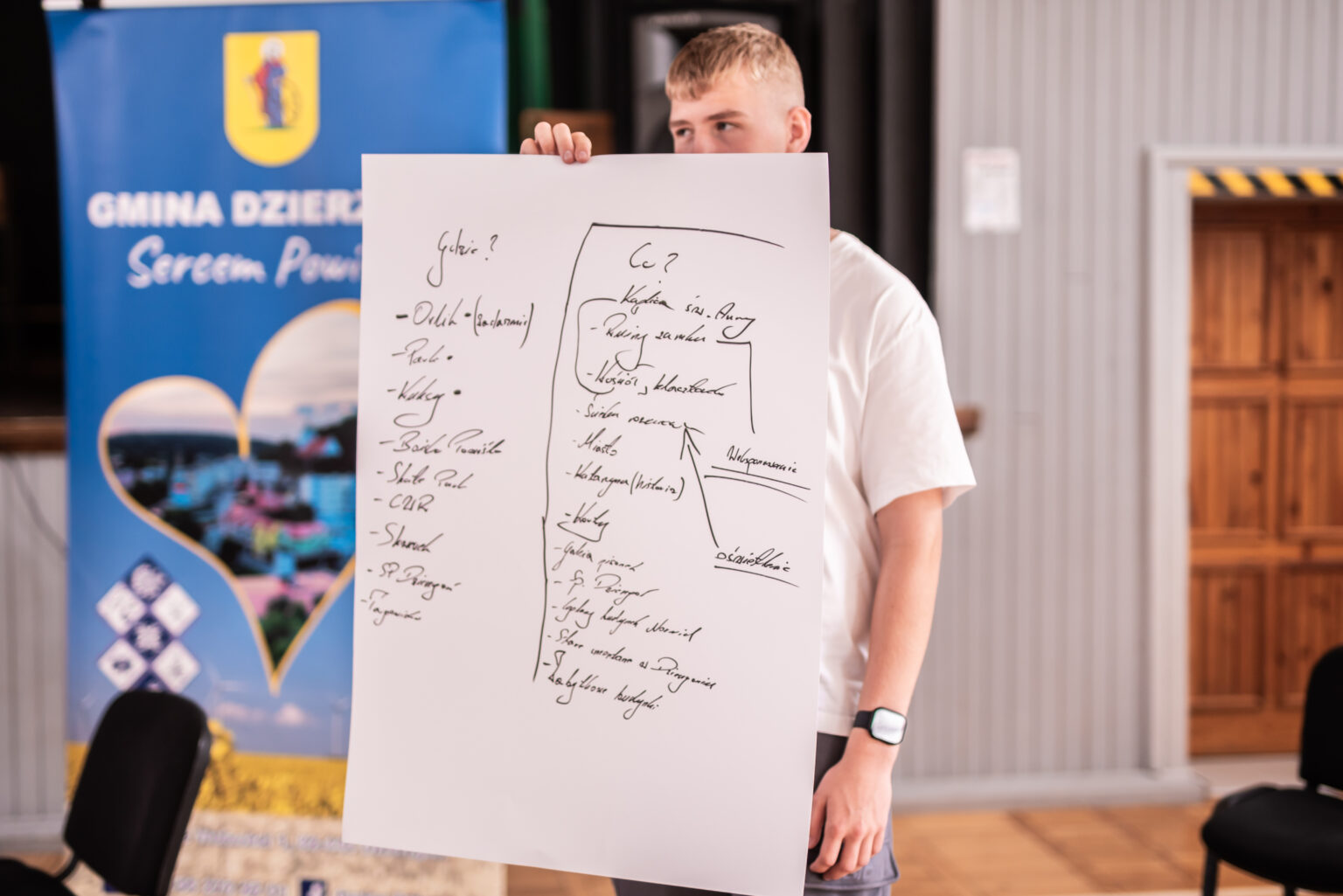
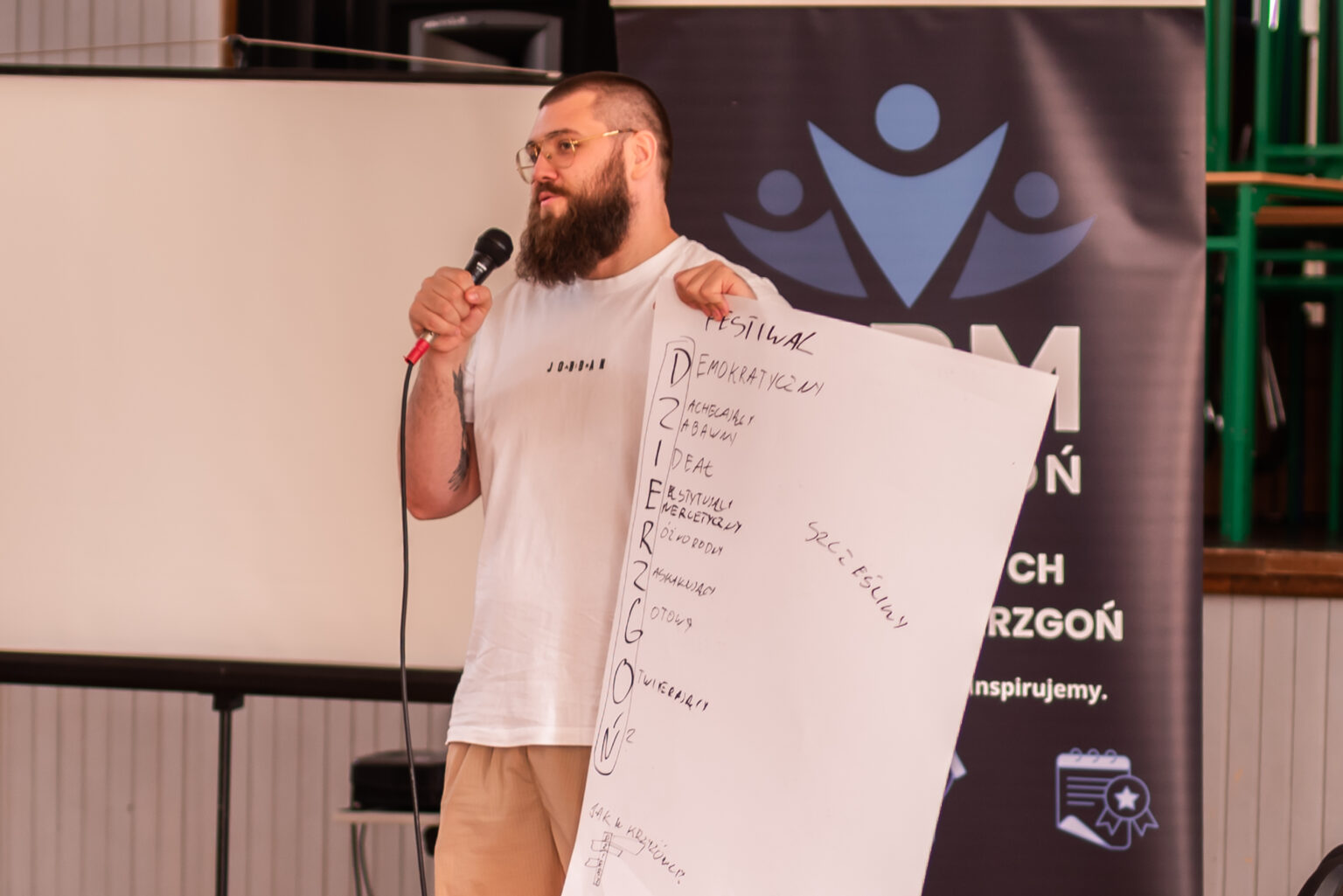
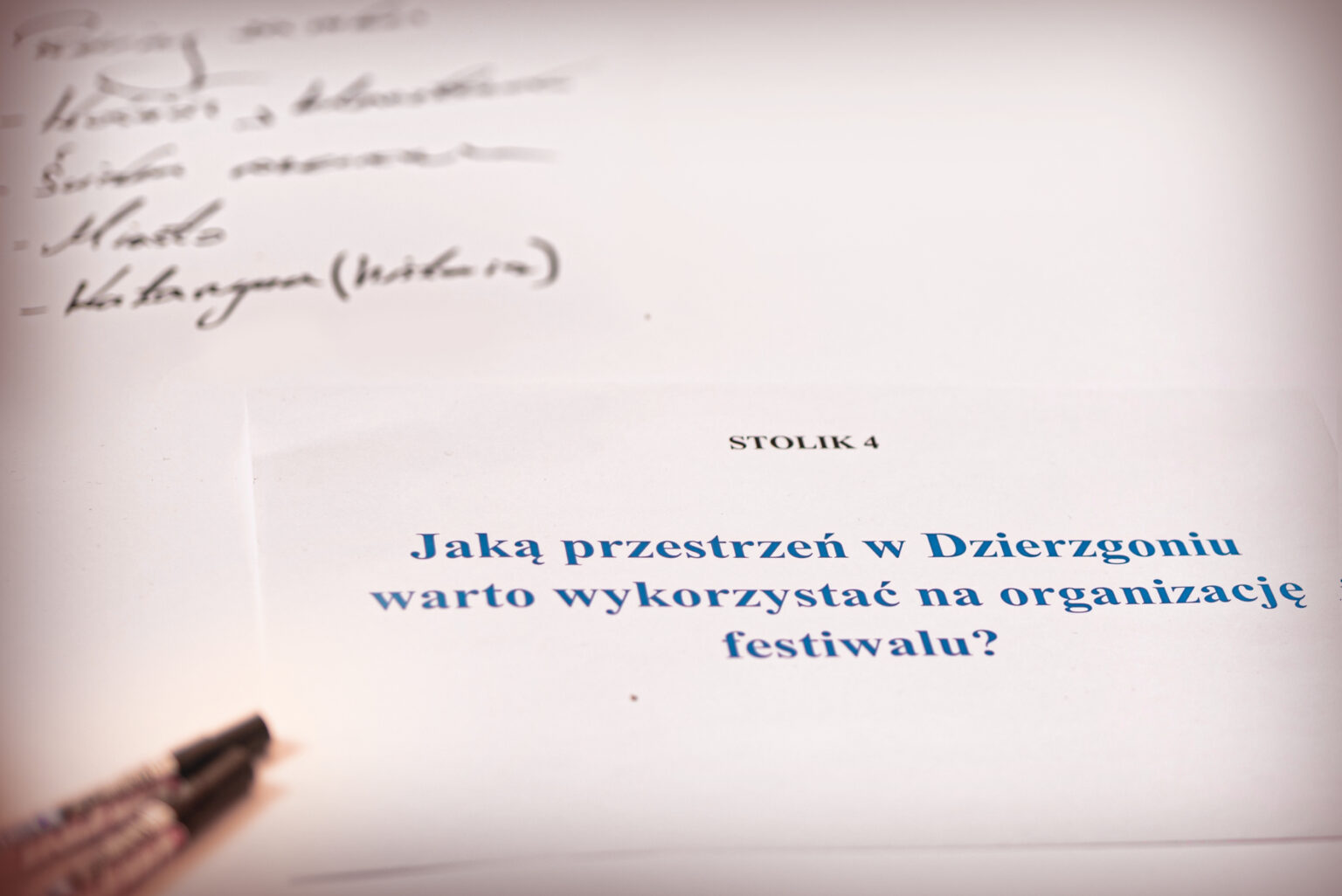
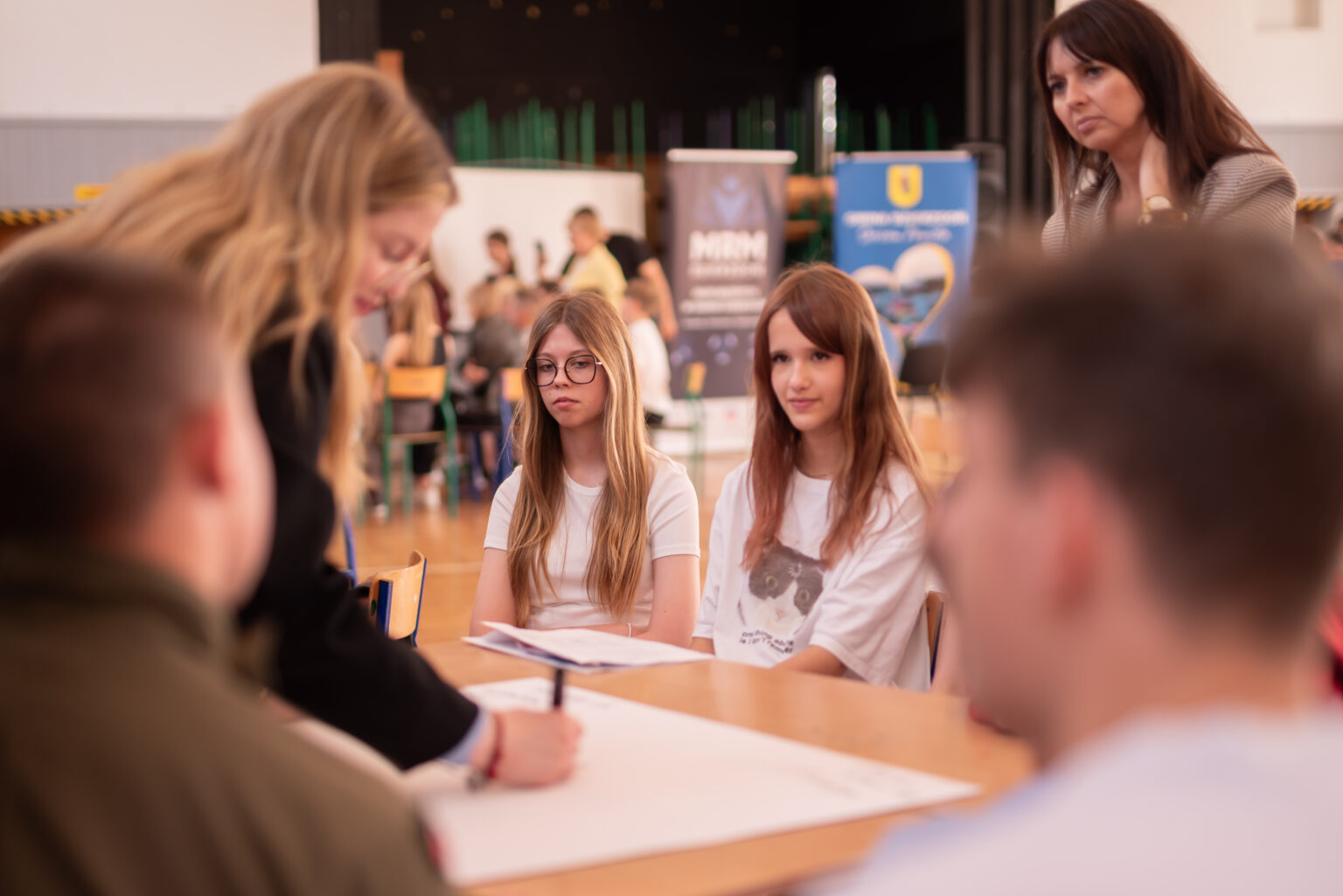
The most important part of the meeting was the round-table debate. Working in groups, young people developed proposals for the future Festival of Democracy. Discussions covered, among others, potential attractions, invited guests, event locations, and ways of using urban space in Dzierzgoń.

Outcomes and conclusions

The work of the participants resulted in a wide range of ideas and recommendations, which were presented during the final summary session. It was highlighted that young residents demonstrate strong creative potential and are ready to actively participate in social life, provided that they are given real opportunities for co-decision-making.

The meeting confirmed that the preparation process for the Festival of Democracy is based on cooperation between different stakeholders and the genuine inclusion of young people in decision-making processes.

Mid-term meeting of the D-Effect project partners

On May 14–15, a mid-term meeting of the partners in the “D‑Effect – Lessons in Democracy and Civil Society” project took place. The purpose of the two-day meeting was to review activities to date, assess the progress of tasks according to the schedule, and discuss budgetary and communication issues, as well as the plan for the project’s conclusion.

During the working sessions, the partners reviewed the progress of task implementation, the financial status, and planned promotional activities. The discussions also covered the schedule for the next phases of the project and the mechanisms for monitoring and reporting results.

Closing Conference (OSI)

A key highlight of the meeting was the organization of the project’s Closing Conference (OSI—Operations of Strategic Importance Event), which is intended to serve as the culmination of the YDF (Youth Democratic Festivals) approach, based on the Round Table methodology. The conference is scheduled for March 4–5, 2027, in Hässleholm and aims to engage young people and create a space for dialogue among nations, generations, and sectors, showcasing the power and potential of civic dialogue.

Pilot Project During Almedalsveckan

The partners also discussed a strategy for promoting the Round Table and YDF methods in a way that is accessible to a broad audience, ranging from young people to those working with the younger generation and decision-makers. A pilot presentation of the methods is planned during Almedalsveckan (June 22–26, 2026)—Sweden’s largest event on civic participation. As part of this initiative, the partners will present jointly under the D‑Effect logo.

Conclusions and Next Steps

The meeting allowed the partnership to effectively summarize the first half of the project and coordinate activities for the coming months. Communication priorities, the schedule for preparations for the OSI, and tasks related to the pilot at Almedalsveckan were agreed upon.

Youth on Europe 2050 – the Mid-Range Youth Democracy Festival in Kretinga

Youth on Europe 2050 – Mid-Range Youth Democracy Festival in Kretinga, May 13–15, 2026 • Kretinga, Lithuania

The Youth Democratic Festival (YDF) took place in Kretinga from May 13–15. The city, which recently served as the Youth Capital of Lithuania, provided a space for discussion, the exchange of experiences, and workshop-based work on the challenges of the future.

Participants from Lithuania, Poland, Denmark, Sweden, and Germany worked in thematic groups, discussing topics such as artificial intelligence, climate change, the influence of large corporations, and mental health. Each topic was analyzed through a workshop-based approach, which allowed for the development of specific observations and recommendations.

The common conclusion reached by representatives from all countries was the need for a greater sense of security in a rapidly changing world. The young people emphasized the need for support in the areas of digital literacy, mental health protection, and transparency in the actions of institutions and companies.

Participants had the opportunity to work with experts in youth work, civic engagement, and digital literacy. Additionally, sessions were held on expressing concerns and actively participating in the life of the local community. Organizations working on behalf of the younger generation and local initiatives also presented at the event.

The D-Effect Project and Next Steps

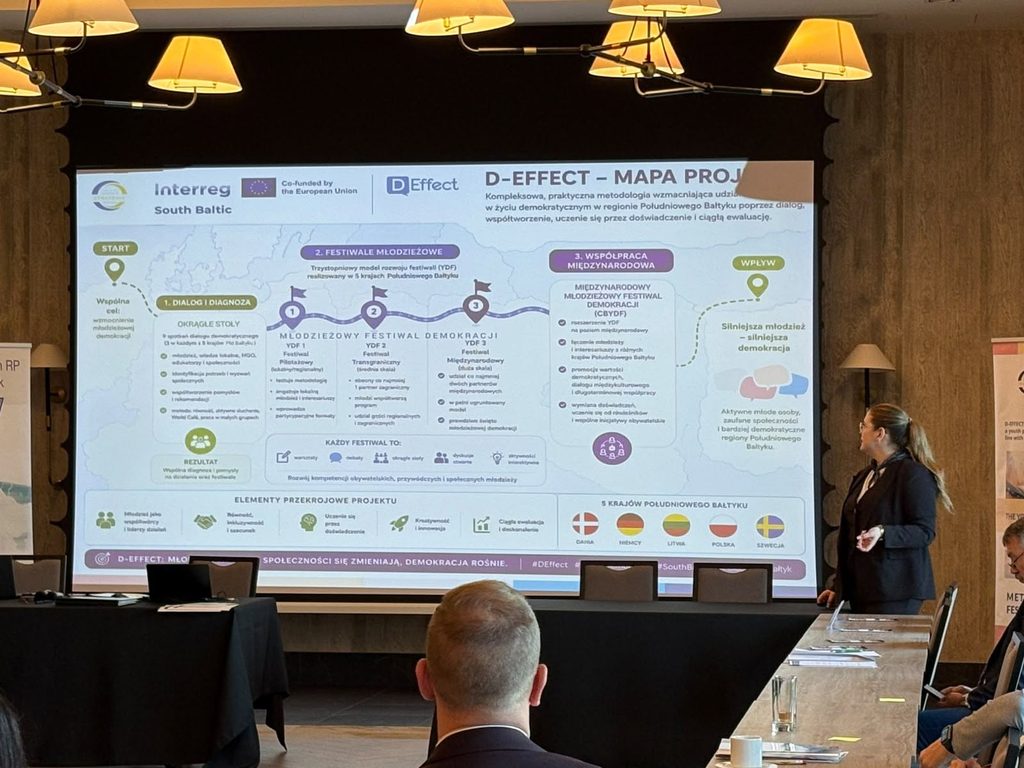
The festival is part of the D-Effect project—Lessons in Democracy and Civil Society—which aims to incorporate the youth perspective into the EU policy-making process. The project includes a series of three Youth Democracy Festivals: a pilot, a medium-scale, and a large-scale event in each of the partner countries. The next stage in Lithuania will be the Large-Scale Youth Democracy Festival, based on the conclusions from the Round Tables and previous events.
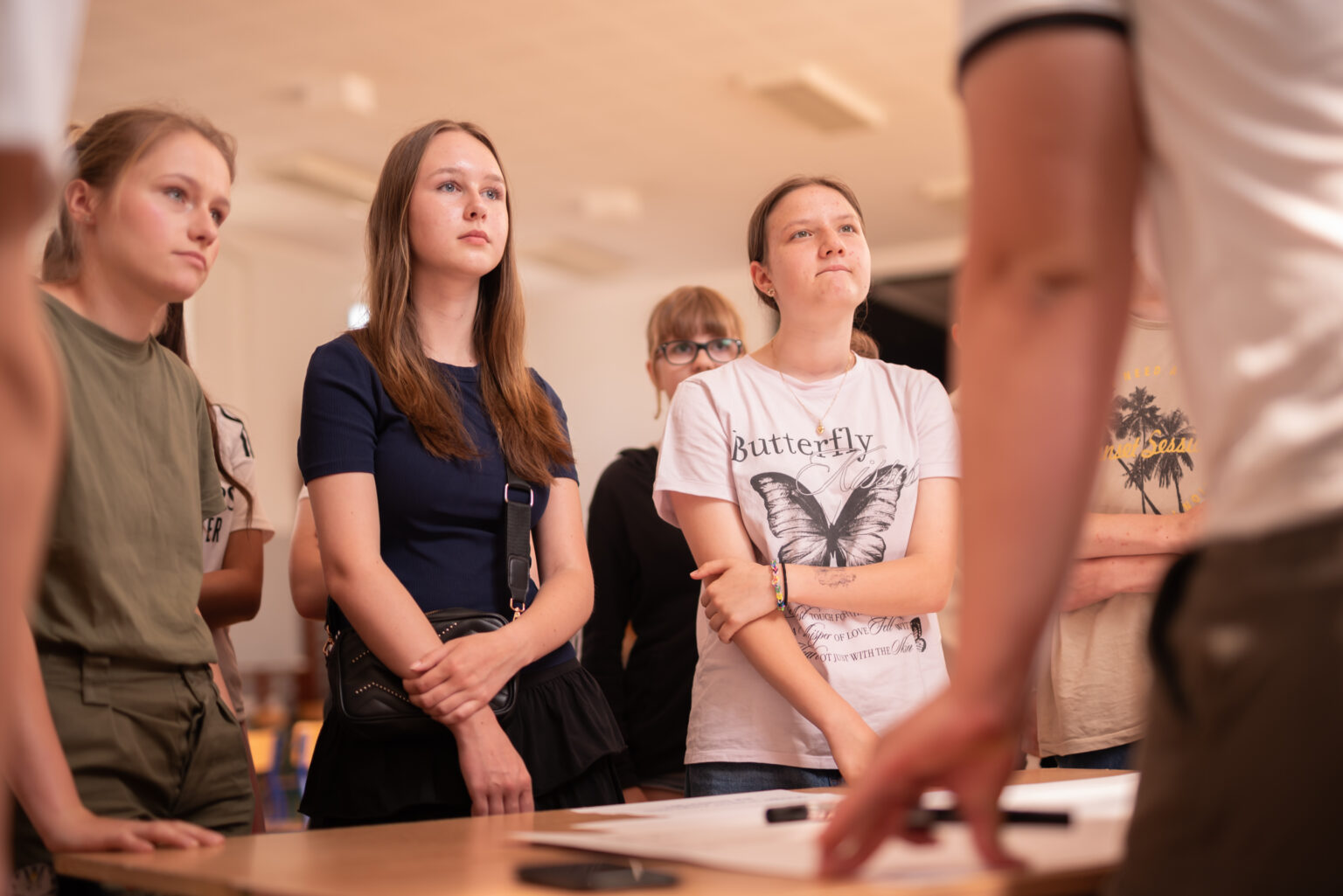
Roundtable in Olsztynek as part of the D-Effect project - joint planning of the Youth Democracy Festival

In Olsztynek, a meeting was held as part of the D-Effect project dedicated to preparations for the Youth Democratic Festival (YDF). Young people, representatives of public institutions, non-governmental organizations, and local communities worked together on the concept of the event, identifying the needs of young residents and developing proposals for activities and program elements. The meeting was conducted in the form of a Round Table and formed part of the process of strengthening intergenerational dialogue in the municipality of Olsztynek.


Joint work on the YDF concept

The event in Olsztynek was implemented within the D-Effect project, which aims to develop youth participation mechanisms and create spaces for co-decision-making on local matters.
The meeting focused on preparing the assumptions for the Youth Democratic Festival. Participants analyzed what type of event would respond to the needs of young people, which topics should be included, and what forms of activity could increase engagement within the local community.

Youth voice and diagnosis of local needs

The first part of the meeting was dedicated to the work of young people from Olsztynek. Participants identified elements that are important for their daily life in the town, as well as areas requiring change or further development. Young participants then developed proposals for the Youth Democratic Festival, indicating possible activities, thematic directions, and solutions that, in their view, should be included in the event programme.

Perspective of institutions and local partners

The second part of the meeting brought together representatives of public institutions, non-governmental organizations, educational units, and local social initiatives. Based on the youth’s conclusions and proposals, the feasibility of implementing individual ideas was analyzed, and the potential contribution of partners to the future YDF was discussed.
The discussion focused on combining institutional experience with the perspectives of young residents and building a coherent event programme based on cooperation.

Key areas of work
During the meeting, particular attention was paid to identifying the needs of young people in the municipality of Olsztynek, defining possible themes and formats of the Youth Democratic Festival, designing activities engaging different social groups, and strengthening cooperation between youth, institutions, and local organizations.
The meeting created a space for direct dialogue and joint development of solutions based on local resources and experiences.

Next stages
The developed proposals will be discussed again at the next Round Table in Olsztynek, scheduled for the summer period. Based on them, the programme of the Youth Democratic Festival will be developed as a result of joint work between young people and local partners.
The event was attended by representatives of, among others, the Municipal Office in Olsztynek, Mayor of Olsztynek Robert Waraksa, members of the Municipal Council, School and Preschool Complex in Waplewo, OSP Olsztynek, Start Olsztynek – Club for People with Disabilities, Senior Council in Olsztynek, Active Municipality initiative, Association “Po godzinach,” Municipal Social Welfare Center in Olsztynek, Mayor’s Plenipotentiary for Prevention, University of the Third Age, Municipal Library in Olsztynek, Association of People with Diabetes, and students from schools in the municipality of Olsztynek.

About the D-Effect project
The D-Effect project supports the development of youth civic participation tools, including Round Tables and Youth Democratic Festivals (YDF). Its aim is to strengthen cooperation between young residents, public institutions, and social organizations in local decision-making processes.

Round Table in the D-Effect project in Elbląg youth and institutions co-design the autumn YDF edition

A meeting within the D-Effect project was held in Elbląg, bringing together young people, representatives of institutions, and local organisations. The main objective was to summarise ongoing activities and develop the framework for the autumn edition of the Youth Democratic Festival (YDF).

Review of key conclusions from the first Round Table

The meeting began with a review of the main outcomes from the first Round Table involving youth and institutional partners. Participants revisited identified needs related to youth participation in decision making processes and the quality of cooperation between sectors.

The discussion also highlighted lessons learned from previous collaboration experiences. These showed both strong potential for cross sector partnerships and areas requiring improved coordination, clearer communication, and earlier involvement of young people in planning processes.

Evaluation of the pilot Youth Democratic Festival 2025

A detailed evaluation of the pilot YDF edition held in 2025 in Elbląg followed. Participants analysed the applied working methods and the level of youth engagement, which was assessed as high and active.

At the same time, several organisational and communication barriers were identified. These included coordination challenges between partners, logistical issues, and the need to better align the event format with the expectations of young participants. The conclusions will be used to refine future editions of the festival.

Developing the concept for the autumn YDF edition

The next part of the meeting focused on designing the upcoming autumn edition of the Youth Democratic Festival. The session had a workshop format and included mapping program ideas alongside available institutional and organisational resources.

Participants identified potential thematic areas for the festival and matched them with concrete capacities of partner organisations. This allowed for linking conceptual ideas with realistic implementation possibilities in terms of human, organisational, and institutional resources.

Key discussion areas

The discussion centred on several guiding questions related to the future shape of the event. These included what young people want to contribute to the festival, how institutions and organisations can support their involvement, and what resources are already available within the local ecosystem.

Another important topic was the next steps in the cooperation process, with emphasis on ensuring a more coherent and structured preparation phase based on a partnership driven model.

Conclusions and significance of the meeting

The outcomes and ideas developed during the Round Table will form the basis for the framework of the autumn Youth Democratic Festival in Elbląg. The meeting reinforced the importance of strengthening youth participation structures and further developing local cooperation mechanisms between young people and institutions.

Participants

The meeting gathered representatives from:

Cooperation and resilience of regions take center stage at the EUSBSR Annual Forum 2026 in Tallinn

Resilience Edition EUSBSR Annual Forum 2026 and BSSSC Day of Cities and Regions in Tallinn.
Promotion of the BaltWreck, CircularMuse and D-Effect projects
.

Discussions on the future and resilience of the Baltic Sea Region in Tallinn

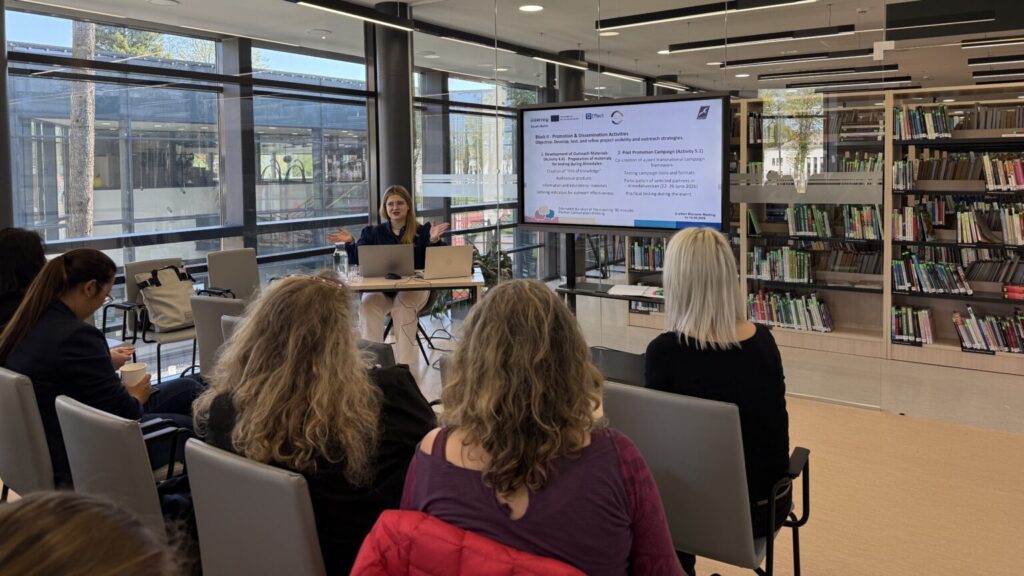
On 11–13 May, the Kultuurikatel conference centre in Tallinn hosted a series of events dedicated to regional cooperation, security, and strengthening the resilience of the Baltic Sea Region within the framework of the BSSSC Day of Cities and Regions and the EUSBSR Annual Forum 2026.

The meeting brought together representatives of local and regional authorities, public administrations, international organisations, EU institutions, academia, and youth networks from across the Baltic Sea Region.

Security, energy transition and cross-border cooperation at the core of debates

The programme focused on the key challenges facing the Baltic Sea Region. Major topics included regional security and resilience, cross-border cooperation, energy transition, climate change adaptation, and the development of social innovation.

Participants also discussed the future of cooperation programmes beyond 2027, demographic challenges, regional competitiveness, and joint actions aimed at sustainable development and strengthening the social and economic resilience of the countries of the Baltic Sea Region.

Networking sessions and workshops also played an important role, enabling knowledge exchange and the development of cooperation between partners from different countries.

Promotion of the BaltWreck, CircularMuse and Deffect projects

During the event, the CircularMuseDeffect, and BaltWreck projects were actively promoted.

Informational materials presenting ongoing activities were displayed in the forum’s networking area, and project representatives actively participated in thematic discussions on regional cooperation, environmental protection, and sustainable development.

International debate on wrecks and submerged munitions in the Baltic Sea

On the second day of the event, within the parallel sessions, the panel “Hidden ‘Treasures’ of the BSR – Munitions and Wrecks in the Sea: Risks, Challenges and Solutions” was held, focusing on environmental threats and maritime safety in the Baltic Sea Region.

The panel addressed the issue of shipwrecks and submerged munitions lying on the seabed of the Baltic Sea. Experts presented the scale of environmental risks associated with corrosion of wrecks and the release of hazardous substances into the marine environment, as well as measures being undertaken to monitor and mitigate these risks.

The BaltWreck project was also represented in the discussion, showcasing its activities aimed at addressing risks related to hazardous wrecks and protecting the marine environment of the Baltic Sea.

Regional cooperation as a key to the future of the Baltic Sea

The Tallinn event served as an important platform for exchanging experience, building partnerships, and strengthening cooperation between cities, regions, and organisations across the Baltic Sea Region.

The discussions demonstrated that effectively addressing current challenges – from environmental security to energy transition – requires long-term international cooperation and jointly developed solutions for the entire region.

Photo: Jolanta Olszewska