
Euroregion Baltic News
Circular MuSetl-ne Circular MuSe News English pll_6abe16a3b3153 field study Aktualności Circular MuSe
Circular MuSe in Kalmar - Circular Economy in Practice
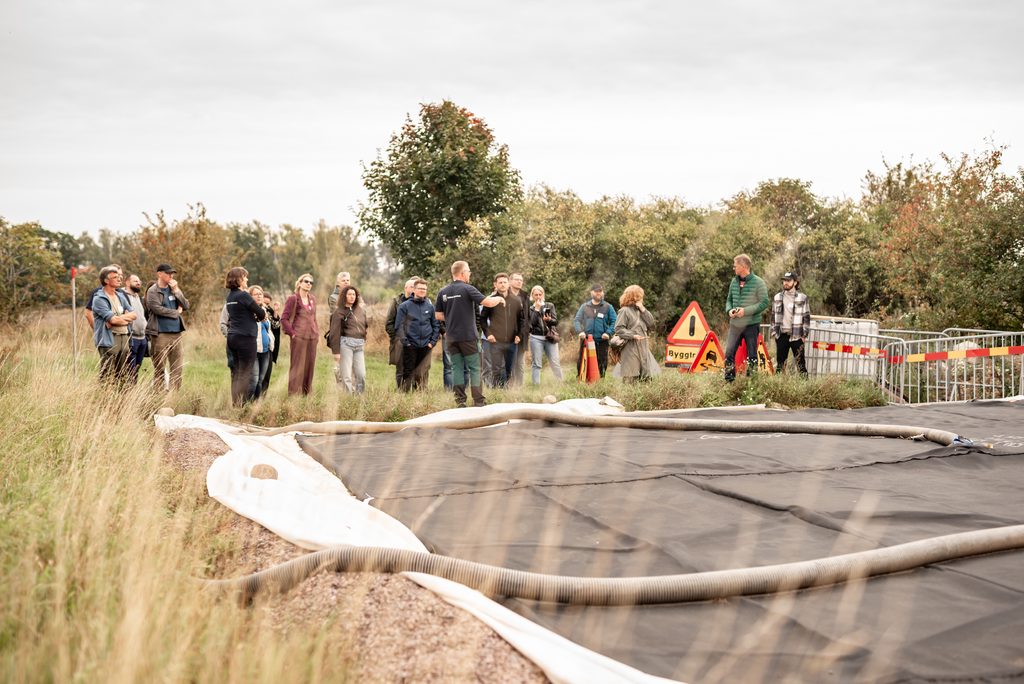
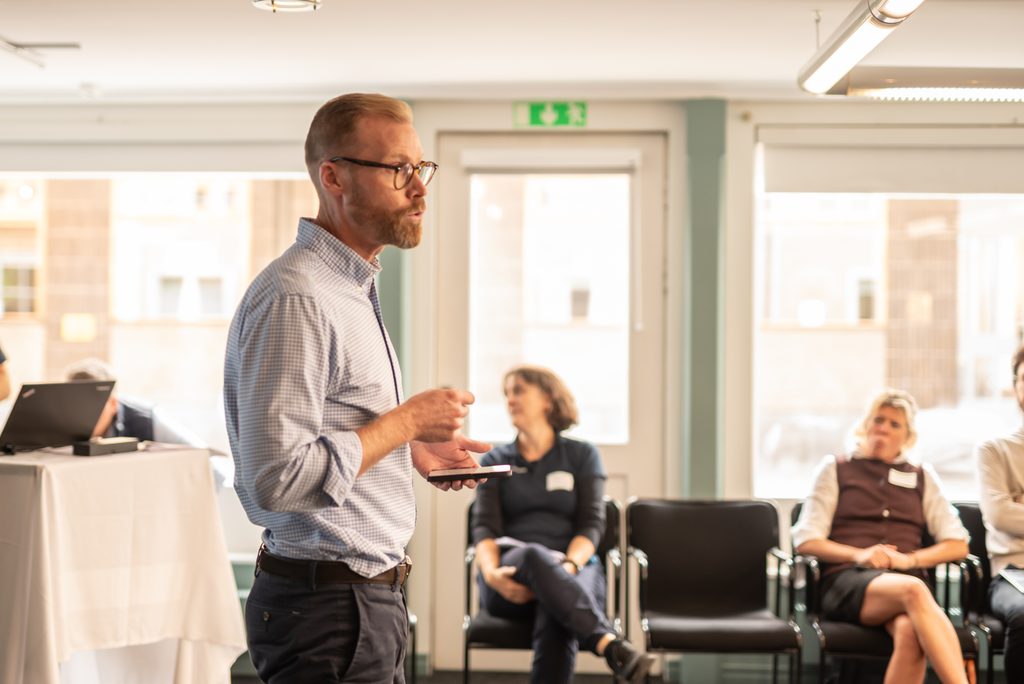
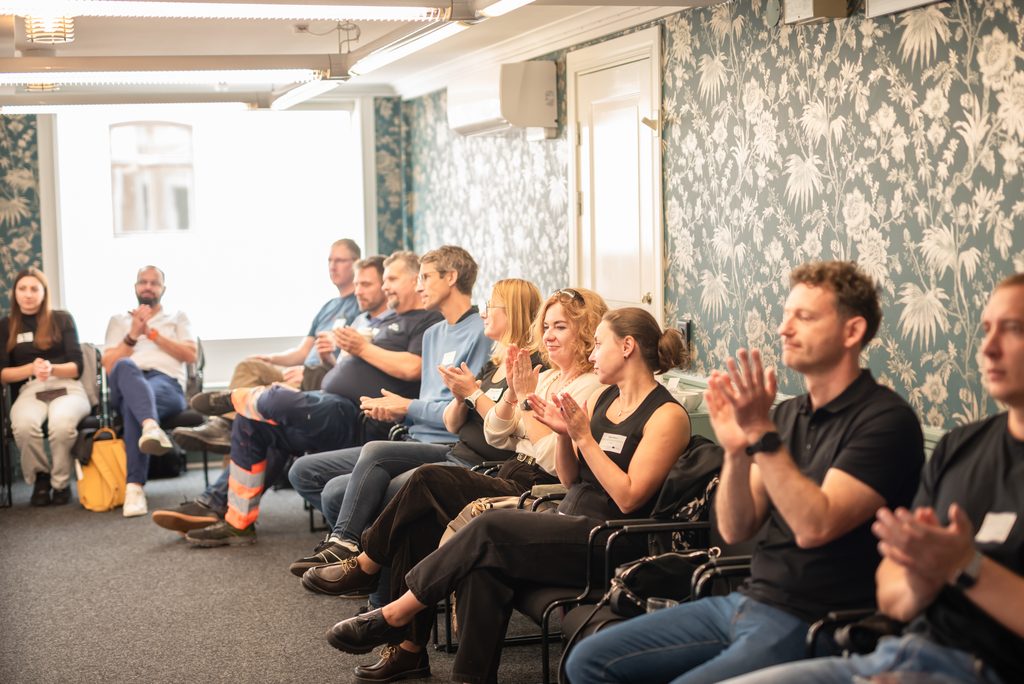
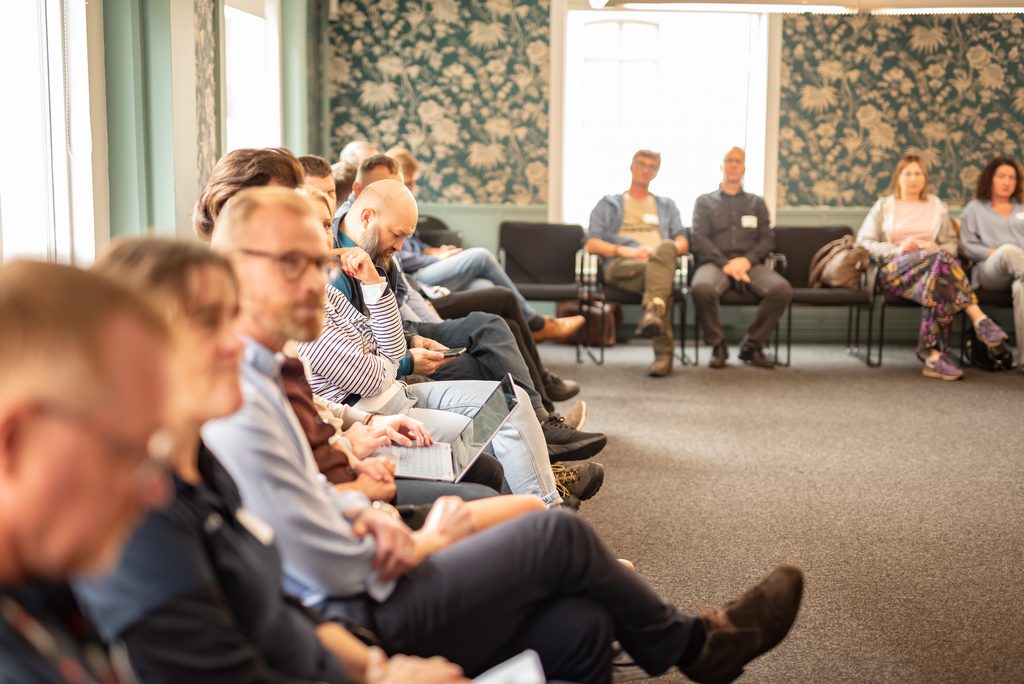
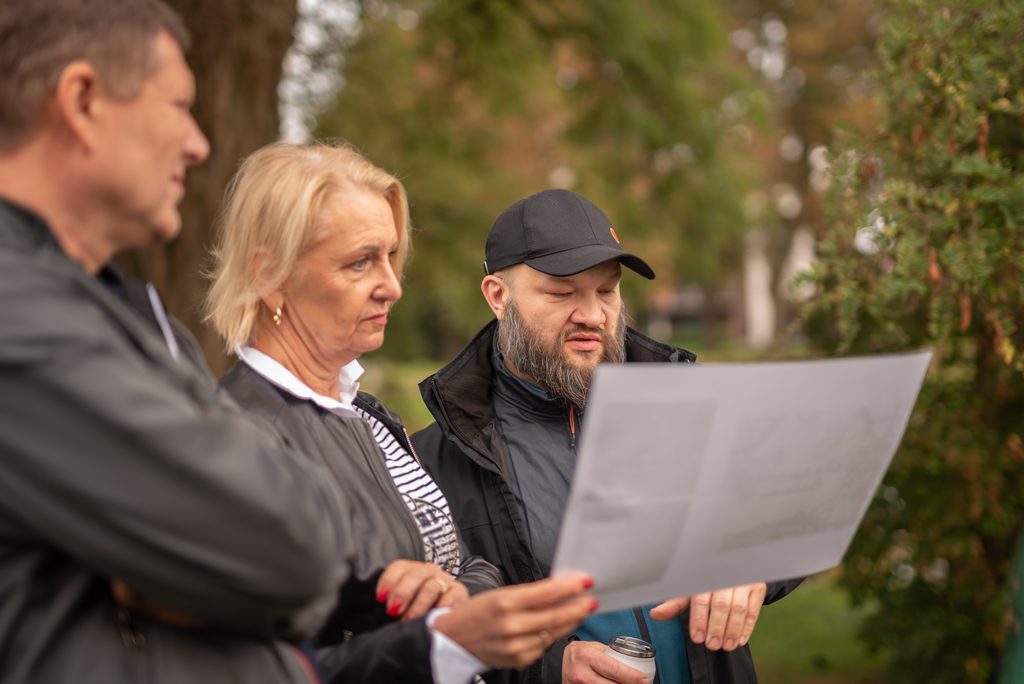
Representatives of the Circular MuSe project partners and STG ERB member municipalities took part in the first day of a study visit in Kalmar, Sweden, on 29 September. The meeting focused on practical circular economy solutions applied in municipal services – from the reuse of materials and items to the recovery and management of sludge.
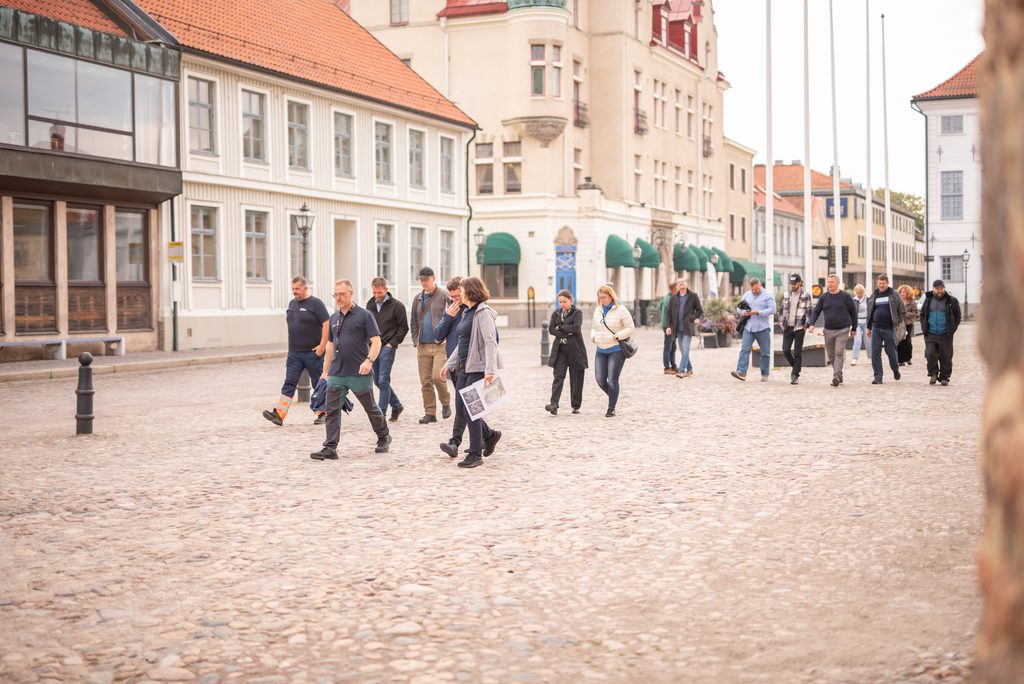
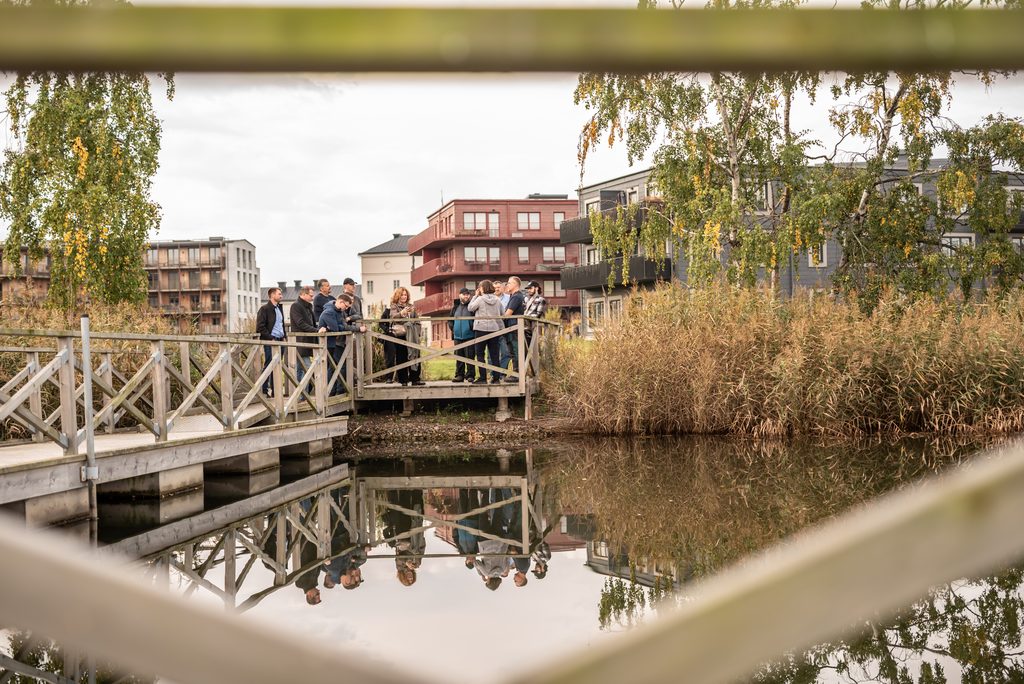
The first day of the Circular MuSe Study Trip & All-partner Meeting, organised on 29–30 September 2026, gave participants an opportunity to see how circular solutions are being implemented at the city level and within local public services.
Circular Economy at the City Level
The programme began with a presentation of Kalmar Municipality’s approach to the circular economy. The discussions focused primarily on solutions that can be implemented by local authorities and municipal service providers. An important part of the meeting was the exchange of experiences and the opportunity to discuss the practical aspects of how such services operate.
Representatives of member municipalities of the Association of Polish Communes Euroregion Baltic also took part in the study visit. This made it possible to analyse the solutions presented in Sweden from the perspective of their potential use and adaptation by Polish local authorities.
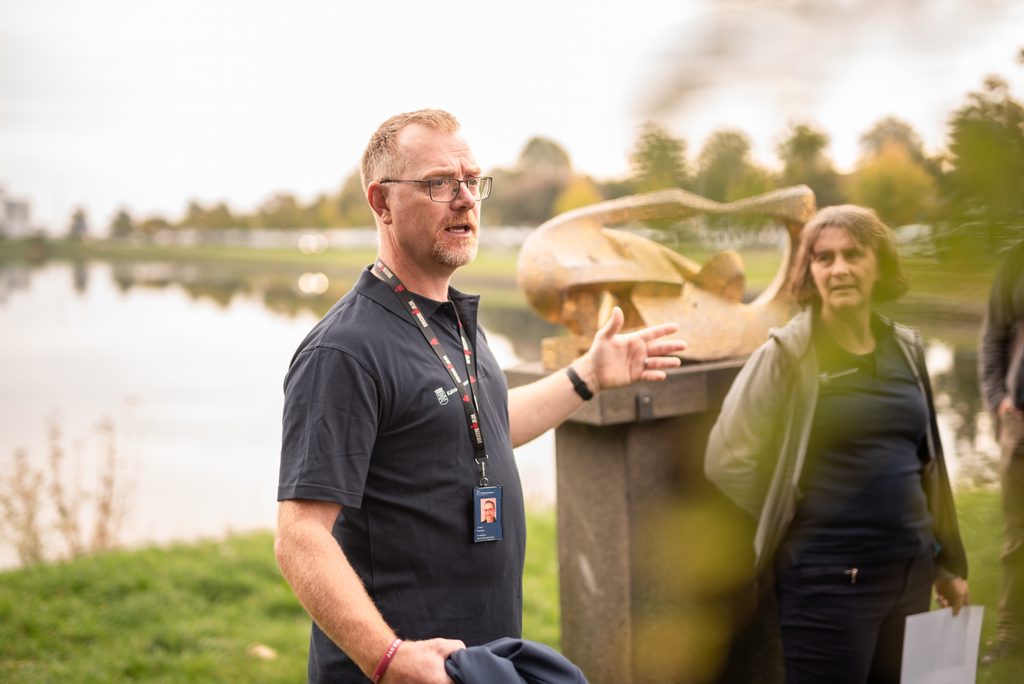
From Used Materials to Sports Equipment
The next part of the day focused on specific examples of circular services available to residents and local businesses.
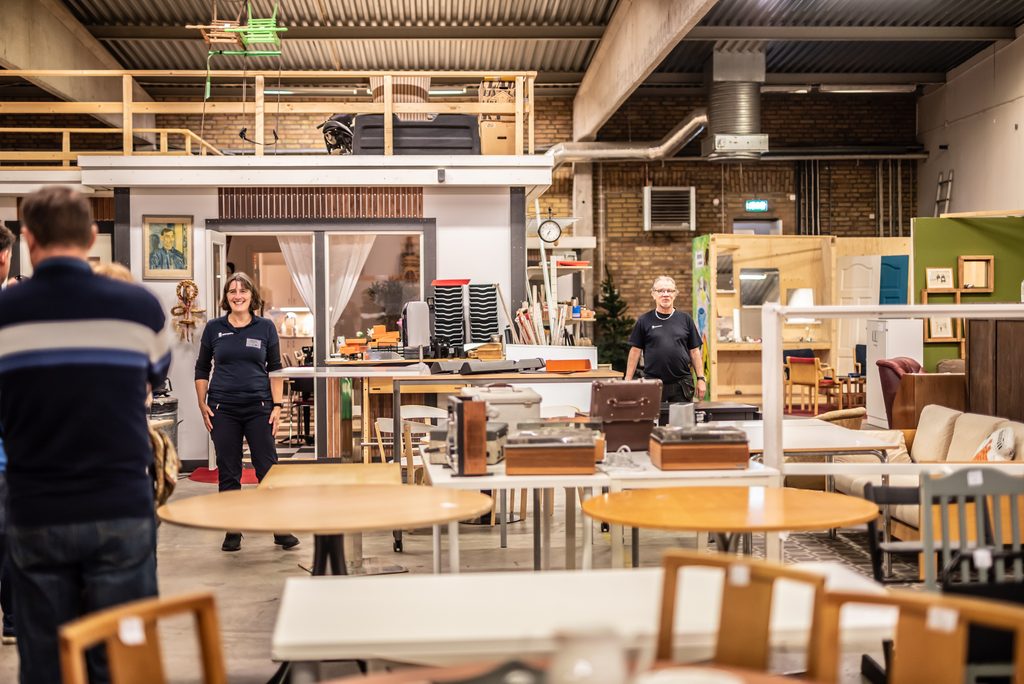
Participants visited Återbruket, a municipal facility that collects and resells used building materials, doors, windows and furniture for both private and office use.
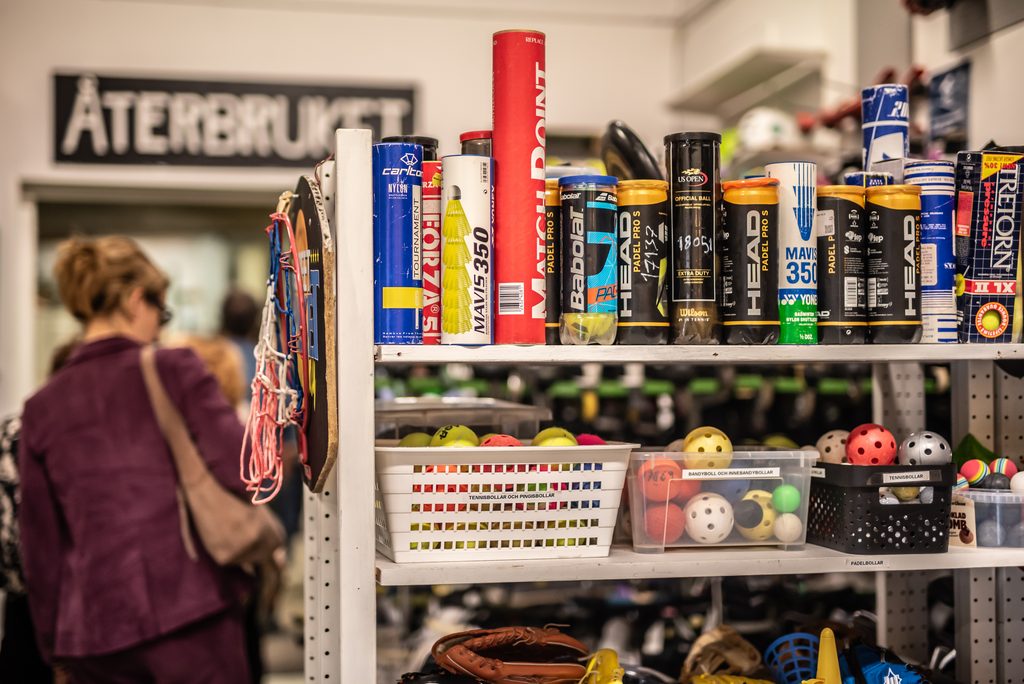
Another example was Fritidsbanken, which operates as a “leisure bank”. Residents can borrow sports and recreational equipment free of charge for up to 14 days.
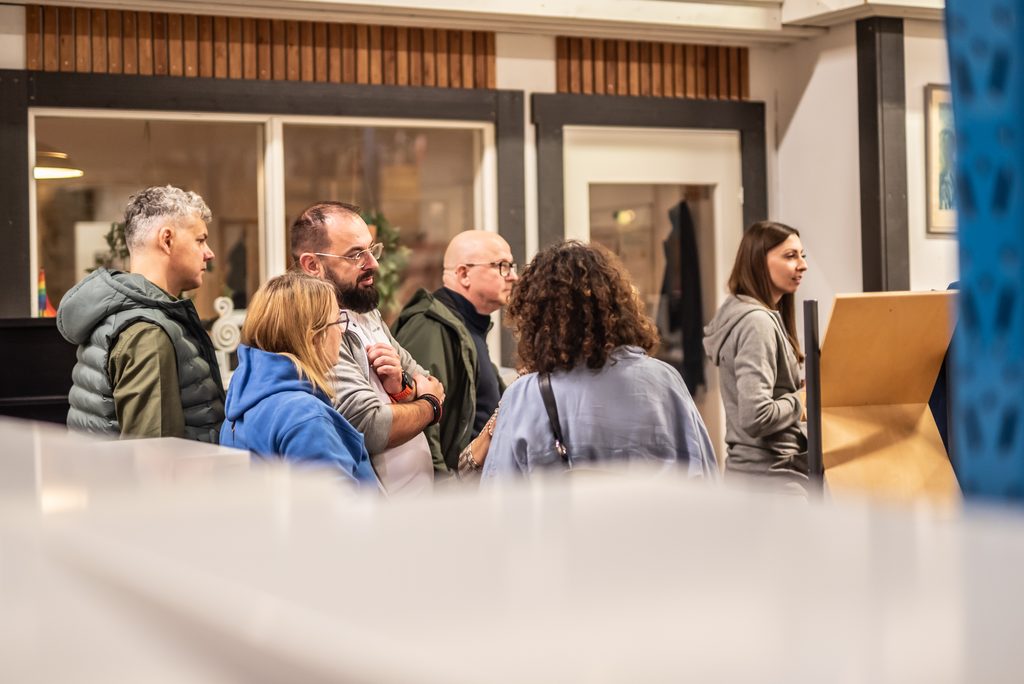
The programme also included a visit to VIKAB, a city-owned workshop providing services tailored to the needs of businesses, such as refurbishing workwear and repairing furniture, with a particular focus on corporate social responsibility.
Sludge as a Resource
Another important focus of the first day was the removal and reuse of sludge in municipal services.
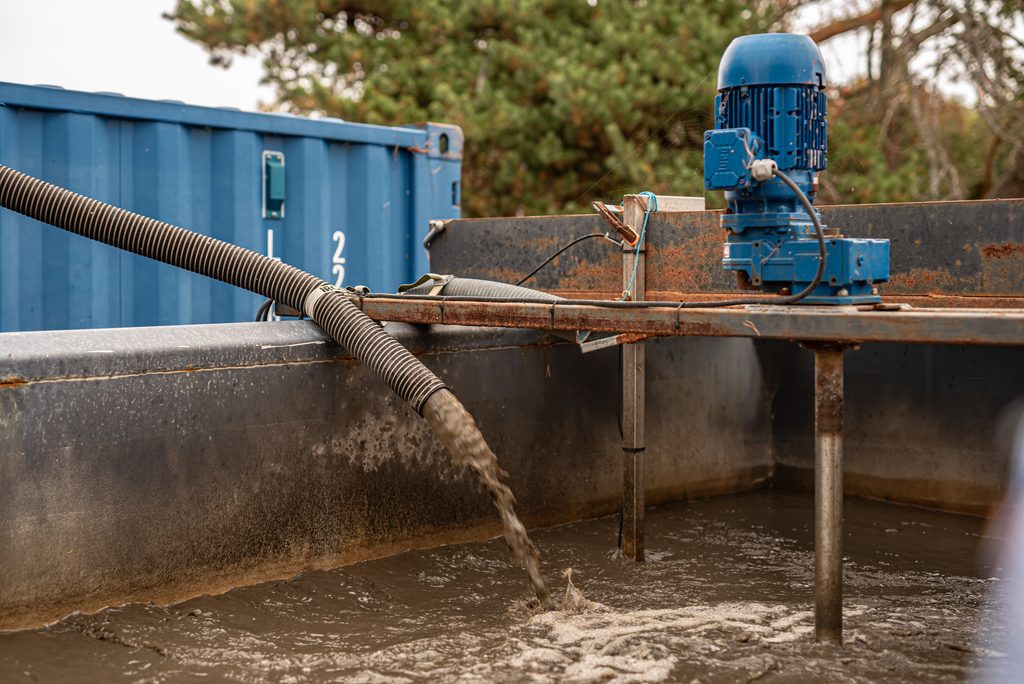
During a visit to Malmfjärden Bay, participants learned about low-flow sludge removal technology, solutions for semi-passive sludge dewatering, and examples of its potential reuse.
The study visit also included the Skogstorp and Kalmar Dämme sedimentation ponds. Discussions covered factors affecting the frequency of sludge removal and its potential for further use.
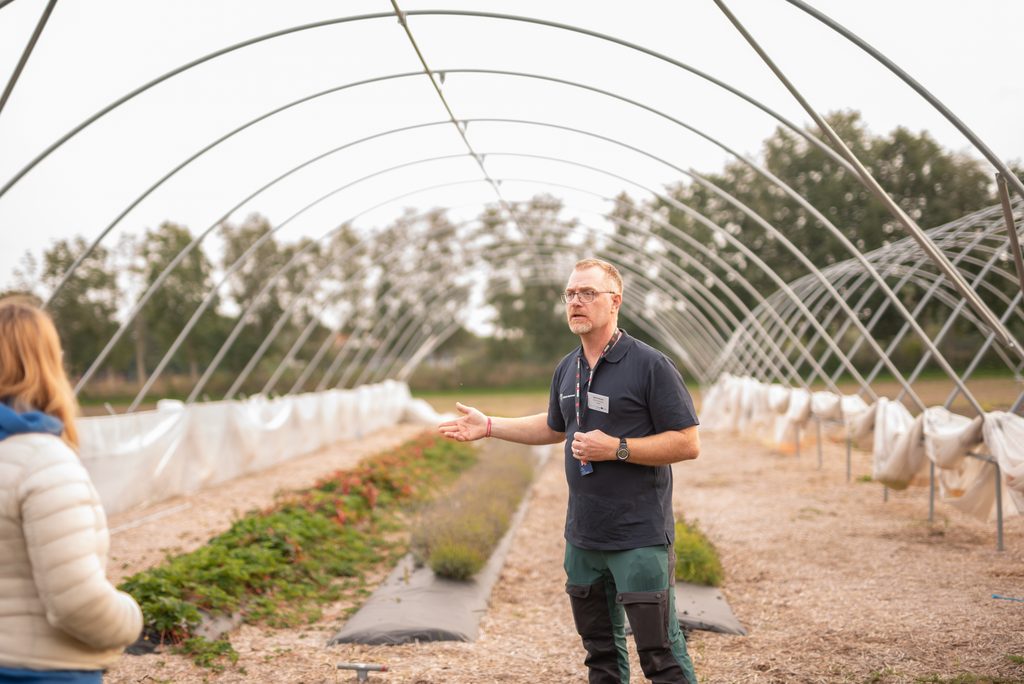
The final example presented was the work carried out in Skogsby on Öland, focusing on plant selection and the use of soil and sludge mixtures for cultivation.
The first day of the study visit demonstrated a broad approach to the circular economy – from extending the life cycle of products and reusing materials to recovering resources generated through municipal services. For local government representatives, it was also an opportunity to explore solutions that could inspire the development of more circular services at the local level.