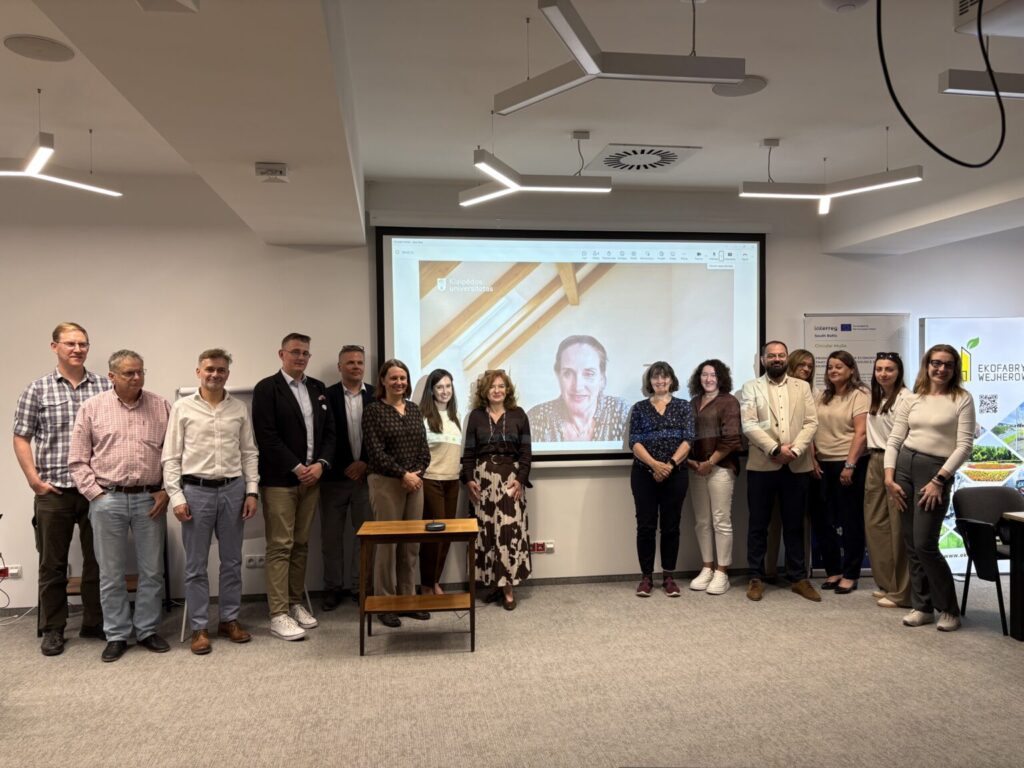
Cooperation and resilience of regions take center stage at the EUSBSR Annual Forum 2026 in Tallinn

Resilience Edition EUSBSR Annual Forum 2026 and BSSSC Day of Cities and Regions in Tallinn.
Promotion of the BaltWreck, CircularMuse and D-Effect projects
.

Discussions on the future and resilience of the Baltic Sea Region in Tallinn

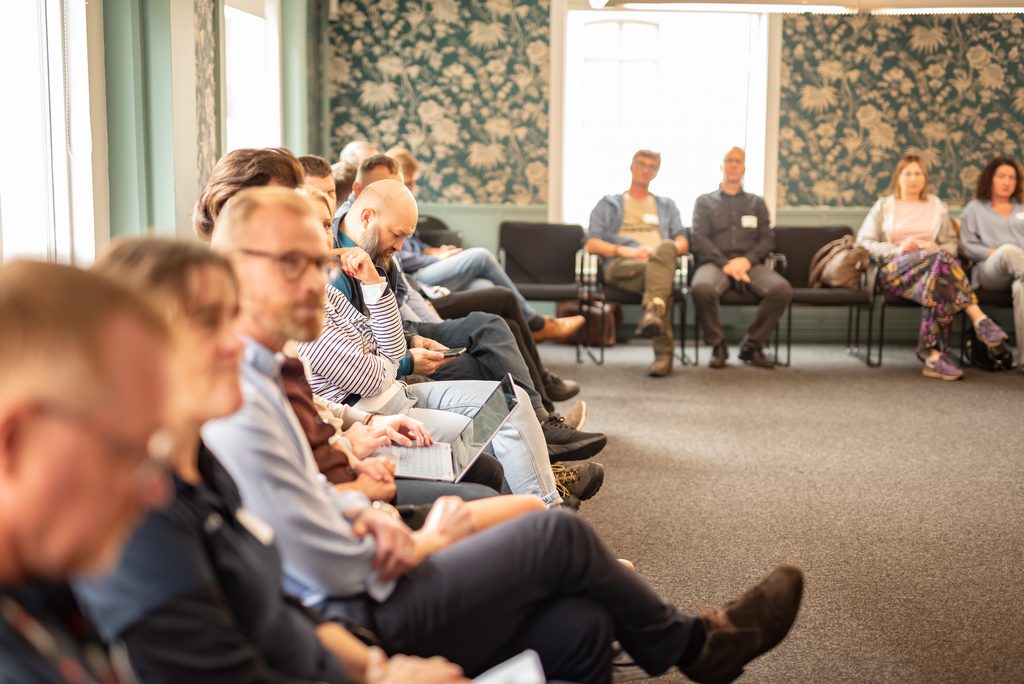
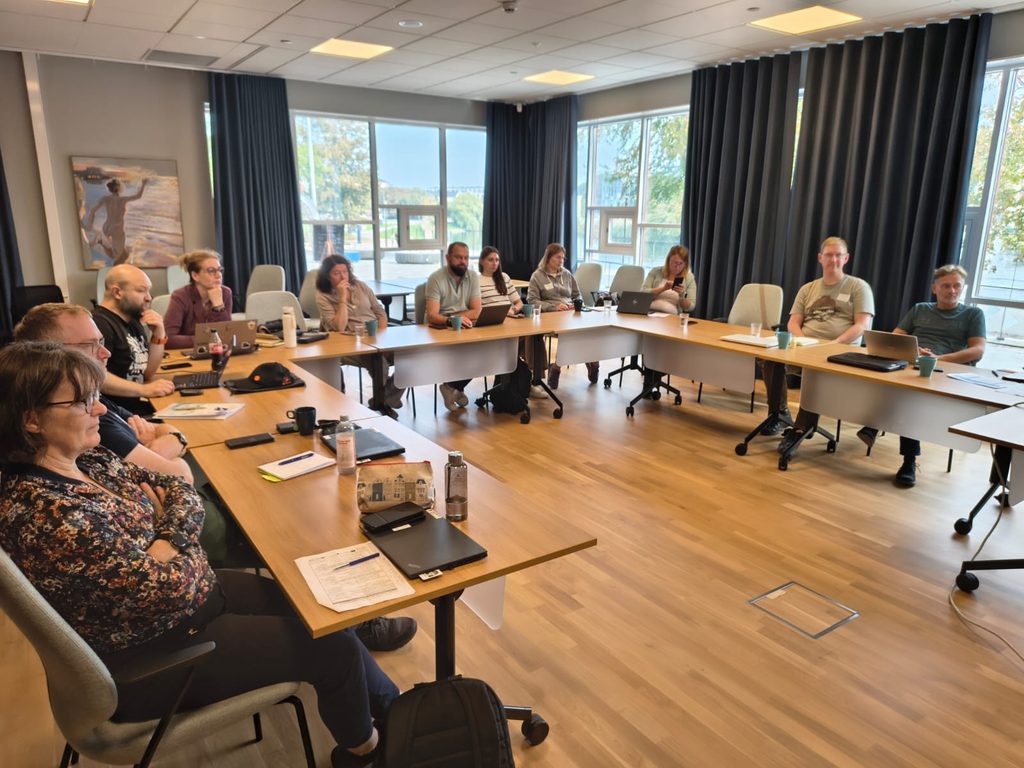
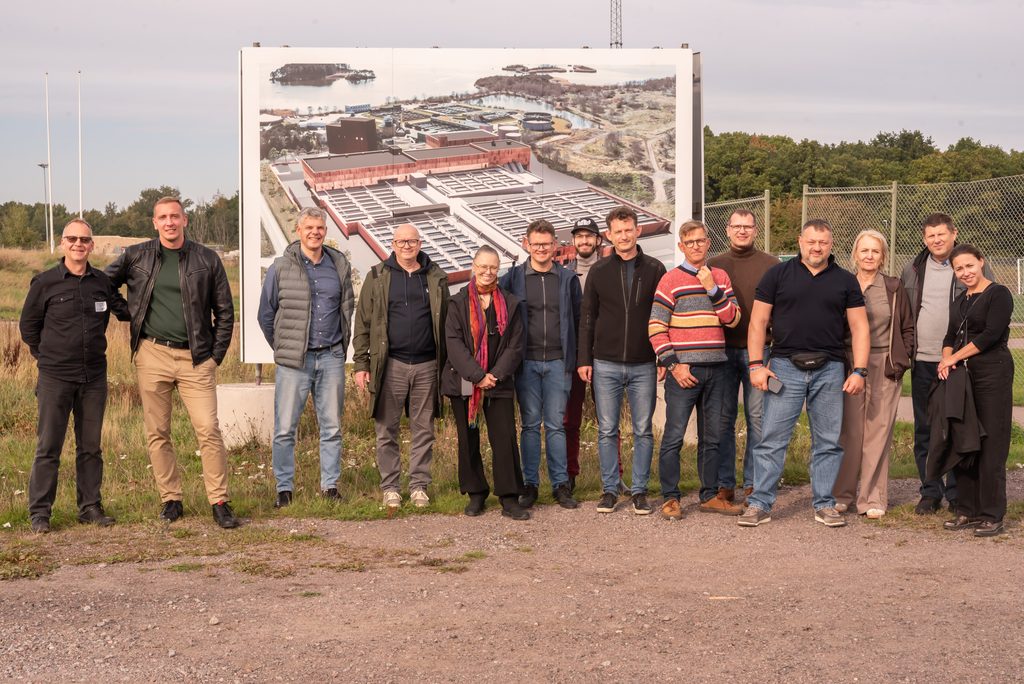
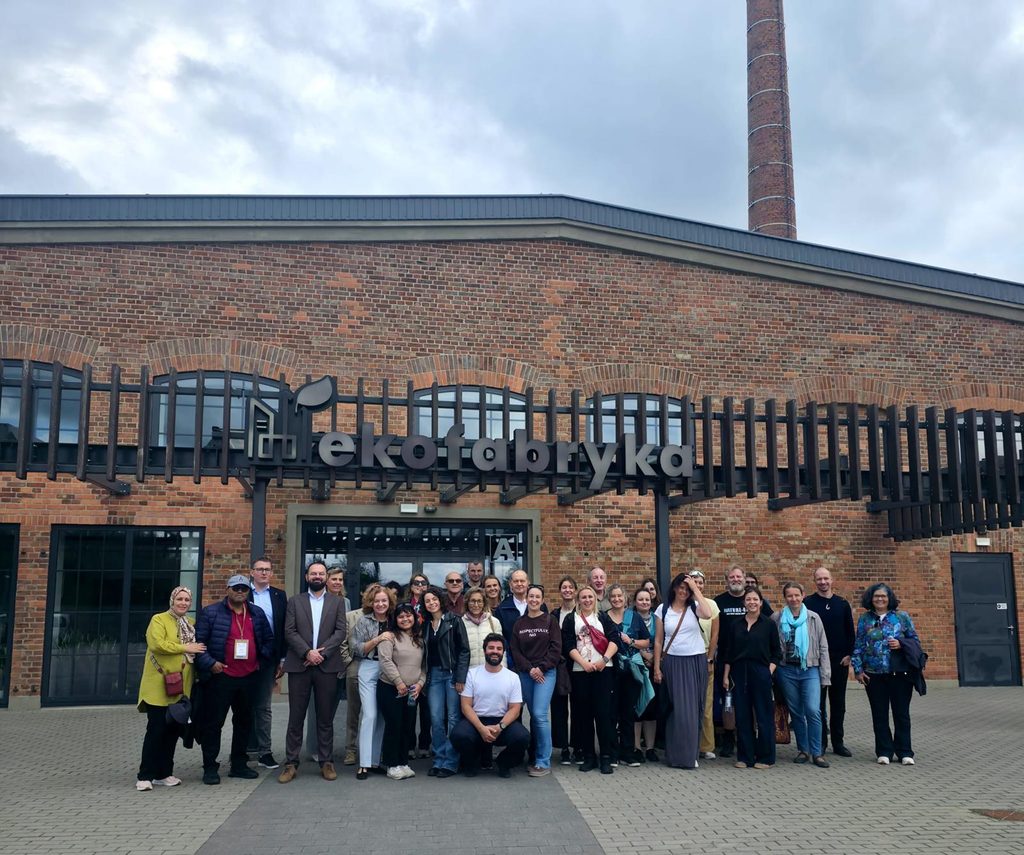
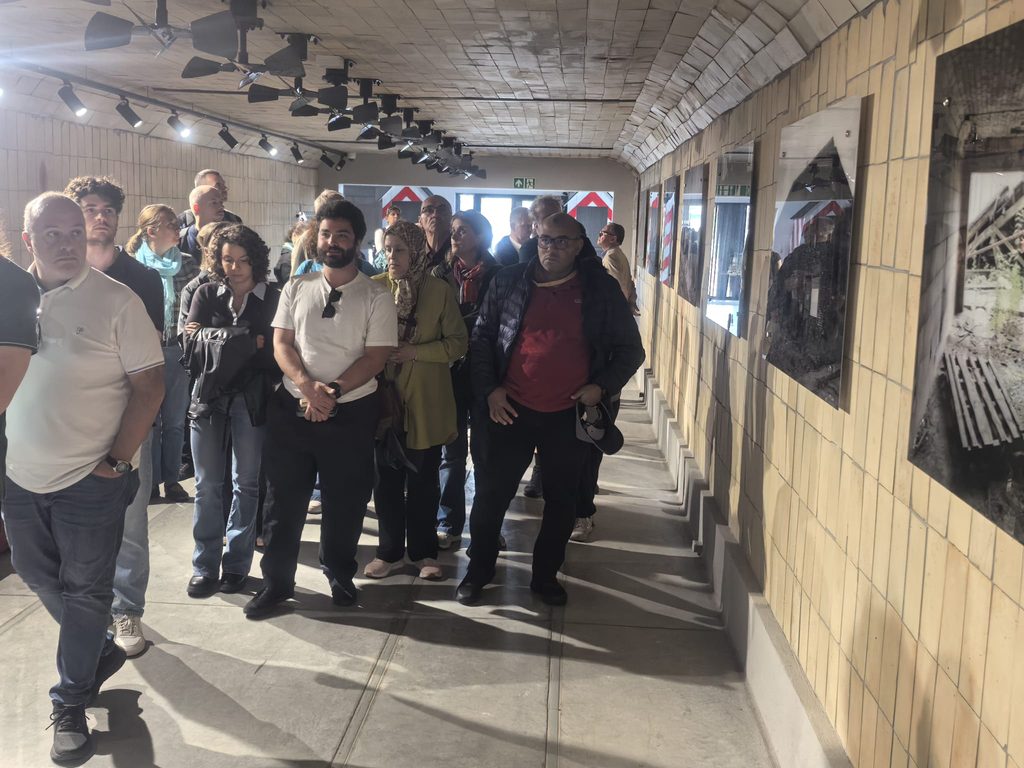
On 11–13 May, the Kultuurikatel conference centre in Tallinn hosted a series of events dedicated to regional cooperation, security, and strengthening the resilience of the Baltic Sea Region within the framework of the BSSSC Day of Cities and Regions and the EUSBSR Annual Forum 2026.

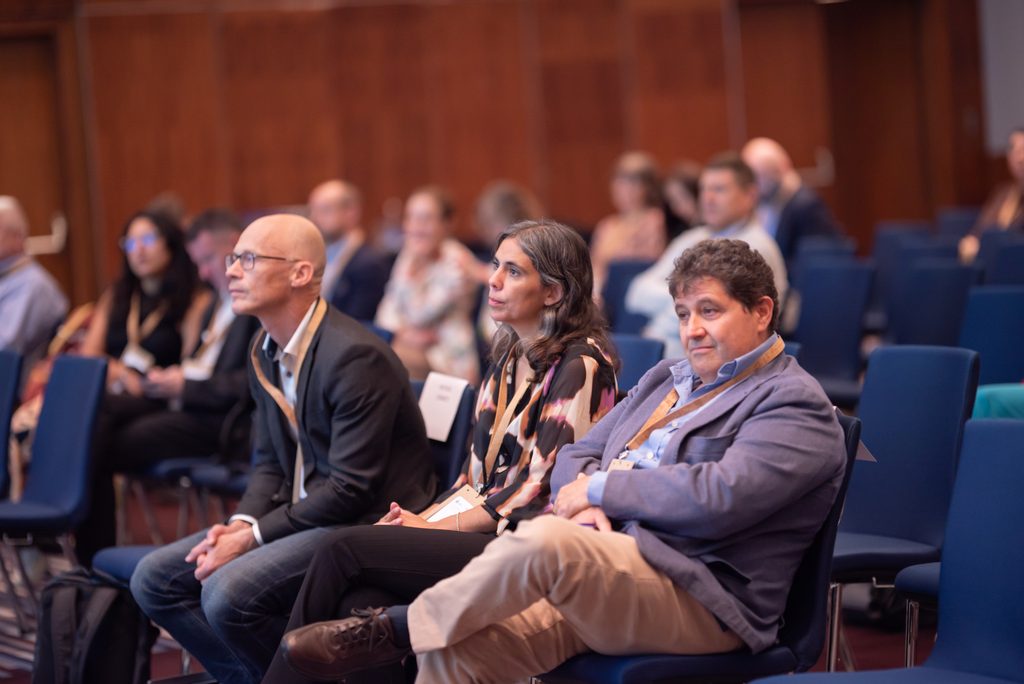
The meeting brought together representatives of local and regional authorities, public administrations, international organisations, EU institutions, academia, and youth networks from across the Baltic Sea Region.

Security, energy transition and cross-border cooperation at the core of debates

The programme focused on the key challenges facing the Baltic Sea Region. Major topics included regional security and resilience, cross-border cooperation, energy transition, climate change adaptation, and the development of social innovation.

Participants also discussed the future of cooperation programmes beyond 2027, demographic challenges, regional competitiveness, and joint actions aimed at sustainable development and strengthening the social and economic resilience of the countries of the Baltic Sea Region.

Networking sessions and workshops also played an important role, enabling knowledge exchange and the development of cooperation between partners from different countries.

Promotion of the BaltWreck, CircularMuse and Deffect projects

During the event, the CircularMuseDeffect, and BaltWreck projects were actively promoted.

Informational materials presenting ongoing activities were displayed in the forum’s networking area, and project representatives actively participated in thematic discussions on regional cooperation, environmental protection, and sustainable development.

International debate on wrecks and submerged munitions in the Baltic Sea

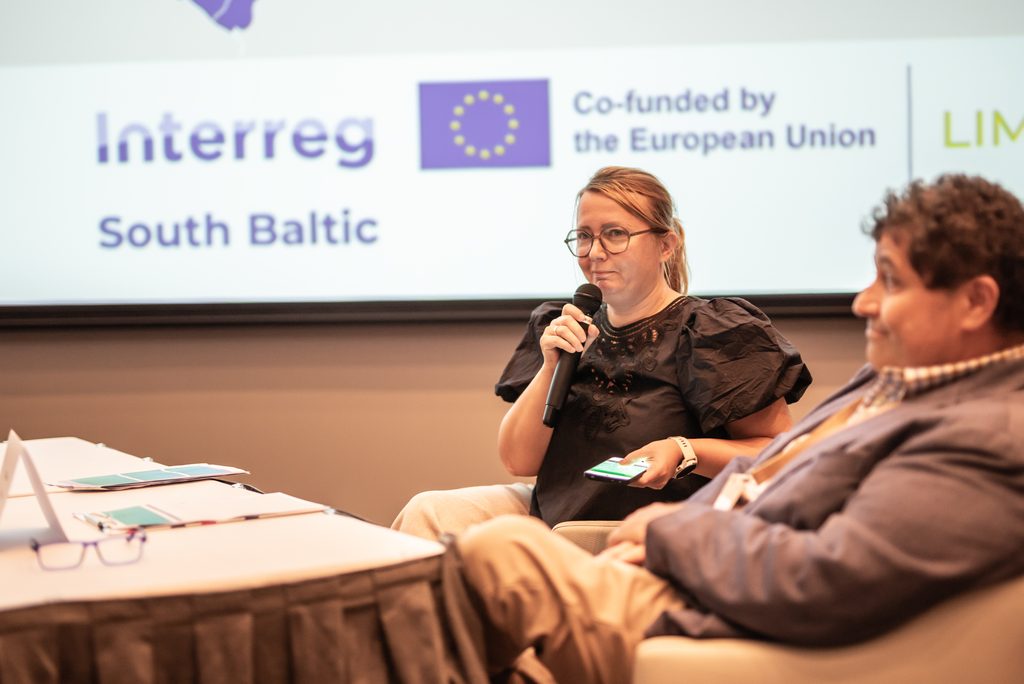
On the second day of the event, within the parallel sessions, the panel “Hidden ‘Treasures’ of the BSR – Munitions and Wrecks in the Sea: Risks, Challenges and Solutions” was held, focusing on environmental threats and maritime safety in the Baltic Sea Region.

The panel addressed the issue of shipwrecks and submerged munitions lying on the seabed of the Baltic Sea. Experts presented the scale of environmental risks associated with corrosion of wrecks and the release of hazardous substances into the marine environment, as well as measures being undertaken to monitor and mitigate these risks.

The BaltWreck project was also represented in the discussion, showcasing its activities aimed at addressing risks related to hazardous wrecks and protecting the marine environment of the Baltic Sea.

Regional cooperation as a key to the future of the Baltic Sea

The Tallinn event served as an important platform for exchanging experience, building partnerships, and strengthening cooperation between cities, regions, and organisations across the Baltic Sea Region.

The discussions demonstrated that effectively addressing current challenges – from environmental security to energy transition – requires long-term international cooperation and jointly developed solutions for the entire region.

Photo: Jolanta Olszewska

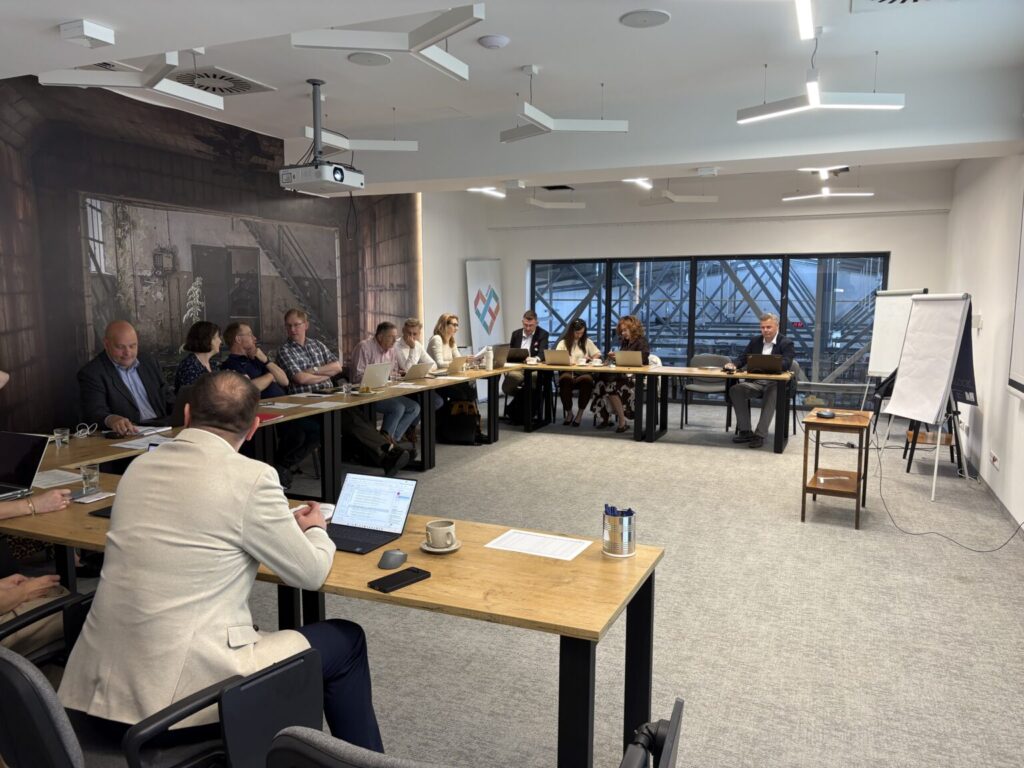
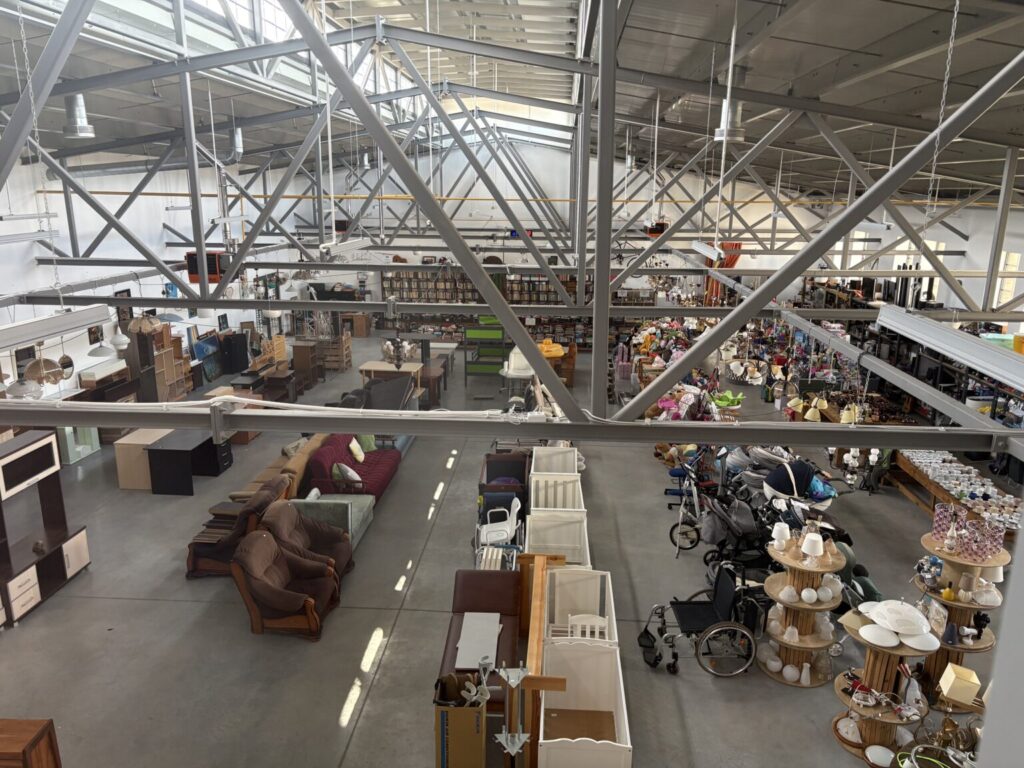
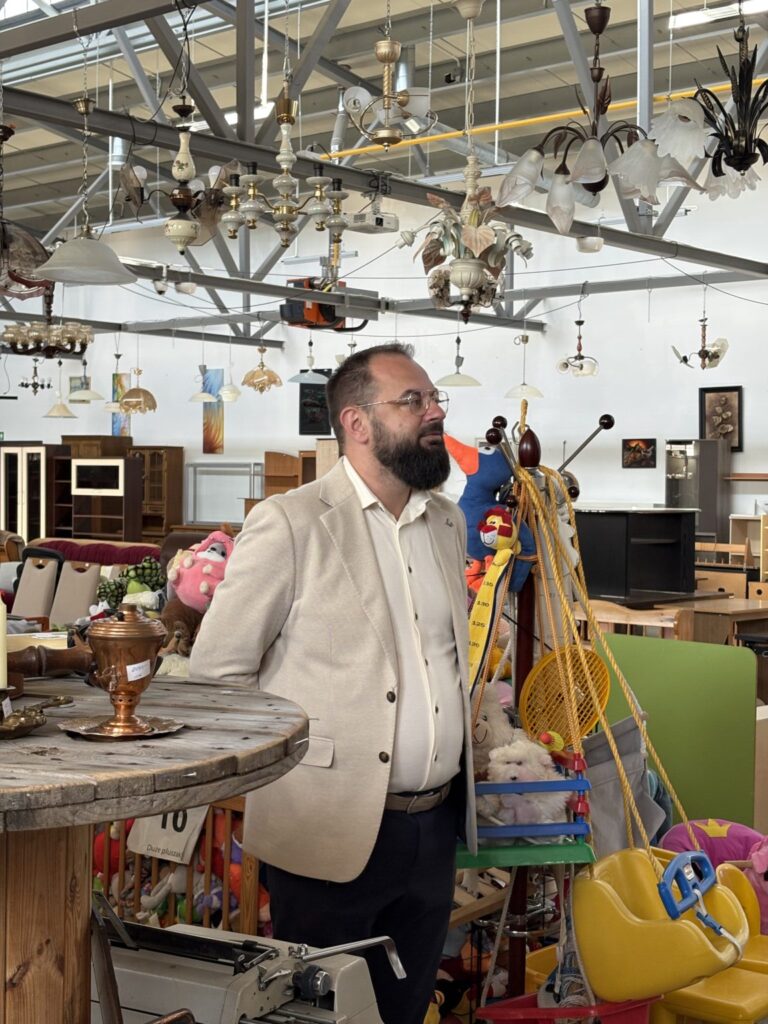
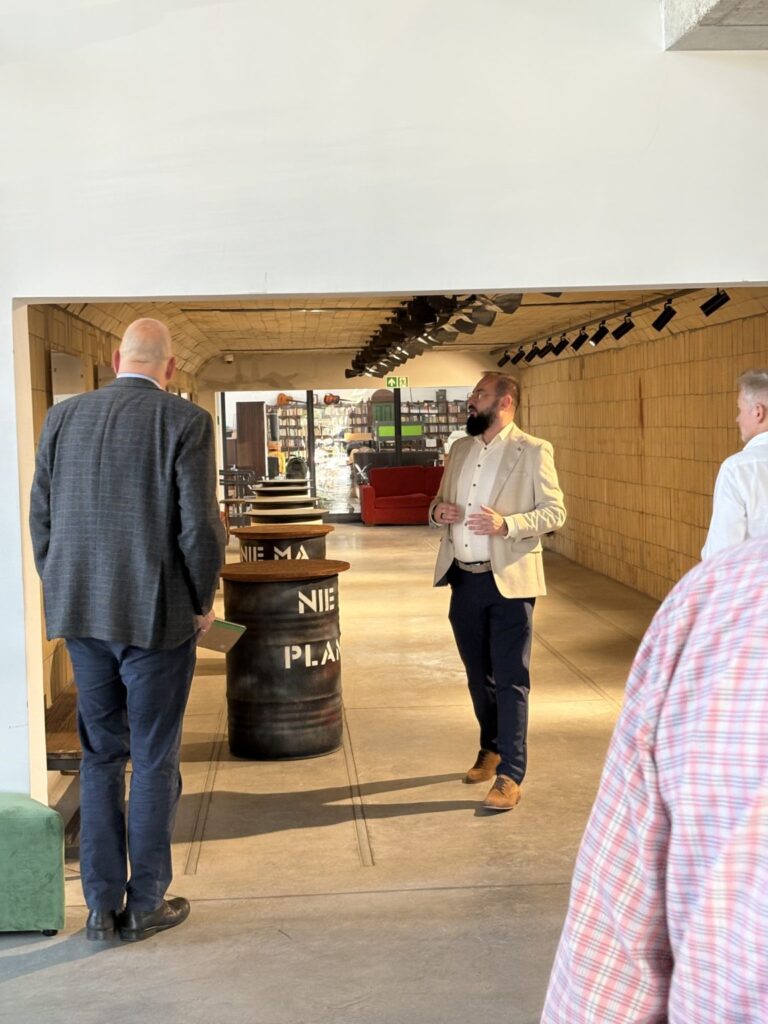
Circular MUSE Study Visit to Chlewnica

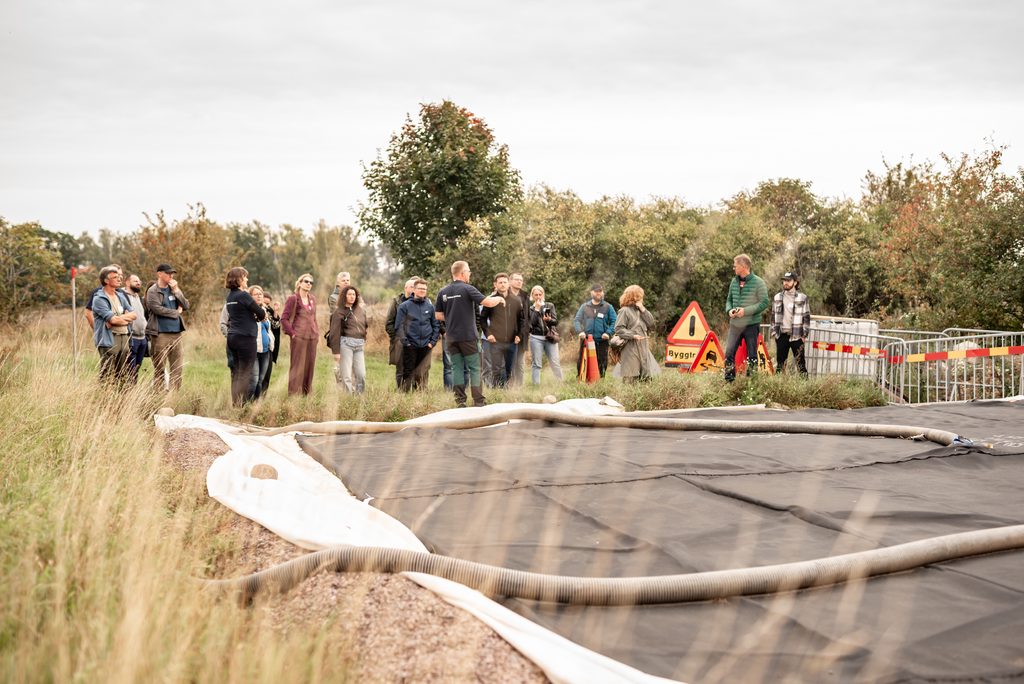
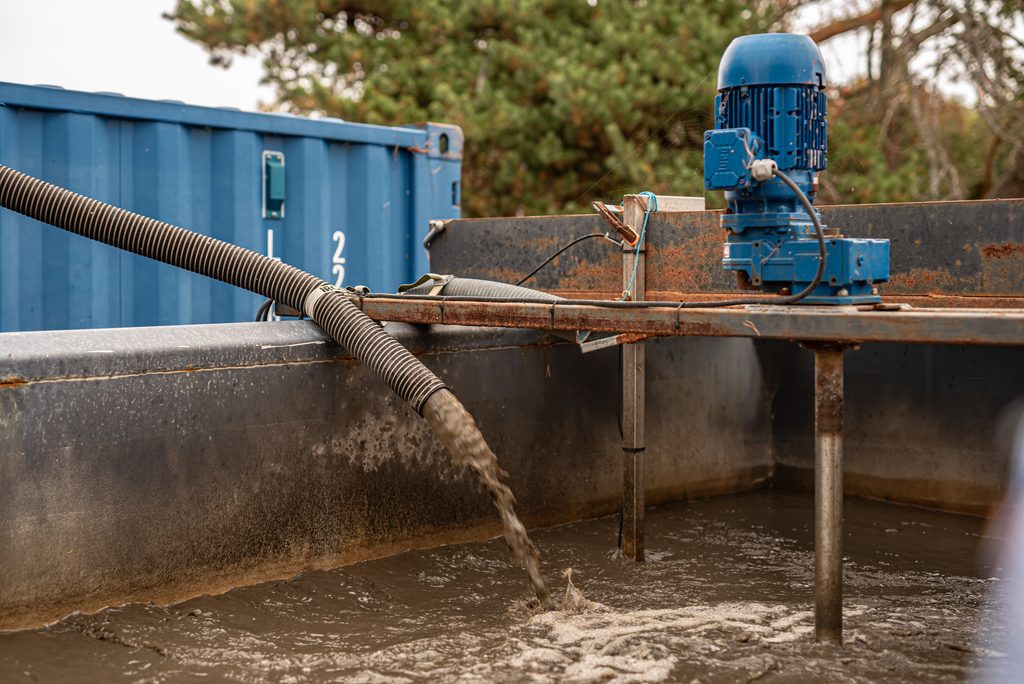
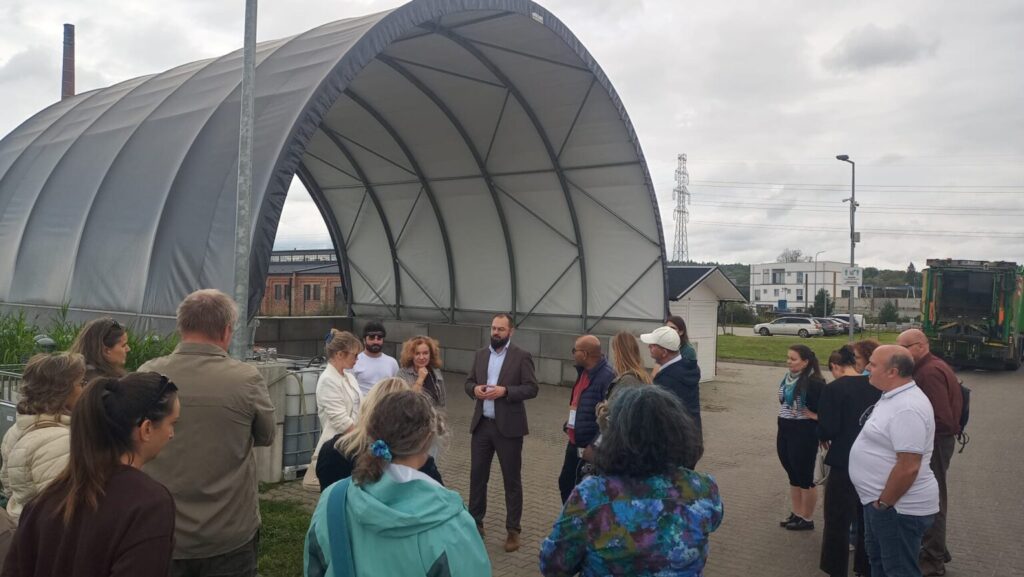
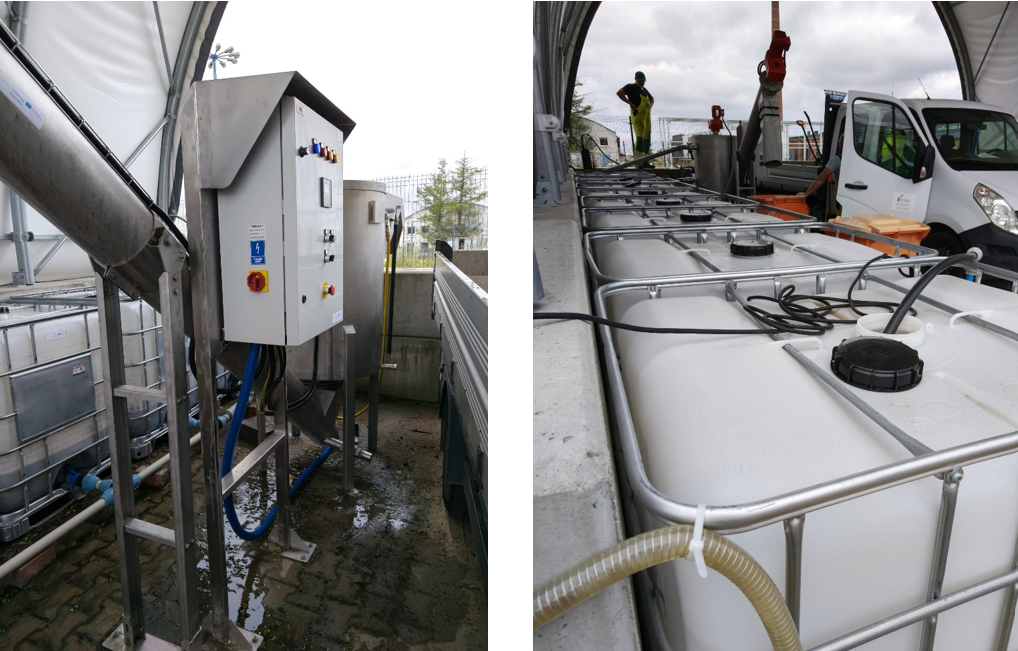
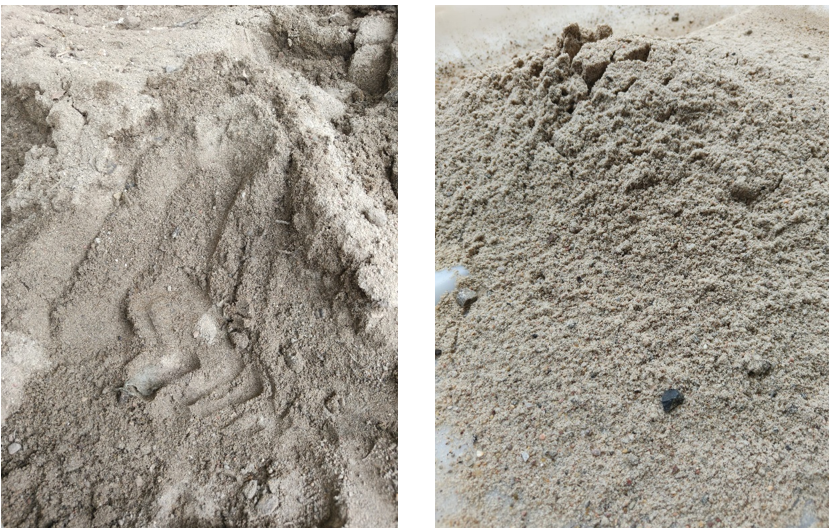
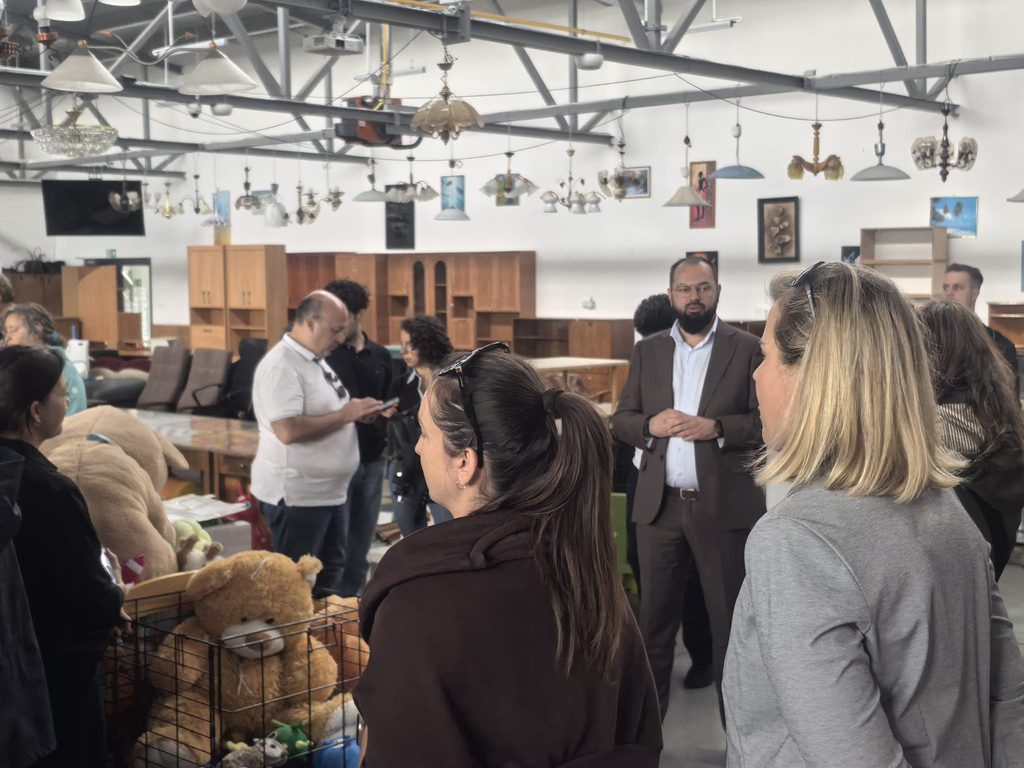
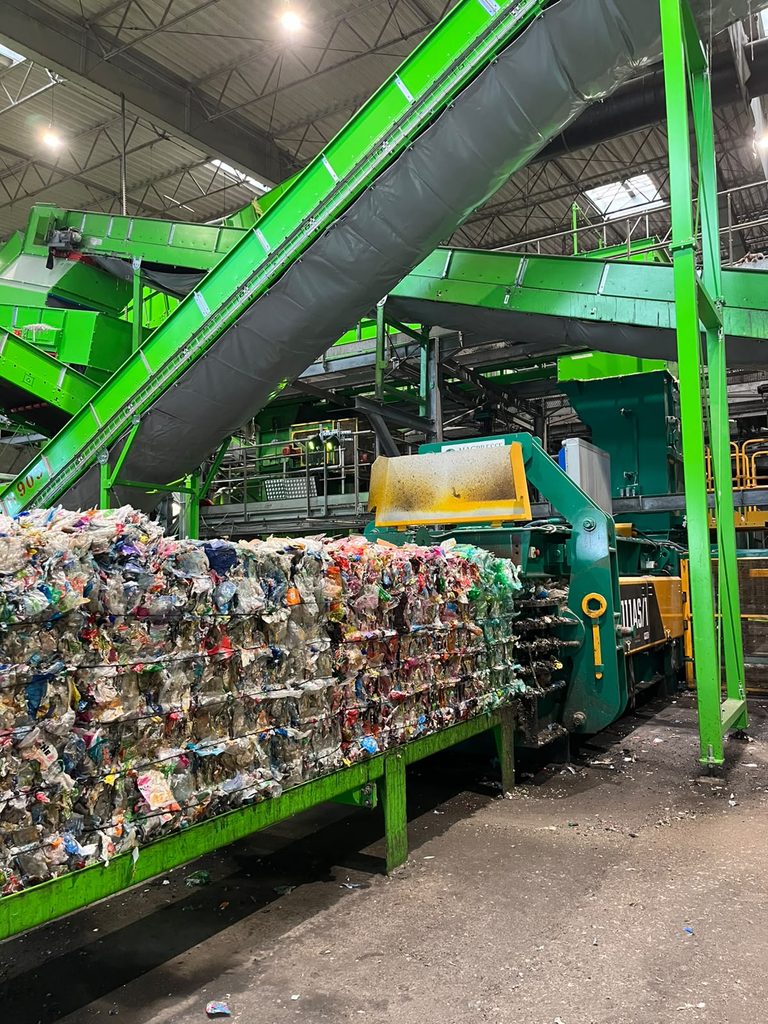
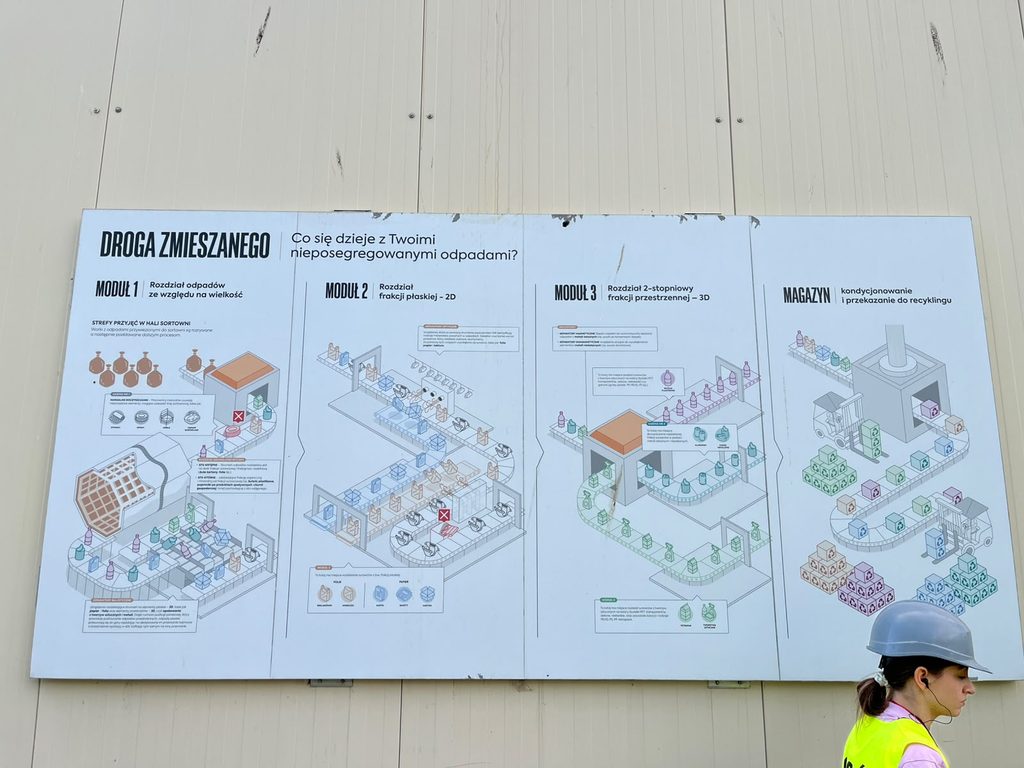
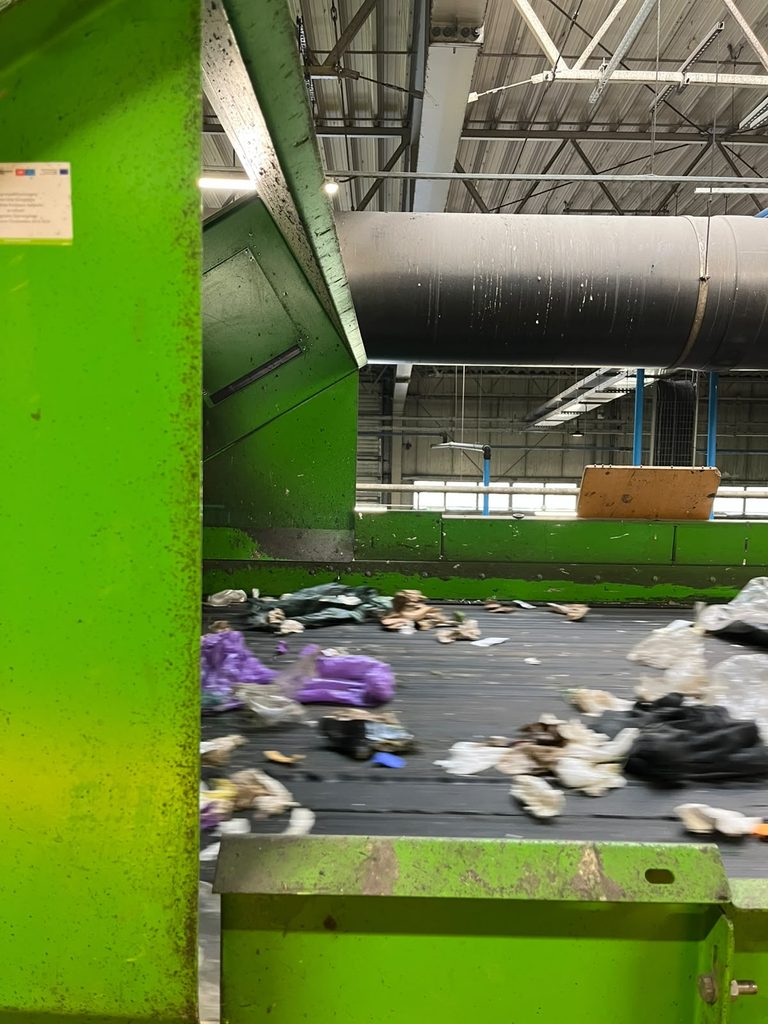
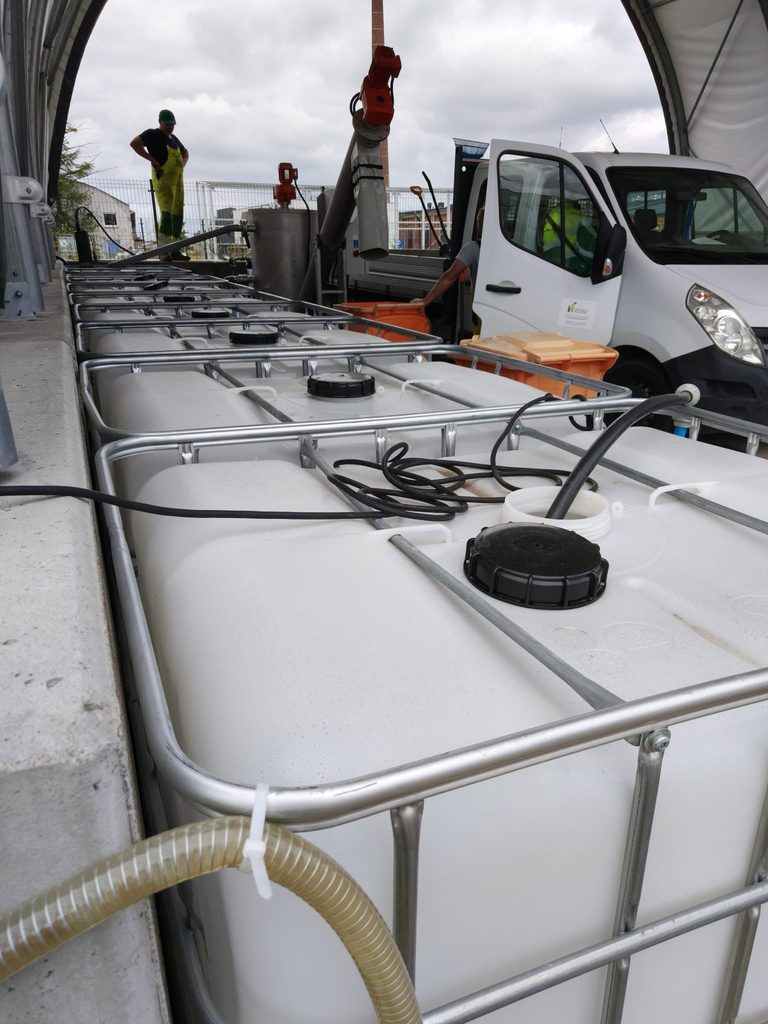
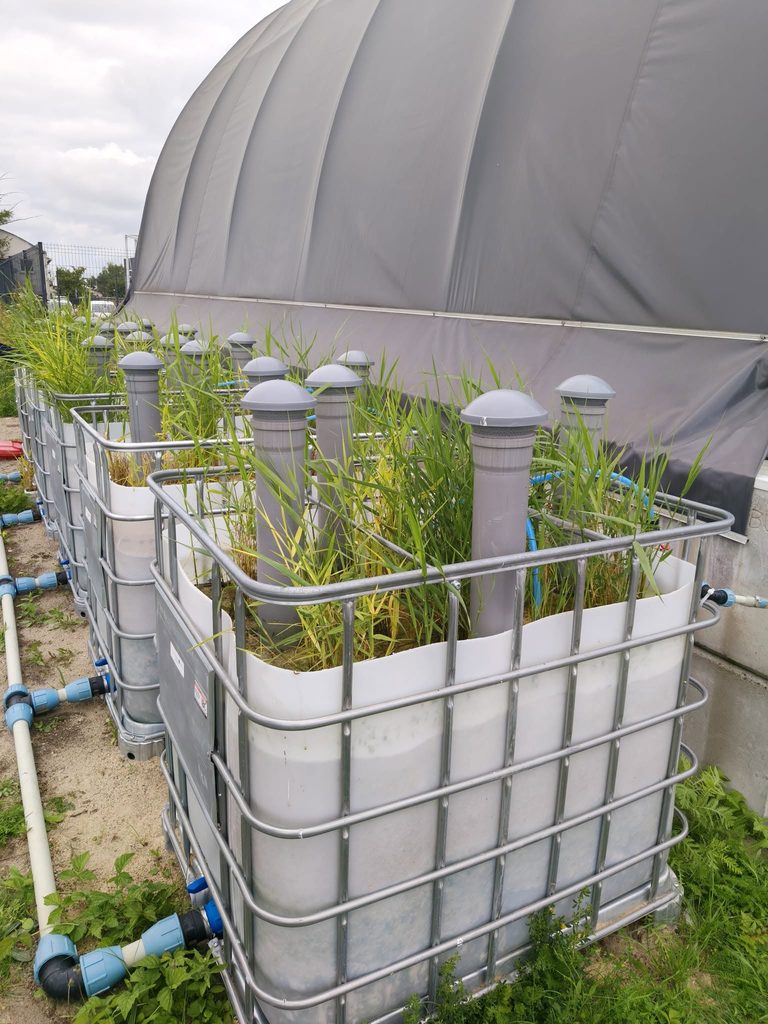
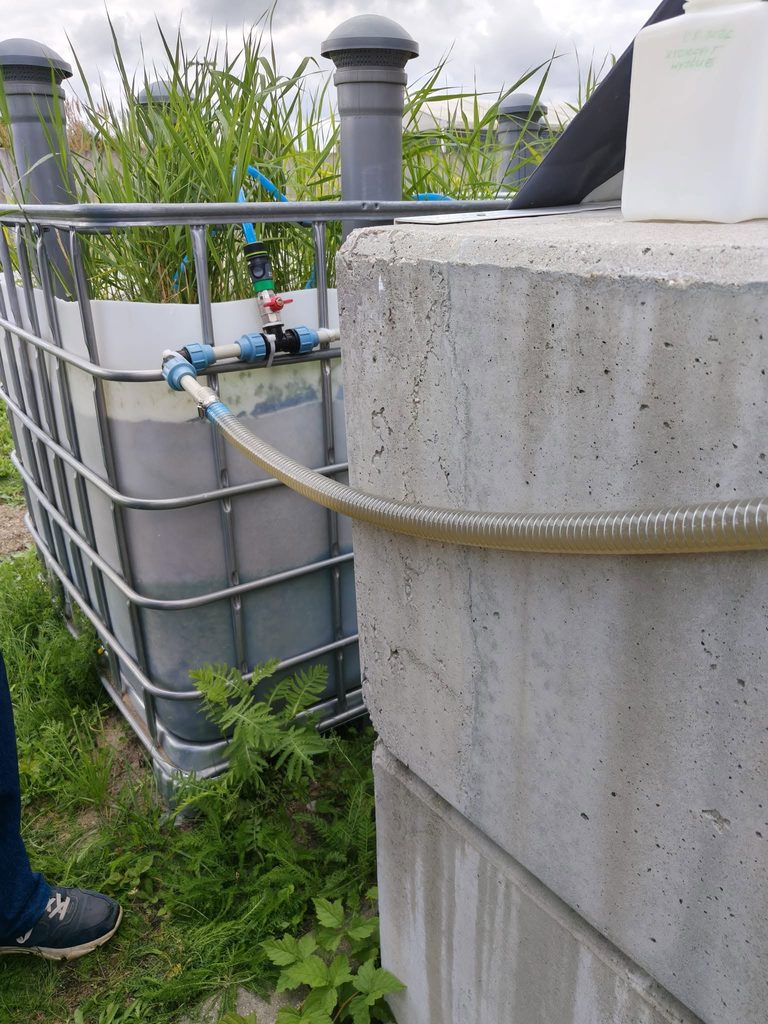
Today, representatives of the CircularMuse consortium had the pleasure of visiting ELWOZ Eco—the Waste Management Facility in Chlewnica—where they gathered inspiration for the creation of the Circular Municipal Service HUB.
It was an extremely valuable visit, demonstrating how circular economy solutions are implemented in practice at the local level.
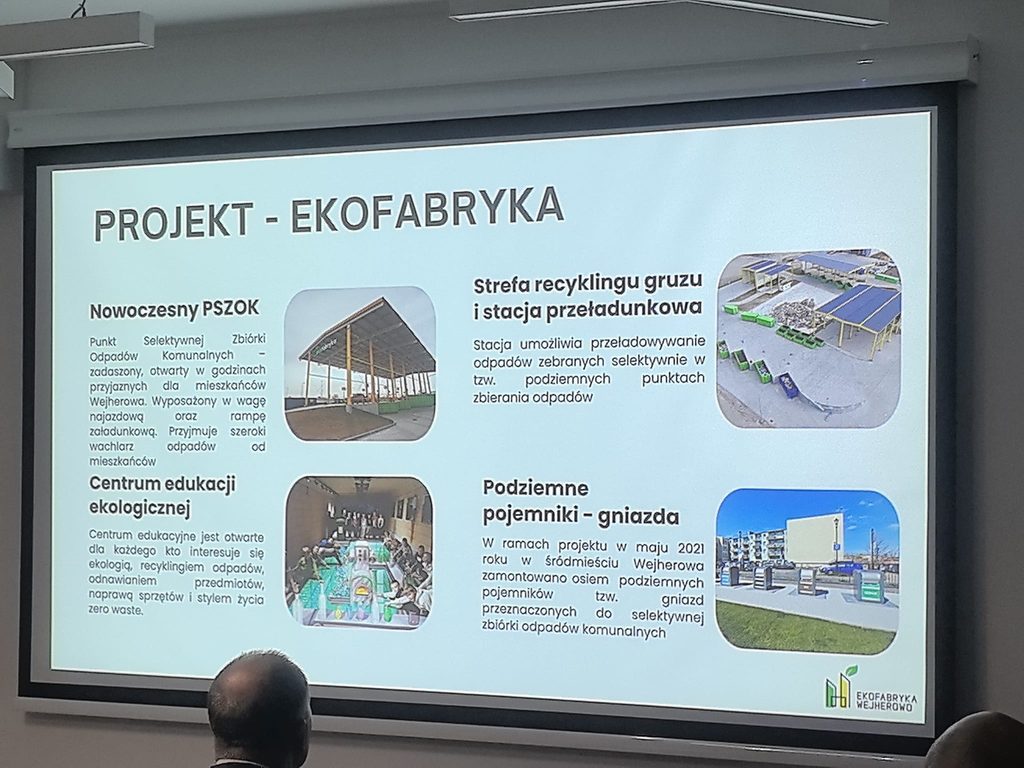
We were particularly interested in examples of activities such as:

Such visits are a valuable source of knowledge and inspiration for us in building modern, circular municipal services.
Synergy between the NursecoastII, Cone, CircularMUSE, and CiNURGi projects

NursecoastII, Cone, CircularMUSE, CiNURGi – four projects working together for the environment and sustainable development of the Baltic Sea!

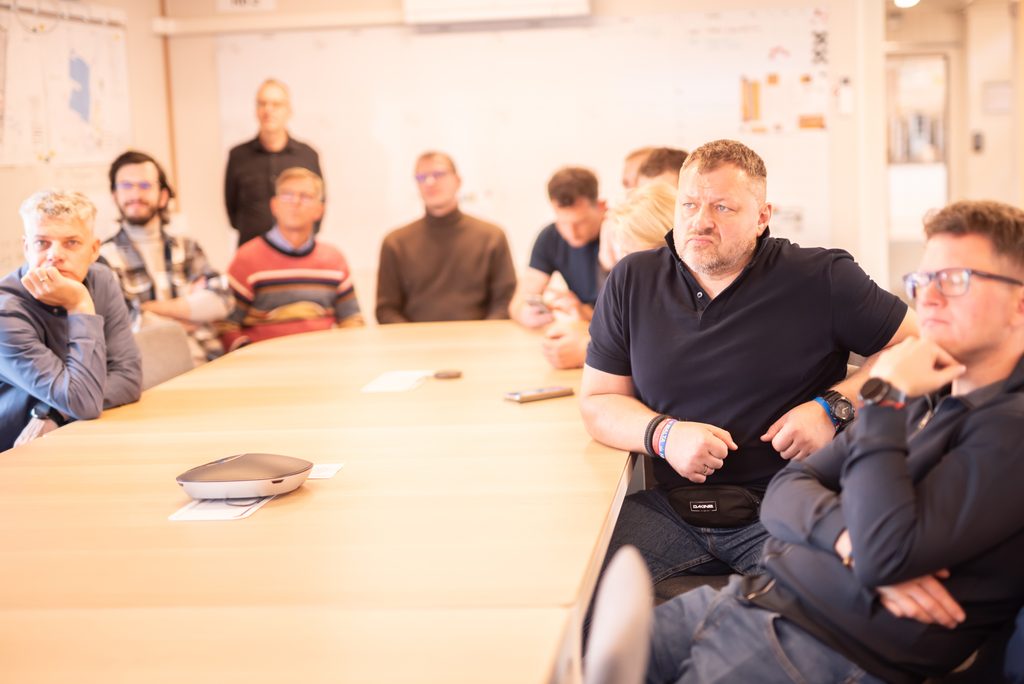
Yesterday, Gdańsk University of Technology hosted a meeting of representatives of four initiatives implemented in the Baltic Sea region and Central Europe to build synergy between the Nursecoast II, CONE, Circular MUSE, and CiNURGi projects and to work together in the area of cooperation and knowledge transfer in the region.

During the meeting, participants presented their results and challenges to date, identified areas where they can cooperate, and discussed the possibility of joint participation in media and promotional initiatives, where projects can jointly showcase their activities, exchange experiences, and attract the attention of a wide range of stakeholders.

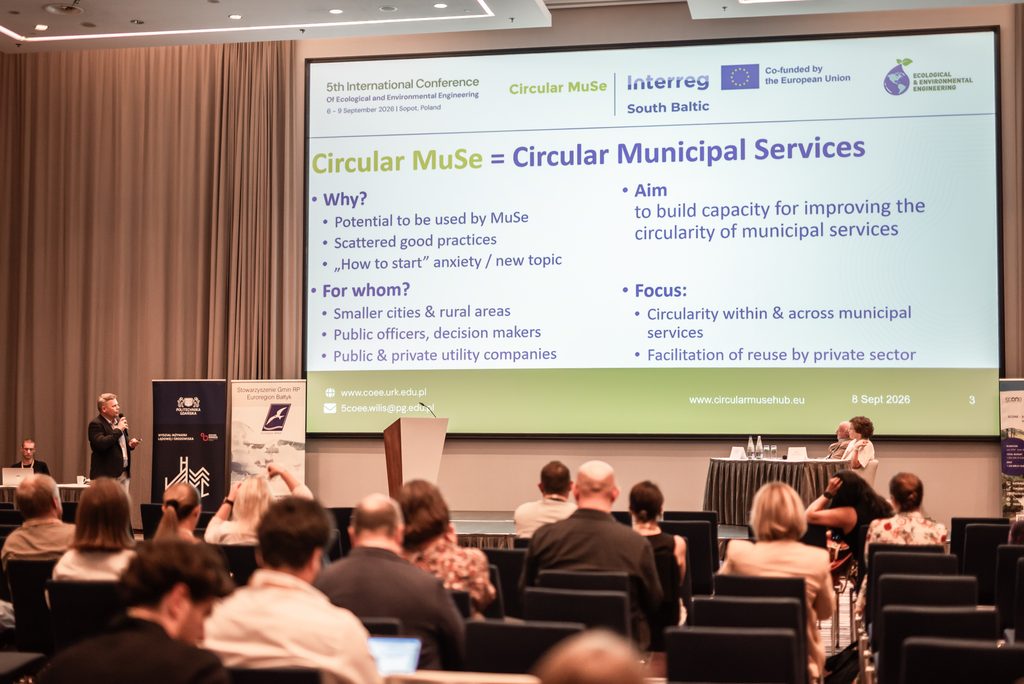
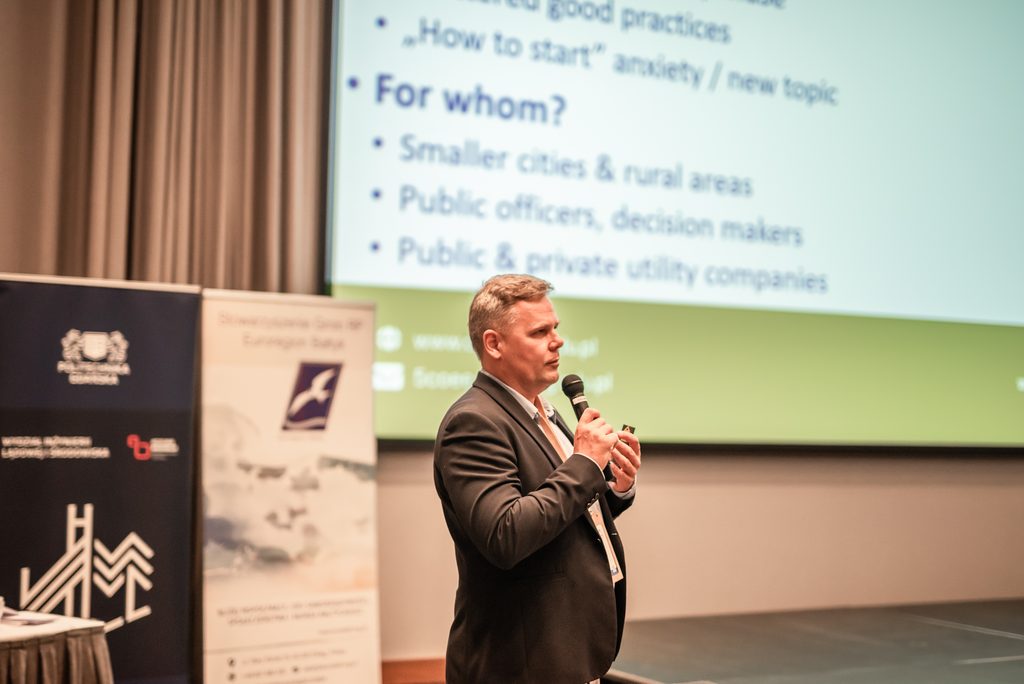
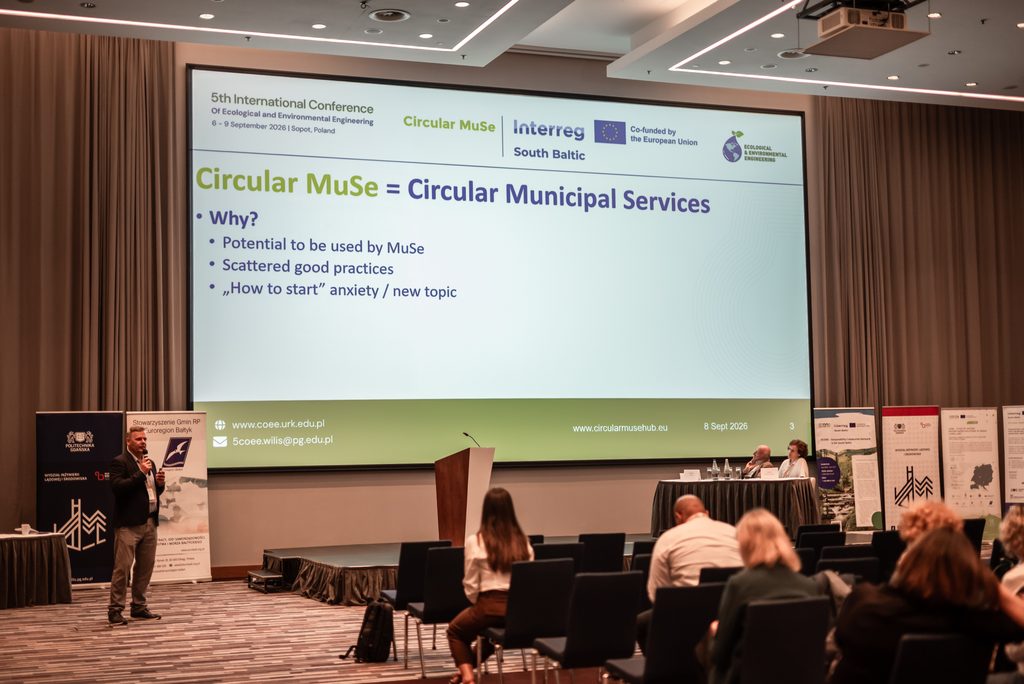
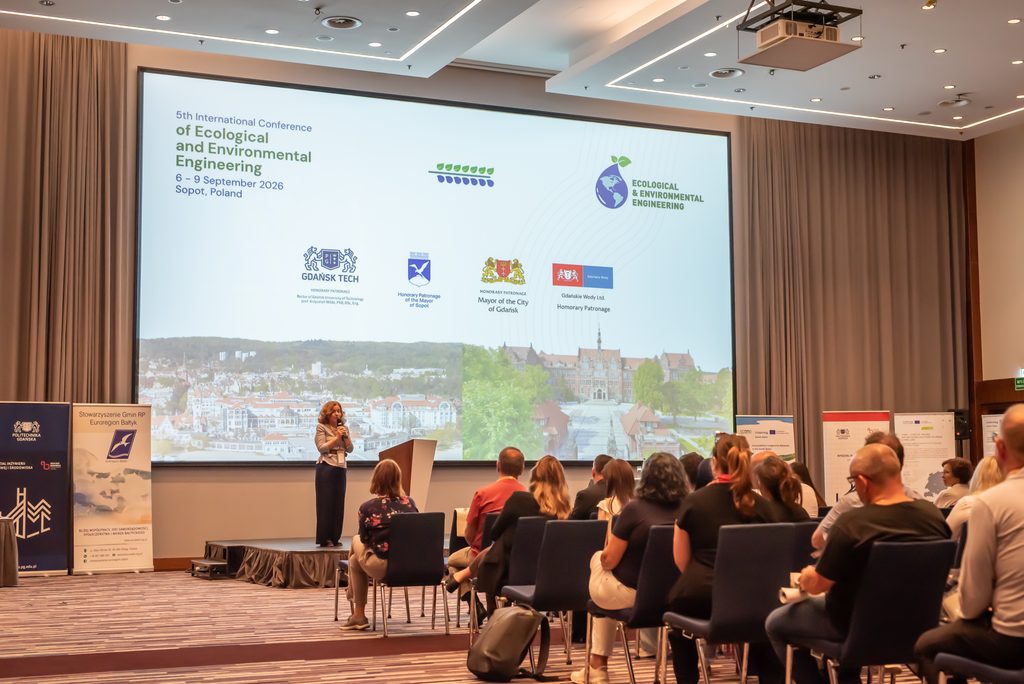
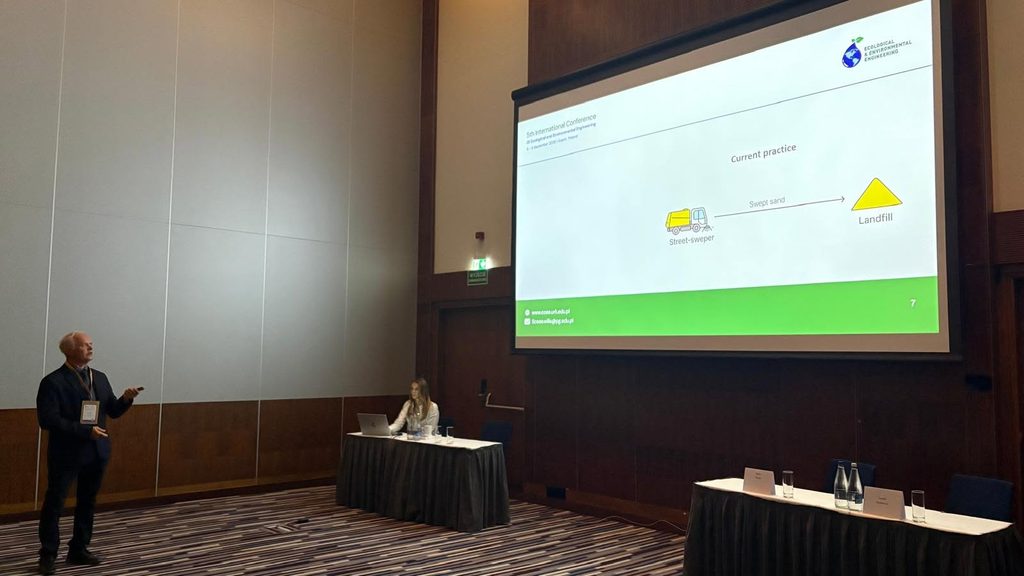
An important initiative in the process of building inter-project synergies will be joint participation in the 5th International Conference on Ecological and Environmental Engineering (COEE 2026), which will be held on September 6-9, 2026, in Sopot.

More information about the conference can be found at: https://www.linkedin.com/…/urn:li:activity…/…

Although each project operates in a slightly different area, such as water purity, climate change adaptation, municipal management, or nutrient recovery and reuse, they are united by thematic goals:

Protecting the Baltic Sea and its surroundings by reducing pollution and combating eutrophication.

Sustainable resource management, water management, raw materials, and nutrients in accordance with the principles of the circular economy.

Cross-border cooperation and knowledge exchange, European partnerships, and transfer of good practices between local and regional communities.

Involvement of communities and stakeholders through living labs, workshops, consultations, and knowledge exchange platforms.

This cooperation enables not only individual project solutions, but also a broader impact on regional policies, local practices, and increased environmental awareness.

Circular MuSe - Partner meeting | Day 2 in Copenhagen

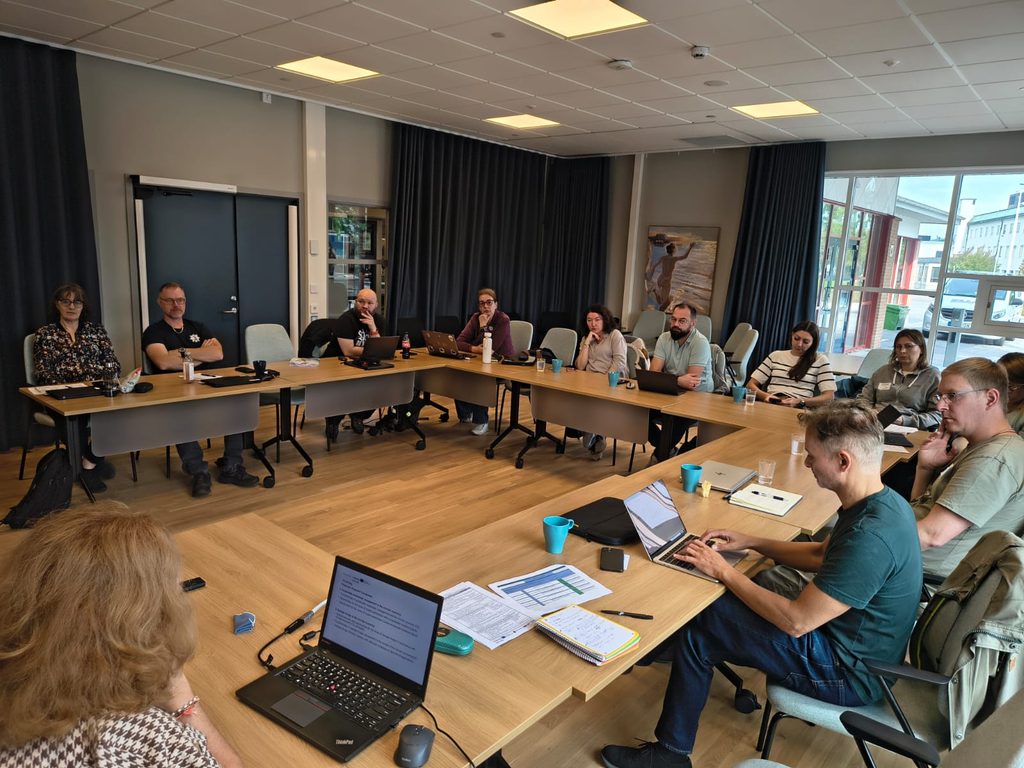
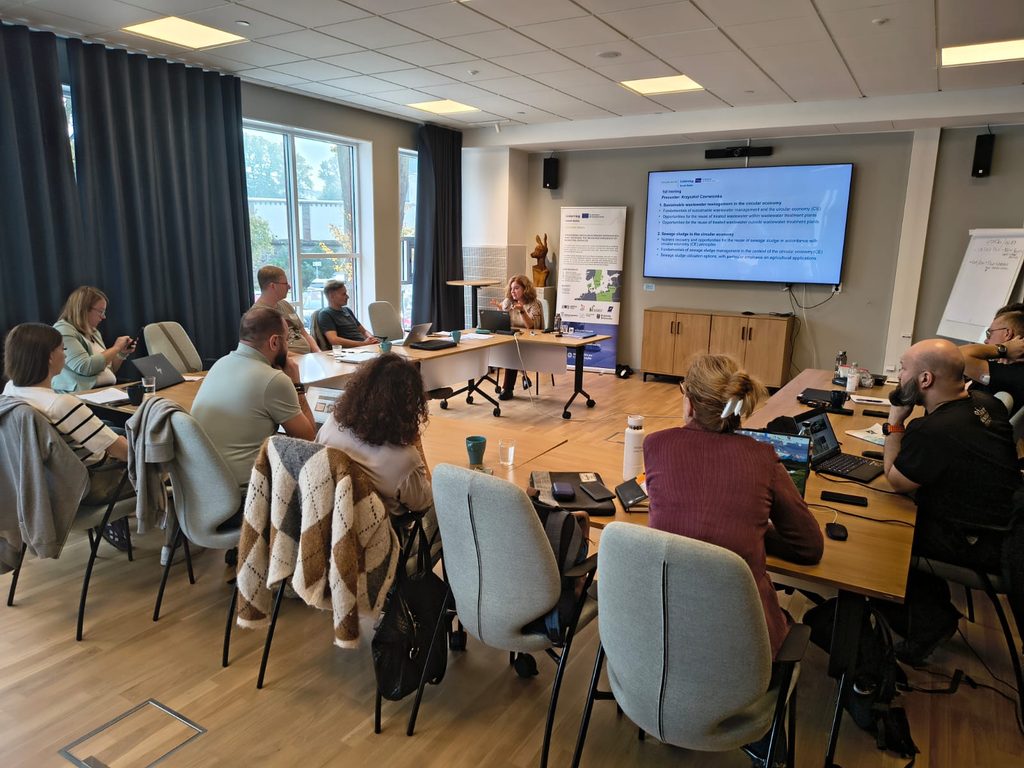
Today was the second day of the Circular MuSe project partners' meeting in Copenhagen. Today's program focused mainly on educational and mentoring activities and planning the next stages of cooperation.

The sessions were devoted to the creation of coherent training programs tailored to the needs of local governments and institutions, as well as the preparation of tools to support the practical implementation of circular solutions.

Key areas included:

development of an educational and mentoring program

structure of training materials and target groups

organization and implementation of training activities

schedules and forms of cooperation

planning priorities and subsequent project tasks

On the second day, particular emphasis was placed on translating the project's objectives into specific actions that will be implemented in the coming months.

Circular MuSe partner meeting, day 1

Today, the Circular MuSe project partnership meeting began in Copenhagen. We have had our first intensive day full of substantive discussions, exchange of experiences, and joint planning of further activities.

Day 1 was devoted to:
team integration and mutual updates on project activities
summarizing achievements and progress in project implementation to date
presentation and analysis of case studies on circular solutions in municipal services
work on the structure of case study descriptions, categories, and keywords
the launch of the first (beta) version of the Knowledge Hub platform
planning further activities, the process of collecting and publishing content
The opportunity for a direct exchange of experiences between the academic community, local governments, and project partners was particularly valuable.

The next sessions are tomorrow—we have more work ahead of us on developing tools and solutions that support the circular economy.

Circular MuSe - meeting of project partners in Klaipeda

On June 16-18 this year, a project visit to Klaipeda took place.

The first day was full of valuable cooperation and concrete findings. They worked on solutions that support the development of municipal services in the spirit of a closed-loop economy.

The main issues of the day:

summary of previous activities and exchange of experiences,

jointly refining the structure of the solution catalog for municipal services,

analyzing the results of research on educational needs and planning mentoring programs,

discussion of proposals for pilot activities - together we look for the best solutions and share comments to help improve them.

Open discussions and international cooperation determined the next steps. Forms of further cooperation were also established and the first study visits were planned.

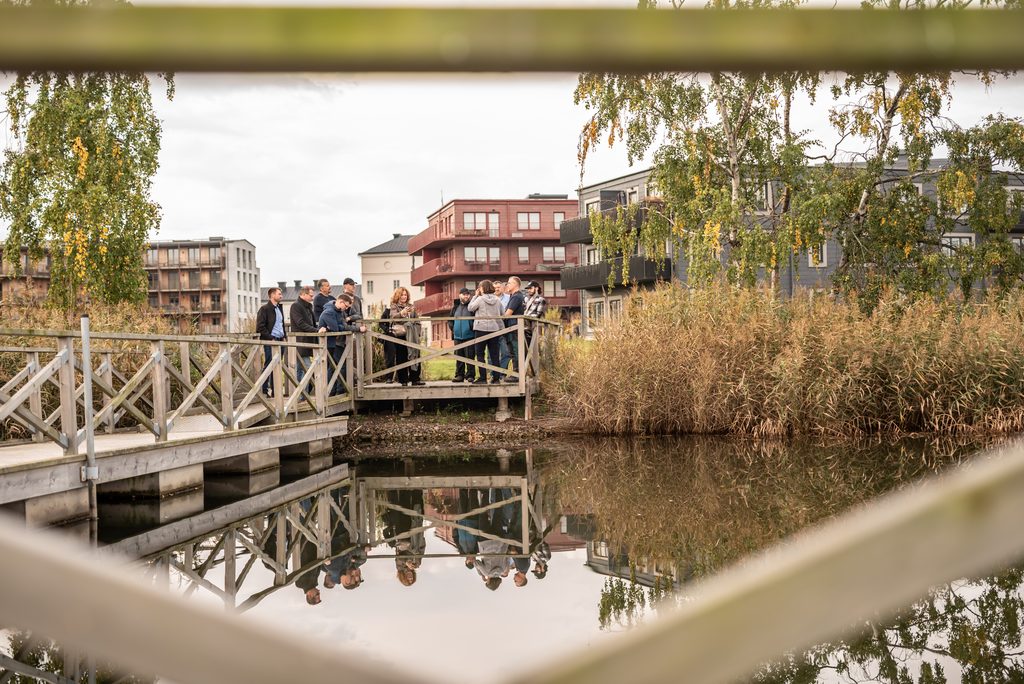
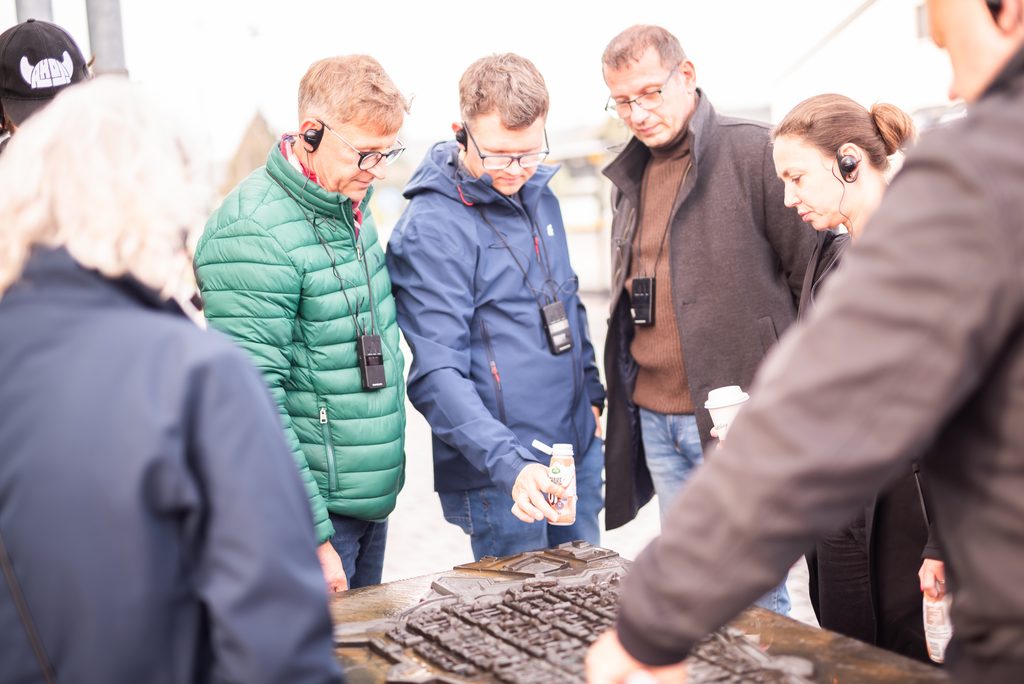
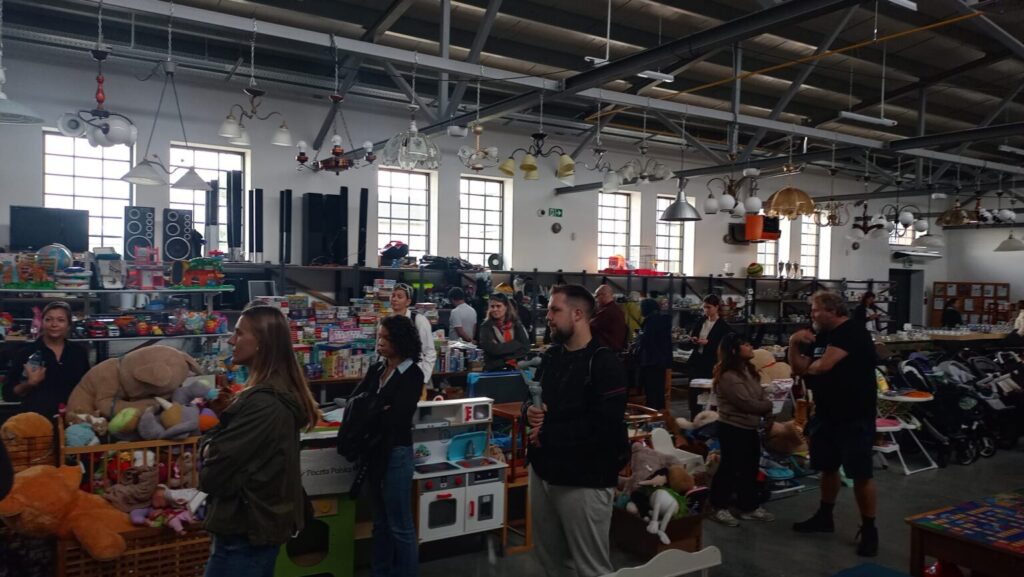
On the second day of the project partners' meeting, they visited Neringa Municipality on the Curonian Spit, where they looked at local solutions for municipal services and water management.

Hosts from Neringos paslaugos and Neringos vanduo presented their operations, infrastructure and approach to providing public services in a unique coastal setting. Among the topics discussed were water and wastewater management, energy efficiency, space management and the daily challenges of environmental protection in a tourist region.

The day's agenda included:

visits to utility service delivery points,

meetings with representatives of local companies and institutions,

discussions on solutions that can inspire other project partners.

These types of visits are an important part of international cooperation to better understand the local context and transfer good practices between regions. It is also another step towards creating a catalog of solutions that respond to the real needs of local governments.

The third day of the meeting in Klaipeda was a summary of joint work and planning of future activities. The focus was on specific tasks and schedules to move from concepts to implementations.

The main topics of the last day were:

further work on the catalog of solutions for municipal services,

refining the design of educational and mentoring programs,

designing communication and audience engagement activities from the very beginning,

presentation of the results of the working groups,

preparing the second progress report and planning the next stages of the project.

The work in thematic groups and joint discussions show how much potential there is in transnational partnerships. Each partner brings a unique experience that enriches the whole process.

Circular Muse - Kick-off Conference 20-21.11.2024 - part 2

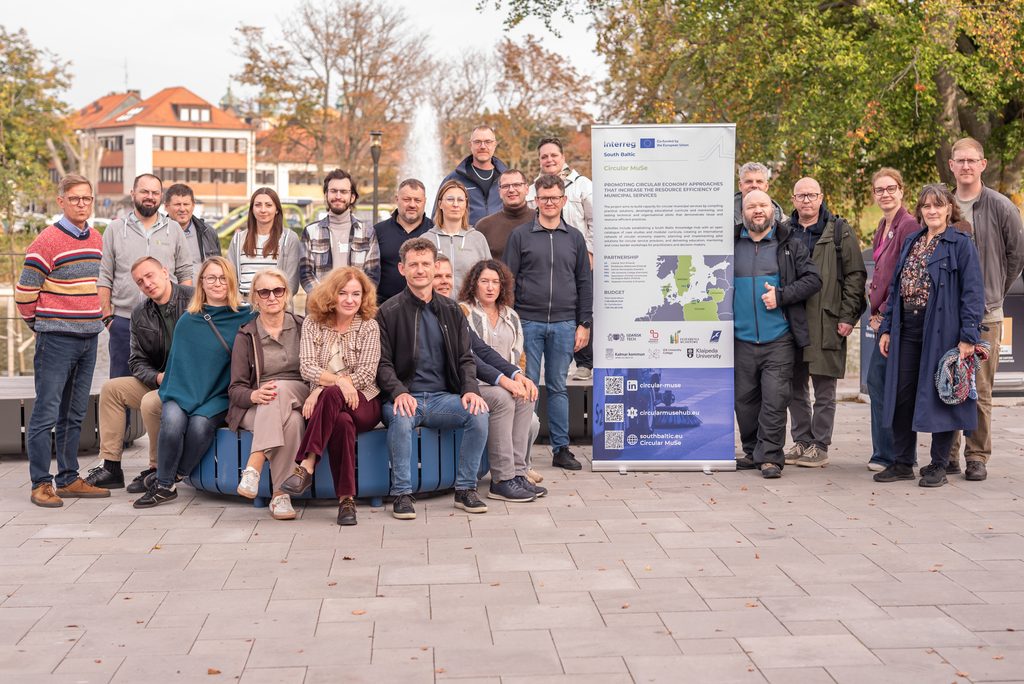
The kick-off conference of Circular MuSe project took place in Sopot and was organized by the project leader, Gdańsk University of Technology, on 20-21 of November 2024.

Day 2 - 21.11.2024

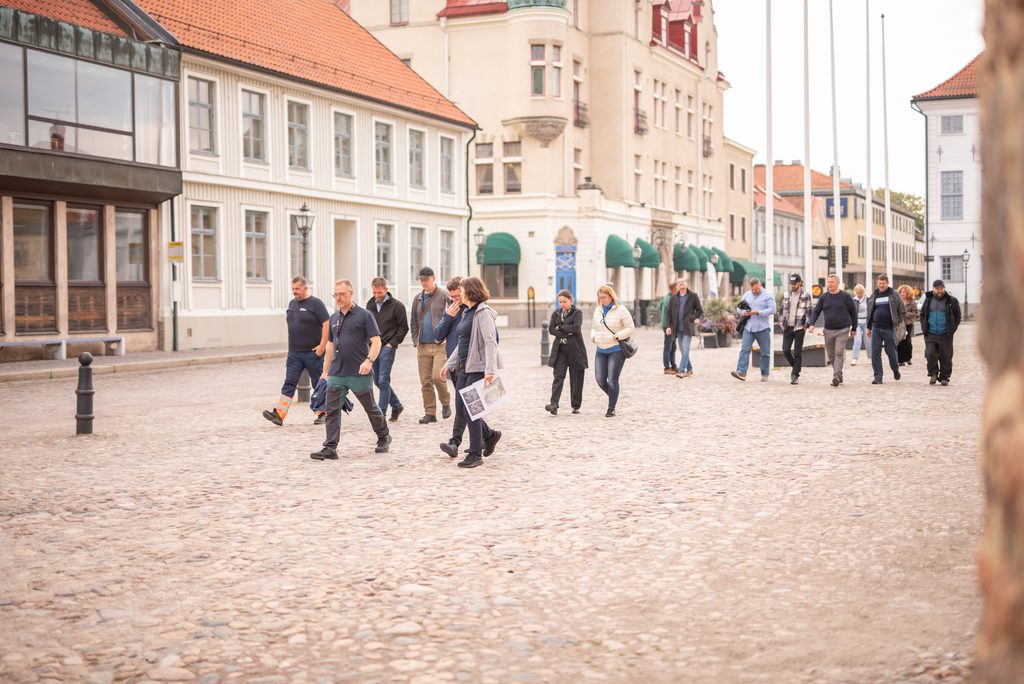
The second day was dedicated to internal work on administrative and financial activities and work with target groups. During the meeting, representatives of the Joint Secretariat gave a presentation on the work during the project and the way of preparing partner reports.

The representative of the Gdańsk University of Technology presented the part related to finances in the project and also mentioned the principles of preparing partner settlements. The first of them is waiting for partners in mid-January 2025.

The end of the day was dedicated to the promotion and dissemination of the project results. An important element of project implementation is the involvement of target groups, which will be the recipients of the implemented activities and the developed ideas.

Circular Muse - Kick-off Conference 20-21.11.2024 -part 1

The kick-off conference of Circular MuSe project took place in Sopot and was organized by the project leader, Gdańsk University of Technology, on 20-21 of November 2024.

Day 1 - 20.11.2024

The meeting was attended by partners from Poland, Lithuania, Sweden and Denmark. They were welcomed by the host and the plan for the next two days was presented. The first day was devoted to a world coffee workshop on individual action packages. Each leader responsible for the implementation of the WP (work package) presented the scope of activities that will be carried out. Participants changed tables as part of the work in the form of a world cafe, where each table had a different question related to a given WP. This allowed for the collection of ideas from partners and information related to the situation, among others, the legal situation in the given countries.

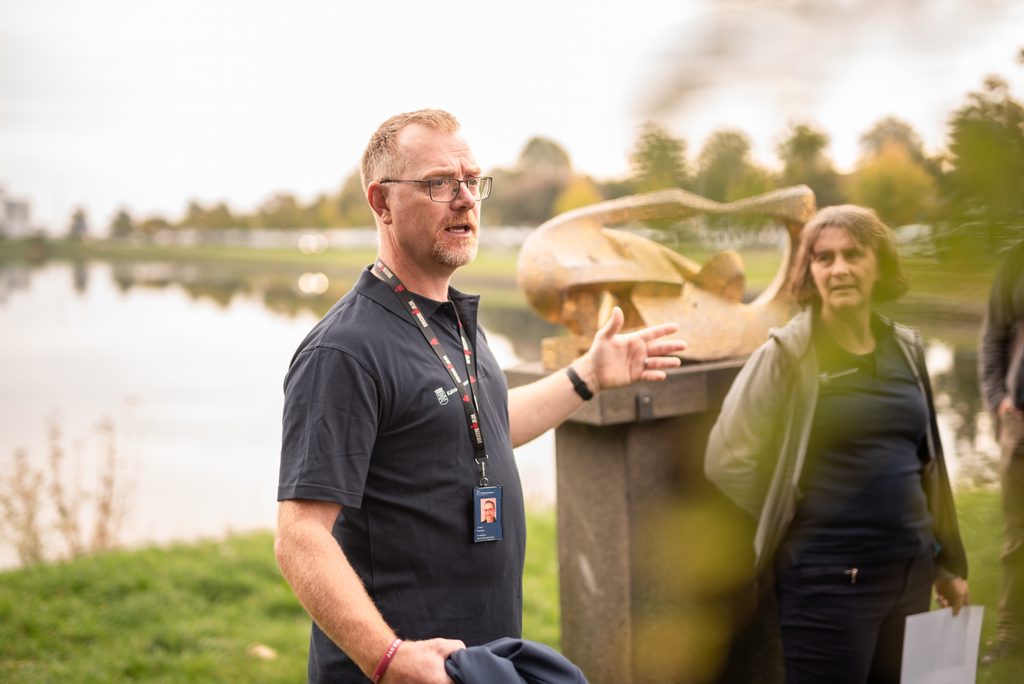
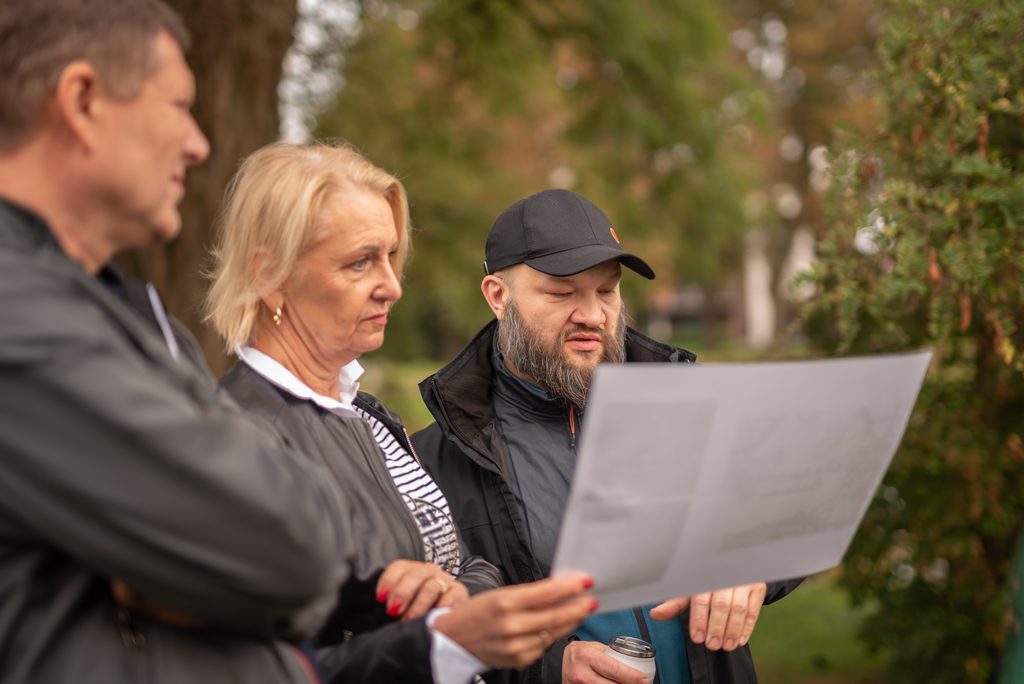
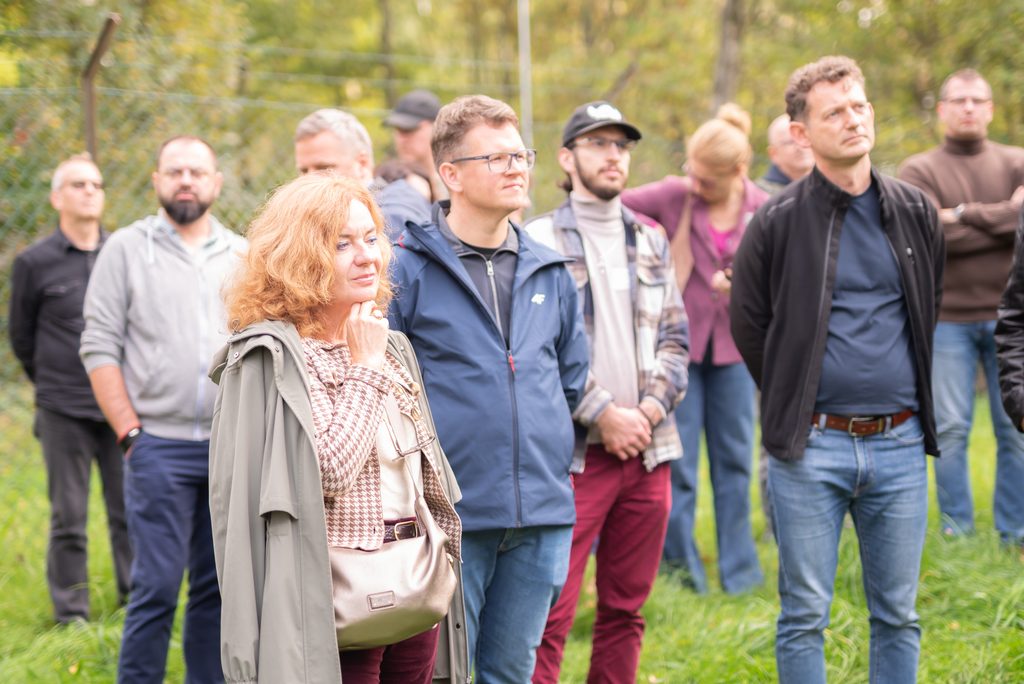
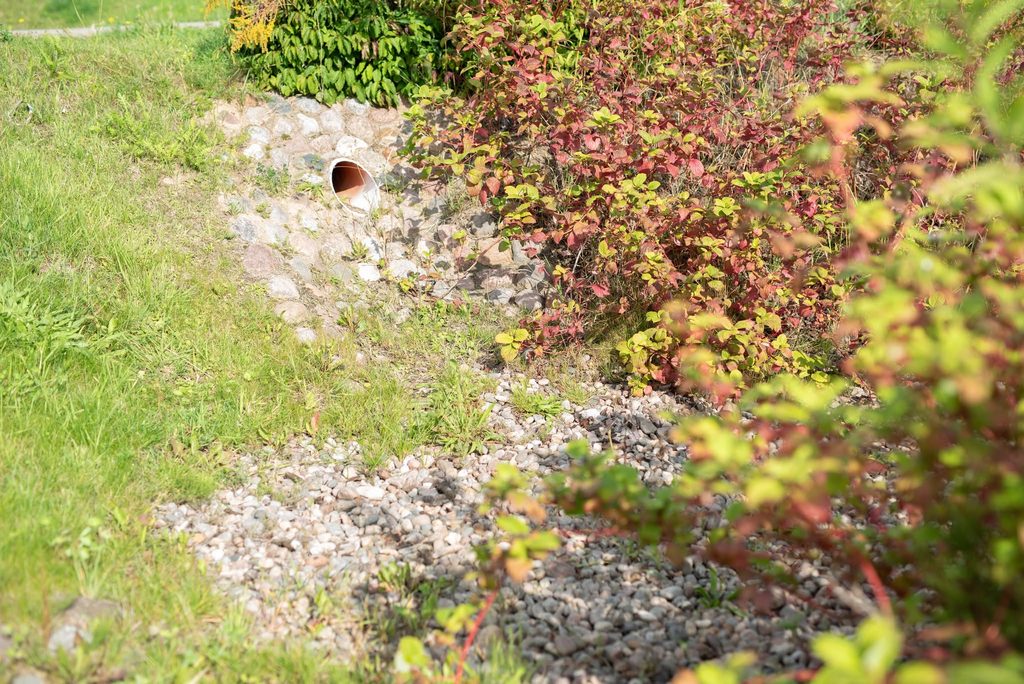
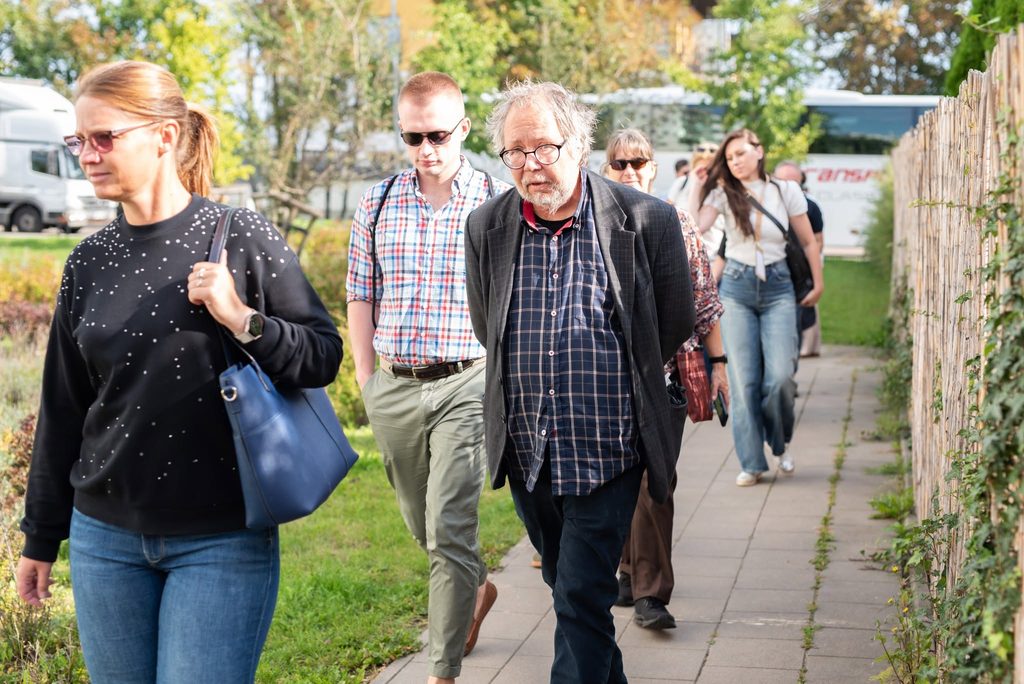
As part of gathering inspiration, the project leader took the participants on a study visit to the Karlikowska Retention Reservoir, where there are interesting solutions for water use and land development.

Circular Muse - first online meeting

Today, the first conference of the Circular MuSe project was held in an online format. Project partners presented their organizations and plans and strategies for future cooperation. And soon the physical meeting will take place at the official opening conference of Circular MUSE - Promoting a circular economy approach that increases resource efficiency in municipal services.

The project is being implemented under the INTERREG South Baltic program and will last for the next three years.

More about the project:

Circular Muse

We are pleased to present to you another project that we will be implementing over the next 3 years.

Circular MuSe - Promoting circular economy approaches that increase resource efficiency in municipal services

Implementation period: 36 months
Project duration: 2024-2027
Project value: EUR 1,424,656.00

PARTNERSHIP:

The project involves six partners from Poland (3), Sweden (1), Denmark (1), and Lithuania (1). The partnership consists of universities, municipalities, municipal service companies, and associations. The partners are supported by eight associated partners, including local and regional authorities, networks of such authorities, environmental authorities, and a technology park from Poland, Lithuania, Sweden, and Finland. The project is led by the Gdańsk University of Technology (Poland).

Project leader: Gdańsk University of Technology, Faculty of Civil and Environmental Engineering
Magdalna Kasprzyk - magda.kasprzyk@pg.edu.pl

Partners:

INTRODUCTION:

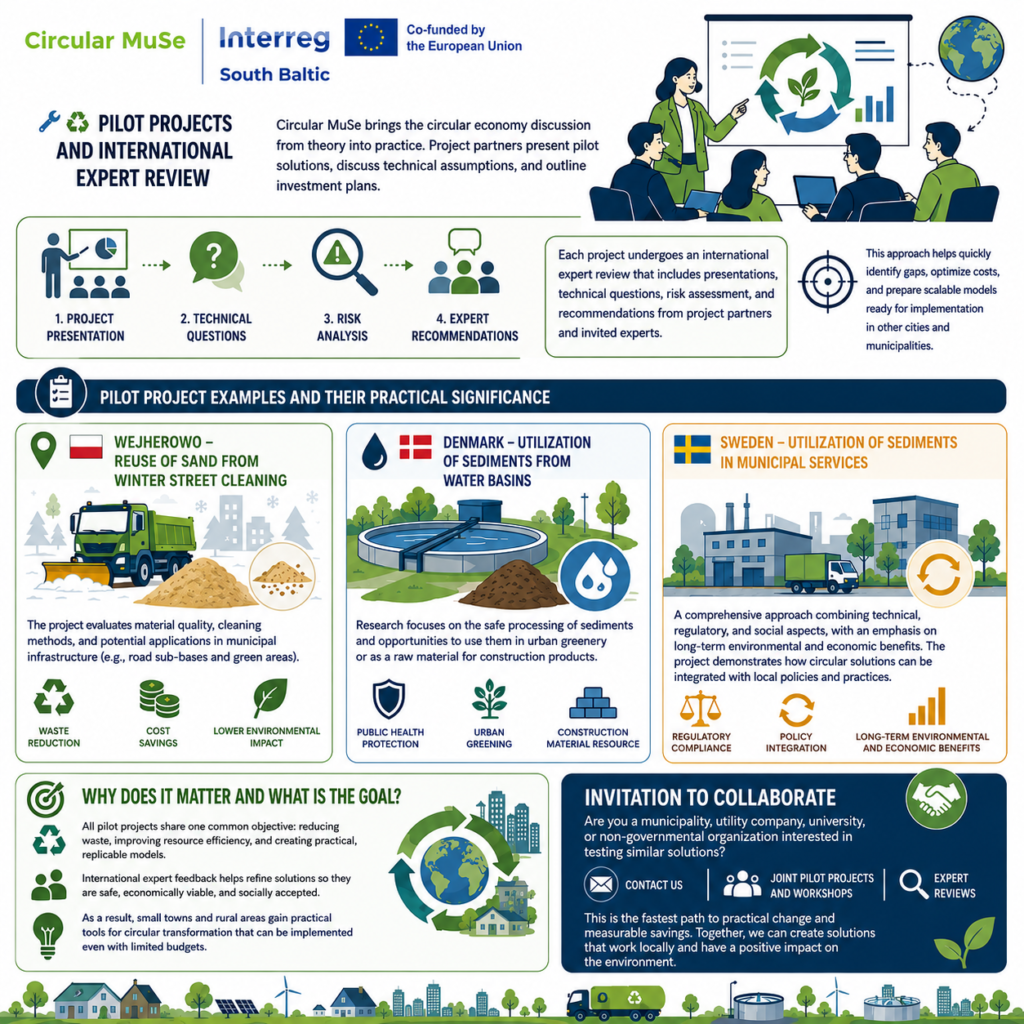
Municipalities and urban utility companies provide various services for residents and visitors. Offering these services involves a wide range of basic tasks and background operations (e.g., winter road clearing, street and other public infrastructure repairs, public space maintenance, etc.). Many of these municipal activities still rely on a linear economy paradigm, which involves excessive use of often raw materials (e.g., sand or gravel for winter road clearing), which become waste and are disposed of after a single use. The result is relatively high raw material consumption and waste generation during the provision of municipal services. Examples include:

Applying circular economy principles to these basic tasks and background operations could significantly reduce the environmental impact of municipal service provision in the South Baltic area. There are also potential leverage points to reduce raw material consumption and waste production within the direct sphere of influence of municipalities and urban utility companies, such as:

However, broader use of this potential to optimize resource efficiency – and possibly costs if commodity prices continue to rise – by municipalities and utility companies in the SB area is not yet in place. The reasons are:

PROJECT IDEA:

The Circular MuSe project takes a comprehensive and systematic approach to promote circular economy principles in municipal services throughout the South Baltic area.

The overall aim of the project is to support municipal companies and municipalities in smaller cities and rural areas in applying circular approaches that promote the reuse of raw materials in their supply chains, thus increasing resource efficiency in municipal services.

The overarching goal is to increase resource efficiency by minimizing raw material consumption and reducing waste through the reuse of materials in municipal service supply chains.

The project focuses on smaller cities and rural areas, recognizing their unique challenges and opportunities in the transition to a circular economy.

The project approach is based on three main objectives:

  1. Establishing the "South Baltic Knowledge Hub on Circular Municipal Services" to facilitate cross-border capacity building and knowledge transfer. This will be ensured by conducting an in-depth analysis to identify needs and potentials for applying circular economy solutions in various thematic areas of municipal services; inventorying existing technical organizational solutions applicable to circular municipal services; assessing replication possibilities and creating an open online catalog with case studies and information on "knowledge agents."
  2. Testing and evaluating new circular approaches to enrich the portfolio of available solutions. This will be ensured by conducting feasibility studies based on existing best practices and the latest international knowledge; implementing international workshops and peer review sessions to accompany pilot actions in the involved municipalities; jointly designing, testing, and evaluating new circular solutions by urban utility companies, documenting results, and providing guidelines and plans for followers.
  3. Implementing support measures based on jointly developed curricula for providing circular municipal services. This will be achieved by identifying target groups and their needs, with a particular focus on urban utility companies, smaller cities, and rural municipalities; tailoring educational and mentoring programs to the specific needs of target groups; organizing and implementing educational programs for urban utility companies and decision-makers, recruiting companies through municipal umbrella organizations, and facilitating thematic exchange workshops and study visits in Circular MuSe pilot cities.

PROJECT ACTIVITIES:

The project's activities are grouped into three content-related work packages. The first focuses on establishing the "South Baltic Knowledge Hub on Circular Municipal Services." It includes developing an open catalog of case studies and available solutions for circular municipal services, creating a set of modular curricula and mentoring programs for urban utility companies and urban decision-makers, and establishing an international network of circular economy experts from research and development institutions. The second work package focuses on the practical implementation and evaluation of innovative circular approaches within municipal services, involving planning, implementing, and evaluating pilot solutions for technical-organizational practices in circular municipal service provision. The final work package plans educational and mentoring programs for urban utility companies along with international workshops connecting practitioners and researchers.

TARGET GROUPS:

The project's target groups are urban utility companies in smaller cities and rural areas, smaller cities and rural municipalities, and associations of municipalities and/or sectoral urban utility companies.

ROLE OF THE ASSOCIATION:

Umbrella partner for Polish organizations (local governments: Wejherowo and Stawiguda) and entities located within the Association's area of operation, enabling interested entities in circular municipal management to directly engage in planning the project's results and contribute to creating universal knowledge.

PROJECT BRIEF

Program: Interreg South Baltic
Project Area: Circular economy, improving municipal management, better utilization of resources and raw materials
Project Scope: Local and transnational
Role of STG ERB: Partner with its own budget
Funding Level: 80%
Project Budget: 1 424 656,00 EUR
STG ERB Budget: 69 500,00 EUR
Project Consortium: The project is implemented jointly with 14 full partners and 7 associated partners from Poland, Lithuania, Sweden, and Denmark.