
Euroregion Baltic News
Circular MuSetl-ne Circular MuSe News English pll_6abe1555586fc study visit Aktualności Circular MuSe
Circular MuSe in Kalmar - Partners Plan Next Steps, Local Government Representatives Explore Solutions in Practice
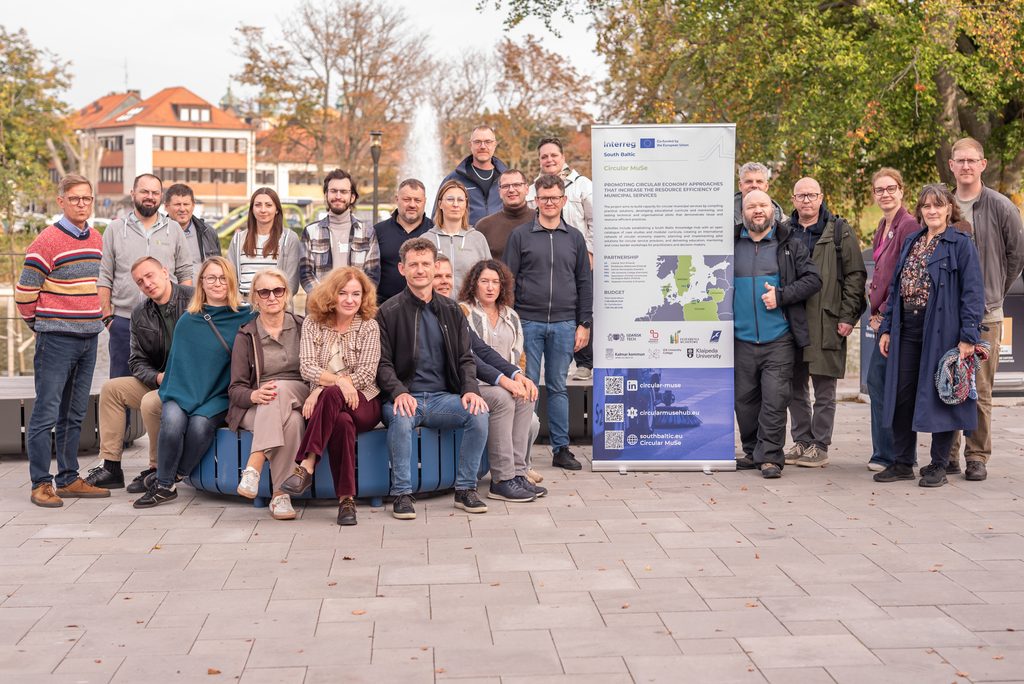
The second day of the Circular MuSe Study Trip & All-partner Meeting in Kalmar combined partners’ work on the next stages of the project with study visits for local government representatives. The partners focused, among other things, on preparing training and mentoring activities, further developing the Circular MuSe Knowledge Hub, and exploring how the project’s results can be used after its completion. The study visit provided an opportunity to learn about practical solutions for water treatment and reuse.
On 30 September, the two-day Circular MuSe project meeting continued in Kalmar. The programme was designed to enable the project partners to work on the further implementation of the project while, at the same time, allowing participants in the study visit – including representatives of member municipalities of the Association of Polish Communes Euroregion Baltic – to explore Swedish experiences and solutions that may be relevant from a local government perspective.
Next stages of Circular MuSe
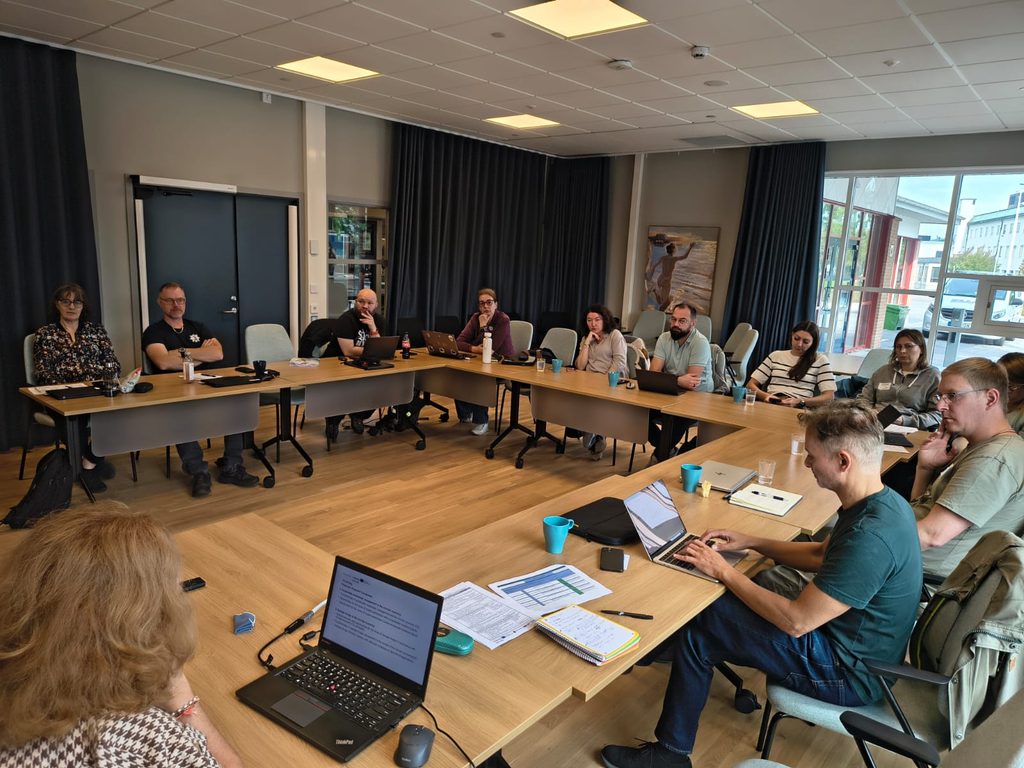
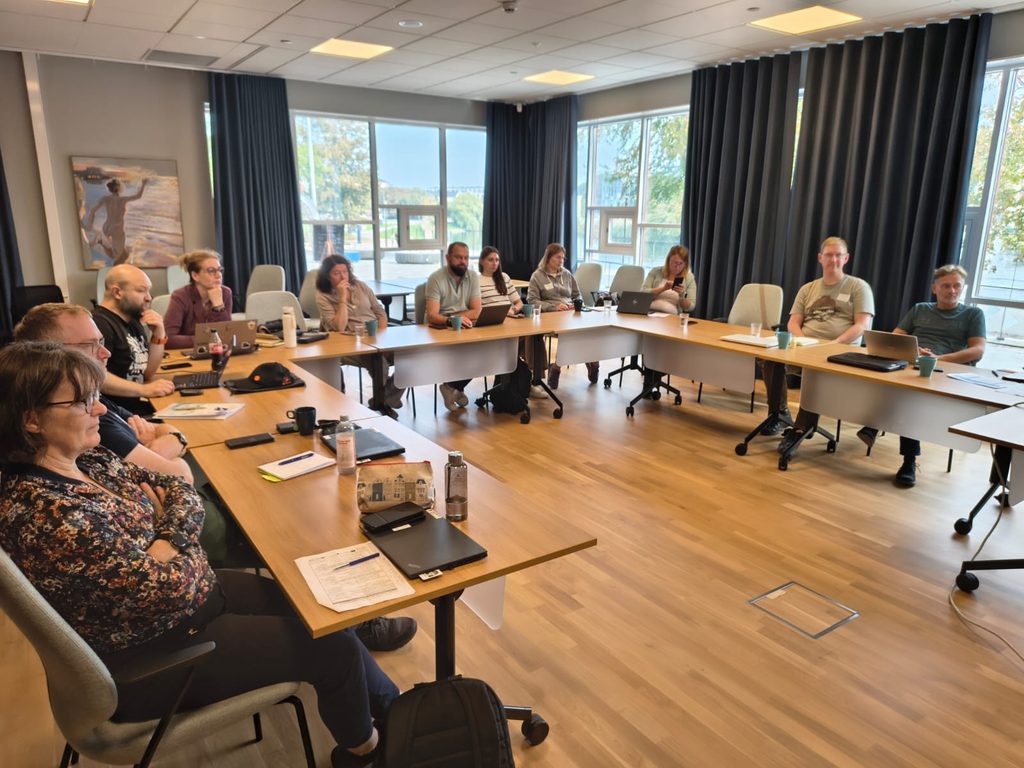
During the All-partner Meeting, the partners presented brief updates on activities and achievements since the last joint meeting in Wejherowo. They then focused on planning the next stages of the project.
One of the main topics was the preparation of training activities in Denmark, Poland and Sweden, as well as mentoring in Lithuania. The discussions covered specific dates, recruitment of representatives of local authorities and companies, formats and methods of delivering the training, the duration of individual modules, as well as the selection of trainers and the resources required.
Development of the Circular MuSe Knowledge Hub
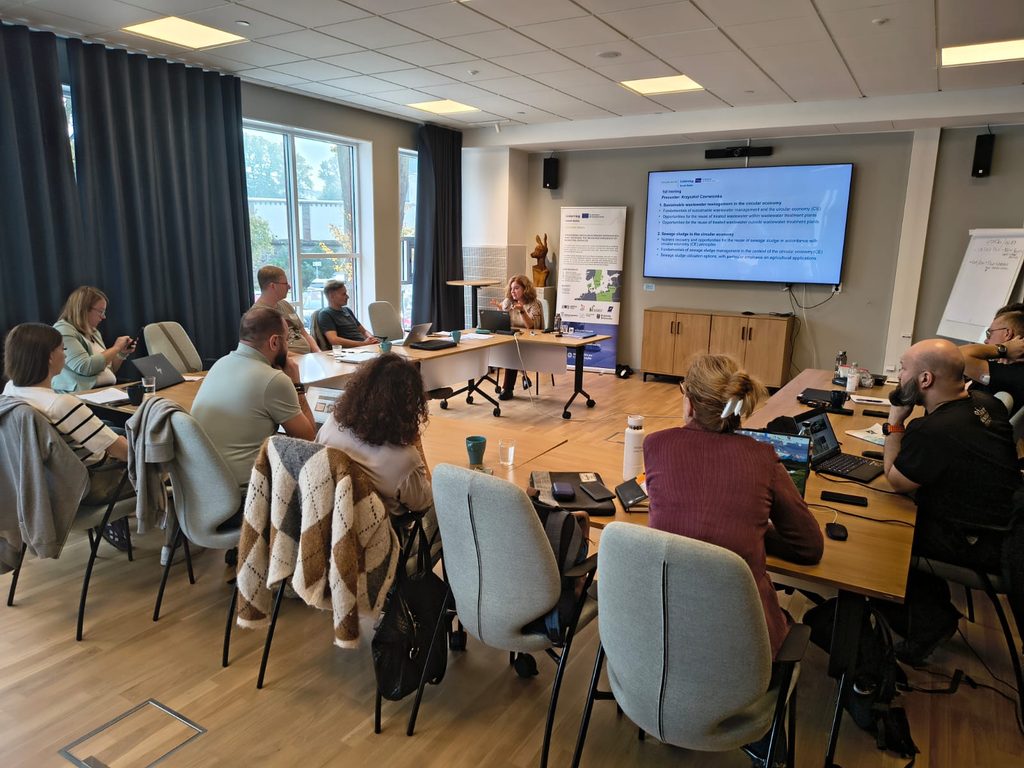
Another important part of the meeting was the continued development of the Circular MuSe Knowledge Hub and a portfolio of examples of circular municipal services, primarily intended for smaller towns and rural areas.
The partners reviewed the good practices collected so far, identified thematic areas that still need to be covered, and discussed which solutions could be used during future study visits and training activities. They also considered examples that could be particularly valuable for communicating and disseminating the project’s results.
What will remain after the project ends?
A separate part of the discussions focused on how the results of Circular MuSe could be used after the project has ended. The partners discussed the requirements of the funding programme, initial concepts for the continued use of the results developed within the project, as well as upcoming tasks and future meetings.
This is an important aspect of Circular MuSe, as the project’s activities are intended not only to facilitate the exchange of experience among partners, but also to provide knowledge and practical examples that can be used by local authorities and local municipal service providers.
Solutions for Local Authorities in Practice
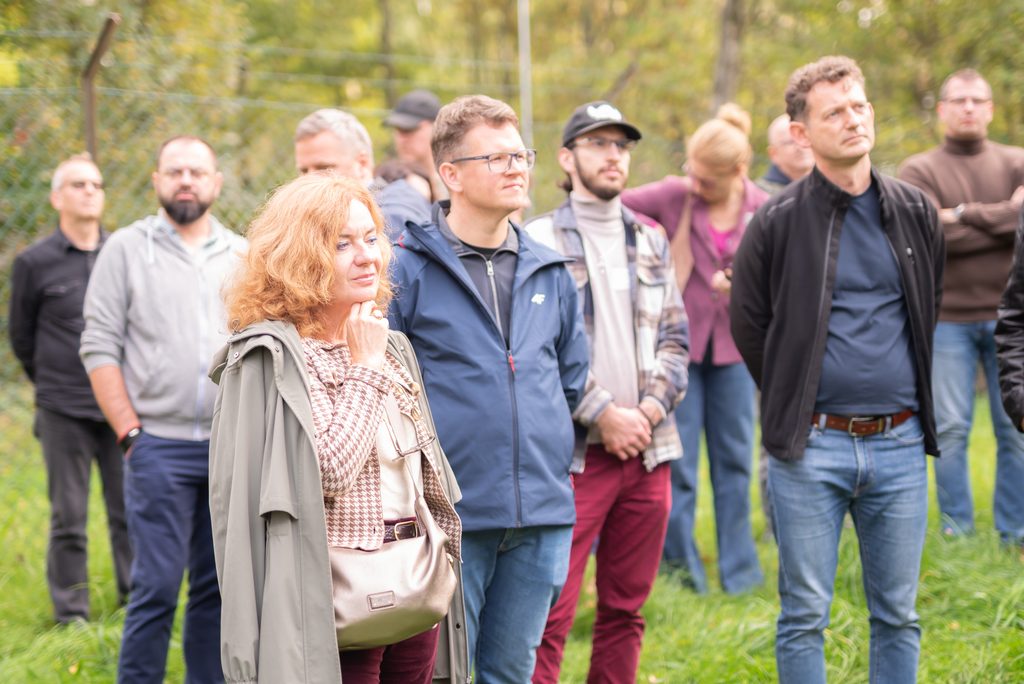
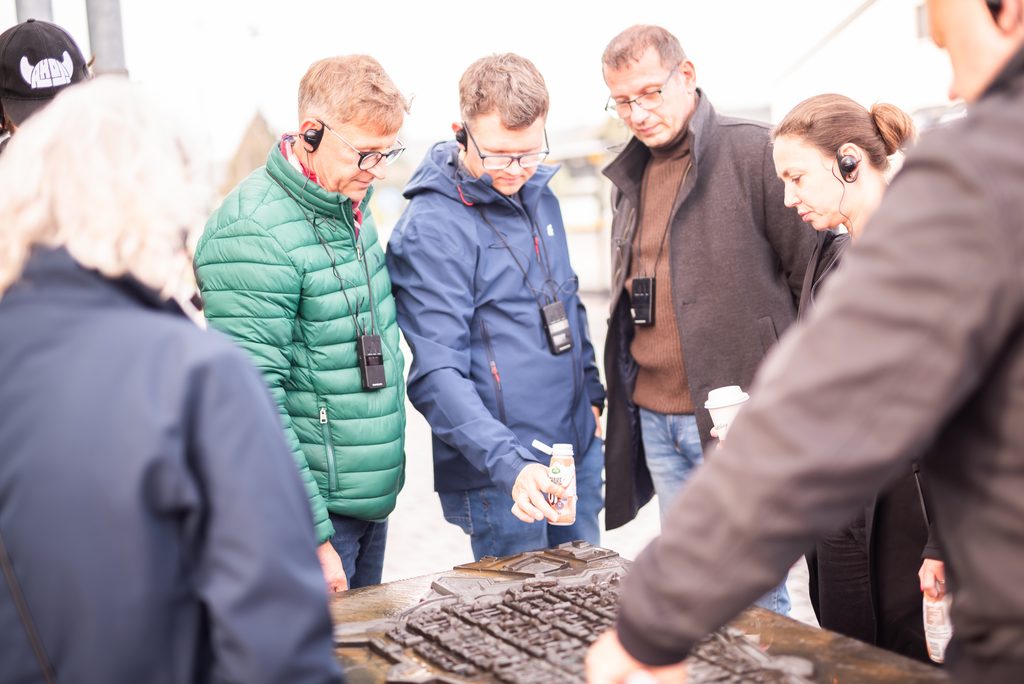
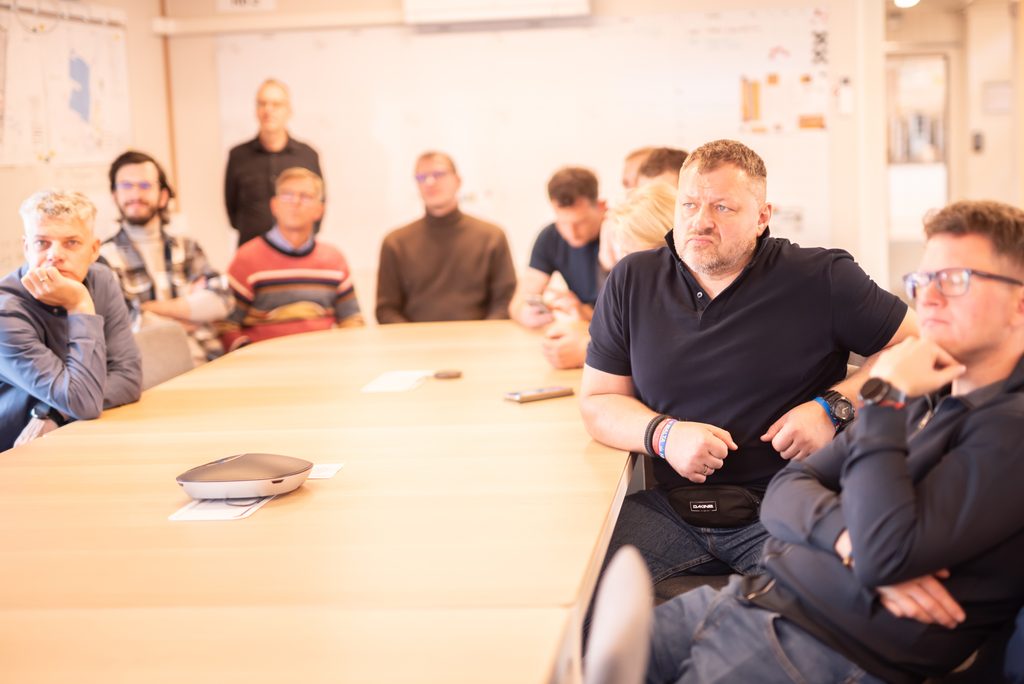
At the same time, study visits were an important part of the second day. For the local government representatives participating in the trip, they provided an opportunity to see solutions implemented in Kalmar first-hand and to discuss practical experience gained from their implementation.
One of the solutions presented was a mobile, container-based wastewater disinfection system that enables water recovery and reuse, including for irrigating green areas and sports fields. During the visit, participants learned about experiences related to the implementation and operation of the system, its potential future applications, as well as conclusions and recommendations resulting from its operation.
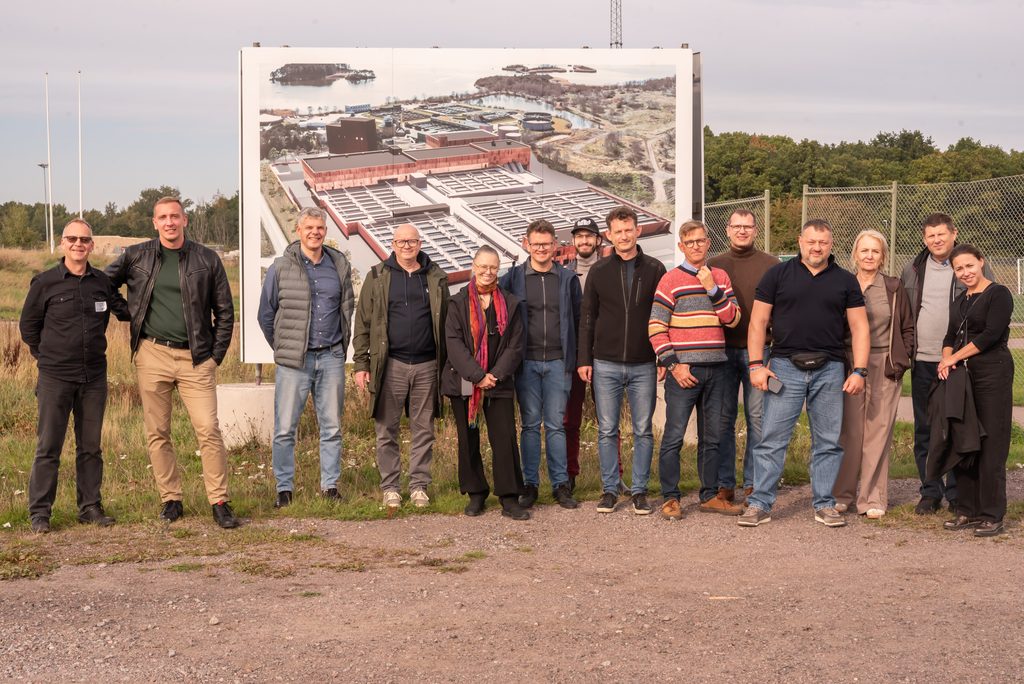
The study visit programme also included Kalmarsundsverket – a new-generation wastewater treatment and resource recovery facility currently being developed in Kalmar. According to the project assumptions, the facility is designed to reduce nitrogen and phosphorus emissions, enable up to 80% of the water to be treated for reuse, and produce a high-quality soil improver as well as biogas used to generate electricity and heat.
Knowledge That Can Be Applied Locally
The second day in Kalmar therefore had two complementary dimensions. Circular MuSe partners worked on the next stages of the project, training activities, the Knowledge Hub and the long-term use of project results, while local government representatives had the opportunity to explore practical solutions related to the circular economy and resource reuse first-hand.
The meeting concluded with a joint exchange of conclusions from the study visit, focusing on the experience gained, opportunities for implementing circular practices in municipal services, and further activities within Circular MuSe.