
Euroregion Baltic News
Newstl-ne News Nursecoast-II English pll_6aa72b8e08153 conference
NURSECOAST-II Final Conference - Project Results and Key Outcomes
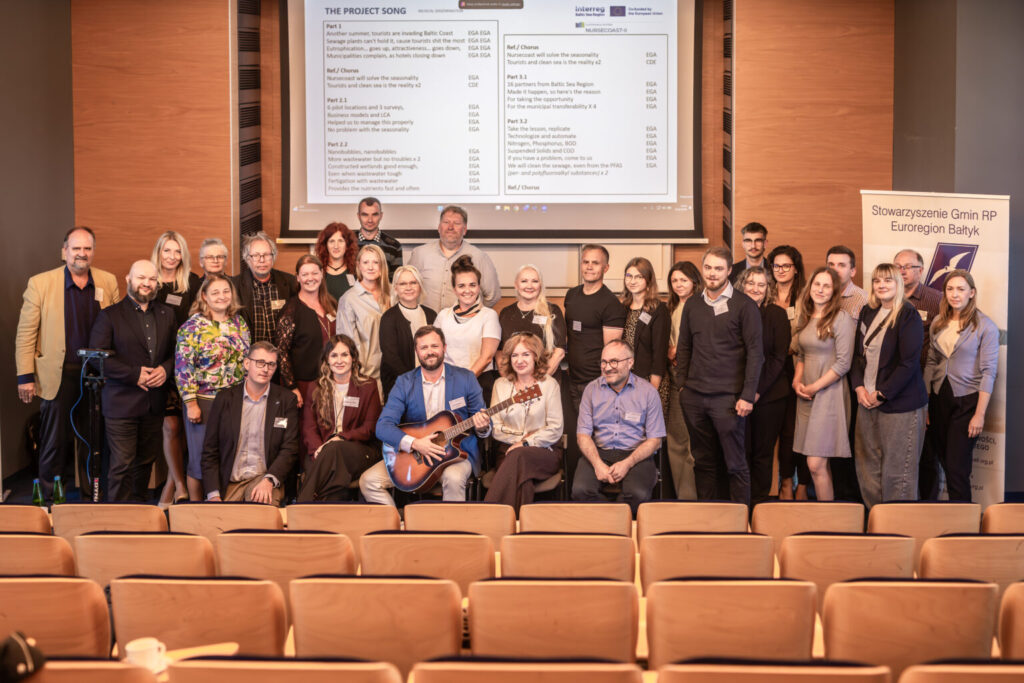
The NURSECOAST-II project summarised its activities, results and experience in developing sustainable wastewater management solutions for small communities and tourist areas across the Baltic Sea Region. The Final Conference provided an opportunity to present the outcomes of the pilot activities, exchange experience and discuss how the solutions developed within the project can be further applied and replicated.
On 10 September, the NURSECOAST-II Final Conference, entitled “Innovative and Sustainable Wastewater Management Solutions for Small Treatment Plants and Areas Under Seasonal Tourism Pressure in the Baltic Sea Region”, was held at the Institute of Fluid-Flow Machinery of the Polish Academy of Sciences.
The event brought together project partners, representatives of the scientific community, local authorities and the water and wastewater sector. The programme focused on the results of NURSECOAST-II, experience gained through the implementation of the pilot activities and opportunities to use the solutions developed within the project beyond its completion.
From pilot activities to solutions for wider application
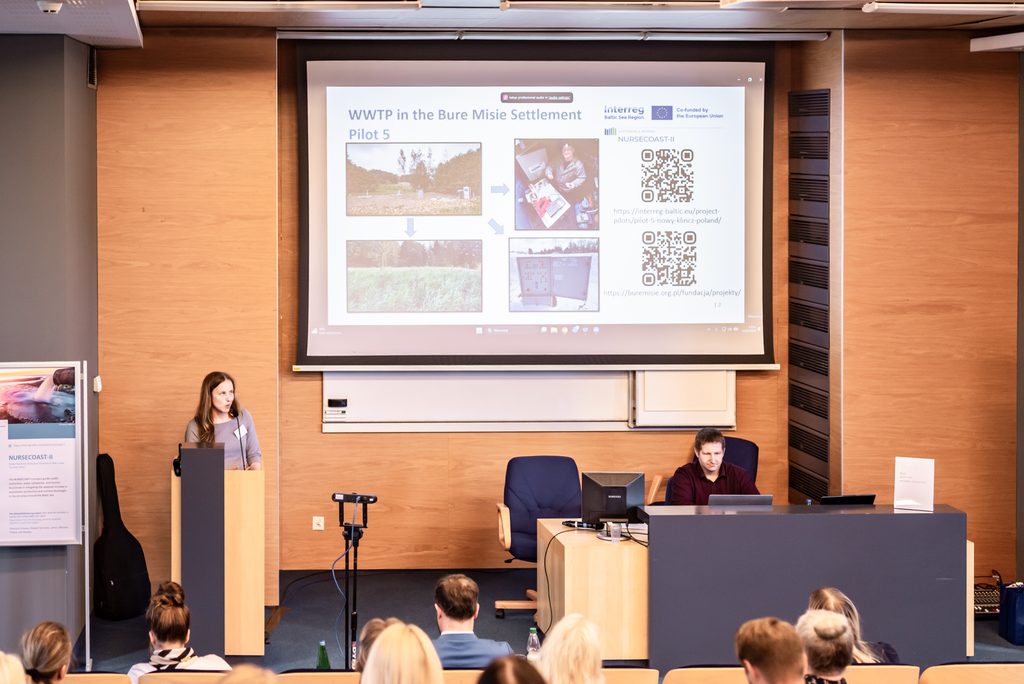
The conference presented the project’s key results, tools and experience. Discussions focused on solutions for small-scale wastewater treatment systems, technologies tested at different locations across the Baltic Sea Region, their assessment and their potential for wider application.
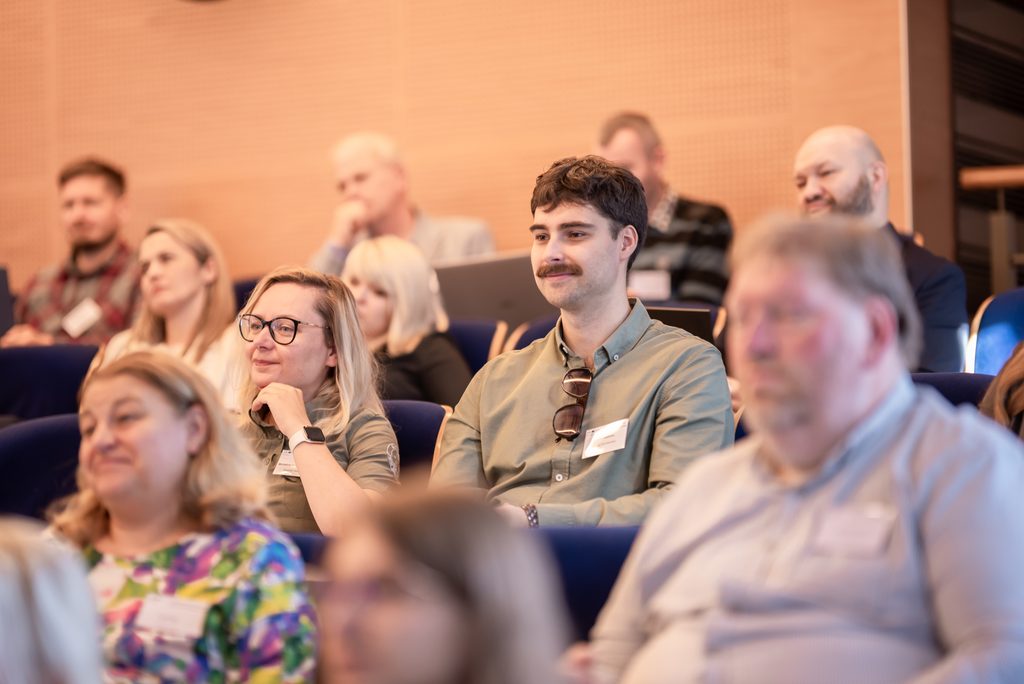
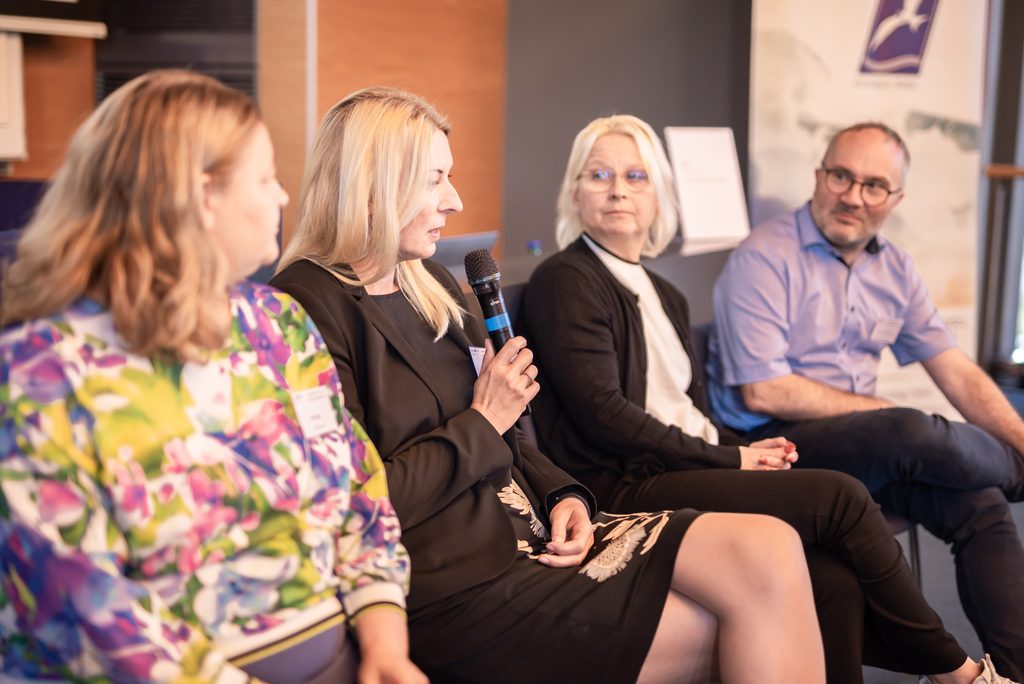
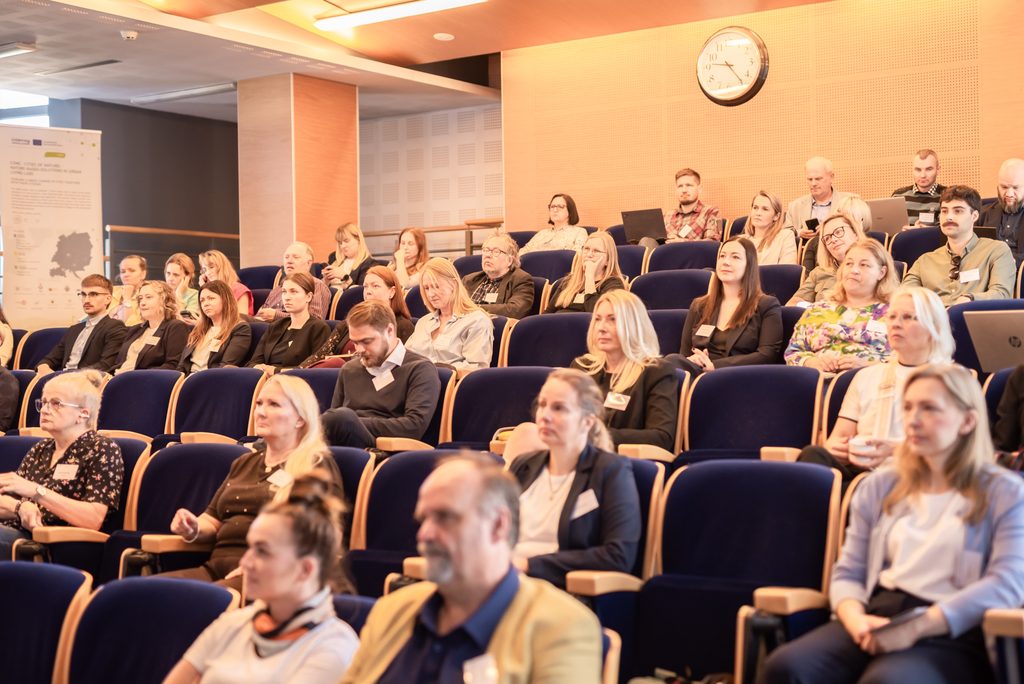
Particular attention was given to wastewater management in tourist areas, where seasonal fluctuations in the number of users lead to significant variations in wastewater volumes and place additional demands on local infrastructure. The discussions covered both technological solutions and good practices and models supporting more flexible and sustainable wastewater management.
The presentations and discussions were complemented by materials developed within NURSECOAST-II, including posters presenting the project’s pilot activities and brochures summarising its main activities, solutions and results.
Different perspectives, shared challenges
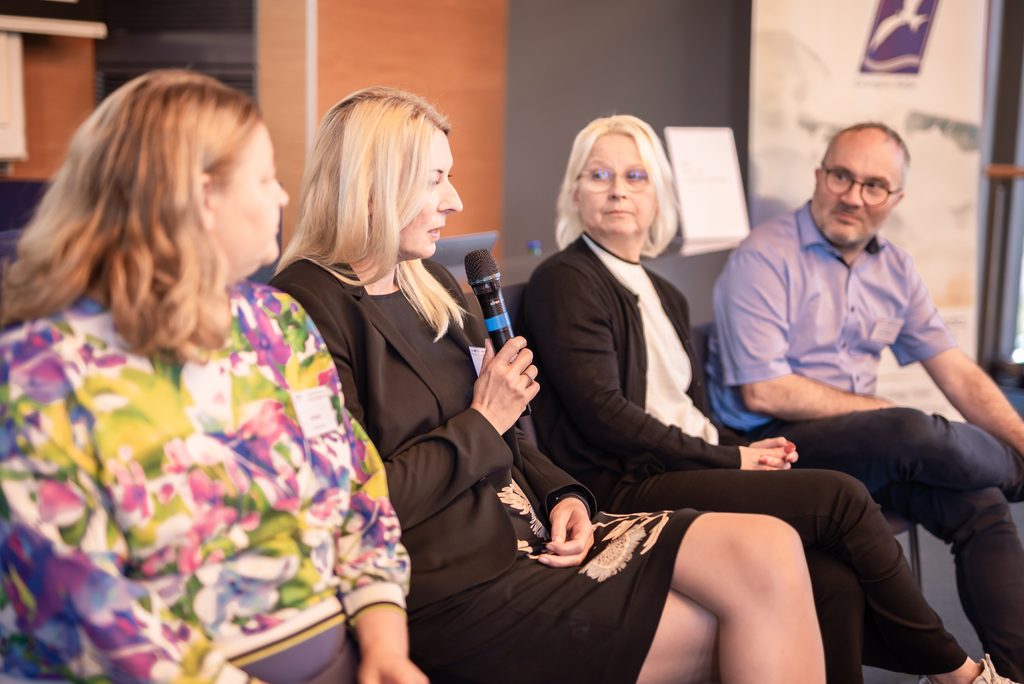
An important part of the conference was the exchange of experience between local authorities, the water and wastewater sector, the scientific community and project partners. This made it possible to examine wastewater management challenges from both a technological perspective and the practical perspective of communities facing significant seasonal tourism pressure.
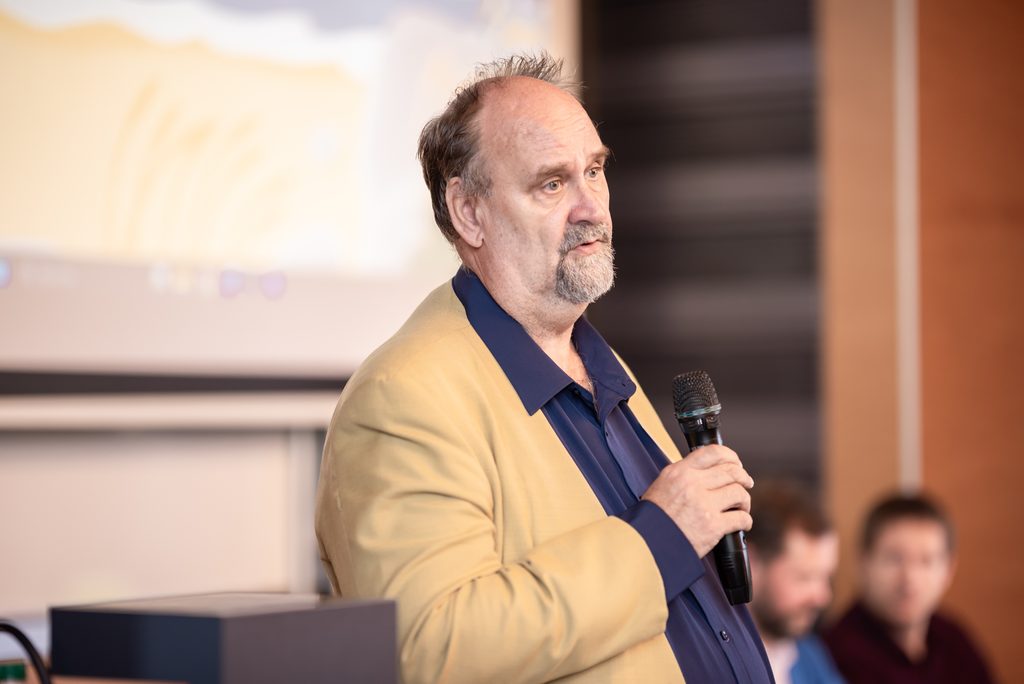
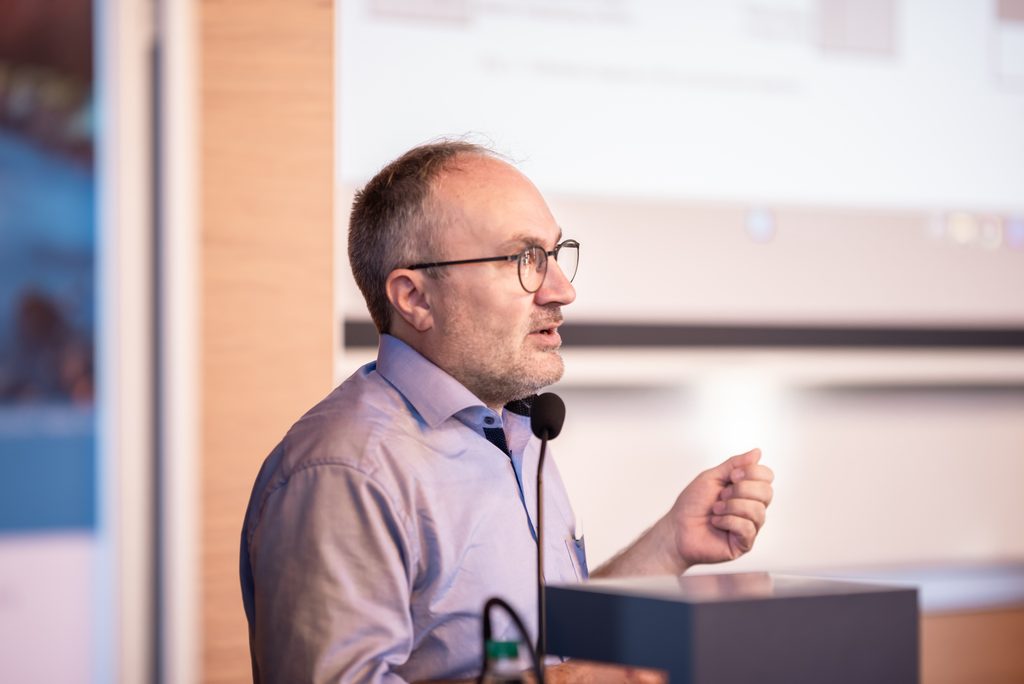
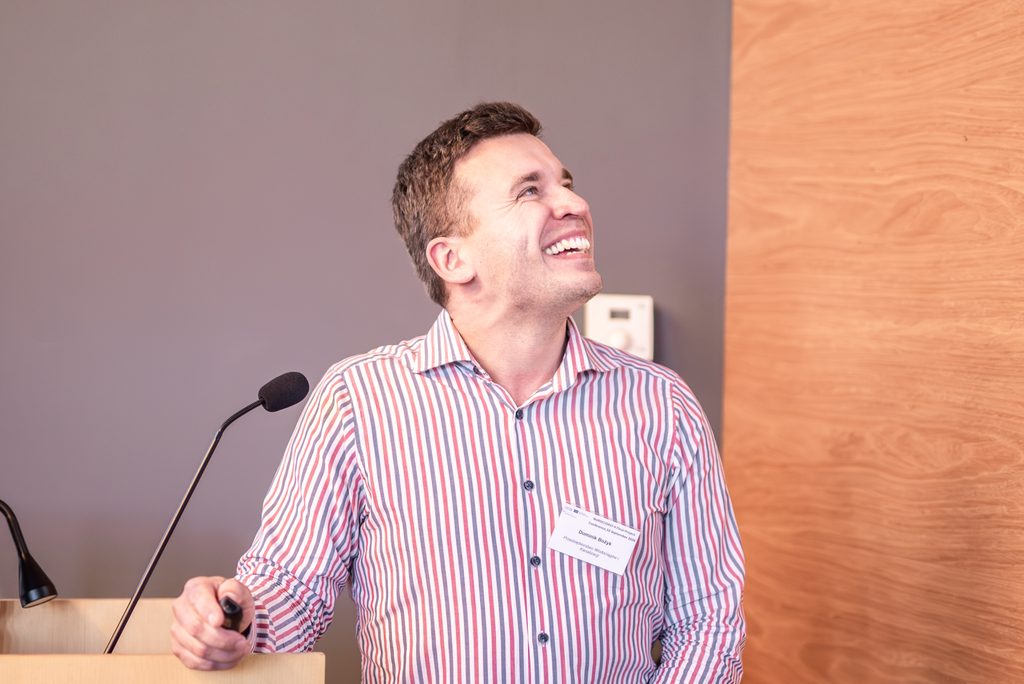
The programme included experiences from Krynica Morska and Nowa Karczma, as well as examples from Norwegian coastal communities. The cases demonstrated the diversity of local conditions and challenges faced by small municipalities and wastewater system operators.
What determines whether a solution can be implemented?
An important part of the conference was a co-creation workshop dedicated to future activities and development directions in water and wastewater management, facilitated by Prof. Magdalena Gajewska and Marcin Żuchowski, Director of the Association of Polish Communes Euroregion Baltic (STG ERB).
Participants analysed the practical conditions for implementing sustainable solutions and the barriers that may affect their application. Key issues included investment time and costs, permitting procedures, changing regulatory requirements and access to financing.
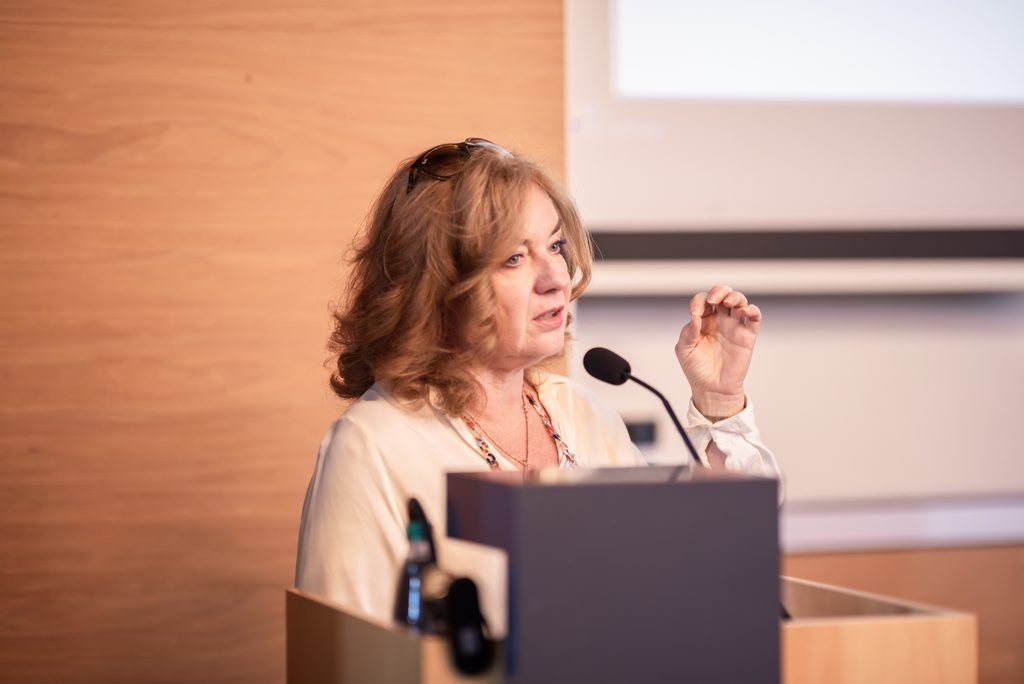
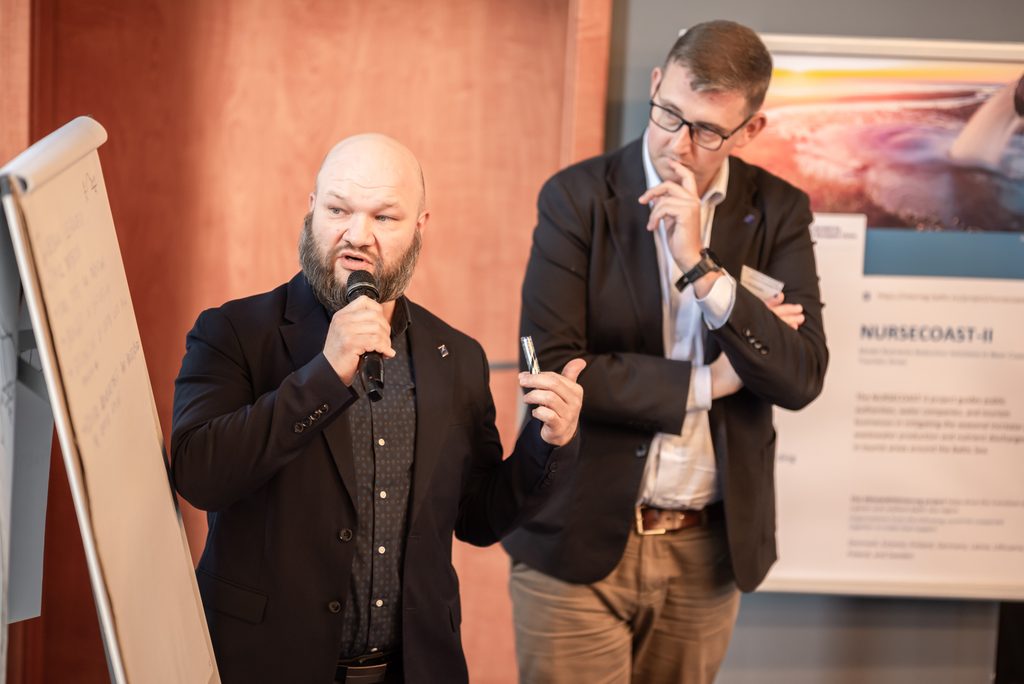
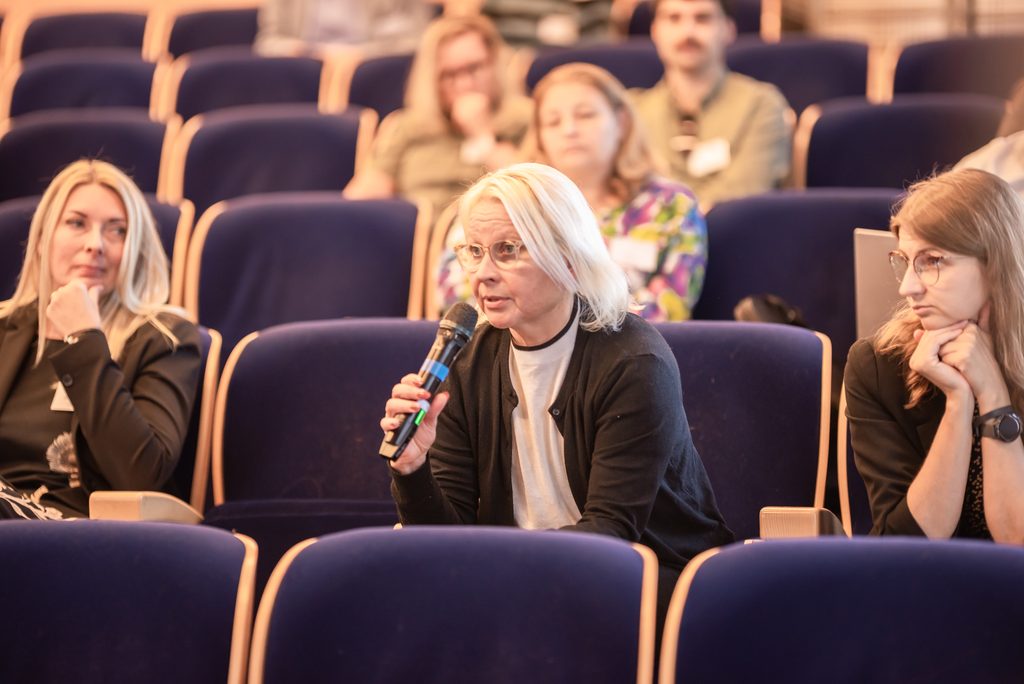
The discussion also addressed the use of local and regional resources, the development of local cooperation and value chains, and solutions aimed at reducing water demand. The workshop provided a space to compare different perspectives and identify both barriers and opportunities for the further implementation of the solutions developed.
NURSECOAST-II results remain available for further use
The Final Conference marked the completion of an important stage of cooperation within NURSECOAST-II, while the knowledge, tools, pilot solutions and recommendations developed by the project remain available for further use.
The experience gained during the project can support the development of more flexible and sustainable wastewater management systems that are better adapted to the needs of small communities and tourist areas across the Baltic Sea Region.