
Euroregion Baltic News
Circular MuSetl-ne Circular MuSe News English pll_6a18aaa599d68 Circular MuSe
Circular MuSe in Wejherowo: European partners are working together to develop practical circular economy solutions for cities and municipalities
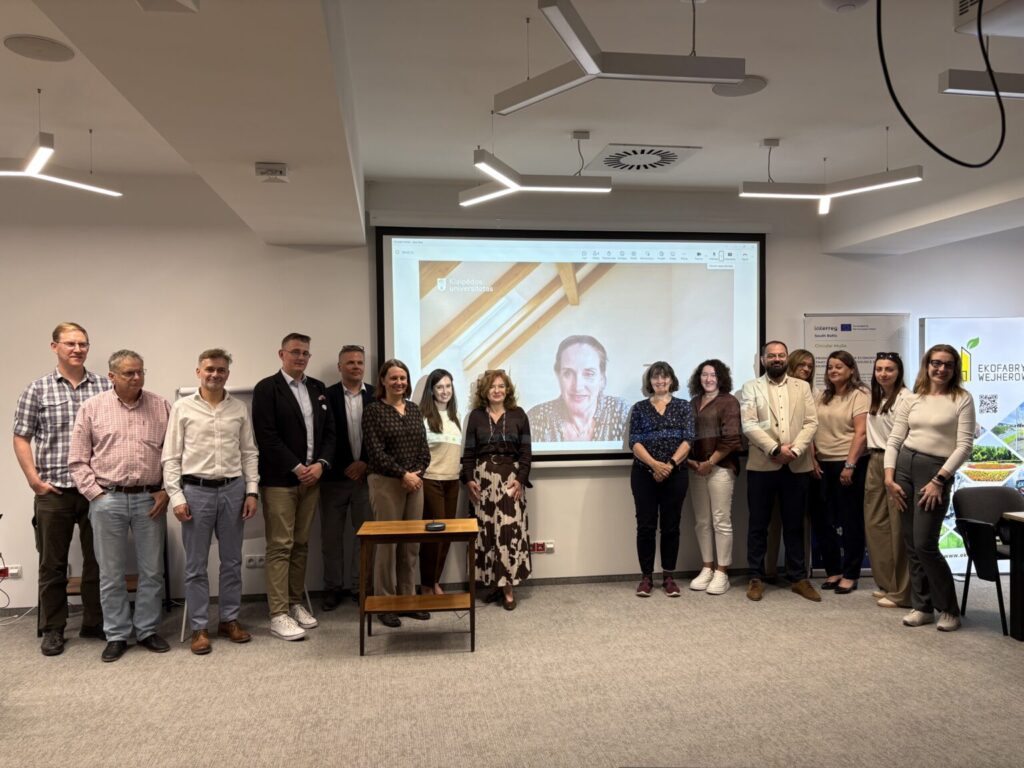
This week, Wejherowo hosted an international exchange of experiences on the circular economy in municipal services. As part of a meeting of all Circular MuSe project partners, representatives of local governments, universities, and organizations from Poland, Denmark, Lithuania, and Sweden are working on concrete solutions designed to support more sustainable resource management in smaller cities and rural areas.
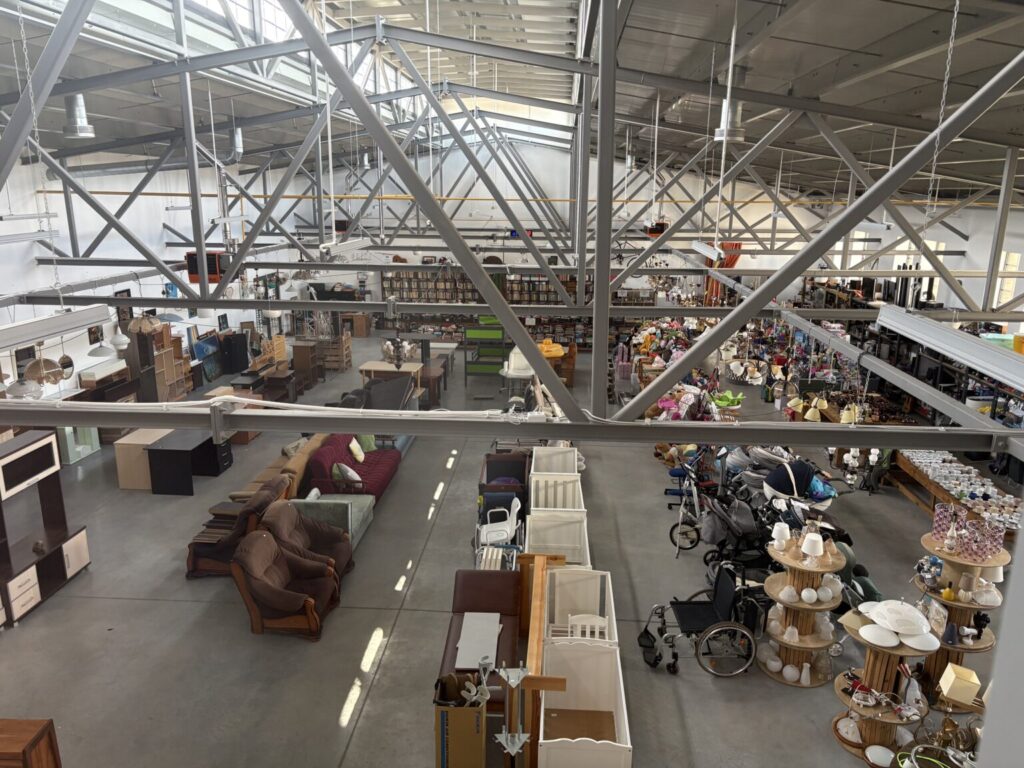
The two-day meeting is taking place at Ekofabryka Wejherowo and focuses primarily on practical activities: implementing pilot projects, exchanging knowledge, and preparing the next stages of international cooperation. Project partners discuss both the results of their activities to date and the next steps related to education, mentoring, and the development of tools to support local governments in the circular transition.
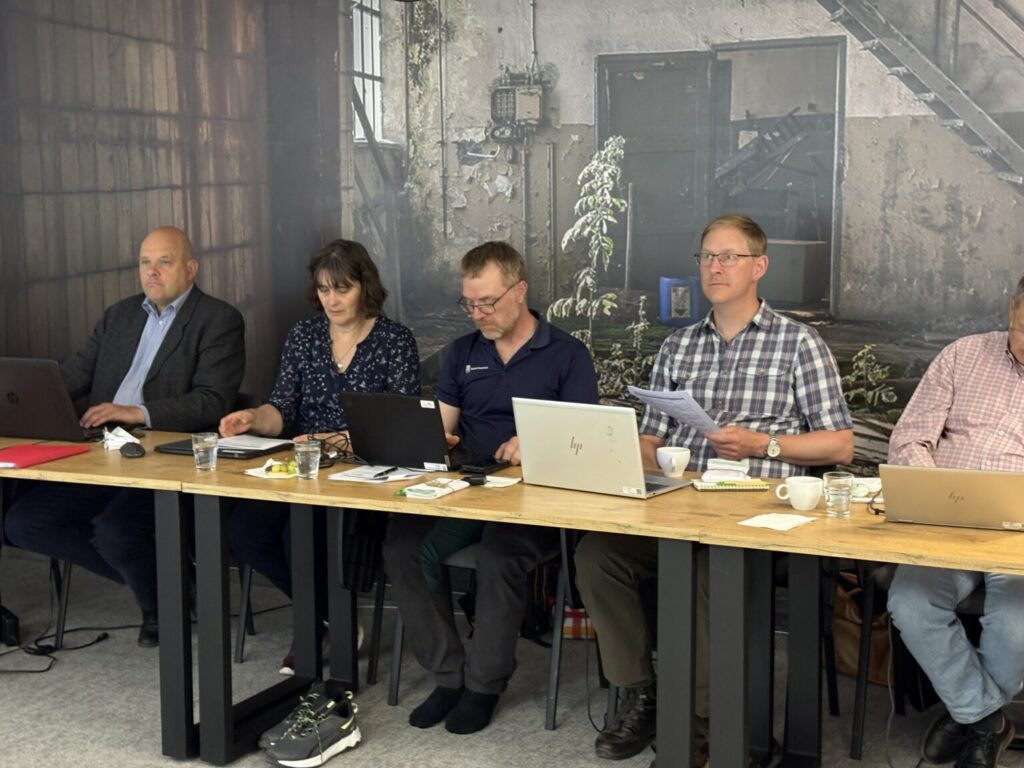
The first day of the meeting was primarily devoted to summarizing the project’s progress and experiences related to the implementation of training and educational activities. Partners present the results of the implemented training programs, the participant recruitment process, the most important topics raised by participants, and the practical aspects of organizing educational activities. Discussions also cover the further development of training modules in Poland, Denmark, and Sweden, as well as ways to engage local government representatives and businesses in the circular transition process.
Another key element of the meeting is discussions on mentoring and the development of the Circular MuSe Knowledge Hub—a platform for exchanging knowledge and best practices among project partners and stakeholders from various countries. Participants analyze the platform’s functionalities, its structure, and opportunities for further development so that it can more effectively support cities and municipalities implementing circular economy solutions.
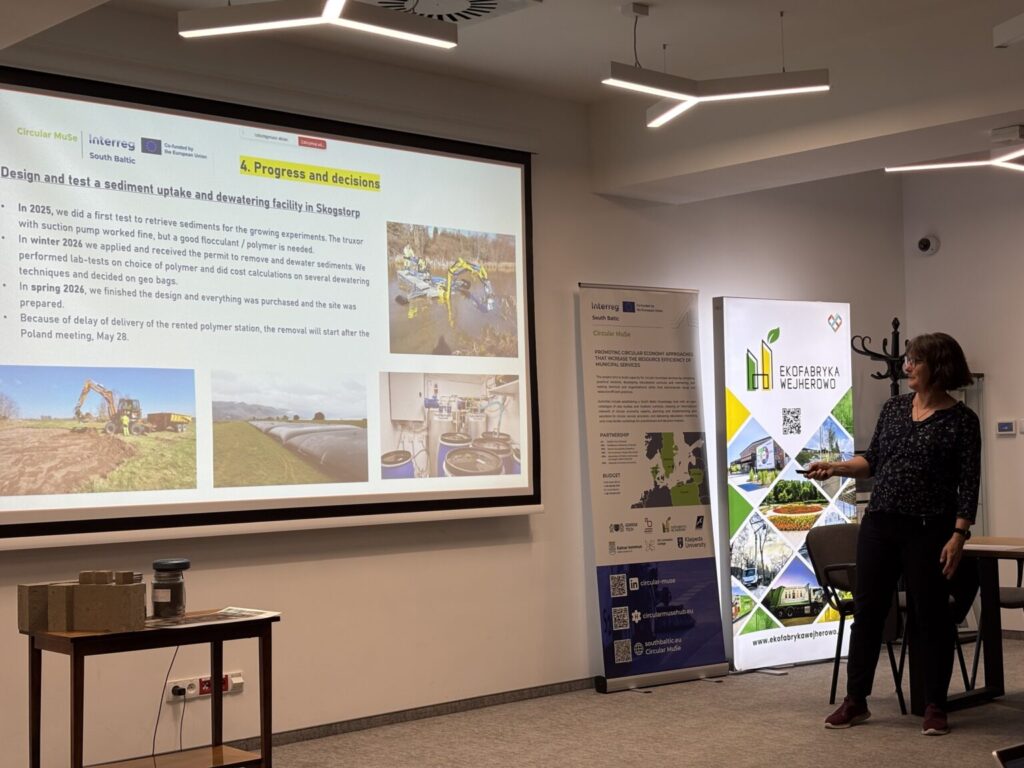
One of the highlights of the program is a series of sessions dedicated to the pilot solutions being implemented by the project partners. These meetings take the form of an international expert review, during which the partners present the current status of their projects, technical specifications, and future investment plans. They then receive detailed feedback from the other participants and experts involved in the project.
In Wejherowo, one of the projects on display focuses on reusing sand left over from winter street cleaning. Partners from Denmark are presenting solutions for reusing sludge from water treatment plants, while Kalmar is showcasing initiatives for sludge management in the context of local municipal services. All these initiatives share a common goal: reducing waste, extending the life cycle of resources, and creating practical models that can be implemented in other cities and municipalities.
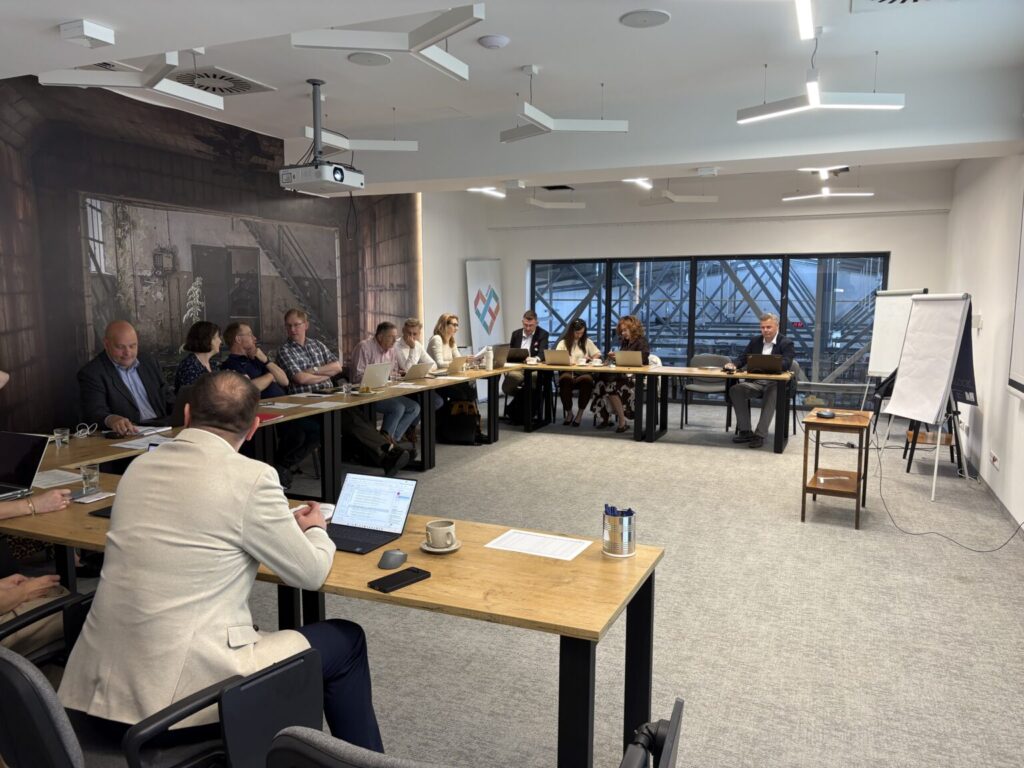
The second day of the meeting focuses on further developing the Circular MuSe knowledge base and building a portfolio of best practices for small towns and rural areas. Partners present the identified case studies and jointly assess their implementation potential, usefulness, and replicability in other municipalities. Particular attention is given to solutions that demonstrate how to effectively combine municipal services with the principles of the circular economy.
The meeting in Wejherowo is not only part of the project schedule but, above all, a space for practical cooperation among partners from different countries. Joint workshops, expert sessions, and study visits allow for the development of solutions that have a real impact on the development of more sustainable municipal services in Europe.
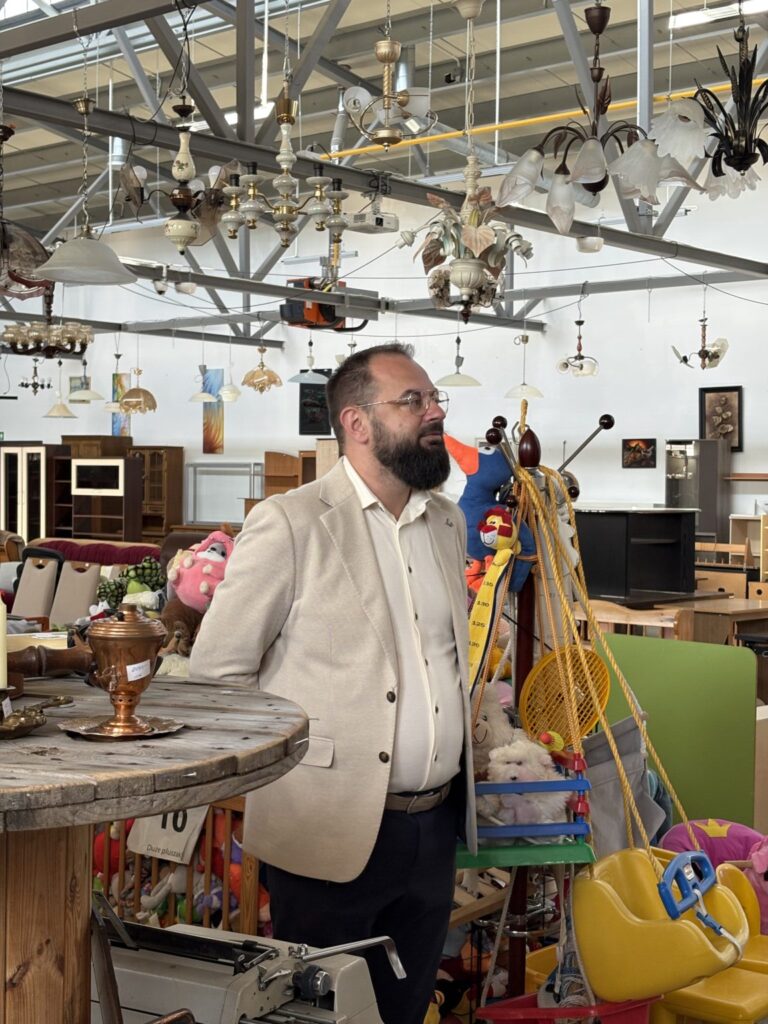
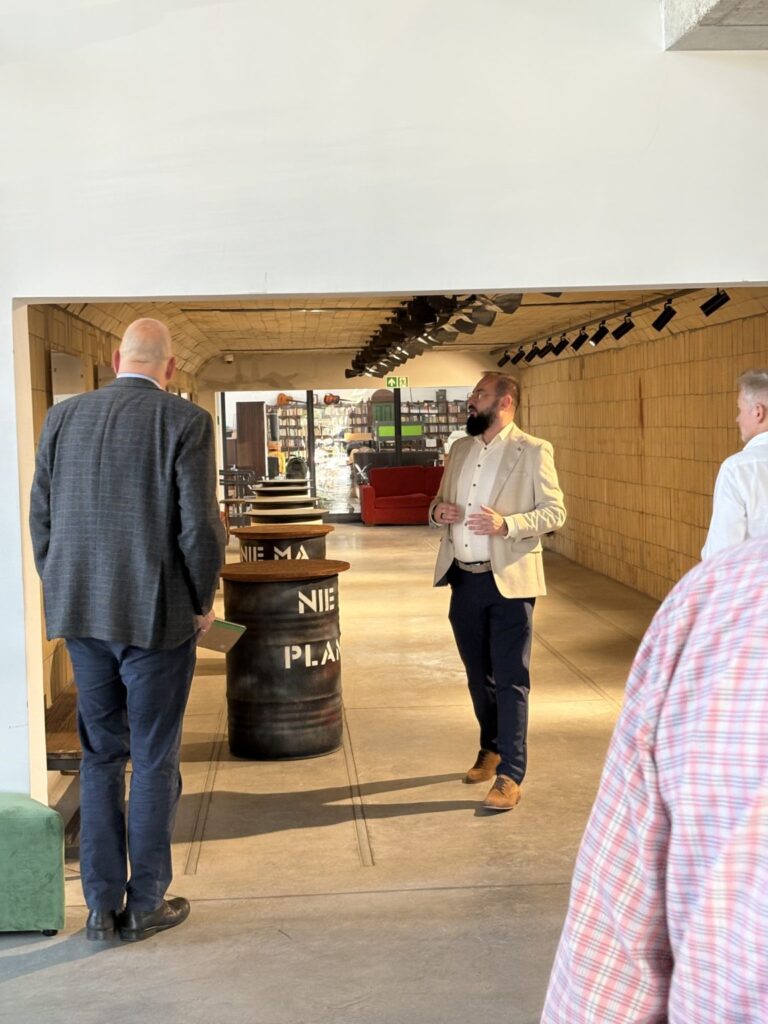
The program also included visits to the Eco-Factory and the urban areas of Wejherowo, allowing project partners to better understand local solutions and initiatives implemented by the local government and municipal entities responsible for municipal services.
The Circular MuSe project demonstrates that an effective transition toward a circular economy requires not only technology and investment, but also cooperation, the exchange of experiences, and the building of shared knowledge among cities, universities, and organizations from various European countries.
DON’T MISS OUT:
💡 You can already explore the basic features of the Circular Municipal Services Hub platform at this link: Circular Municipal Services Hub, where you’ll find a range of best practices, interesting case studies, and inspiration on how to support cities and municipalities in the field of circular solutions.
📅 SAVE THE DATE: If you’d like to join our expert team on a similar study visit to Kalmar, mark your calendar for September 28–30, 2026, and contact our project coordinator.DON’T MISS OUT: