
Euroregion Baltic News
CONEtl-ne CONE News English pll_6a283bc4b9398 CONE
Another milestone has been reached - the construction of the rain garden in Tolkmicko as part of the CONE project is gaining momentum
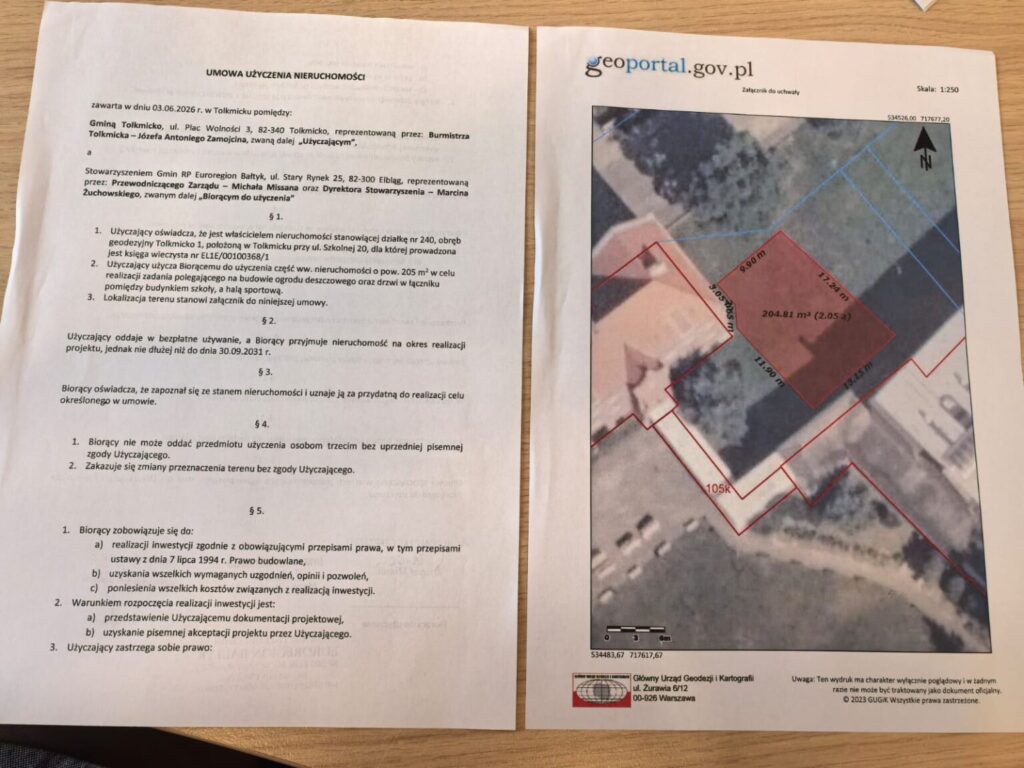
On June 8, 2026, an important agreement was signed by Doctor Michał Missan, Chairman of the Board of the Association of Polish Municipalities of the Baltic Euroregion. The agreement concerns the transfer, in the form of a loan, of real estate by the authorities of the Municipality and Town of Tolkmicko to the Association for the purpose of constructing a rain garden as part of the CONE project.
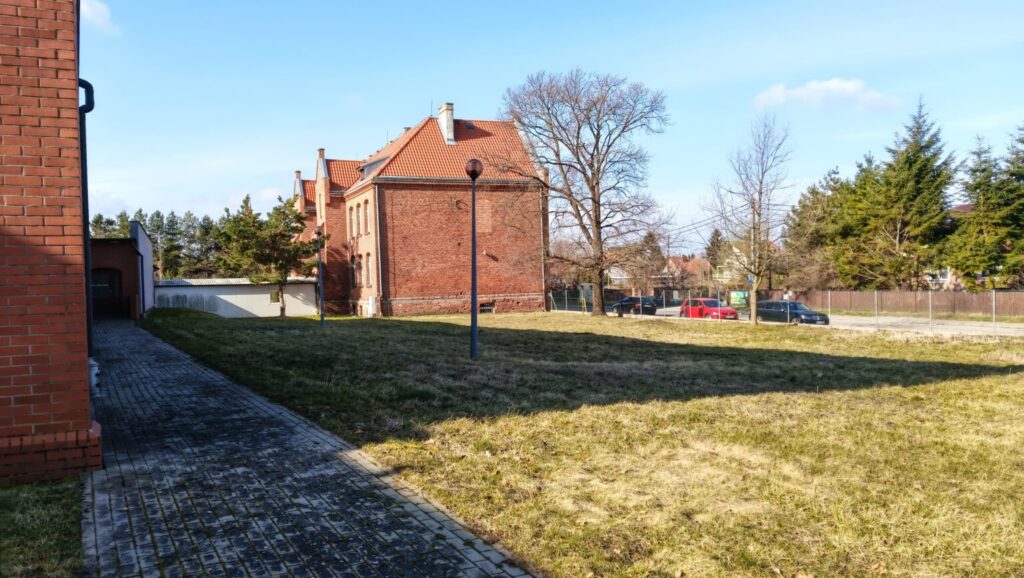
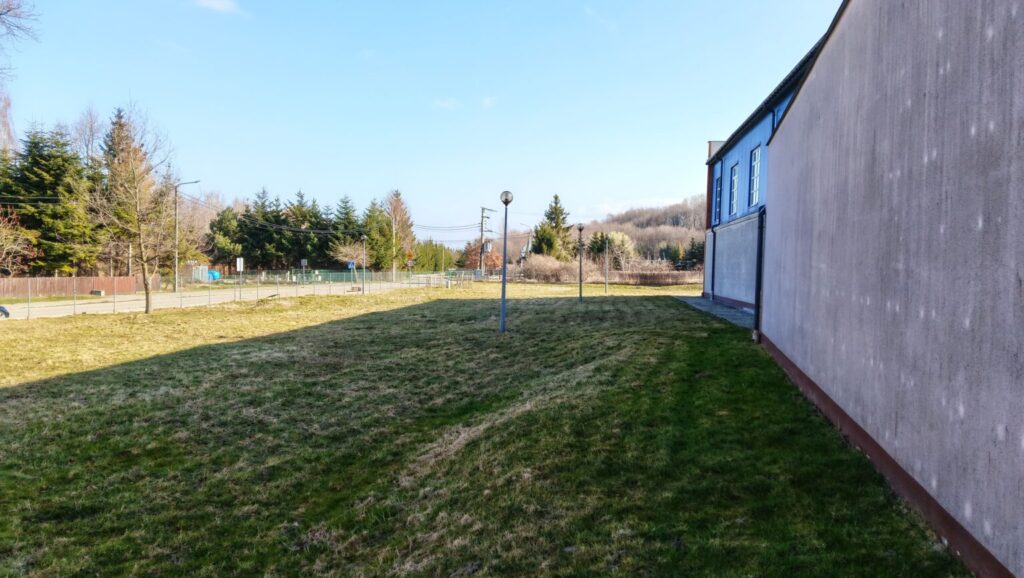
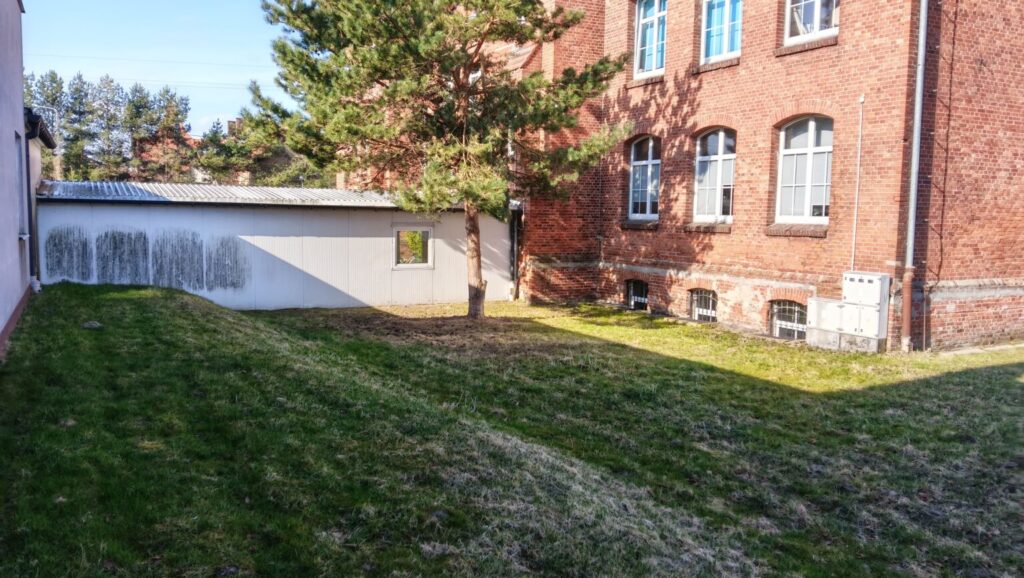
As part of the project, a rain garden will be created on the grounds of the Nicolaus Copernicus Elementary School in Tolkmicko. The project is being implemented as part of the NBS (Nature-Based Solutions) pilot program titled “Design and construction of a rainwater infiltration drainage system along with planting greenery using the Living Lab method,” co-financed by the Interreg Central Europe Program 2021–2027.

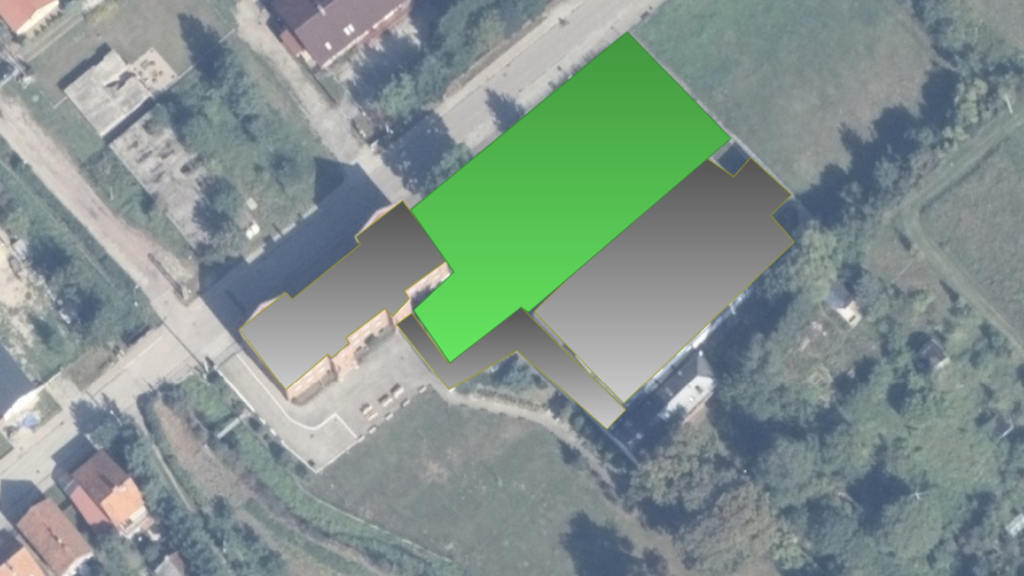

The idea behind the project is to create rain gardens in urbanized areas, transform public spaces, and develop the site in collaboration with residents, using NBS solutions and the “living lab” method.
This initiative aims to address local challenges such as:
• countering urban sprawl,
• mitigating the urban heat island effect by increasing green spaces,
• greening heavily urbanized areas,
• engaging residents in eco-friendly and climate protection activities,
• restoring biodiversity by creating habitats for local flora and fauna.
As part of the project, in addition to the construction of a rain garden, a walkway will be built in the passageway between the school building and the sports hall, which will facilitate access to the garden for students and residents. Furthermore, a sensory path and informational signs presenting nature-based solutions (NBS) will be installed.
An important element of the pilot project will also be co-creation workshops for Tolkmicko residents, involving active participation in the creation of the rain garden. Their goal is to raise public awareness regarding the rational management of water resources and to promote nature-based solutions.
What the rain garden will look like.
The rain garden will be constructed as a depression in the ground (an infiltration basin) approximately 30 cm deep. Its primary function will be to temporarily retain stormwater, pre-treat it through filtration in the soil layers, and allow it to gradually seep into the ground.
The adopted solution aims for a system that is as natural as possible, without interfering with the existing soil layers below the plant growth zone. Infiltration will occur directly into the native soil. There are no plans to disturb deeper geological layers or to install a watertight lining at the bottom of the garden.
The surface area of the rain garden basin will be approximately 180.5 m². Rainwater will be directed to the garden via a gutter system constructed as an open, impermeable channel. The channel will be made of durable materials resistant to water and weather conditions.
The bottom and slopes of the channel will be properly contoured to ensure stable water flow toward the rain garden. To reduce flow velocity, flow-retarding elements, such as protruding stone blocks, will be used. The channel will also serve an aesthetic and landscape function, blending harmoniously into the site’s design.
A stabilizing layer of washed gravel will be placed at the bottom of the basin. Below this will be a vegetation layer approximately 30 cm thick, consisting of a mixture of fertile soil and washed sand.
These layers will provide suitable conditions for plant growth and enable effective retention and infiltration of stormwater.
The system will not rely on the storm sewer system as the primary stormwater outlet. Any emergency solutions are intended solely for extreme rainfall events.
Plantings
As part of the project, plantings will be carried out within the rain garden and its immediate surroundings. Shrubs and ornamental perennials that tolerate periodic flooding from rainwater and meltwater will be used.
The selection of species will take into account resistance to both excess moisture and periodic droughts, as well as urban conditions. Plant compositions will be designed to ensure high aesthetic value throughout the year, thanks to the variation in plant height, texture, and flowering times.
The project has been divided into two phases:
Phase I – development of the technical design and planning of the rain garden
This phase was completed in May 2026.
Phase II – construction work and planting.
Completion of this phase is scheduled for the end of October 2026.
Construction of a passageway in the connecting corridor between the school and the sports hall
As part of the project, a passageway will also be constructed in the connecting corridor between the school building and the sports hall, facilitating access to the rain garden.
The scope of work includes:
• preparation of architectural and construction designs,
• obtaining the required permits and approvals,
• delivery and installation of aluminum doors,
• construction of a paved surface on the exterior side of the connecting passage,
• adapting the passageway to the needs of people with disabilities by removing architectural barriers.
Co-creation workshops for residents, a sensory path, and informational signs.
As part of the project, co-creation workshops for Tolkmicko residents will be held in September, including joint planting of plants in the rain garden area. These activities aim to familiarize residents of the town and municipality of Tolkmicko with the concept of rain gardens, their functions, how they work, and their importance in increasing cities’ resilience to the effects of climate change.
The project will also include the installation of informational signs and a sensory trail, designed to showcase nature-based solutions and their environmental significance.
All work related to the project is scheduled to be completed by October 31, 2026, at the latest. The total cost of constructing the rain garden and its accompanying elements is approximately 140,000 PLN.