A week dedicated to the CONE project

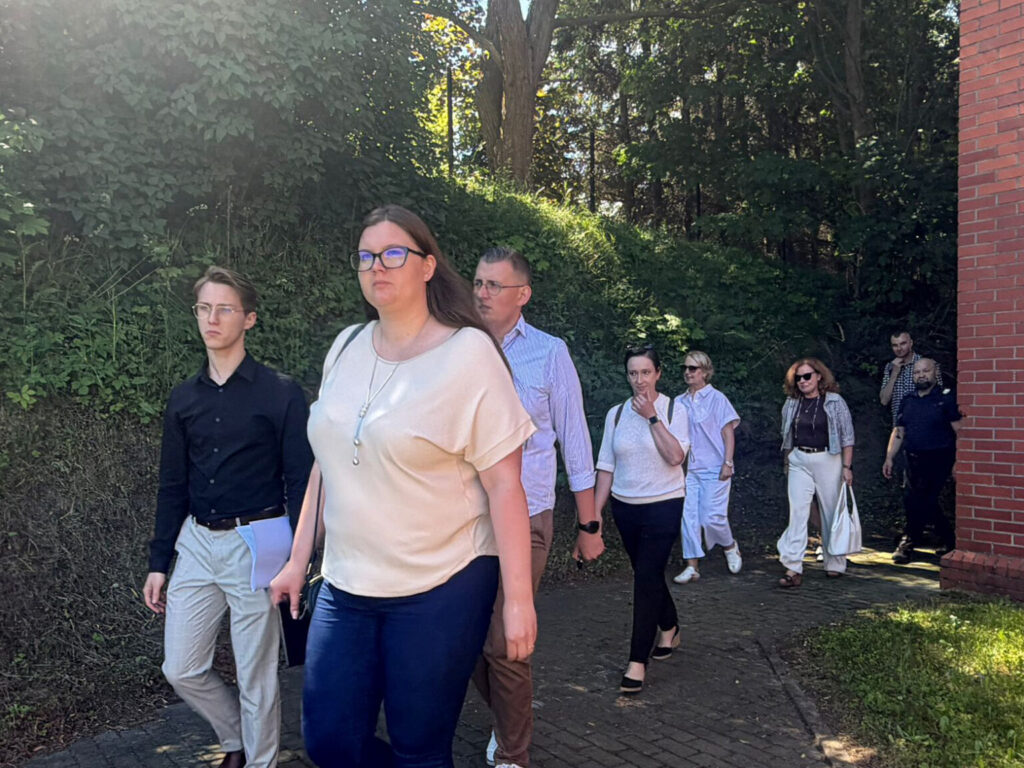
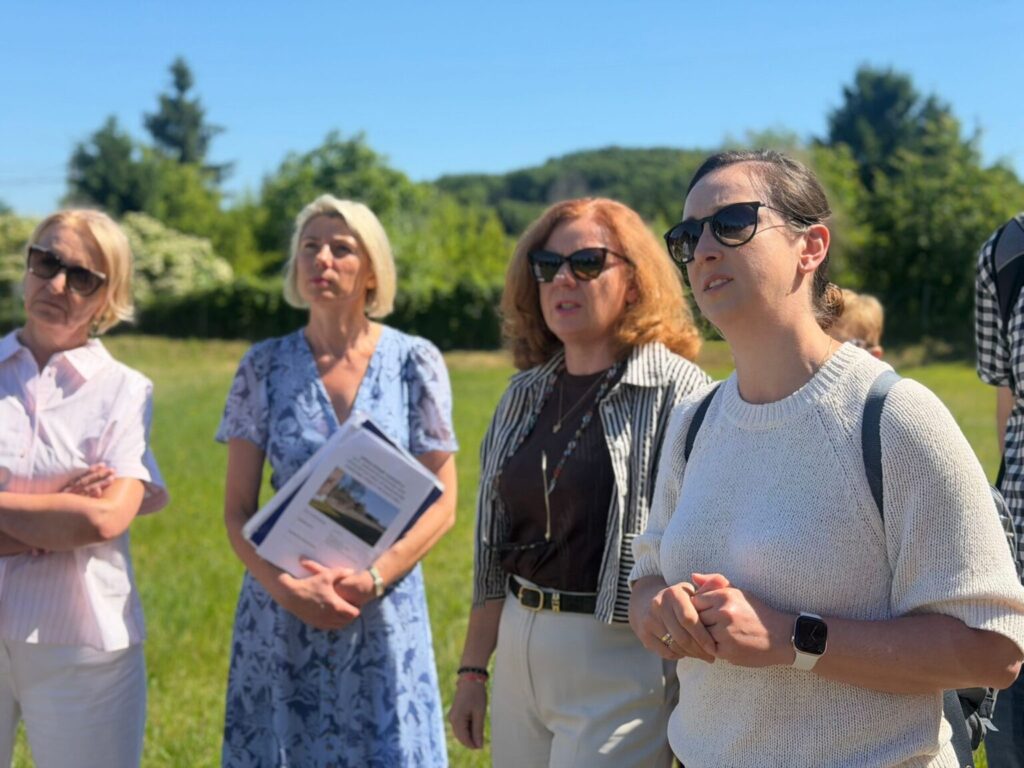
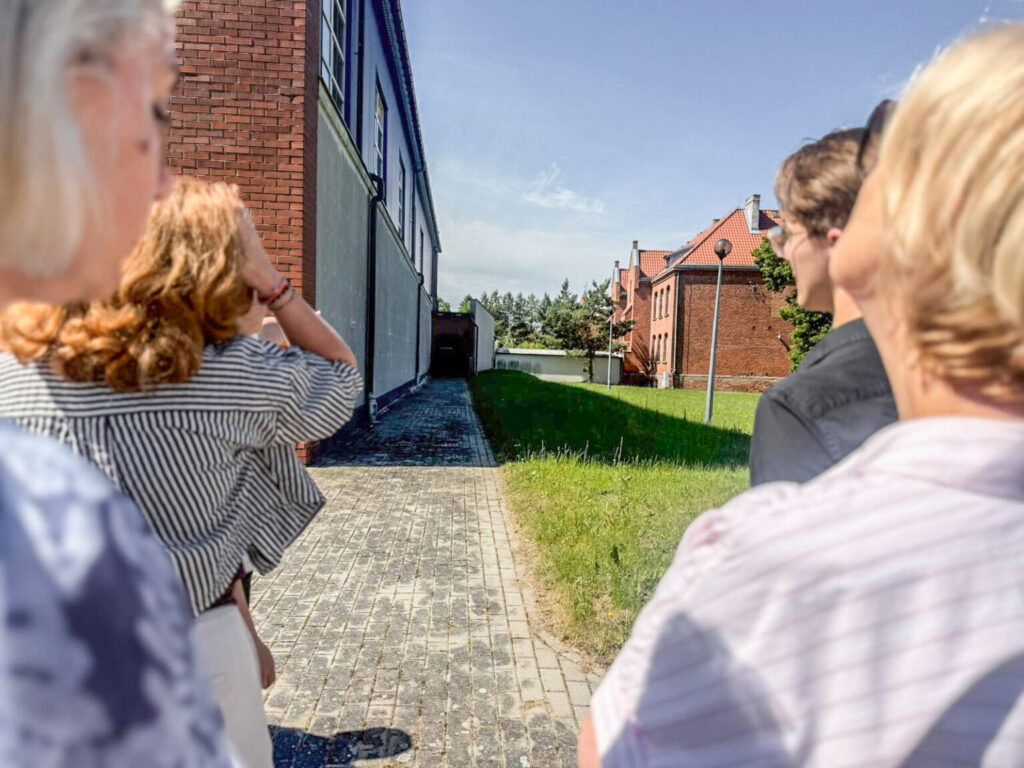
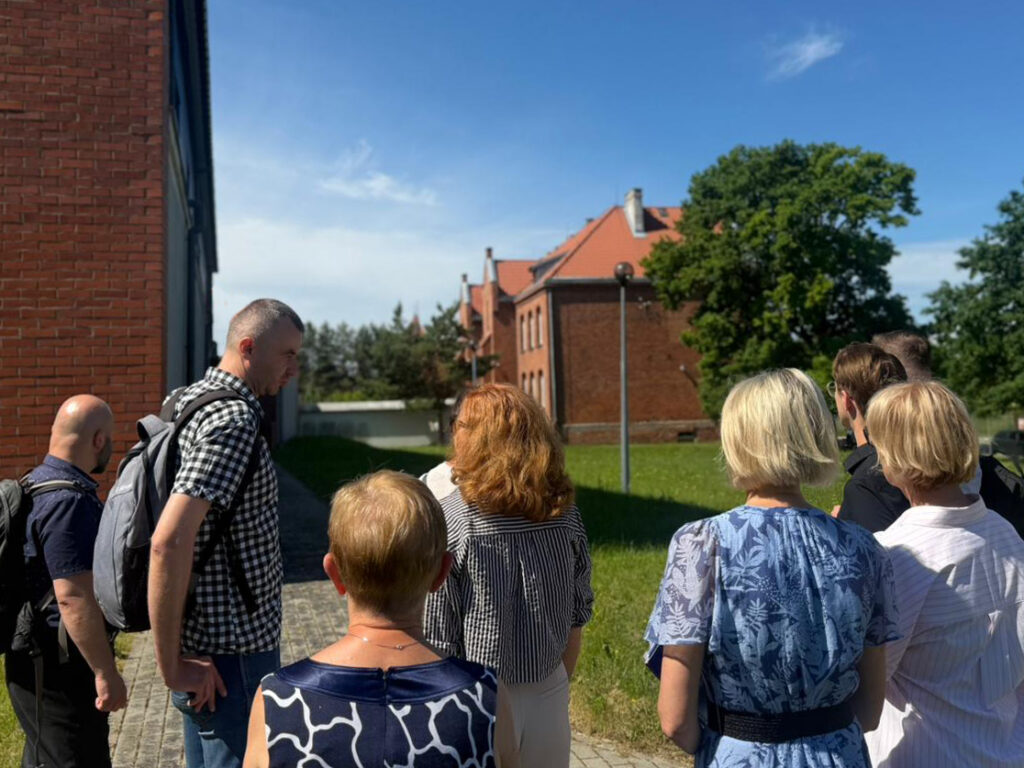
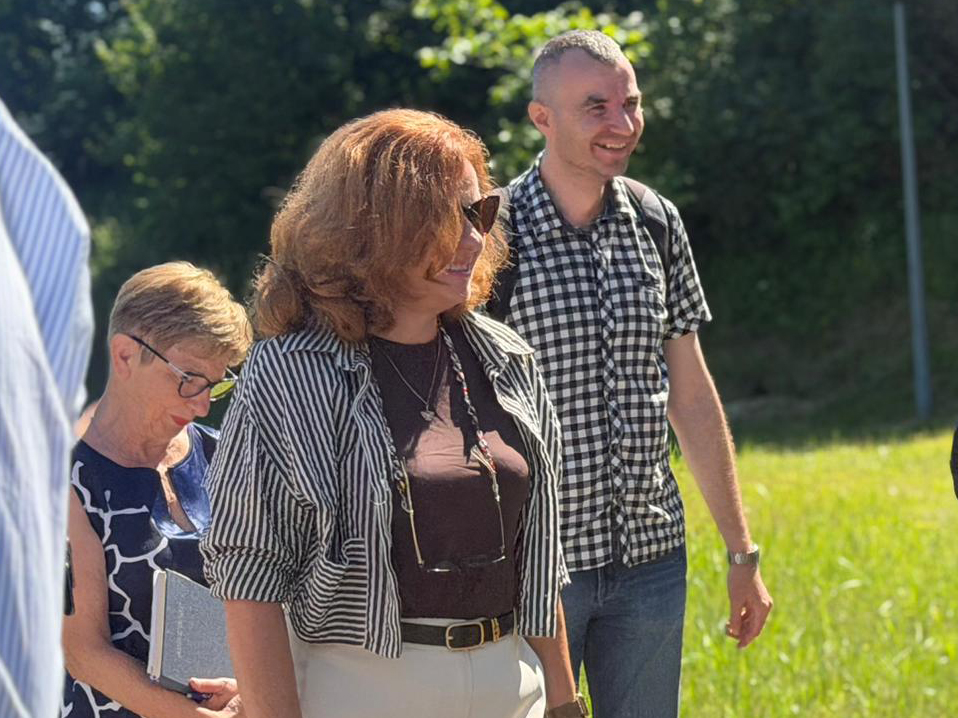
We’ve just held an important meeting regarding the implementation of the pilot project in Tolkmicko

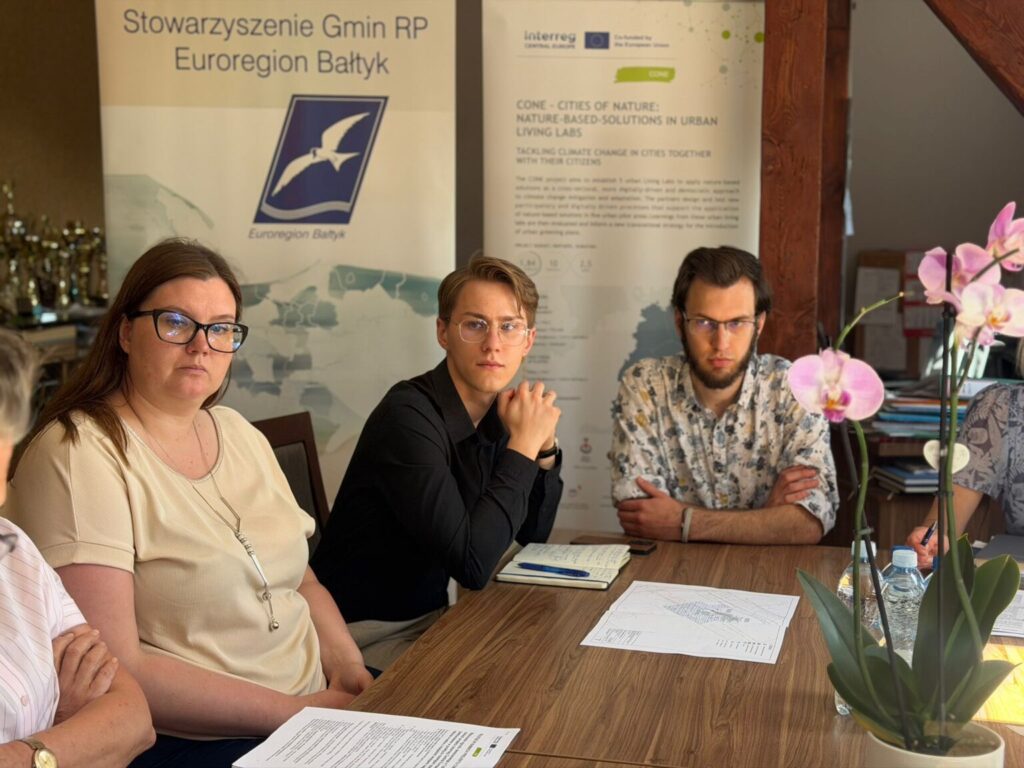
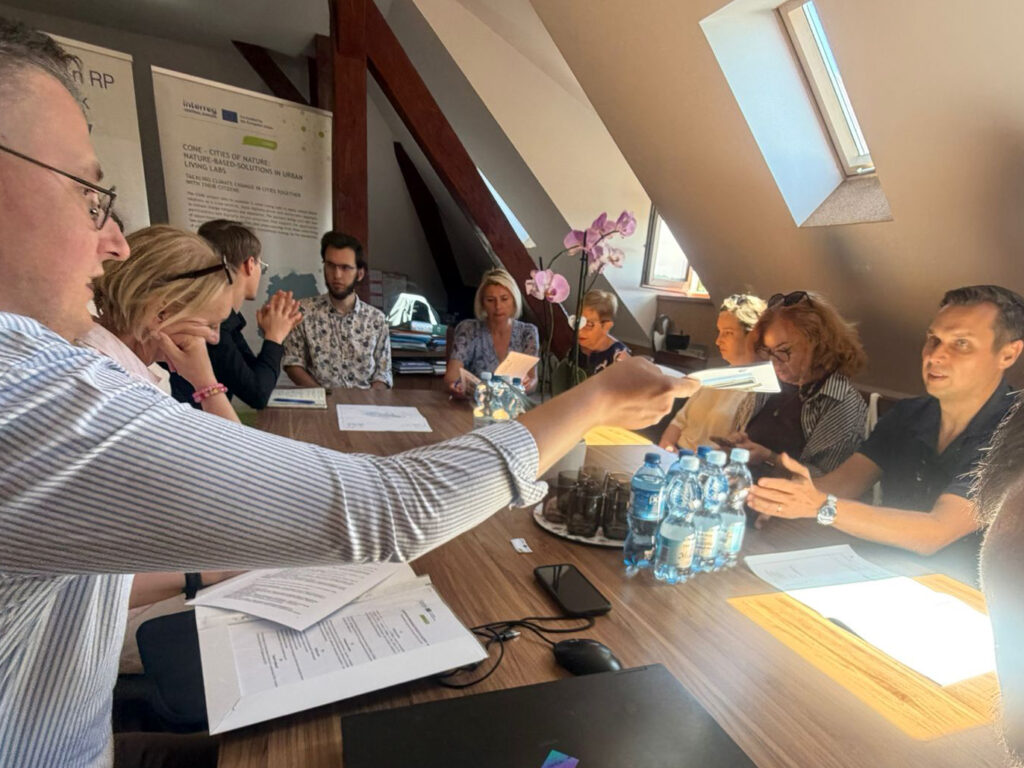
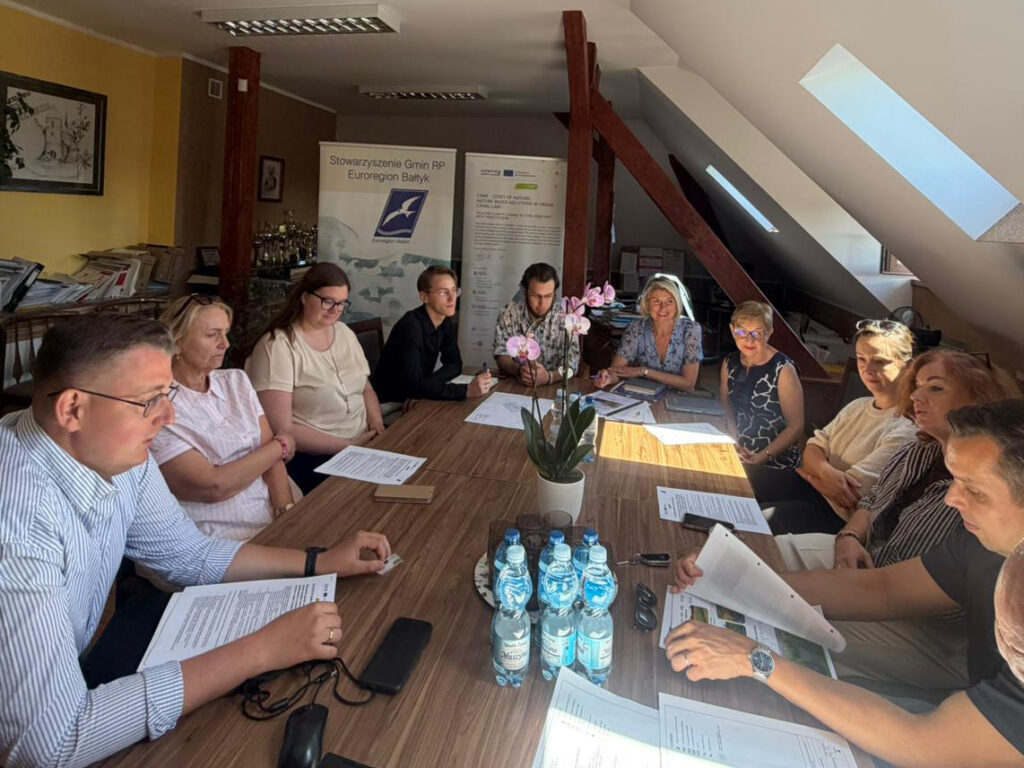
On March 27 and 30, 2026, meetings were held regarding the implementation of the CONE project.

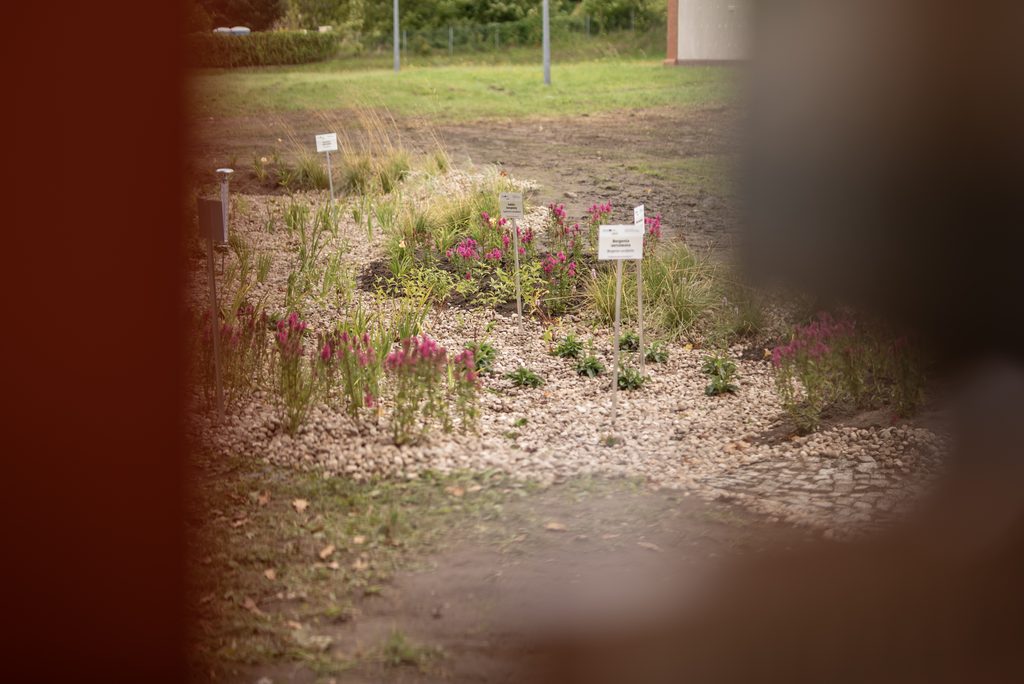
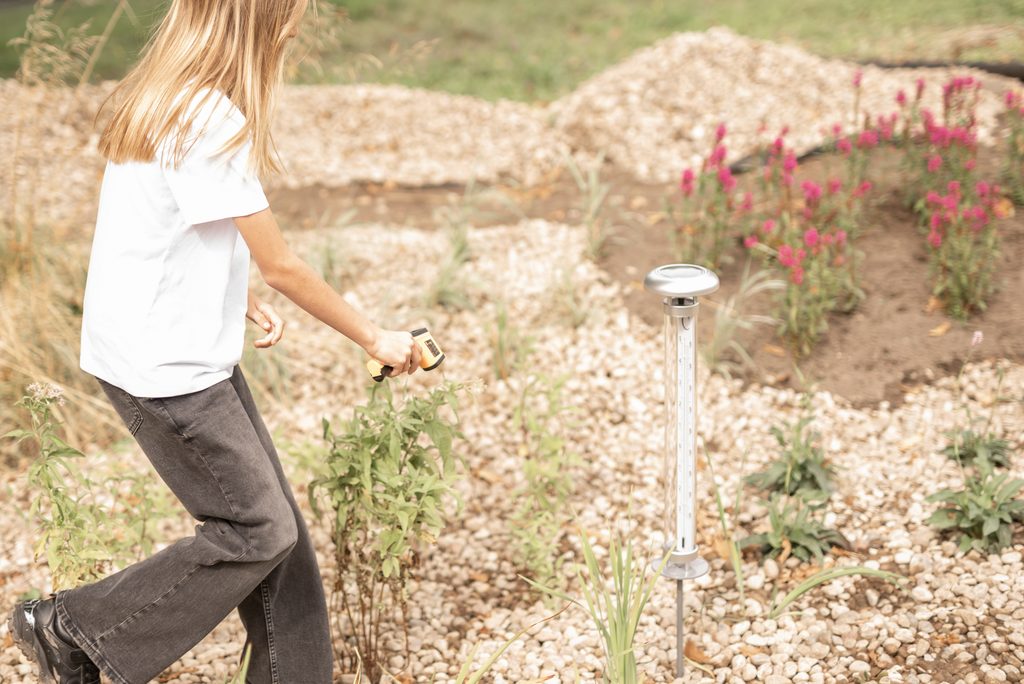
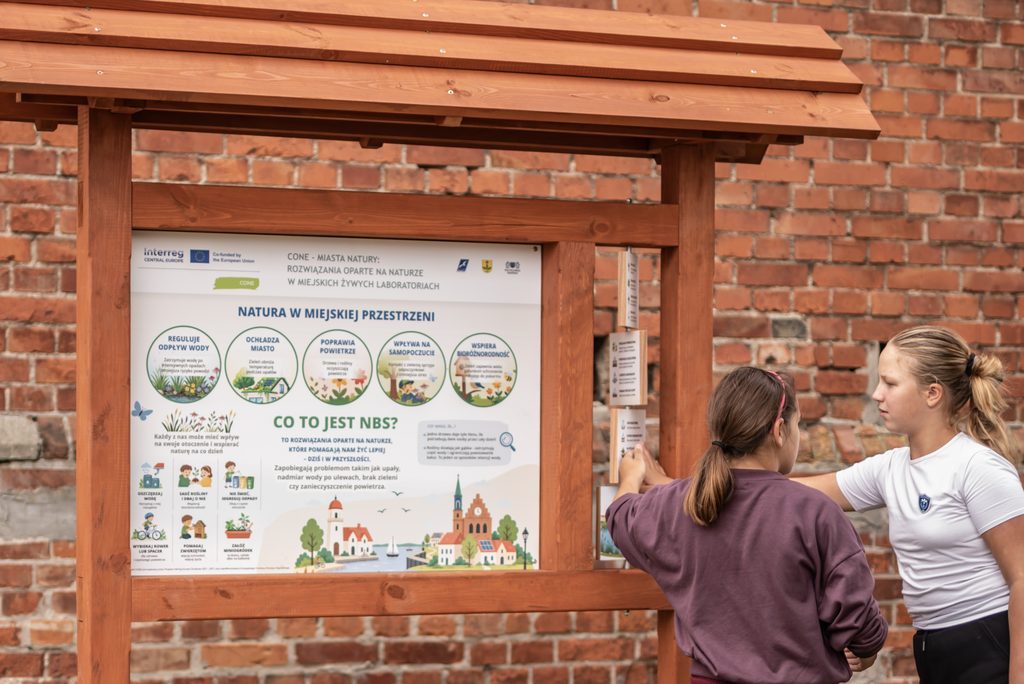
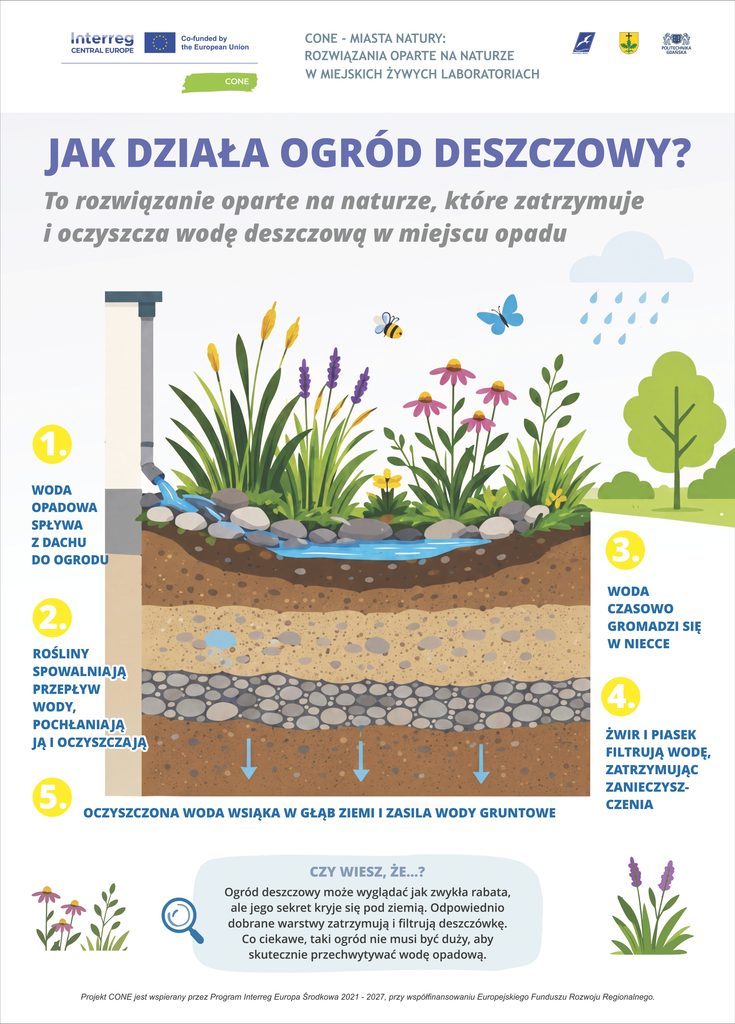
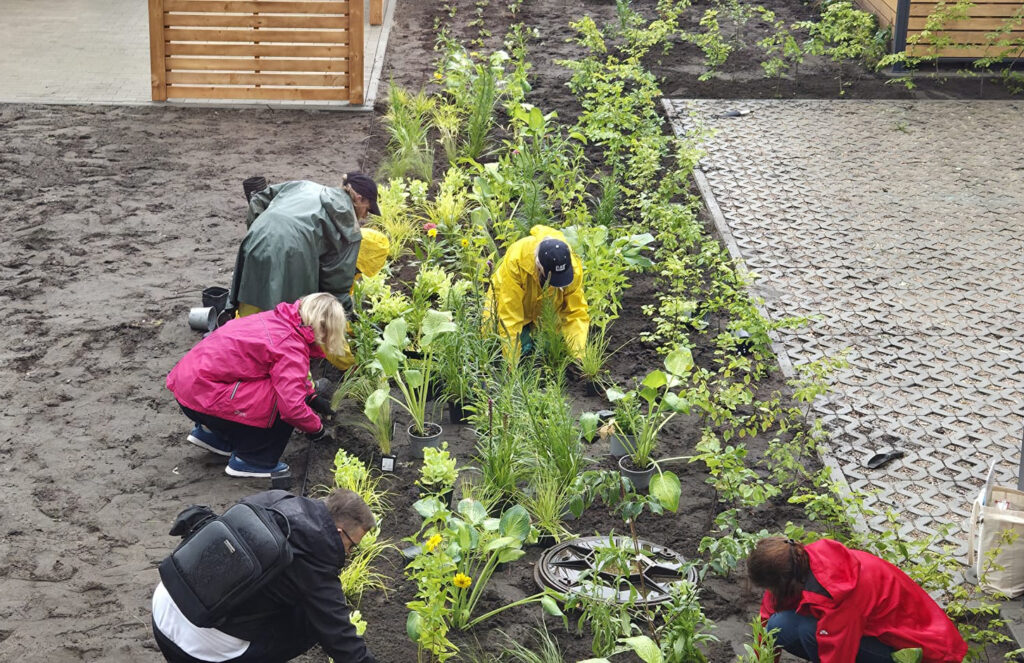
On March 27, we met with representatives of the Association, Gdańsk University of Technology, and the Tolkmicko City and Municipality Office to refine the concept for building rain gardens and a stormwater management system.

What are we planning?

combating urban sprawl

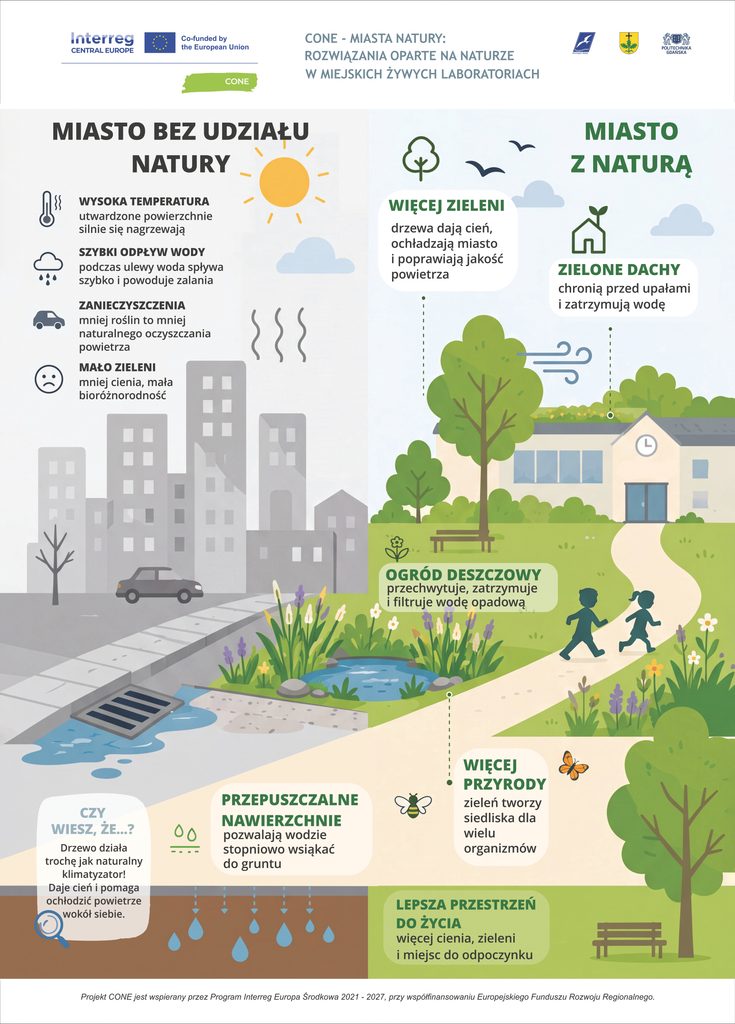
reducing urban heat islands

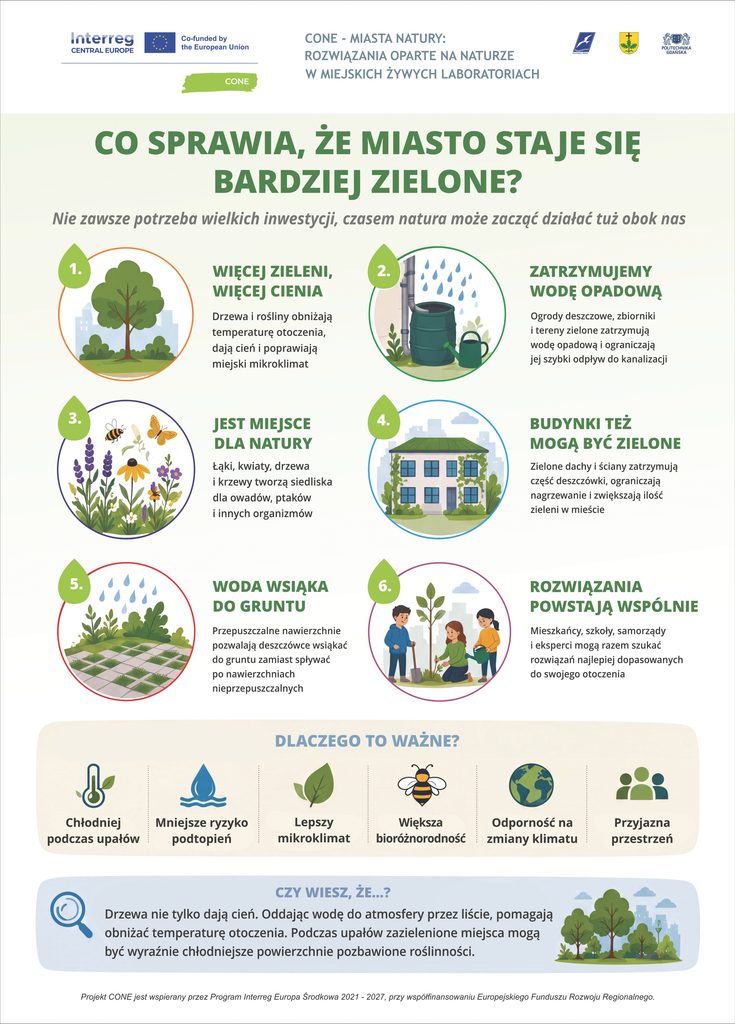
more greenery in public spaces

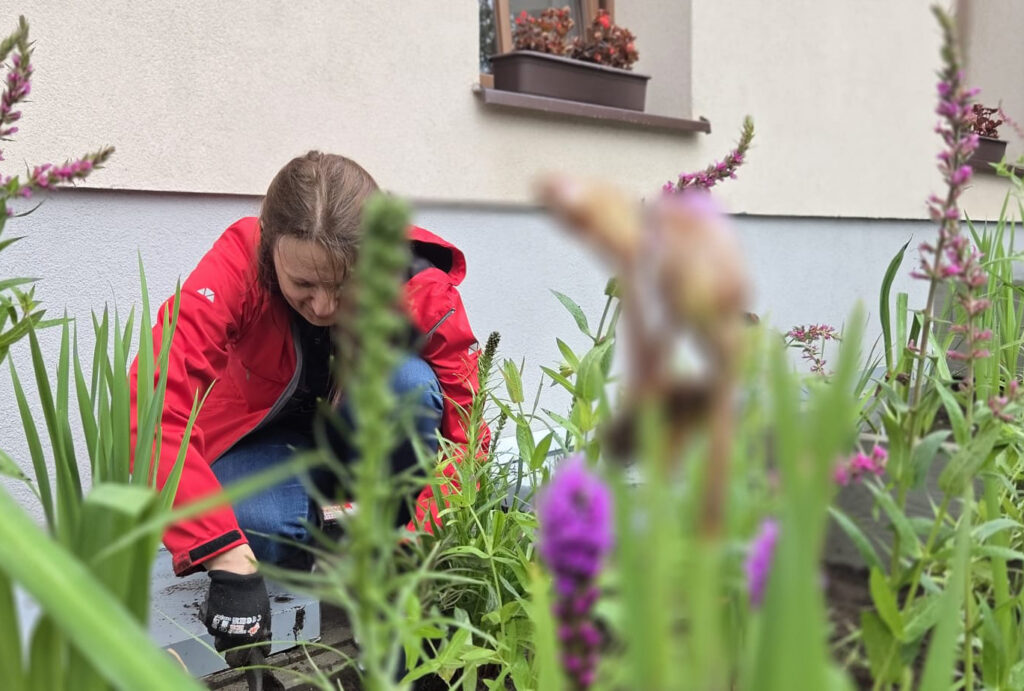
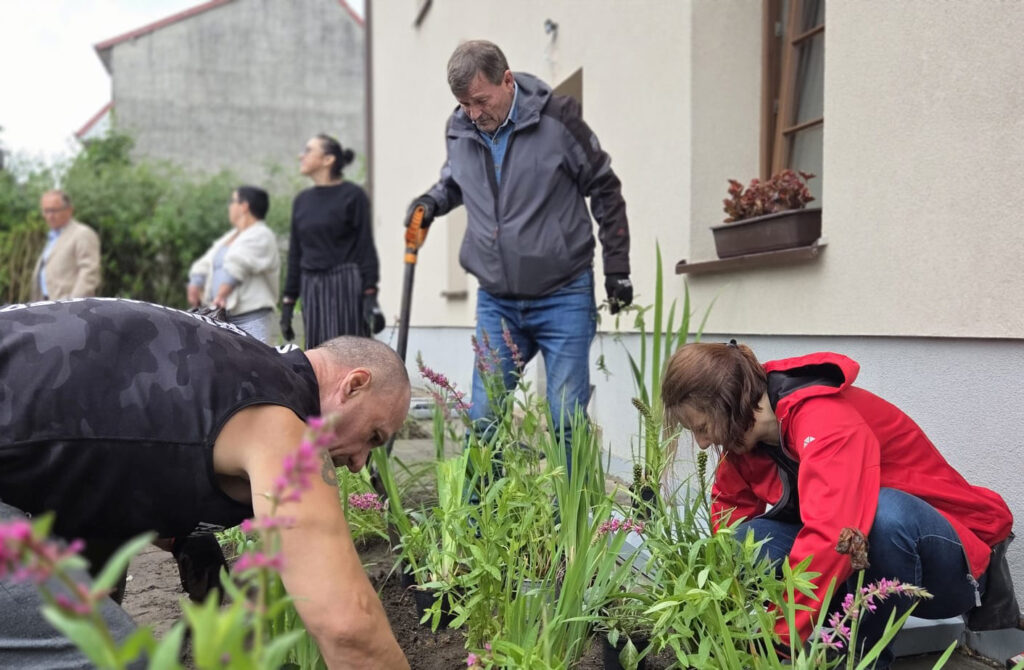
initiatives involving residents

supporting biodiversity

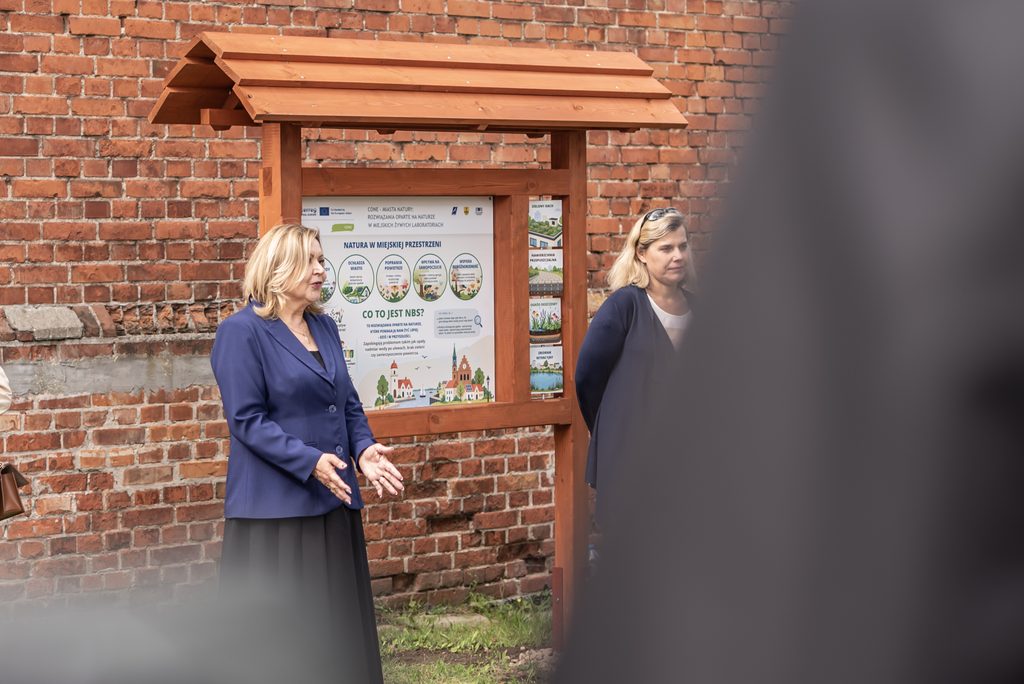
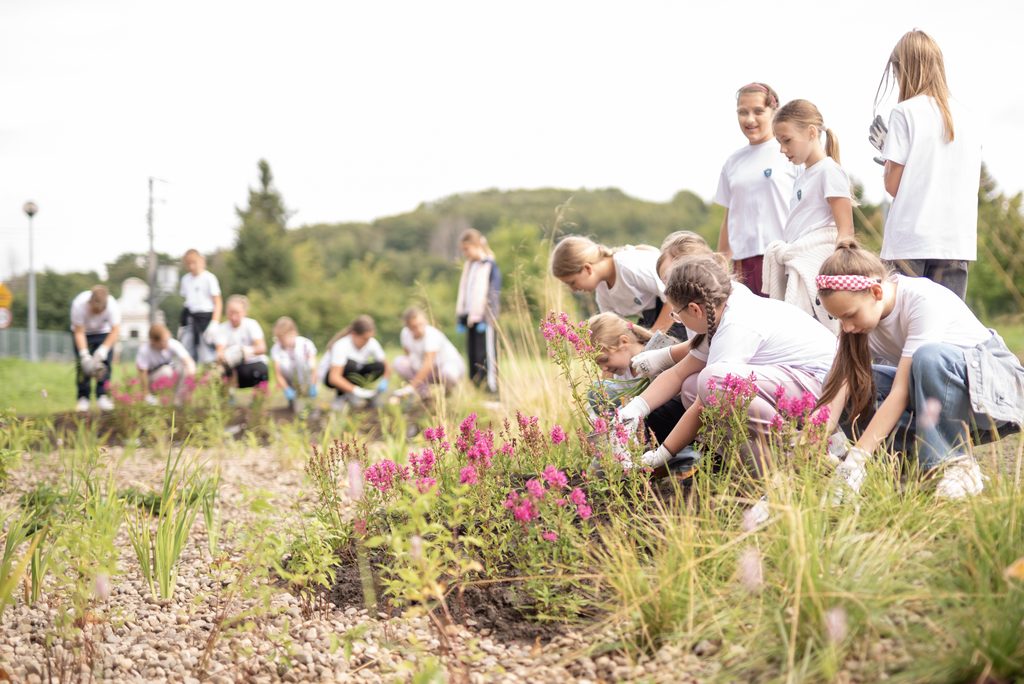
The project involves the use of nature-based solutions (NBS) and collaboration with residents in a “living lab” format.

We are working for a greener and more climate-resilient Tolkmicko!

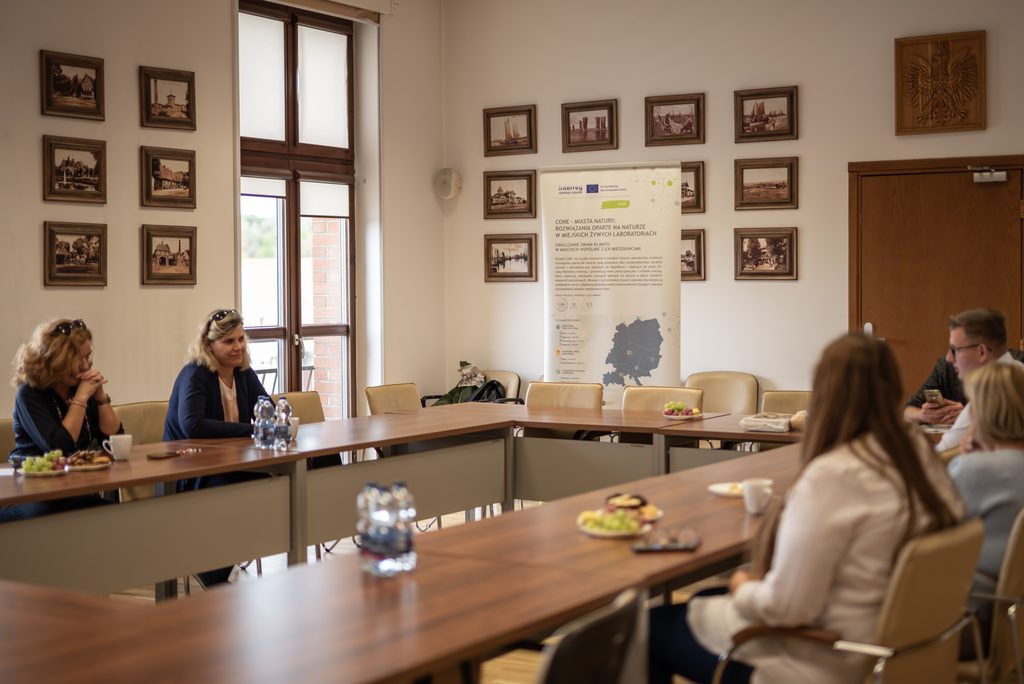
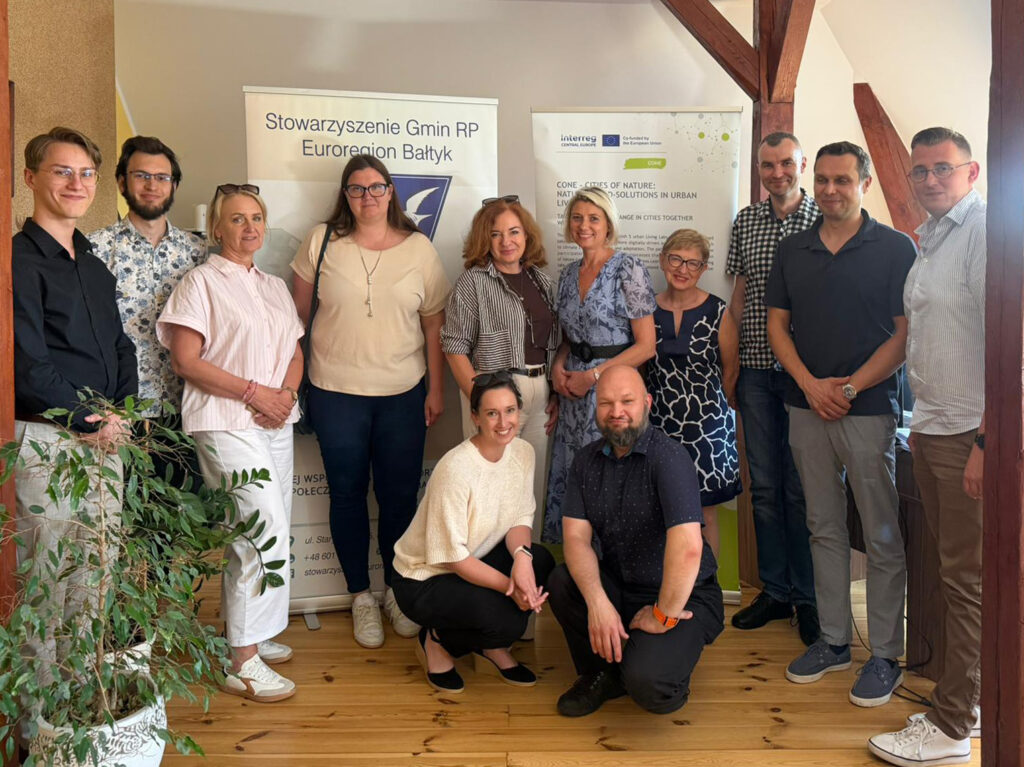
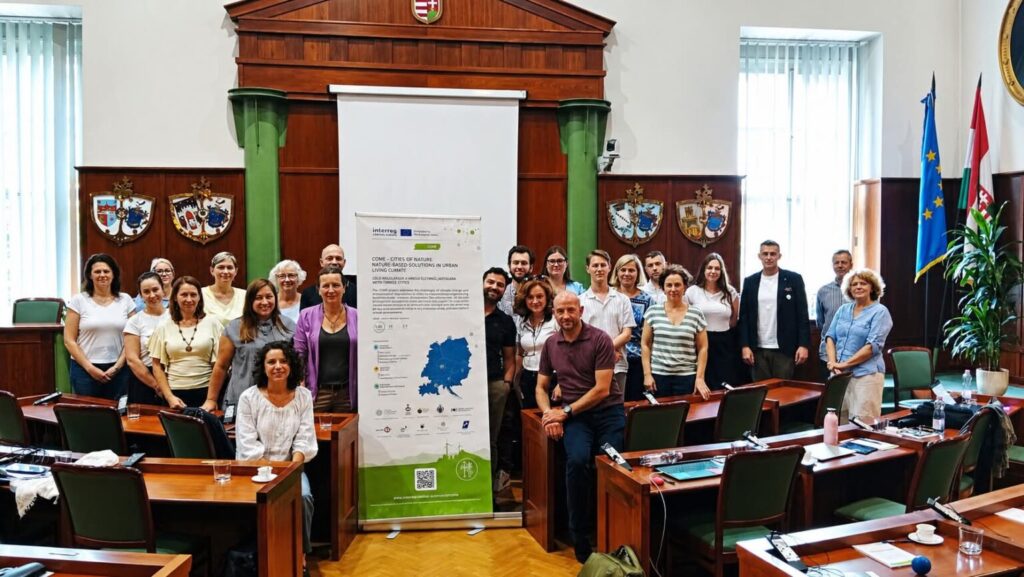
On March 30, 2026, a meeting of the entire project consortium took place. During the meeting, the activities carried out so far were summarized, the current status of the work was discussed, and directions for the further implementation of the project were set.

CONE at the 11th European Local Government Forum

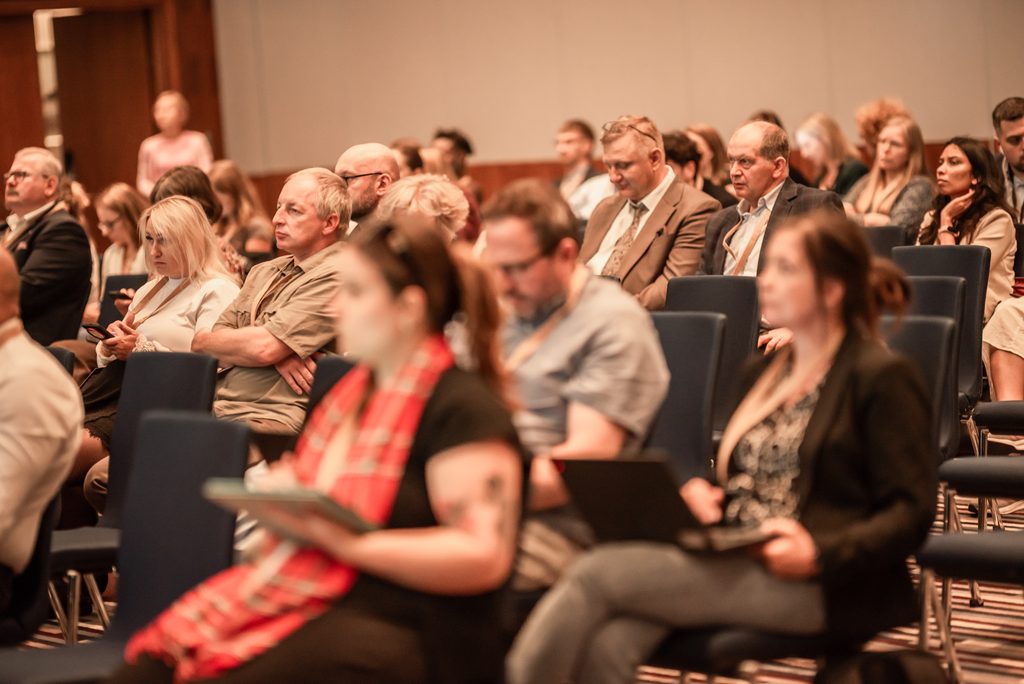
On March 2–3, during the international event—the 11th European Congress of Local Governments in Mikołajki—the #Cone project was presented.

As an Institutional Partner of the event, we invited representatives of our member municipalities and their experts to discuss the intensifying and systemic hydrological threats in northern Poland and the South Baltic Sea region

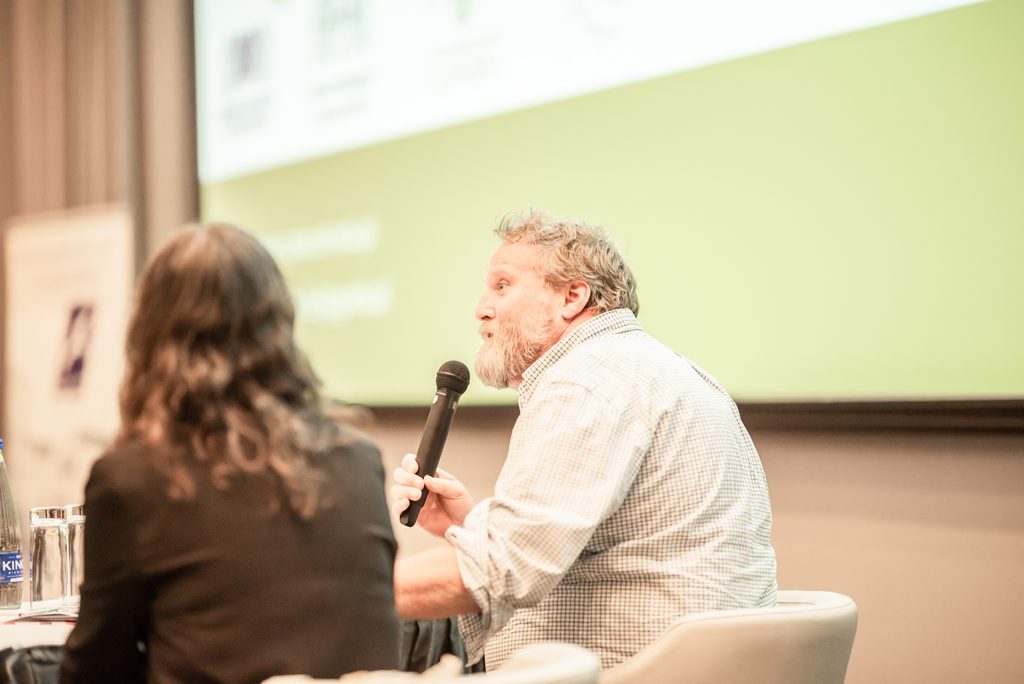
The panel experts—Tomasz Sielicki, Mayor of Braniewo; Jacek Wolski, Mayor of Nowe Miasto Lubawskie; Prof. @Magdalena Gajewska of Gdańsk University of Technology; Anna Wołodźko of the City of Gdańsk; and Jakub Bornus - Head of the Braniewo Commune, raised important issues regarding nature-based solutions, methods, and the objectives of the CONE project.

They also emphasized the immense importance of the tools available to Wody Polskie.

At the end, the panelists jointly emphasized the importance of water and called for the implementation of solutions that help us retain it in cities and municipalities and then reuse it.

The CONE project at the 11th European Congress of Local Authorities in March

The theme of the congress will be “Local government in times of uncertainty - local responses to global challenges.”

Date: March 2-3, 2026

Location: Mikołajki, Poland

As the official Institutional Partner of the Congress, APC ERB has incorporated the objectives of the CONE project into the national debate through a panel discussion entitled “Straight talk: hydrological risks,” dedicated to hydrological risks and nature-based solutions (NBS).

The meeting will be attended by experts from various fields who will discuss water-related hazards and ways in which nature can help mitigate them.

The panel will include, among others:

Tomasz Sielicki - Mayor of Braniewo and Vice-President of APC ERB; he will present the activities carried out in the Warmia region as part of the WaterMan project, with particular emphasis on practical solutions for water retention.

Marcin Ślęzak - Mayor of Gronowo Elbląskie; he will discuss the hydrological challenges specific to the Żuławy region and local adaptation strategies.

Prof. Magdalena Gajewska, representing Gdańsk University of Technology; she will present the scientific perspective of the CONE, CircularMuse, and WaterMan projects, highlighting how research supports the implementation of effective solutions.

Piotr Kryszewski - expert from Pomerania in the field of water retention strategies; will present his experience in planning and implementing green solutions for cities and regions.

Natalia Ferenc - representative of TUW PZUW; will discuss the links between climate adaptation strategies and risk management and insurance.

Marcin Żuchowski - Director of the APC ERB Secretariat; he will chair the meeting, coordinating the discussion and facilitating the exchange of experiences between participants.

Participation in the meeting is important for #CONEproject, as it enables networking and meetings between local government leaders from Poland and abroad.

The meeting provides an opportunity to present and exchange experiences in the implementation of nature-based solutions (NBS) in different regions.

Project activities engage decision-makers and citizens through the Nature-Based Innovation Arena platform.

Synergy between the NursecoastII, Cone, CircularMUSE, and CiNURGi projects

NursecoastII, Cone, CircularMUSE, CiNURGi – four projects working together for the environment and sustainable development of the Baltic Sea!

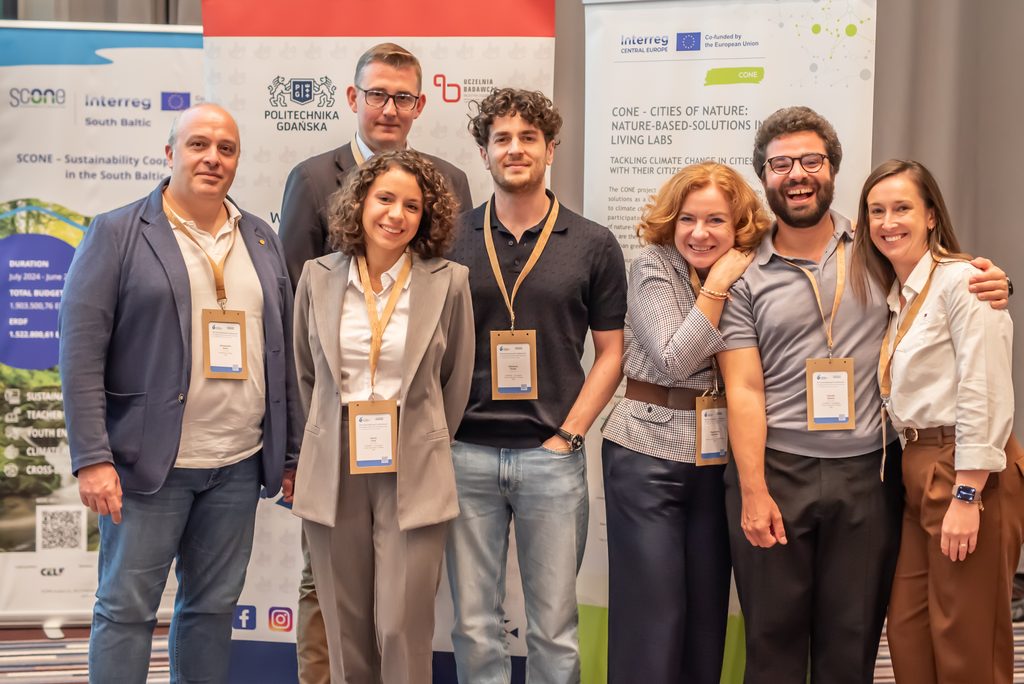
Yesterday, Gdańsk University of Technology hosted a meeting of representatives of four initiatives implemented in the Baltic Sea region and Central Europe to build synergy between the Nursecoast II, CONE, Circular MUSE, and CiNURGi projects and to work together in the area of cooperation and knowledge transfer in the region.

During the meeting, participants presented their results and challenges to date, identified areas where they can cooperate, and discussed the possibility of joint participation in media and promotional initiatives, where projects can jointly showcase their activities, exchange experiences, and attract the attention of a wide range of stakeholders.

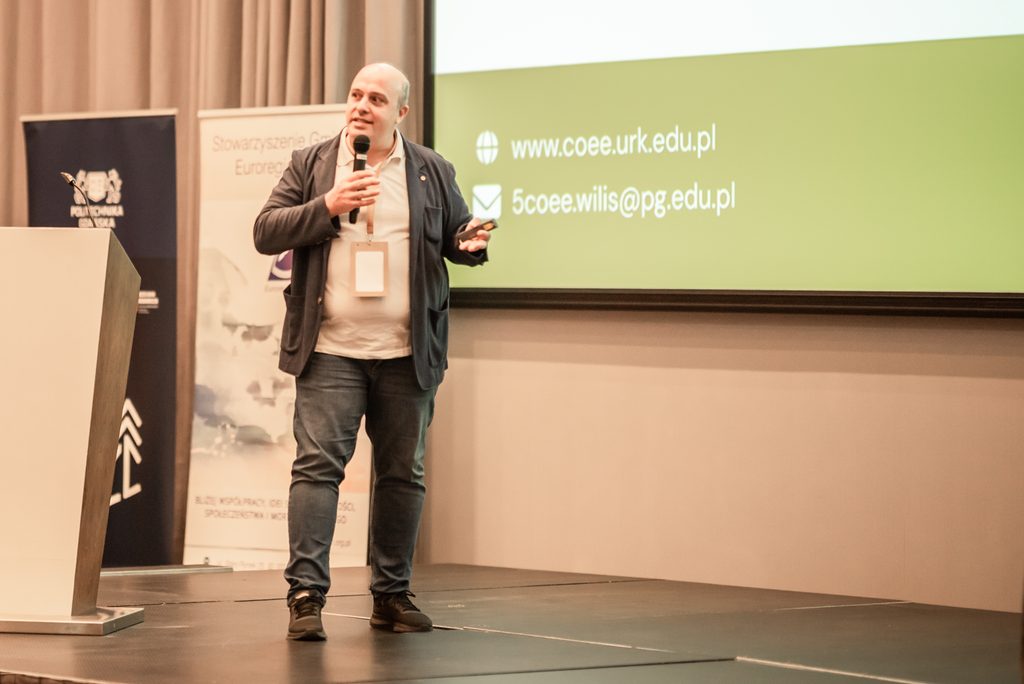
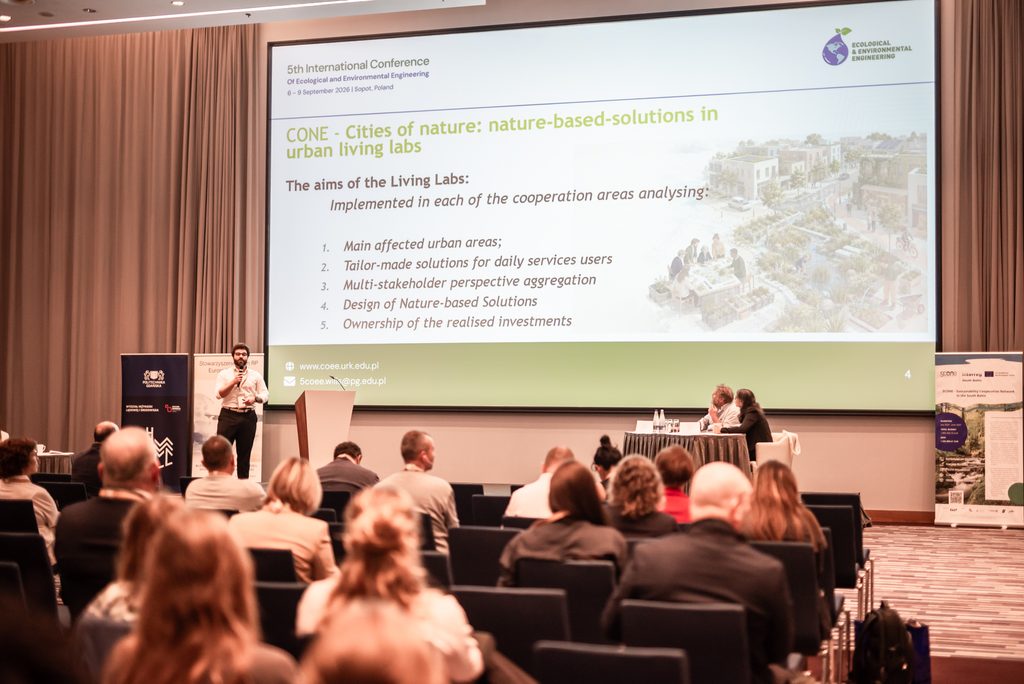
An important initiative in the process of building inter-project synergies will be joint participation in the 5th International Conference on Ecological and Environmental Engineering (COEE 2026), which will be held on September 6-9, 2026, in Sopot.

More information about the conference can be found at: https://www.linkedin.com/…/urn:li:activity…/…

Although each project operates in a slightly different area, such as water purity, climate change adaptation, municipal management, or nutrient recovery and reuse, they are united by thematic goals:

Protecting the Baltic Sea and its surroundings by reducing pollution and combating eutrophication.

Sustainable resource management, water management, raw materials, and nutrients in accordance with the principles of the circular economy.

Cross-border cooperation and knowledge exchange, European partnerships, and transfer of good practices between local and regional communities.

Involvement of communities and stakeholders through living labs, workshops, consultations, and knowledge exchange platforms.

This cooperation enables not only individual project solutions, but also a broader impact on regional policies, local practices, and increased environmental awareness.

CONE – the idea of nature-based solutions

Nature as inspiration – local nature-based solutions!

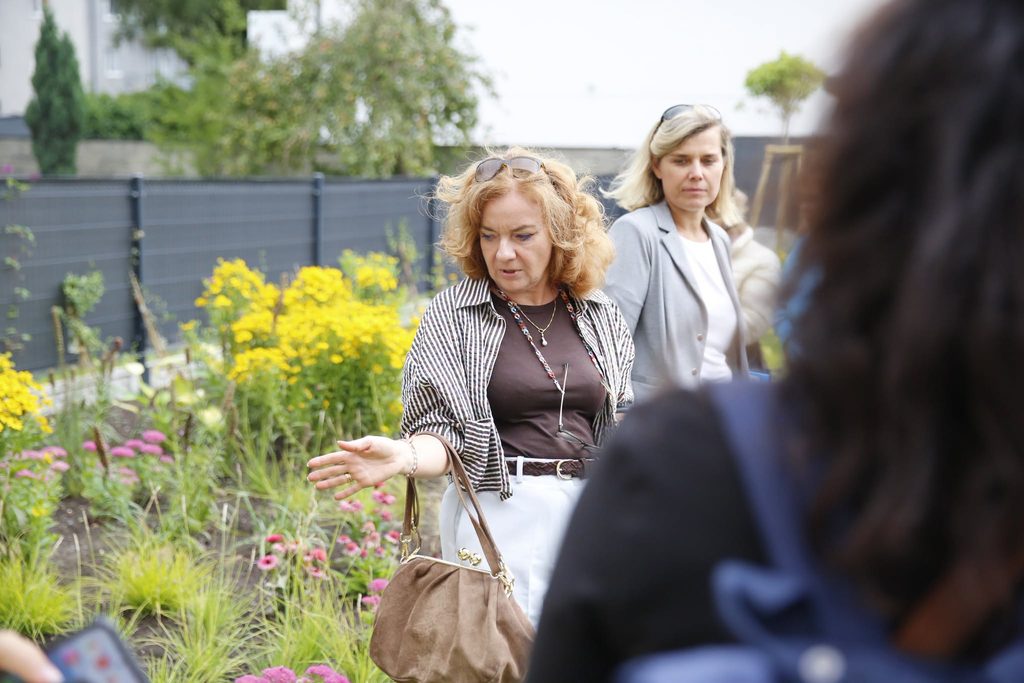
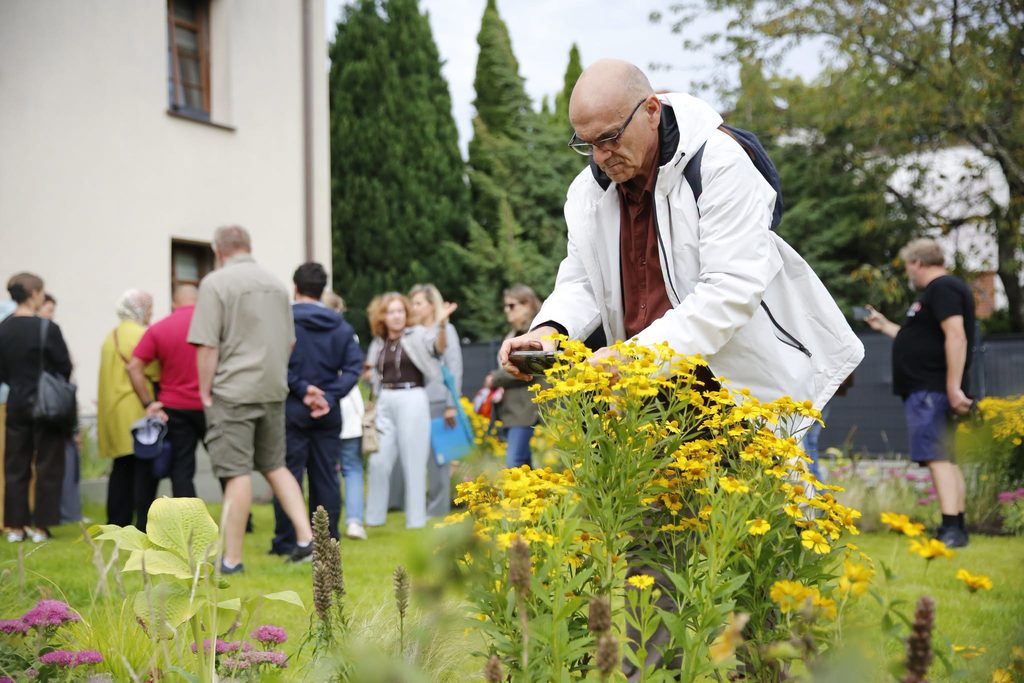
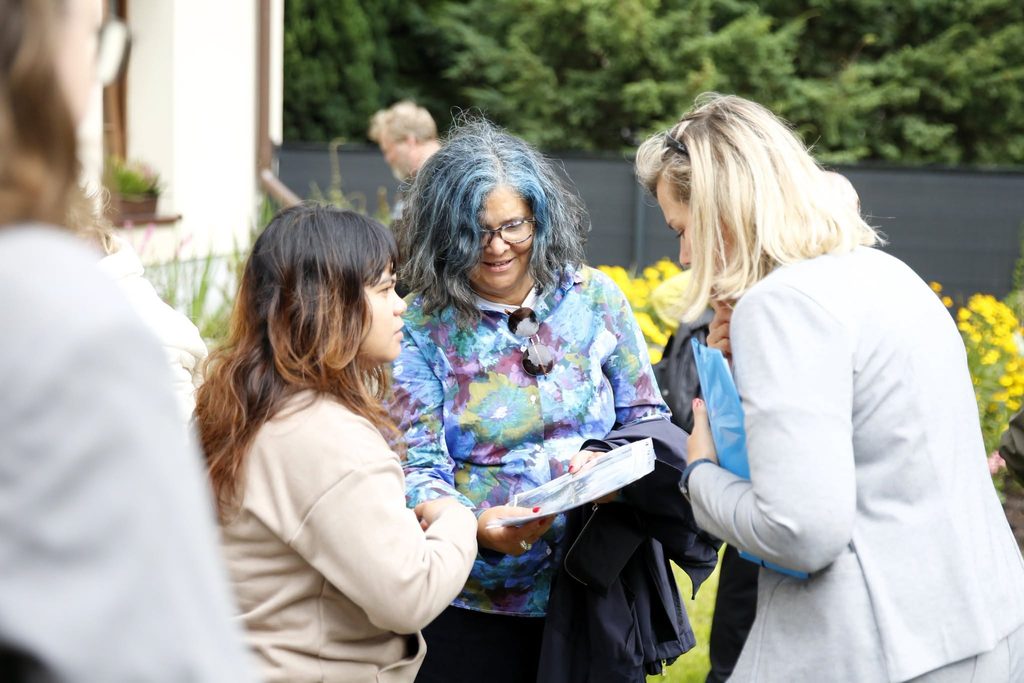
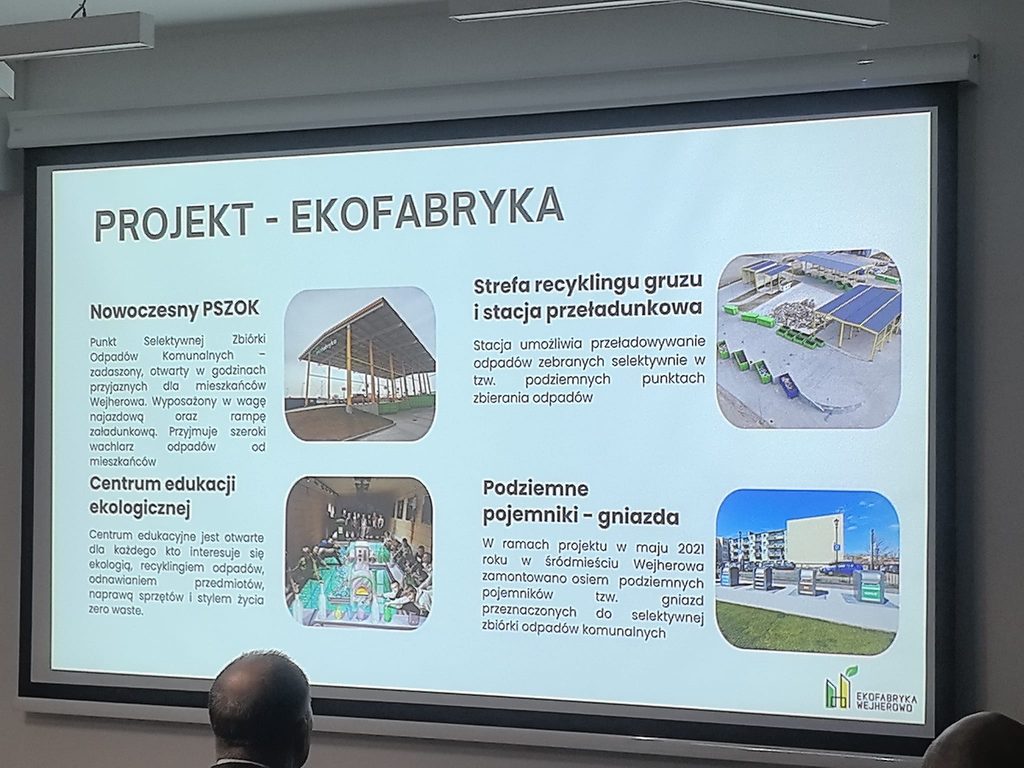
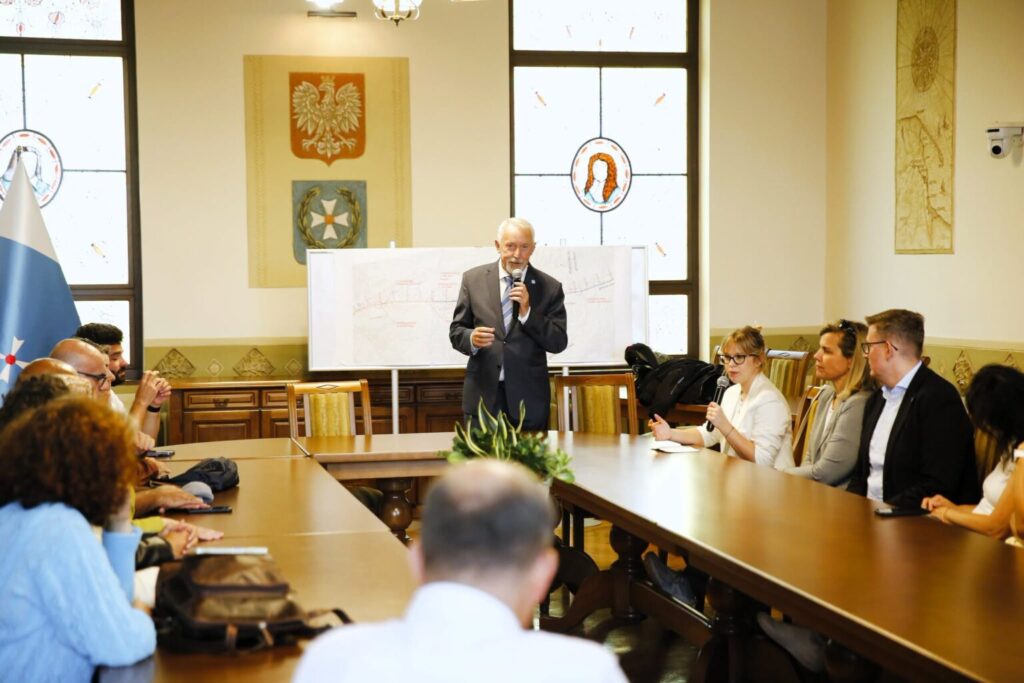
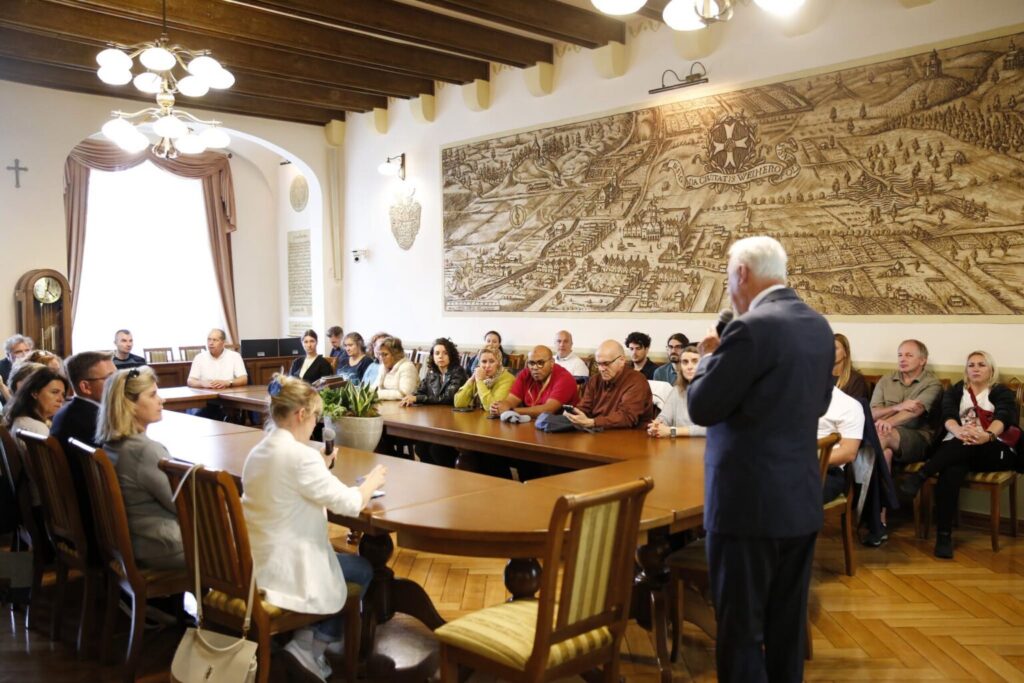
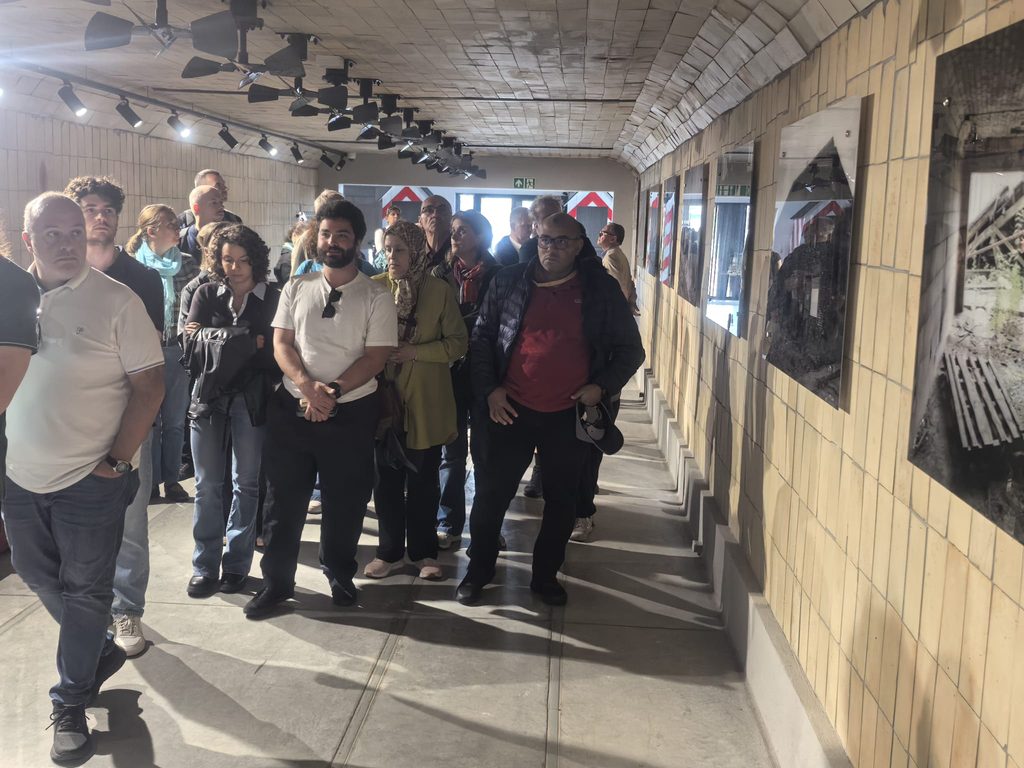
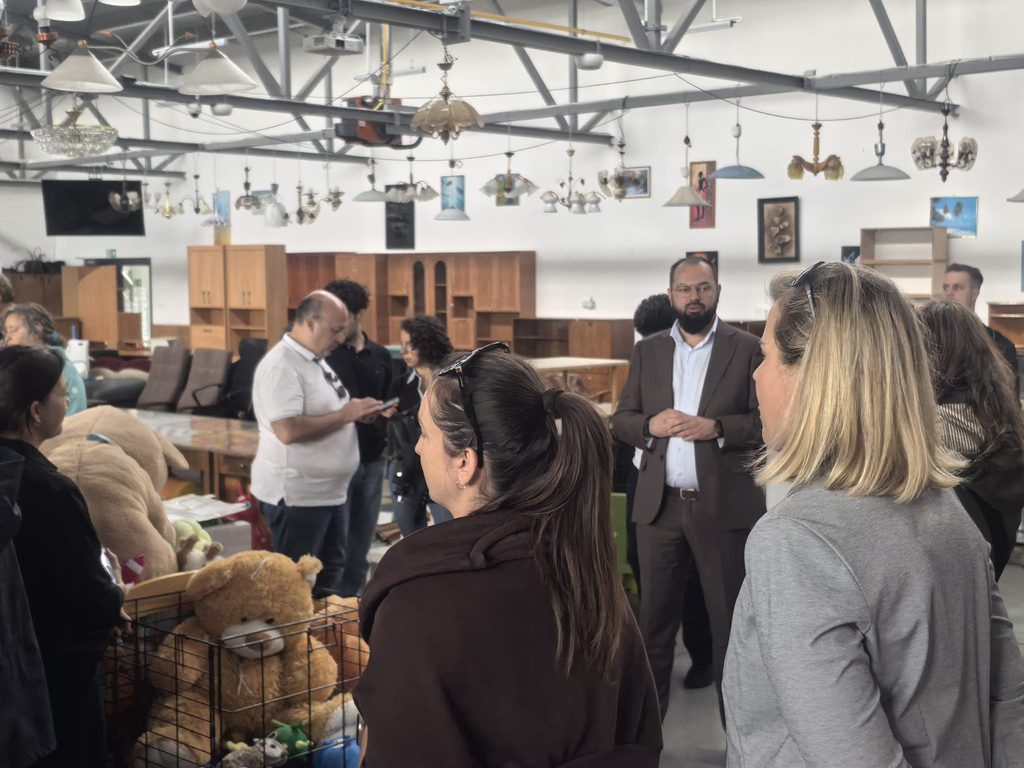
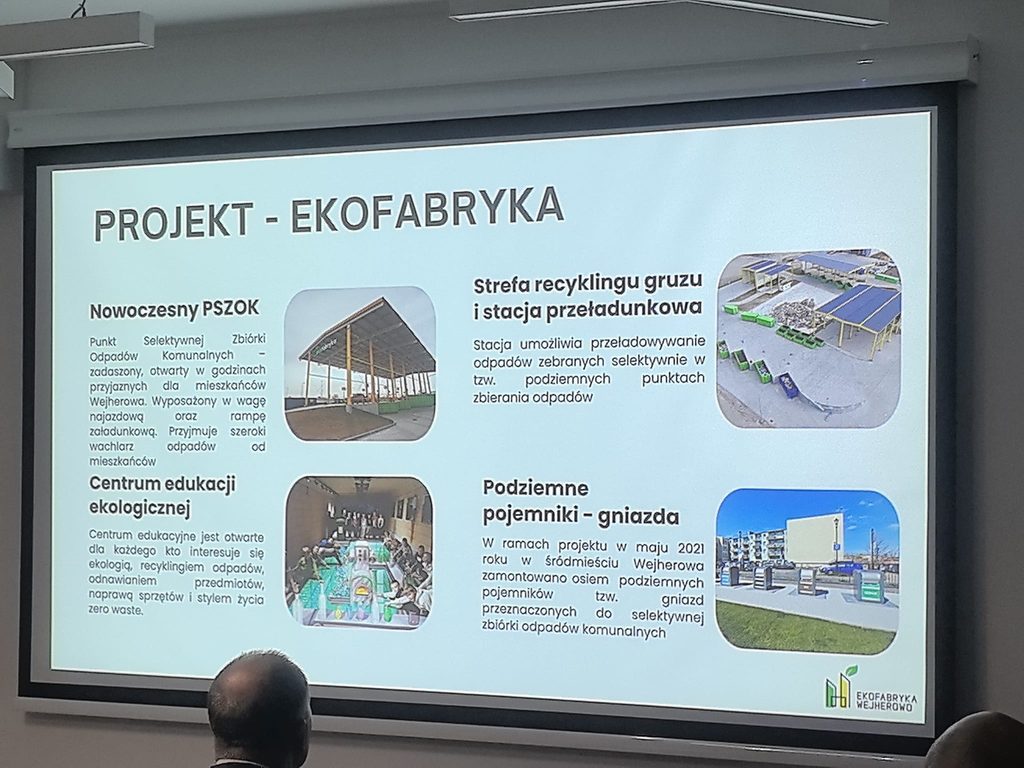
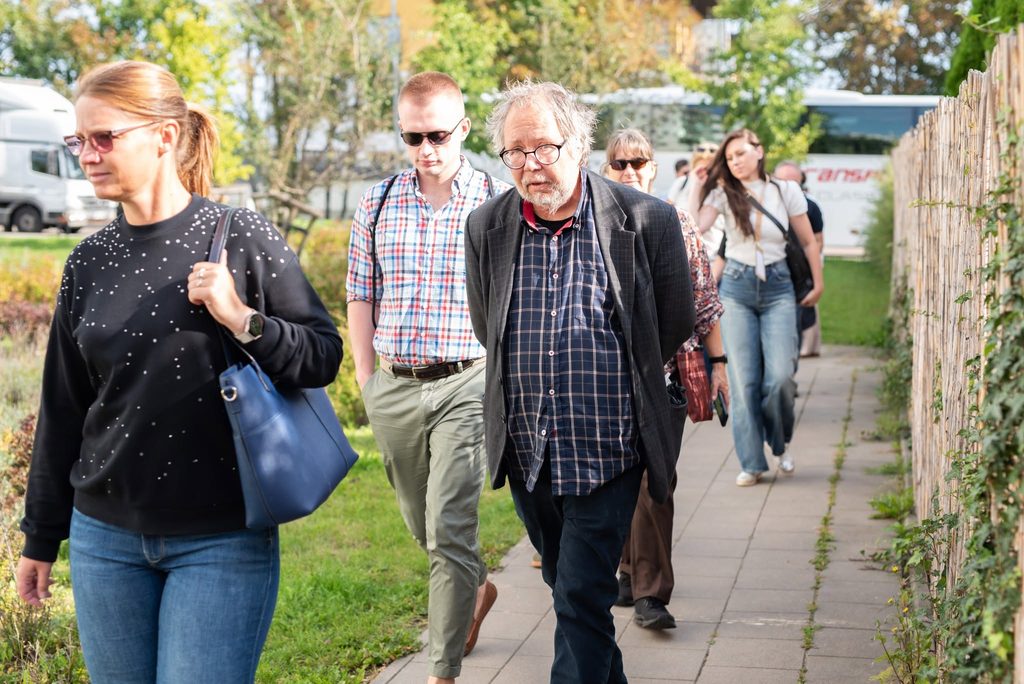
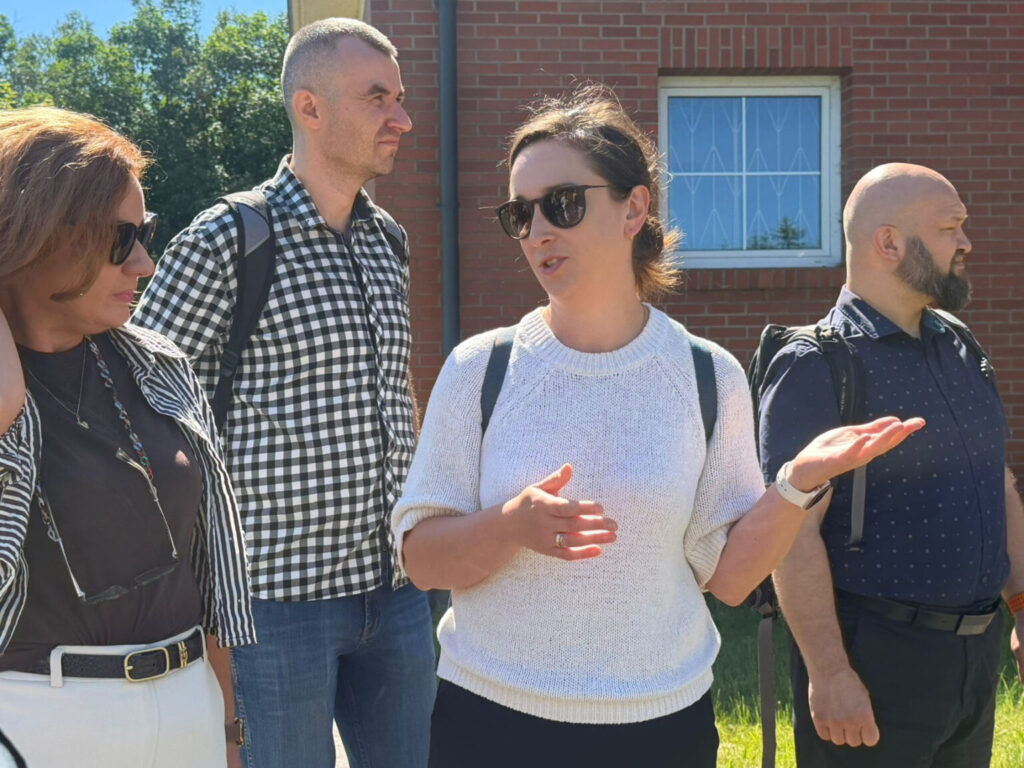
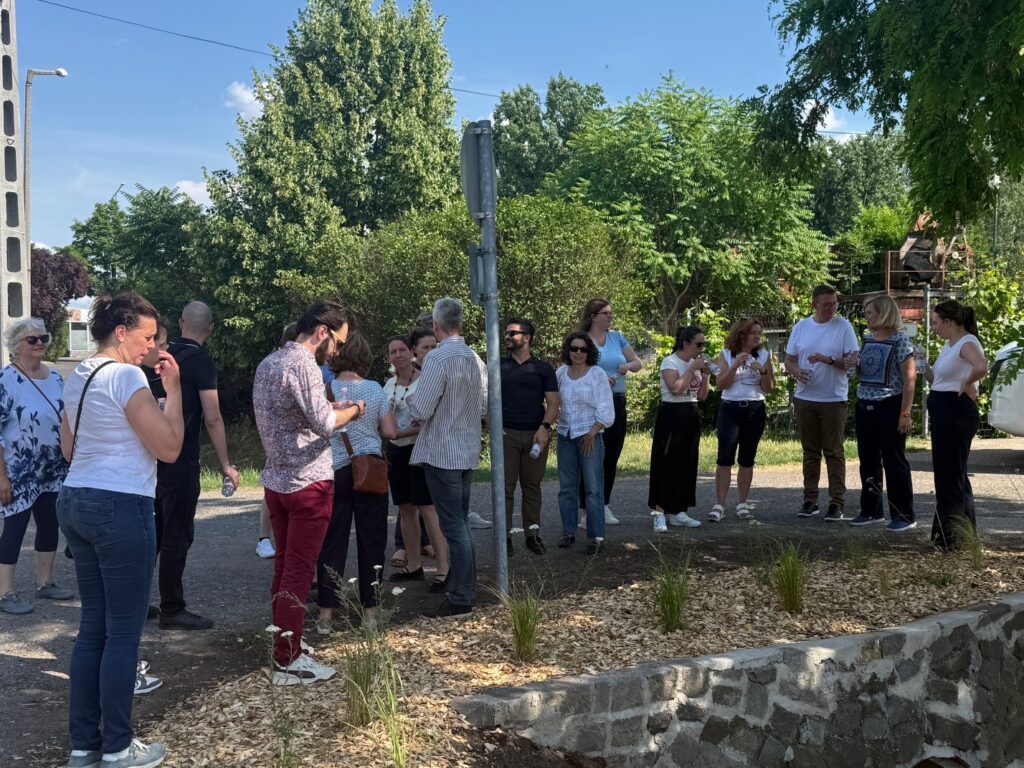
Yesterday, as part of the CONE project Cities of Nature: Nature-Based Solutions in Urban Living Labs, a meeting was held at the City Hall in Wejherowo on how nature-based solutions can support urban development. During the discussions, the idea of Nature-Based Solutions was discussed, and the CONE and Circular Muse projects were presented, which show how to combine knowledge, education, and practice in pro-environmental activities. Participants learned about examples of local environmental initiatives from Wejherowo and the surrounding area, and then went out into the field—a walk through the planned pilot areas allowed them to see how NBS can really change urban space. The meeting was a space for exchanging experiences and inspiration, showing that a modern approach to the environment begins with local, well-planned actions.

CONE - meeting in České Budějovice 1-3.10.2025

Another successful international collaboration is behind us!

This time, we gathered in our small living lab in České Budějovice as part of the Interreg Central Europe CONE – Cities of Nature project, where we aim to implement and test a variety of Nature-based Solutions (NbS).

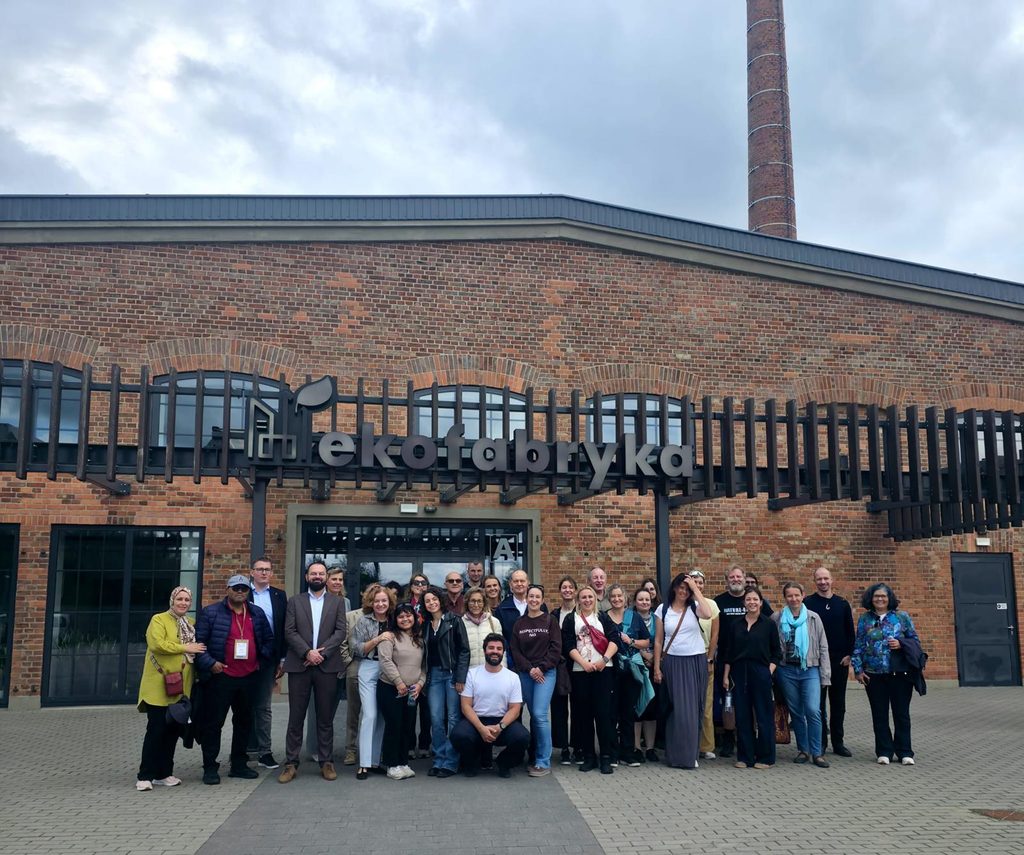
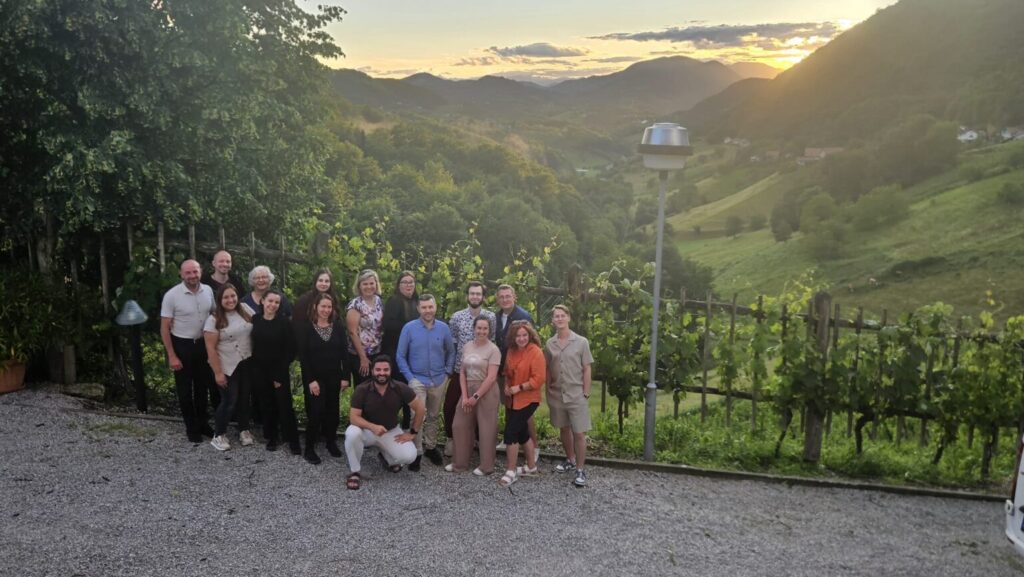
From 1–3 October 2025, we took part in a conference and study visit hosted by our Czech partners, joined by the entire consortium representing diverse institutions from across Central Europe — including our colleagues from the City of Wejherowo, the City and Municipality of Sztum, and Gdańsk University of Technology.

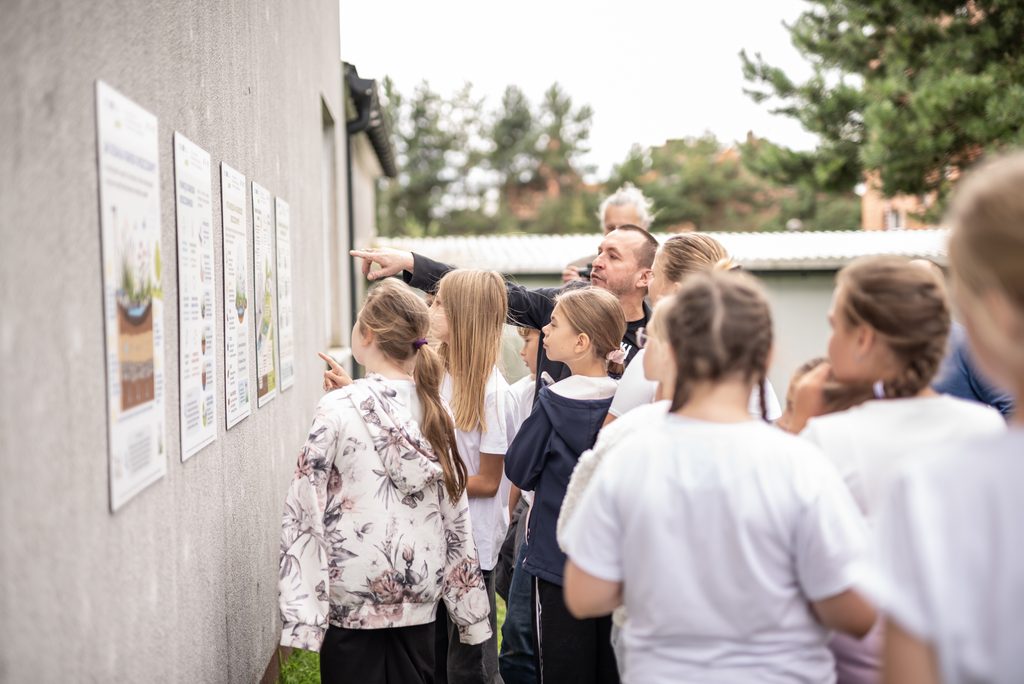
Over three days of work and discussion, our southern neighbours demonstrated how effectively they are preparing their cities and engaging local communities in promoting nature-based solutions as a means to mitigate the negative impacts of climate change.

They also showed us how essential it has become to rediscover and apply NbS in building sustainable cities and societies — as tools that connect tradition, history, culture, and a safe, friendly living environment for local communities.

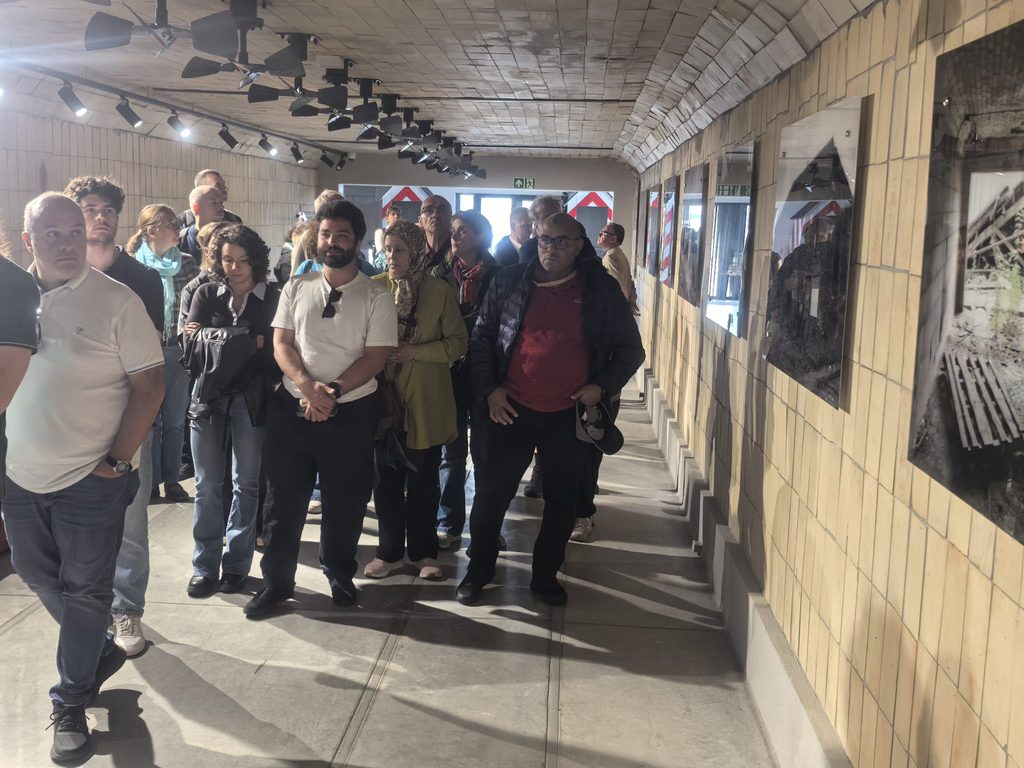
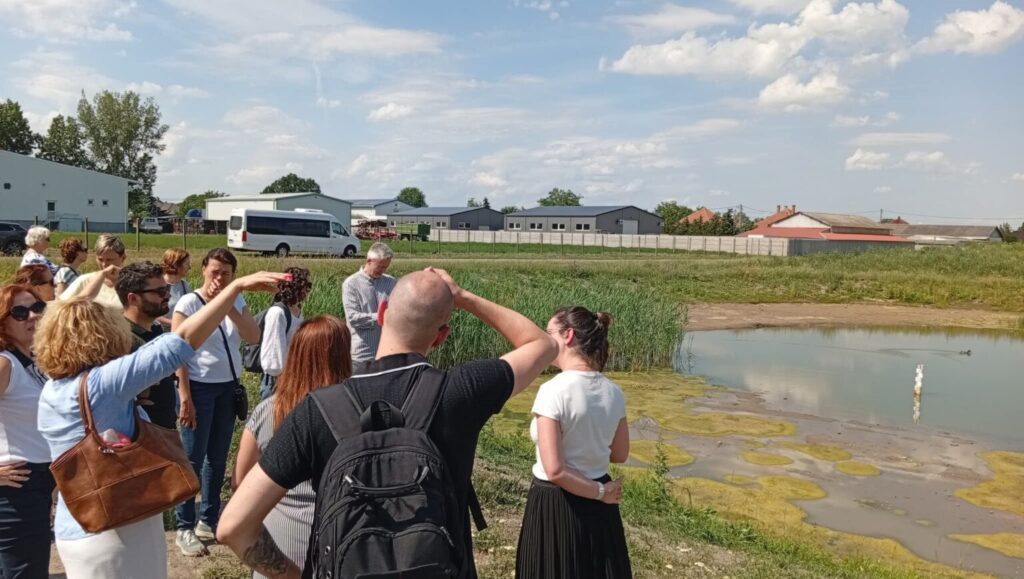
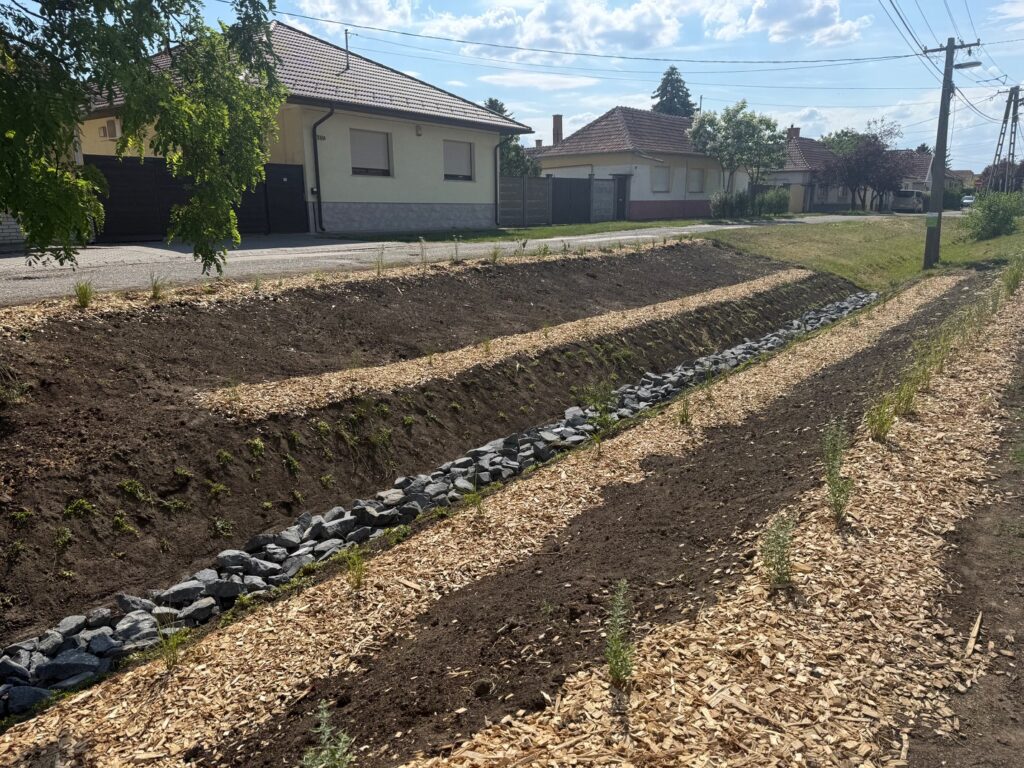
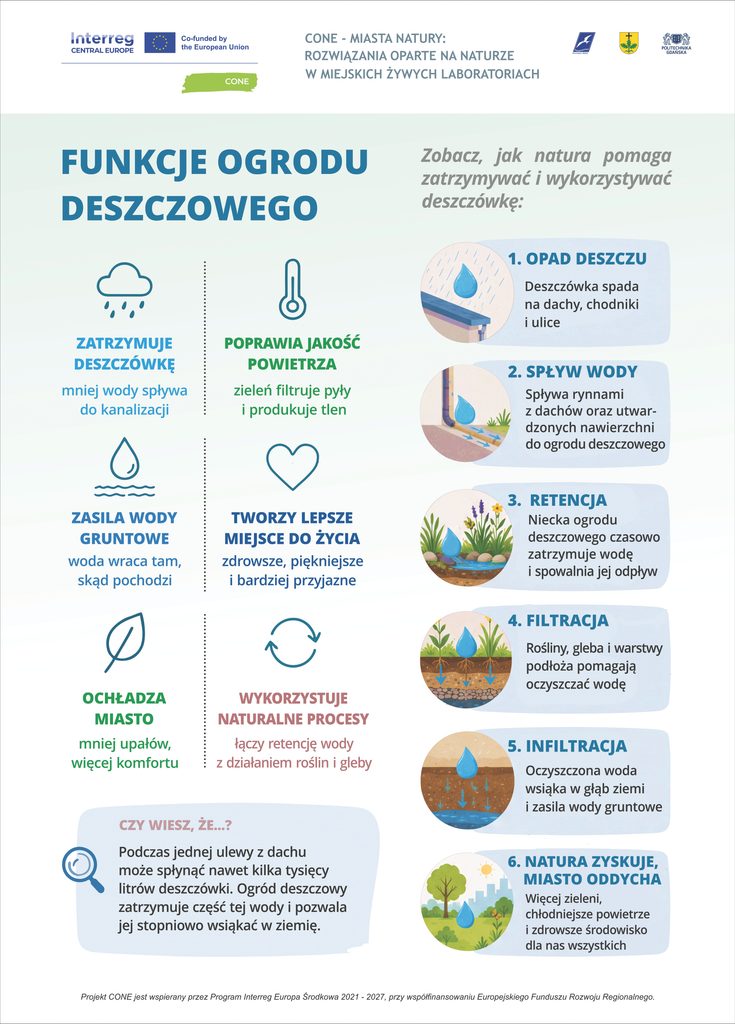
During the study visits, we had the opportunity to see how rain gardens and green infrastructure are being implemented in the Czech Republic, particularly in the South Bohemian region. These initiatives help improve water quality, enhance biodiversity, and strengthen urban resilience to climate change.

We also learned how medium-sized cities, facing challenges such as their location at the confluence of the Vltava and Malše rivers, are adapting to climate threats and creating safer, more livable environments for their residents.

The event also included a series of interviews, consultations, and planning sessions focused on the next steps for our pilot activities and technical work, all aimed at building resilient and inclusive communities across Central Europe.

Kick-off of CONE project

The conference starting the new project CONE- Cities of Nature: nature-based solutions in Urban Living Labs took place in Padua on June 11-12, 2024. The meeting was organized by the project leader UniSMART, headquartered in Padua. Nearly all partners participated, including representatives from the Association and the Gdańsk University of Technology, who presented the third Polish partner, the City of Wejherowo. It is in this city that the pilot activities will take place. Additionally, the associated partners are: the City and Municipality of Sztum, the City and Municipality of Dzierzgoń, and the City of Tolkmicko, where the Association will conduct a small pilot activity.

The first day of the meeting was dedicated to getting the partners acquainted and revisiting the main project assumptions. The participants were welcomed by Valentina Scandola, the project leader, and Margherita Cera from the Padua City Council. The aim of the project is to create urban living labs to test nature-based solutions. The project will feature three pilot locations in Padua, Wejherowo, and České Budějovice. Additionally, four solutions for replication will be developed, along with a common strategy.

Ms. Anna Boruch, representing the Joint Secretariat of the program, was invited to the conference and discussed the program guidelines regarding the implementation and accounting of the project. She instructed the partners on the documents where they can find information about promotion, visualization, and the system for reporting.

The second part of the day was dedicated to getting to know the partners and their presentations related to their activities and the actions planned within the project.

Polish representatives talked about their tasks in the project.

The second day of the launch conference began again with a welcome by the project leader and a few words about the project for new participants.

Partners of the project leader from Italy were invited and shared their experiences with the use of nature-based solutions. These were interesting presentations, thanks to which the participants could be inspired for future activities.

CONE- Cities of nature: nature-based solutions in urban living labs

This month, we began the implementation of the CONE project - Cities of Nature, which focuses on nature-based solutions in urban living labs. The project activities will continue until the end of November 2026.

The project is funded through the Interreg Central Europe program and was submitted in 2023 as part of a regular call for proposals. Its goal is to promote a more environmentally friendly Central Europe. Specifically, the project aims to enhance climate resilience in the region.

Key Information:

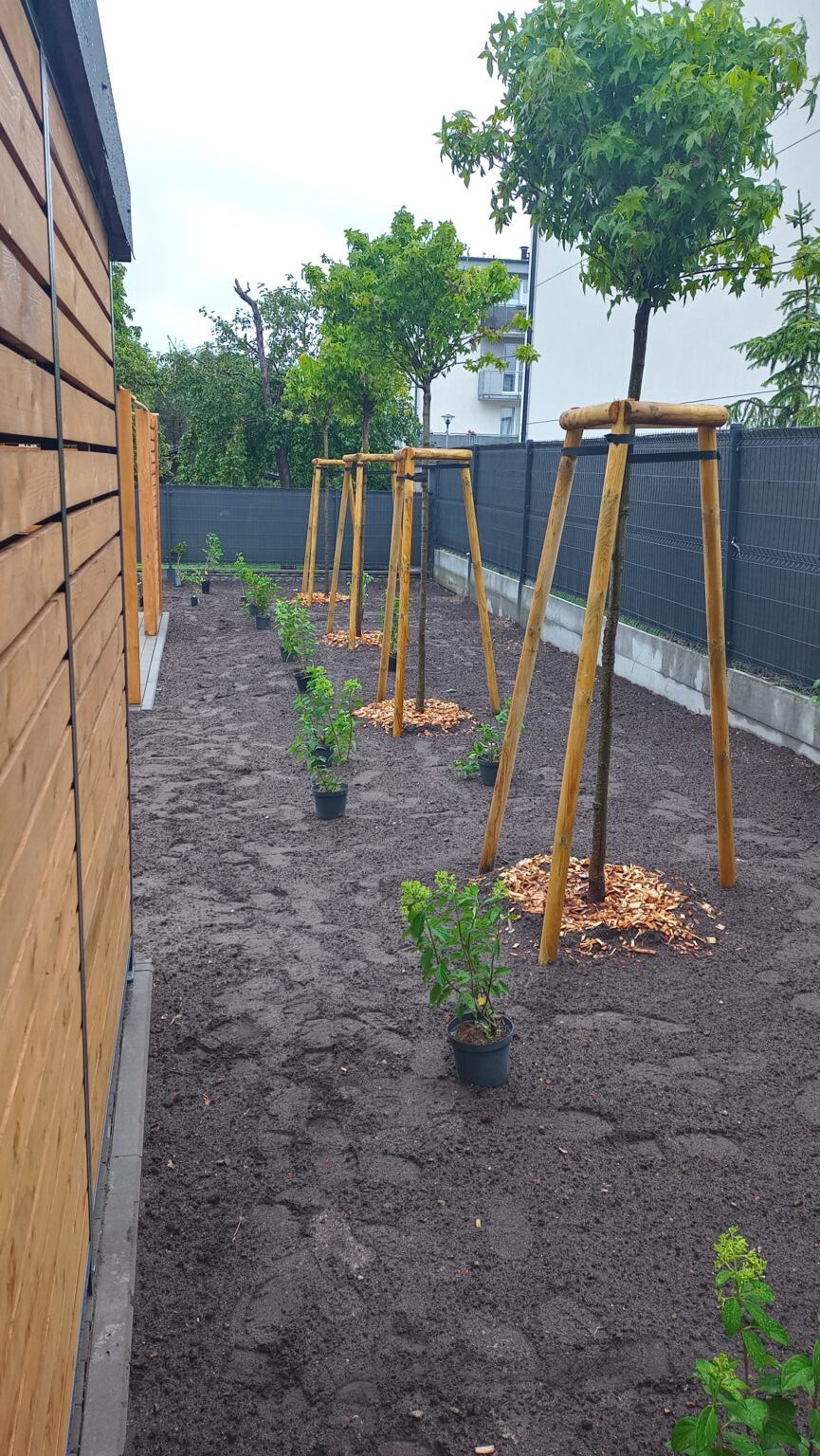
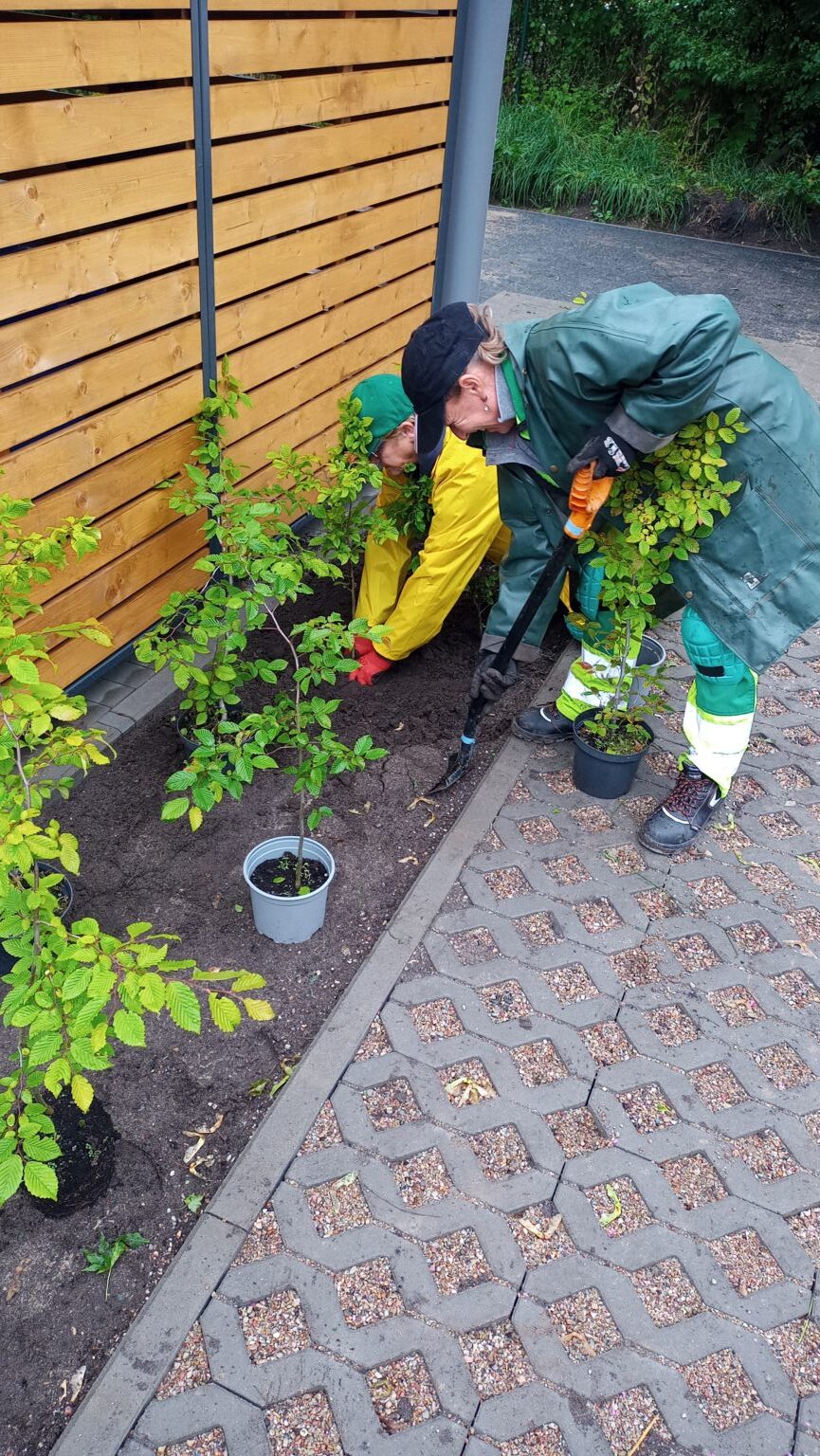
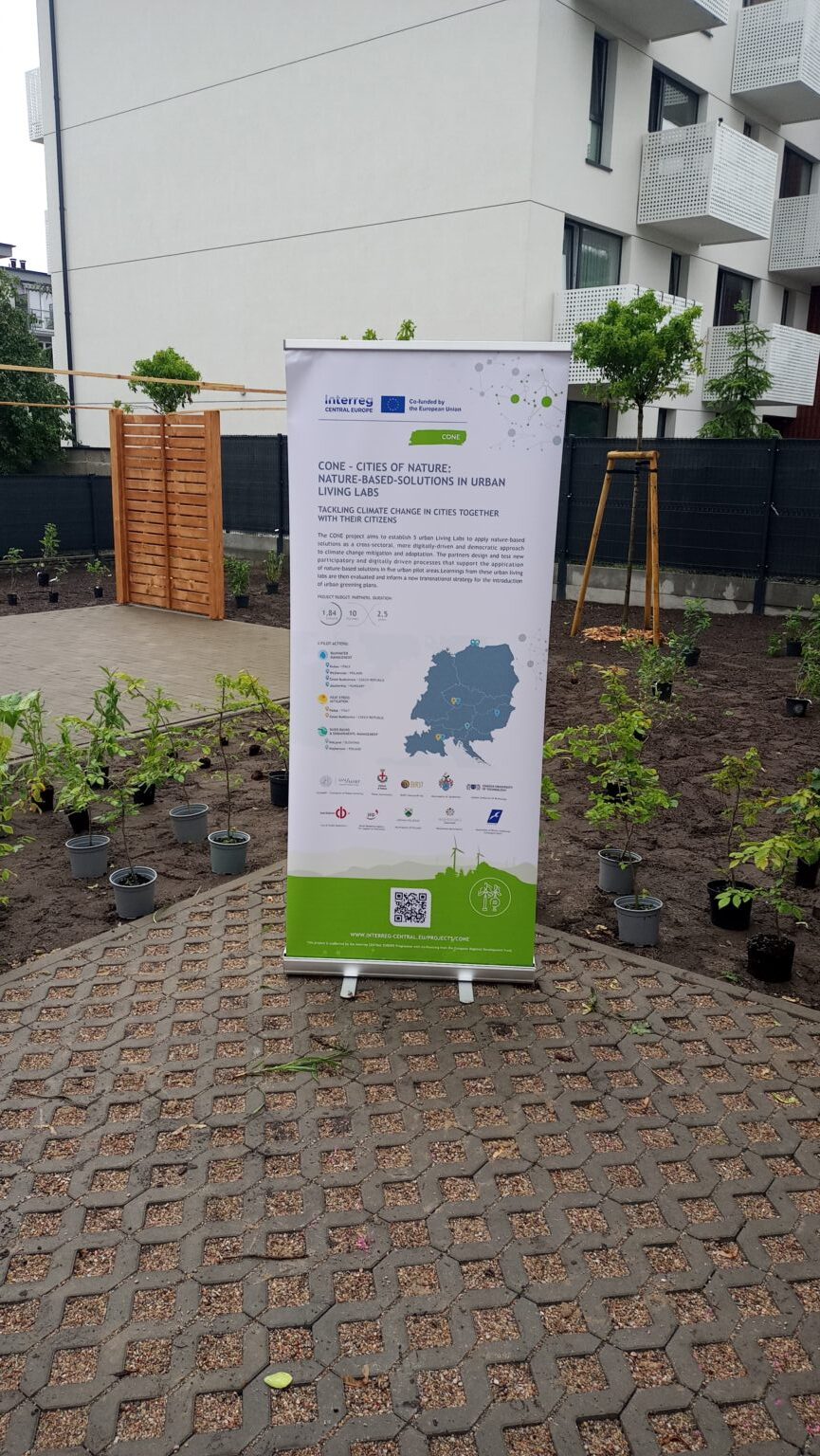
The project involves investment actions, including the use of nature-based solutions in small and medium-sized cities. In the Municipality of Wejherowo, green pocket parks, plantings, water features, and retention gardens will be implemented. Gdańsk University of Technology will provide technical and scientific support for these activities.

Overall, the project aims to establish a multidimensional “living laboratory” to apply nature-based solutions in local contexts. We want to achieve this as an interdisciplinary, more digital, and democratic approach to climate change mitigation and adaptation.

The Urban Living Lab method includes three phases:

  1. Joint research and context analysis to confirm identified challenges and recognize local needs and barriers.
  2. The experimental phase, which involves ideation of innovative solutions, their incubation, and strategy development.
  3. Experiments and feedback: testing the implemented solution, collecting feedback, suggestions for improvements, validation, and replication.

Climate change impacts vary significantly by region and sector. Therefore, while common strategies and guidelines may be pan-European, adaptive actions must consider specific territorial aspects. Measures should be tailored to local urban environments to ensure sustainable development and climate adaptation.

There is a strong need to incorporate climate change issues into strategic planning based on risk and resilience-enhancing measures. Therefore, innovation lies in a more democratic and data-driven approach that empowers communities and raises awareness regarding climate change and potential mitigation and adaptation solutions. Within this framework, even though they are not necessarily technological, nature-based solutions can be valuable and sustainable allies when combined with a participatory approach.

The CONE project will explore how the Urban Living Lab approach can be scalable and adaptable in more rural, small, and medium-sized communities in Europe. The partnership will select co-creation/participatory methods for designing, implementing, and monitoring nature-based solutions (NBS) that are feasible and cost-effective in such Central European municipalities.

The main focus will be on examining and testing specific “living laboratory” methods that help municipalities design and implement NBS based on broader citizen engagement, improved data collection, management, and utilization.

Project Overview:

CONE aims to address urban challenges related to climate change, such as heat stress, biodiversity loss, floods, and water scarcity and quality. As highlighted in the strategic environmental impact assessment report, extreme heatwaves and heatwaves in Central Europe have intensified significantly and are expected to occur more frequently and last longer. An especially critical issue is the urban heat island effect, where cities experience higher temperatures (up to 12°C) than their surroundings.

Regarding water, changing precipitation patterns in Central Europe suggest two extreme rainfall scenarios. First, heavy rainfall is projected to increase by 35% by 2070, leading to a higher risk of frequent rain-related floods and flash floods, particularly in northwestern and central-western regions. Meanwhile, southern Europe is expected to experience reduced summer precipitation and meteorological droughts (EEA, 2019). Meteorological droughts may particularly affect northern Italy and Slovenia, especially during the summer months.

From the preliminary territorial analysis conducted by the project partners, it is evident that serious floods affect all partner countries, causing damage in urban and town areas. Since heavy rainfall occurs unexpectedly after long periods of drought, the soil is unable to absorb and retain rainwater. Combined with inadequate drainage conditions, this can lead to significant harm to both private and public properties and increased risks to public safety. In some cases, rivers are vulnerable to embankment erosion, resulting in severe consequences for local biodiversity and the risk of high groundwater levels in nearby areas. Conversely, during the summer, water scarcity increases the need for effective water flow retention in riverbeds and water level balancing. These changes in inland water levels impact recreational services and water quality, sometimes leading to restrictions on water usage (e.g., garden watering bans during the summer).
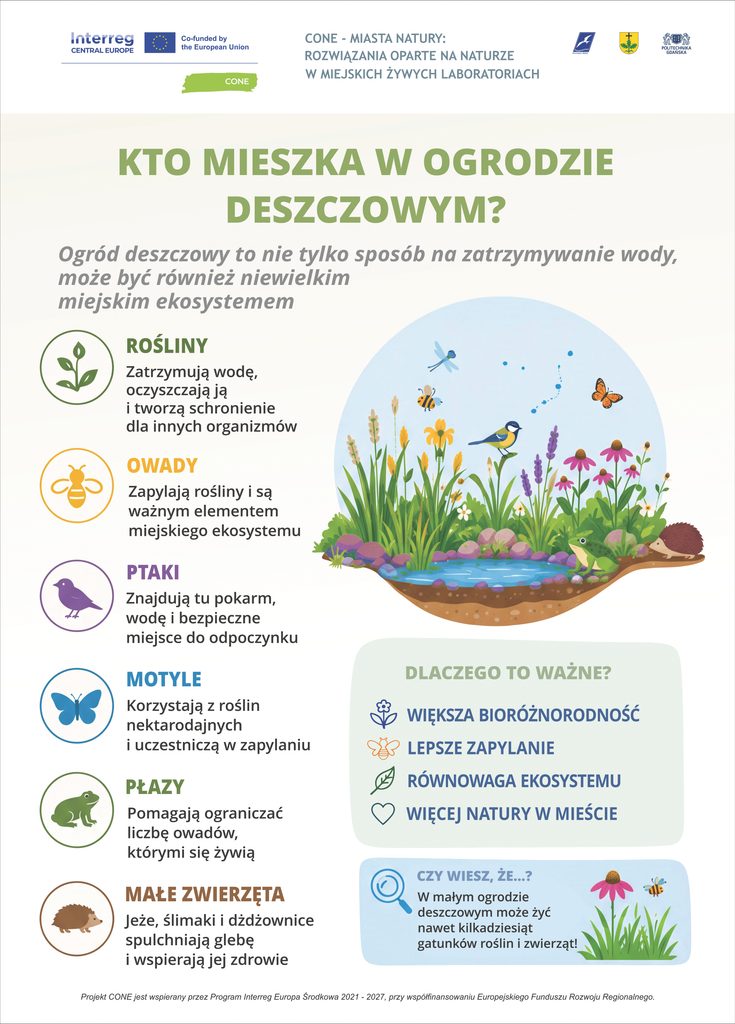
Beyond the more specific climate change challenges, it has been observed that awareness of climate risk is generally quite low, necessitating outreach efforts across all generations to influence social attitudes.
These challenges have direct and indirect implications for citizens’ health, well-being, economic situations, safety, and protection. In fact, municipalities play a crucial role in developing urban planning, greening plans, safety and protection plans, and climate change mitigation and adaptation strategies.
To address this, cross-national collaboration is essential, as climate change is a pan-European challenge. Therefore, the project partnership has decided to work with local working groups, mobilizing stakeholders from the Quadruple Helix: the public sector, private sector, civil society, and academic environment. Together, they aim to increase awareness about climate change and create more democratic and digital processes that support the implementation of nature-based solutions in urban contexts. To achieve this, the project consortium, composed of municipalities and umbrella organizations, will establish five different pilot cases. Starting from local challenges, these cases will organize multi-level, multisectoral, and multiparty urban living labs. Urban living labs are innovation laboratories that engage stakeholders from the Quadruple Helix. The Urban Living Lab method involves three phases:

  1. Joint Research and Context Analysis: Confirming identified challenges and exploring local needs and barriers.
  2. Experimental Phase: Ideating innovative solutions, incubating them, and developing strategies.
  3. Experiments and Feedback: Testing the implemented solution, collecting feedback, suggesting improvements, validating, and replicating. Each urban laboratory will test a different participatory methodology, involving citizens in territorial analysis and consultations regarding urban investments for nature-based solutions.

Over the course of three years of collaboration, a replicability protocol is expected to be developed, starting from the pilot urban living labs. The jointly crafted transnational strategy will be presented to policymakers in Central Europe, facilitating the path toward greening city plans in alignment with the EU’s biodiversity strategy.

PROJECT BRIEF