CONE Project Partners Meet inbPadova - Study Visits Highlight Practical Nature-Based Solutions for Climate Adaptation

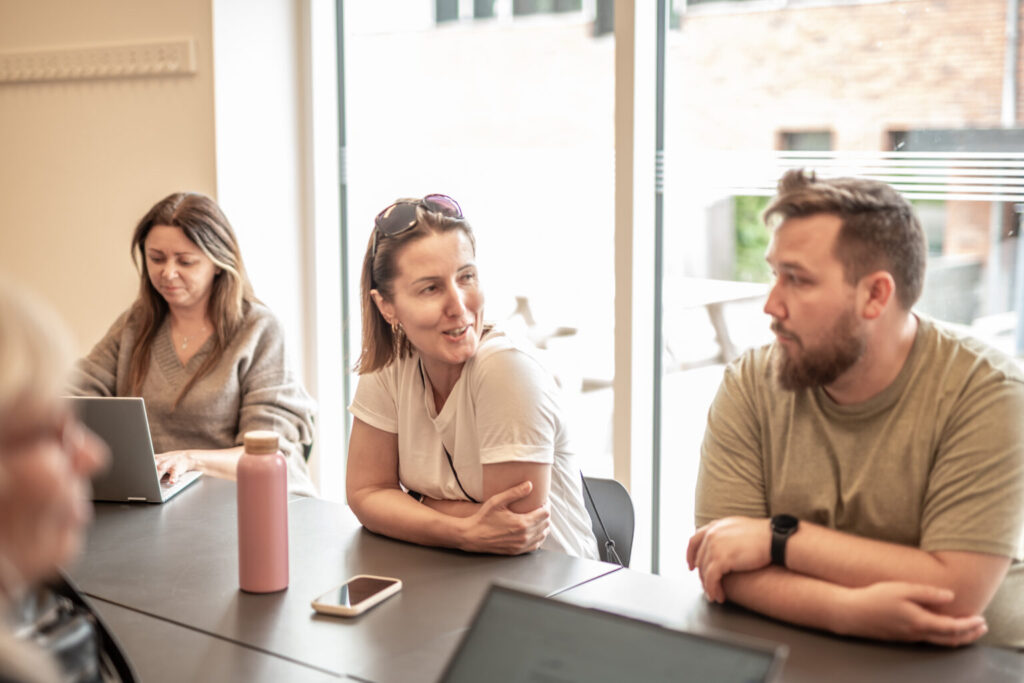
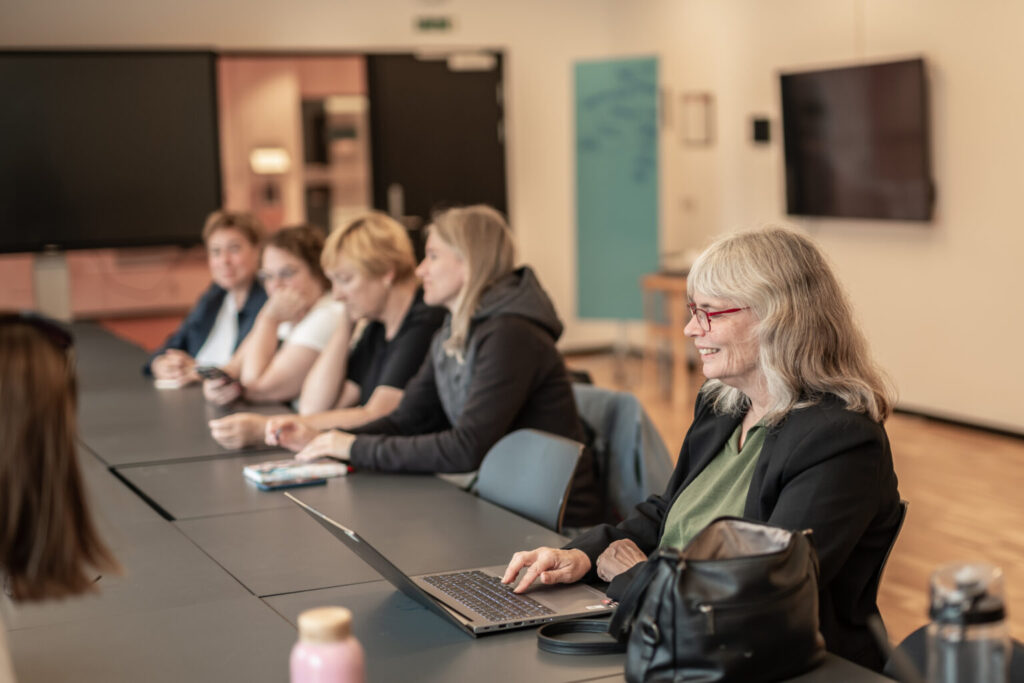
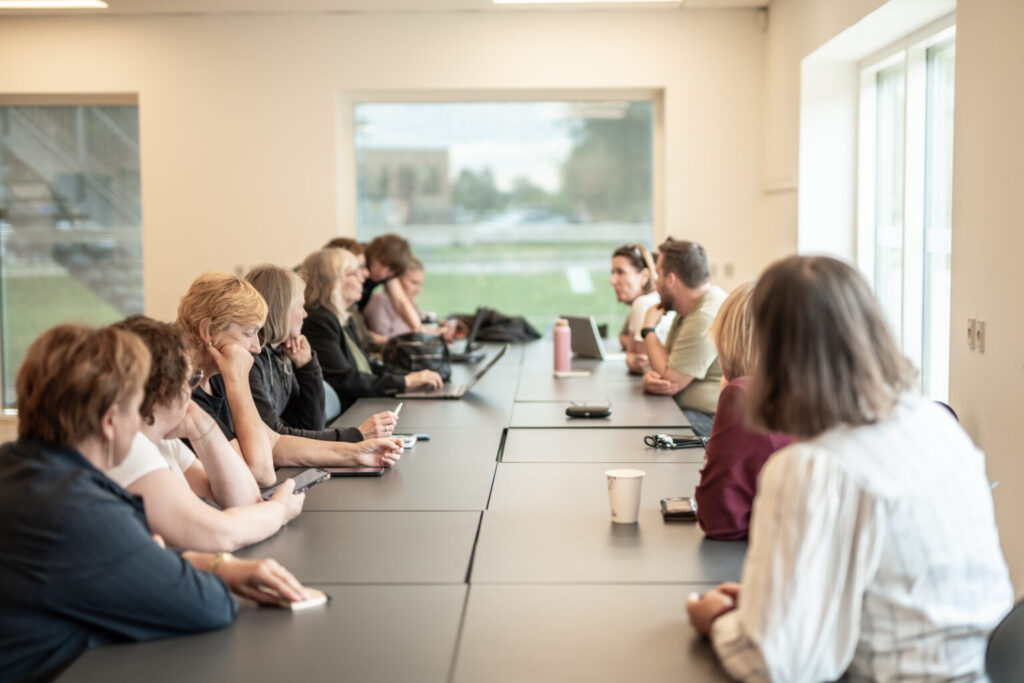
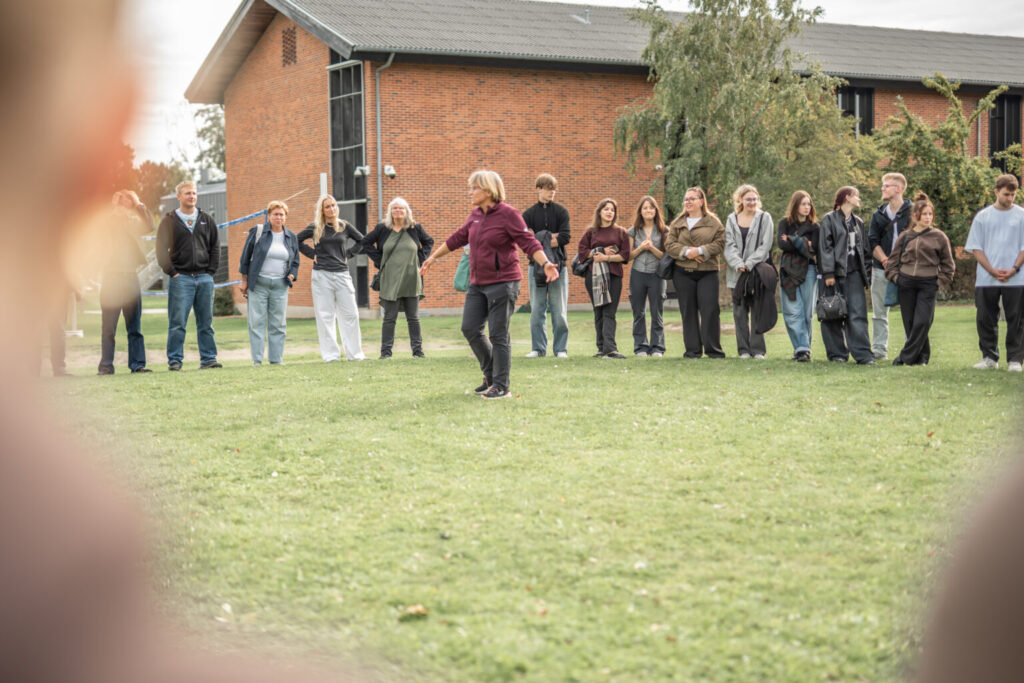
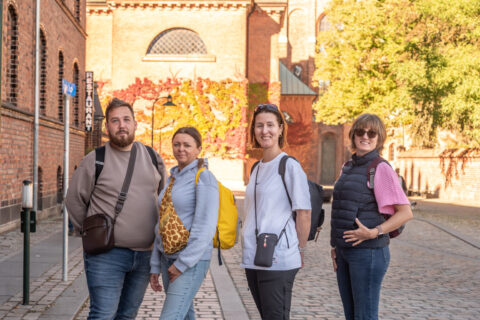
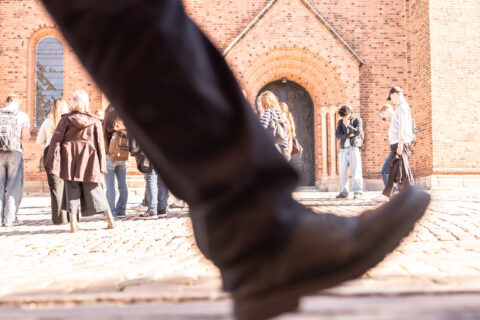
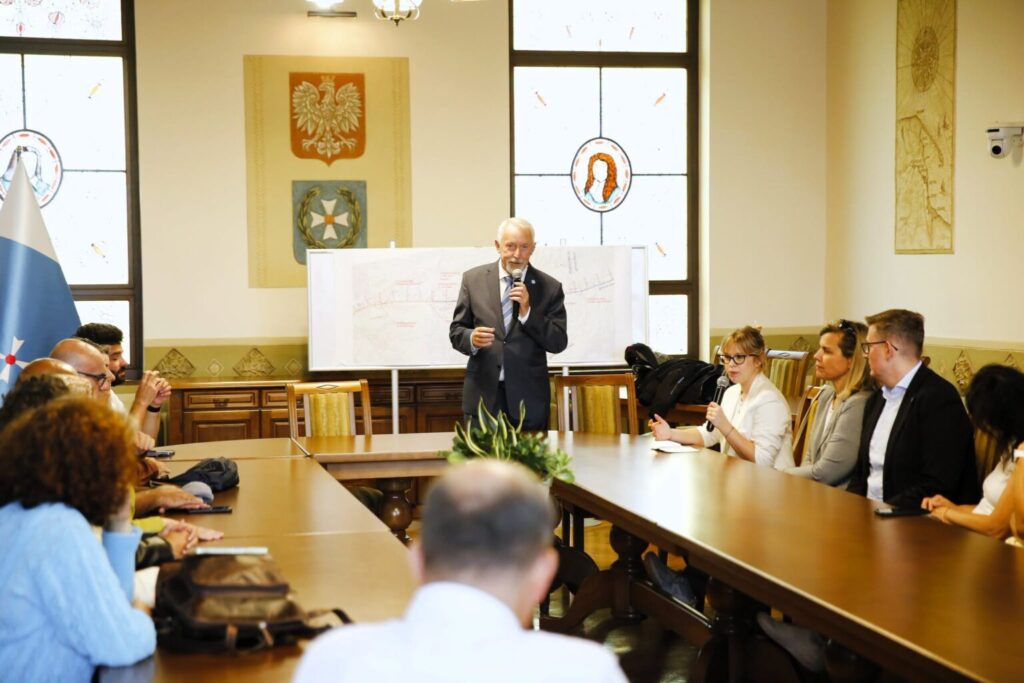
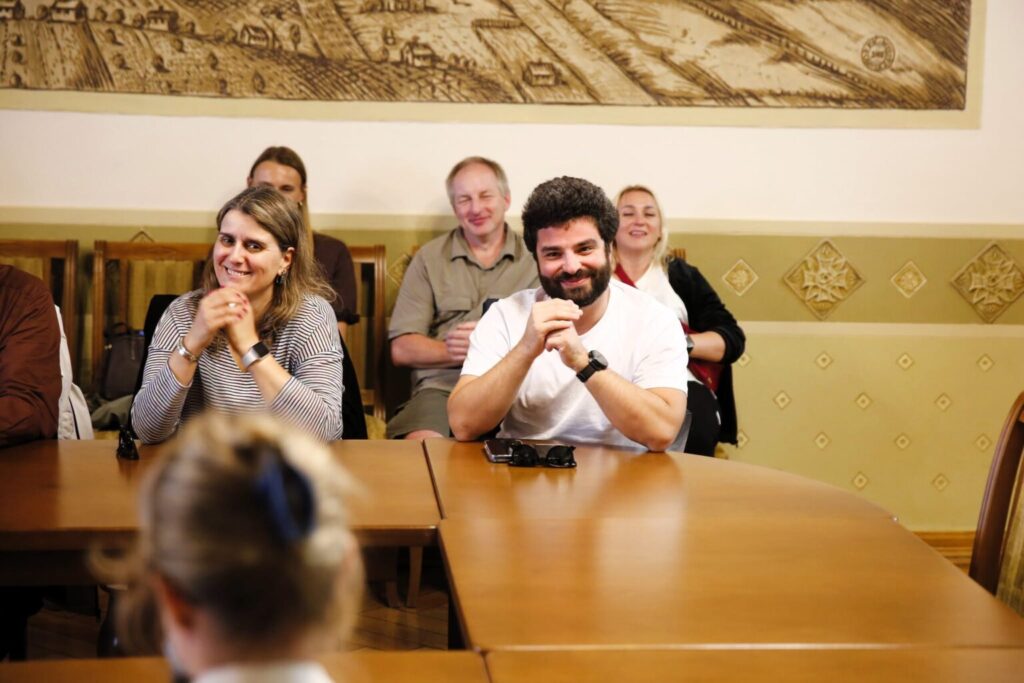
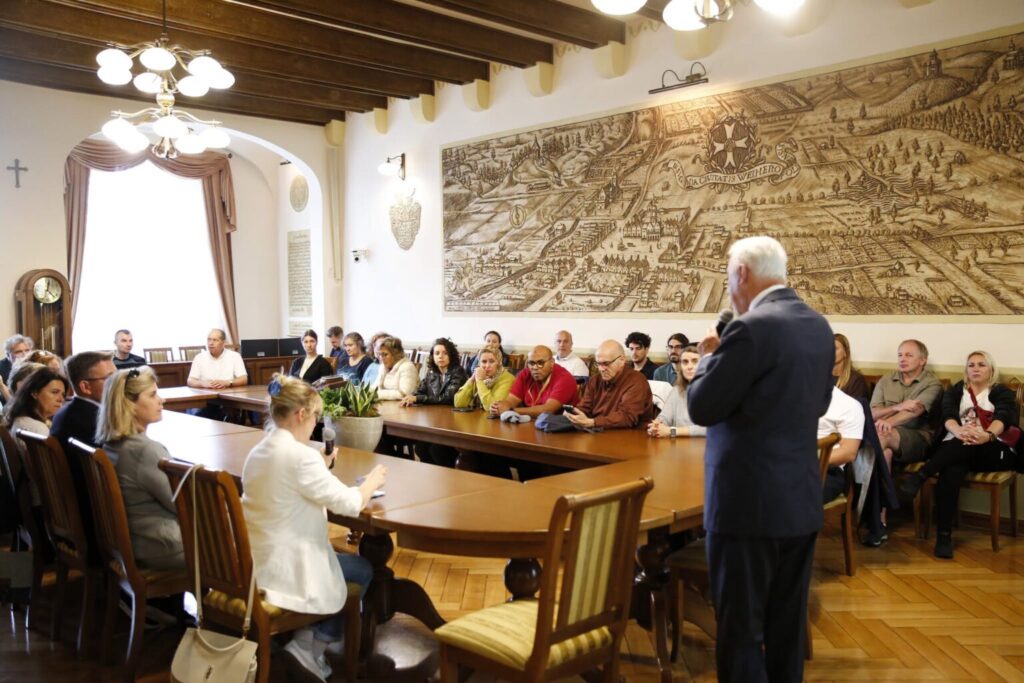
On 20–21 October 2026, an international meeting of partners from the CONE – Cities of Nature project took place in Padova, Italy. The two-day programme combined a project consortium meeting with study visits focusing on the implementation of Nature-Based Solutions (NBS) in urban areas. Participants discussed project progress and explored the CONE pilot investment alongside other examples of green urban infrastructure developed in Padova.
Consortium Meeting and Review of Project Activities

The first day was dedicated to a consortium meeting, during which project partners discussed project management, the current status of planned activities and preparations for the final project event.

The meeting also provided an opportunity to exchange experiences related to implementing Nature-Based Solutions in partner cities. Particular attention was given to progress in pilot activities and the potential to use the project's results in future initiatives supporting sustainable urban development.

CONE Pilot Investment – Rain Gardens in Padova
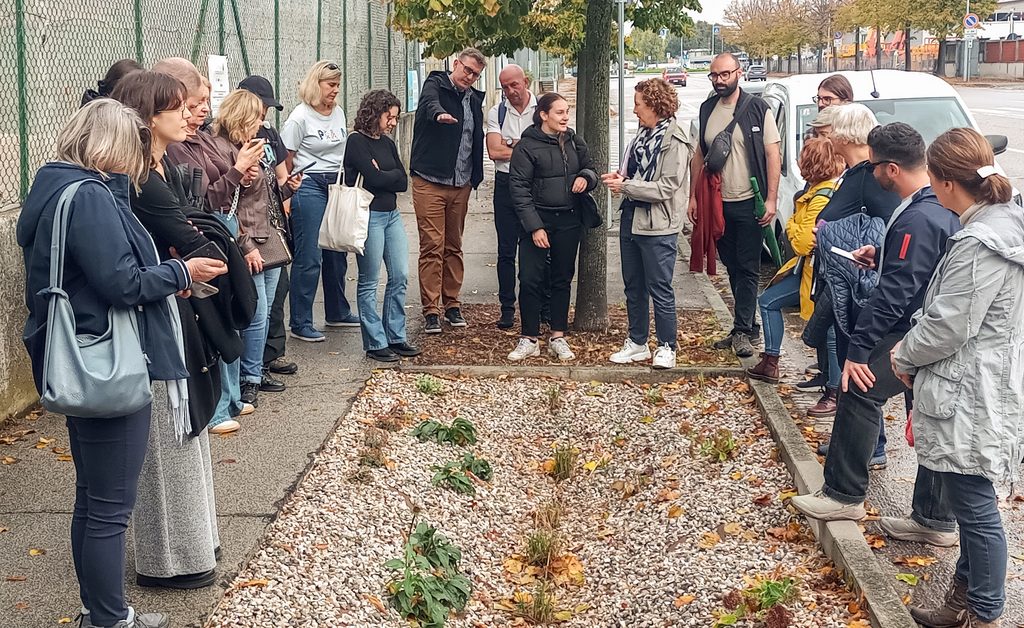
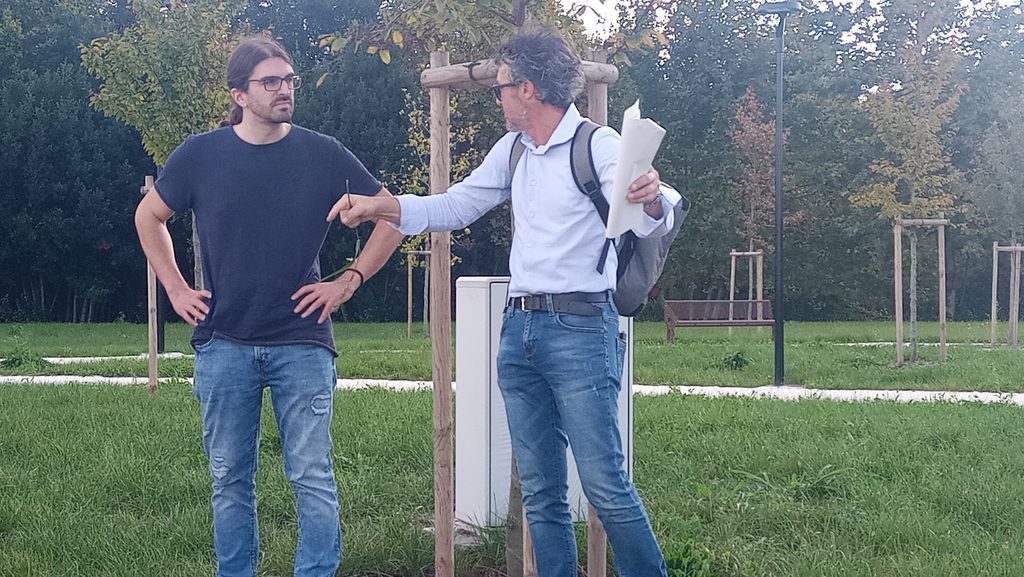
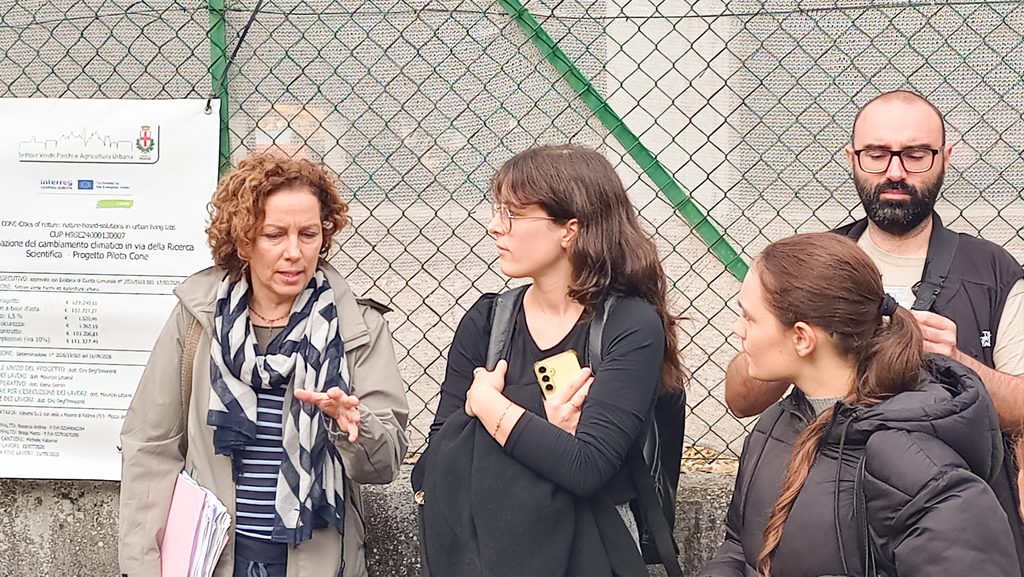
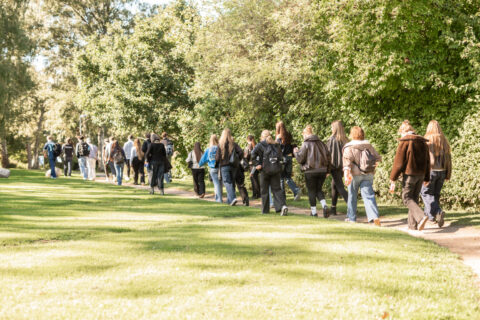
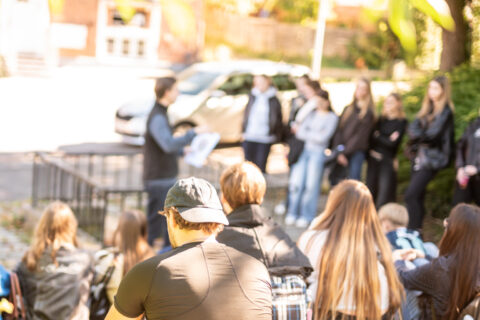
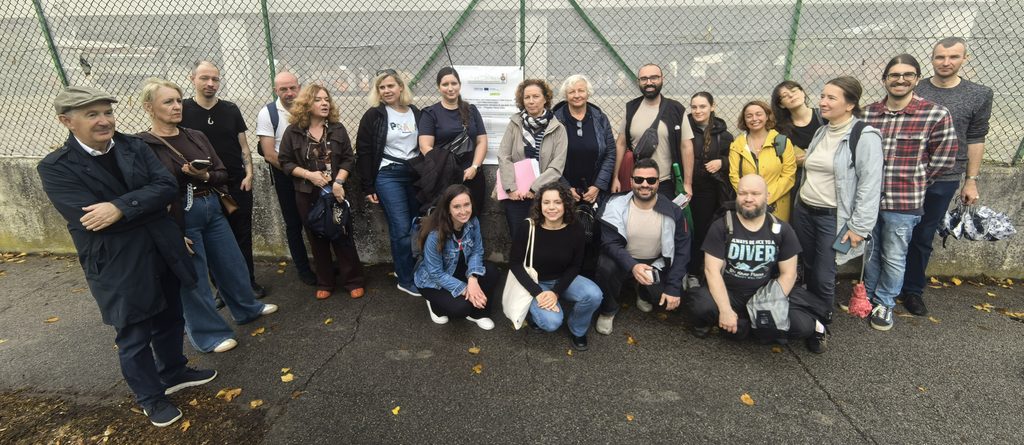
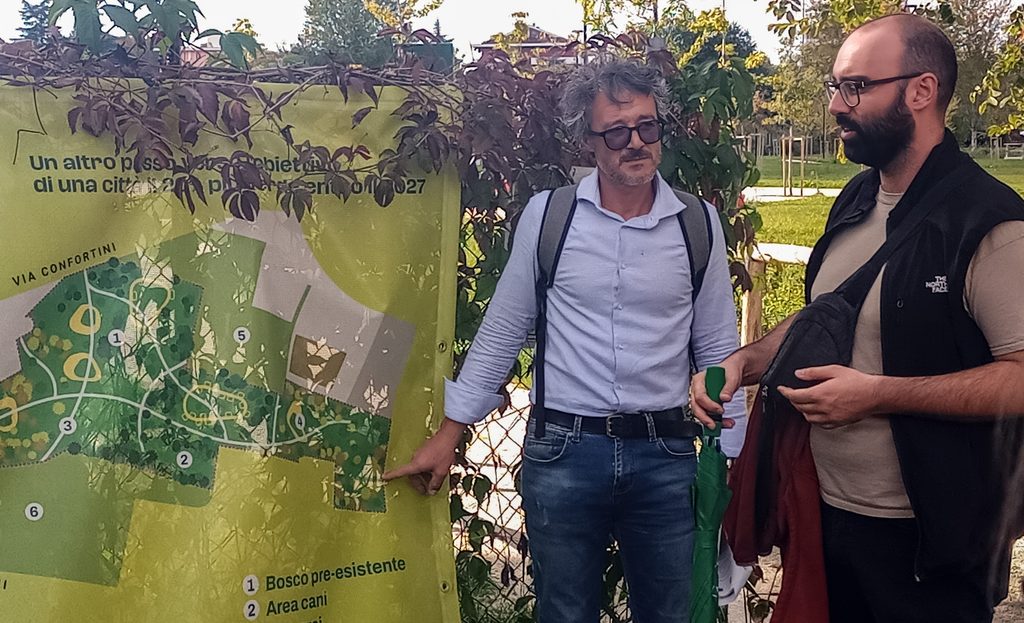
On the second day, project partners participated in study visits, with the main focus on the CONE pilot investment located in Via della Ricerca Scientifica in Padova.

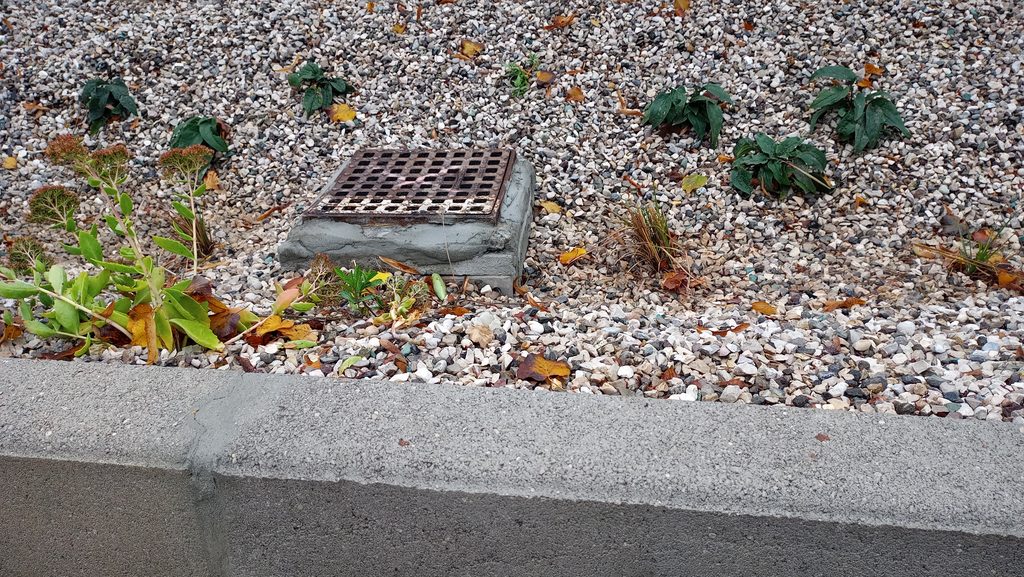
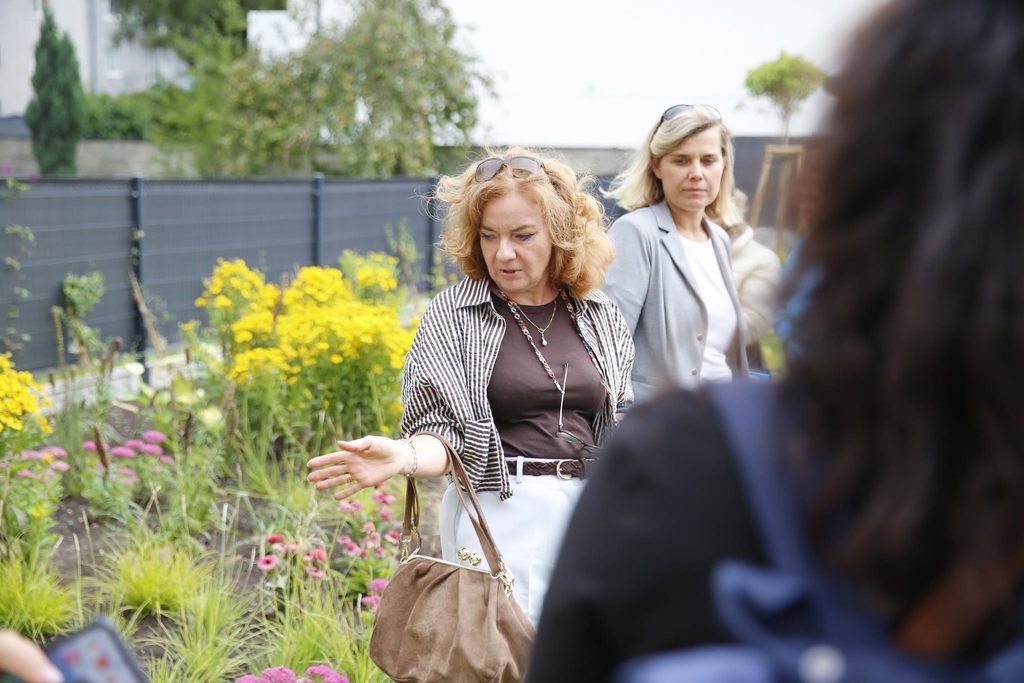
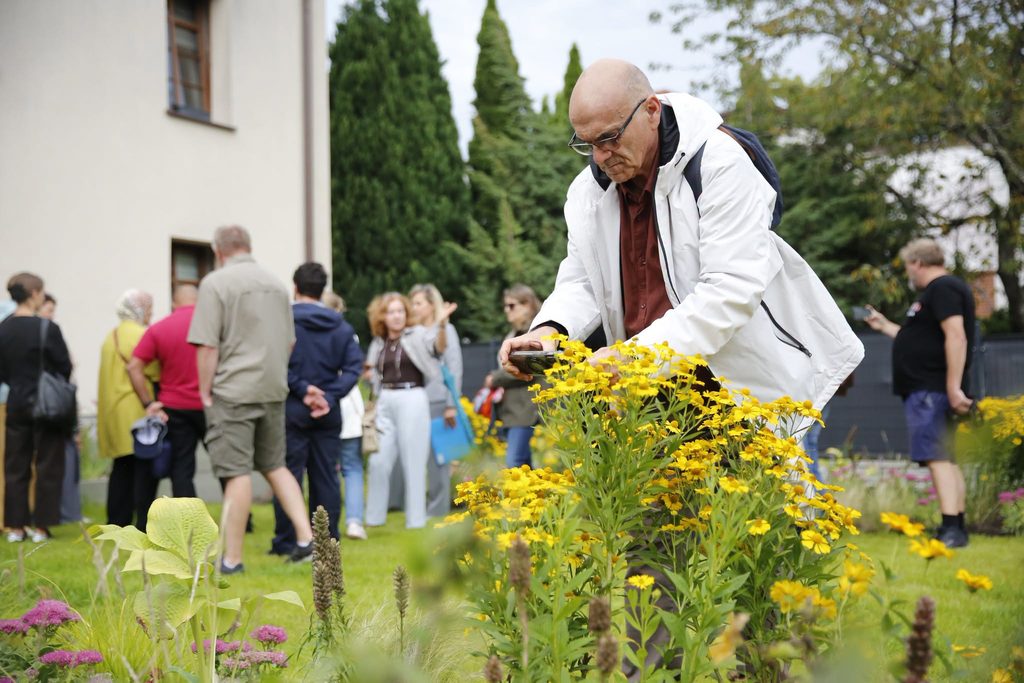
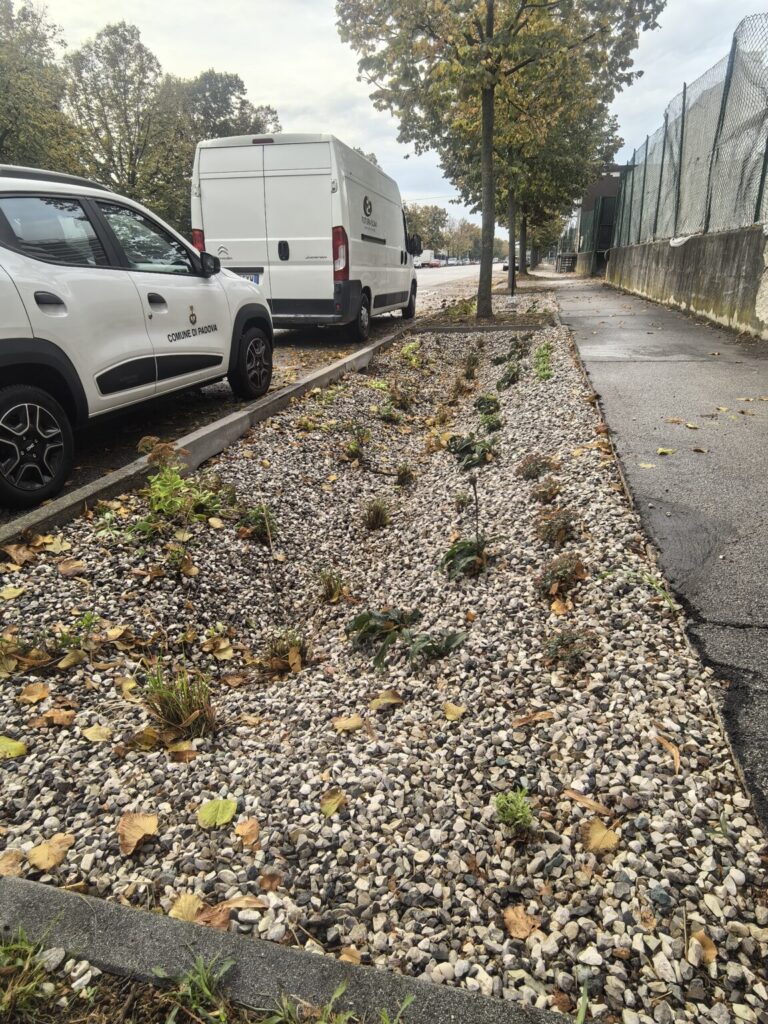
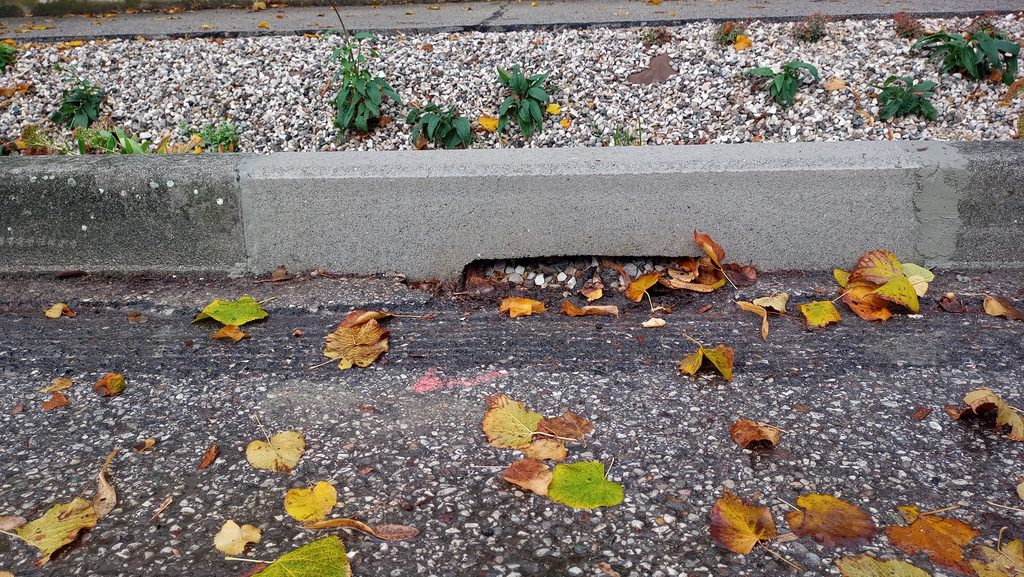
The investment involves transforming 256 m² of paved surfaces into a system of 16 rain gardens designed to naturally collect, filter and gradually absorb rainwater. The solution aims to reduce surface runoff, relieve pressure on the urban stormwater drainage system and improve local environmental conditions.

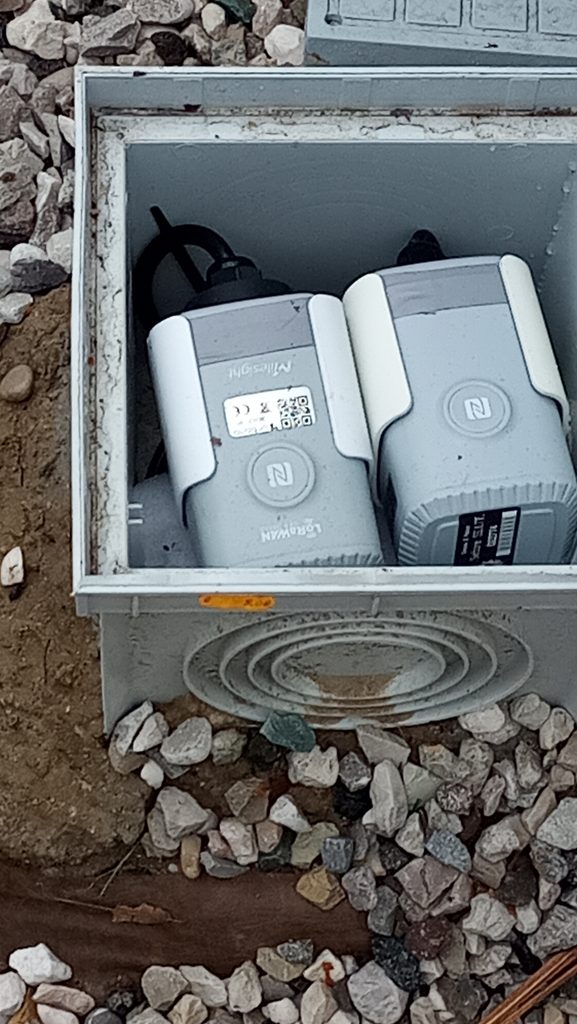
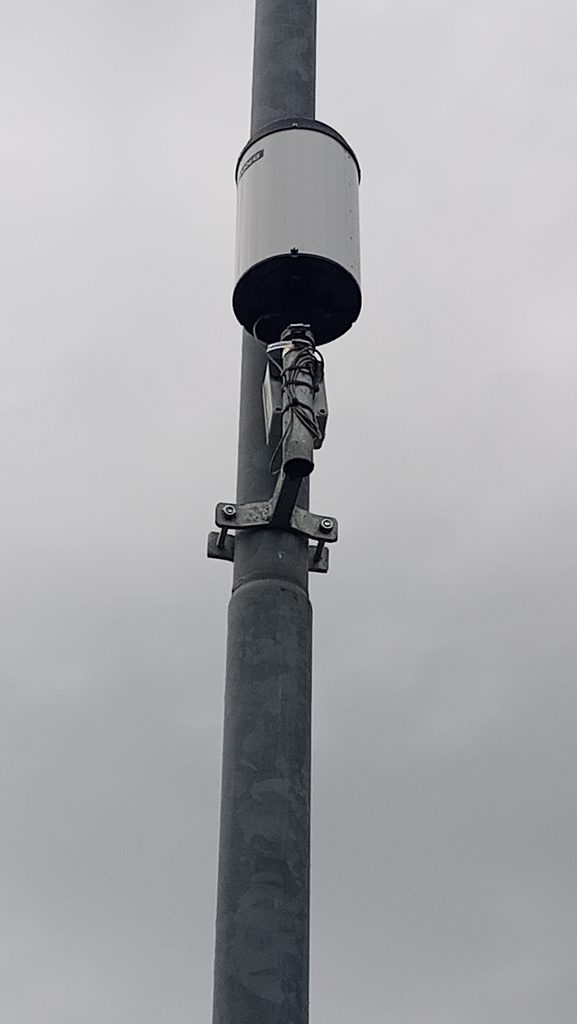
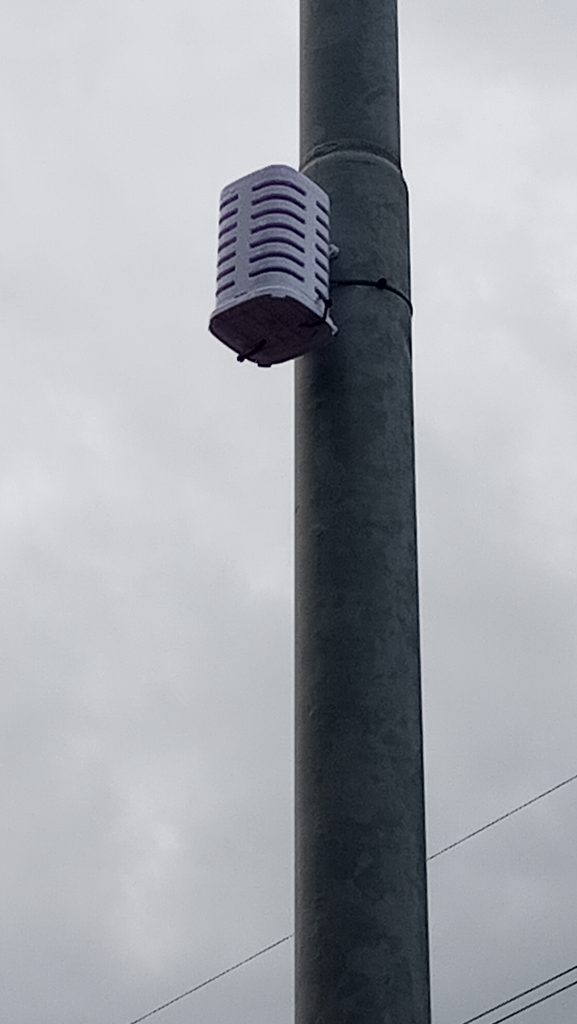
An important component of the pilot investment is the integration of environmental monitoring technologies. A system of sensors enables the collection of data on water retention and meteorological parameters, including temperature and rainfall. The information gathered will help assess the effectiveness of the implemented NBS measures and provide valuable insights for planning similar investments in other urban areas.

The Padua pilot demonstrates how even relatively small interventions in highly urbanised areas can support climate change adaptation, improve stormwater management and contribute to the development of green infrastructure.
Urban Green Infrastructure – Study Visits to Piazza Savelli and Parco Guizza

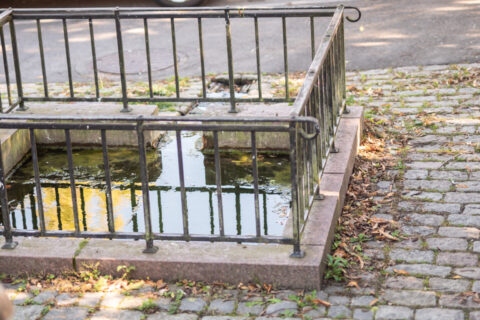
The second day's programme also included visits to two other locations in Padova – Piazza Savelli and Parco Guizza. Participants explored initiatives implemented by the City of Padua independently of the CONE project budget, providing additional examples of Nature-Based Solutions in practice.

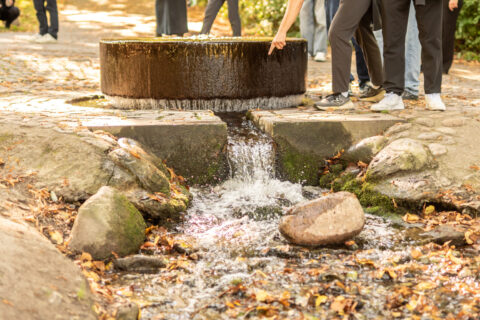
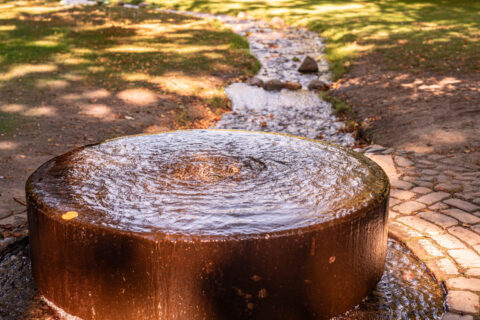
At Piazza Savelli, the participants learned about the transformation of paved urban space into an area with more permeable surfaces and increased greenery. At Parco Guizza, they explored solutions aimed at expanding urban green spaces, supporting biodiversity and improving environmental and recreational conditions in the city.
Knowledge Exchange and Practical Applications of Nature-Based Solutions

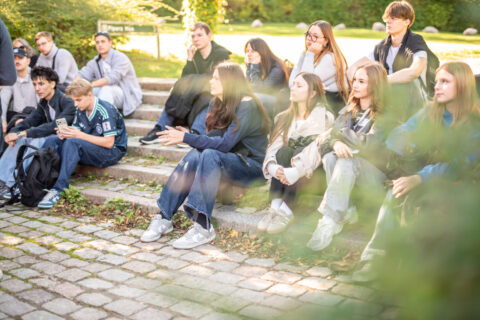
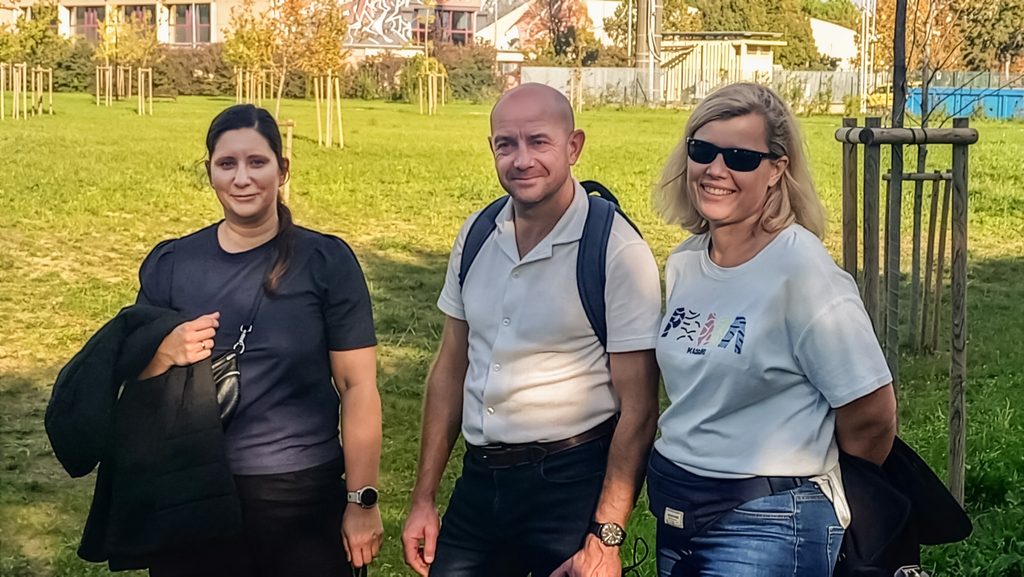
The two-day meeting in Padua provided CONE project partners with an opportunity to exchange experiences and gain first-hand insights into different approaches to urban climate change adaptation.

One of the most valuable aspects of the study visits was the combination of Nature-Based Solutions with technologies designed to monitor their effectiveness. This approach makes it possible not only to implement green infrastructure but also to assess its actual impact on stormwater management and environmental conditions in urban areas.

The experiences gained during the meeting provide a valuable reference for further use of the CONE project's results and the development of similar solutions in partner cities.
Circular MuSe in Kalmar - Partners Plan Next Steps, Local Government Representatives Explore Solutions in Practice

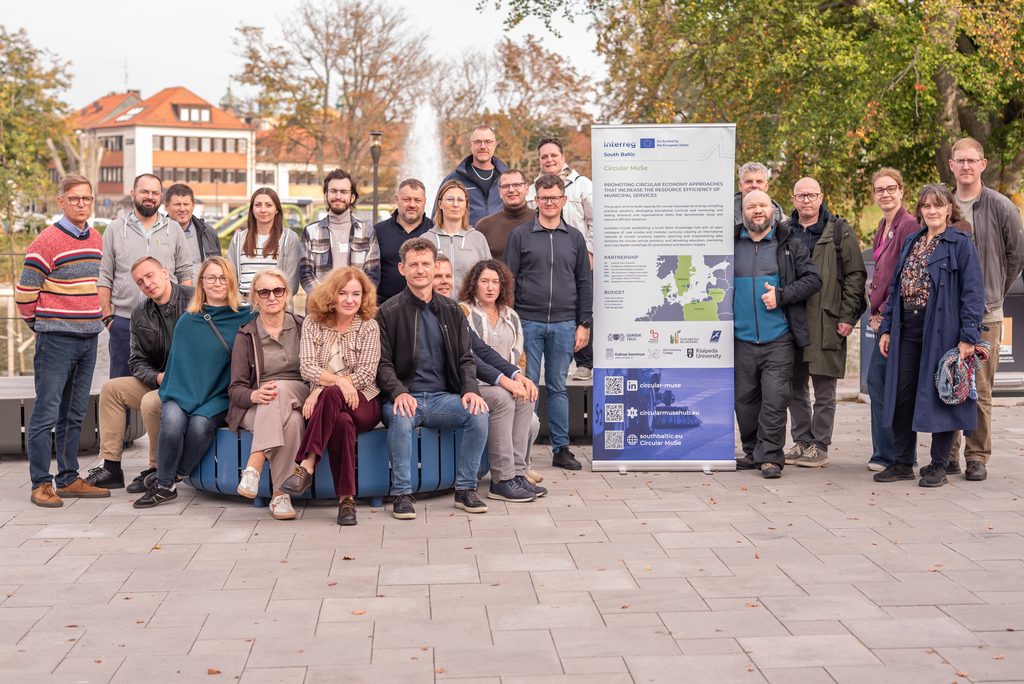
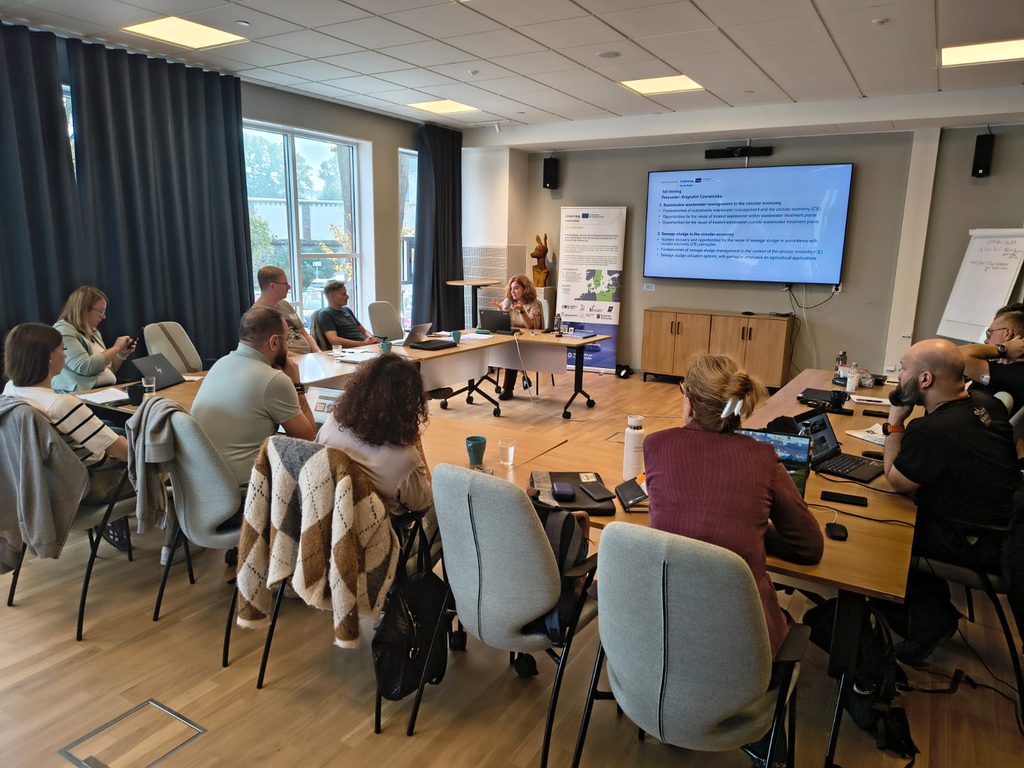
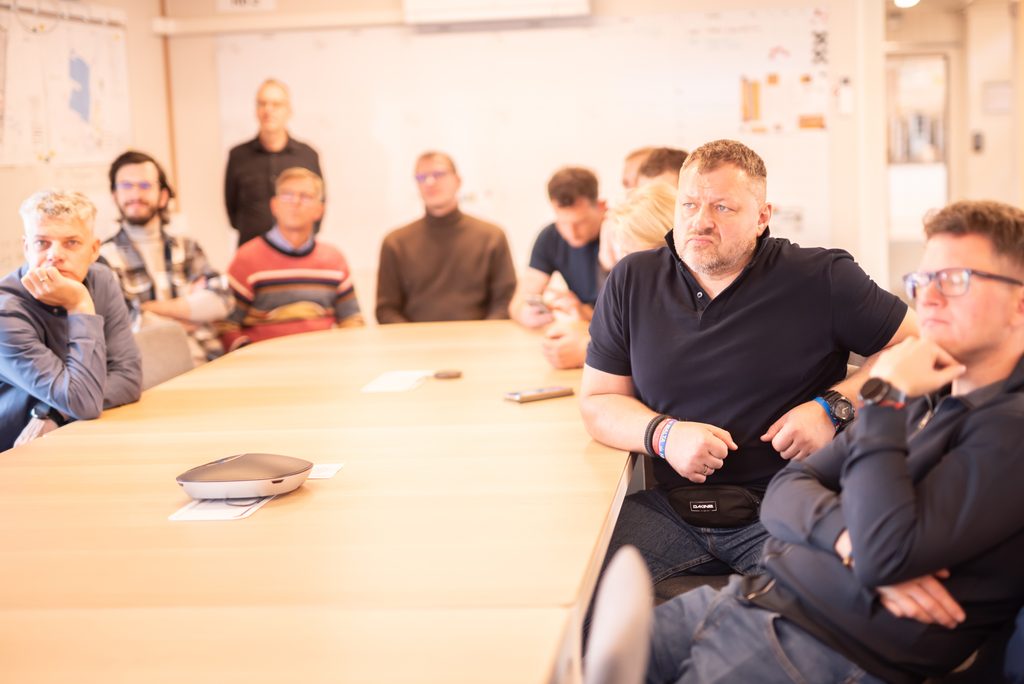
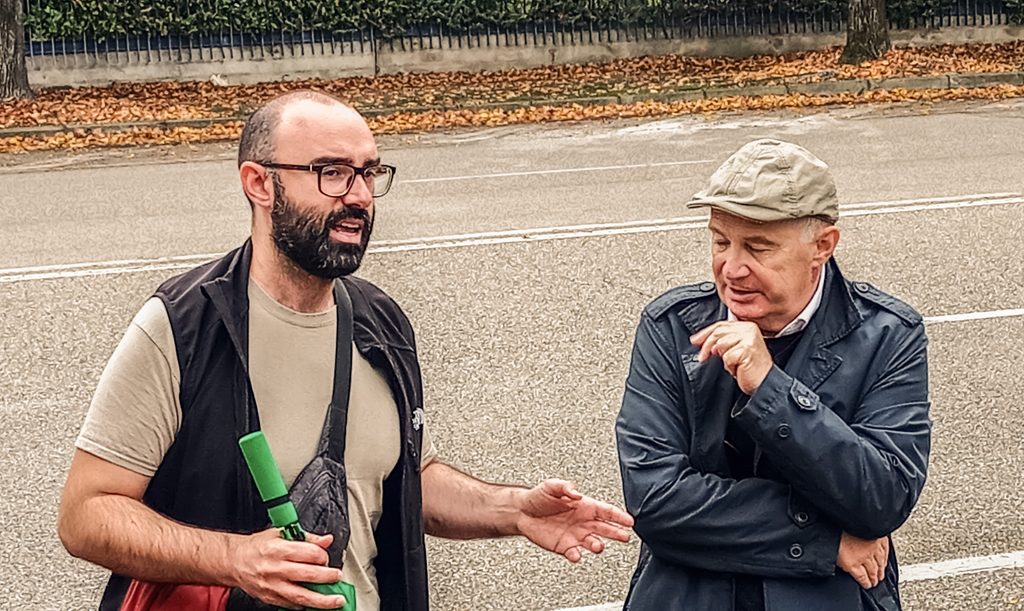
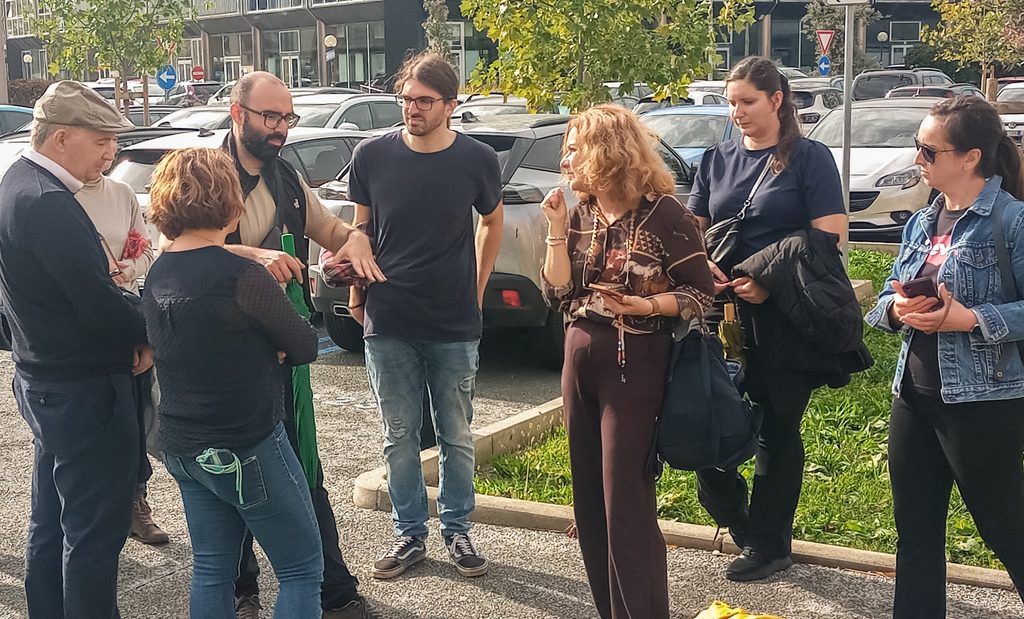
The second day of the Circular MuSe Study Trip & All-partner Meeting in Kalmar combined partners’ work on the next stages of the project with study visits for local government representatives. The partners focused, among other things, on preparing training and mentoring activities, further developing the Circular MuSe Knowledge Hub, and exploring how the project’s results can be used after its completion. The study visit provided an opportunity to learn about practical solutions for water treatment and reuse.

On 30 September, the two-day Circular MuSe project meeting continued in Kalmar. The programme was designed to enable the project partners to work on the further implementation of the project while, at the same time, allowing participants in the study visit – including representatives of member municipalities of the Association of Polish Communes Euroregion Baltic – to explore Swedish experiences and solutions that may be relevant from a local government perspective.

Next stages of Circular MuSe

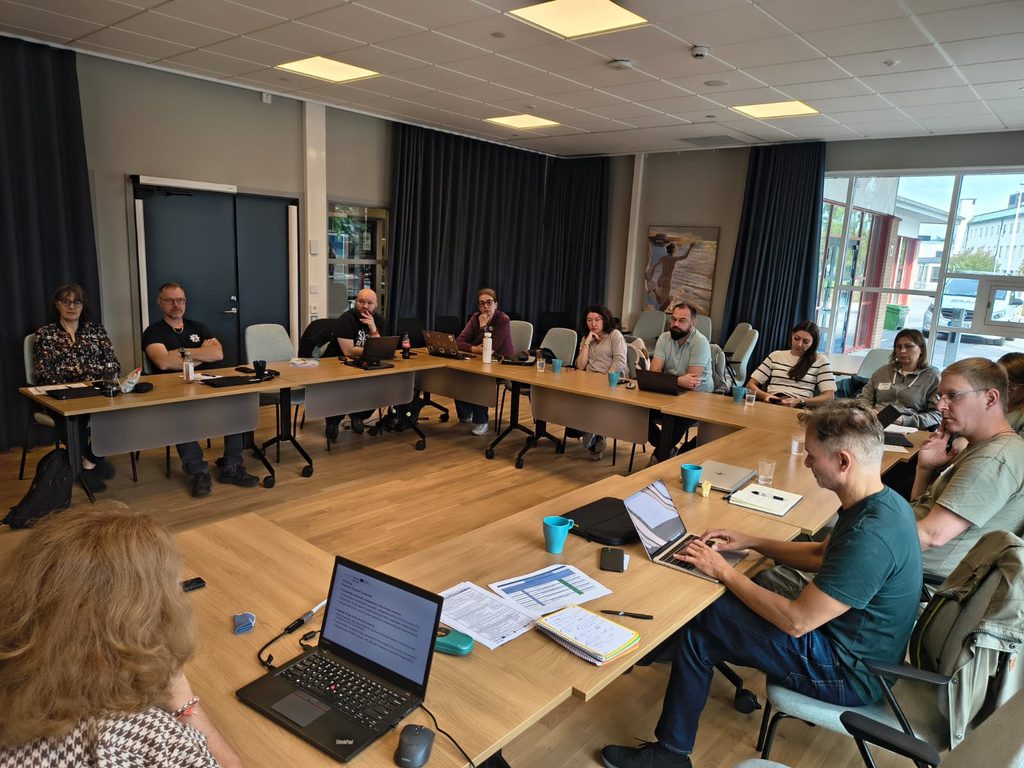
During the All-partner Meeting, the partners presented brief updates on activities and achievements since the last joint meeting in Wejherowo. They then focused on planning the next stages of the project.

One of the main topics was the preparation of training activities in Denmark, Poland and Sweden, as well as mentoring in Lithuania. The discussions covered specific dates, recruitment of representatives of local authorities and companies, formats and methods of delivering the training, the duration of individual modules, as well as the selection of trainers and the resources required.

Development of the Circular MuSe Knowledge Hub

Another important part of the meeting was the continued development of the Circular MuSe Knowledge Hub and a portfolio of examples of circular municipal services, primarily intended for smaller towns and rural areas.

The partners reviewed the good practices collected so far, identified thematic areas that still need to be covered, and discussed which solutions could be used during future study visits and training activities. They also considered examples that could be particularly valuable for communicating and disseminating the project’s results.

What will remain after the project ends?

A separate part of the discussions focused on how the results of Circular MuSe could be used after the project has ended. The partners discussed the requirements of the funding programme, initial concepts for the continued use of the results developed within the project, as well as upcoming tasks and future meetings.

This is an important aspect of Circular MuSe, as the project’s activities are intended not only to facilitate the exchange of experience among partners, but also to provide knowledge and practical examples that can be used by local authorities and local municipal service providers.

Solutions for Local Authorities in Practice

At the same time, study visits were an important part of the second day. For the local government representatives participating in the trip, they provided an opportunity to see solutions implemented in Kalmar first-hand and to discuss practical experience gained from their implementation.

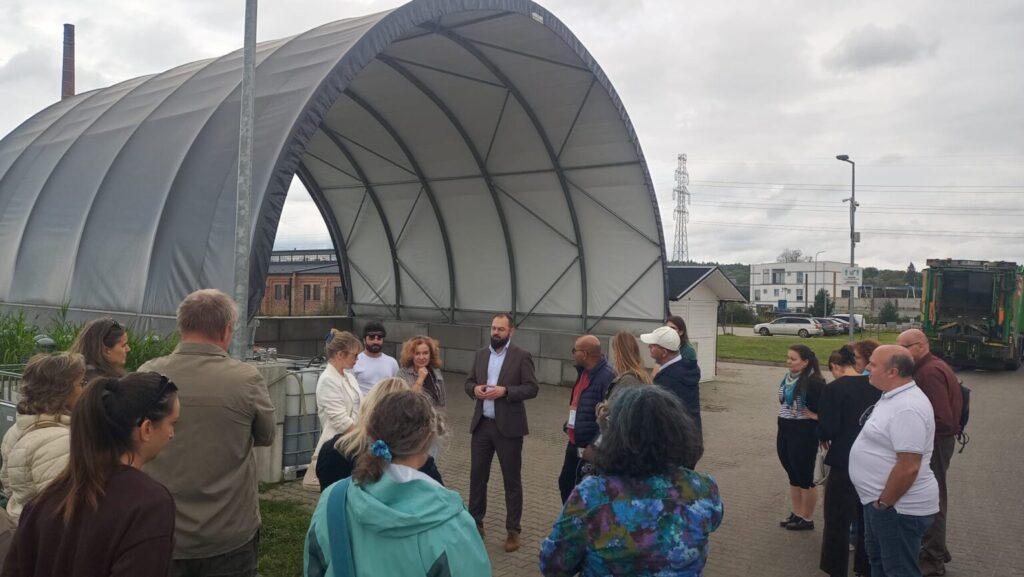
One of the solutions presented was a mobile, container-based wastewater disinfection system that enables water recovery and reuse, including for irrigating green areas and sports fields. During the visit, participants learned about experiences related to the implementation and operation of the system, its potential future applications, as well as conclusions and recommendations resulting from its operation.

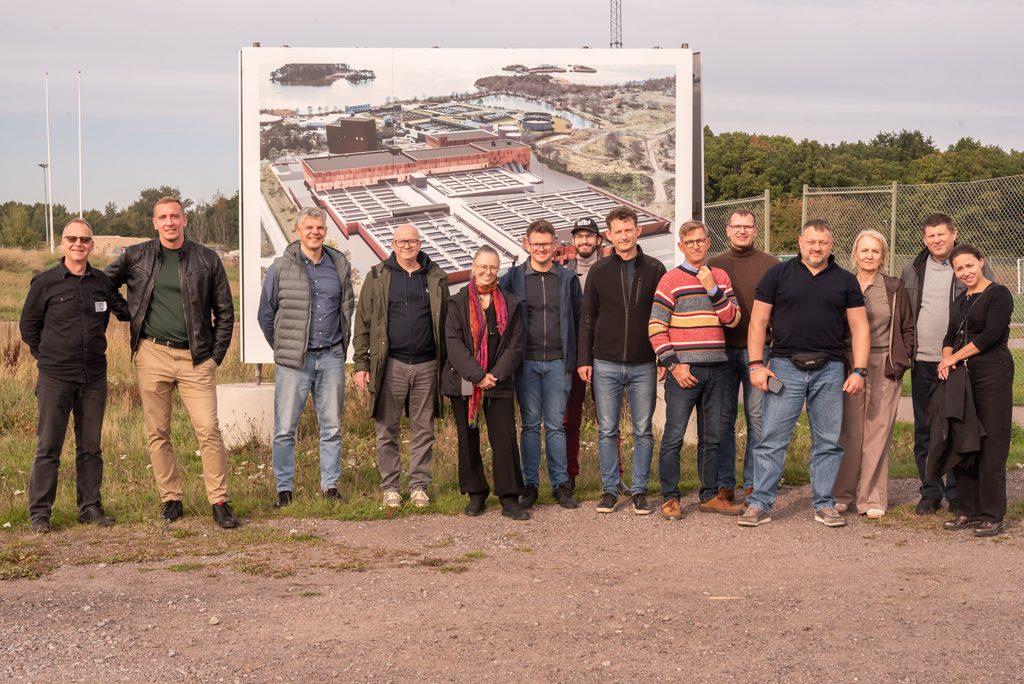
The study visit programme also included Kalmarsundsverket – a new-generation wastewater treatment and resource recovery facility currently being developed in Kalmar. According to the project assumptions, the facility is designed to reduce nitrogen and phosphorus emissions, enable up to 80% of the water to be treated for reuse, and produce a high-quality soil improver as well as biogas used to generate electricity and heat.

Knowledge That Can Be Applied Locally

The second day in Kalmar therefore had two complementary dimensions. Circular MuSe partners worked on the next stages of the project, training activities, the Knowledge Hub and the long-term use of project results, while local government representatives had the opportunity to explore practical solutions related to the circular economy and resource reuse first-hand.

The meeting concluded with a joint exchange of conclusions from the study visit, focusing on the experience gained, opportunities for implementing circular practices in municipal services, and further activities within Circular MuSe.

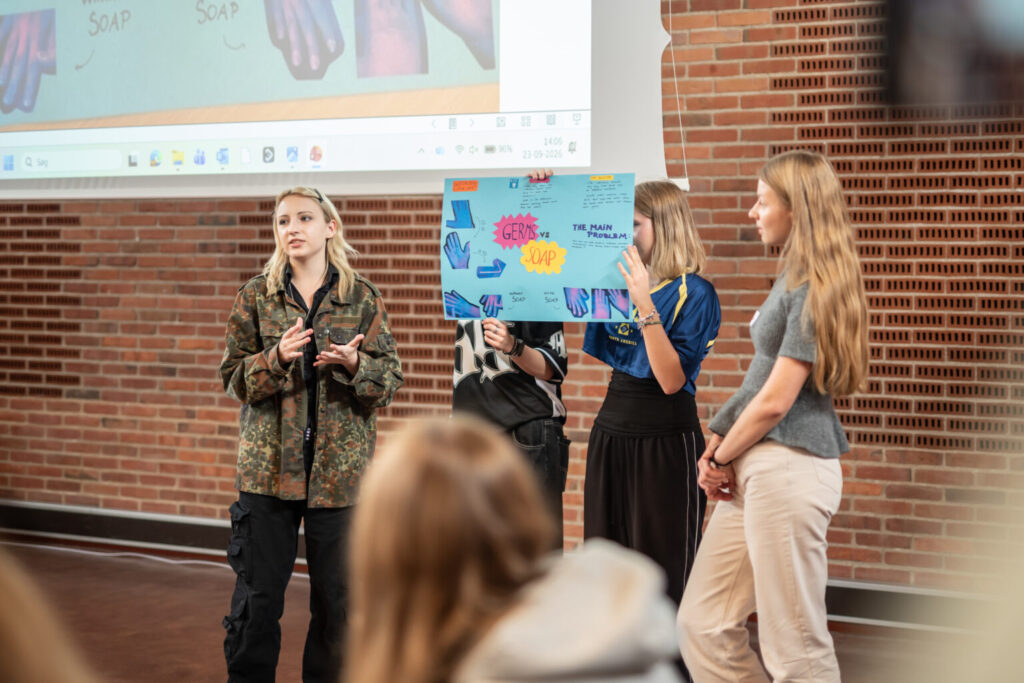
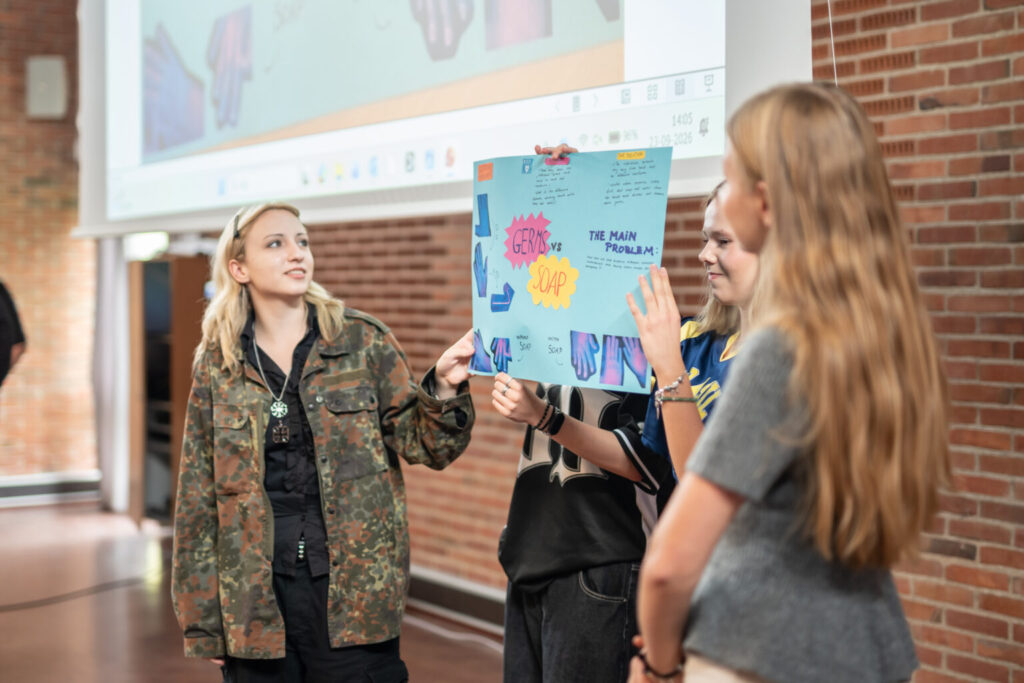
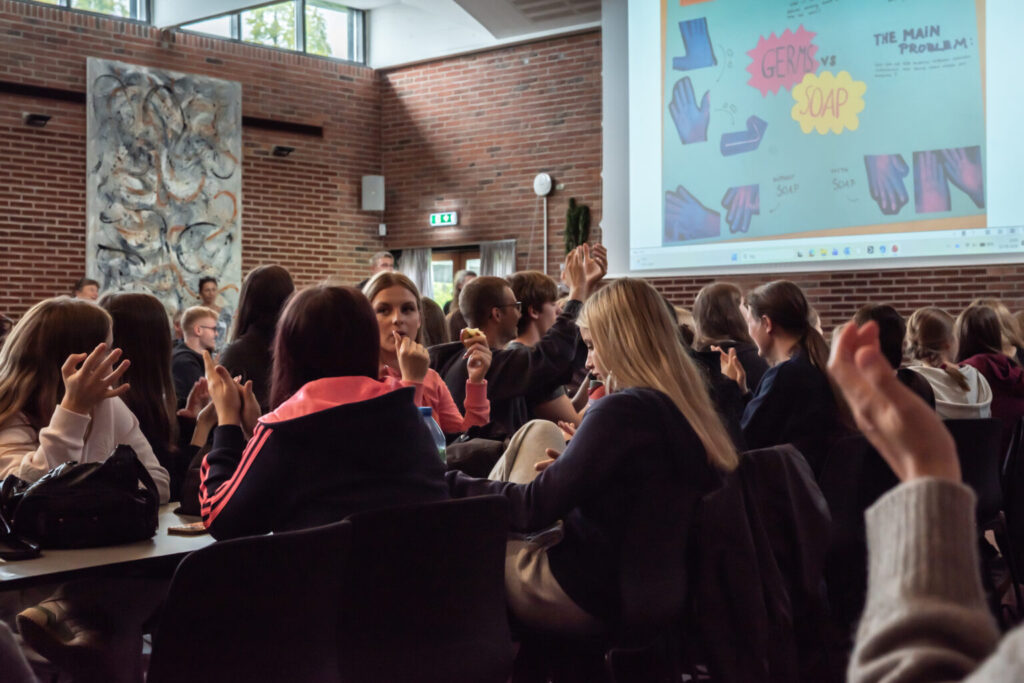
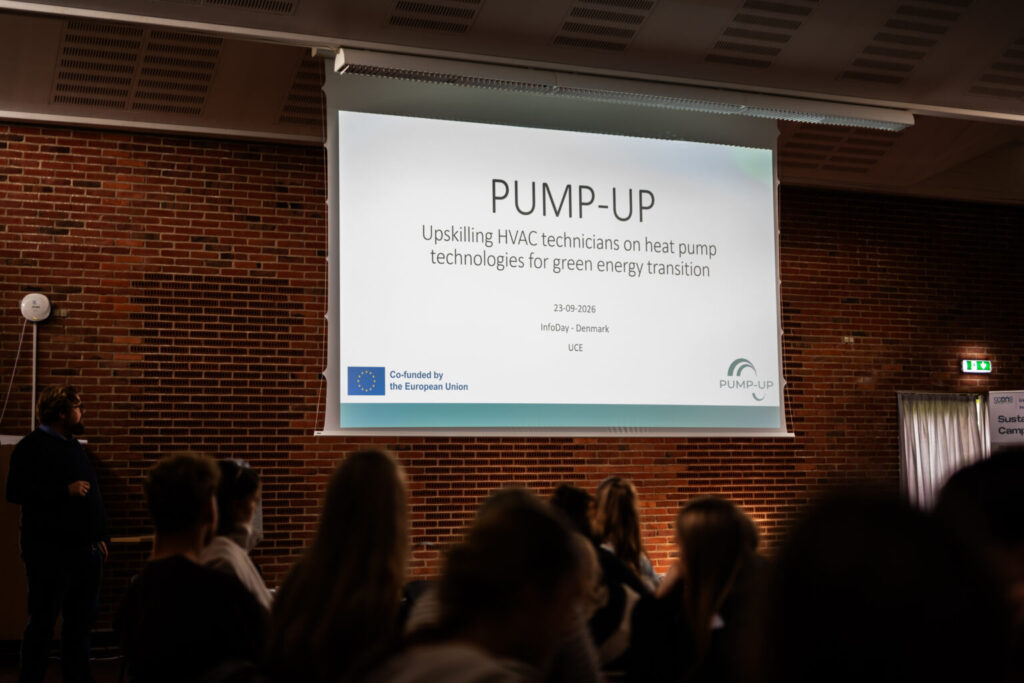
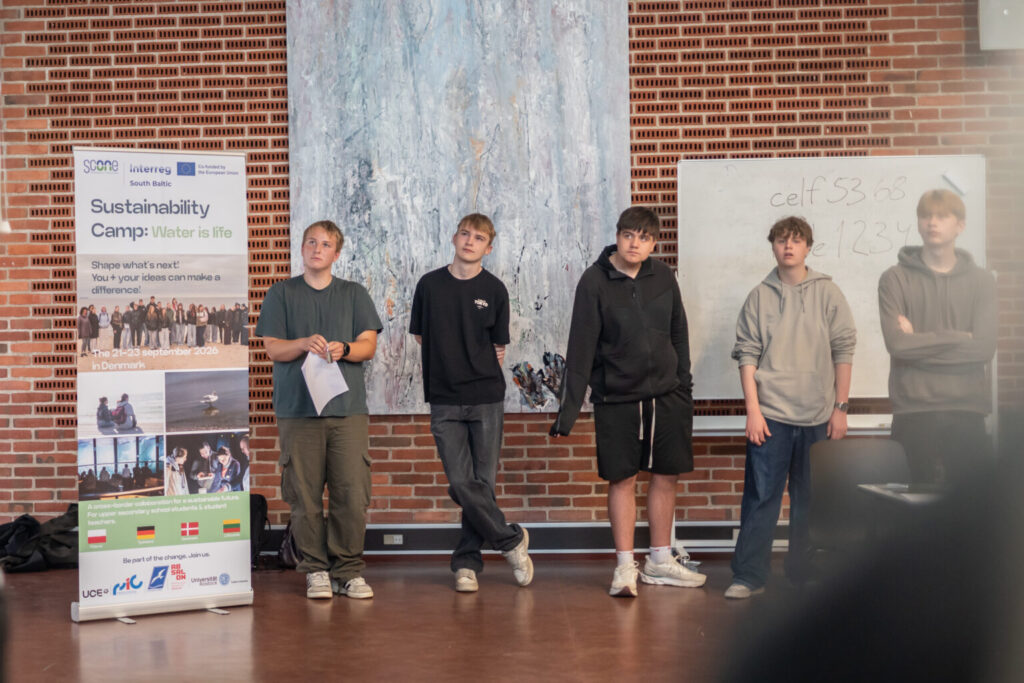
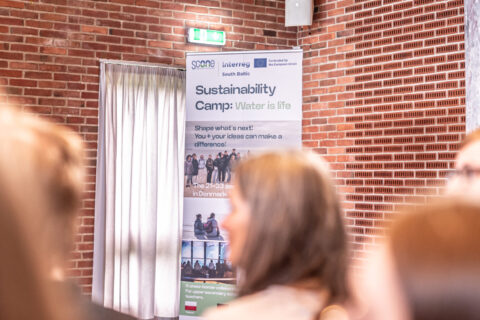
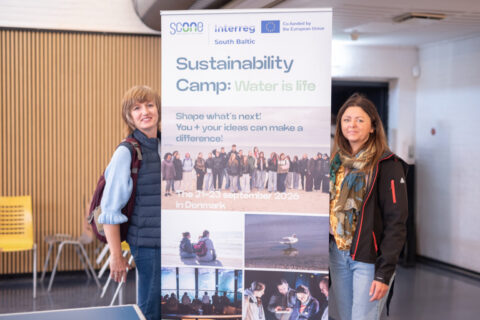
SCONE Project – From Gaining Knowledge to Developing Solutions. Final Day of the Sustainability Camp “Water is Life: Shape What’s Next”

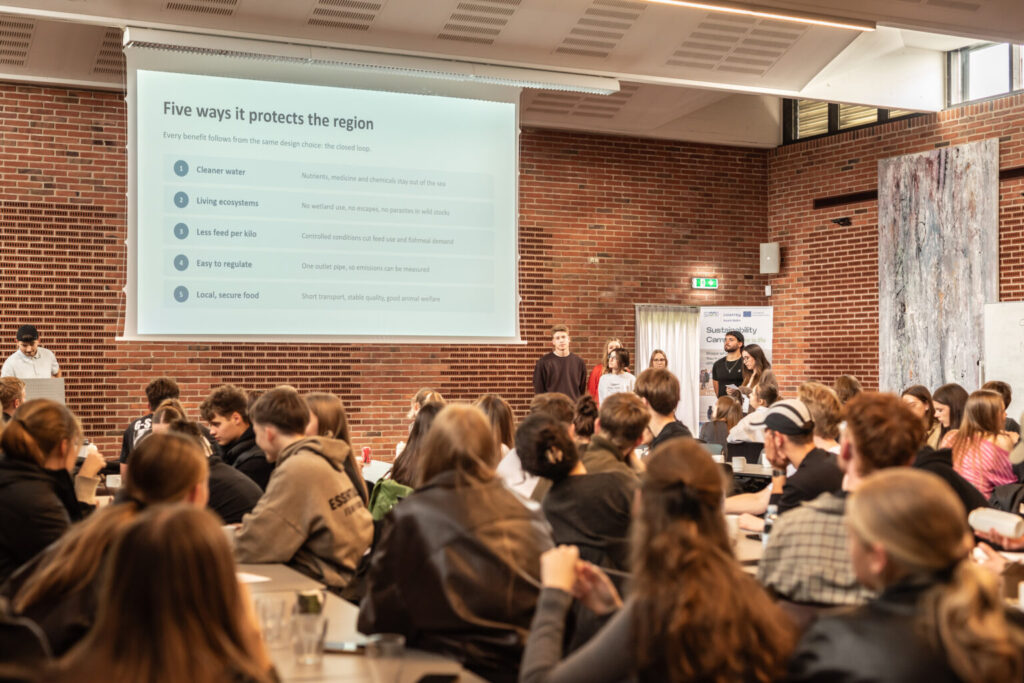
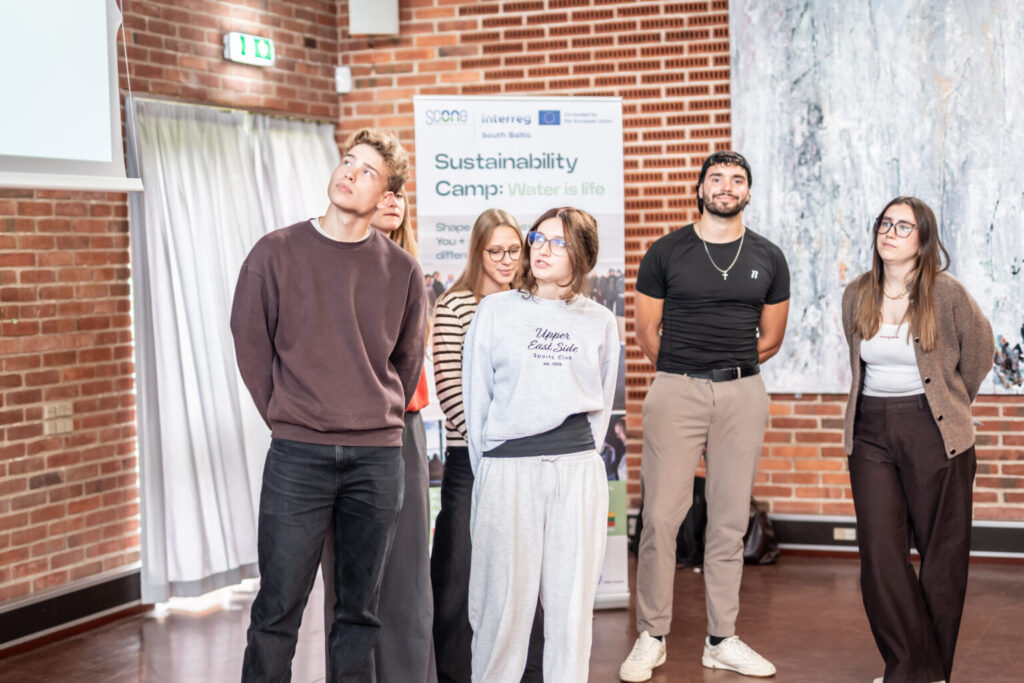
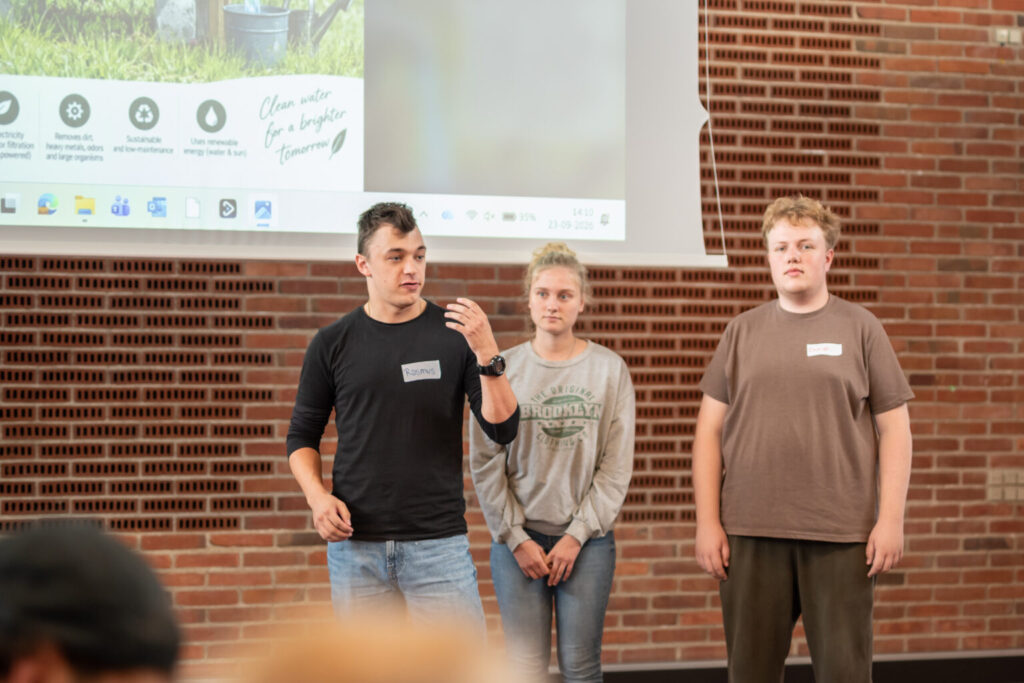
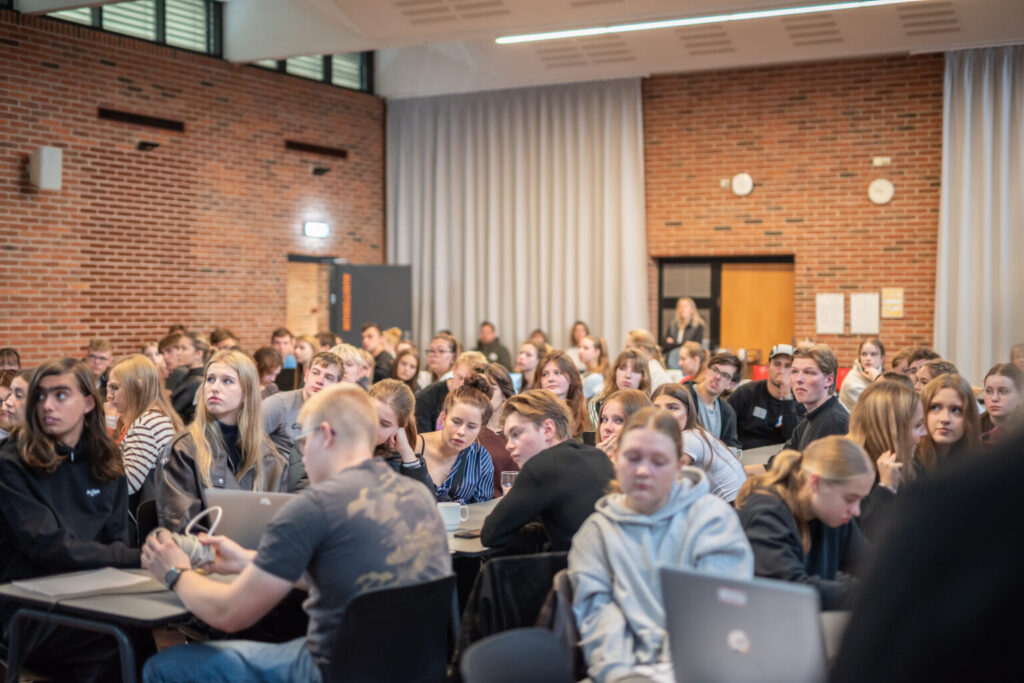
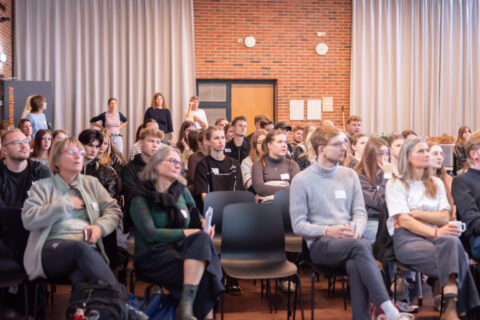
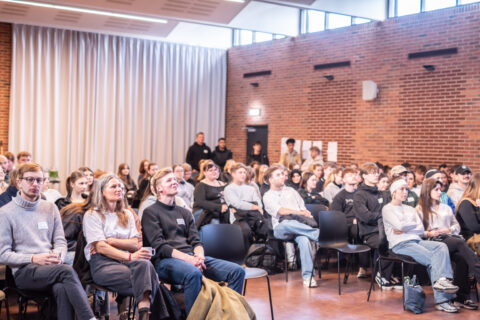
From exploring practical examples of sustainable development to developing their own solutions – this was the focus of the final day of the international Sustainability Camp “Water is Life: Shape What’s Next” in Denmark. Young people from Poland, Denmark, Lithuania and Germany used the knowledge and experience gained during previous workshops, field activities and study visits to work on challenges related to water quality, hemp-based housing and fish production. The final day also provided an opportunity to present the ideas developed by the participants and reflect on the entire three-day event.

From Gaining Knowledge to Developing Solutions

The final day of the international youth camp, organised as part of the SCONE – Sustainability Cooperation Network in the South Baltic project, had a different focus from the previous stages of the event. After days dedicated to exploring practical examples of environmental action, taking part in study visits and working in the field, it was time for participants to put their newly acquired knowledge into practice.

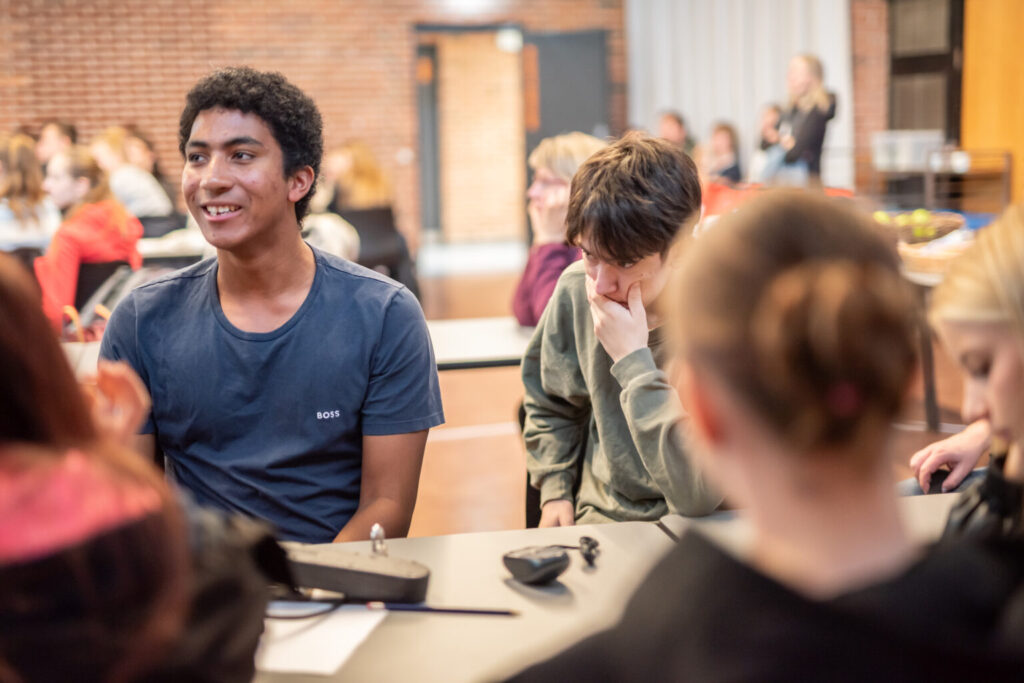
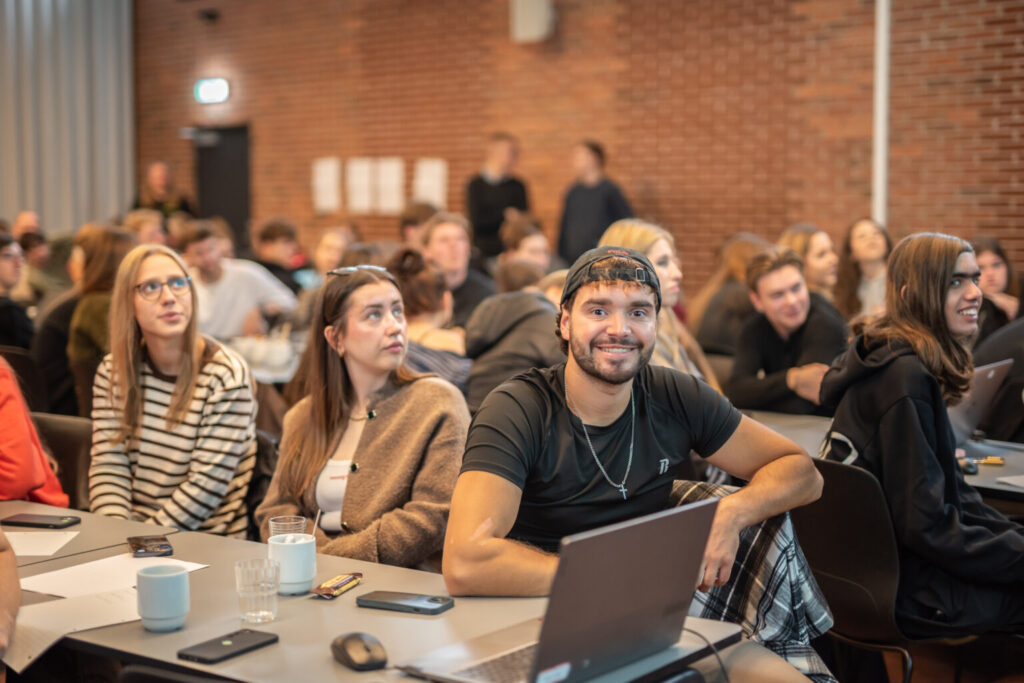
The programme focused on cooperation, creative thinking and independently searching for answers to specific sustainability challenges. Participants worked in international groups, allowing them to combine different experiences, perspectives and ideas.

In this way, the final day was a natural continuation of the previous Sustainability Camp activities – moving from observation and learning towards developing the participants’ own solutions.

Learning Through Cooperation and Problem-Solving

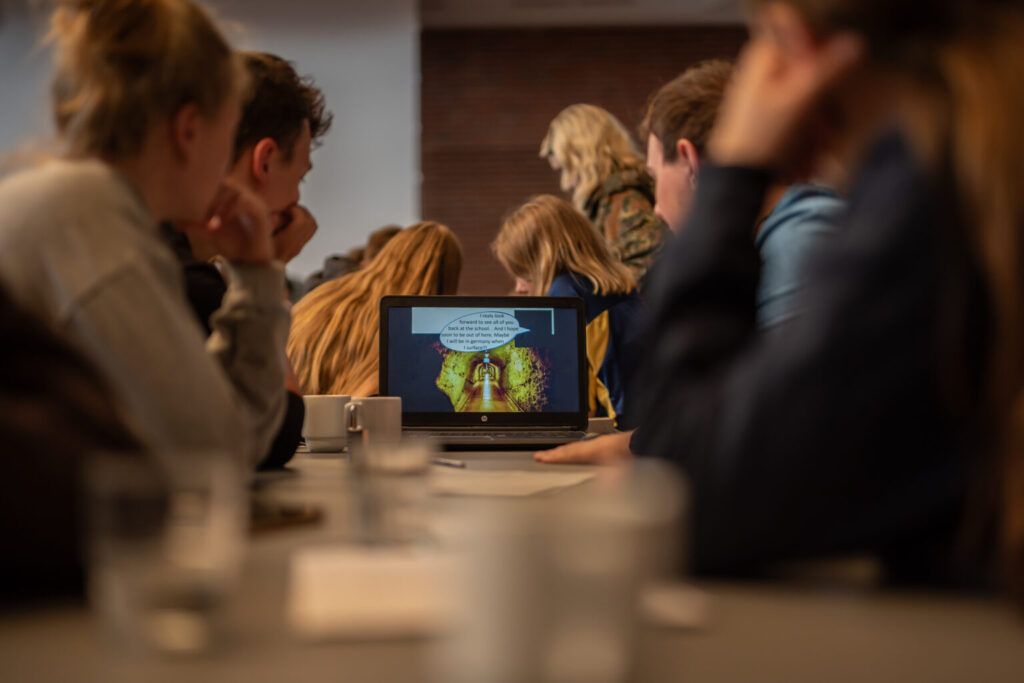
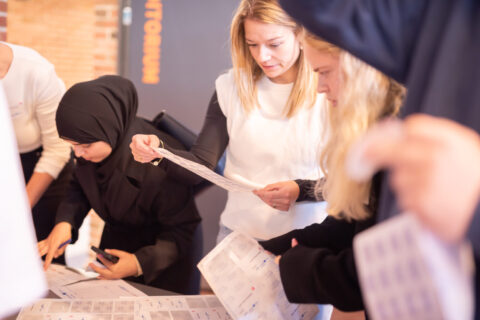
One of the activities was a digital escape room, introducing participants to a form of learning based on teamwork and collaborative problem-solving. The interactive format required cooperation, information sharing and finding answers together.

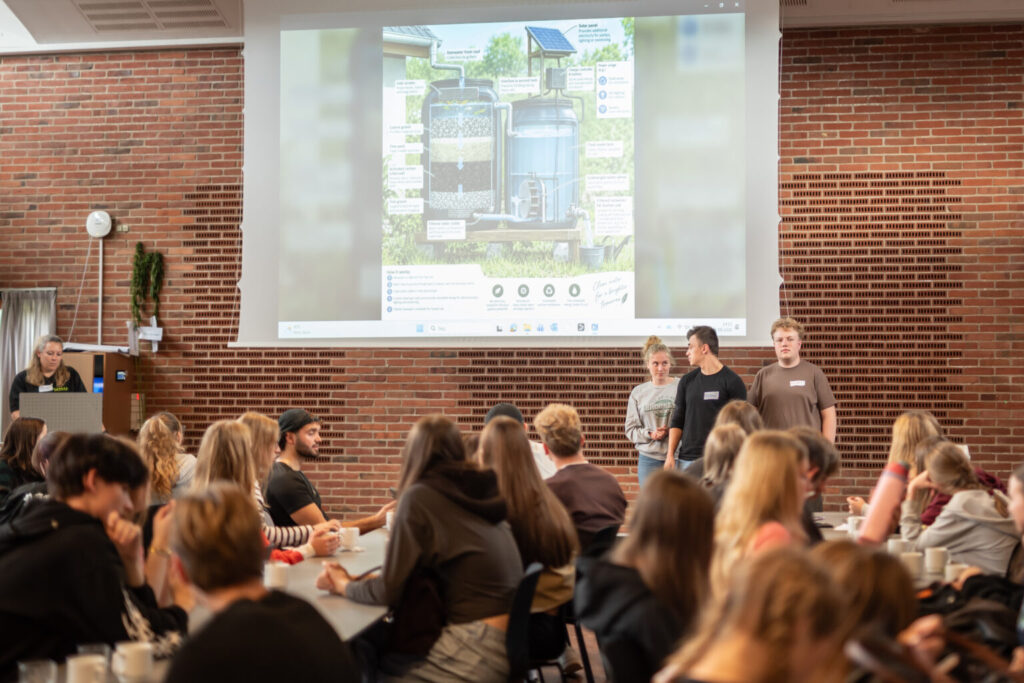
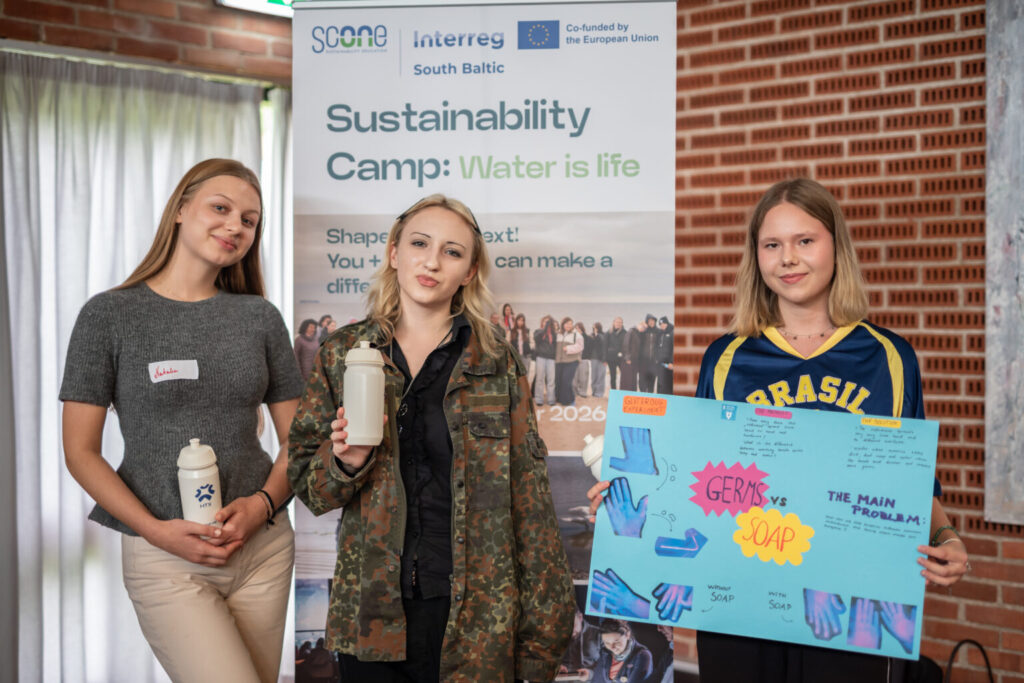
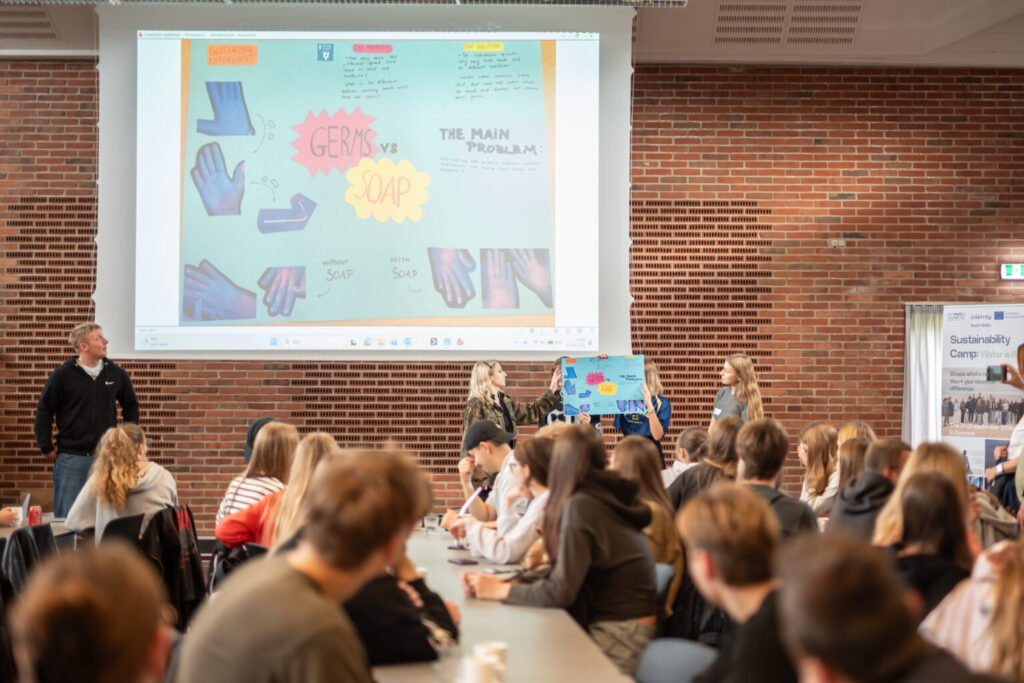
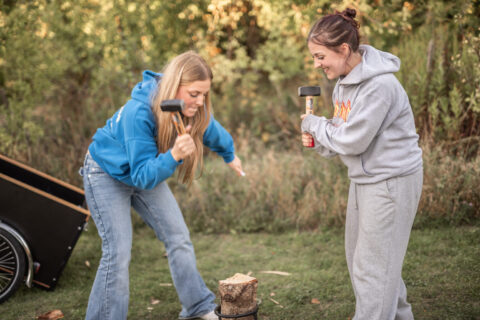
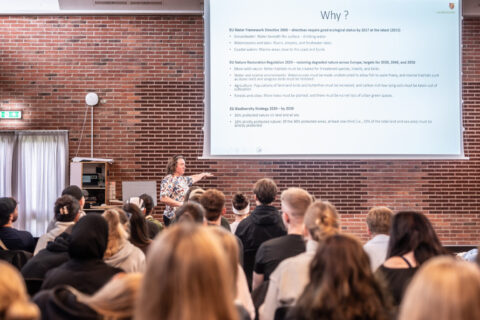
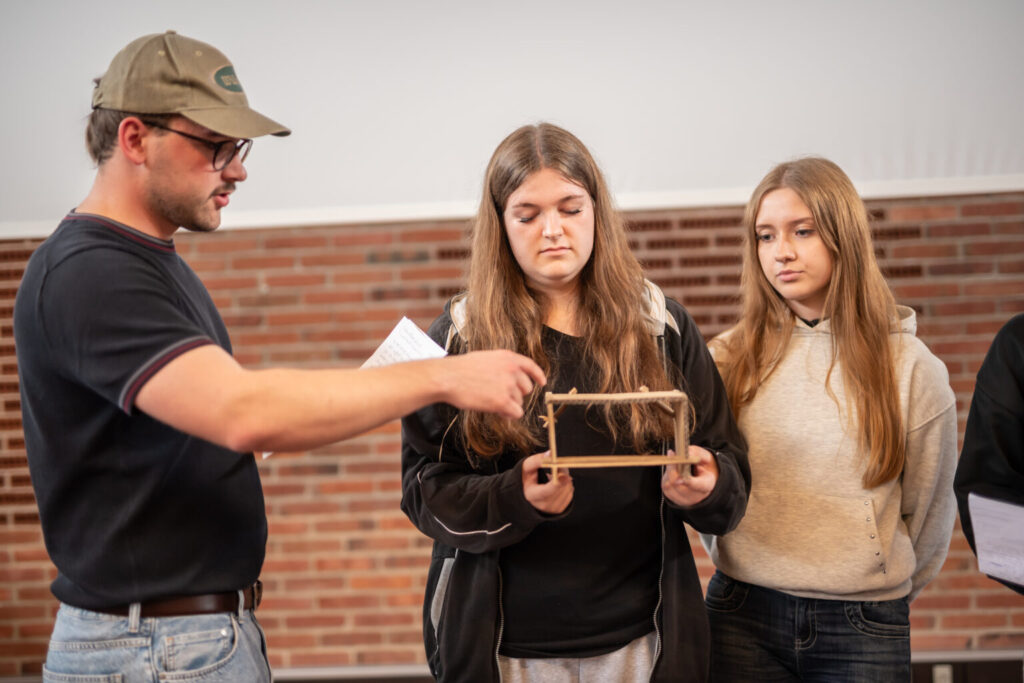
The next part of the programme focused directly on specific sustainability-related challenges. The young participants worked on three topics: water quality, hemp-based housing and fish production. Each of these issues offered a different perspective on sustainable development and encouraged participants to consider possible solutions.

Their task was not simply to discuss the challenges. The groups analysed the selected issues, developed their own proposals and then presented the results of their work to the other participants.

From Ideas to the Final Presentation

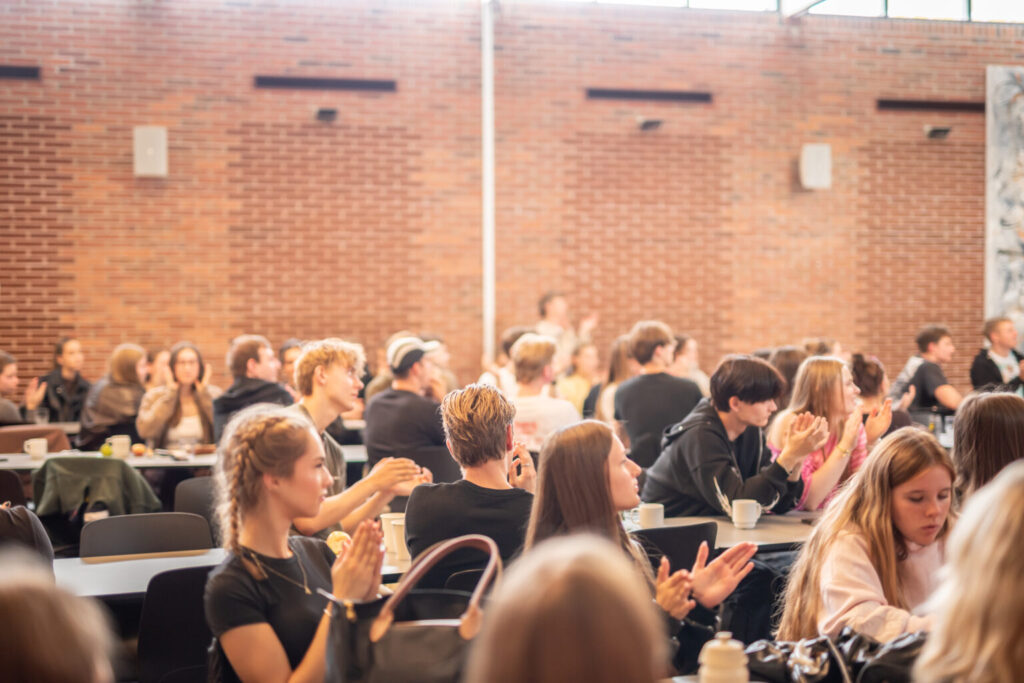
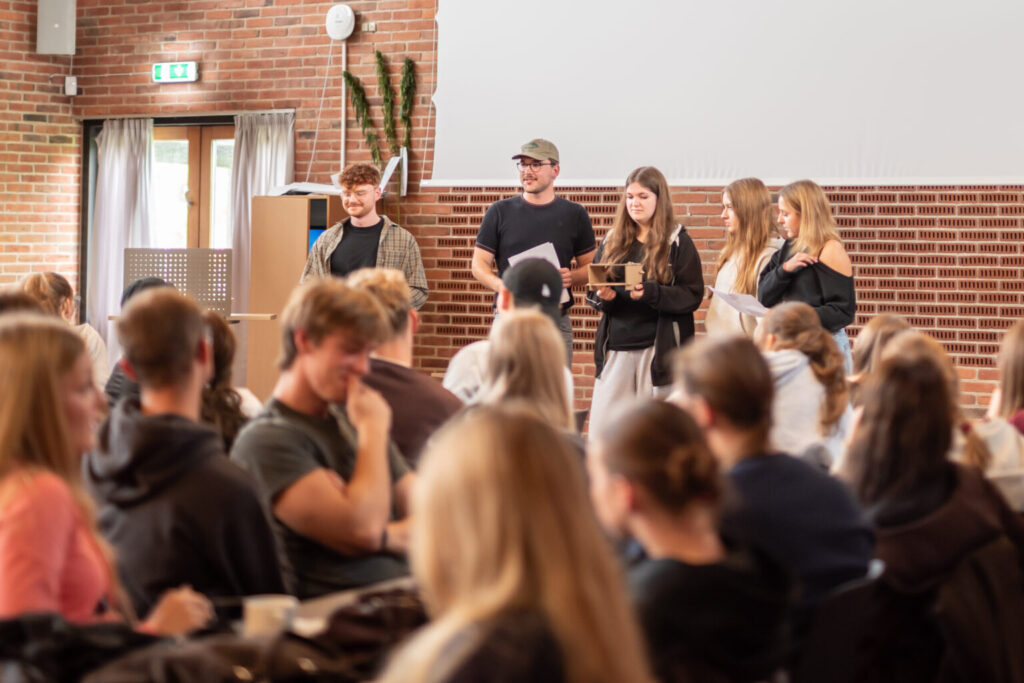
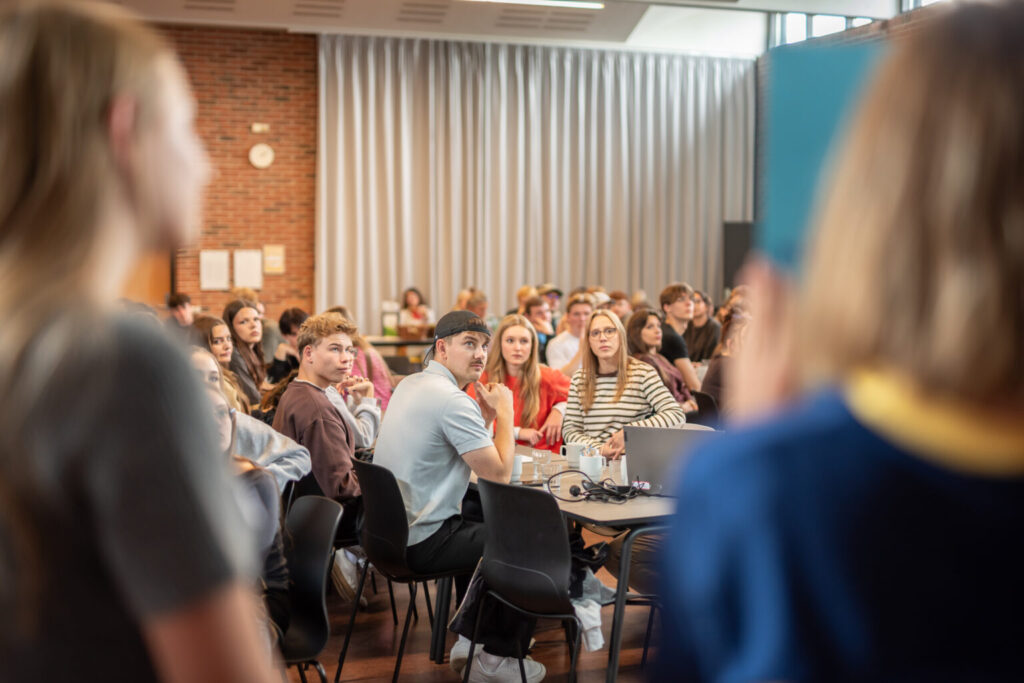
Presenting the solutions developed by the groups was an important part of the programme. Participants shared the results of their teamwork, explained their approaches and discussed their ideas with the other groups.

The best solutions were selected and presented during the final Sustainability Camp presentation. As a result, the last stage of the camp went beyond simply summarising what participants had learned – it gave them an opportunity to use their knowledge to address specific challenges themselves.

It was also a practical example of how teamwork and bringing together different perspectives can contribute to developing new ideas related to the environment and the responsible use of resources.

Three Days of Different Experiences

The final day also provided an opportunity to evaluate the entire Sustainability Camp and reflect on the experiences gained during the three-day event.

The camp programme combined different forms of learning, including workshops, field activities, study visits, environmental observations and problem-solving exercises. Participants explored topics such as water resource protection, biodiversity, climate change adaptation, the circular economy and waste management.

Activities and visits organised in Denmark enabled the young participants to see how issues discussed during workshops are addressed in real-life settings. On the final day, this perspective was reversed: instead of learning about existing solutions, the participants were challenged to develop possible solutions of their own.

International Youth Cooperation

The international dimension was an important part of the Sustainability Camp. The event brought together young people from Poland, Denmark, Lithuania and Germany, with a significant part of the programme based on cooperation and the exchange of experiences.

Working in international teams enabled participants to explore different perspectives and approaches to similar challenges. It also provided an opportunity to develop skills in cooperation, communication and joint decision-making.

The Sustainability Camp “Water is Life: Shape What’s Next” therefore concluded not only with a summary of three days of learning, but above all with an opportunity to put that knowledge into practice. From the first workshops and study visits, through environmental observations, to the final work on their own solutions, participants gradually moved from exploring sustainability issues to actively seeking ways to address related challenges.

The Polish group included students from the Technical School Complex in Elbląg, Kazimierz Jagiellończyk Bilingual Secondary School No. 2 in Elbląg, and Secondary School No. 6 in Gdańsk.

SCONE Project - from Water Resource Protection to the Circular Economy. Day Two of the Sustainability Camp in Roskilde

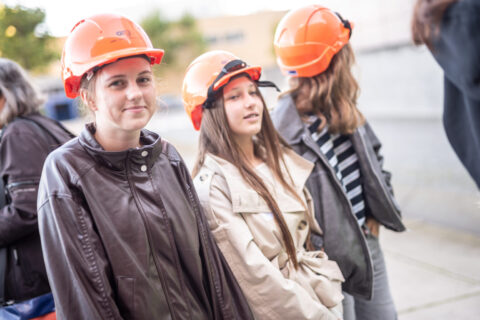
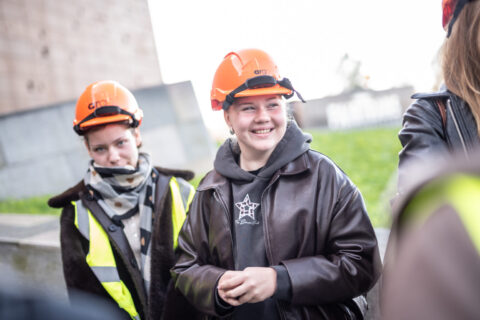
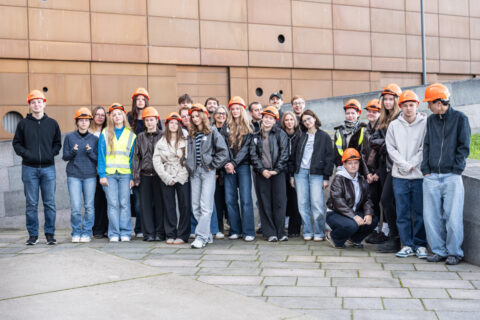
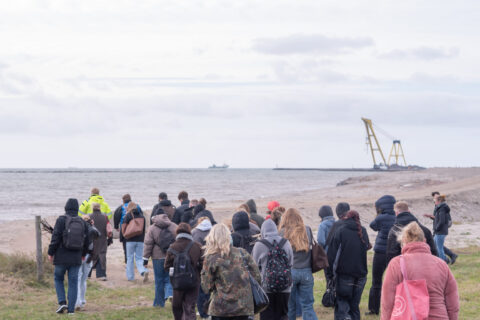
Water resource protection, the circular economy and climate change adaptation were the main themes of the second day of the international Sustainability Camp “Water is Life – Shape What’s Next!” in Denmark. In Roskilde, young people from Poland, Lithuania, Germany and Denmark took part in field activities and study visits, exploring practical solutions for managing natural resources and waste while carrying out environmental observations.

Sustainability in Practice

The second day of the international youth camp, organised as part of the SCONE – Sustainability Cooperation Network in the South Baltic project, took place in Roskilde. The programme was based on work in thematic groups, allowing participants to explore different aspects of sustainable development – from water resource and environmental protection to the circular economy and climate change adaptation.

The activities gave young people an opportunity to learn about practical approaches to natural resource and waste management, conduct their own observations and analyse the relationship between human activity and the environment.

From Waste to Energy

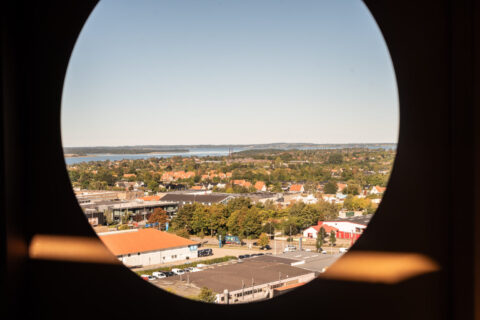
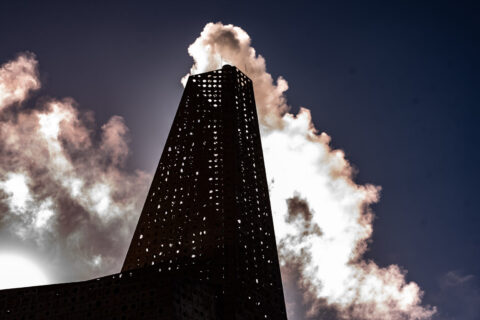
One group explored the natural springs and water resources of Roskilde and visited ARGO and the Energy Tower, where participants learned how a waste-to-energy facility operates.

Waste that cannot be recycled is used to generate electricity and district heating. The visit provided an opportunity to see practical solutions for municipal waste management, energy recovery and reducing the amount of waste sent to landfill.

Environmental Research in Roskilde Fjord

Another group carried out environmental research in Roskilde Fjord, combining observations of the natural environment with field activities. Participants were able to examine the local aquatic environment directly and apply their knowledge in practice.

The activities provided an opportunity to better understand the importance of aquatic ecosystems and the impact of human activity on their functioning.

People and Climate – Looking into the Past

Another group visited the Land of Legends in Lejre, where the young participants explored life during the Iron Age and learned about historical ways in which people adapted to environmental and climatic conditions.

This part of the programme offered a different perspective on adaptation, showing how people throughout history used available resources and adjusted their way of life to the surrounding environment.

Shared Experiences and International Integration

The second day of the Sustainability Camp concluded with a joint reflection on the experiences gained throughout the day. Participants exchanged observations from the different group activities and considered sustainable development from several perspectives.

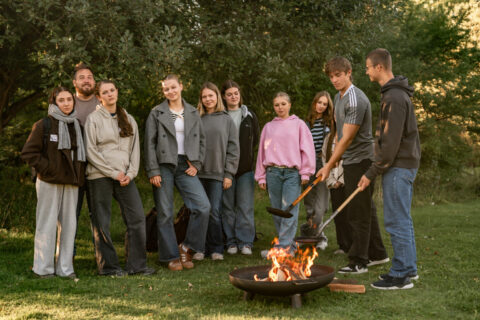
The day ended with a campfire gathering, providing an informal setting for conversations, exchange of experiences and building relationships among young people from the South Baltic region.

First Day of the Sustainability Camp in Denmark - Young People Explore Sustainability in Practice

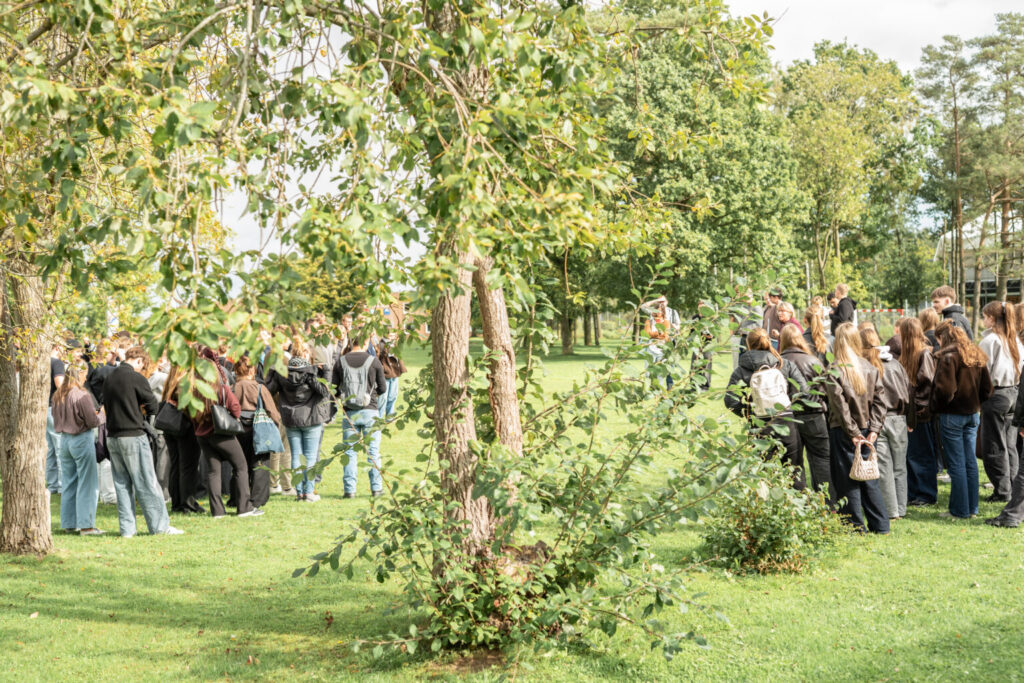
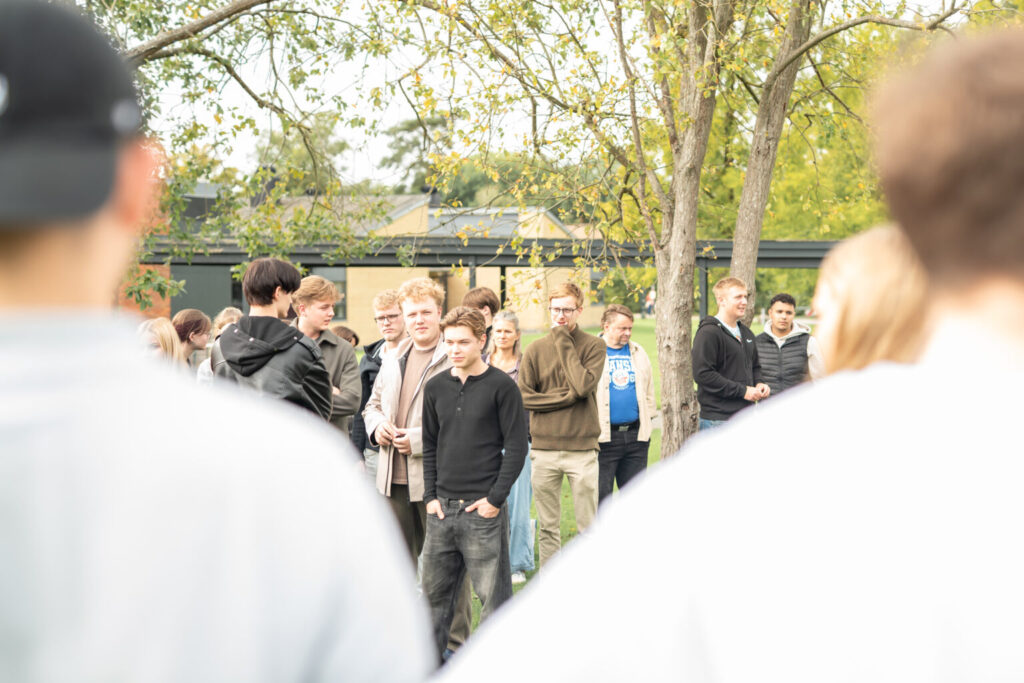
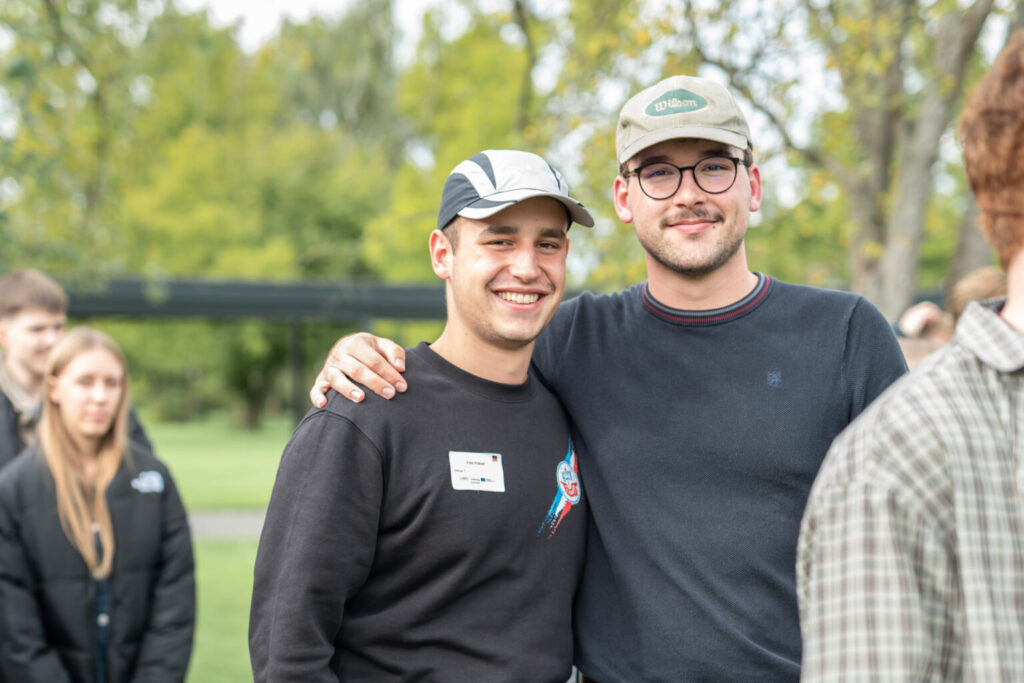
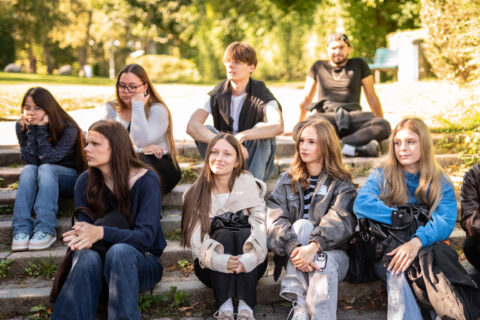
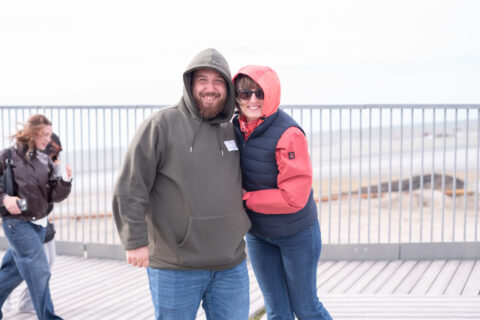
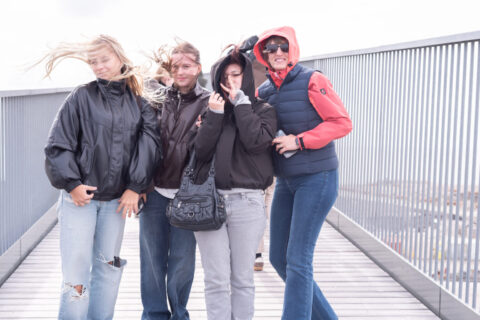
Young people from Poland, Lithuania, Germany and Denmark have started the international Sustainability Camp “Water is Life” in Nykøbing Falster, organised as part of the SCONE project. The first day of the camp focused on environmental protection, biodiversity and climate change adaptation, with study visits showcasing Danish investments and practical approaches to sustainable development forming an important part of the programme.

An International Youth Meeting in Denmark

From 21 to 23 September 2026, Denmark is hosting the international Sustainability Camp “Water is Life”, organised as part of the SCONE – Sustainability Cooperation Network in the South Baltic project. The event brings together young people from 🇵🇱 Poland, 🇱🇹 Lithuania, 🇩🇪 Germany and 🇩🇰 Denmark.

The first day of the camp combined educational activities with opportunities to explore practical examples of initiatives and investments implemented in the region. Participants addressed issues related to environmental protection, biodiversity and climate change adaptation.

Sustainability in Practice

The programme allowed participants to look at environmental issues not only from a theoretical perspective. The young people had an opportunity to learn about local initiatives and solutions and to see how sustainability-related challenges are connected with real changes taking place in the region.

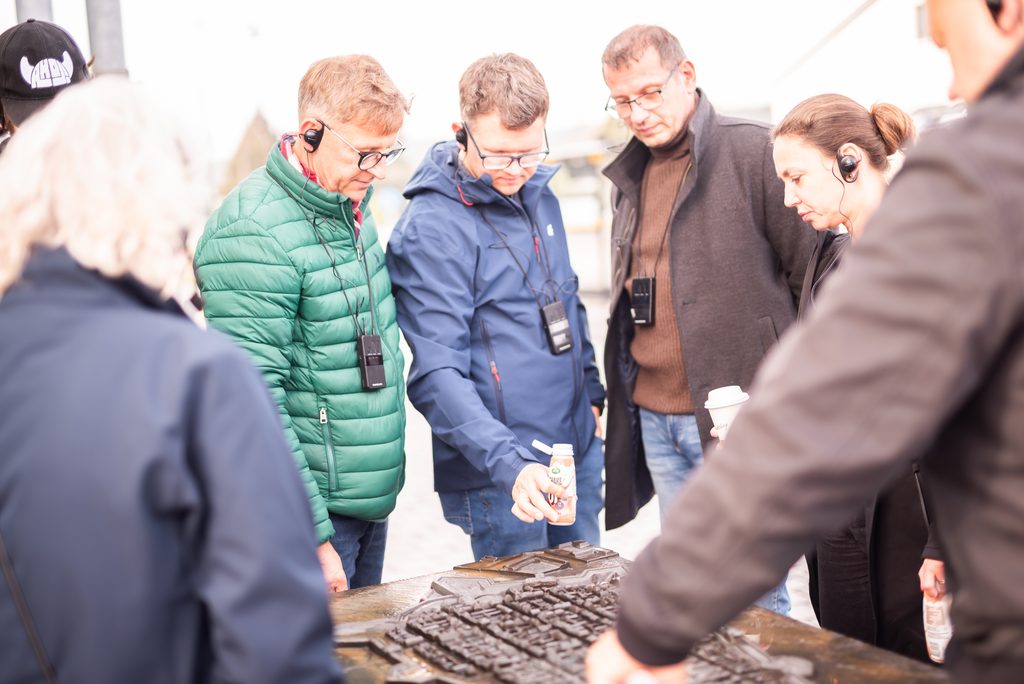
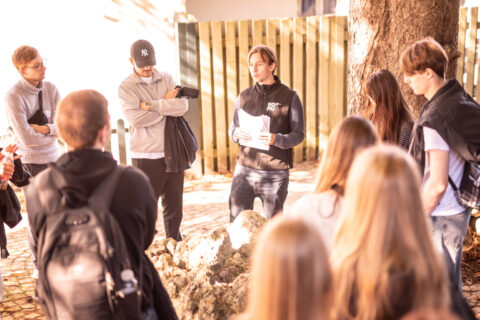
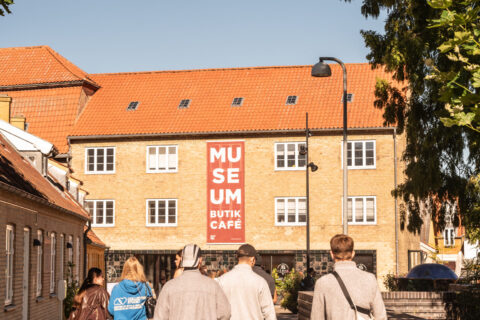
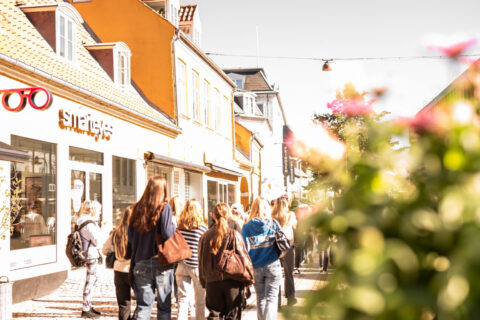
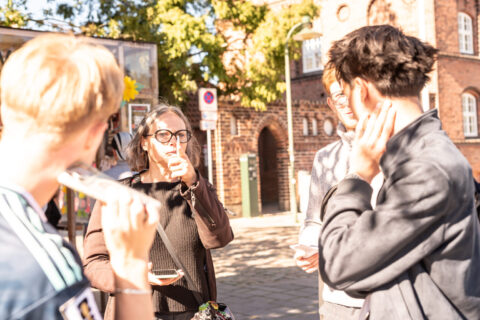
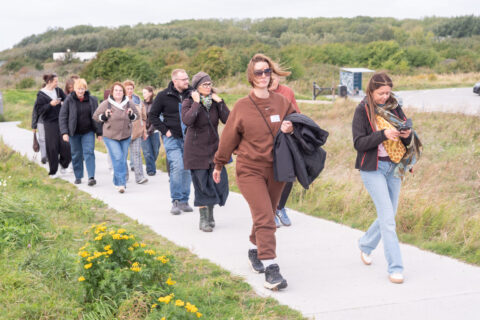
One of the activities also included exploring Nykøbing Falster accompanied by local guides, providing an opportunity to learn more about the town and its surroundings.

Study Visits and Local Investments

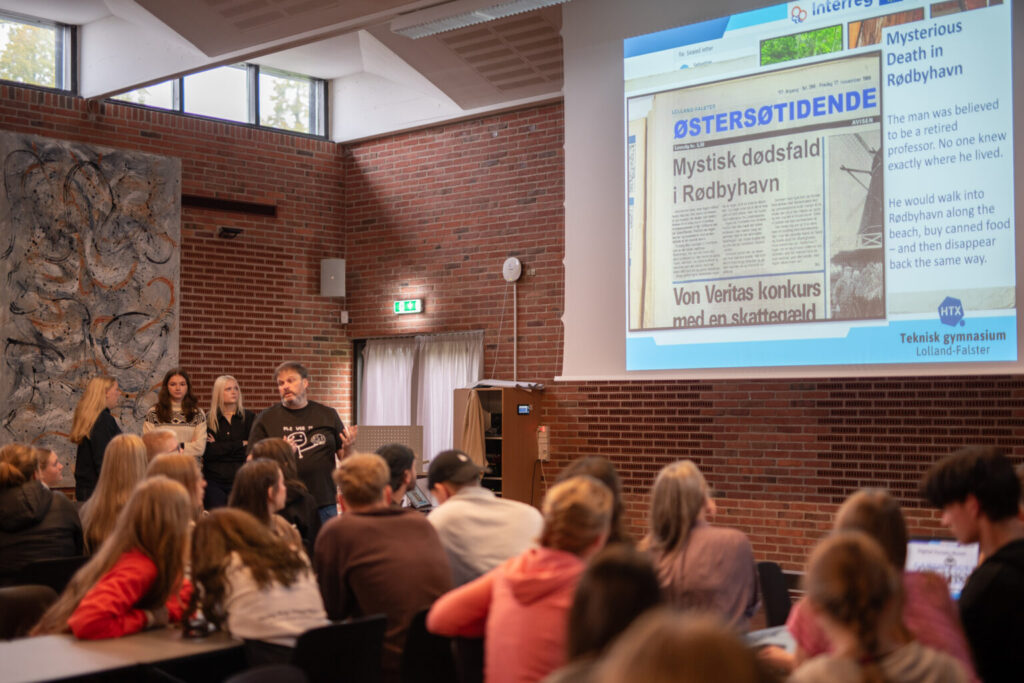
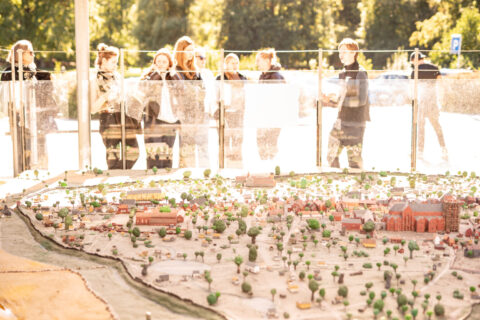
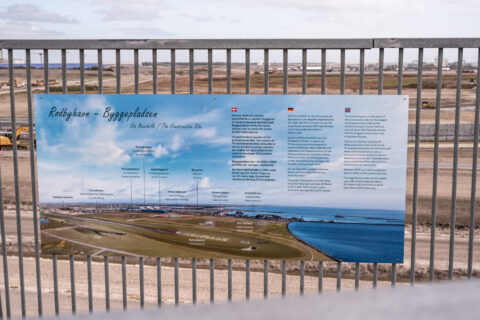
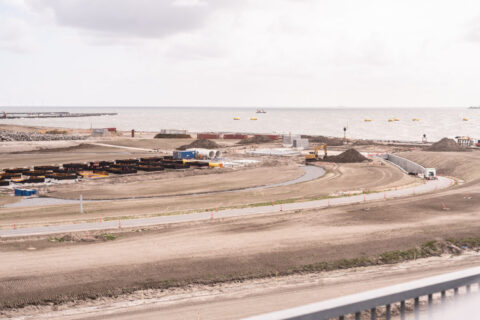
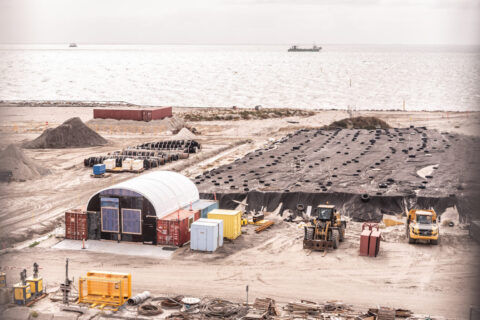
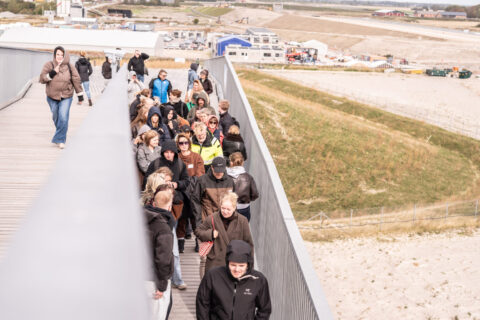
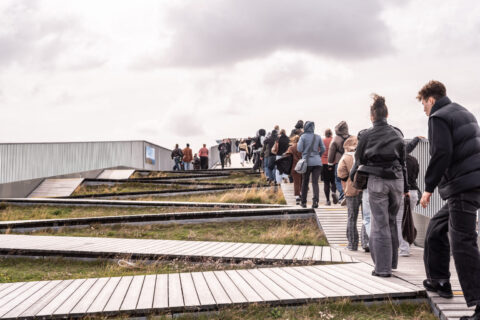
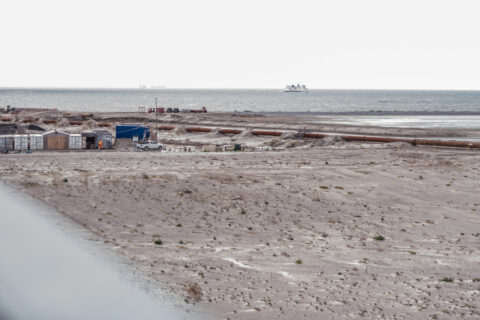
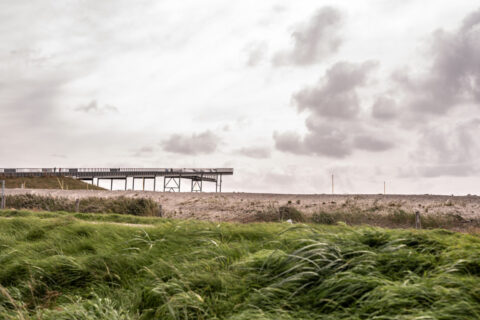
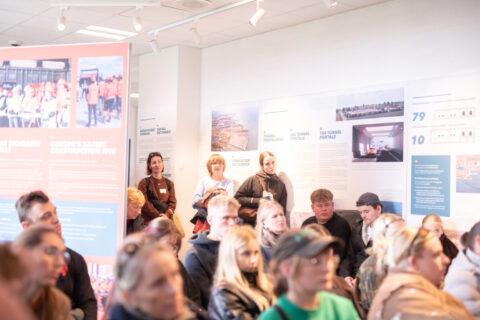
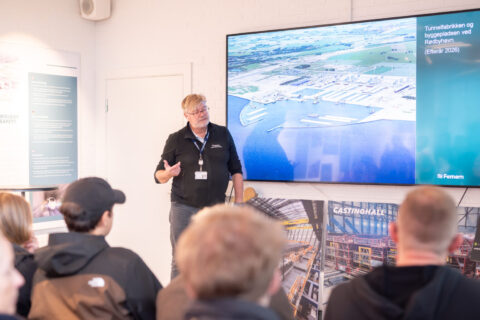
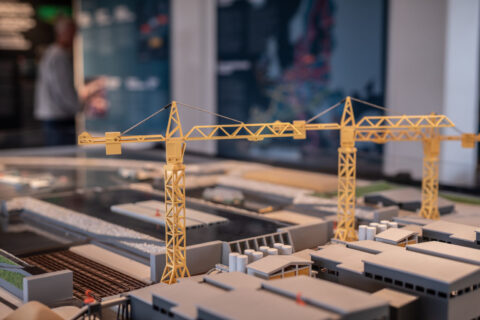
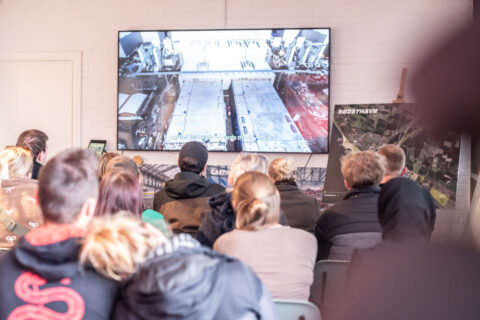
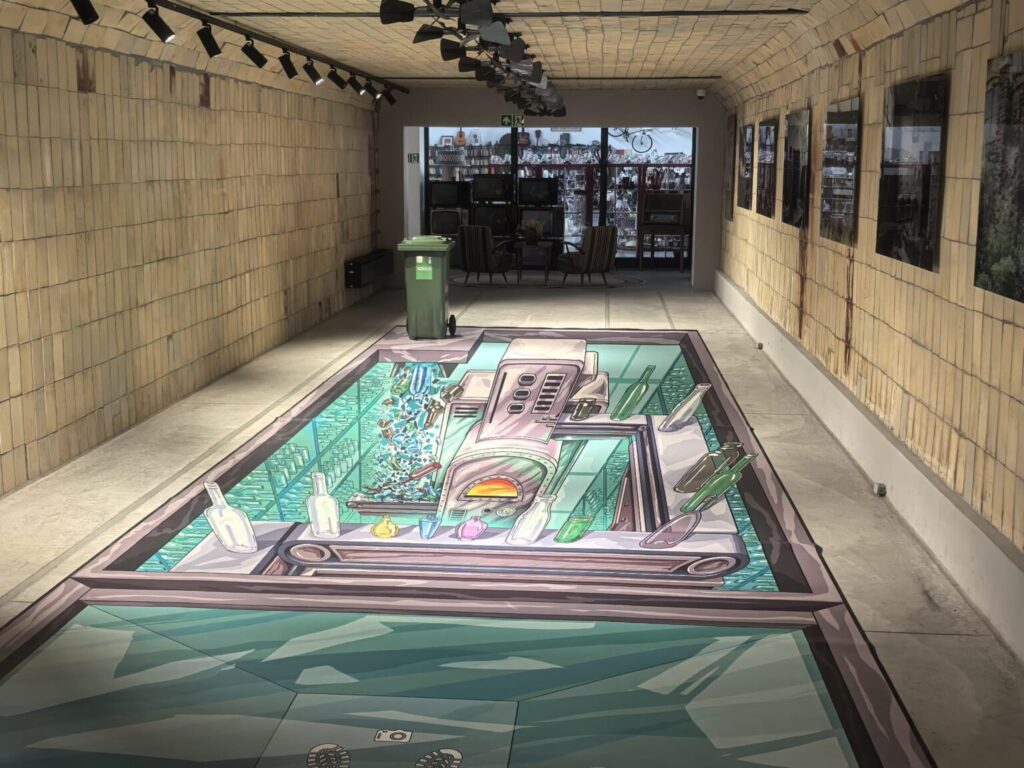
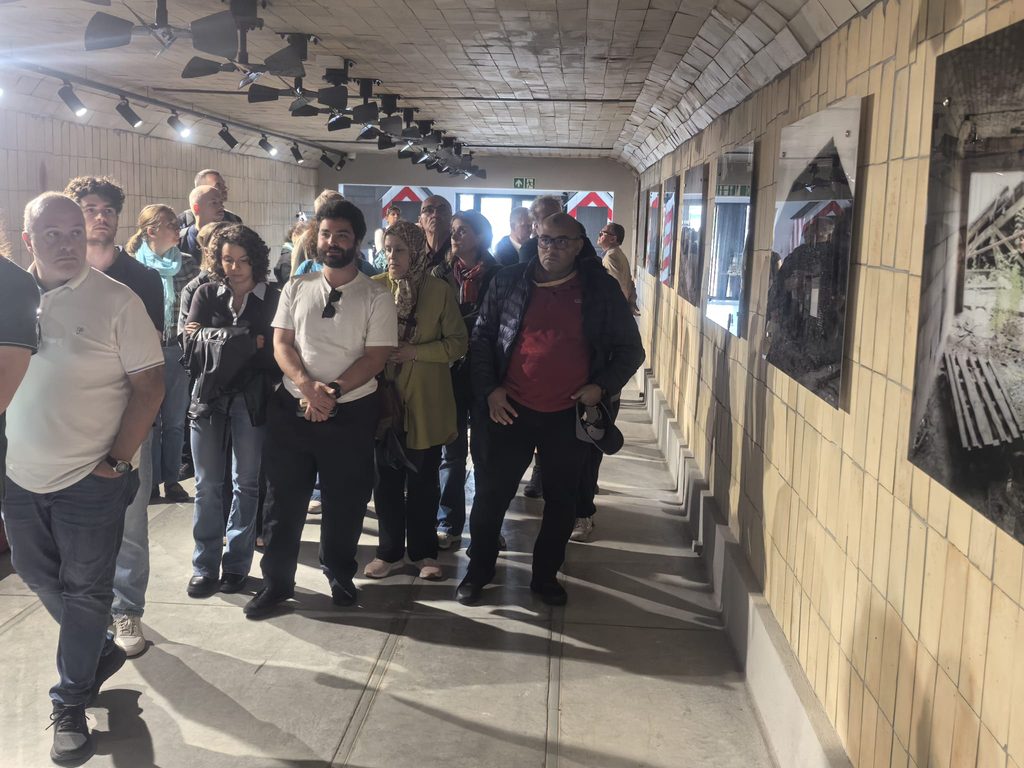
Study visits were an important part of the first day. Participants visited an exhibition dedicated to the construction of the Fehmarnbelt tunnel, learned about “The Arrow” project and explored the new areas created in Rødby.

The visits gave the young participants an opportunity to learn more about local investments and changes taking place in the region, while considering them from the perspective of sustainable development and their impact on the surrounding environment.

Cooperation Between Young People from Four Countries

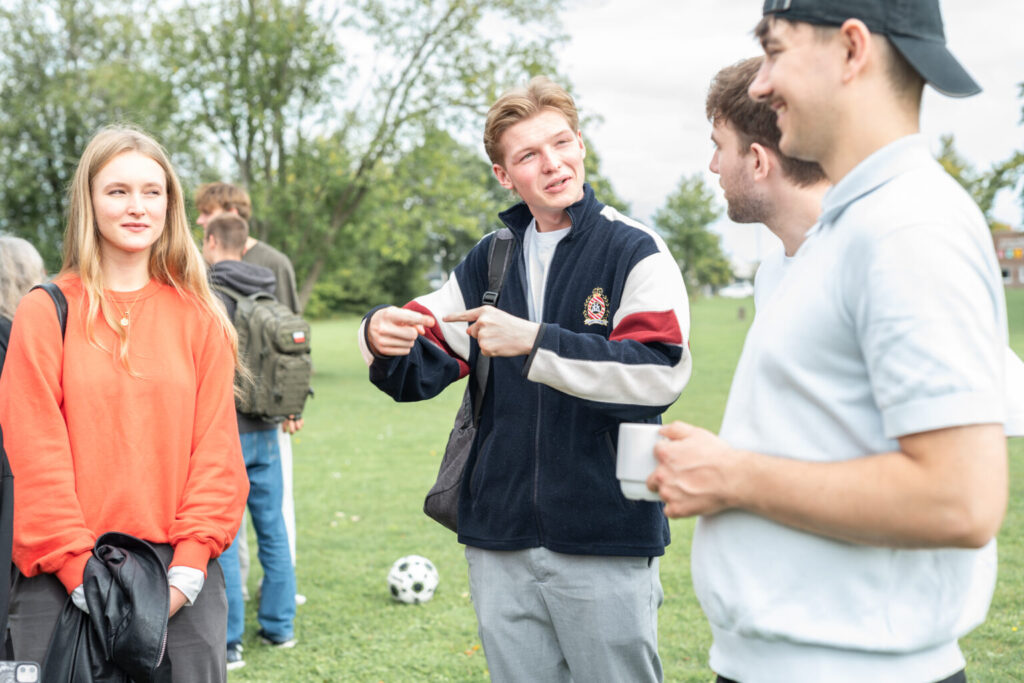
The Sustainability Camp also provides a space for international integration and the exchange of experiences. Joint activities and study visits enable young people from four countries to explore different perspectives and work together on issues related to the environment and sustainable development.

The Polish group includes students from the Technical School Complex in Elbląg, Kazimierz Jagiellończyk Bilingual Secondary School No. 2 in Elbląg, and Secondary School No. 6 in Gdańsk.

The Next Days of the Sustainability Camp

The participants will continue with workshops, field activities and joint work on topics related to water, the environment and solutions supporting more sustainable development.

Youth Democracy Festival in Denmark - Young People for Democracy Across Borders

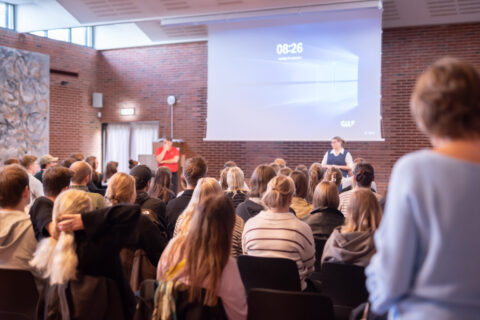
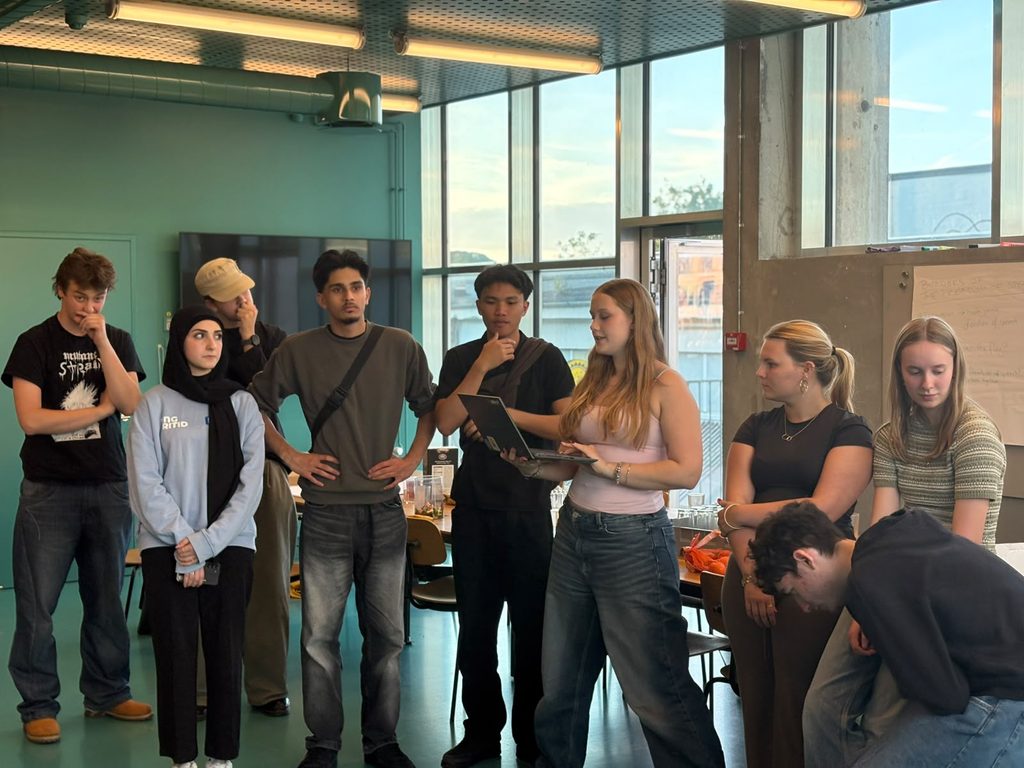
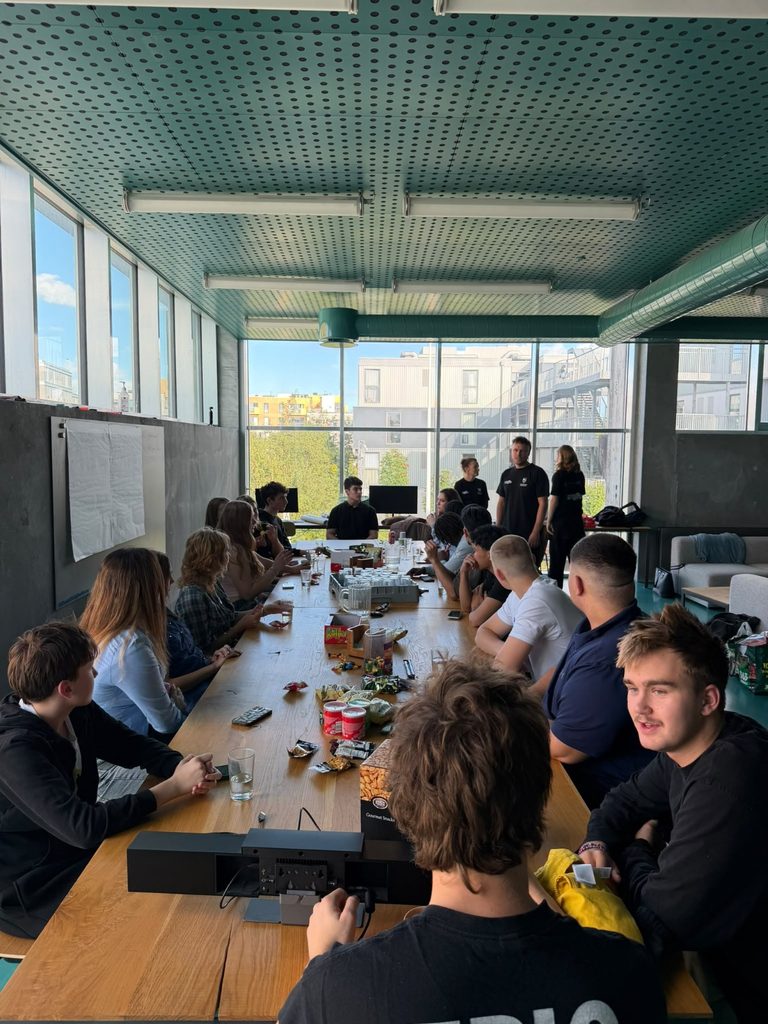
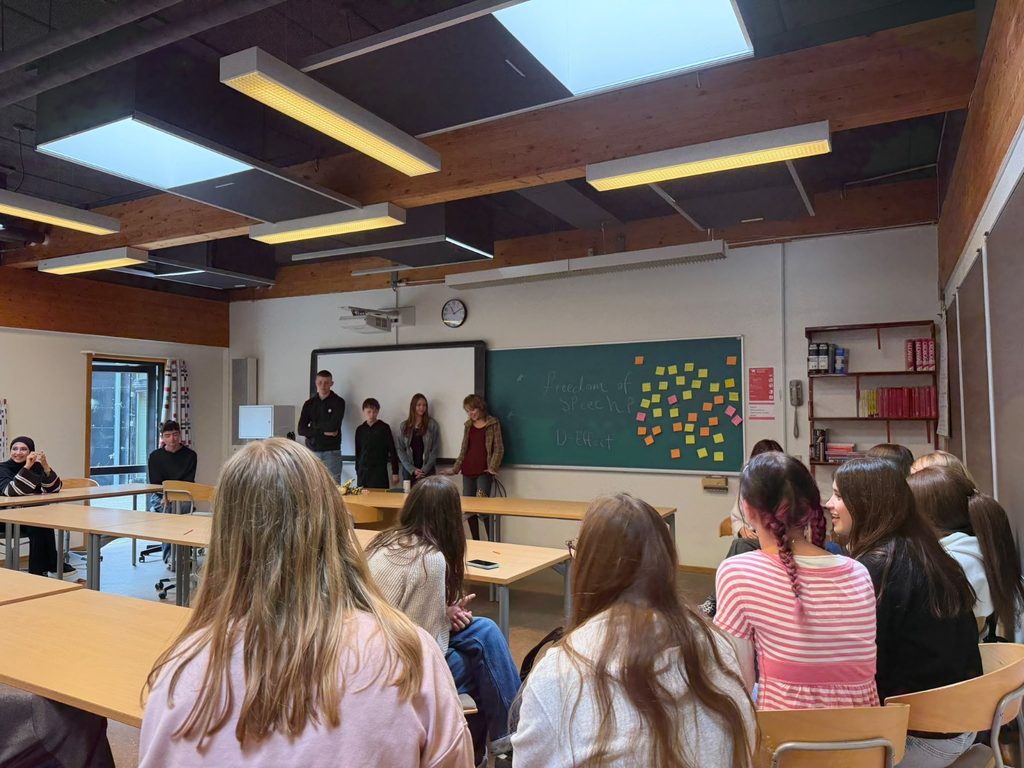
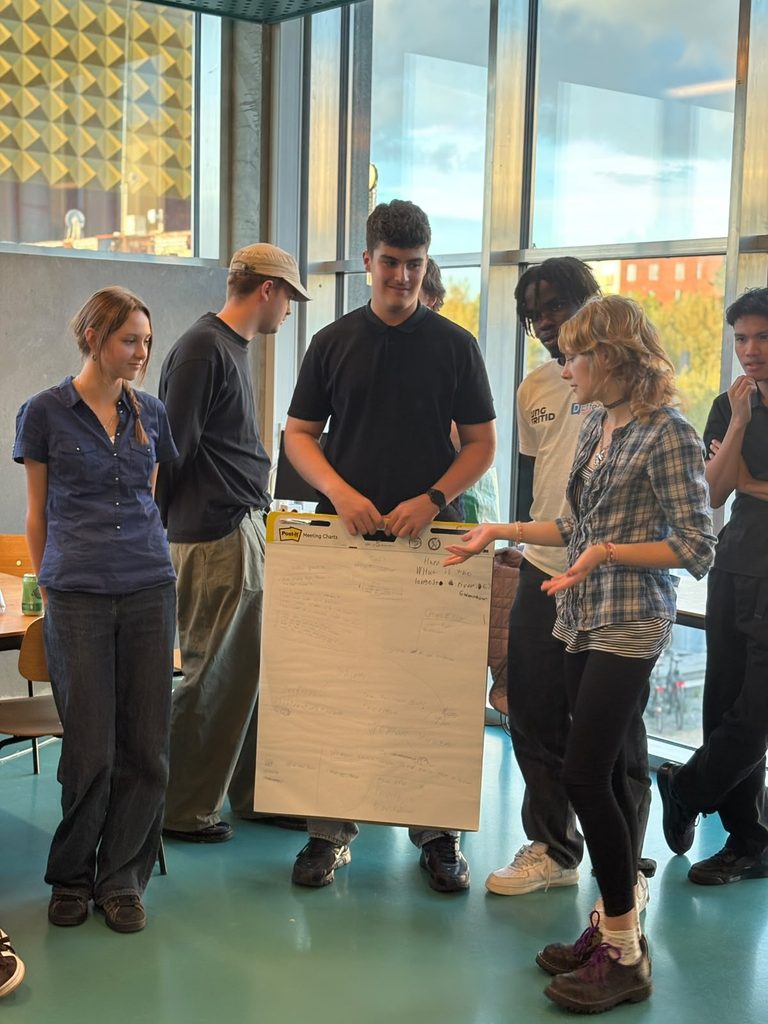
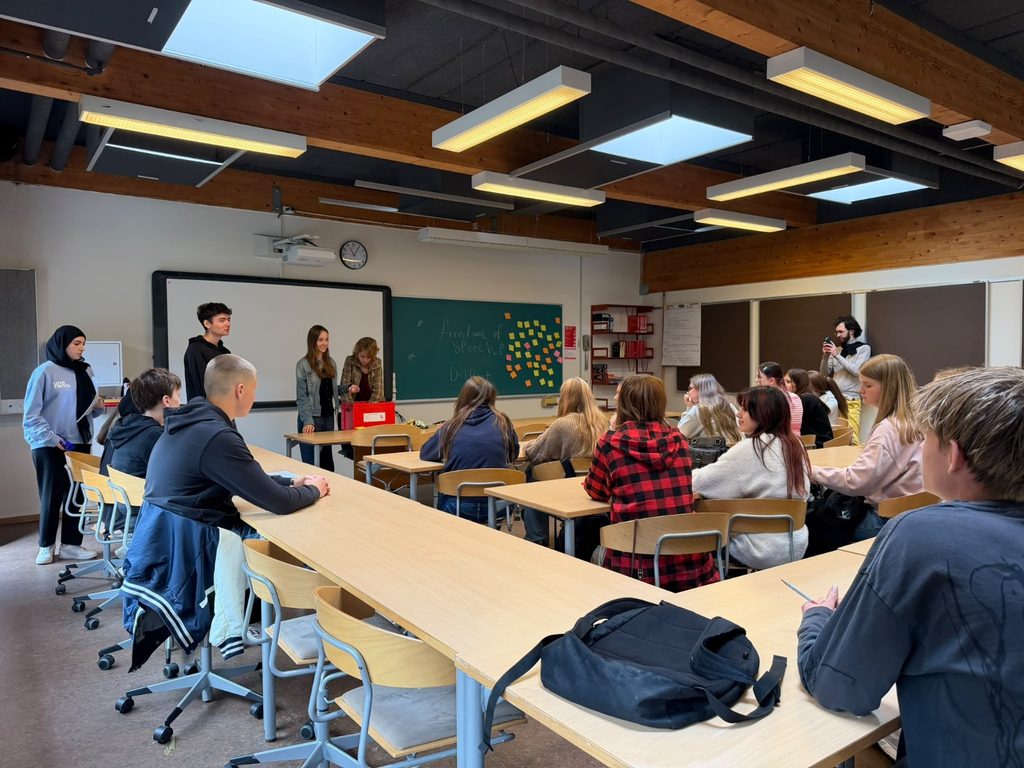
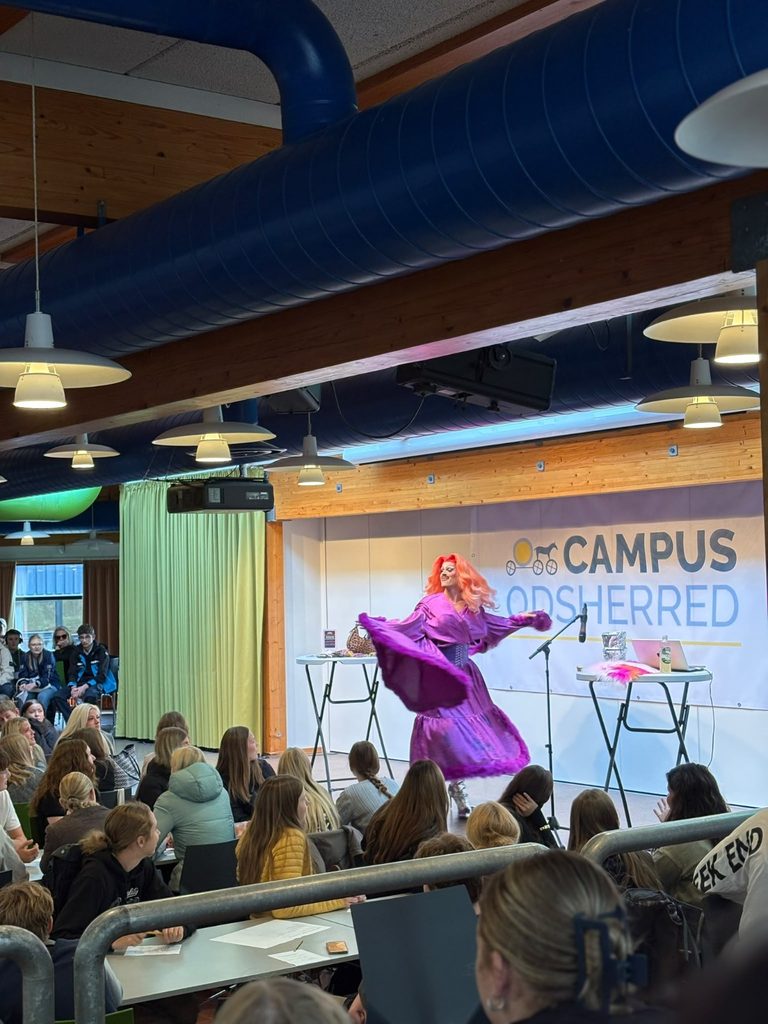
On 10–11 September 2026, we participated in the Youth Democracy Festival in Odsherred, which brought together young people engaged in discussions about democracy, civil rights and freedom of expression.

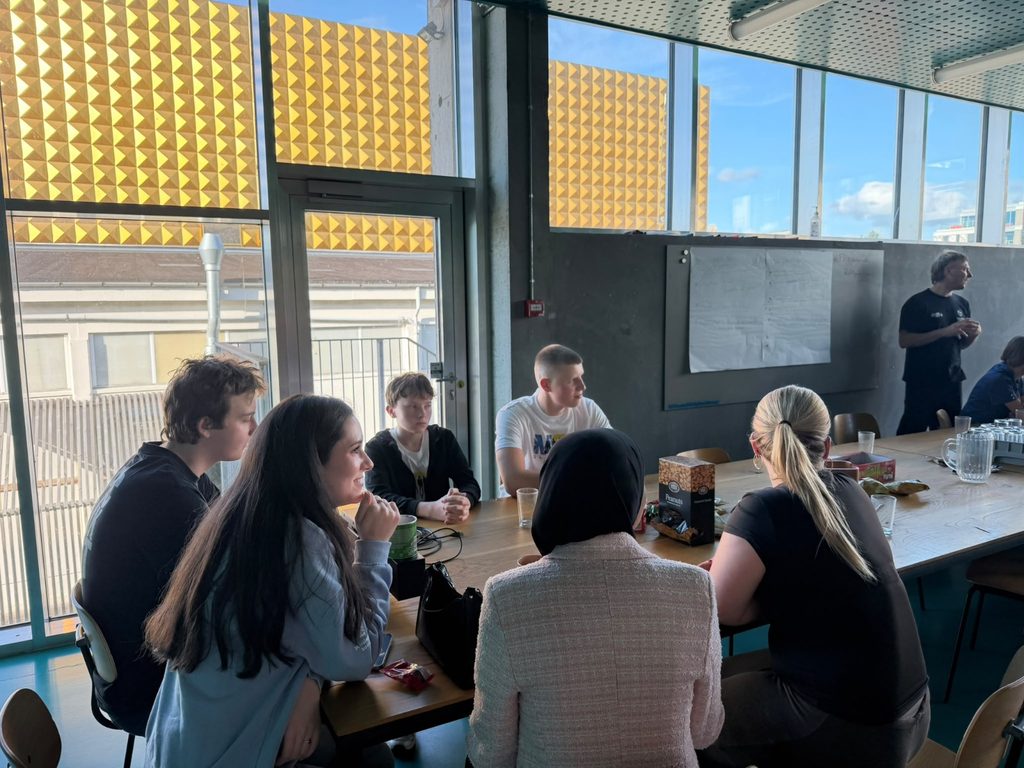
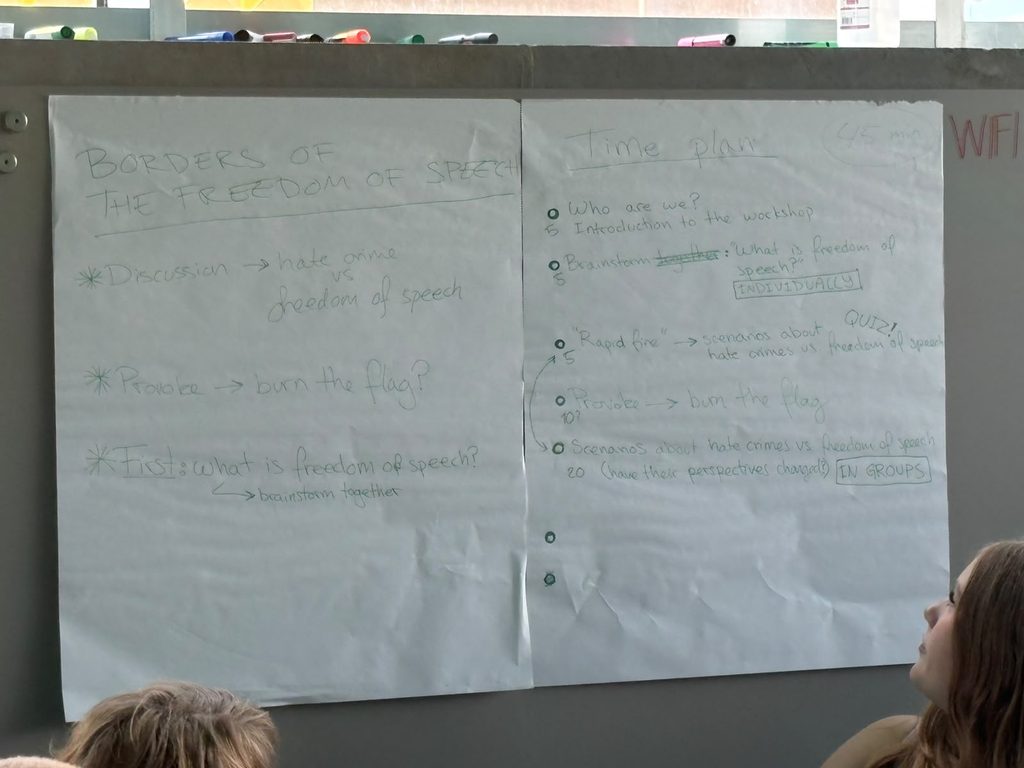
Together with young people from Denmark and Sweden, we co-created workshops dedicated to freedom of expression, which were part of the YDF – Youth Democracy Festival events held on 11 September. It was an opportunity not only to exchange views, but above all to work together, listen to different perspectives and seek answers to questions that matter to the younger generation.

Democracy in Action

Participation in the festival showed that democracy is not only about voting and taking part in elections. It is also about the opportunity to express one’s views, engage in dialogue, cooperate, take responsibility and have a real influence on issues that affect us and our communities.

Thanks to the D-Effekt project and the Youth Democracy Festival method, young people can not only participate in events, but above all co-create them from the very beginning – choosing topics that matter to them, preparing workshops, engaging others and speaking out on issues concerning their local communities, Europe and the future of democracy.

Cooperation Across Borders

The meeting in Odsherred was also an important experience of international youth cooperation. The joint preparation of workshops by young people from Poland, Denmark and Sweden showed that, despite linguistic and cultural differences, we can work together to create a space for dialogue and action.

D-Effekt connects young people across borders and provides them with tools for active participation in civic life. The festival in Odsherred was another example of how, when young people are given space, trust and the opportunity to take action, democracy becomes something we not only learn about, but something we experience and co-create.

The D-Effekt Project

D-Effekt supports the development of young people’s civic engagement, their participation in democratic life and international cooperation. Through Youth Democracy Festivals, young people from different countries can jointly create engaging events and discuss issues that genuinely matter to them – both locally and internationally.

Circular MuSe - From Presentation to Solutions in Practice

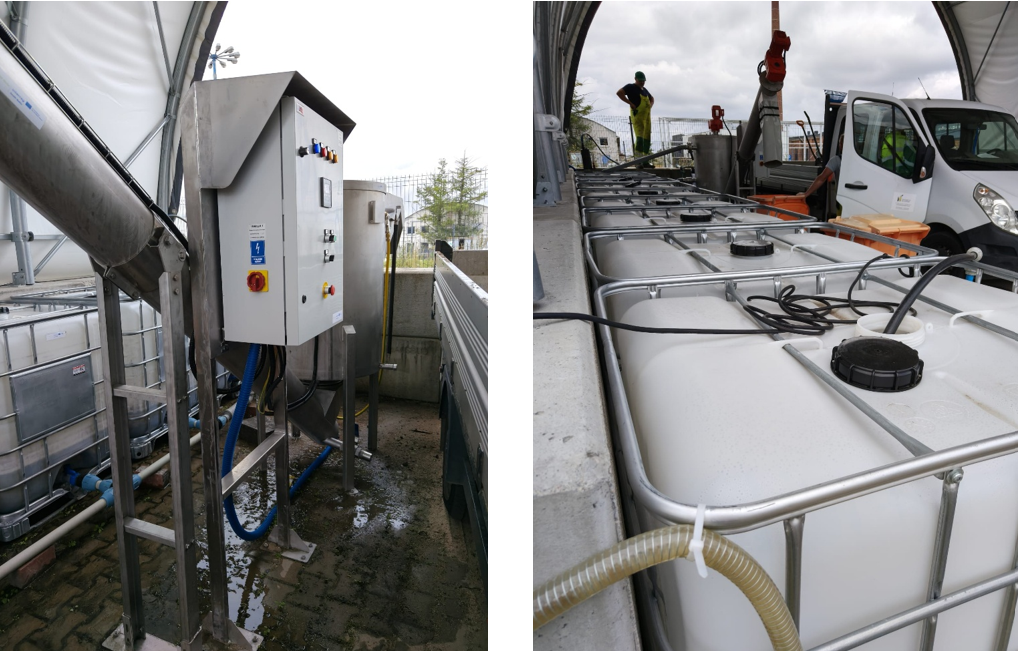
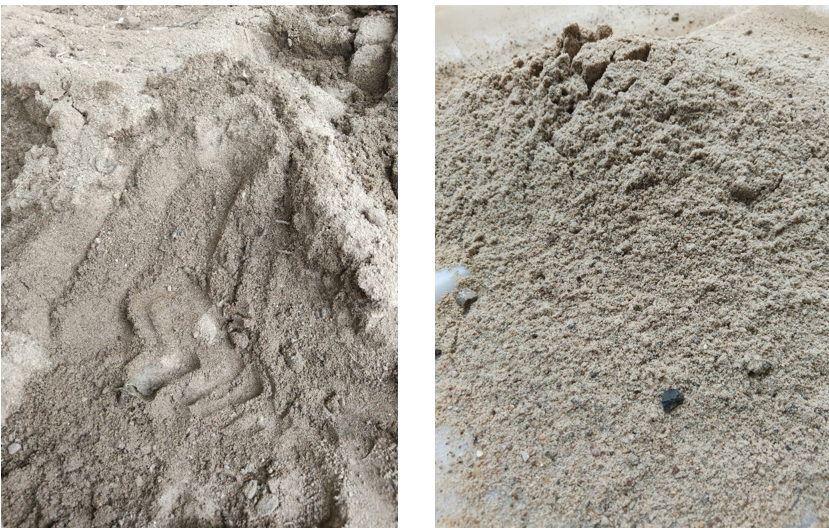
The Circular MuSe pilot focusing on the reuse of sand collected during winter street cleaning was one of the practical solutions presented to COEE 2026 participants during a study visit to Wejherowo. The visit to Ekofabryka Wejherowo demonstrated how circular economy principles can be put into practice and contribute to more efficient use of resources in municipal services.

The final day of the 5th International Conference of Ecological and Environmental Engineering – COEE 2026 was dedicated to study visits, giving participants an opportunity to relate the topics presented and discussed during the conference to concrete solutions implemented at the local level.

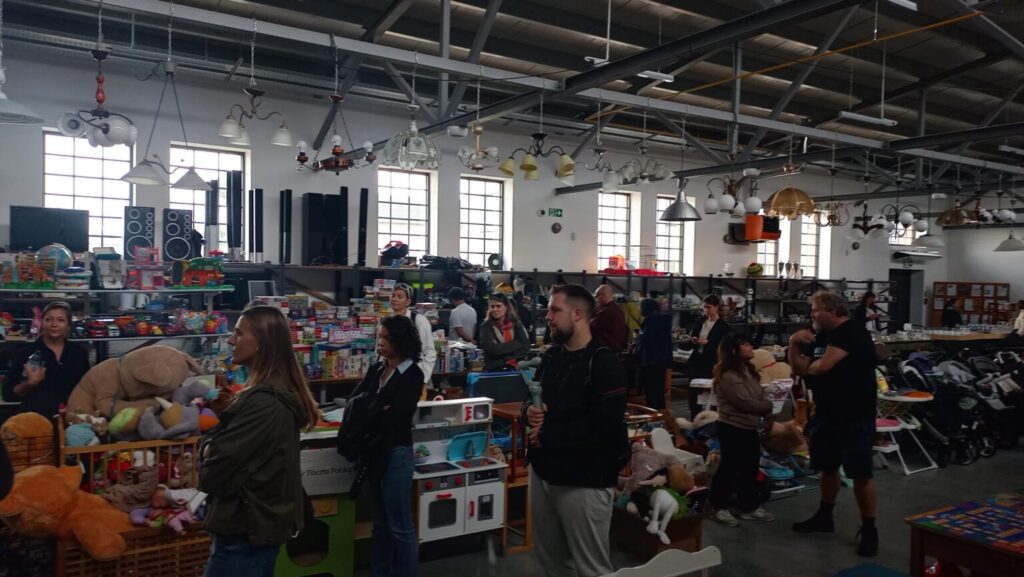
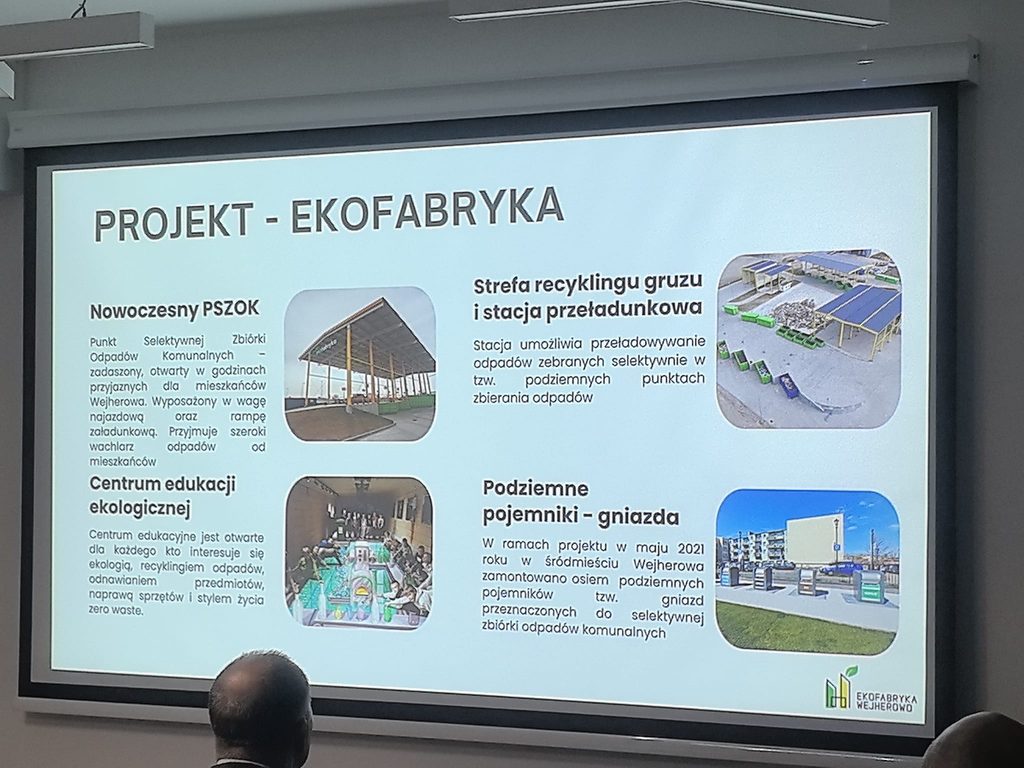
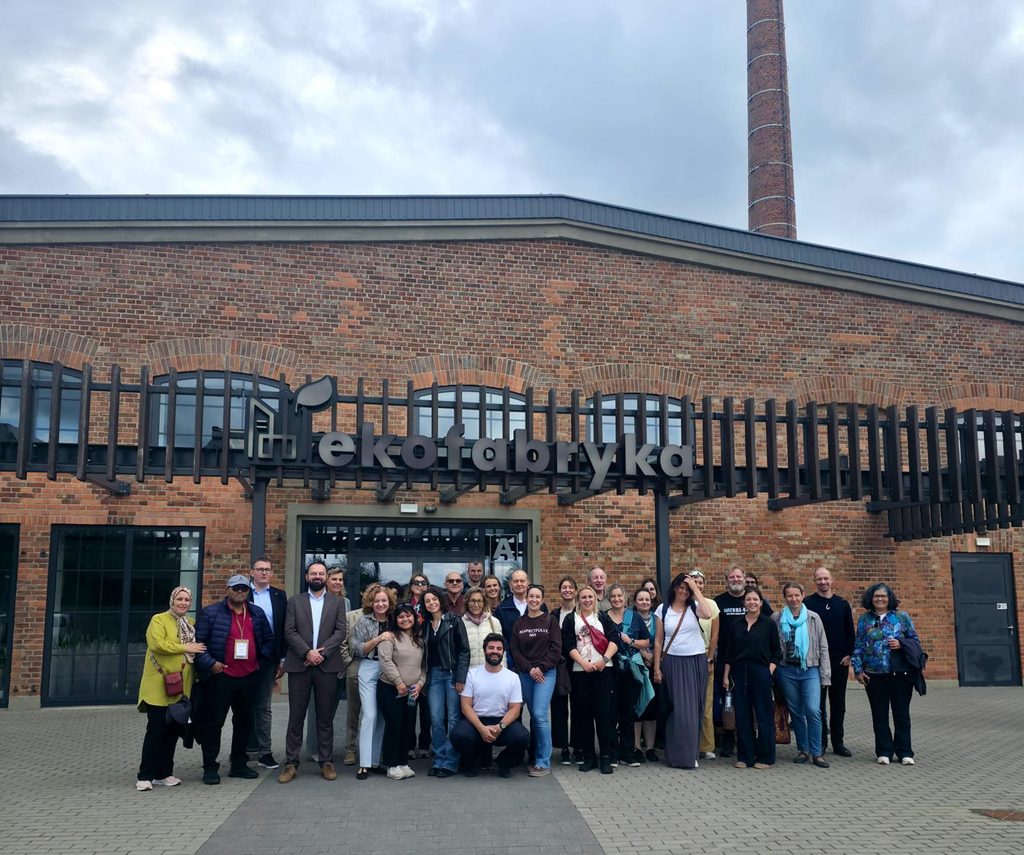
One of the sites included in the programme was Ekofabryka Wejherowo, where participants learned about circular economy solutions and practical experience related to their implementation in an urban context.

Circular MuSe pilot in Wejherowo

An important part of the visit was the presentation of the Circular MuSe pilot focusing on the reuse of sand collected during winter street cleaning in Wejherowo. The activity contributes to one of the project’s key objectives – increasing the circularity of municipal services through resource recovery and reuse, as well as developing new approaches to material management.

The visit provided participants with an opportunity to explore the practical dimension of the solution and learn about local experience with its implementation. It also demonstrated how a material previously treated as waste can be considered a potential resource and brought back into circulation.

The experience gained in Wejherowo is also relevant in terms of the potential transfer and adaptation of similar solutions by other cities and municipalities. Combining knowledge exchange, demonstration of solutions and practical implementation experience is an important element of Circular MuSe and supports the development of more circular models for municipal service delivery.


COEE 2026 – the 5th International Conference of Ecological and Environmental Engineering – was organised by Gdańsk University of Technology and its Faculty of Civil and Environmental Engineering.

CONE Project Partners Met in Wejherowo

On 9 September 2026, CONE project partners met in Wejherowo, combining a working meeting with a study visit to sites connected with local project activities. The programme provided an opportunity to discuss the progress of the project and the next stages of CONE implementation, while also taking a closer look at the practical application of Nature-Based Solutions (NBS) in urban areas.

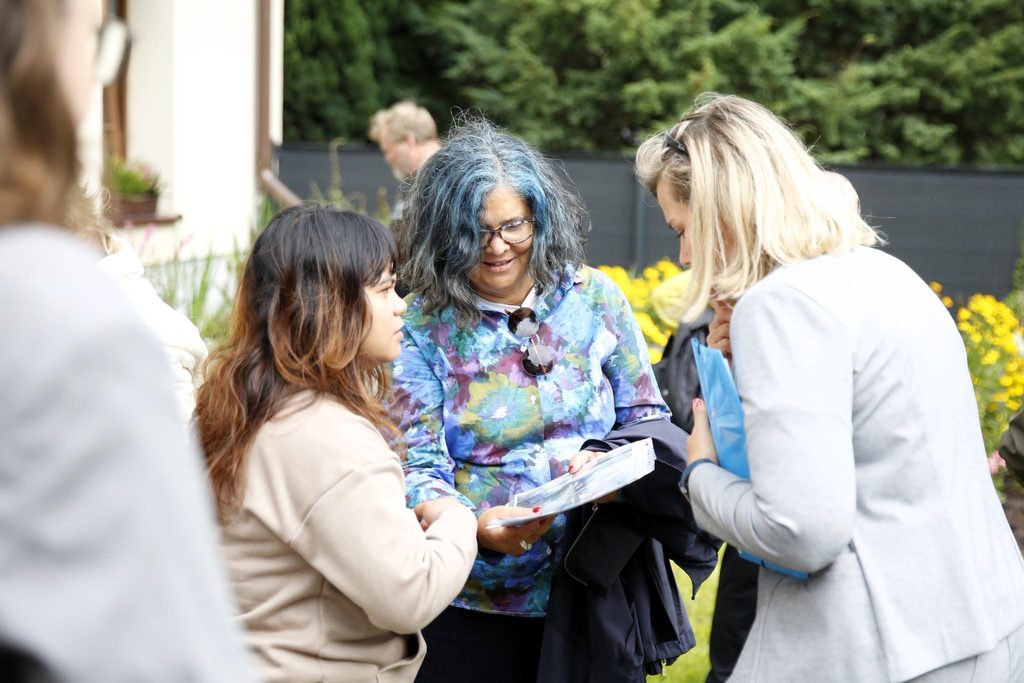
An important part of the programme was a visit to sites connected with CONE pilot activities implemented in Wejherowo. The partners visited the courtyard at 8 Śmiechowska Street, where a rain garden has been created, as well as the site of the former mill pond on the Cedron River, whose restoration is intended to restore its water retention capacity. The field visit provided an opportunity to learn about local conditions and exchange experience on the practical application of Nature-Based Solutions in water management and urban space.

The programme also included a visit to Ekofabryka Wejherowo, where participants learned about local solutions and experience related to municipal management.

Partners’ meeting at Wejherowo Town Hall

Another part of the programme took place at Wejherowo Town Hall. The Mayor of Wejherowo, Krzysztof Hildebrandt, introduced the participants to the city, its history and development priorities. A visit to the Museum of the Wejherowo Region provided an opportunity to gain further insight into the local context and history of the city.

The Town Hall also hosted the working session of the CONE partners’ meeting, focusing on the ongoing implementation of the project, progress to date and planned activities. Direct exchange between the partners, combined with visits to the pilot sites, made it possible to relate project discussions to the specific conditions and challenges associated with implementing Nature-Based Solutions in cities.
The meeting in Wejherowo thus combined work on the further implementation of the project with a practical perspective on local CONE activities and the potential of Nature-Based Solutions to contribute to more climate-resilient urban areas.