3rd Round Table in Elbląg – Young People and Adults Jointly Develop the Programme for the Youth Democracy Festival

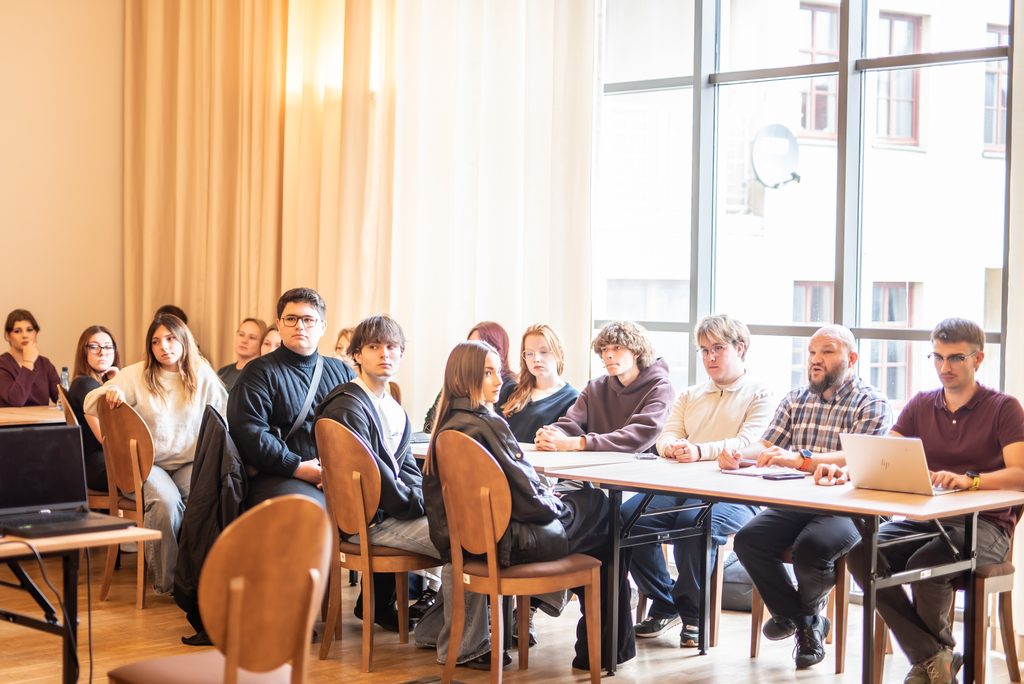
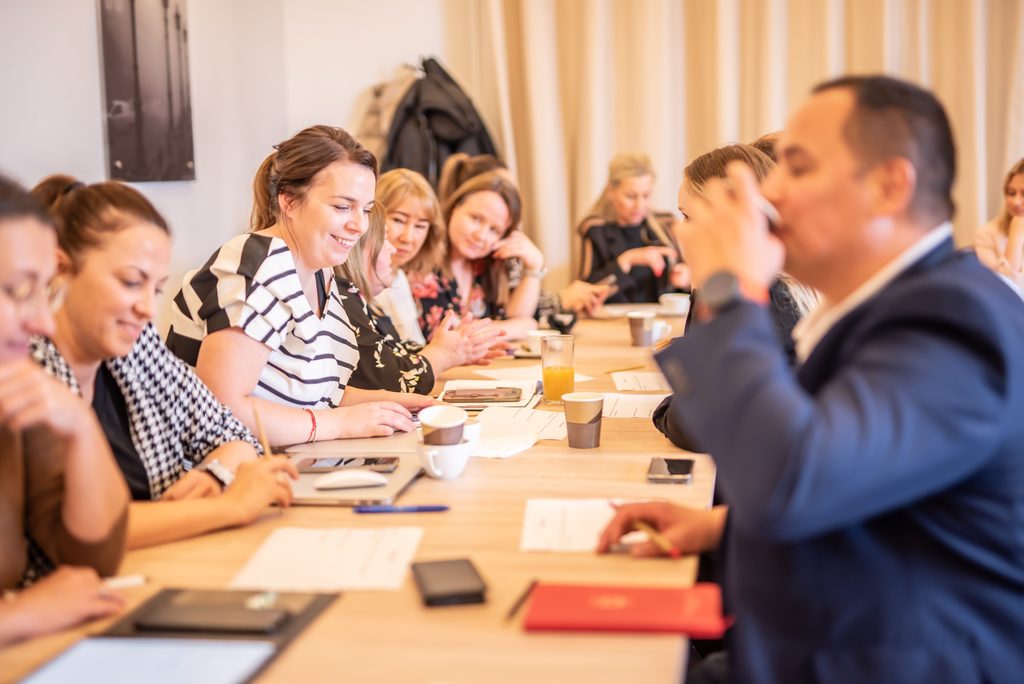
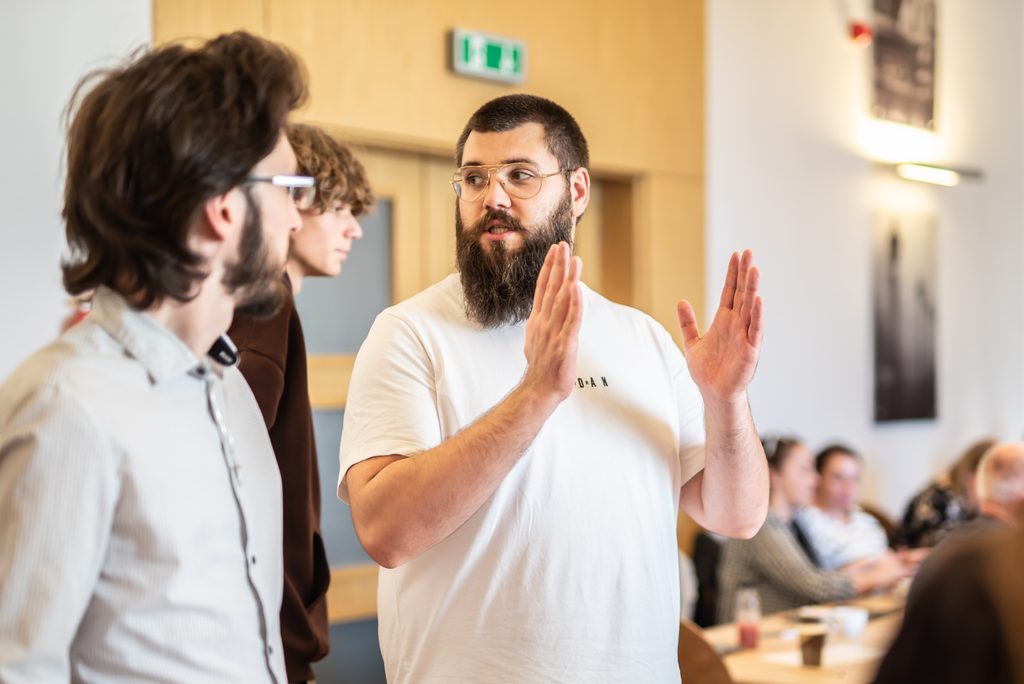
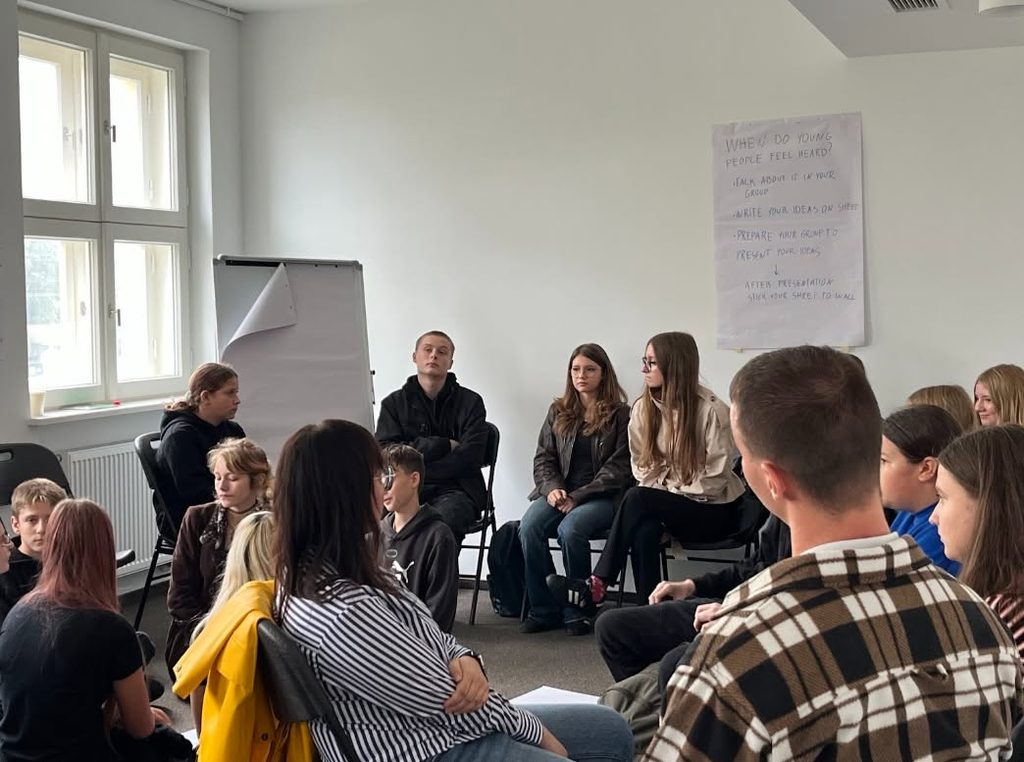
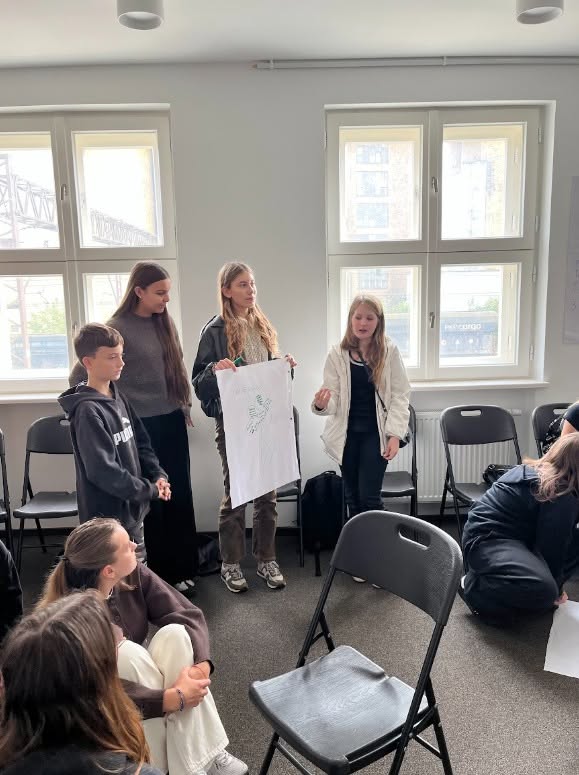
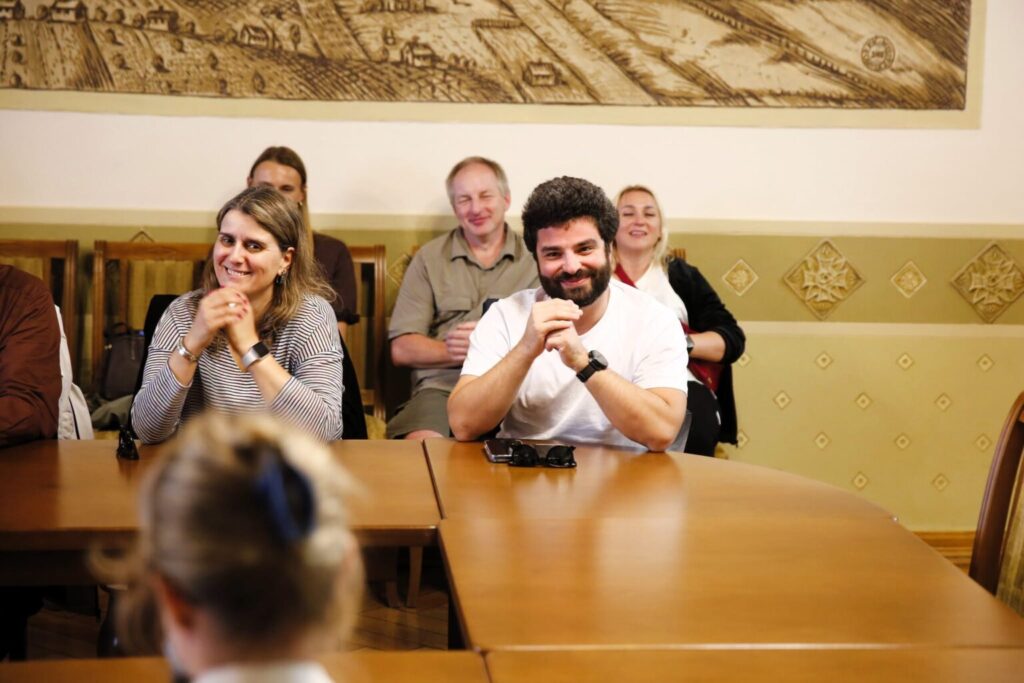
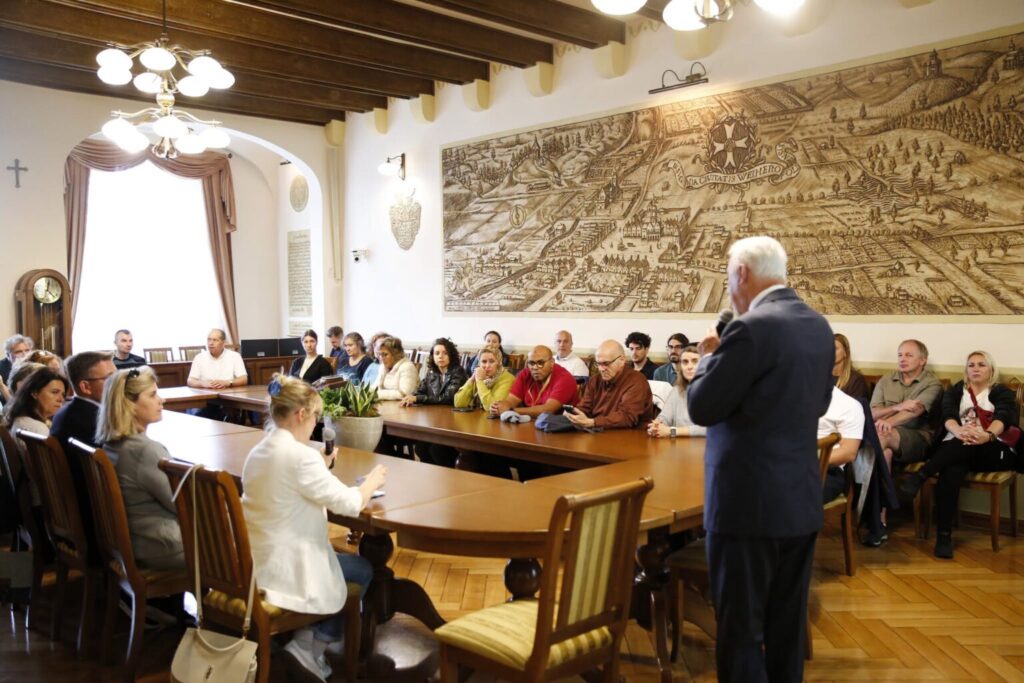
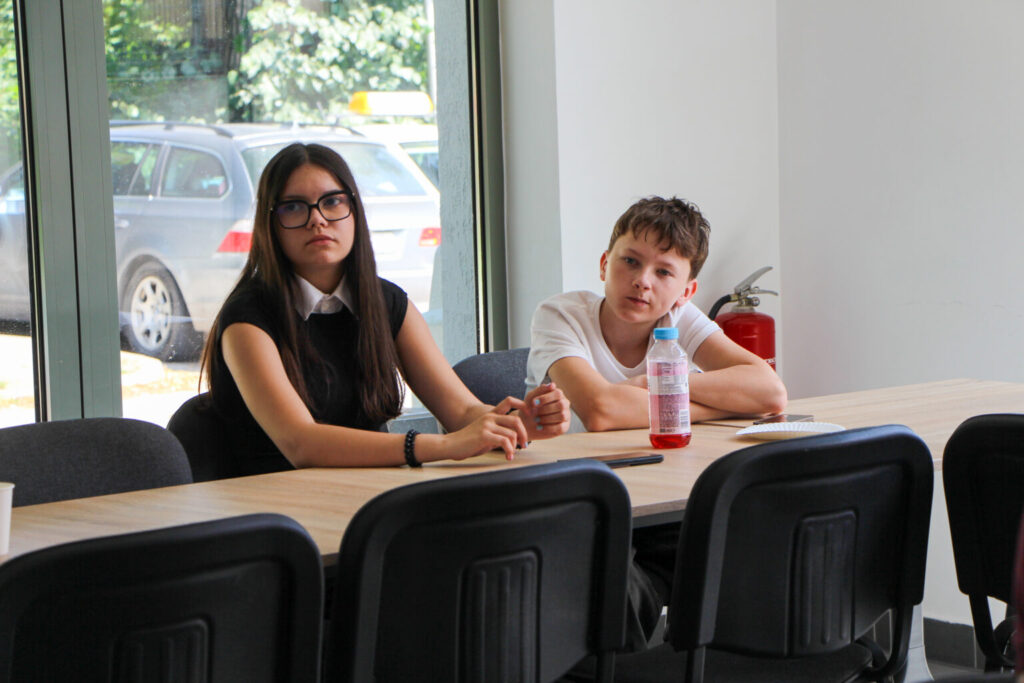
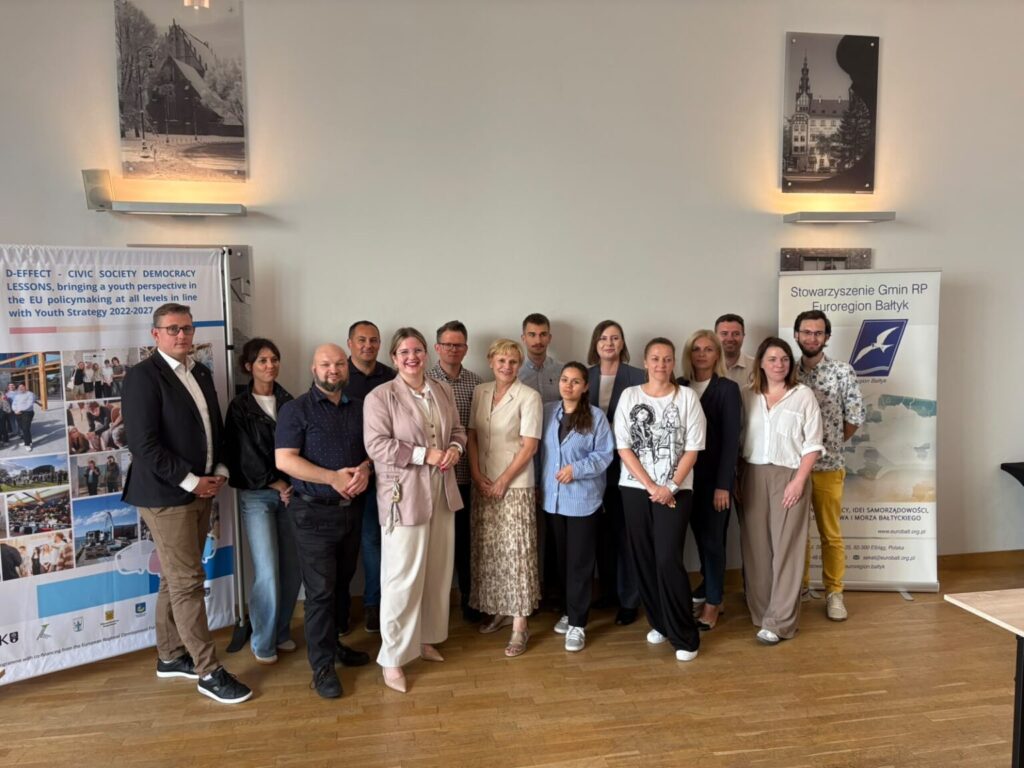
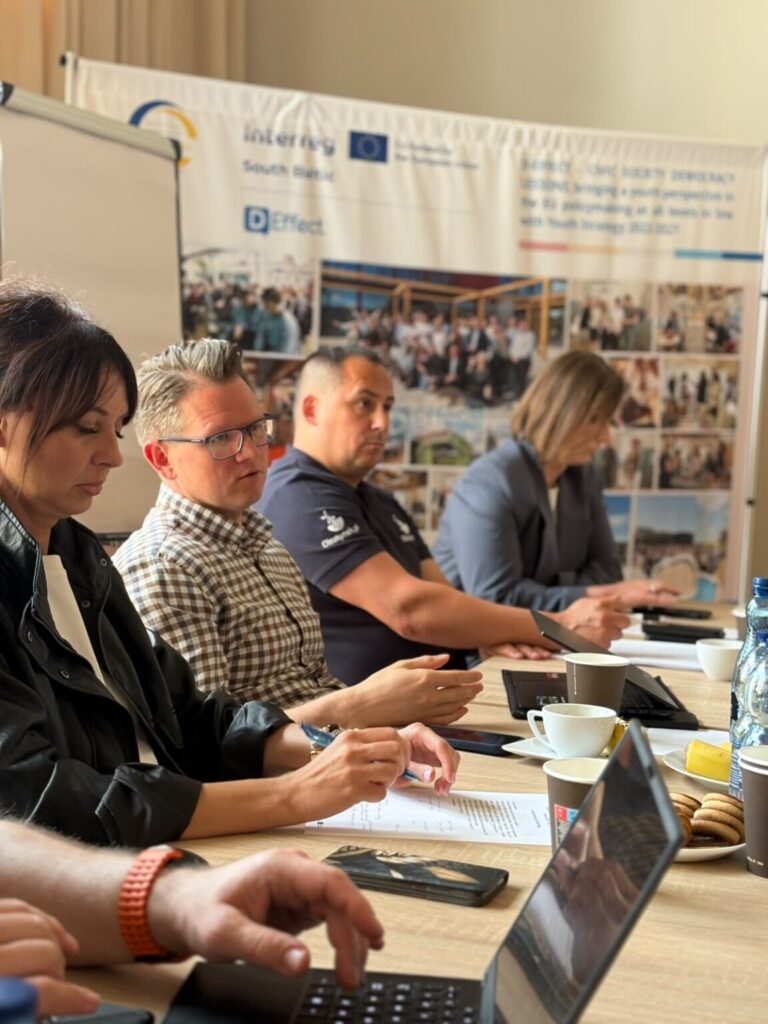
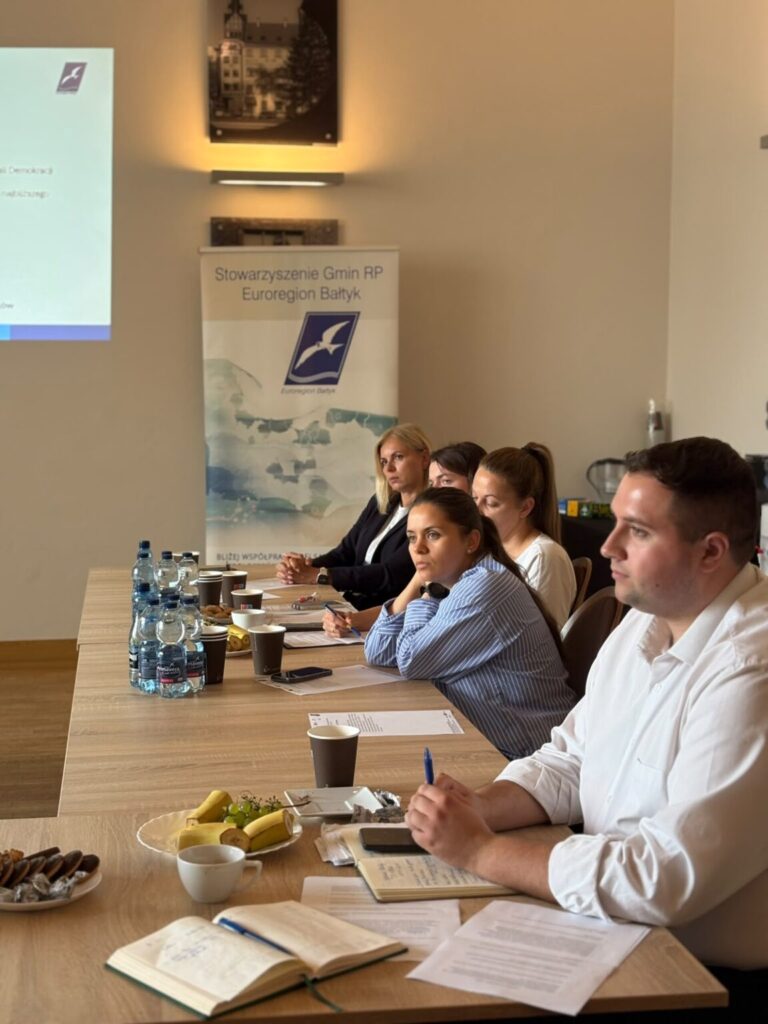
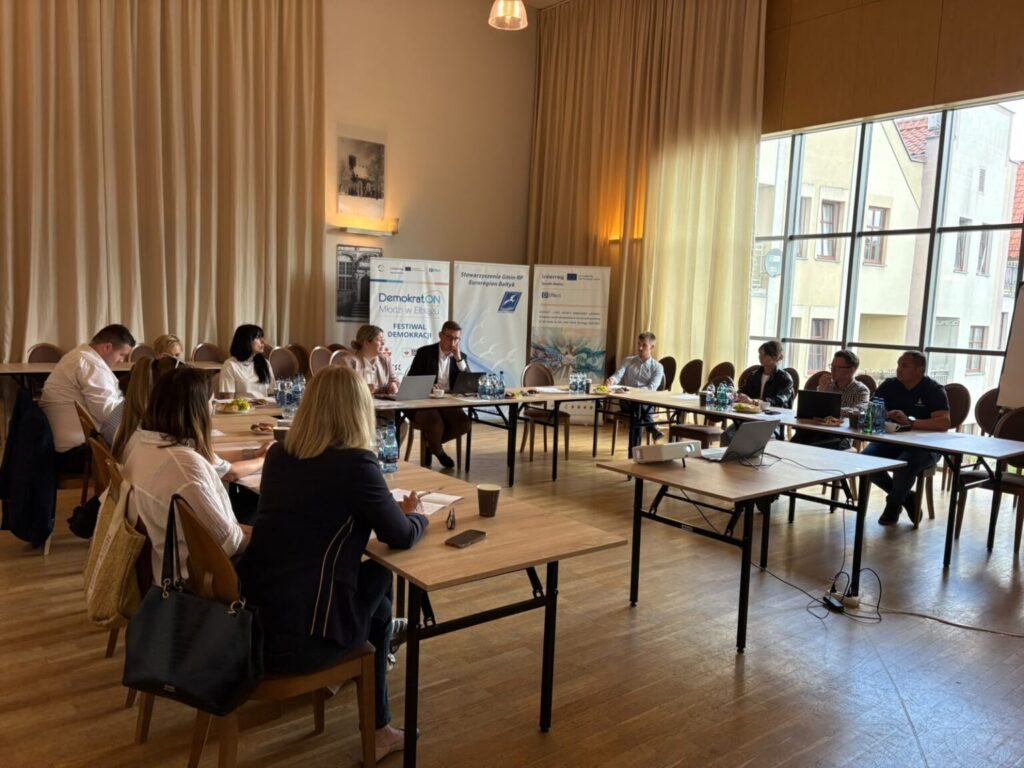
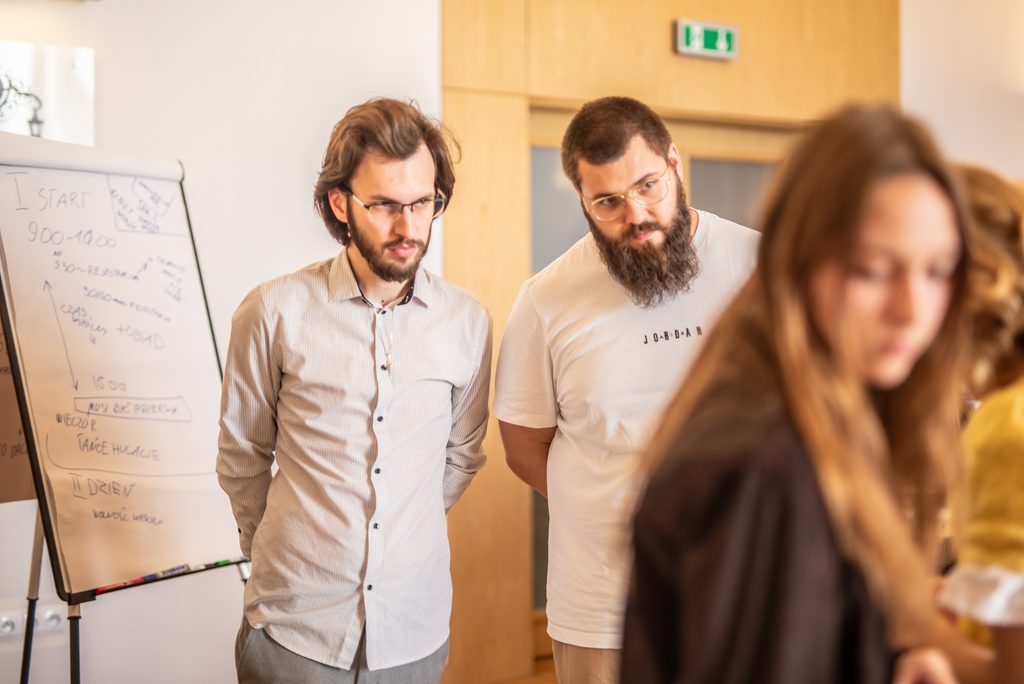
On 7 October 2026, the third and final Round Table meeting was held in Elbląg as part of the D-effect project, focusing on preparations for the Youth Democracy Festival (YDF), scheduled for November. During the meeting, young people and adults worked together to develop the festival programme, drawing on experiences from previous festivals and ideas generated during earlier consultations.
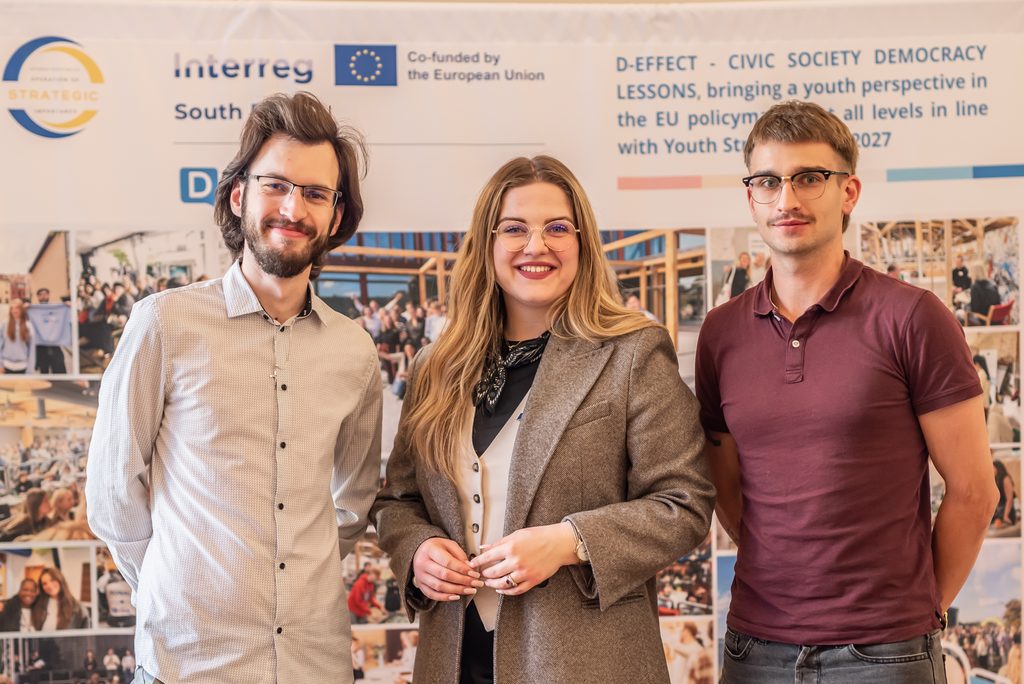
The meeting marked the culmination of several months of preparations based on intergenerational dialogue and active participation of the local community. Its main objective was to turn the collected proposals into a preliminary festival agenda, ensuring that the event would not only be aimed at young people but, above all, developed with their direct involvement.
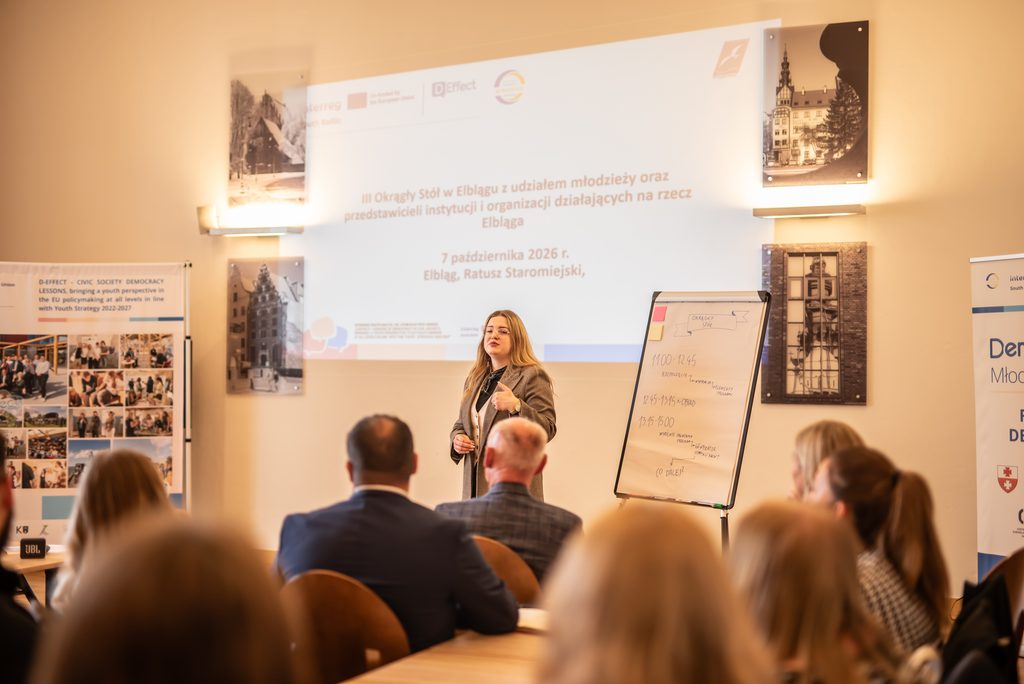
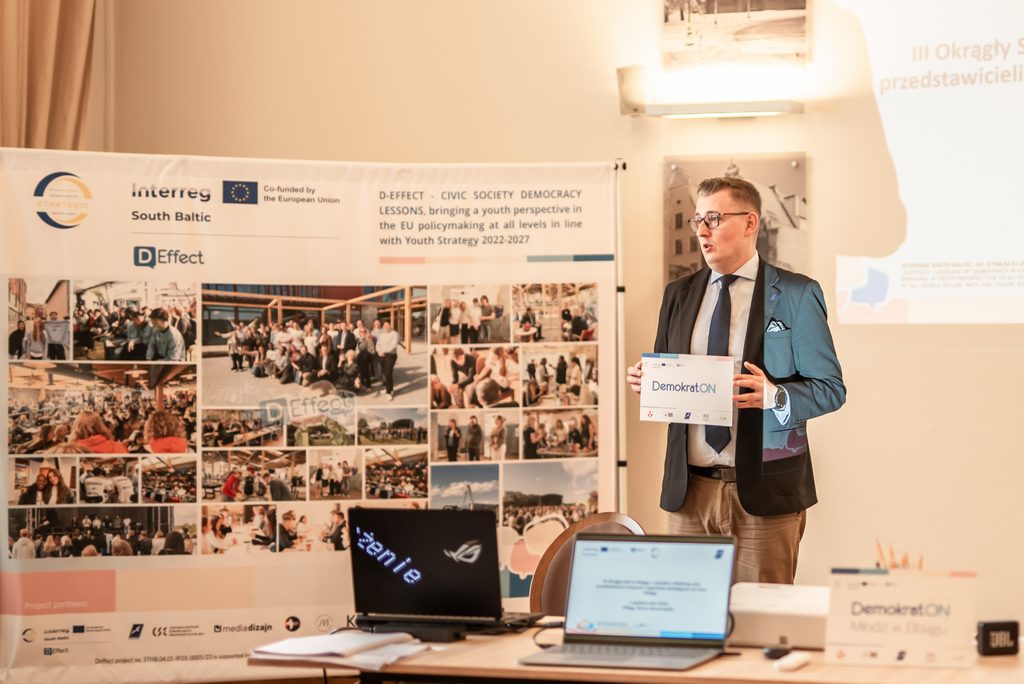
An important part of the meeting was the exchange of experiences among young people who had previously participated in Youth Democracy Festivals held in Kretinga, Lithuania, Odsherred, Denmark, and Olsztynek and Dzierzgoń, Poland.

The young participants identified both the most valuable aspects of these events and areas for improvement. They highlighted the importance of international integration, appropriate division of participants into groups, communication in English, and maintaining a balance between workshops, discussions and time for informal conversations.

They also emphasised the need for greater youth involvement in organising events, reducing the length of panel discussions, and preparing alternative activities in case of unfavourable weather conditions.

These conclusions provided a foundation for further work on the programme of the festival in Elbląg.
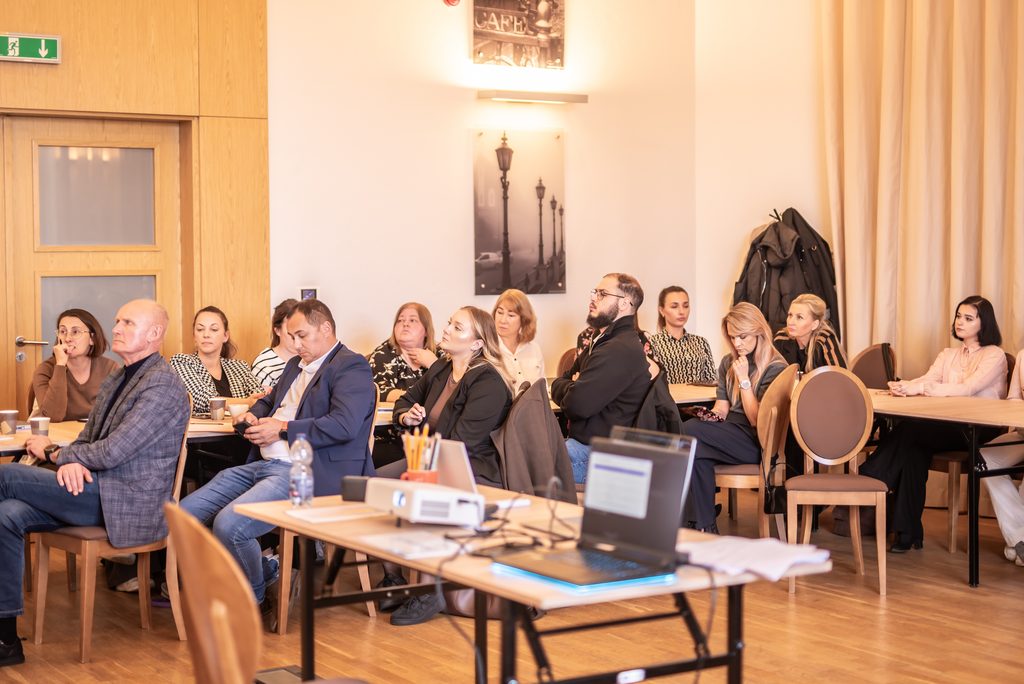
Democracy, Disinformation and Intergenerational Dialogue

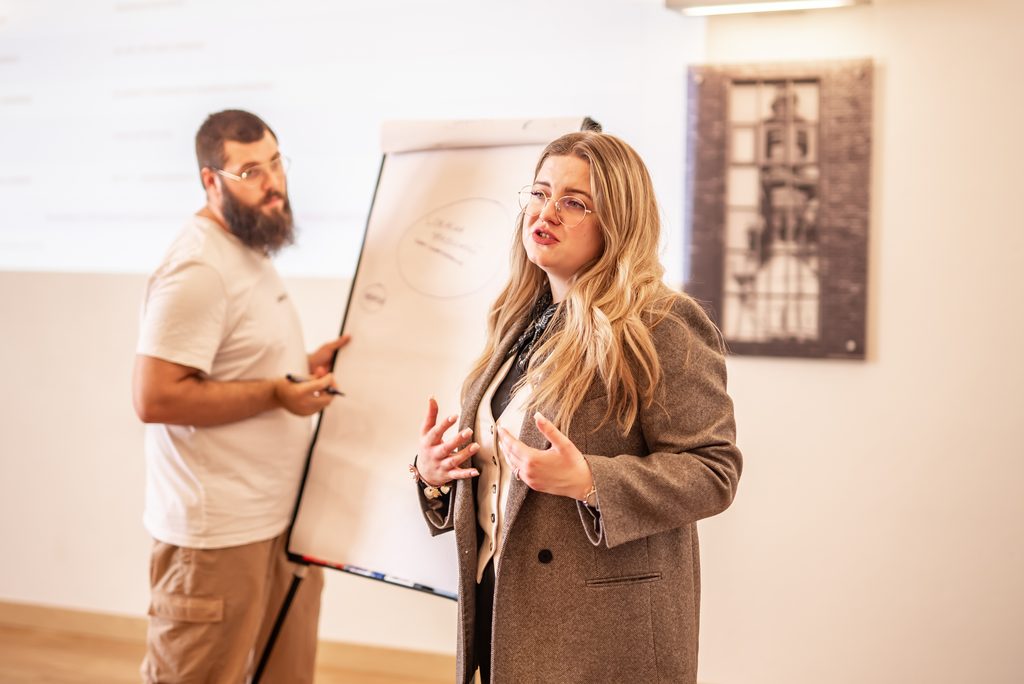
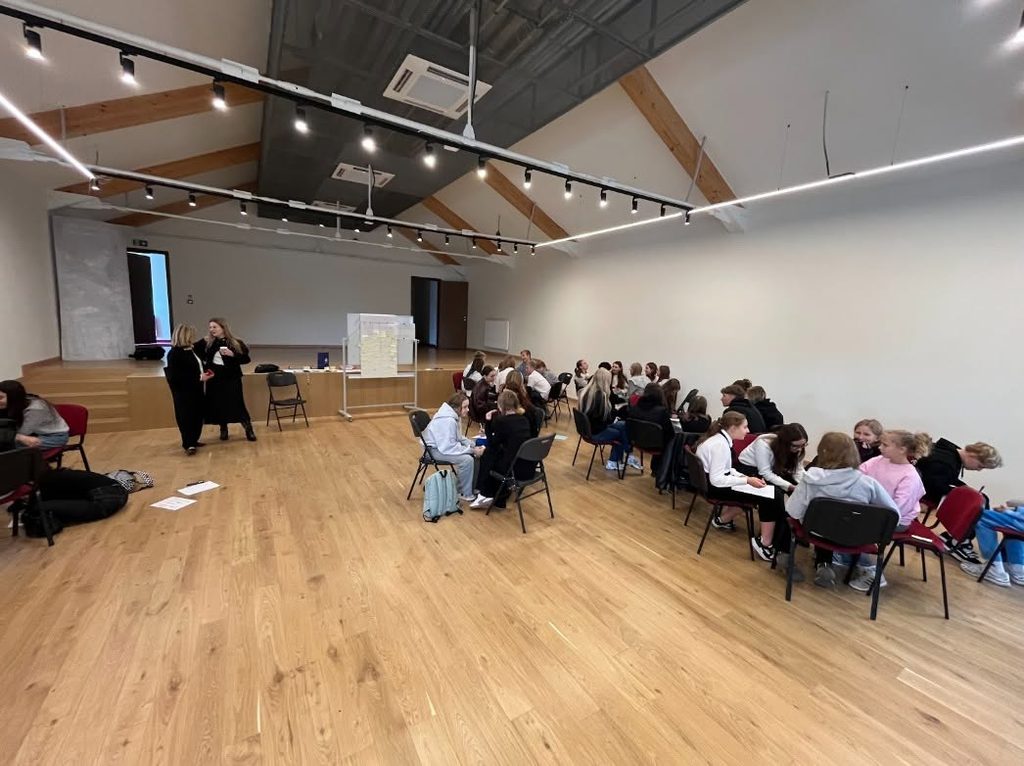
During the workshops, participants developed numerous proposals concerning both the themes and format of the upcoming event. Ideas included a mock trial addressing the issue of hate speech, workshops on disinformation and the manipulation of health-related information, debates on cultural differences, and activities focusing on civic education and the functioning of e-government services.

Intergenerational relations also played an important role in the discussions. Participants proposed activities that would enable young people and senior citizens to exchange experiences and discuss their mutual expectations and challenges.

Participants stressed that the festival should combine education with active participation and social integration. This led to proposals for intercultural quizzes, dance workshops, artistic events and even a stand-up comedy performance focused on democracy.
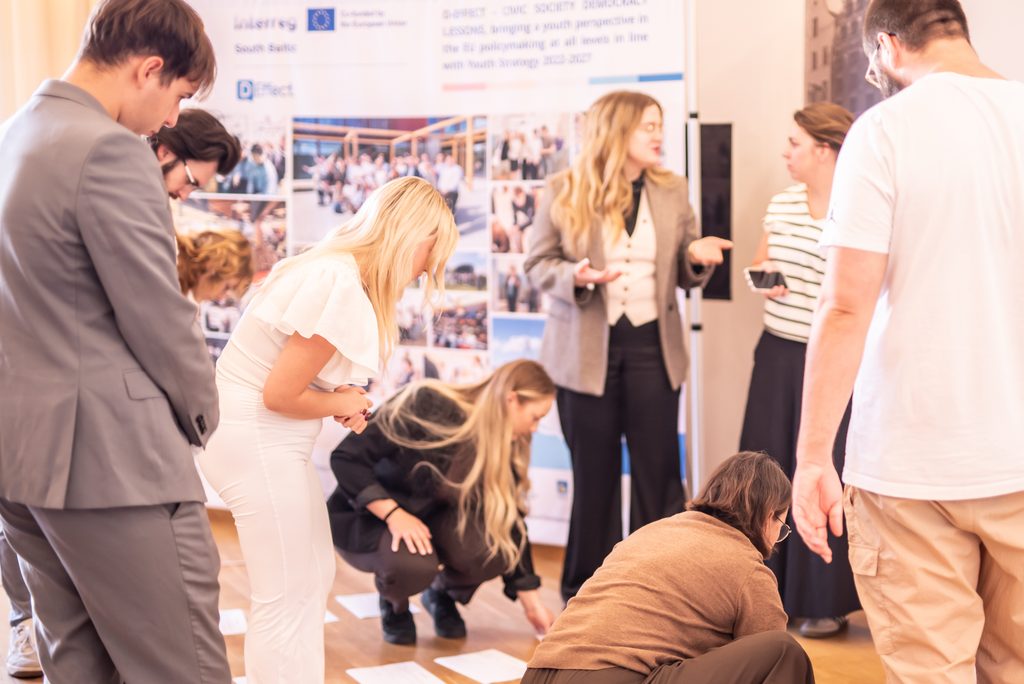
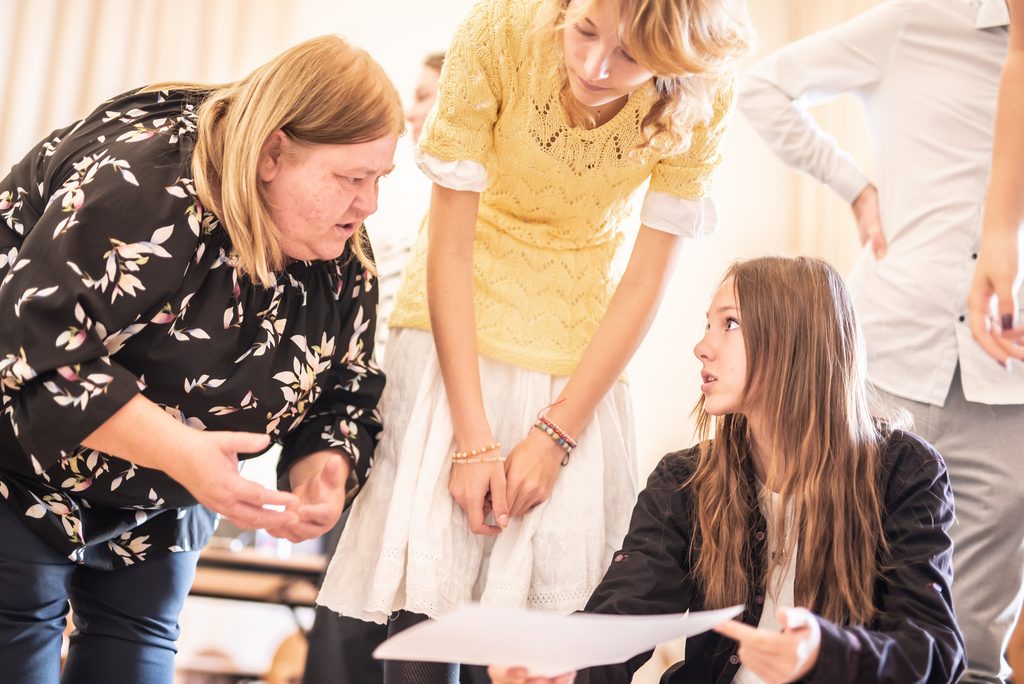
The First Outline of a Two-Day Festival

One of the most significant outcomes of the third Round Table meeting was the development of a preliminary programme for the Youth Democracy Festival.

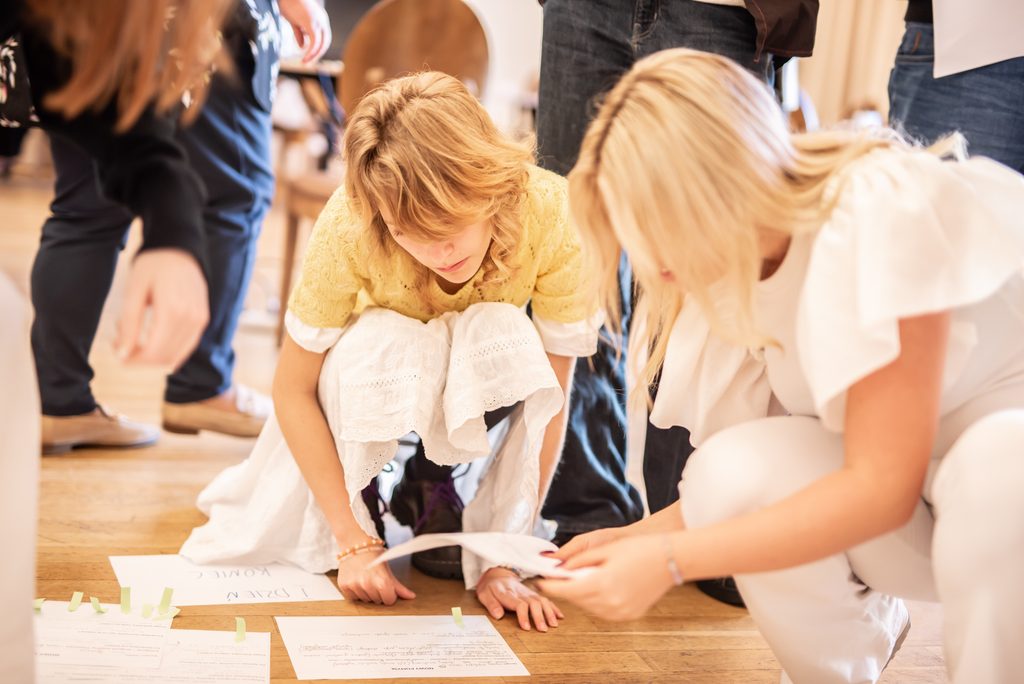
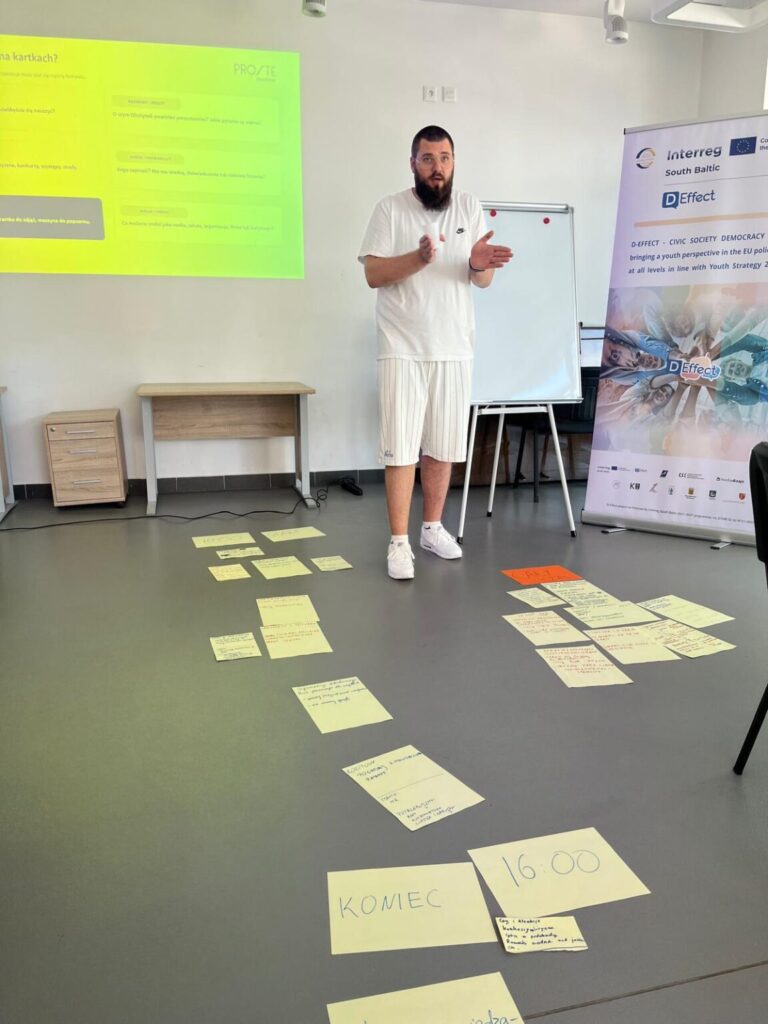
Participants jointly selected priority activities, arranged them along a timeline and discussed how the different parts of the event should unfold. The draft programme included thematic workshops, group activities, opportunities for social interaction and accompanying events.

Participants also worked on a name for the festival. Among the suggestions were "Demokraton" and "Discokracja", reflecting the ideas of democracy, youth engagement and the inclusive nature of the event.

Another important stage of the workshops involved testing the programme "through the eyes of a participant". This exercise allowed participants to assess the planned event from a young person's perspective, considering its attractiveness, accessibility and organisation.

The resulting agenda is preliminary and will serve as a basis for further preparations for the festival in November.

Young People Not Only Participate but Also Help Make Decisions

The third Round Table meeting demonstrated the importance of genuinely involving young people in decision-making processes when organising civic events. Their experiences, needs and ideas became the main reference point for shaping the programme of the upcoming festival.

This approach lies at the heart of the participatory Youth Democracy Festival methodology, developed within the D-effect project. It aims to create opportunities for dialogue, intergenerational cooperation and active youth participation in social and civic life.

The Youth Democracy Festival in Elbląg, scheduled for November, will provide another opportunity to put this methodology into practice and demonstrate that young people can have a real influence on the events organised in their city.
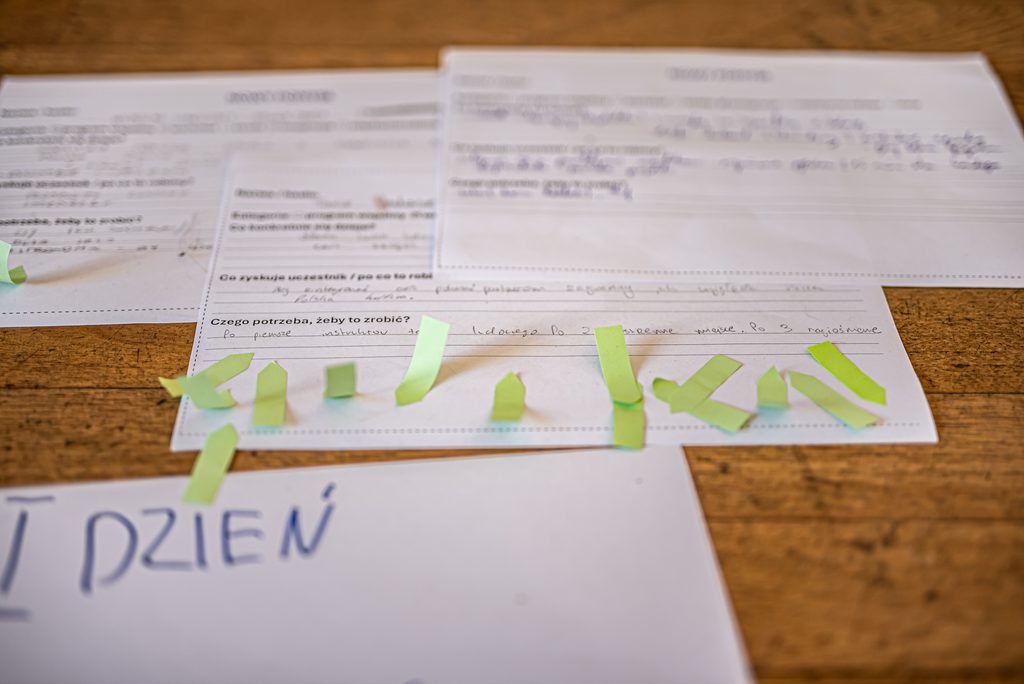
More information about the Youth Democracy Festival methodology and the tools developed as part of the D-effect project can be found at:
D-Effect Toolbox

International Youth Democracy Festival in Olsztynek and Dzierzgoń

On 23–24 September 2026, Olsztynek and Dzierzgoń became spaces for discussing how young people can actively participate in the life of their local communities. The International Youth Democracy Festival combined workshops, discussions and work on specific local challenges, demonstrating in practice that young people can not only make their voices heard but also contribute to developing solutions that affect their immediate surroundings.

Young people as co-creators of local initiatives

One of the main objectives of the event was to introduce the YDF – Youth Democracy Festival method, based on dialogue, cooperation and active youth participation. In this approach, young people are not simply recipients of a pre-designed programme. Instead, they are given space to express their opinions, identify their needs and work together to develop solutions.

The Festival provided an opportunity to put these principles into practice. Participants discussed issues directly related to their everyday lives and local communities and then worked together on their own ideas and recommendations.

From discussing needs to developing concrete ideas

An important part of the programme consisted of workshops addressing various aspects of young people’s lives. The topics included access to psychological support, sports infrastructure and activities in Olsztynek, the D-effect project and local self-governance.

The workshops went beyond discussion. Participants analysed problems together, exchanged experiences and developed concrete ideas and recommendations, including proposals related to a film and the local budget. This gave them an opportunity to see how their opinions and experiences can contribute to planning activities within their local community.

Democracy in practice

The International Youth Democracy Festival presented democracy primarily as an opportunity to speak up, engage in dialogue and influence issues that directly affect young people and their communities.

This format enables young people not only to talk about their needs but also to listen to different perspectives, seek solutions together and take responsibility for the ideas they develop. At the same time, it creates space for direct exchange between young participants and people involved in public and community life.

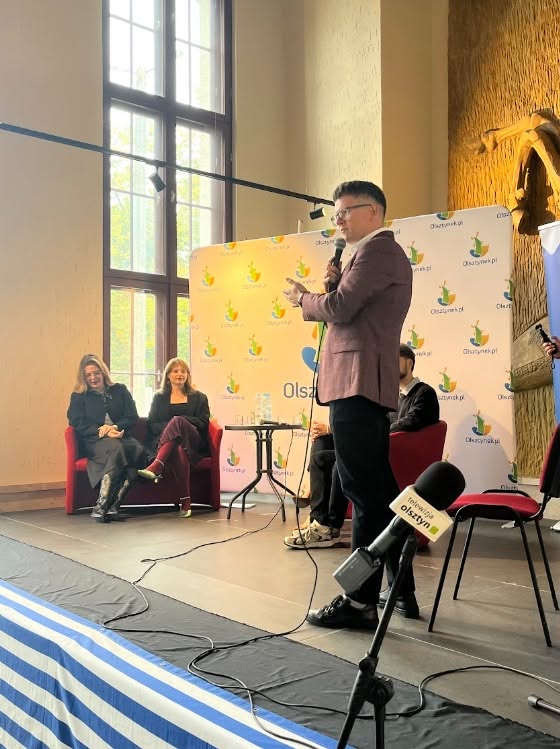
Open discussion with Marcin Kruszewski

Another part of the programme was a meeting with Marcin Kruszewski, creator of “Prawo Marcina”. The open discussion gave children and young adults an opportunity to ask questions directly, share their opinions and discuss issues that are important to the younger generation.

The meeting complemented the practical character of the Festival, which focused on creating conditions in which young people could freely express their views and participate in discussions about matters that concern them.

A space for dialogue and participation in decision-making

The events in Olsztynek and Dzierzgoń demonstrated that youth civic engagement can begin with very concrete, local issues – access to support, sports opportunities, decisions on how local funds are spent and opportunities to influence activities undertaken in their communities.

The Youth Democracy Festival format combines civic education with practical experience of cooperation and participation in decision-making. It helps young people see that their role in community life does not have to be limited to passive participation and that their ideas can become a starting point for concrete action.

CONE Project Partners Met in Wejherowo

On 9 September 2026, CONE project partners met in Wejherowo, combining a working meeting with a study visit to sites connected with local project activities. The programme provided an opportunity to discuss the progress of the project and the next stages of CONE implementation, while also taking a closer look at the practical application of Nature-Based Solutions (NBS) in urban areas.

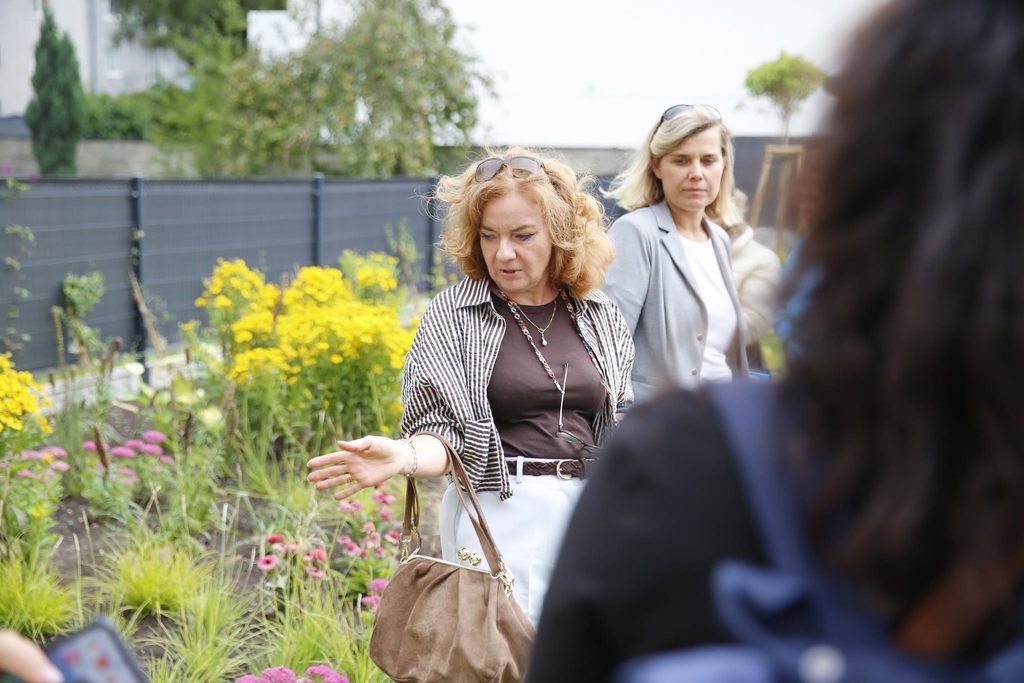
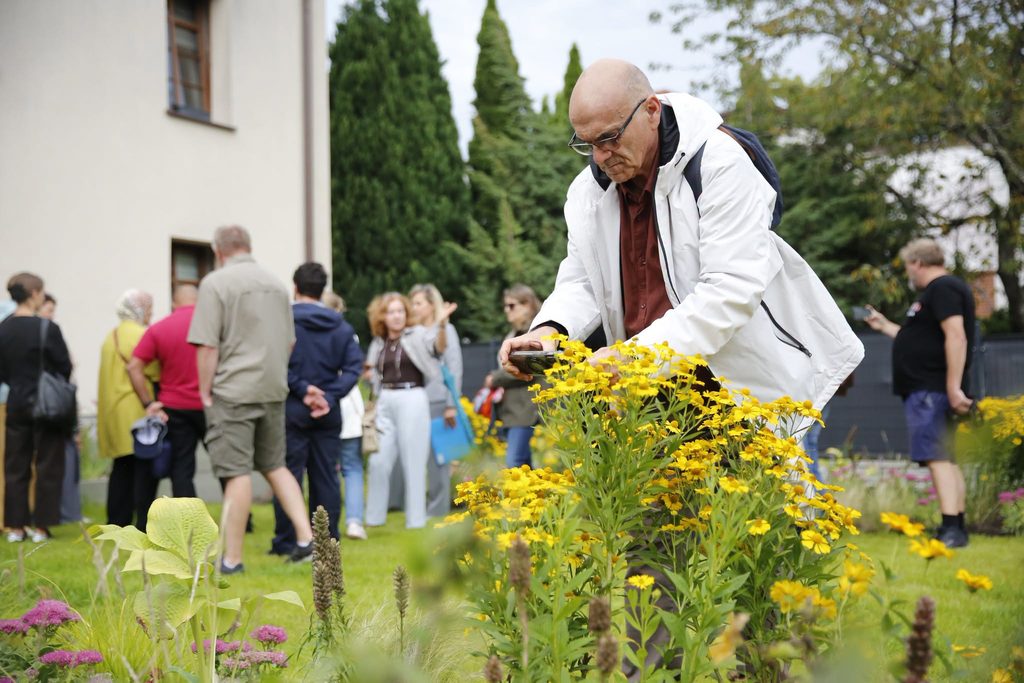
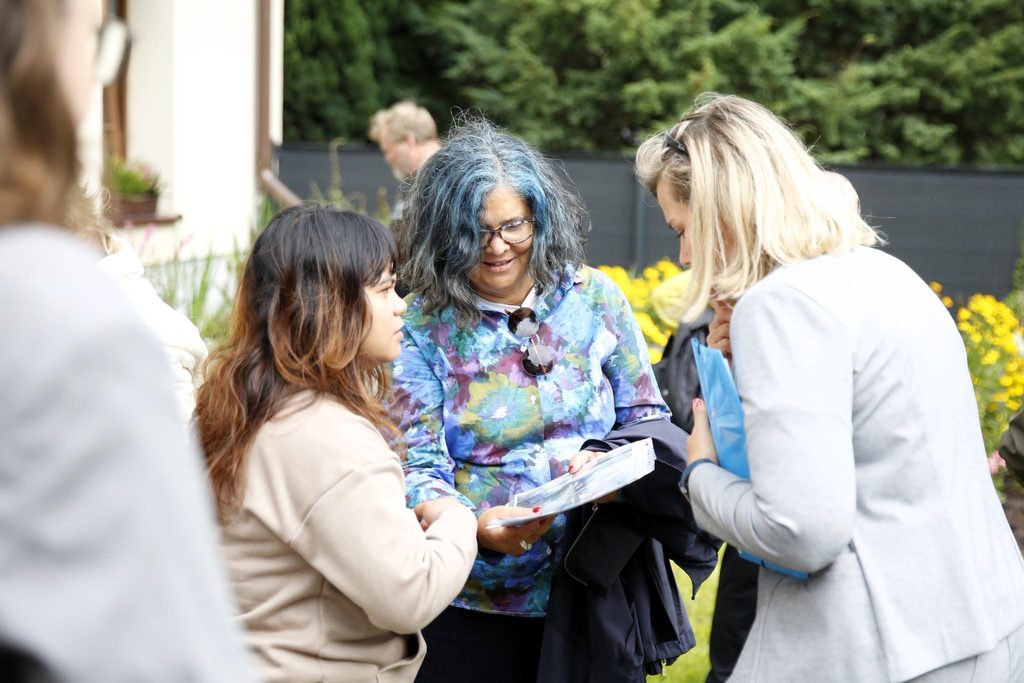
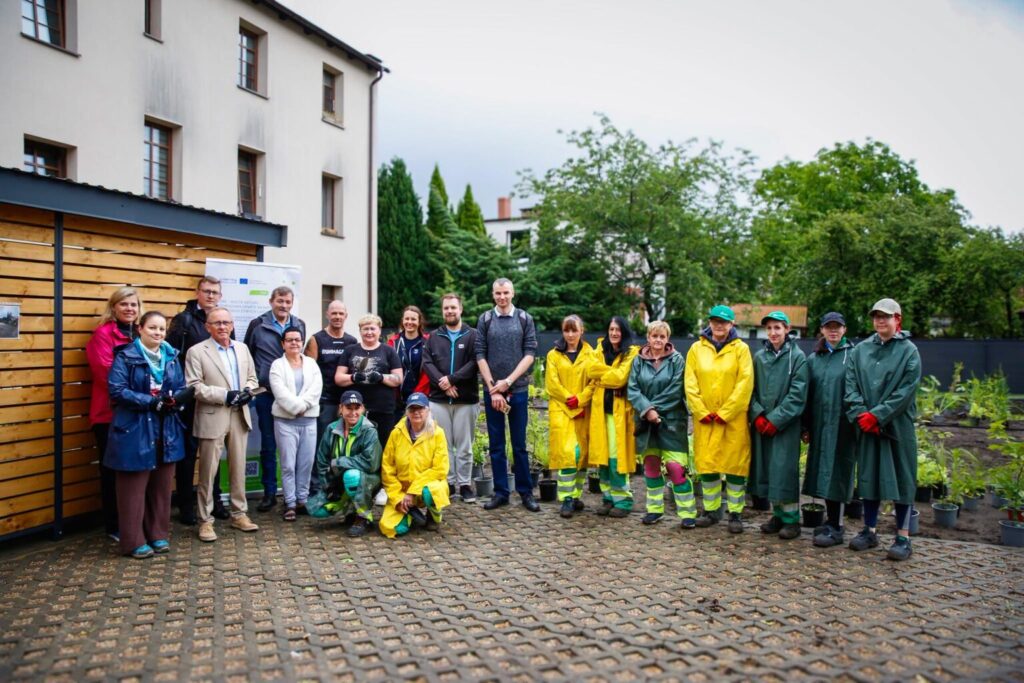
An important part of the programme was a visit to sites connected with CONE pilot activities implemented in Wejherowo. The partners visited the courtyard at 8 Śmiechowska Street, where a rain garden has been created, as well as the site of the former mill pond on the Cedron River, whose restoration is intended to restore its water retention capacity. The field visit provided an opportunity to learn about local conditions and exchange experience on the practical application of Nature-Based Solutions in water management and urban space.

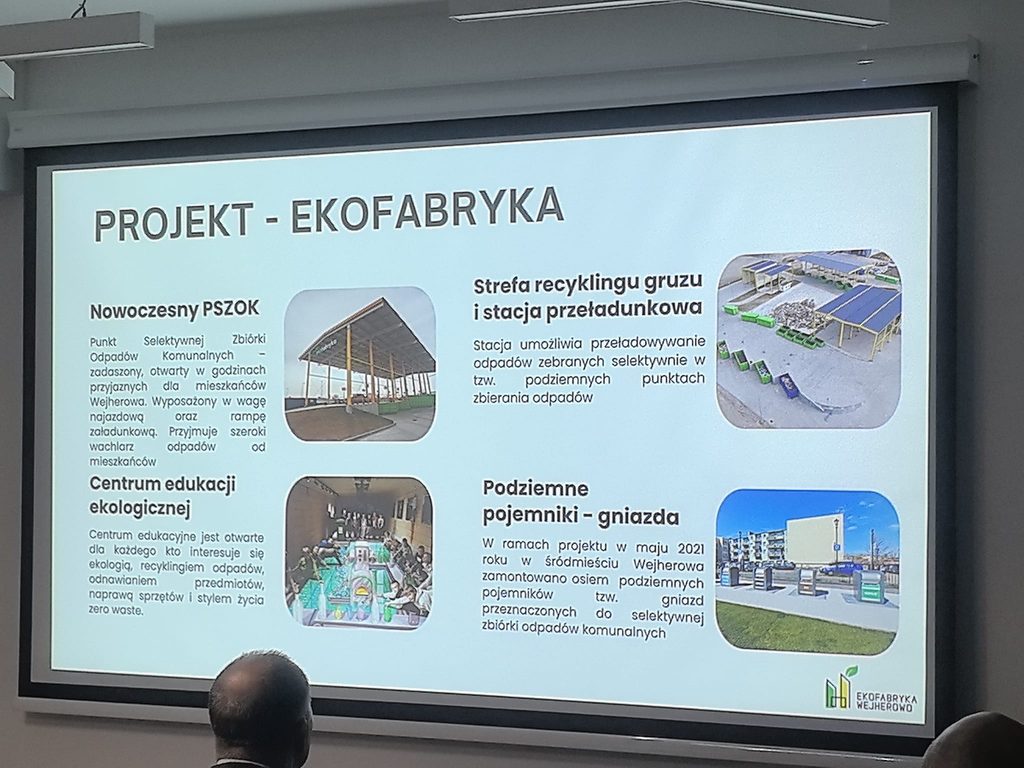
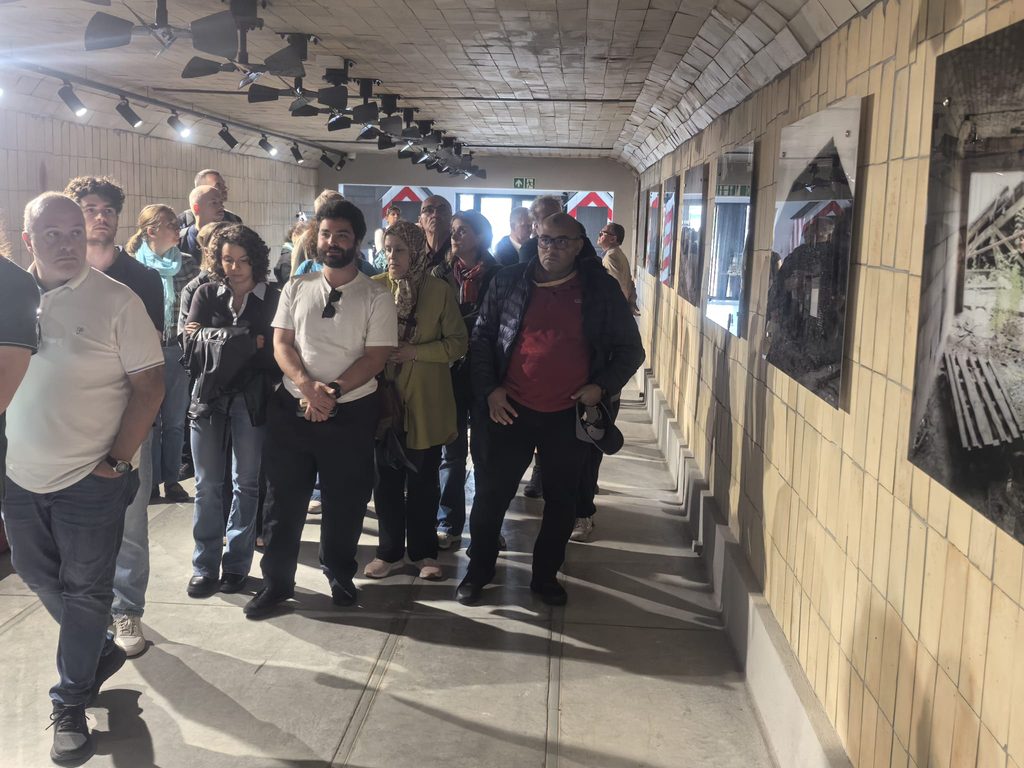
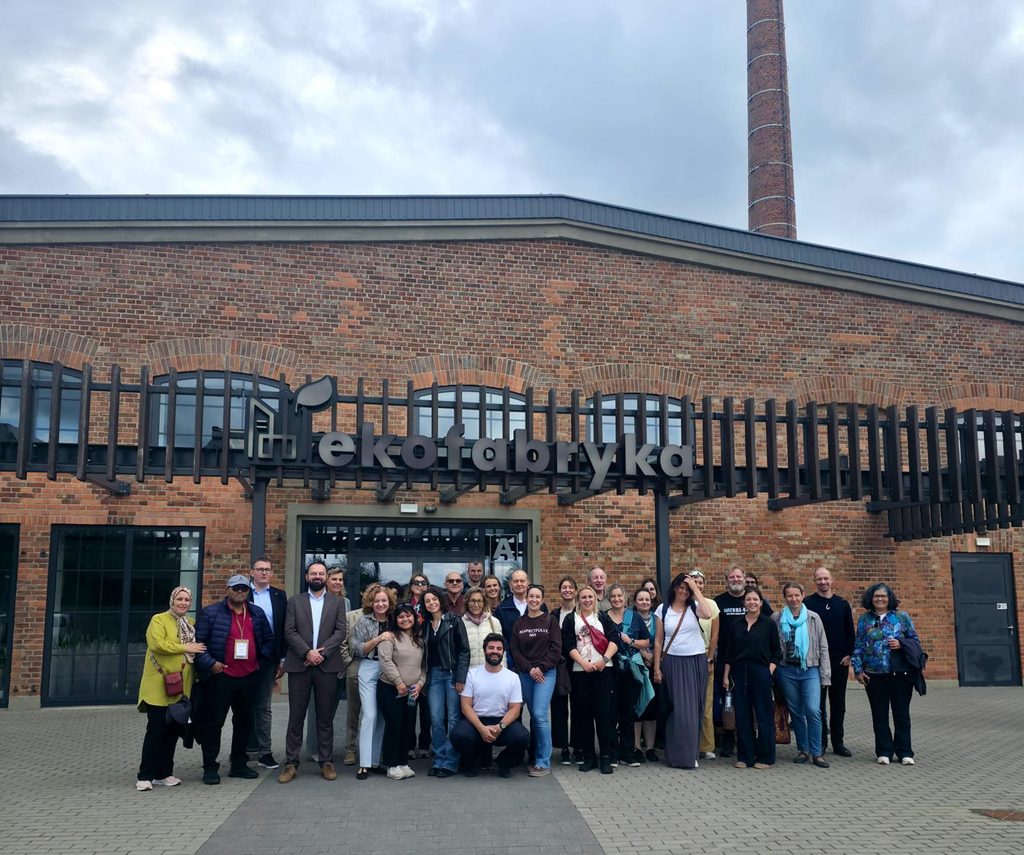
The programme also included a visit to Ekofabryka Wejherowo, where participants learned about local solutions and experience related to municipal management.

Partners’ meeting at Wejherowo Town Hall

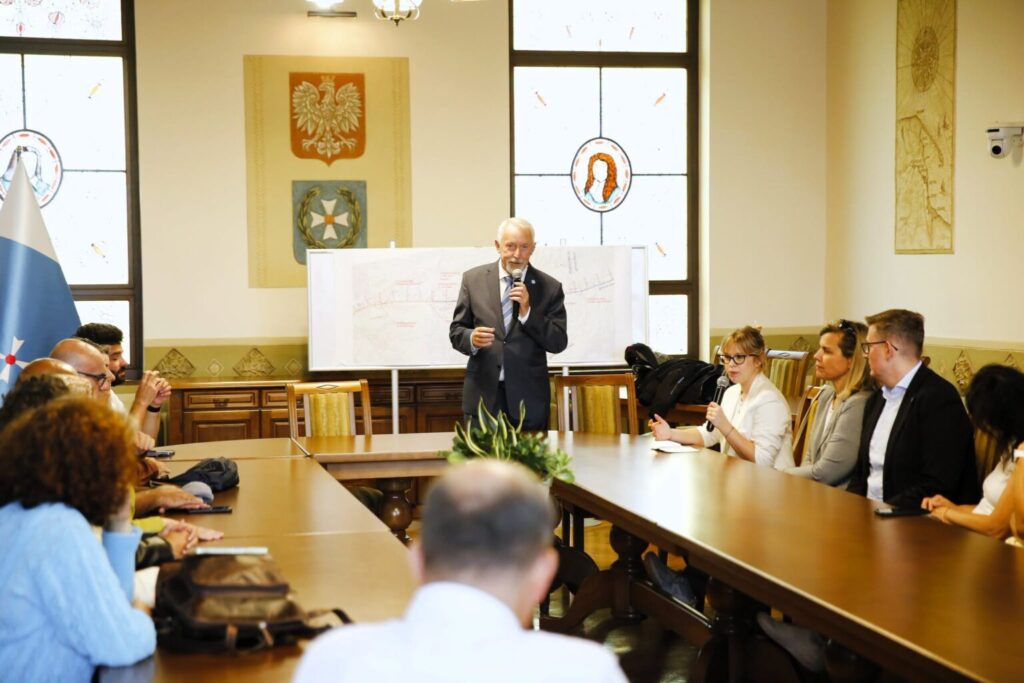
Another part of the programme took place at Wejherowo Town Hall. The Mayor of Wejherowo, Krzysztof Hildebrandt, introduced the participants to the city, its history and development priorities. A visit to the Museum of the Wejherowo Region provided an opportunity to gain further insight into the local context and history of the city.

The Town Hall also hosted the working session of the CONE partners’ meeting, focusing on the ongoing implementation of the project, progress to date and planned activities. Direct exchange between the partners, combined with visits to the pilot sites, made it possible to relate project discussions to the specific conditions and challenges associated with implementing Nature-Based Solutions in cities.

The meeting in Wejherowo thus combined work on the further implementation of the project with a practical perspective on local CONE activities and the potential of Nature-Based Solutions to contribute to more climate-resilient urban areas.

Discussions on cooperation with the Wilczęta Municipality

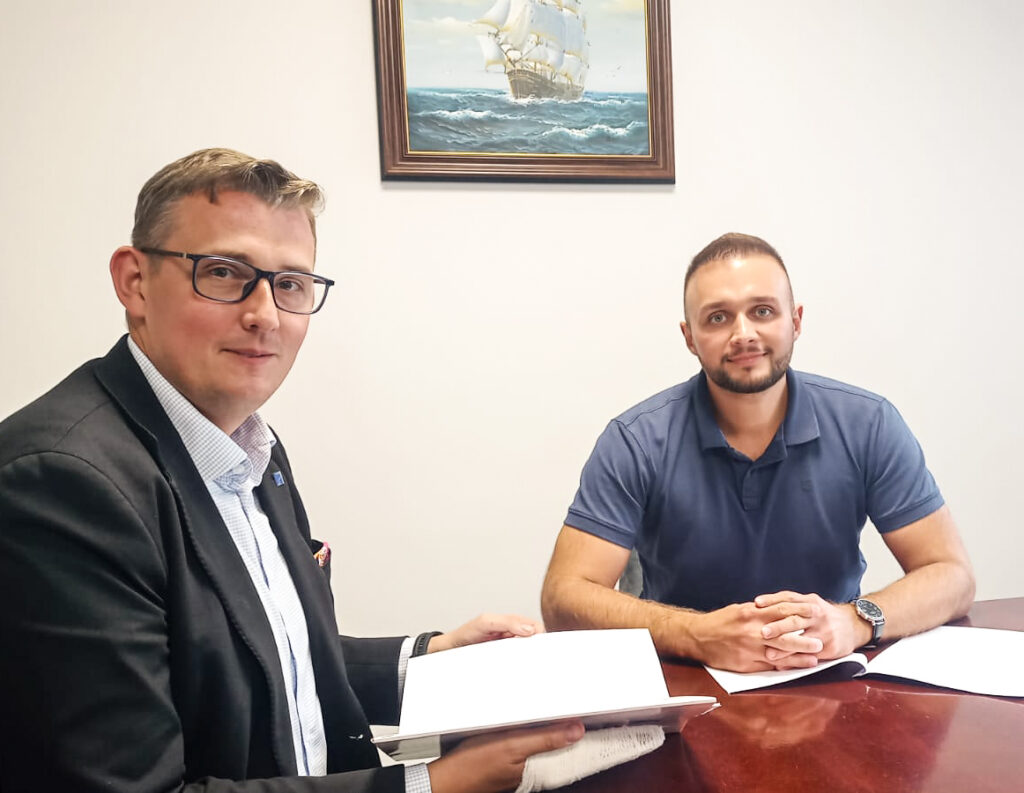
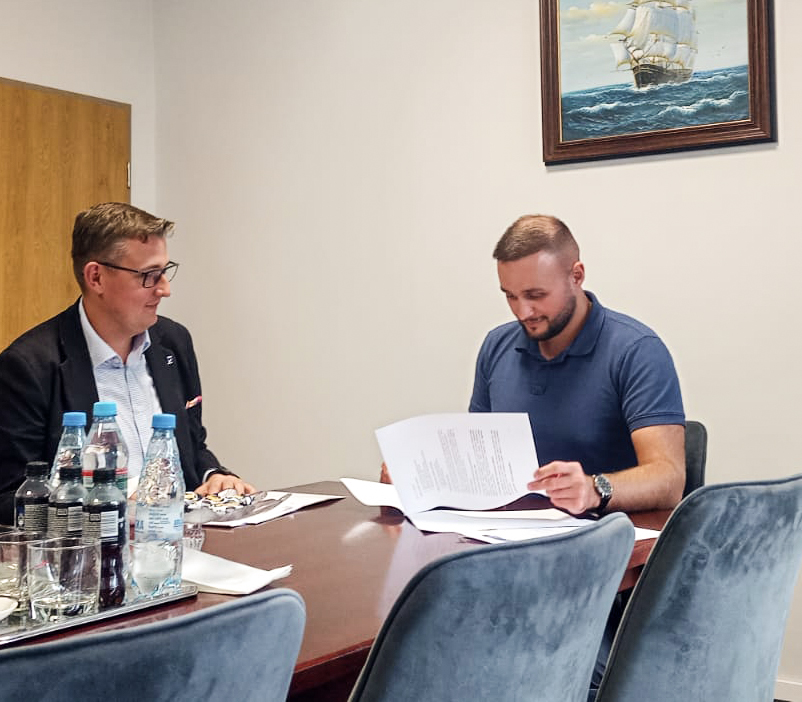
Today, Marcin Żuchowski, Director of the STG ERB Secretariat, met with Marcin Krzyżanowski, Mayor of the Wilczęta Municipality. The meeting provided an opportunity to discuss possibilities for cooperation and the benefits that the Wilczęta Municipality could gain from joining the Association of Polish Municipalities of the Baltic Euroregion.

Topics discussed included opportunities to participate in national and international projects, the exchange of experiences with local governments in the Baltic Sea region, and attracting new partners for joint initiatives. The discussion also touched on the plans and needs of the Wilczęta Municipality, as well as areas where cooperation within the STG ERB could support its further development.

Membership in our Association offers the opportunity to combine local ideas with the experience and potential of partners from across the Baltic Sea region.

The 3rd Round Table in Olsztynek as part of the D-Effect project—joint preparations for the Youth Democracy Festival

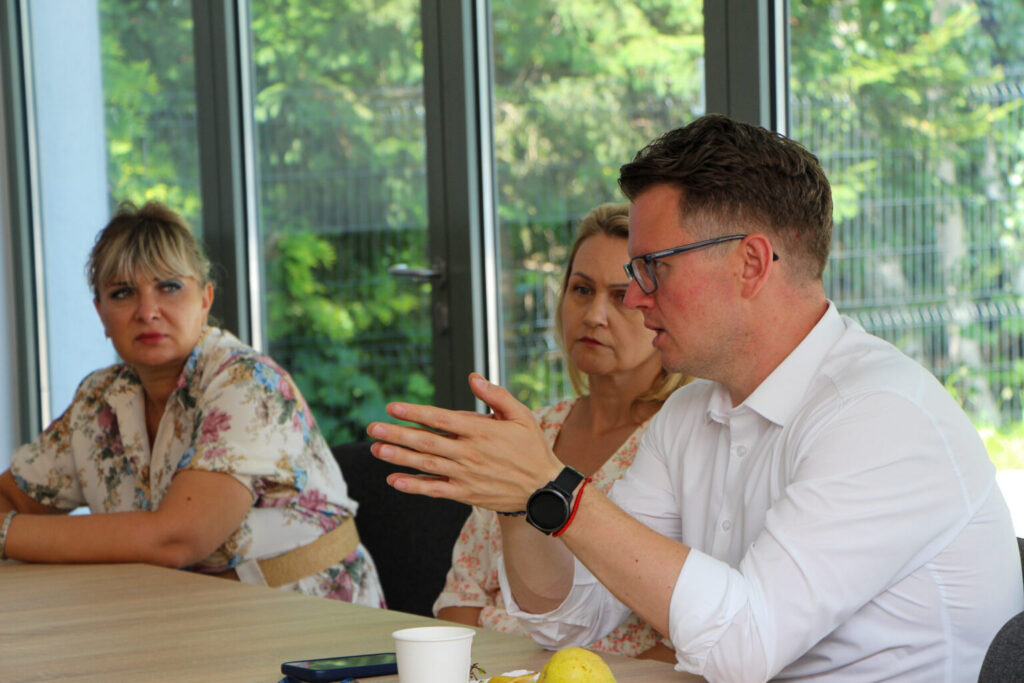
The third roundtable discussion took place in Olsztynek as part of the D-Effect project and focused on preparations for the Youth Democracy Festival (YDF), which will be held in September of this year. Representatives of youth groups, local institutions, and local governments worked together to develop the agenda for the roundtable event.

Third Roundtable

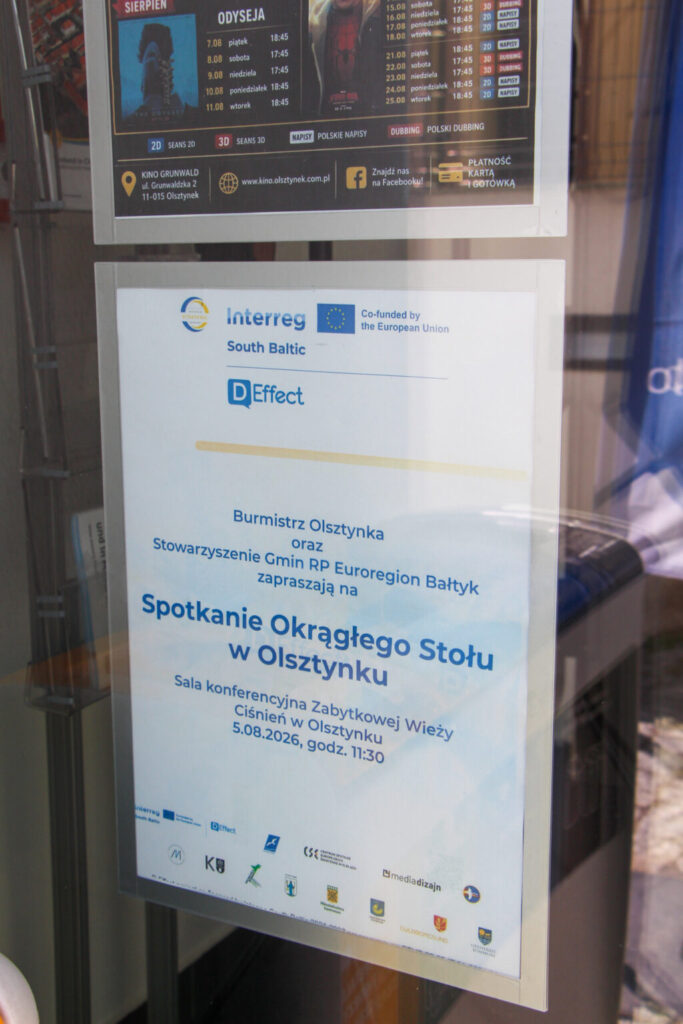
On August 5, 2026, the Third Roundtable was held in Olsztynek under the slogan “We’re Planning the Festival of Democracy”; it was dedicated to preparations for the Youth Democracy Festival. This was the final meeting of its kind, summarizing several months of consultations involving representatives of student councils, teachers, local government officials, and representatives of institutions and nongovernmental organizations. The meeting was a working session aimed at developing the program for the medium-scale, international festival.

Workshop

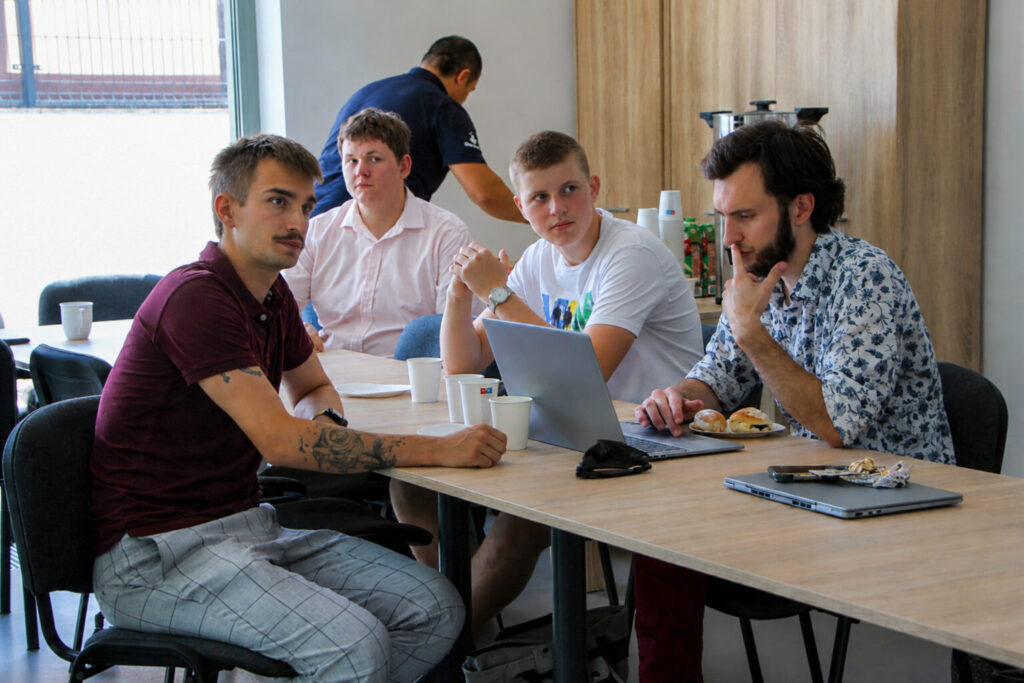
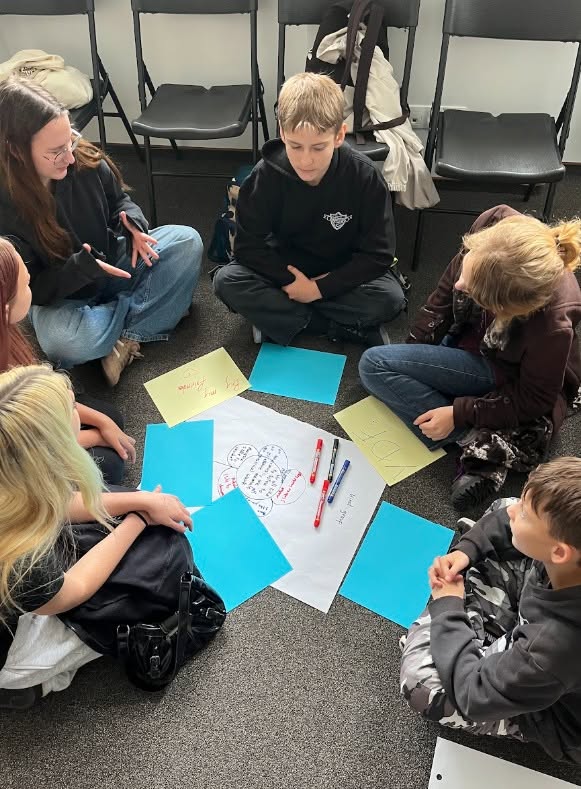
The main part of the meeting was a brainstorming workshop, during which participants collaboratively developed proposals for attractions and activities that could be included in the program of the Youth Democracy Festival. Ideas were written down on flashcards and then organized collectively in the most chronological order possible, creating a preliminary schedule for the event. The workshop was led by Kacper Chyła from the Proste Założenie Foundation, who moderated the discussion and supported the participants in developing a coherent concept for the festival program.

Results and Conclusions

The participants’ work resulted in the development of a preliminary schedule for the Youth Democracy Festival in Olsztynek, as well as the collection of numerous suggestions for attractions and activities that could be included in the event’s program, and a definition of the experience we want participants to take away from the event.

The outcomes developed during the Third Roundtable represent an important step in the preparations for the Second Youth Democracy Festival.

Coordination Meeting of the Polish Partners in the D-Effect Project

On July 20, 2026, a meeting of the Polish partners of the D‑Effect project took place in Elbląg. The event was attended by representatives of the partner institutions involved in the project.

The purpose of the meeting was to summarize activities to date and plan the next steps. The current status of the project was presented, and the results of the Roundtable Discussions, along with the conclusions and recommendations for the near future, were discussed.

Particular emphasis was placed on preparations for the Youth Democracy Festivals scheduled for September–November 2026, including the coordination of activities and the division of tasks among partners from Olsztynek, CSE Światowid, Dzierzgoń, and Elbląg. The project’s indicators, the schedule of activities for fall 2026 and the first quarter of 2027, and issues related to the reporting period on the Polish side were also discussed.

Preparations for the OSI closing conference scheduled for March 4–5, 2027, were discussed, and key challenges and project needs were identified. The meeting served to exchange experiences, strengthen cooperation among partners, and establish specific tasks and deadlines for the coming months.

The outcomes of the meeting will form the basis for further actions and project documentation and will be implemented in the subsequent phases of the D‑Effect project.

We invite you to follow the project’s next steps and learn about the project’s results and the methodology of the Youth Democracy Festivals https://eurobalt.org.pl/d-effect-toolbox/ .

Living Lab and NbS Working Group in Wejherowo

On 7 July 2026, a partners’ meeting of the CONE – Co-creating Nature-based Solutions for urban areas project took place in Wejherowo. The event provided an opportunity to review the progress achieved so far, exchange experiences, and discuss the next steps in implementing Nature-based Solutions (NbS).

One of the key elements of the meeting was the Living Lab event – a “living laboratory”, where residents, local authorities, experts, and project partners jointly create and test solutions responding to local challenges.

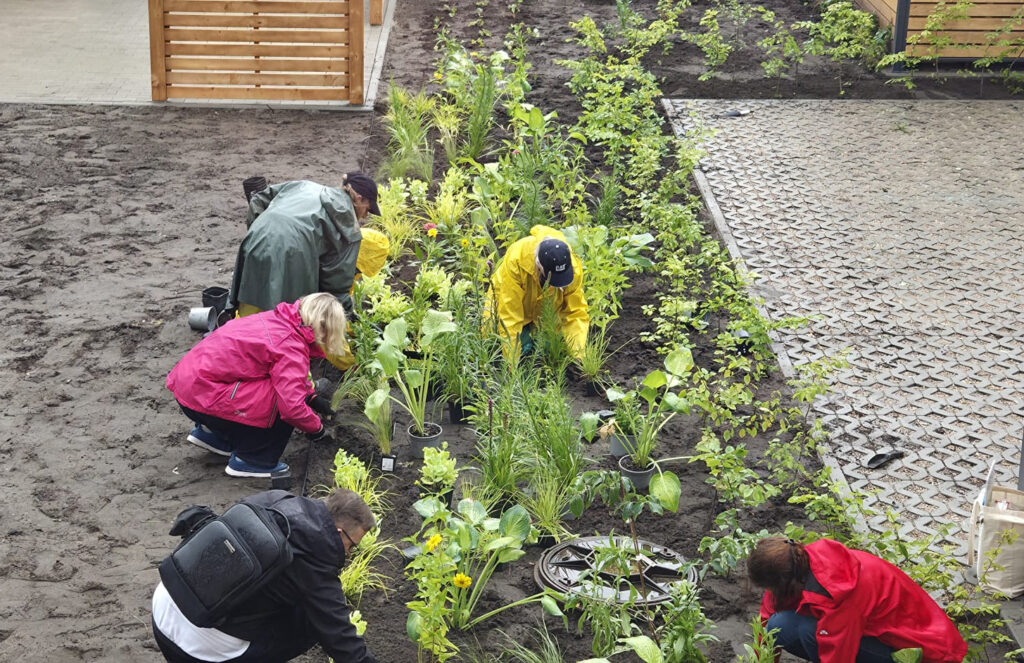
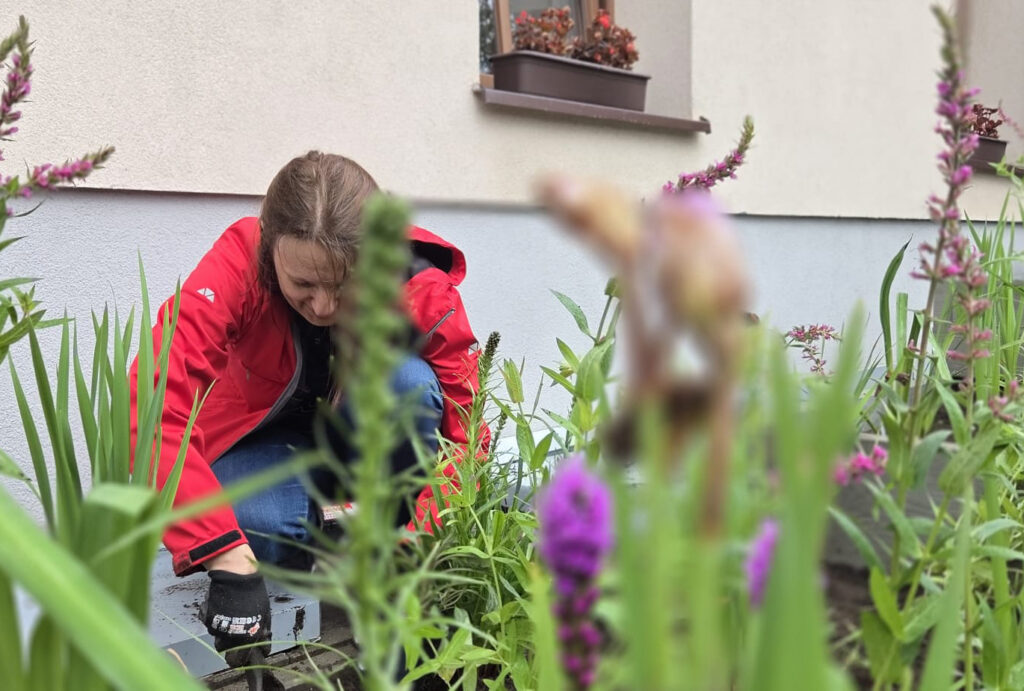
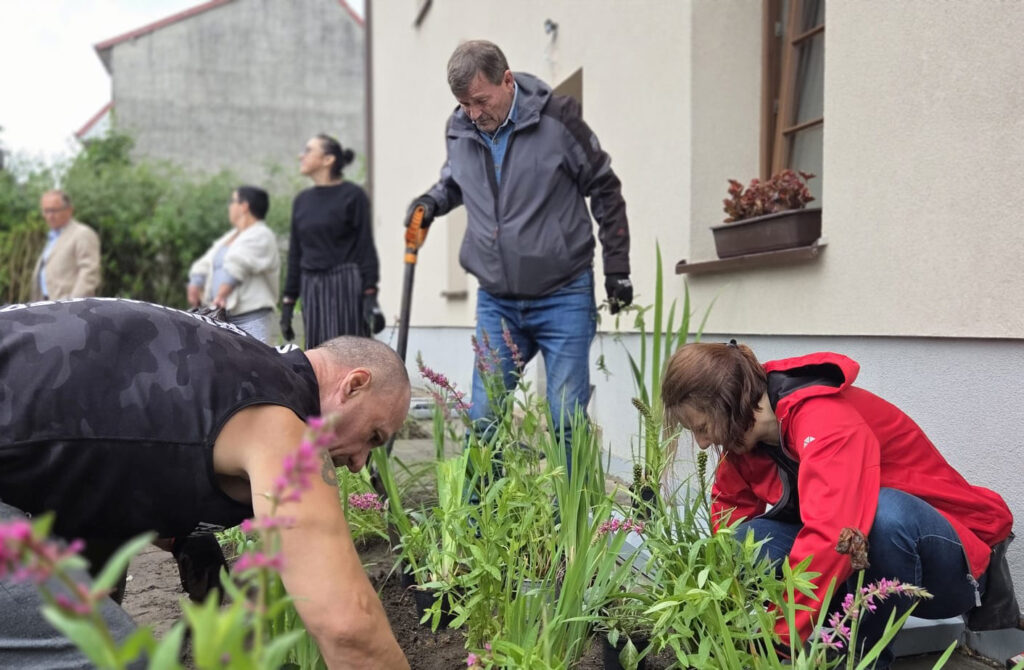
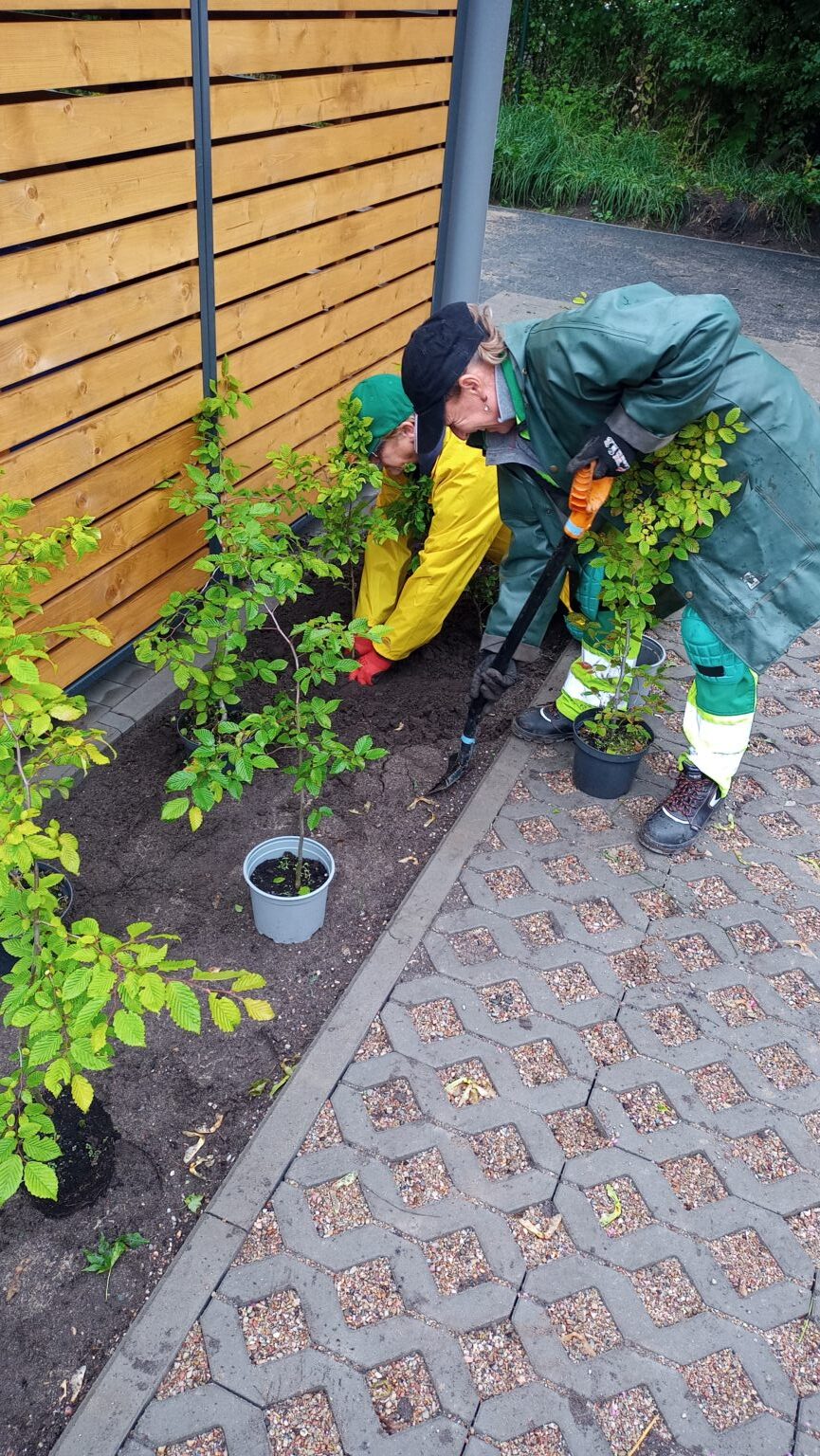
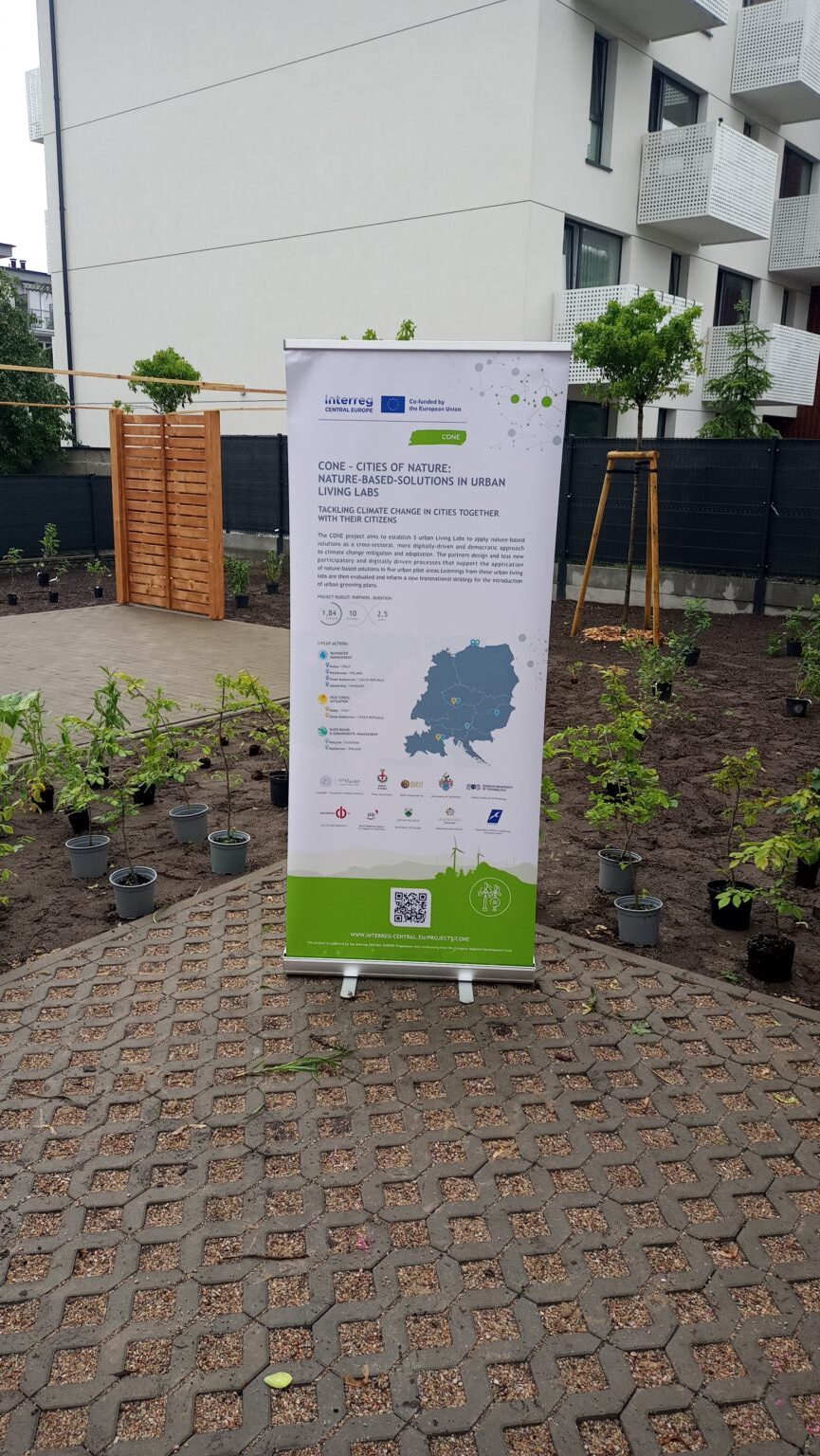
As part of the Living Lab activities, participants planted vegetation together in the developing rain garden at Śmiechowska Street 8 in Wejherowo – the first NbS pilot implemented within the CONE project.

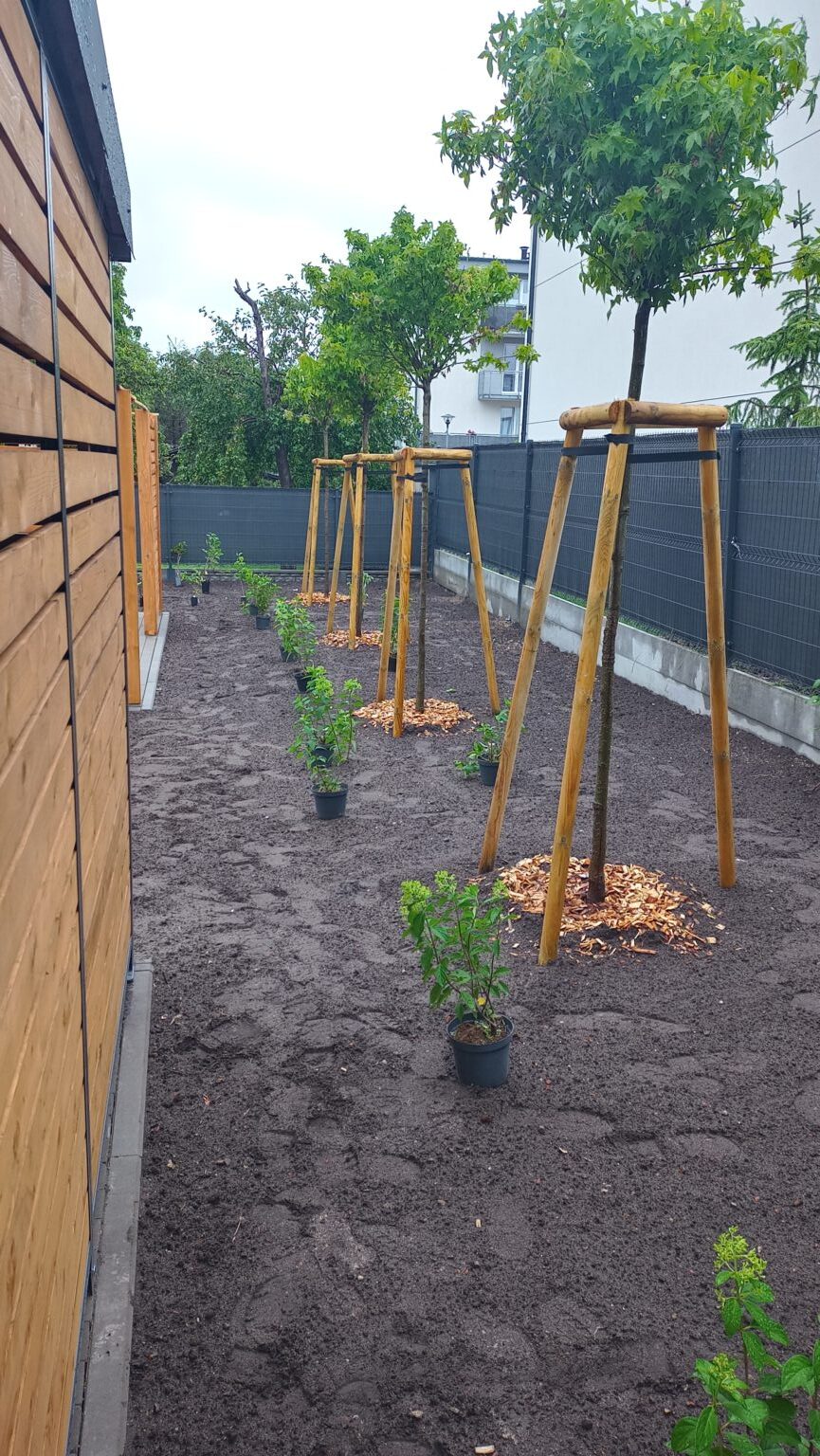
Not long ago, this area was an undeveloped space where challenges related to rainwater management had been identified. Thanks to the cooperation between the city, residents, and project partners, the site is being transformed into a green space demonstrating how nature-based solutions can support water retention and improve the quality of urban environments.

The rain garden will serve as a demonstration site, allowing Wejherowo residents to see in practice how NbS solutions work and what benefits they can bring to local communities. At the same time, it will represent an example of climate adaptation measures that can be applied in other urban areas.

“This is a pilot site, a so-called Living Lab, which will serve as a demonstration rain garden in Wejherowo. Everyone will be able to visit and see how such a solution works in practice. We hope that more similar initiatives will appear in the city in the future” – representatives of the City of Wejherowo emphasise.

During the event, residents had the opportunity to actively participate in creating the new green space. The joint activities were not only part of the pilot implementation process but also an example of the participatory approach that is one of the key principles of the CONE project.

NbS Working Group – cooperation and planning future activities

The meeting also included an NbS Working Group Meeting. It provided a platform to discuss the further development of nature-based solutions in Wejherowo and cooperation with local stakeholders.

Participants discussed, among others, the involvement of residents and local authorities in future activities, preparation of further pilot actions, and opportunities to use the experience gained during the project implementation. The discussions also focused on the synergistic activities planned within the CONE project for autumn 2026.

The meeting was attended by representatives of APC ERB, the City of Wejherowo, Politechnika Gdańska and invited guests.

SCONE Project: Donation of Computer Equipment to Schools
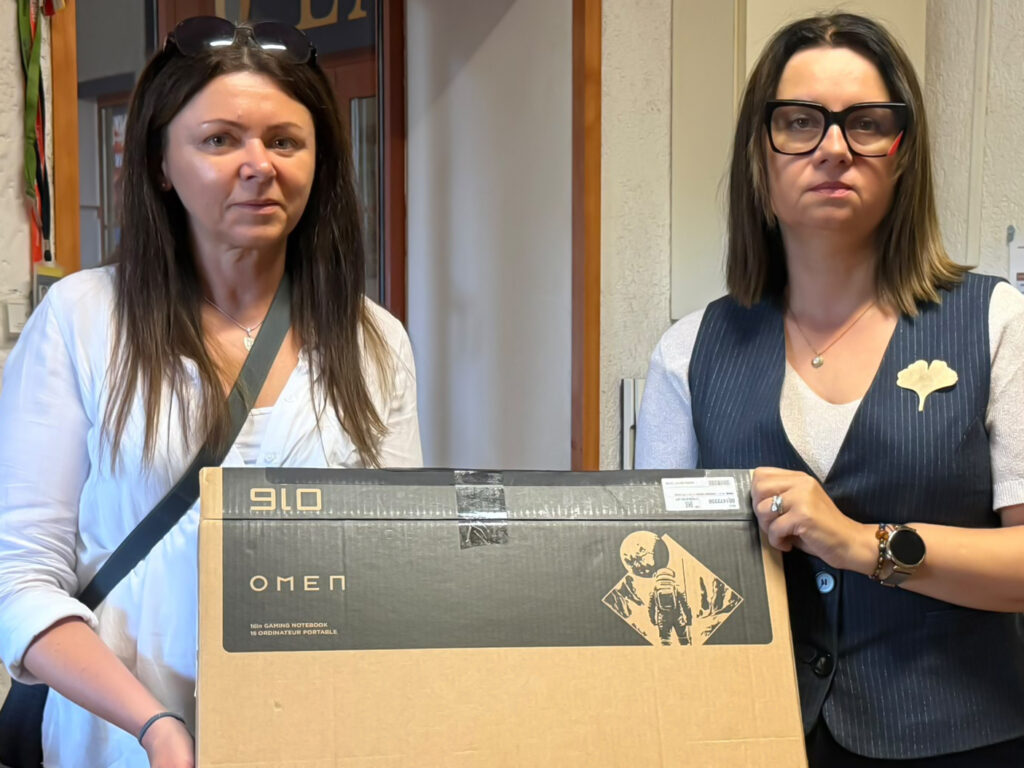
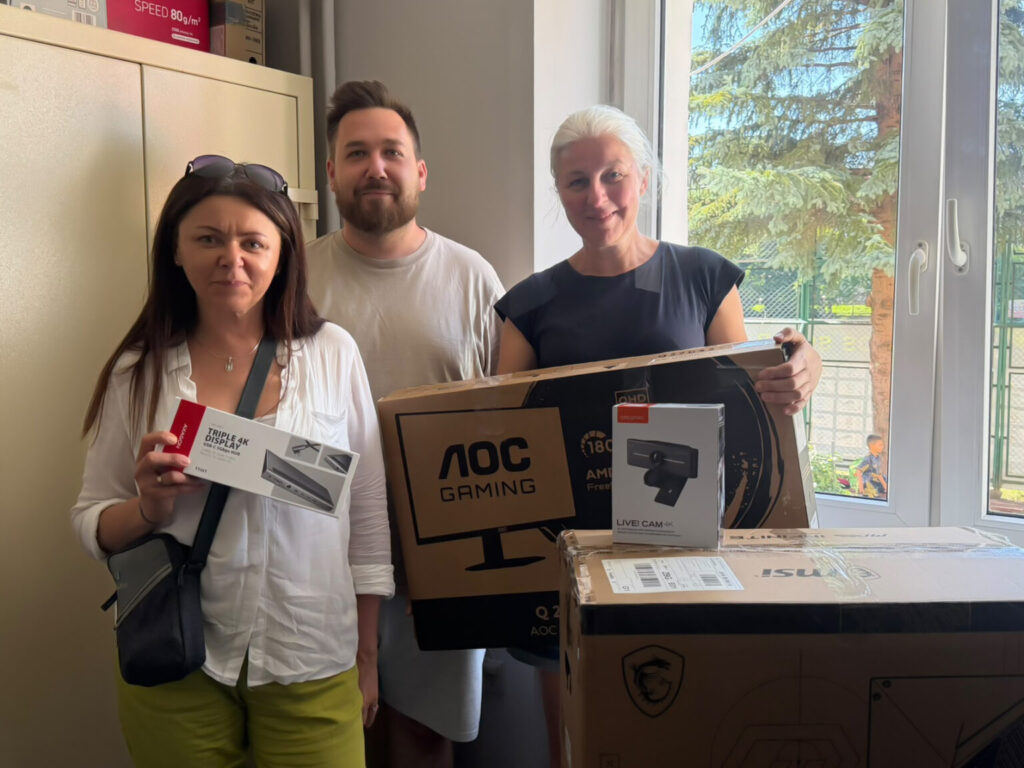
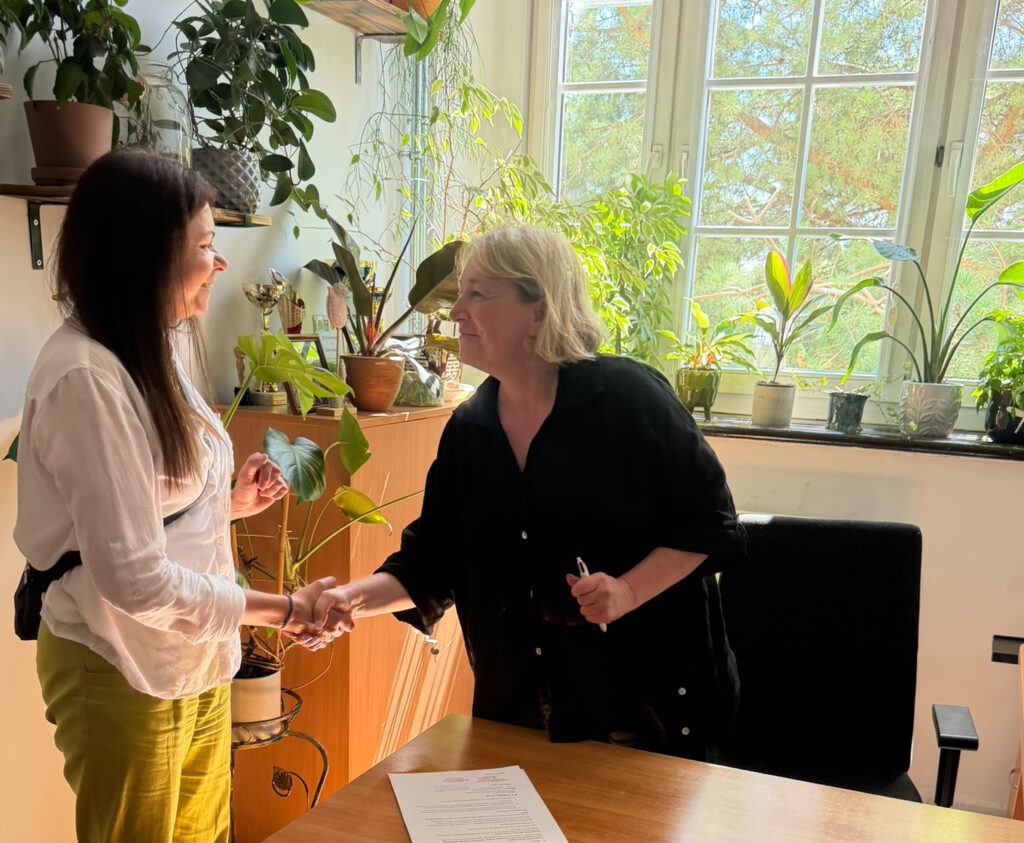
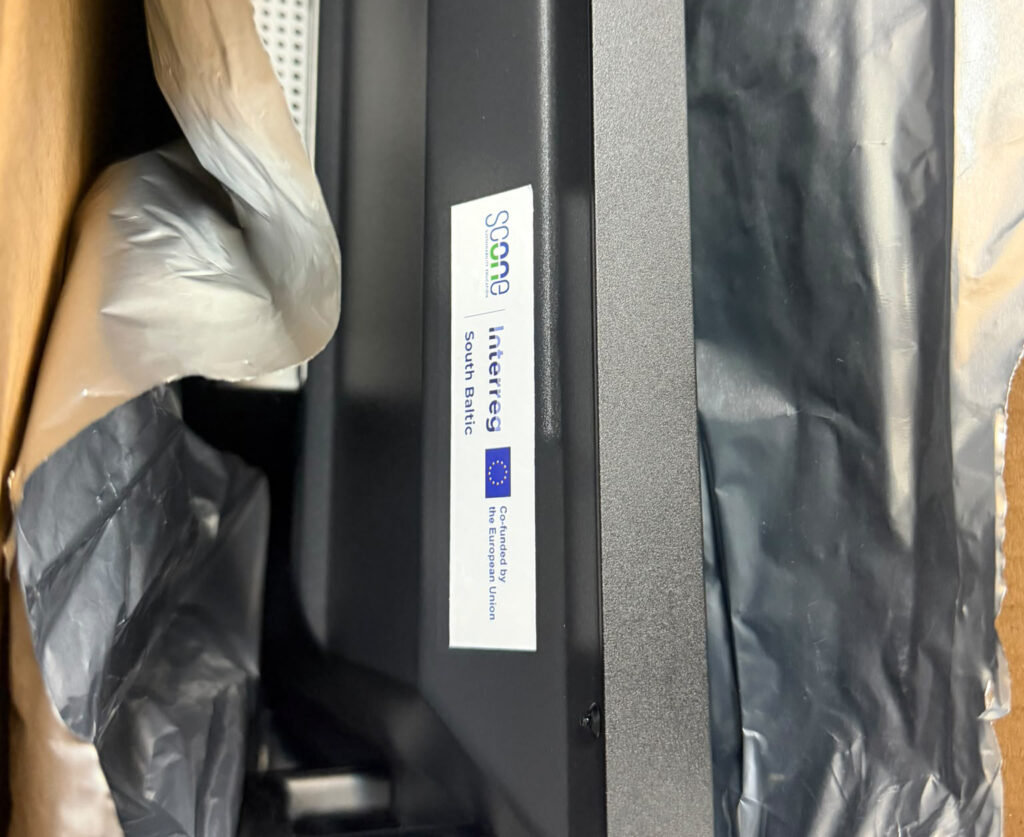
As part of the SCONE project, co-financed by the Interreg South Baltic 2021–2027 Programme, the Association of Polish Communes Euroregion Baltic provided modern computer equipment to three schools participating in the project:
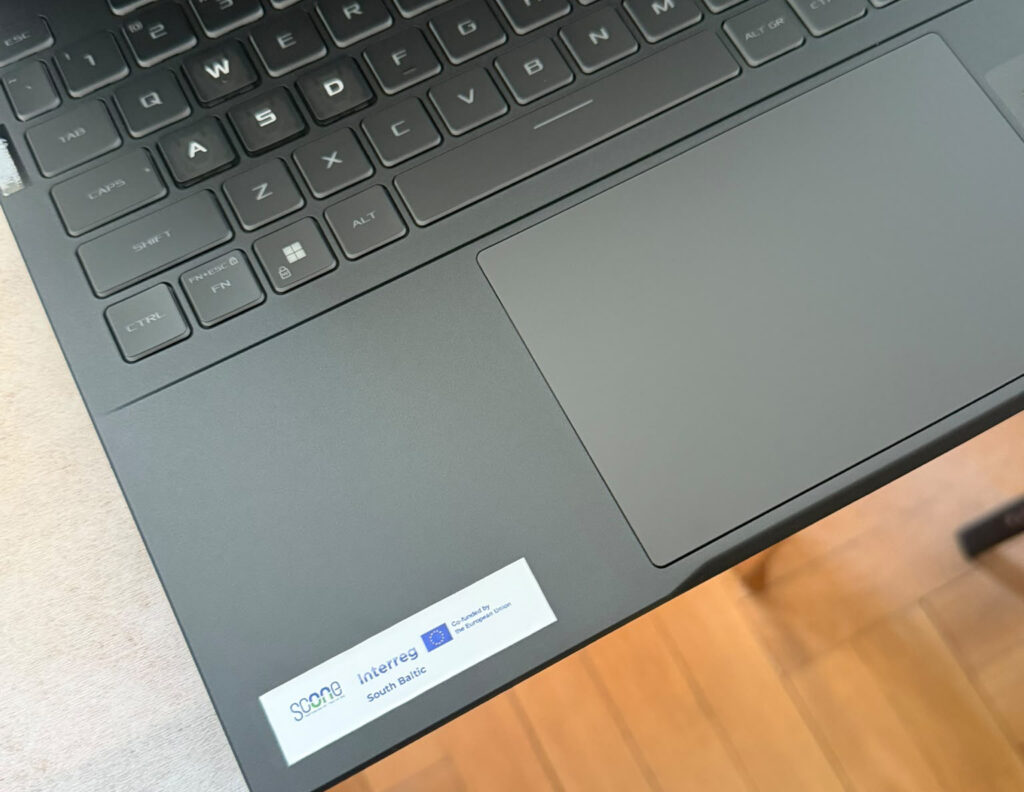
The equipment will support the implementation of project activities by facilitating classes, workshops and teamwork using modern technologies. It will provide students and teachers with improved conditions for developing digital competences and working on solutions related to sustainable development and climate protection.