Youth4Agri Kick-Off Meeting in Conegliano: From Smart Agriculture to Youth Cooperation

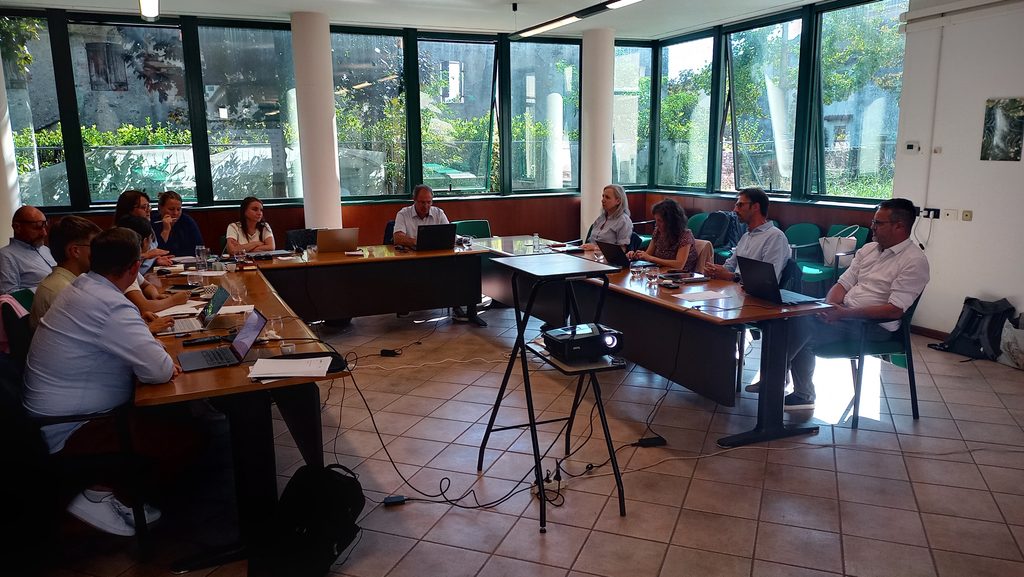
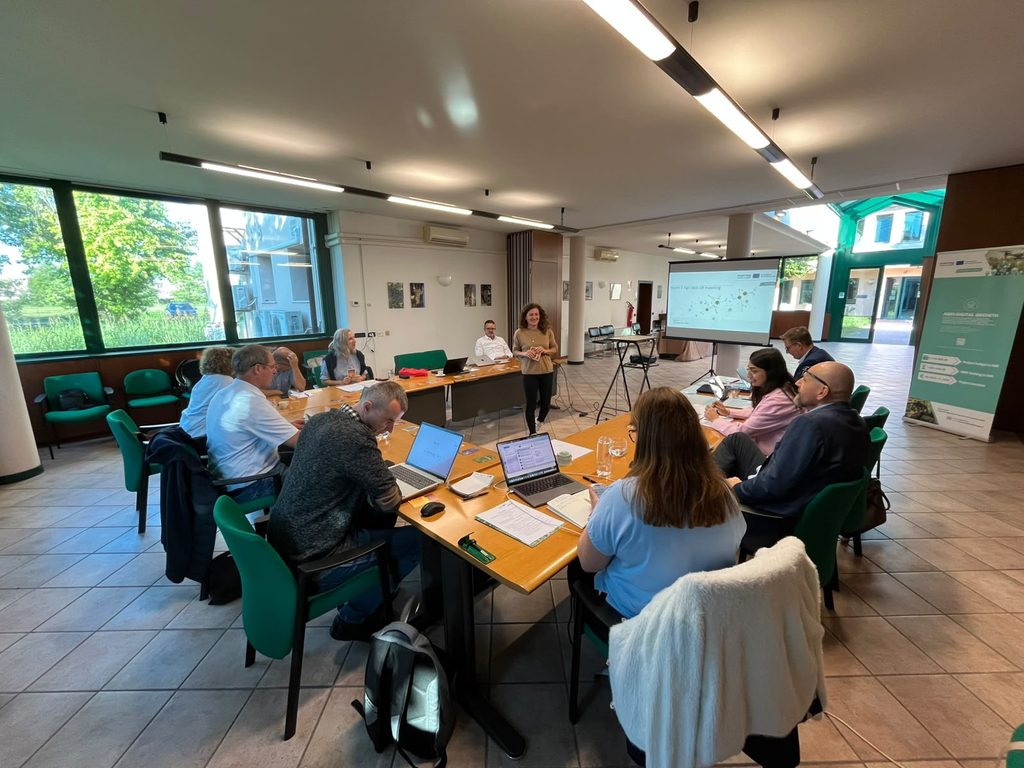
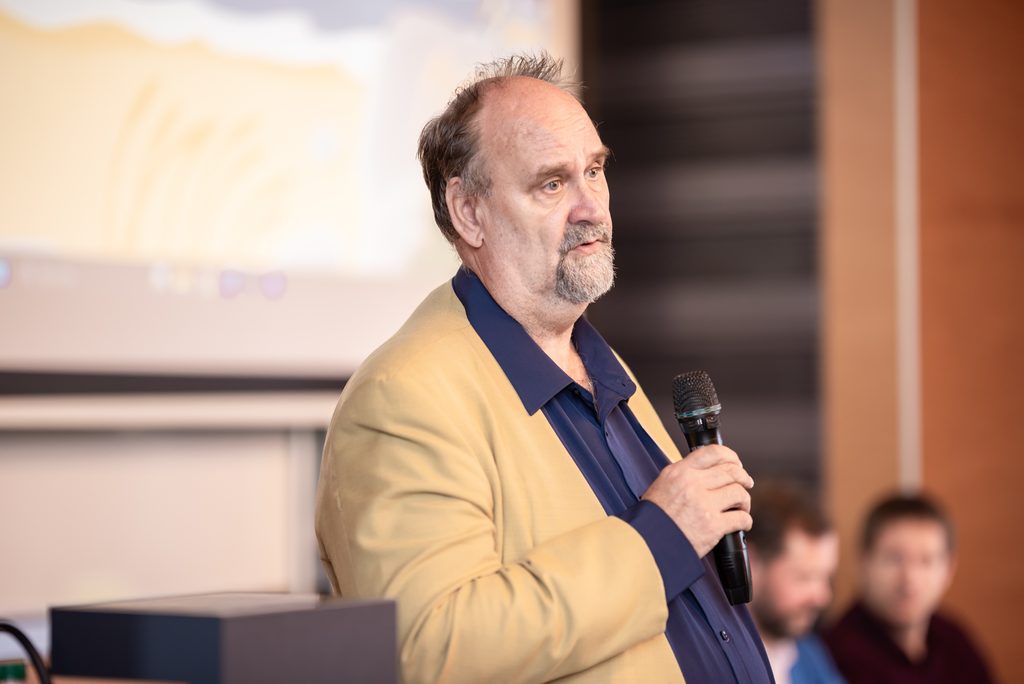
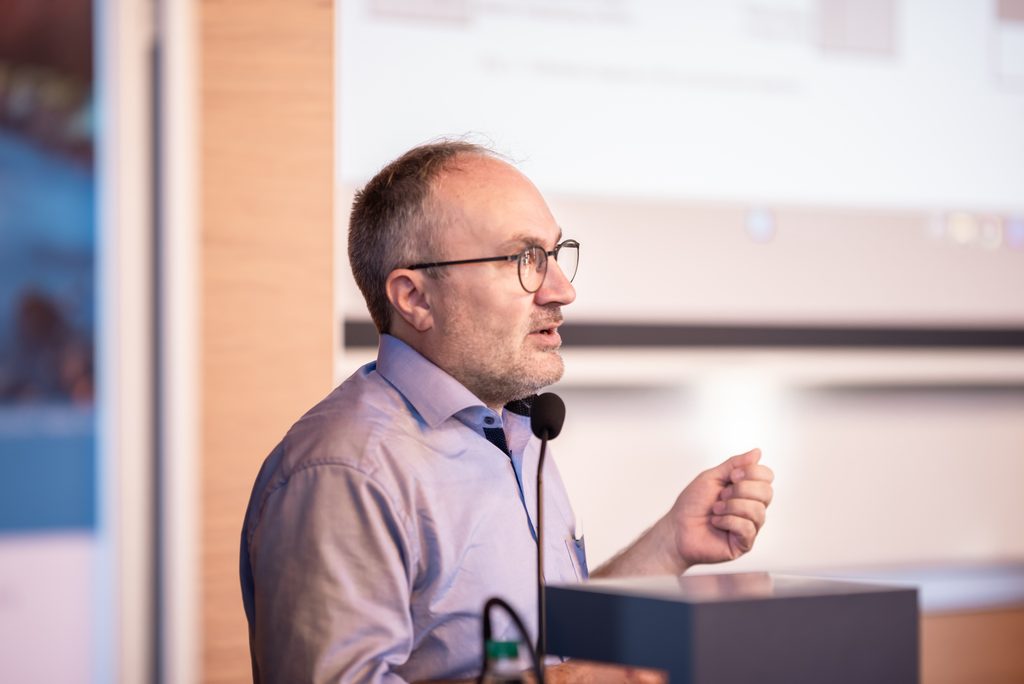
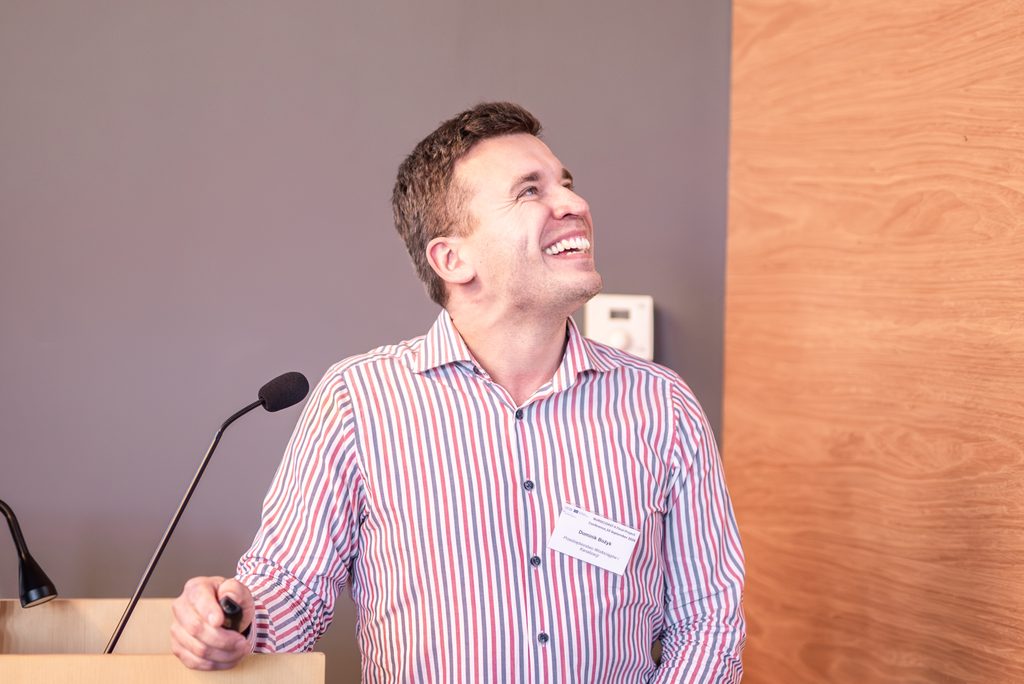
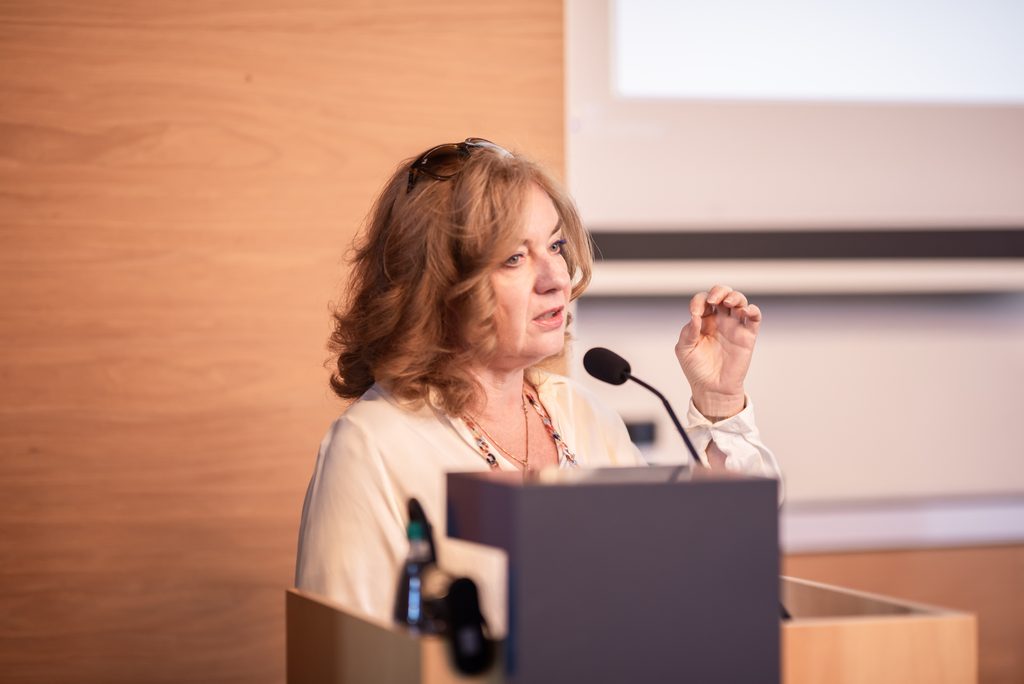
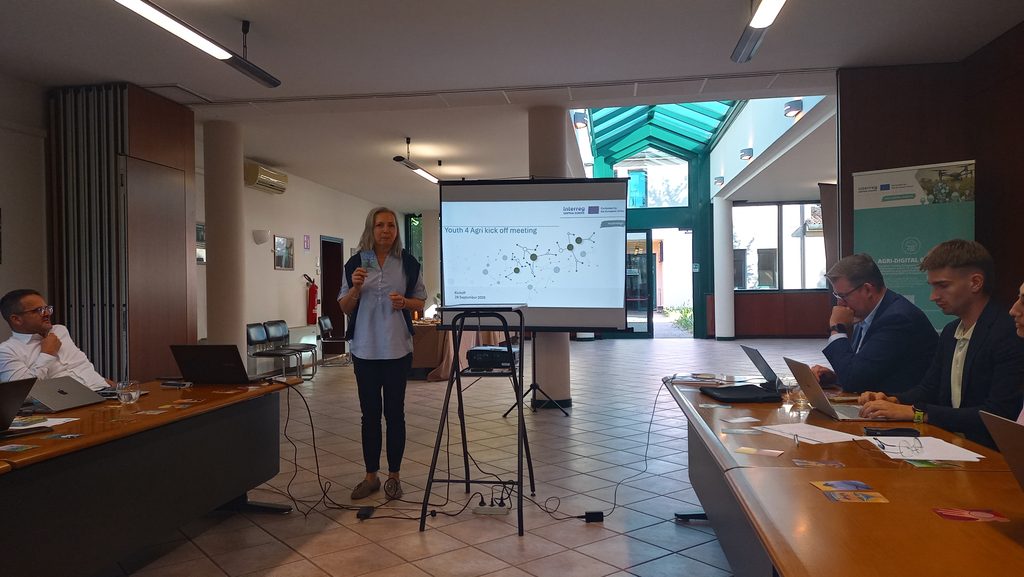
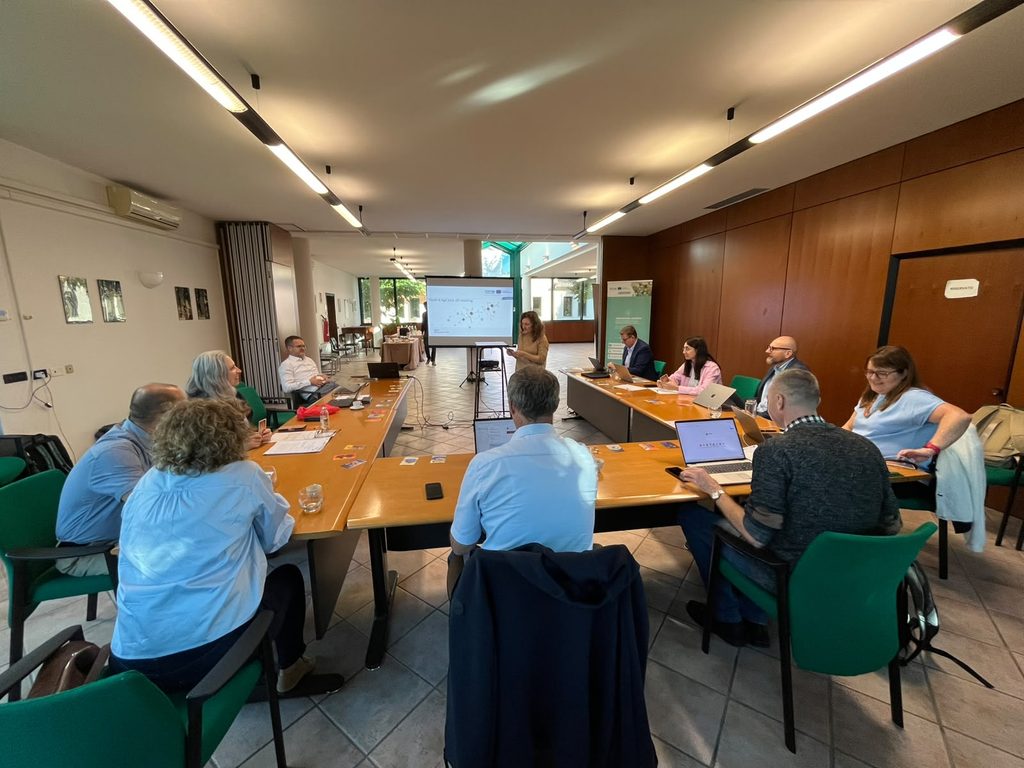
Youth4Agri has entered the implementation phase. During the Kick-Off Meeting held on 28–29 September 2026 in Conegliano, Italy, partners from Italy, Slovenia, Hungary and Poland agreed on the next steps towards developing transnational training and entrepreneurship support for young people, establishing the Youth4Agri Forum and Youth Ambassador model, and creating new opportunities for young people to actively shape the future of agriculture in Central Europe.
The meeting marked the transition from project planning to practical implementation. Partners focused on how Youth4Agri can connect the needs and perspectives of young people with the transformation taking place in agriculture – from digitalisation and new technologies to entrepreneurship, climate resilience and the green transition.

From project plans to practical solutions

Youth4Agri will develop two main transnational solutions designed to strengthen the skills and opportunities of young people interested in agriculture and rural development.

The first will focus on training, providing young people with knowledge related to agriculture, innovation and new technologies. The programme will include five online modules, video lessons, learning materials, a test and a certificate.

The second will concentrate on entrepreneurship support, combining business, personal and networking skills with coaching and mentoring. The aim is not only to provide knowledge, but also to help young people develop ideas, build professional networks and strengthen their ability to turn opportunities into practical initiatives.

Both solutions will be tested through project pilots and developed with a view to their future use in different regions of Central Europe.
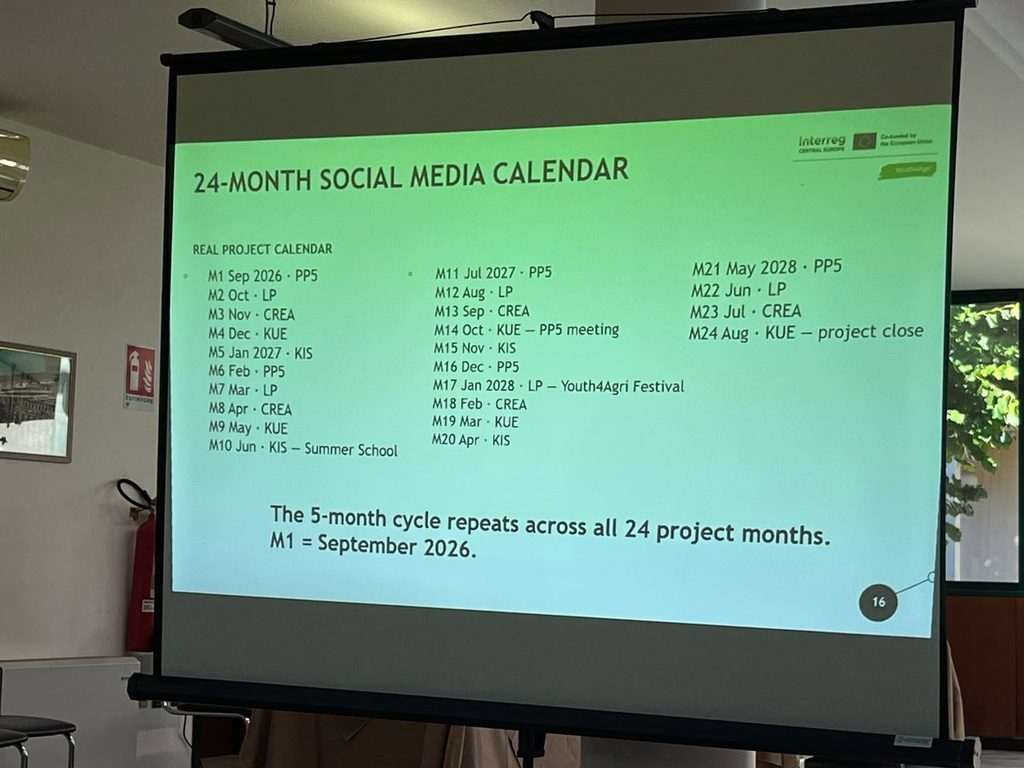
A Forum created with young people

An important part of Youth4Agri will be the Youth4Agri Forum – a space bringing together young farmers, rural youth, students, entrepreneurs and other young people interested in agriculture and rural innovation.

Its activities will connect four closely related themes:

Agriculture | Green & Digital Transition | Entrepreneurship | Climate Change

Young people will not only participate in the Forum but will also contribute to identifying challenges, sharing experiences and developing recommendations and solutions. This approach is intended to ensure that project activities respond to their actual needs and perspectives.

The project will also introduce a Youth Ambassador model. Youth Ambassadors will act as listeners, connectors, contributors and multipliers, helping to gather young people’s perspectives, connect them with project activities and share Youth4Agri opportunities within their communities.

The first transnational Youth4Agri Round Table is planned for December 2026. It will focus on identifying the needs and challenges faced by young people. Local Round Tables will complement this process, creating an ongoing exchange between young participants, project partners and the Youth4Agri Forum.

Agriculture is changing – and so are the skills it requires

The meeting in Conegliano also placed Youth4Agri activities within the broader context of changes taking place in modern agriculture.

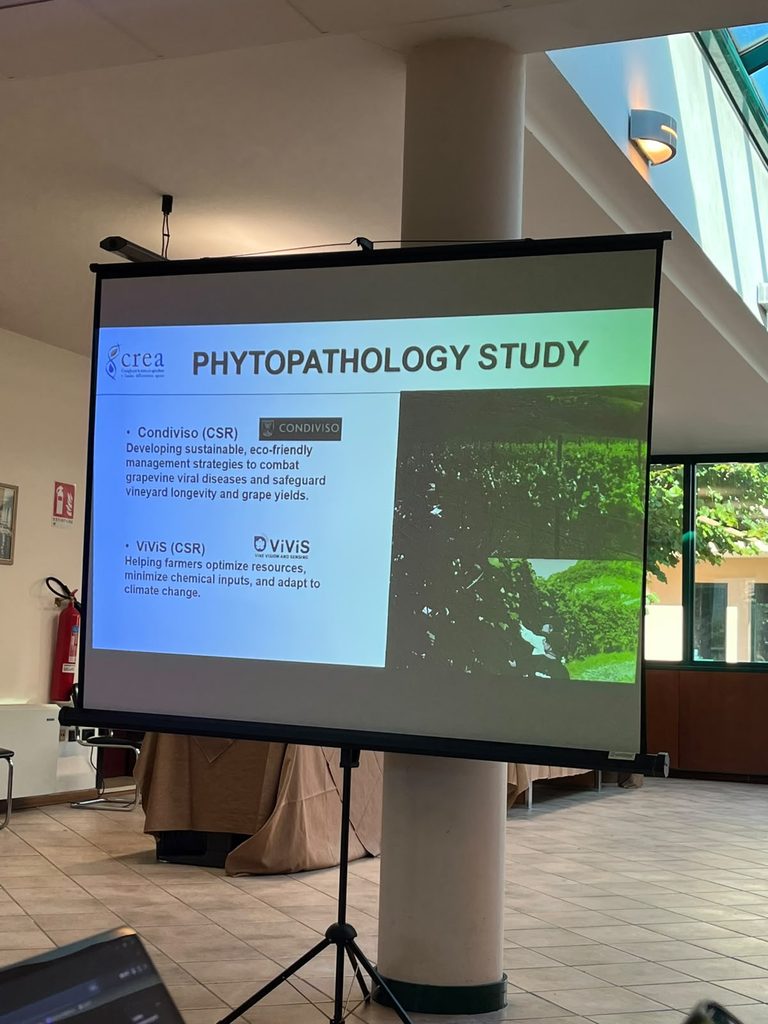
Discussions addressed areas such as precision agriculture and viticulture, artificial intelligence and data processing, robotics, irrigation and water management, soil health and climate resilience.

These examples showed how technological development and environmental challenges are changing both agricultural production and the skills required in the sector. For Youth4Agri, this transformation creates an important opportunity to connect young people with new knowledge, technologies and forms of entrepreneurship.

At the same time, the project looks beyond technical skills. Cooperation, networking, initiative and the ability to develop and communicate ideas will be equally important in preparing young people to take an active role in the future of rural areas.

What comes next for Youth4Agri?

Following the meeting in Conegliano, partners will move forward with the practical development of the project’s key activities.

The coming months will focus on establishing the Youth4Agri Forum, developing the Youth Ambassador model, recruiting young participants and preparing the first transnational Round Table. In parallel, partners will continue developing the training and entrepreneurship solutions that will later be tested through project pilots.

By combining skills development, entrepreneurship, innovation and direct youth participation, Youth4Agri aims to create solutions that can be transferred and used across Central Europe, strengthening the role of young people in the ongoing transformation of agriculture and rural areas.

Follow Youth4Agri to stay informed about upcoming training opportunities, Youth4Agri Forum activities, Round Tables and opportunities for young people to get involved.
“This publication has been developed within the Youth4Agri - Transnational Youth Skills for Agriculture twin transition, project No CE0401400 supported by the Interreg CENTRAL EUROPE Programme with co-financing from the European Union. Its content is the sole responsibility of the authors and the project partnership and does not necessarily reflect the views or positions of the Interreg CENTRAL EUROPE Programme, its programme bodies or the European Union. Neither the programme authorities nor the European Union can be held responsible for any use that may be made of the information contained herein.”
NURSECOAST-II Final Conference - Project Results and Key Outcomes

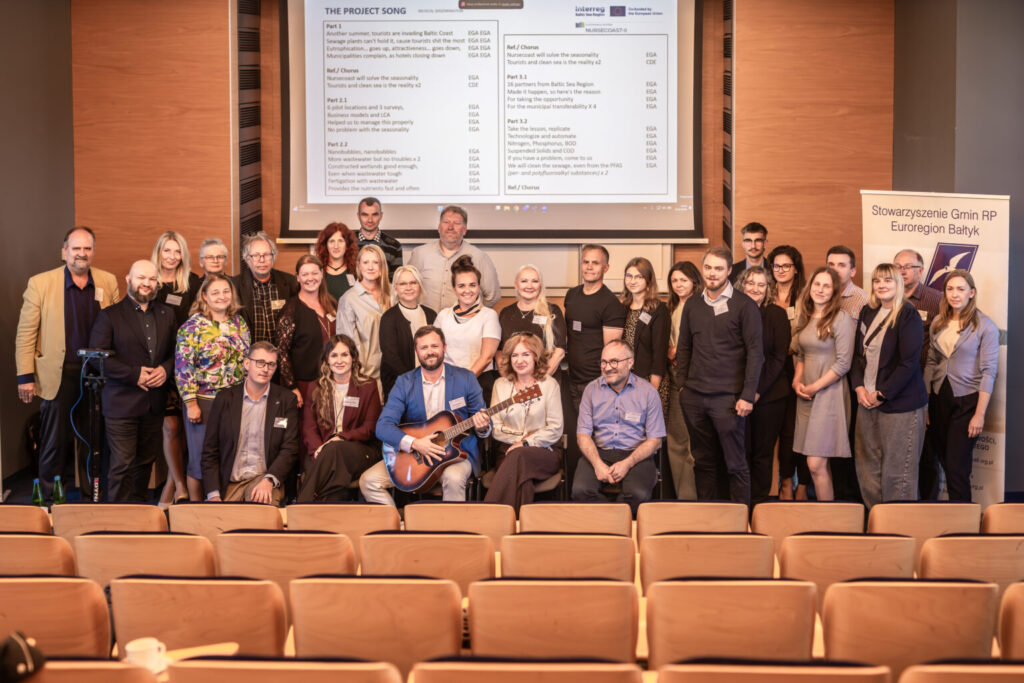
The NURSECOAST-II project summarised its activities, results and experience in developing sustainable wastewater management solutions for small communities and tourist areas across the Baltic Sea Region. The Final Conference provided an opportunity to present the outcomes of the pilot activities, exchange experience and discuss how the solutions developed within the project can be further applied and replicated.

On 10 September, the NURSECOAST-II Final Conference, entitled “Innovative and Sustainable Wastewater Management Solutions for Small Treatment Plants and Areas Under Seasonal Tourism Pressure in the Baltic Sea Region”, was held at the Institute of Fluid-Flow Machinery of the Polish Academy of Sciences.

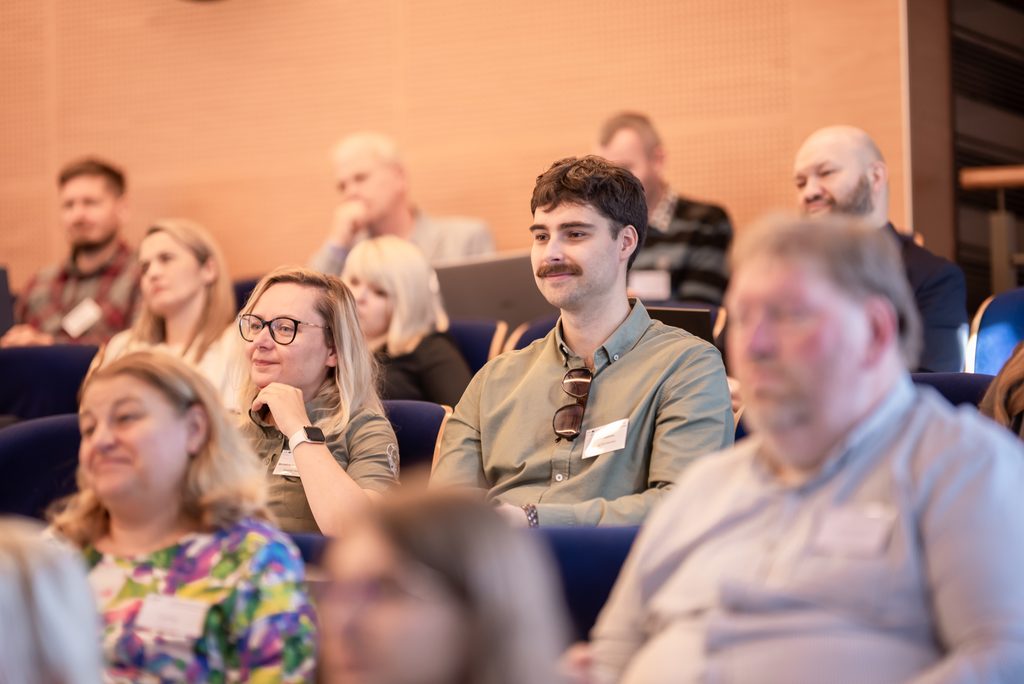
The event brought together project partners, representatives of the scientific community, local authorities and the water and wastewater sector. The programme focused on the results of NURSECOAST-II, experience gained through the implementation of the pilot activities and opportunities to use the solutions developed within the project beyond its completion.

From pilot activities to solutions for wider application

The conference presented the project’s key results, tools and experience. Discussions focused on solutions for small-scale wastewater treatment systems, technologies tested at different locations across the Baltic Sea Region, their assessment and their potential for wider application.

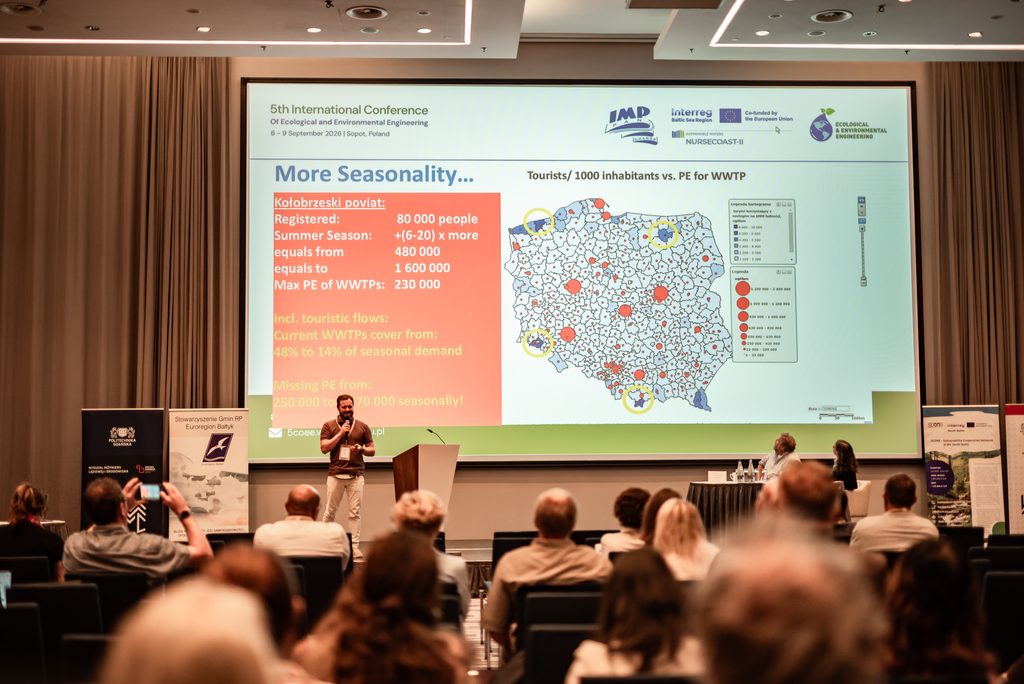
Particular attention was given to wastewater management in tourist areas, where seasonal fluctuations in the number of users lead to significant variations in wastewater volumes and place additional demands on local infrastructure. The discussions covered both technological solutions and good practices and models supporting more flexible and sustainable wastewater management.

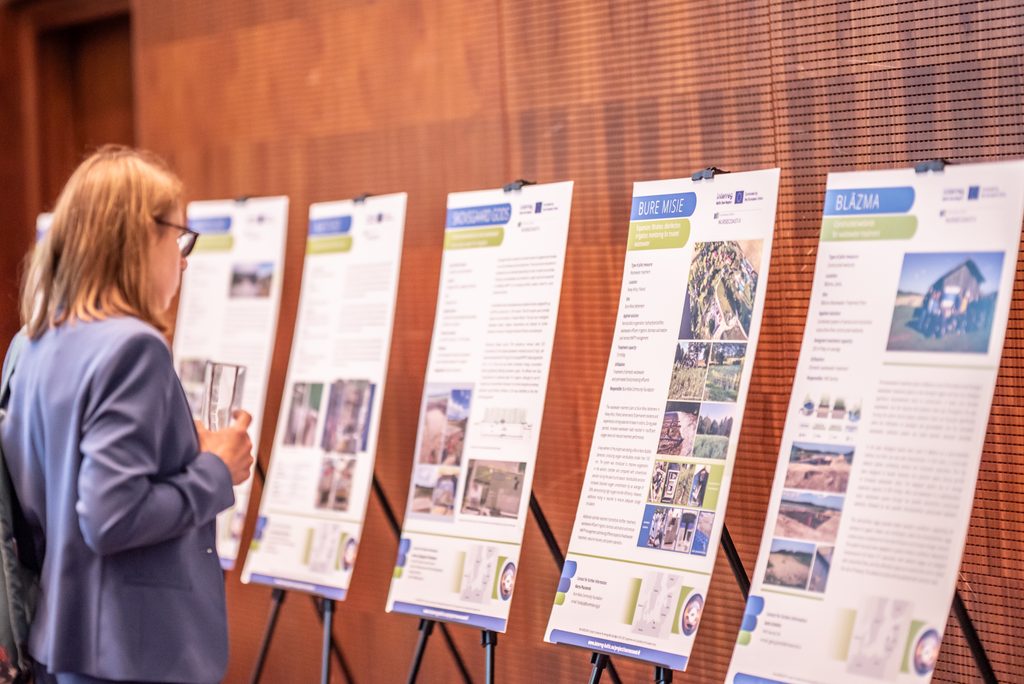
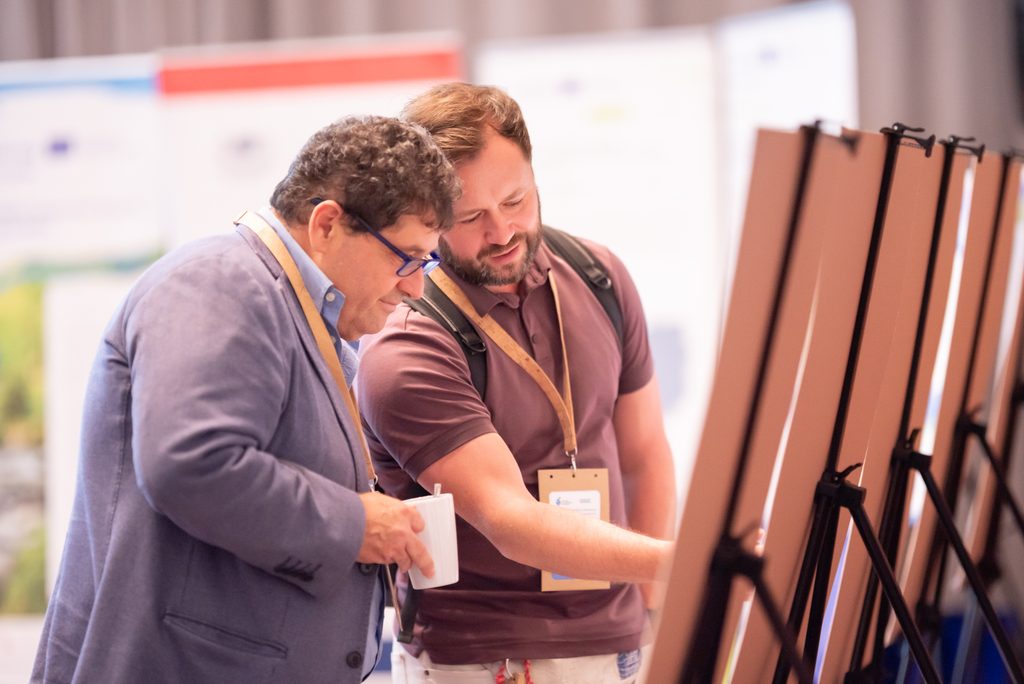
The presentations and discussions were complemented by materials developed within NURSECOAST-II, including posters presenting the project’s pilot activities and brochures summarising its main activities, solutions and results.

Different perspectives, shared challenges

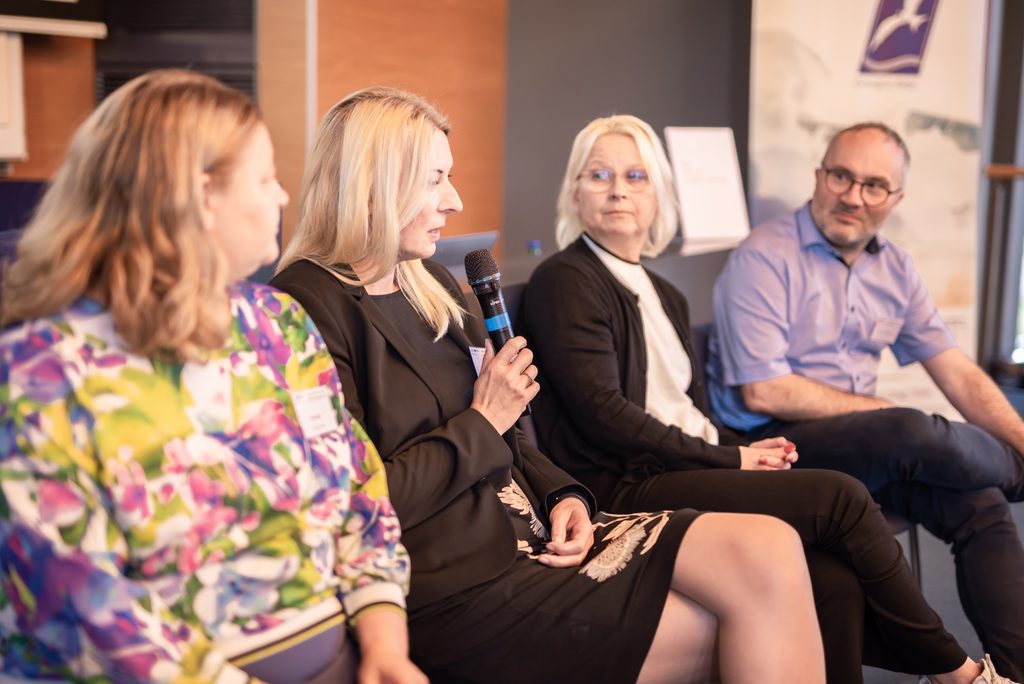
An important part of the conference was the exchange of experience between local authorities, the water and wastewater sector, the scientific community and project partners. This made it possible to examine wastewater management challenges from both a technological perspective and the practical perspective of communities facing significant seasonal tourism pressure.

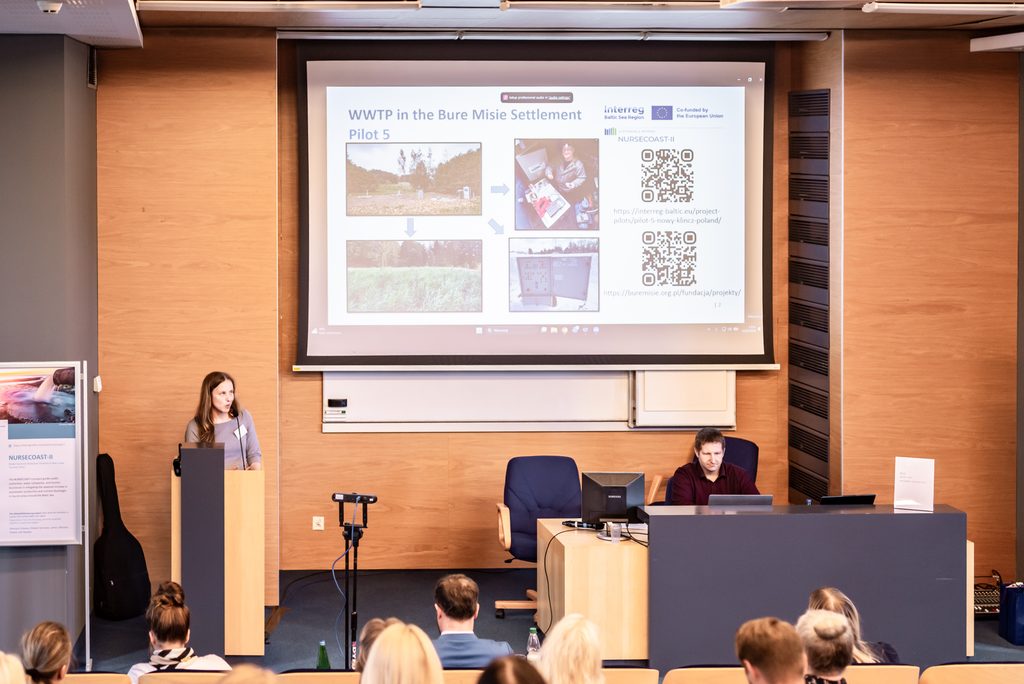
The programme included experiences from Krynica Morska and Nowa Karczma, as well as examples from Norwegian coastal communities. The cases demonstrated the diversity of local conditions and challenges faced by small municipalities and wastewater system operators.

What determines whether a solution can be implemented?

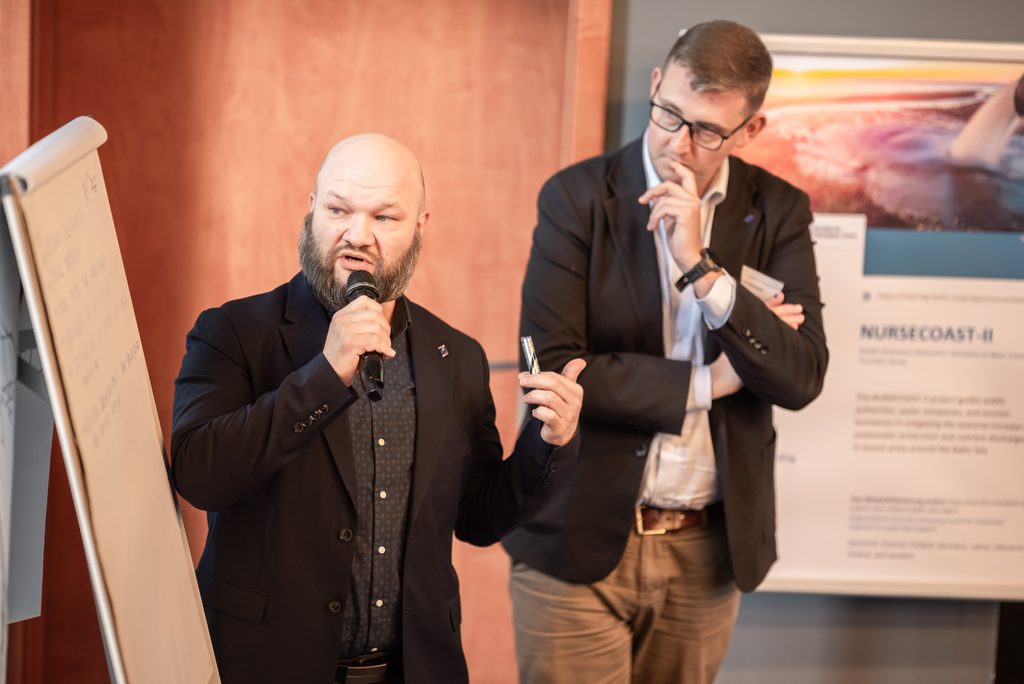
An important part of the conference was a co-creation workshop dedicated to future activities and development directions in water and wastewater management, facilitated by Prof. Magdalena Gajewska and Marcin Żuchowski, Director of the Association of Polish Communes Euroregion Baltic (STG ERB).

Participants analysed the practical conditions for implementing sustainable solutions and the barriers that may affect their application. Key issues included investment time and costs, permitting procedures, changing regulatory requirements and access to financing.

The discussion also addressed the use of local and regional resources, the development of local cooperation and value chains, and solutions aimed at reducing water demand. The workshop provided a space to compare different perspectives and identify both barriers and opportunities for the further implementation of the solutions developed.

NURSECOAST-II results remain available for further use

The Final Conference marked the completion of an important stage of cooperation within NURSECOAST-II, while the knowledge, tools, pilot solutions and recommendations developed by the project remain available for further use.

The experience gained during the project can support the development of more flexible and sustainable wastewater management systems that are better adapted to the needs of small communities and tourist areas across the Baltic Sea Region.

NURSECOAST-II at COEE 2026 - Solutions, Pilots and Exchange of Experience

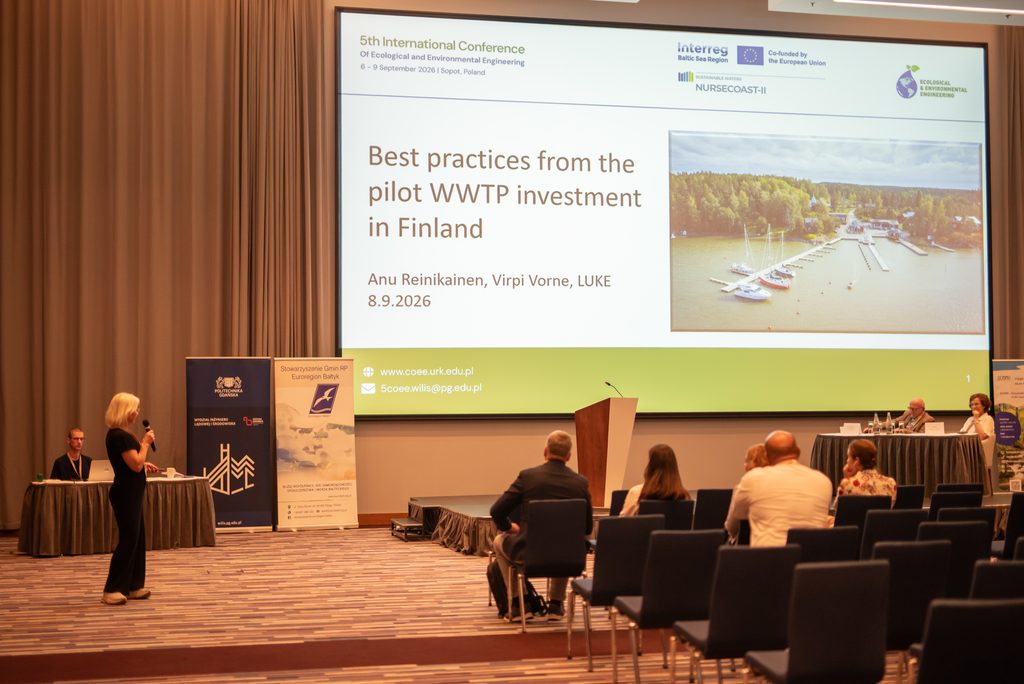
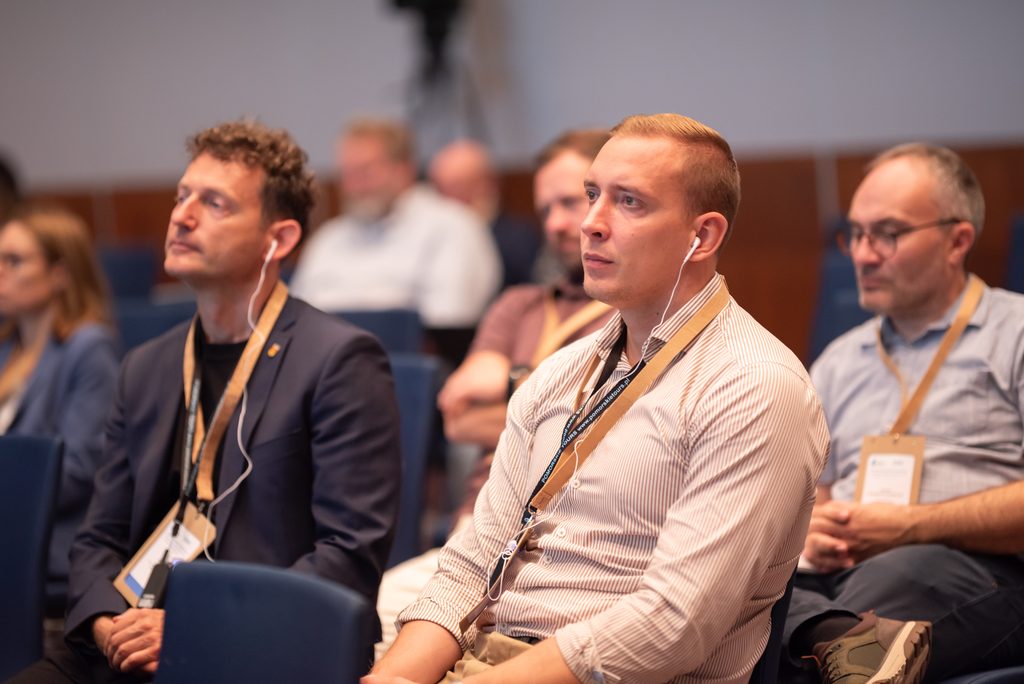
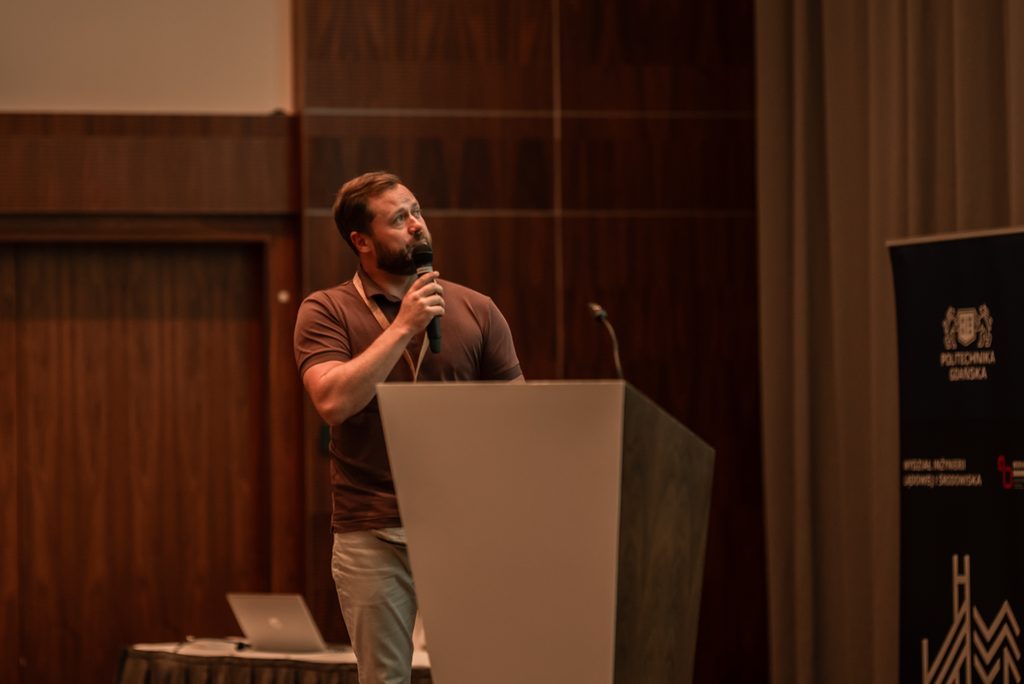
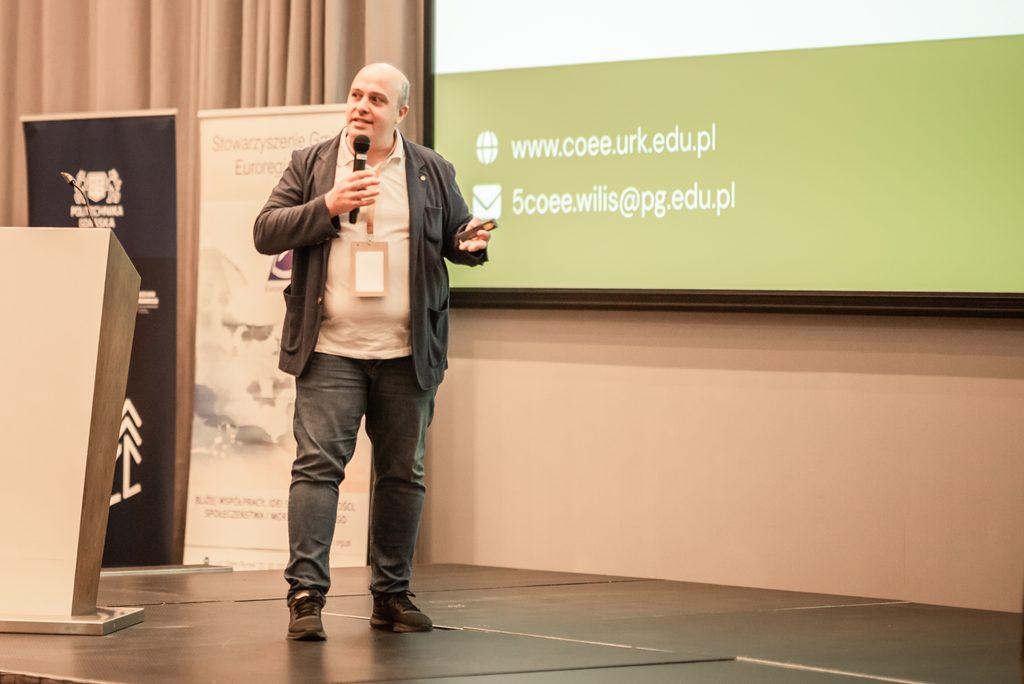
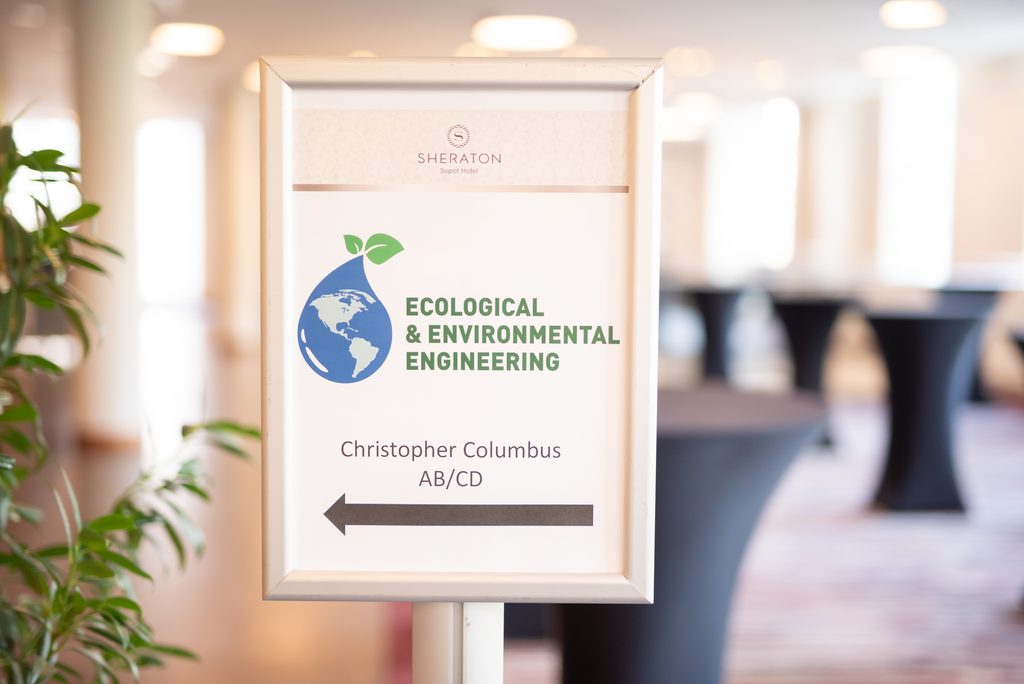
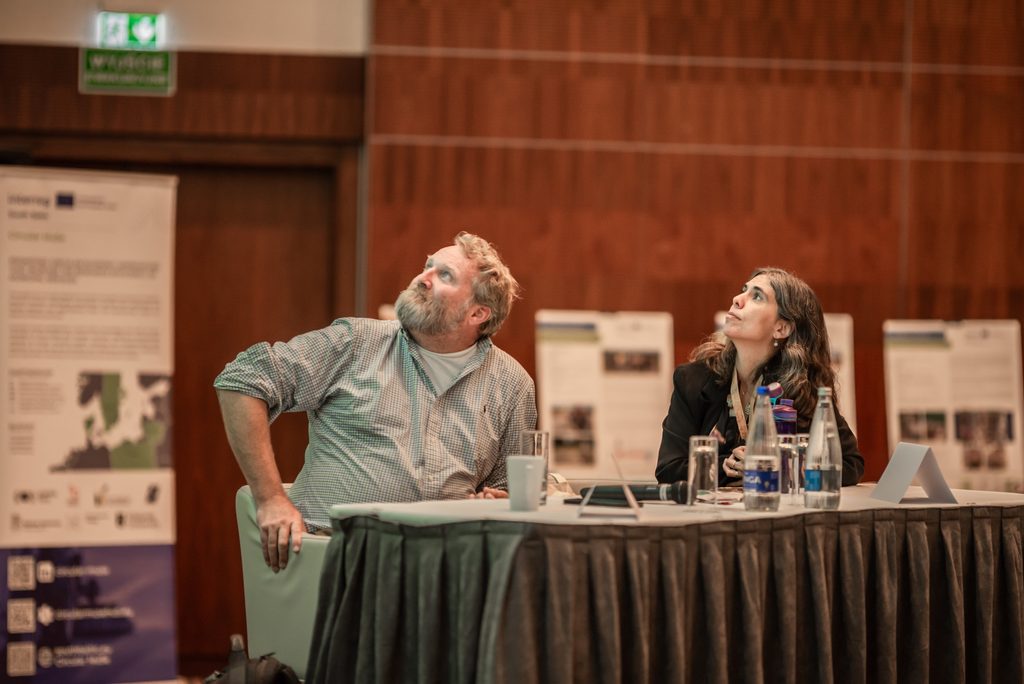
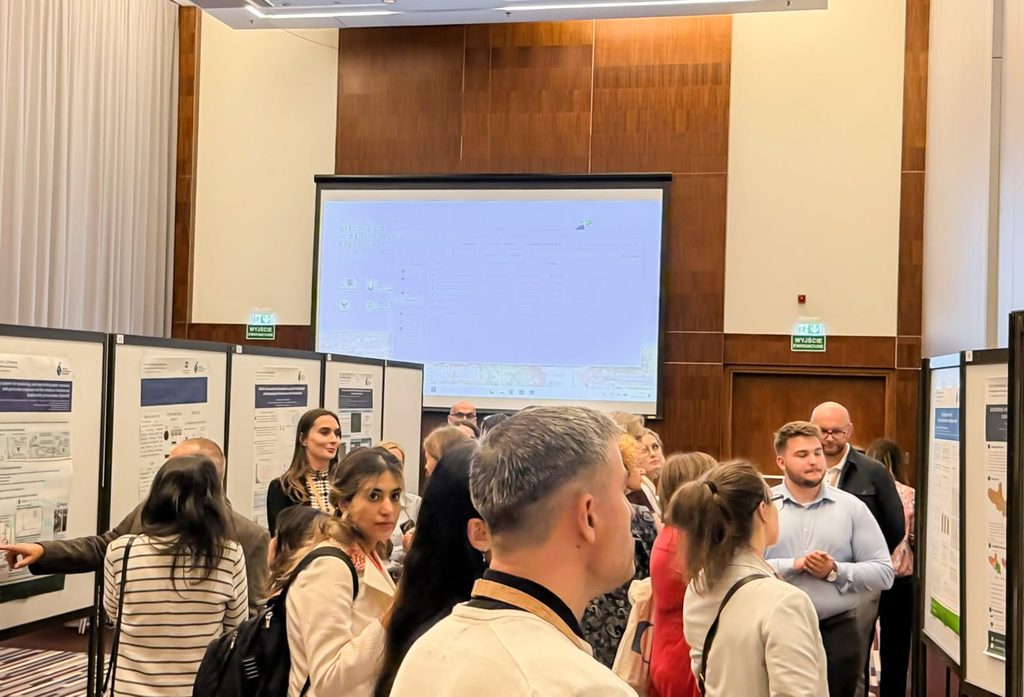
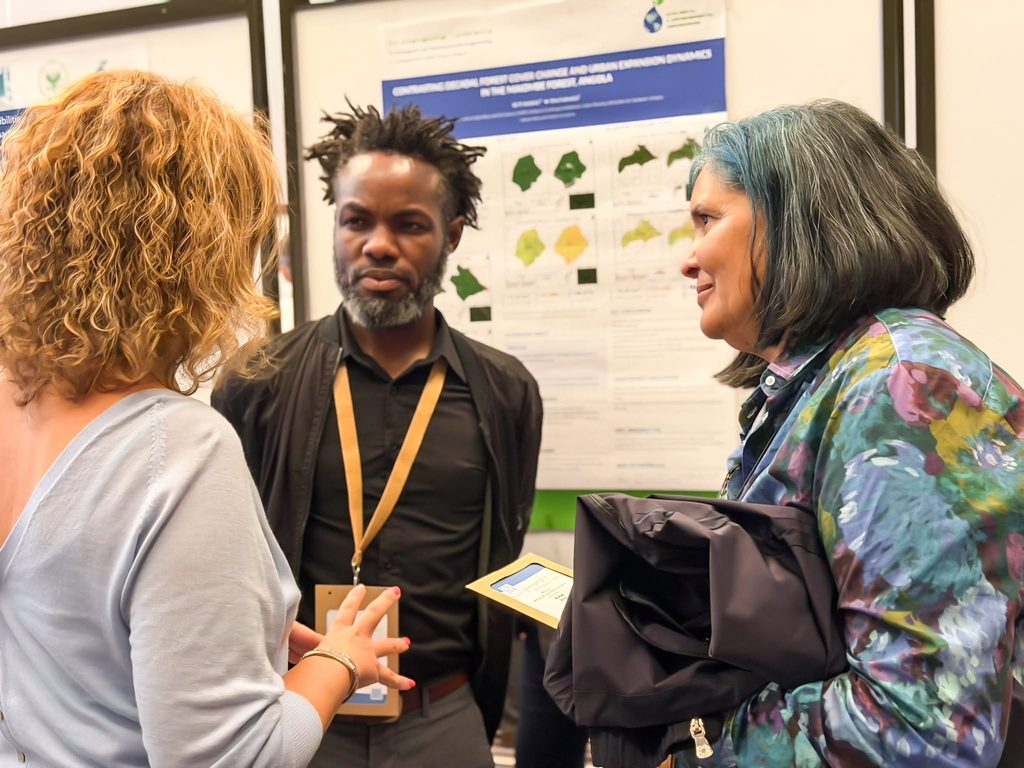
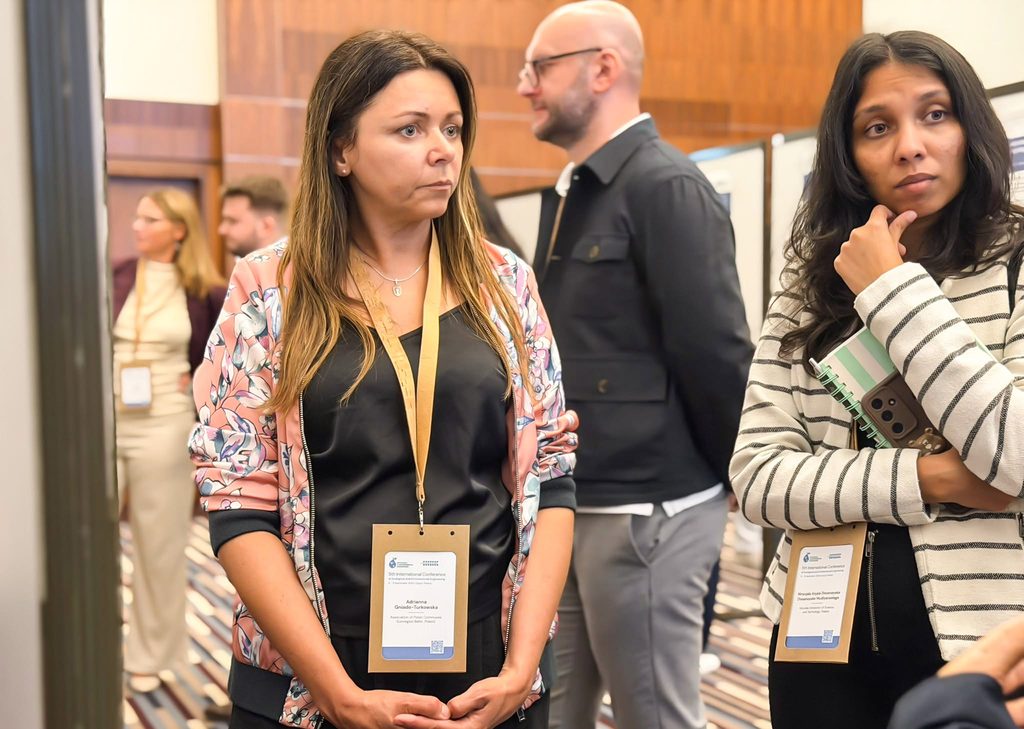
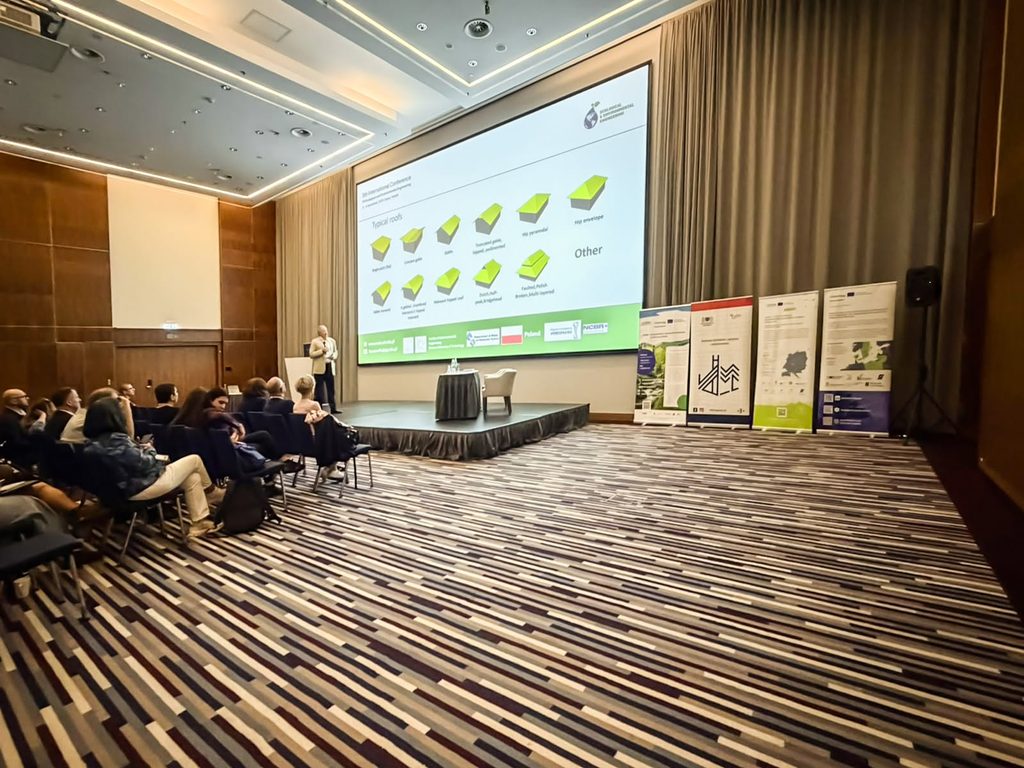
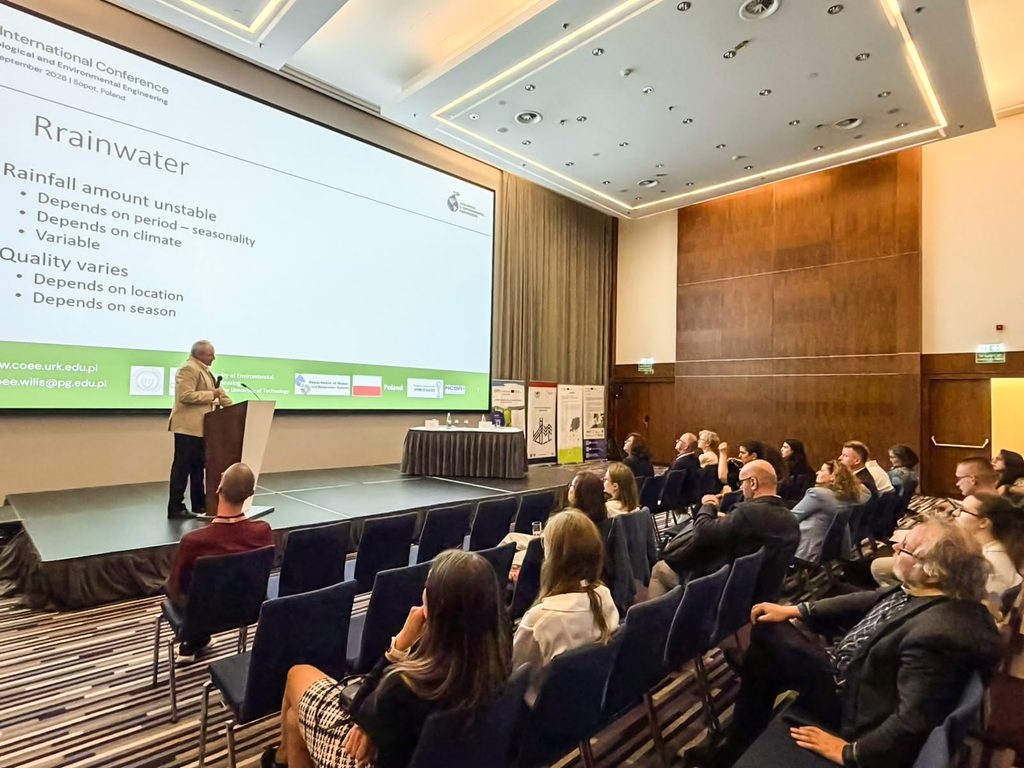
The NURSECOAST-II project had a strong presence at the 5th International Conference of Ecological and Environmental Engineering (COEE 2026) in Sopot. Experiences and solutions developed within the project were presented during three Ideation Project Multi-Forum & Panel Discussion sessions focusing on nature-based solutions, circularity, and the mitigation of emerging pollutants. The conference also provided a space for direct knowledge exchange between the scientific and expert community and representatives of local authorities and the municipal sector.

NURSECOAST-II at COEE 2026

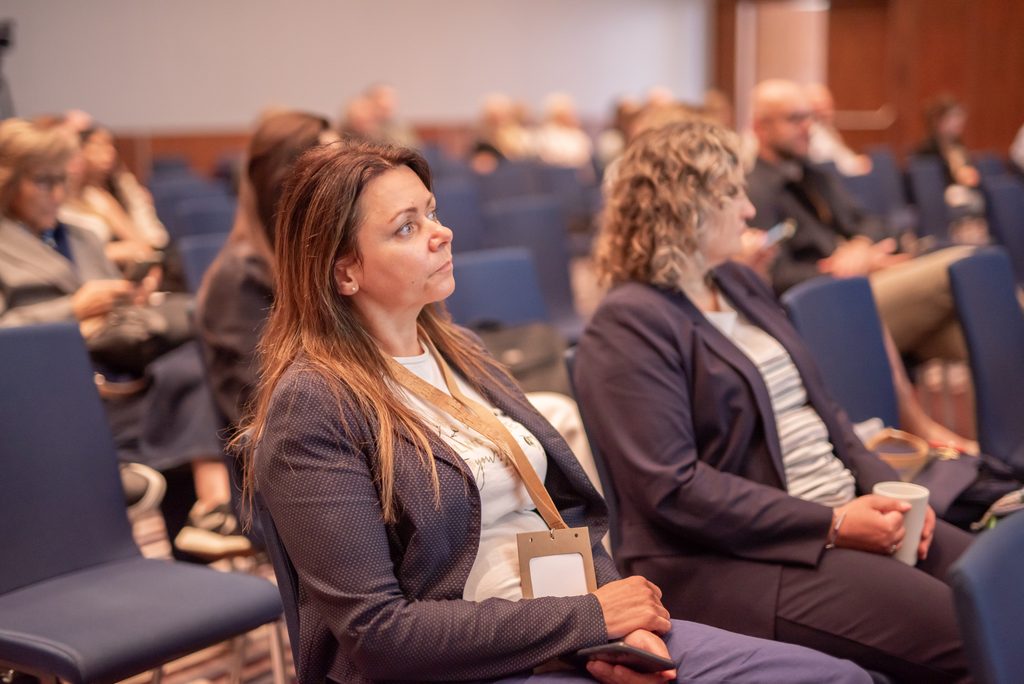
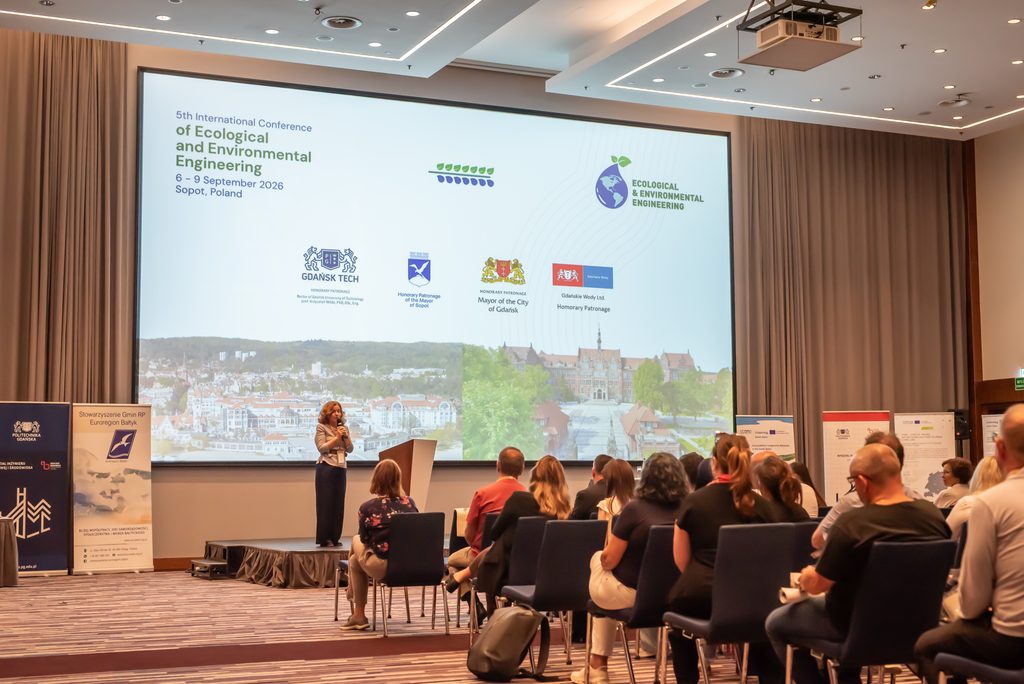
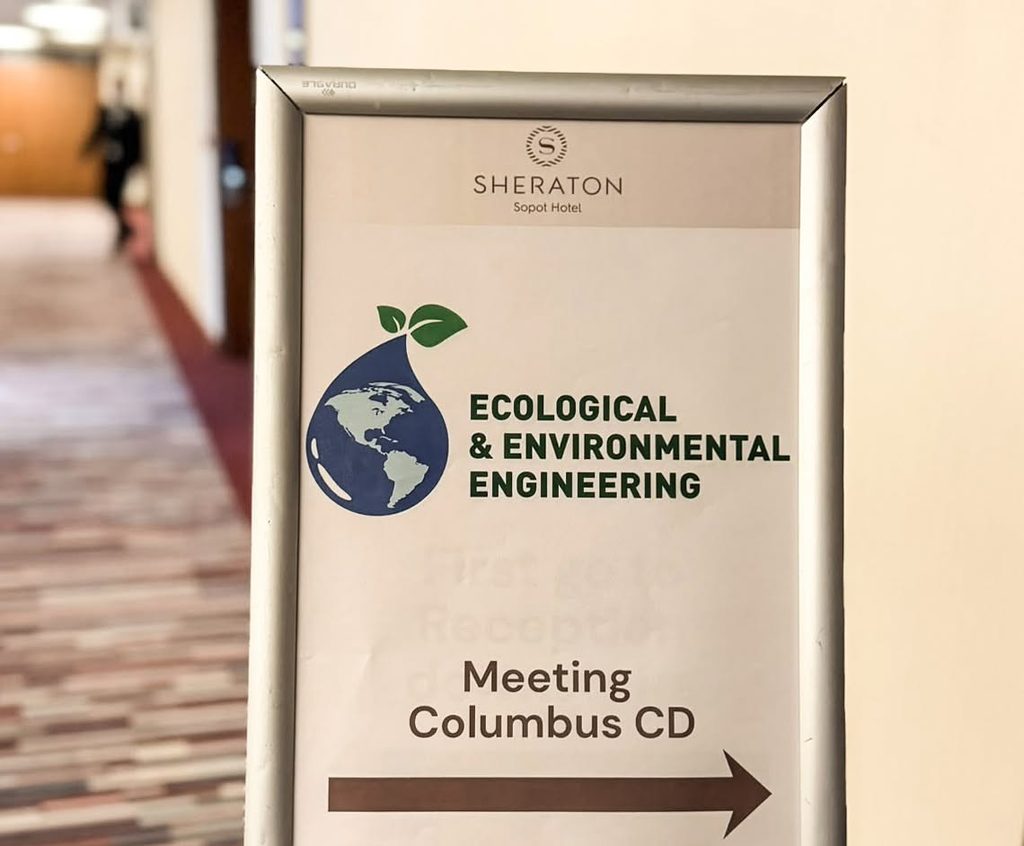
The 5th International Conference of Ecological and Environmental Engineering – COEE 2026 is taking place in Sopot from 6 to 9 September 2026, bringing together researchers, experts and practitioners from different countries to discuss current challenges and solutions in ecological and environmental engineering.

The conference is also attended by representatives of local authorities and the municipal sector, providing them with an opportunity to learn about research findings, practical experience and solutions addressing current challenges in areas such as wastewater management and environmental protection.

NURSECOAST-II in three Ideation Project Multi-Forum sessions

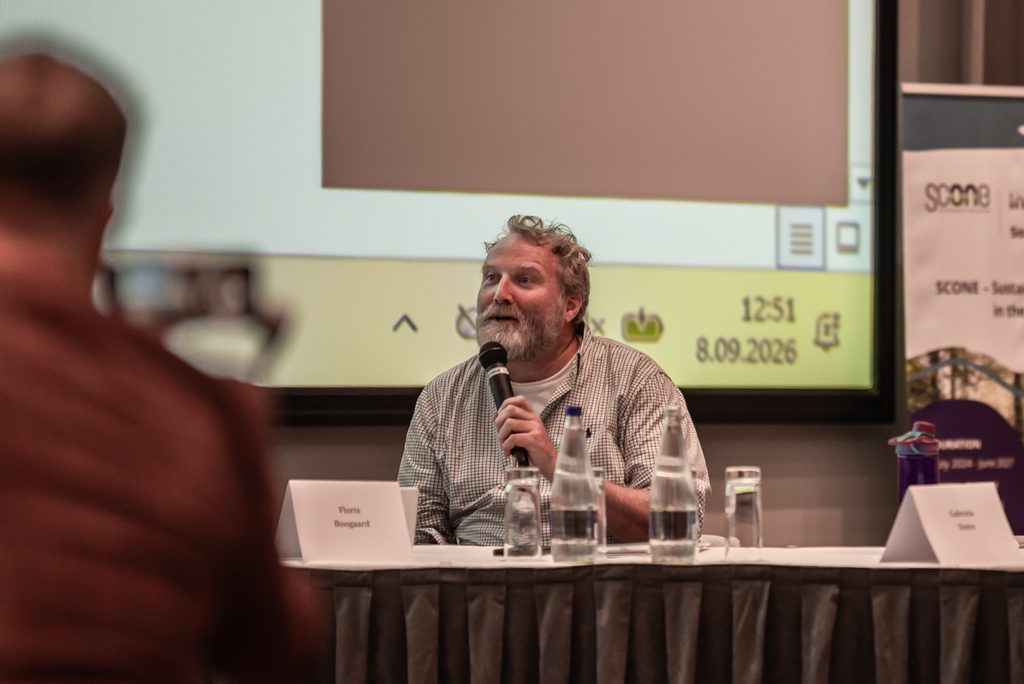
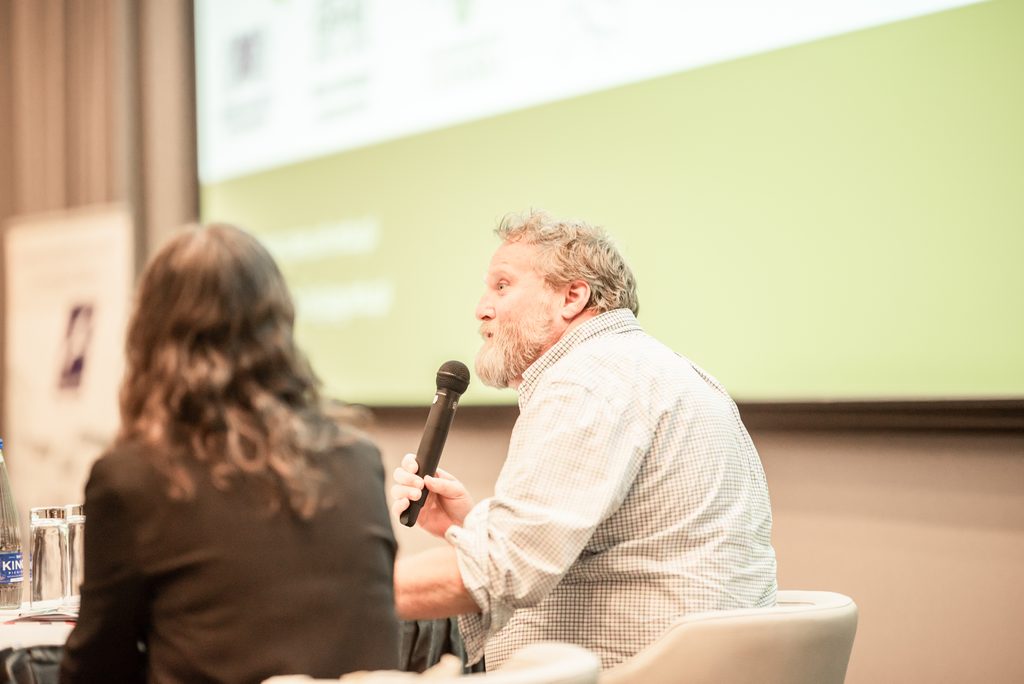
On 8 September, NURSECOAST-II experiences and solutions were presented during three Ideation Project Multi-Forum & Panel Discussion sessions:

The project contributed experience related to the challenges caused by seasonal increases in wastewater volumes in tourist destinations across the Baltic Sea Region. NURSECOAST-II combines research and expert knowledge with the practical testing of solutions at pilot sites, allowing their performance to be assessed under real-life conditions.

From pilot activities to practical solutions

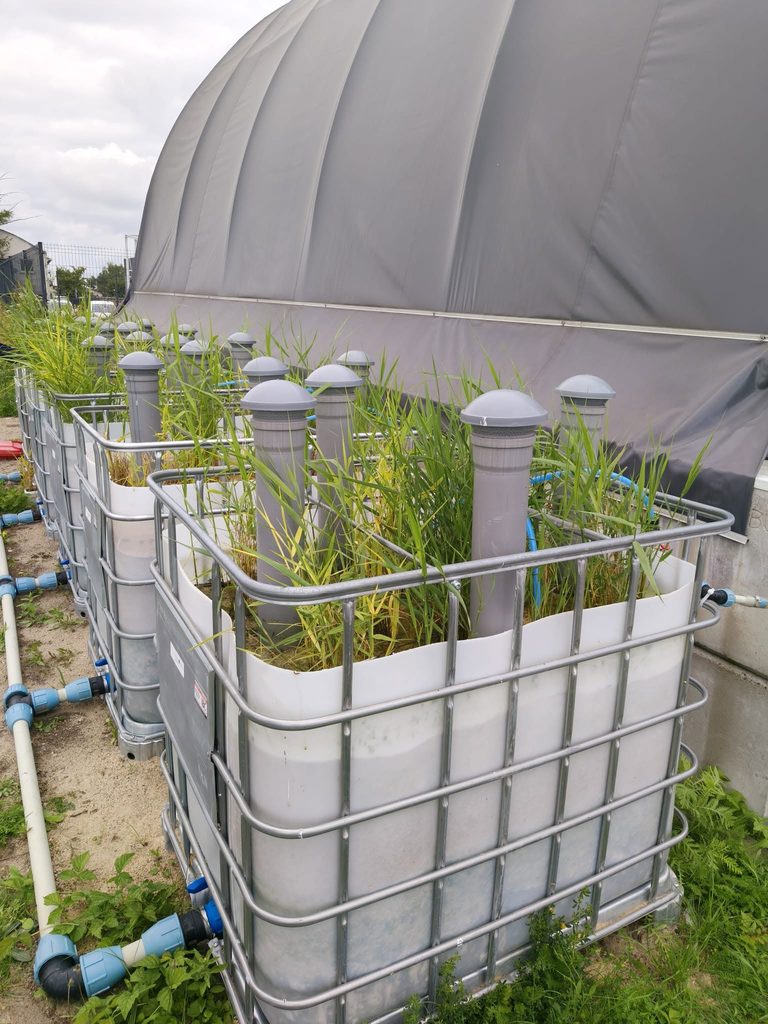
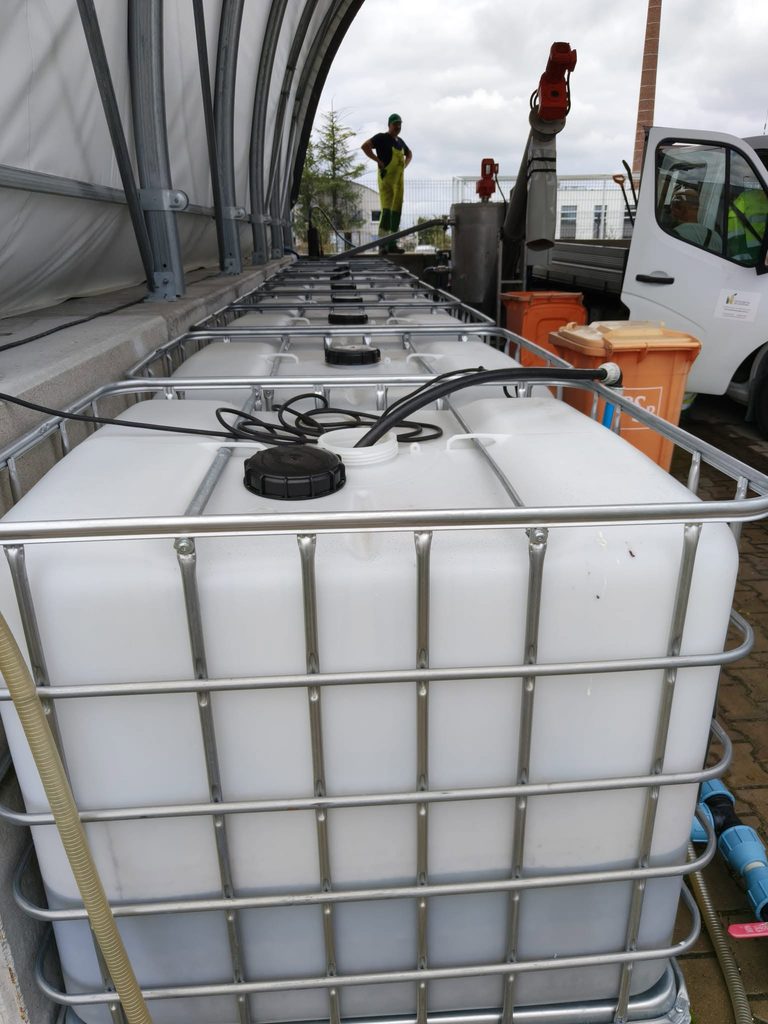
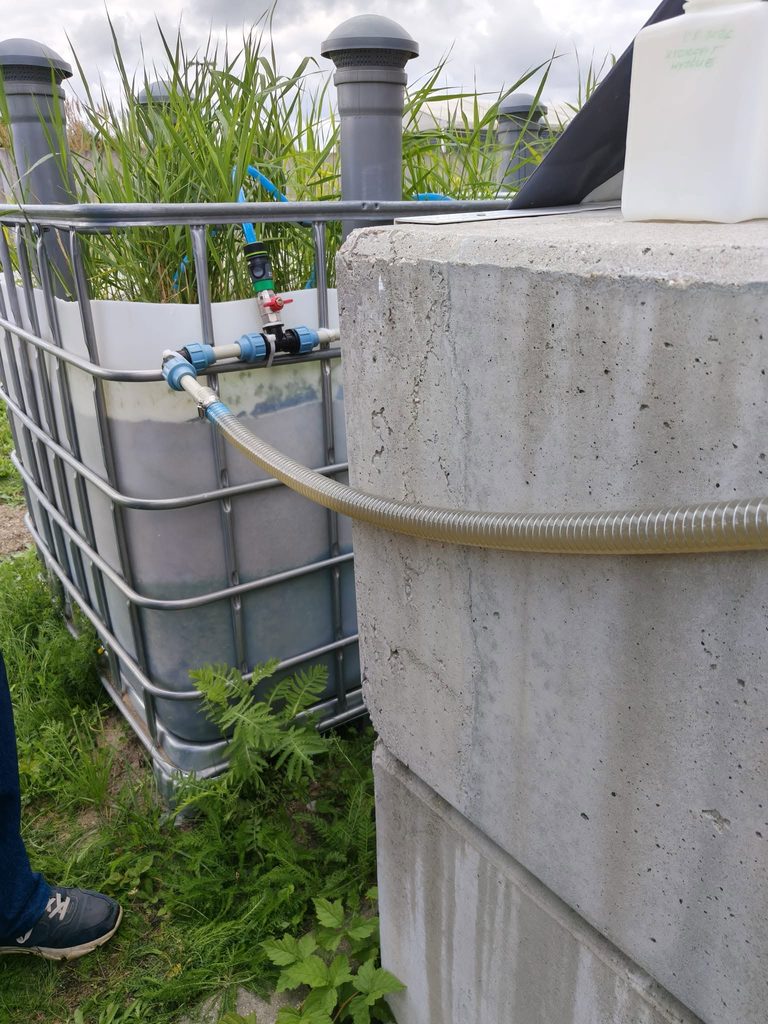
The presentations at COEE 2026 focused on solutions being developed and tested through NURSECOAST-II pilot activities. These included approaches to reducing nutrient loads in wastewater treatment plants serving tourist areas, experience from a pilot investment in a wastewater treatment plant in Finland, and the application of nanobubble technology in wastewater treatment.

The project's presence at the conference was complemented by posters presenting the NURSECOAST-II pilot activities and brochures introducing the project's activities, solutions and results. This allowed participants to explore both the technical aspects of the tested solutions and the broader range of knowledge and experience developed within the project.

Putting knowledge into practice

The conference presentations and discussions will be followed by a practical component. On 9 September, participants will take part in study visits, providing an opportunity to see solutions related to wastewater management and the challenges addressed by NURSECOAST-II in practice.

By combining scientific knowledge, experience from pilot activities, exchange between projects, and the involvement of representatives of local authorities and the municipal sector, the event provides a platform to discuss not only the technologies themselves, but also their potential application and transfer to other locations across the Baltic Sea Region.

CONE on Nature-Based Solutions at COEE 2026

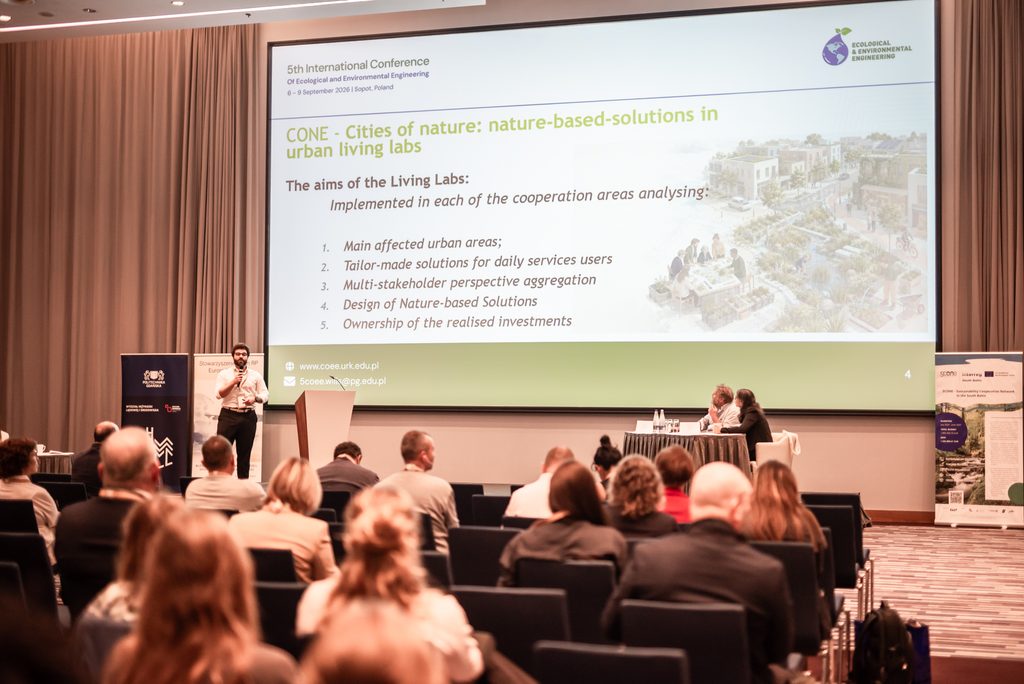
The CONE – Cities of Nature project was presented at the 5th International Conference of Ecological and Environmental Engineering (COEE 2026) in Sopot. On 8 September, as part of the Ideation Project Multi-Forum & Panel Discussion “Nature-Based Solutions in Urban Areas”, the project contributed its experience from Urban Living Labs, where nature-based solutions are combined with the active involvement of local stakeholders in their planning, implementation and evaluation.

Nature-Based Solutions at the centre of the discussion

The “Nature-Based Solutions in Urban Areas” session focused on nature-based solutions (NBS) and their potential to address current environmental and climate challenges.
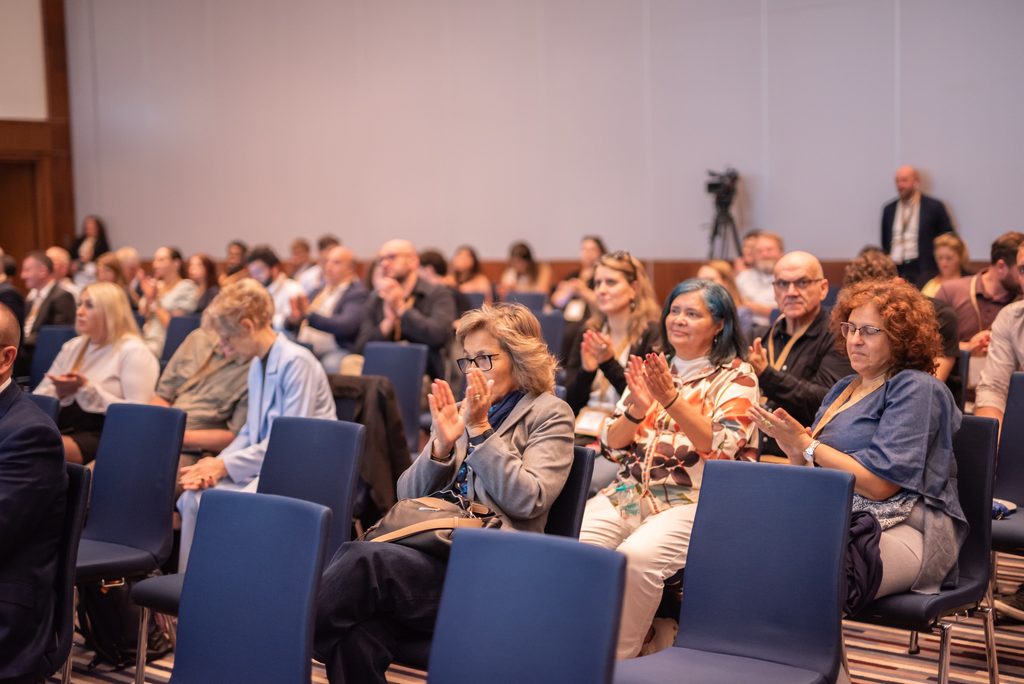
The Ideation Project Multi-Forum provided a space to bring together experiences from different projects, research approaches, and solutions being developed and tested in practice. Discussions covered, among other topics, the use of NBS in urban areas, green infrastructure, and the adaptation of cities and local communities to climate change.

CONE experience from Urban Living Labs

CONE contributed to the discussion with experience gained through activities carried out within Urban Living Labs. Within the project, nature-based solutions are developed not only as technical and environmental interventions, but also through a process that actively involves local stakeholders.

This approach makes it possible to combine the planning and implementation of NBS with the knowledge and needs of local communities. Stakeholders can participate in the development, testing and evaluation of solutions, helping to ensure that the activities are better adapted to the specific conditions and needs of each location.

Knowledge and experience exchange

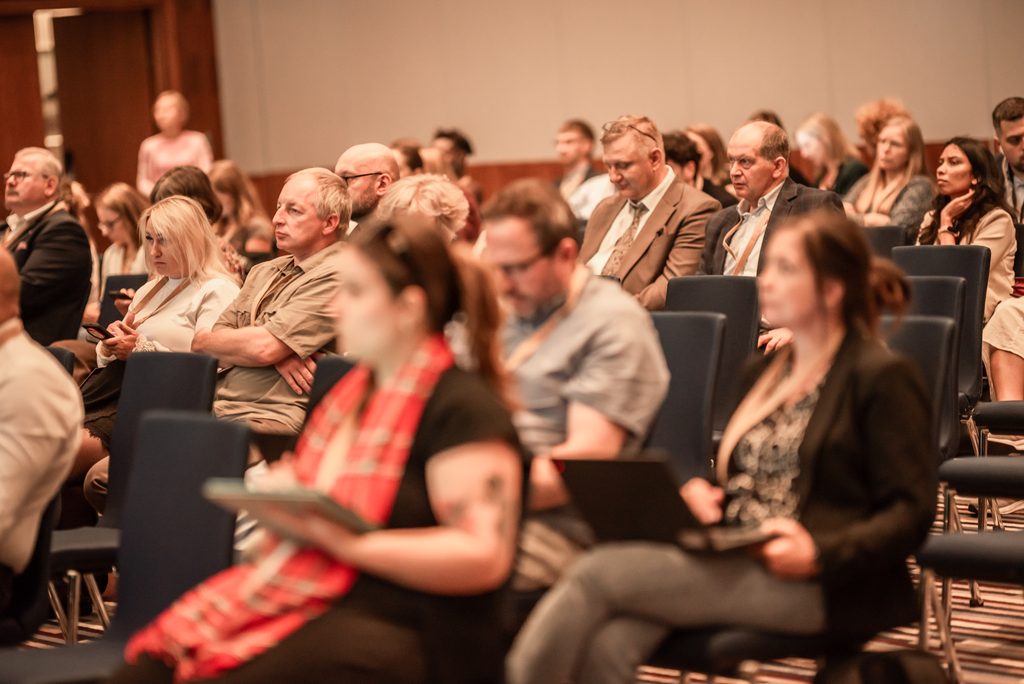
CONE's participation in COEE 2026 also provided an opportunity to exchange knowledge and experience among representatives of international projects, the scientific community, and practitioners working with nature-based solutions, green infrastructure and climate change adaptation.

The conference discussions will be followed by further project activities. On 9 September, CONE partners will meet in Wejherowo for a partner meeting and study visits focused on further cooperation and the exchange of experience within the project.

Combining participation in the international conference with the planned project activities will provide an opportunity to connect the broader discussion on Nature-Based Solutions with the practical experience of CONE partners.

Circular MuSe on Circular Municipal Services at COEE 2026

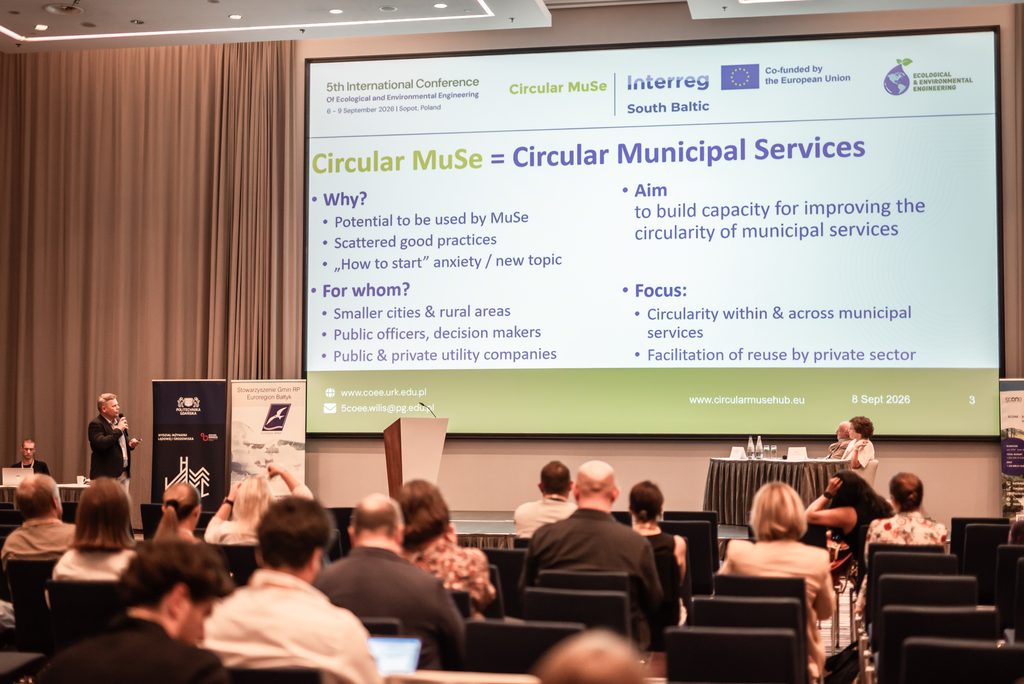
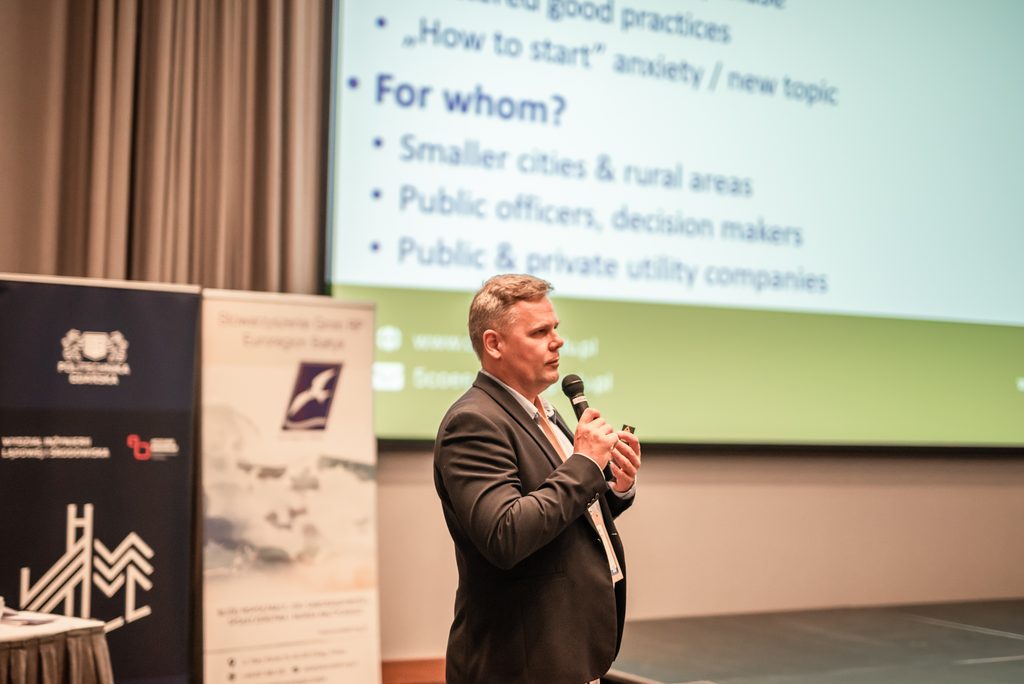
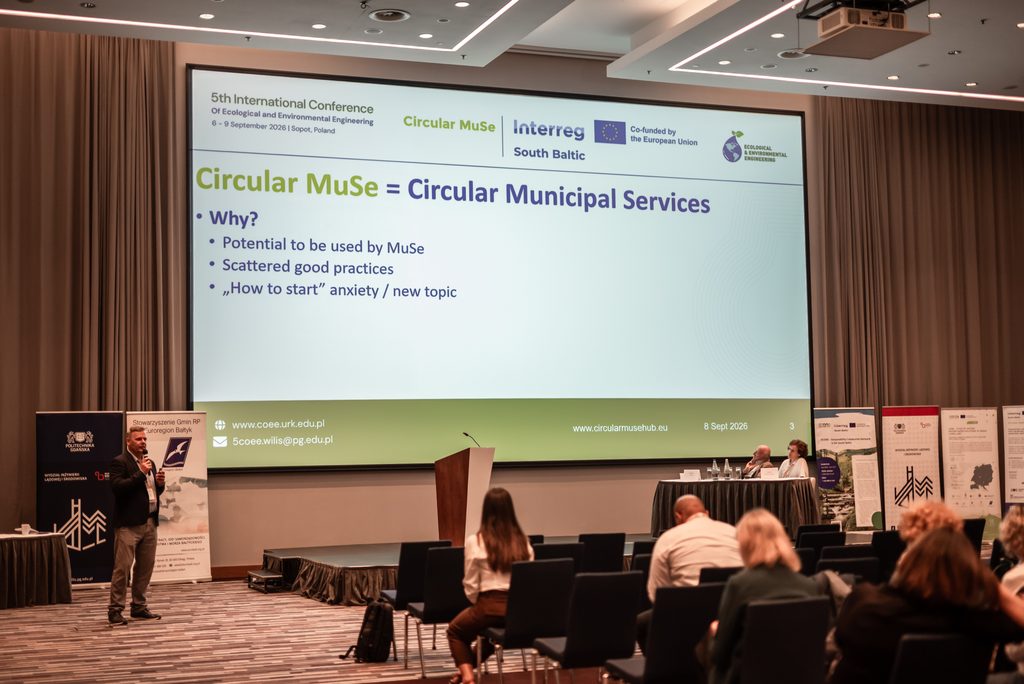
How can circularity in municipal services be increased and proven solutions effectively transferred to smaller towns and rural areas? These questions were at the centre of the Circular MuSe presentation during the Ideation Project Multi-Forum & Panel Discussion “Circularity in Waste & Water Management”, held on 8 September as part of the 5th International Conference of Ecological and Environmental Engineering (COEE 2026) in Sopot.

Circular MuSe in the discussion on circular municipal services

During the forum, the Circular MuSe approach to more efficient and circular use of resources in municipal services was presented. The project focuses on identifying and transferring proven solutions, developing new approaches through pilot activities, and building the capacities of local authorities and municipal service providers.

The activities are primarily targeted at smaller towns and rural areas in the South Baltic region, supporting local actors in accessing and applying knowledge and experience related to the implementation of circular economy principles.

Circular Municipal Services Hub – knowledge and experience in one place

One of the key elements presented during the forum was the Circular Municipal Services Hub, currently being developed within the project. The Hub is designed to bring together case studies, good practices and circular economy solutions, while providing access to the knowledge and experience behind their practical implementation.

Knowledge transfer is also supported through training, mentoring, study visits and demonstration visits, enabling the exchange of experience among local authorities, municipal service providers, experts and project partners.

Circular MuSe pilot activities

Pilot activities are an important part of Circular MuSe, allowing circular economy solutions to be tested in practice.

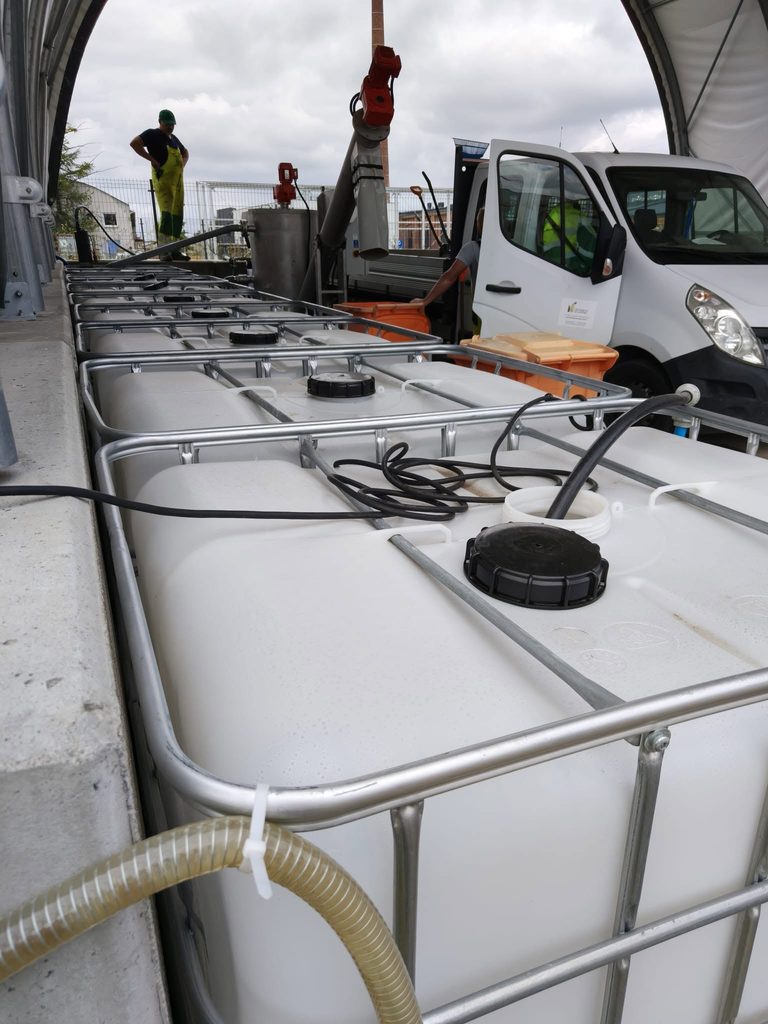
One of these pilots is being implemented in Wejherowo and focuses on the recovery and reuse of sand collected during street cleaning. Other pilot activities address the use of sediments from retention basins, as well as methods for their treatment and subsequent reuse.

The practical dimension of Circular MuSe continued on 9 September in Wejherowo, where one of the study and demonstration visits planned within the project took place.

Exchange of experience between projects

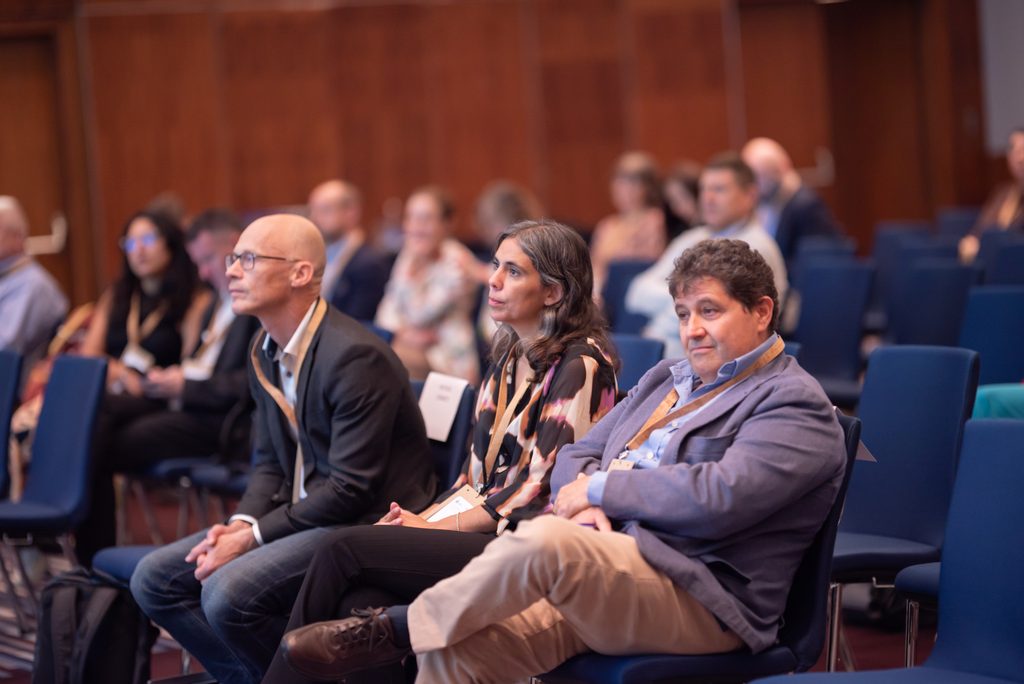
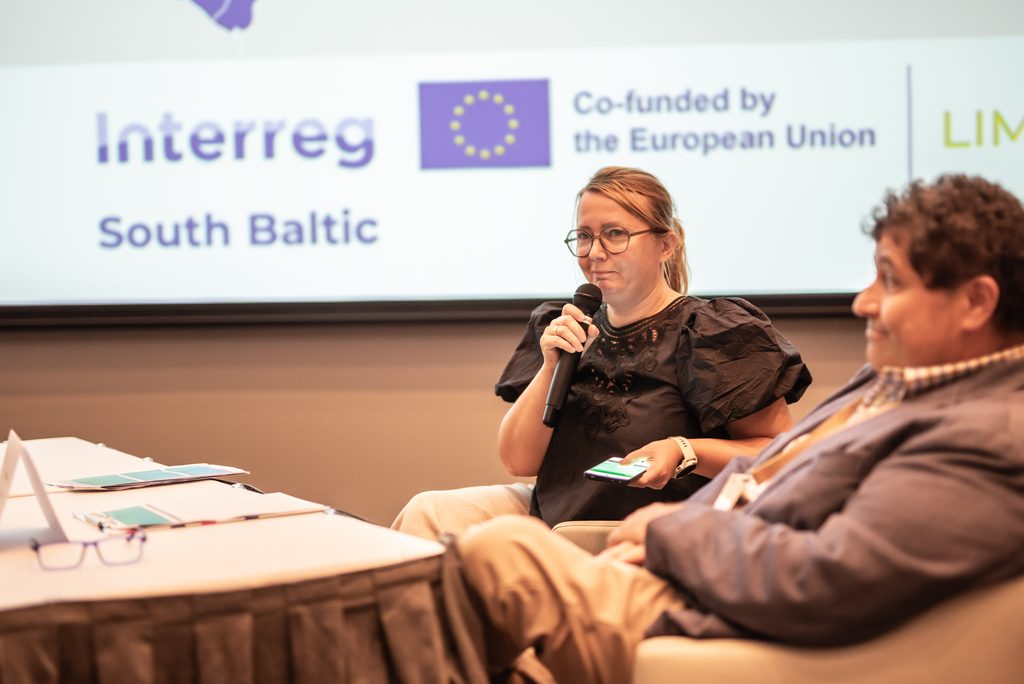
The Ideation Project Multi-Forum at COEE 2026 also brought together representatives of other international projects, including CONE, NURSECOAST-II, CURE NbS, GINA, SMARTER, ReNutriWater, GI-mine and SYMBIOTER.

The forum provided a space for exchanging experience on water and circular resource management, nature-based solutions and the mitigation of micropollutants.

Circular MuSe’s participation in the forum combined the presentation of tools and pilot activities developed within the project with an exchange of knowledge and experience on the practical implementation of circular economy principles in municipal services.

SCONE at the COEE 2026 Conference in Sopot

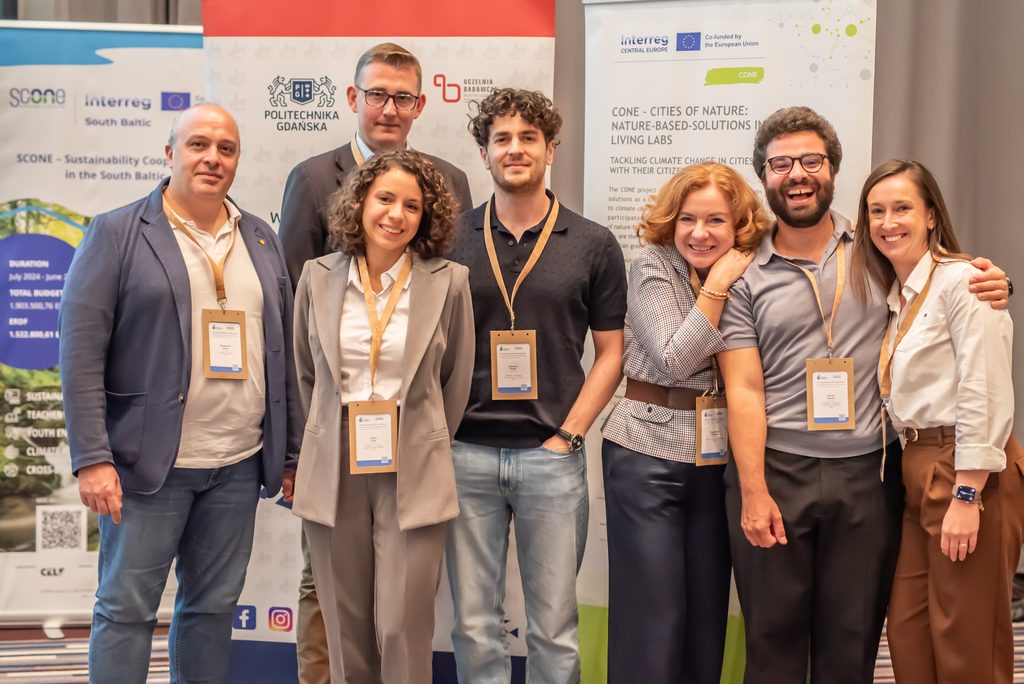
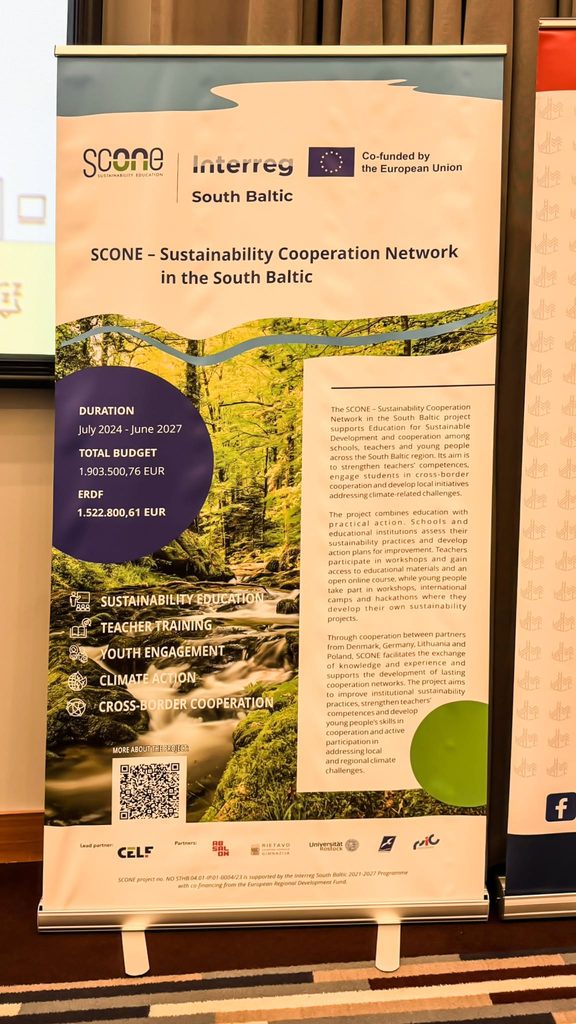
The SCONE – Sustainability Cooperation Network in the South Baltic project was present at the 5th International Conference of Ecological and Environmental Engineering (COEE 2026), held in Sopot from 6 to 9 September. Participants of the international event had an opportunity to learn about the project, its main objectives and its activities supporting education and cooperation for sustainable development through information materials presented at the conference.

SCONE in an international scientific and expert environment

COEE 2026 brought together researchers, experts and practitioners addressing current challenges in environmental engineering and environmental protection. SCONE's presence at the conference provided an opportunity to increase the project's visibility and present its ideas to an international audience engaged in sustainability issues.

SCONE focuses on education for sustainable development, developing teachers' competences, engaging young people in climate and environmental activities, and strengthening cross-border cooperation in the South Baltic region.

The project's focus was closely connected with the broad range of topics addressed at COEE 2026, including nature-based solutions, climate change adaptation, sustainable water and waste management, and the circular economy.

Projects and solutions for sustainable development

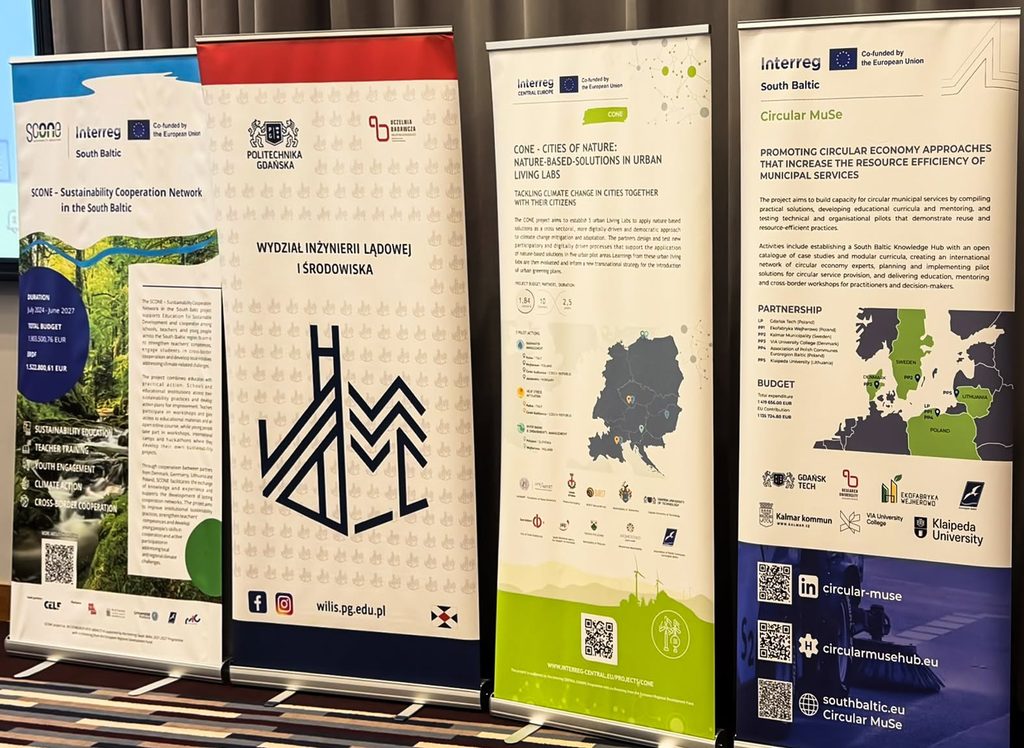
Other projects involving the Association of Polish Communes Euroregion Baltic were also present at COEE 2026. CONE, Circular MuSe and NURSECOAST-II were presented as part of the project forum and panel discussions, addressing different aspects of nature-based solutions, the circular economy and sustainable water management.

The presence of these projects at the conference created an opportunity to present different approaches and experiences and to exchange knowledge on solutions addressing current environmental challenges.

SCONE contributes to this discussion from the perspective of education, cross-border cooperation and youth engagement – important elements in building a more sustainable future for the South Baltic region.

Circular MuSe at the COEE 2026 Conference in Sopot

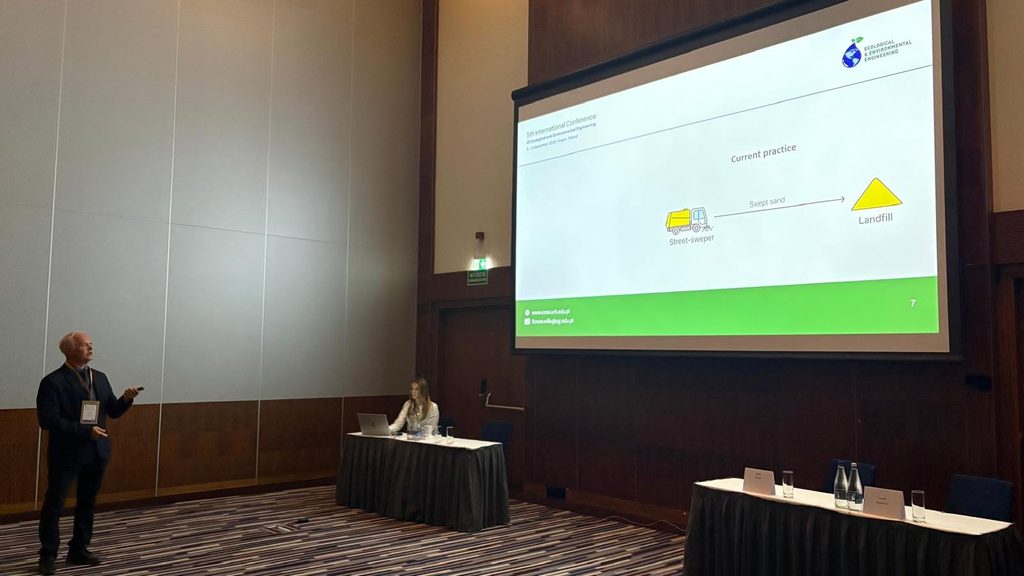
The Circular MuSe project was presented at the 5th International Conference of Ecological and Environmental Engineering (COEE 2026) in Sopot. Prof. Krzysztof Czerwionka from Gdańsk University of Technology presented results of work on the safe recovery and reuse of material collected during street cleaning, including experience from the pilot activity implemented in Wejherowo.

From street waste to resource

During the conference, Prof. Krzysztof Czerwionka from Gdańsk University of Technology delivered the presentation “From Street Waste to Resource: Environmental Safety and Circular Reuse of Street-Sweeping Sand”, focusing on activities carried out within the Circular MuSe project.

The presentation addressed the management of material collected during street cleaning and its potential for safe reuse in line with circular economy principles. One of the examples presented was the pilot activity implemented in Wejherowo.

Circular MuSe pilot in Wejherowo

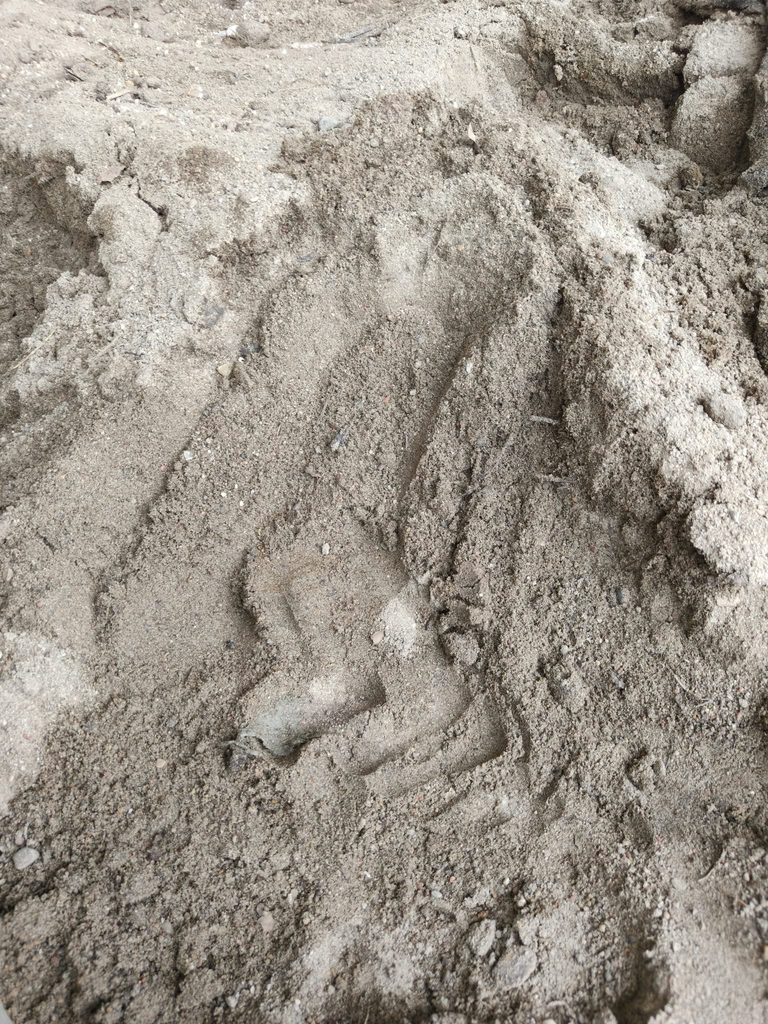
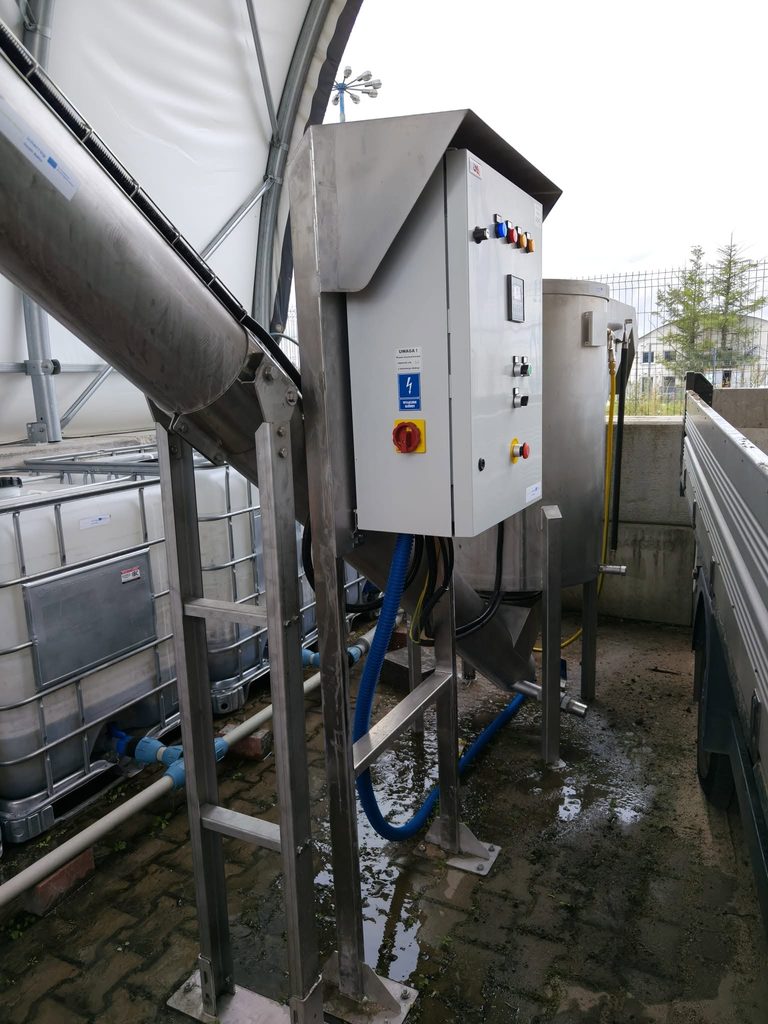
The pilot tests the washing of material collected during street cleaning in order to recover the sand it contains. The aim is to assess whether material that would normally be treated as waste can, after appropriate treatment, be safely reused.

The activities also include assessing the quality of the recovered material and testing solutions for the treatment of water generated during the washing process.

The Wejherowo pilot demonstrates in practice how solutions developed within Circular MuSe can support more efficient use of resources in municipal services and the implementation of circular economy principles at the local level.

Circular MuSe in the circular economy discussion

The project's presence at COEE 2026 went beyond the presentation of project results. Circular MuSe was also part of the Ideation Project Multi-Forum & Panel Discussion: Circularity in Waste & Water Management, dedicated to the exchange of experience and discussion on solutions supporting circularity in the waste and water management sectors.

Participation in the conference provided an opportunity to share experience gained through the Circular MuSe pilot activities and to exchange knowledge on the potential for wider application of the solutions being tested in municipal services.