WaterMan & ERB Water Core Group in Sweden

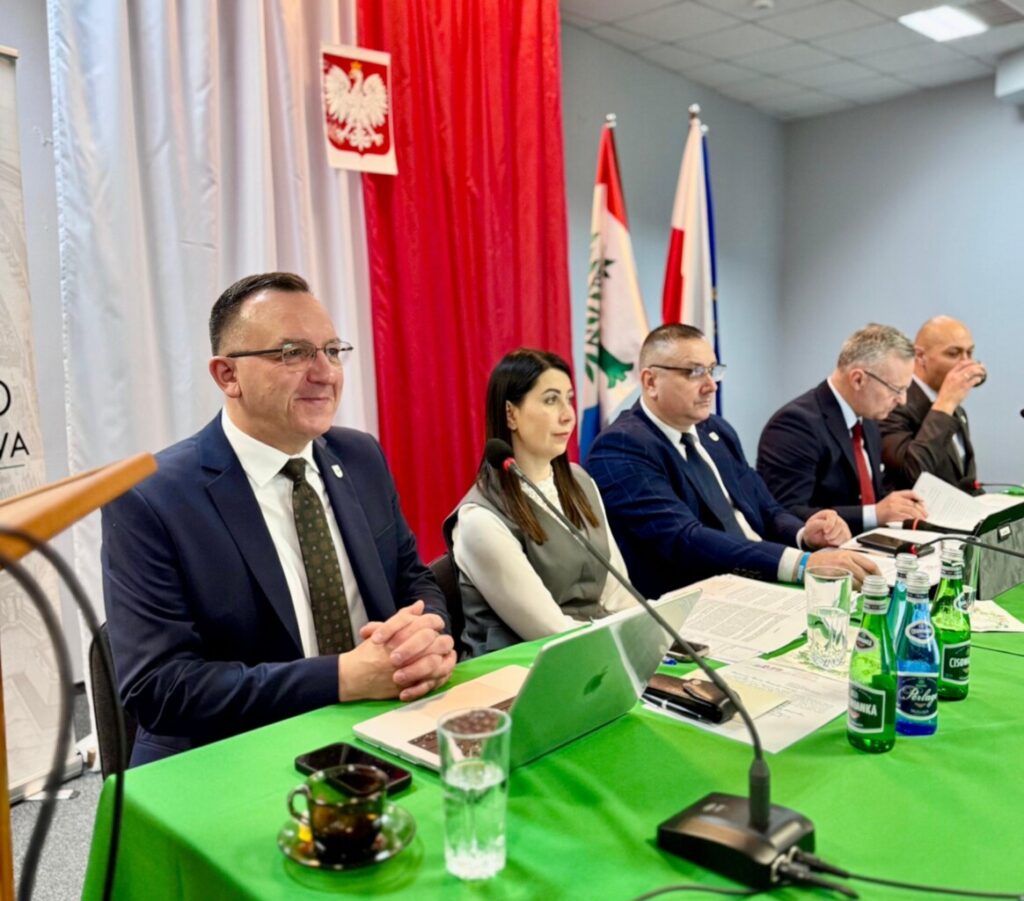
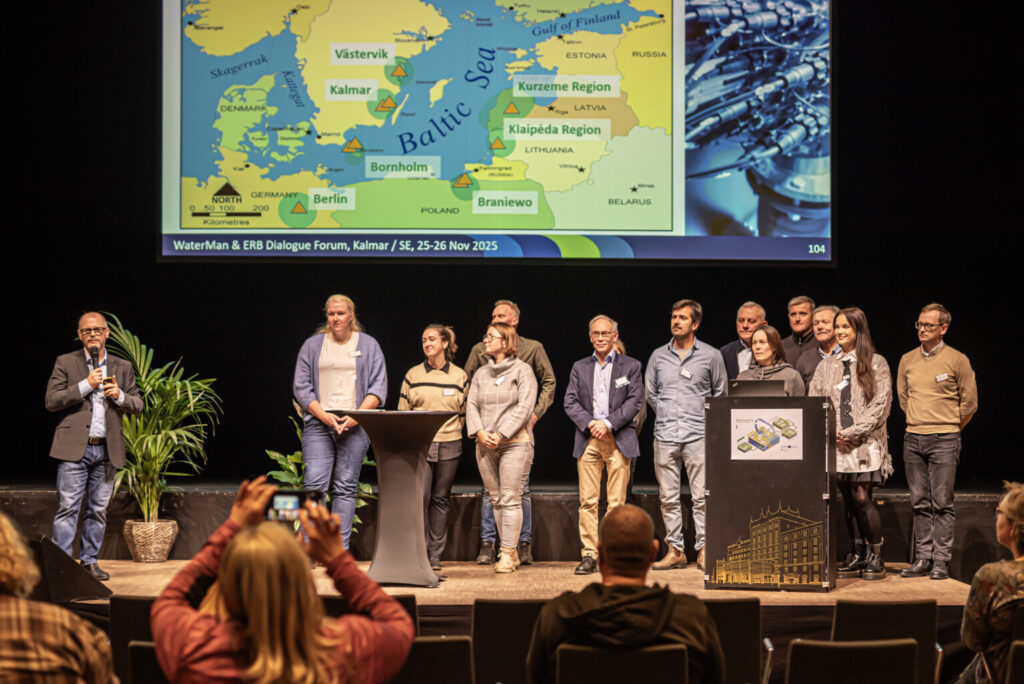
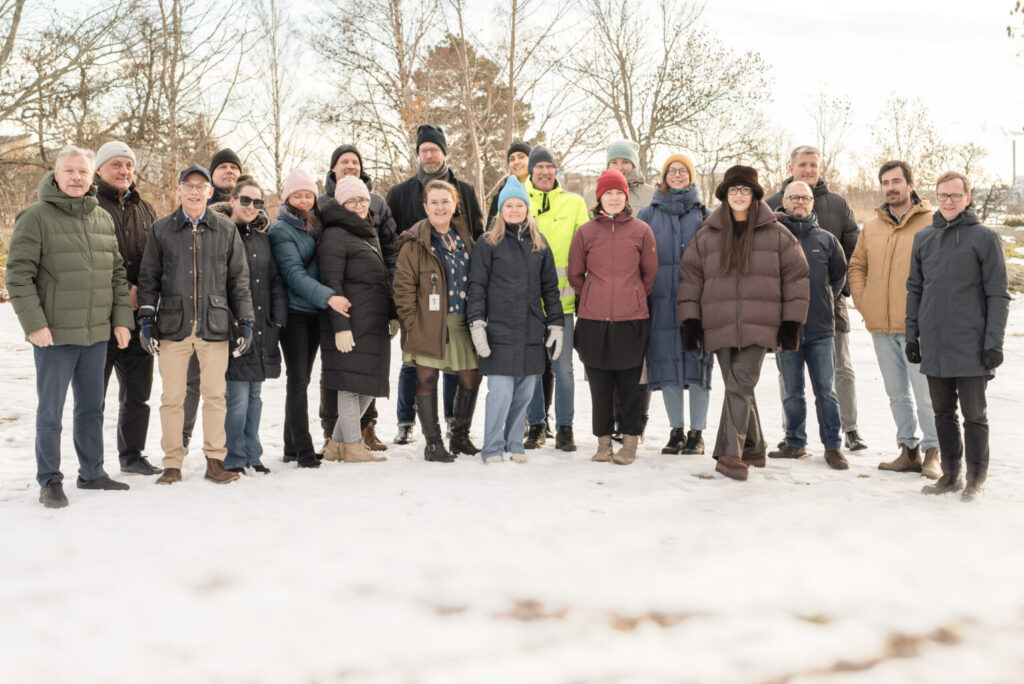
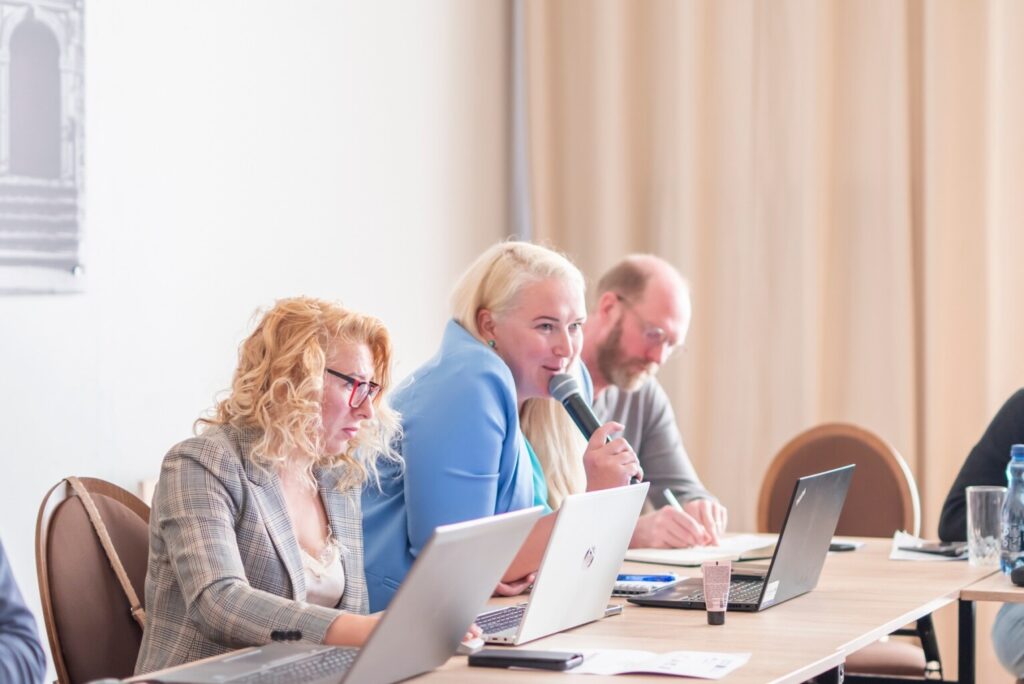
On November 25-27, 2025, Sweden hosted the WaterMan & ERB Water Core Group Dialogue Forum conference and a project consortium partner meeting.

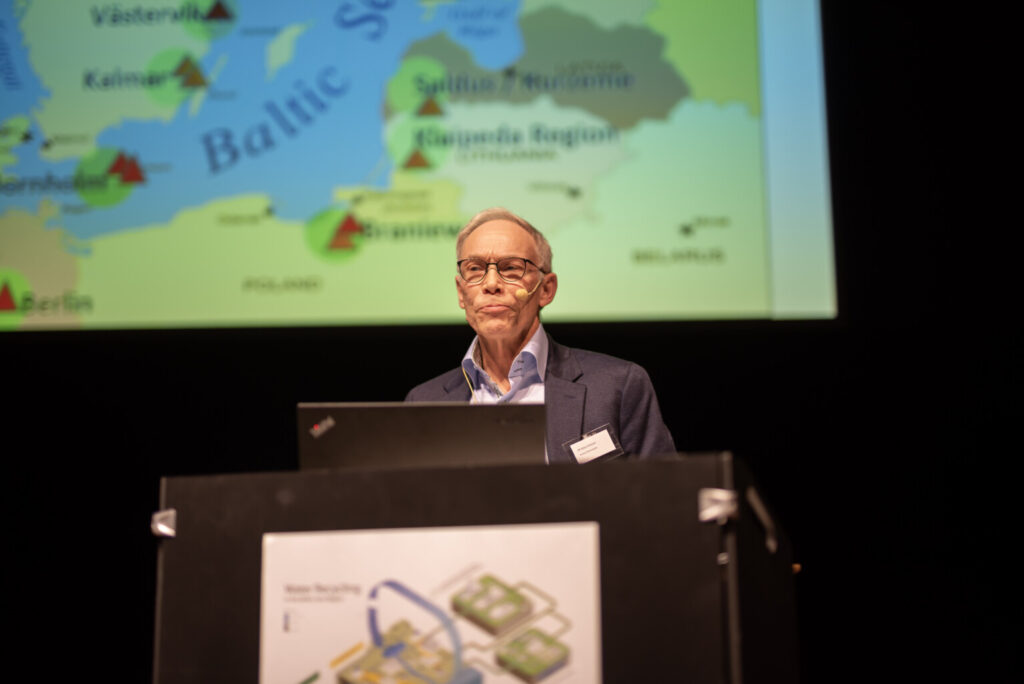
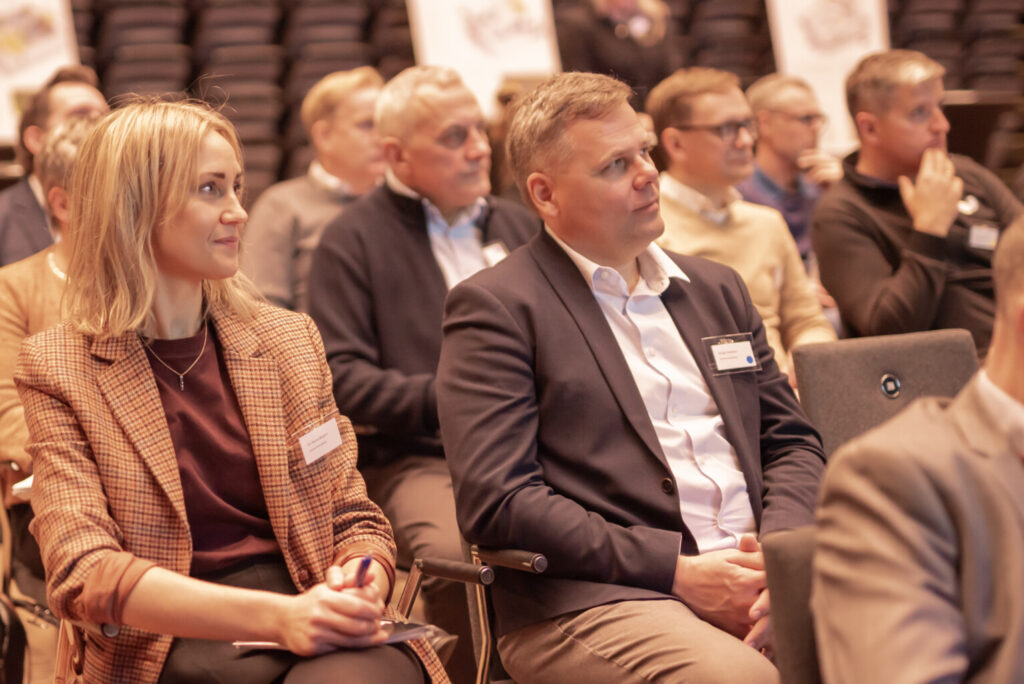
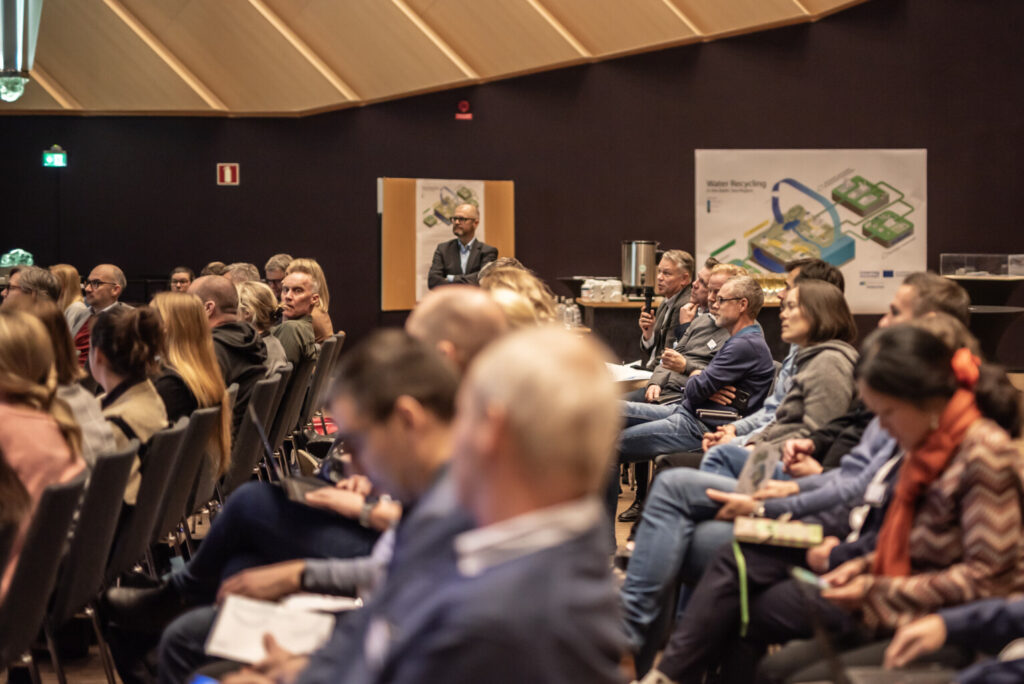
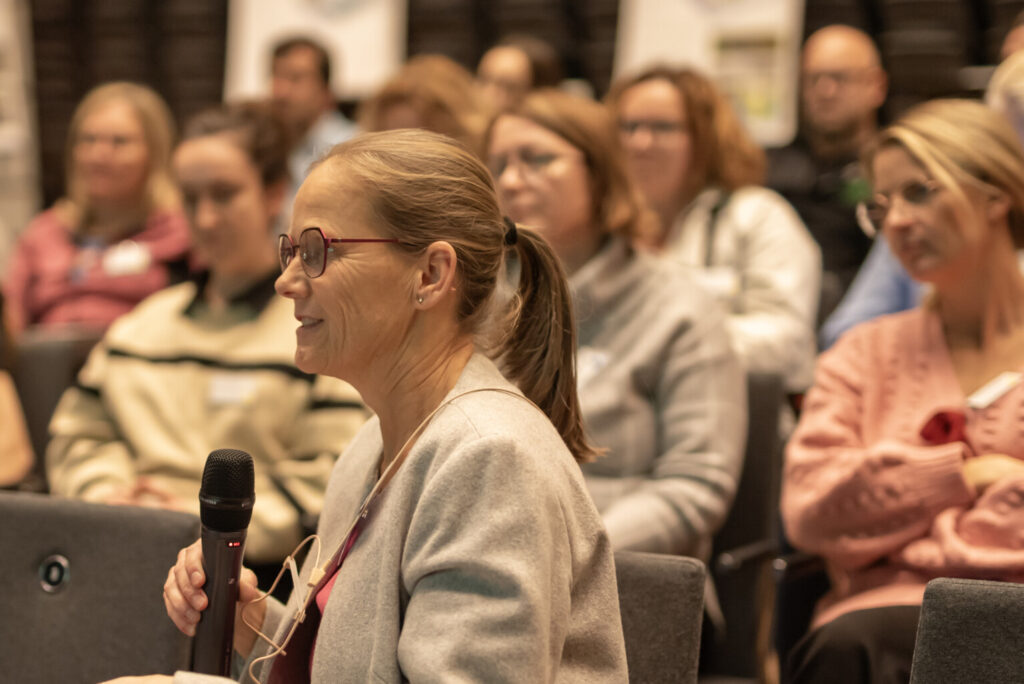
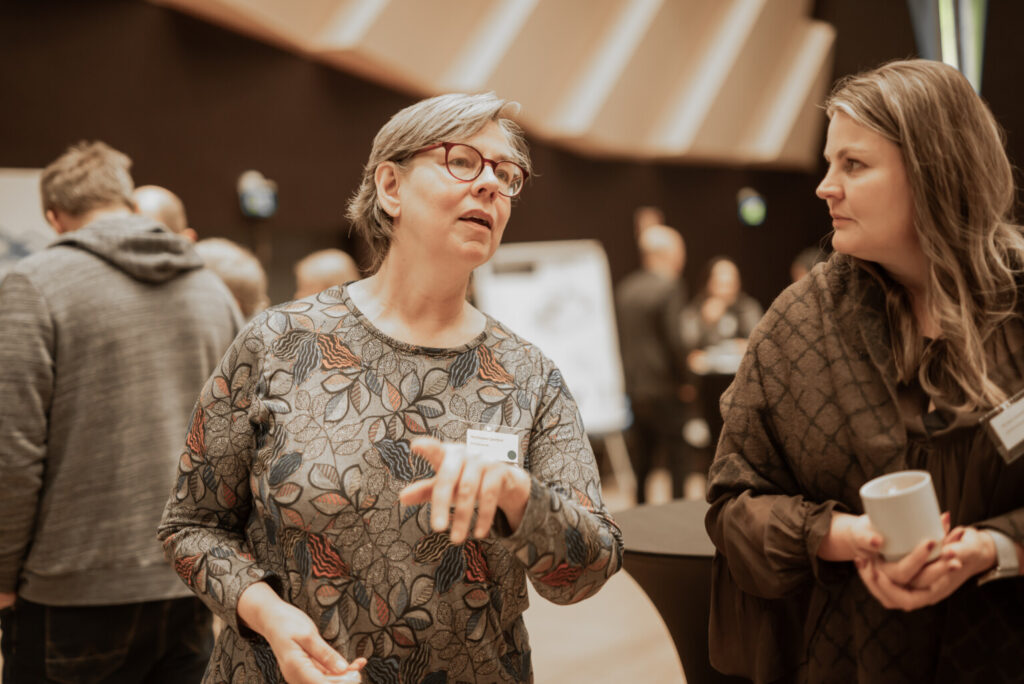
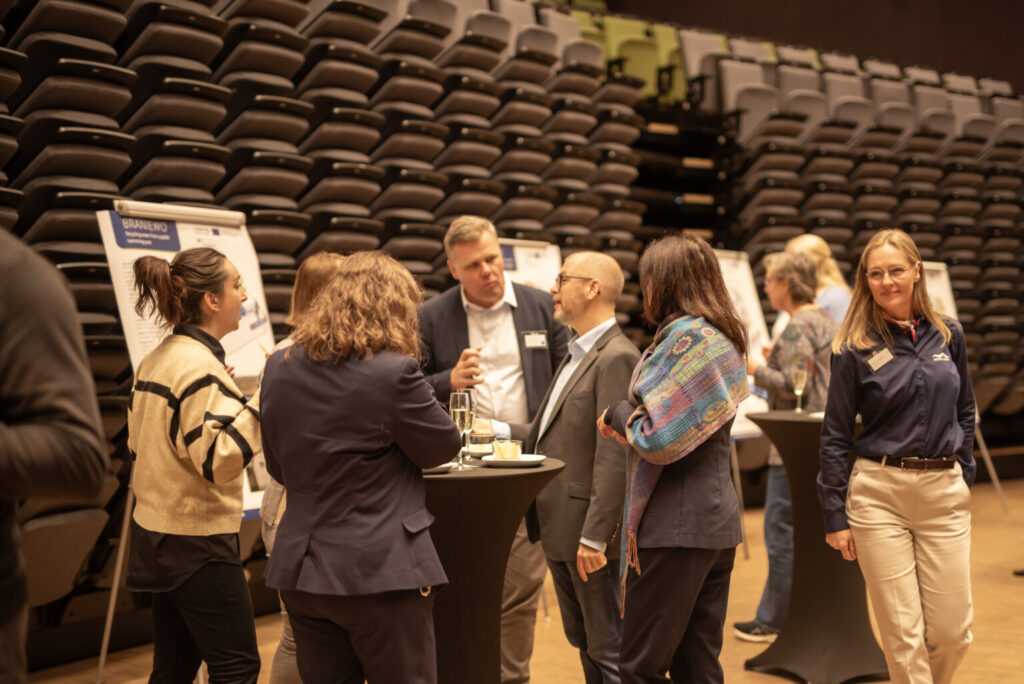
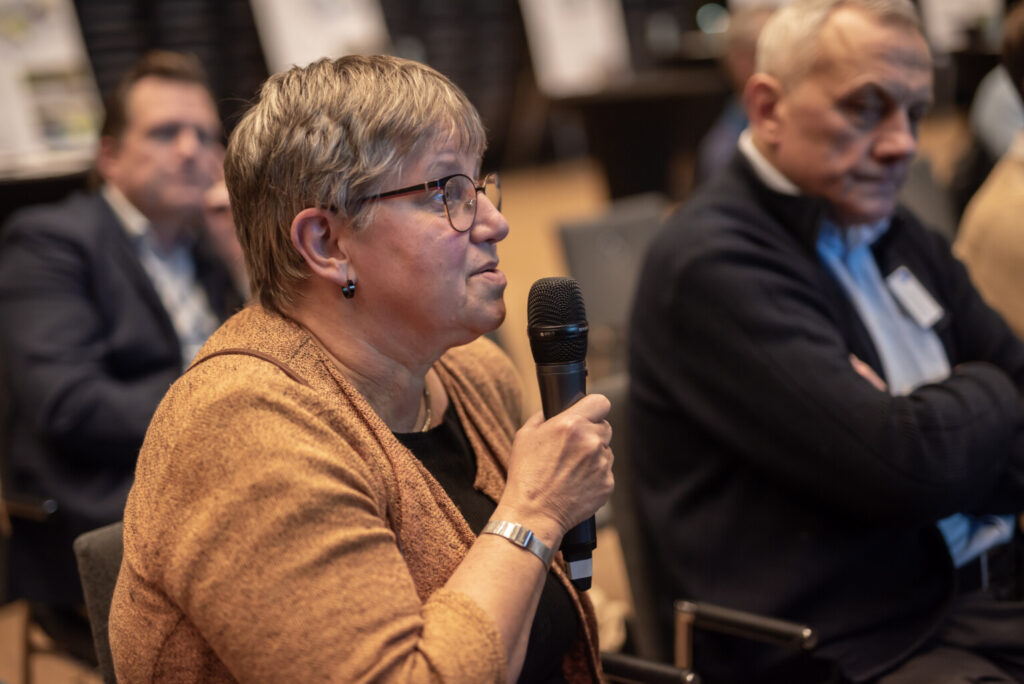
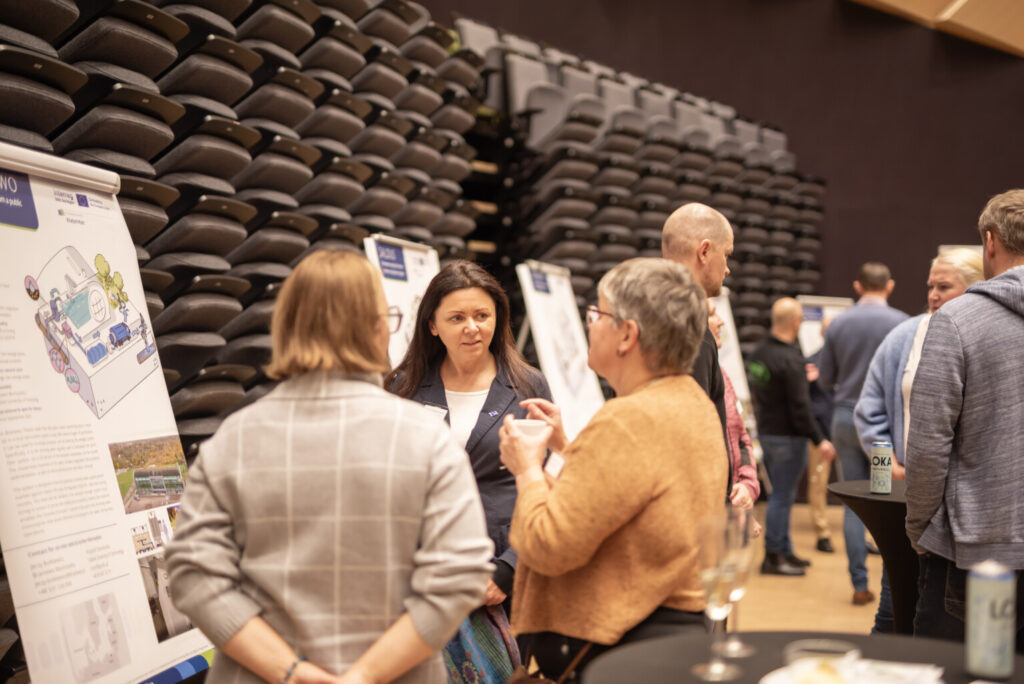
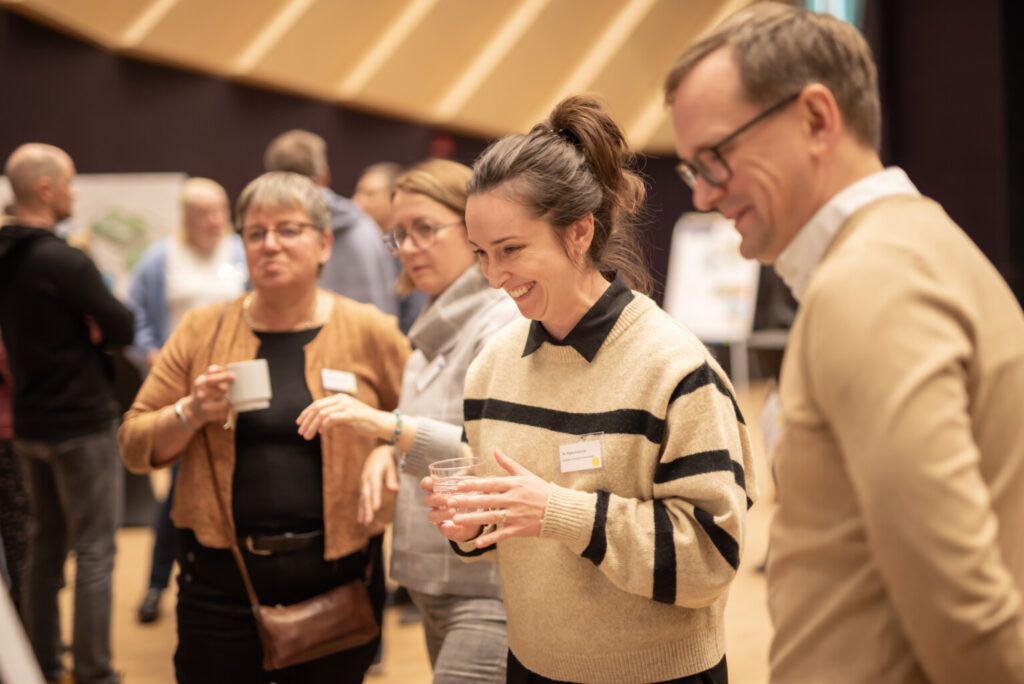
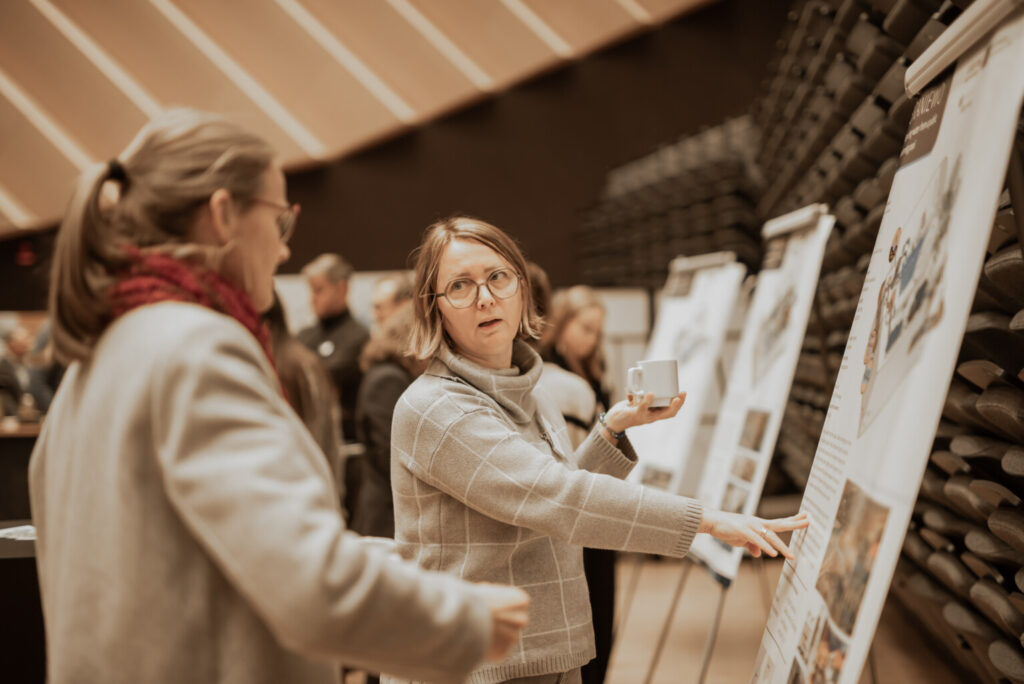
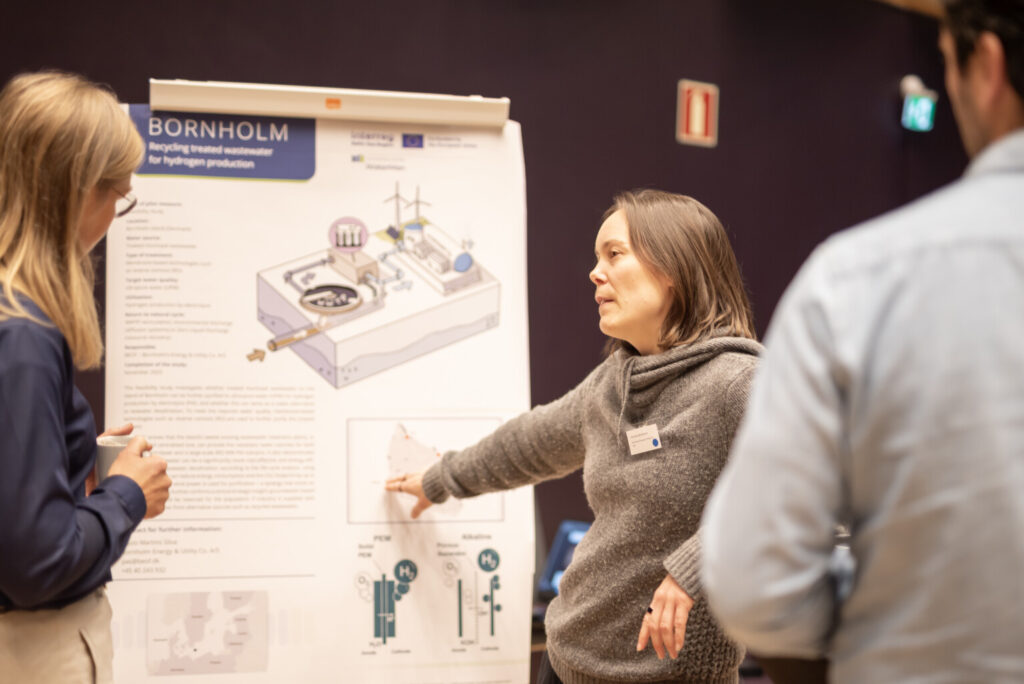
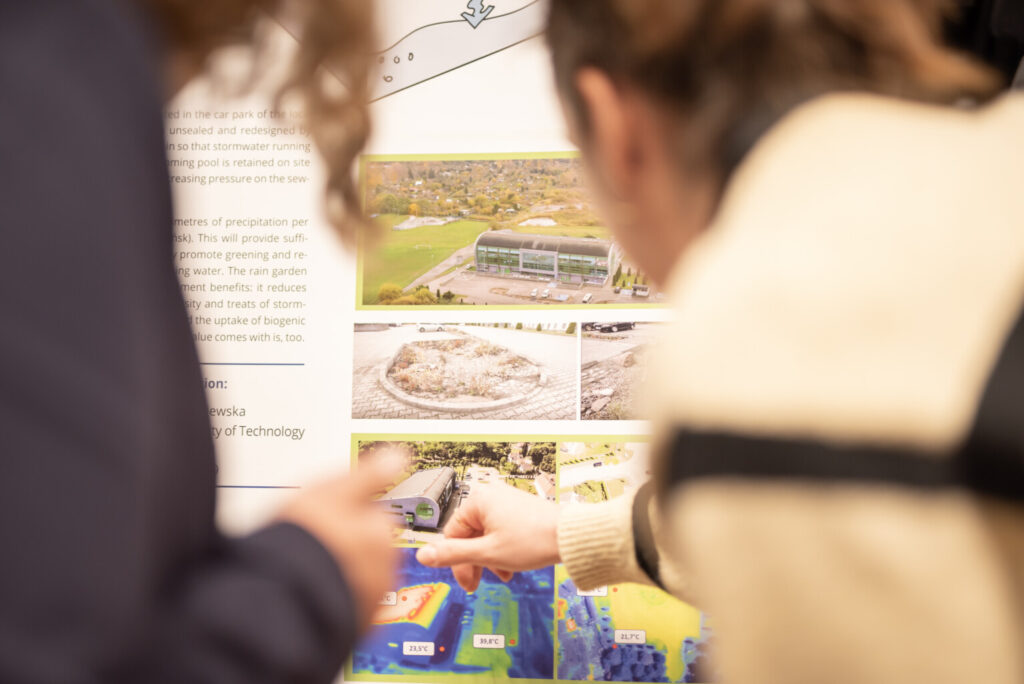
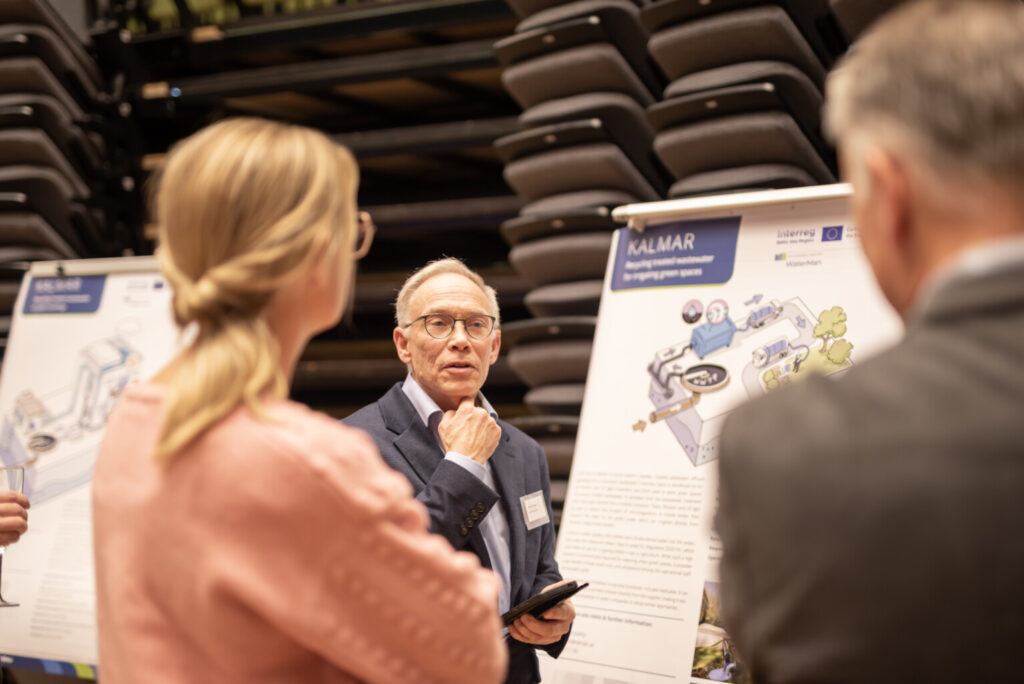
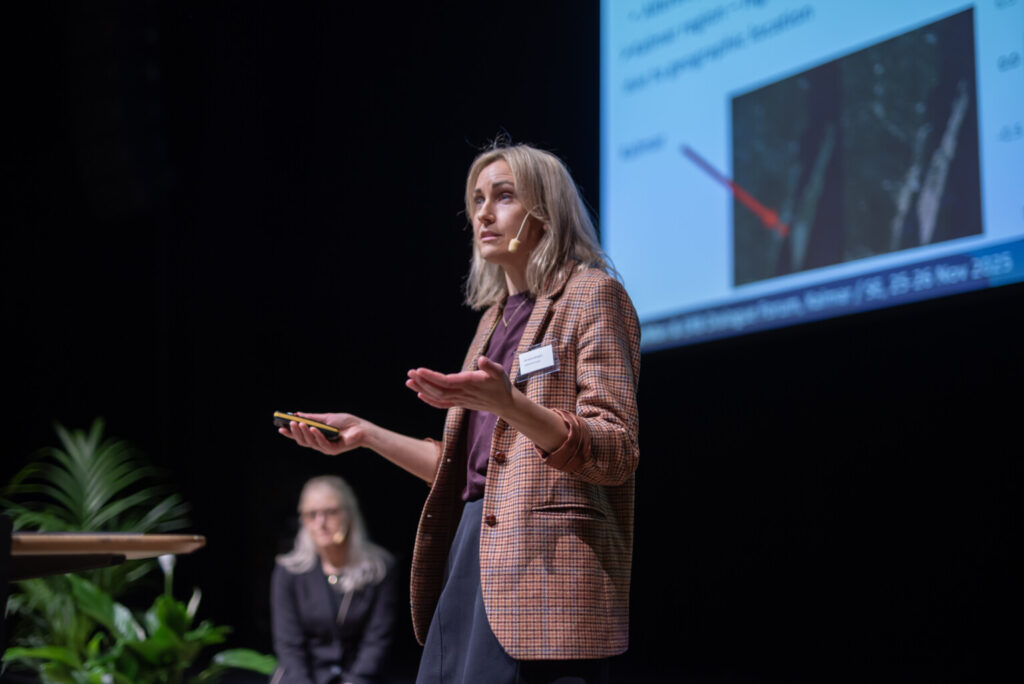
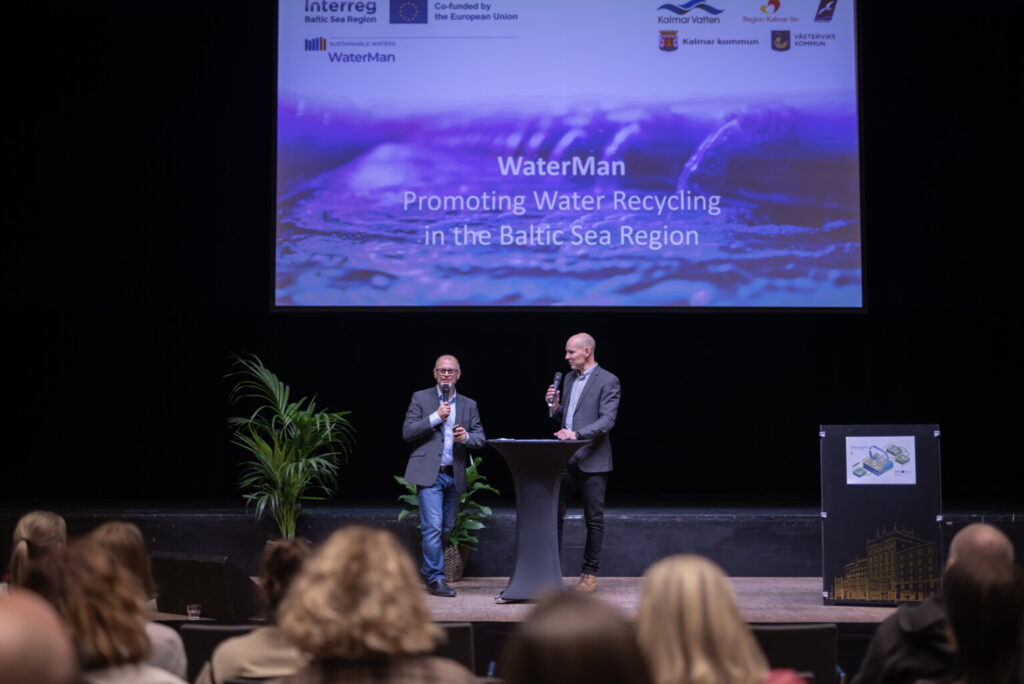
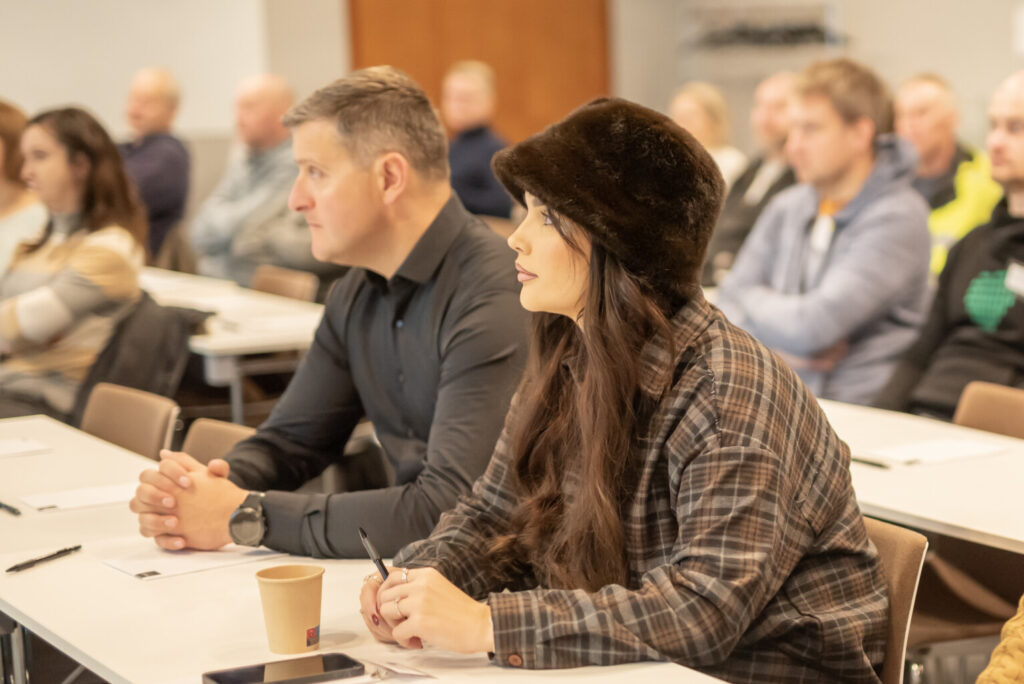
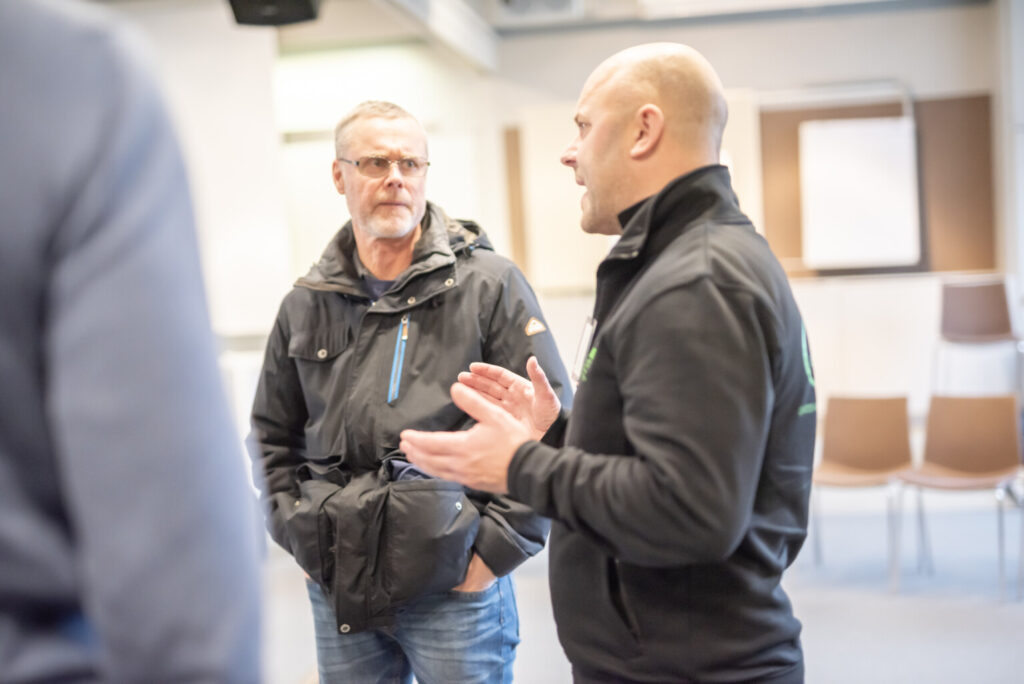
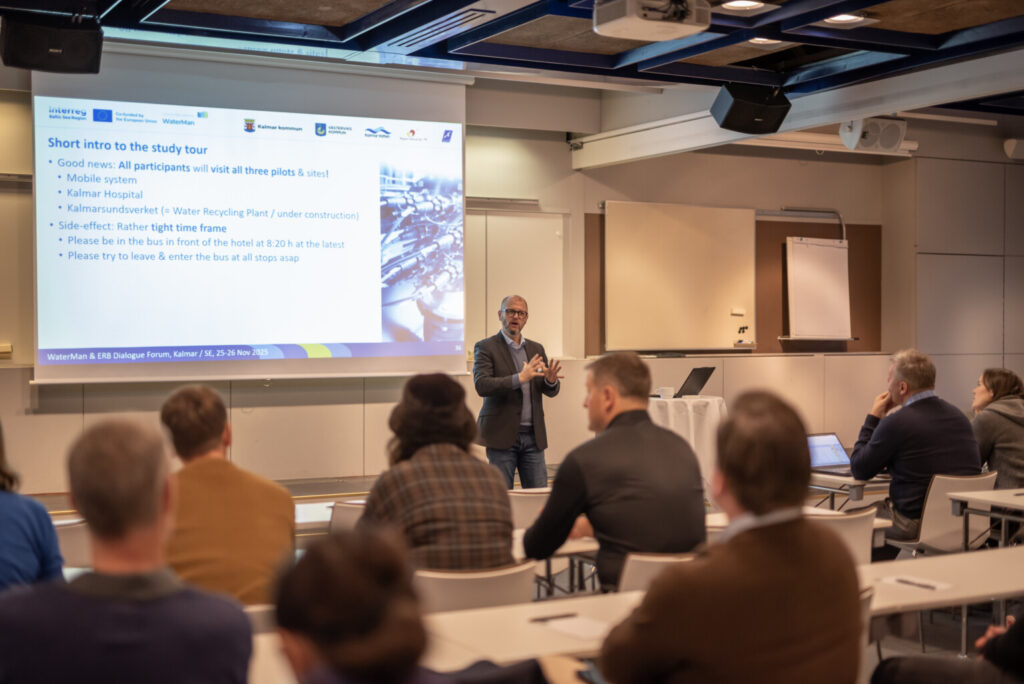
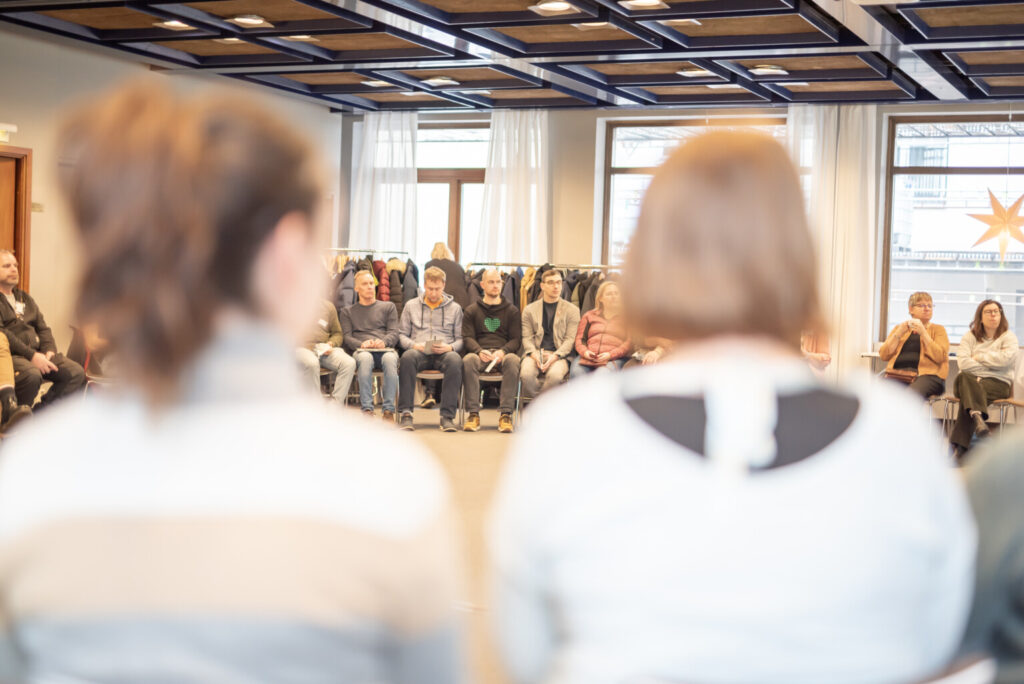
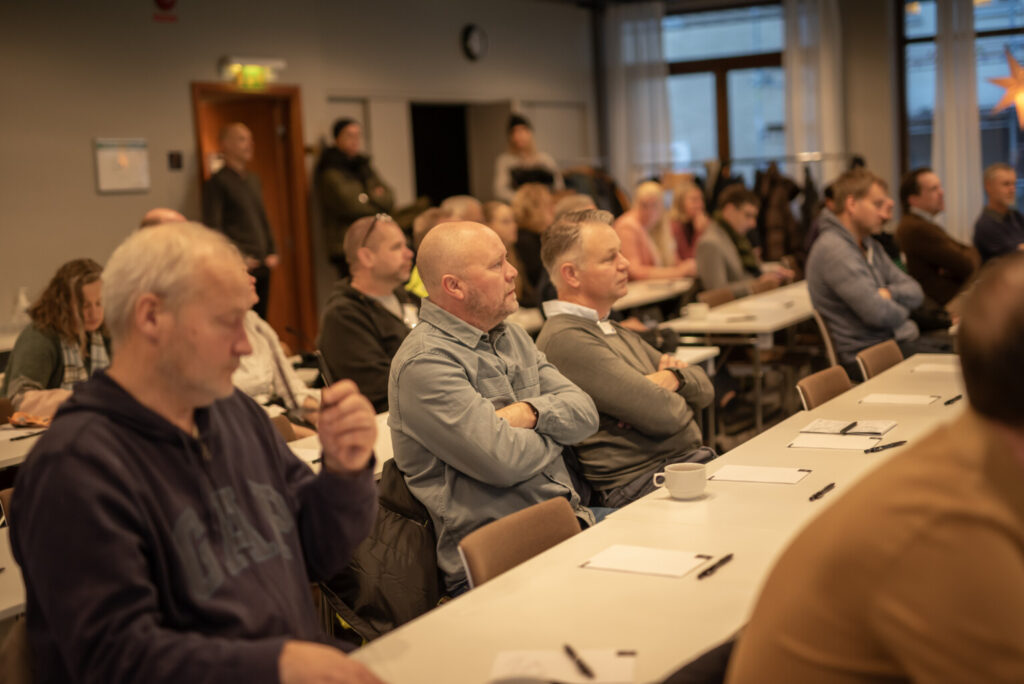
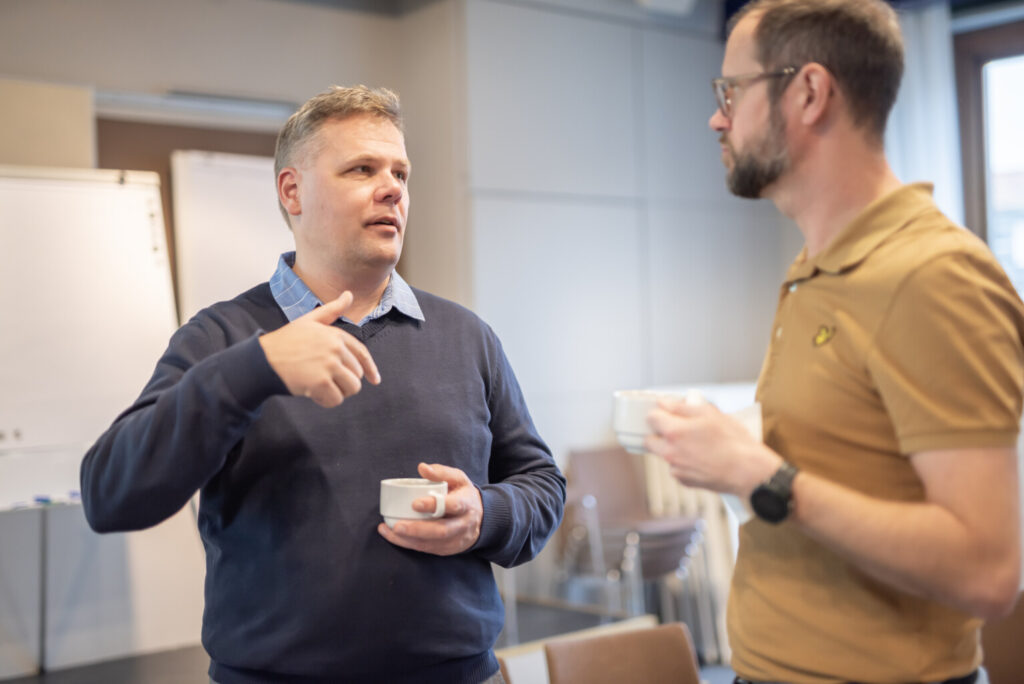
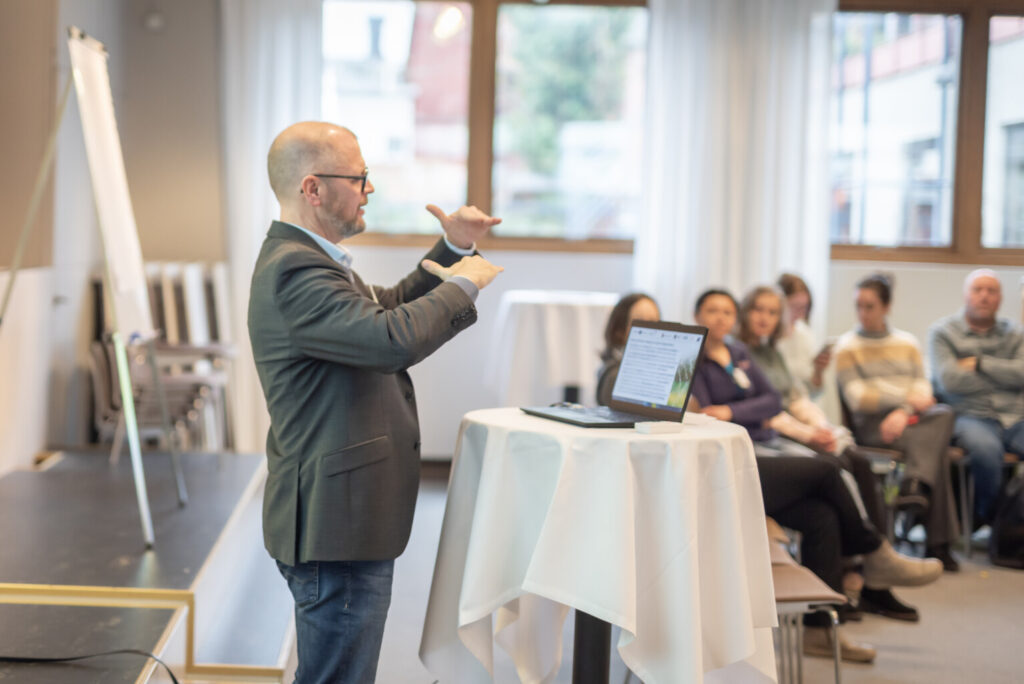
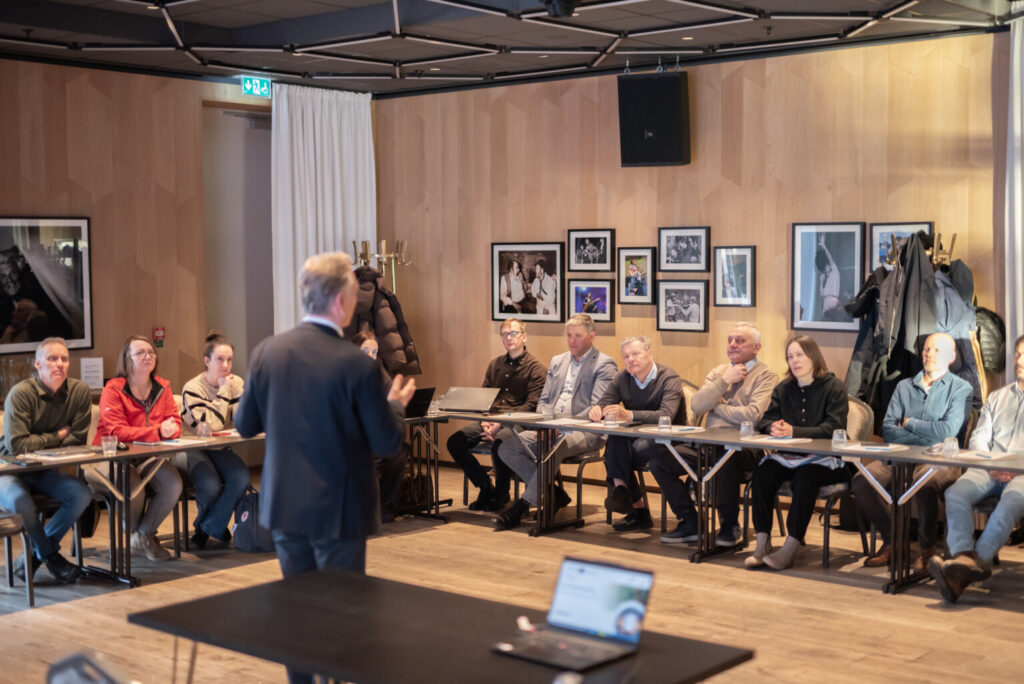
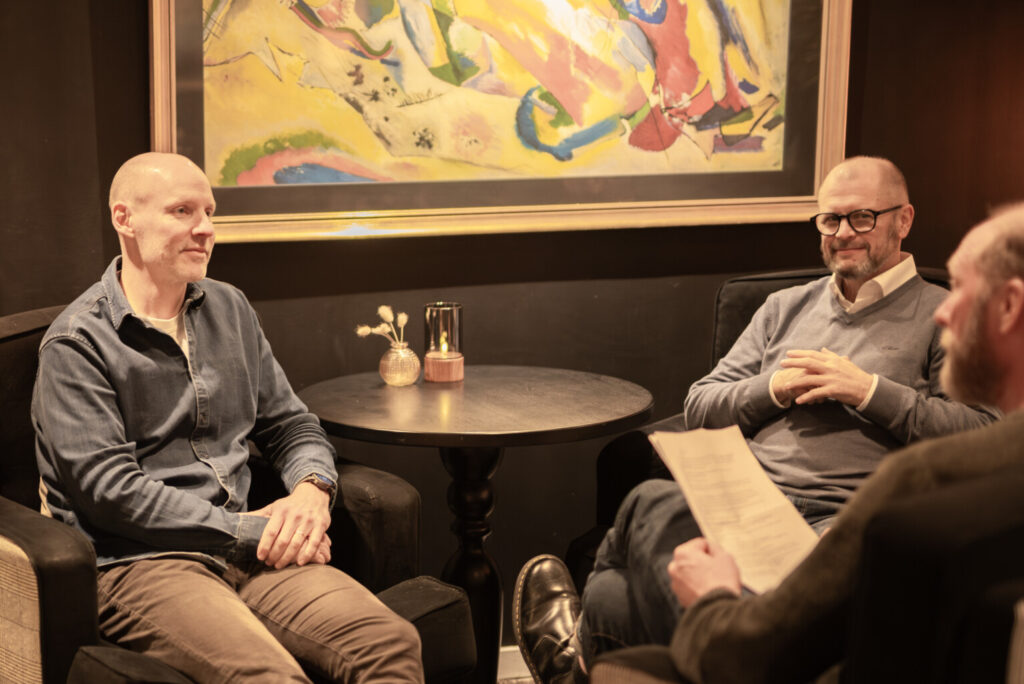
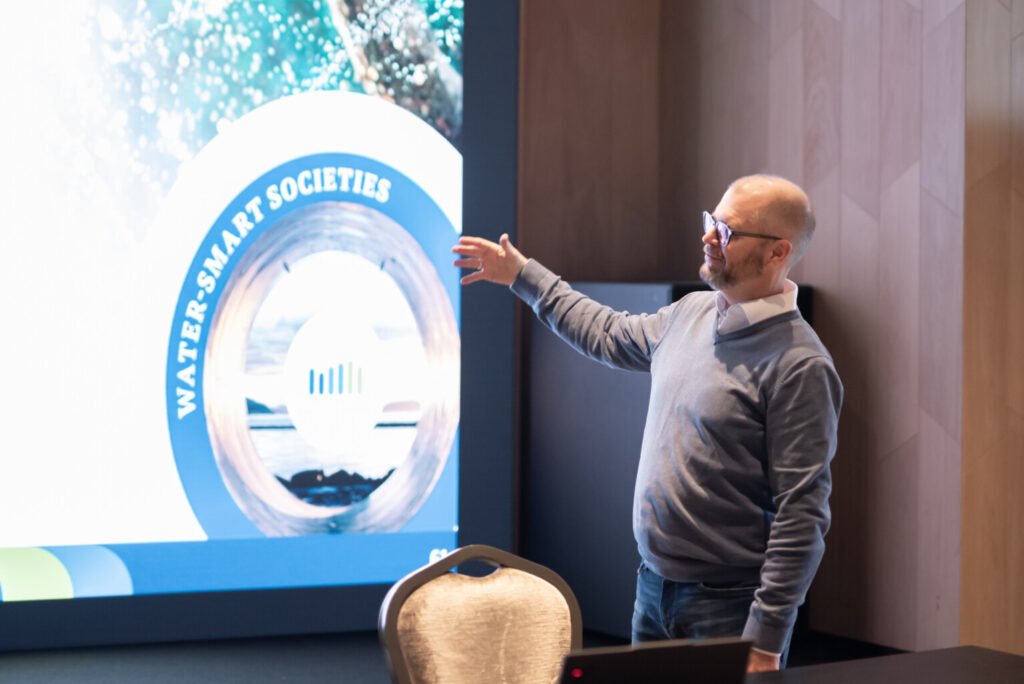
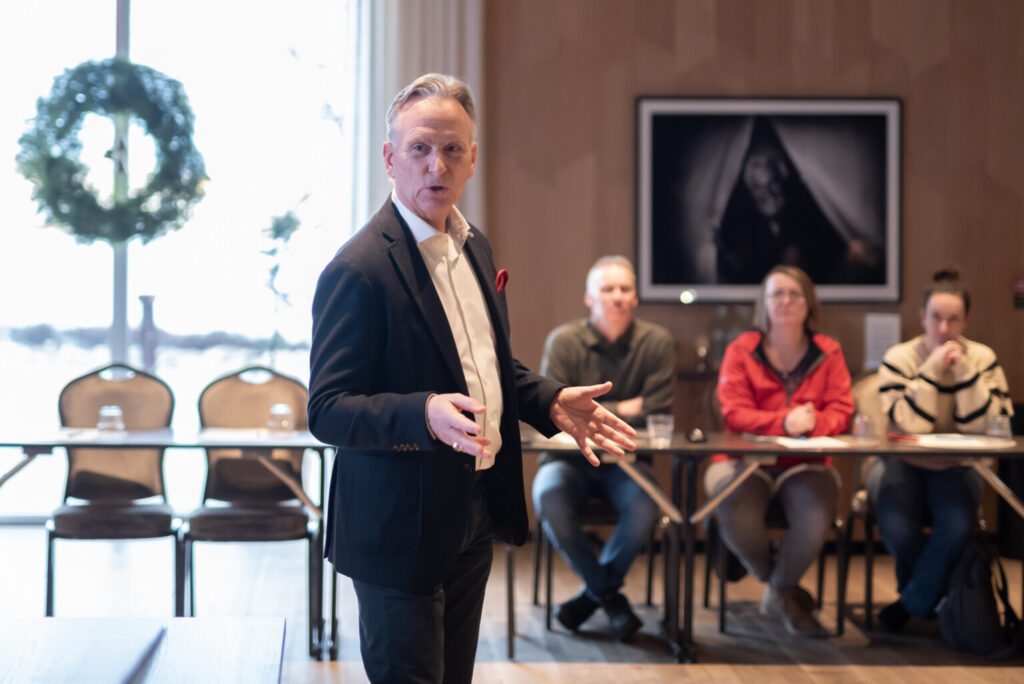
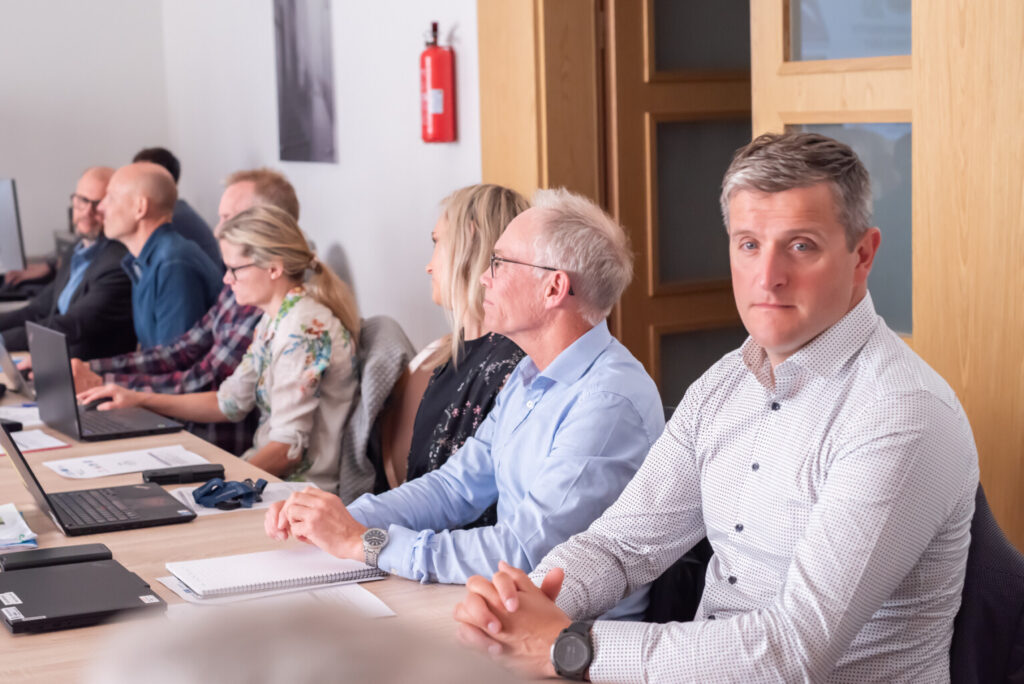
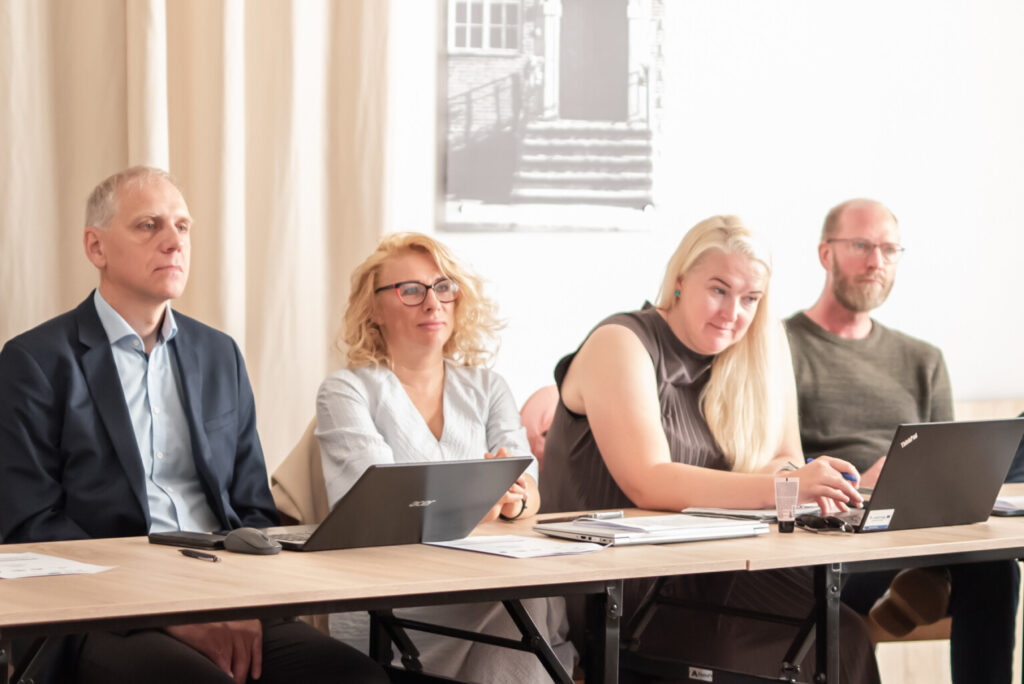
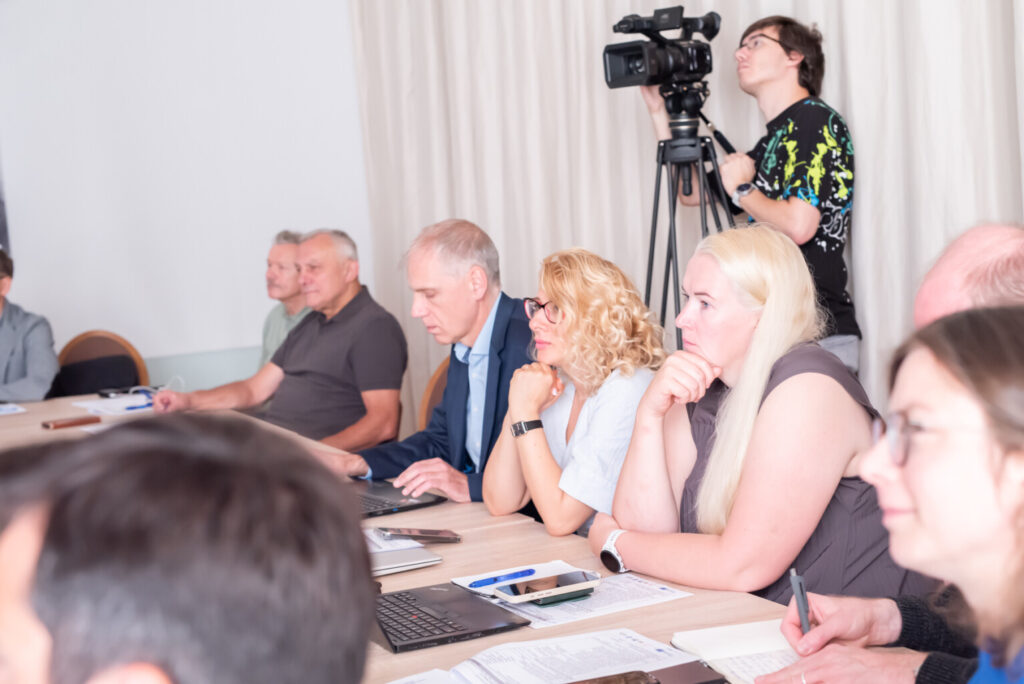
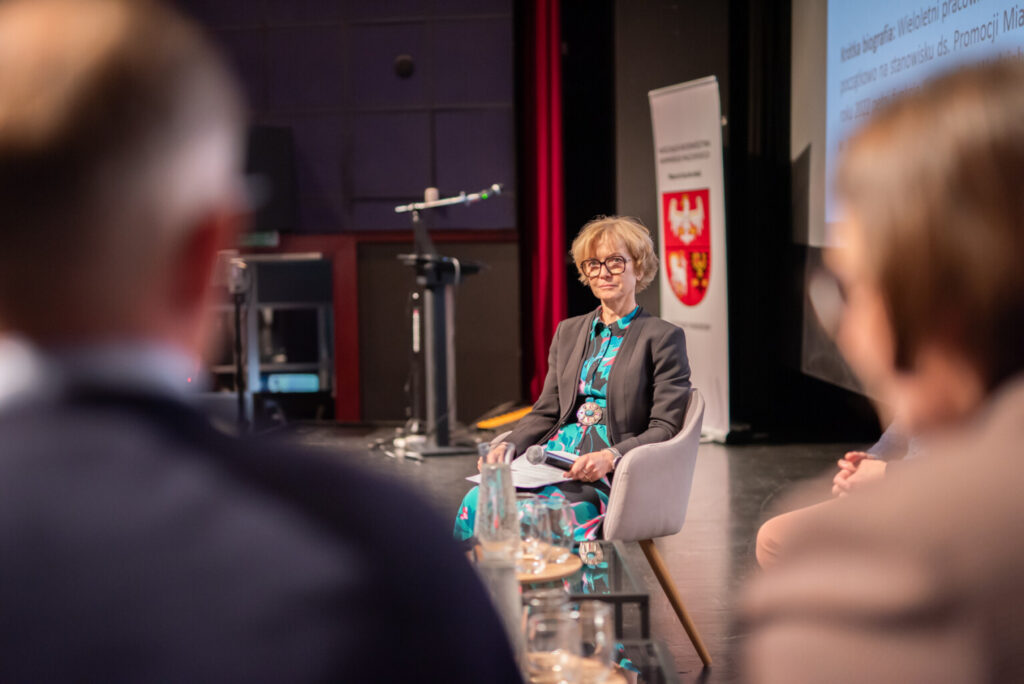
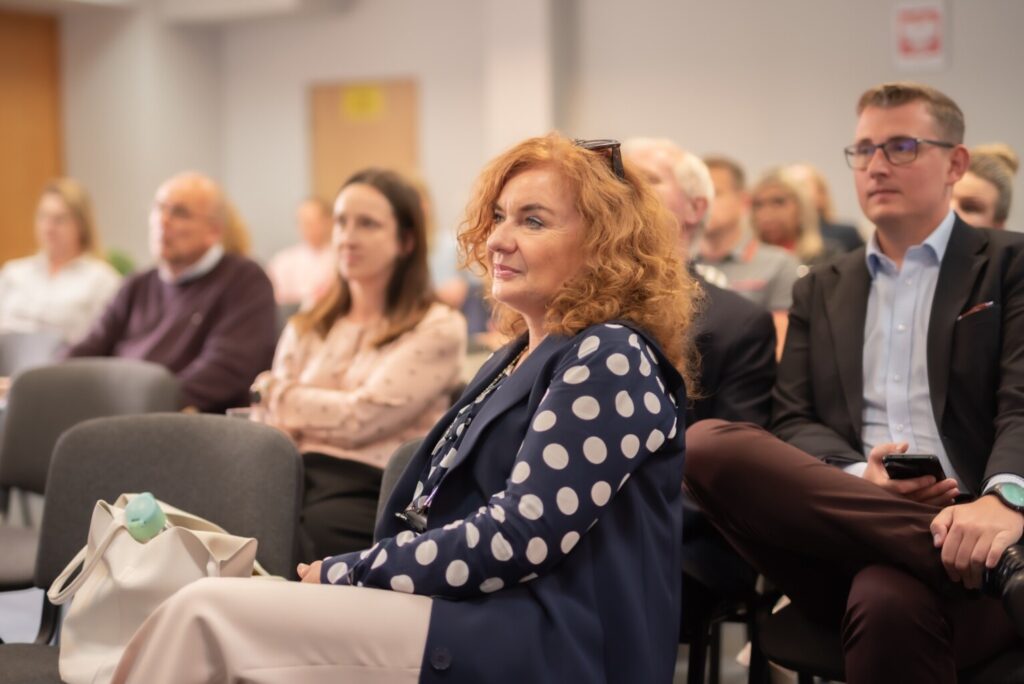
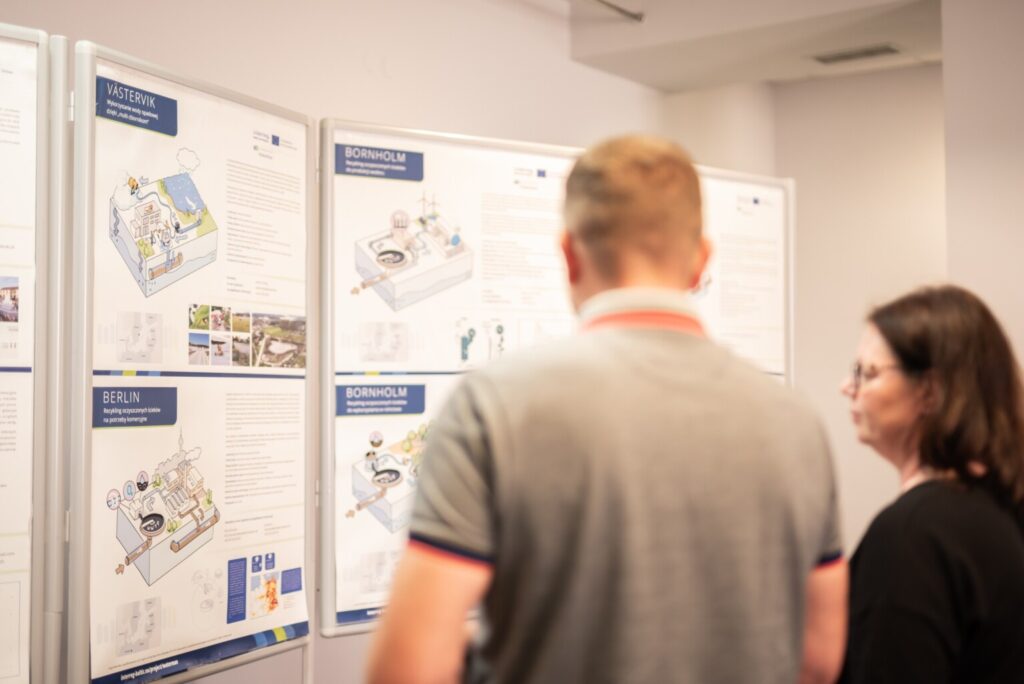
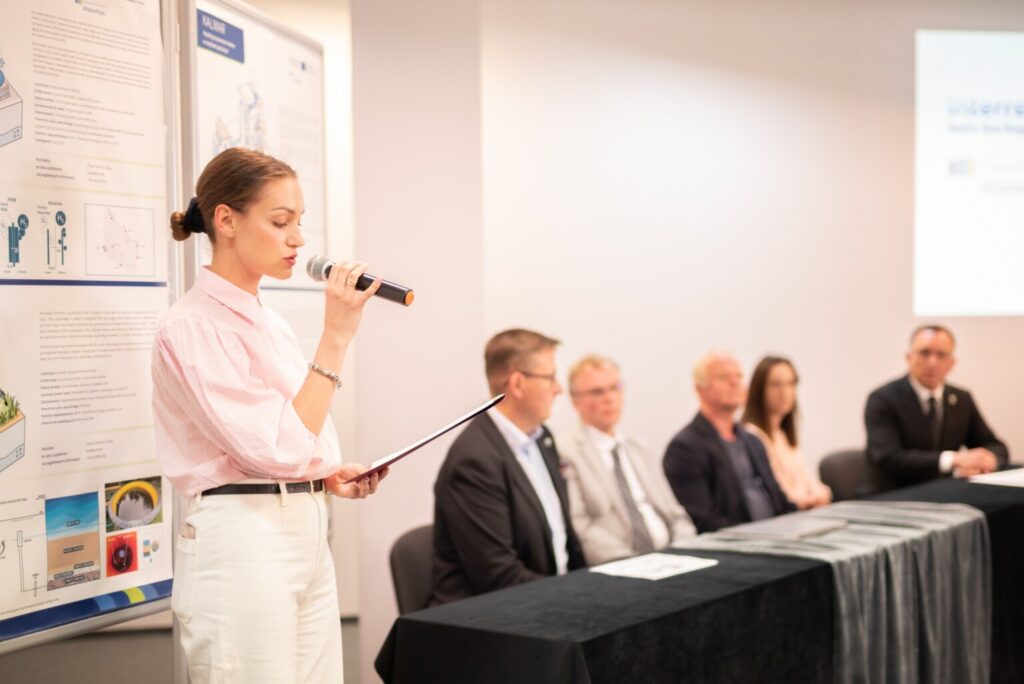
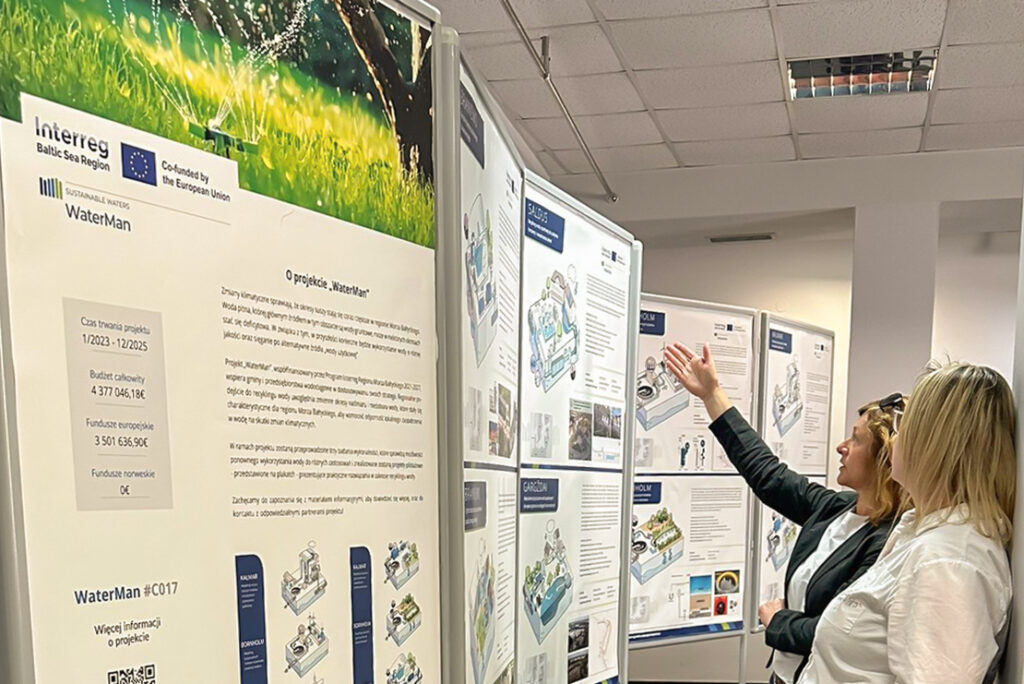
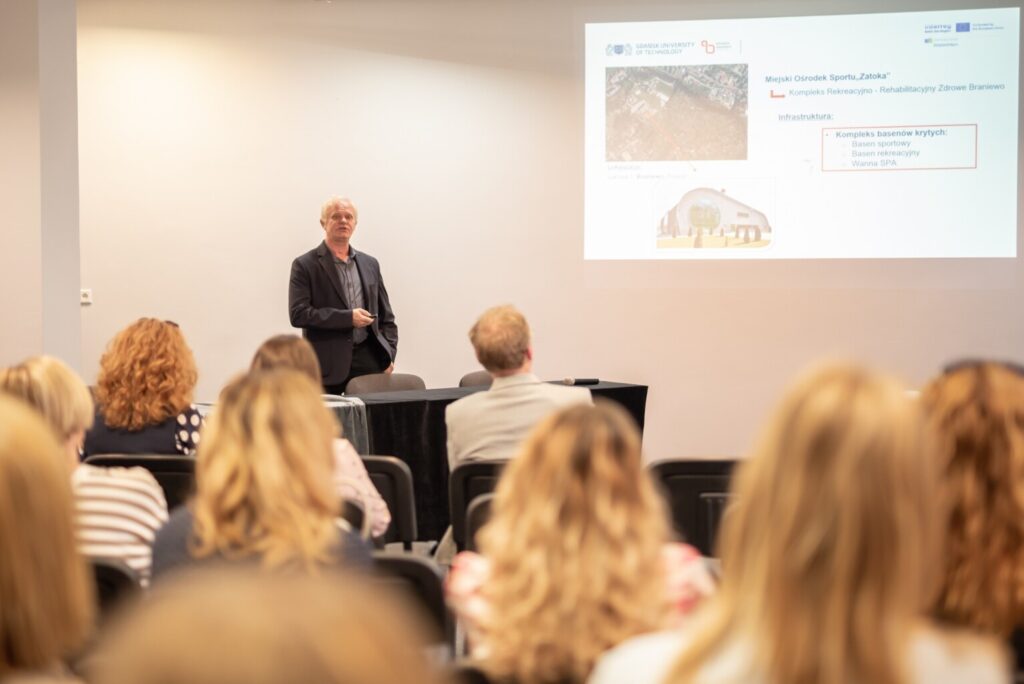
On the first day, in Kalmar, a forum was held on water resilience in the Baltic Sea region and practical applications of water recycling – from reusing water from municipal networks, through recirculation in households and industrial plants, to rainwater harvesting and utilization. Participants had the opportunity to learn about the results of the Waterman project, discuss the directions of water recycling development, meet experts from six countries of the Baltic Sea region, and exchange experiences and practical tips on how to implement water recycling at the local level. In addition to inspiring presentations by the speakers, there was also time for discussions at posters presenting individual pilot projects.

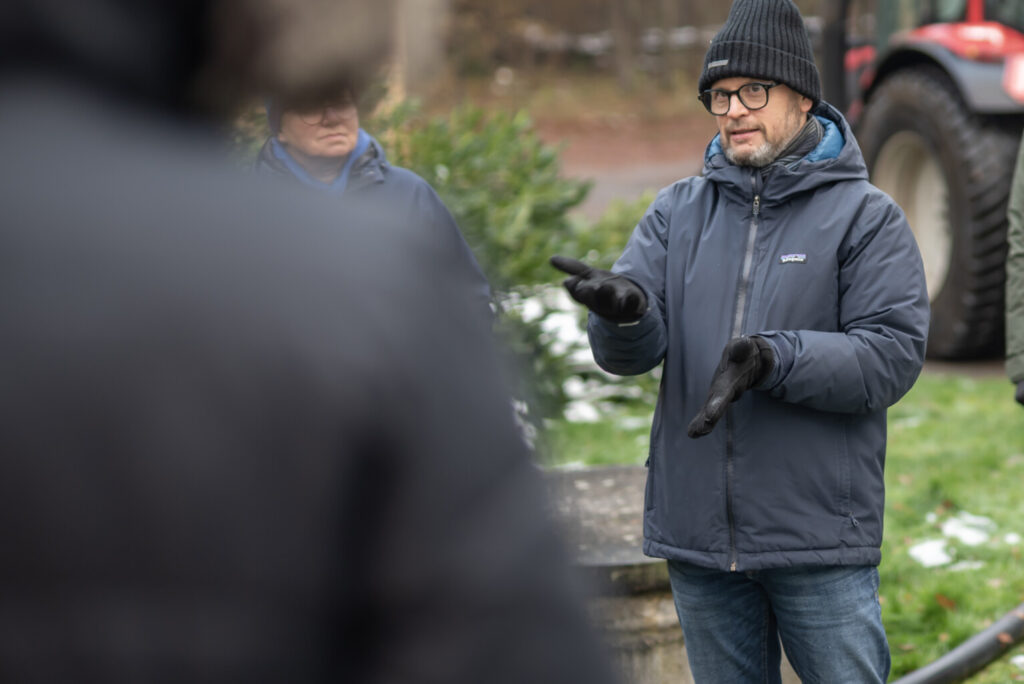
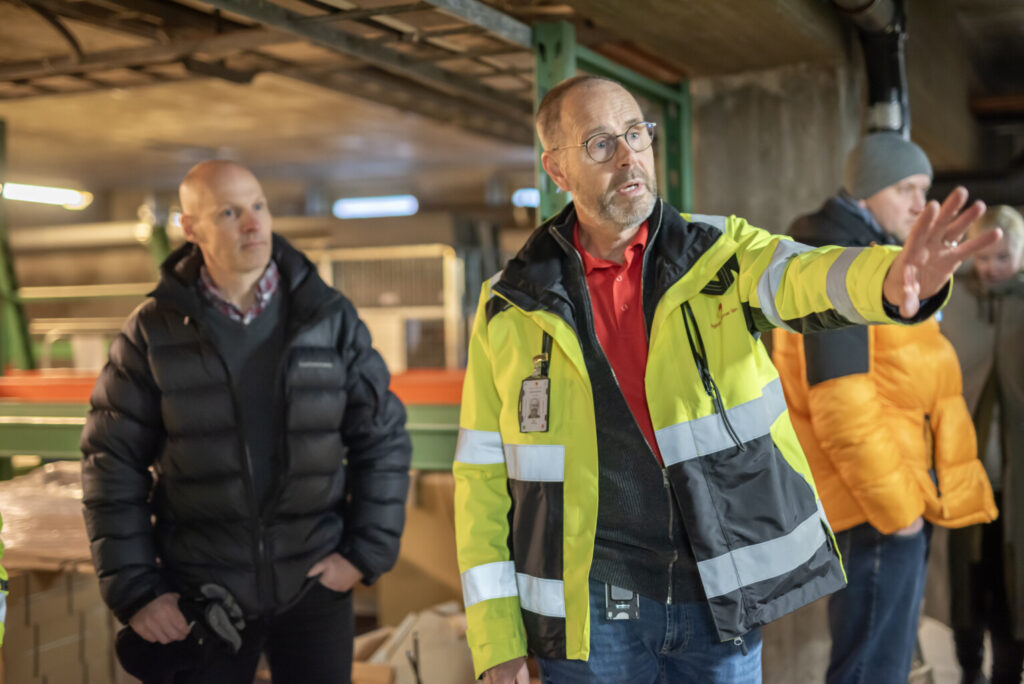
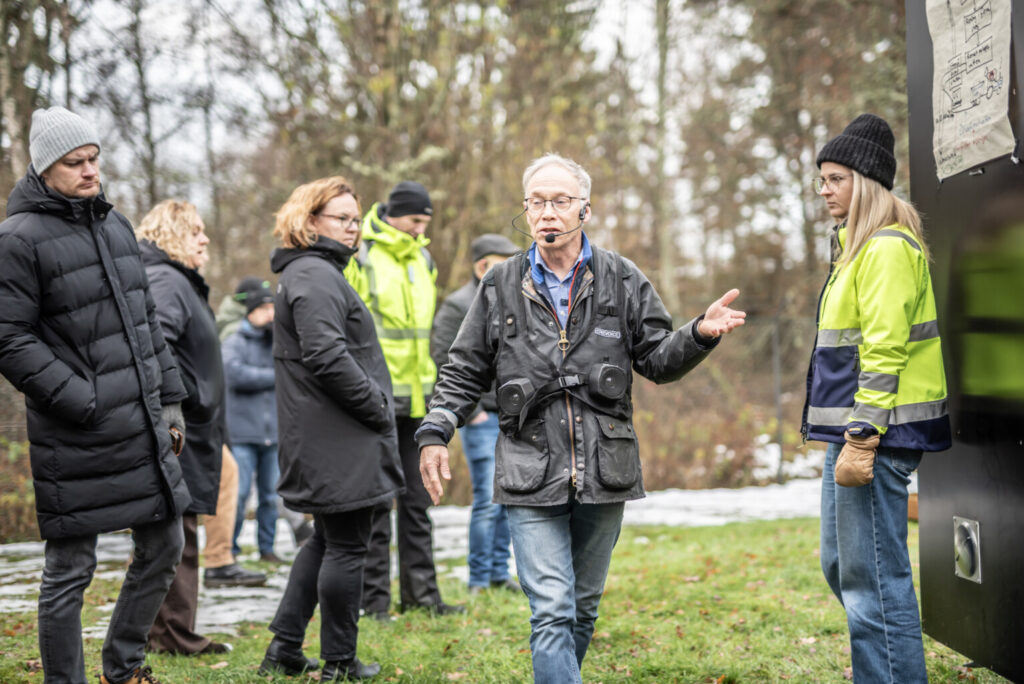
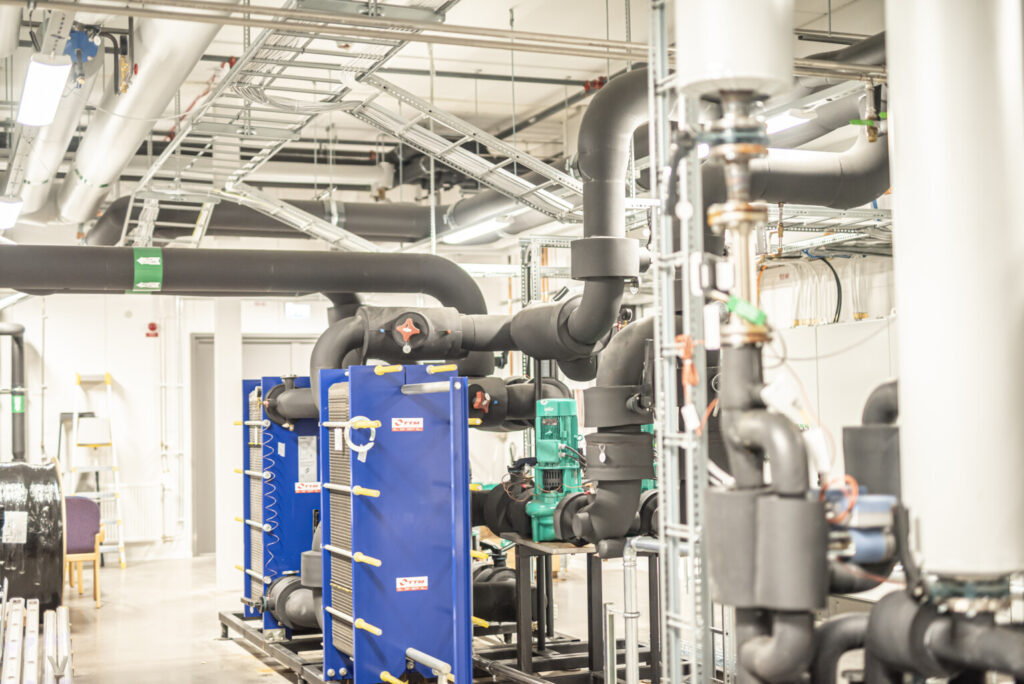
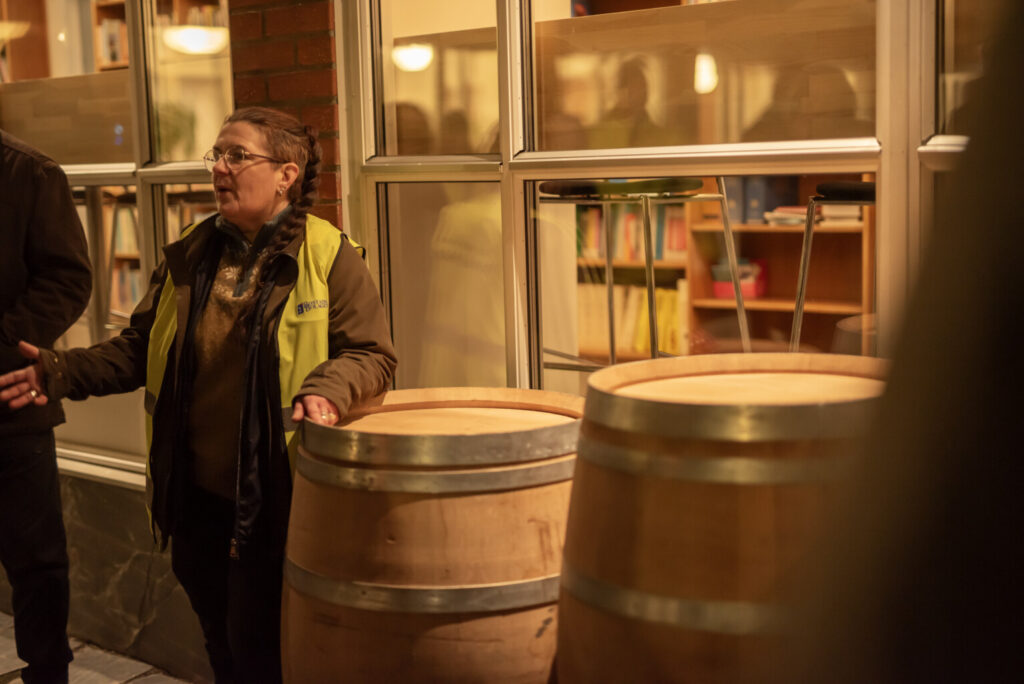
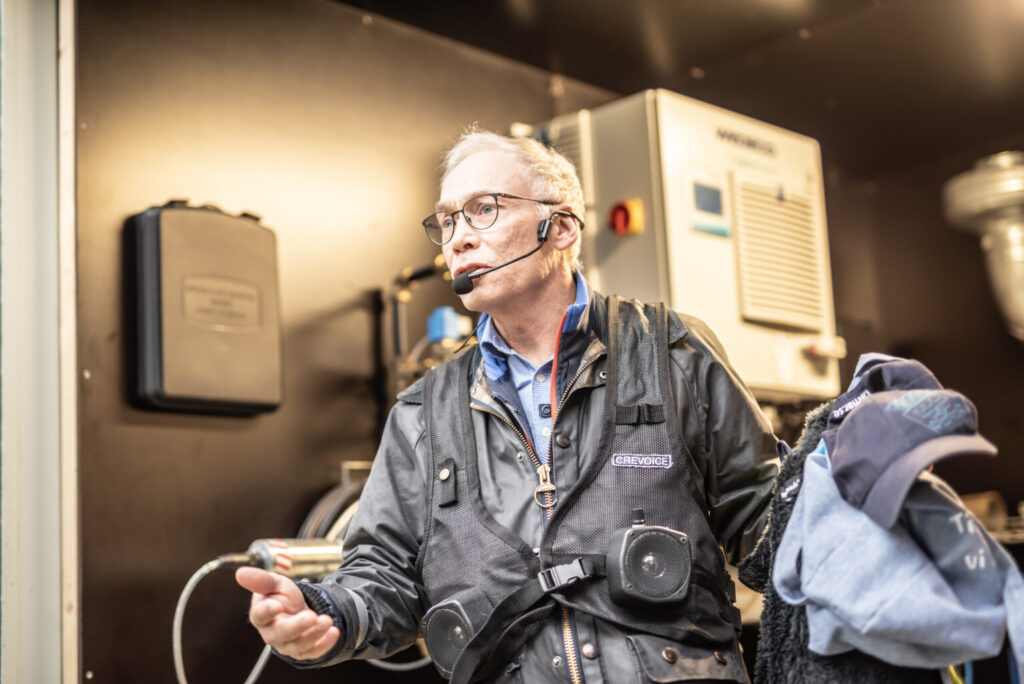
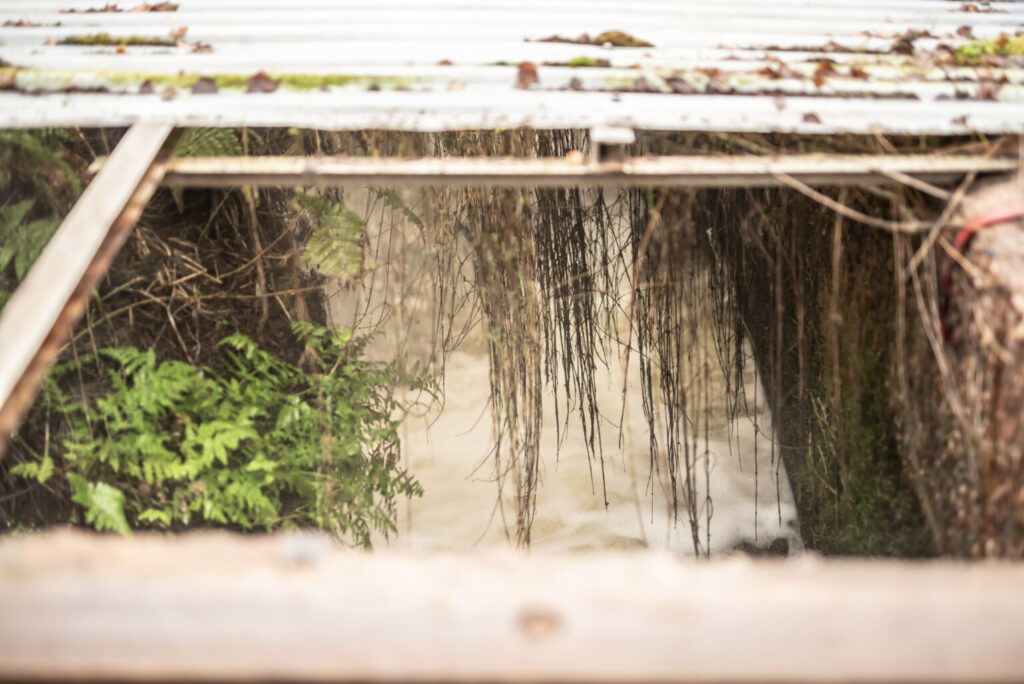
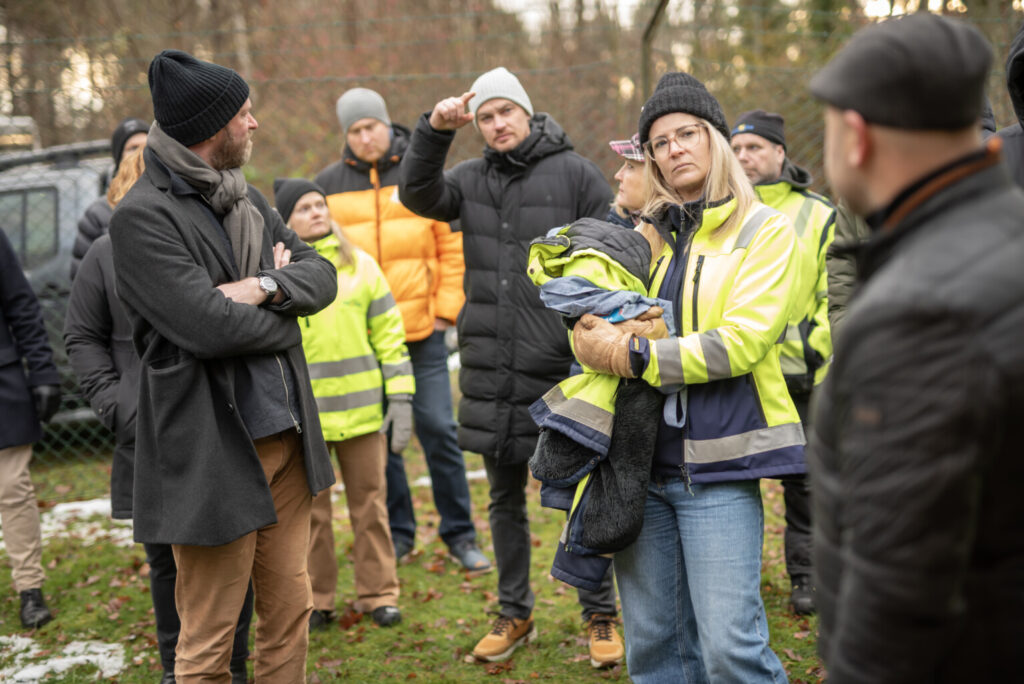
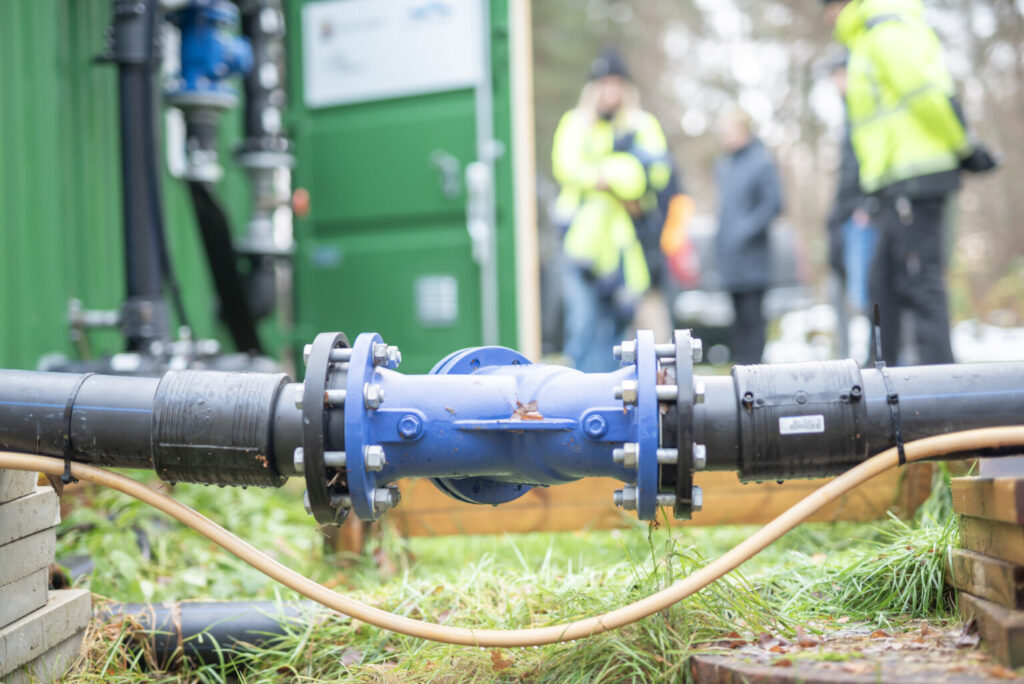
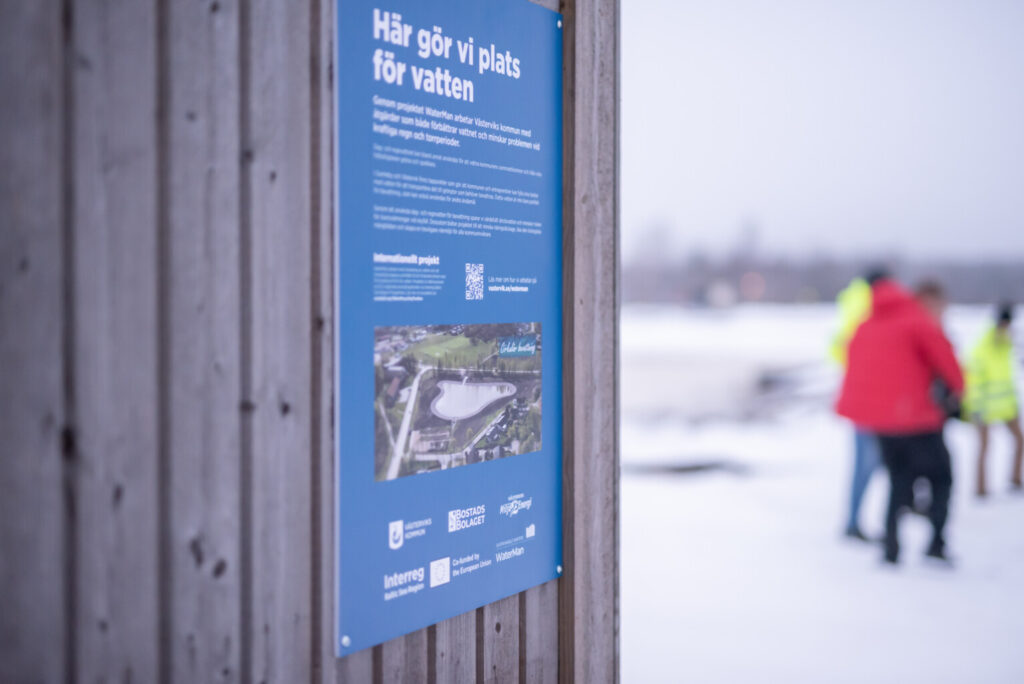
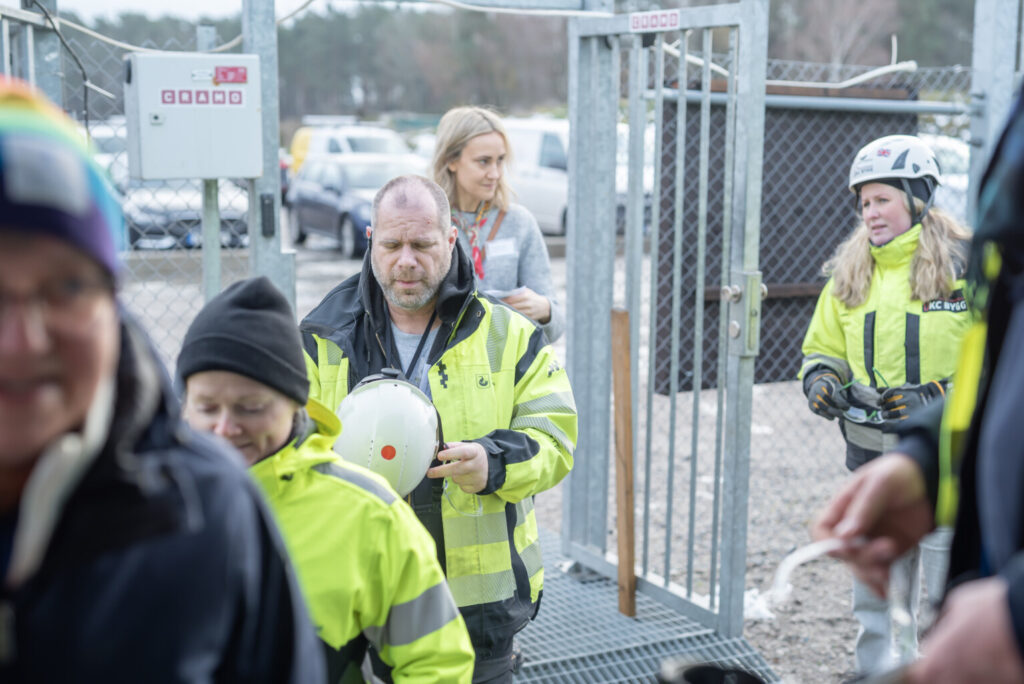
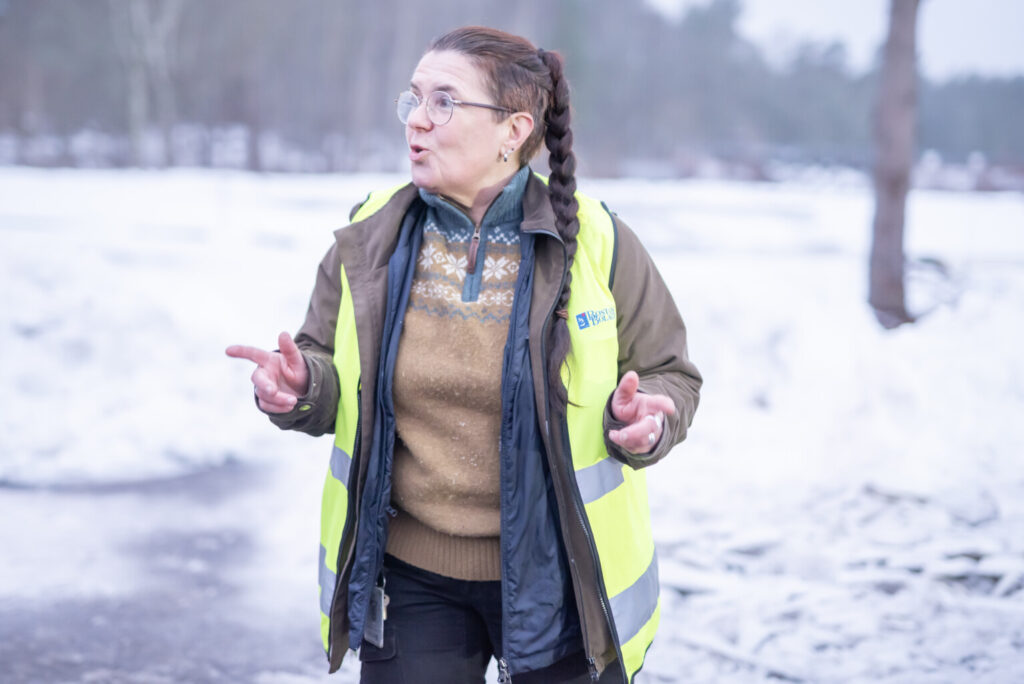
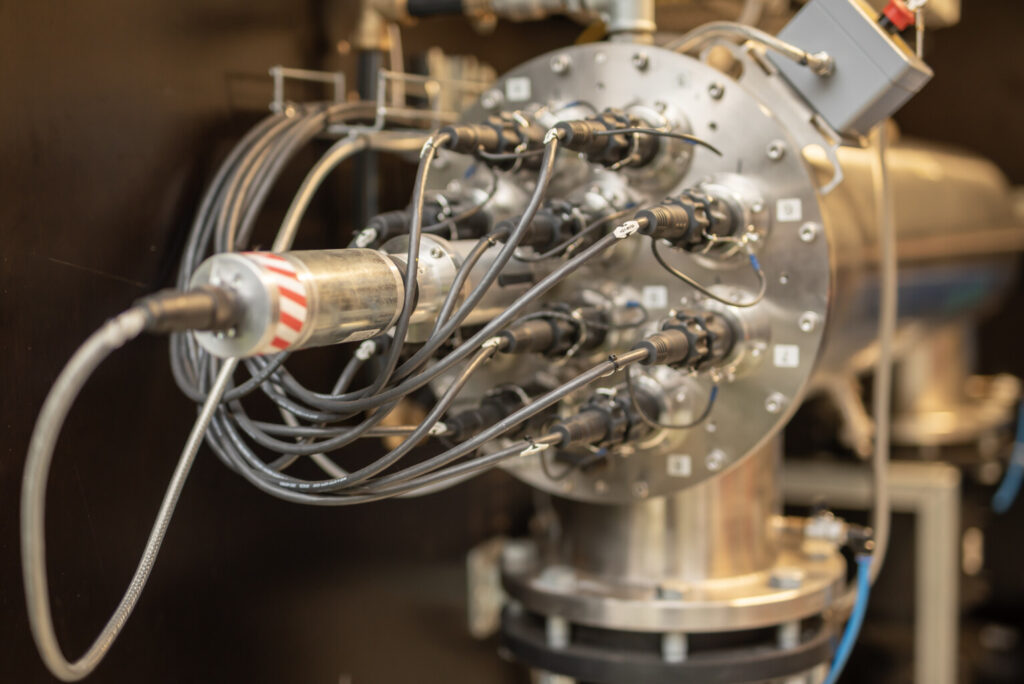
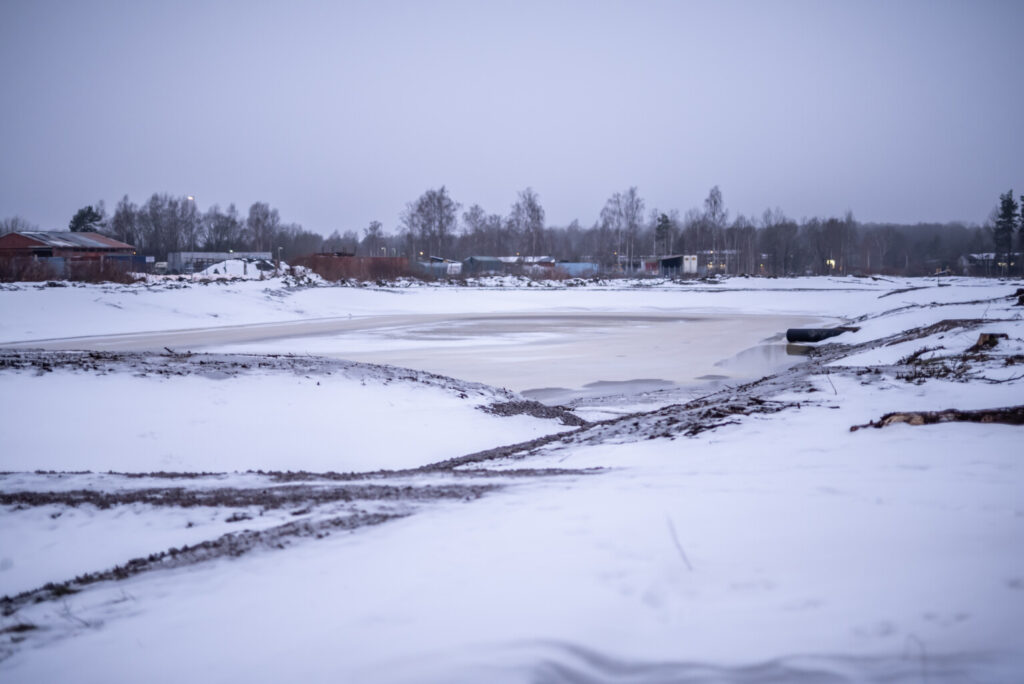
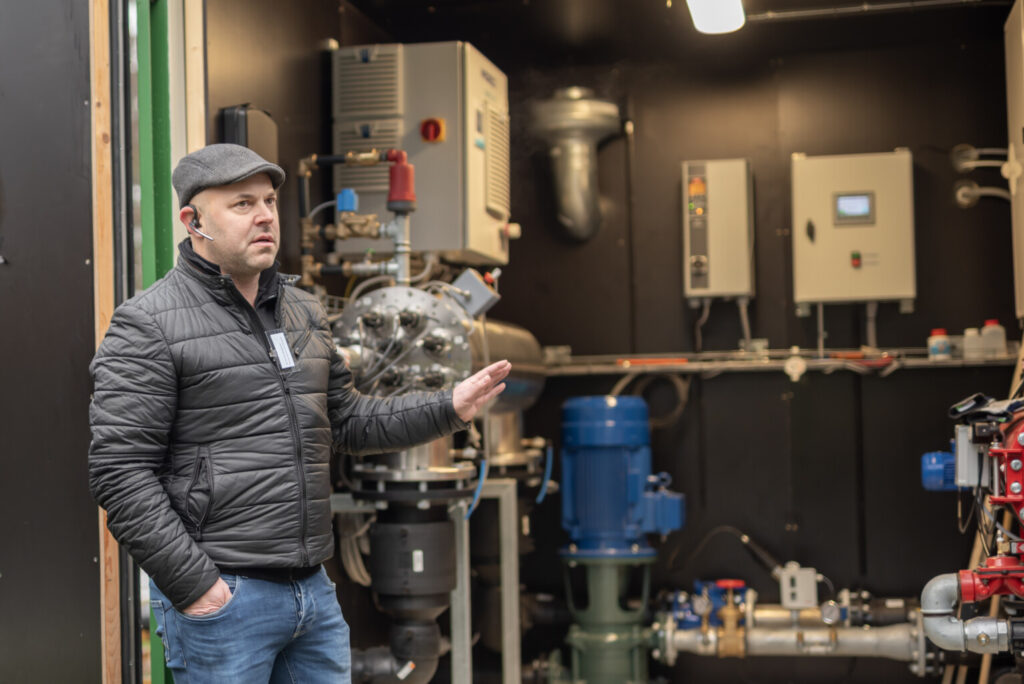
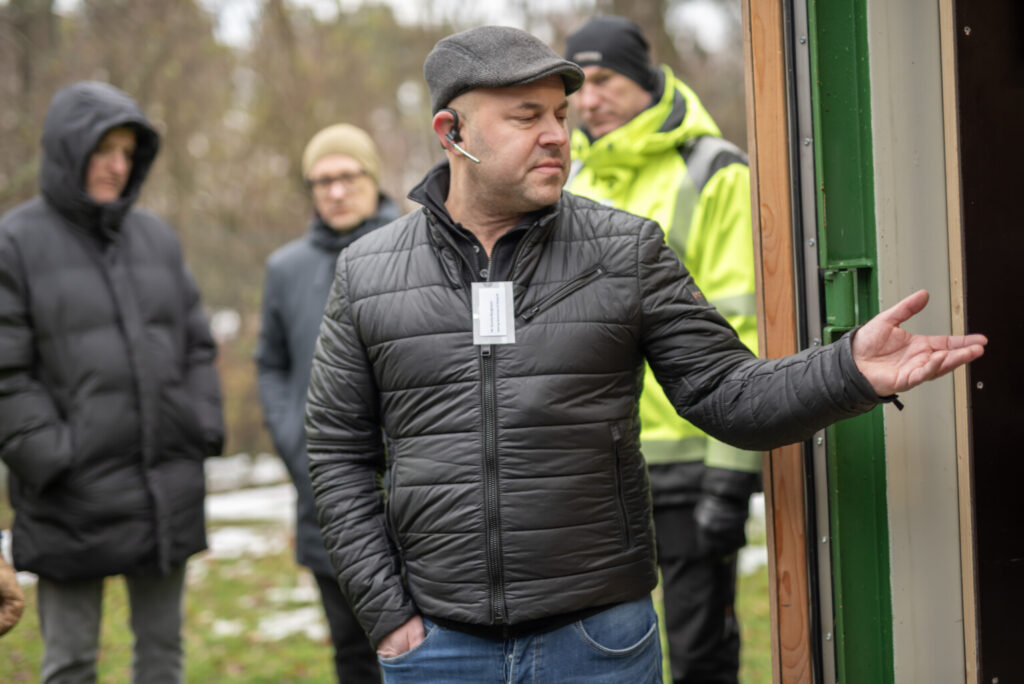
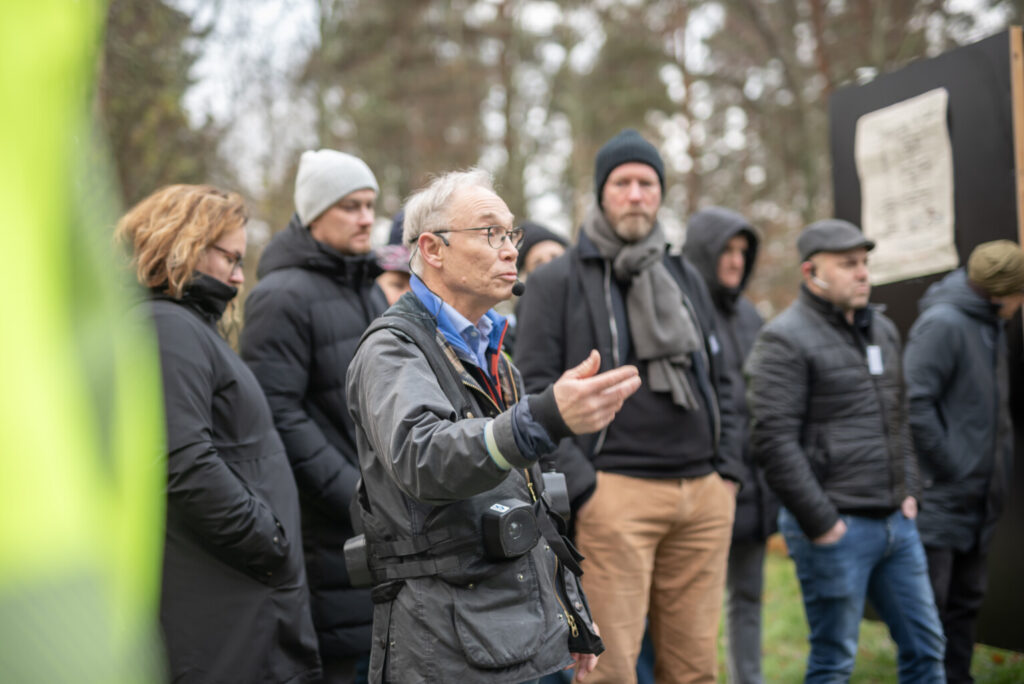
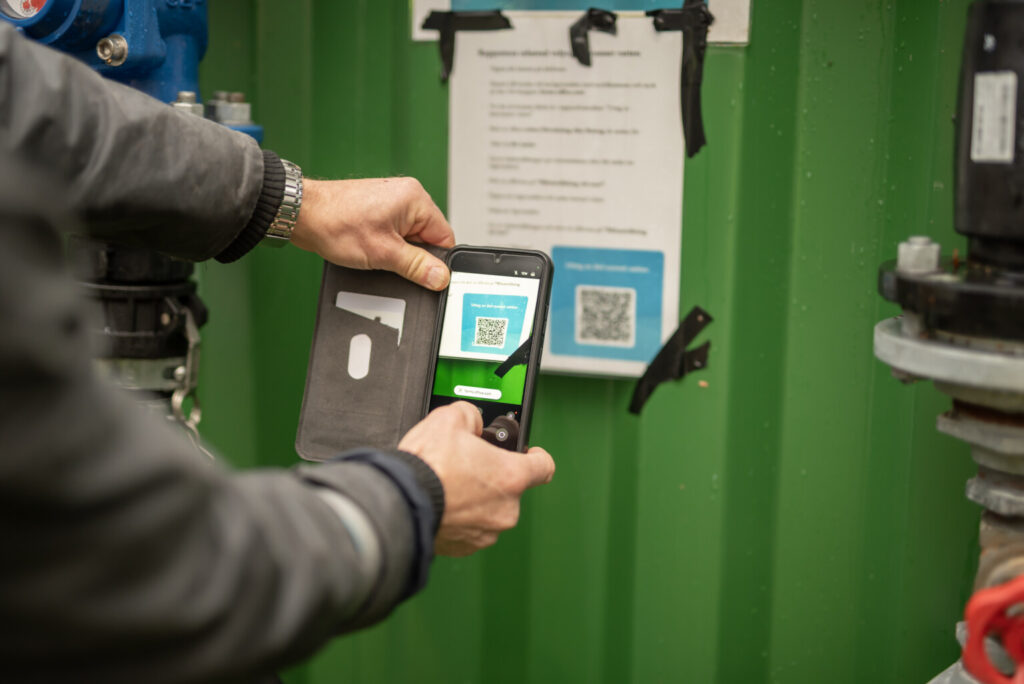
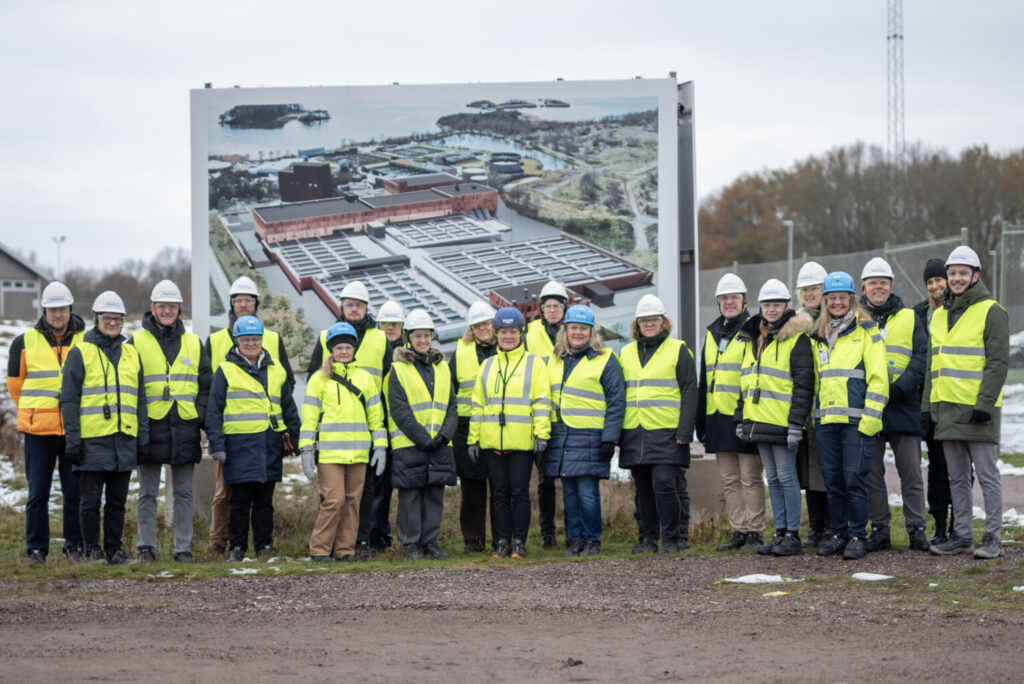
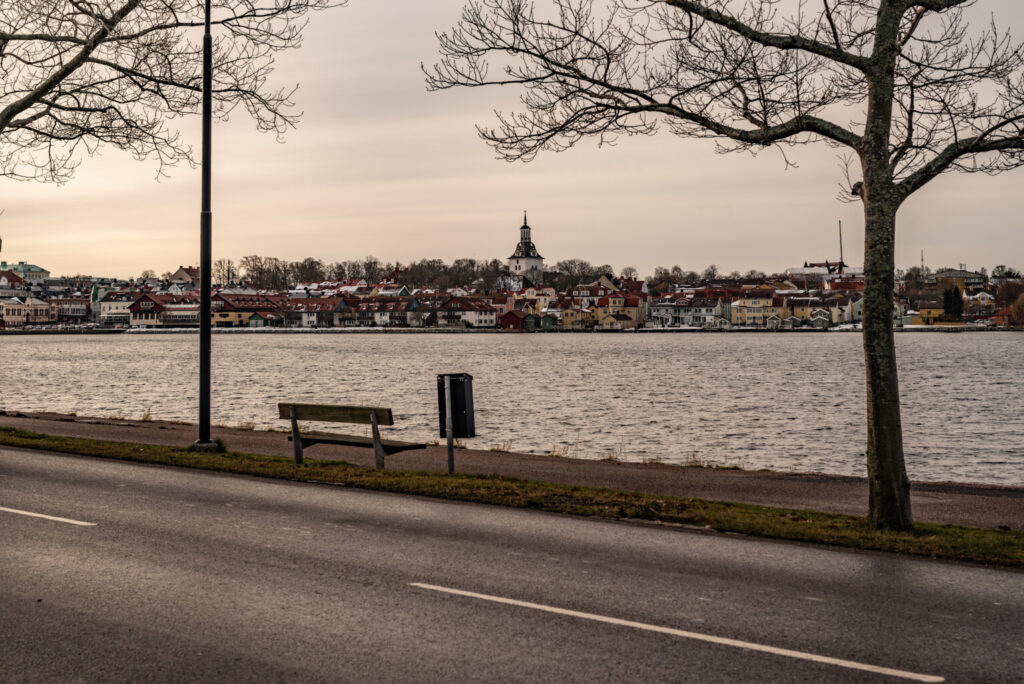
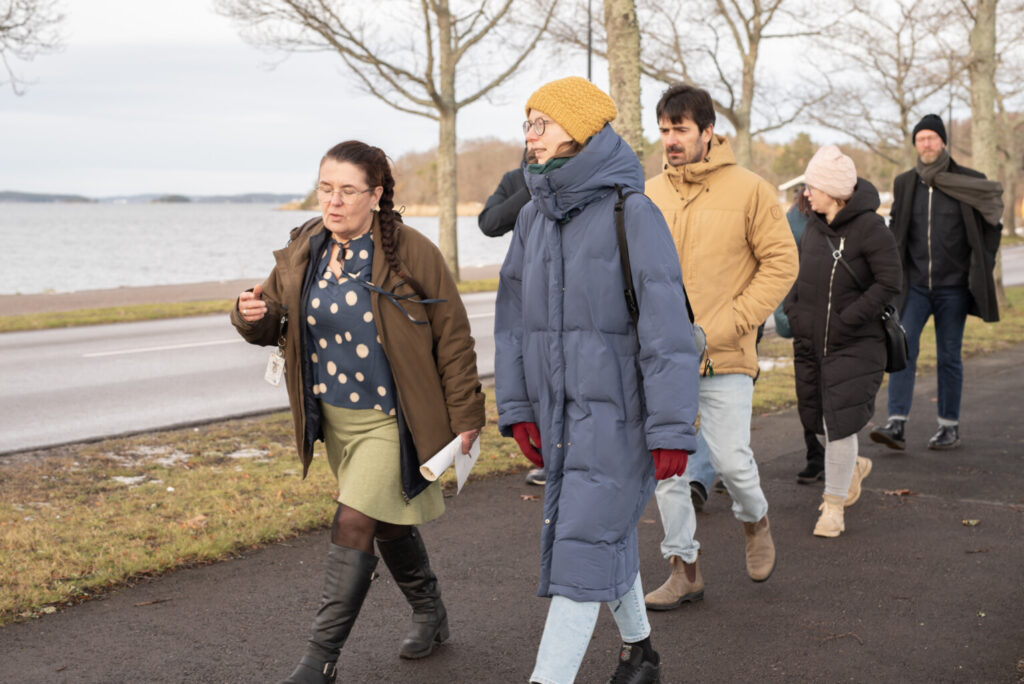
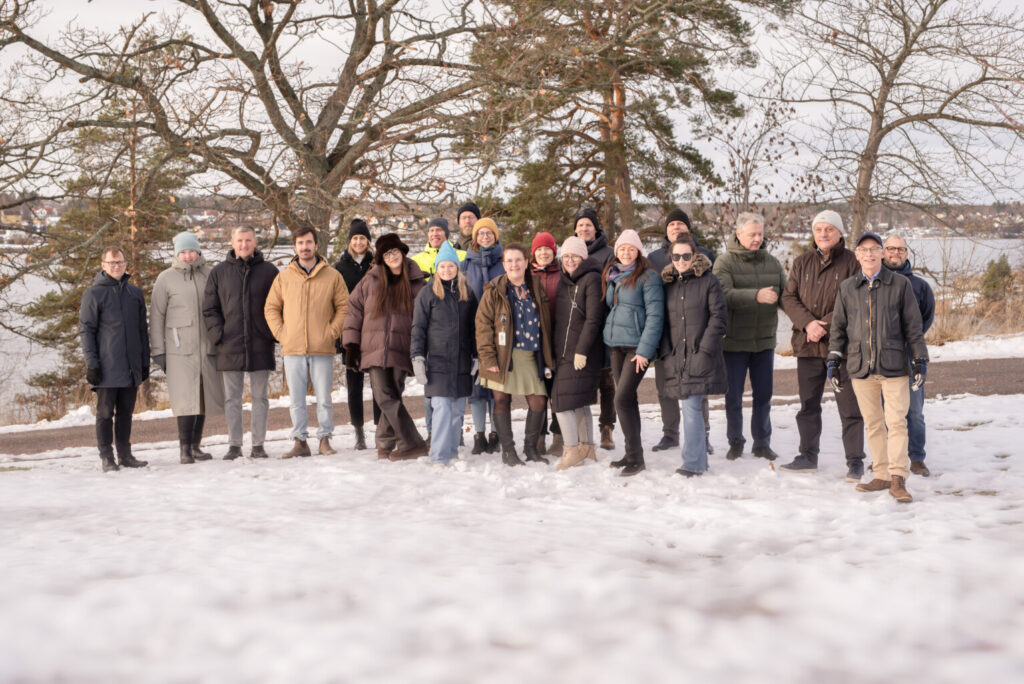
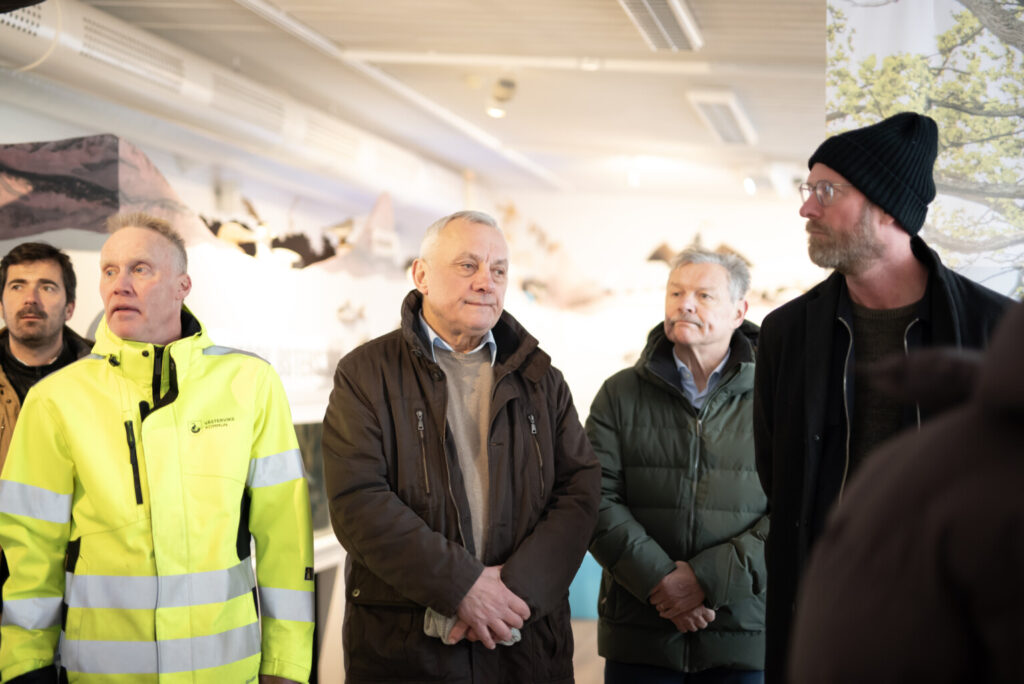
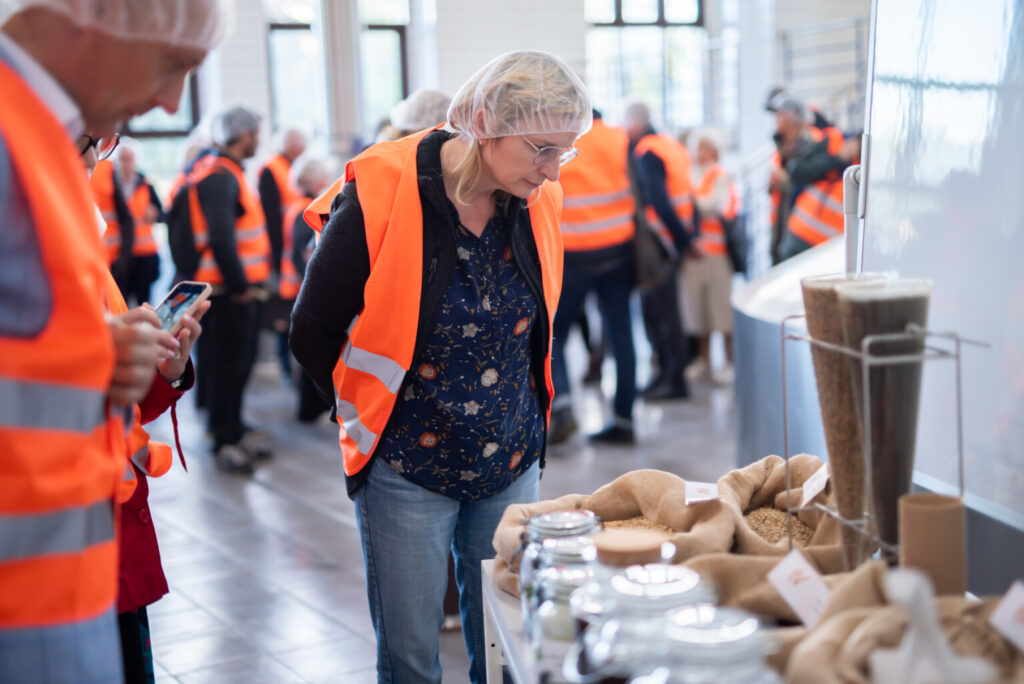
On the second day of the event, study visits were organized in Kalmar and Västervik. Participants visited: a mobile wastewater recycling system used for irrigating green areas, a hospital in Kalmar – a wastewater recycling installation using a double pipe system, Kalmarsundsverket - a construction site for a new wastewater treatment plant and water recovery facility, a modern multi-dam system in the Kastrup area, and examples of smaller, local “mini-multi-dams” for rainwater retention and reuse were also presented. Each stop provided an opportunity to learn about the technical details and functioning of the systems directly from experts and local implementers.

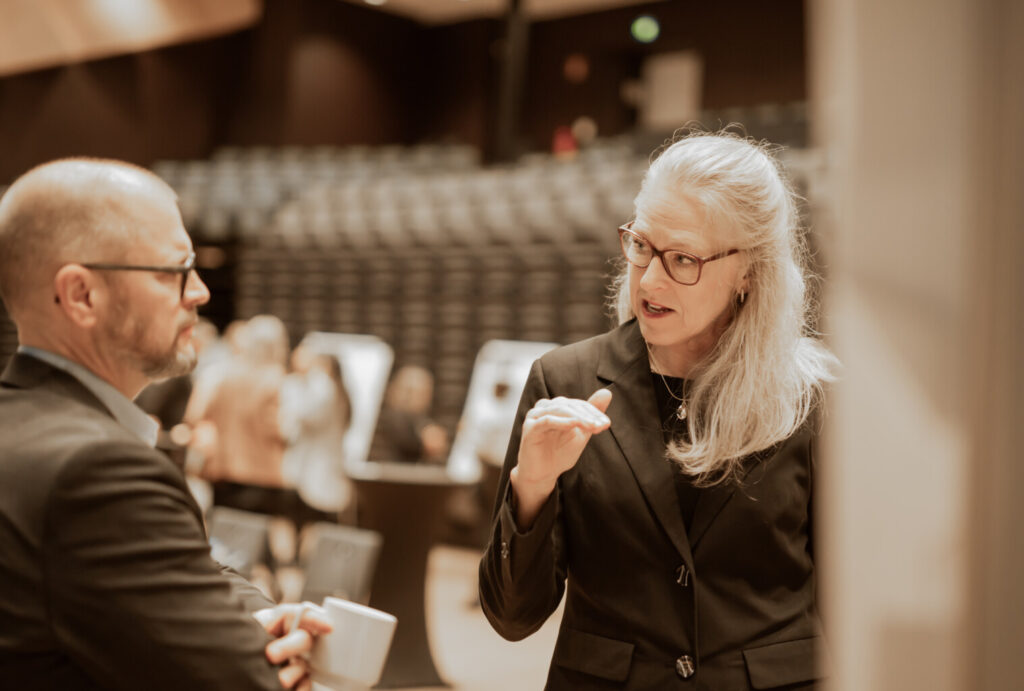
The discussion part focused on how to increase the scale of water recovery in the Baltic Sea region. The project partners shared practical lessons and recommendations from the WaterMan project. Practical examples showed how innovative solutions can support sustainable water management in cities and coastal regions.

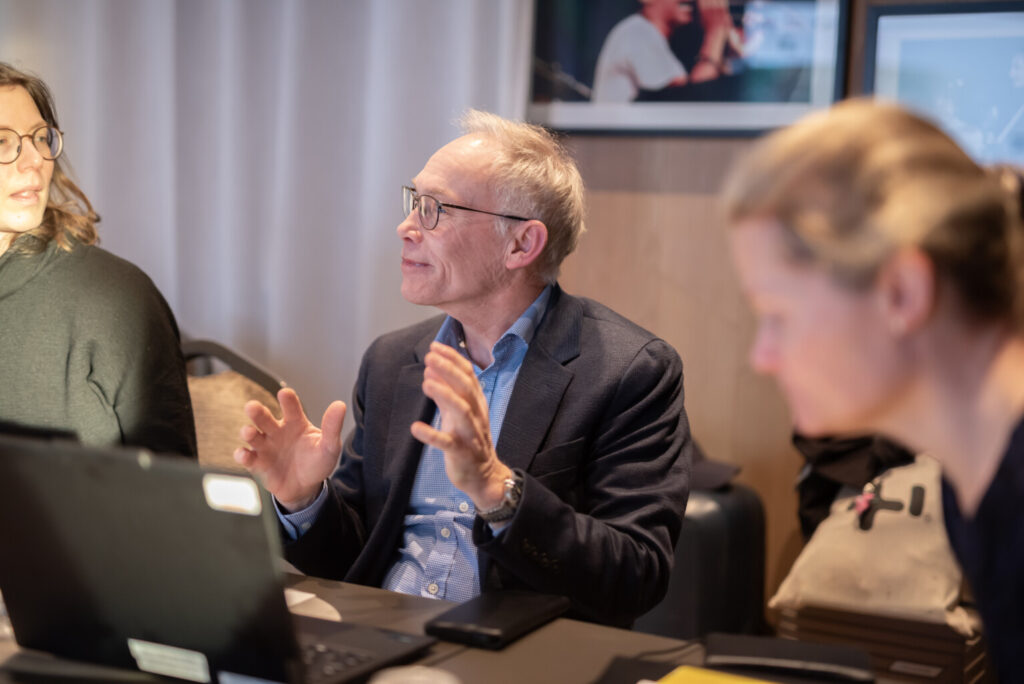
On the last day of the visit to Sweden, a partnership meeting of the WaterMan project consortium was held. It was an opportunity to summarize the cooperation to date, discuss the results of pilot activities, exchange conclusions, and look at the results of the project as a whole. The meeting participants had the opportunity to view multimedia materials showing how individual water recovery and reuse solutions were implemented in various pilot locations.
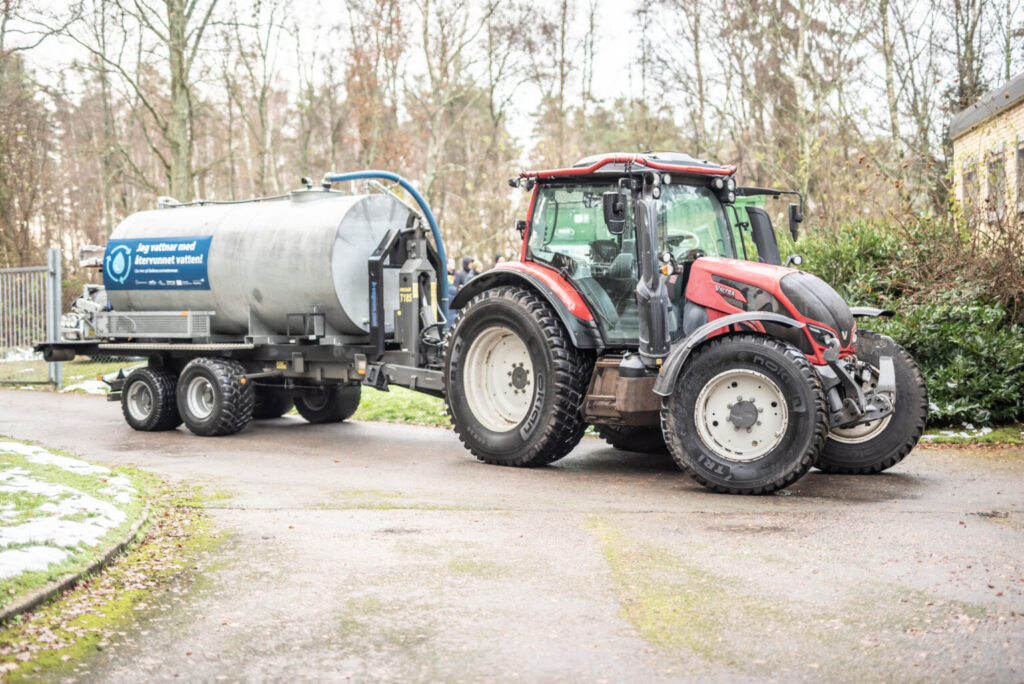
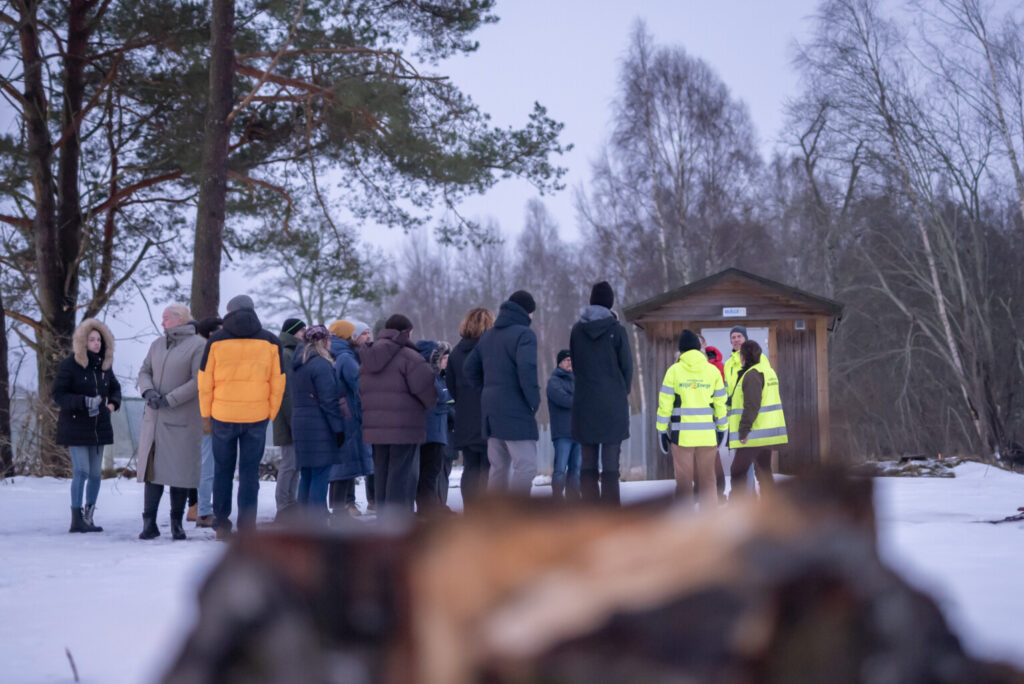
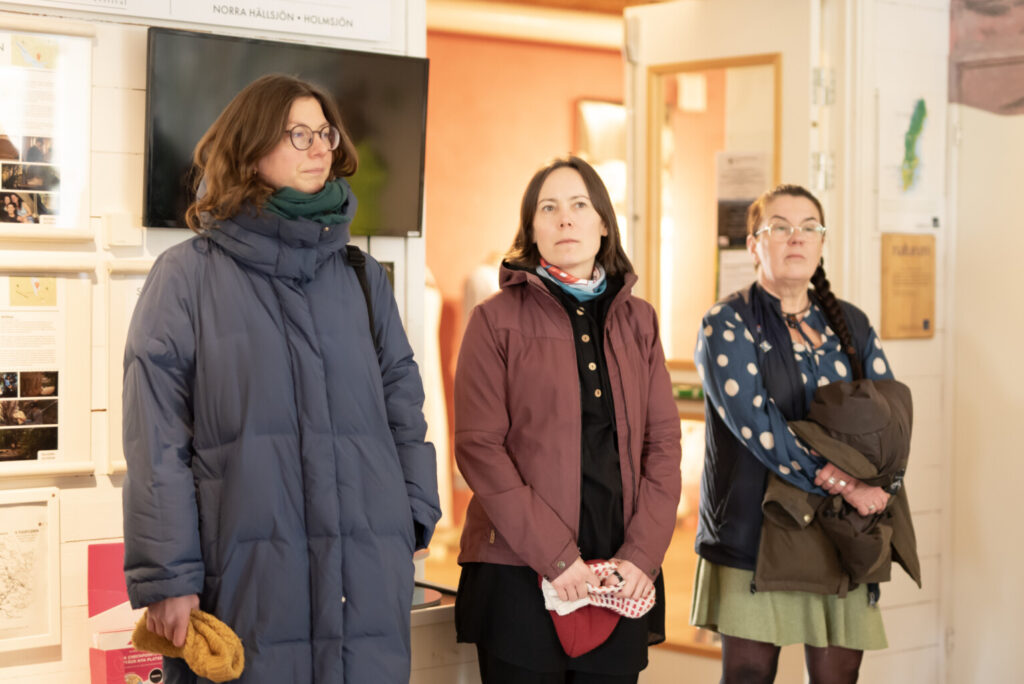
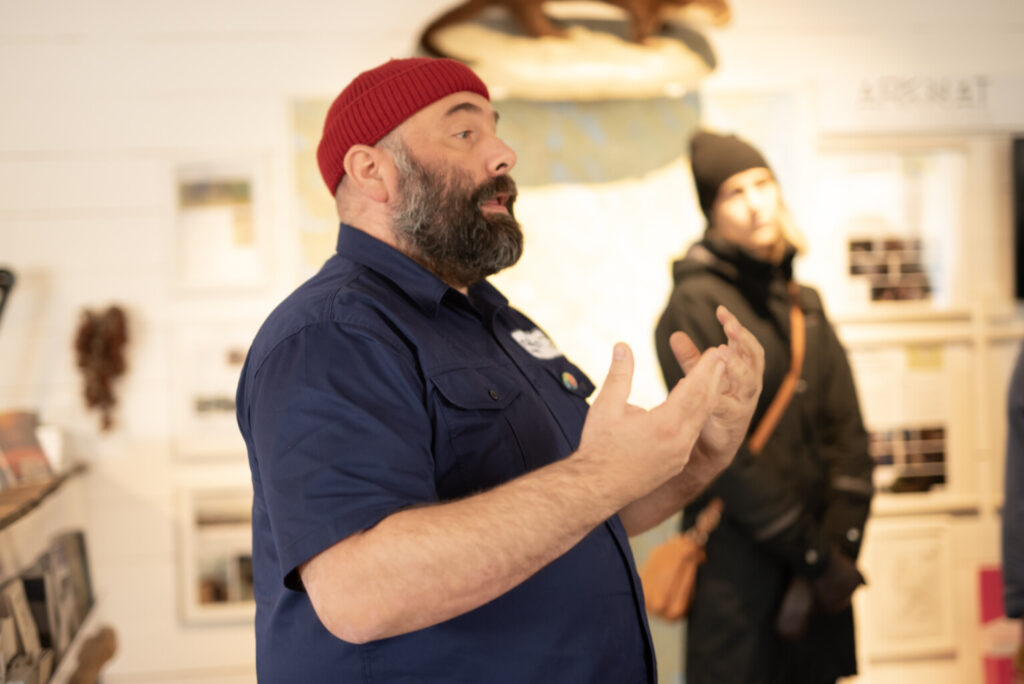
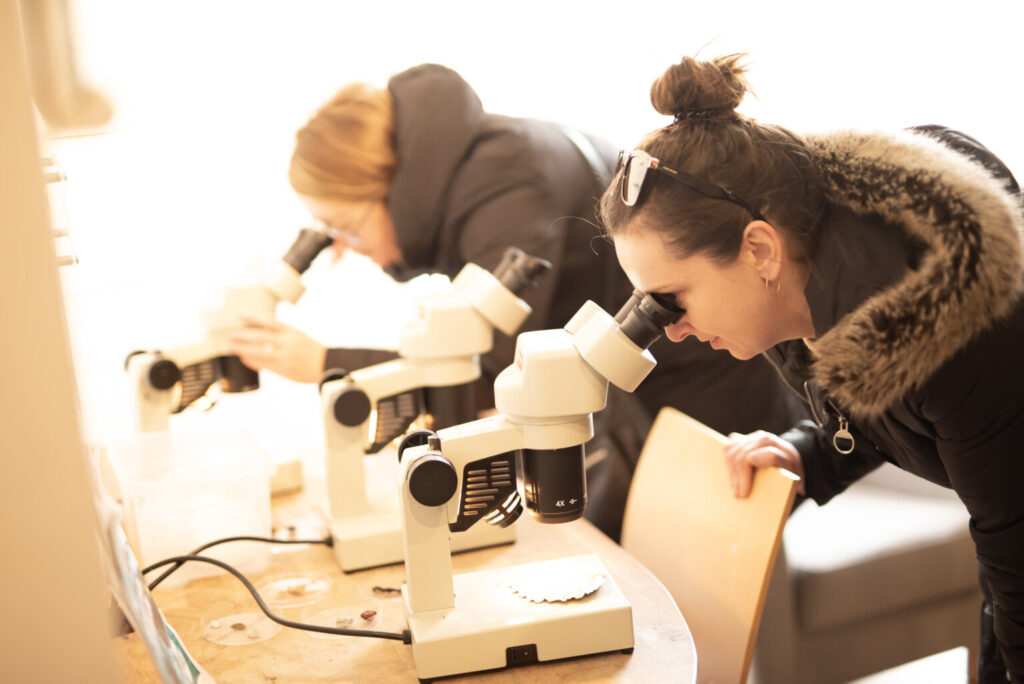
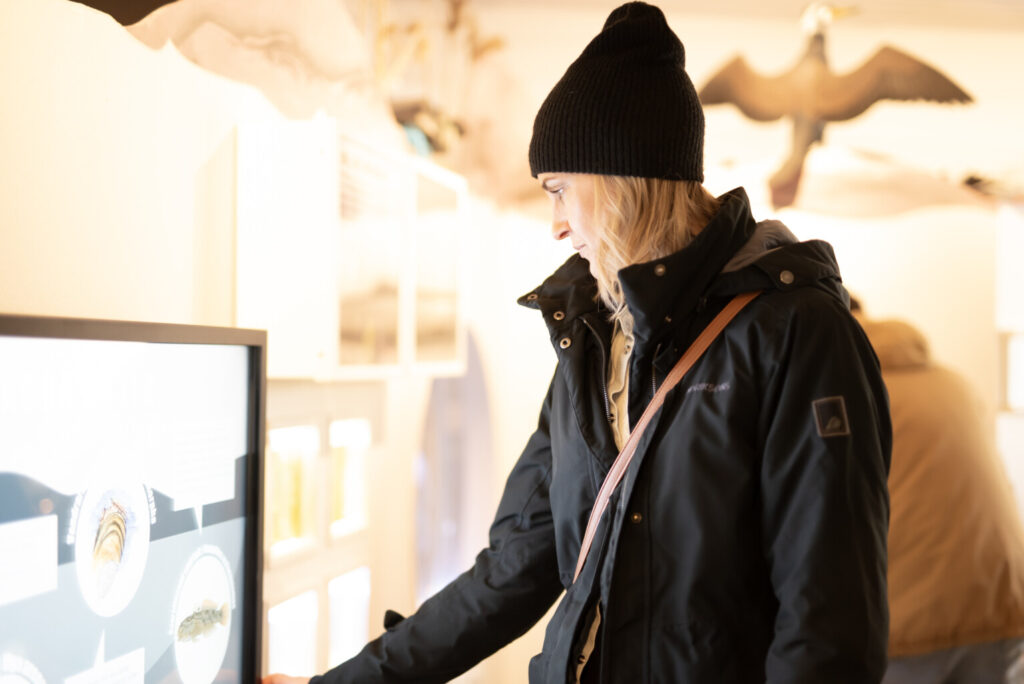
We also visited Naturum Västervik, a place that presents local ecosystems, the archipelago, and the aquatic environment in a very accessible way. This place combines exhibitions, photographs, and interactive elements that help visitors better understand the nature of the archipelago and the specific characteristics of the waters in this region. The visit provided a broader context for water resource conservation.

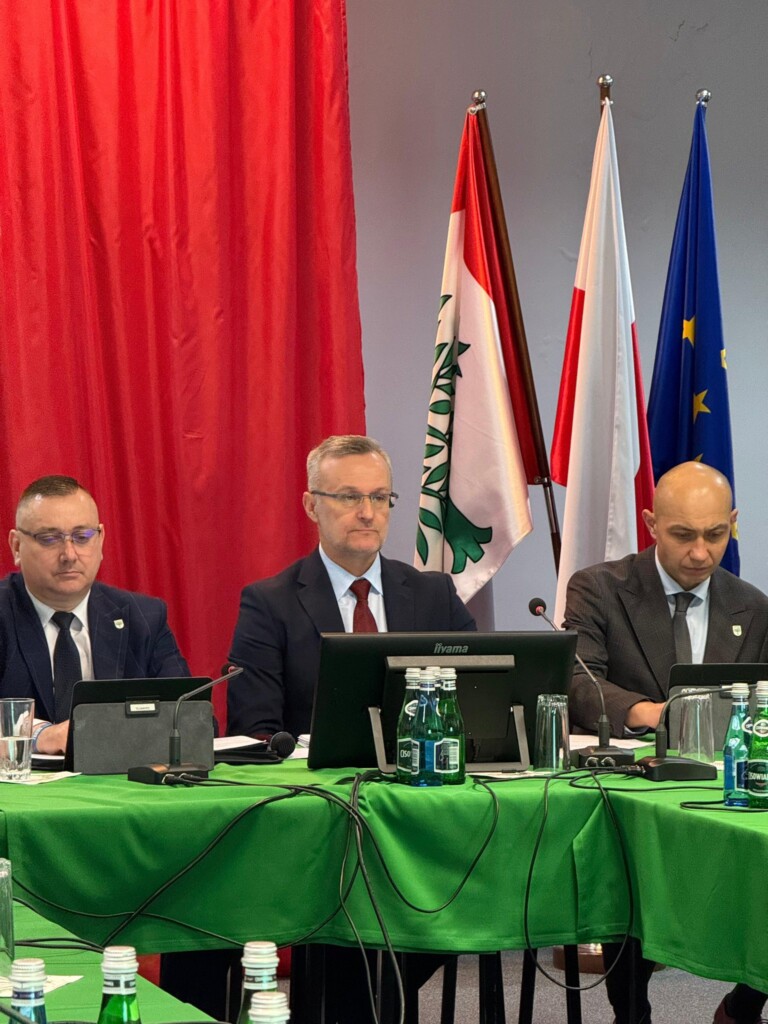
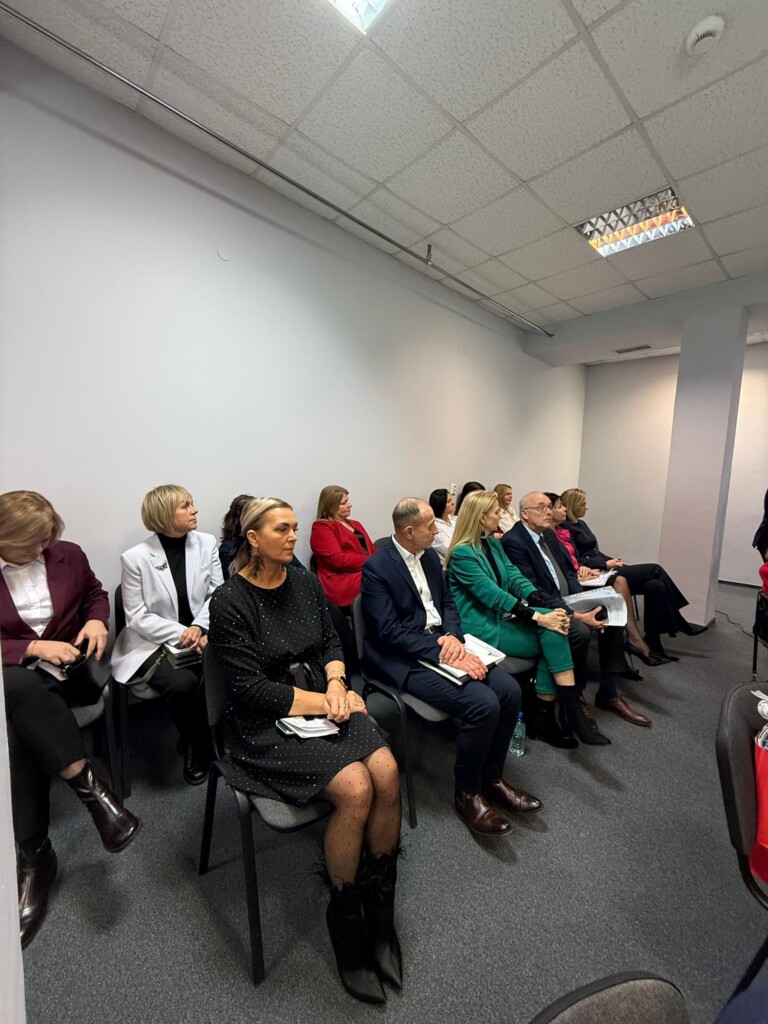
Waterman partnership meeting

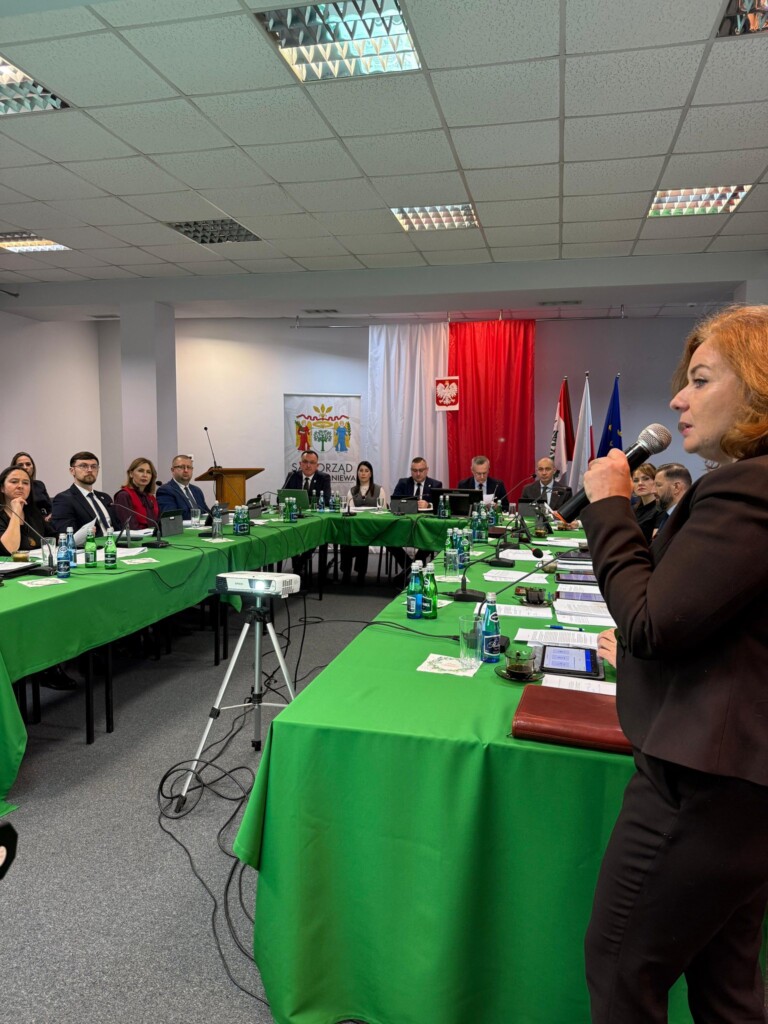
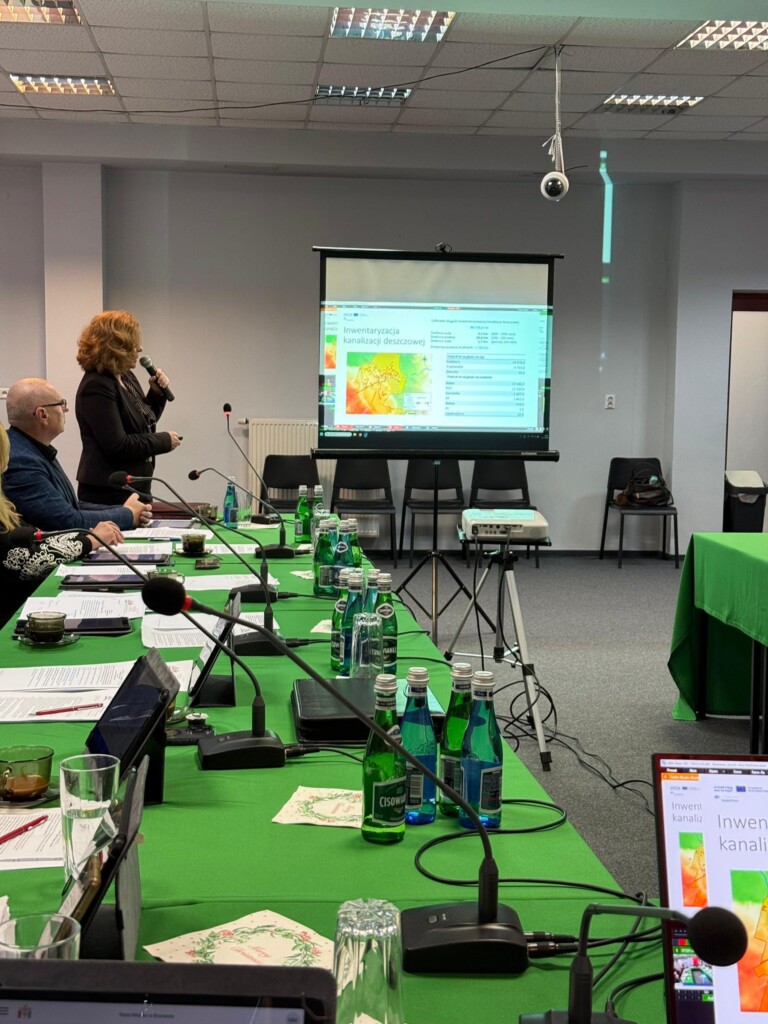
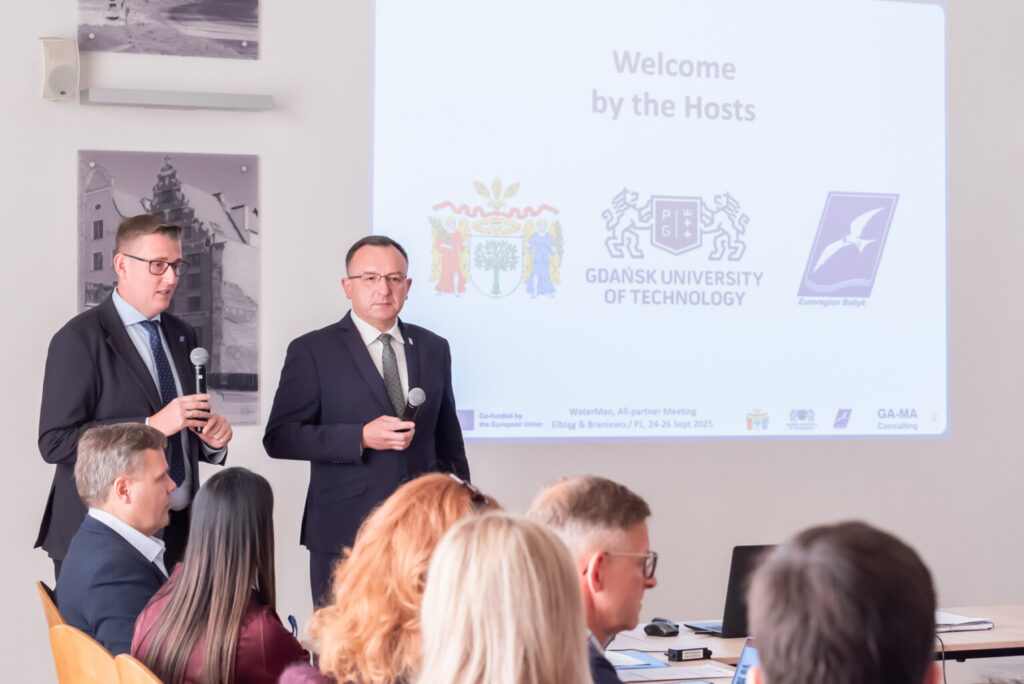
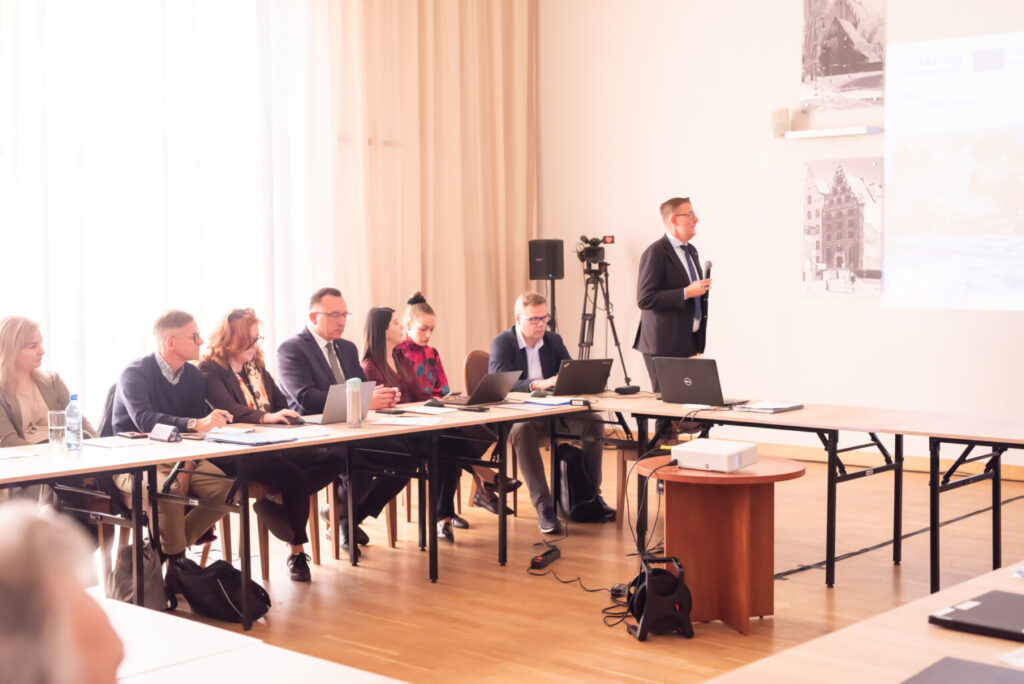
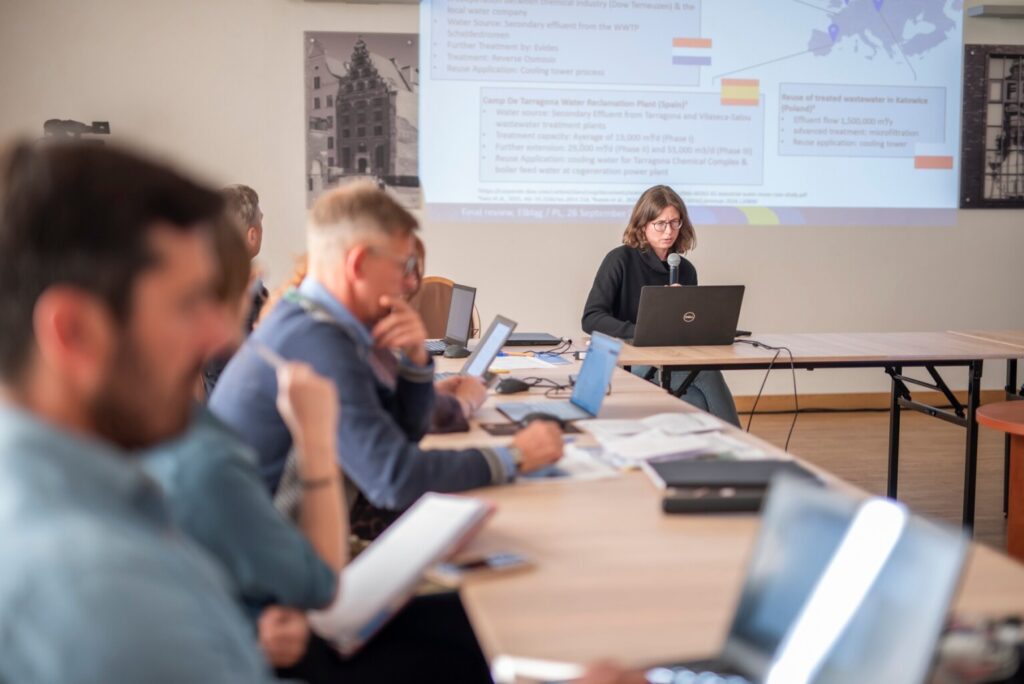
Yesterday marked the start of the meeting of all WaterMan project partners. The first day was devoted to presenting the final forms of pilot activities concerning water reuse in partner countries (PL, DK, SE, LT, LV, DE), discussing experiences from their implementation, presenting the results of the first evaluations, and discussing with an international panel of experts who shared recommendations for further optimization of solutions.

The aim of the meeting is to gather experiences, evaluate the effects, and jointly plan the next steps towards sustainable water management in the Baltic Sea region.

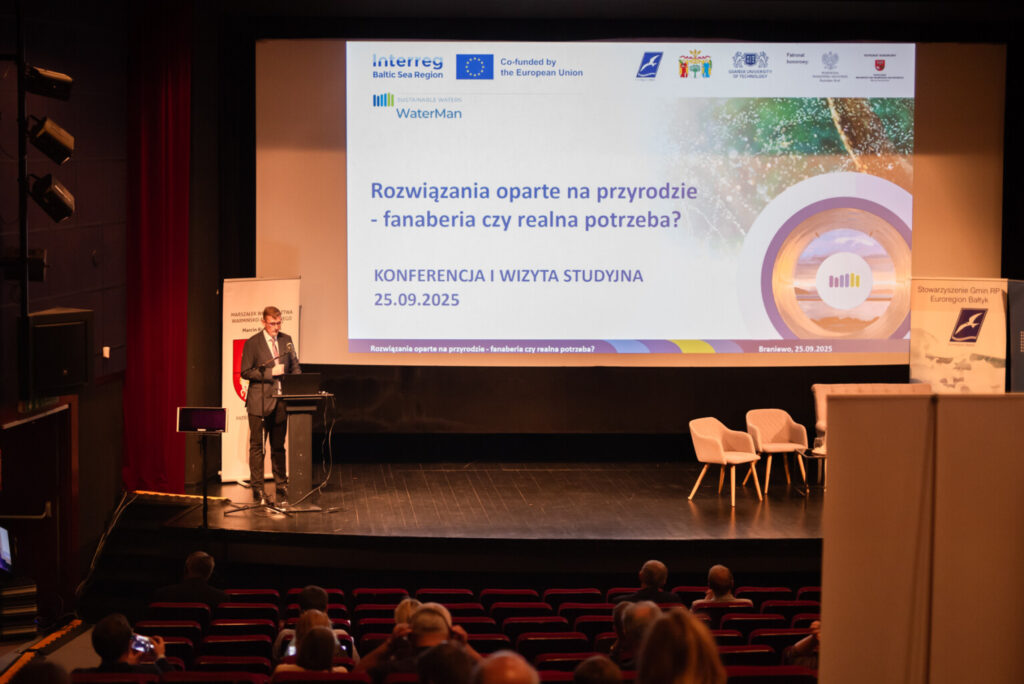
On the second day, a conference entitled “Nature-based solutions – a fad or a real need?” was held, which will be discussed in more detail in the next article. The third day of the meeting was devoted to the presentation of the final versions of regional water recycling strategies prepared by the project partners. Each project was discussed and evaluated by an international panel of experts, which allowed the activities to be viewed in the light of other countries' experiences. The second part of the day was devoted to planning the next steps in disseminating the project results, including the final version of the “Water Recycling Toolbox,” preparations for workshops and conferences (Sopot, Brussels, Kalmar), and the division of tasks and responsibilities among the partners.
Nature-based solutions – a fad or a real need?

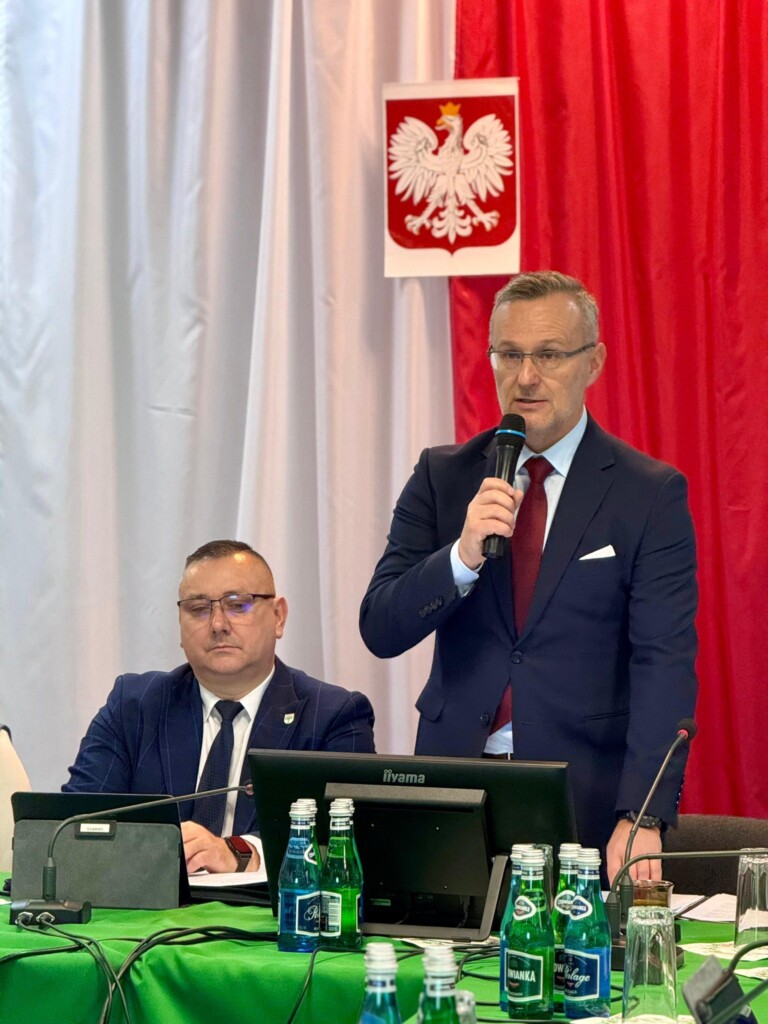
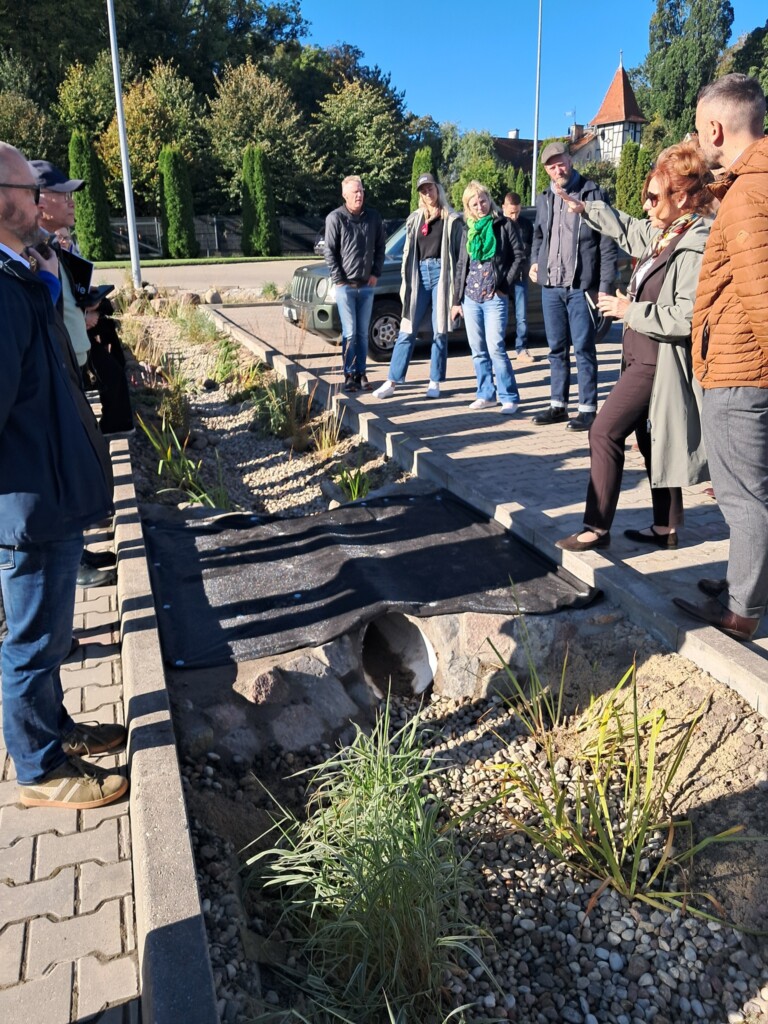
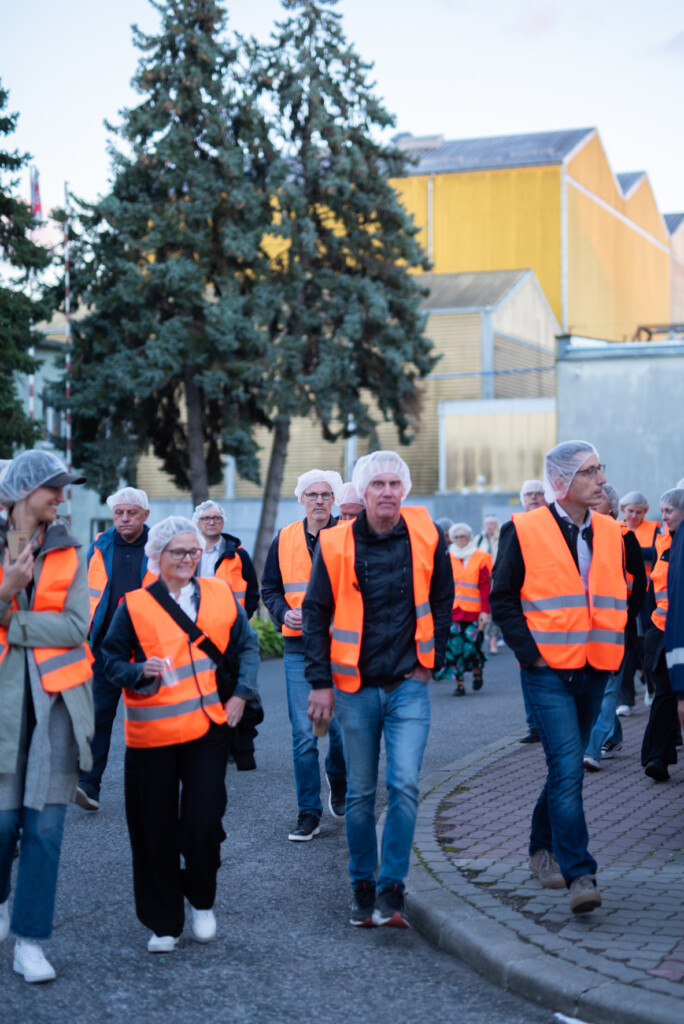
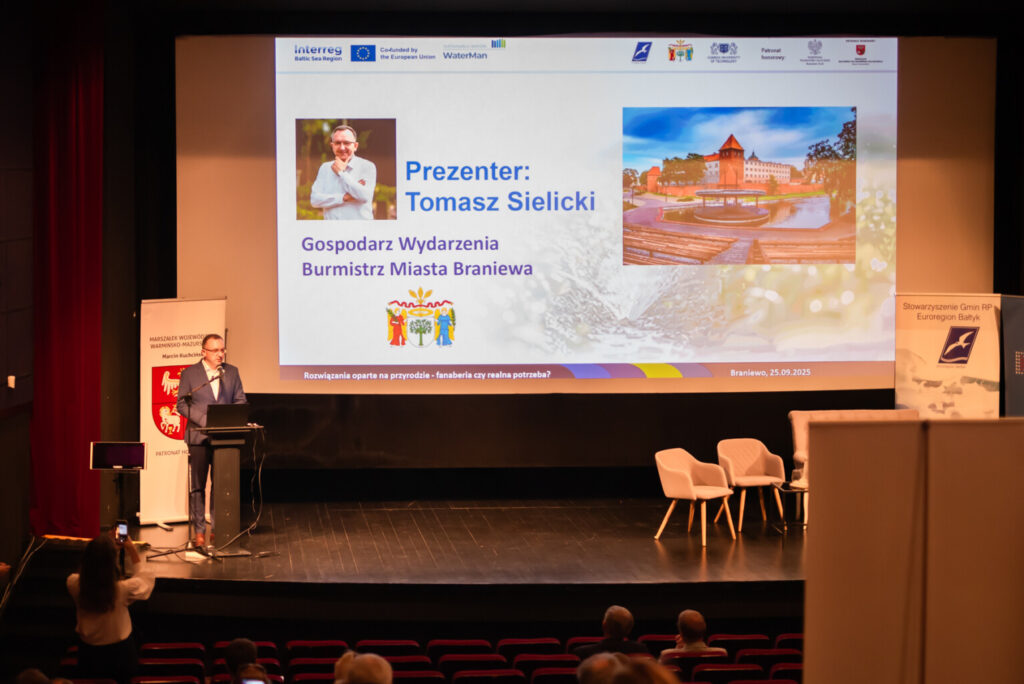
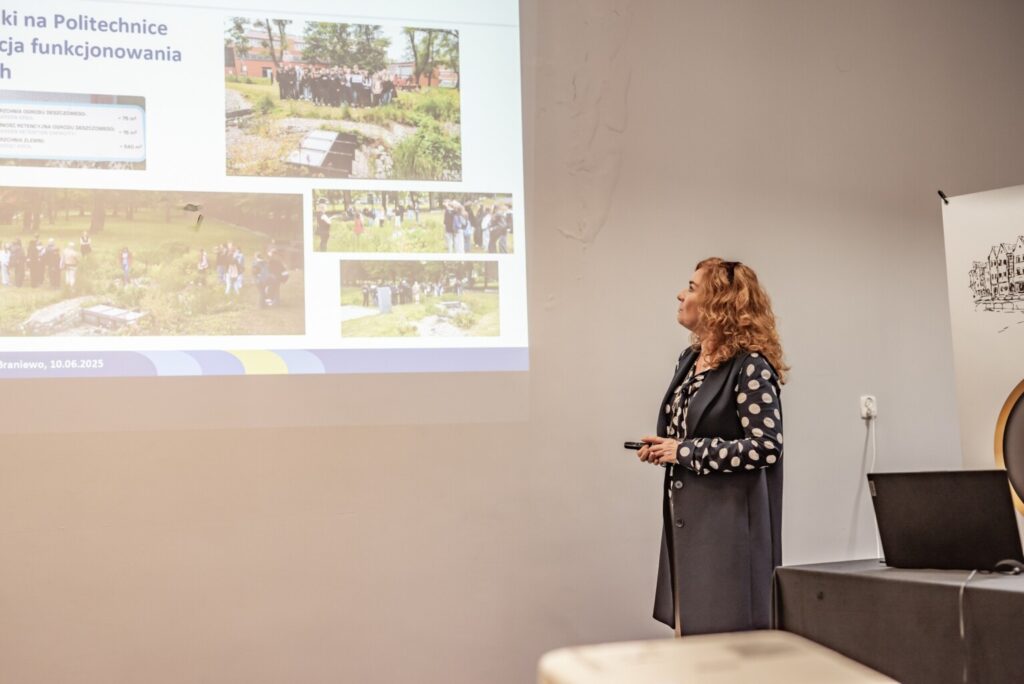
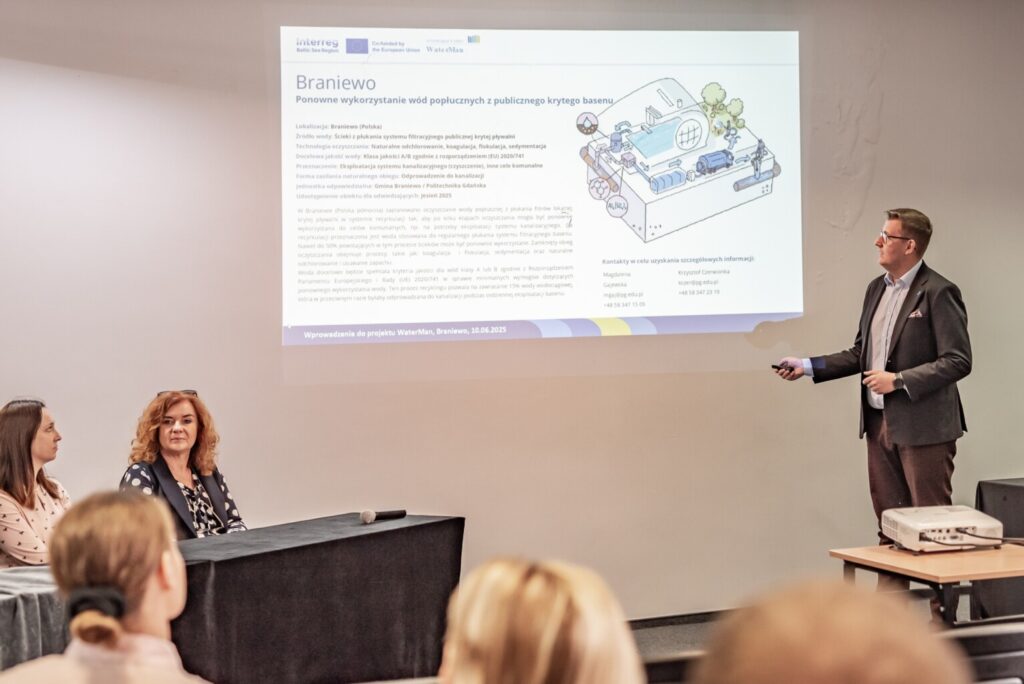
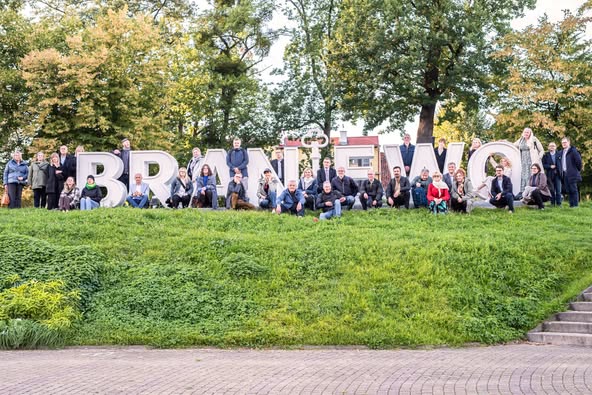
On September 25, a conference entitled “Nature-based solutions – a fad or a real need?” was held as part of the Waterman project. Participants of the conference and study visit devoted to nature-based solutions had the opportunity to see pilot implementations in Braniewo – a rain garden, innovative solutions in the municipal swimming pool, and a water reuse system.

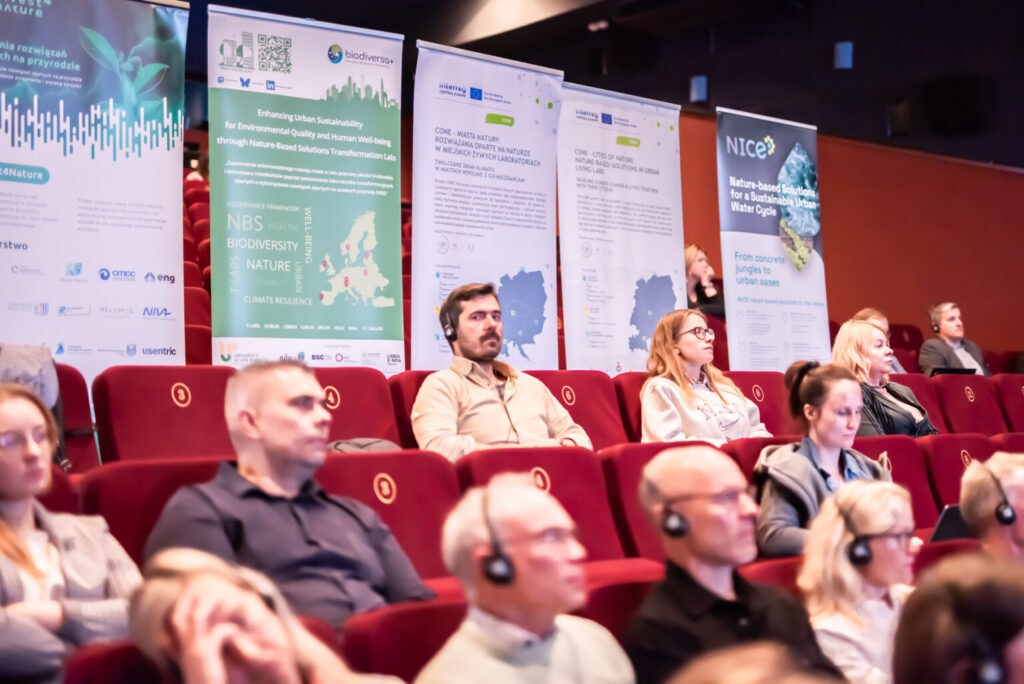
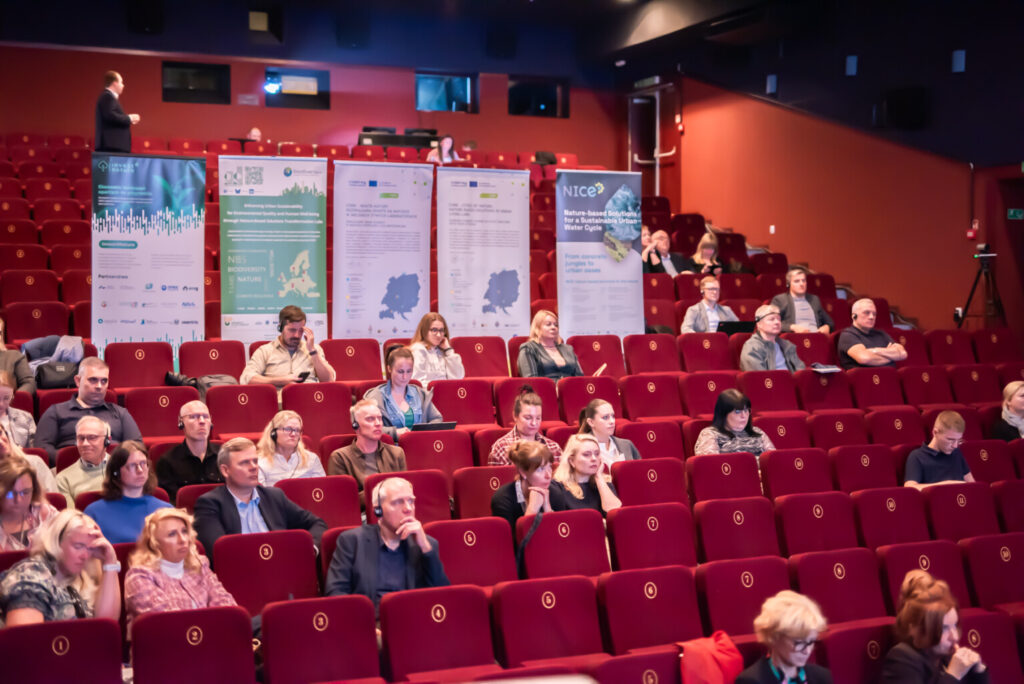
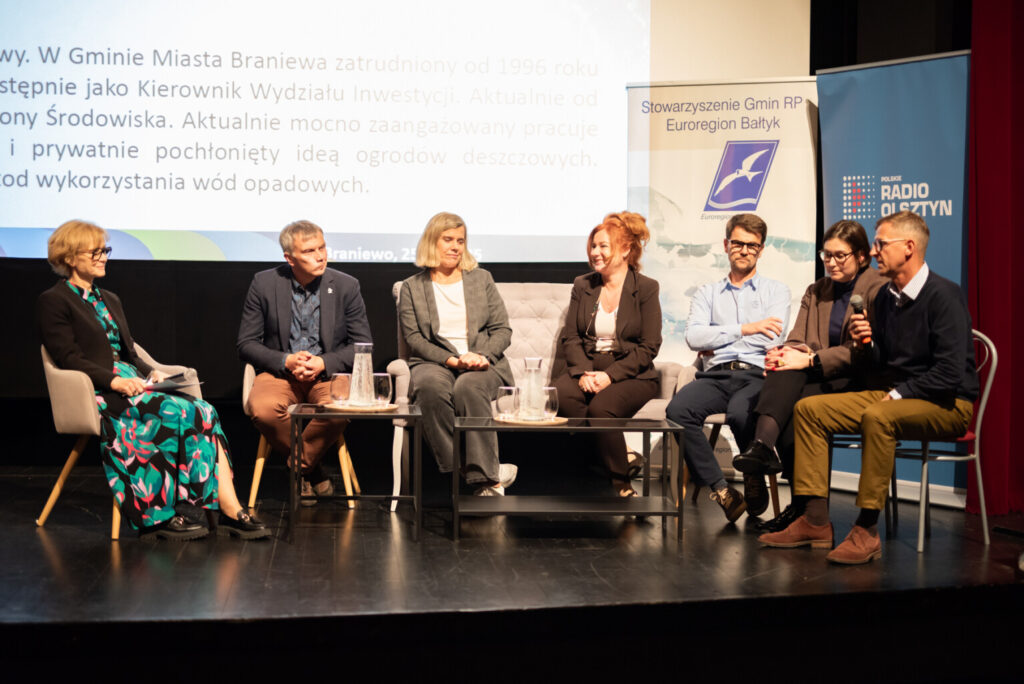
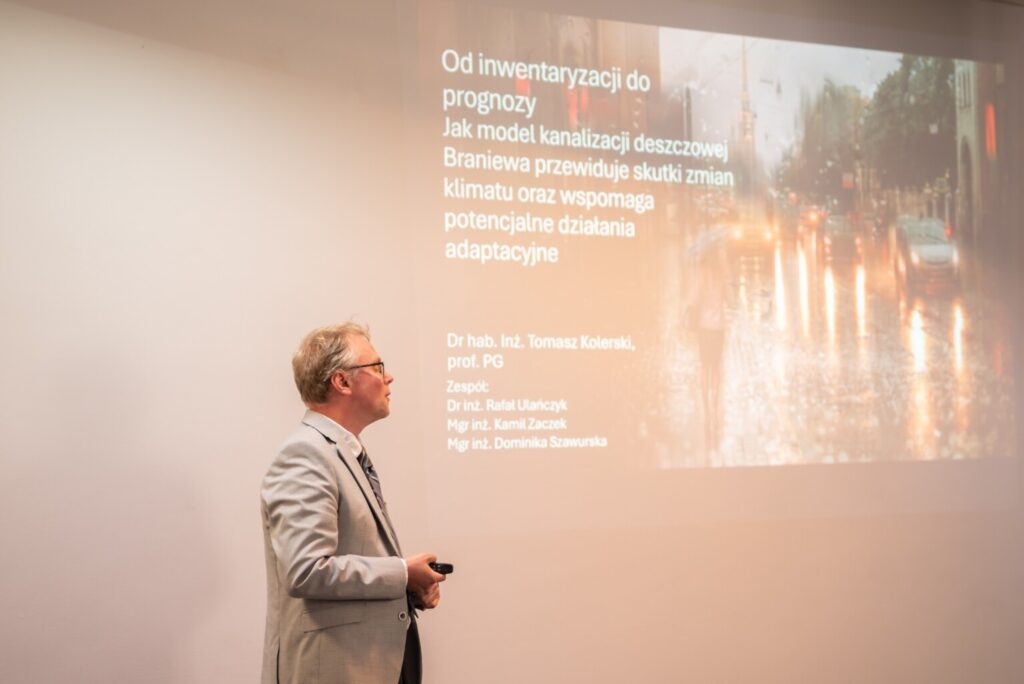
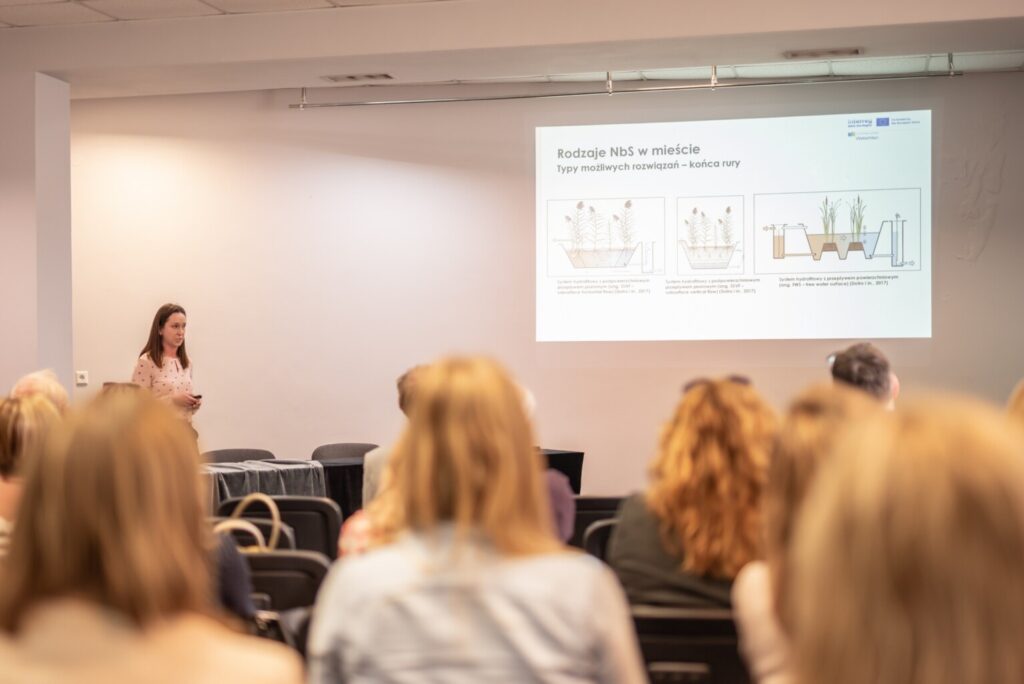
During the conference, inspiring presentations were given by experts from all over Poland, who shared their knowledge about the practical application of NBS, their benefits, and challenges. The expert panel discussed, among other things, how to combine the experiences of local governments, universities, and organizations in national and international projects. Participants also took part in a NatureScape workshop, which showed how GIS and AI technologies support the design and monitoring of nature-based solutions. It was a day full of practical knowledge, inspiring conversations, and examples that nature-based solutions are not a fad, but a real need for our cities and communities.

Event organizer: WaterMan Project – Interreg Baltic Sea Region, co-financed by the European Union

Event partners: Projects: Nursecoast-II, CONE, Invest4Nature, NICE, NatureScape (Biodiversa+). Cities and institutions: City of Braniewo, City of Poznań, City of Wejherowo, Gdańsk University of Technology, Institute of Fluid-Flow Machinery, Polish Academy of Sciences, ASSOCIATION OF POLISH MUNICIPALITIES EUROREGION BALTIC, Lisode.

Honorary patronage:

Radosław Król, Governor of Warmia-Masuria Province

Marcin Kuchciński (Marcin Kuchciński - Marshal of Warmia-Masuria Province)

Supporting institutions:

Elbląg Technology Park (EPT)

ReNutriWater Project (Interreg Baltic Sea Region)

Burego Misia Community Foundation

Media patronage:

TVP3 Olsztyn

Radio ESKA

Polish Radio Olsztyn

Braniewo Portal

The event is part of the WaterMan project, co-financed by the European Union under the Interreg Baltic Sea Region Program 2021–2027.

SferaLab workshop finale

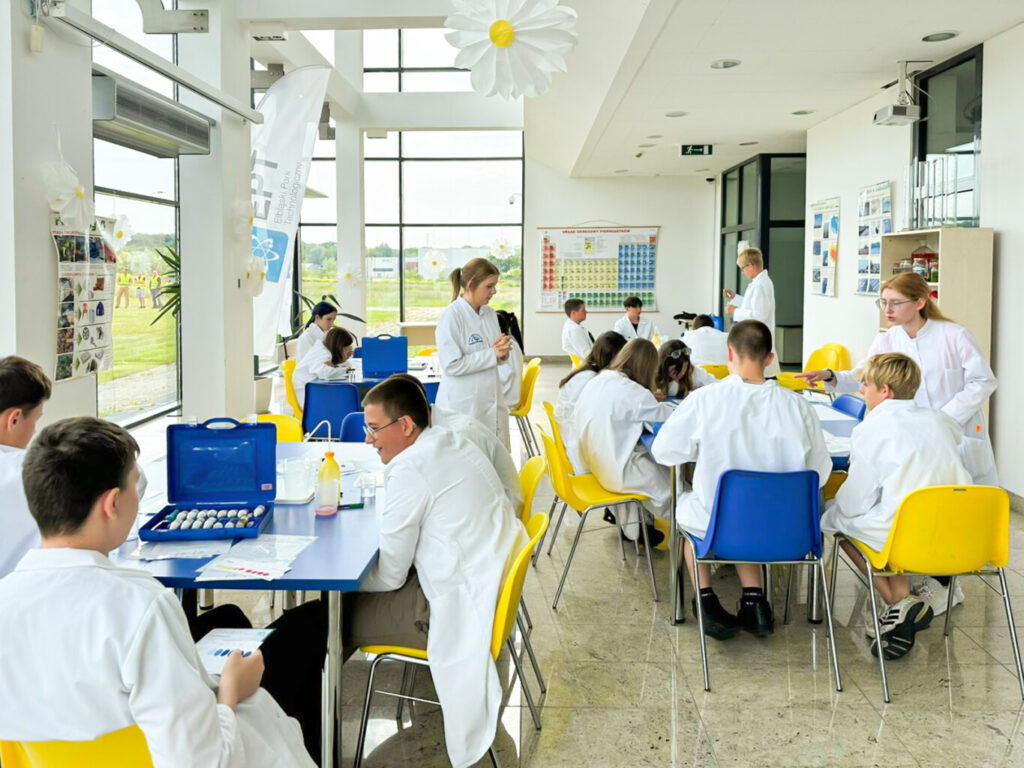
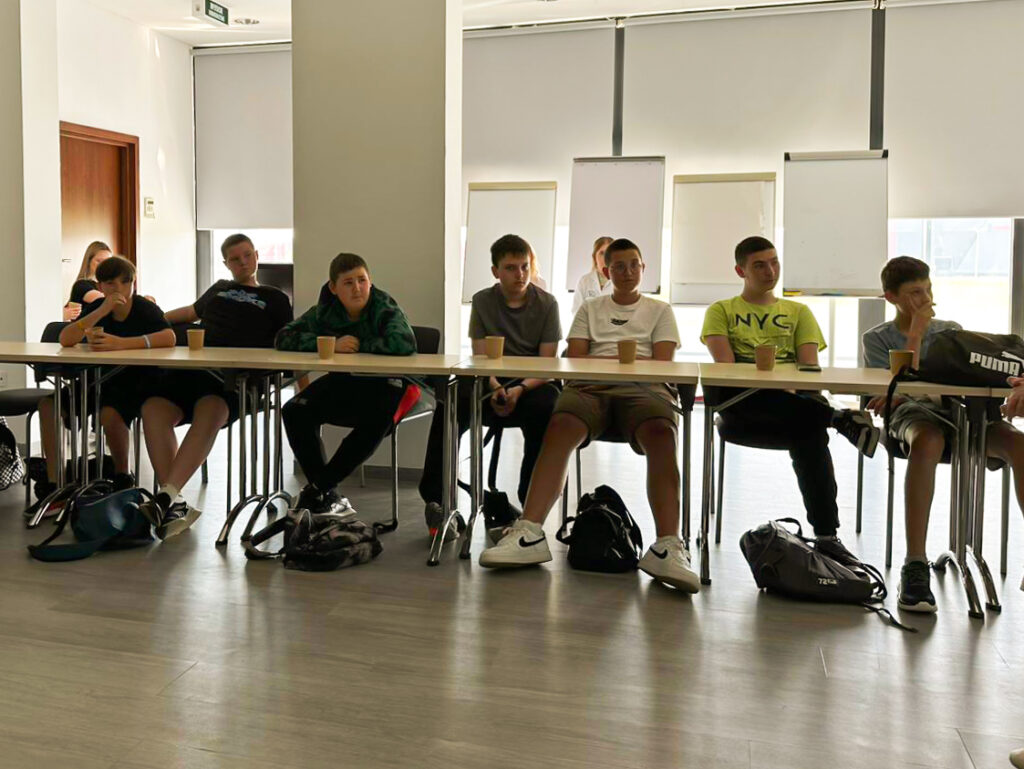
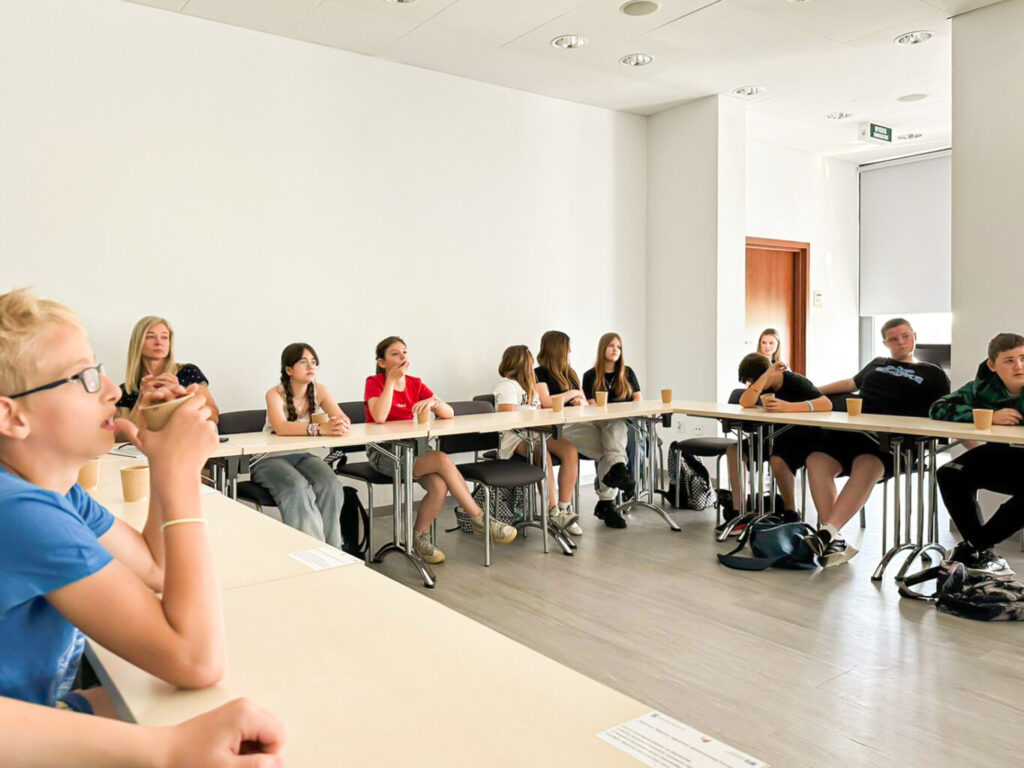
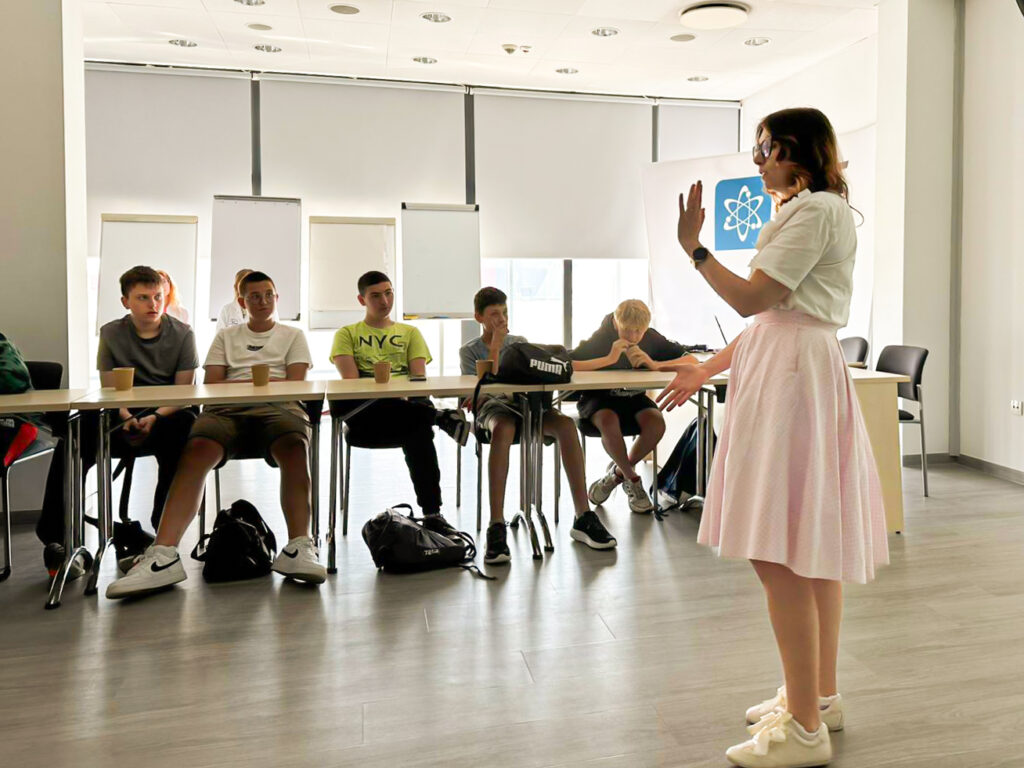
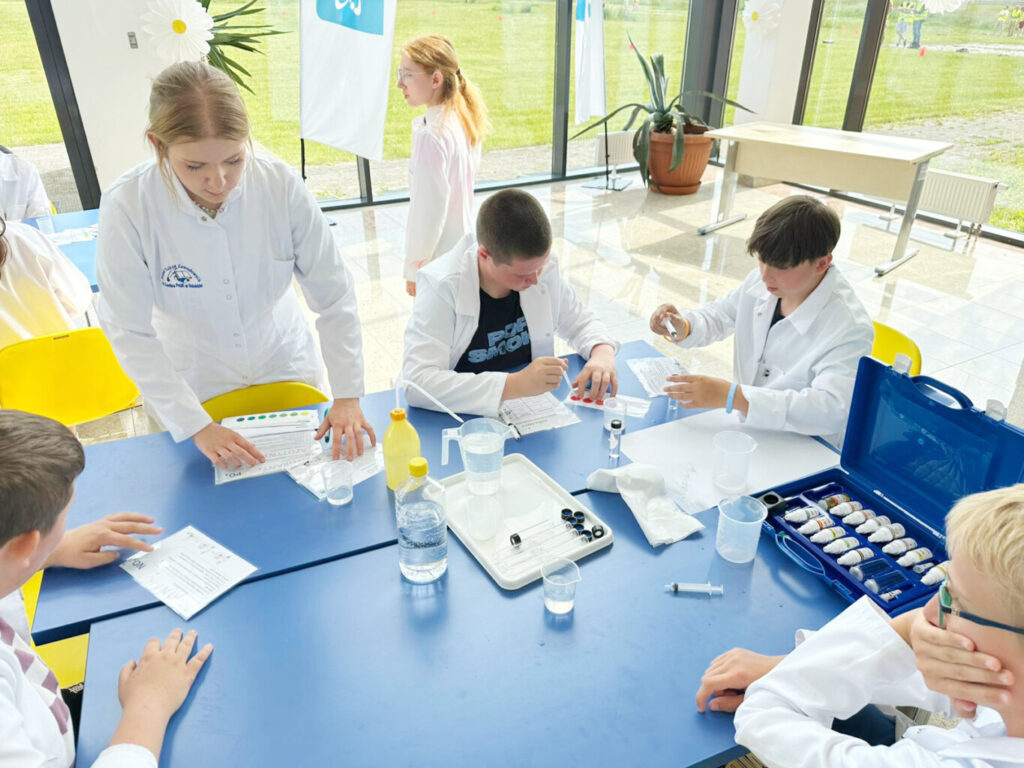
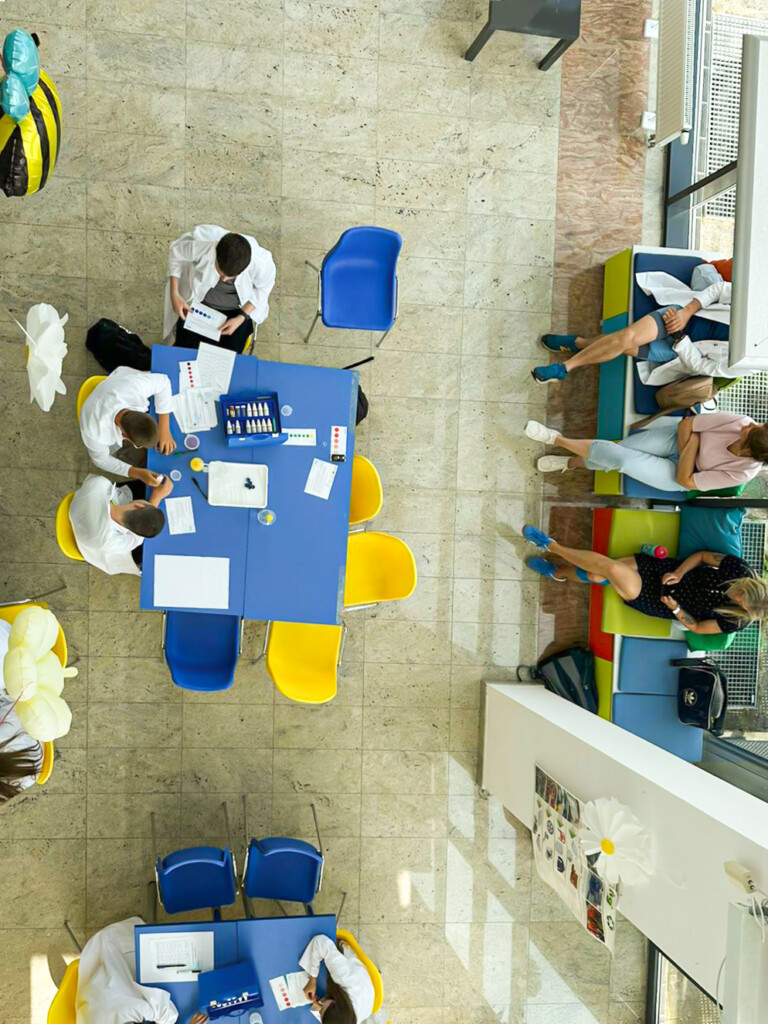
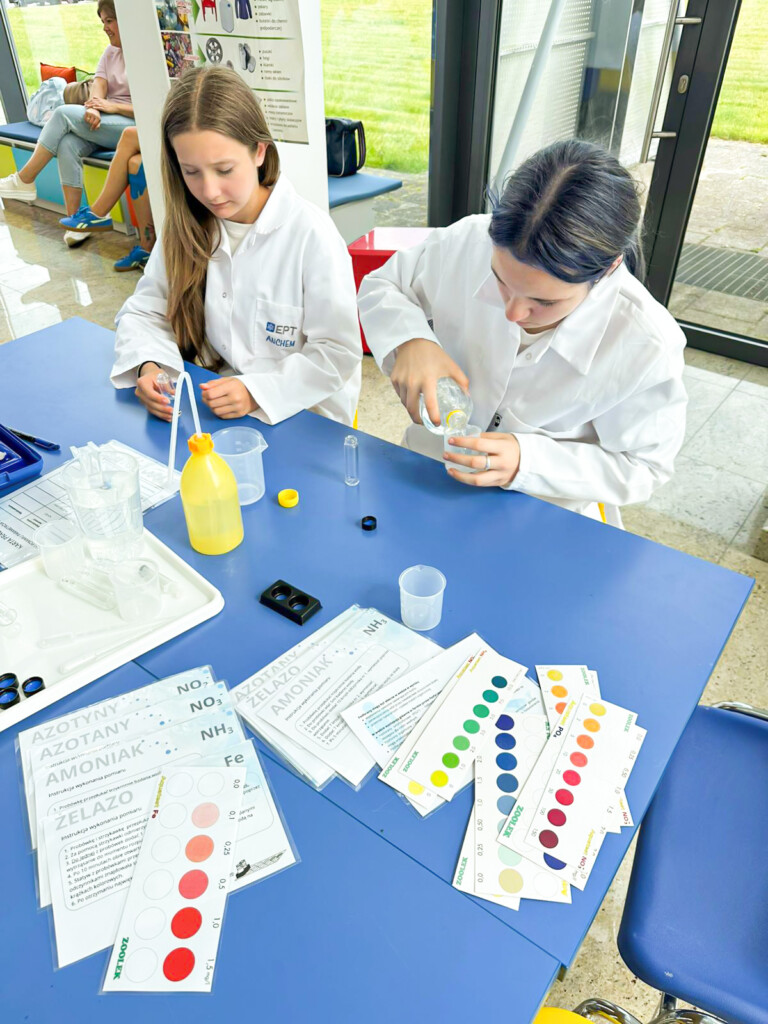
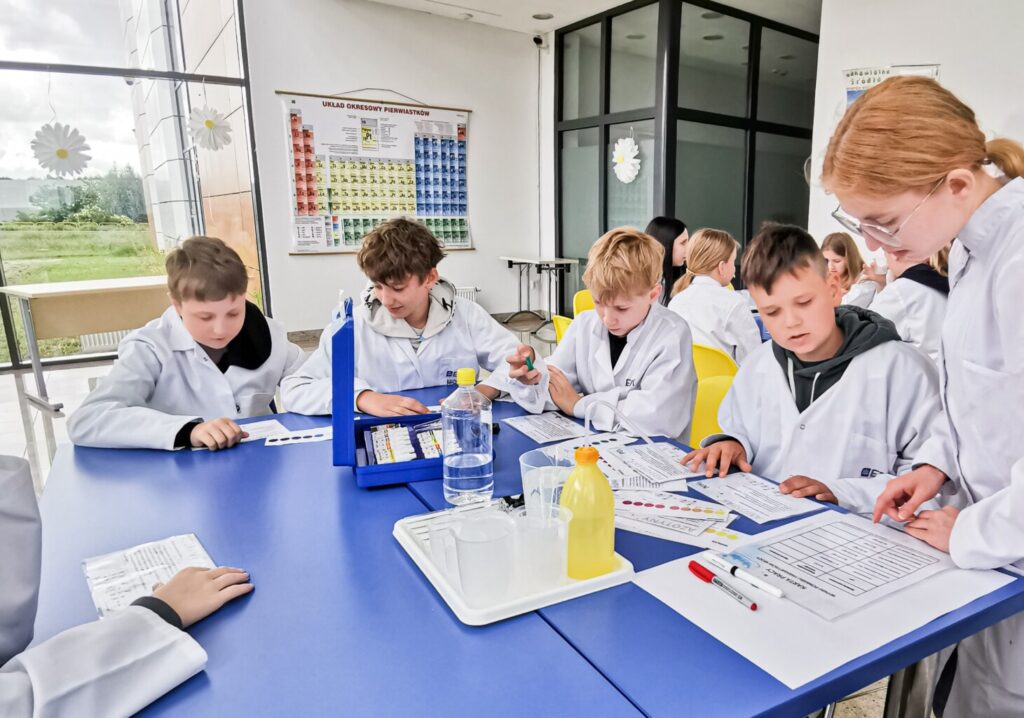
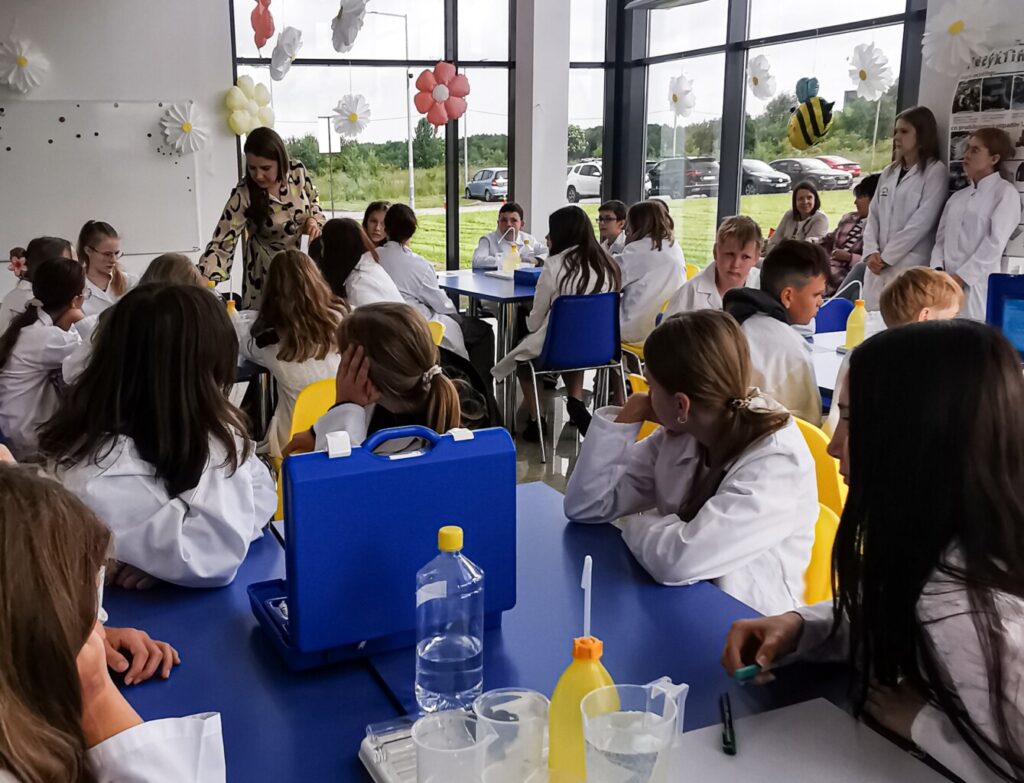
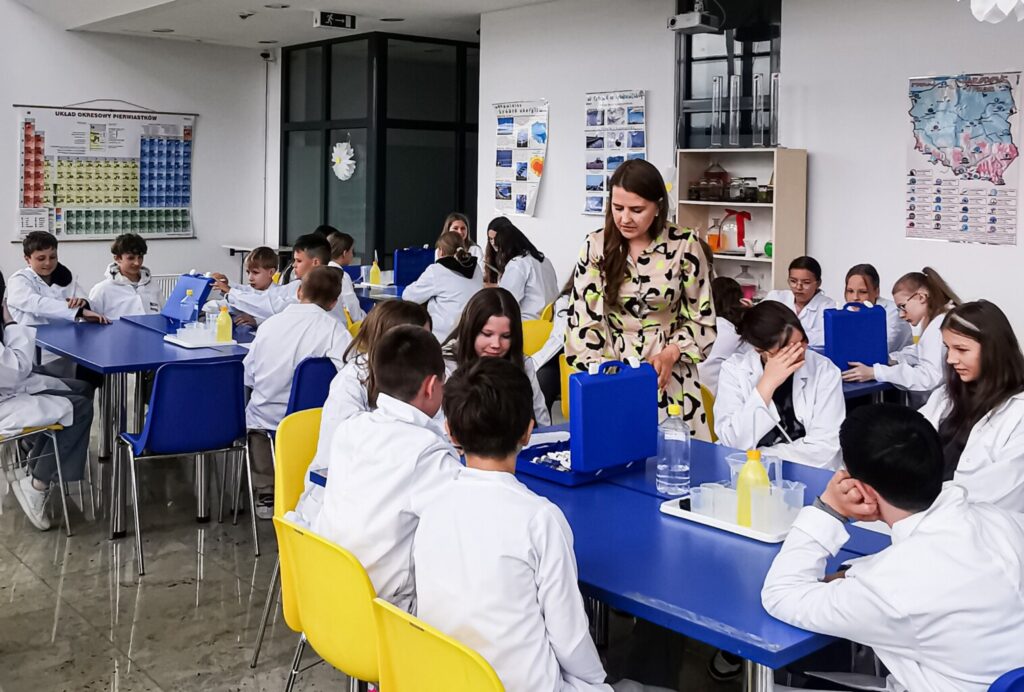
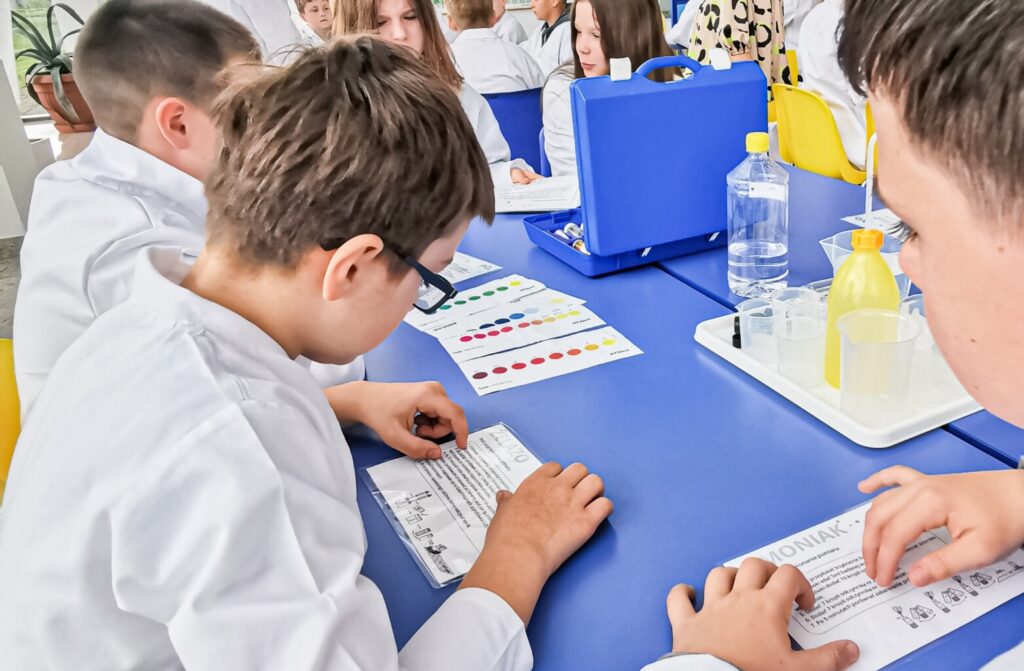
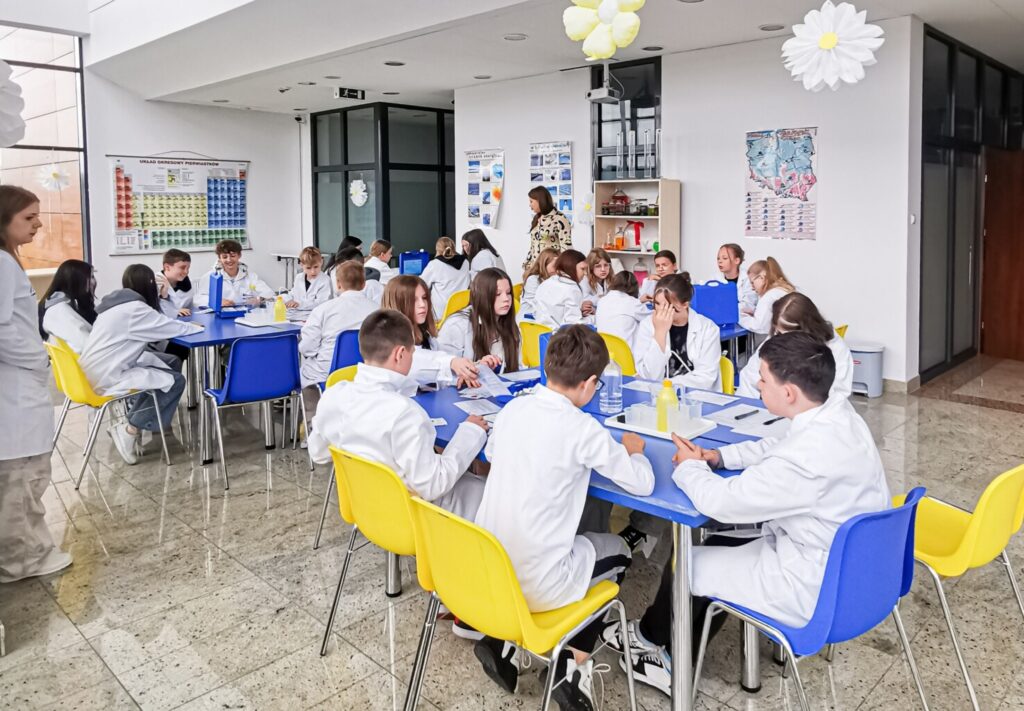
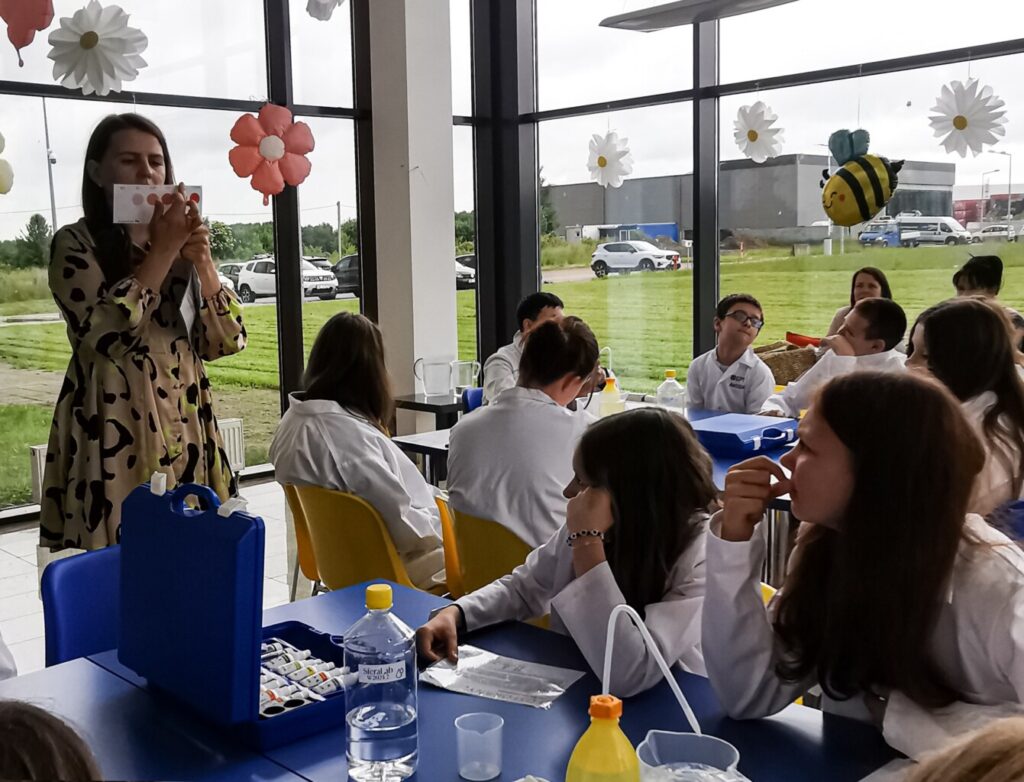
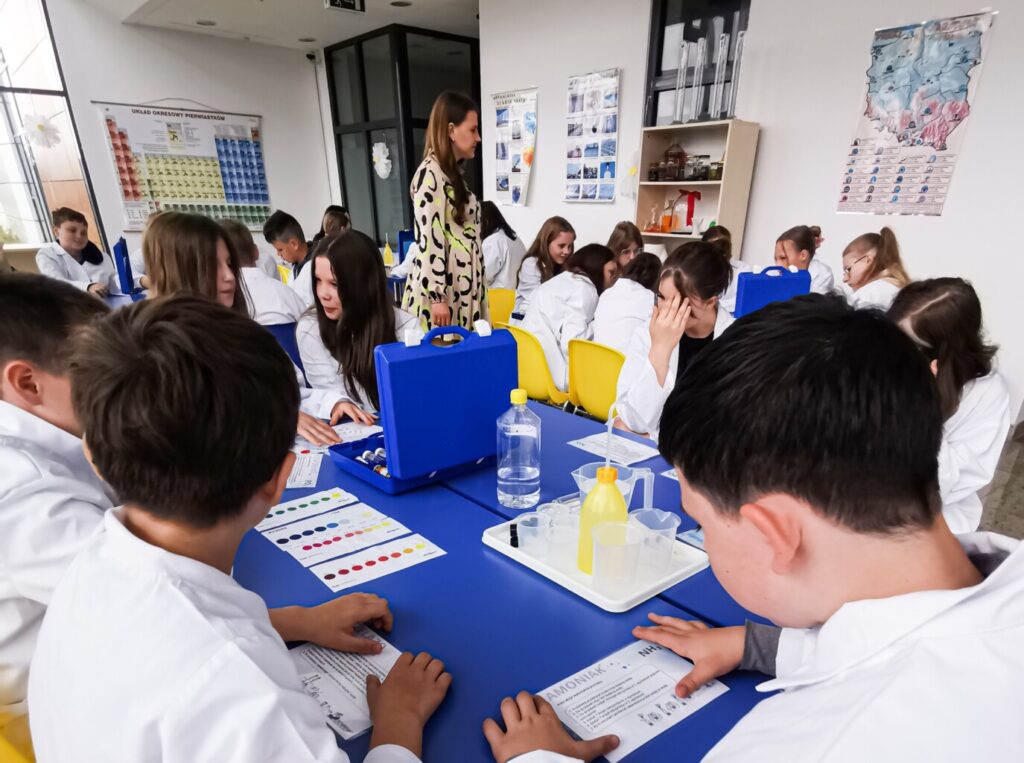
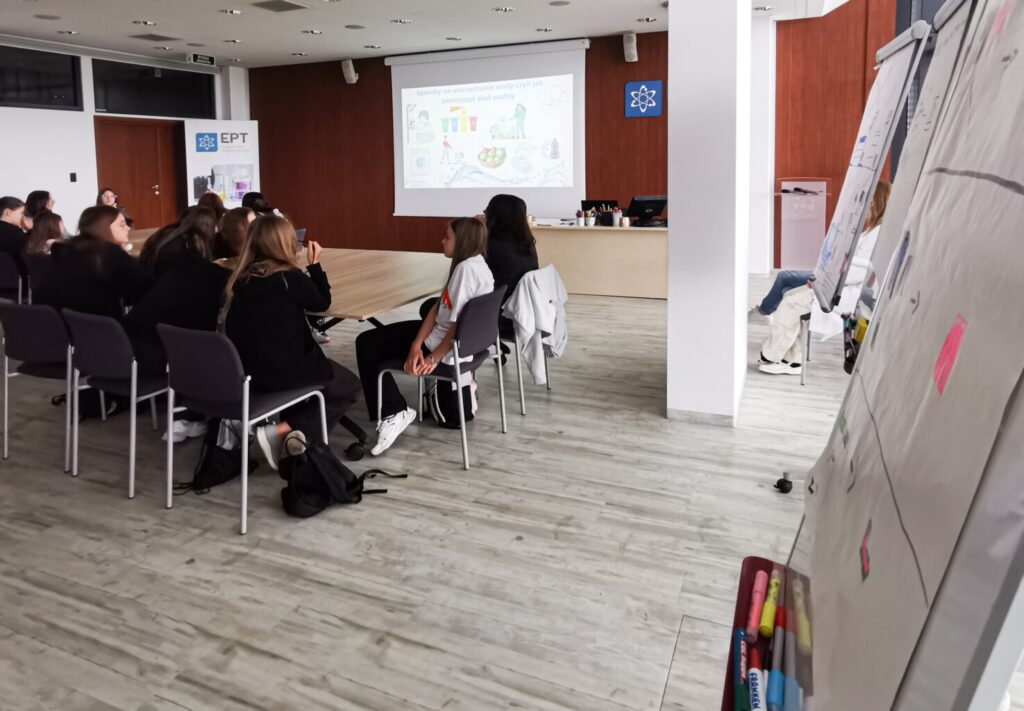
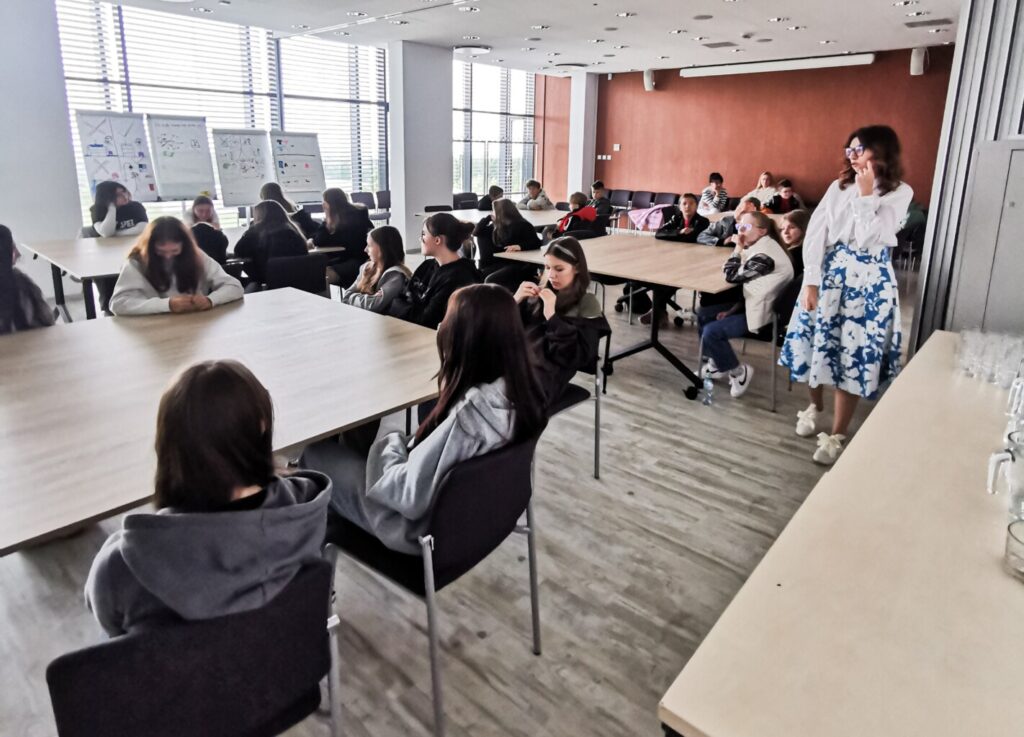
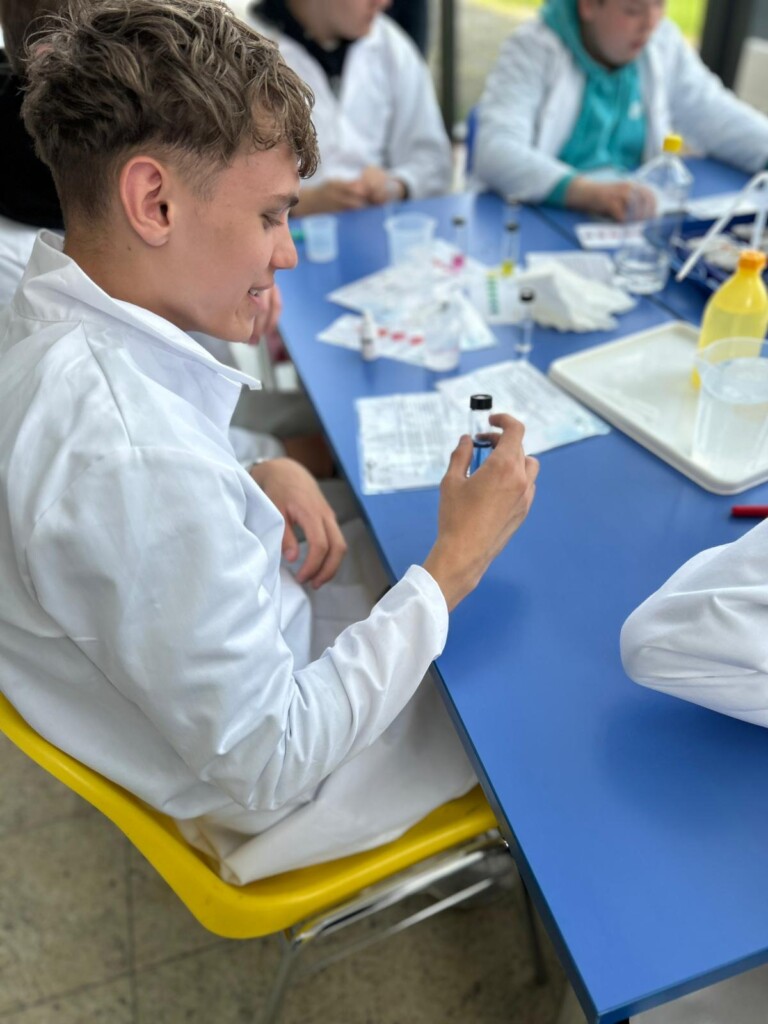
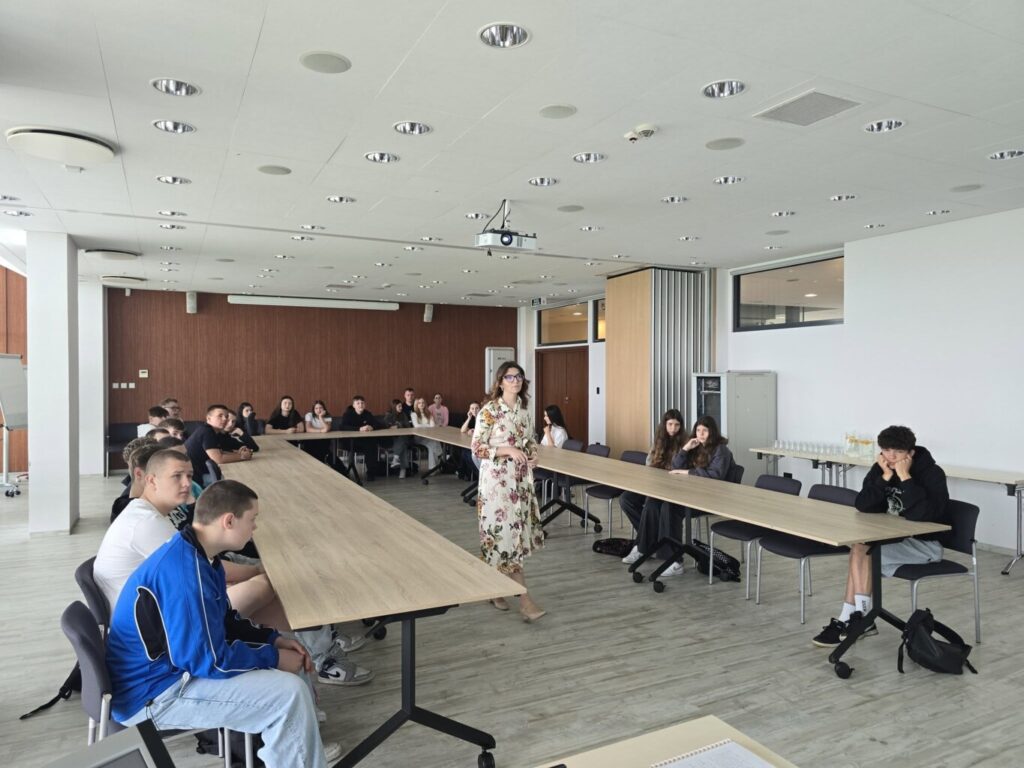
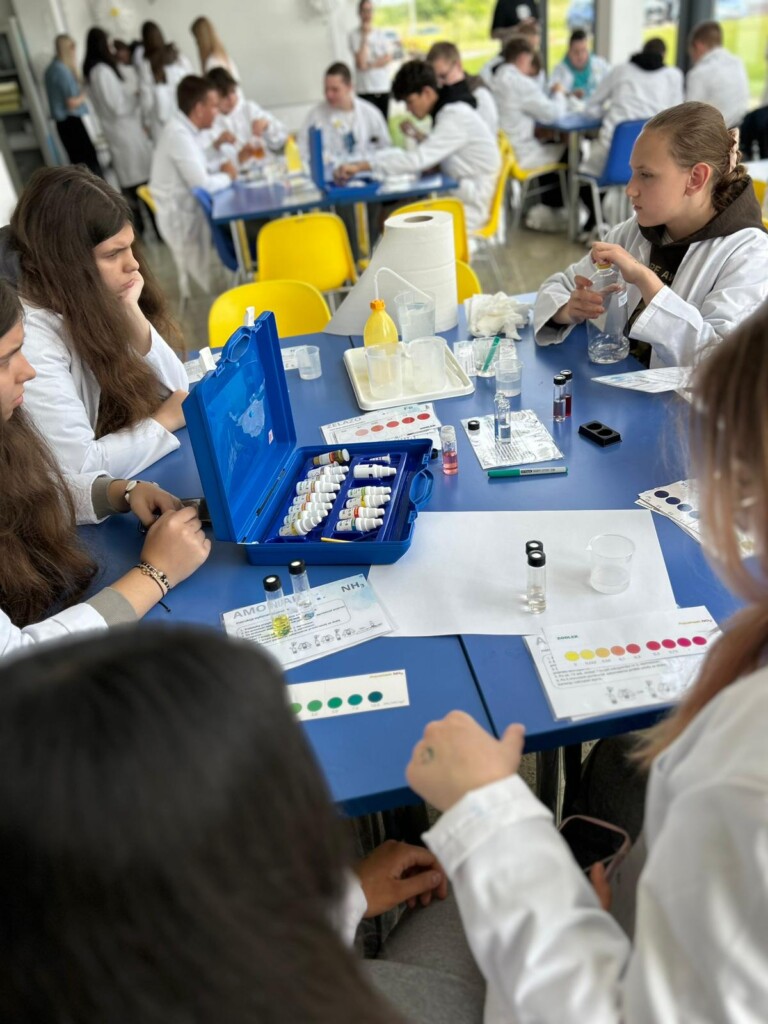
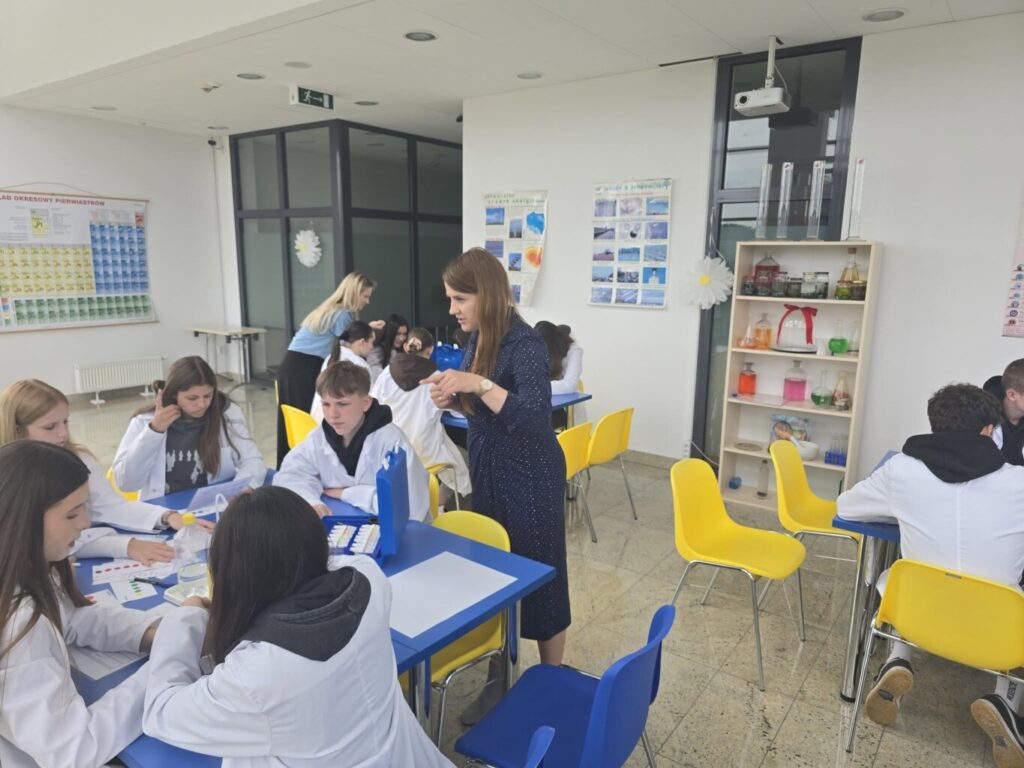
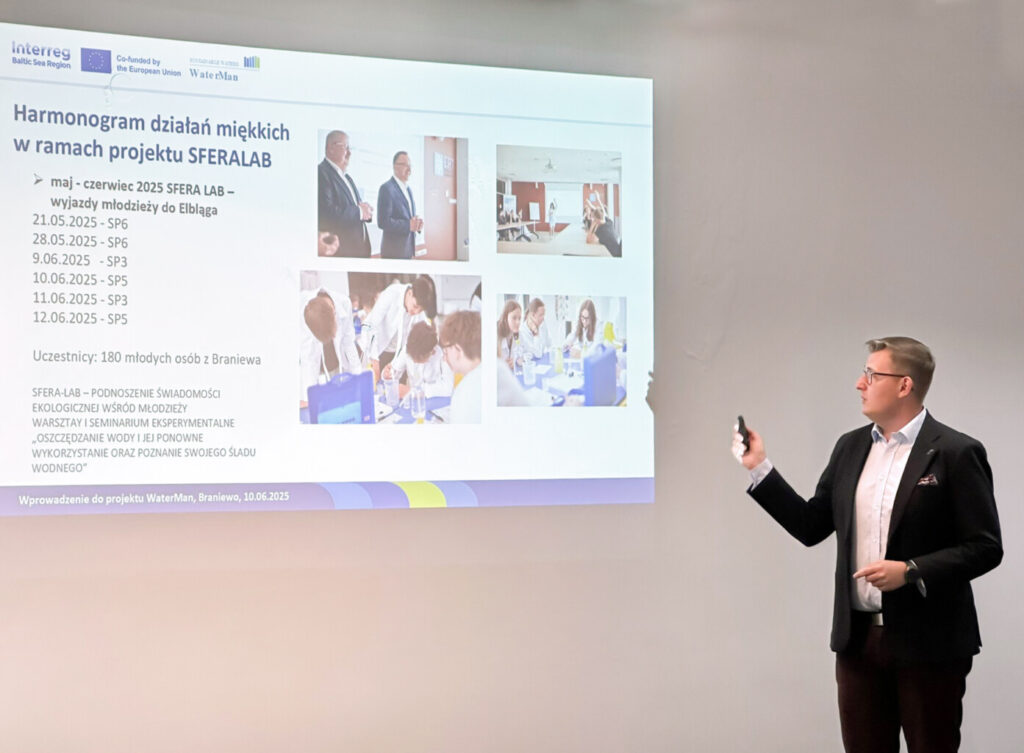
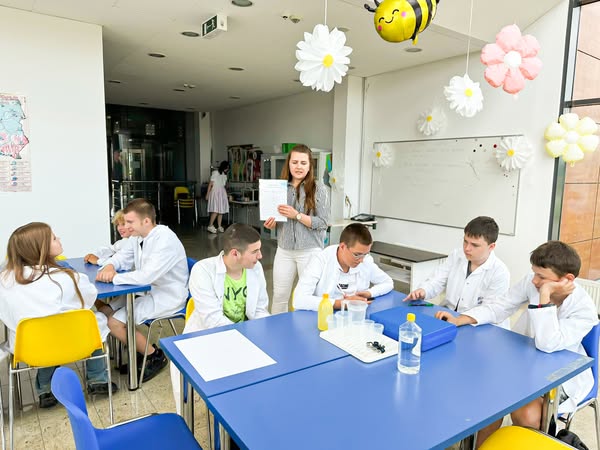
The finale of the WaterMan project workshop with young people from Braniewo - the last meeting within the framework of SphereLab is behind us. This time the Elblag Technology Park was visited by another class from the Senate of the Republic of Poland Primary School No. 3 in Braniewo, full of curiosity and commitment.

During the workshop, the youngsters:

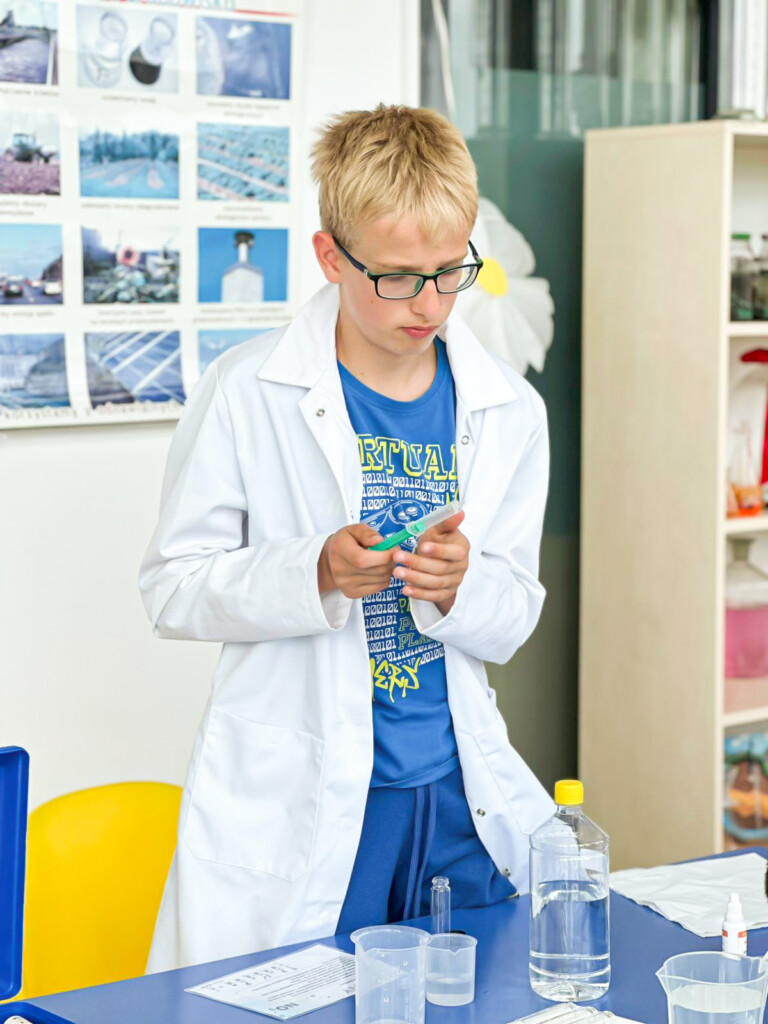
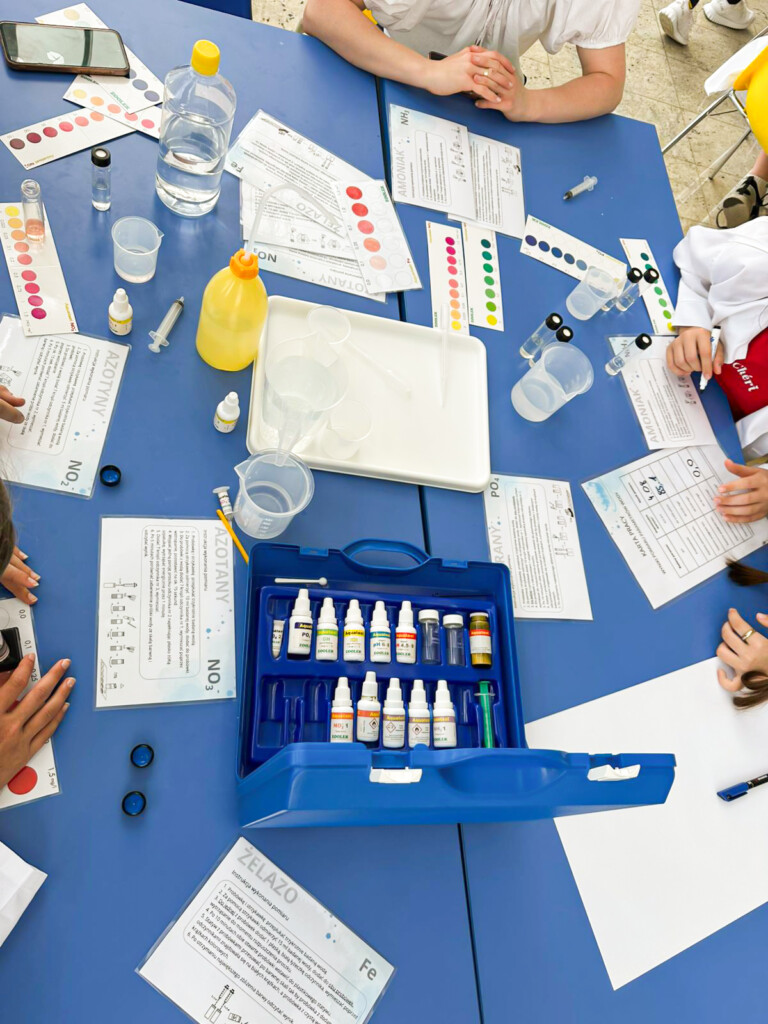
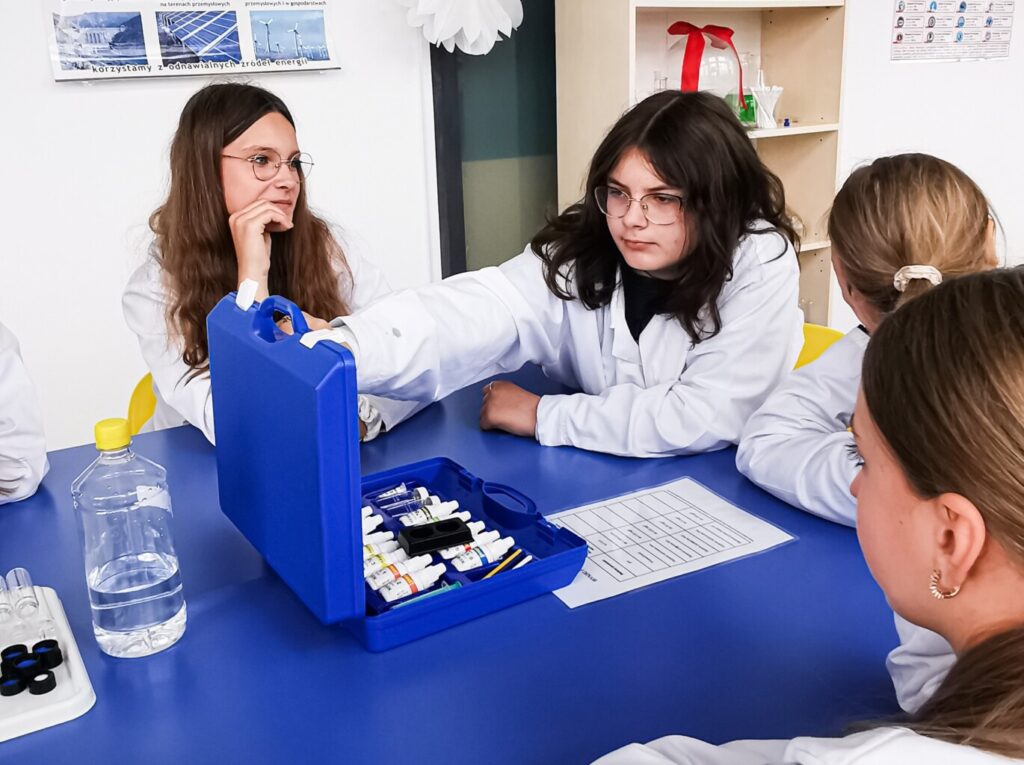
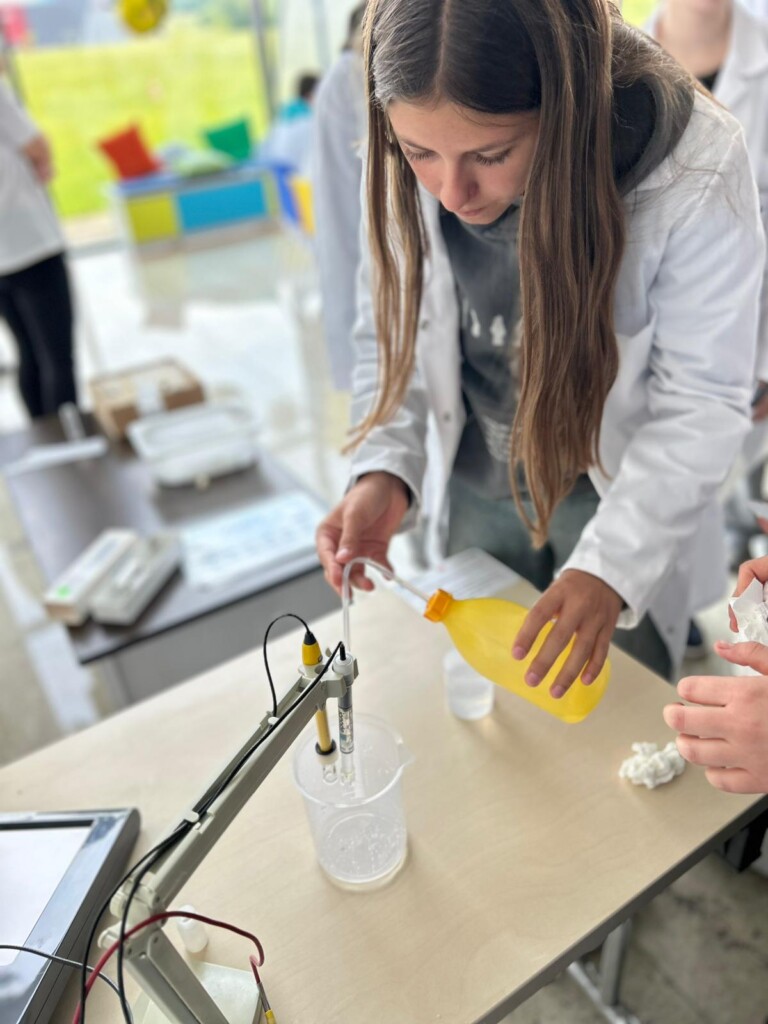
tested simple experiments,

learned about innovative technologies,

learned how to save water and reduce their water footprint.

As usual, it was a meeting not only with knowledge, but also with real action.

Each group that took part in the series of workshops made its contribution to environmental awareness and concern for common resources.

We thank all students and teachers for their participation, openness and energy.

This is the end of the workshop, but only the beginning of real change.

SP 3 from Braniewo on SferaLab

WaterMan project - today again water was in the spotlight.

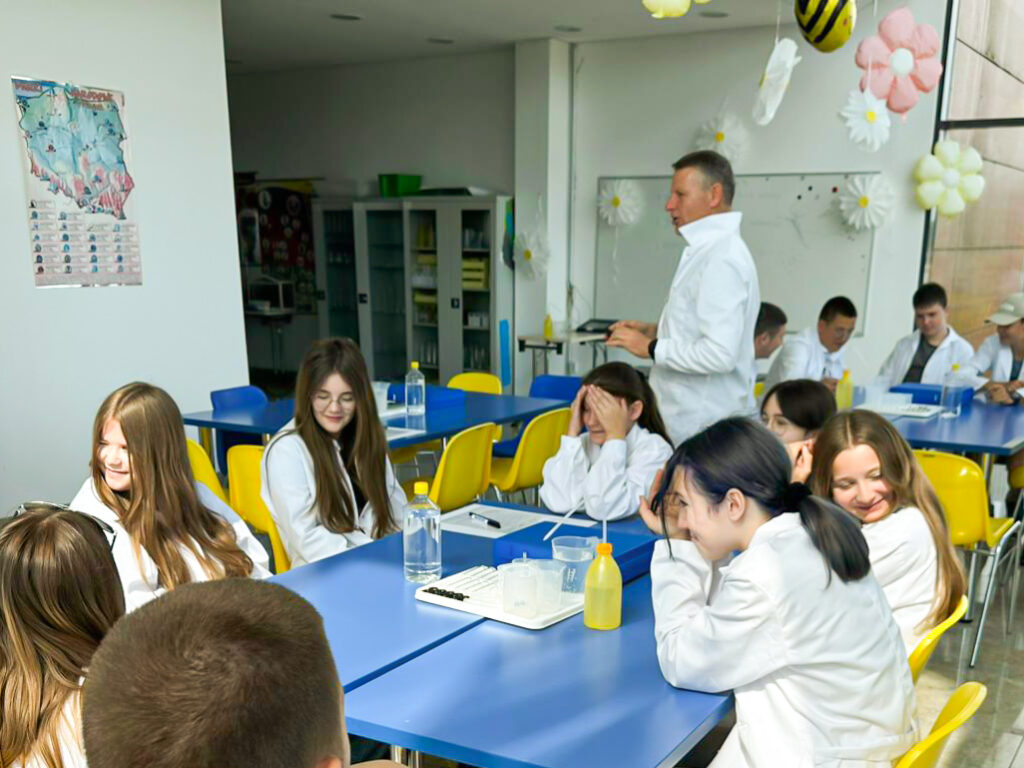
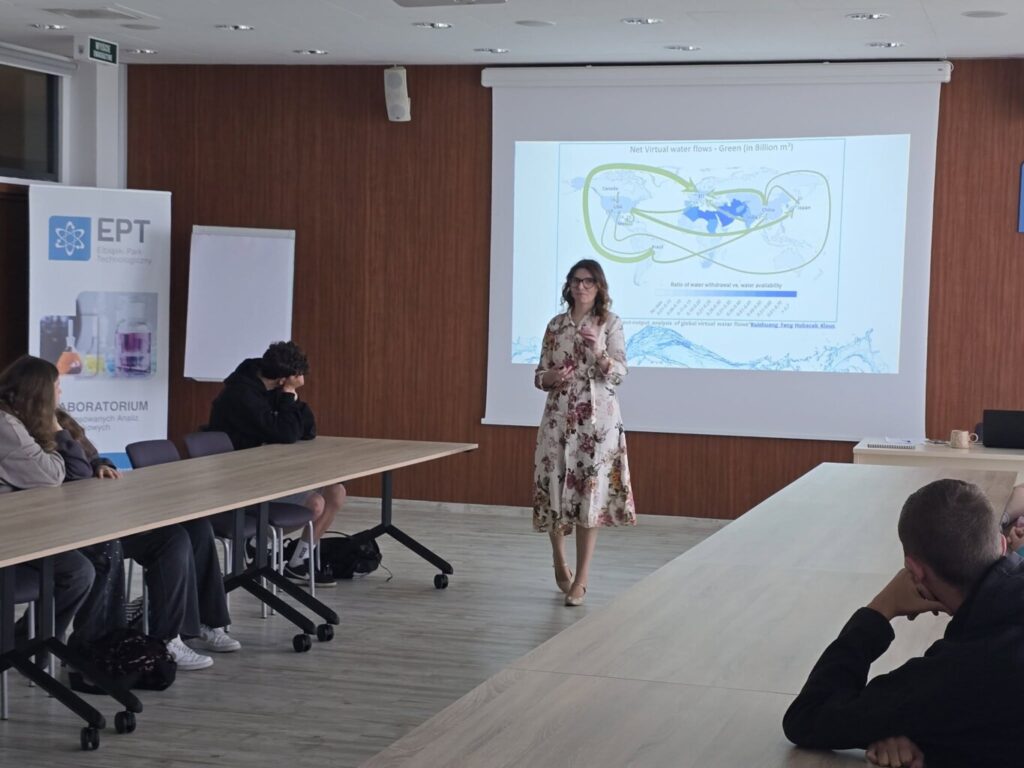
The Elblag Technology Park brought the topic of ecological awareness to the next audience - students of the No. 3 Senate Primary School in Braniewo. As part of the SferaLab workshop, participants learned how to save water resources, reuse them and how huge our daily water footprint is.

In addition:

conducted experiments,

learned about eco-technologies,

talked about water and the changes everyone can make.

Experiments, discussions and practical exercises made the topic of ecology close and understandable to them.

And tomorrow another group will assimilate the above knowledge.

Primary School No. 5 in Braniewo at SferaLab

The WaterMan Project and Another Group of Braniewo Youth Exploring the World of Responsible Water Management!

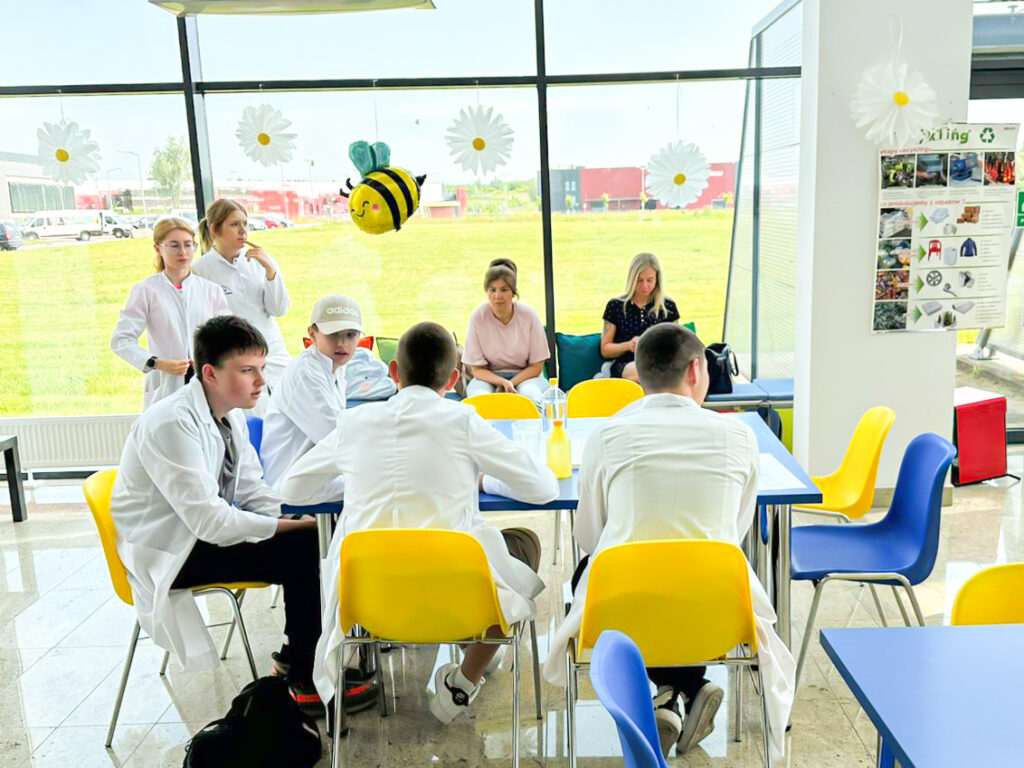
Today, students from Primary School No. 5 named after the Land of Braniewo visited the Elbląg Technology Park. This was the third meeting in the Sfera Lab educational series. Just like their peers from previous schools, today’s participants took part in workshops focused on water conservation, reuse, and the concept of water footprint.

During the workshops, students:

And tomorrow, another school will be expanding its ecological knowledge!