How do we increase citizen involvement and contribute to the development of participatory democracy in our local communities?

Civic engagement and participatory democracy are essential elements of a healthy and prosperous society. They enable citizens to actively participate in decision-making processes that affect their lives and communities. This strategy proposal aims to outline a long-term plan to promote civic engagement and participatory democracy, foster informed and active citizenship, and strengthen the democratic foundations of our society.

We invite you to read and use the resources produced for the newly developed "Long-term Strategy for Citizen Involvement and Participatory Democracy" developed within the framework of the international project "Think Global Act Local" that we have been working on for the last 12 months, bringing together proven methods and techniques and experiences of citizen participation from 5 EU countries.
The strategy presented here, created as part of the CERV: Think Global Act Local [TGAL] project, is based on the experiences of participants representing different social groups, authorities and citizens, as well as their experiences and best practices. It is intended to increase among all those involved in civic participation and work with citizens, including local government employees and active leaders, the knowledge and capacity to better engage and include all local citizens in decision-making processes.

On the one hand, the presented tool gathers theoretical knowledge on the principles, methods and techniques of increasing and building civic involvement, civic participation, and strengthening consultation processes and, on the other hand, promotes the best and proven local practices that can then be transferred to other local communities, building a real and active civil society.

In preparing the above strategy, the consortium has tried to make it as practical as possible, so that it is not just a conceptual document, another strategy, but an effective toolbox for choosing the right methods and techniques for local conditions. In this material, all interested stakeholders can find guidance on how to prepare for, conduct and deal with the challenges of participatory processes, focusing mainly on public consultation and various methods of involving citizens in decision-making processes. In addition to theory, there is also room for practice presented by project members and local citizens from 5 European countries: Romania, Poland, Greece, Italy and Spain.

The strategy includes not only a toolkit, a general framework and the best examples of effective participatory tools and methods, and should primarily serve novice local government officials, but many threads will also be useful for advanced organizers of participatory processes.

This strategy is divided into 4 chapters including:

In addition, in the material provided you will find:

We invite you to read it!
The following report is the result of the joint work of the project consortium
ACTIVE E-CITIZENS: THINK GLOBAL ACT LOCAL

Document developed within the framework of: Citizens, Equality, Rights and Values (CERV) Program, Network of Cities for the implementation of project No. 101054109 entitled "Active EU Citizens"
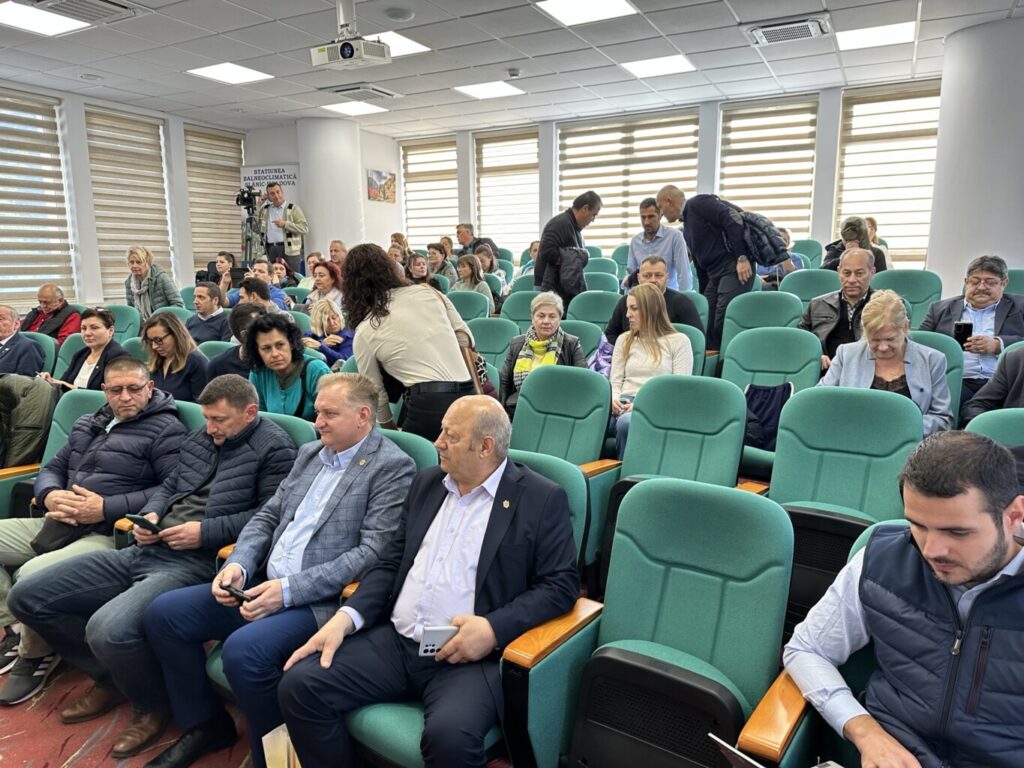
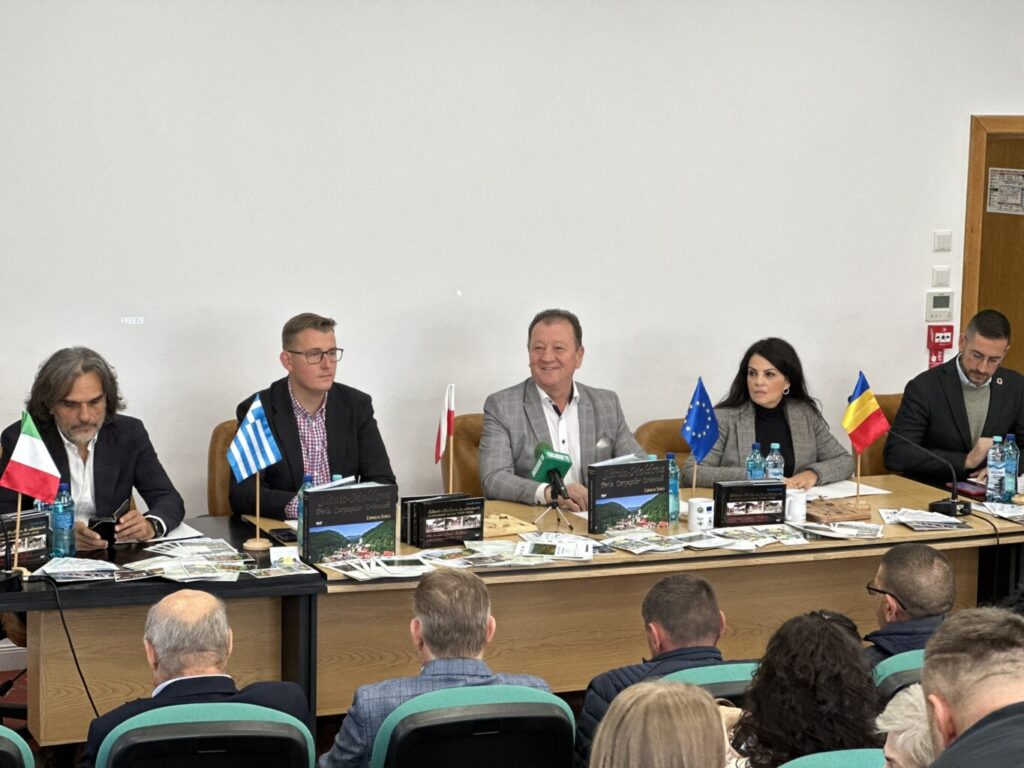
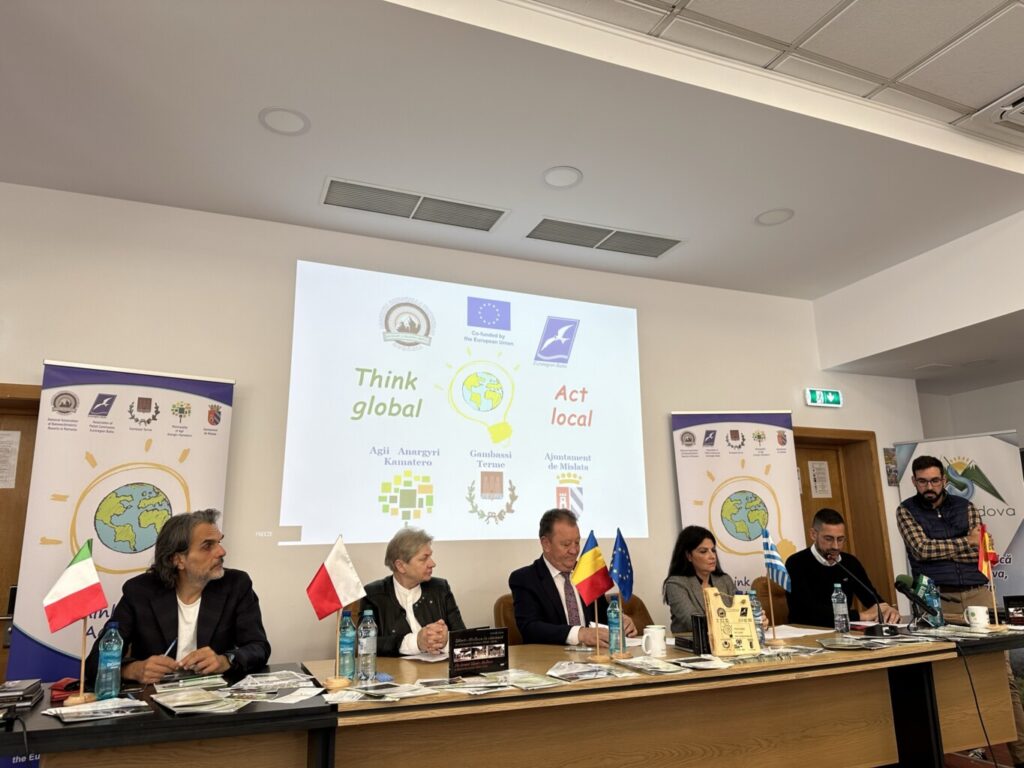
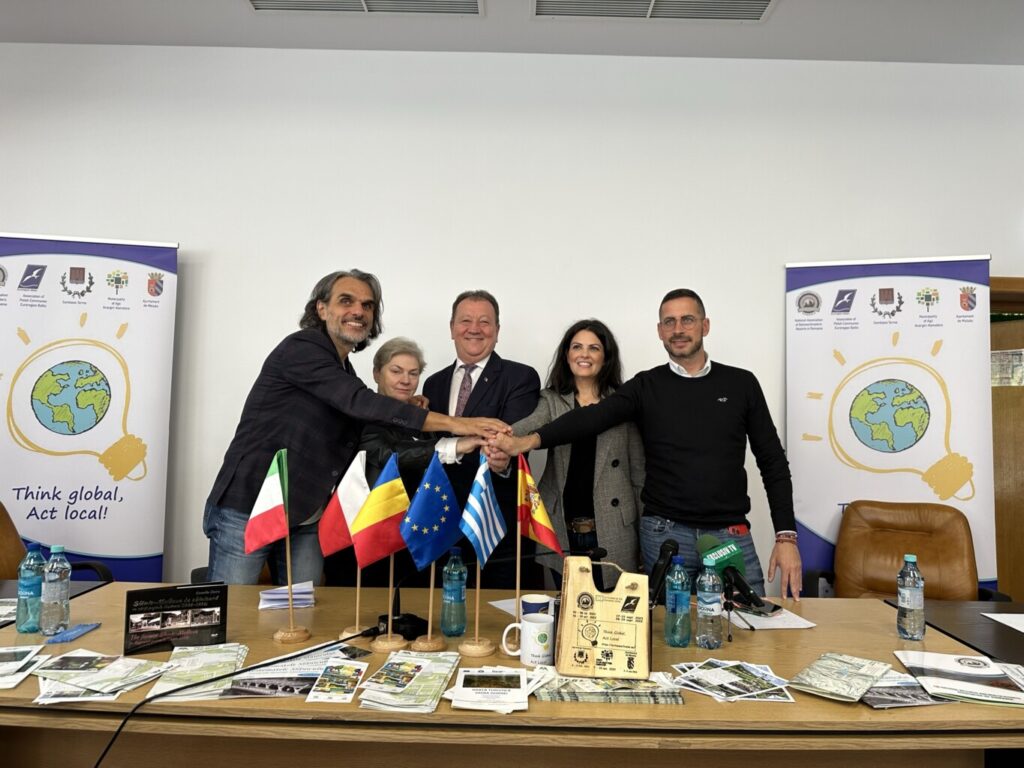
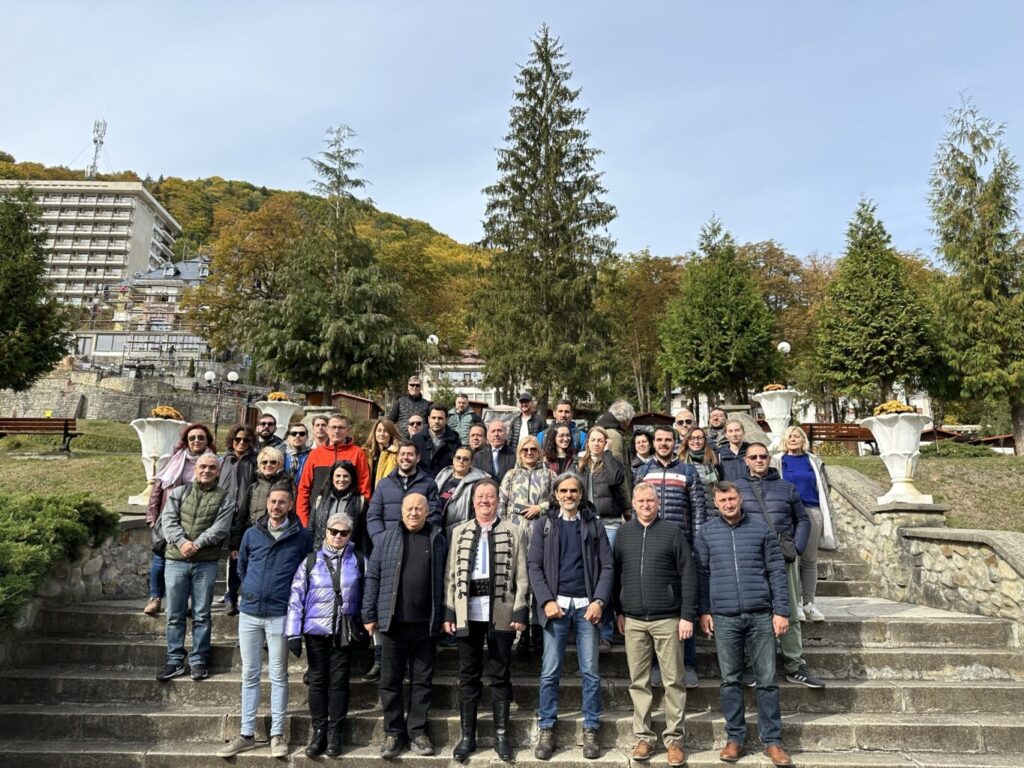
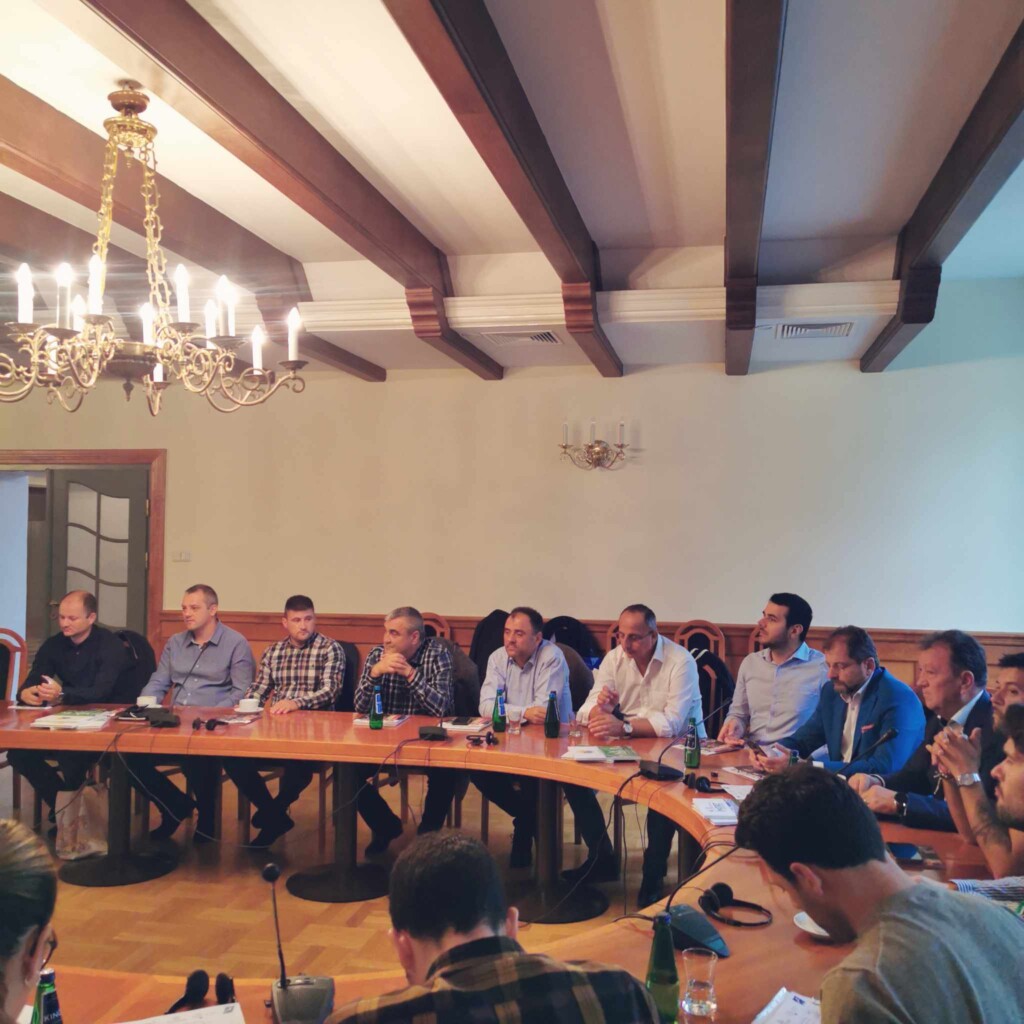
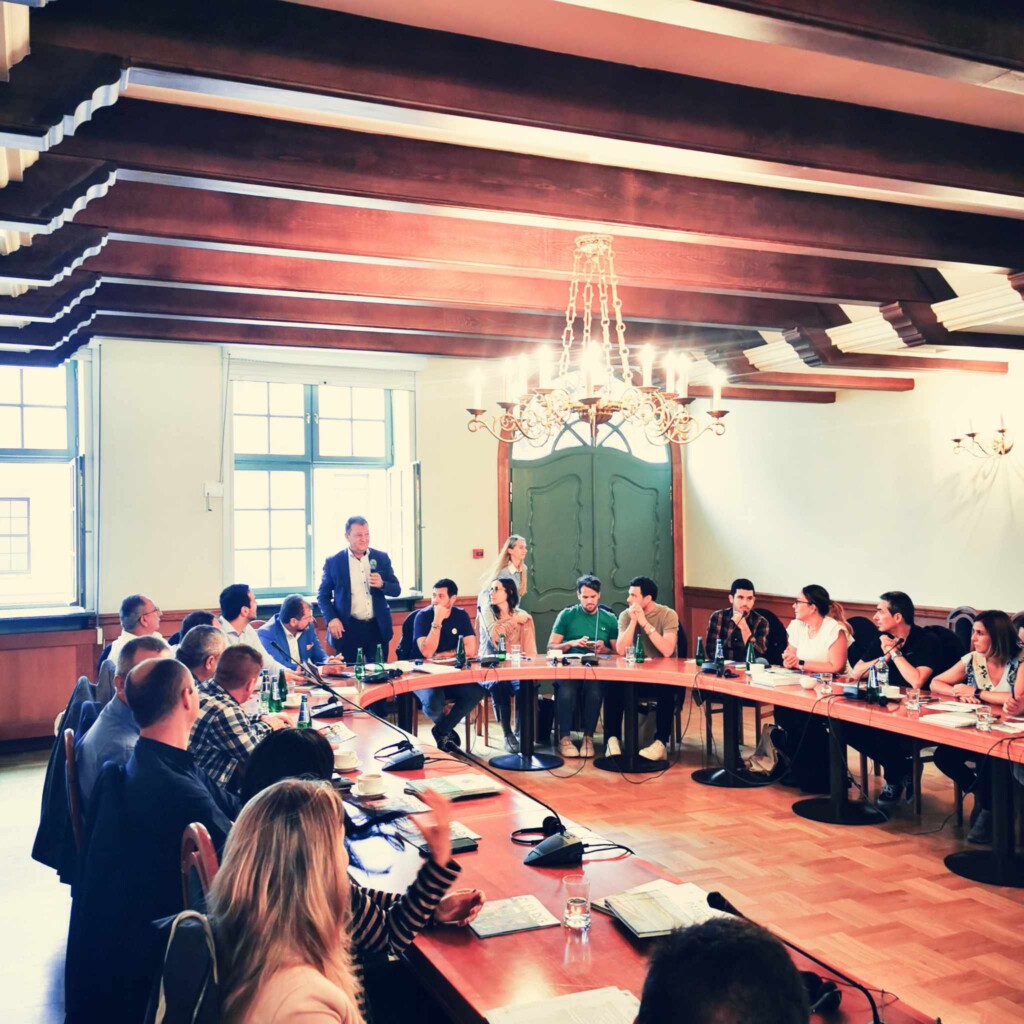
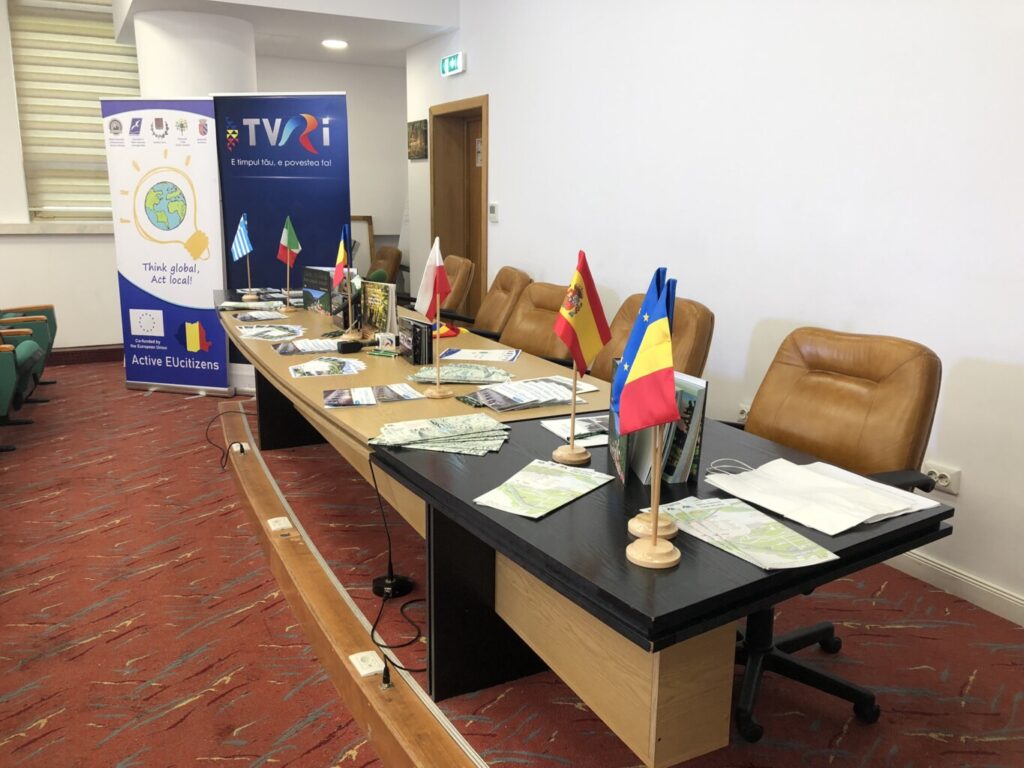
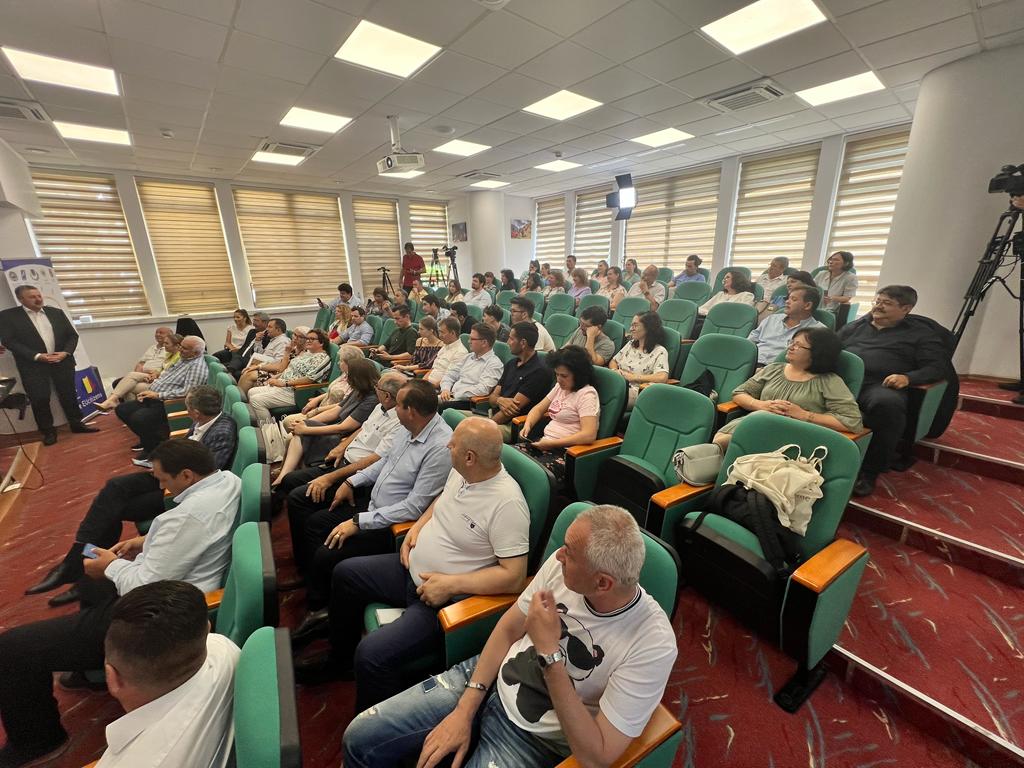
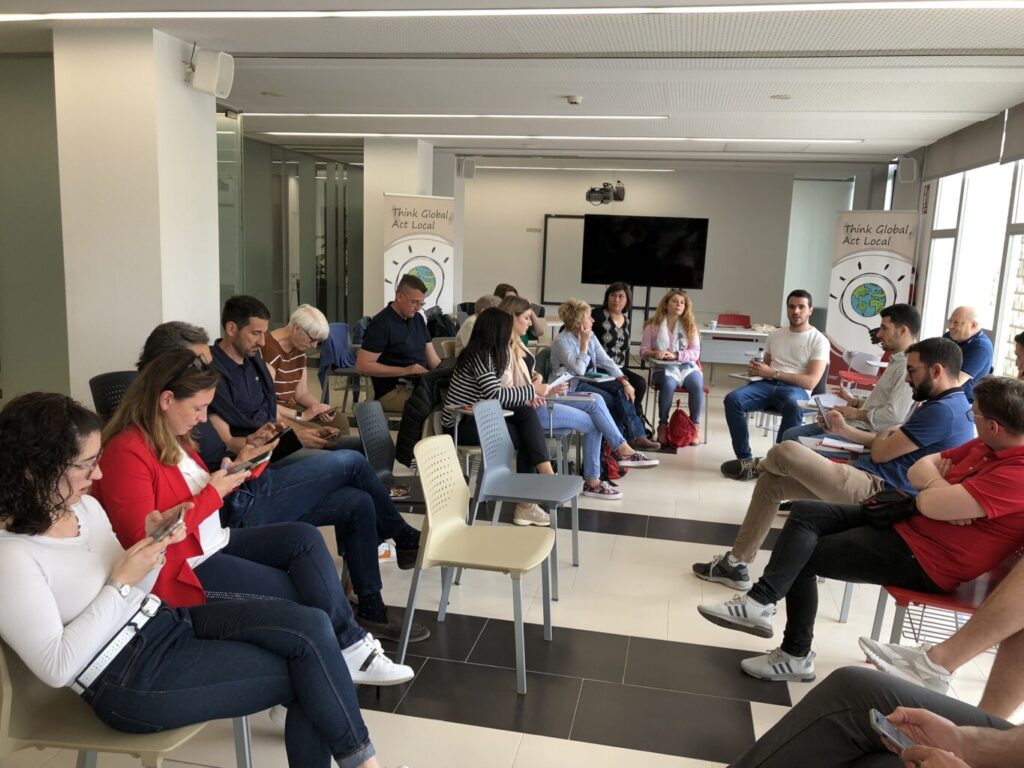
Second event in Romania 17-18.10.2023

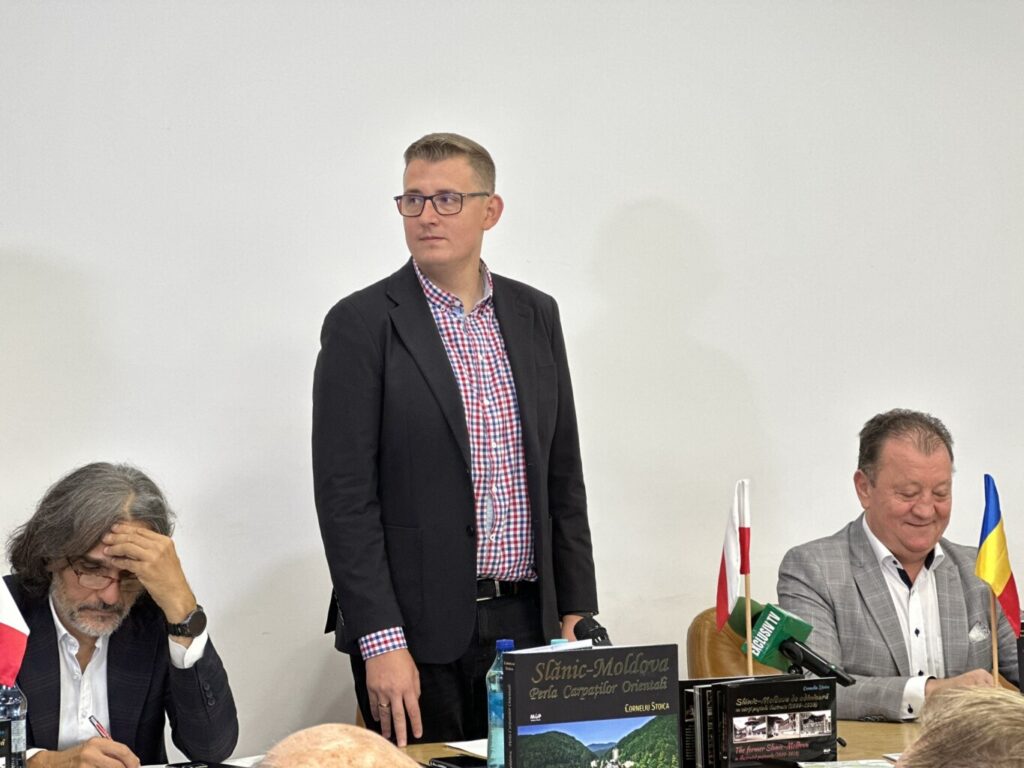
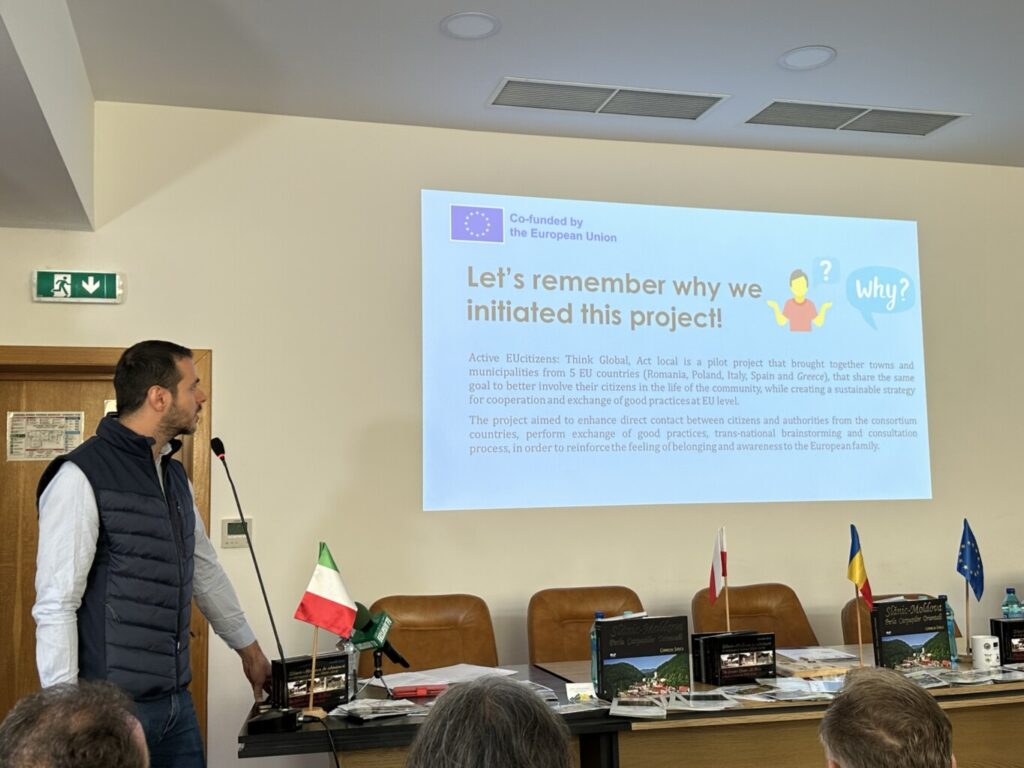
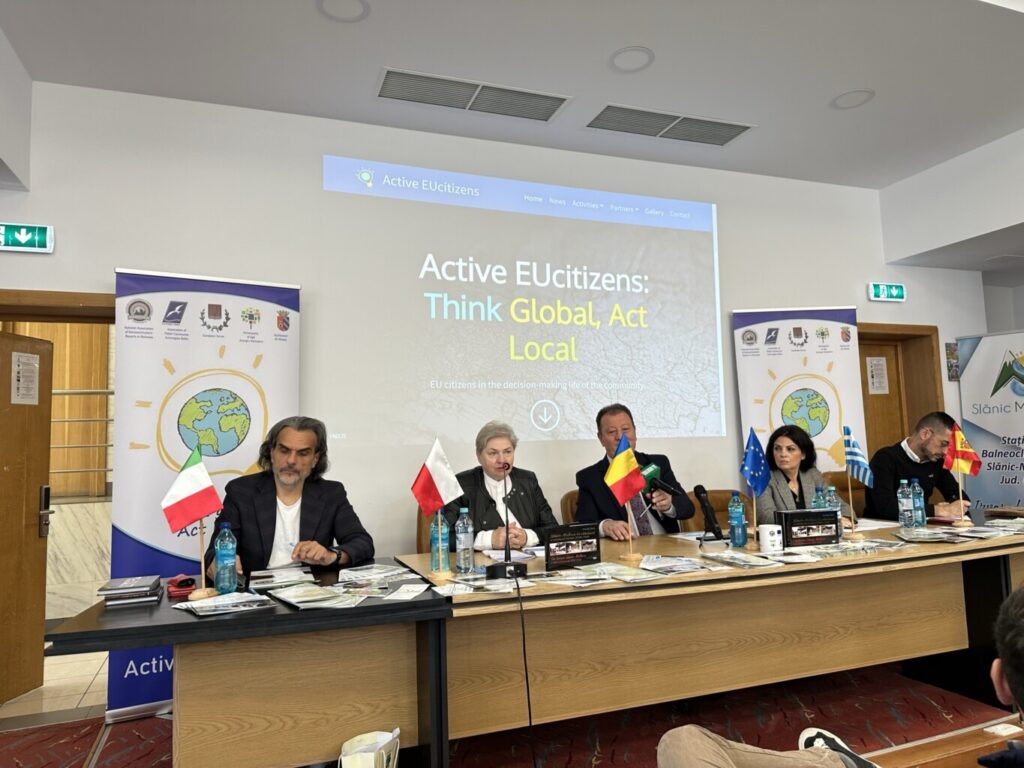
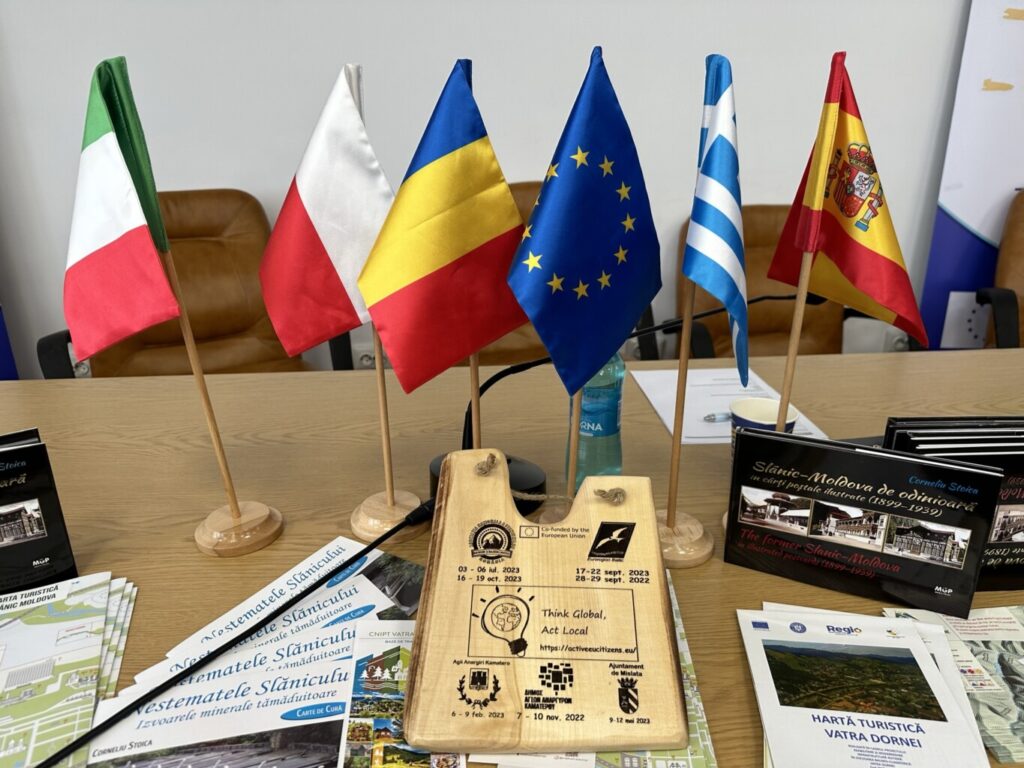
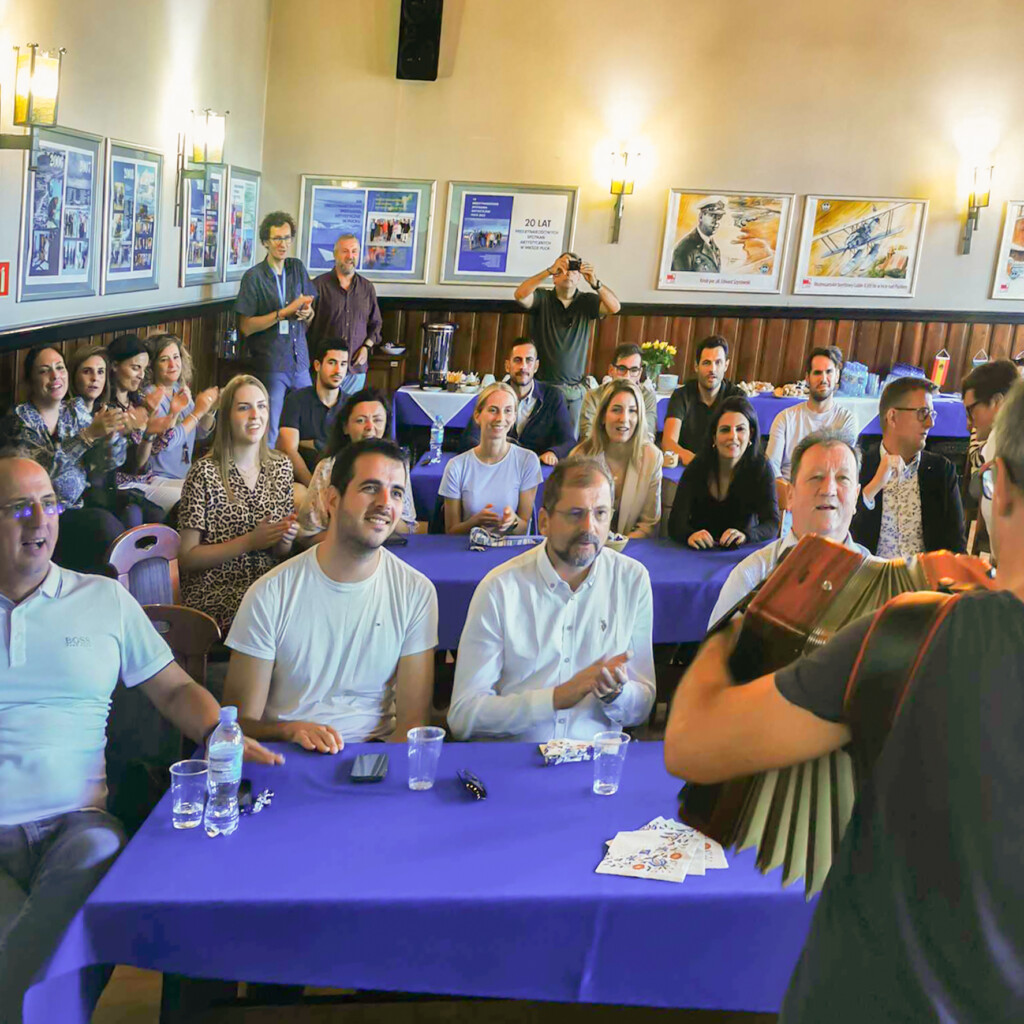
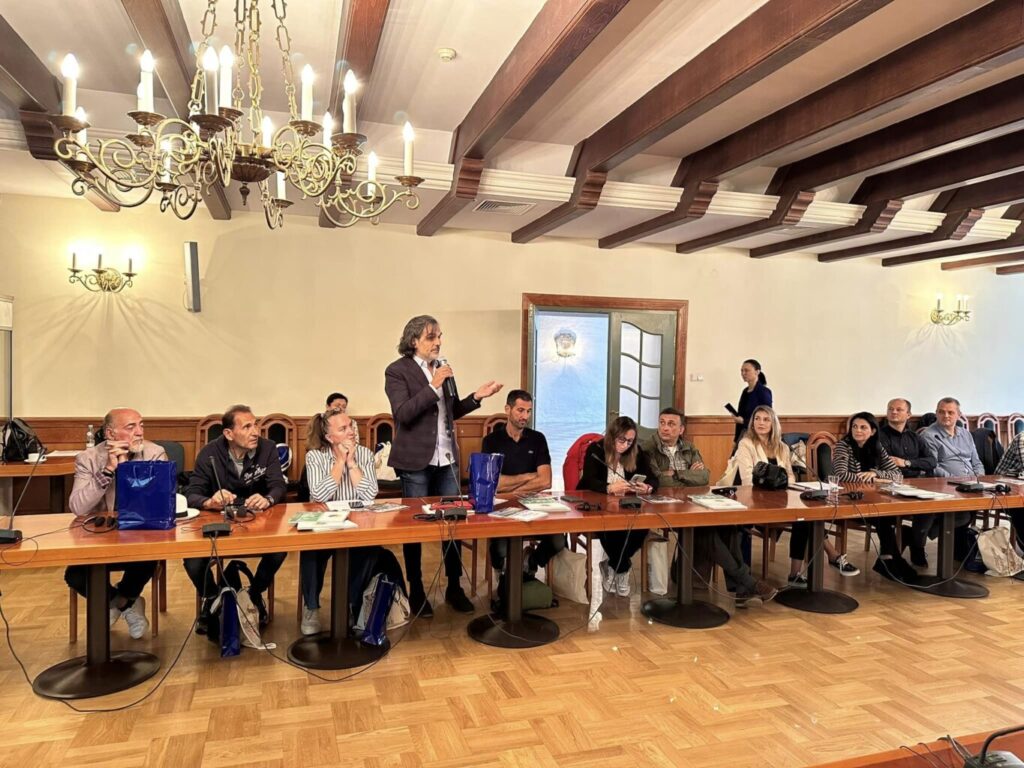
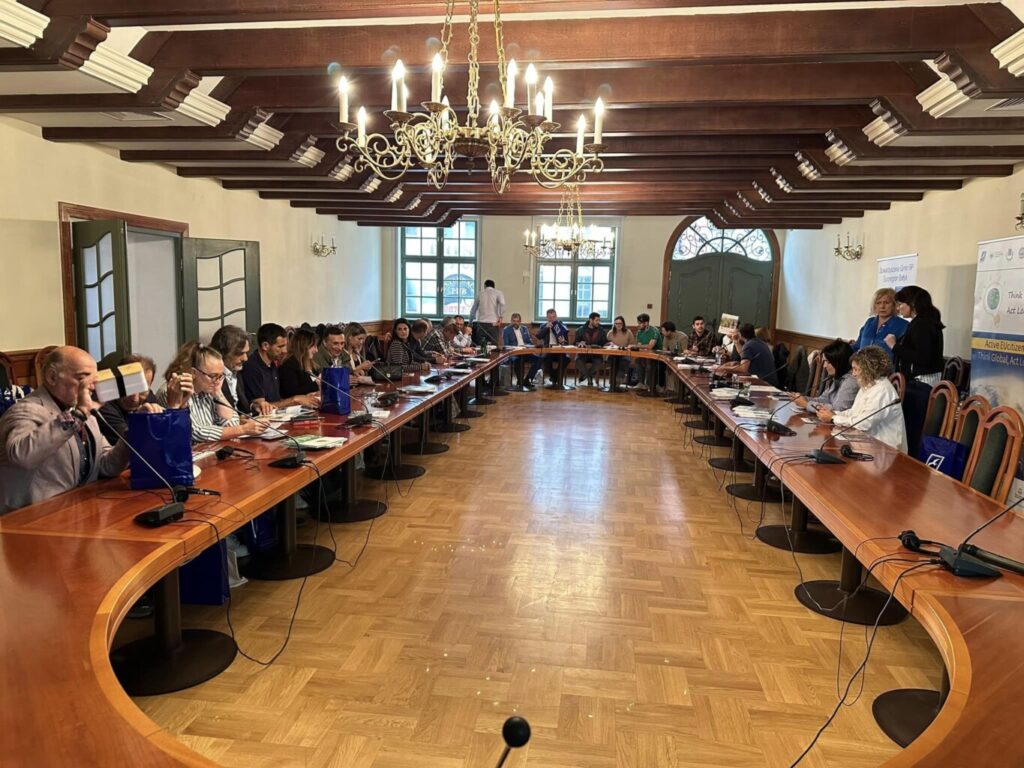
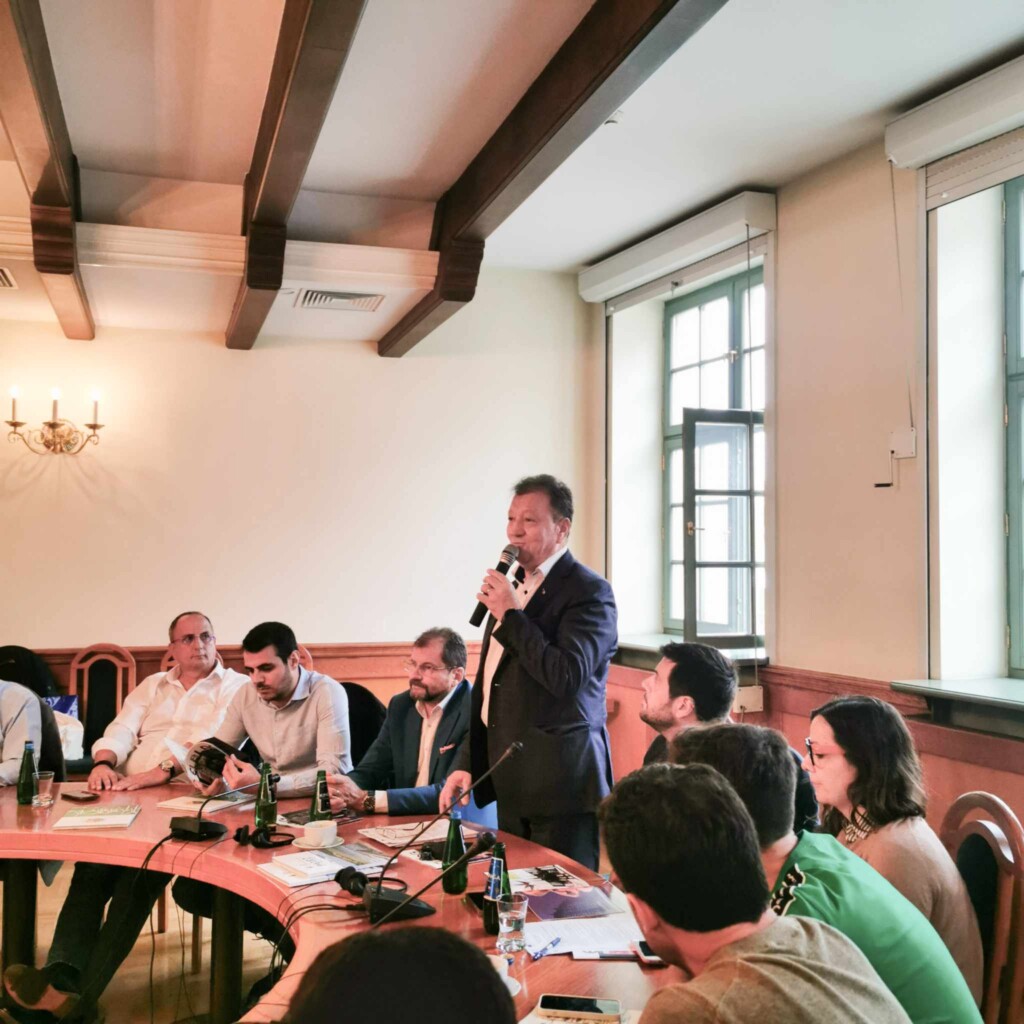
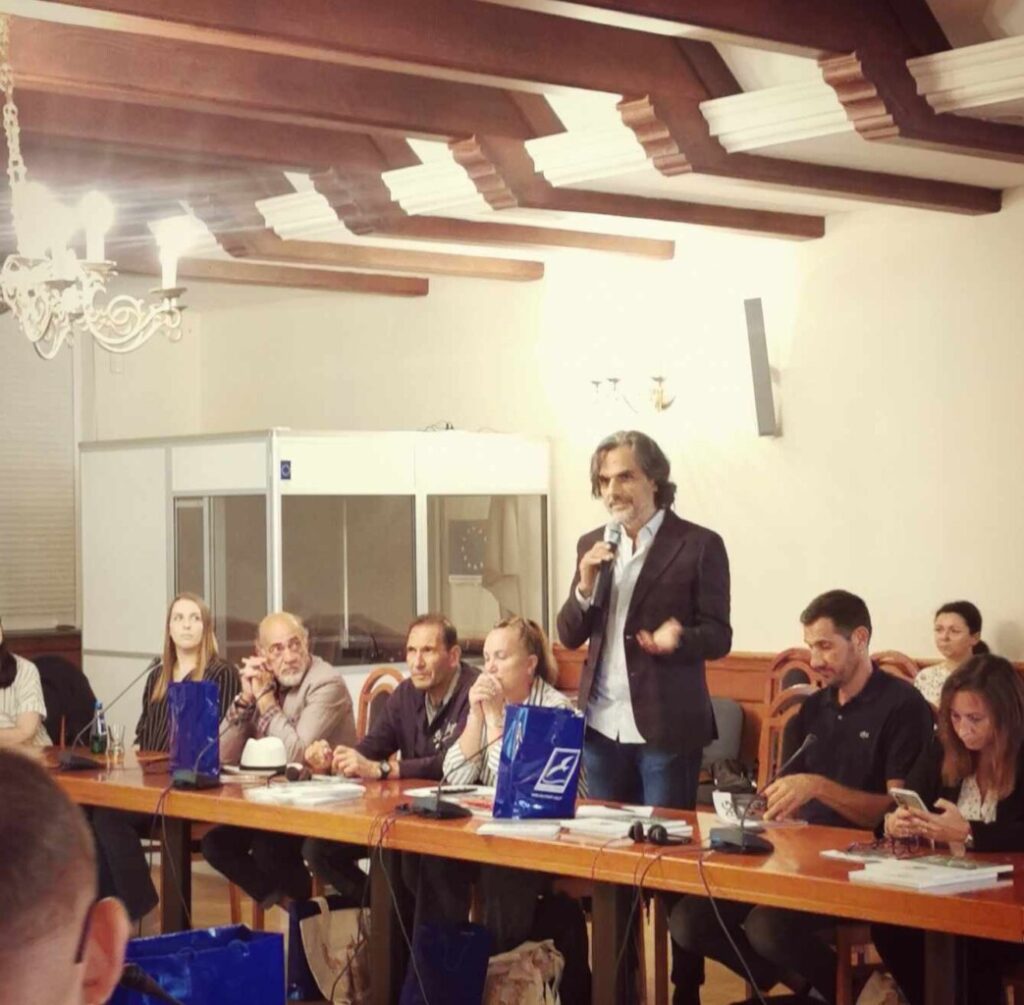
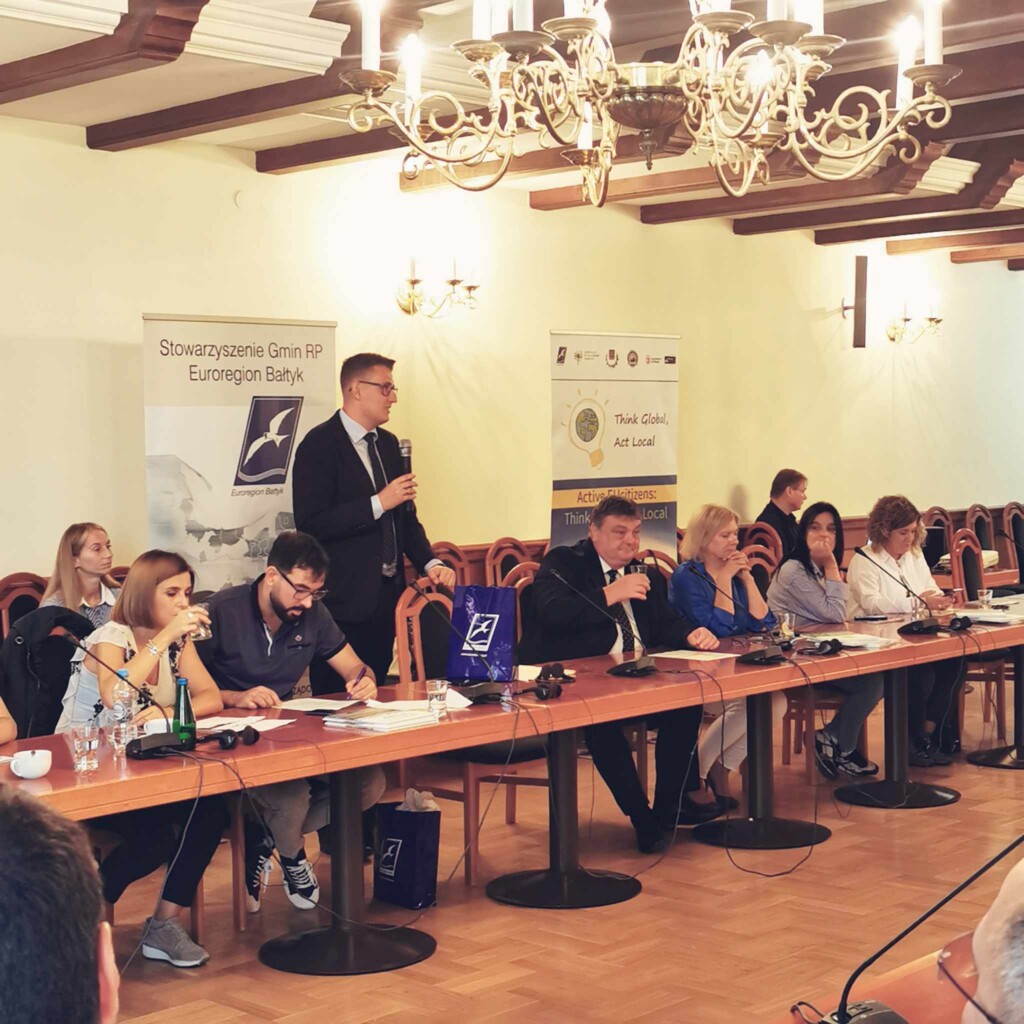
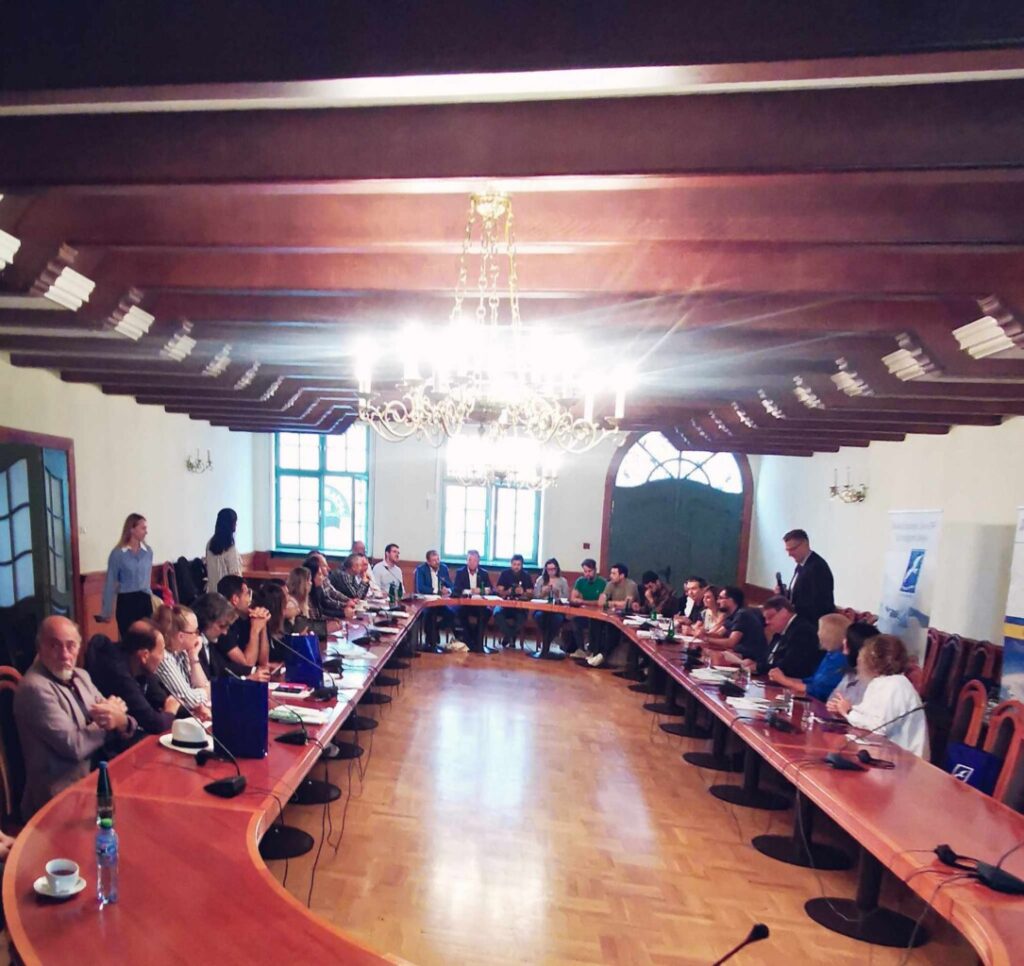
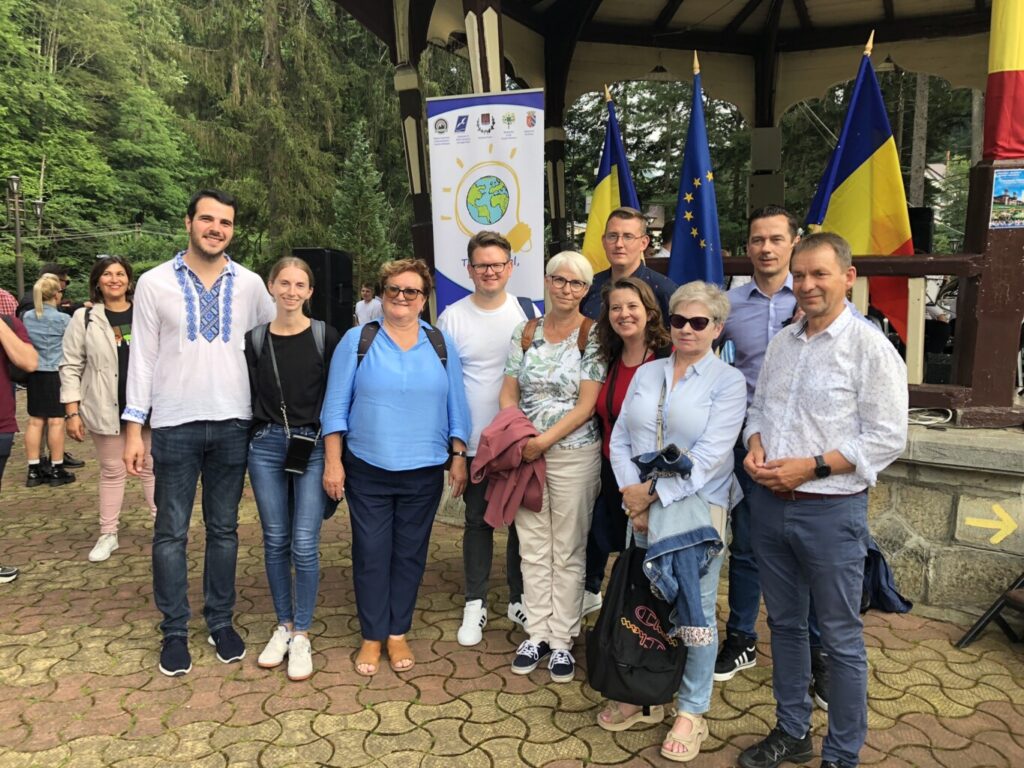
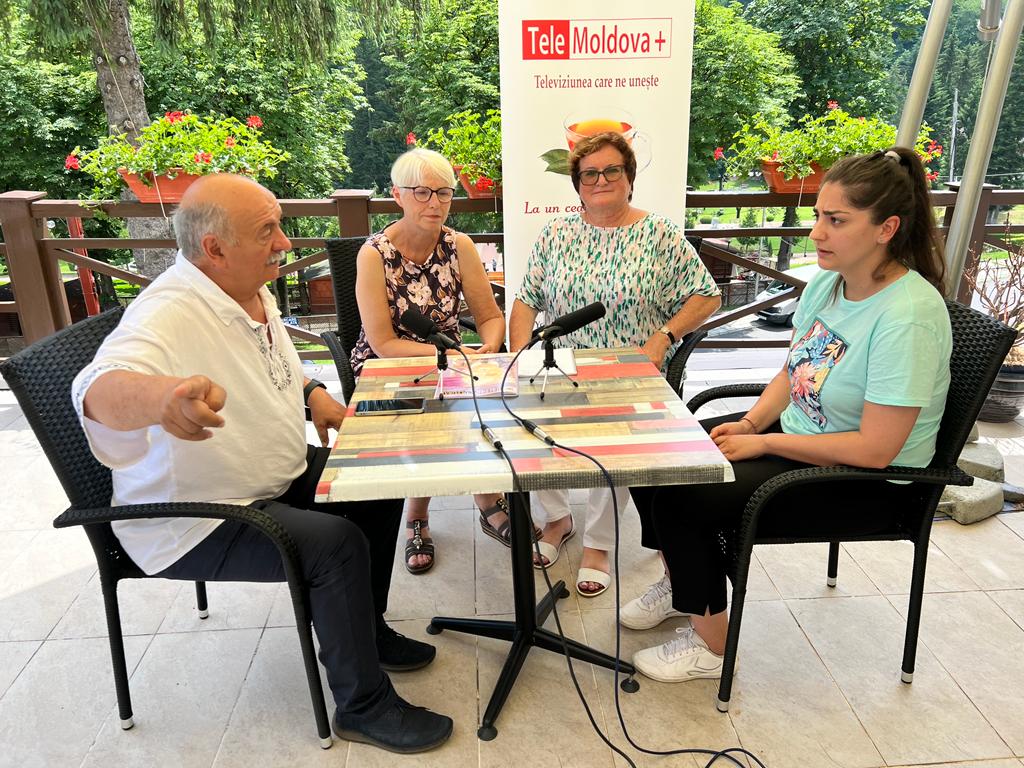
The final event of the Think Global, Act Local project, which took place in Slanic Moldova (Romania), is behind us. It was dedicated to summarizing the results developed in the project and focused on discussions about future joint activities.

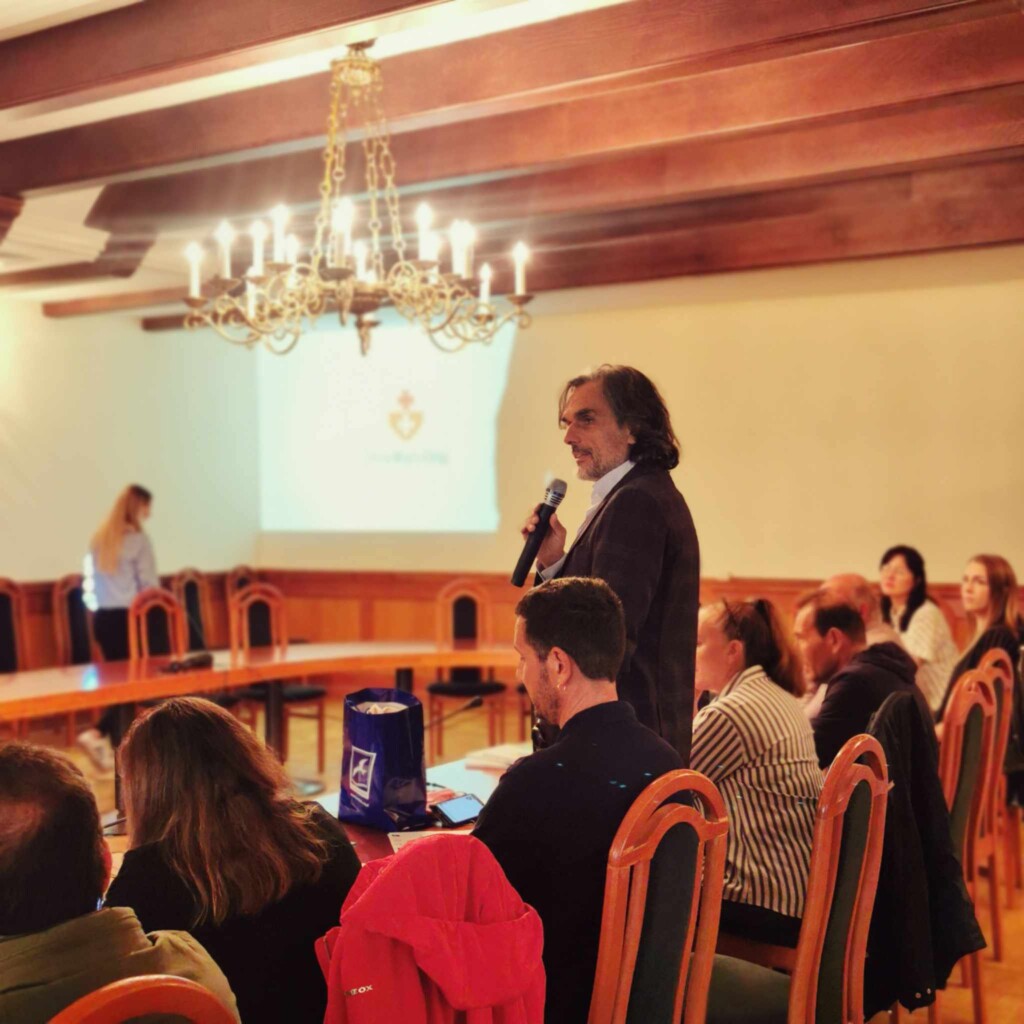
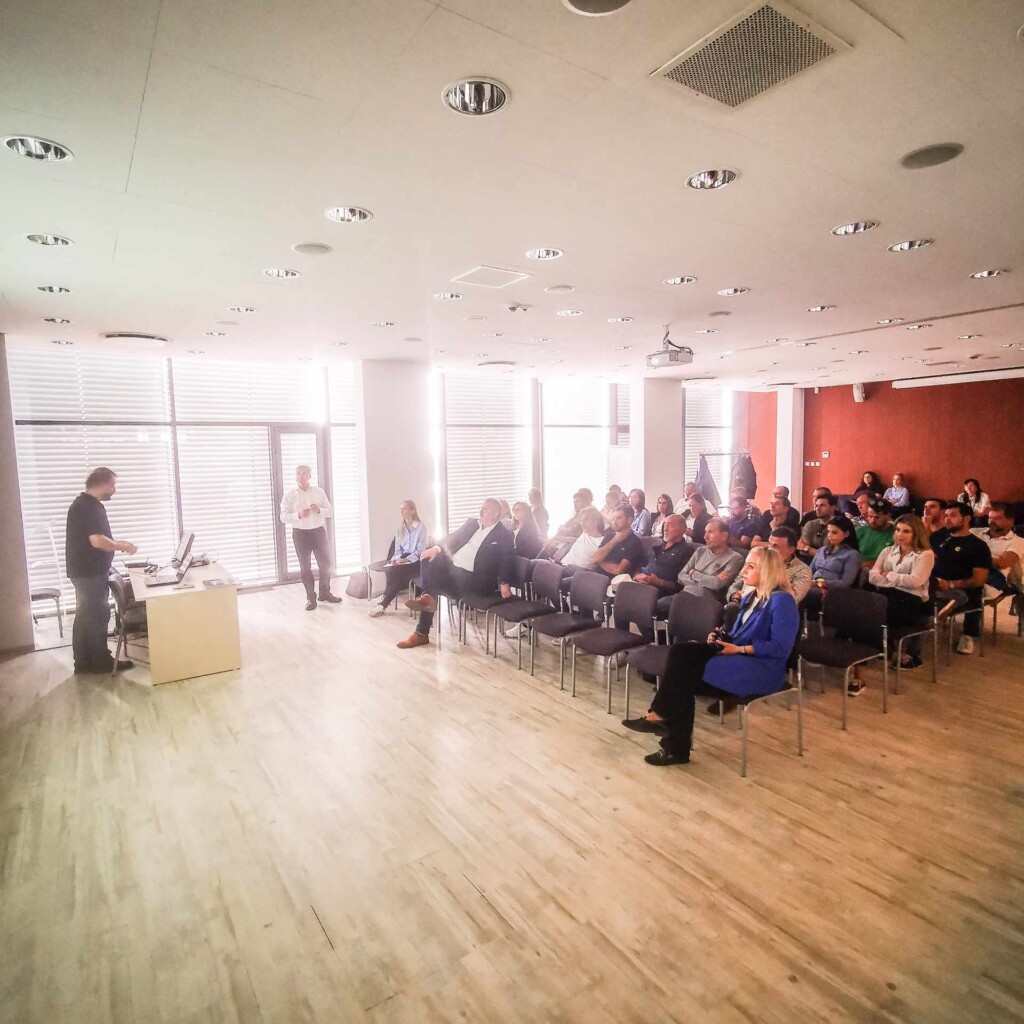
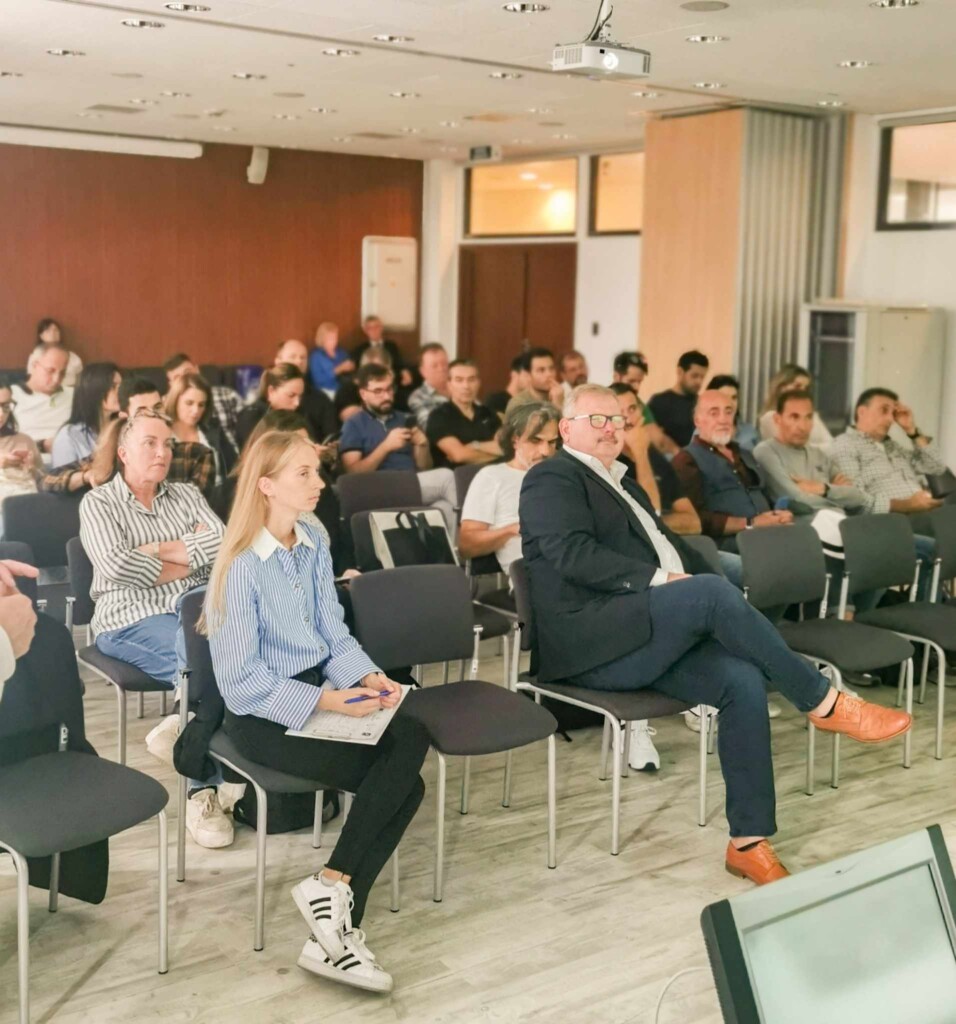
The project leader presented the project's assumptions again, while each of the partners introduced themselves due to the new participants who attended the meeting. After the presentation, the leader presented a summary of the project's activities and mentioned the highlights and results developed jointly by the partners as well as the participants involved.

Participants discussed opportunities for joint initiatives, work on which began while the project was still in progress. The most important element developed in the project was the Long-term Strategy for Democratic Engagement and Participation and the Strategy for Strengthening Cultural Heritage at the Local Level through Cooperation at the European Union Level.

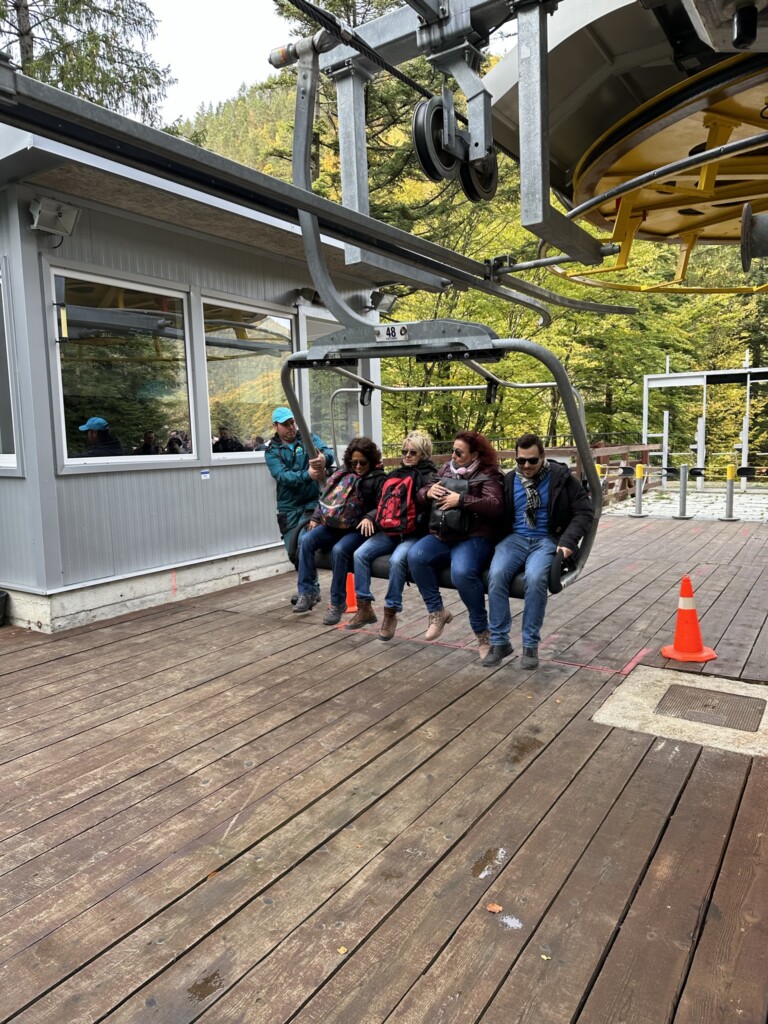
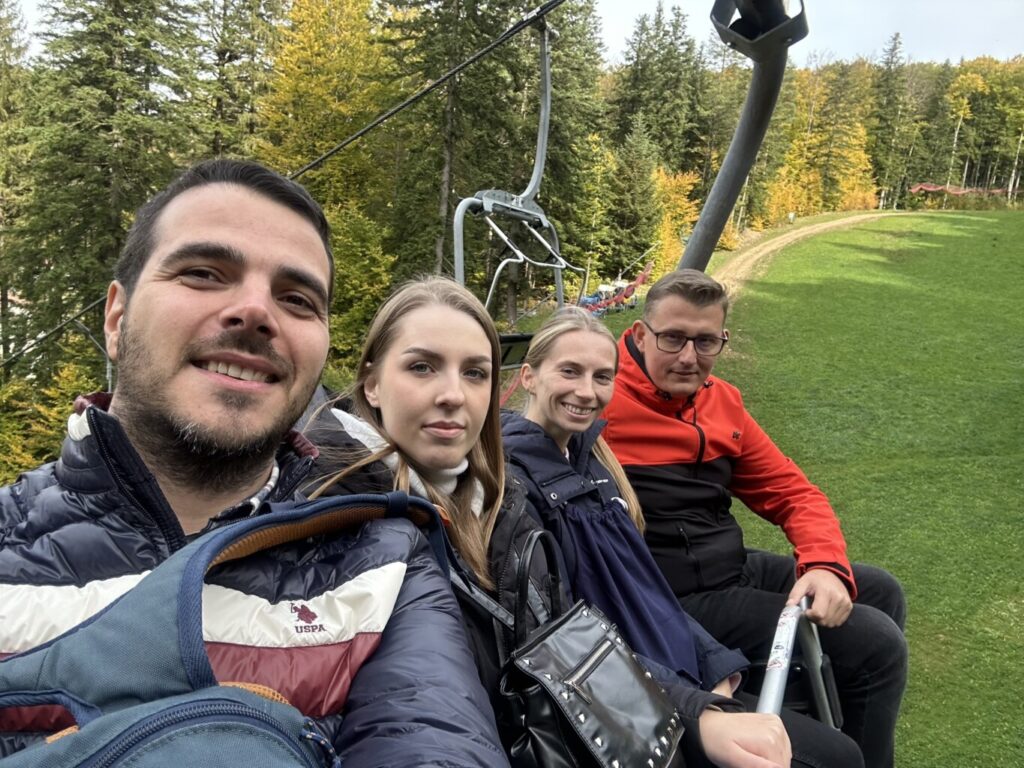
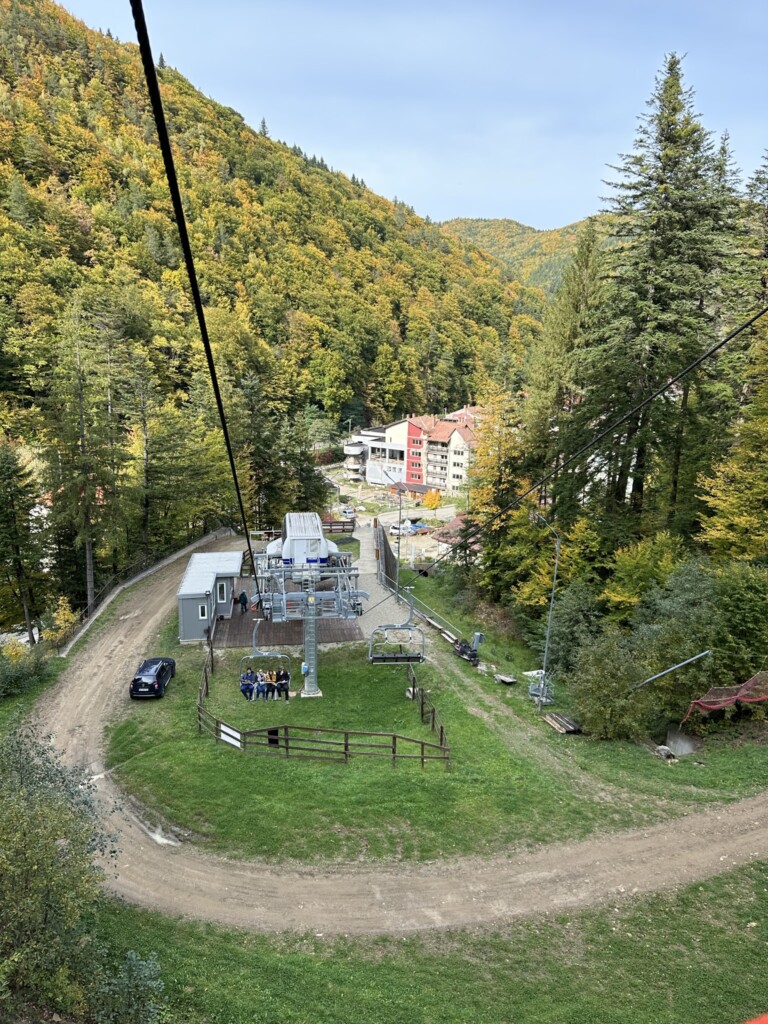
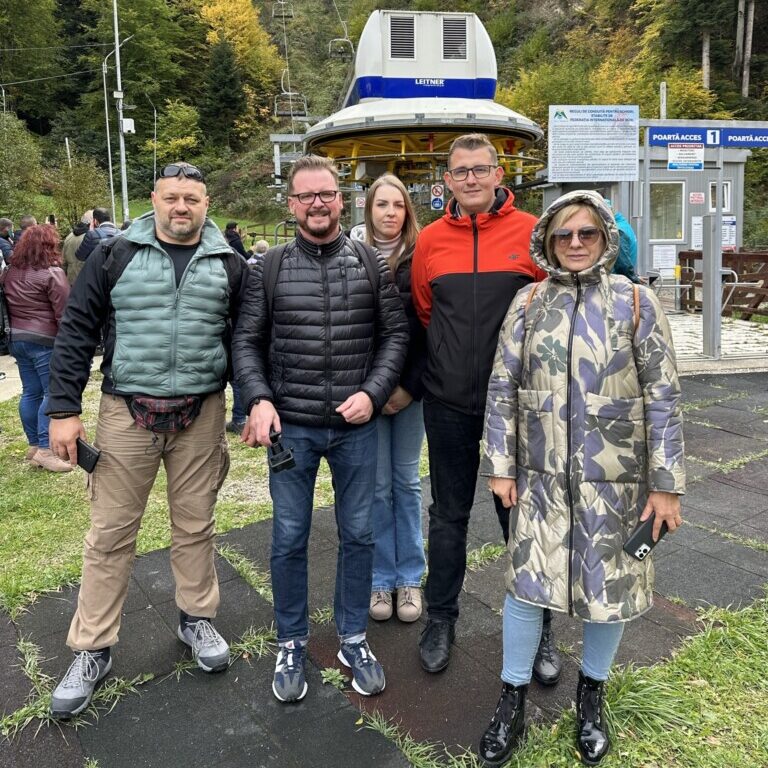
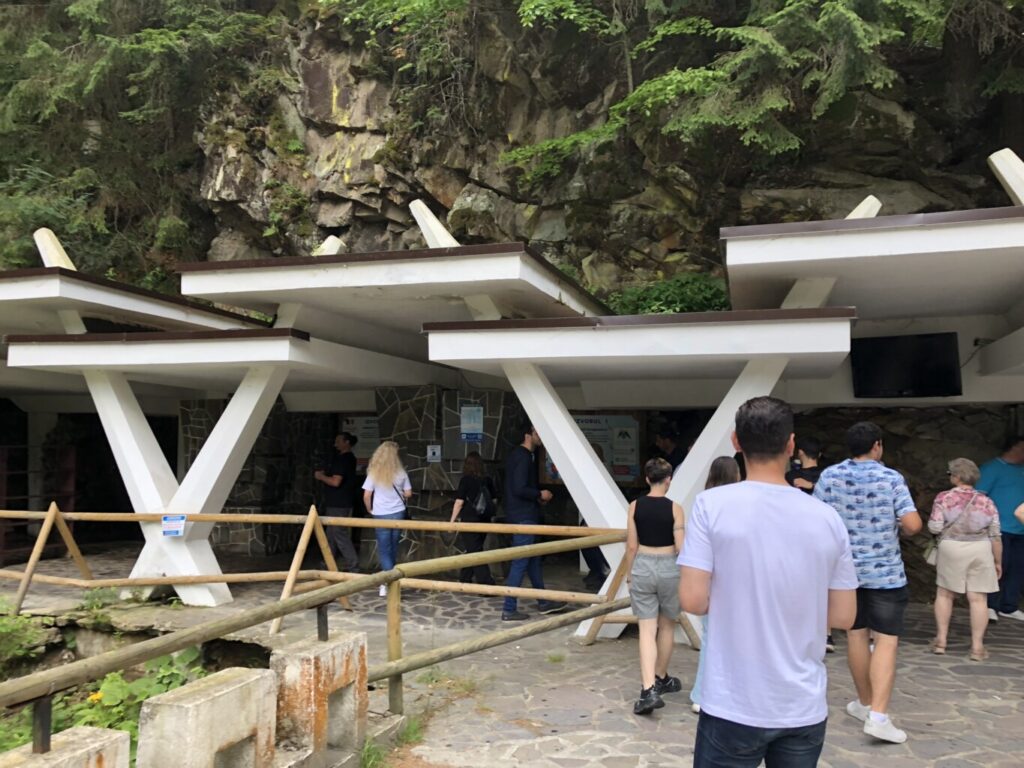
In the exploratory part of the Romanian partner, the participants were taken to a cable car, where they were able to learn information about the Natura 2000 areas that are located there.

Day two began with a presentation of the project's results. The first were the results of surveys conducted among the participating cities and municipalities. They concerned the cooperation of city authorities with residents and activities aimed at involving them in activities carried out by the city. The next item was the two aforementioned strategies developed during earlier workshop meetings in Italy and Poland.

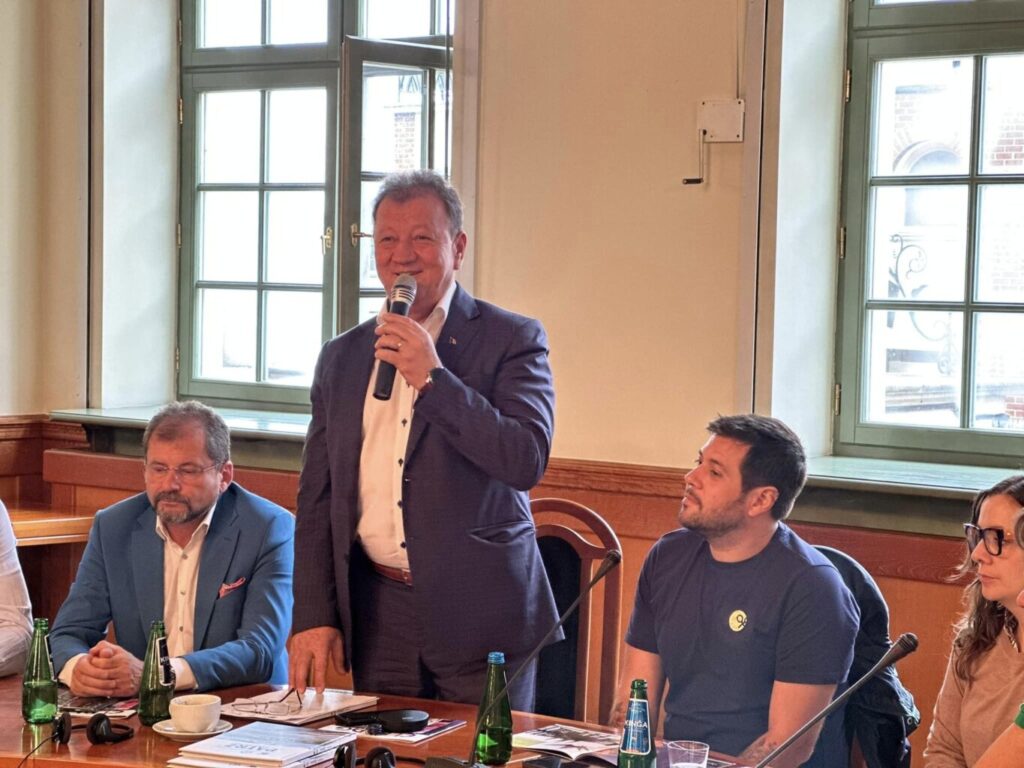
Discussions were held between politicians, who talked about the importance of international cooperation, the similarities of the various project partners, and the vast opportunities and possibilities for further cooperation.

The project leader designated a section for a workshop to develop ideas for promoting and spreading awareness of the project and the program once the project is completed. Many ideas were raised, where promotions on social media, in city offices, or in F2F conversations, among others, can be mentioned.

The last day of the TGAL study visit

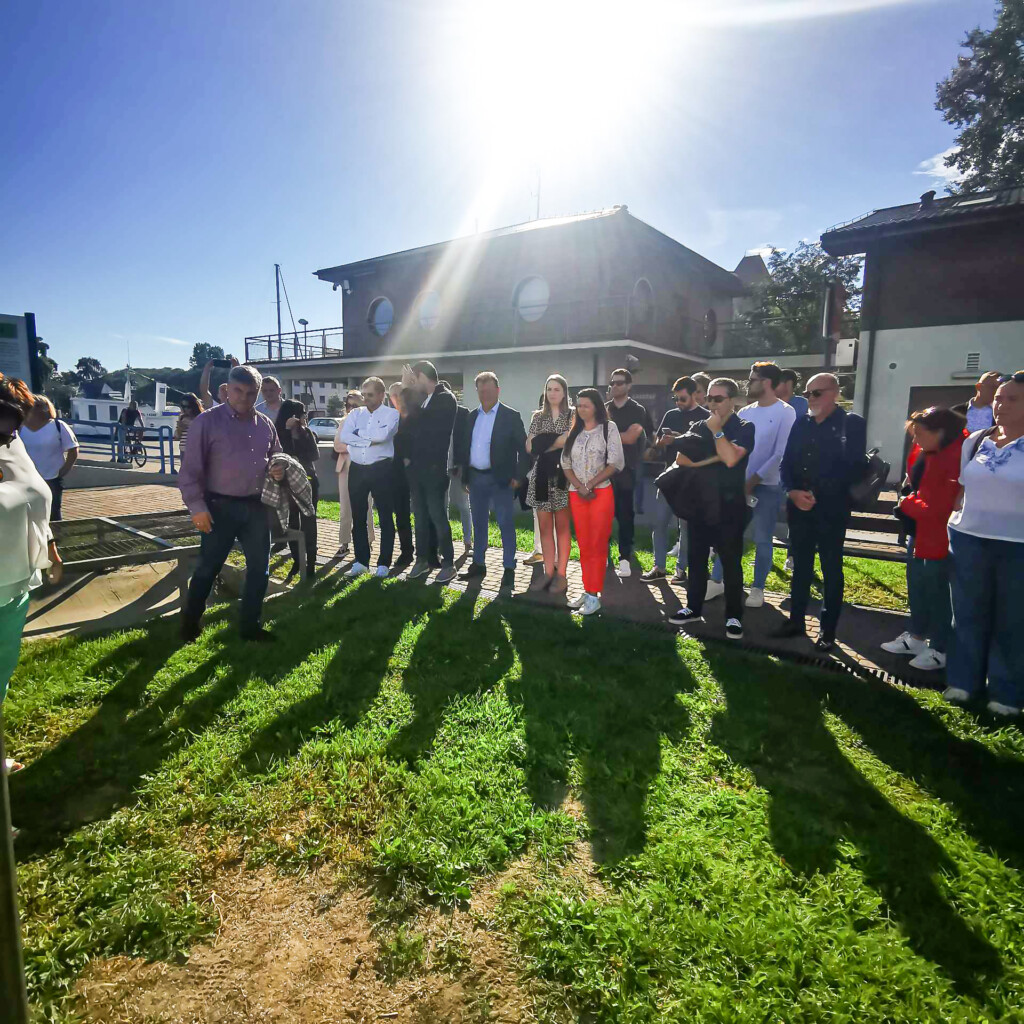
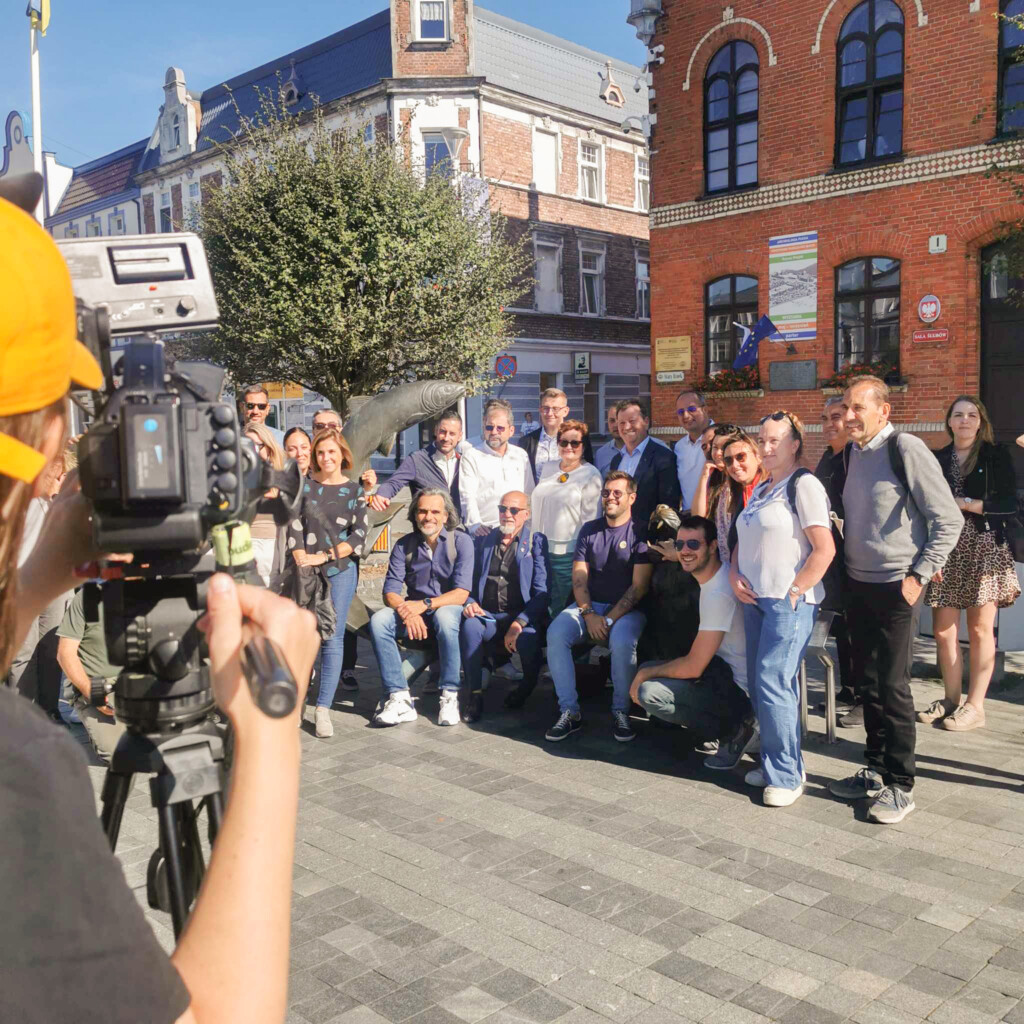
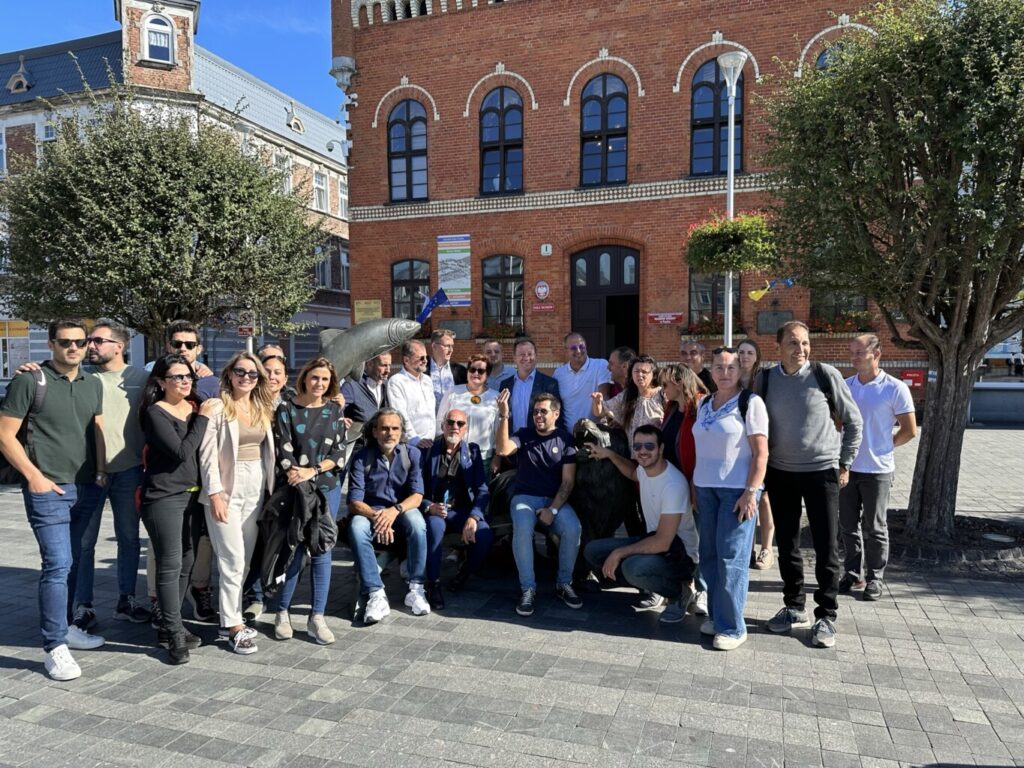
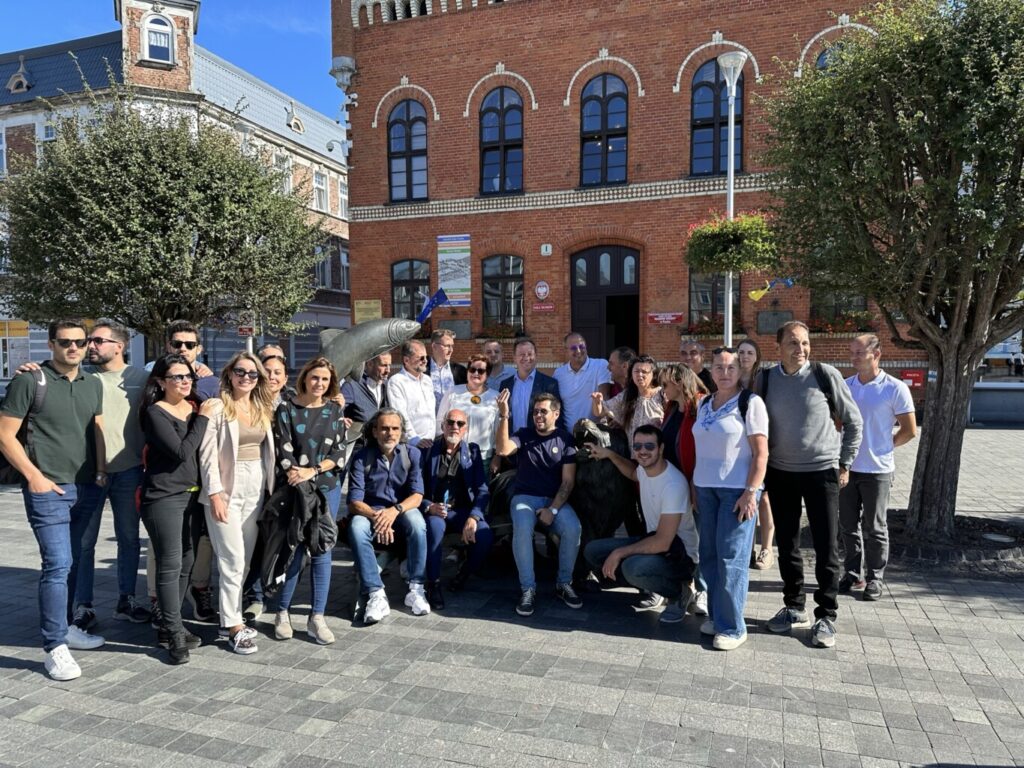
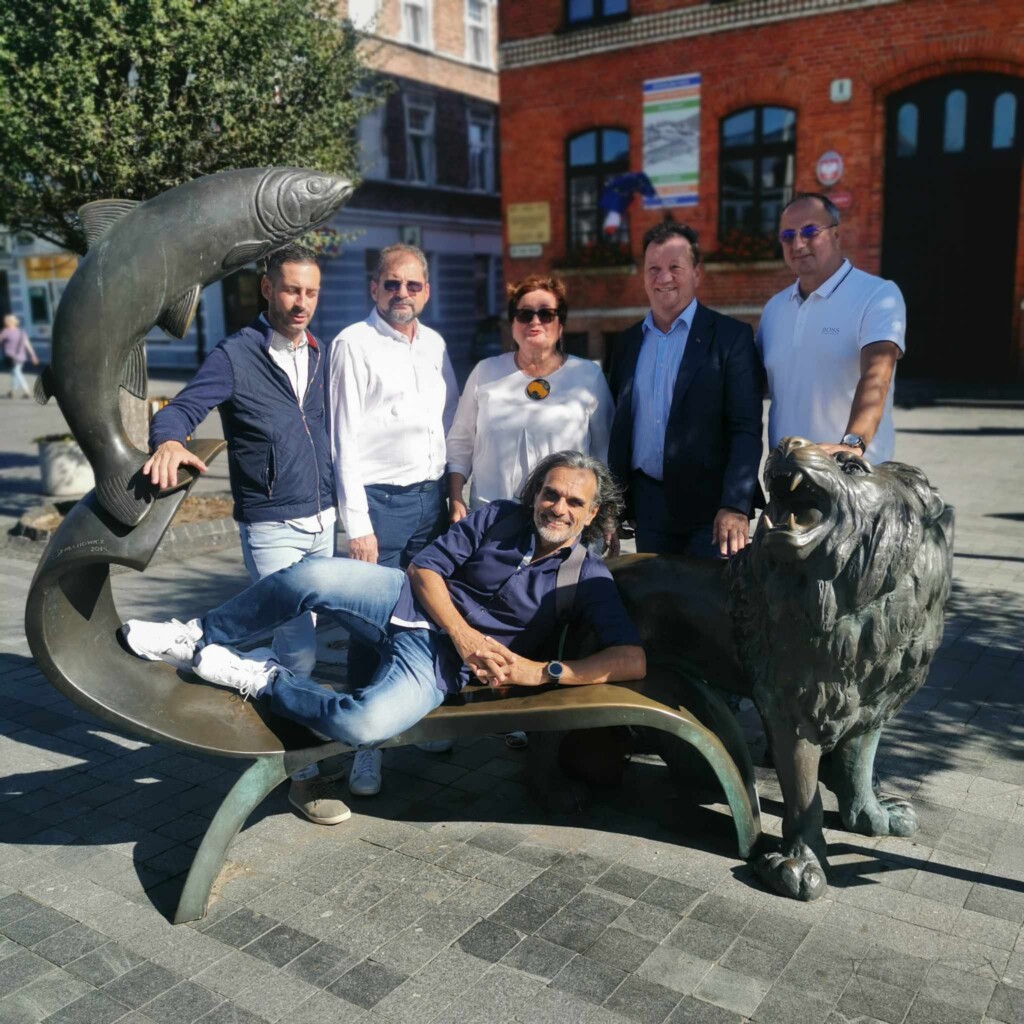
We have just completed the third day of the Think Global, Act Local project study visit. Today we visited two towns in the Warmińsko-Mazurskie Voivodeship - Puck and Gdynia.

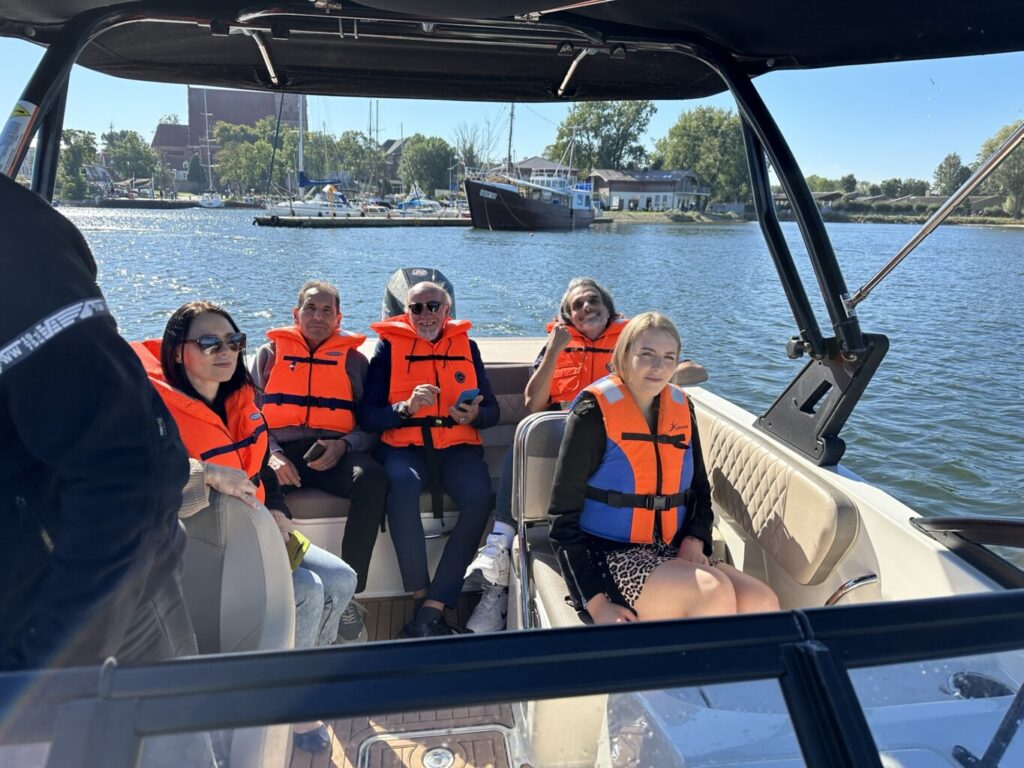
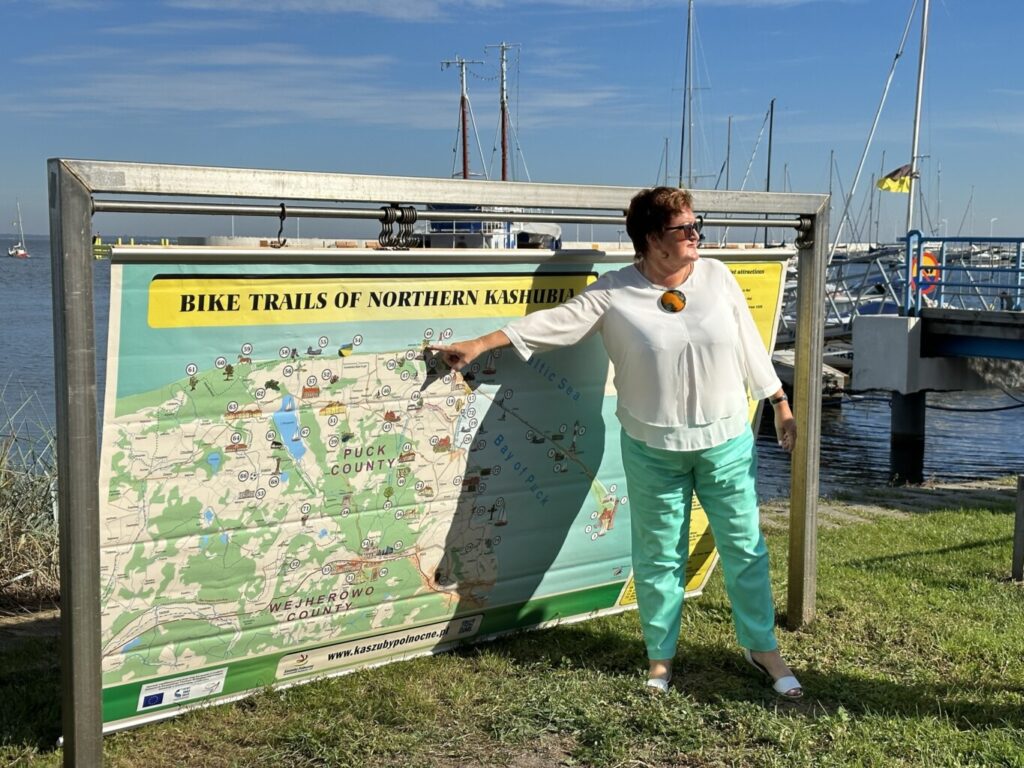
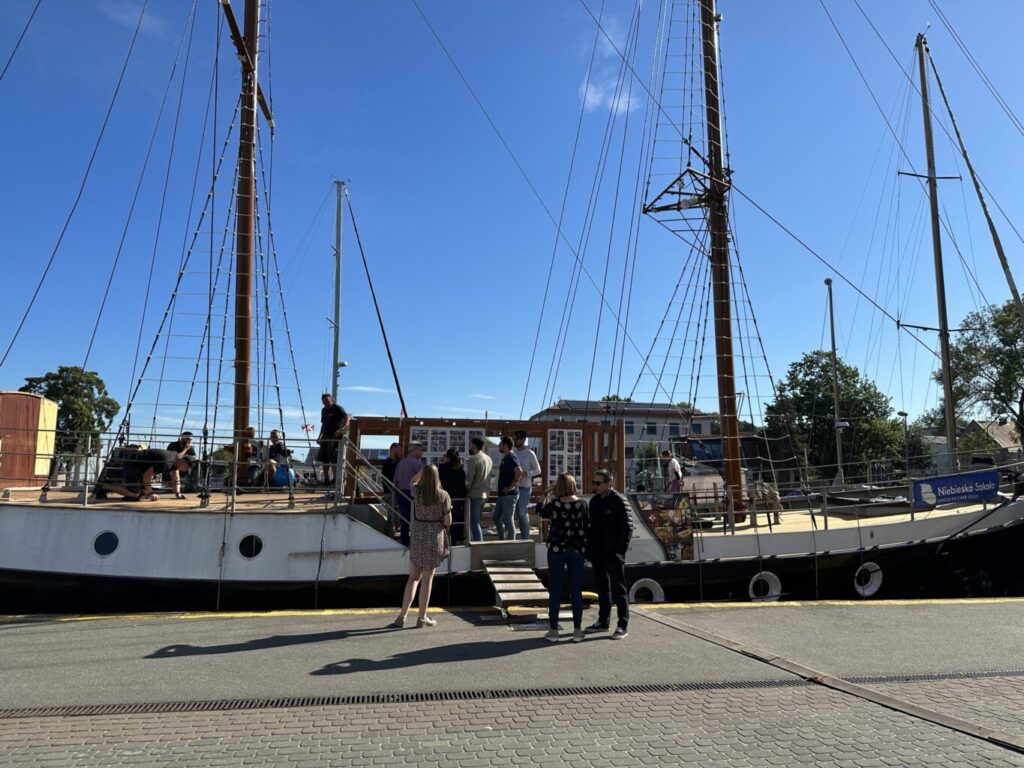
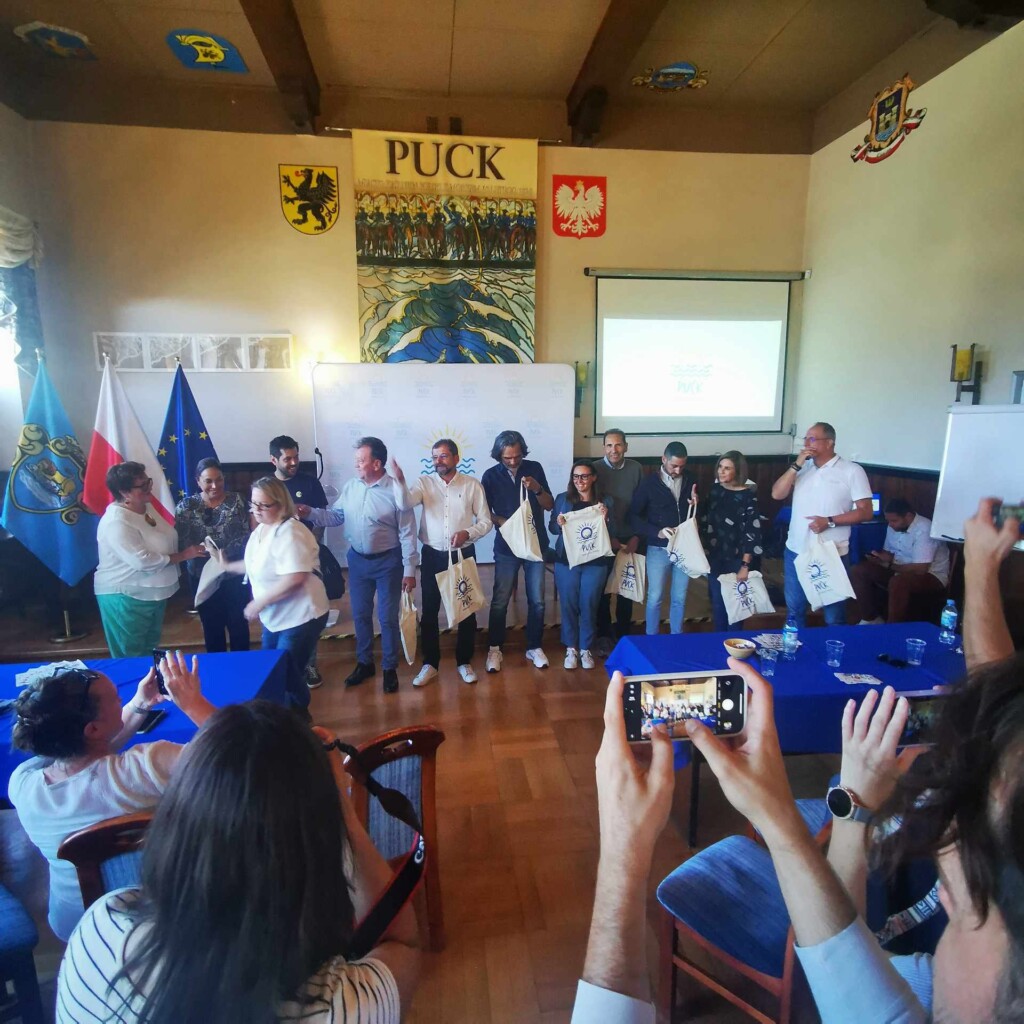
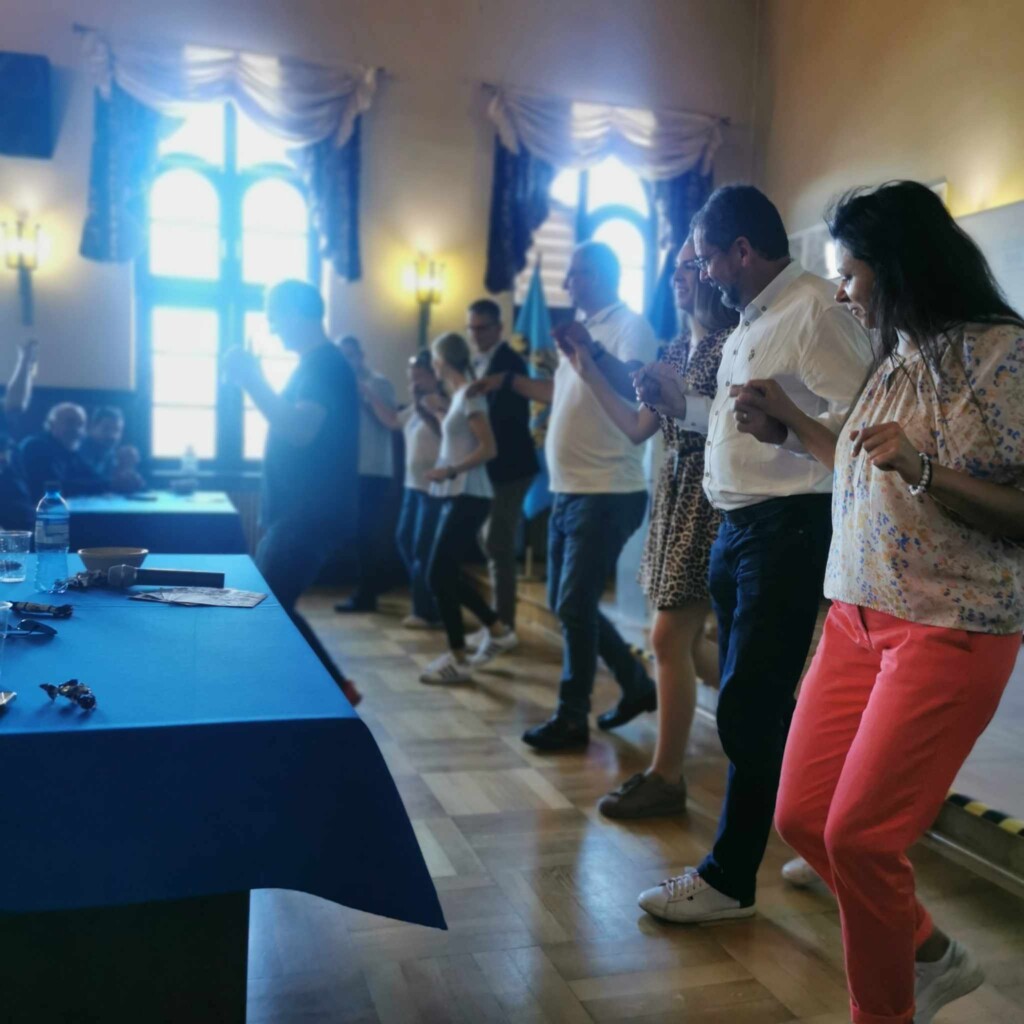
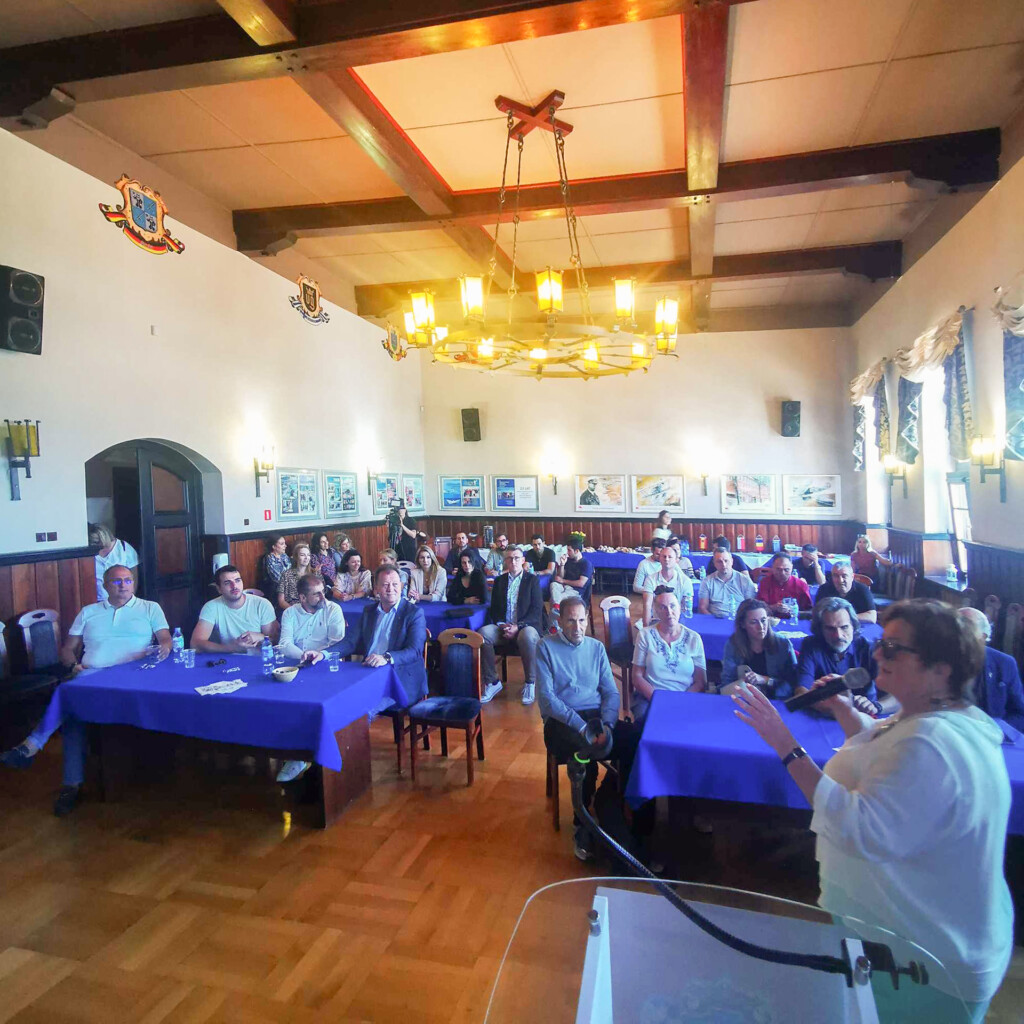
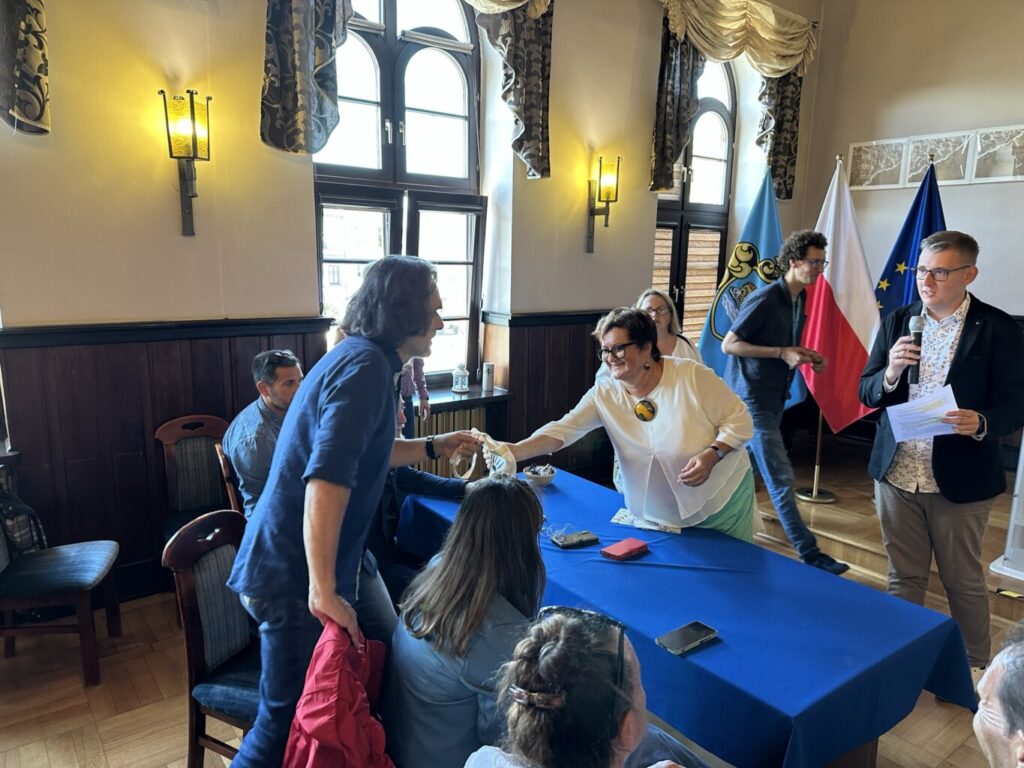
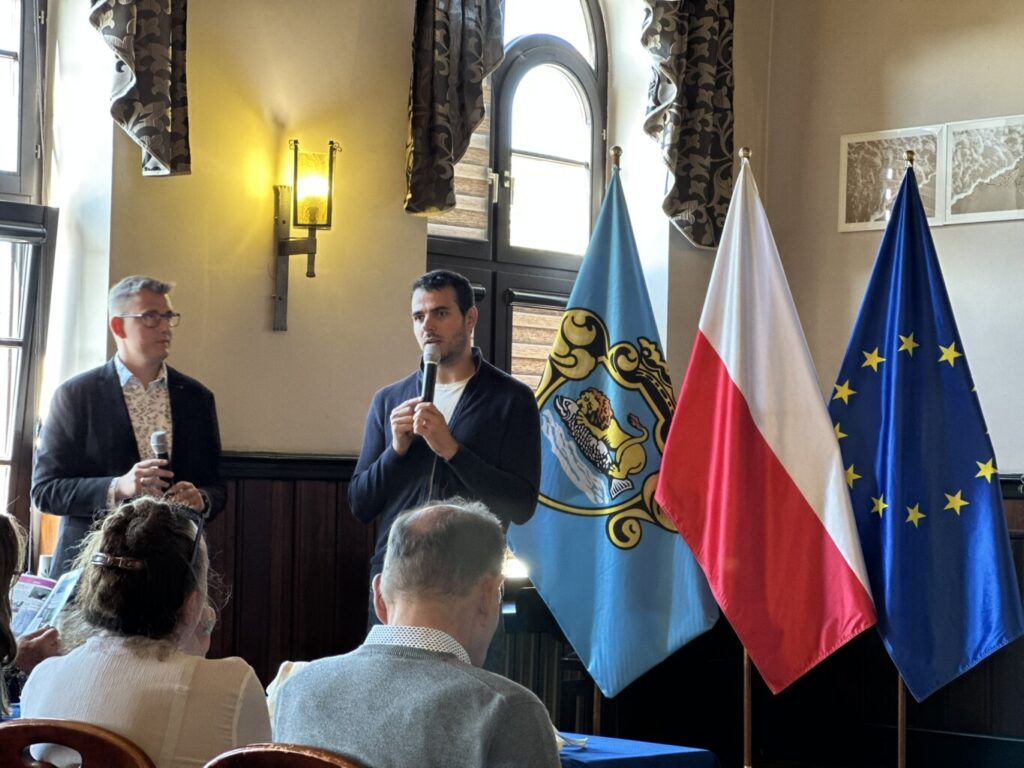
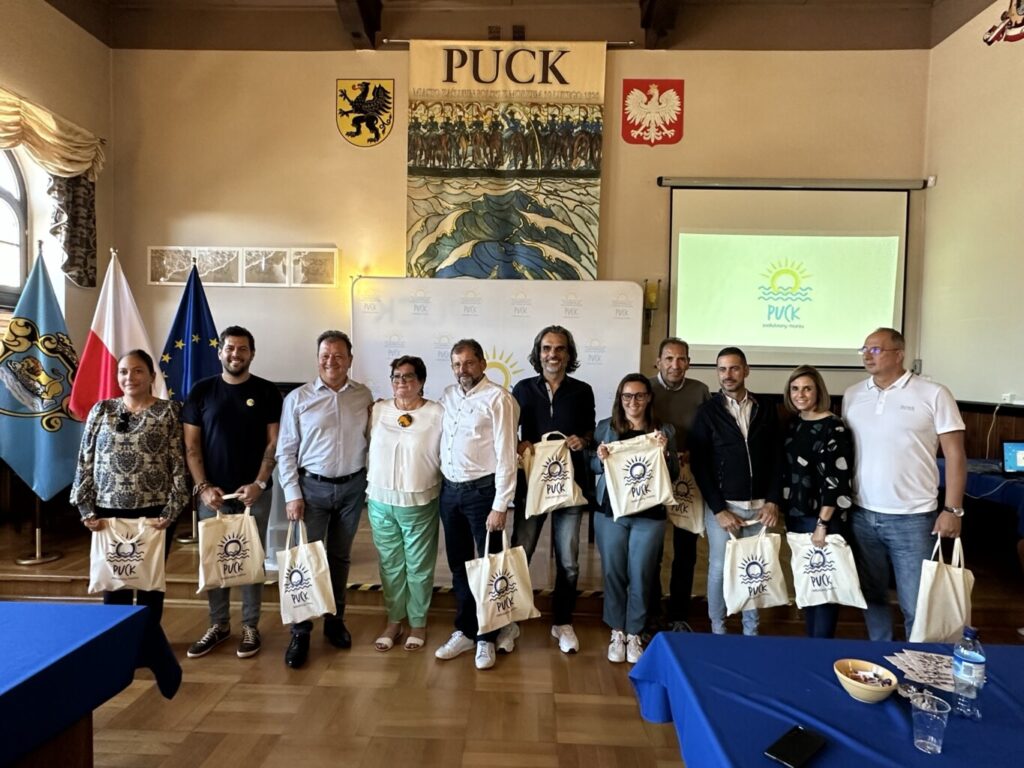
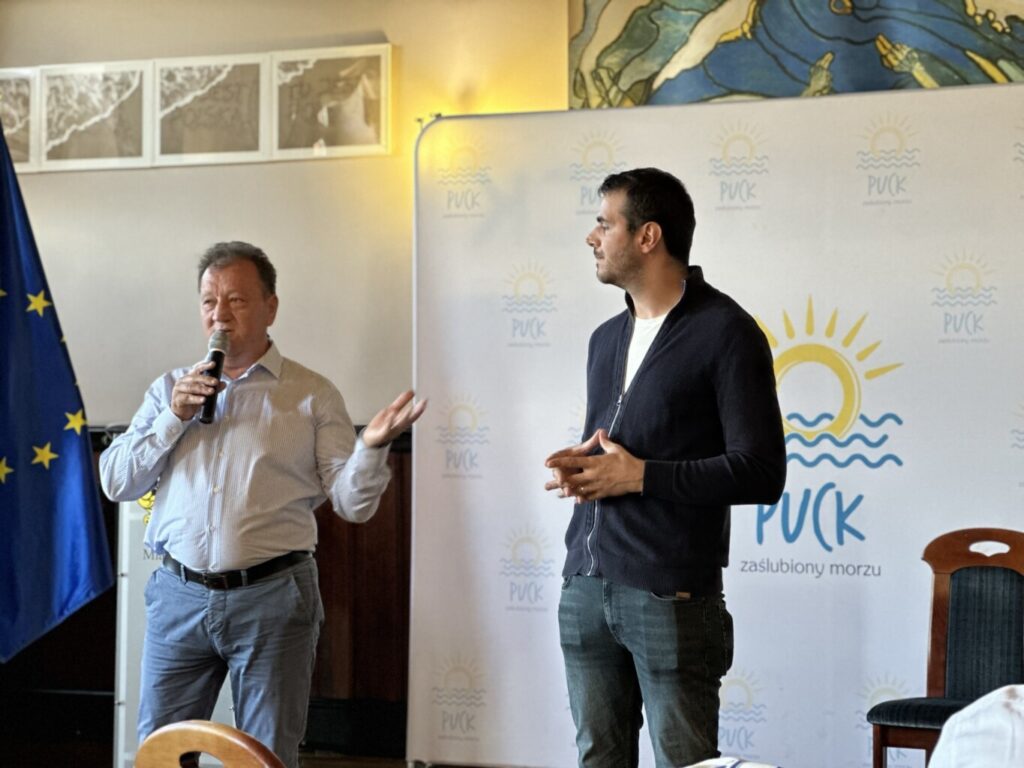
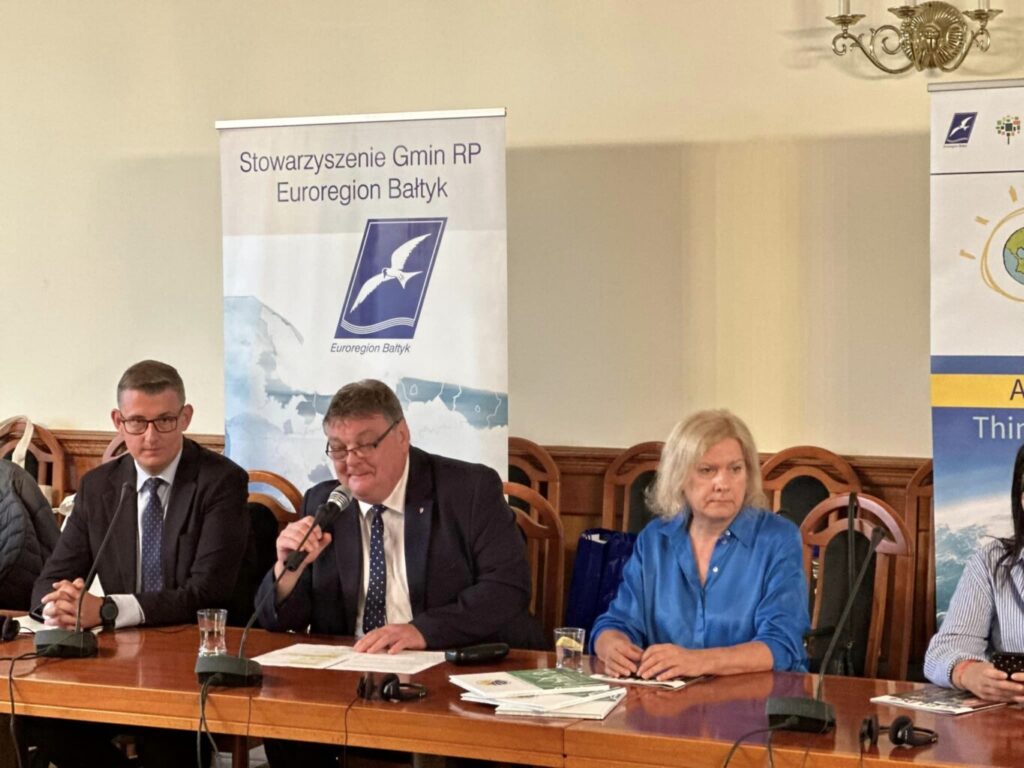
In the Kashubian town of Puck, we went to the fishing harbour and marina of Puck, where boat rides on the 'Ohar' were scheduled, as well as a visit to a local craft beer maker from the 'Puck Brewery'. After learning about the history and curiosities of the region and a cruise on the Bay of Puck, we moved on to the Town Hall building for a workshop where the TGAL project activities to date were summarised. A long-term strategy for civic engagement and participatory democracy was also presented - the Proposal for "Eco-Social Transformation - the change is yours!" The hosts from the municipality of Puck furthermore prepared an interesting and engaging mini-content for the participants related to the activities of the town and its surroundings.
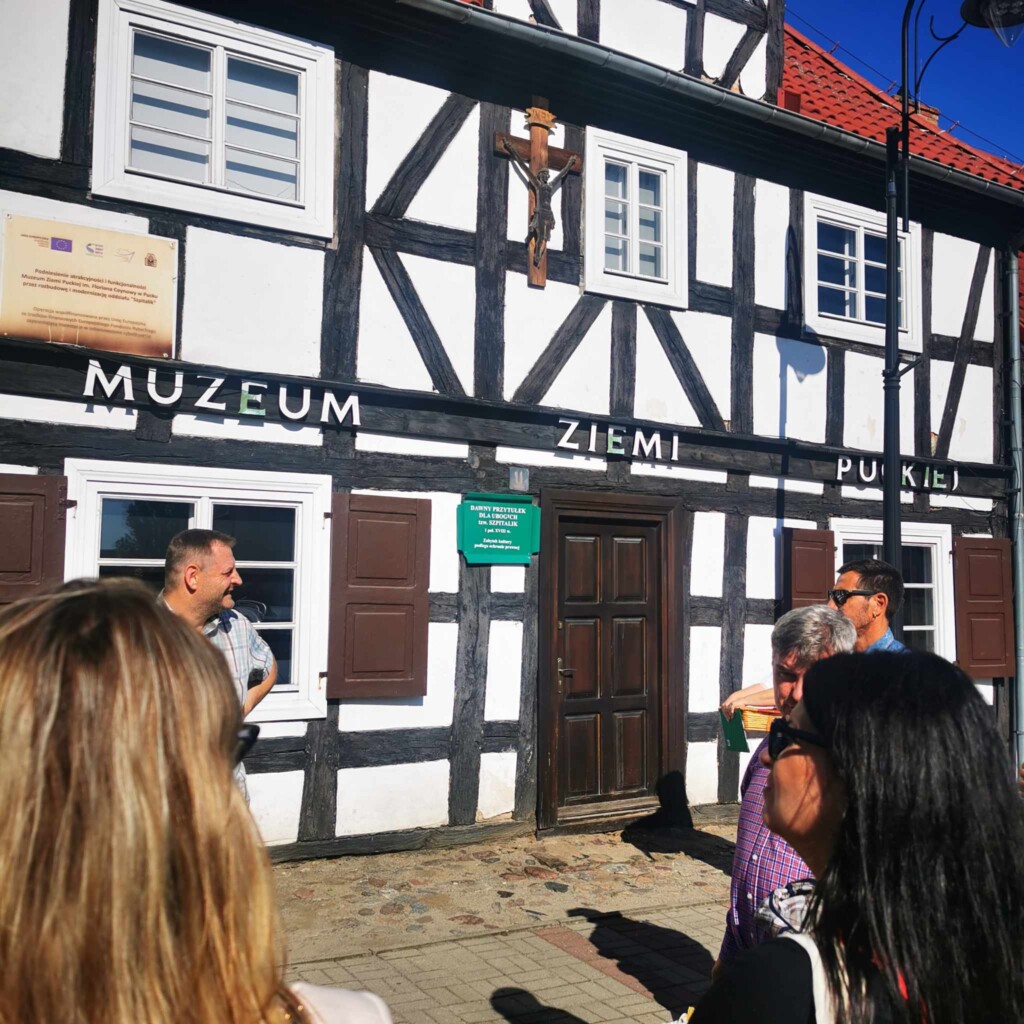
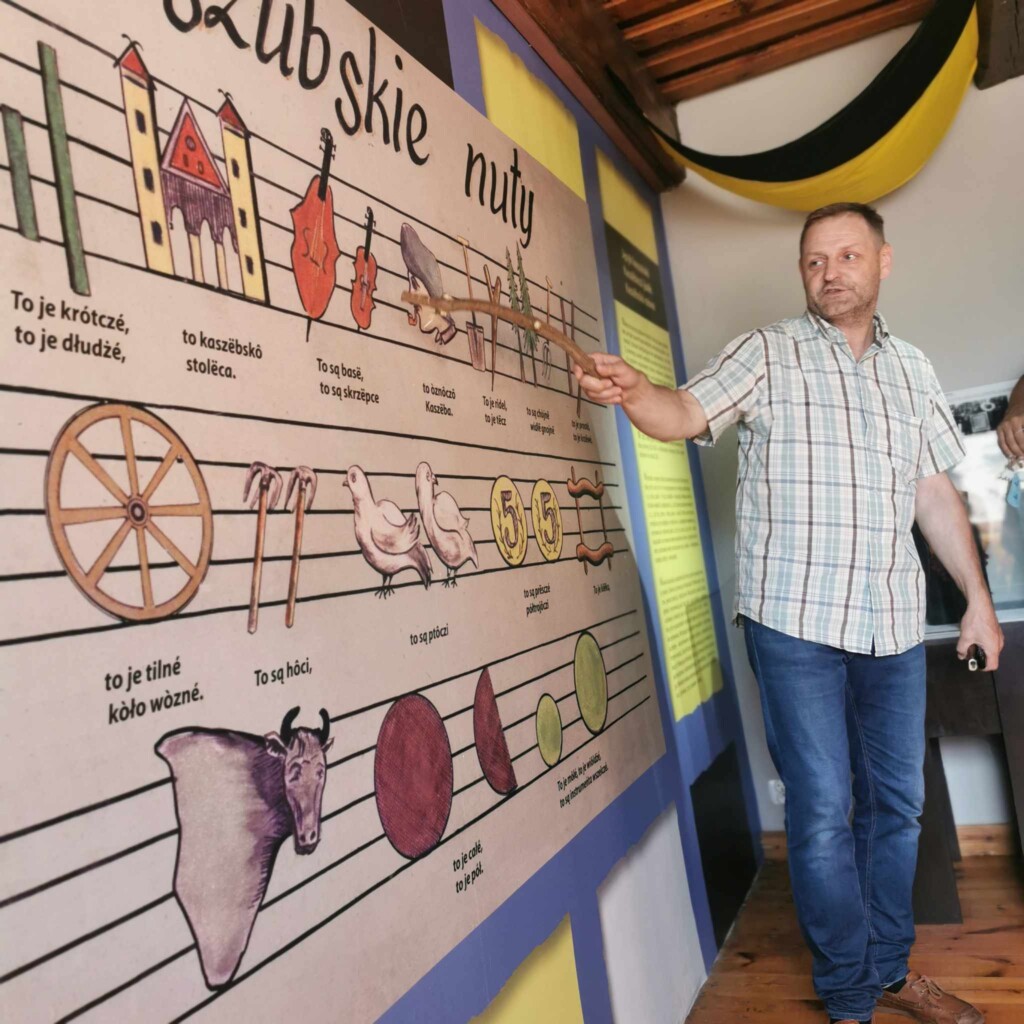
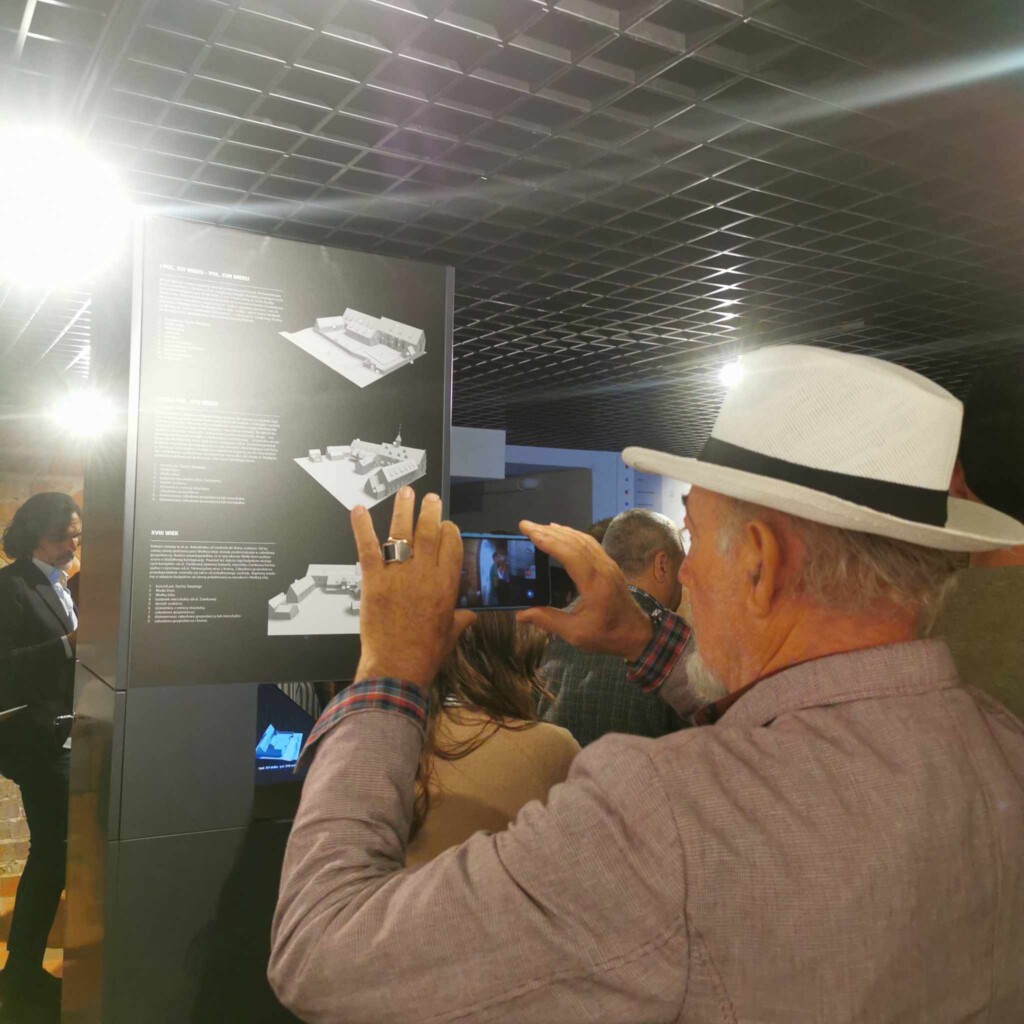
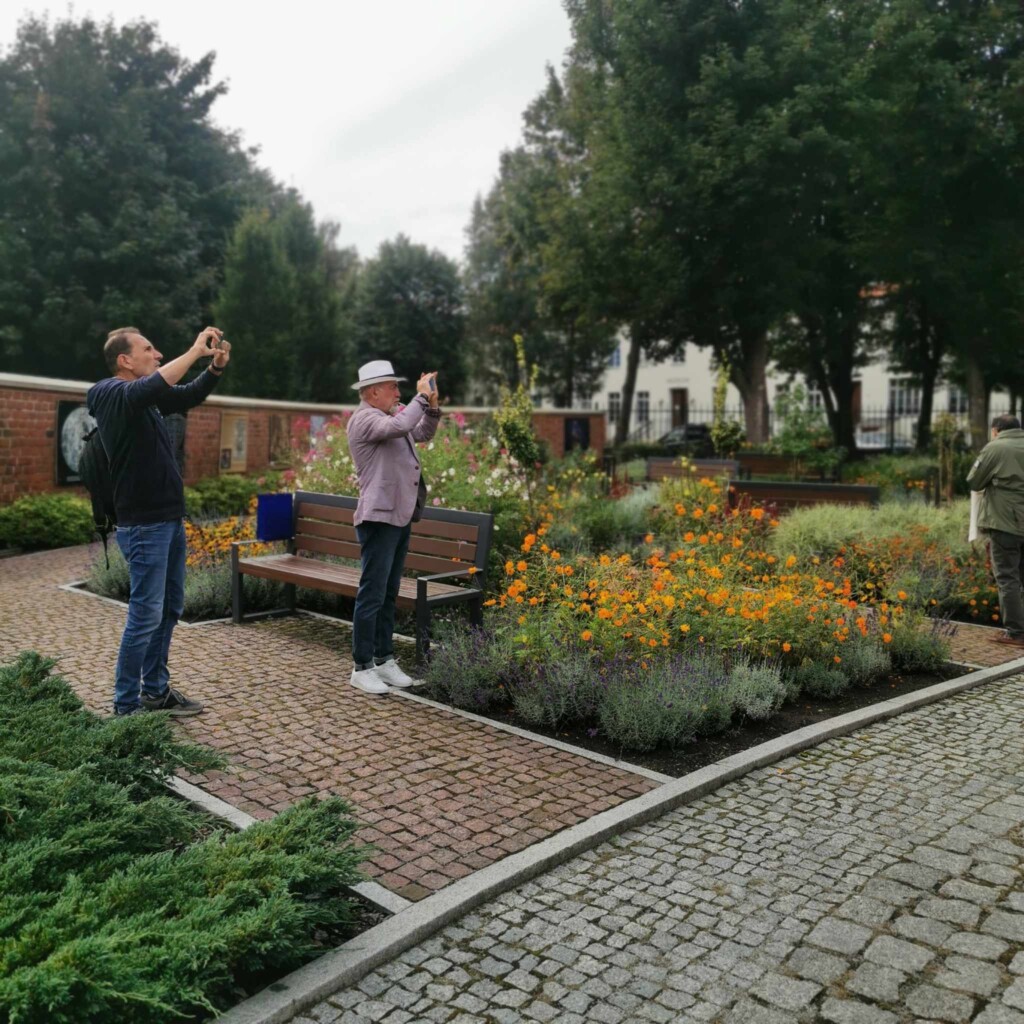
We then visited the Museum of Puckland, whose origins date back to the 1970s, when the first exhibition related to Kashubian culture and folk art was opened. The museum headquarters building itself is the former "Hospital". During the tour visitors had the opportunity to learn about Kashubian traditions and rituals, such as the art of Kashubian embroidery, admiring traditional costumes, or taking snuff, according to the instructions of an experienced snuff-maker.

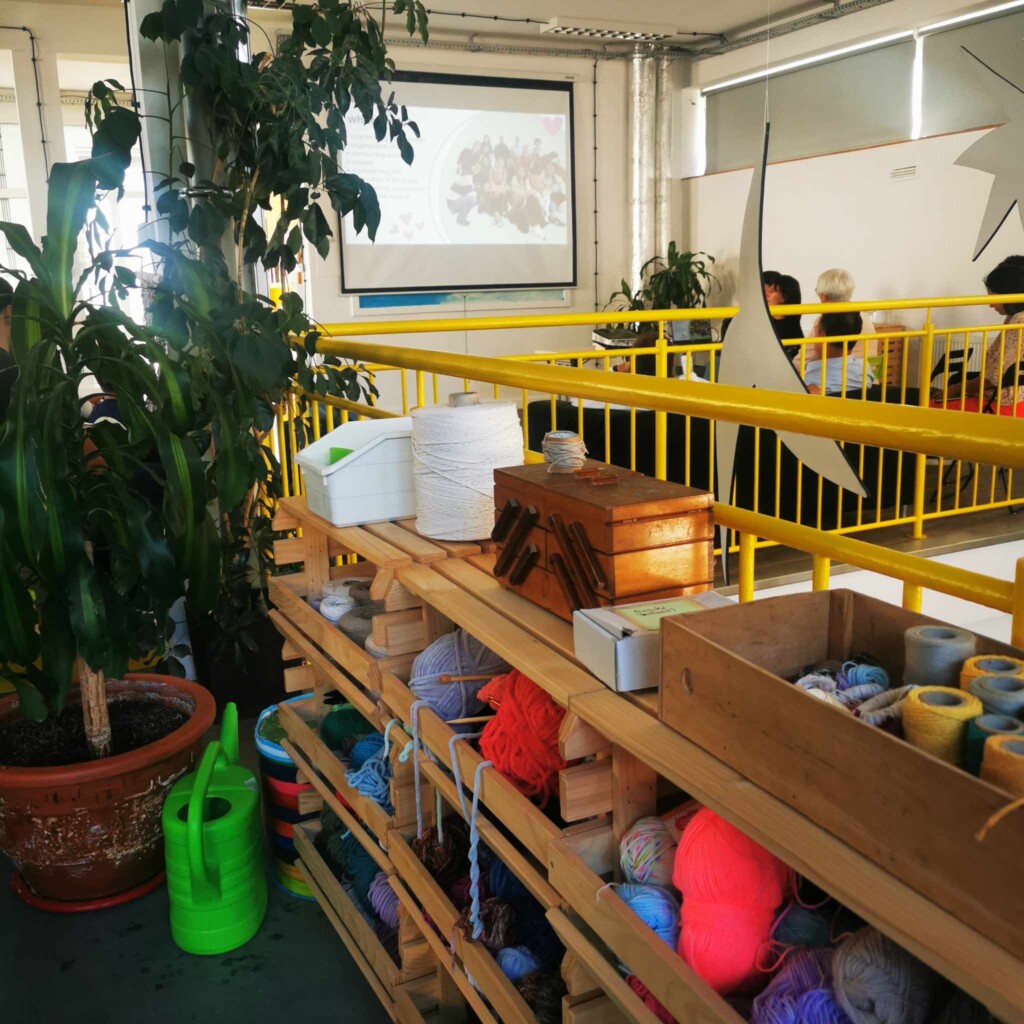
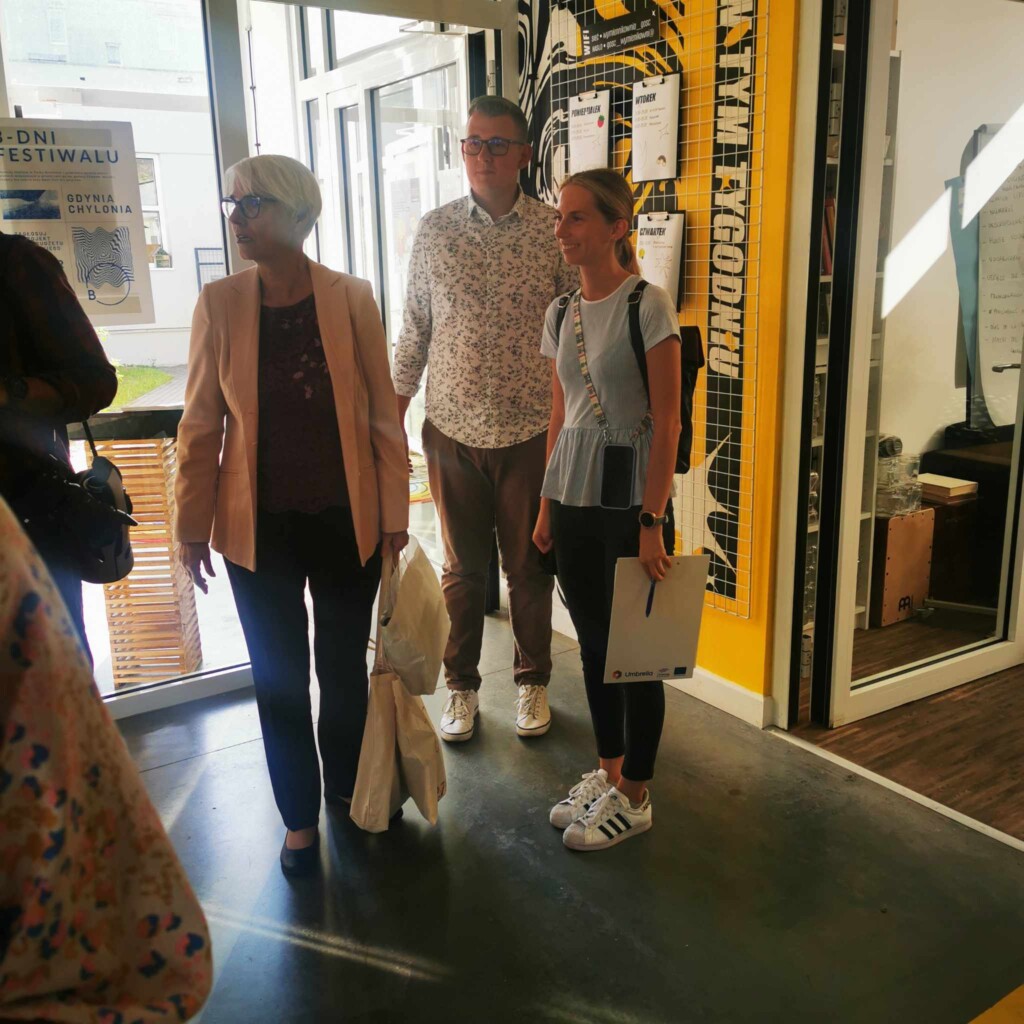
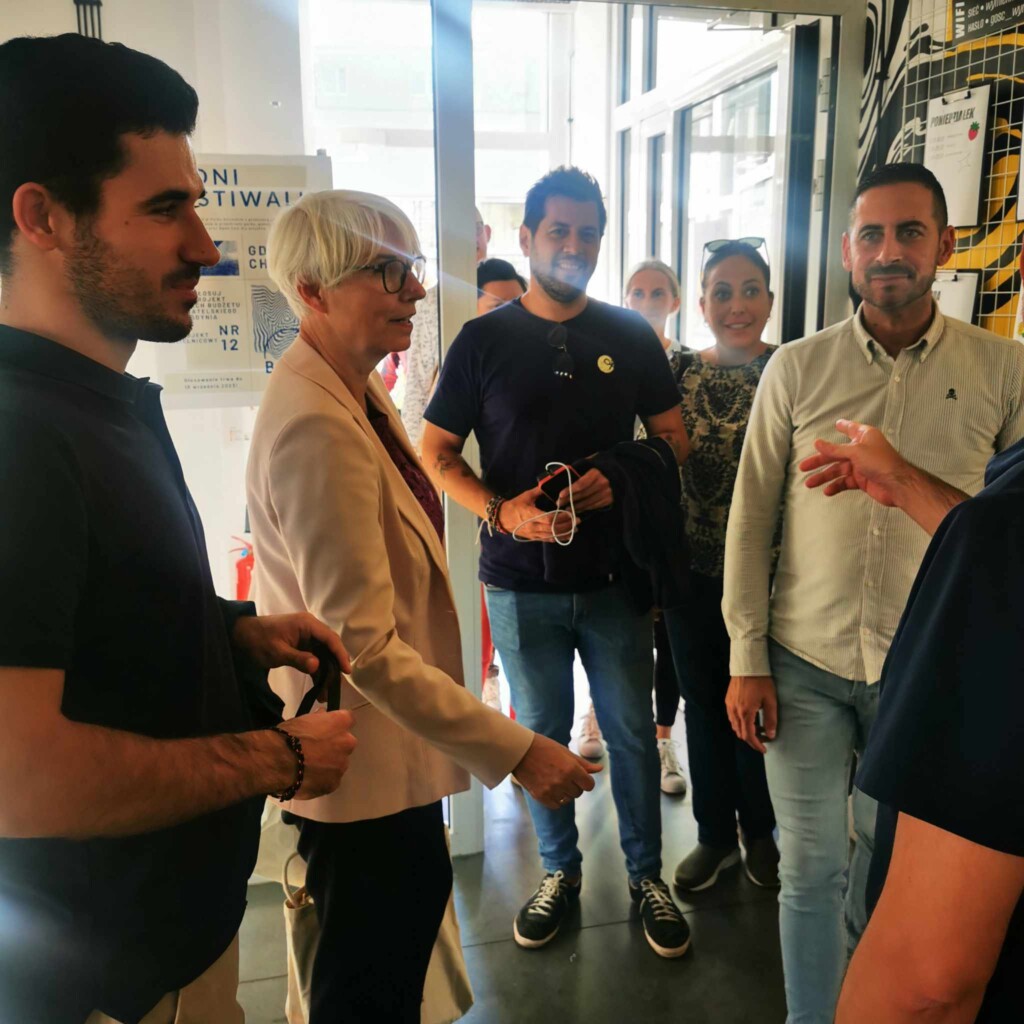
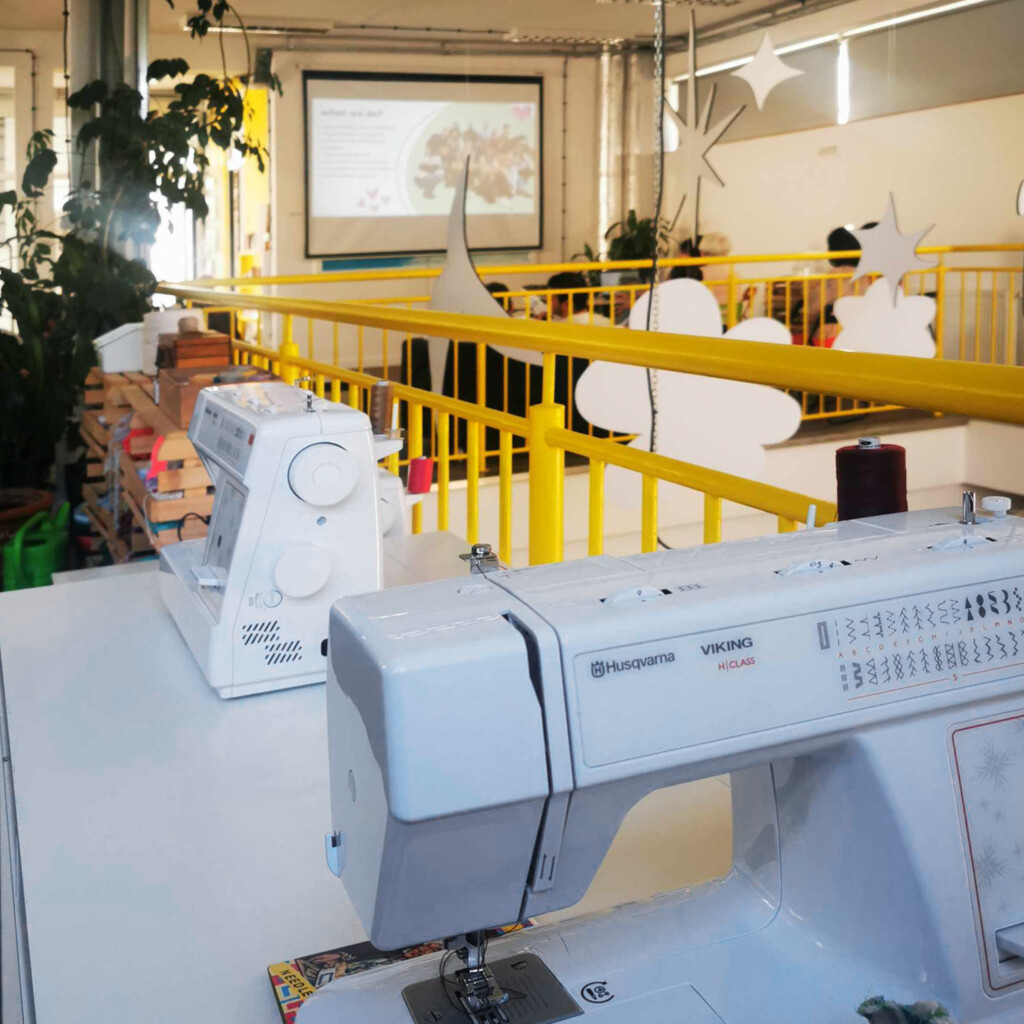
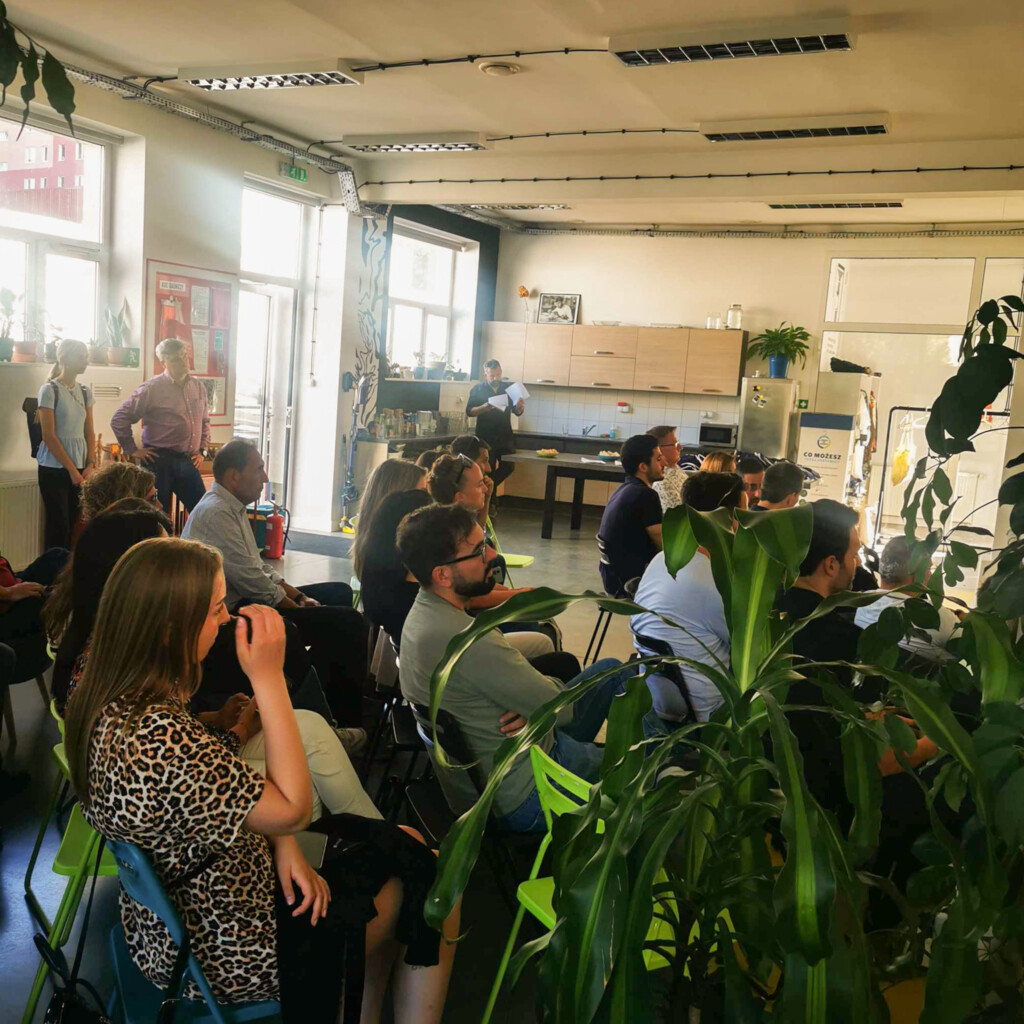
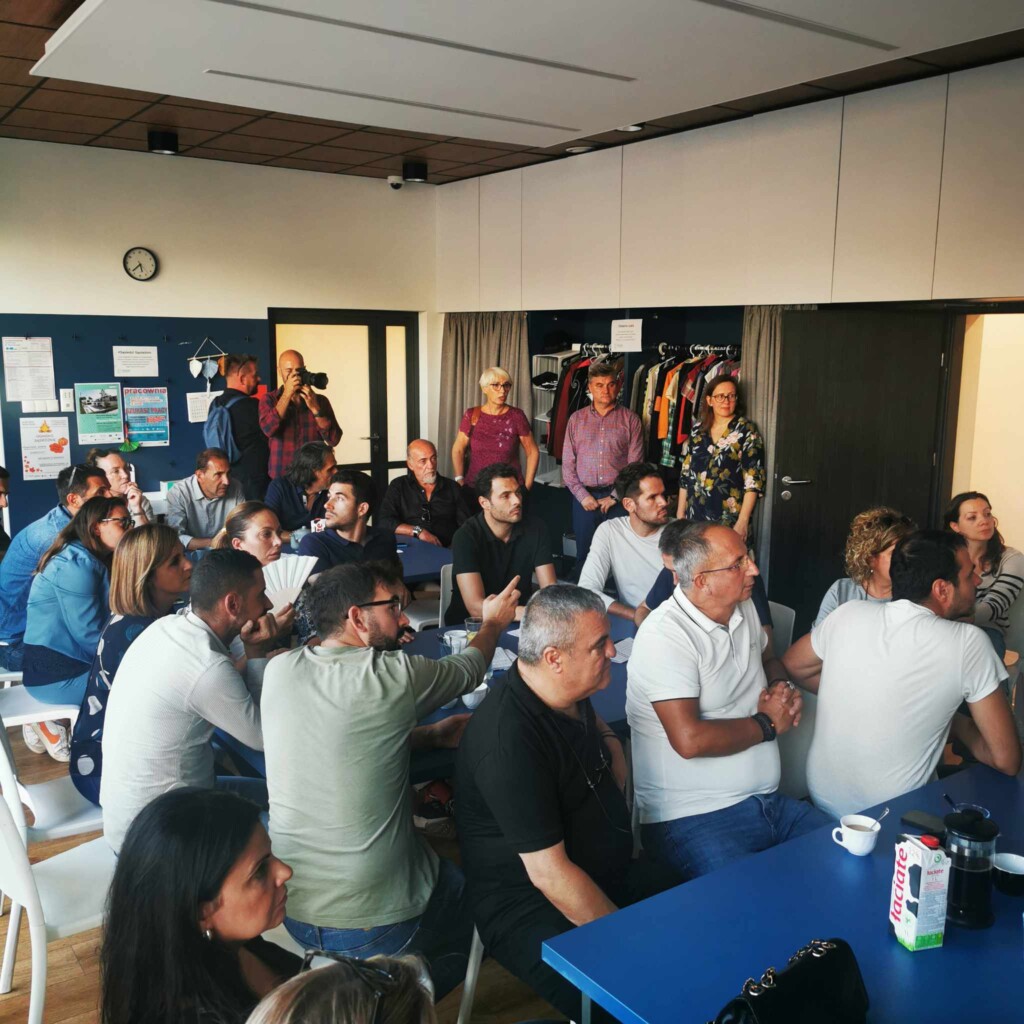
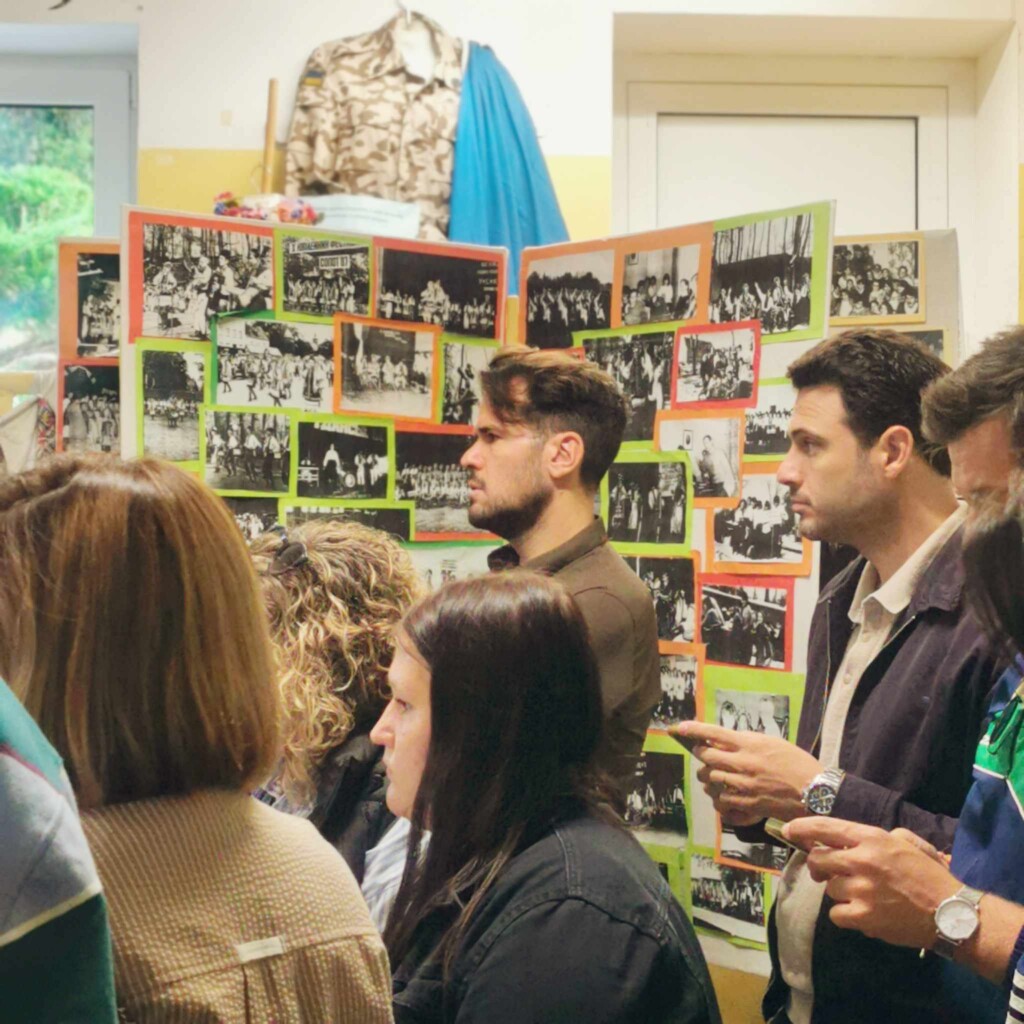
The next item on the agenda was a visit to Gdynia. There, we visited the Wymiennikownia - Youth Centre for Social Innovation and Design. There, we listened to a presentation about the initiatives and activities undertaken by the city and learned about the assets of Gdynia. The employees of the Exchange House also prepared a presentation about the idea and everyday life of this unique place, which supports grassroots youth initiatives and helps to realise interesting ideas. The Exchange House is the responsibility of young people, and further activities and other initiatives are planned on the basis of projects submitted by those interested. Representatives of the Ukrainian minority from the Spilo organisation also made a presentation, outlining forms of support for Ukrainian youth.

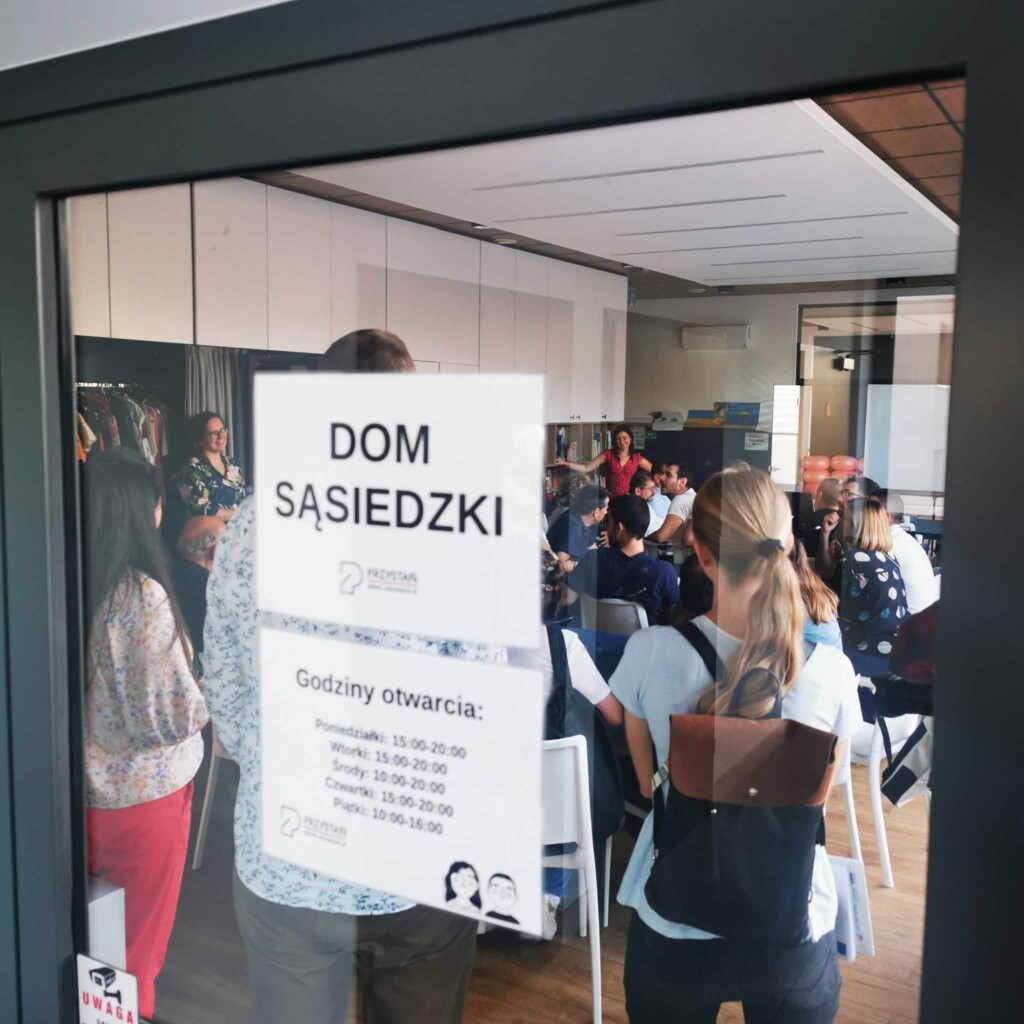
The last item on the agenda was a visit to the Neighbourhood House in Gdynia, a place for the development of interests and the realisation of ideas of residents. There we learned more about this creative grassroots initiative, which is a good example of community participation in the local environment.

The second day of the Think Global Act Local visit

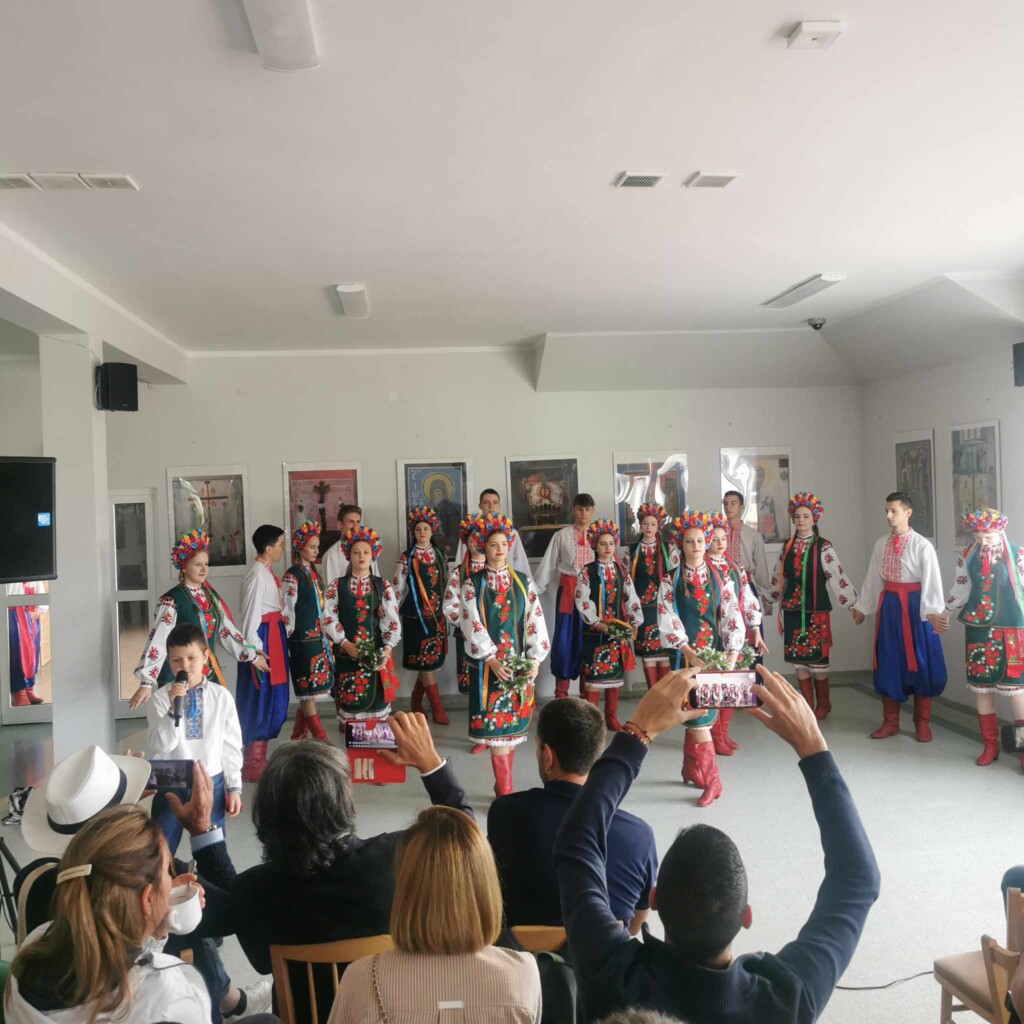
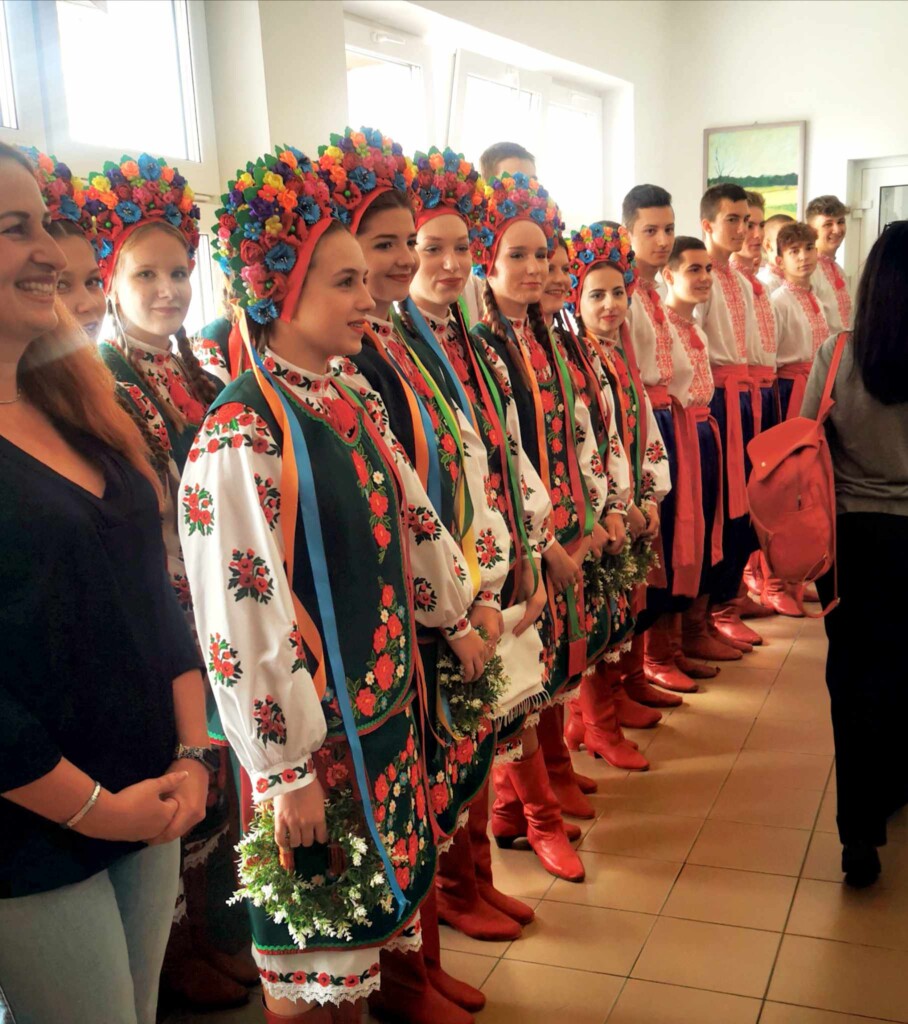
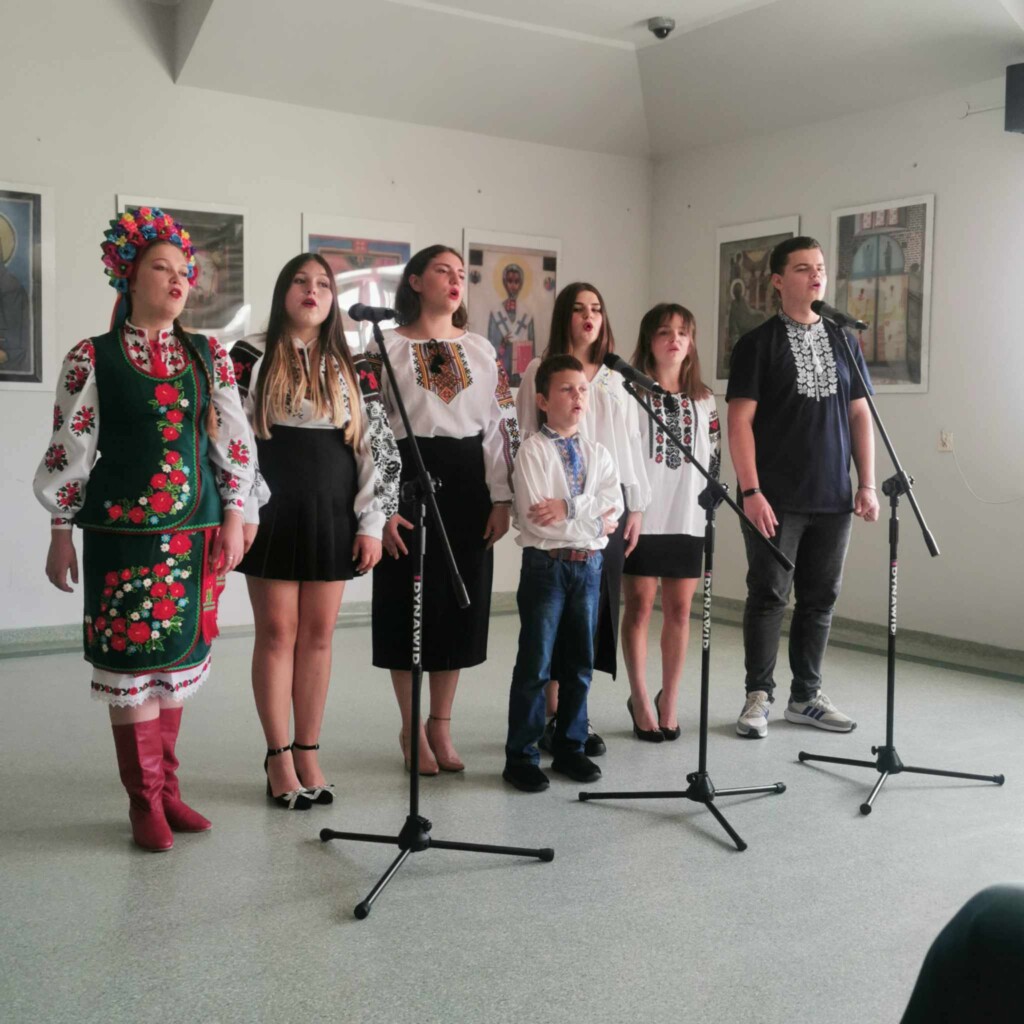
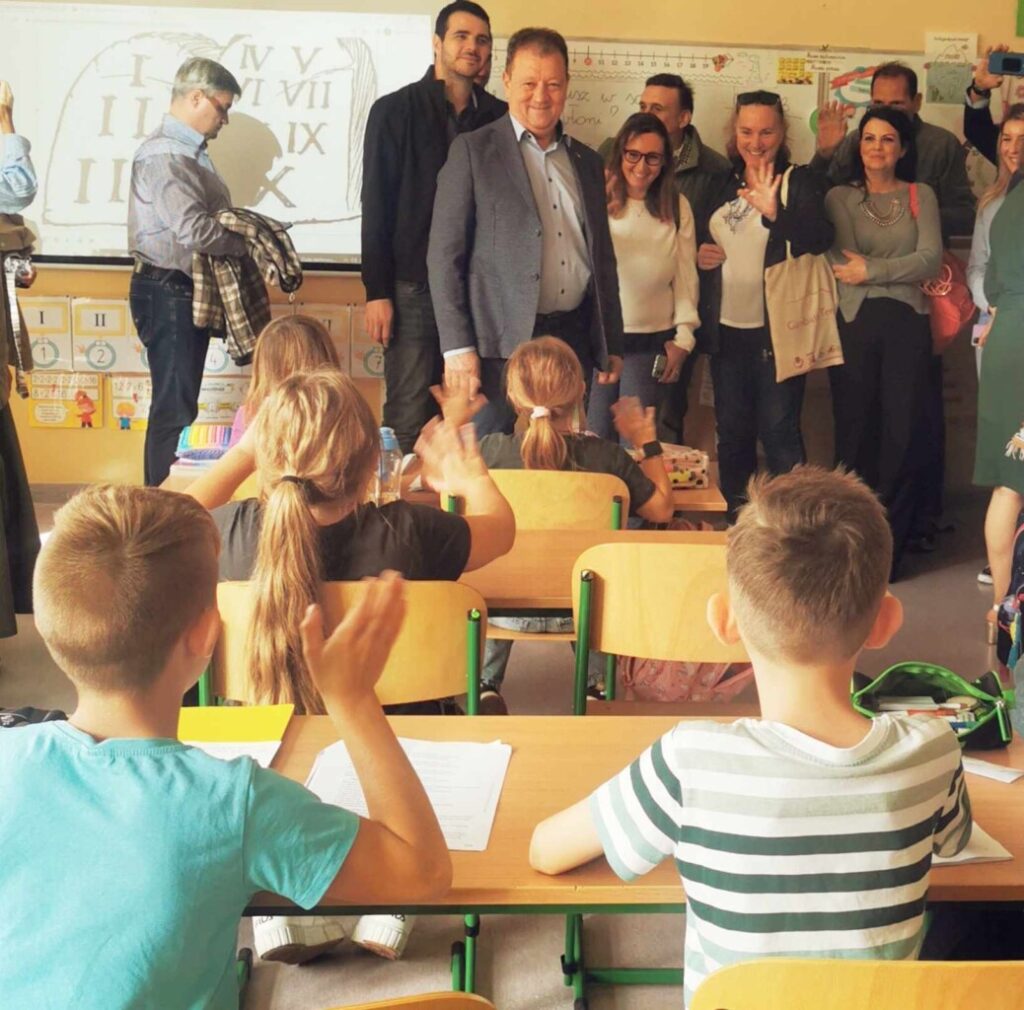
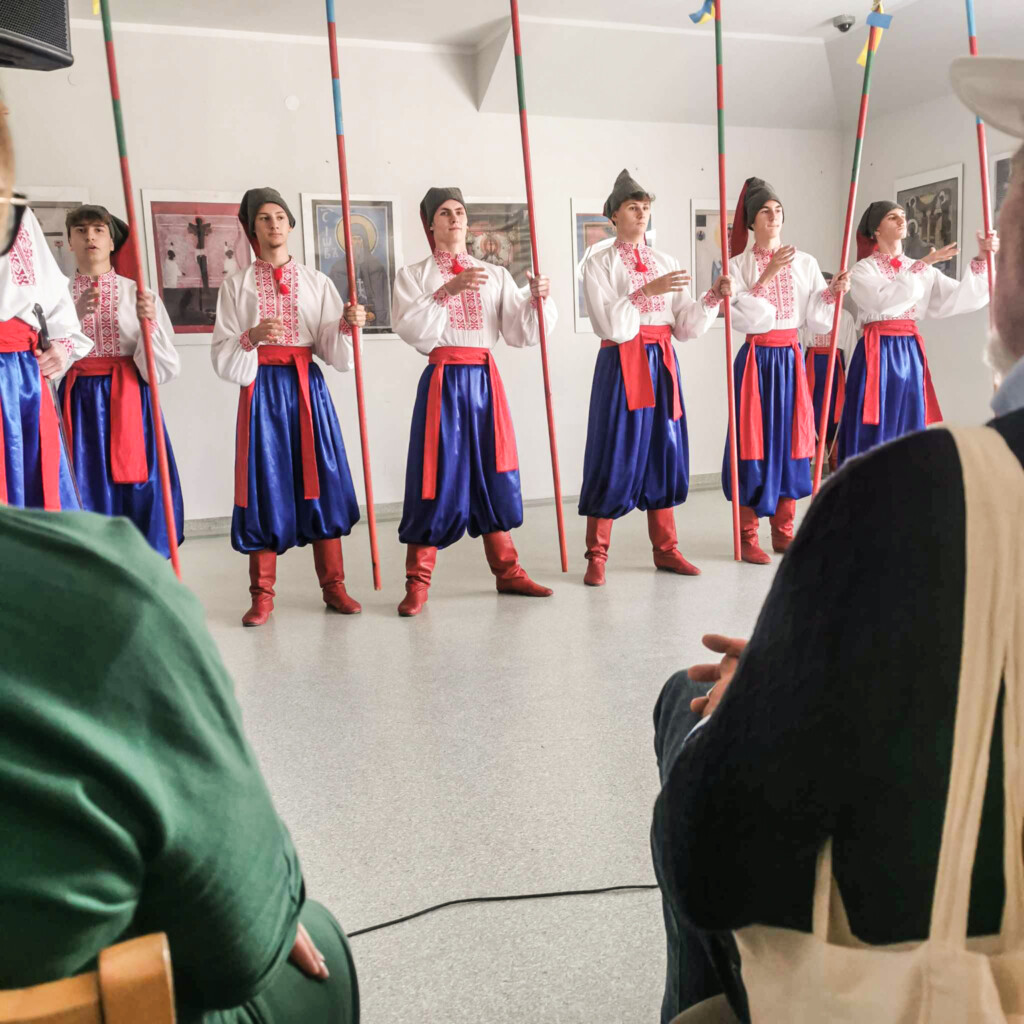
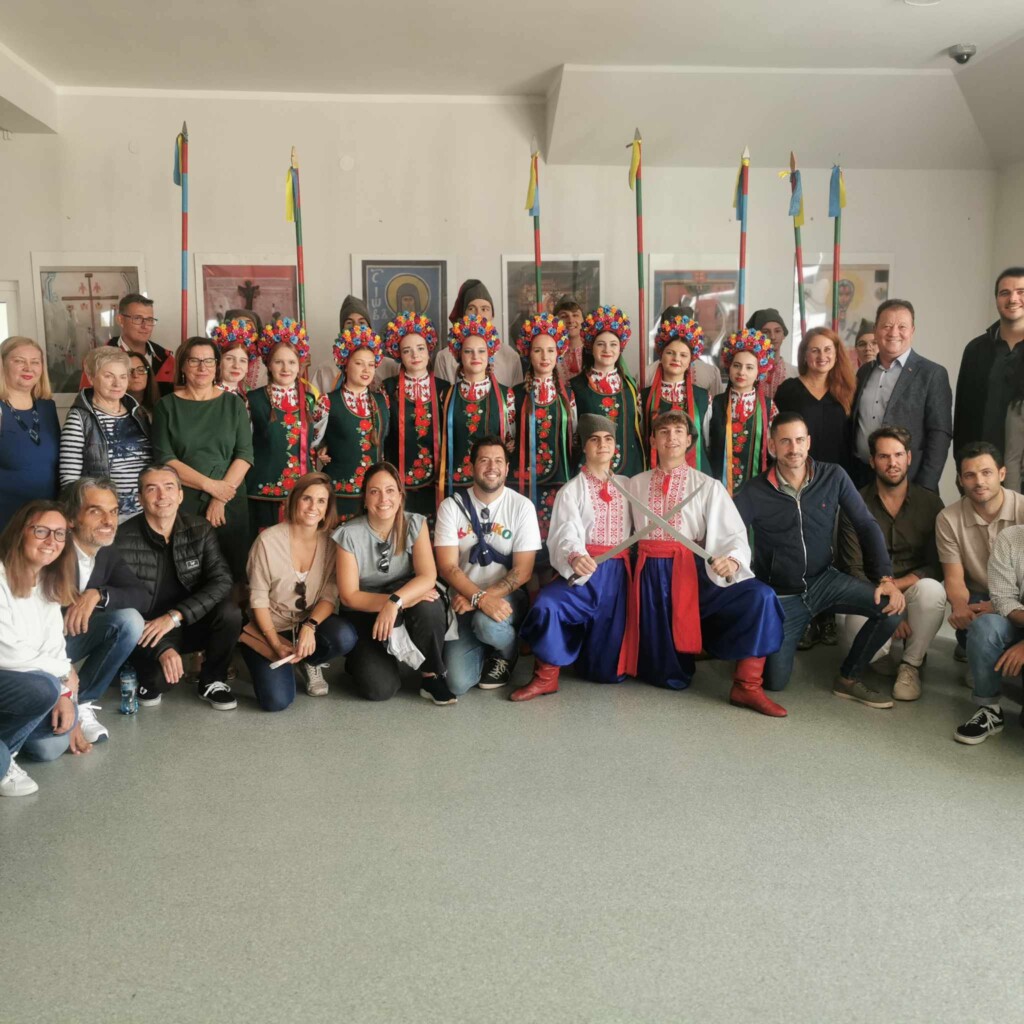
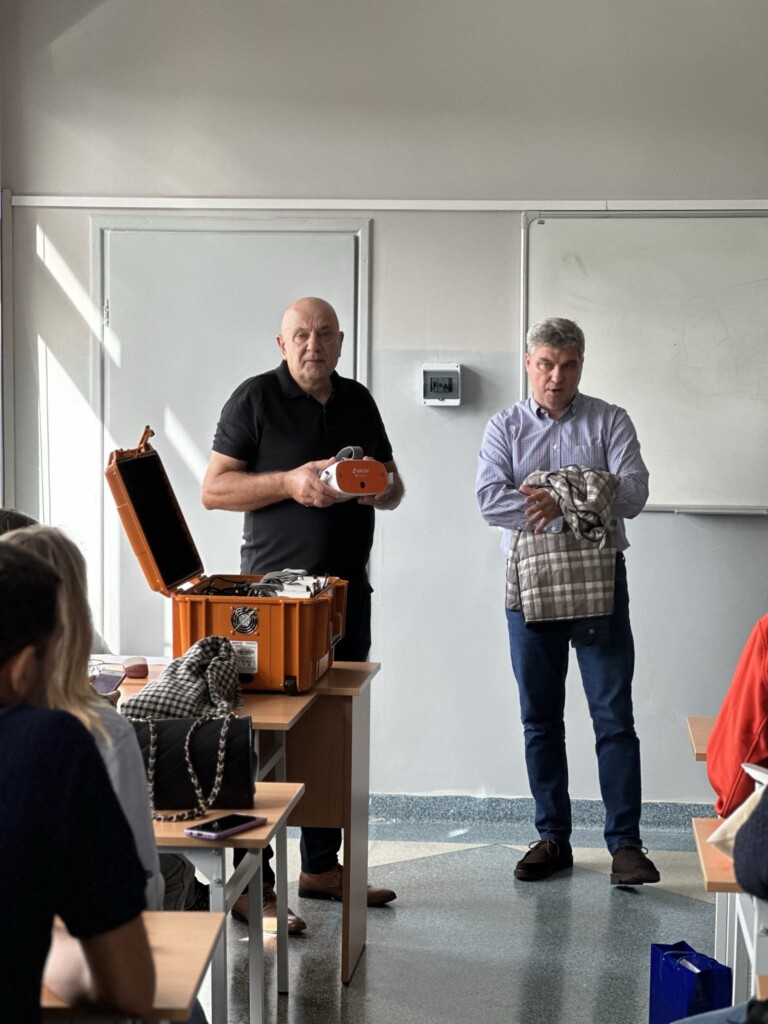
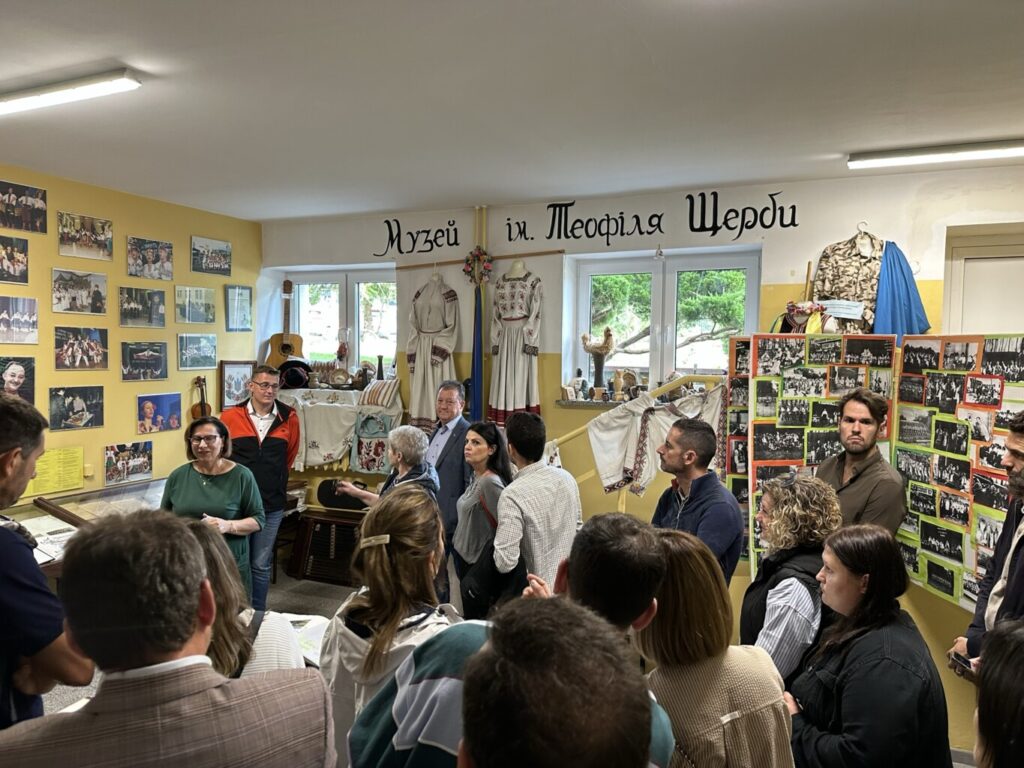
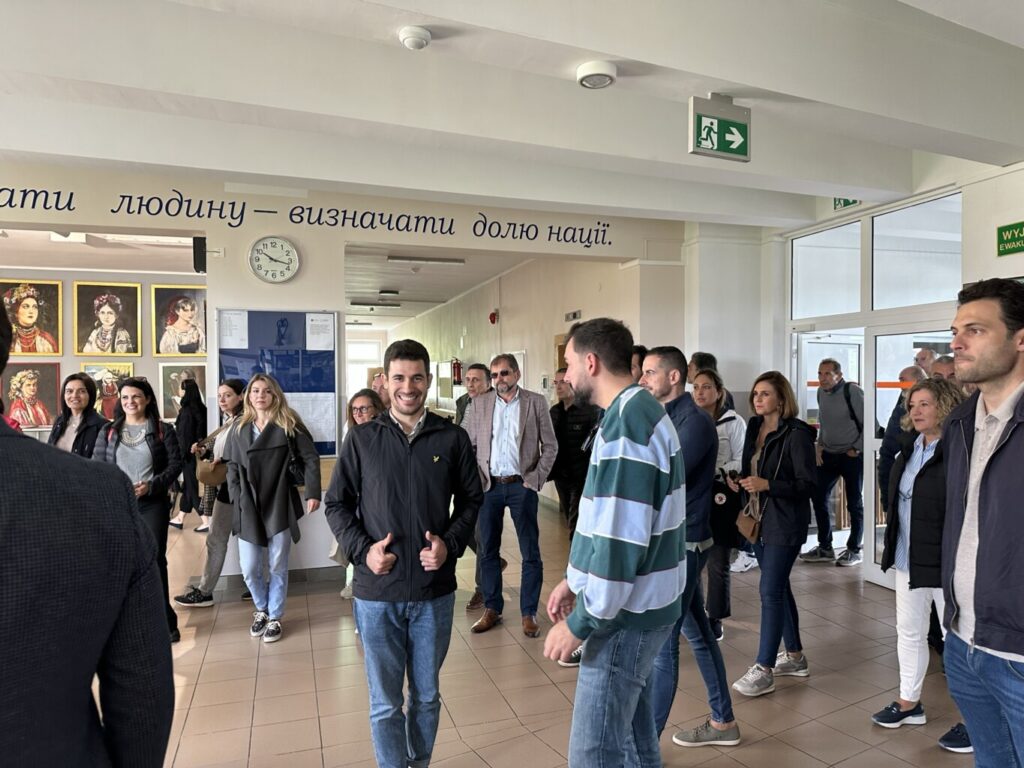
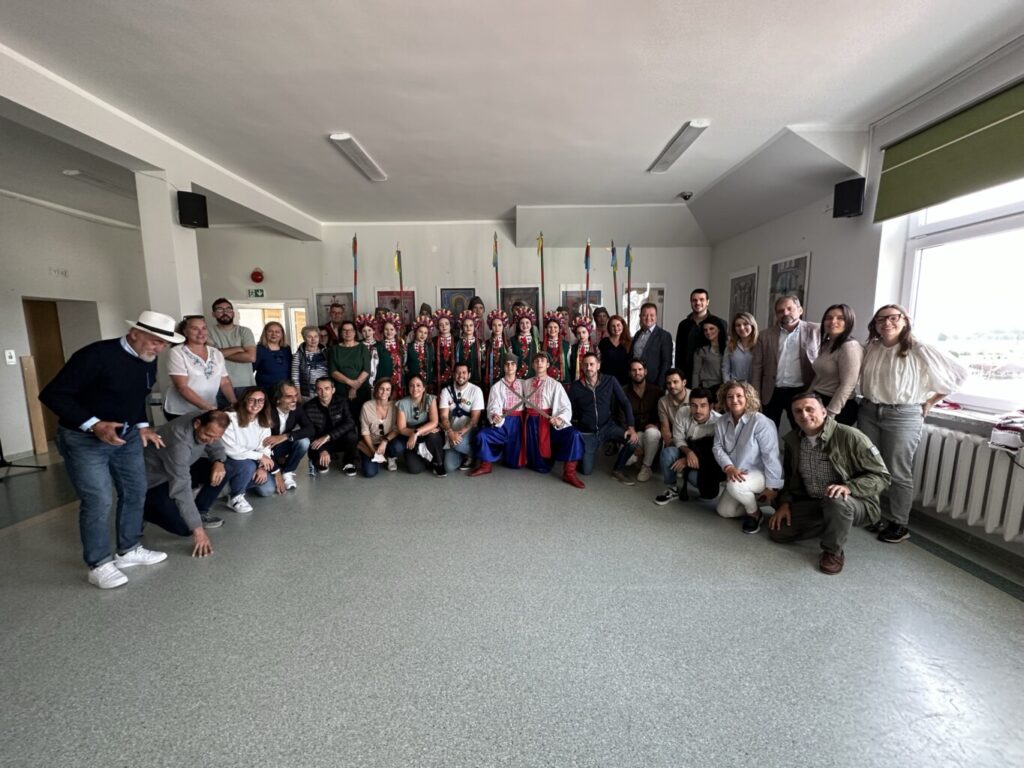
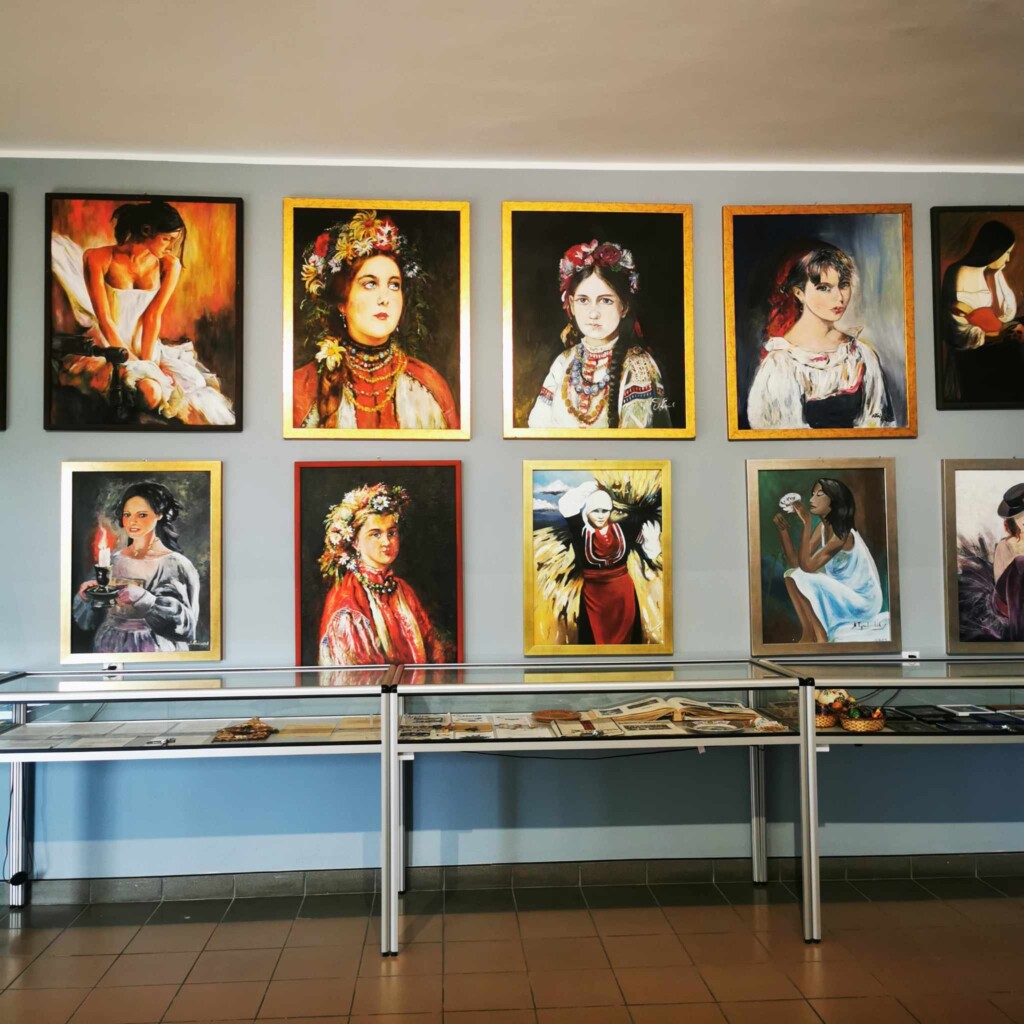
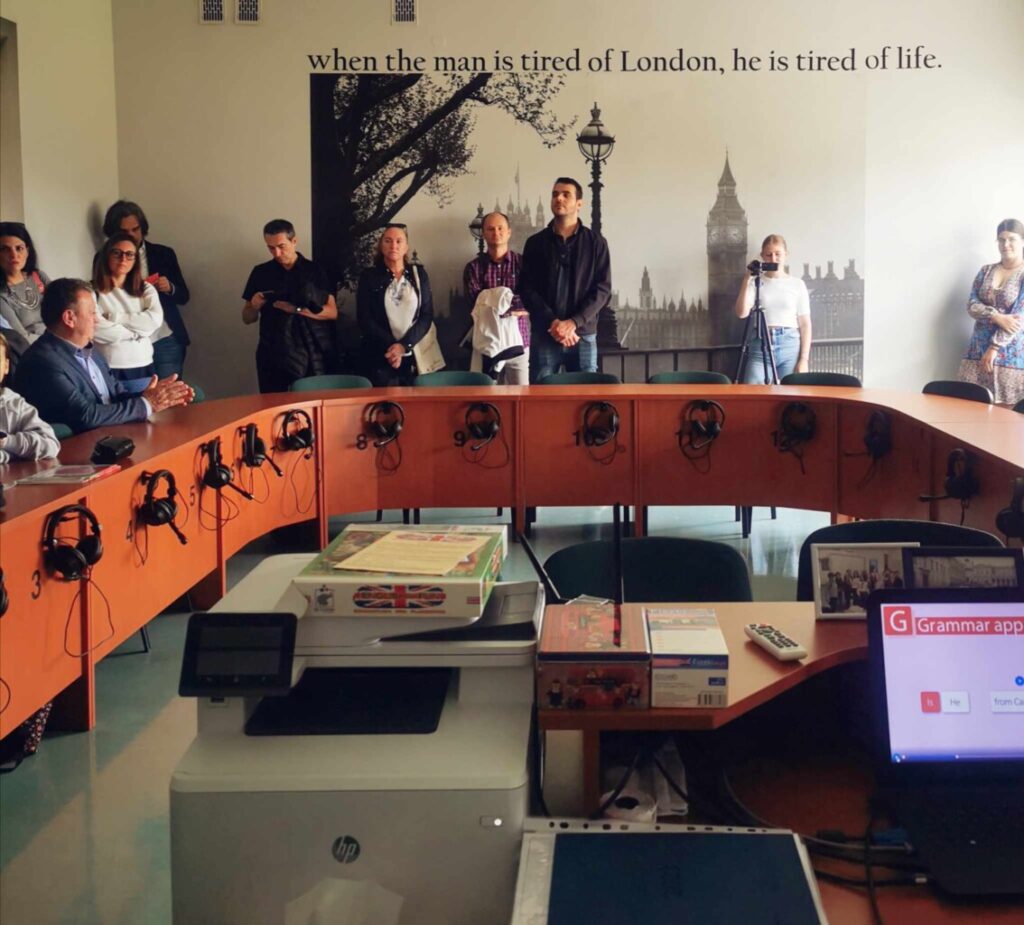
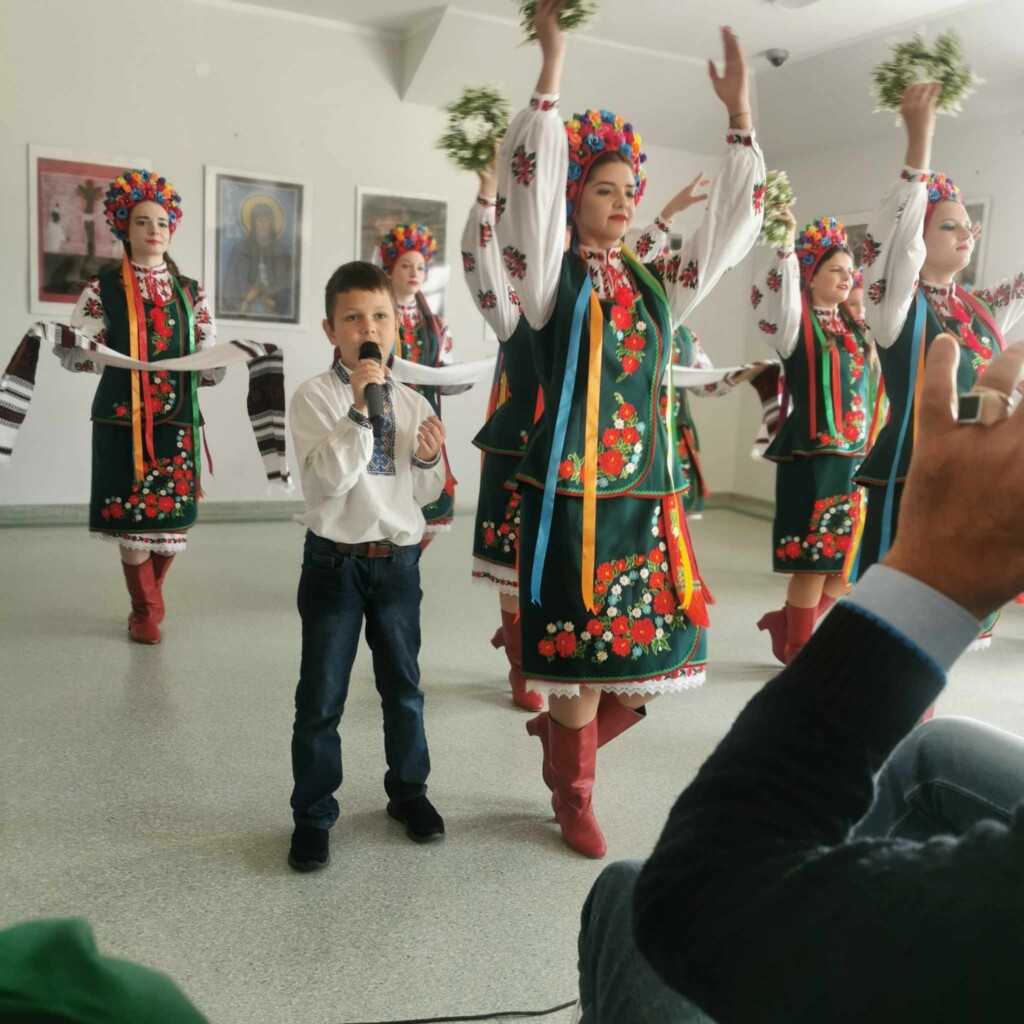
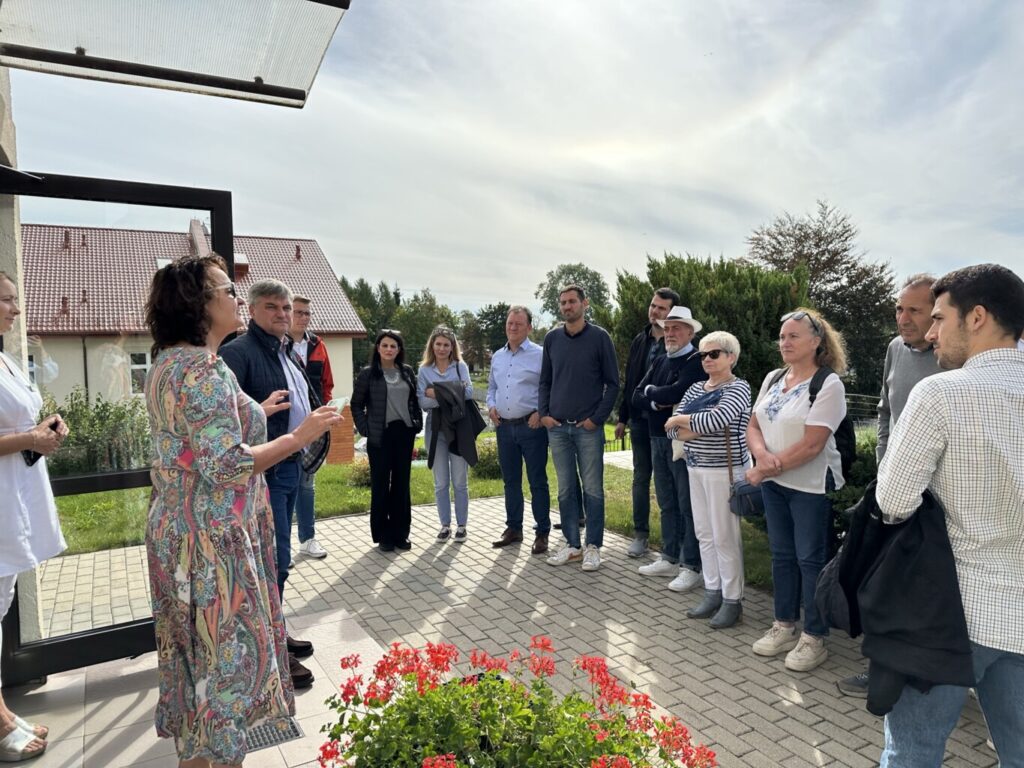
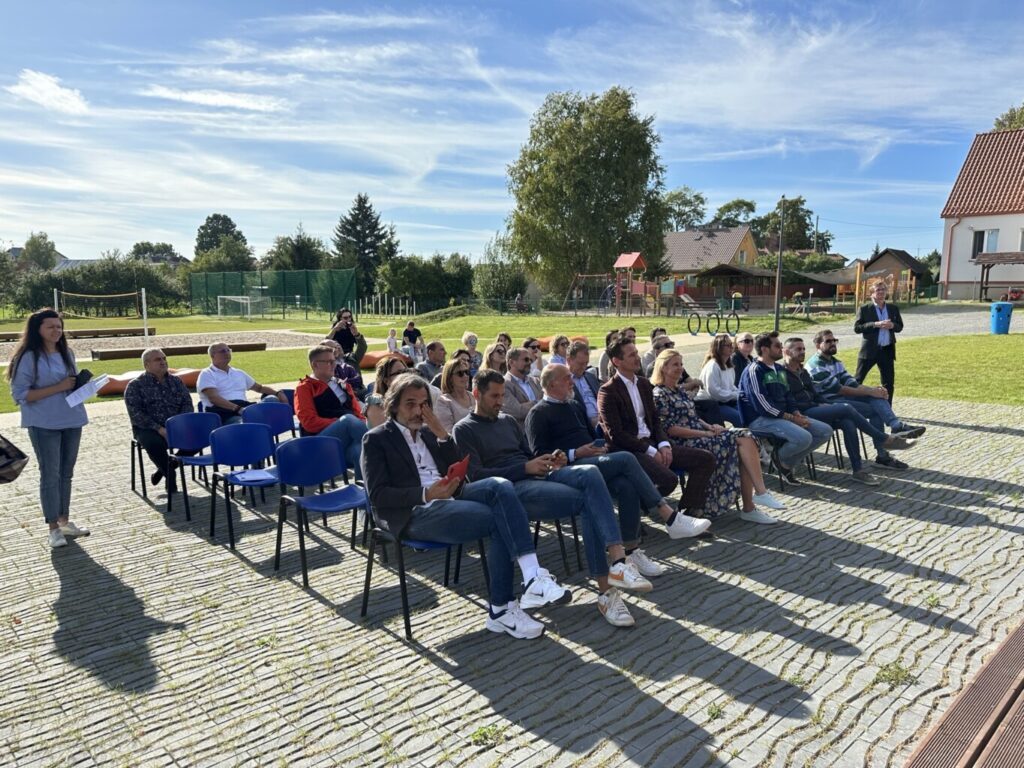
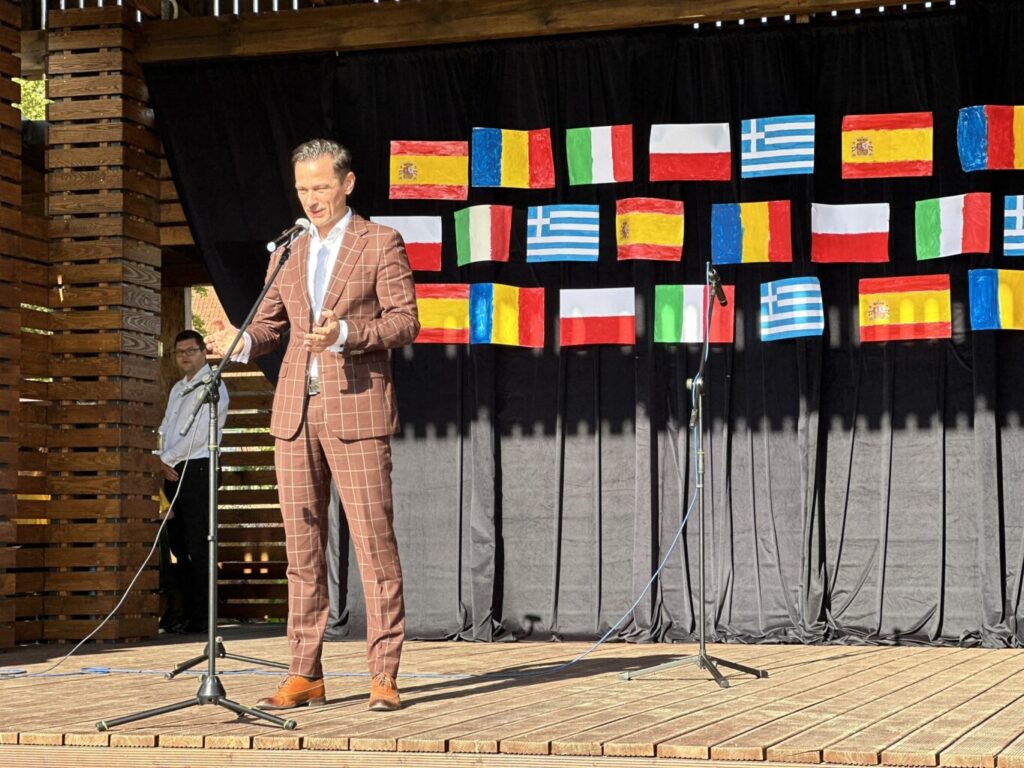
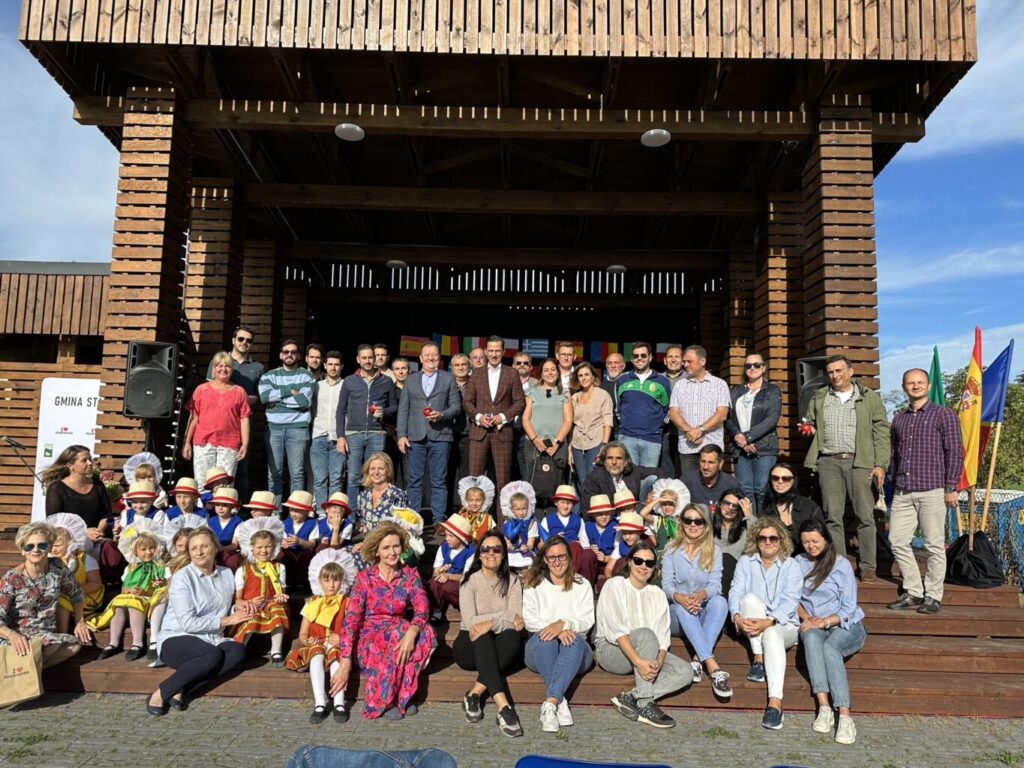
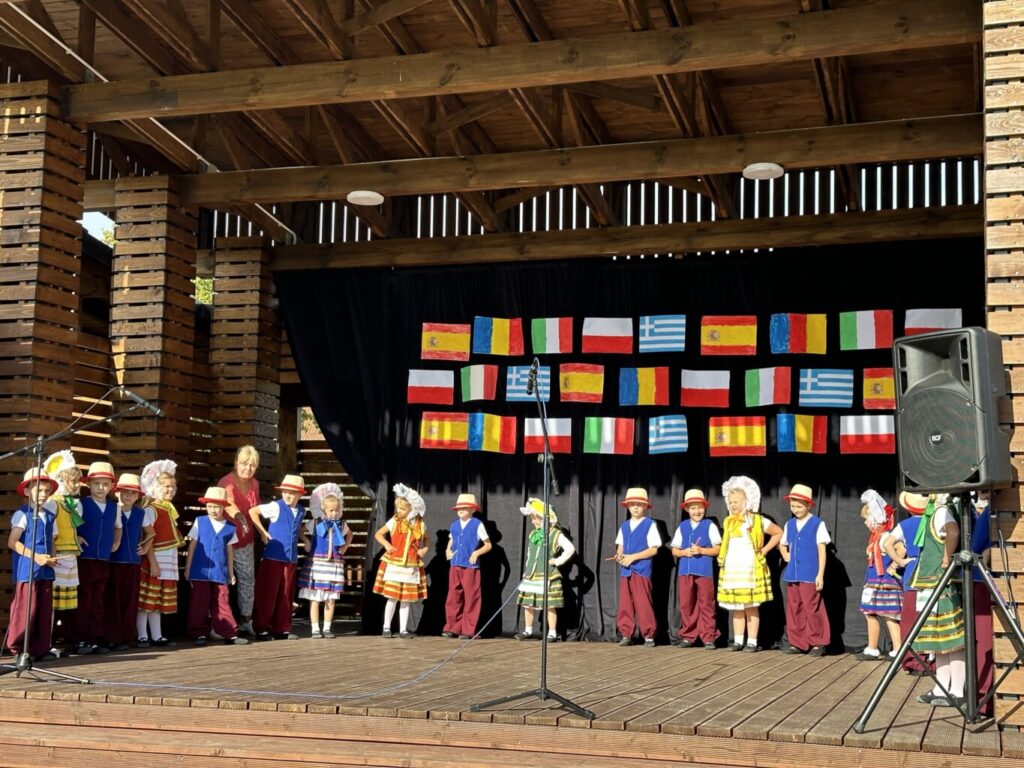
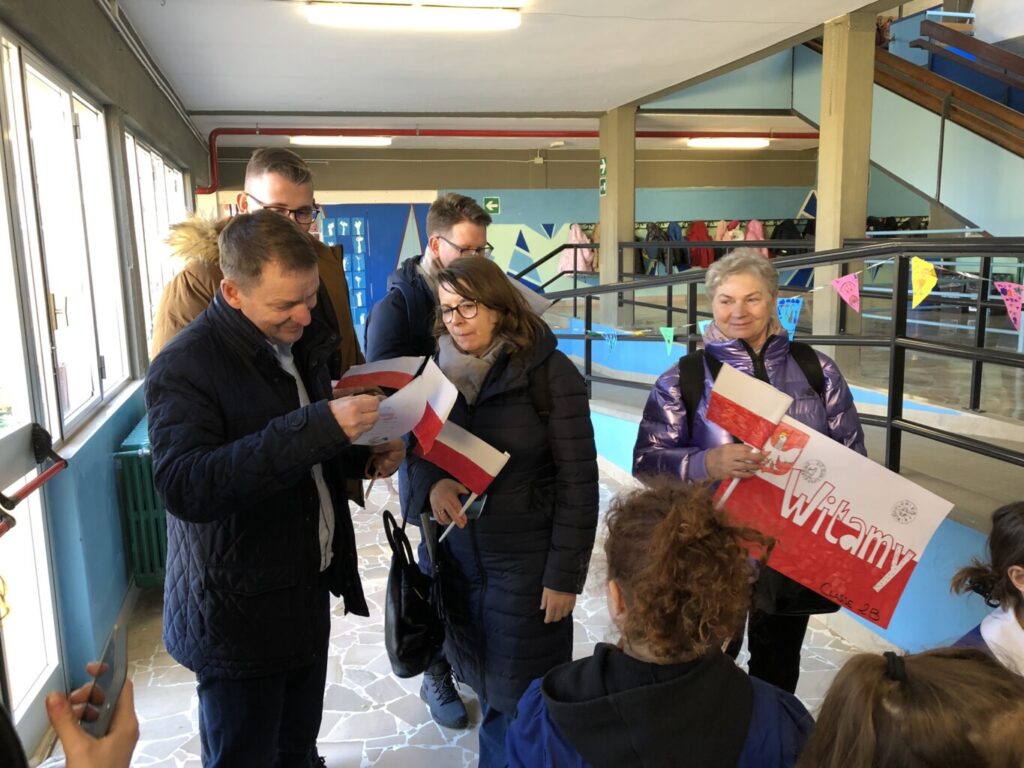
A study visit to Poland as part of the Think Global Act Local project is underway. Today, representatives of local authorities and organisations from Romania, Italy, Greece and Spain had the opportunity to visit areas in Warmia and Mazury. The guests were first welcomed by the Municipality of Górowo Iławeckie, and the first place visited was the school complex, where, among other things, children from the Ukrainian minority study. School representatives presented the school's modernly equipped classrooms, talked about the innovative approach to learning used at the school and about the interest groups which are active within the school to intensify children's integration. The teachers were also proud to mention that they obtain a number of EU grants for which they apply themselves. The culmination of the visit to the school was a performance by children from a song and dance ensemble, prepared especially for the occasion, so that our guests could learn some of the Eastern culture.

From the school we went to the Provincial Rehabilitation Hospital in Górowo Iławeckie, where the director of the hospital talked about the mission and plans of the facility. We also learned about the plans for the development of the SPA complex in Górowo Iławeckie, which is an example of the dynamic development of spa infrastructure in the region.

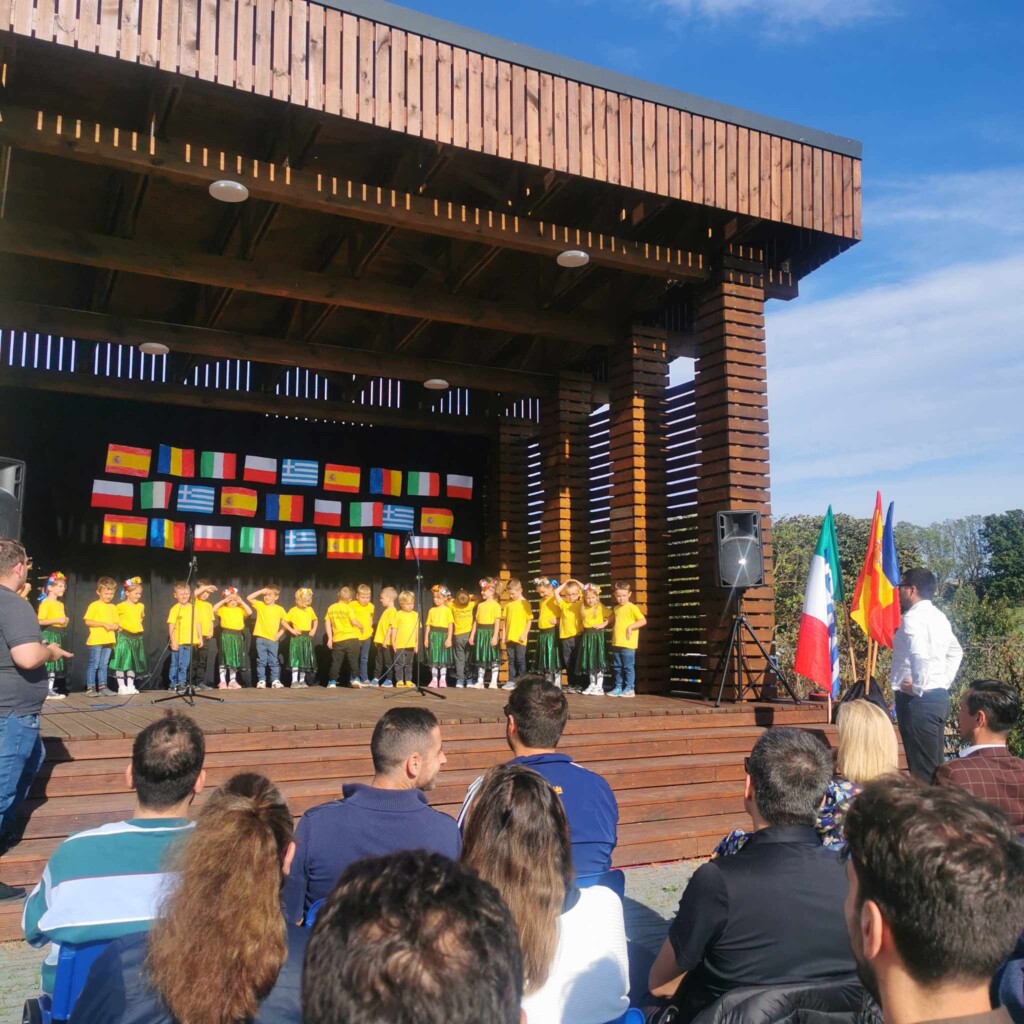
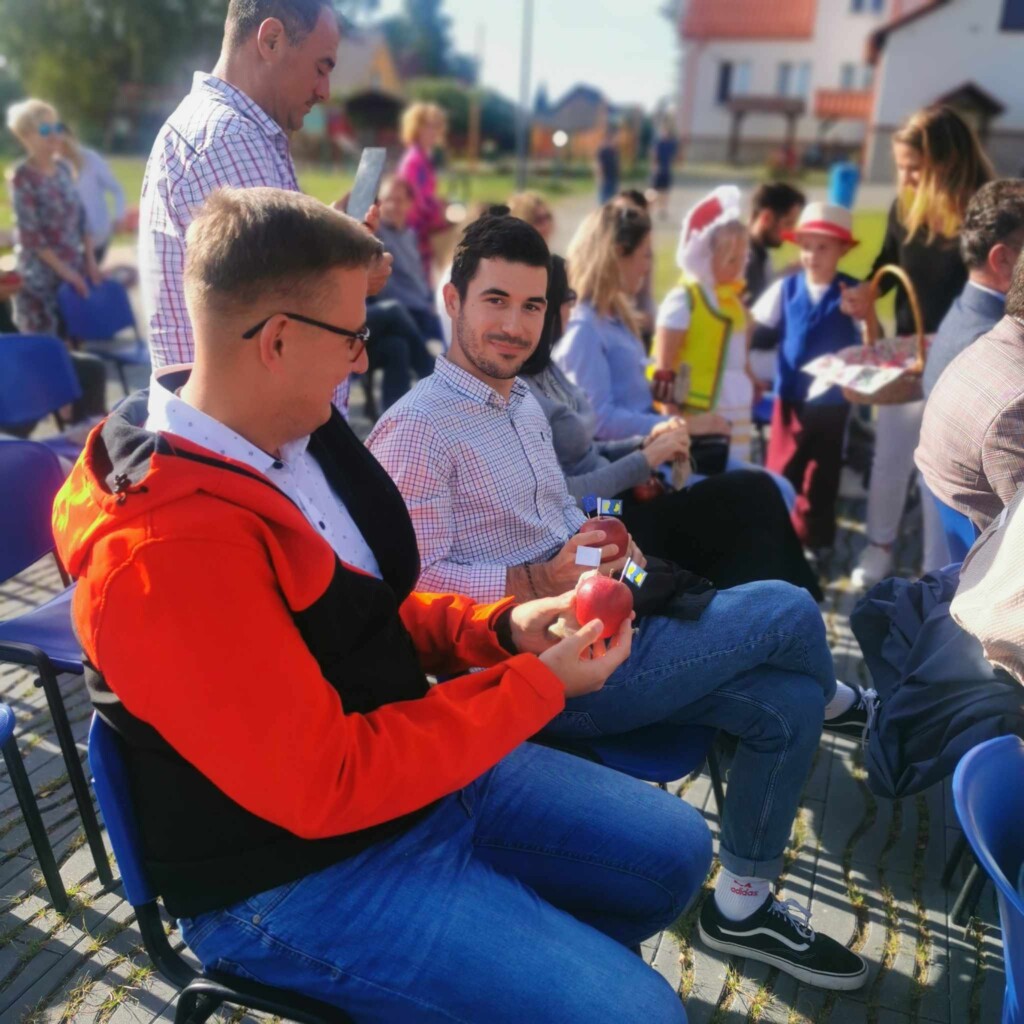
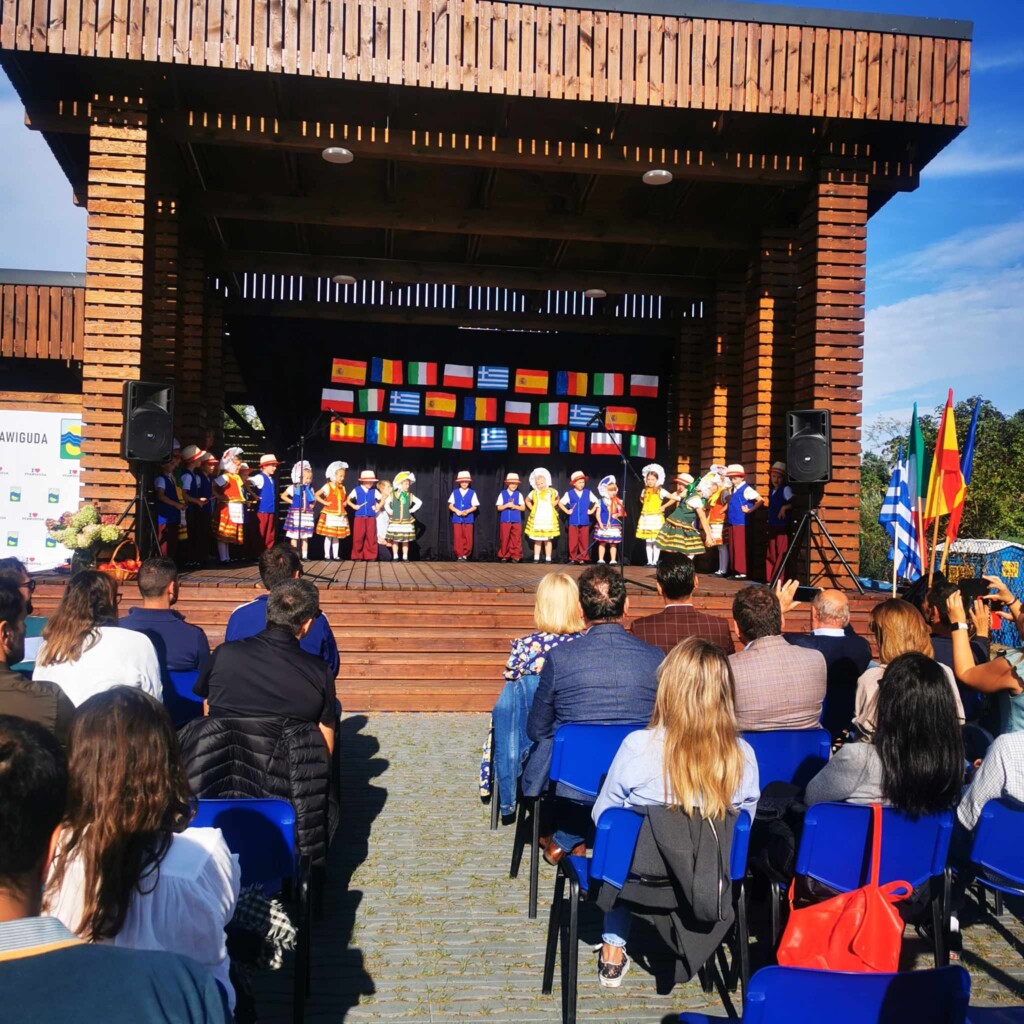
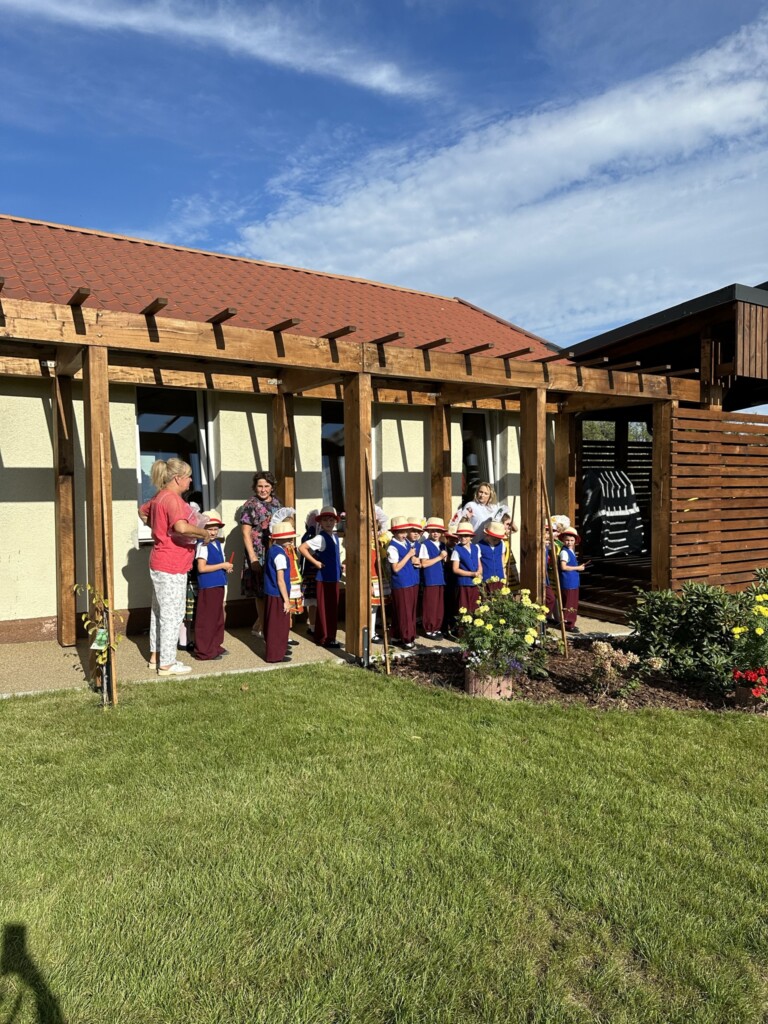
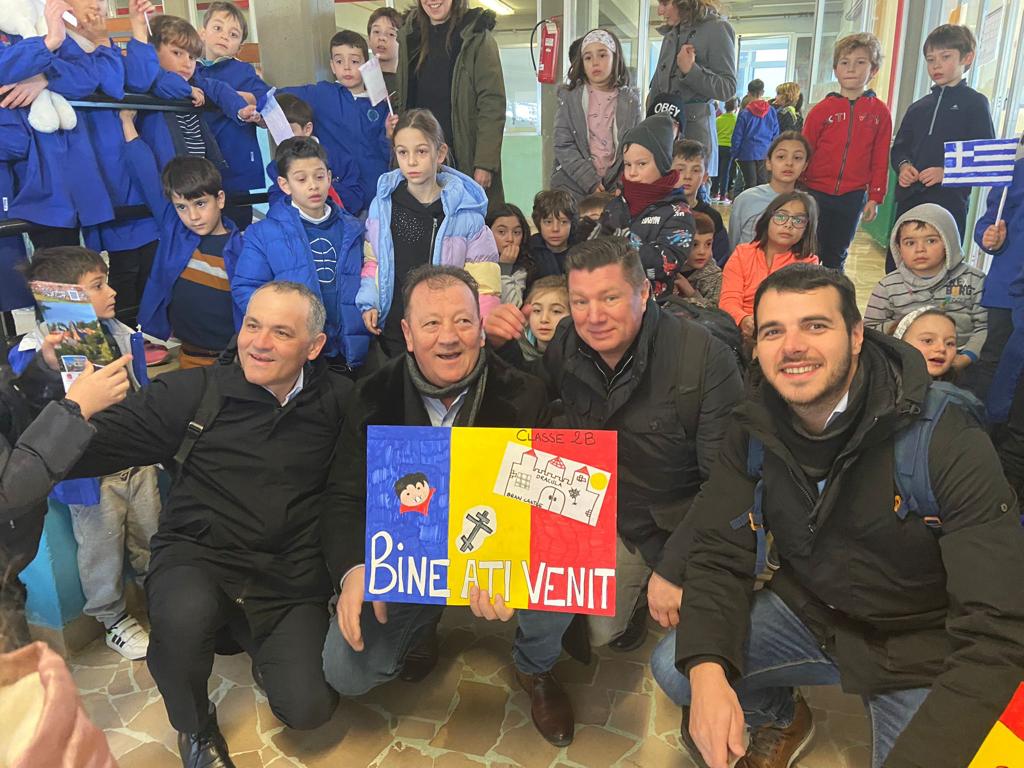
The next place visited was the kindergarten in Bartąg, in the municipality of Stawiguda. The purpose of the visit was to present the facility as an excellent place for people-to-people cooperation in the municipality. Representatives of the kindergarten talked about their daily life and initiatives. The kindergarten in Bartąg is an example of EU funds put to good use, with the commune providing the infrastructure, and the grounds developed and modernised with EU funds. The mayor of the Stawiguda commune emphasised that one should strive to create communities based on the European Union, where it is possible to exchange experiences and support each other by transferring good practices to their local communities. The presentation of the facility was honoured by a performance by kindergarten children. After the visit to the kindergarten, we went to the nearby Aromapark in Bartążek, also created with EU funds, where the success of the project can be attributed to the cooperation of the office with local residents. The park is planted with plants with unusual aromatic qualities and is situated in unusual natural surroundings. The initiators of the concept were students of the University of Warmia and Mazury in Olsztyn, and the final choice, from several other design proposals, was made by the inhabitants of the village.

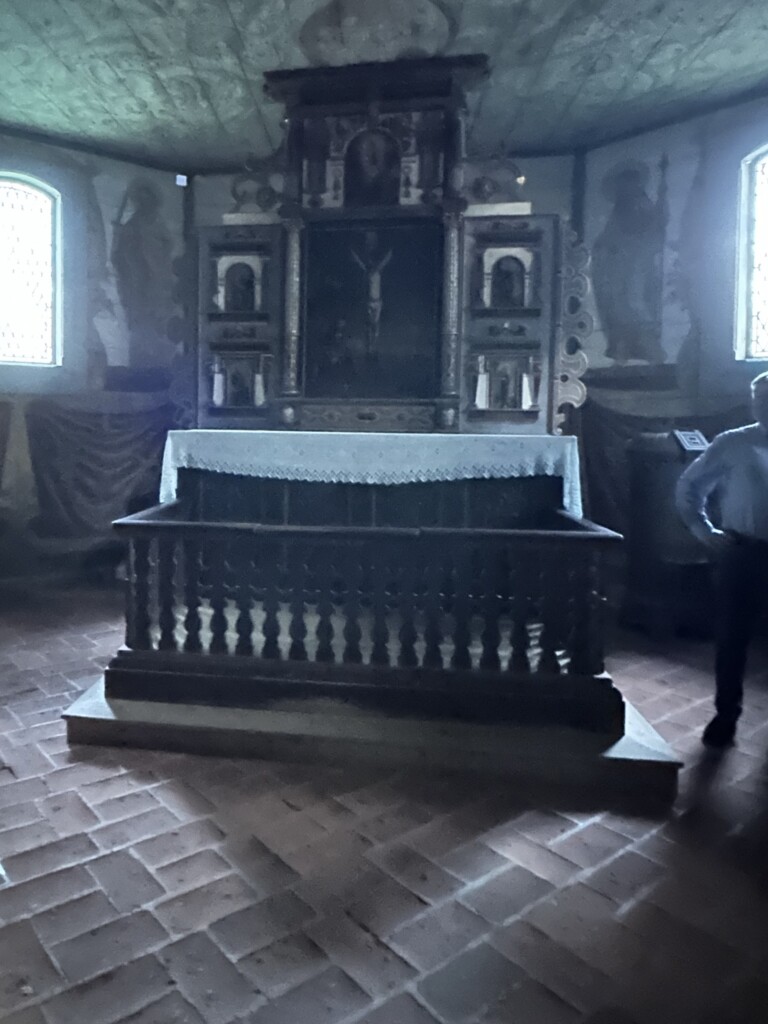
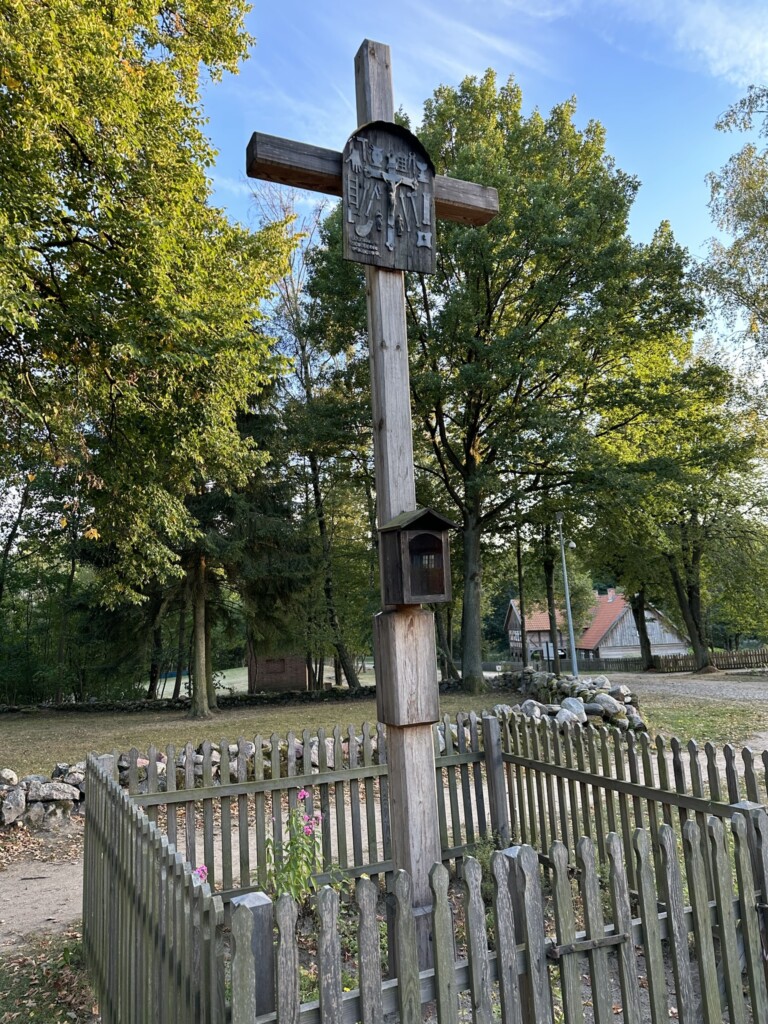
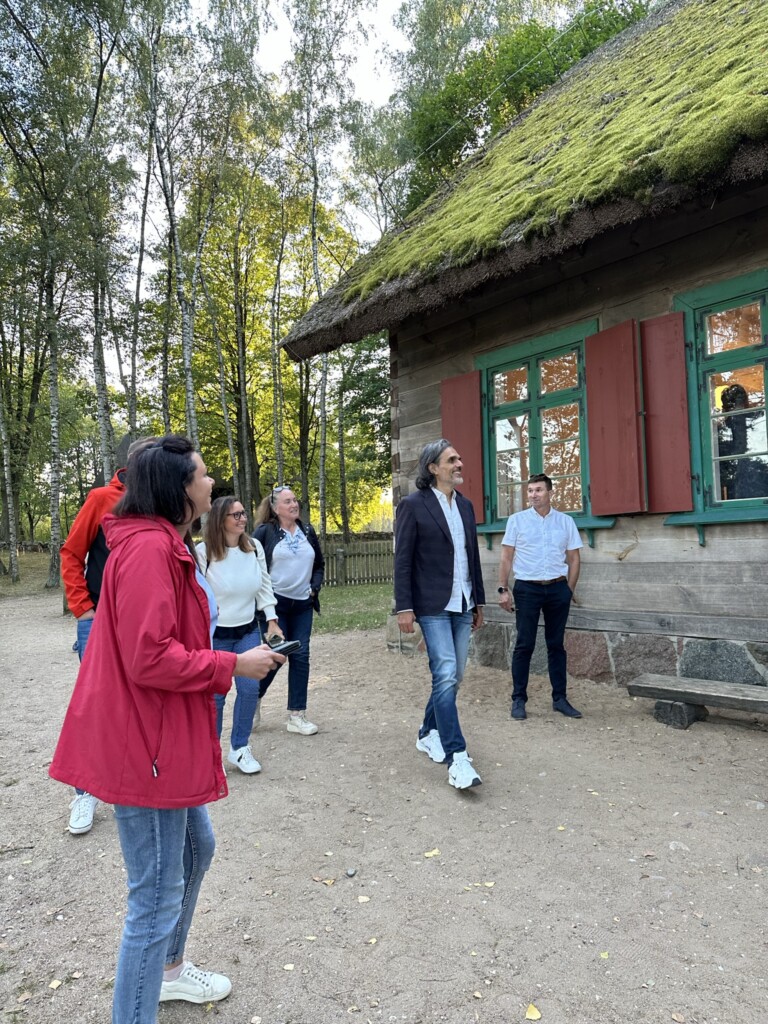
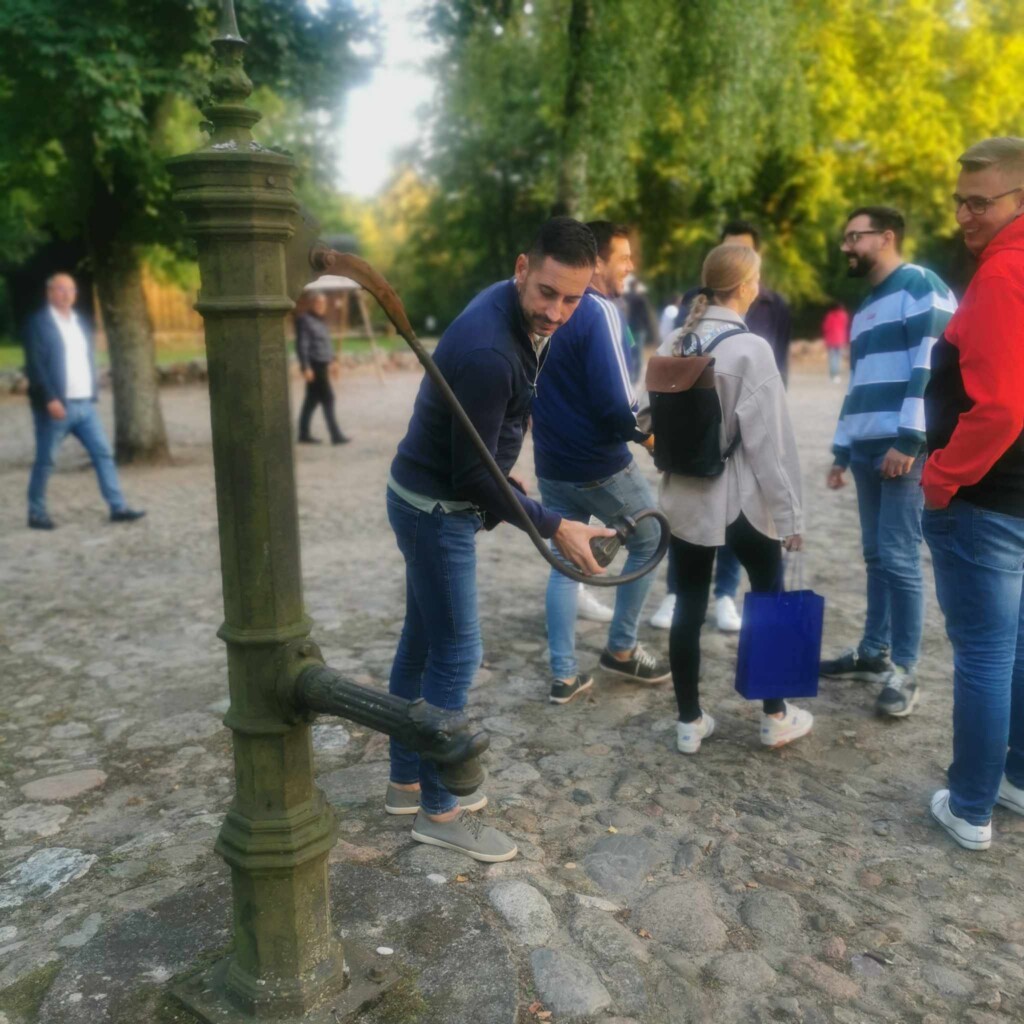
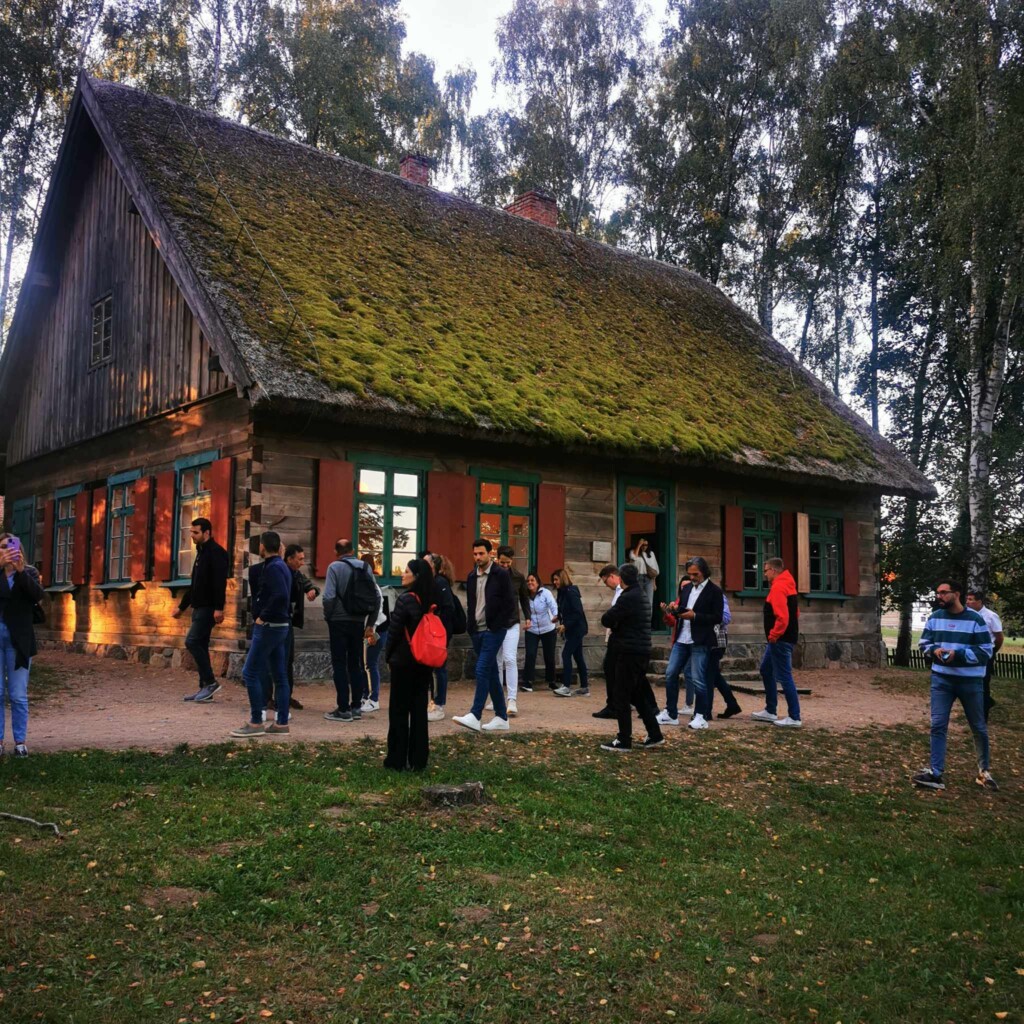
From the Stawiguda commune we headed towards the Olsztynek commune, to the Folk Architecture Museum - Ethnographic Park in Olsztynek, often referred to simply as an open-air museum. The museum's sizable grounds house 80 objects of large and small rural architecture from Warmia, Mazury, Powiśle and Mała Litwa. The interiors take visitors back in time, introducing them to the history, ancient culture and art of the region.

The third day of the study visit is still ahead of us. Tomorrow we will visit selected municipalities in the Pomorskie Voivodeship.

TGAL - first day of study visit in Poland

The Tink Global Act Local project is a pilot project bringing together cities and municipalities from five European countries - Romania, Italy, Greece, Spain and Poland - with the aim of involving their citizens more effectively in the life of their communities, while creating a sustainable strategy for cooperation and exchange of good practice at EU level.

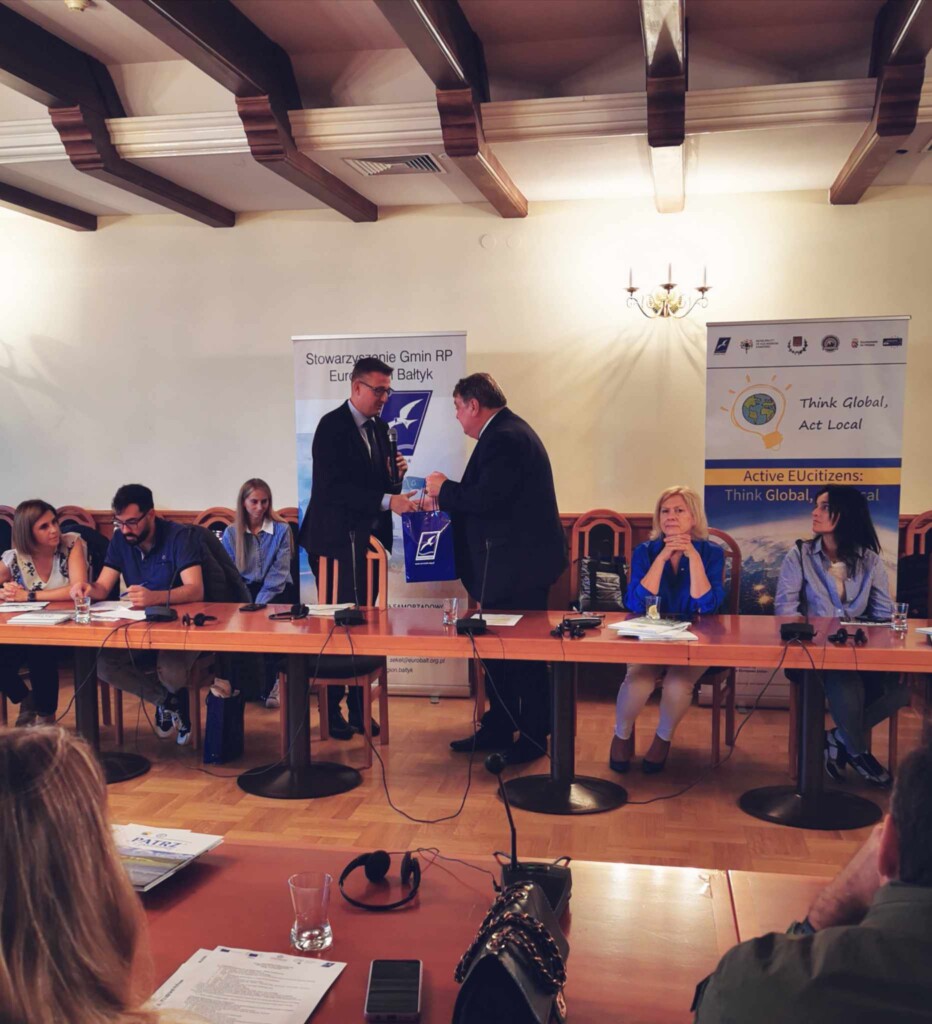
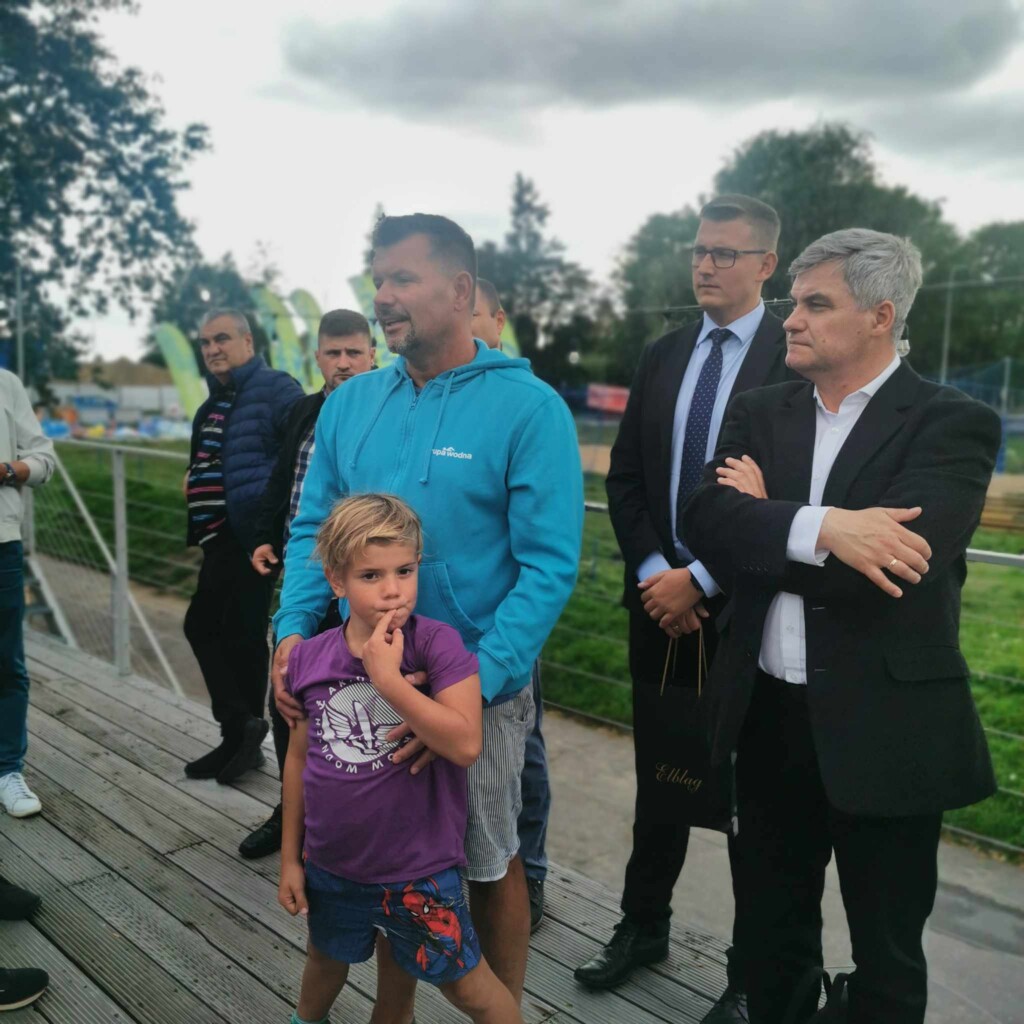
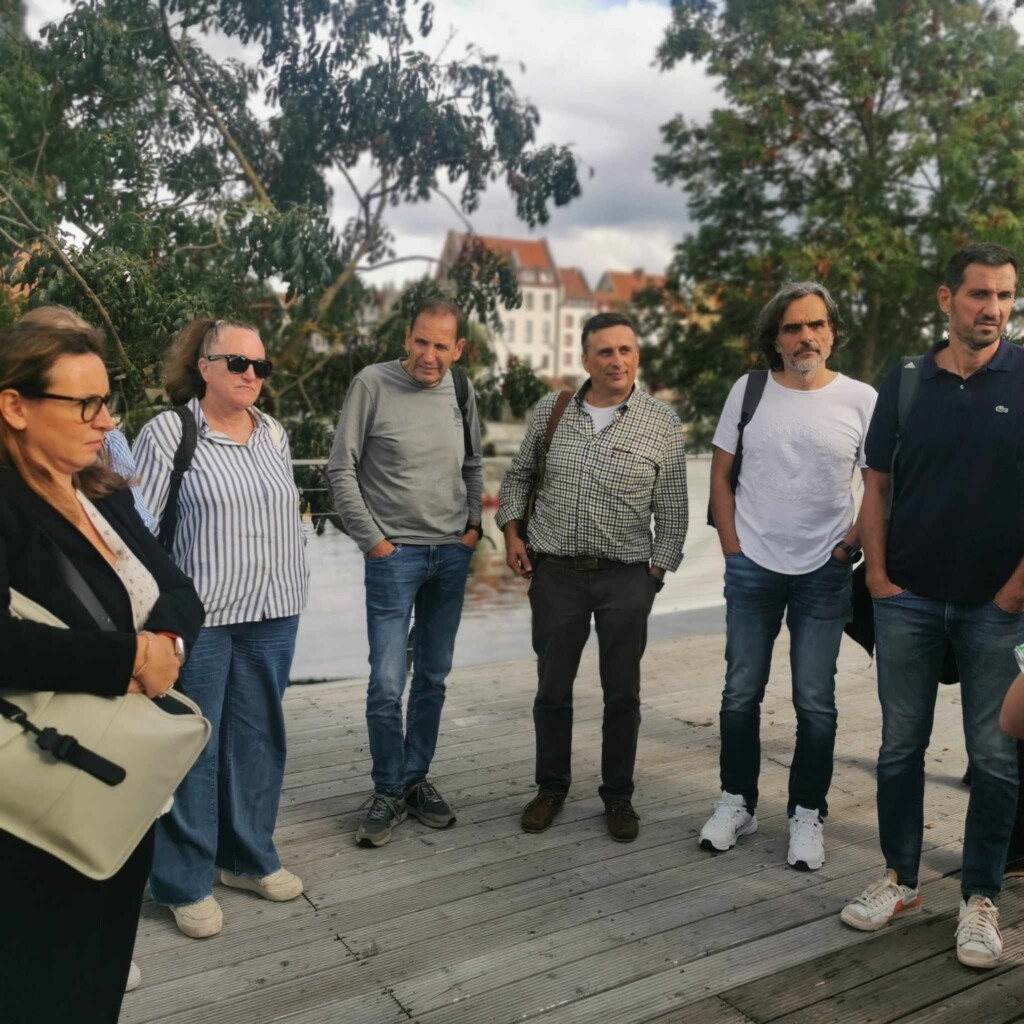
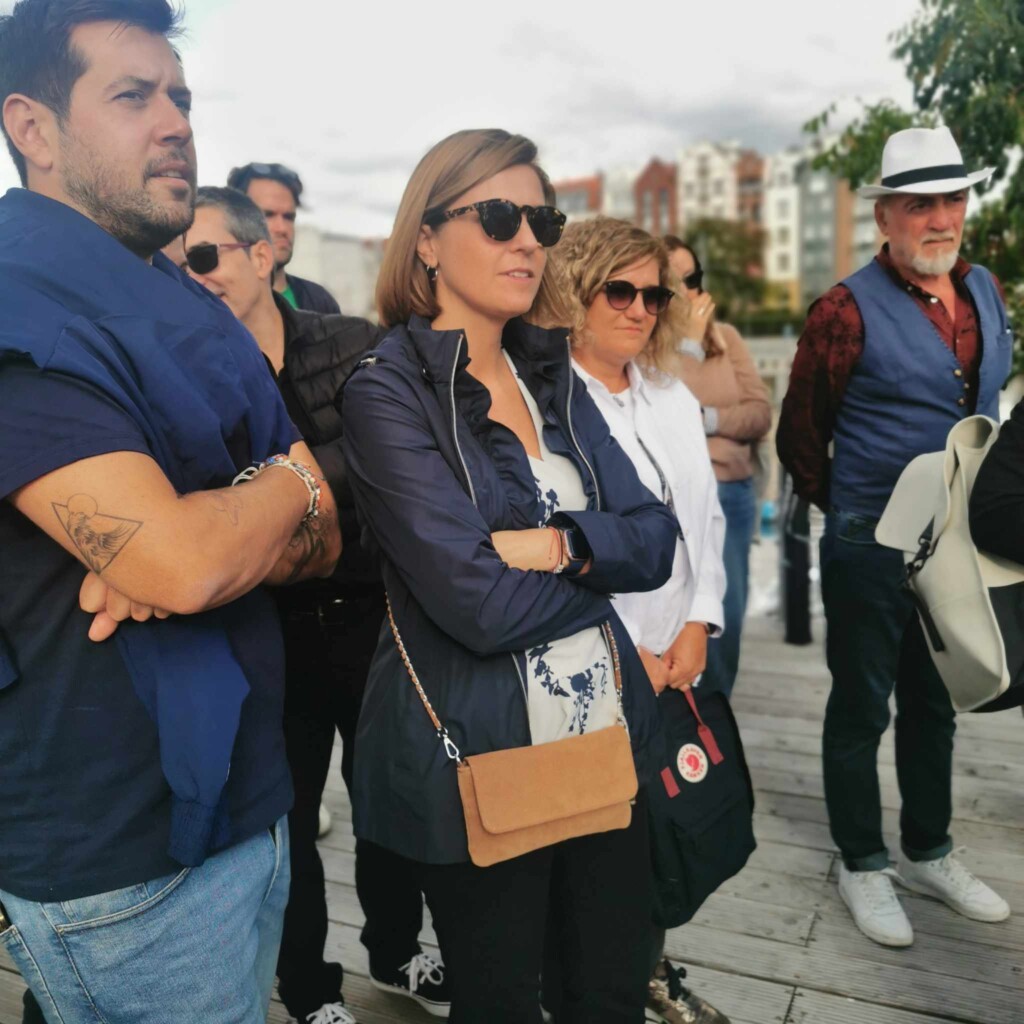
Today we welcomed delegations from Spain, Romania, Italy and Greece to Elbląg. The official part of the meeting took place in the Elbląg Townhouses. Our guests had the opportunity to learn more about the history, the idea of international cooperation and future initiatives of Elbląg. Each partner then took the floor, presenting the priorities of their own local policy.

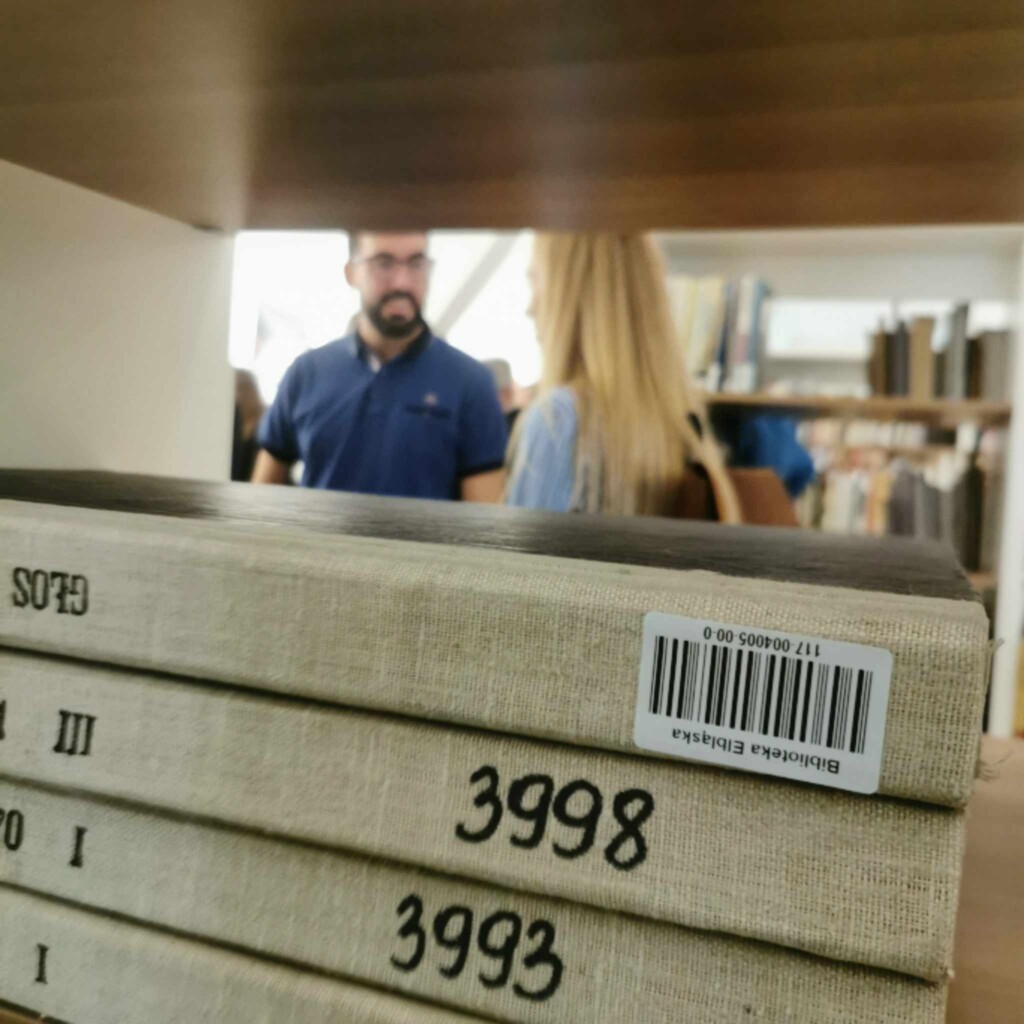
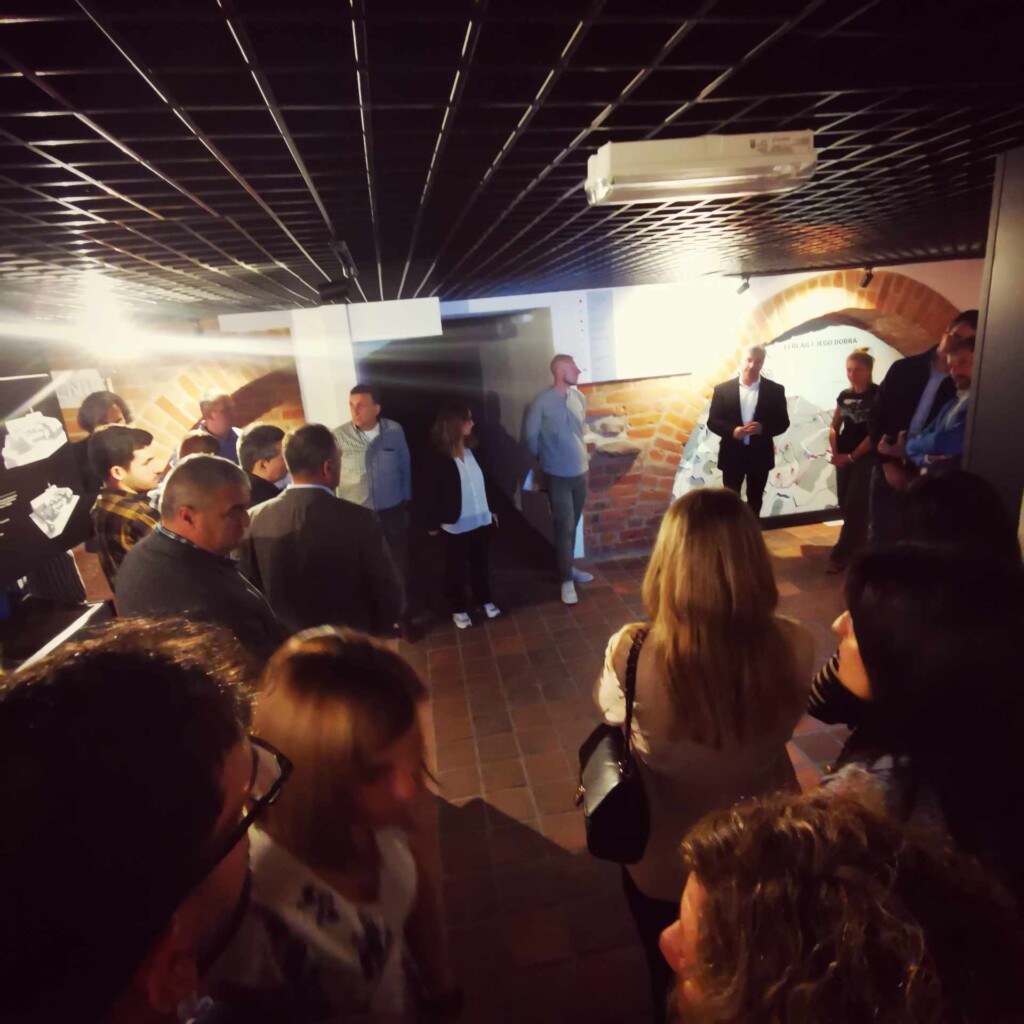
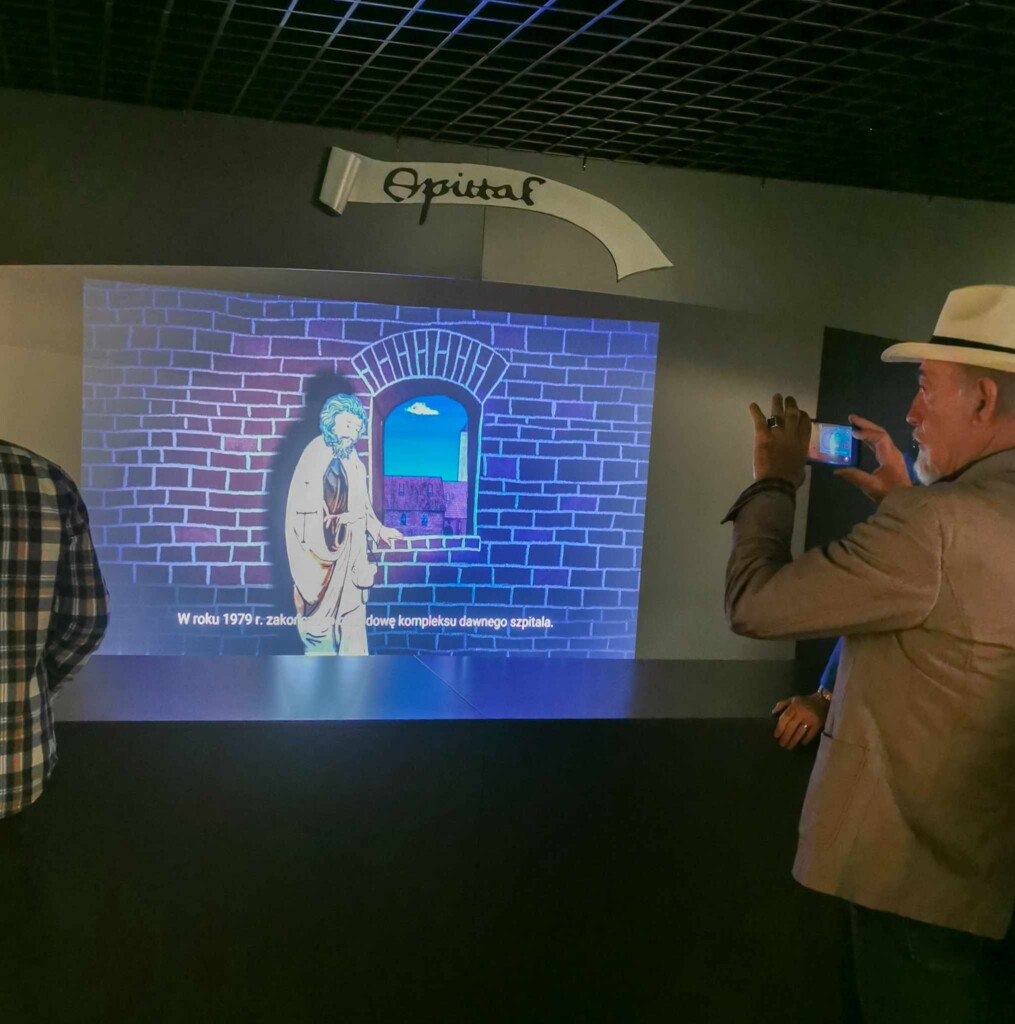
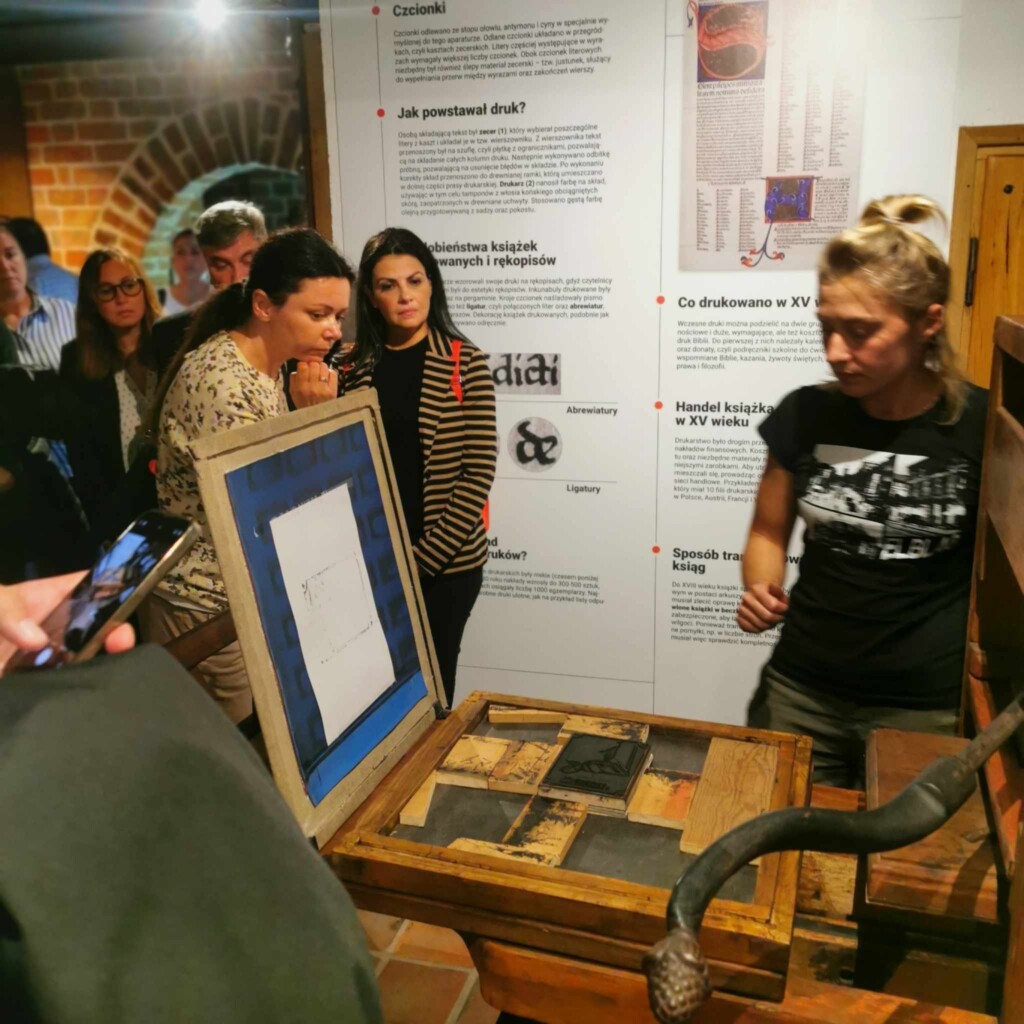
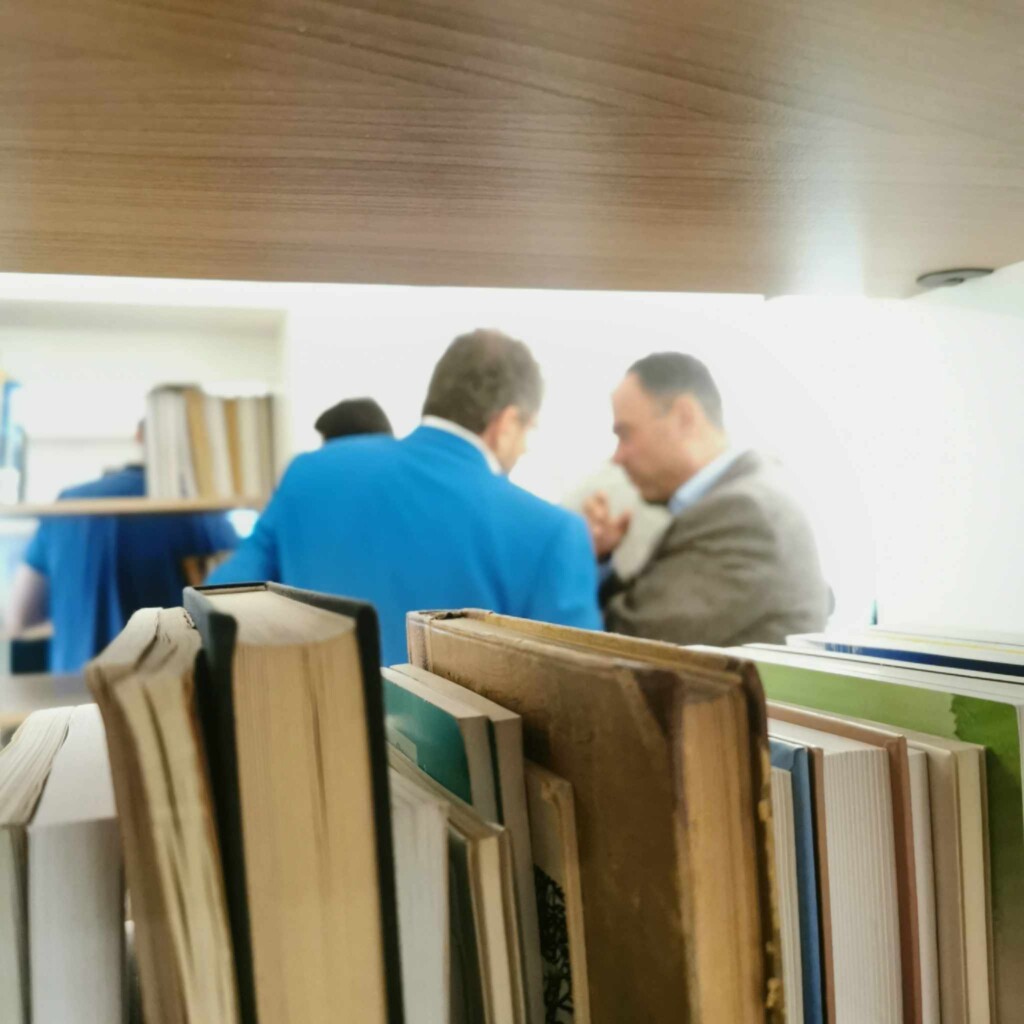
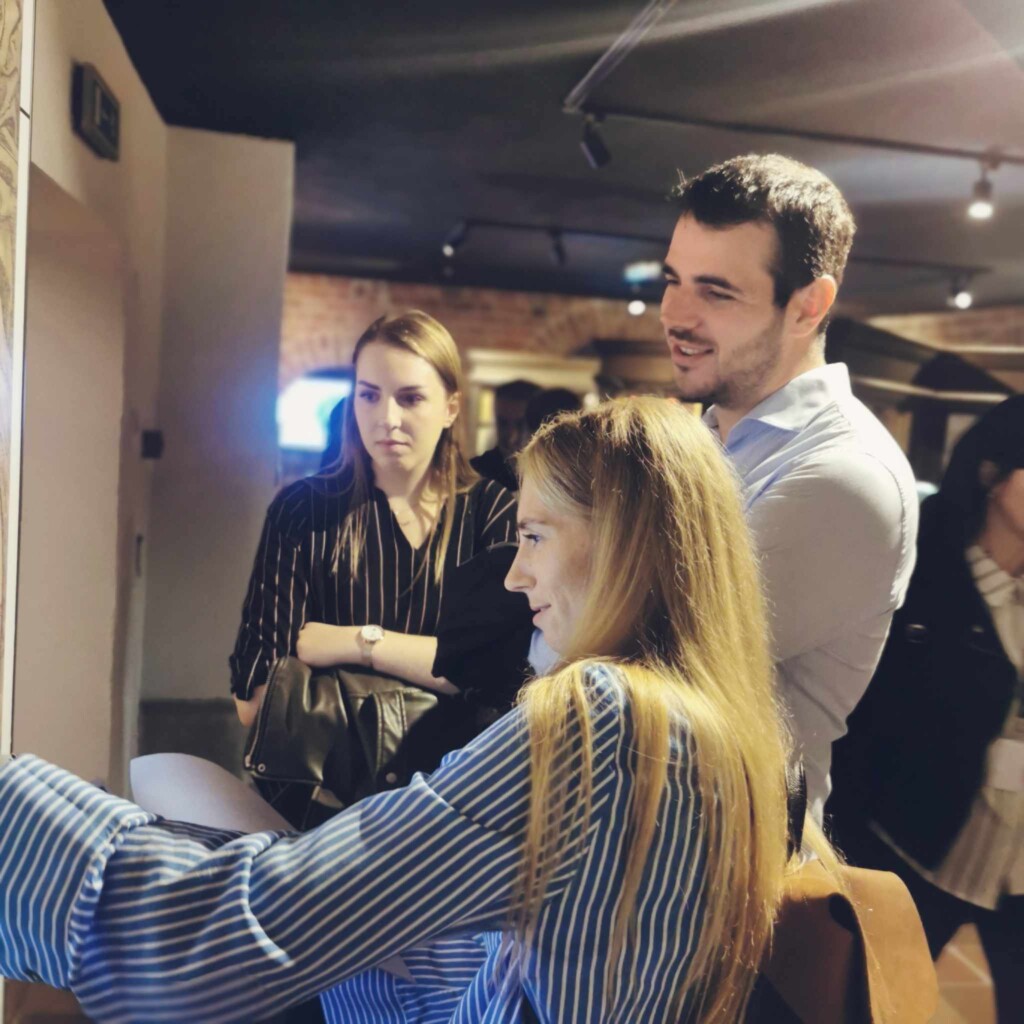
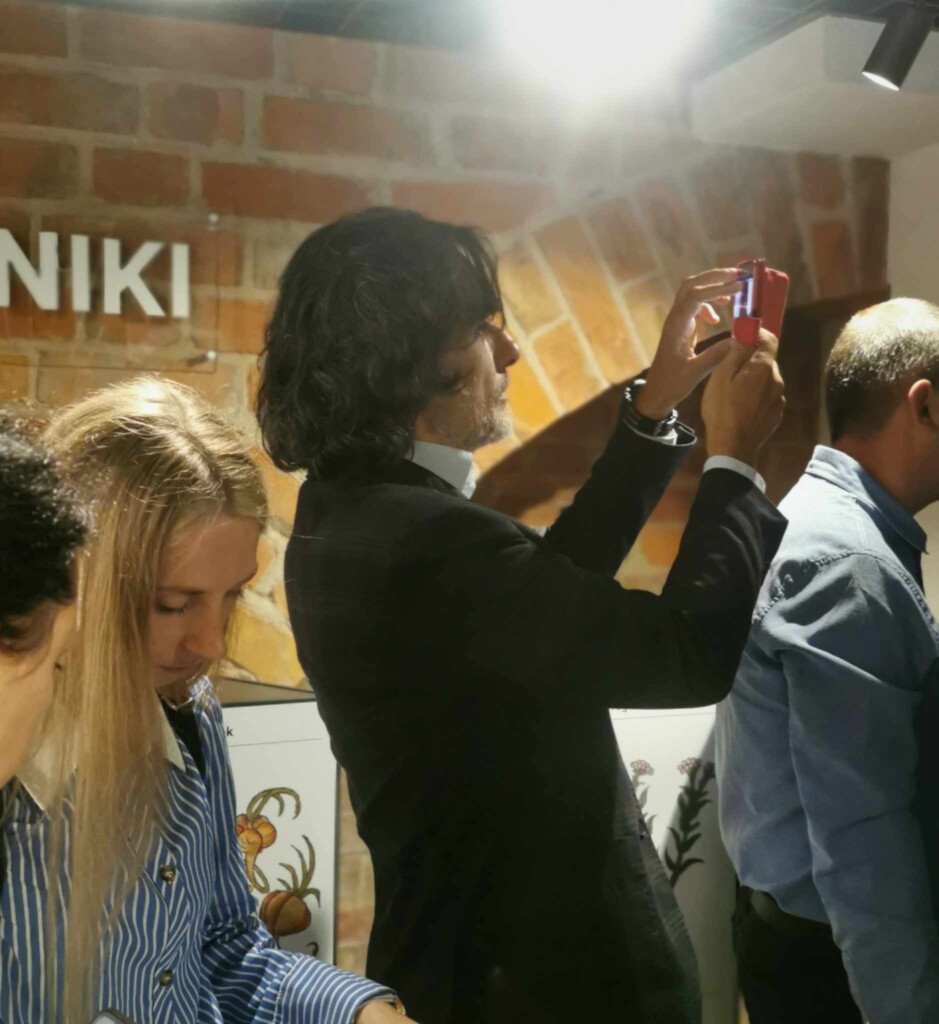
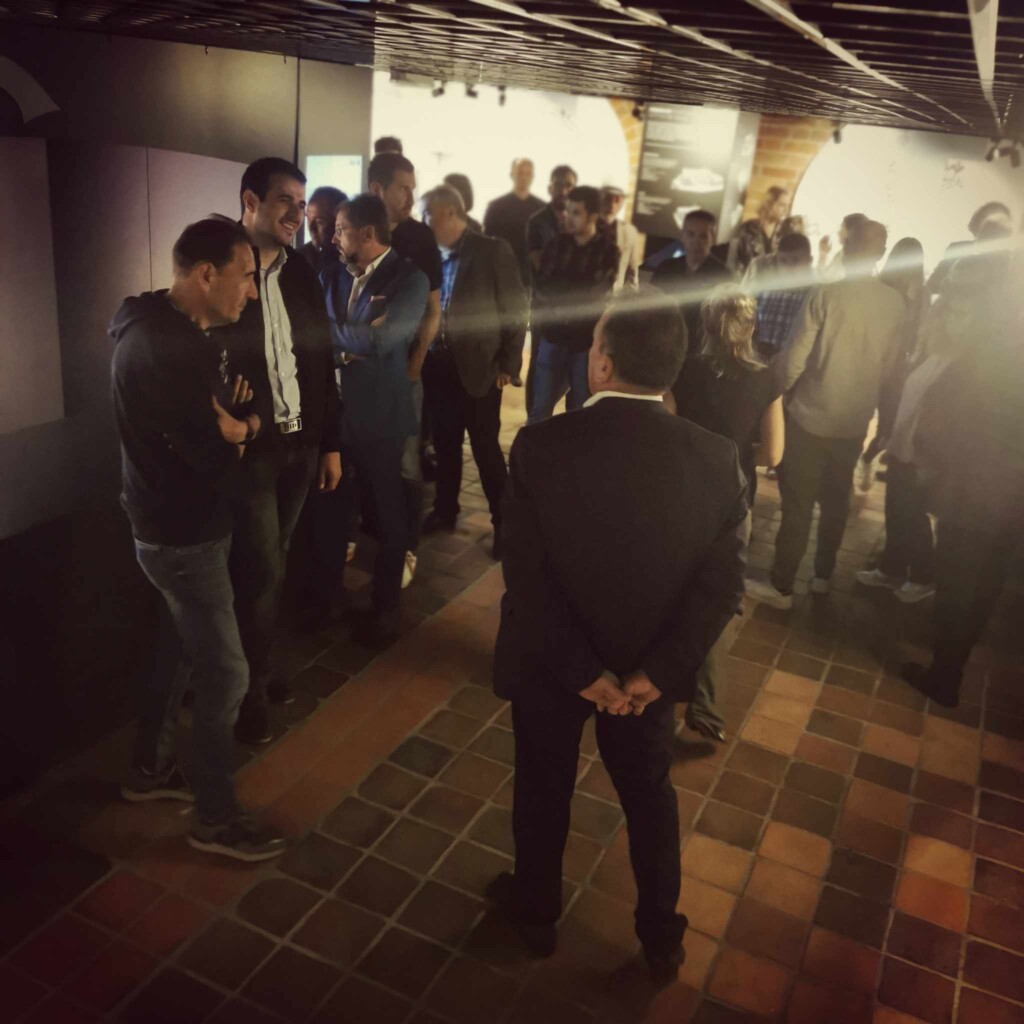
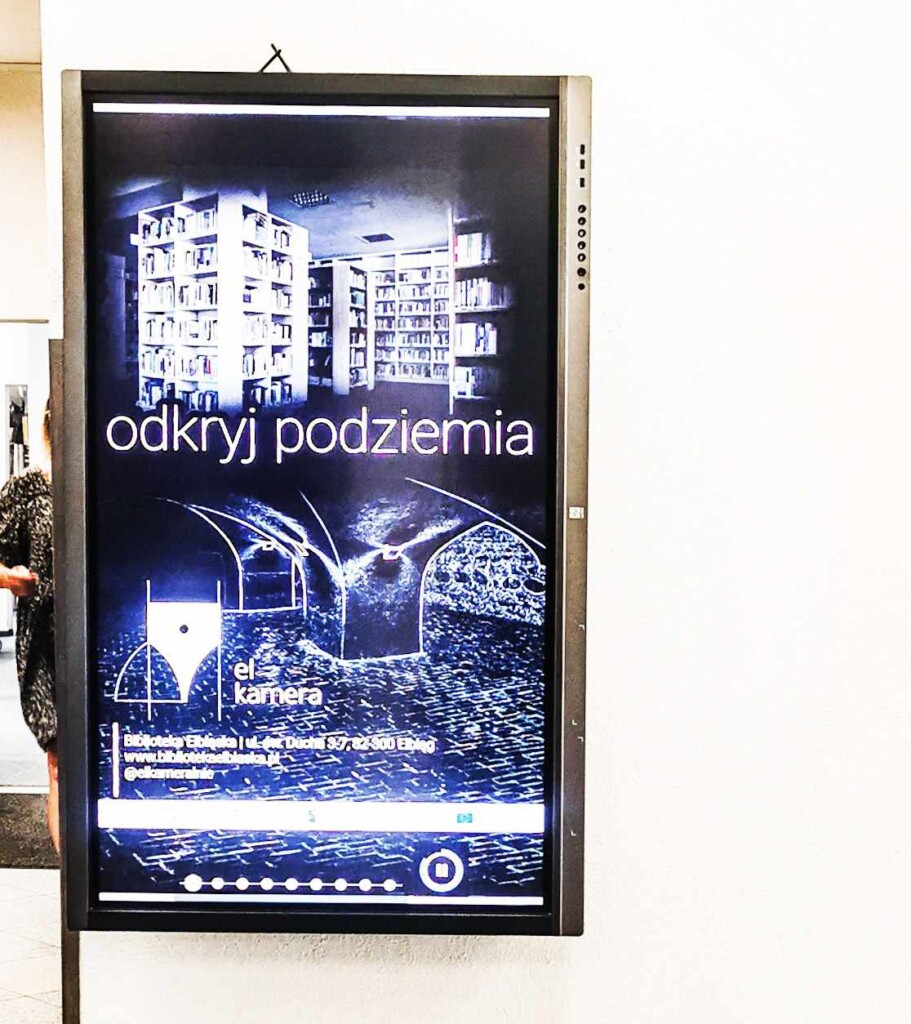
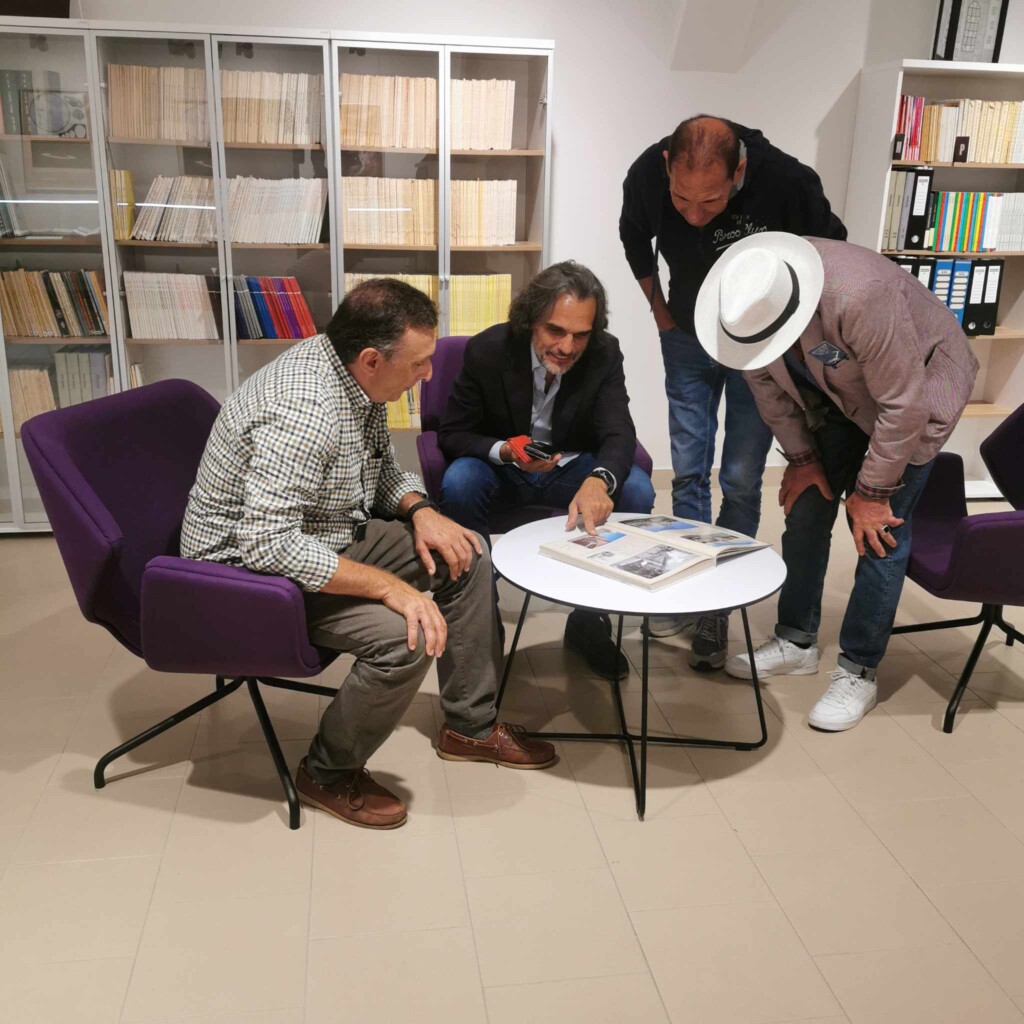
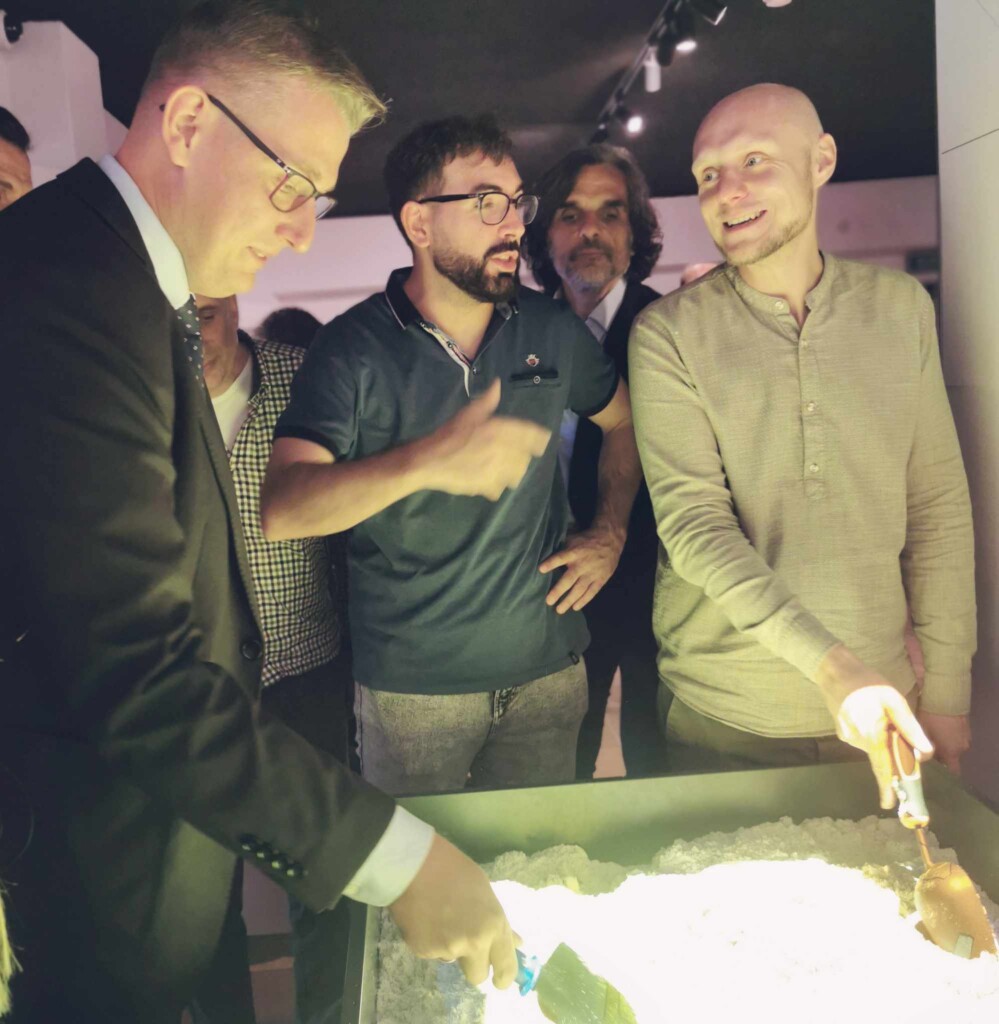
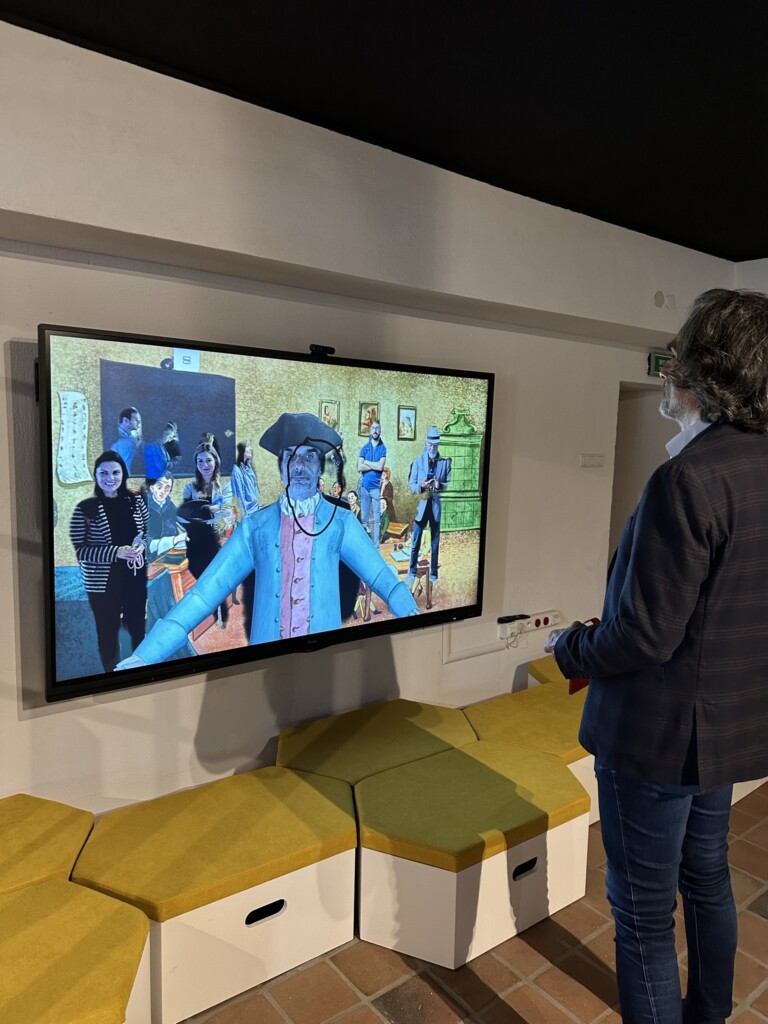
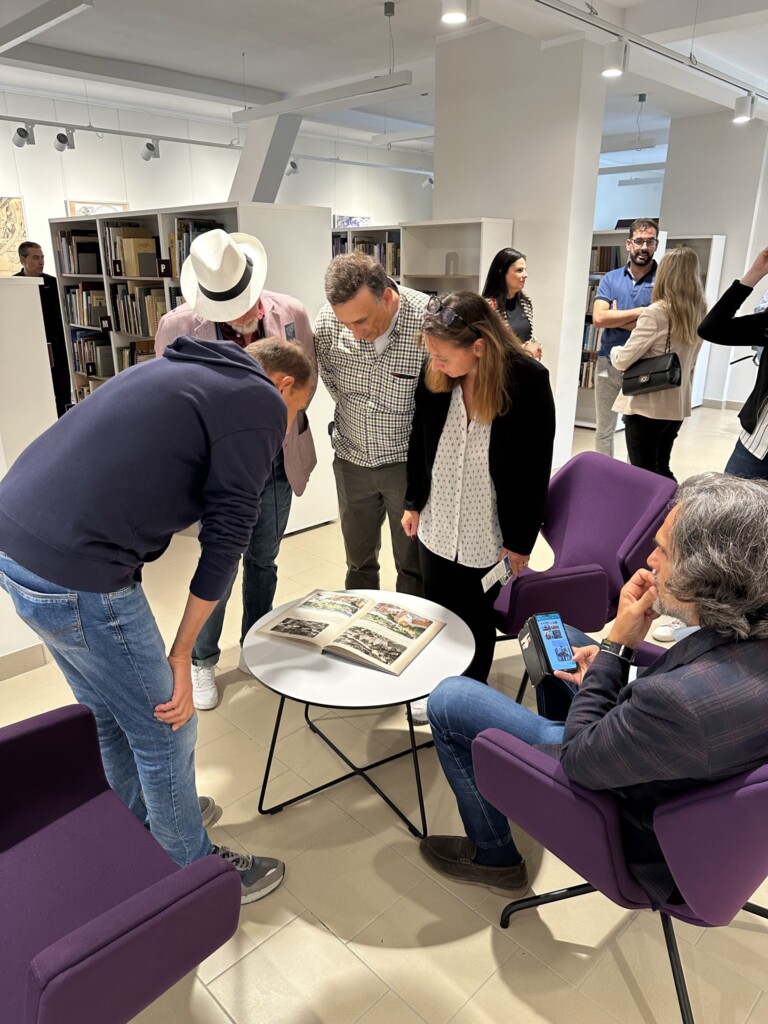
After the official part, the group went to the Elbląg Library to see the exhibition entitled Elkamera - Interactive Exhibition of Old Books and Newspapers. During a walk through the exhibition, located in the basement of the building, one could see the Gutenberg press up close, learn about the origins and history of the development of printing and the creation of books. We listened to the history of the establishment of the grammar school in Elbląg, learned about the rich history of the hospital buildings and the history of the Elbląg Canal. We also had the opportunity to familiarise ourselves with the historic book collections.

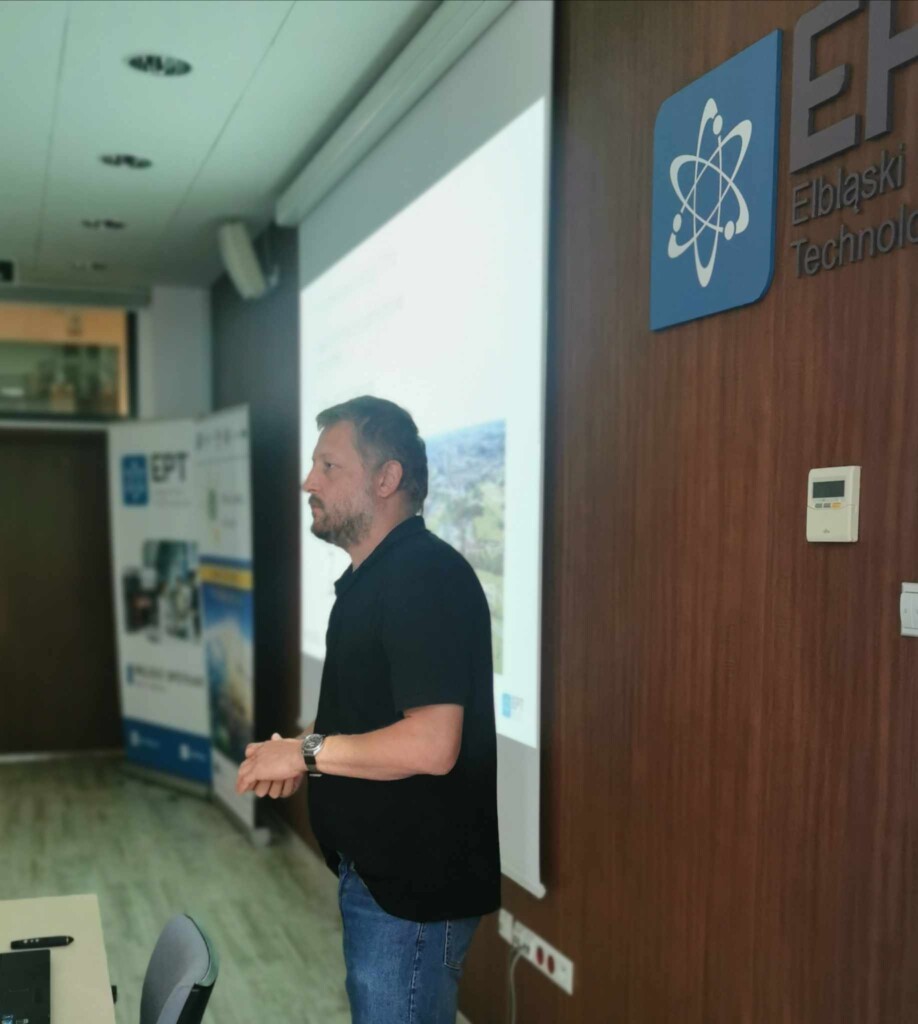
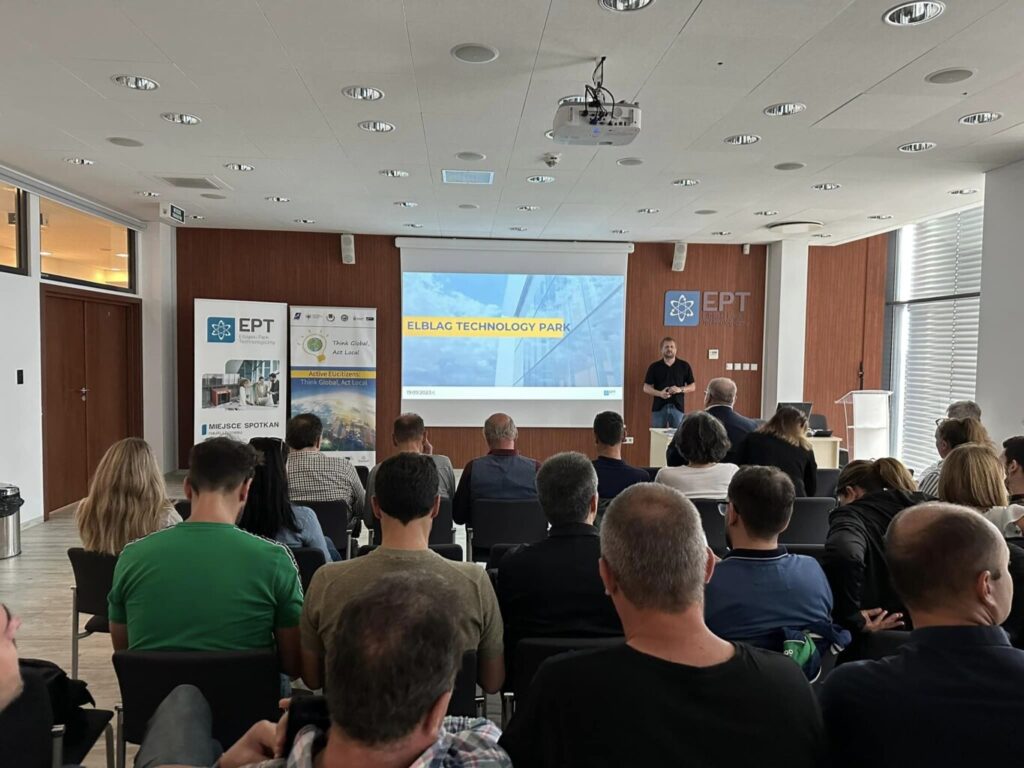
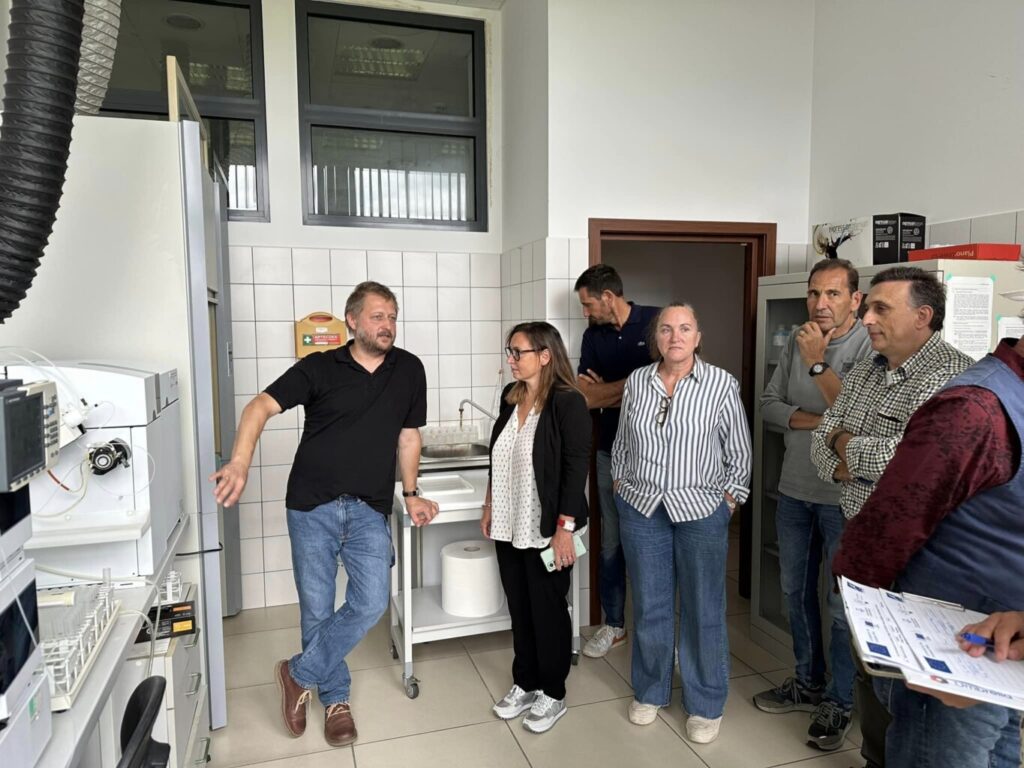
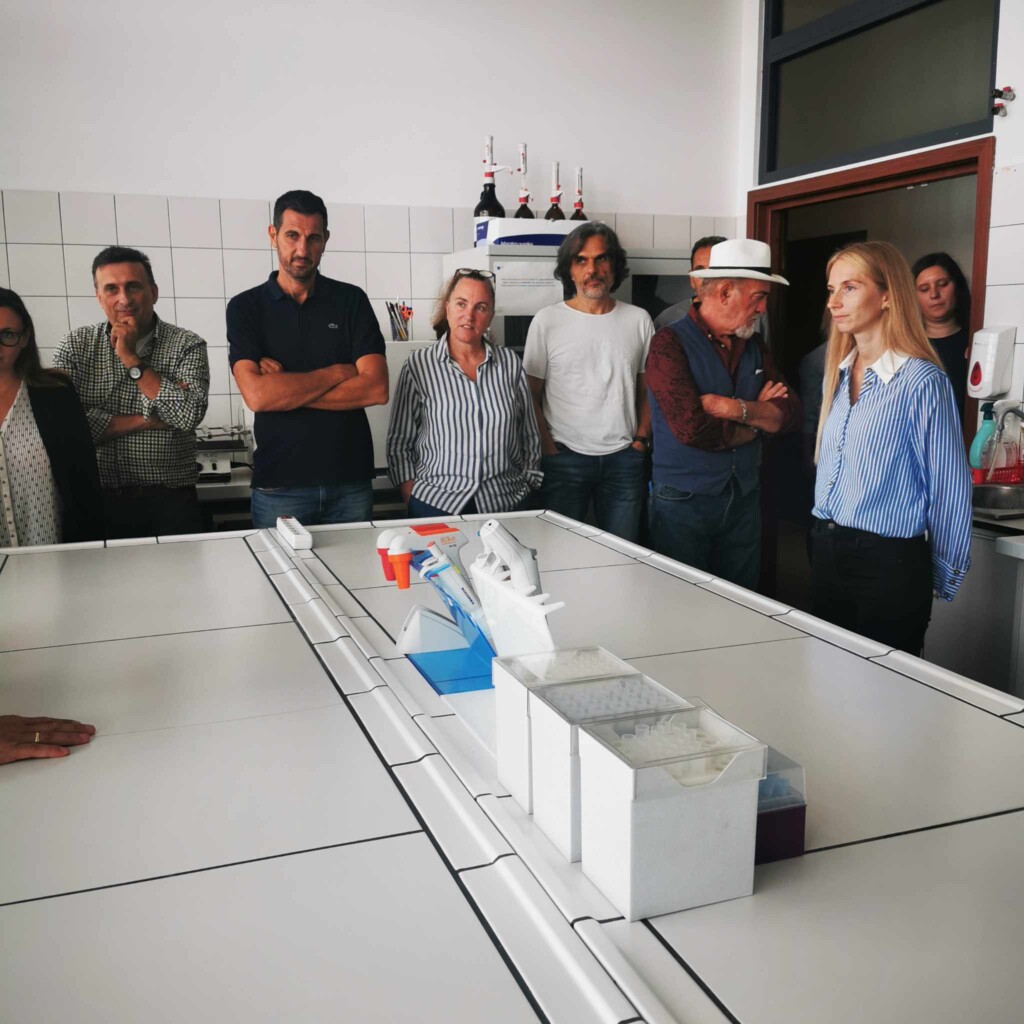
After the visit to the library, we visited the Elbląg Technology Park, where a presentation was given on the activities of the Park, the role of the institution for local entrepreneurs, scientists and everyone from the wider business and science environment. The offer for entrepreneurs was presented. We were also able to find out how the Elbląg Technology Park supports Start-ups and facilitates investors' activities. After the theoretical part, we went to the ETP lab to learn about the details of the work.

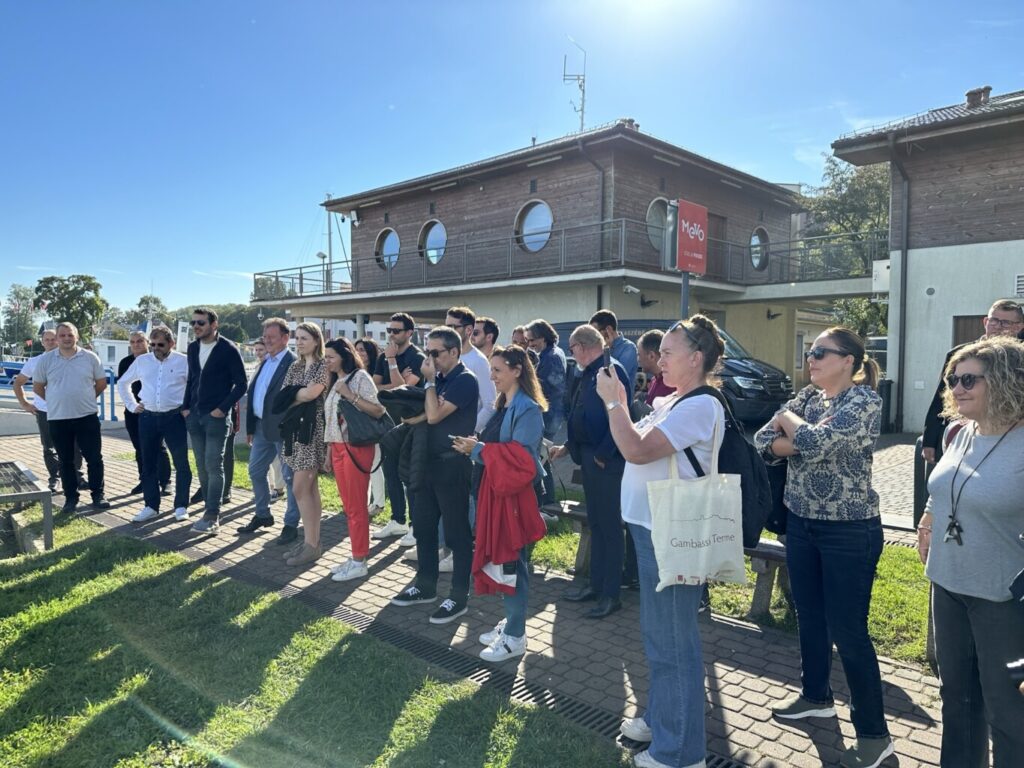
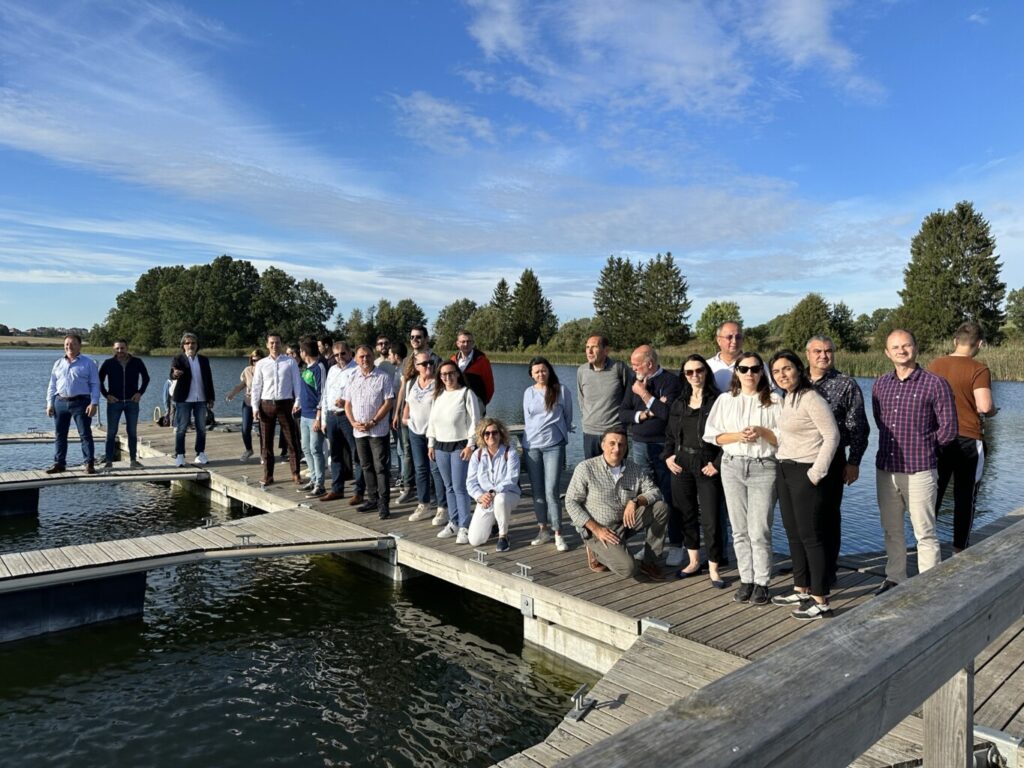
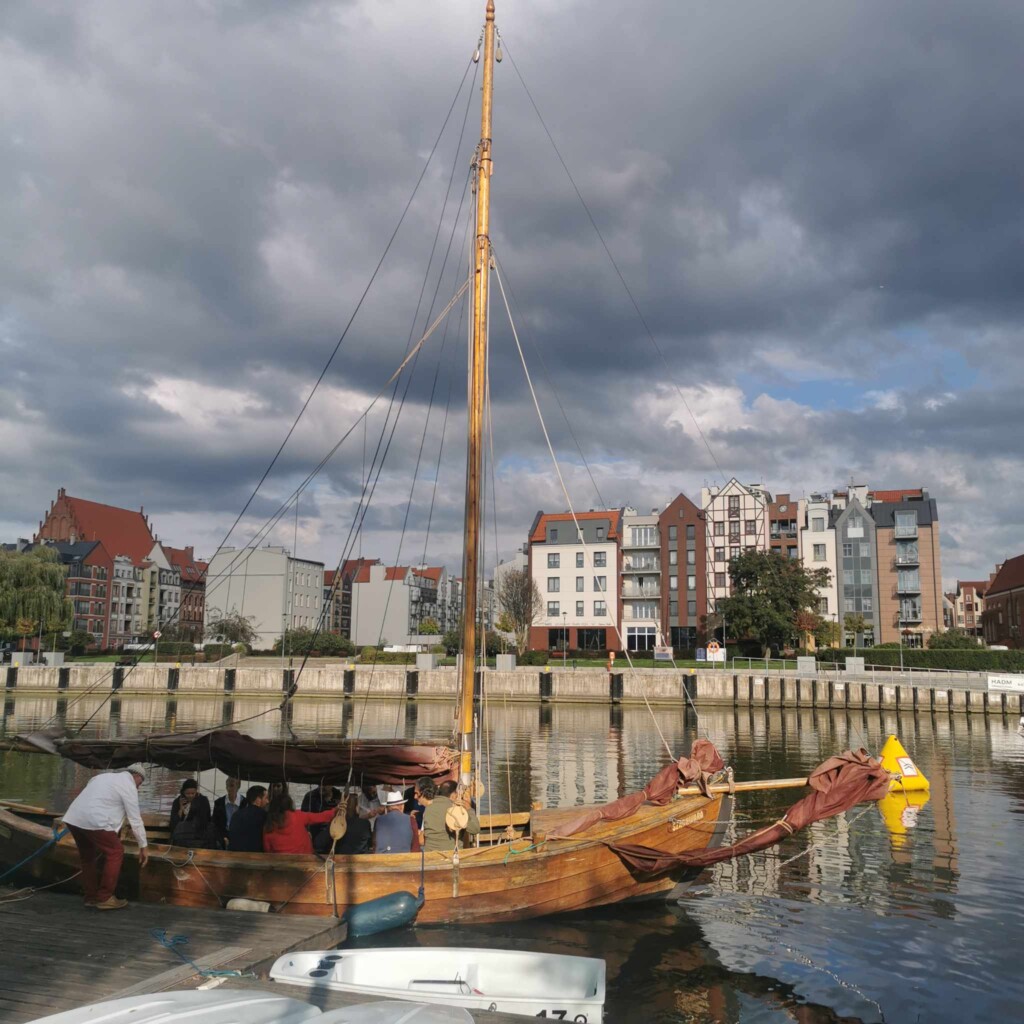
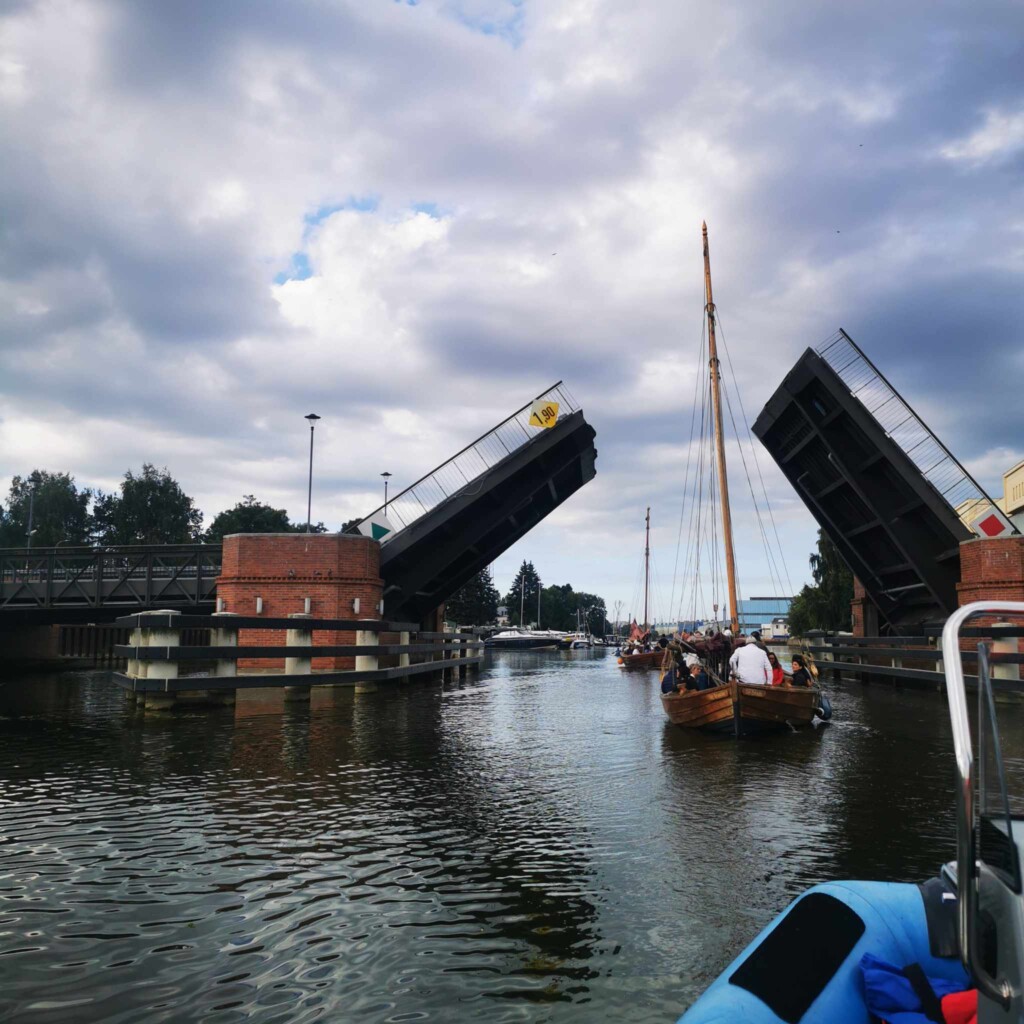
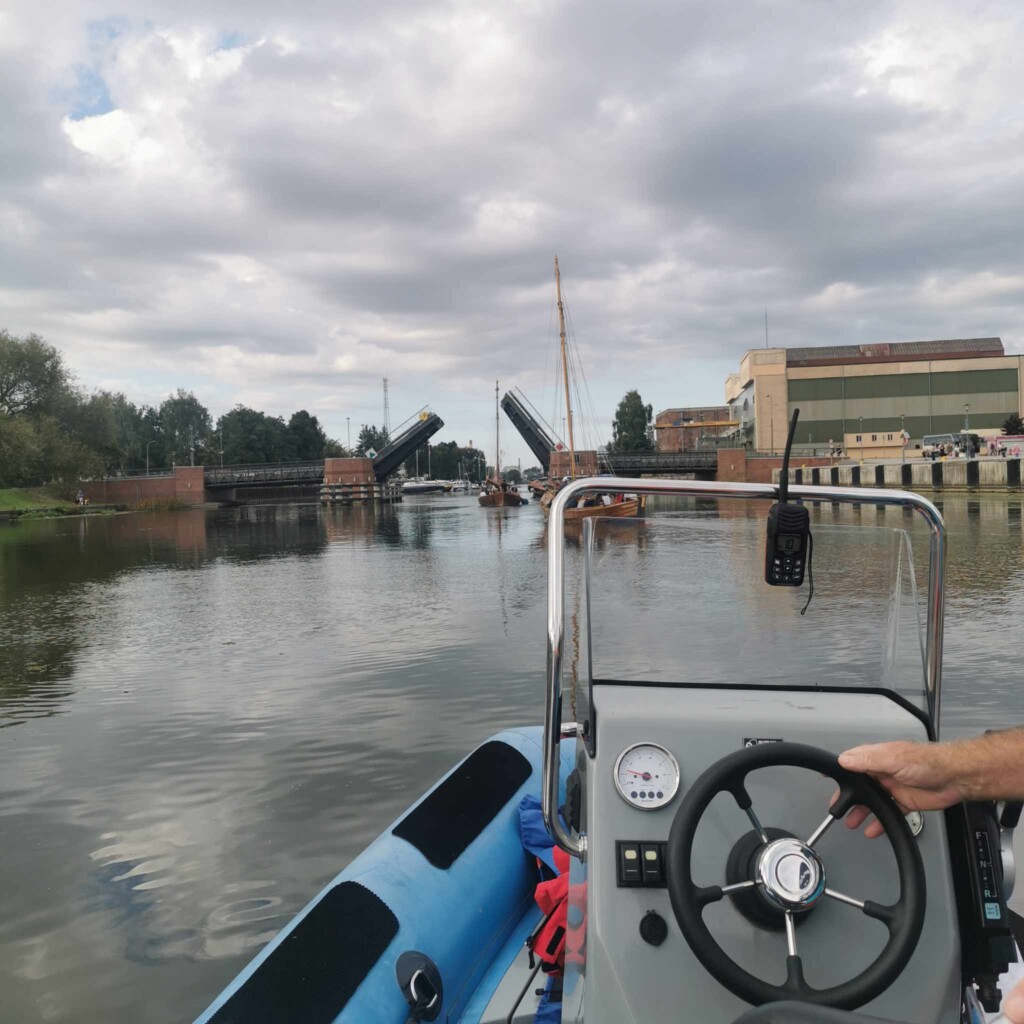
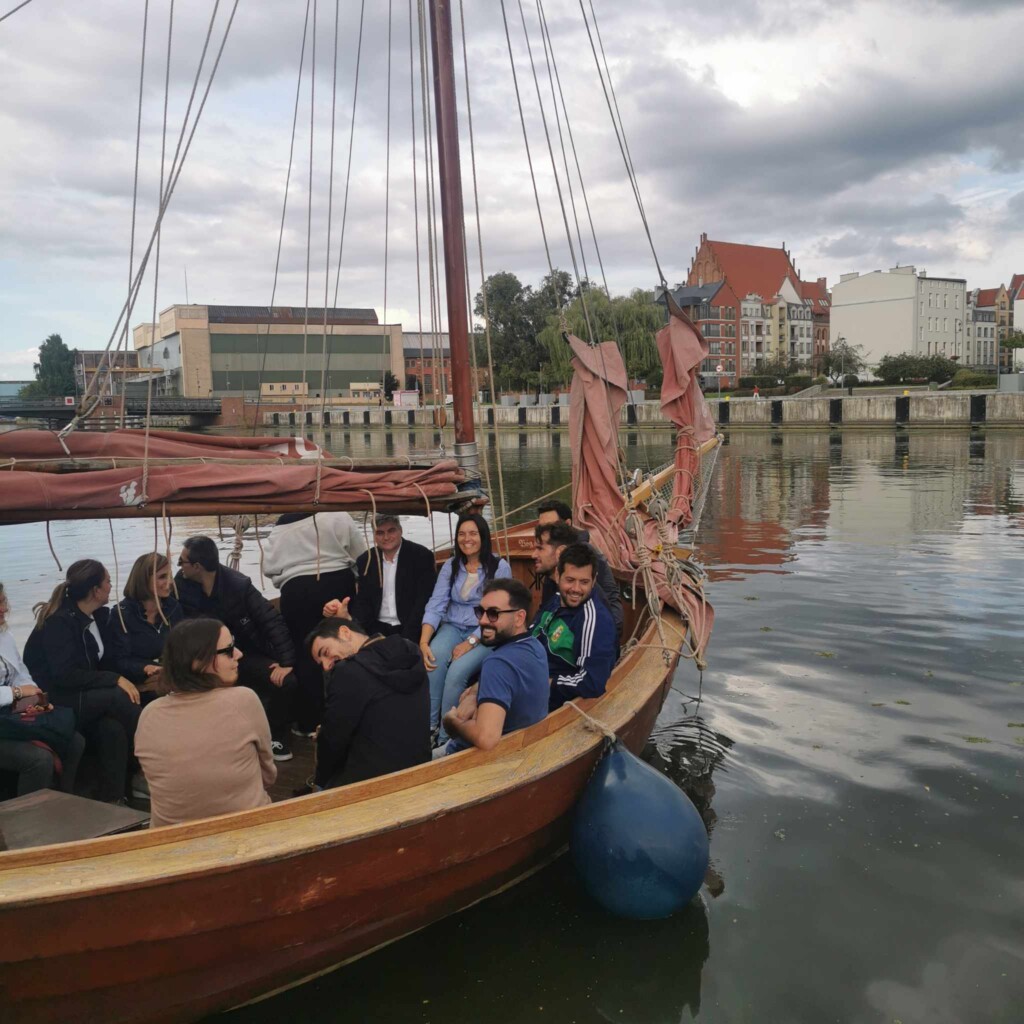
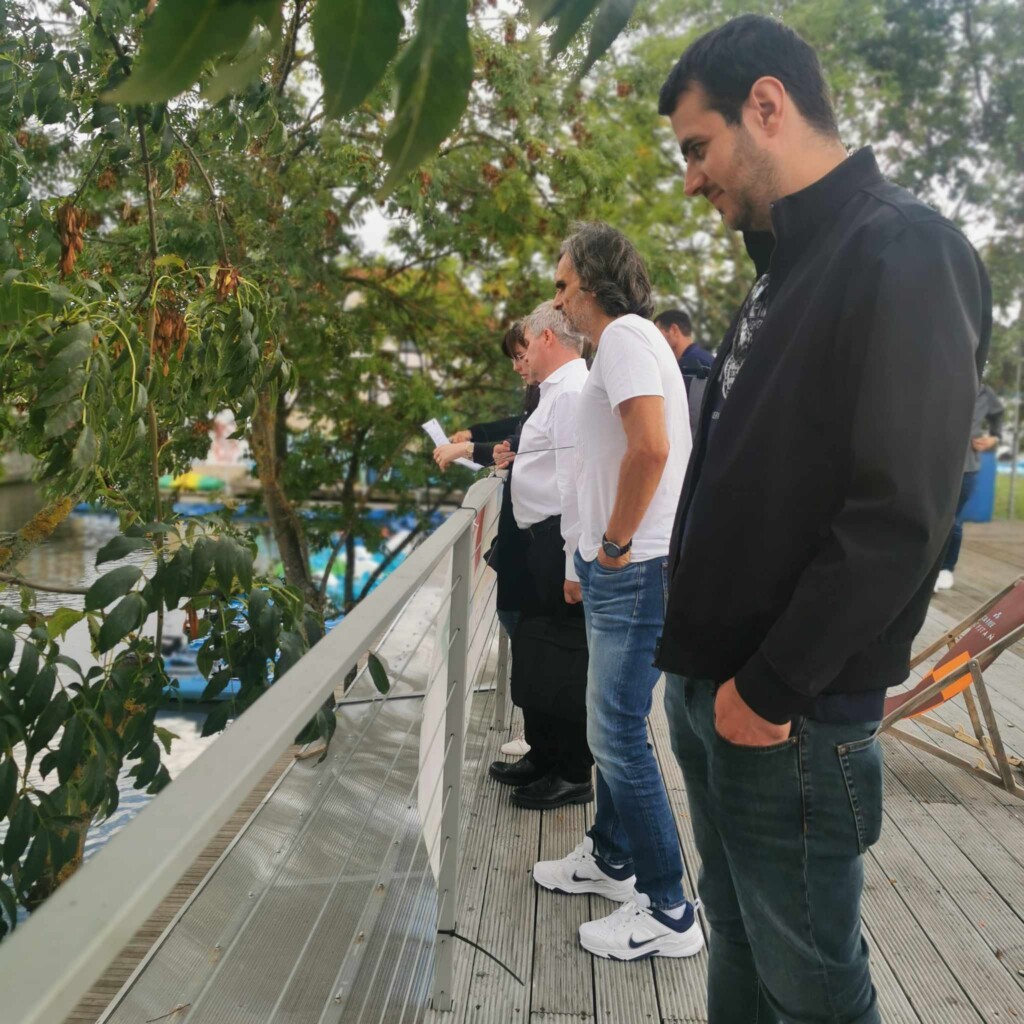
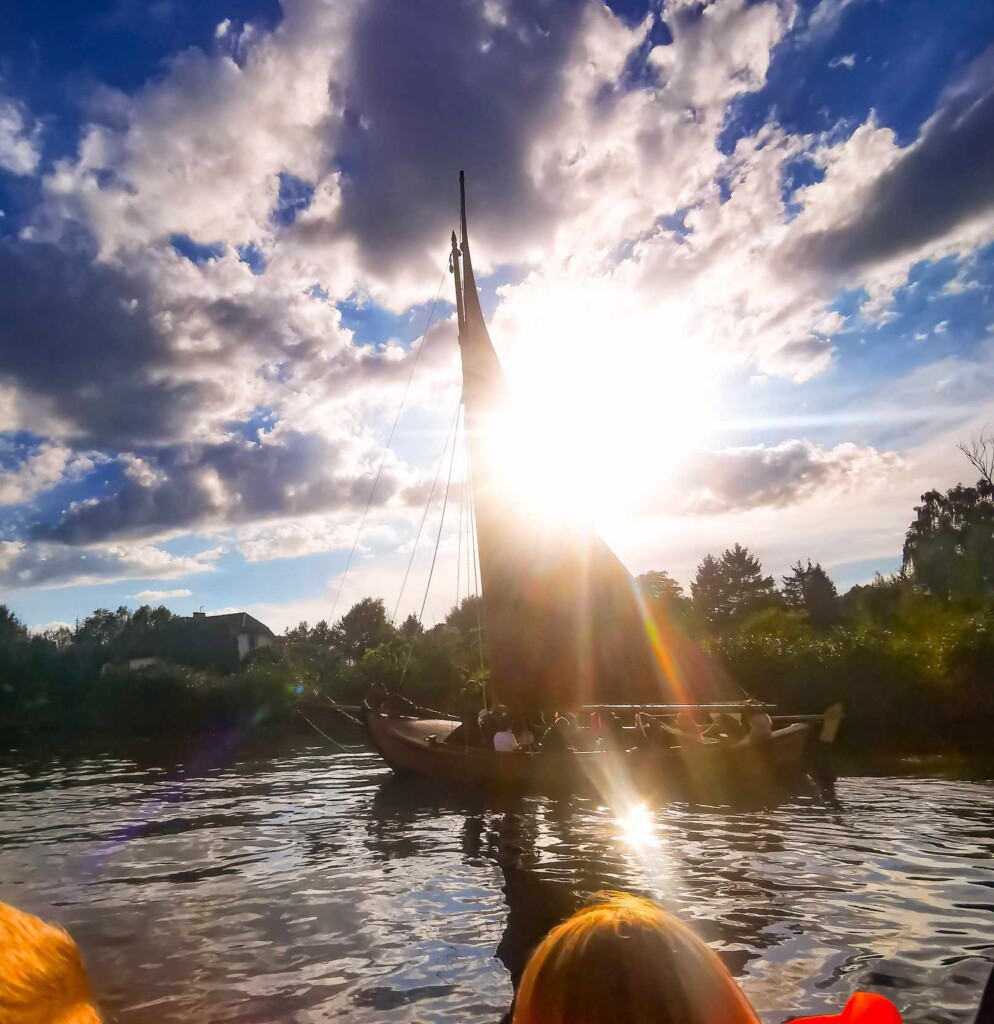
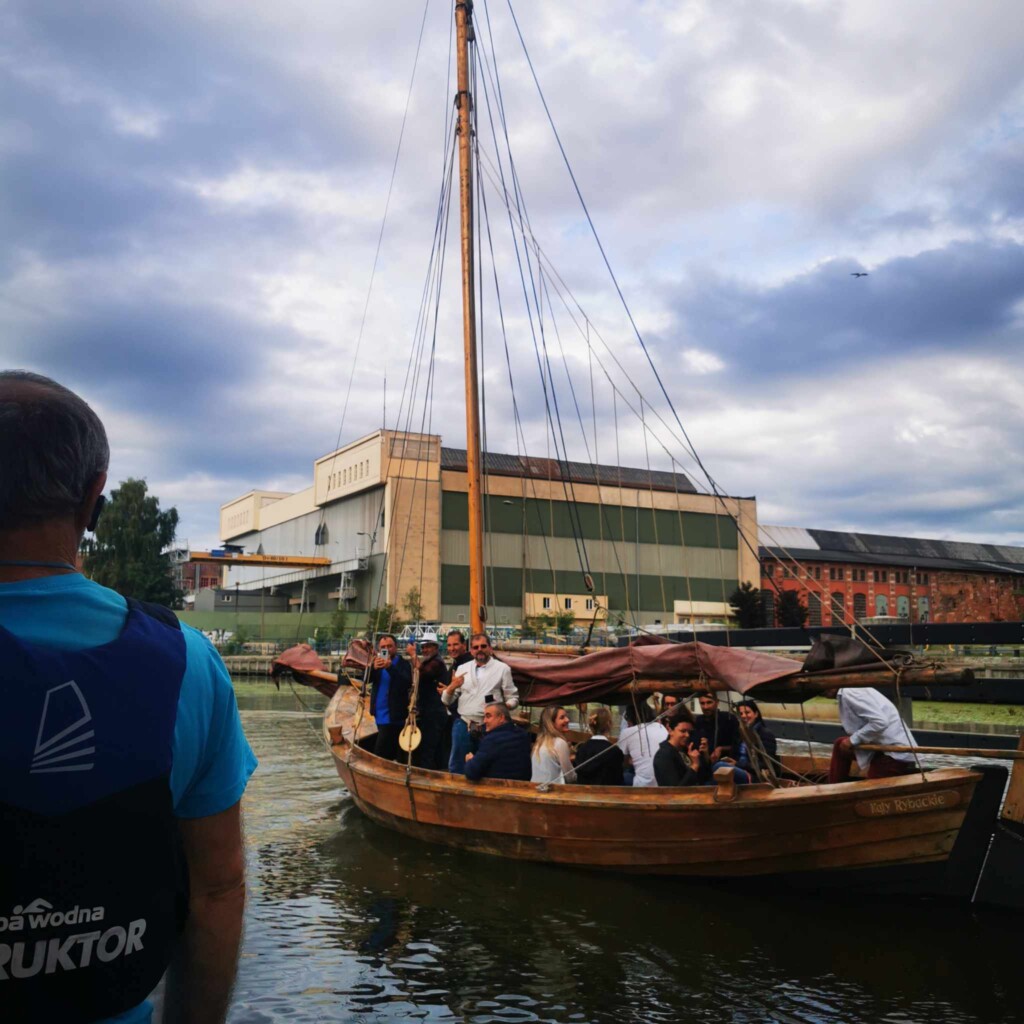
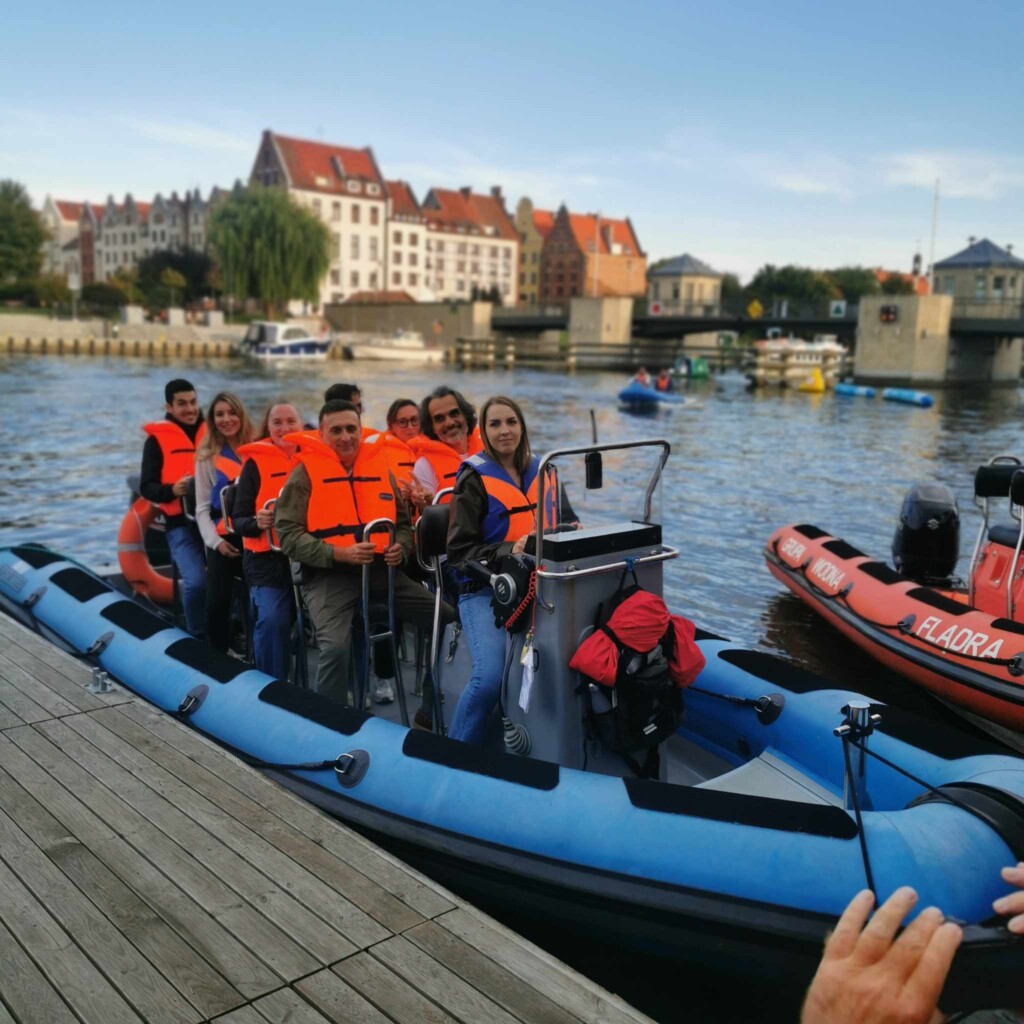
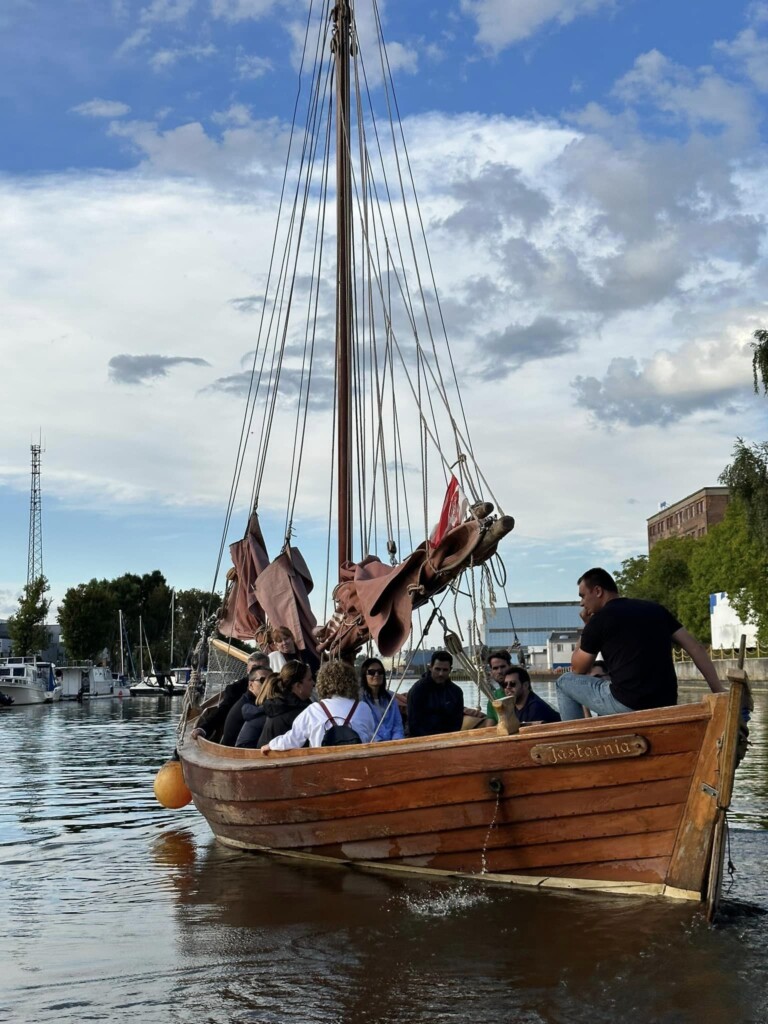
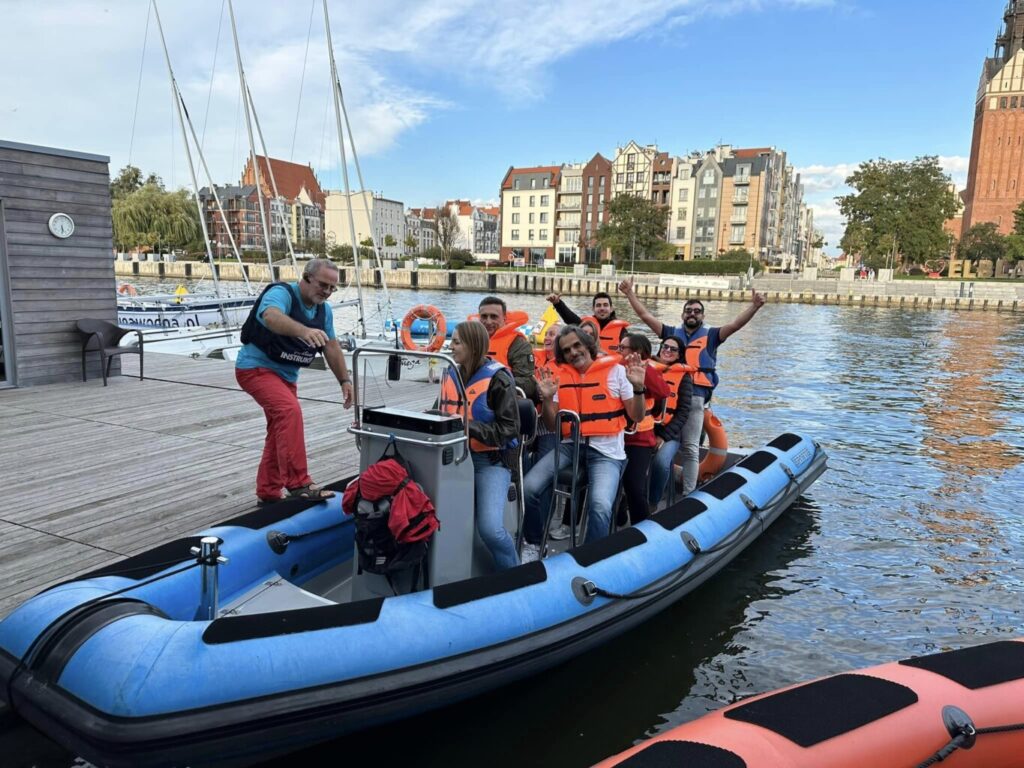
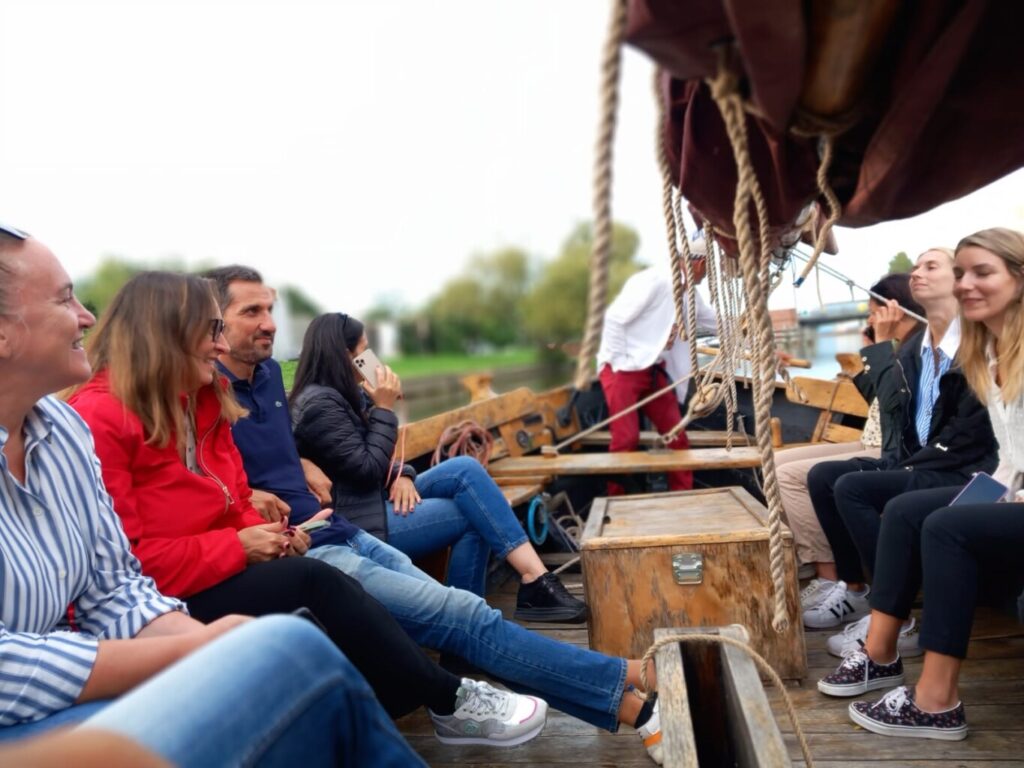
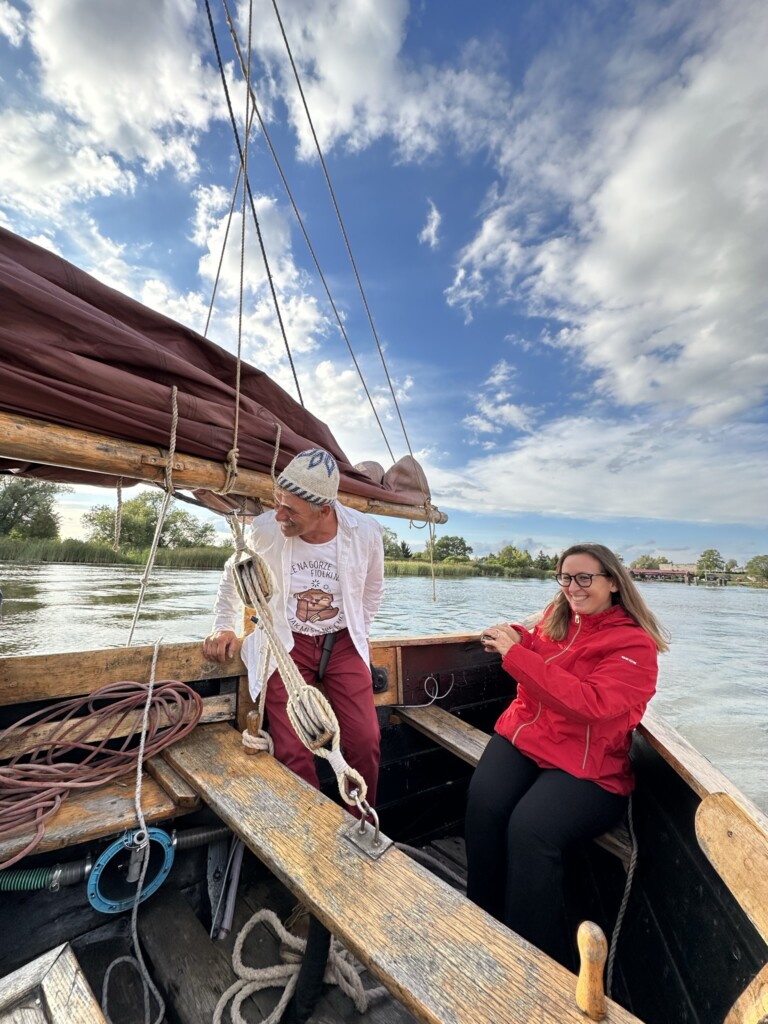
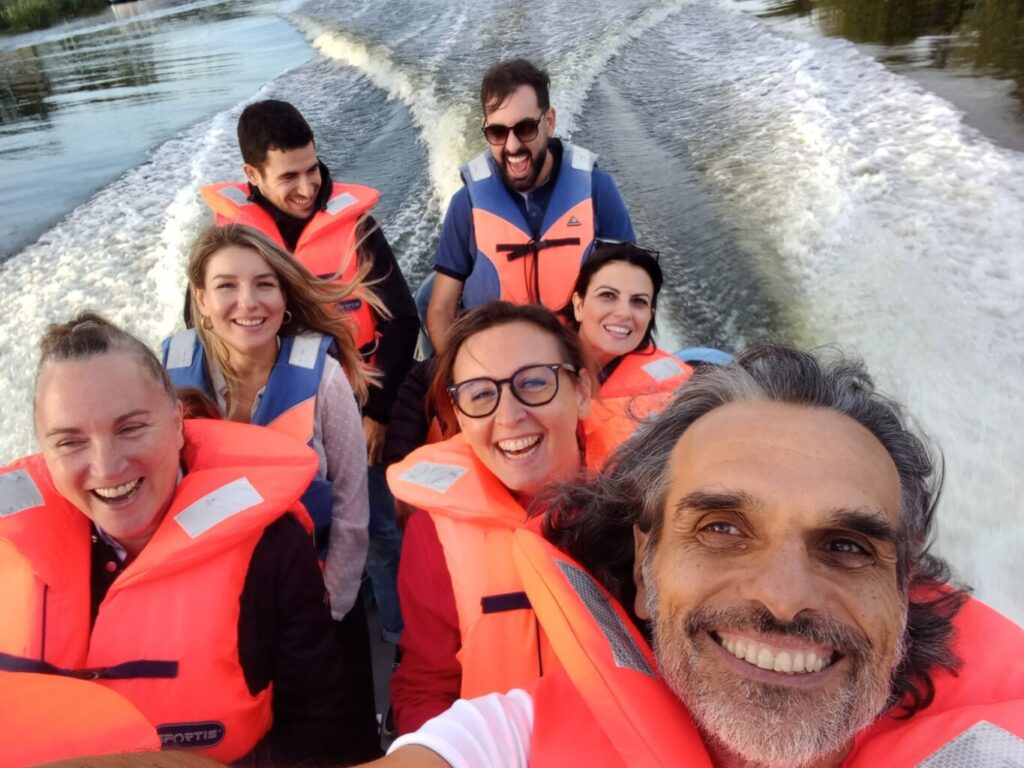
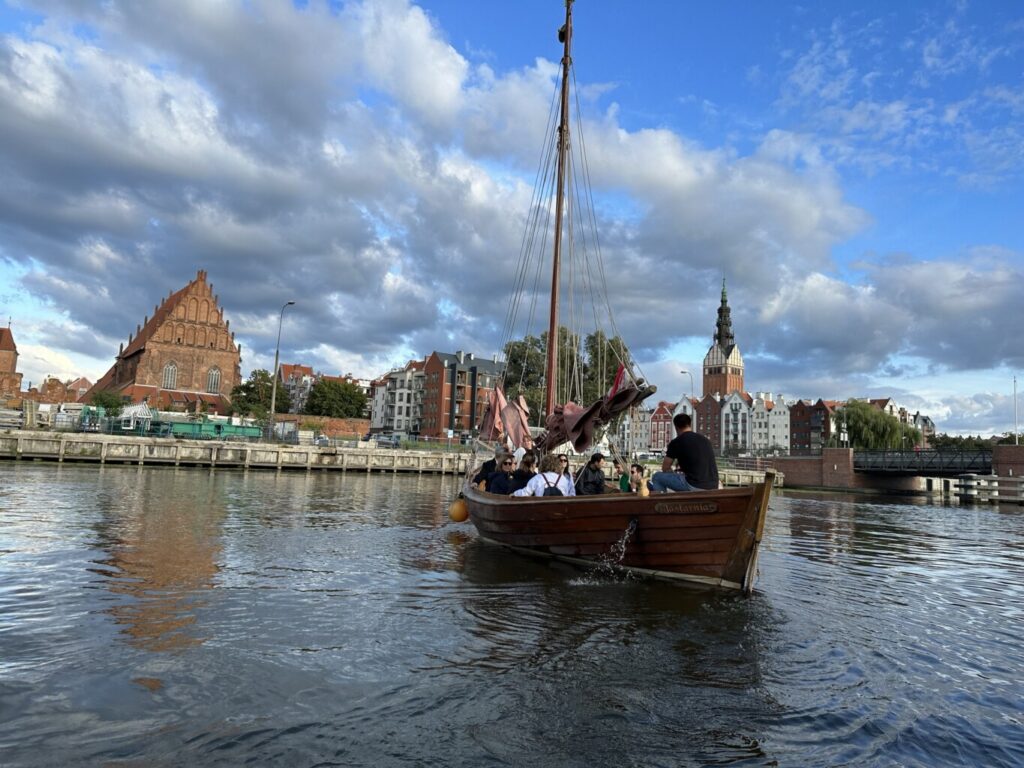
Then we went to the Grupa Wodna marina, where attractions awaited our guests in the form of a mini canoe trip and a tour of the Elbląg riverfront on the Pomeranka boat. We learned about the brief history of the Schihau factory, saw the historic crane and admired the beauty of the surroundings from the position of the water. We also travelled along the waterway by motorboat towards the Vistula Lagoon, where our partners had the opportunity to see with their own eyes the beauty of the flora and fauna of Elbląg and the surrounding area.

Tomorrow we will spend the day introducing our guests to the activities of the municipalities and residents in Górowo Iławeckie, Bartág and Olsztynek.

Fifth workshop of the Think Global, Act Local project - Romania

The event in Slanic Moldova and surrounding towns took place from 3-6 July 2023, this time organised by the project leader The National Association of Balneoclimateric Resorts in Romania.

The event was dedicated to working on the analysis of the conclusions of the collected surveys. These will contribute to the preparation of the Long-term Strategy for Civic Engagement and Participatory Democracy, which will be prepared at the next meeting.

The event was attended by representatives of the Association's member cities and municipalities and they were:

Chairman of the City Council of Gdynia,
Mayor of the City and Municipality of Tolkmicko,
Mayor of Górowo Iławeckie,
Mayor of the City and Commune of Sztum,
Mayor of Puck,
Mayor of Olsztynek,
Mayor of Stawiguda.

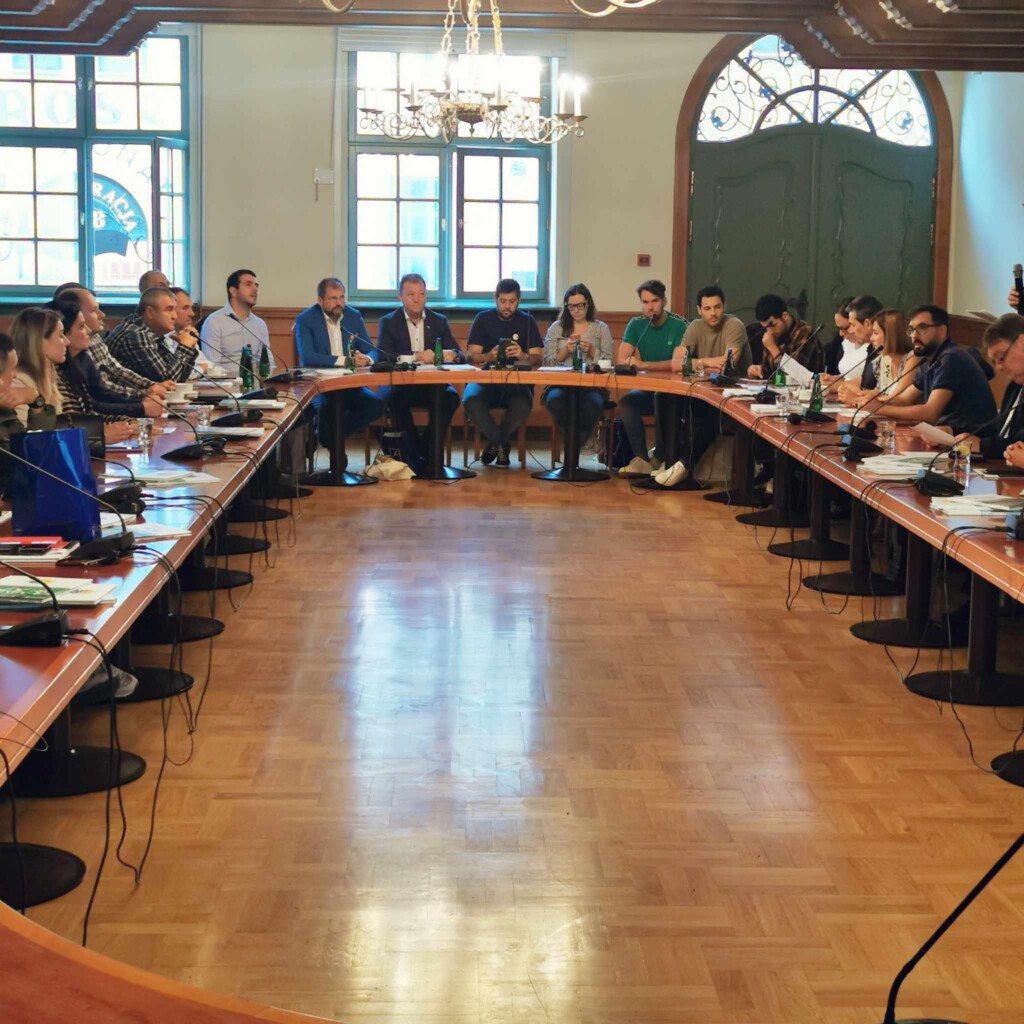
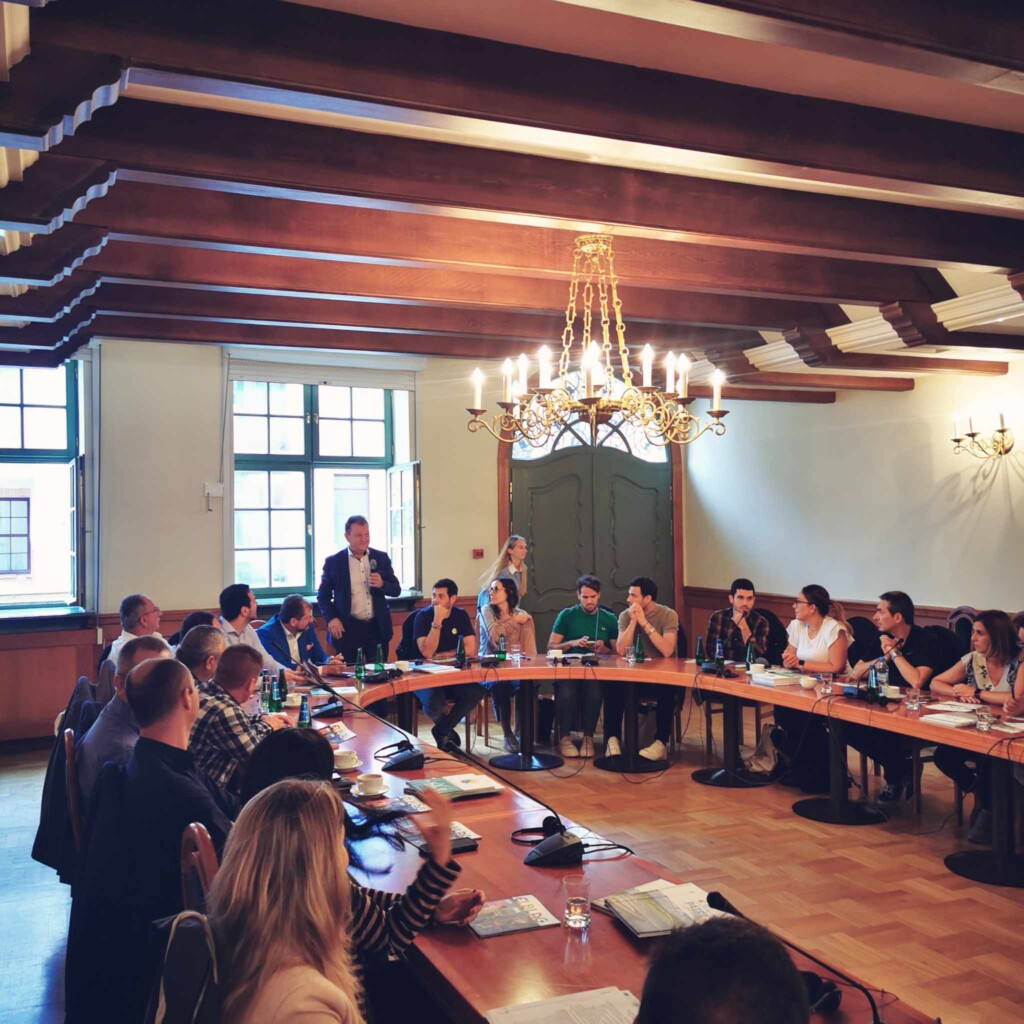
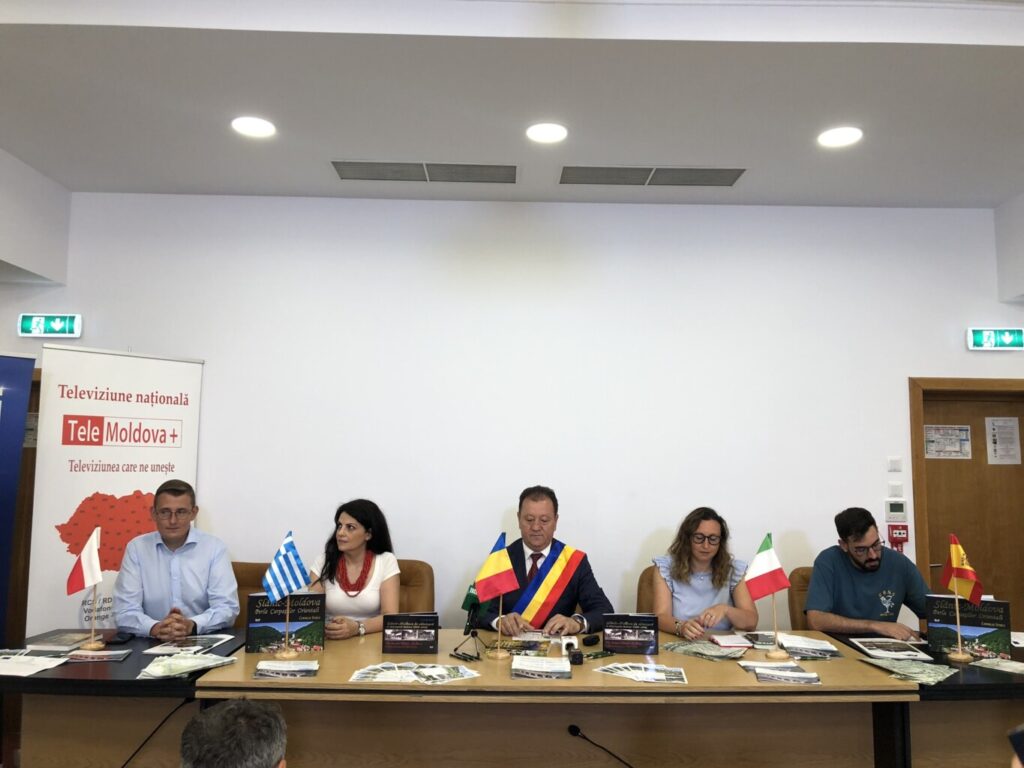
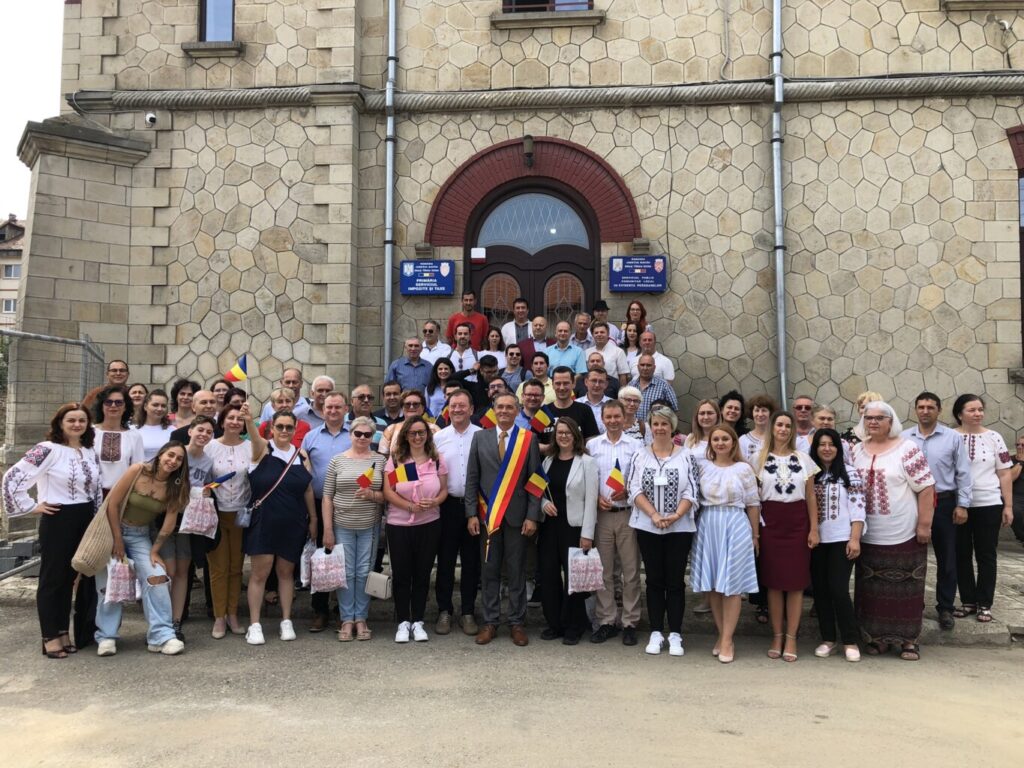
On the first day of the event, participants had the opportunity to attend a welcome session, during which each of the project partners presented their organisation but also the participants in the event from their respective country. Among others, there were mayors, representatives of local authorities and officials from Poland, Greece, Italy, Spain and Romania. There was also a meeting with mayors representing ANSBBR member municipalities and the local community. Participants worked in groups to develop a preliminary 'Long-term Strategy for Civic Engagement and Democracy'.

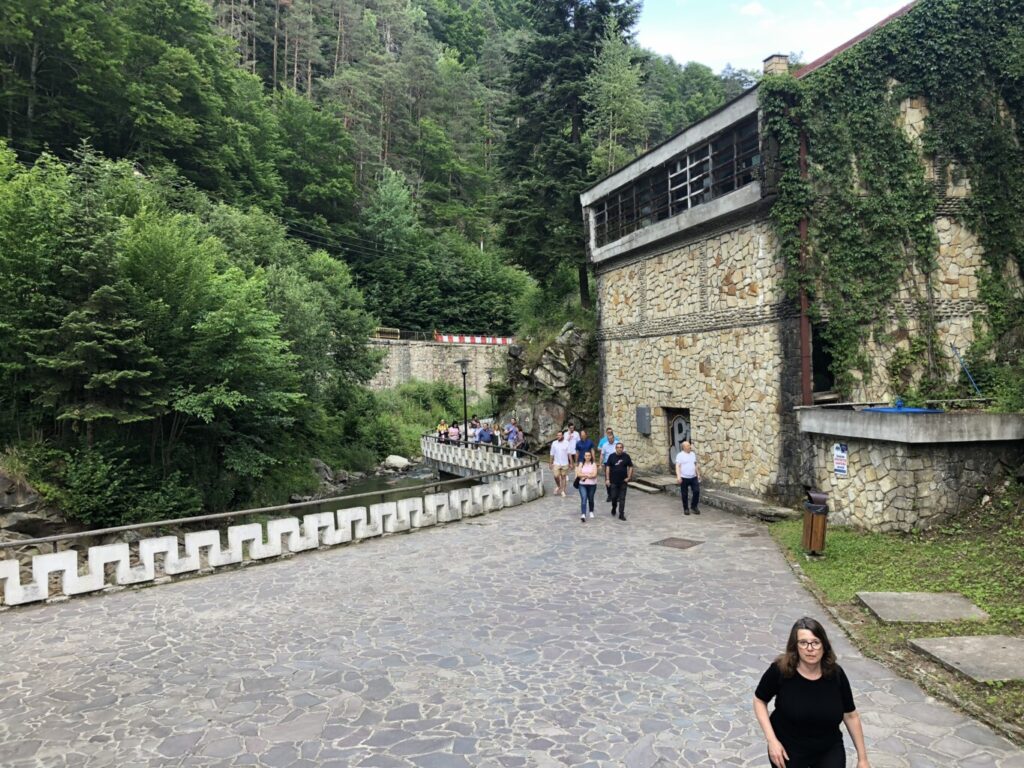
In addition to the workshop work, there was a study visit to the healing water springs, which are a very important source in terms of tourism and profits for the surrounding towns.

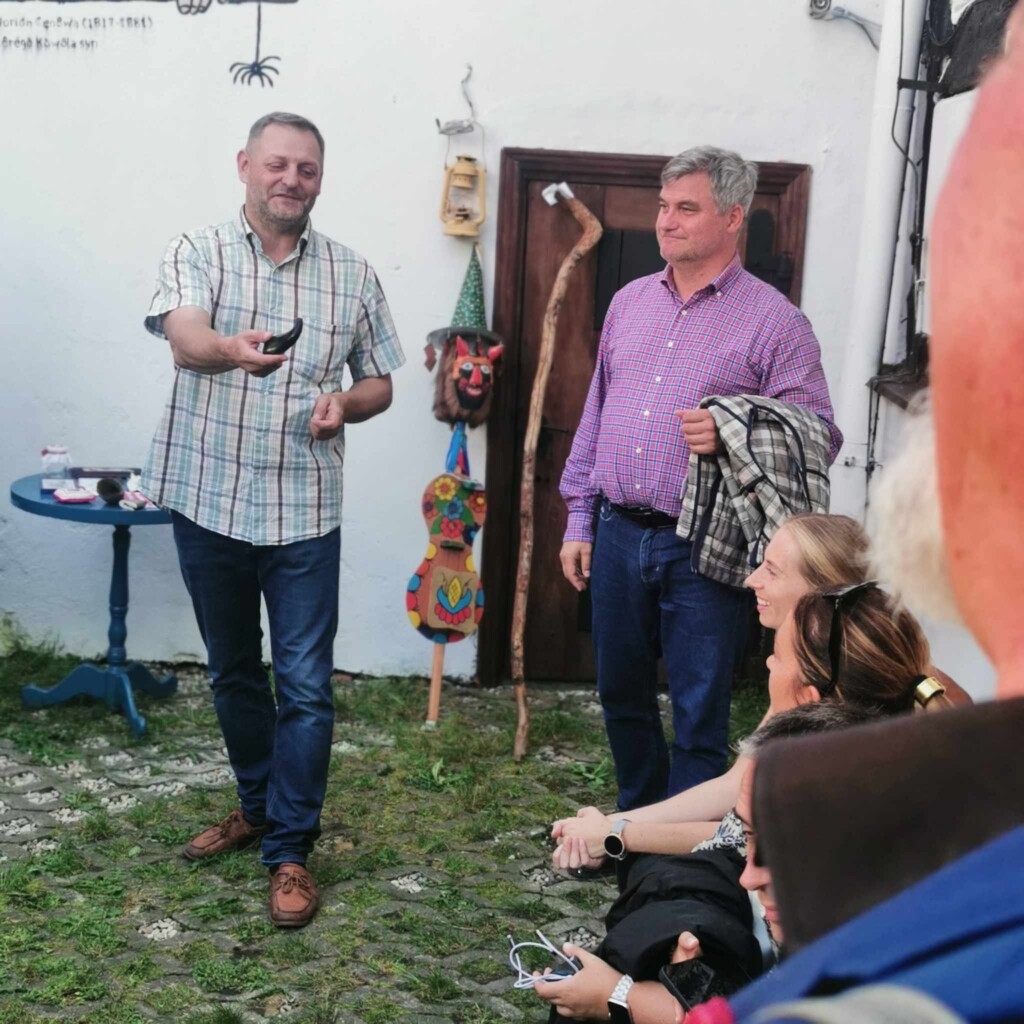
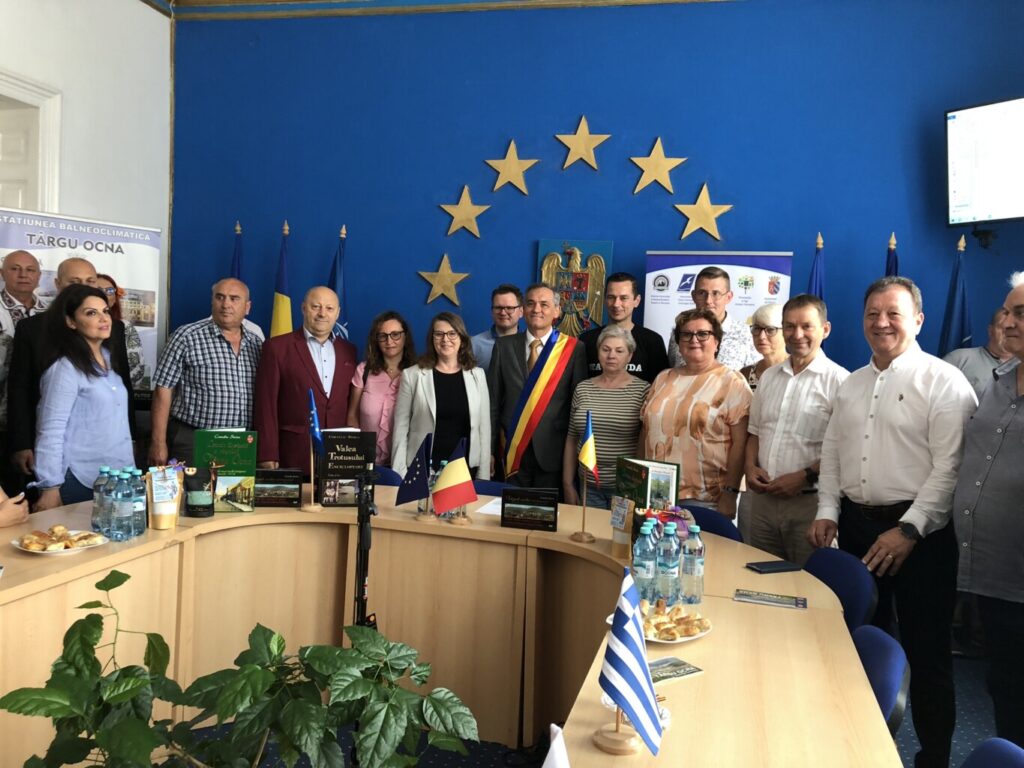
On the second day, a meeting was held with the mayors of the local municipalities of Targu-Ocna and Zemes - Moinesti, who talked about their experiences of cooperation in the European Union, the essence of the EU itself, which in many ways brings together different nationalities and allows cities and municipalities to develop. In addition, the participants learnt about local traditions, where one of them is performances using old bearskins, which are passed from town to town or between individual artistic groups.

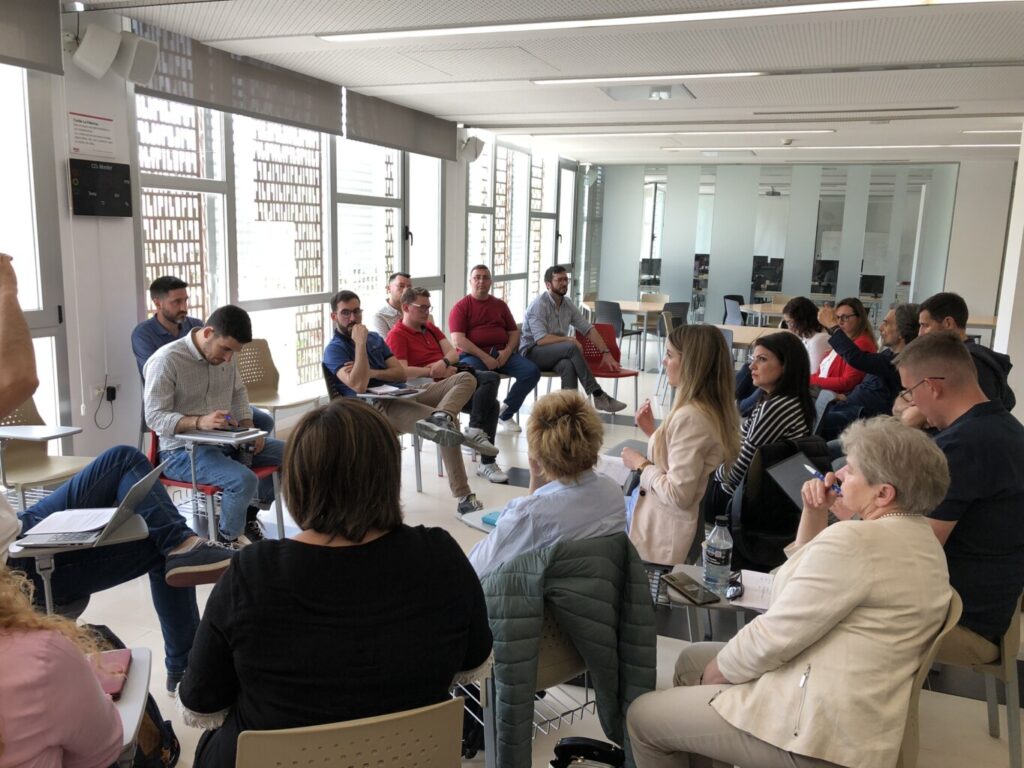
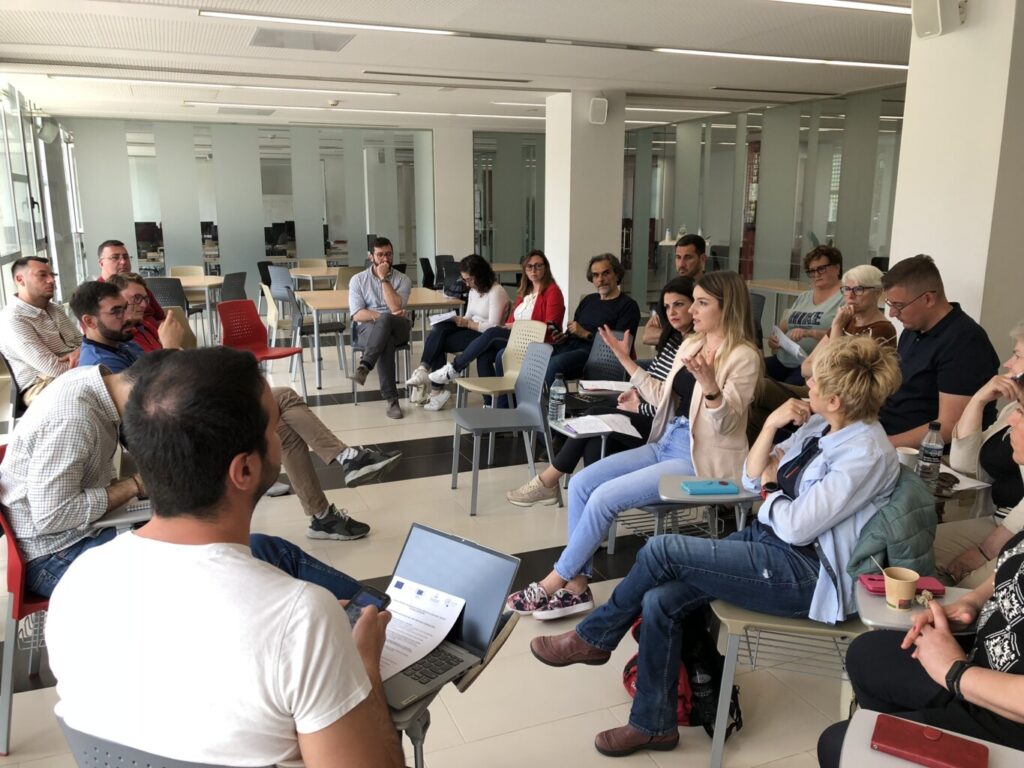
The fourth workshop of the Think Global, Act Local project - Spain

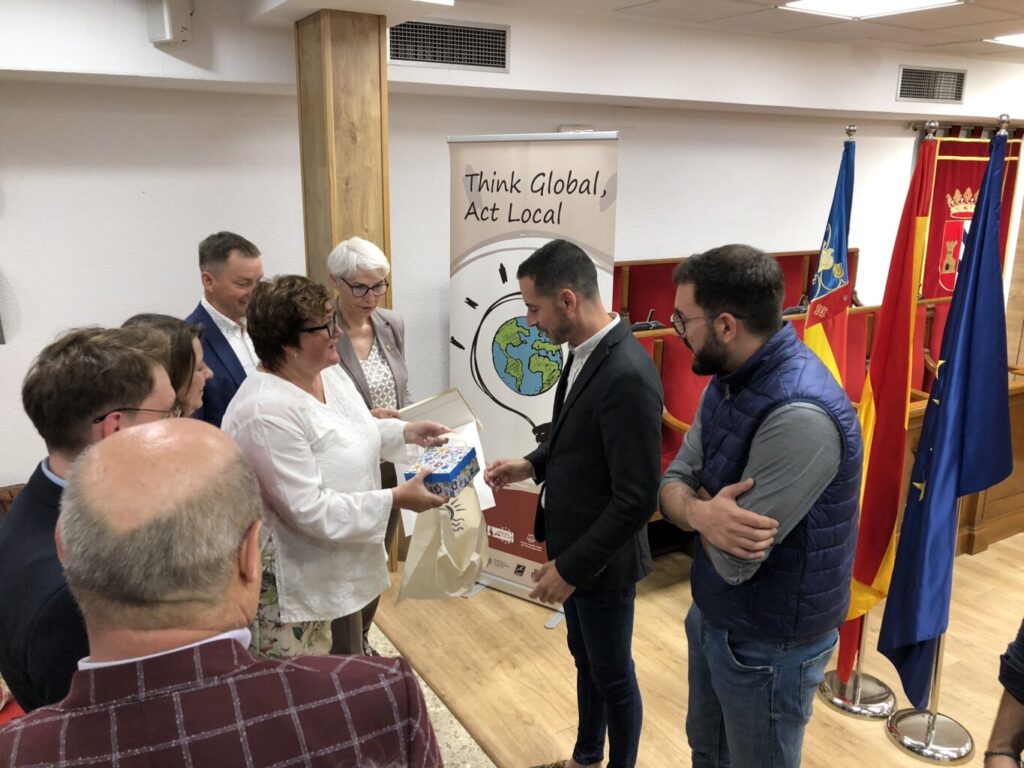
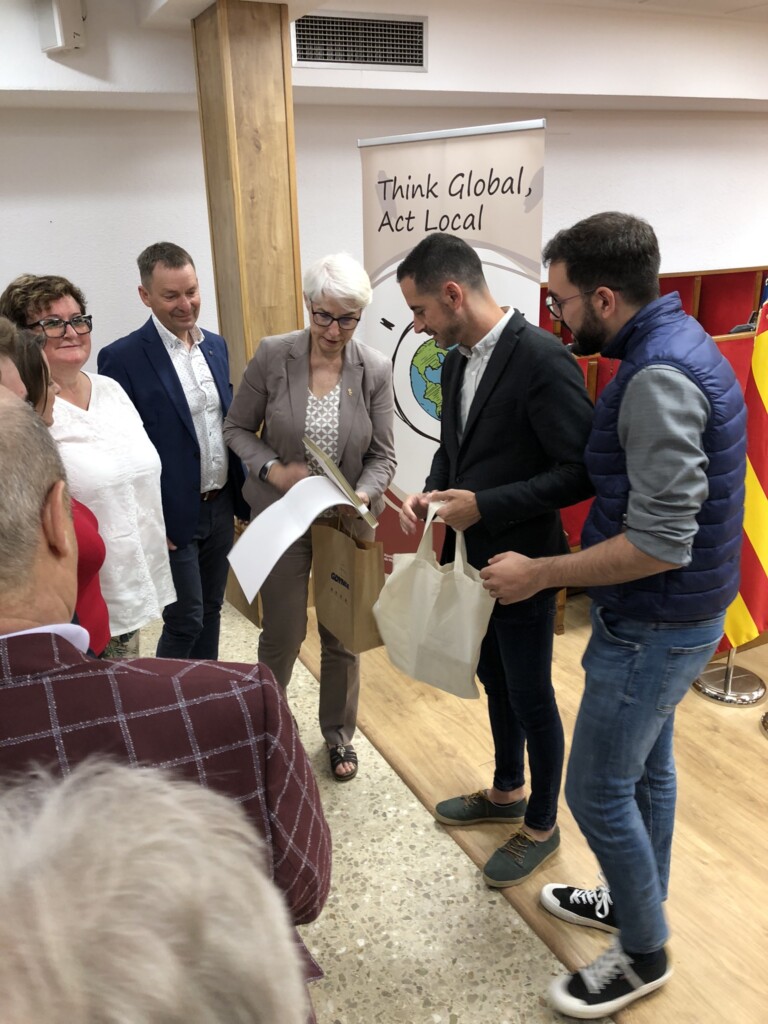
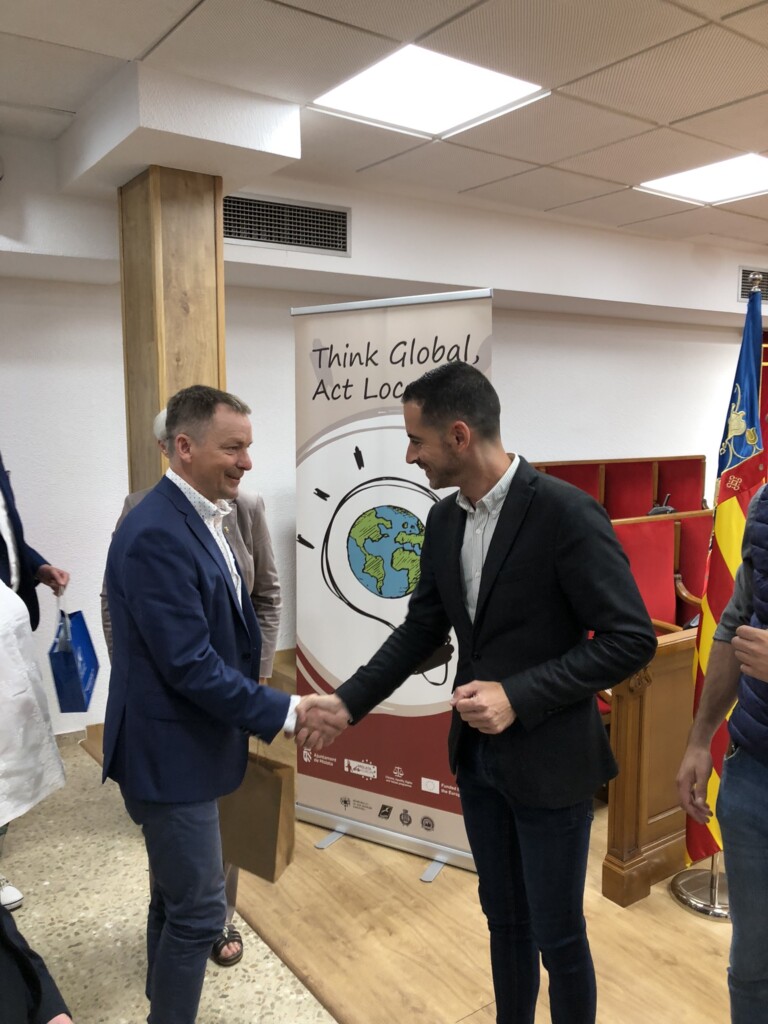
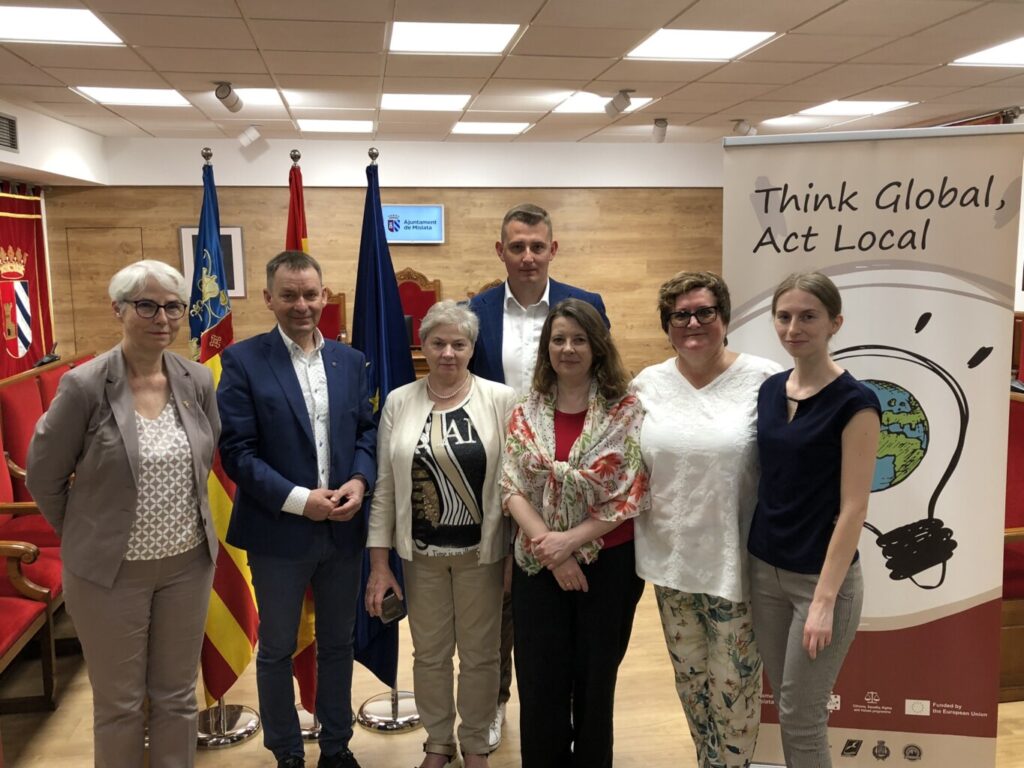
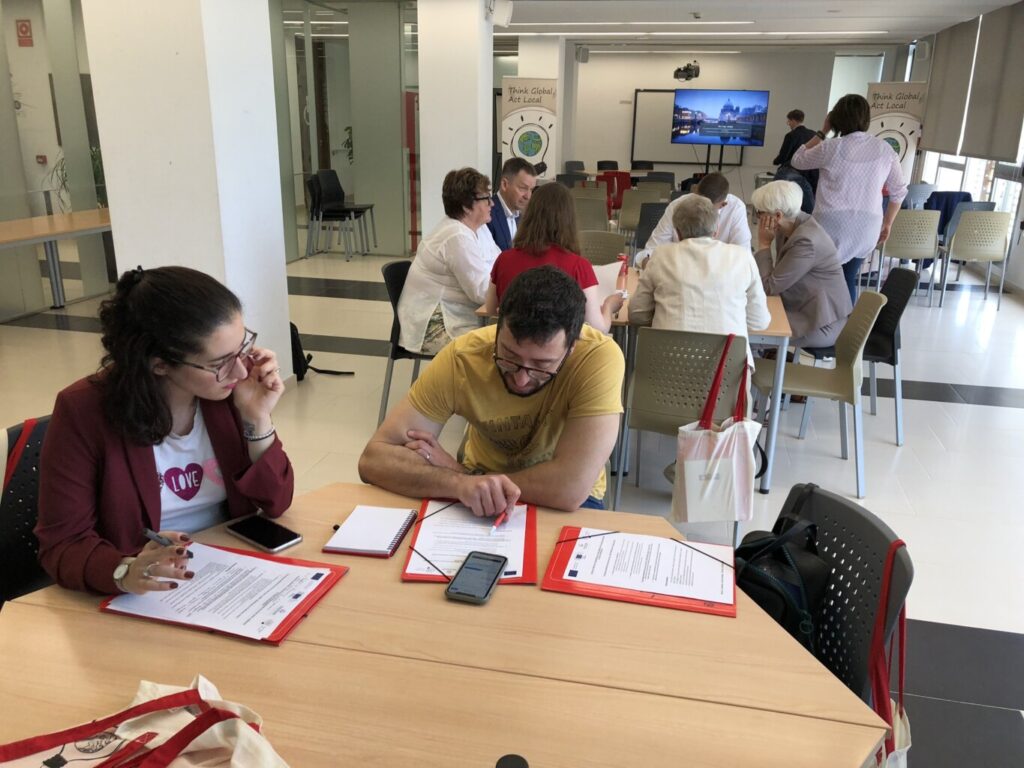
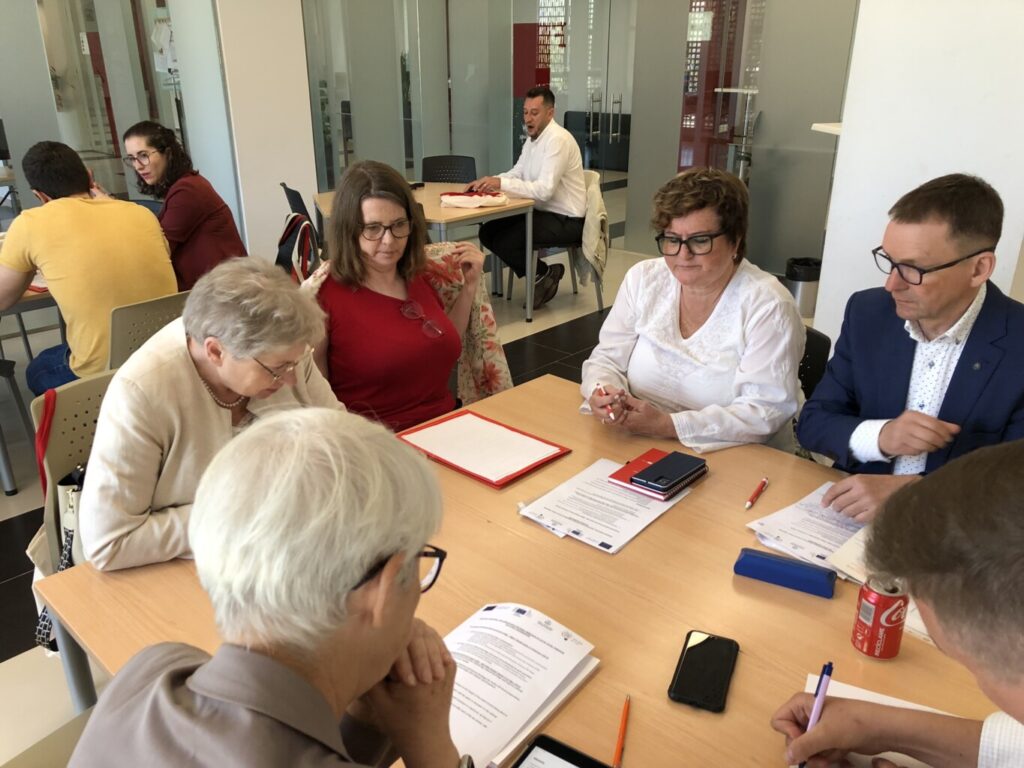
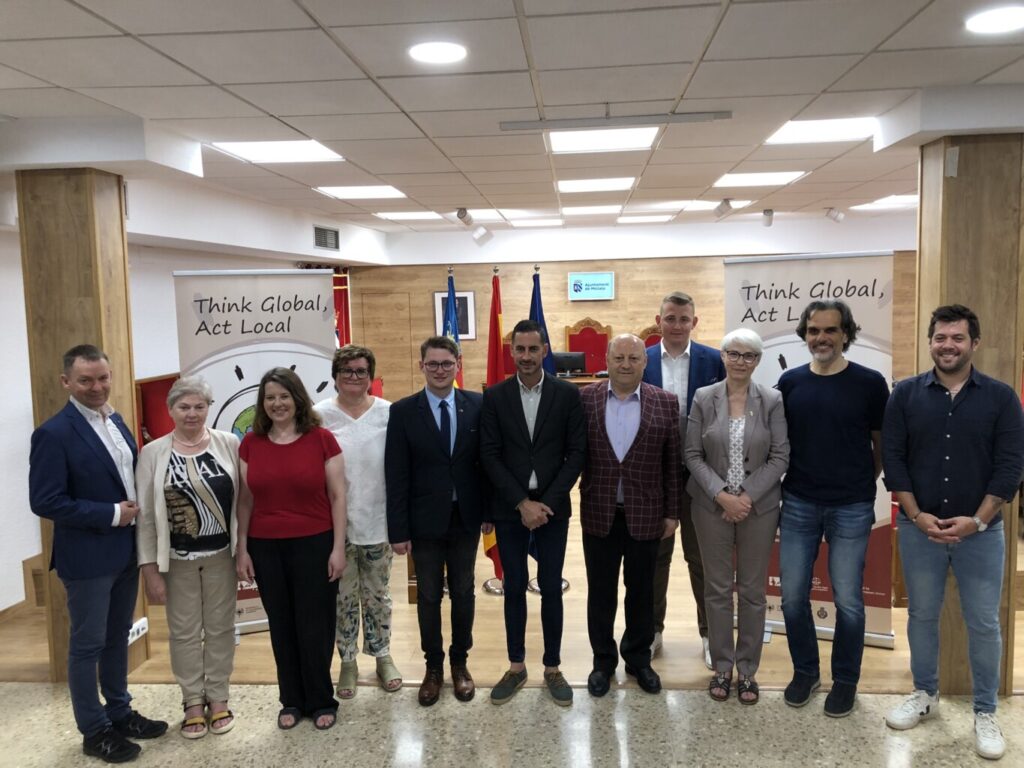
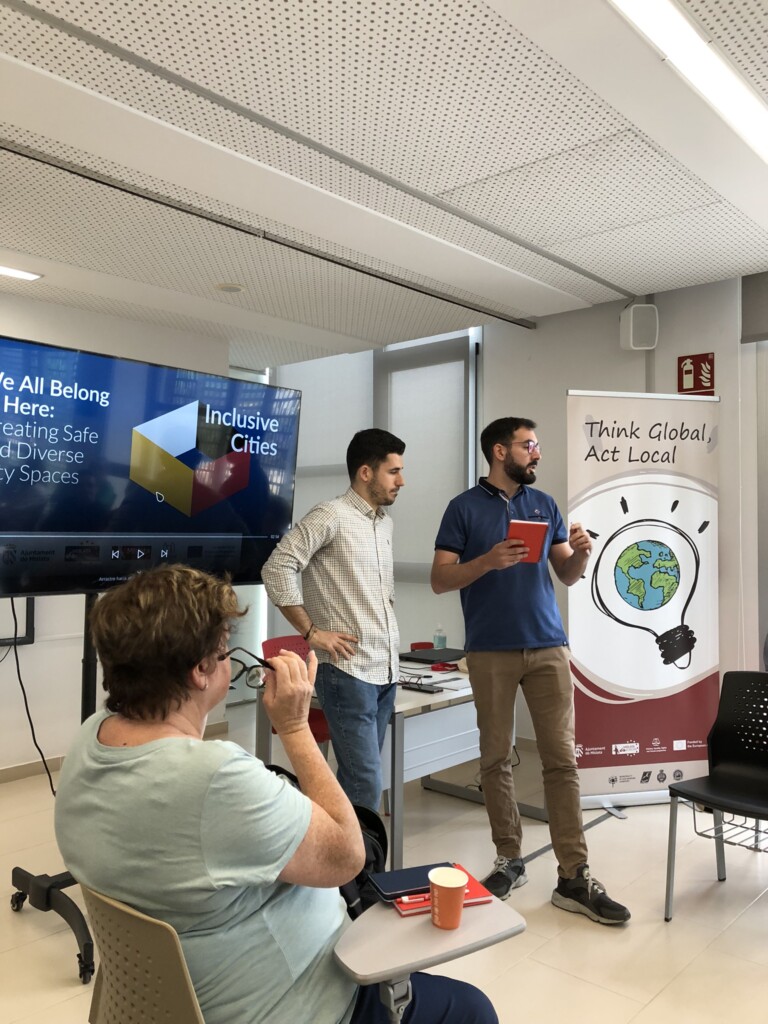
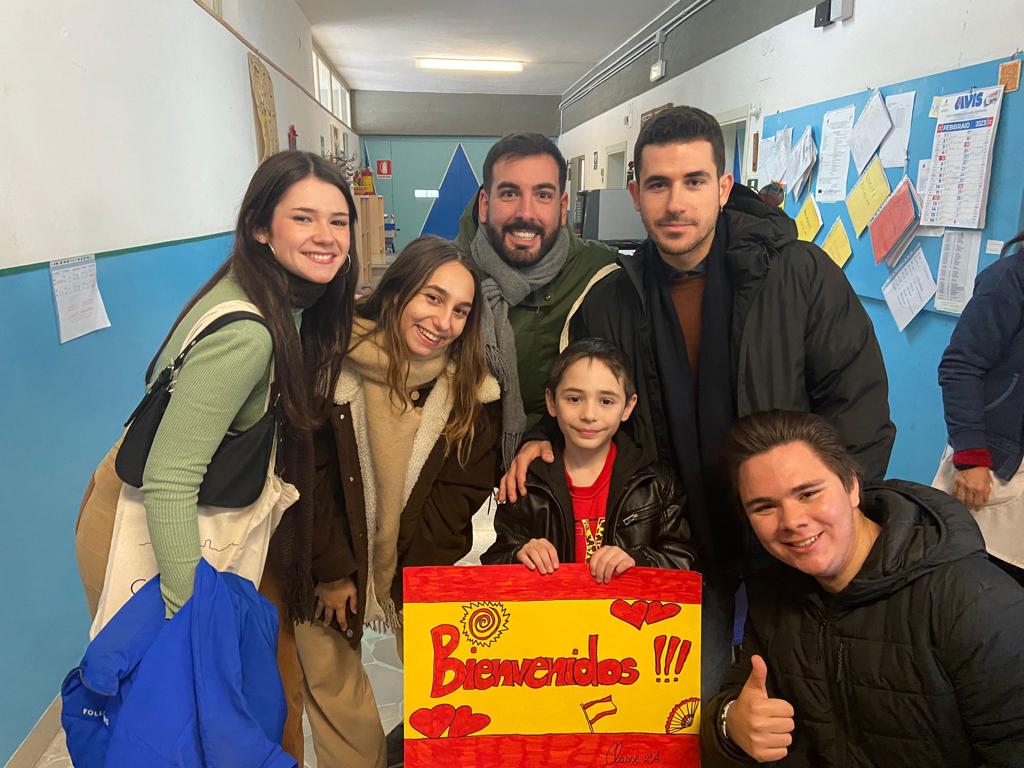
On May 10-11th, the Spanish city of Mislata became a place of workshops as part of the Think Global, Act Local project. Representatives of the Association of Polish Communes Euroregion Baltic, together with representatives of the authorities from Gdynia, Puck, the City and Commune of Sztum, Tolkmicko and Górowo Iławeckie, had a chance to learn about good practices in the visited region. The event began with a meeting with the Mayor of the city Mislata, who welcomed all participants and talked to other representatives of local governments from Poland, Romania, Italy and Greece.

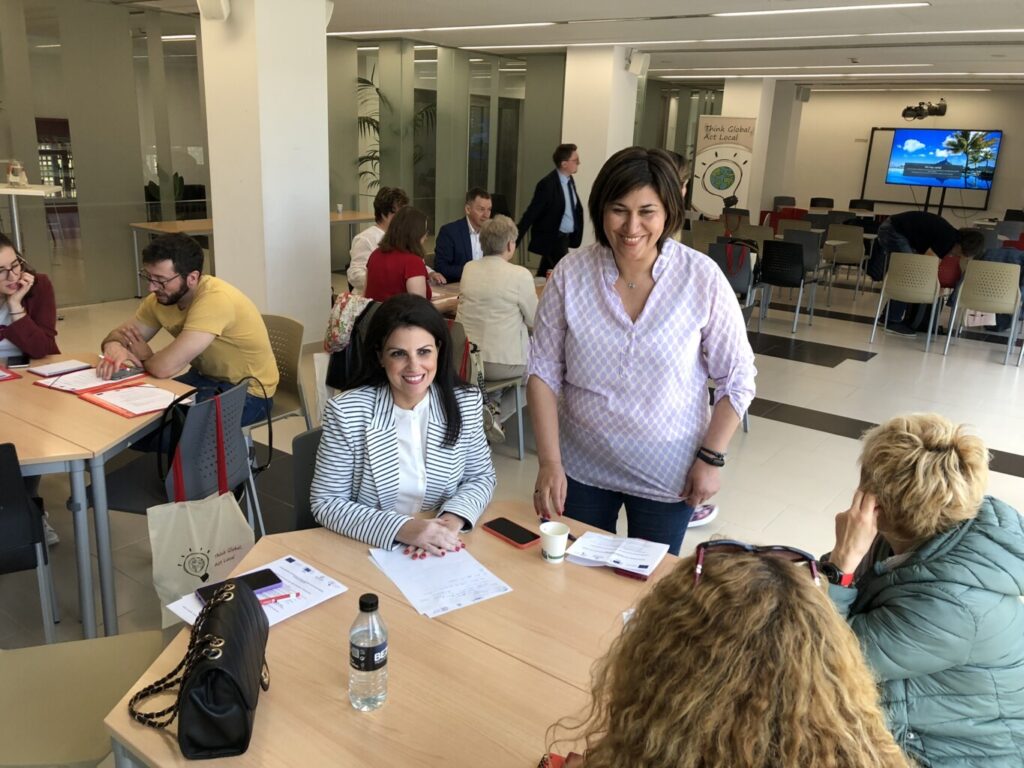
On the first day, the workshops focused on promotion and traditional local arts and crafts. Participants worked on preparing a city development strategy in terms of tourism and culture.

During the study visit, the participants of the event also had the opportunity to visit the L'Albufera protected nature park, located near Valencia. Discovering the diversity of local flora and fauna, visitors had the opportunity to see numerous interesting infrastructure and cultural solutions in the vicinity of Lake de Albufera. There was also an opportunity to get to know the monuments in Valencia.

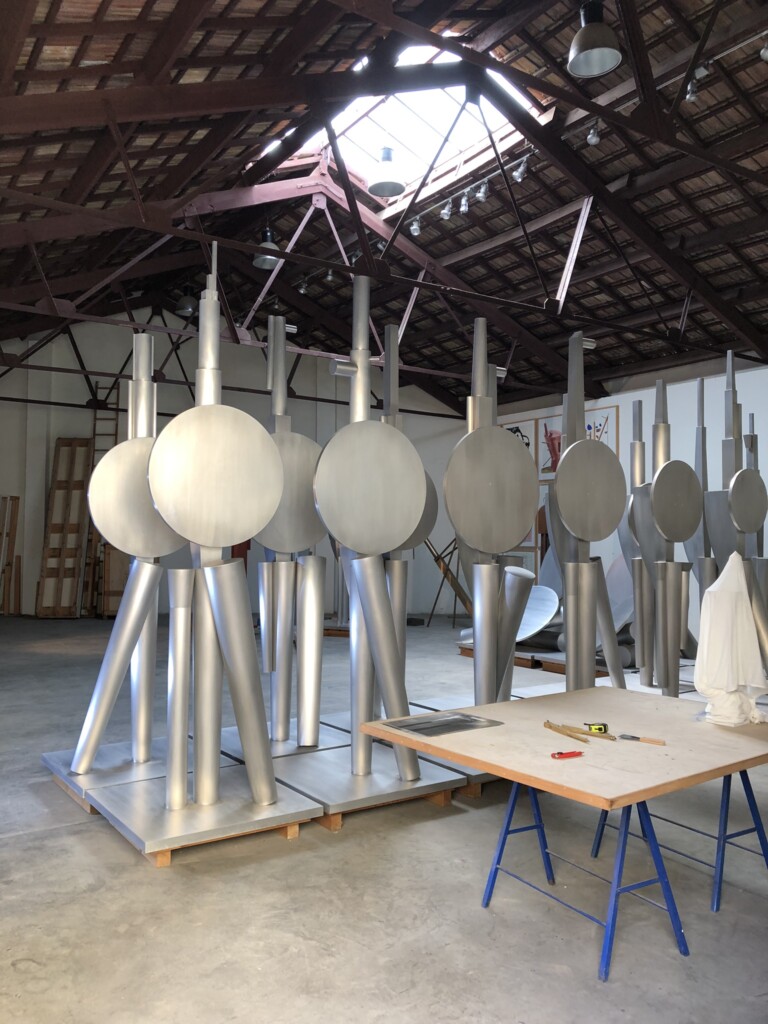
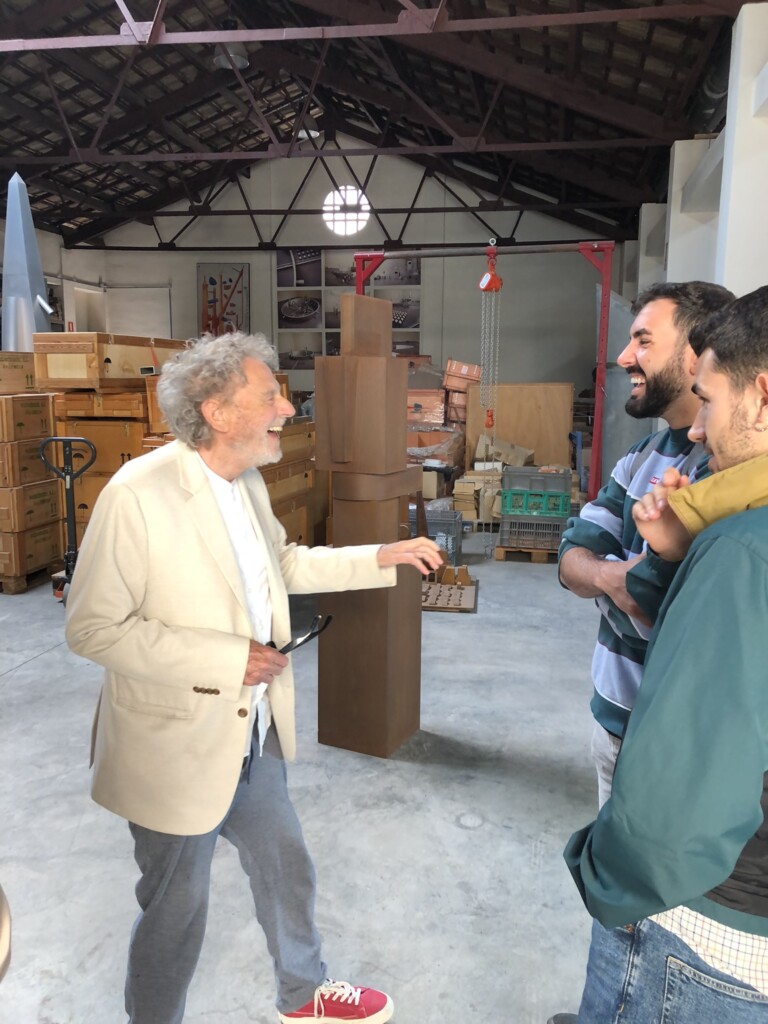
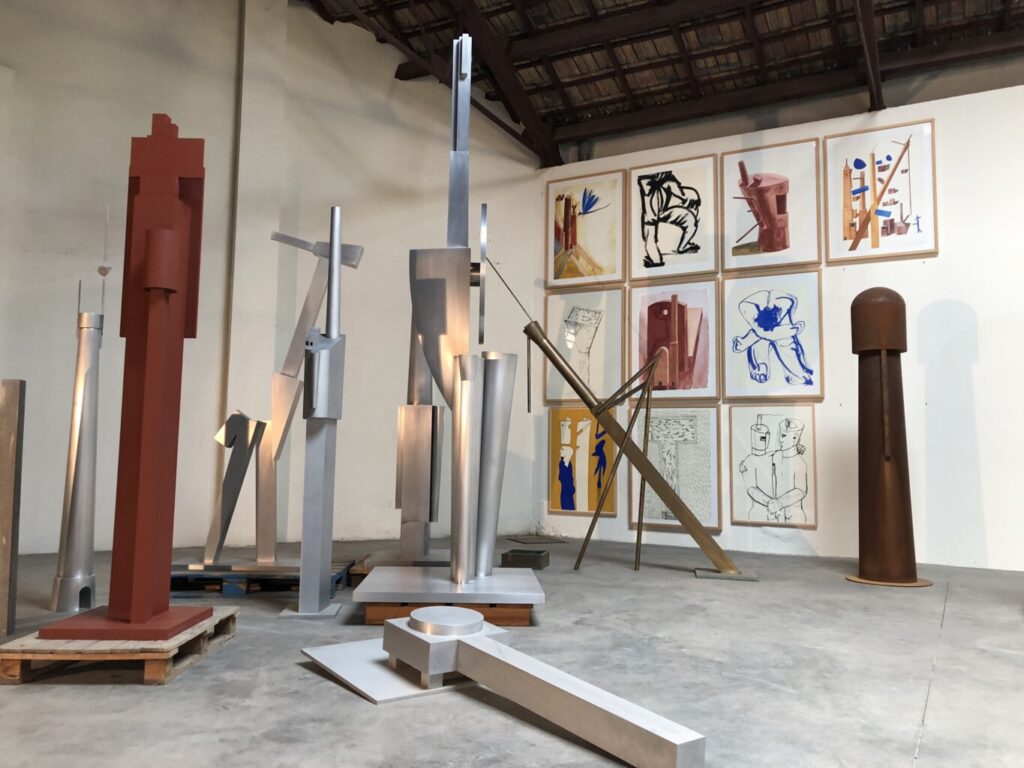
Then, the local sculptor Miquel Navarro, working on an international scale, presented his works. A group of our representatives also had the opportunity to participate in an important performing arts festival for local residents, Mislata Art al Carrer, which aims to spread street art in Mislata.

An internal consortium meeting was also held to discuss future cooperation at EU level. There were ideas to develop cooperation with the use of European Union funds, such as Interreg Central Europe or Interreg Europe.

The third workshop within the project Think Global, Act Local - Italy

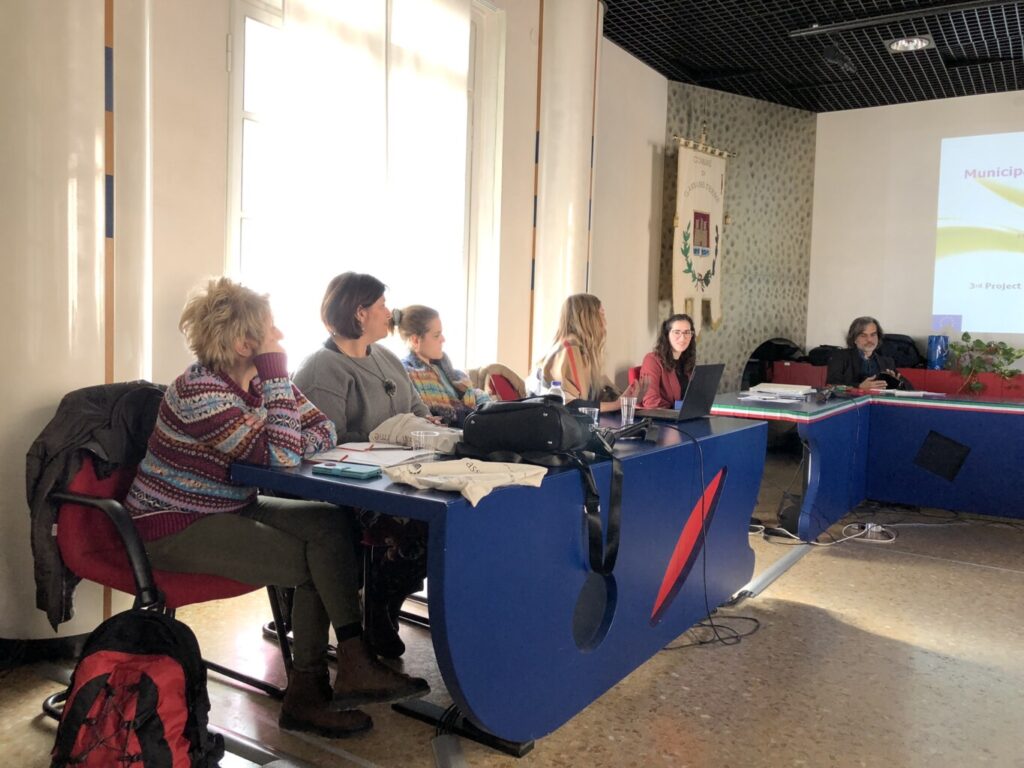
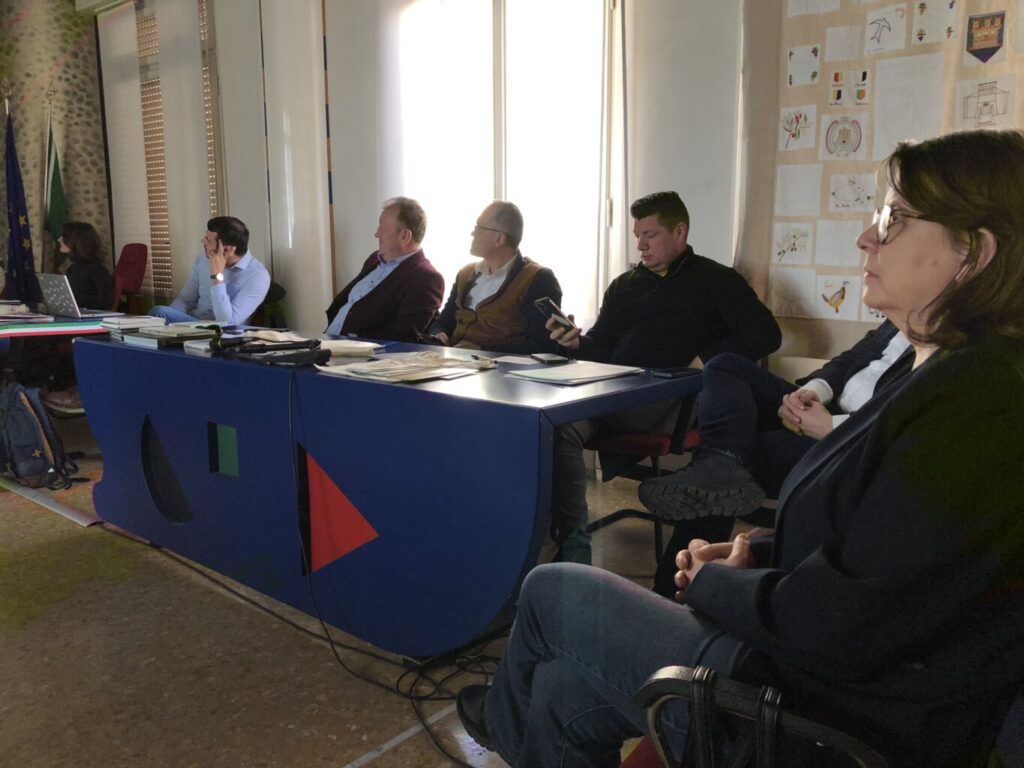
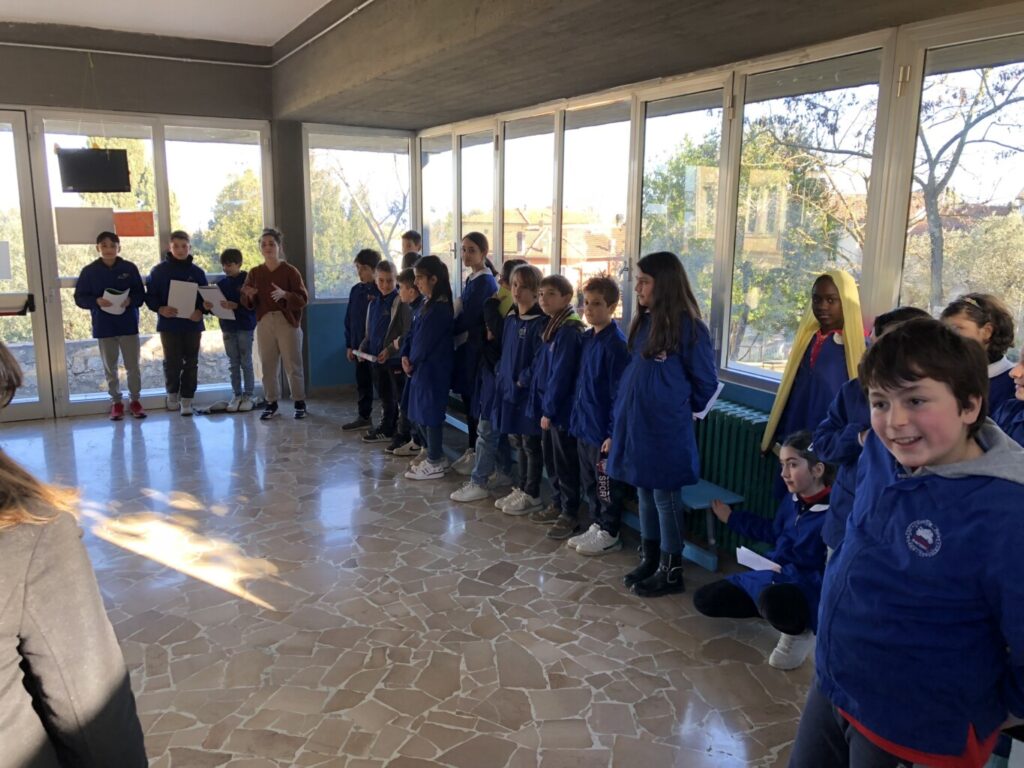
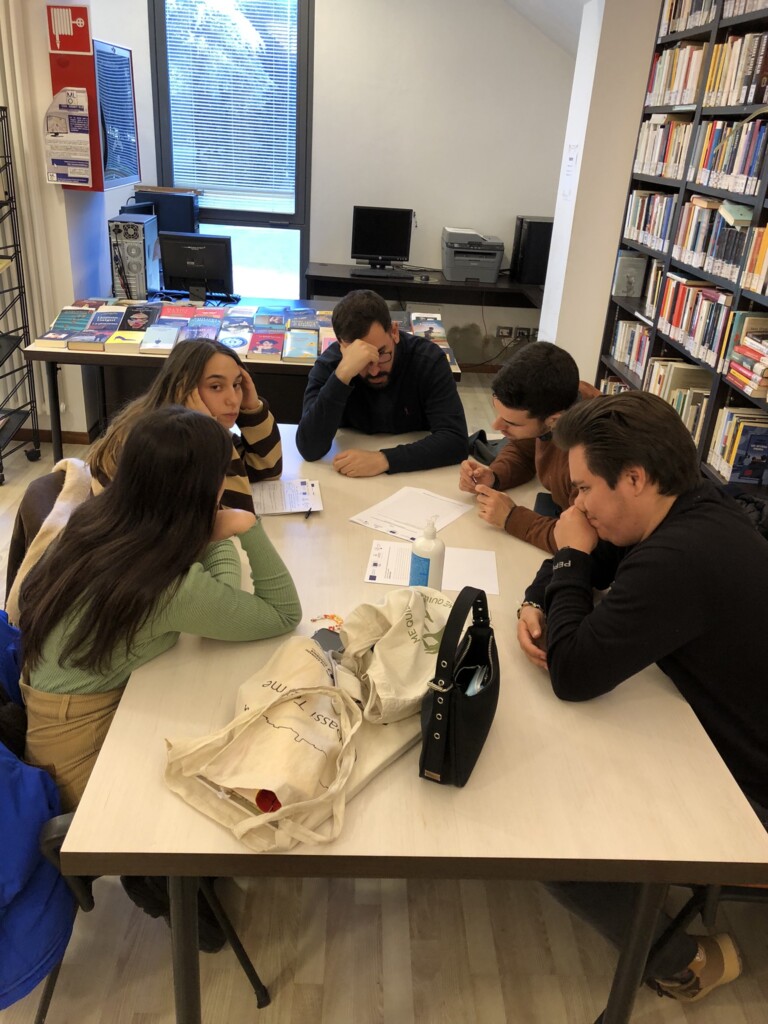
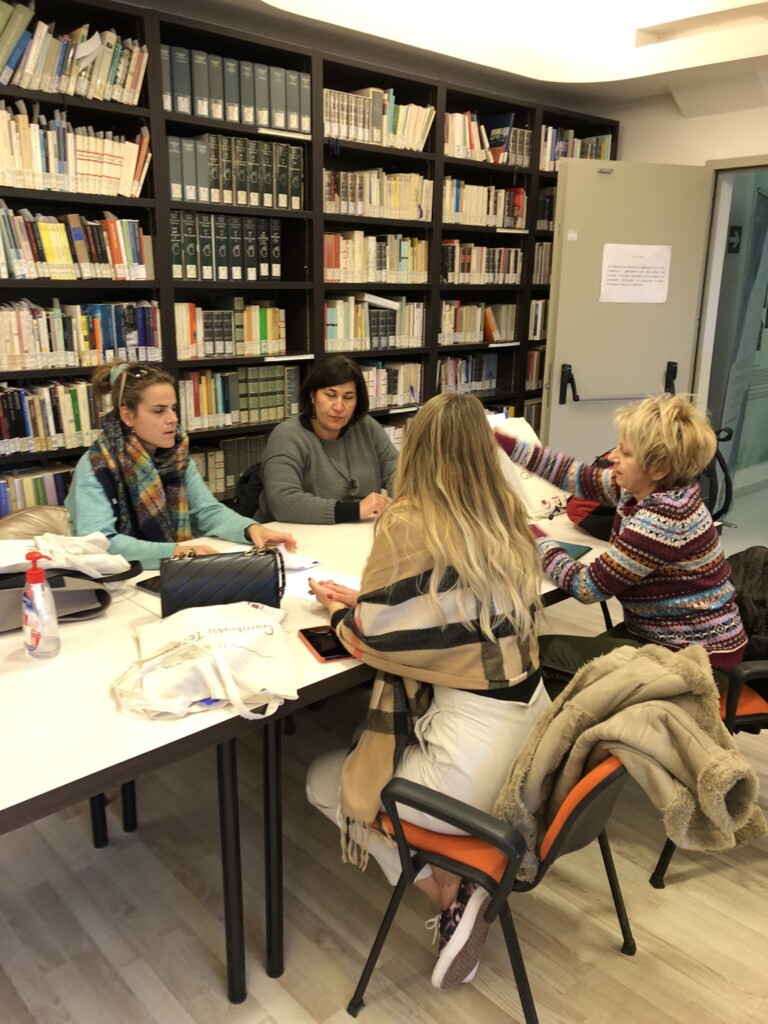
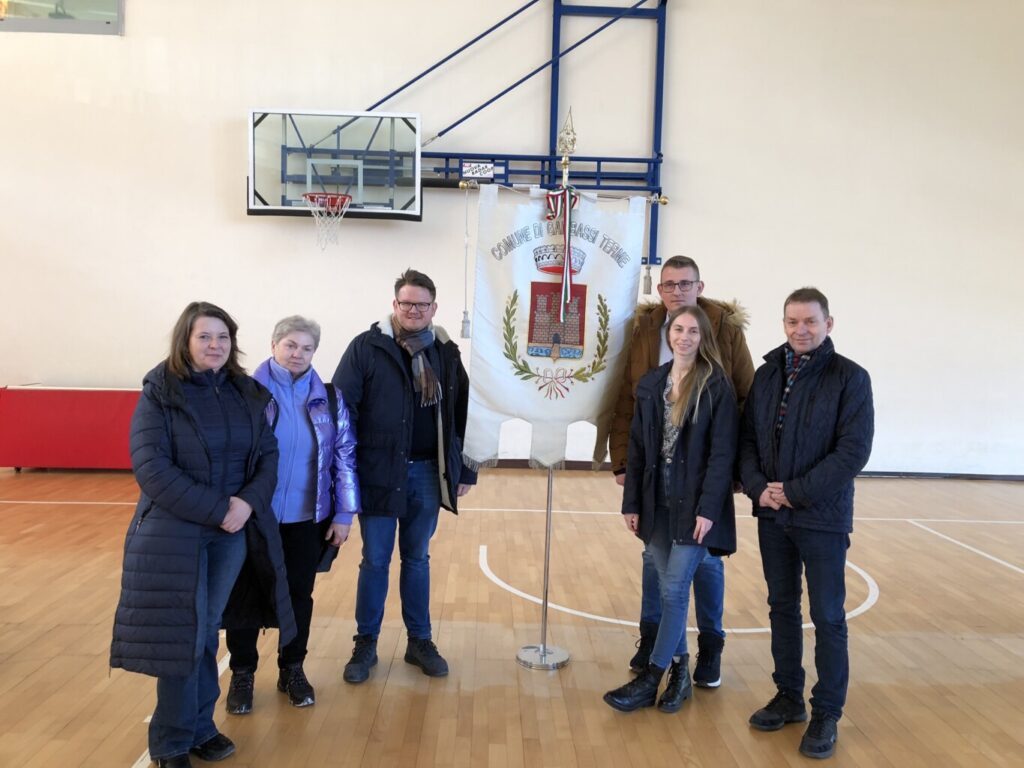
The workshop of the Think Global, Act Local project took place in the Italian city of Gambassi Terme on February 7-8, 2023. The aim was to deepening cooperation between the authorities and residents, but also at presenting local conditions related to the promotion of tourism by the city authorities of Gambassi Terme.

Participants representing the Association during the workshop: Mayor of the City and Commune of Sztum, Mayor of the City and Commune of Tolkmicko, Mayor of Olsztynek and Mayor of the Górowo Iławeckie Commune.

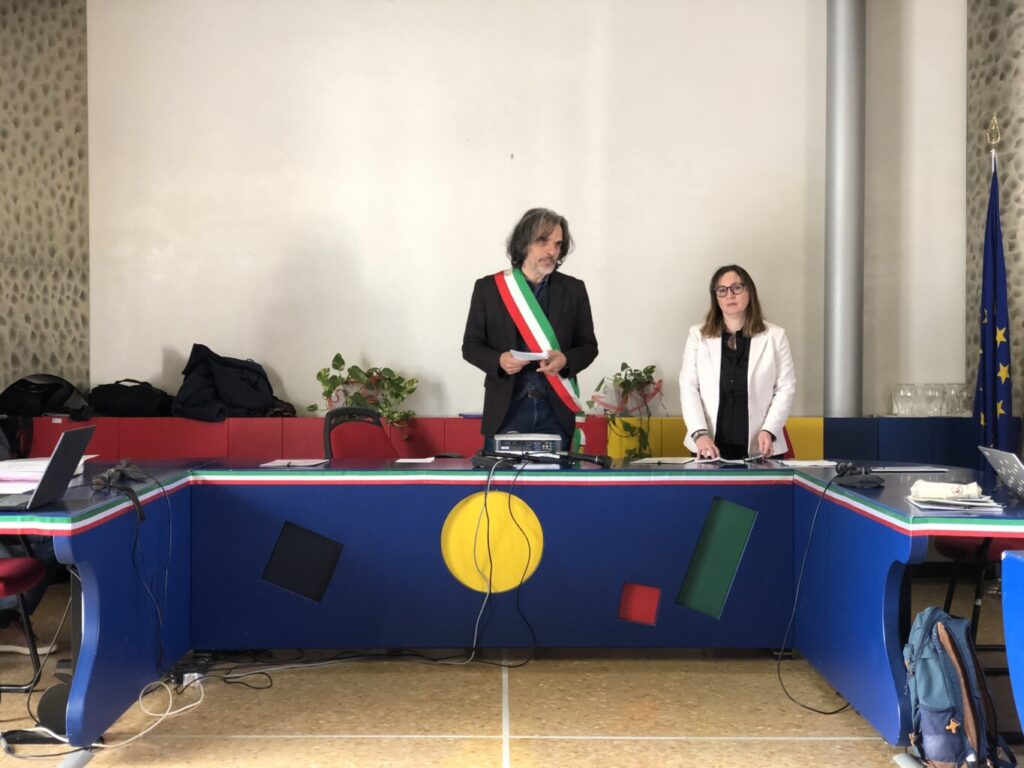
The guests were welcomed by the Mayor of Gambassi Terme and learned more about the city and the region. The partner from Italy talked about local conditions and how they work to promote the region and local entrepreneurs.

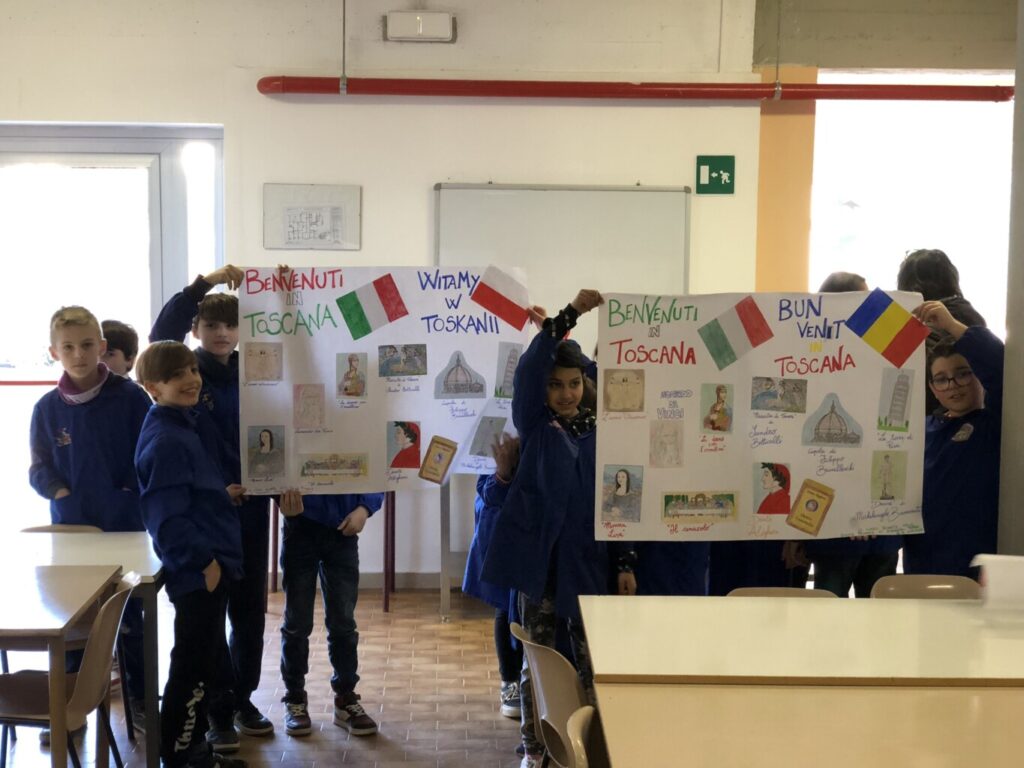
During the trip, there were study visits to the museum, primary school and local tourist sites. Participants could get to know the realities of the everyday life of a Gambassi Terme resident.

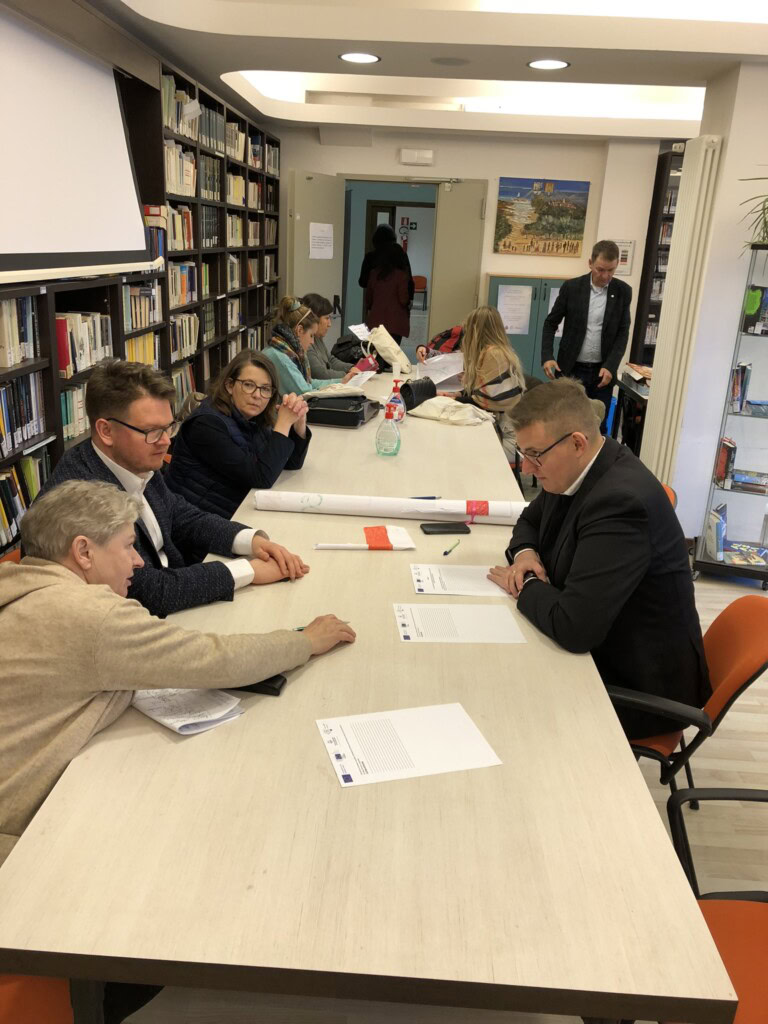
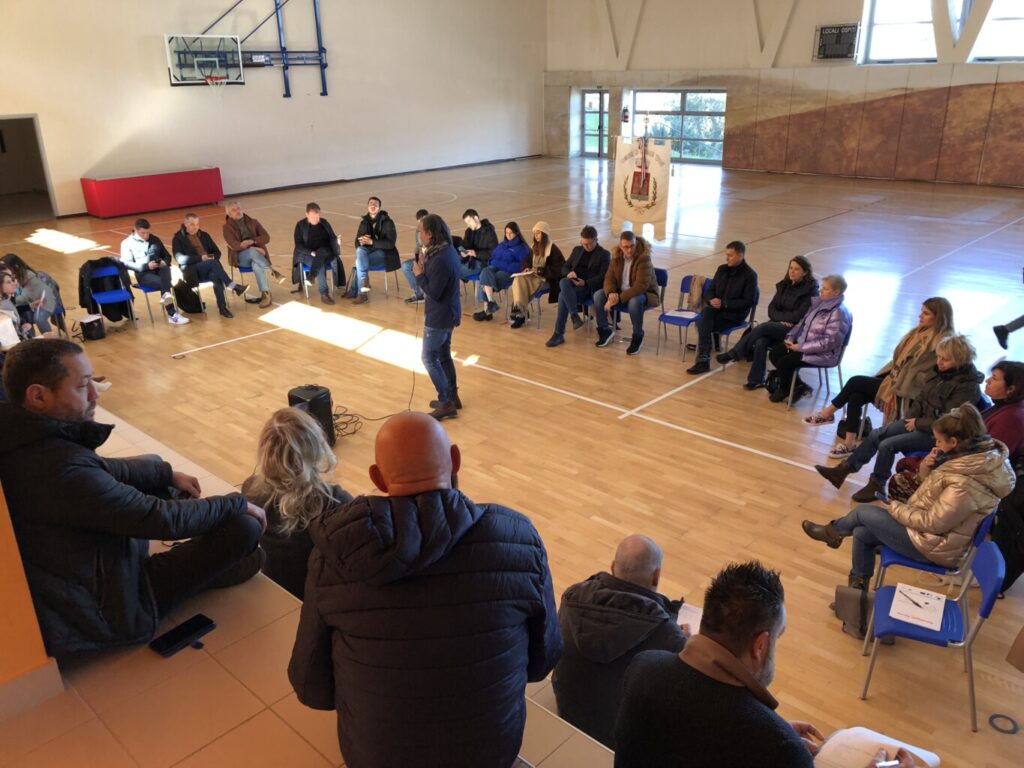
Besides study visits, workshops were held during which participants, divided into national groups, worked on a document related to the strategy of promoting tourism and the region. After preparing the preliminary points, they were presented to the rest of the participants. In addition, there was a meeting with the inhabitants of the city, who told from their perspective how the promotion of the region looks like, how it can be improved and obtained some ideas for better promotion of tourism.

The project "Think Global, Act Local: (July 1, 2022 » December 31, 2023) implemented as part of the Citizens, Equality, Rights and Values Program (CERV), Citizens network / Citizens, Equality, Rights and Values Program (CERV), Network of Towns.

The second workshop of the Think Global, Act Local project - Greece

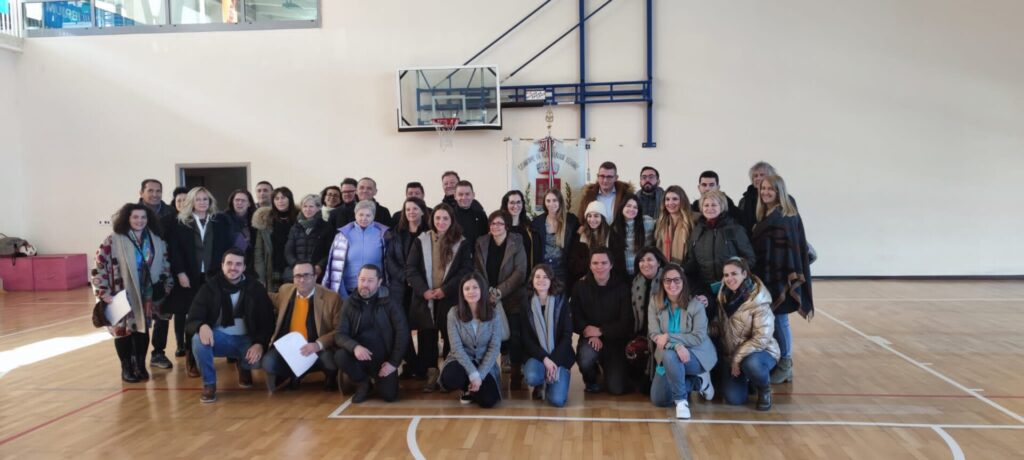
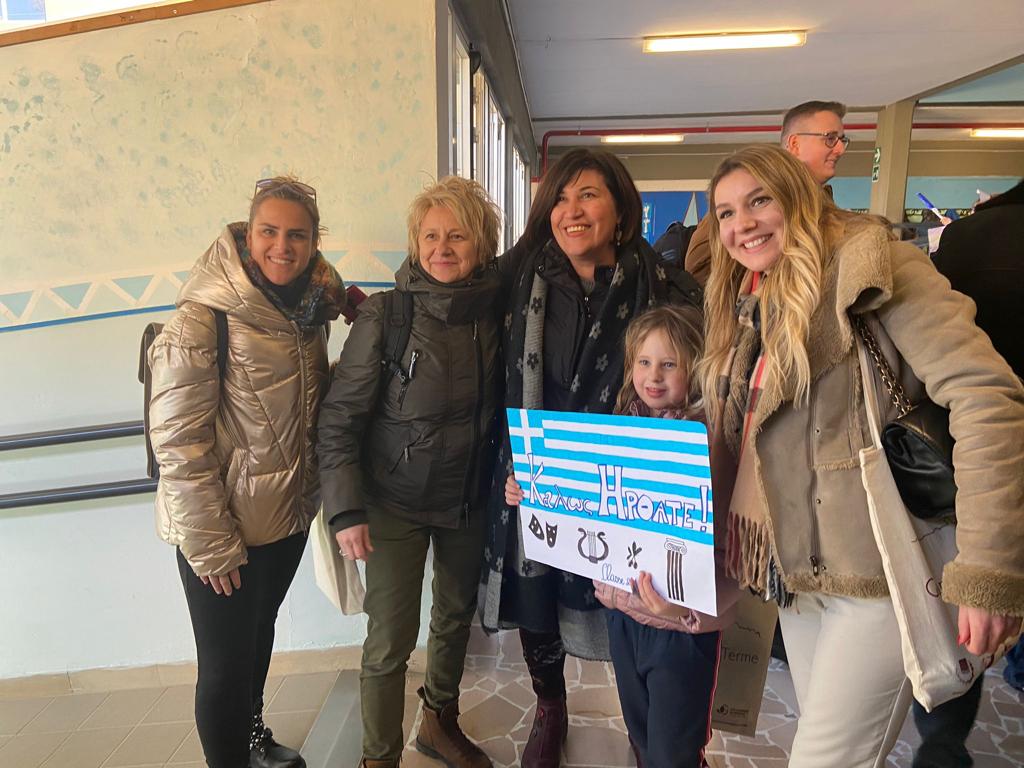
A delegation consisting of representatives of the Association's member municipalities: City of Puck, Town and Municipality of Tolkmicko and Municipality of Górowo Iławeckie visited the Partner in Greece, Municipality of Agii Anargiri Kamaterow as part of the Think Global, Act Local project, where the second workshop devoted to the preparation of a survey on the involvement of residents in local activities was held. The event was combined with a study visit and workshop, took place on 8-9.11.2022. There was attended representatives from local government officials and NGOs from Greece, Spain, Romania, Italy and Poland.

As part of the event, participants had the opportunity to participate in study visits to the Recycling and Environmental Awareness Park, a Primary School, a Municipal Gym and a sports hall where wheelchair basketball training took place. Participants learnt about some good practices, which inspired them and gave them the opportunity to reflect on the similarities as well as the differences in each country.

In addition, there were talks and discussions about partnerships and cooperation for the benefit of their local municipalities. For the participants, mainly local government officials, democracy was an interesting topic because of the place where it started. The mayor of AAK, Stavros Tsirbas, invited the members of the Association to cooperate together.

The workshop summarised the work carried out at the first workshop in Poland, where a pool of questions and a preliminary concept of how the survey should look like were prepared. Work then began on refining and finalising the questionnaire so that it can be used by cities and municipalities to collect information from residents on the basis of which cooperation between authorities and officials and residents will be adjusted.

Think Global, Act Local - project partner meeting

The next Think Global, Act Local project partners' meeting took place online on 25.10.2022.

The meeting was about discussing the four most relevant issues related to the project's activities. These included:

  1. The current situation
  2. Preparation for the meeting in Greece (7-10 November 2022)
  3. Technical reporting requirements after event implementation
  4. Other issues
  1. The Association's representative Mr Marcin Żuchowski summarised the event organised by the Association in September. He thanked the participants for their participation and involvement during the workshop work on the questionnaire. The project leader also thanked the staff of the Association for the preparation of the meeting, which was the first physical meeting for the whole project consortium.
  2. The Greek partner reminded the participants to register for the meeting in order to technically fine-tune the event.
  3. The project leader discussed how to prepare the report after the organised event. He sent information to the partners regarding the Event Description Sheet, which is a mandatory document to be filled in for each partner after the in-country event. This document is a confirmation to the controlling bodies that the meeting took place as planned and any unforeseen situations were described in it.
  4. The time spent on other issues concerned the preparation of the project website, for which the project leader is responsible. However, due to its extensive experience, the Association will support the project leader in developing the website. The website will present the project and programme highlights. In addition, it will contain information about the project partners and activities.