Project activities under the Sztum Circular Economy, addressing contemporary climate challenges, have been successfully implemented over the past 2 years. The project was financed under the "Environment, Energy, Climate Change" Program co-financed by the EEA Financial Mechanism 2014-2021.
To learn more about the project's concept, we invite you to explore the multimedia content below.
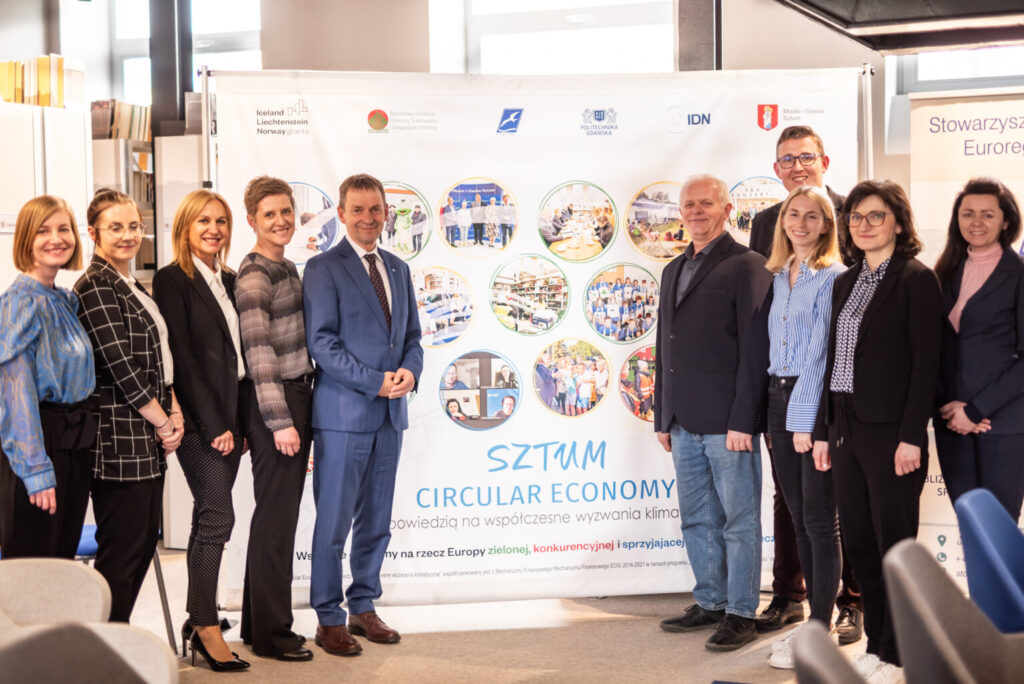
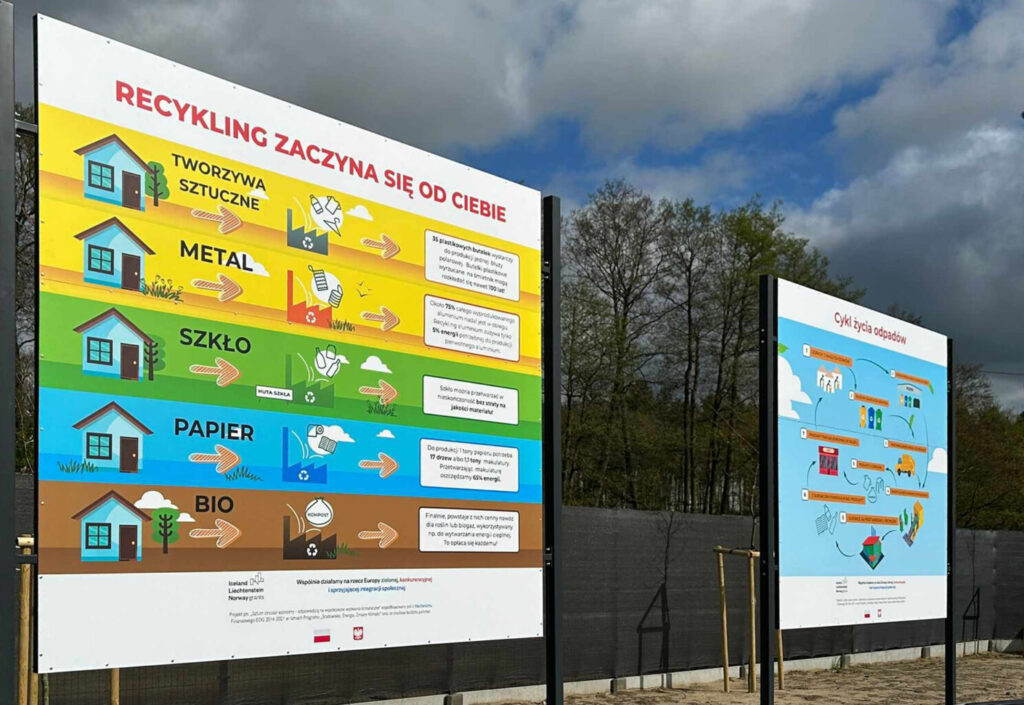
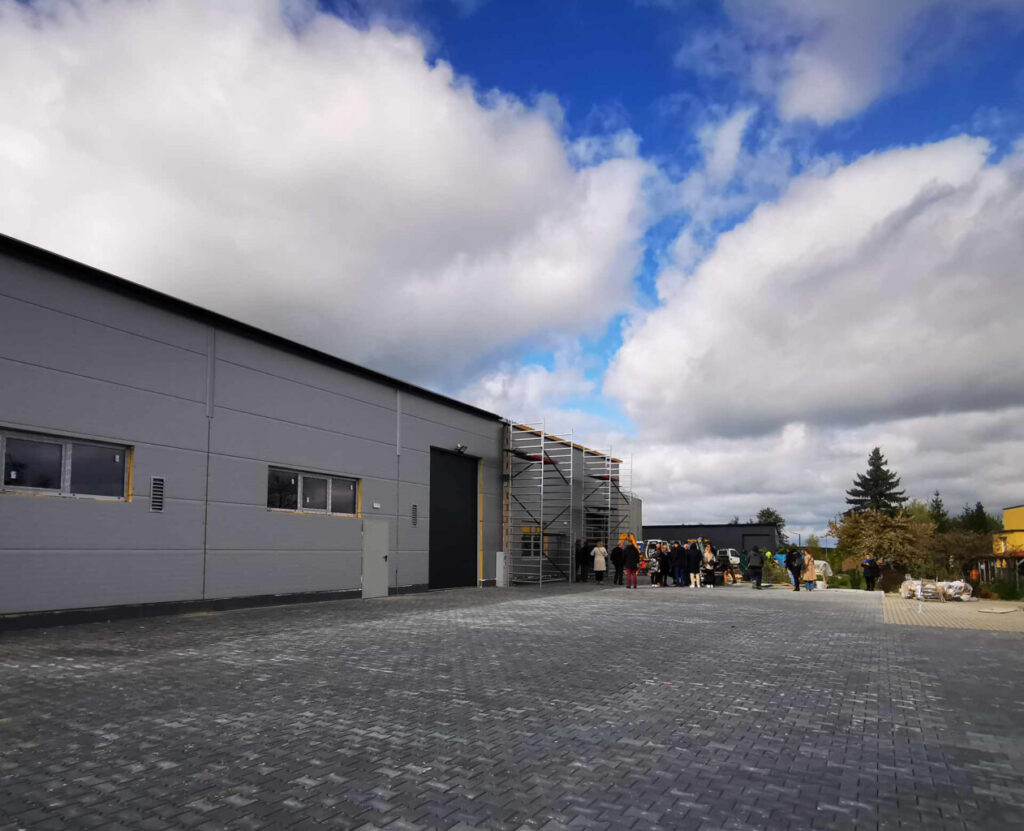
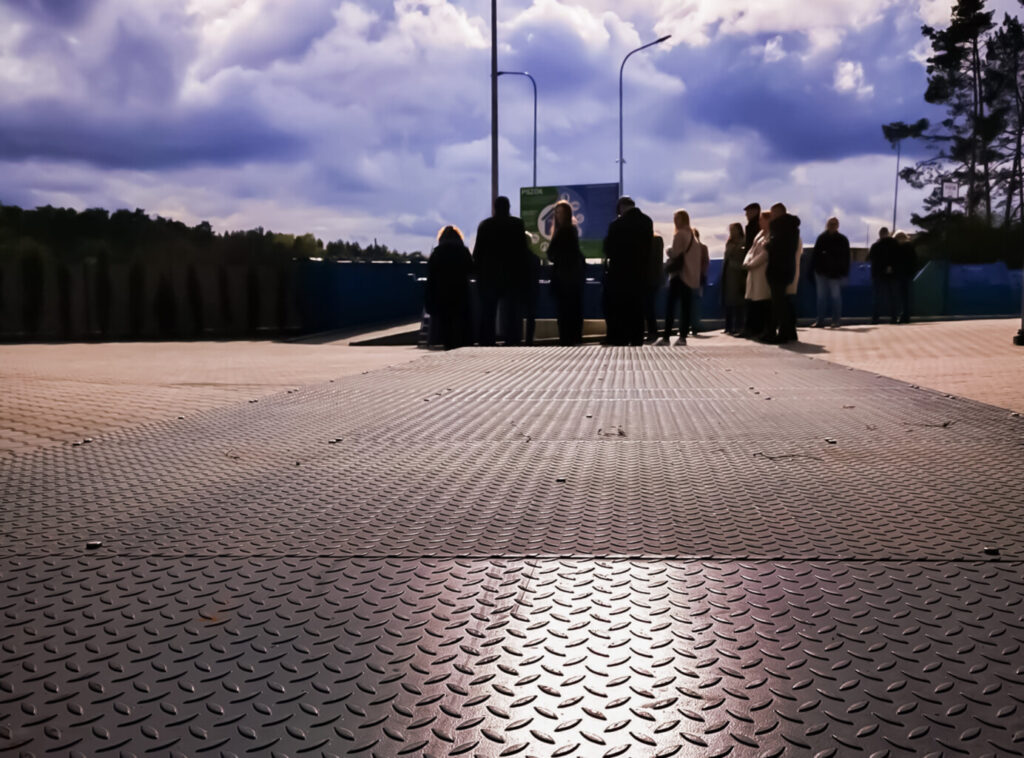
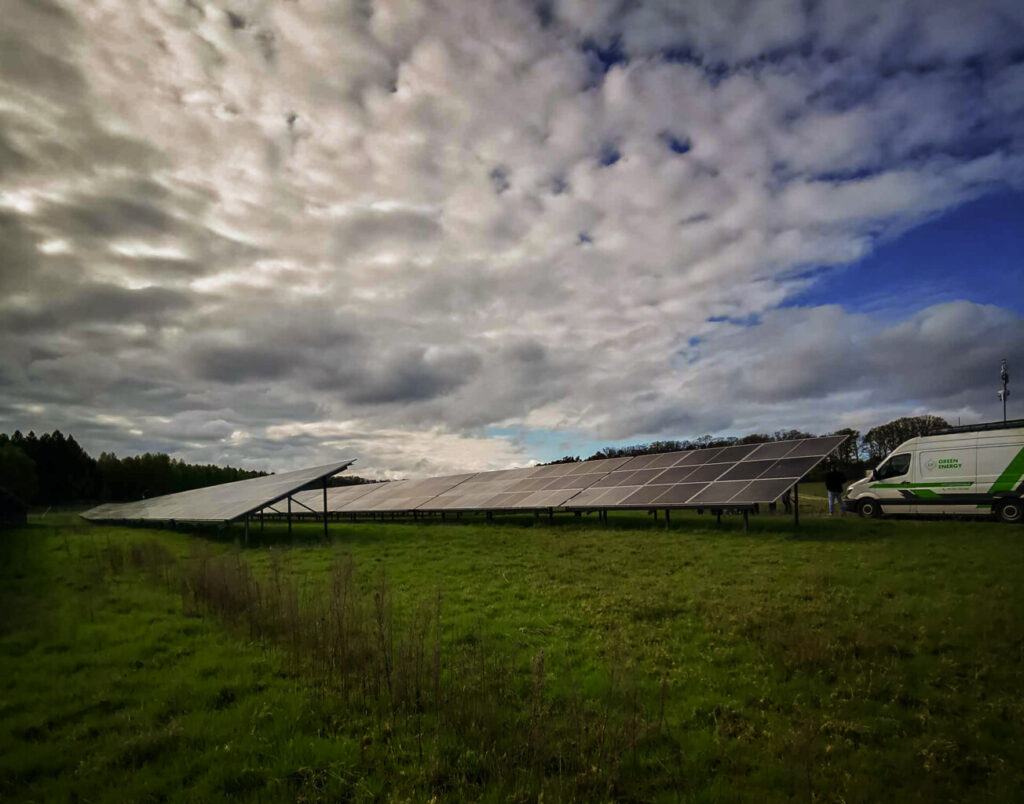
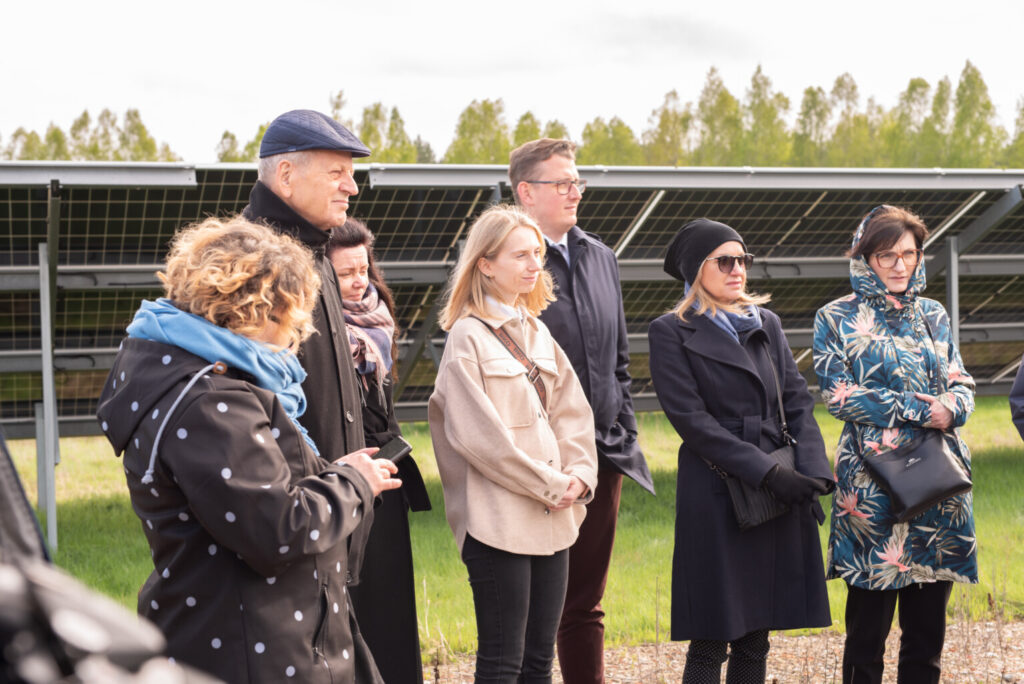
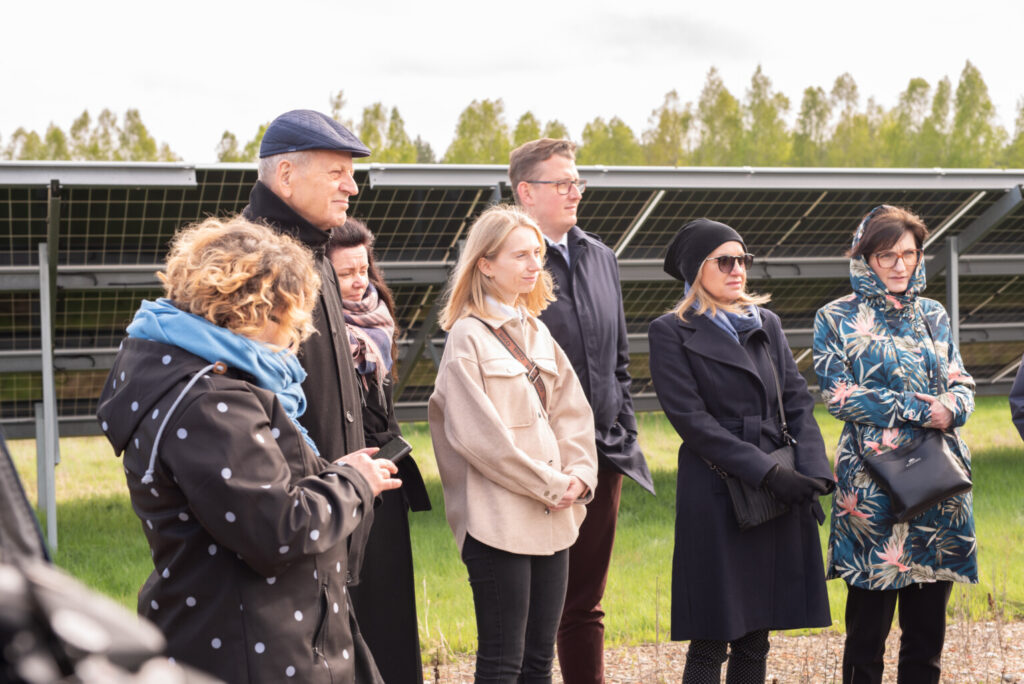
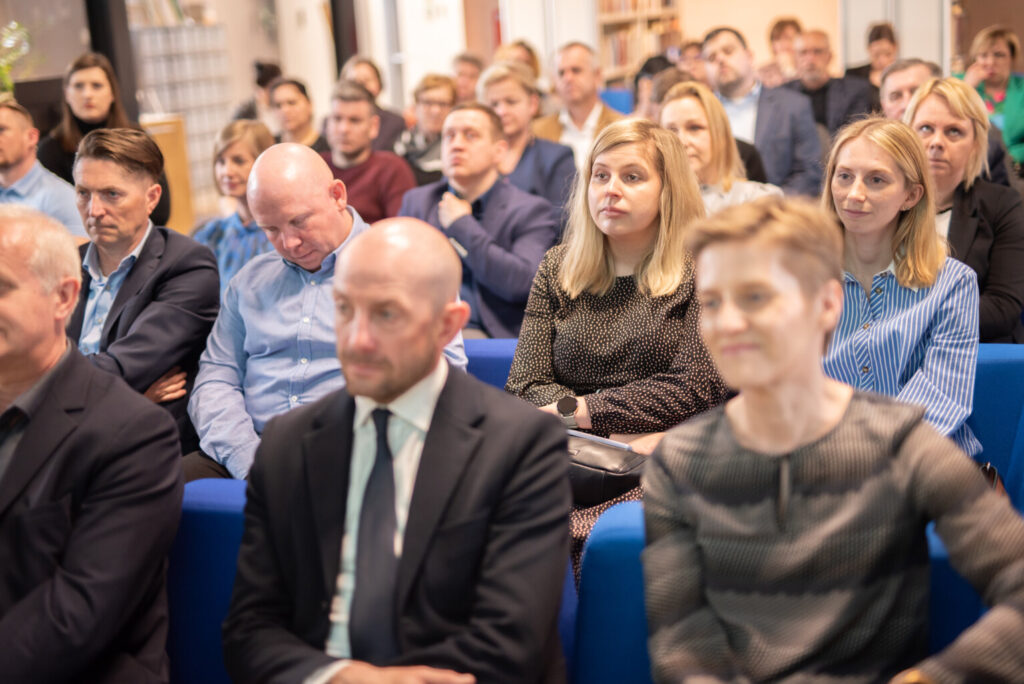
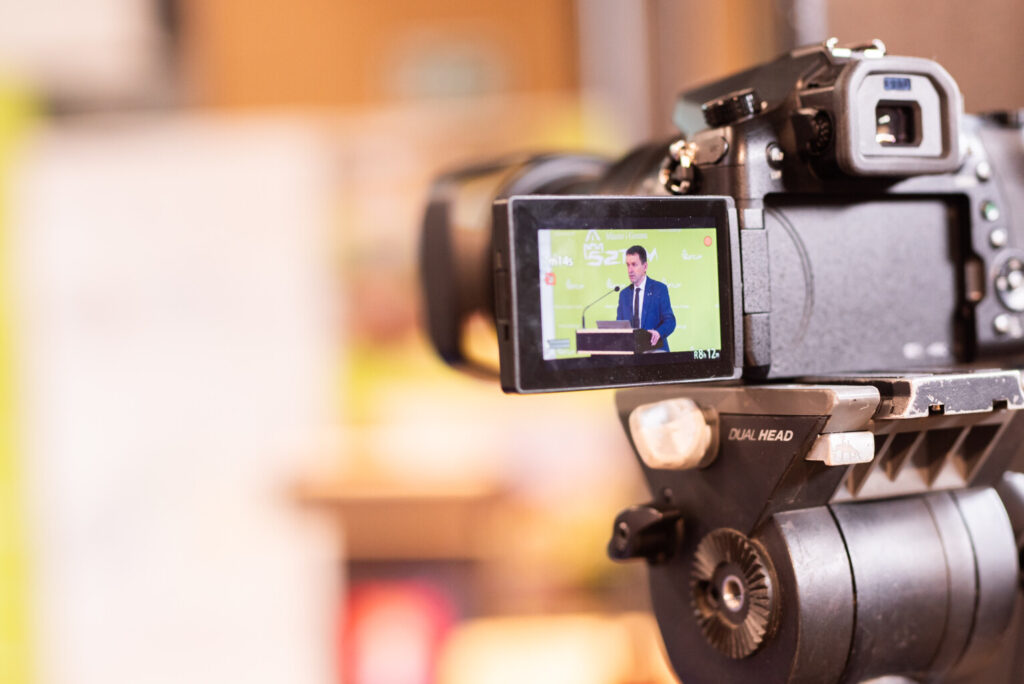
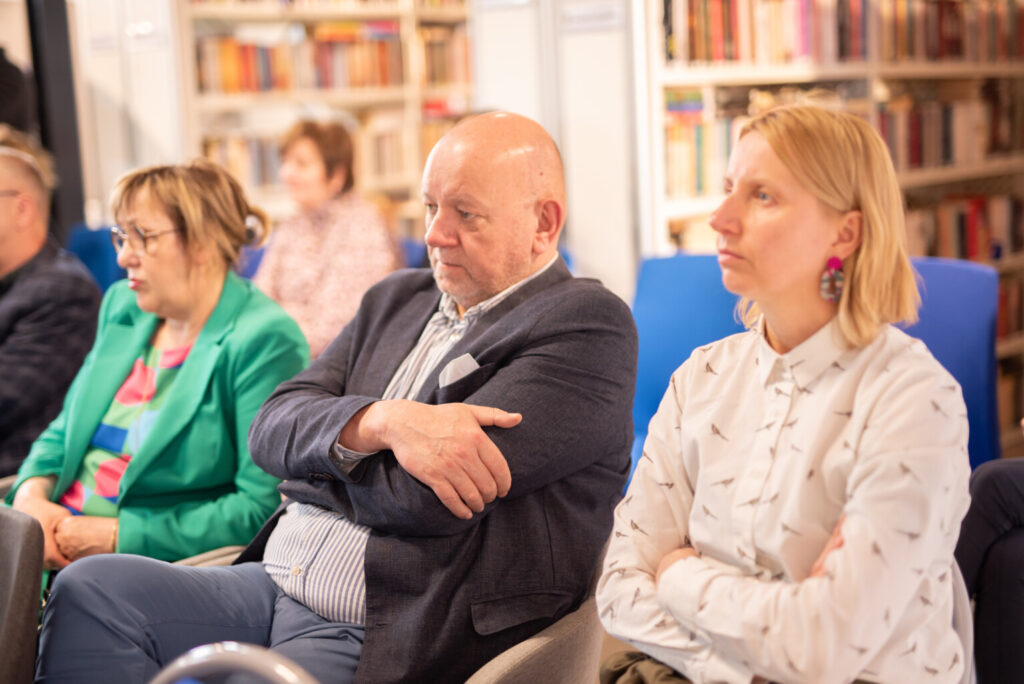
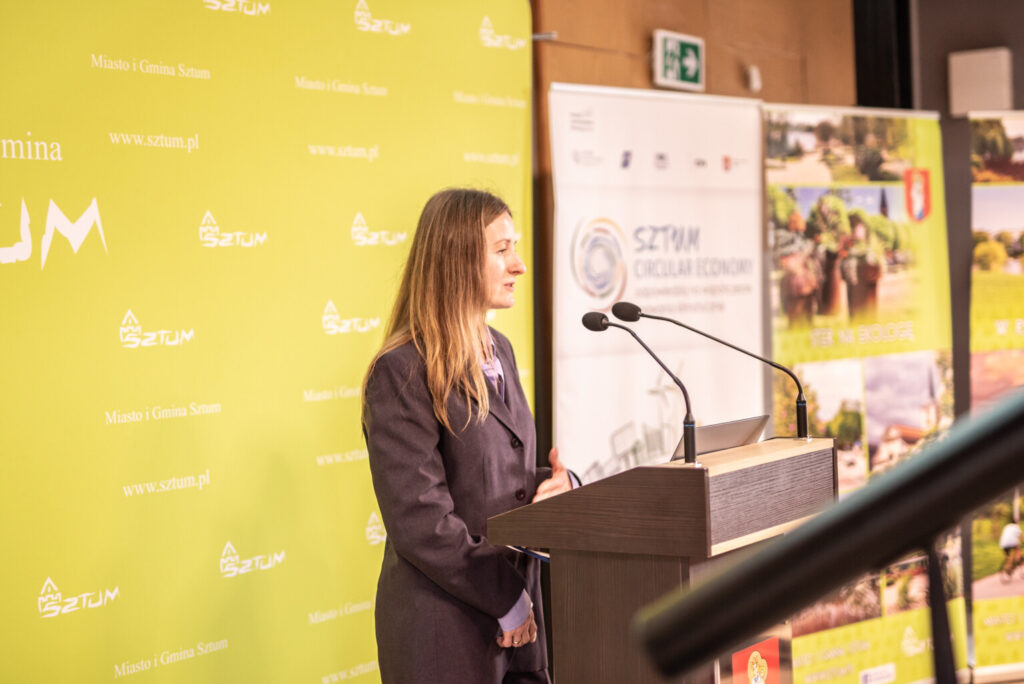
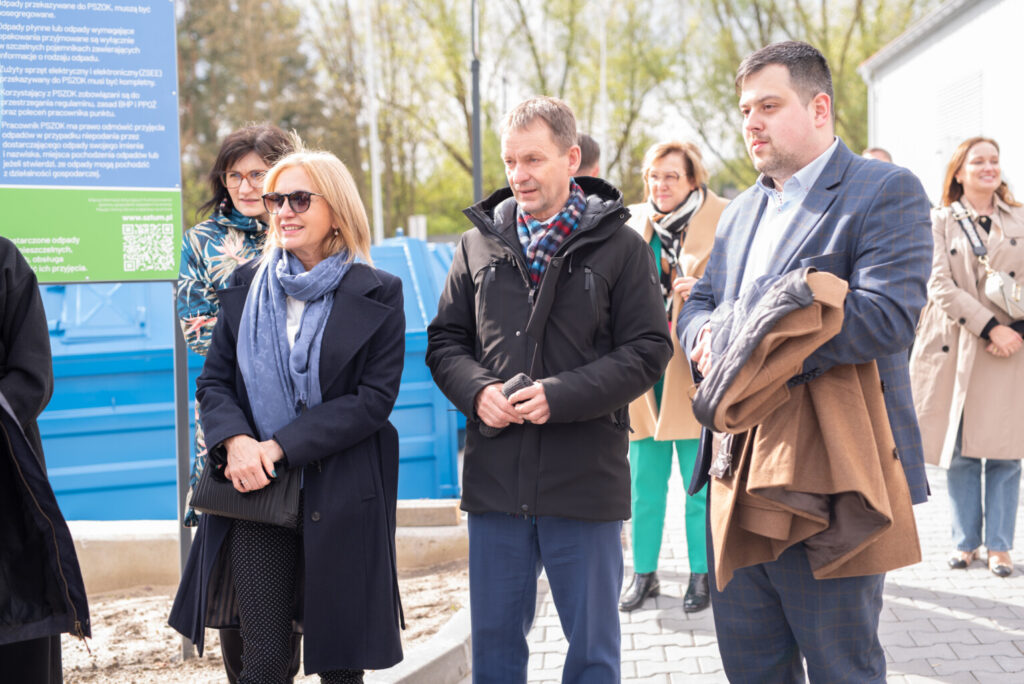
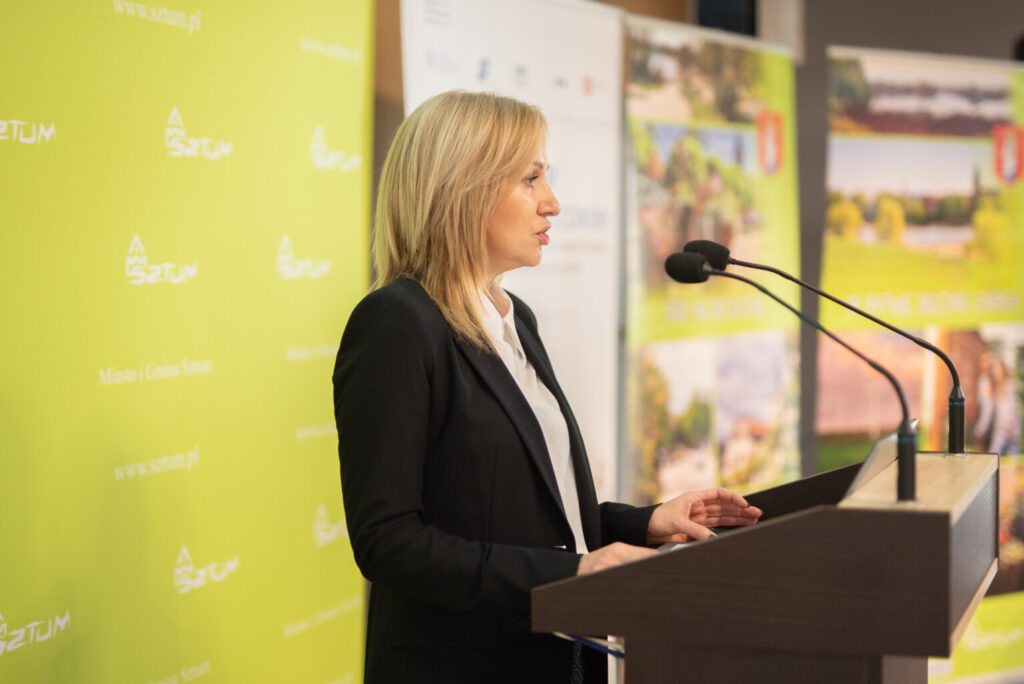
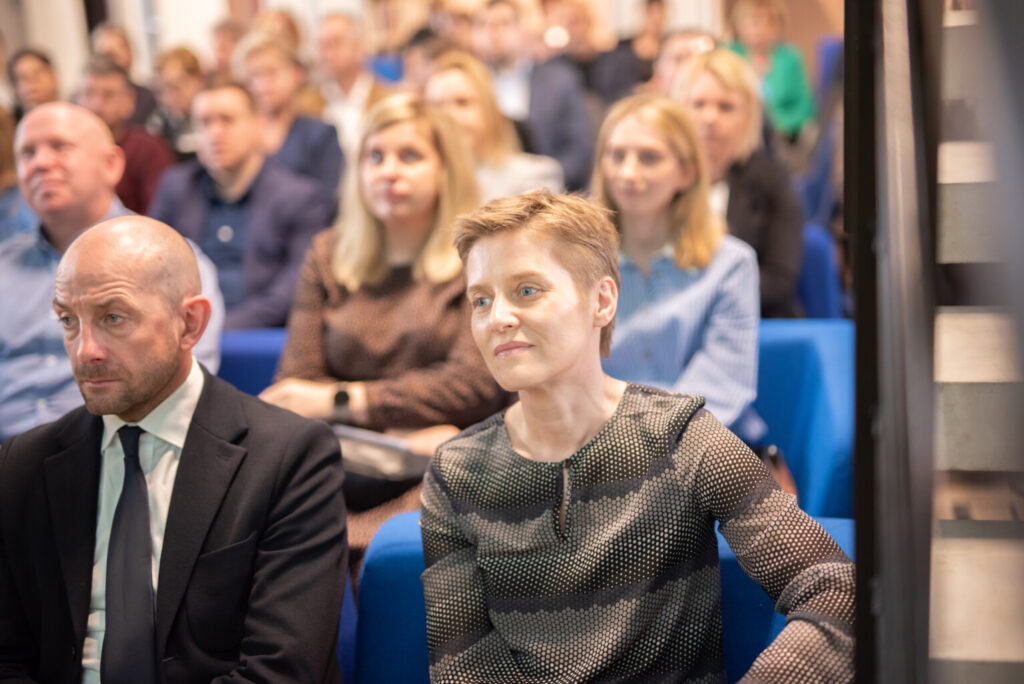
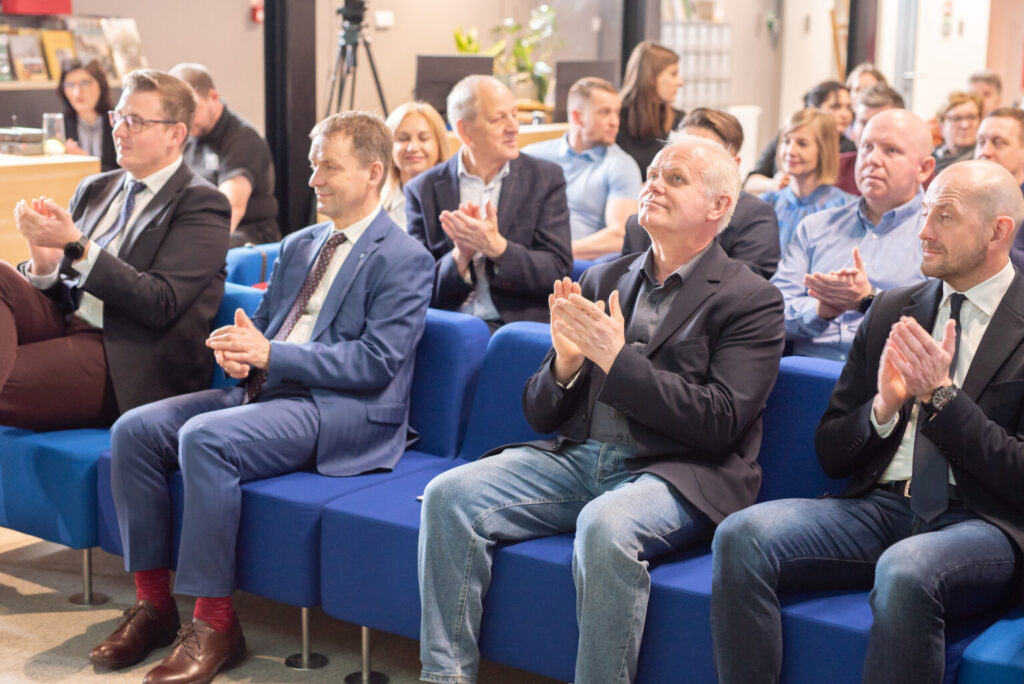
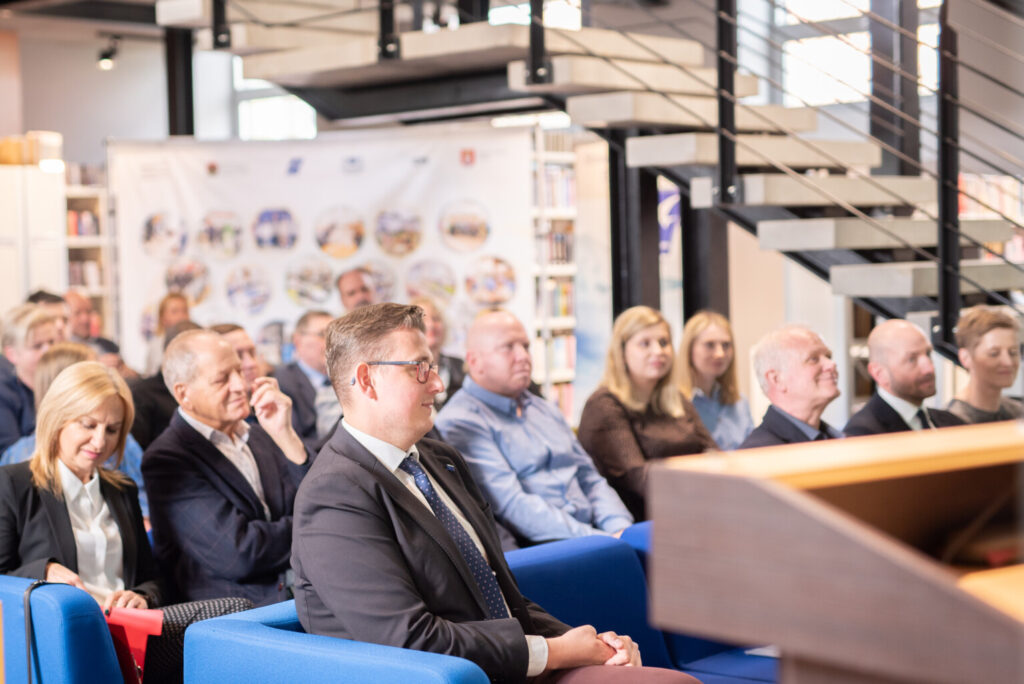
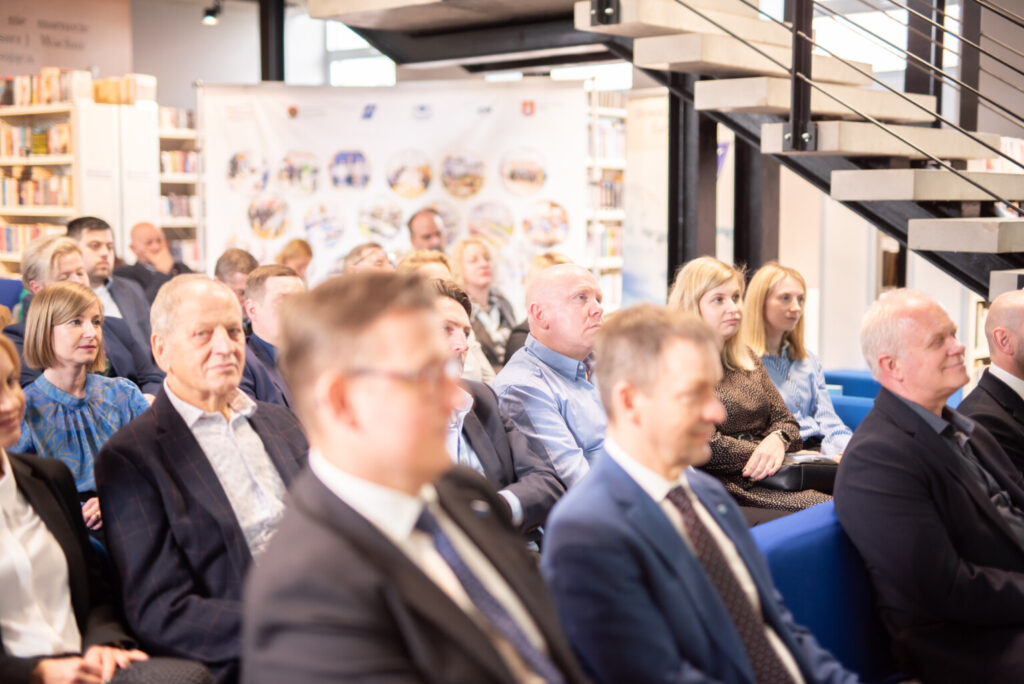
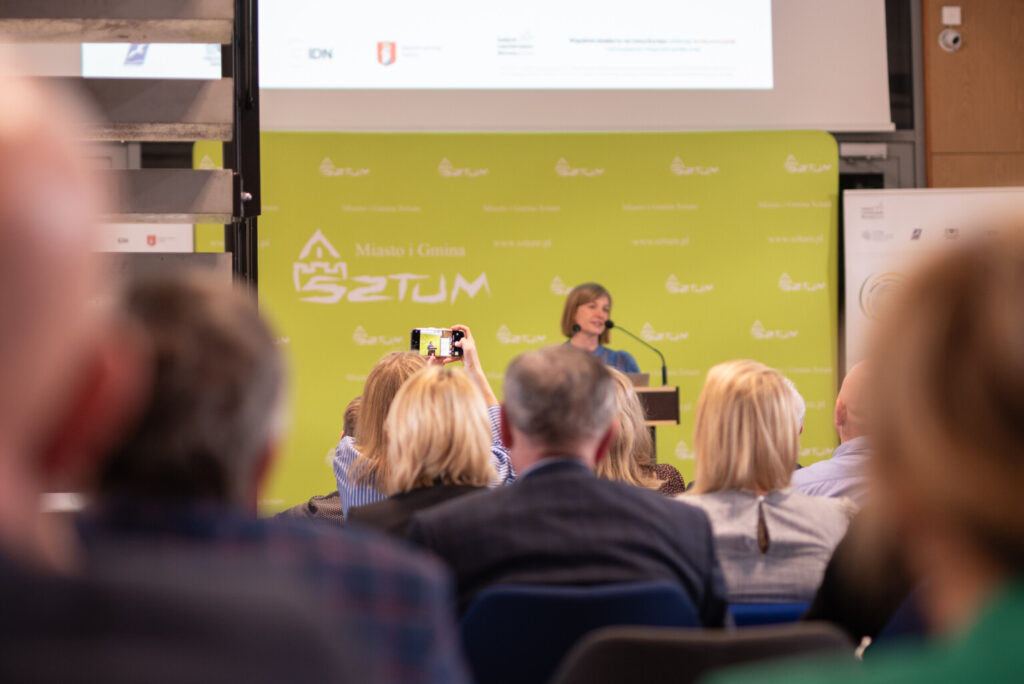
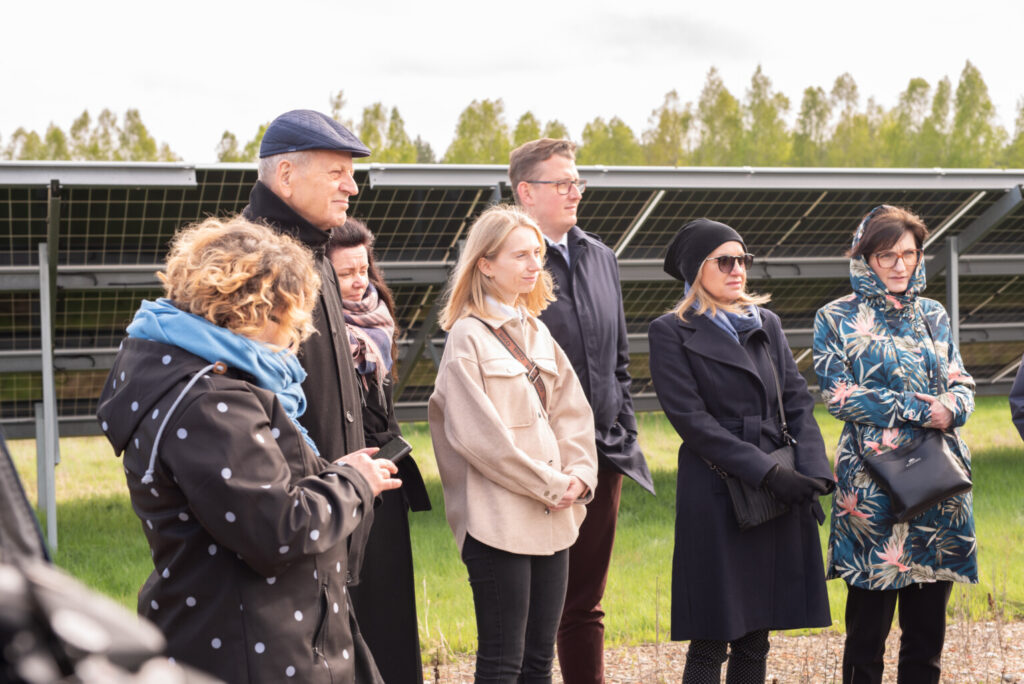
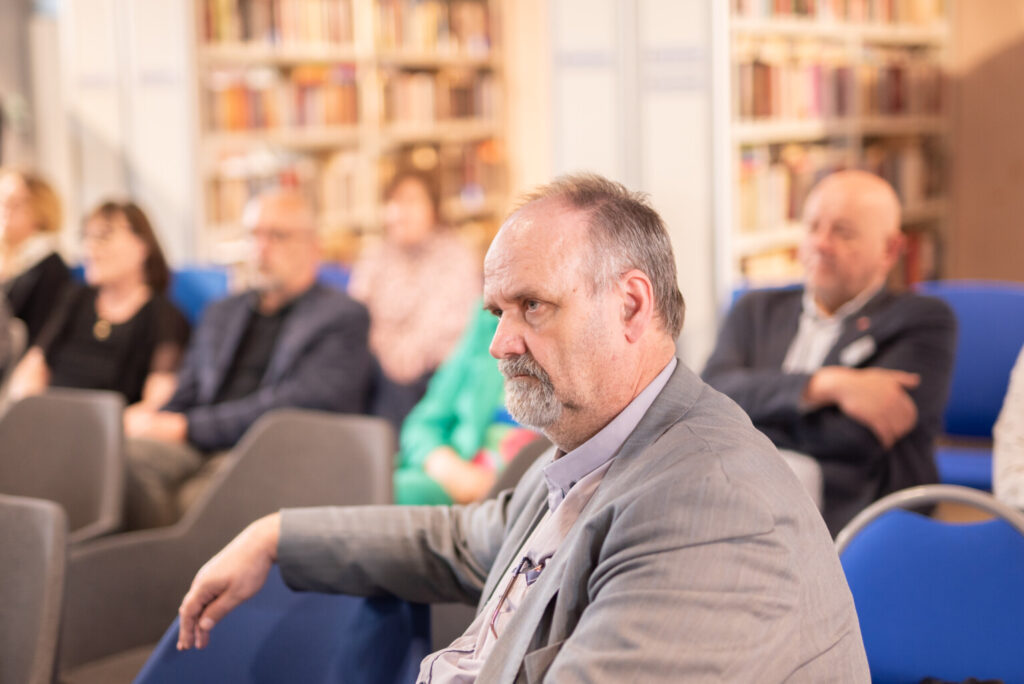
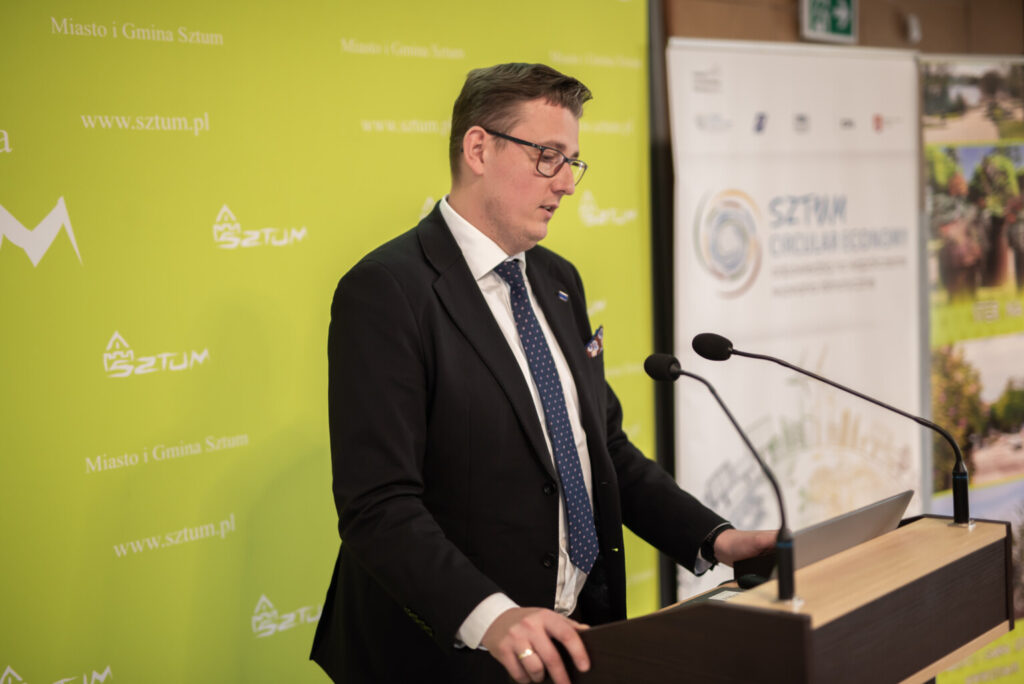
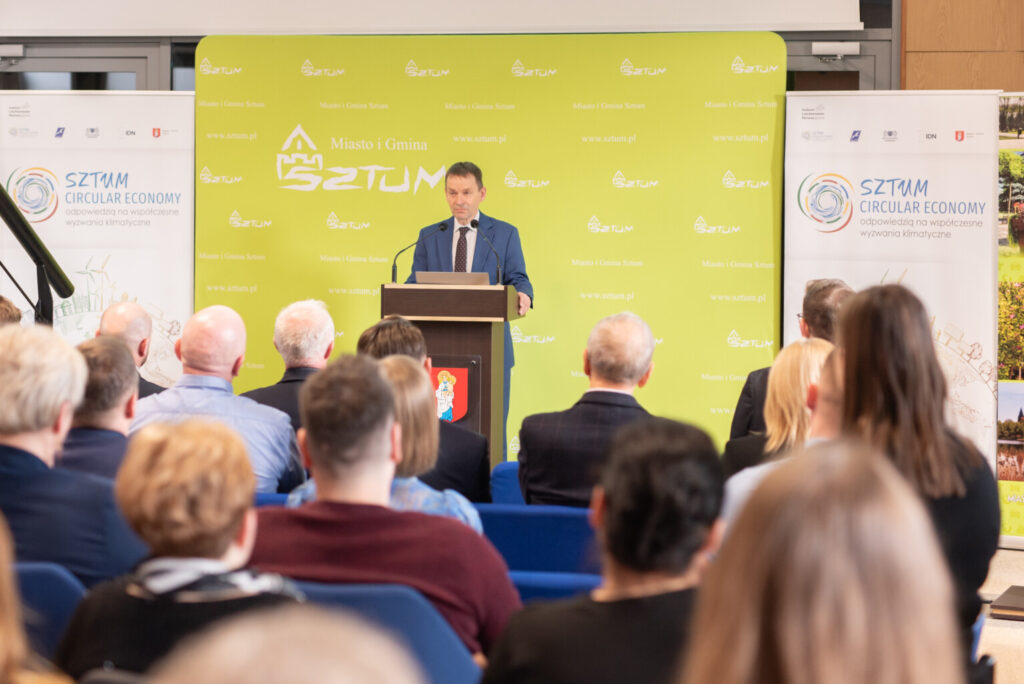
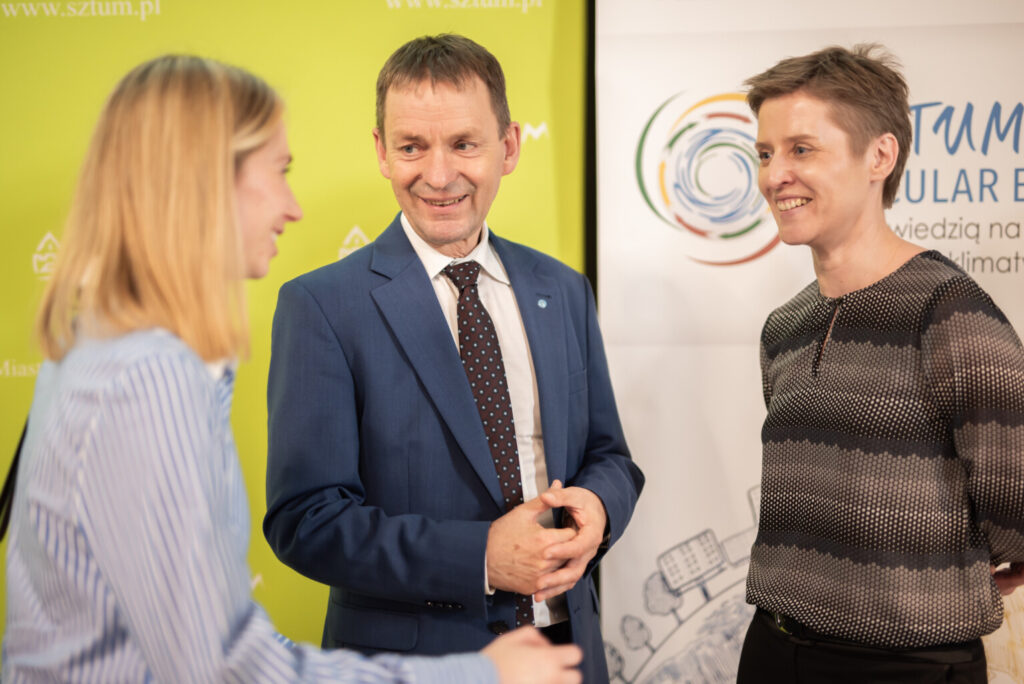
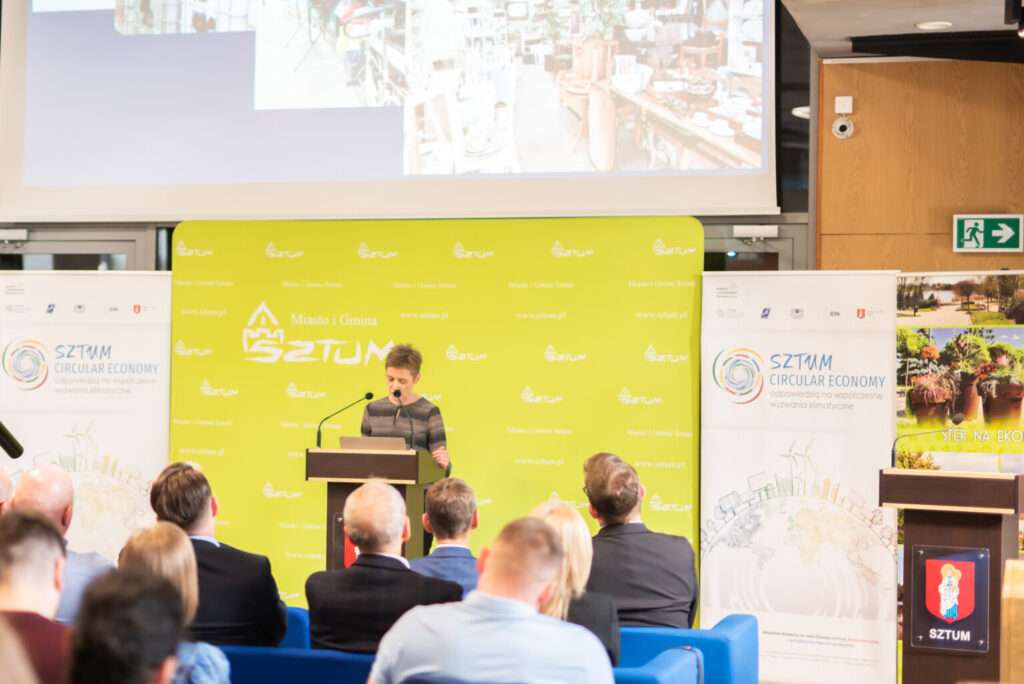
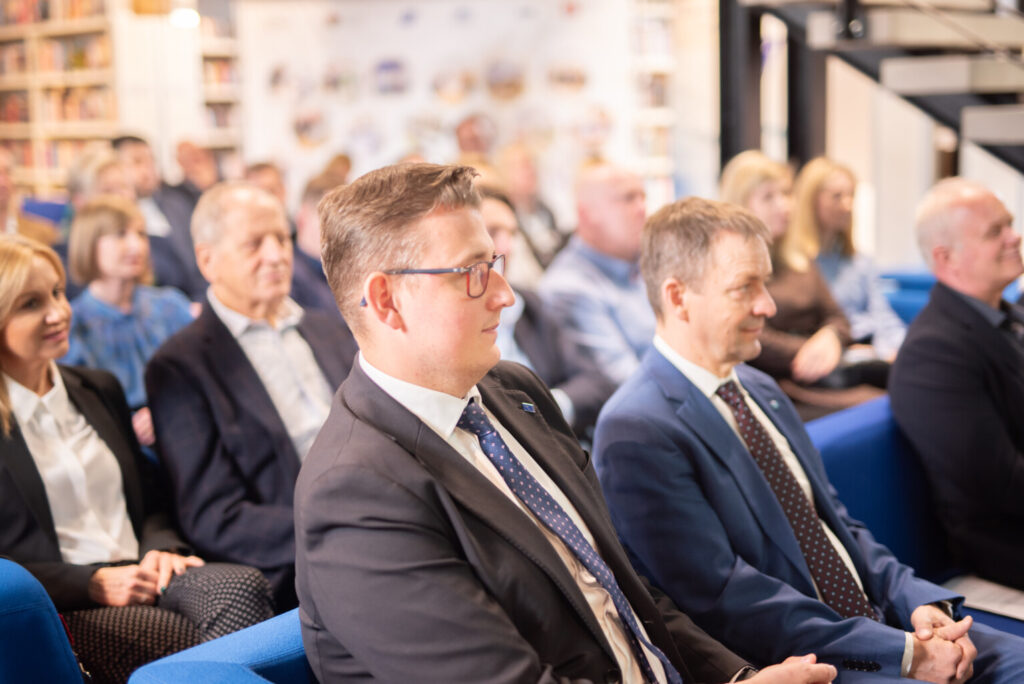
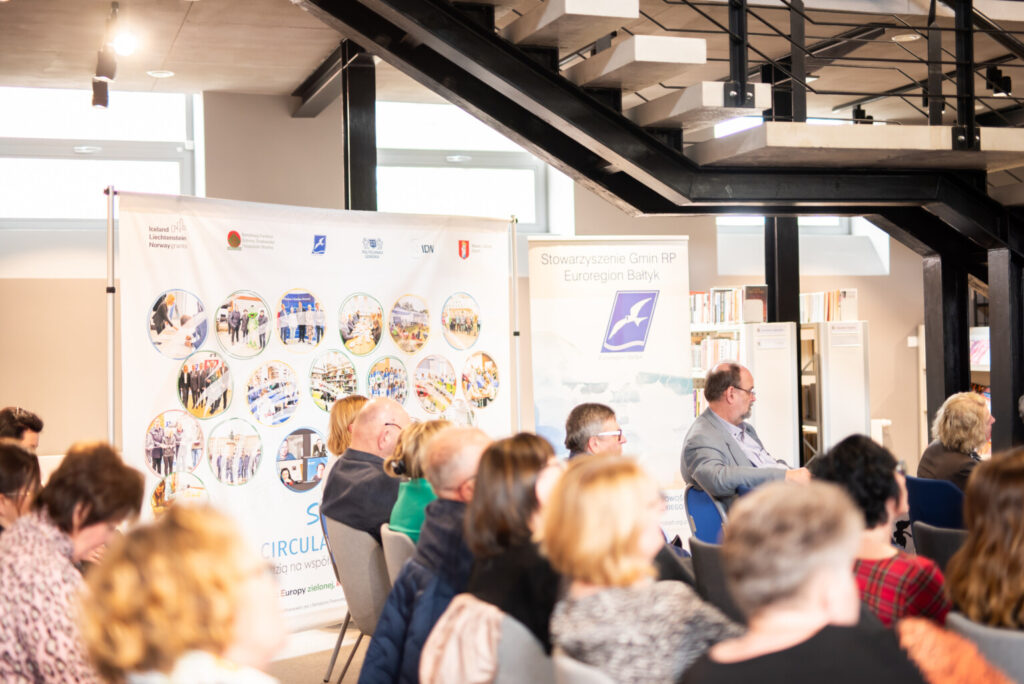
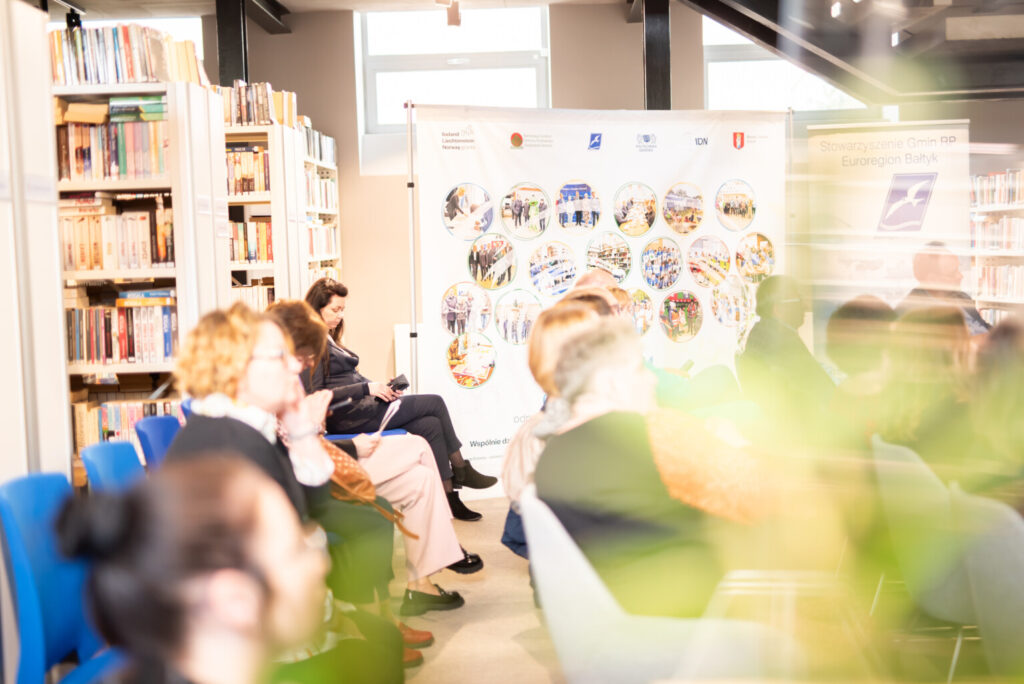
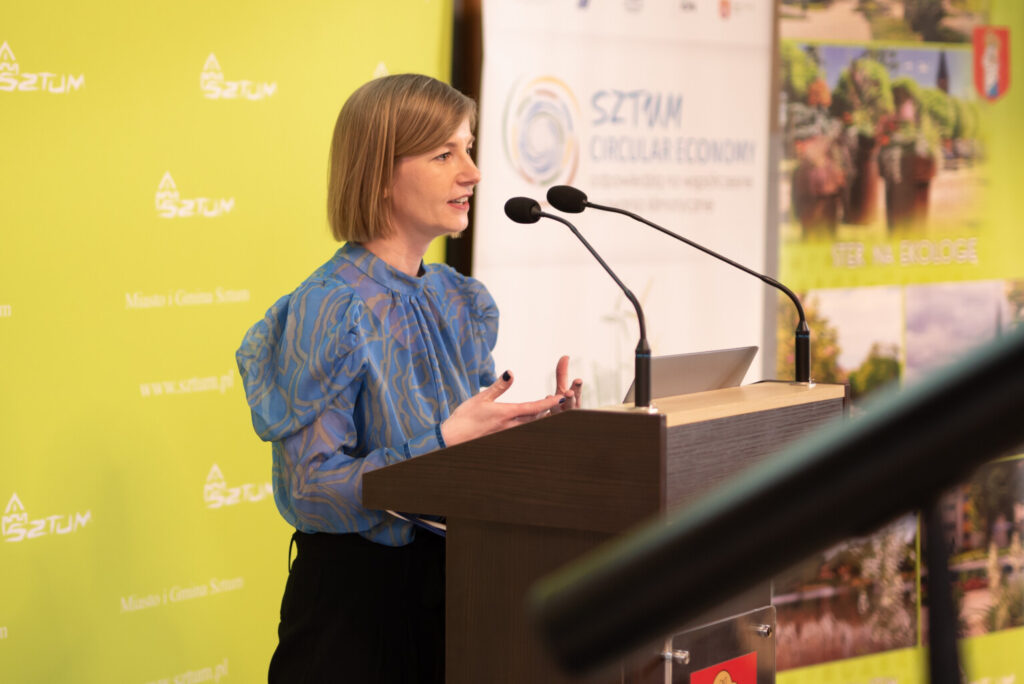
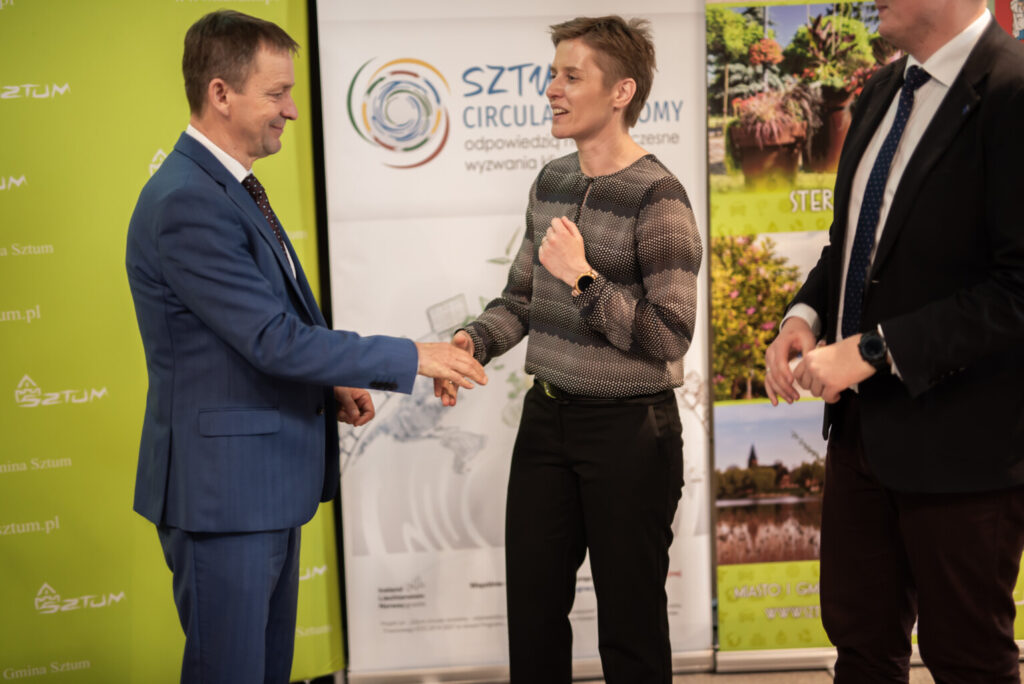
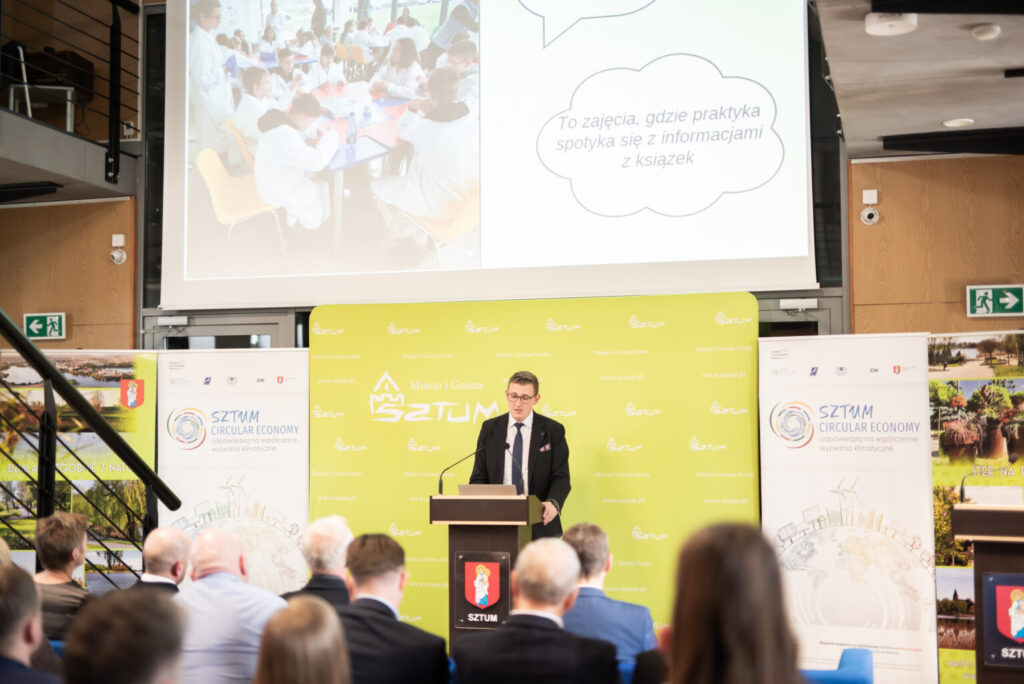
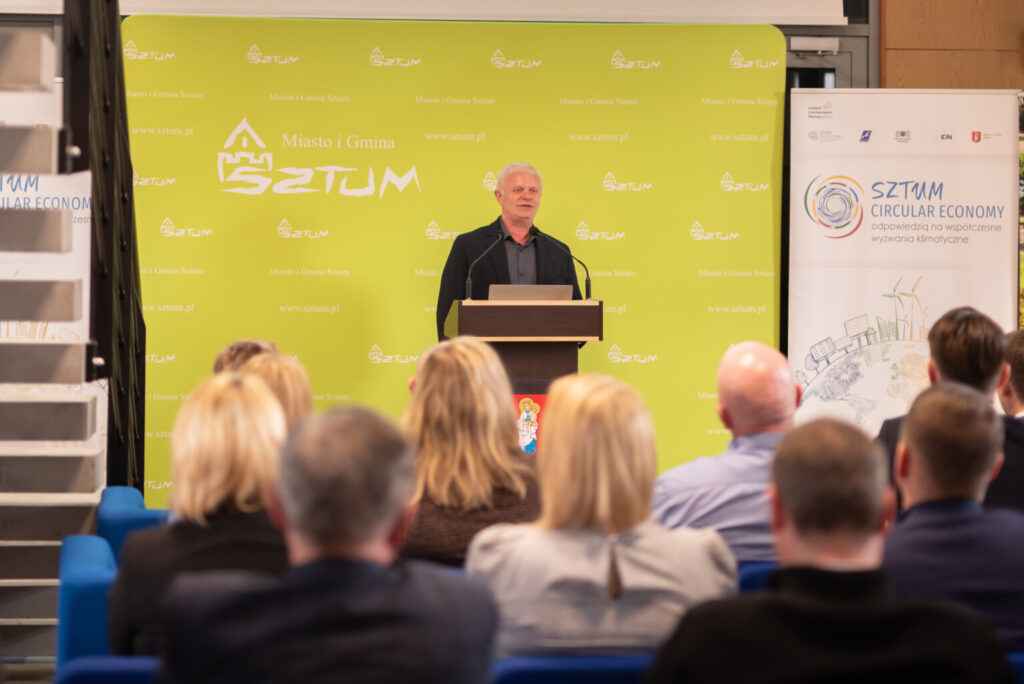
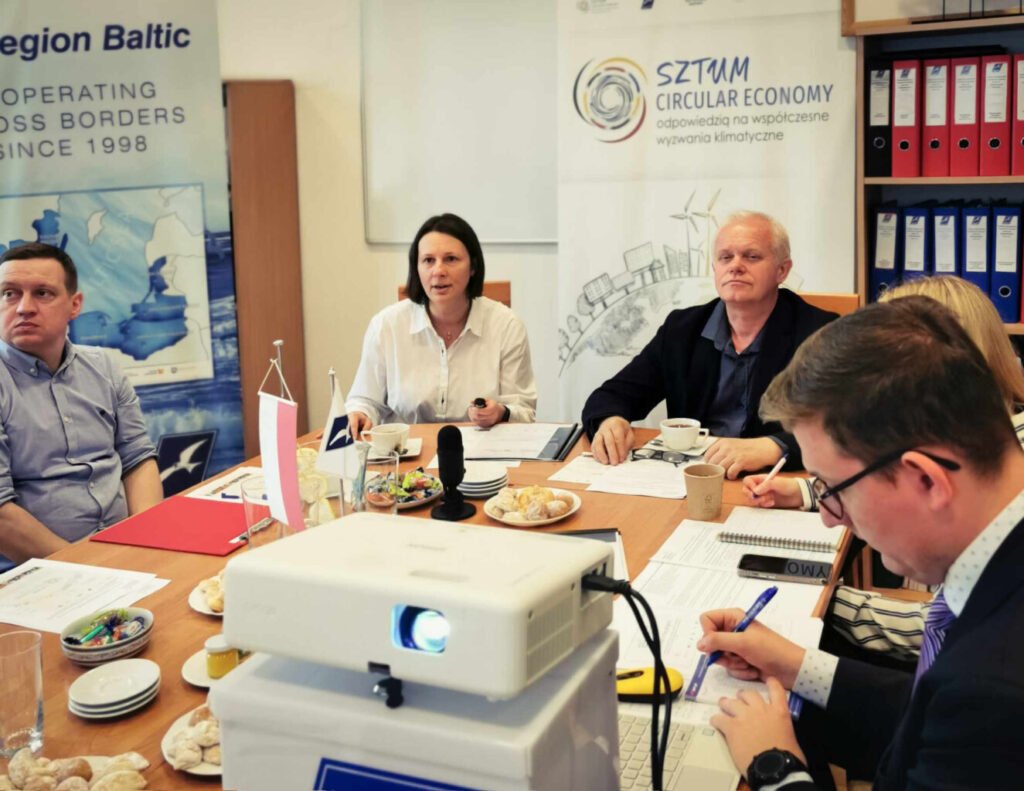
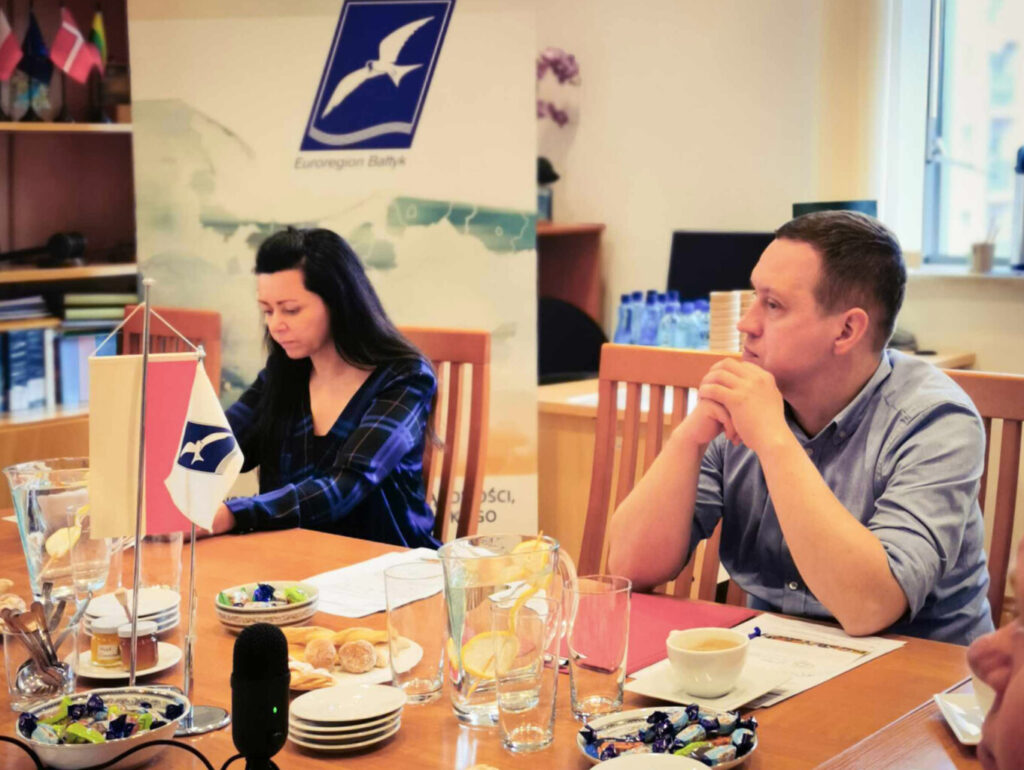
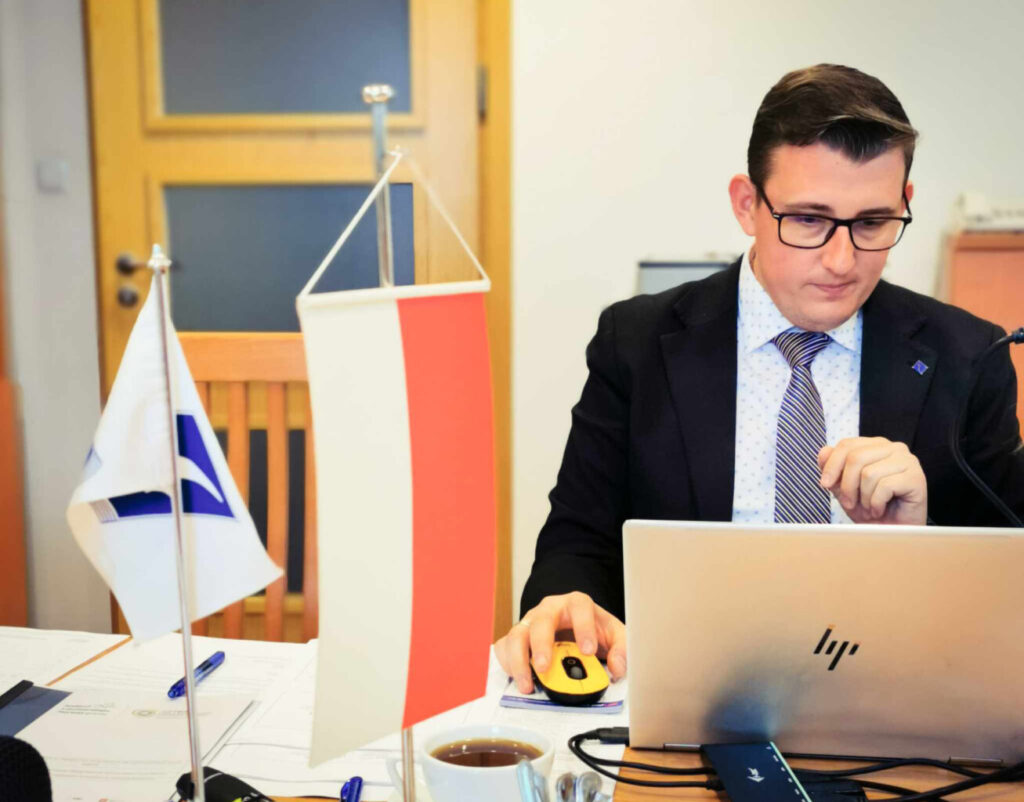
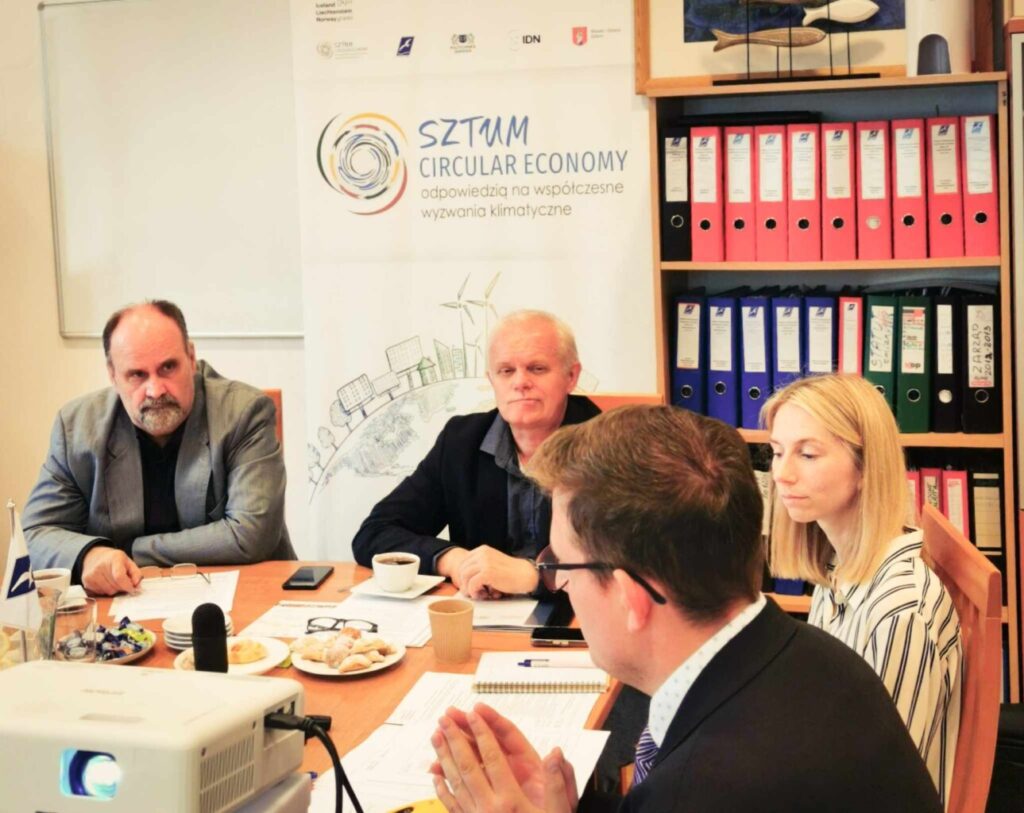
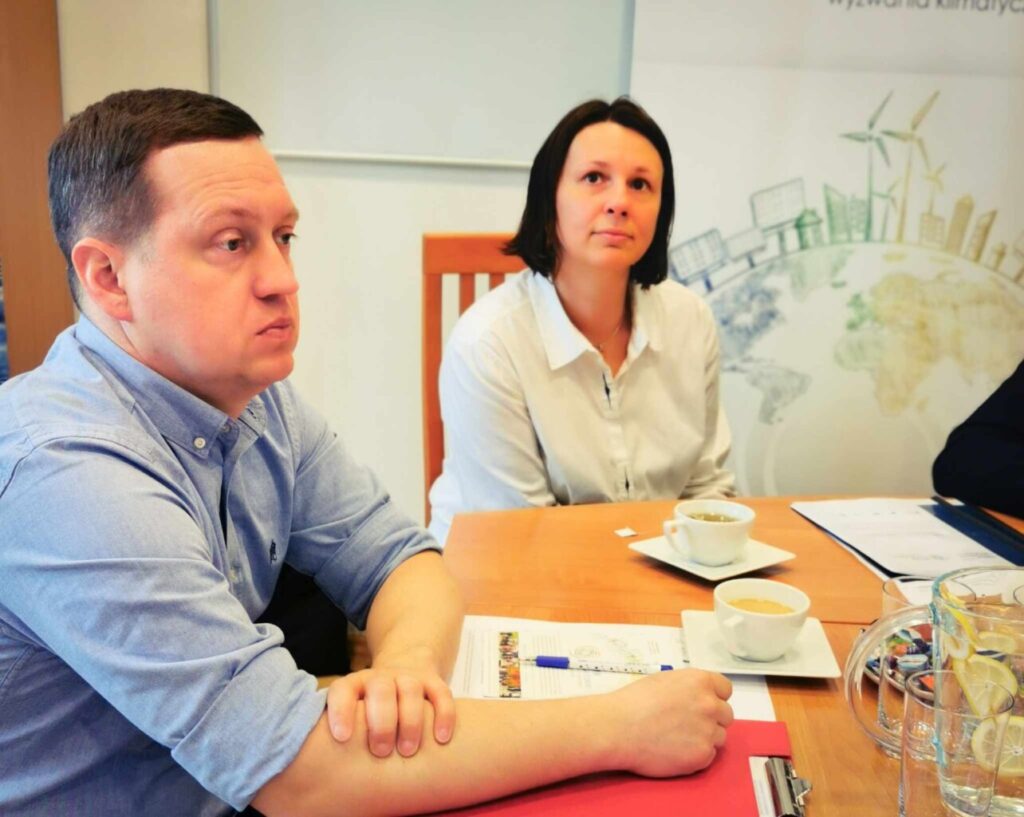
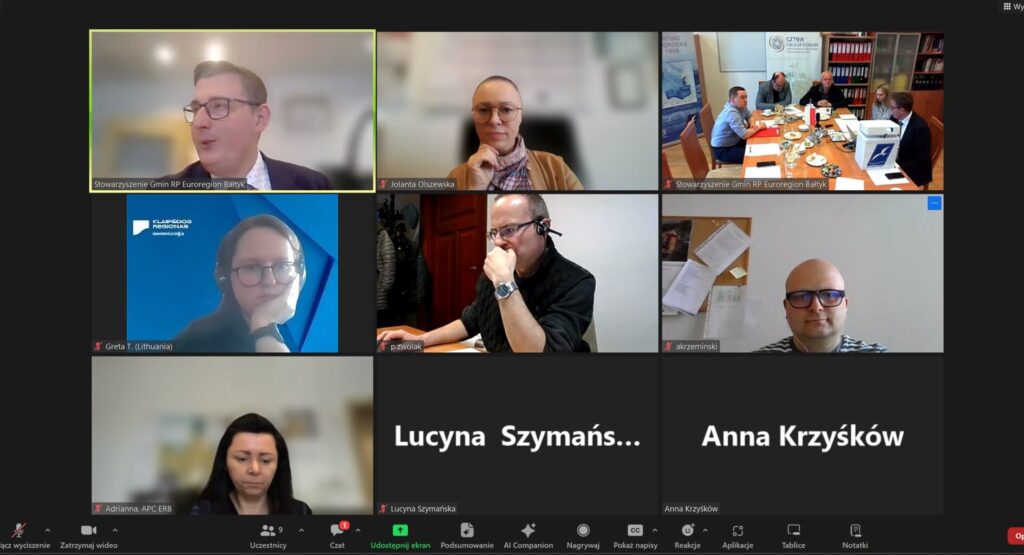
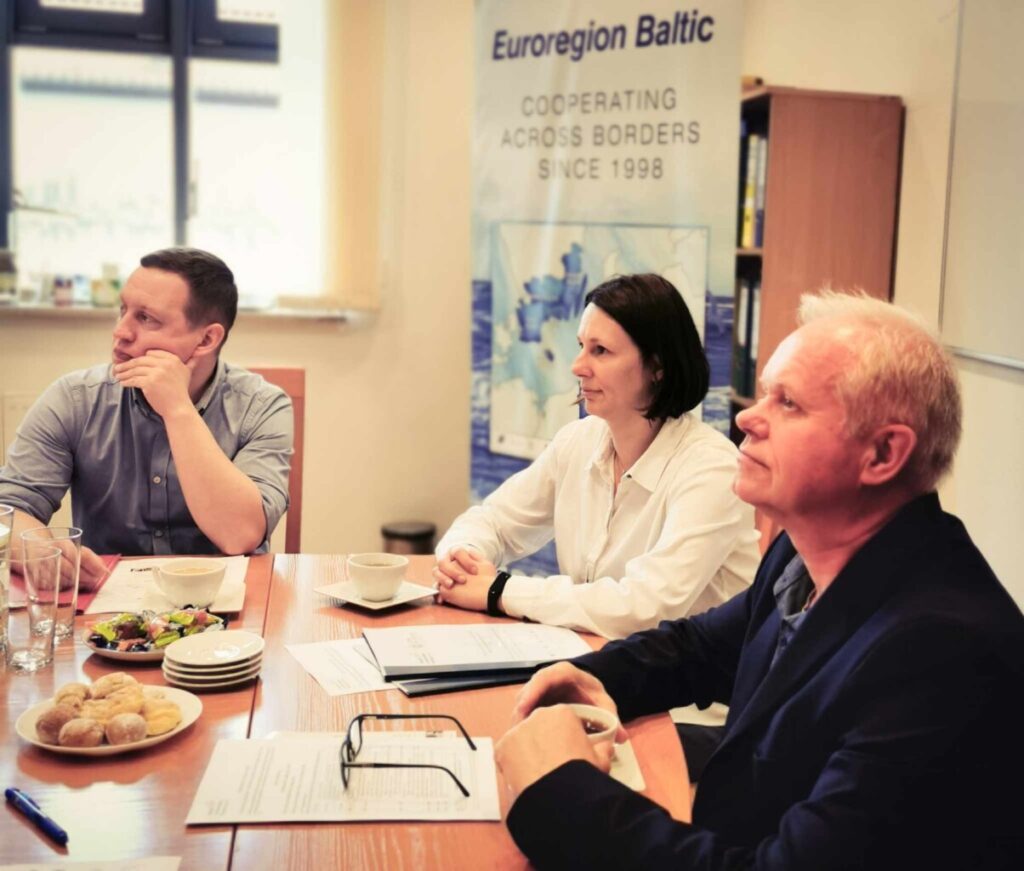
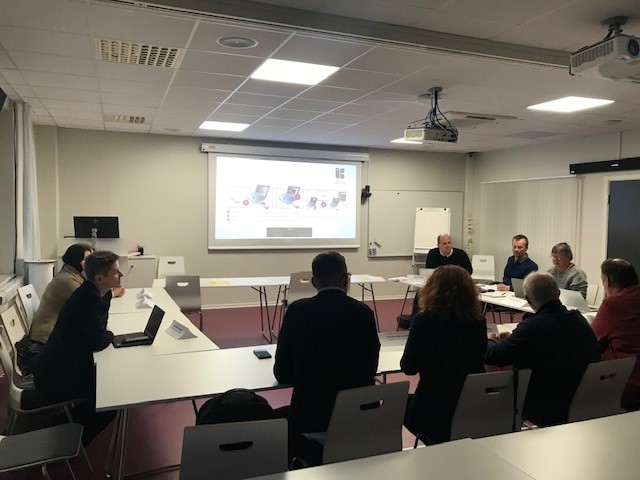
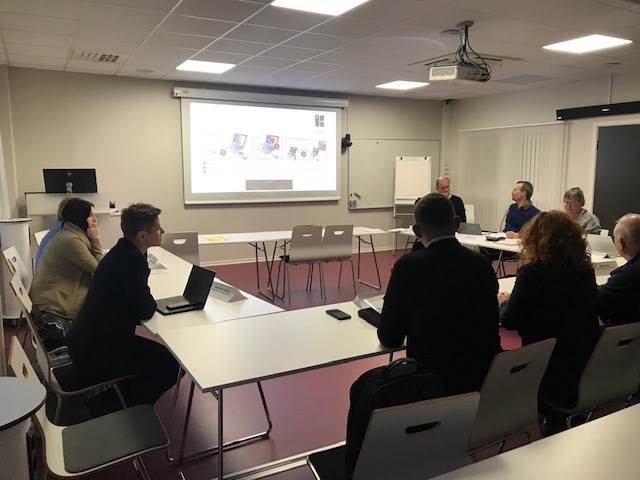
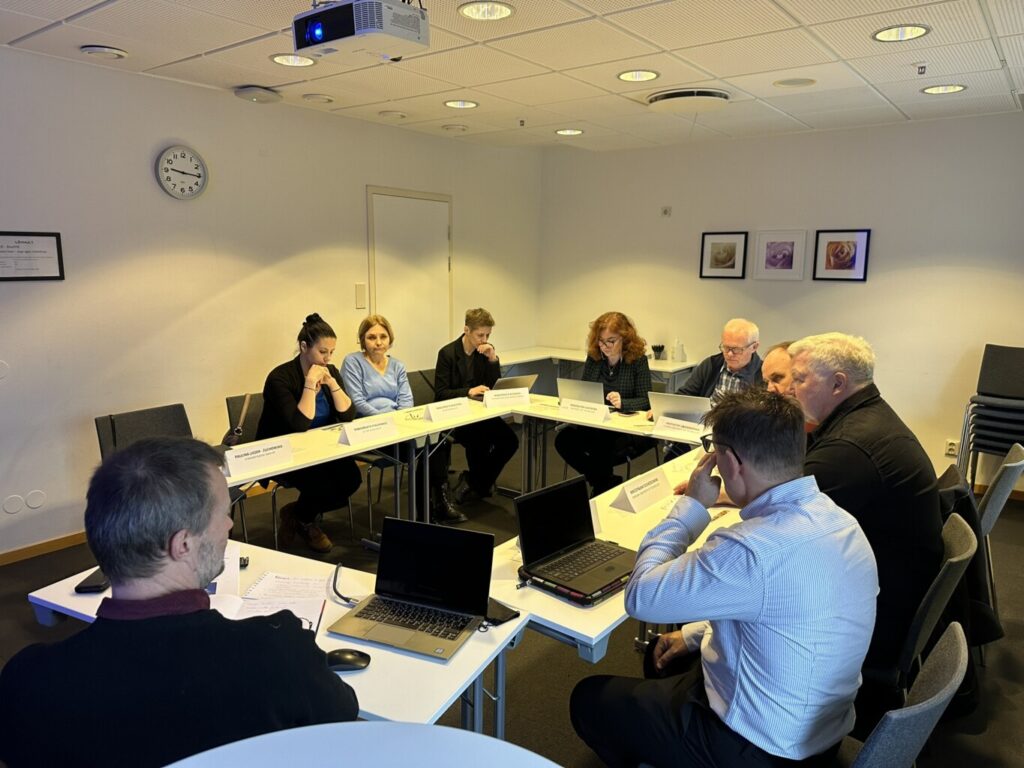
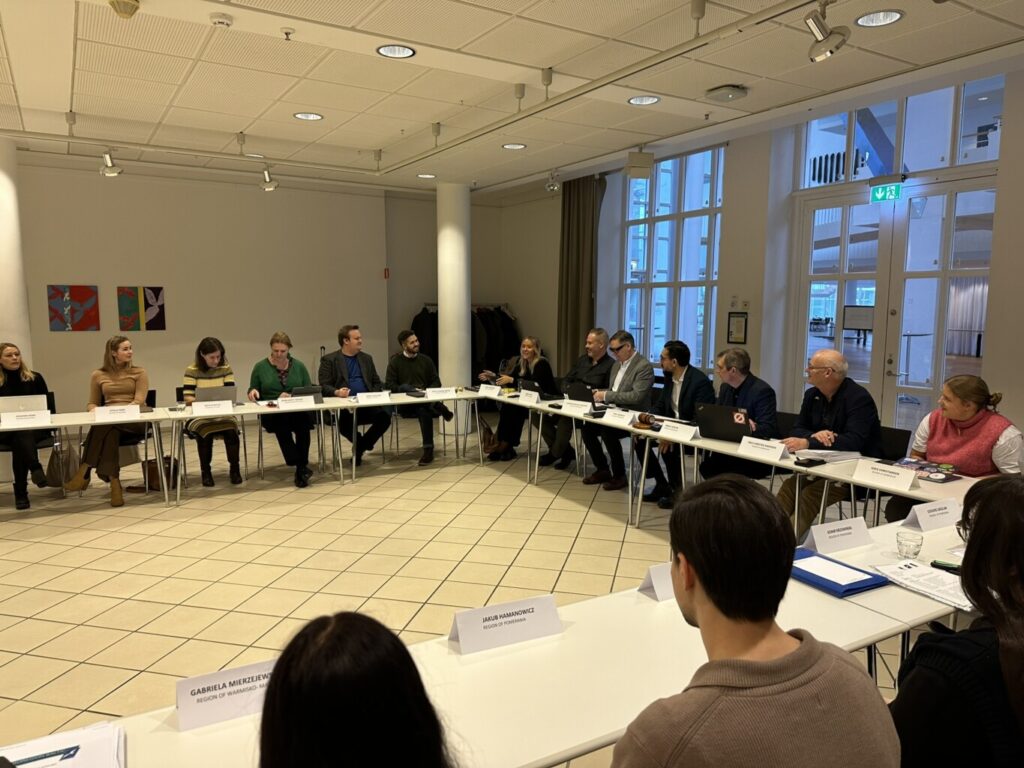
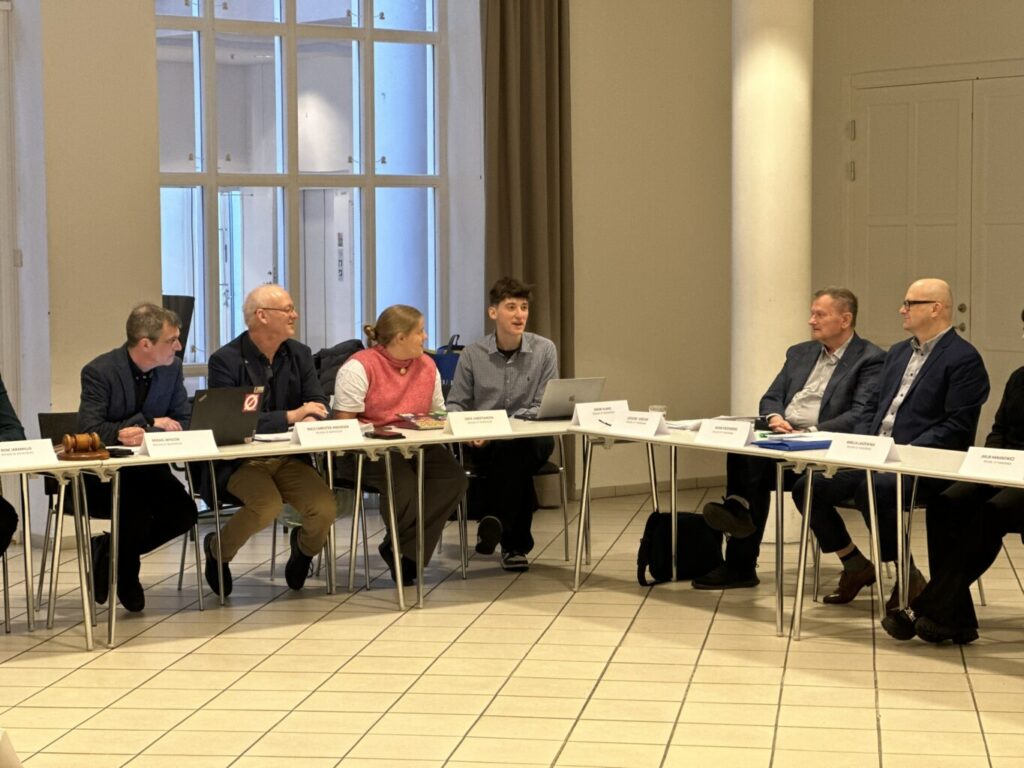
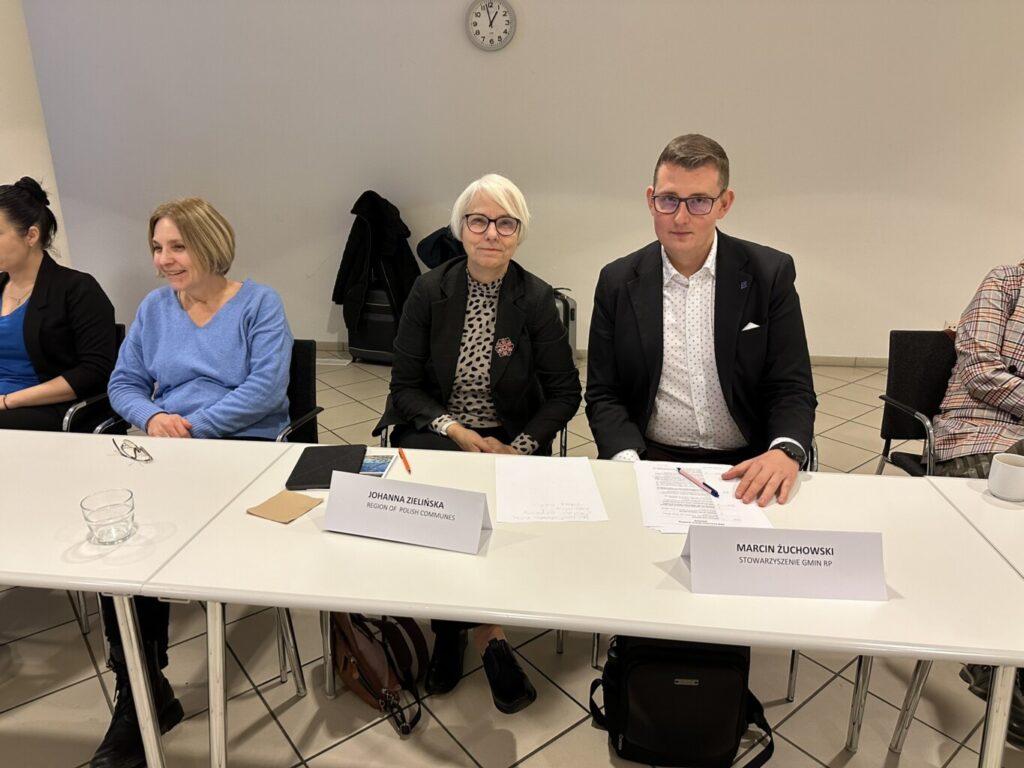
Yesterday, we concluded the two-day conference that wrapped up the "Sztum Circular Economy - a Response to Contemporary Climate Challenges" project, which we have been implementing since February 2022. To commemorate this, we visited Sztum, the place where the project officially began. Representatives from the consortium spoke about the project's implementation, showcasing the results of two years of work to the attendees. The participants also had the opportunity to visit key sites strategically linked to the concept of the circular economy, including the Selective Municipal Waste Collection Point in Sztumskie Pole and the Circular Station "Second Chance," both projects completed as part of the Sztum Circular Economy initiative. Additionally, they visited the Sztum Solar Energy Park, which serves as a hallmark of the Sztum Municipality's energy self-sufficiency.
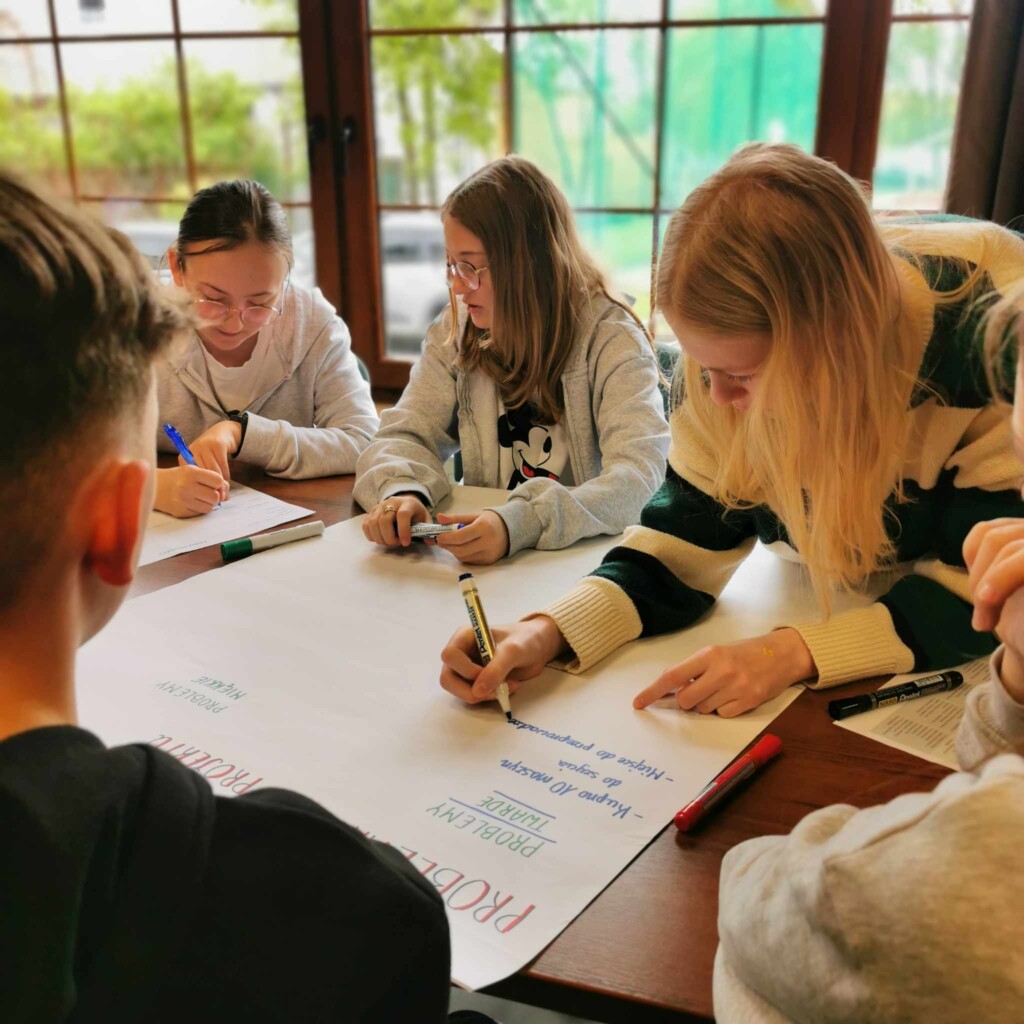
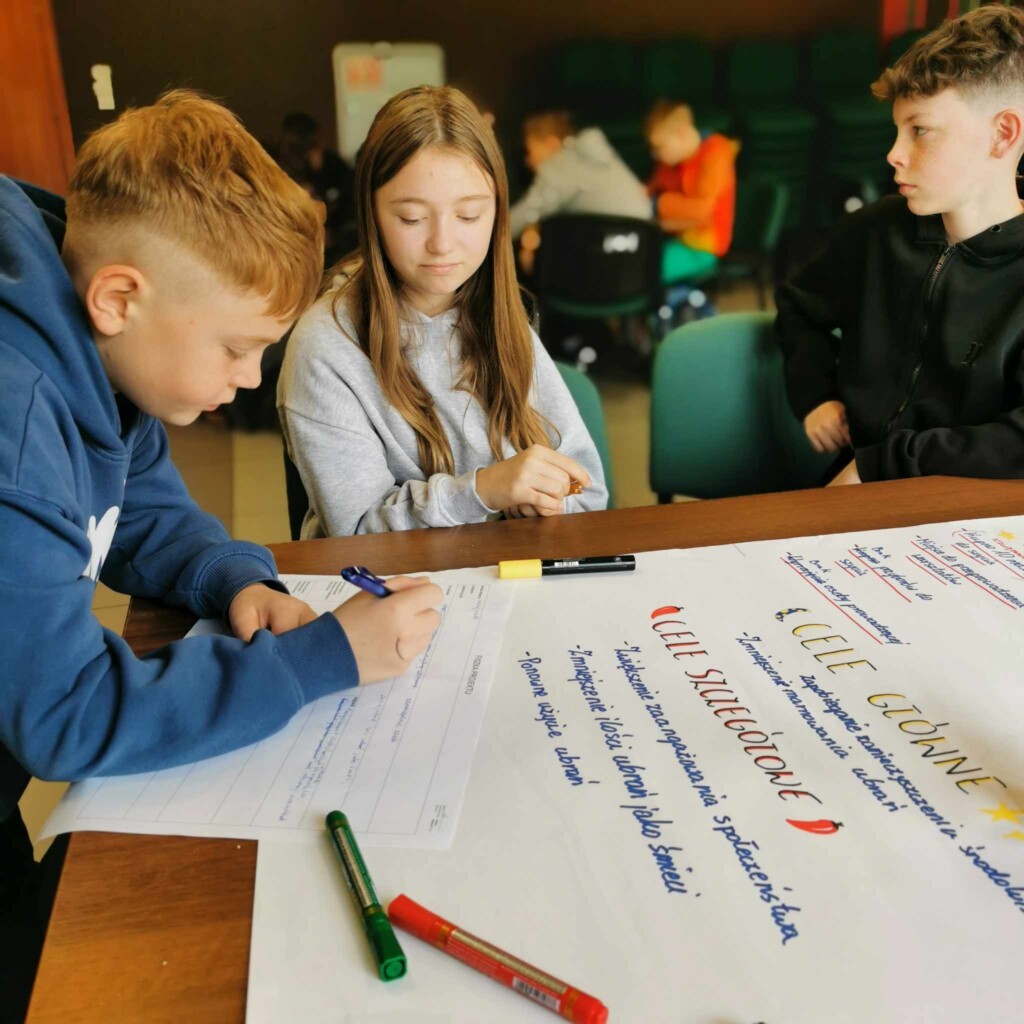
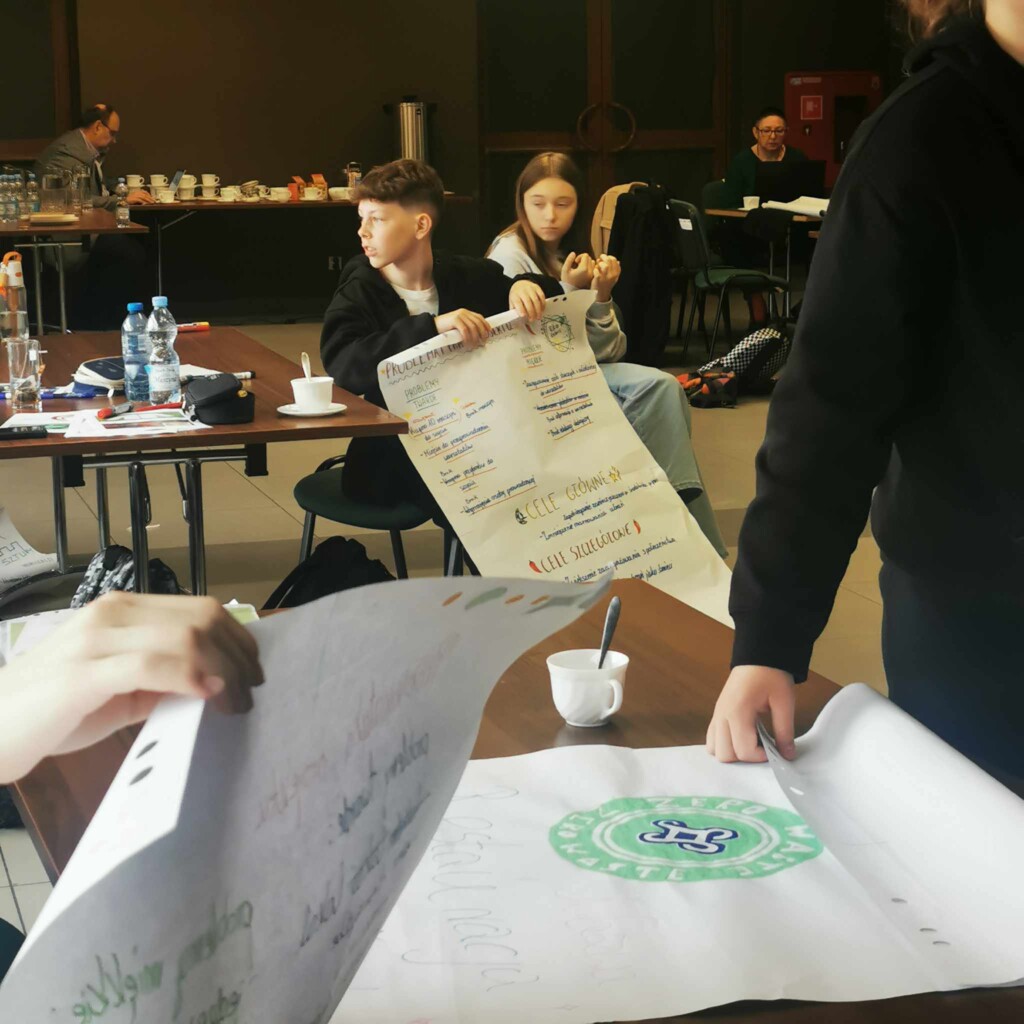
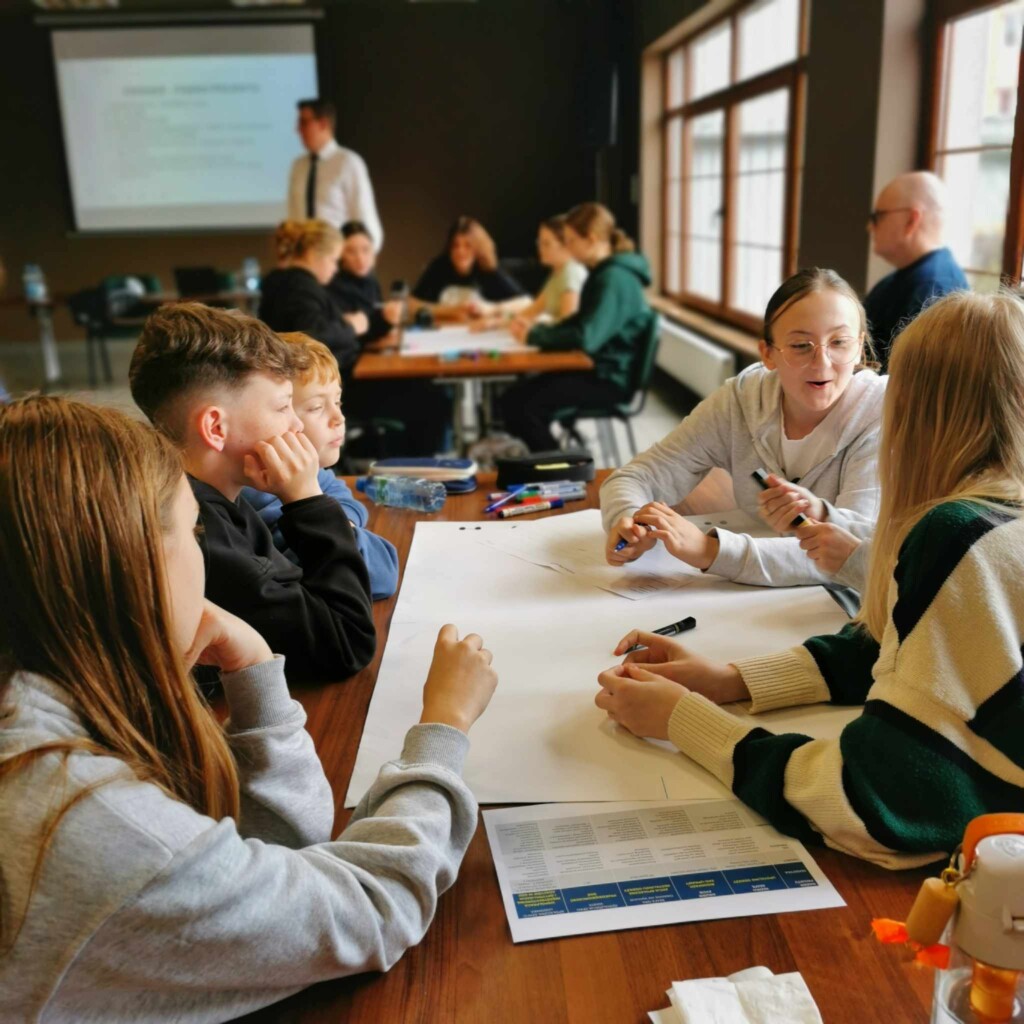
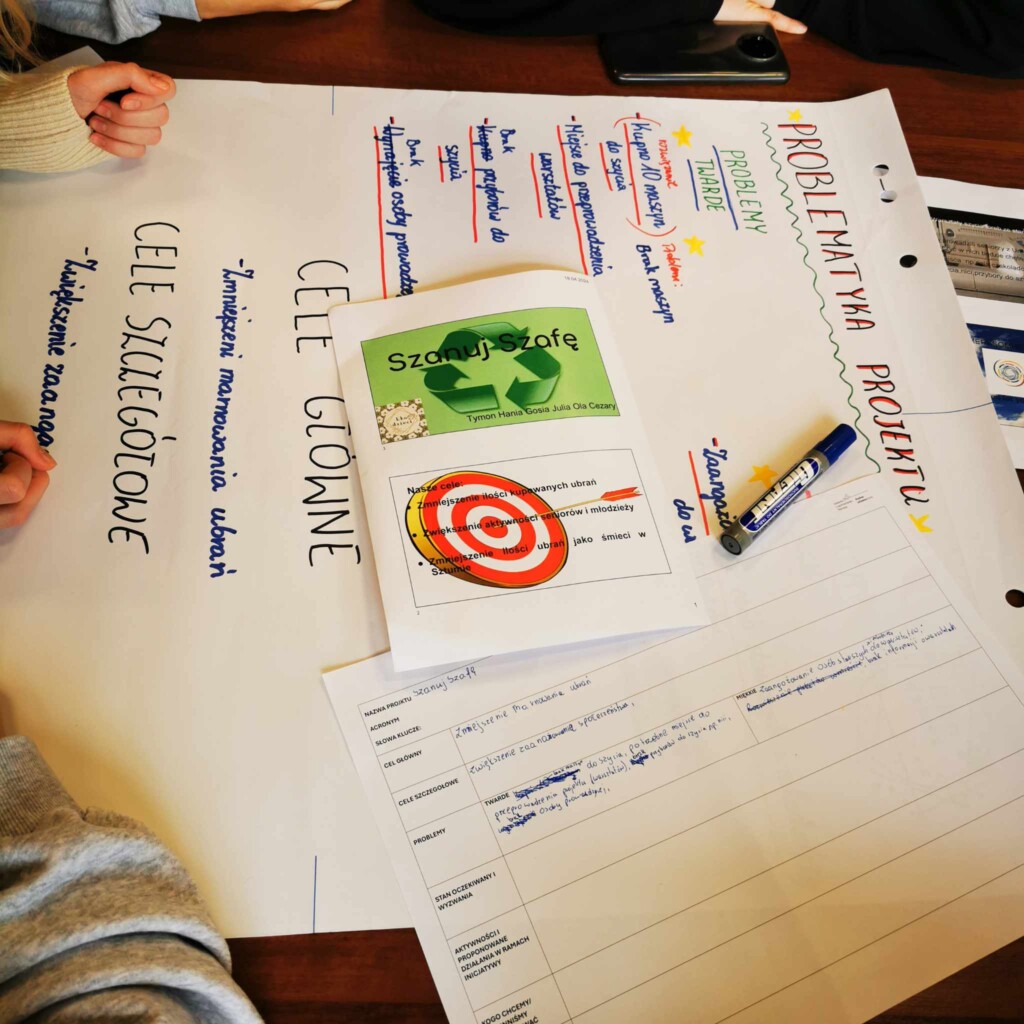
Just before the conference started, we also had the opportunity to support the youth from the Sztum municipality and city (who were invited to workshops as part of the project's activities) in learning how to create project concept notes.
We also invite you to read the short interviews located under the photo gallery.
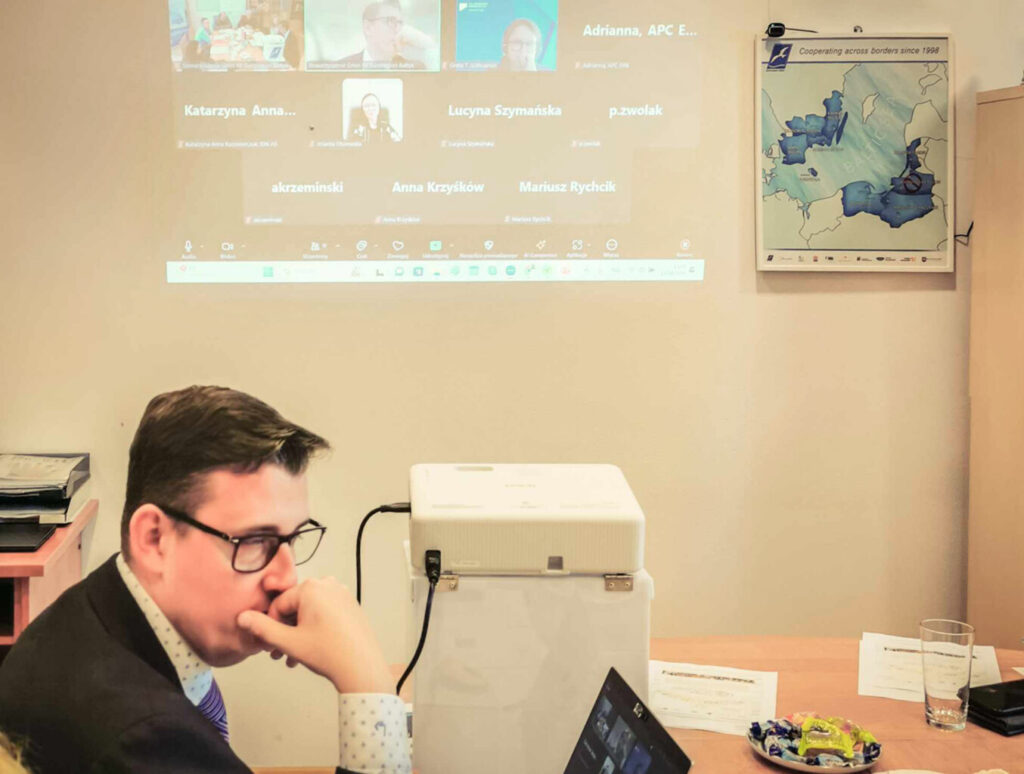
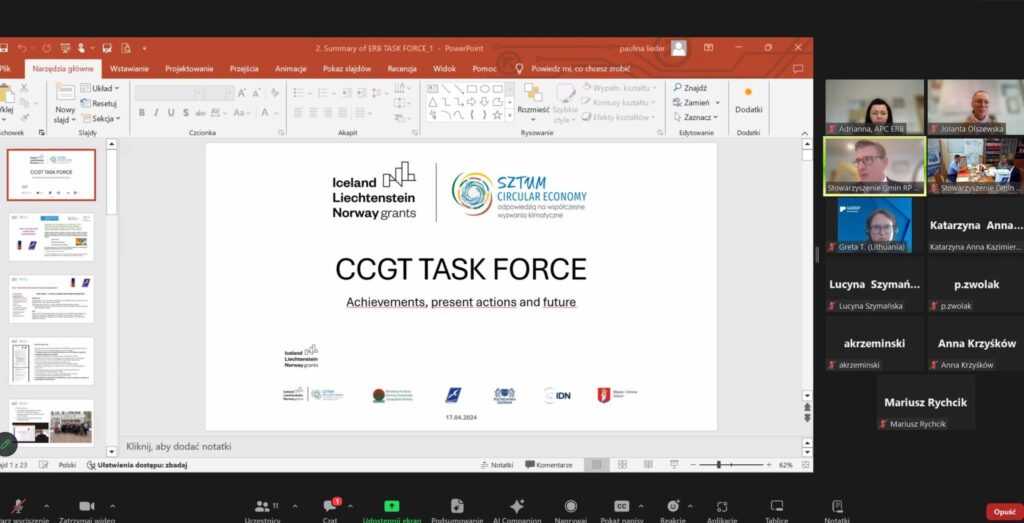
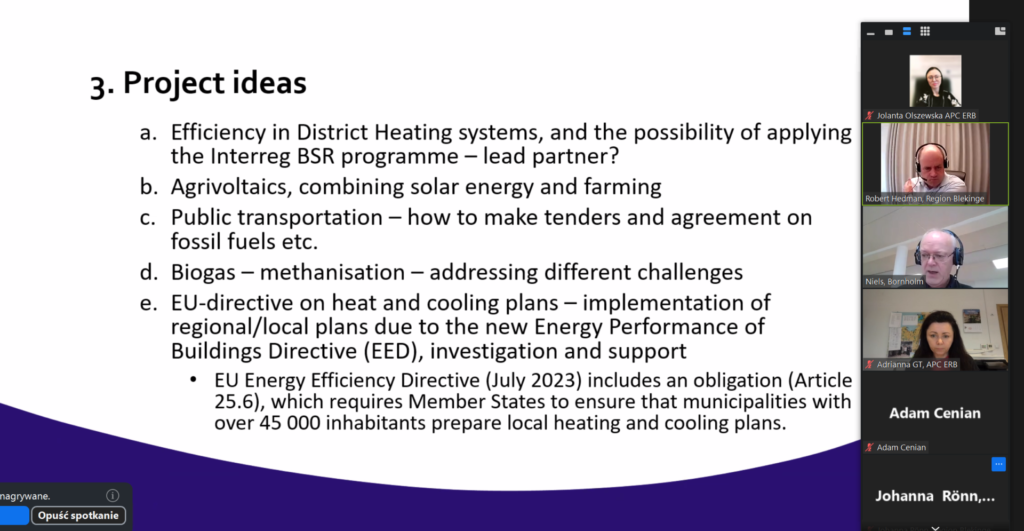
We are just wrapping up the first day of a two-day conference concluding the project "Sztum Circular Economy – a Response to Contemporary Climate Challenges," which has been in progress for the past two years. During the event, project outcomes and the experiences gained from the project in an international context were presented. The Task Force's achievements to date were summarized, and the main themes related to the Group's activities were discussed, namely: the efficiency of heating systems, the integration of solar energy and agriculture, fossil fuels in the context of public transportation, methanization, and energy with respect to the EU directive on heat and cooling plans. The future operation and relevance of the Task Force were also addressed, with a focus on the need to take further steps toward effective operation. Tomorrow, we will meet in Sztum to jointly participate in the summary and official closure of the project.
Design materials
As part of the hackathon and mentoring programme, two documents were prepared by the partner from Gdansk University of Technology, i.e. a Good Practice Book and a Compendium of Knowledge - Green Public Procurement Principles.
We encourage you to familiarise yourself with the materials.
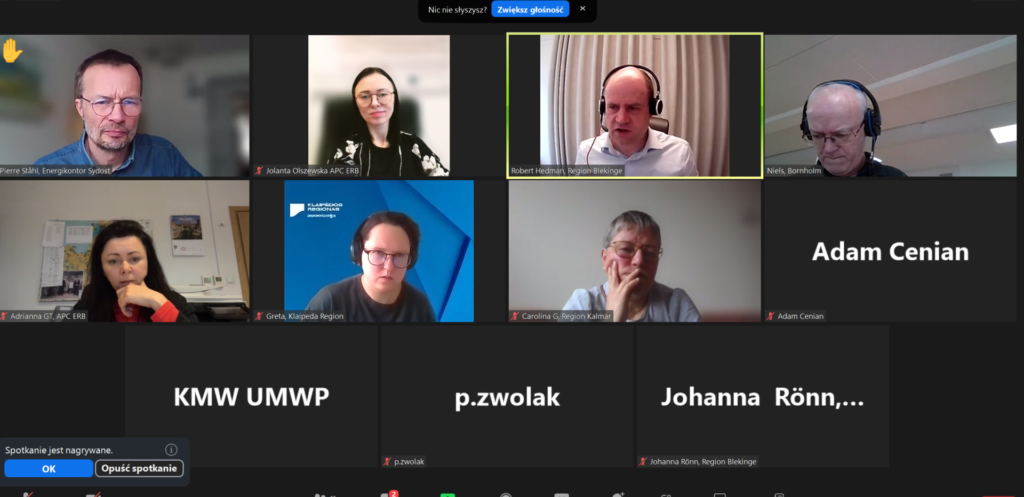
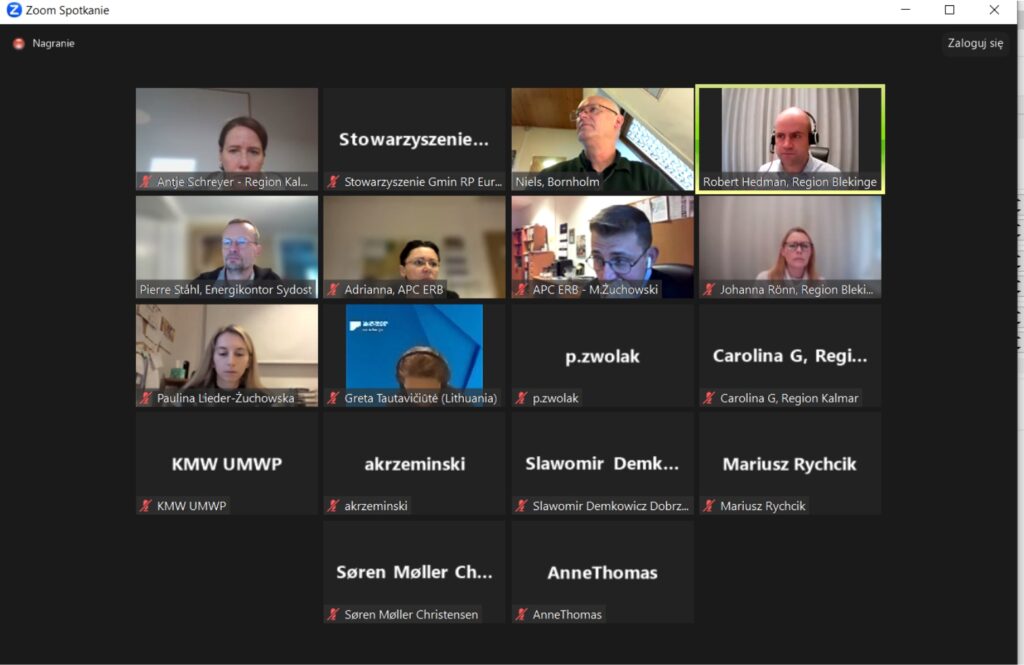
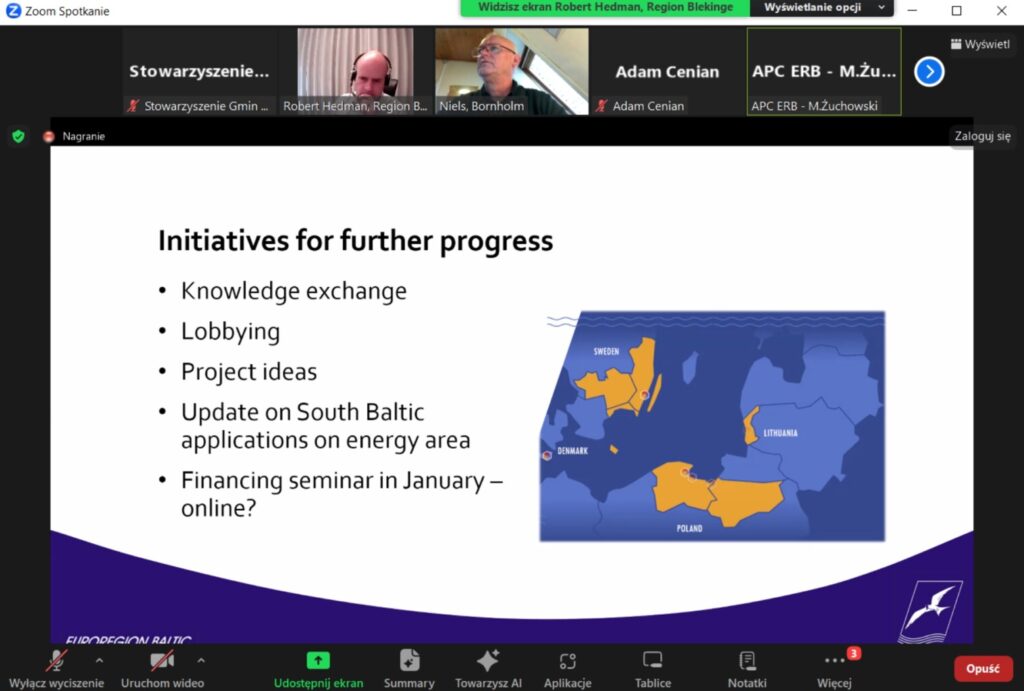
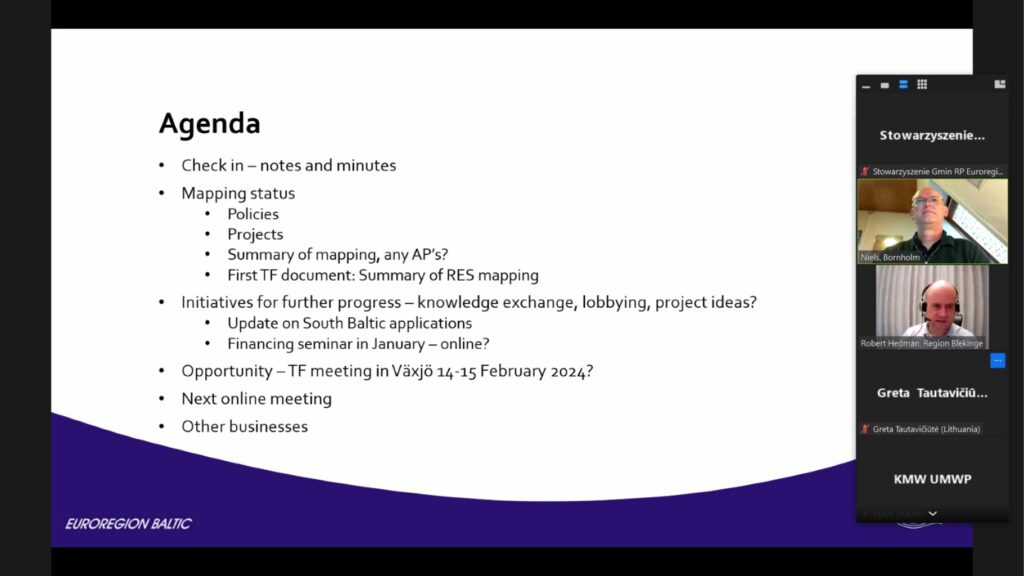
The Shtum Circular Economy Project's International Task Force on Climate Change and Green Transformation held a meeting today, online. The session summarized the results of the recent visit to Växjö and addressed topics related to networking on the topic of green transformation in the Baltic Sea region, with the aim of sharing knowledge and good examples. We discussed potential forms of organizing promotional activities, defining the target audience and project ideas. A schedule of meetings for the coming months was also set.
Task Force - 14-15.02.2024
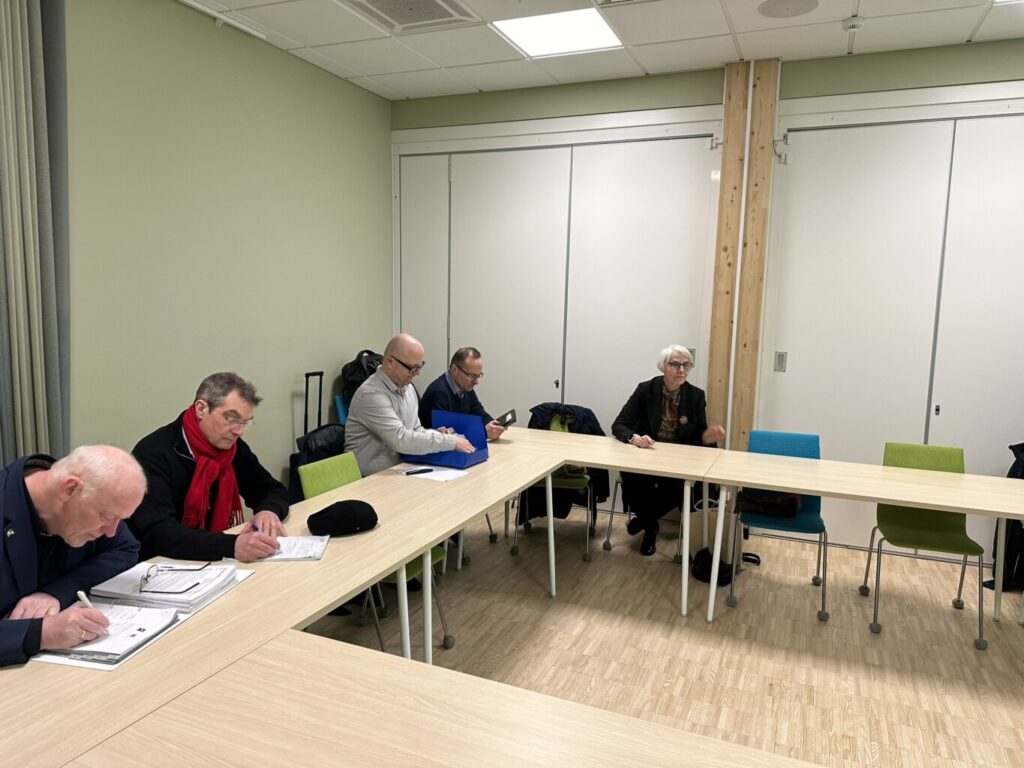
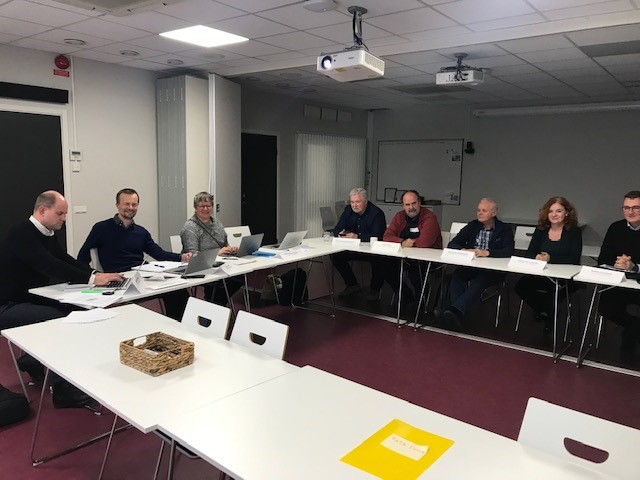
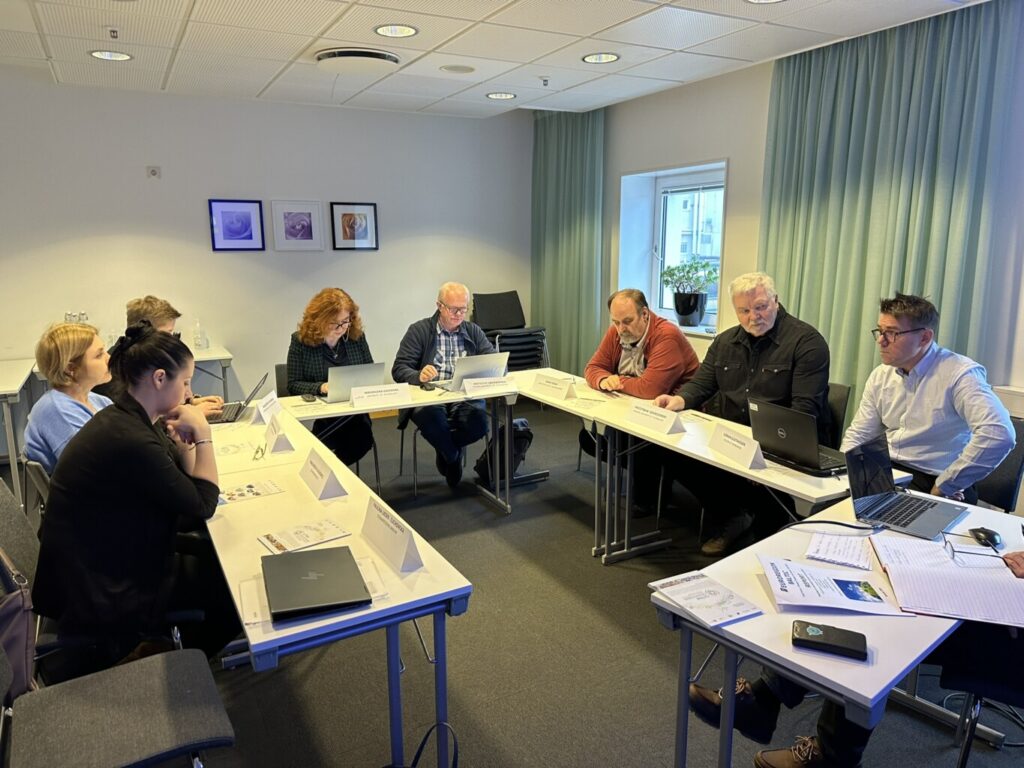
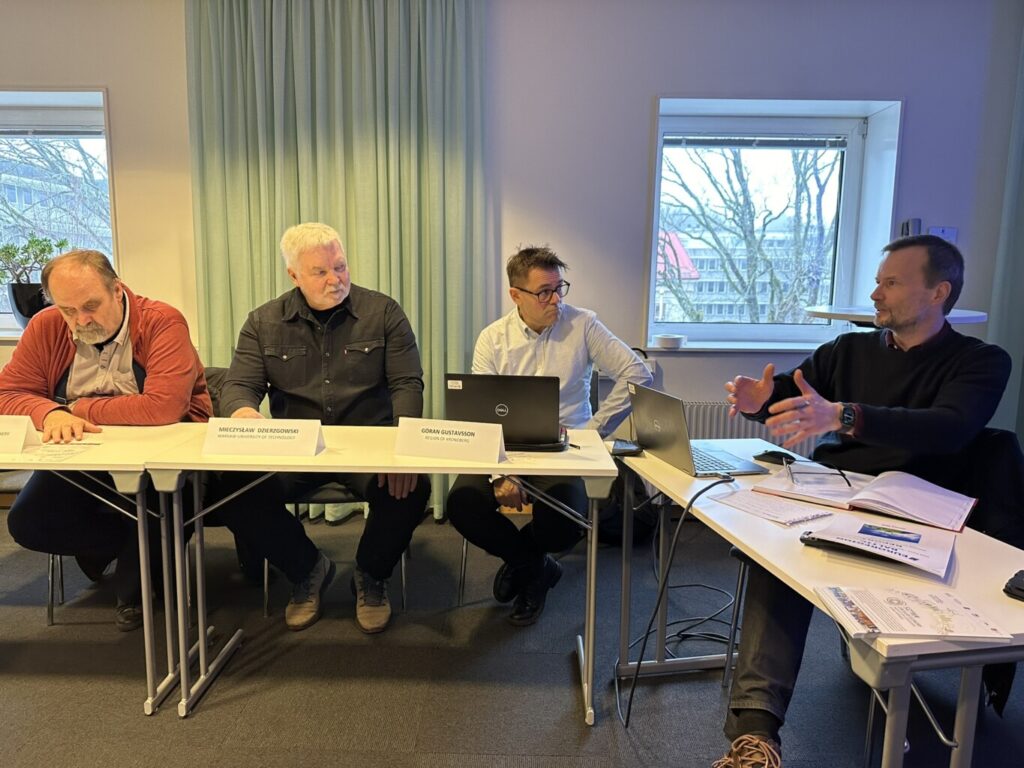
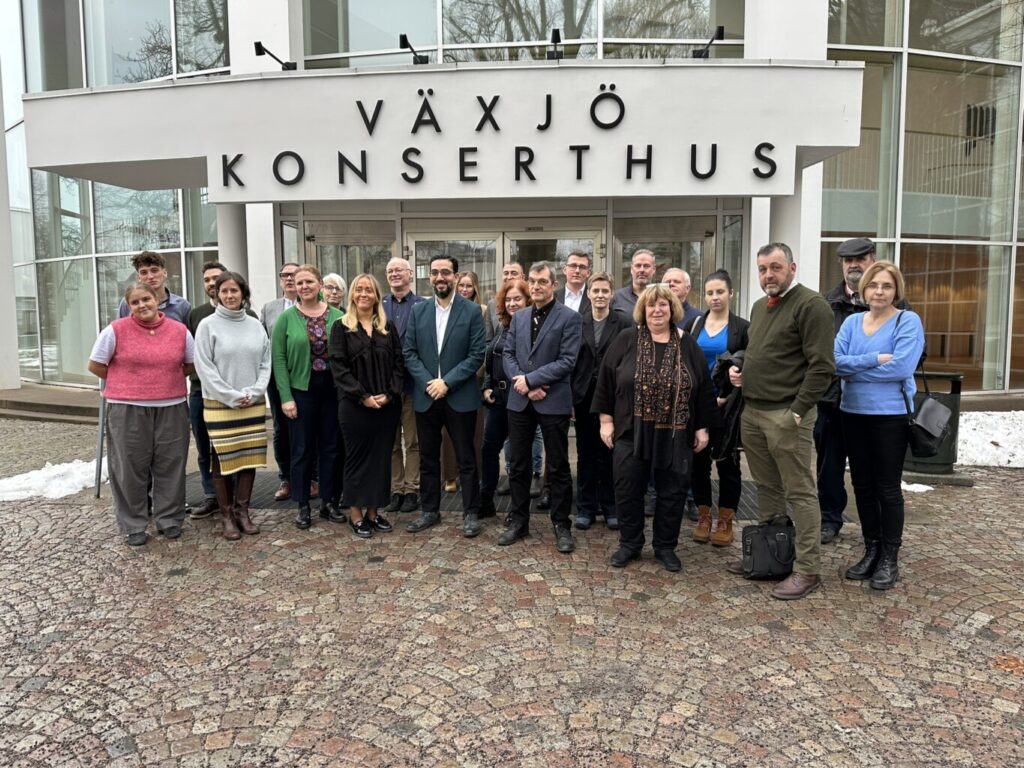
The International Task Force on Climate Change and the Green Transition met physically in Vaxjo on February 14-15, 2024. The meeting was combined with a meeting of the presidium of the Euroregion Baltic network.
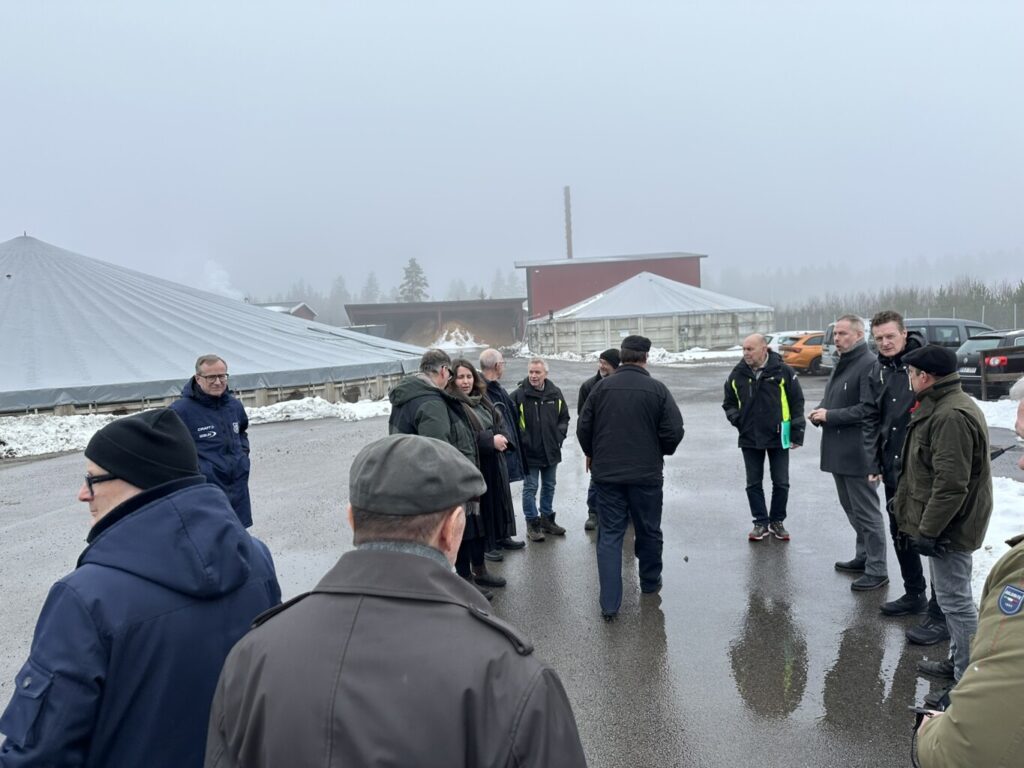
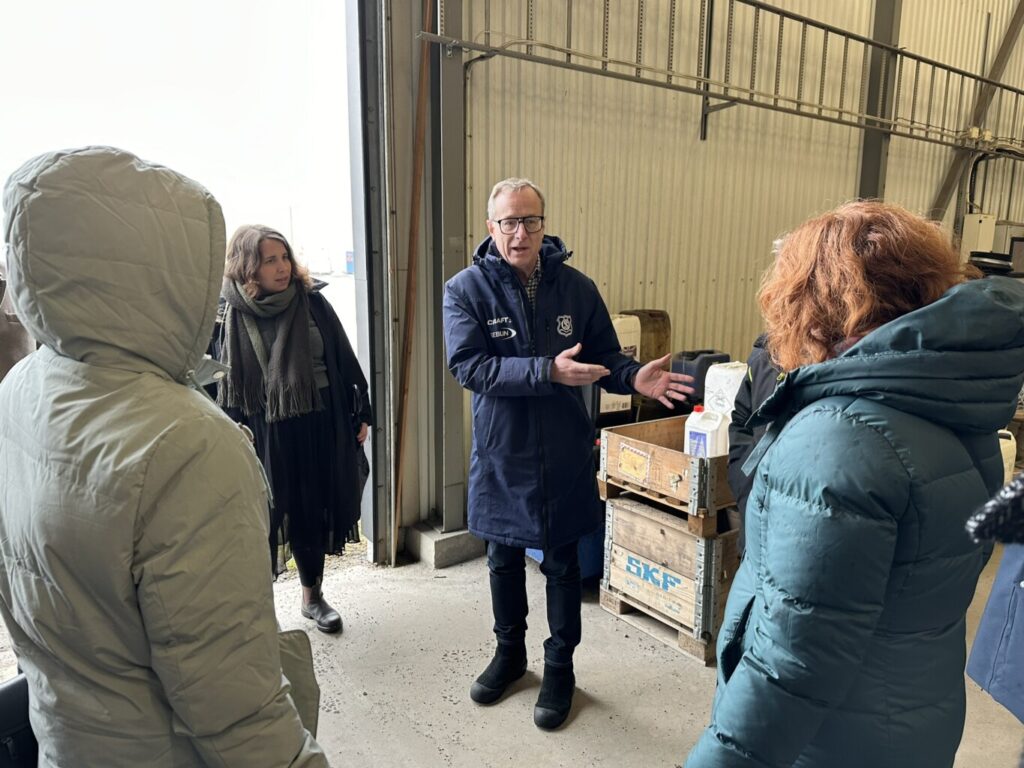
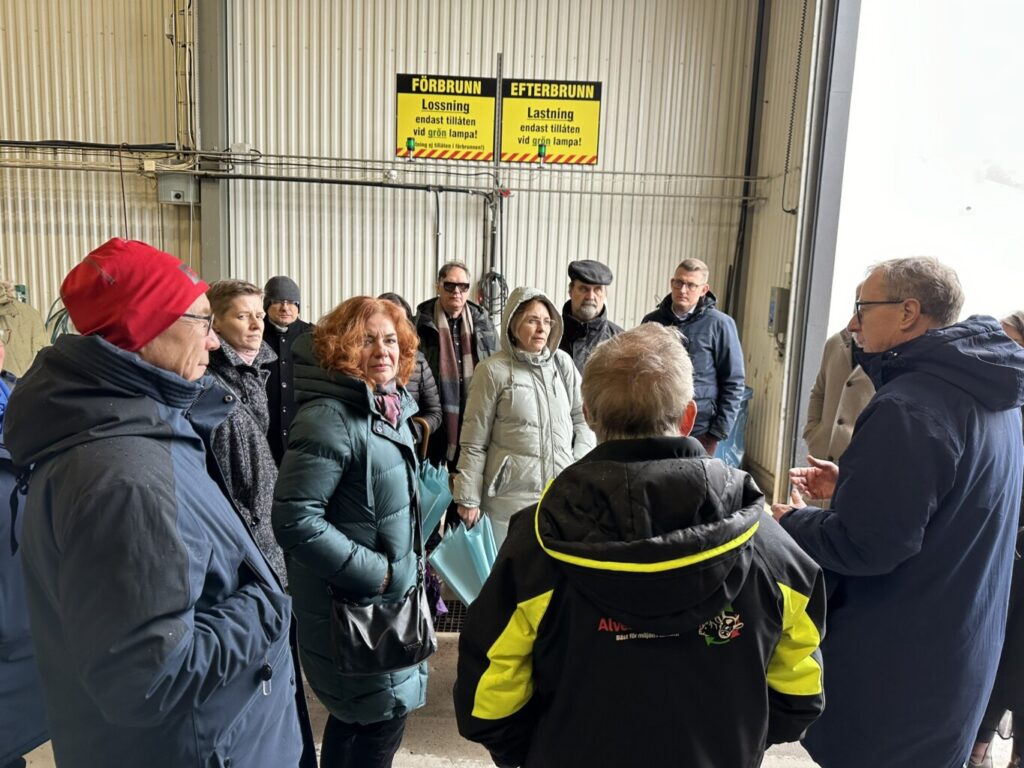
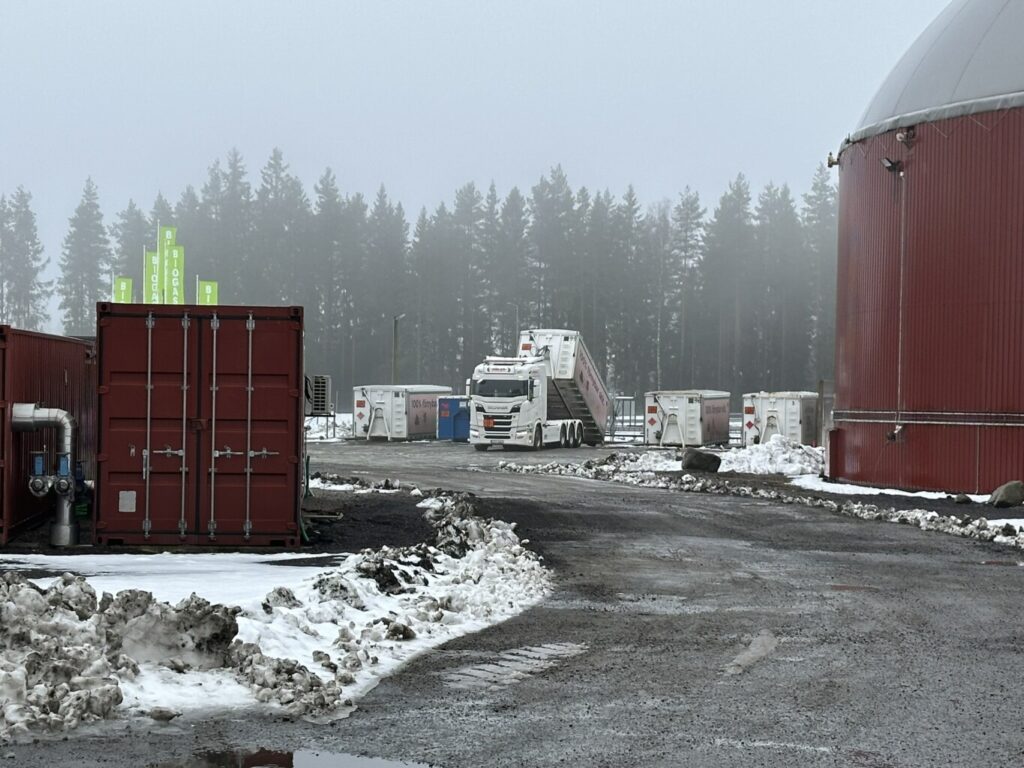
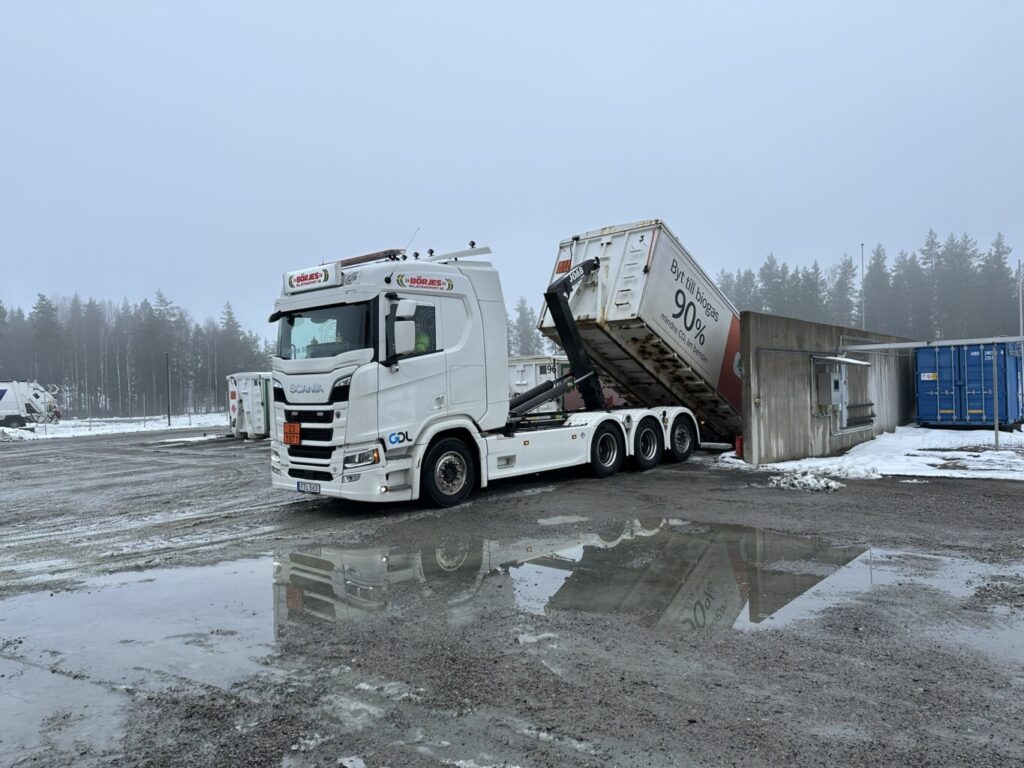
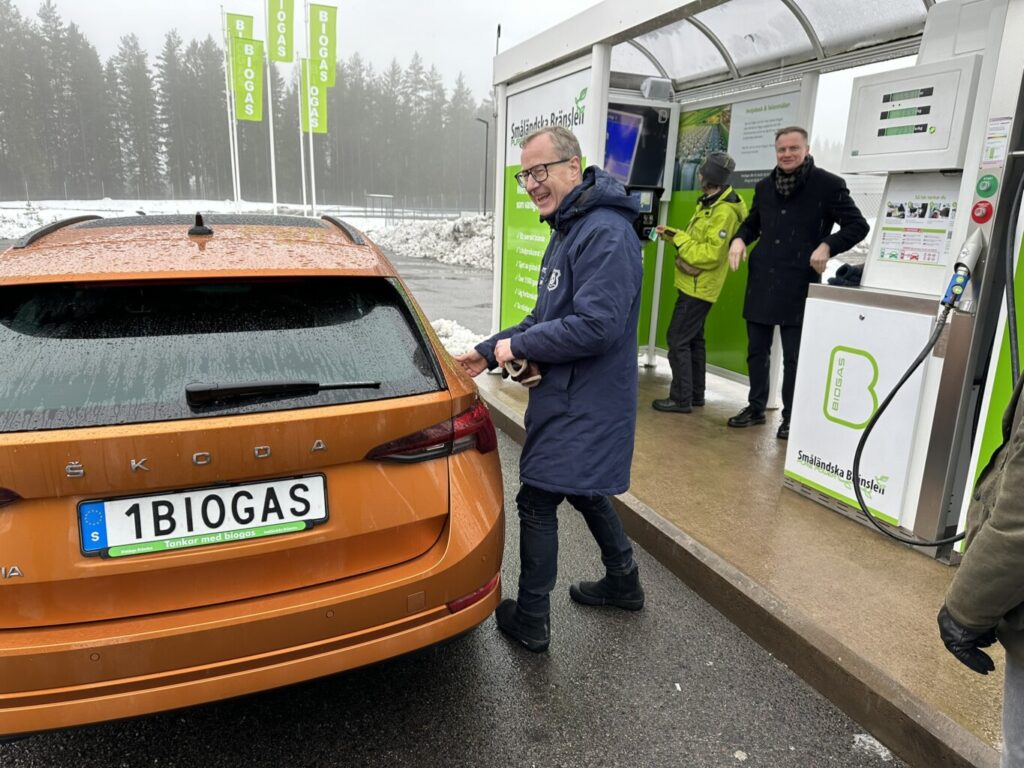
On the first day, participants had the opportunity to take part in a study visit to the biogas plant in Alvesta - AlvestaBiogas, where they learned how to produce biomethane for both individual and collective communication purposes. Biogas is currently the most environmentally friendly fuel because it has the lowest levels of carbon dioxide and nitrogen emissions on the market. Additionally, collecting biomatter from farms positively contributes to reducing nitrogen emissions.
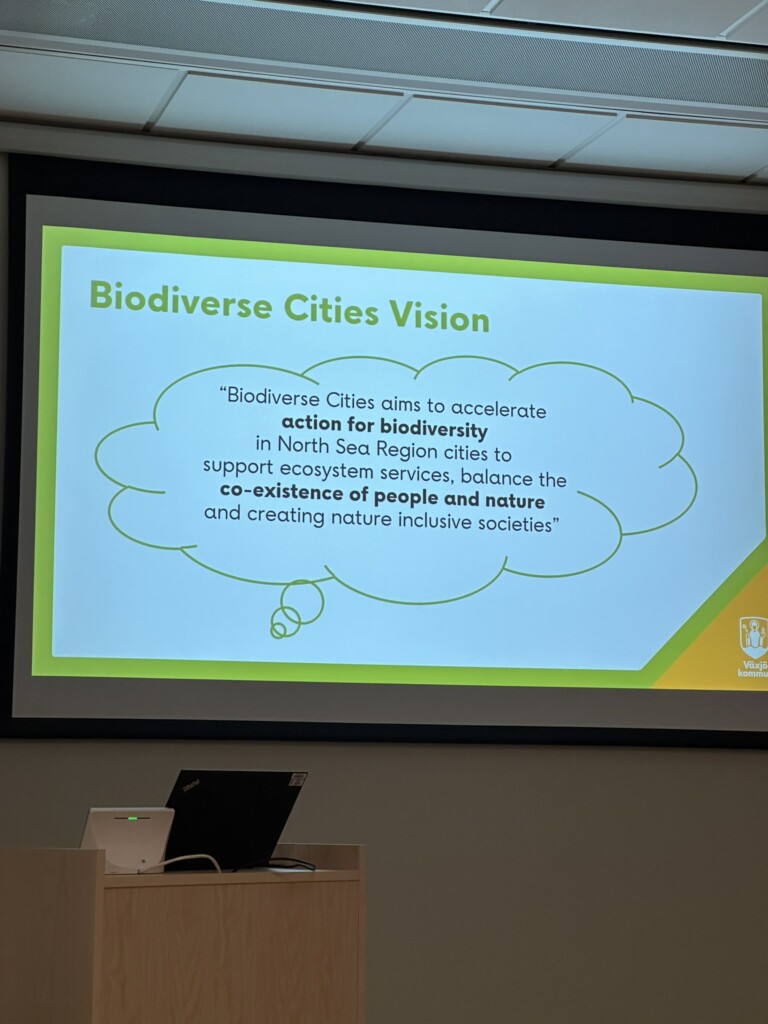
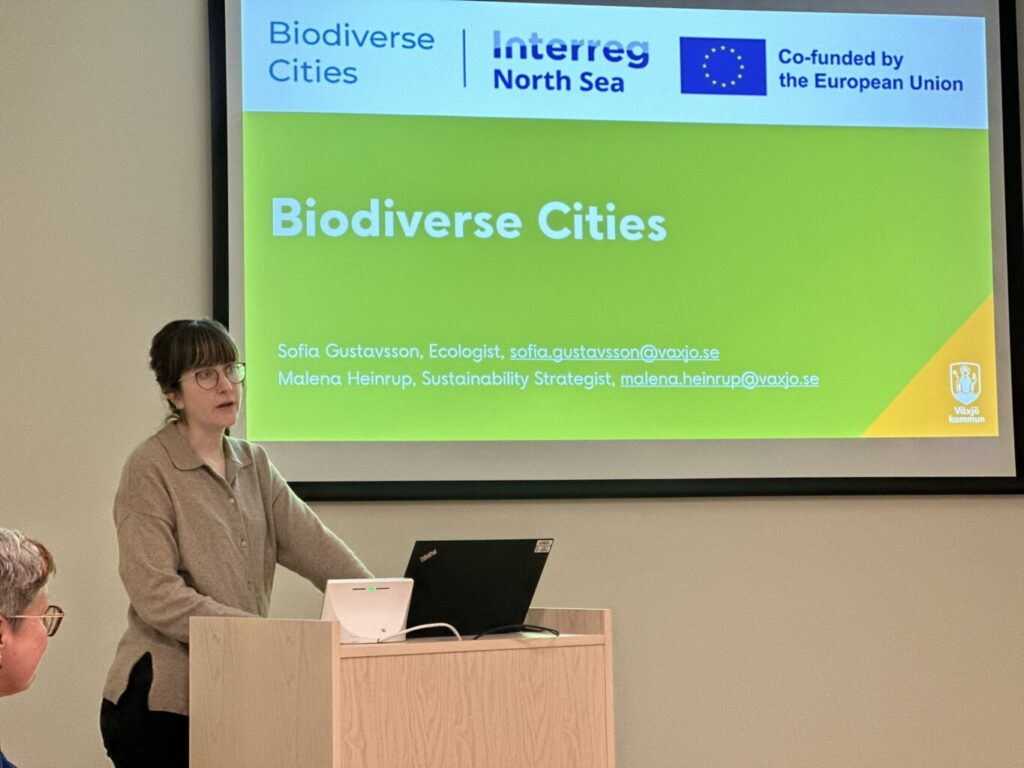
The next place was a study visit to the Vaxjo City Hall, where a meeting of representatives of the Euroregion Baltic network took place. During the meeting, the city representative presented a project which they are dealing with. The project concerns biodiversity in the city. Mrs. Sofia Gustavsson presented a project implemented under the Interreg North Sea program, where the Vaxjo Commune aims to integrate biodiversity and use nature-based solutions. As part of the project, residents were to be involved in dialogue, workshops and various activities.
The second group held a Task Force meeting. They talked about new project ideas which considered:
Efficiency in the district heating system (low-temperature system, electricity renovation, communities in the heating)
Agrivoltaic solar
Network for leaders of transitions (working on good examples, and social changes)
Seminar series on different topics (we can invite people from municipalities
The second day was devoted to workshop work. The Task Force continued discussions related to several topics of joint work. Representatives of the City and Commune of Sztum and the Gdańsk University of Technology took part in the meeting, thanks to which it was possible to consider the problems occurring in the city in terms of transport and energy.
A meeting of the Presidium of the Baltic Euroregion was held, during which the documents and joint activities previously developed by the group were presented to the members of network.
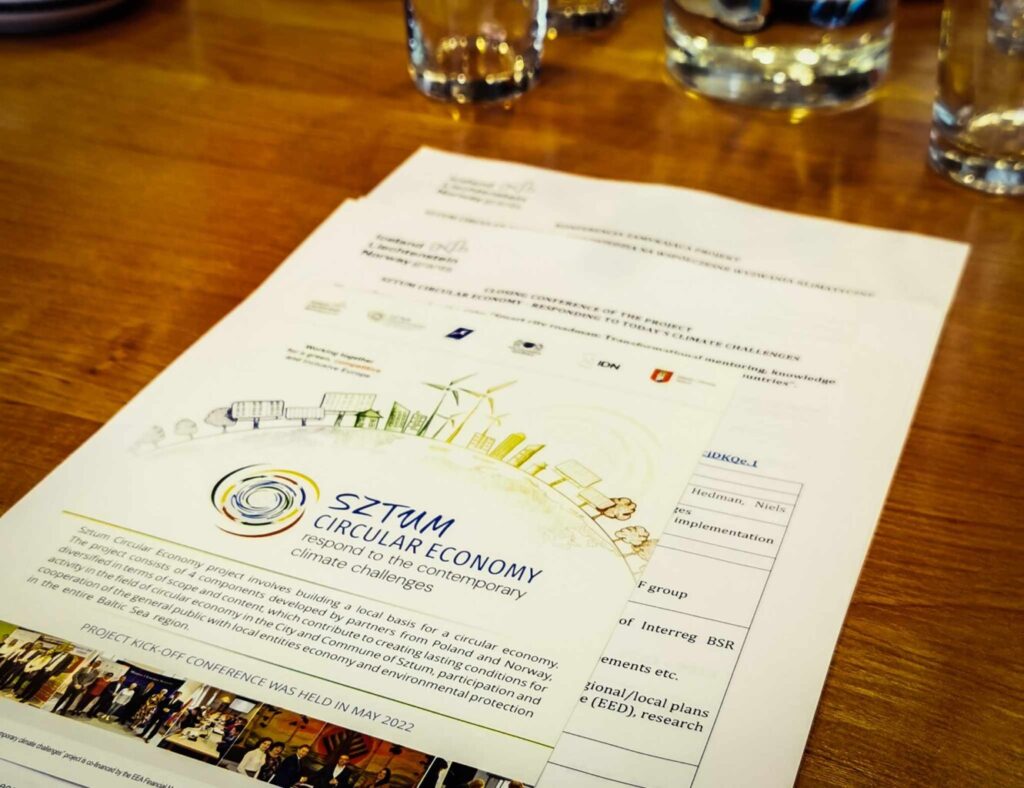
Meeting participants received a project leaflet.
Meeting of the Baltic Task Force - Climate Change and Green Transition
On 23 November this year, another meeting of the Baltic Task Force - Climate Change and Green Transition was held in an online format. As a reminder, the Group was established as part of one of the project activities of the Sztum Circular Economy and brings together specialists and experts in the field of renewable energy sources from 4 Baltic Sea countries.
Today, the participants of the meeting focused on mapping current and planned initiatives in the ERB regions concerning renewable energy sources, exchanged knowledge on the above topic and ideas for potential projects. The next online meeting is coming soon and a physical meeting is also planned for early next year.
A day with climate in Sztum - September 9, 2023
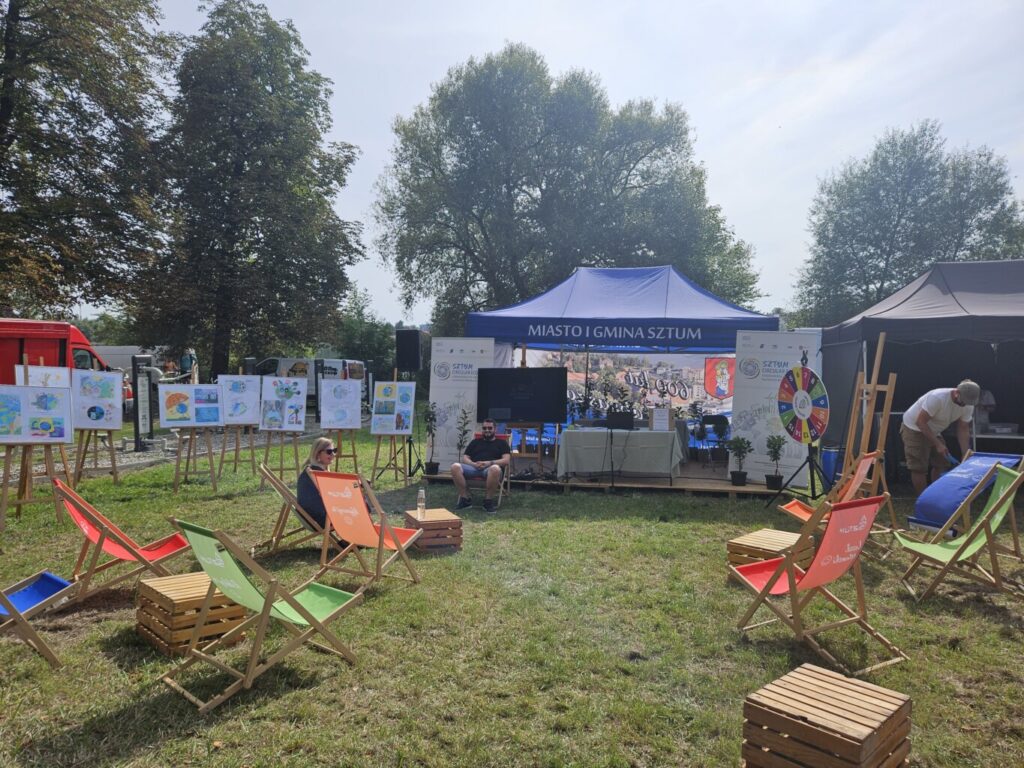
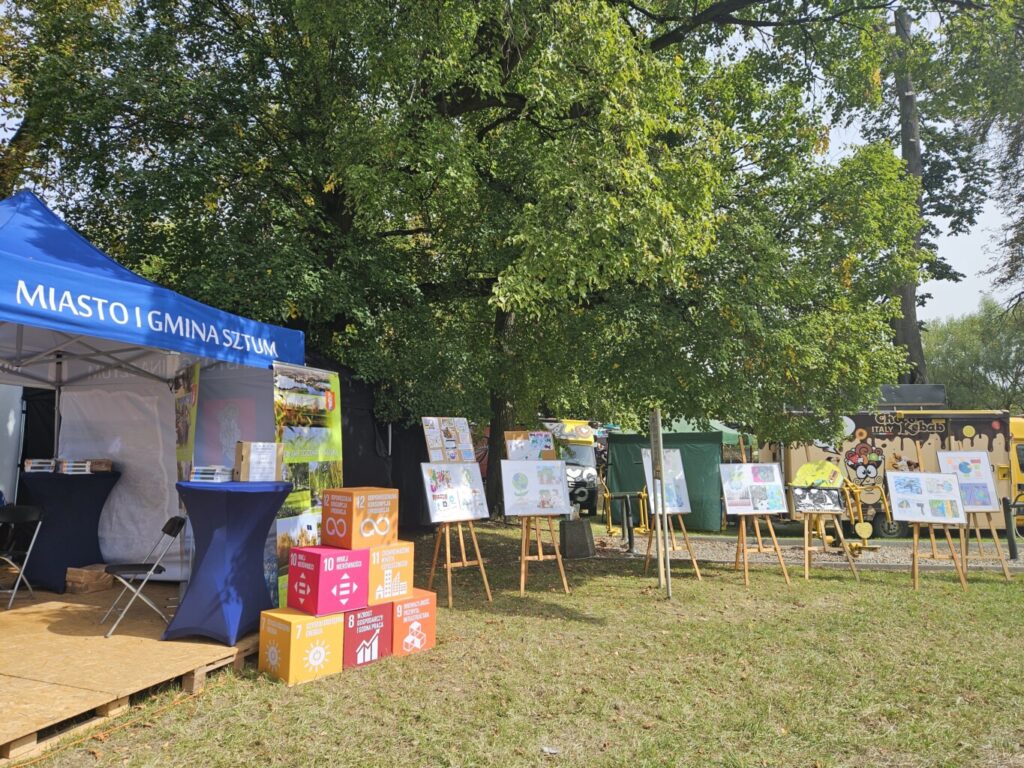
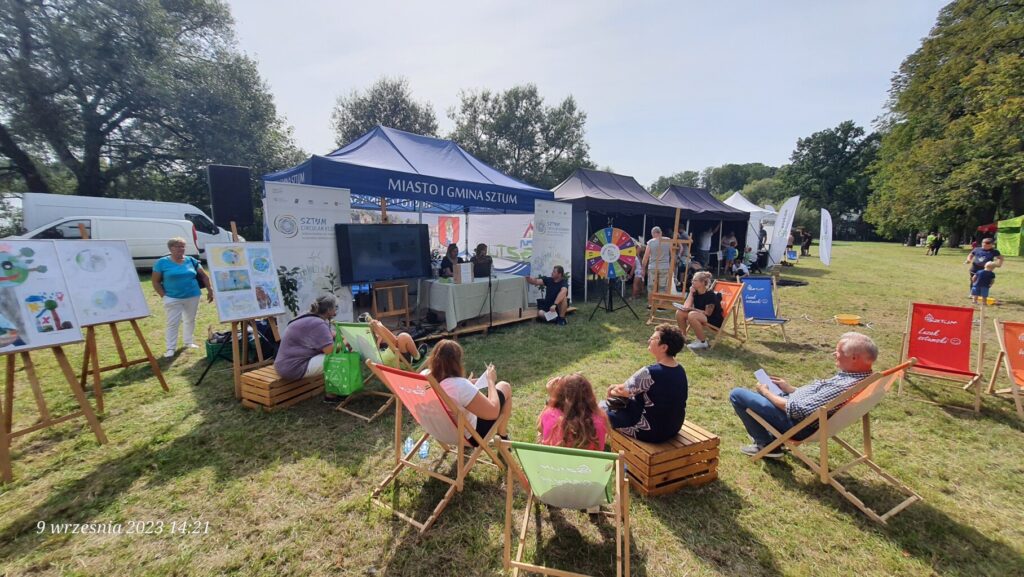
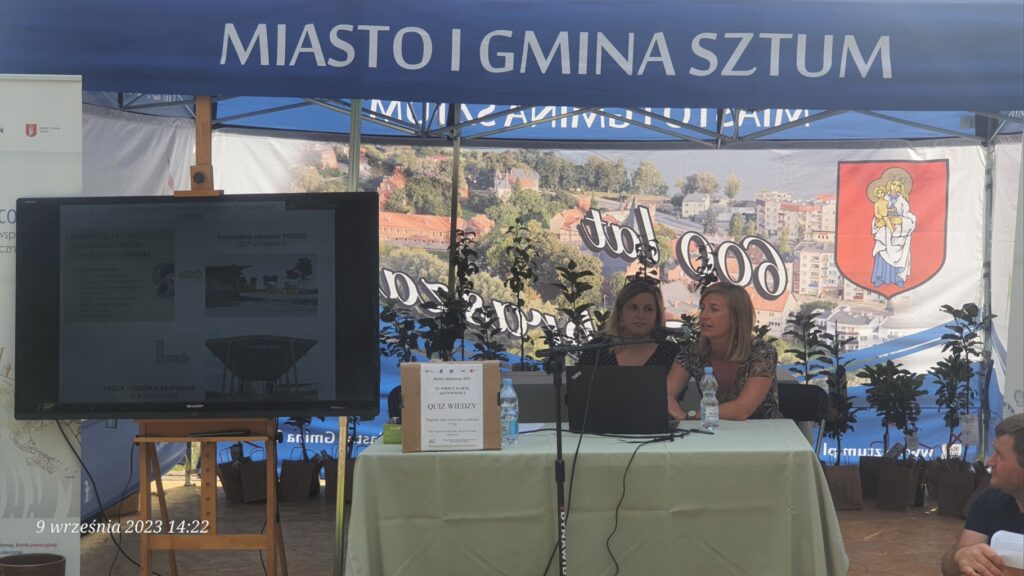
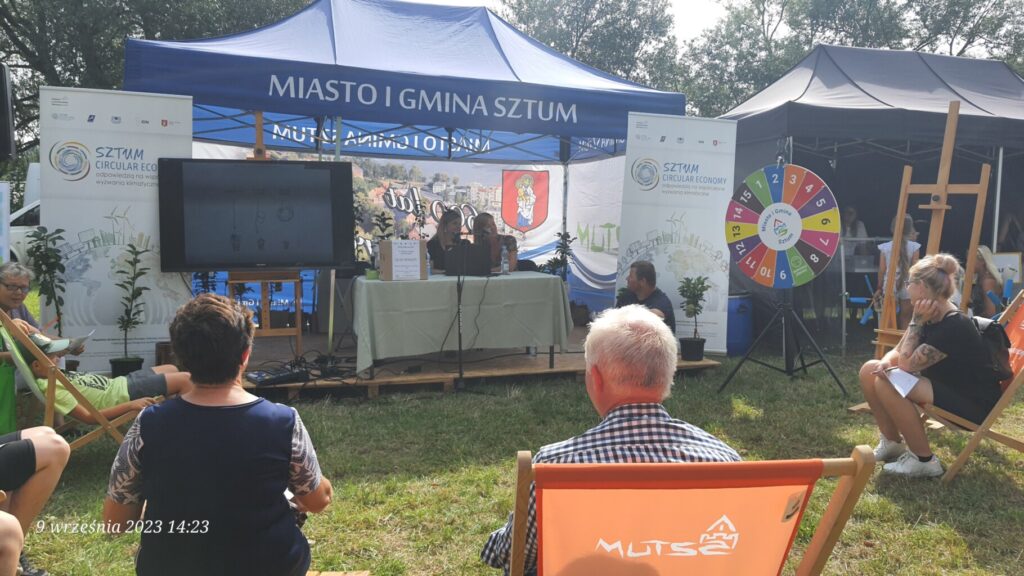
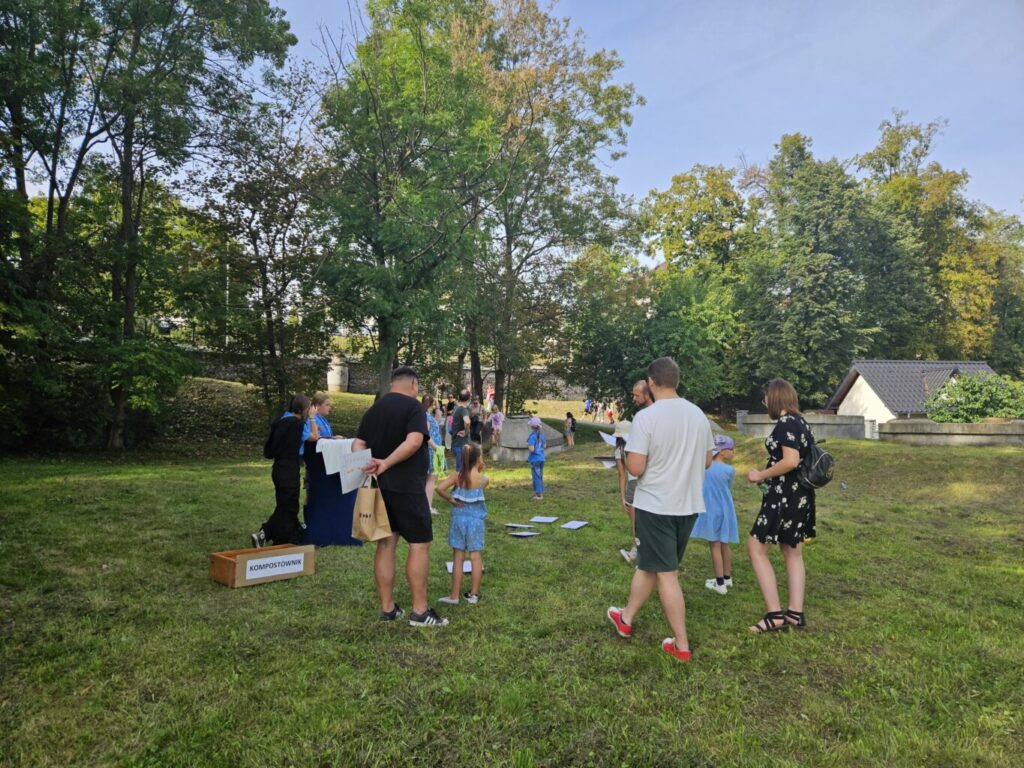
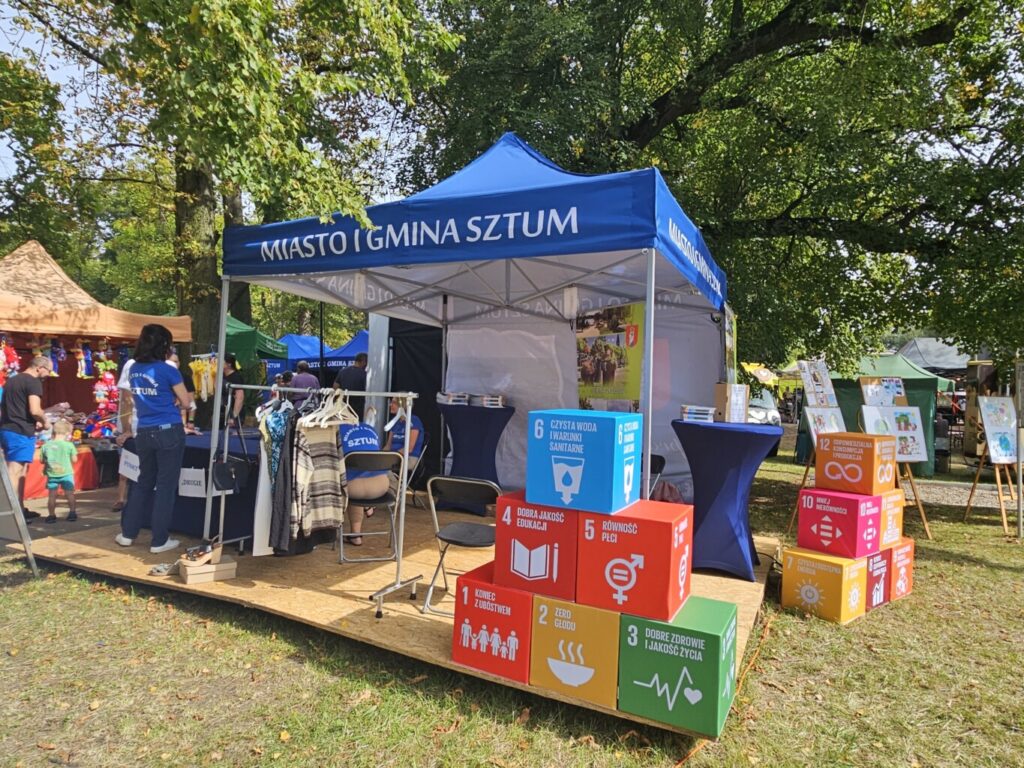
On Saturday, September 9, 2023, the second round of Climate Day was organized as part of the Sztum Circular Economy project. The event was included in the celebration of the Sztum Land Days, thanks to which the project leader could reach a larger audience with the activity.
During the event, there was a presentation on waste management and the impact of human activities on the environment. A competition in the form of a knowledge quiz for residents was conducted by the Gdańsk University of Technology.
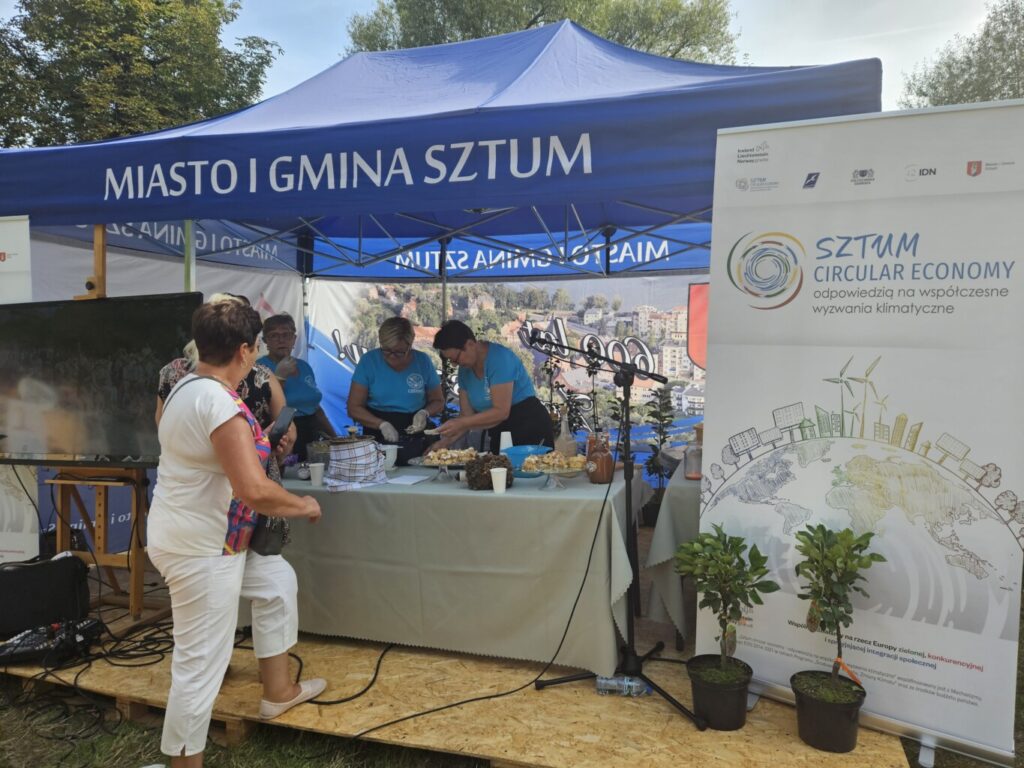
Just like last year, a stand was organized where ladies from the housewives' club showed how to cook using whole products.
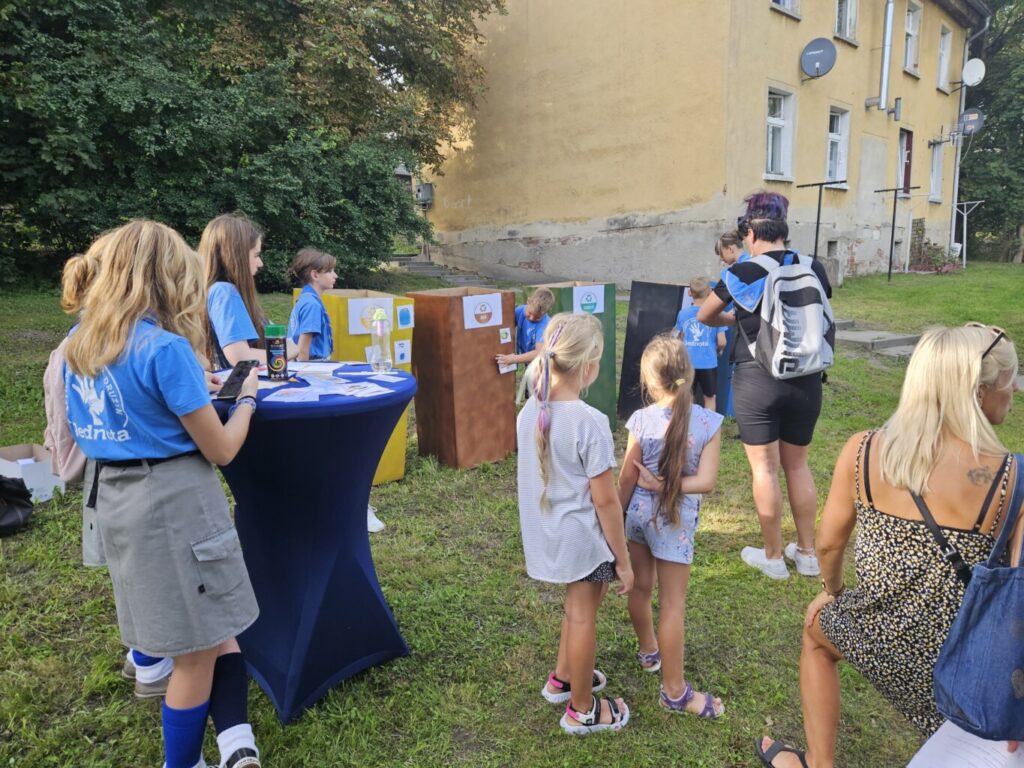
A game was also organized in which residents had to sort waste correctly. The positive news is that most people can sort waste well.
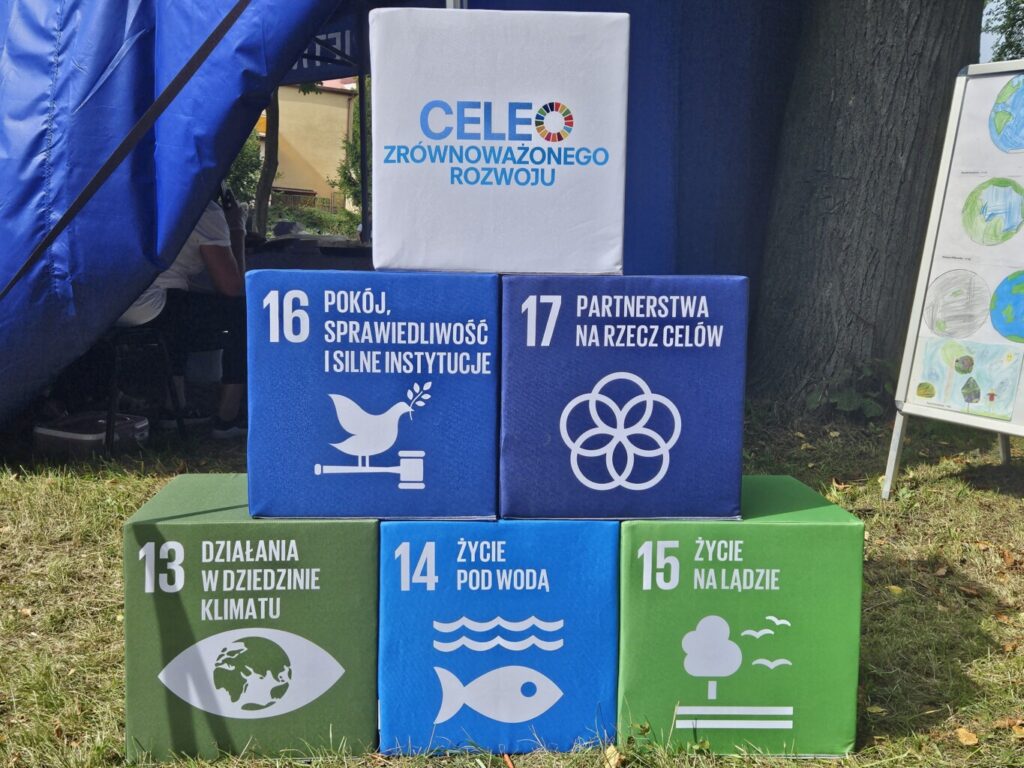
Let us remind about the 17 Sustainable Development Goals, which assume changing the world while respecting the environment, thinking about future generations and taking into account the least privileged social groups. The project's assumptions and its activities fit perfectly into several sustainable development goals, including: