Webinar - zrównoważony rozwój, a edukacja biznesowa: potencjał czy paradoks?
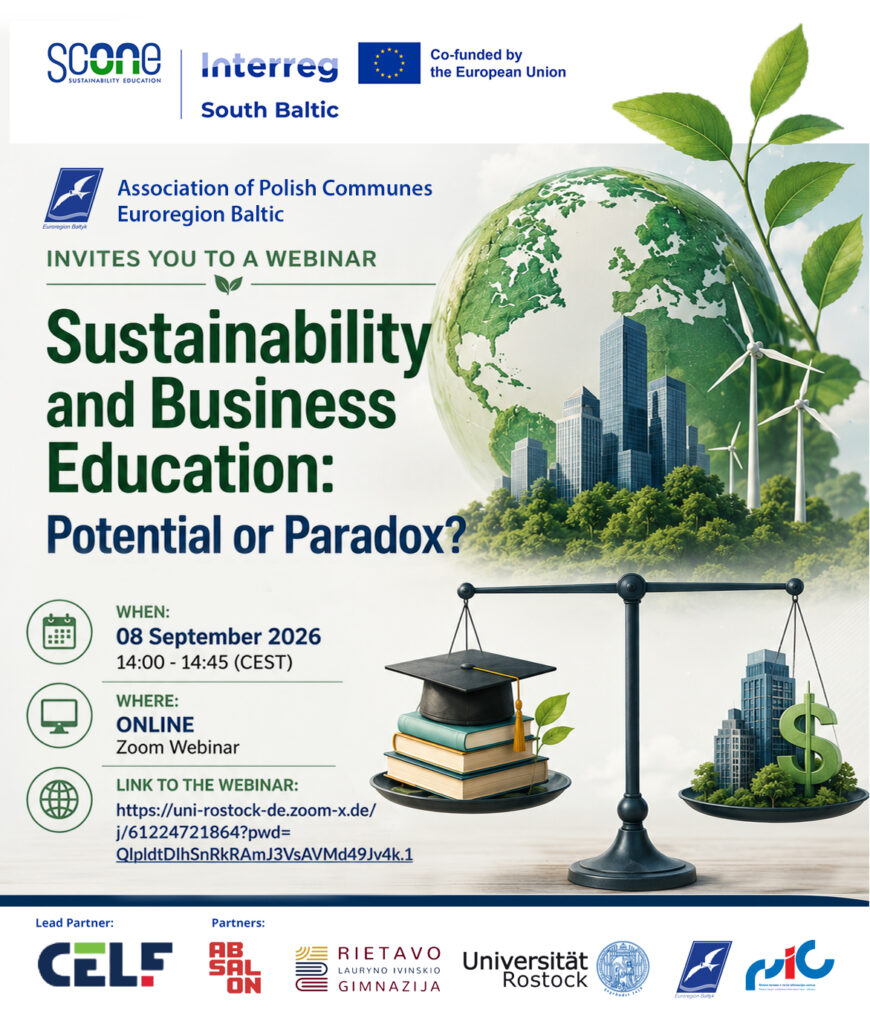
Zapraszamy na webinar już we wrześniu!
Sustainability and Business Education: Potential or Paradox?
Czy edukacja biznesowa może skutecznie wspierać zrównoważony rozwój? Jak przygotować młodych ludzi do podejmowania odpowiedzialnych decyzji w świecie, w którym cele ekonomiczne coraz częściej muszą iść w parze z troską o środowisko i społeczeństwo?
Podczas webinarium eksperci przyjrzą się relacjom między edukacją, biznesem i zrównoważonym rozwojem, zastanawiając się, czy są one wzajemnym wsparciem, czy też rodzą nowe wyzwania i paradoksy. Spotkanie będzie okazją do poznania inspirujących perspektyw oraz wymiany doświadczeń dotyczących kształcenia kompetencji przyszłości.
📅 Termin: 8 września 2026 r. 🕑 Godzina: 14:00–14:45 (CEST) 💻 Forma: online (Zoom)
Serdecznie zapraszamy nauczycieli, edukatorów, przedstawicieli instytucji edukacyjnych, samorządów oraz wszystkich zainteresowanych tematyką edukacji na rzecz zrównoważonego rozwoju i odpowiedzialnego biznesu.
Do zobaczenia online!
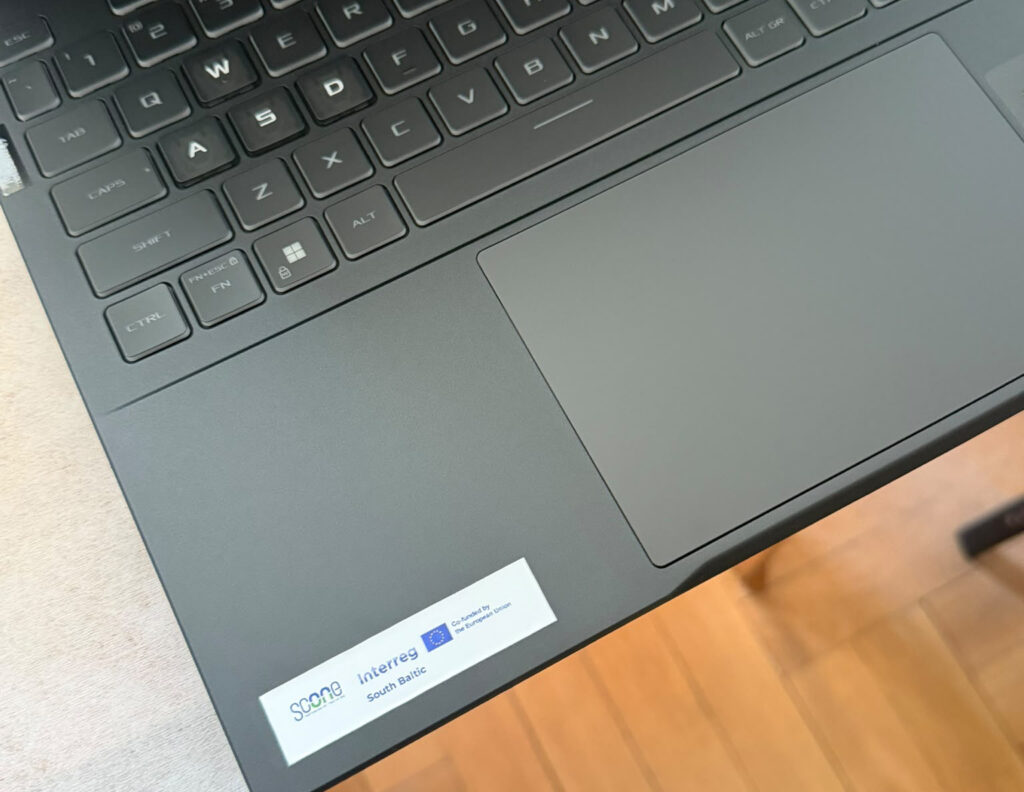
Projekt SCONE przekazanie wyposażenia komputerowego do szkół
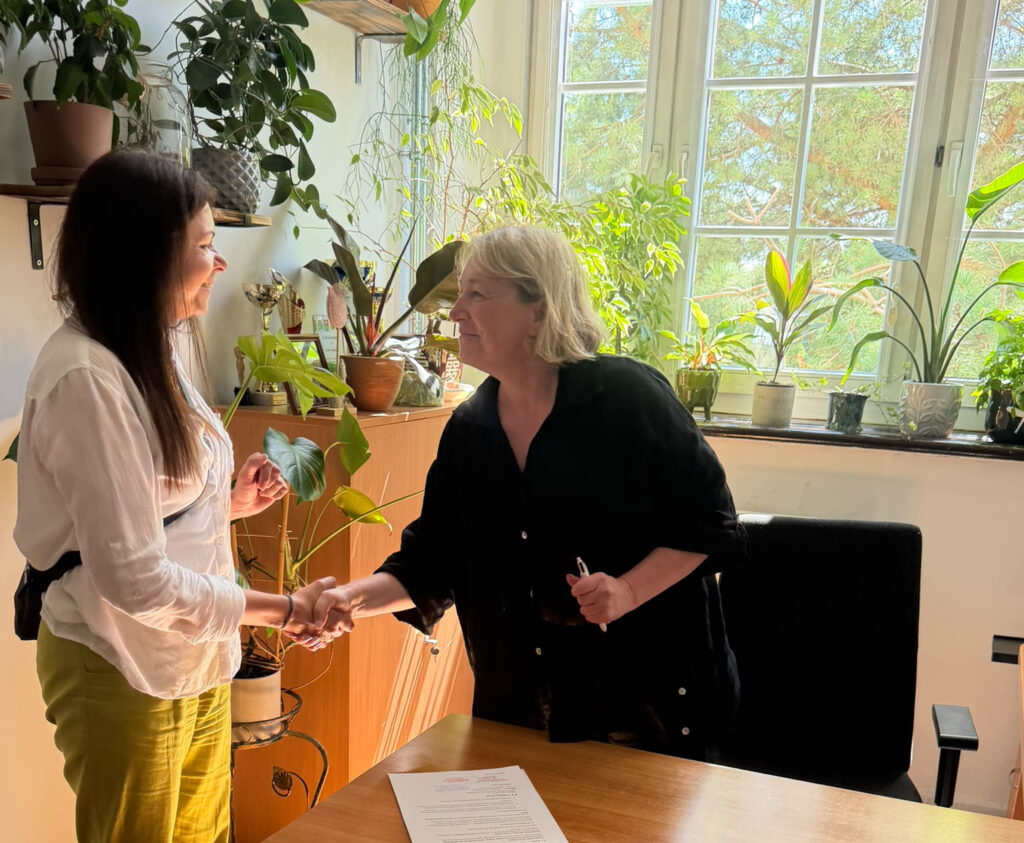
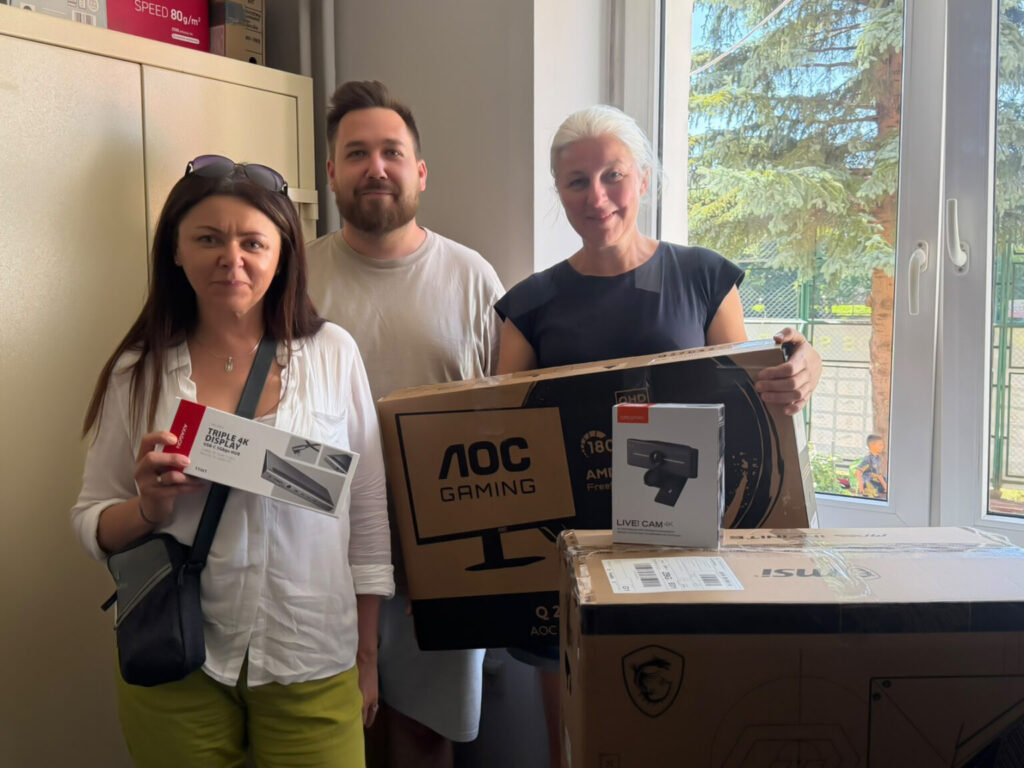
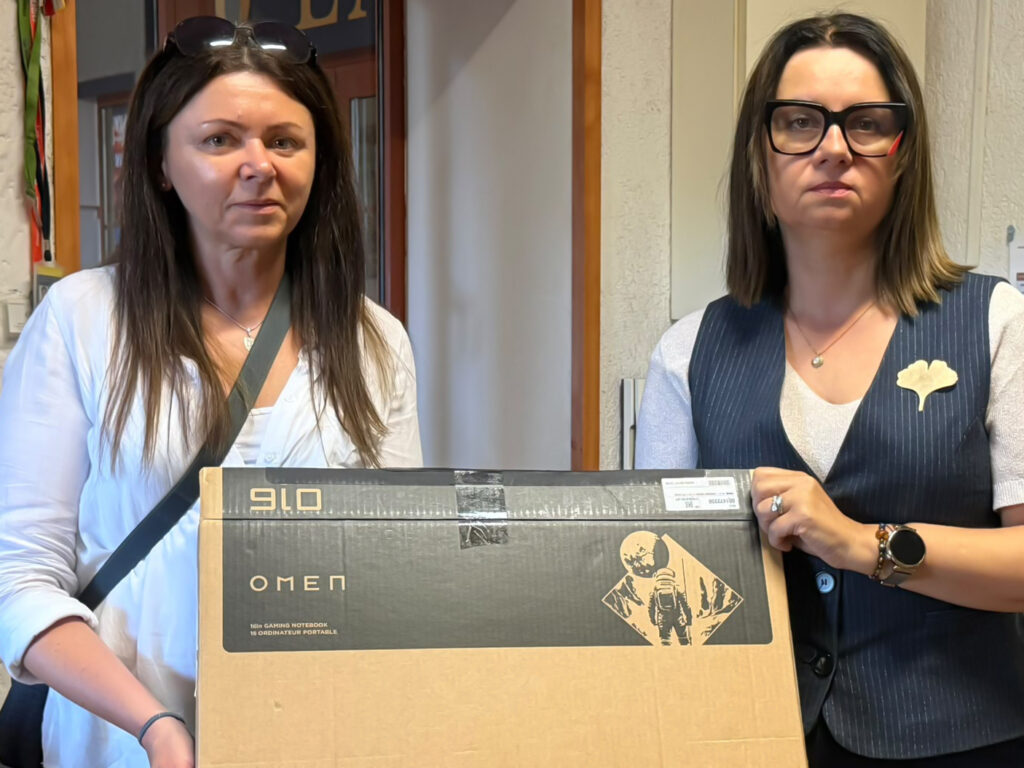
W ramach projektu SCONE, współfinansowanego z Programu Interreg South Baltic 2021–2027, Stowarzyszenie Gmin RP Euroregion Bałtyk przekazało nowoczesne wyposażenie komputerowe do trzech szkół uczestniczących w działaniach projektowych:
VI Liceum Ogólnokształcącego im. Obrońców Helu w Zespole Szkół Ogólnokształcących nr 6 w Gdańsku,
Zespołu Szkół Technicznych im. gen. Władysława Andersa w Elblągu,
II Liceum Ogólnokształcącego z Oddziałami Dwujęzycznymi im. Kazimierza Jagiellończyka w Elblągu.
Przekazane wyposażenie będzie wspierać realizację działań projektowych, ułatwiając prowadzenie zajęć, warsztatów i pracę zespołową z wykorzystaniem nowoczesnych technologii. Dzięki temu uczniowie i nauczyciele zyskają jeszcze lepsze warunki do rozwijania kompetencji cyfrowych oraz pracy nad rozwiązaniami związanymi ze zrównoważonym rozwojem i ochroną klimatu.
Piąty webinar w ramach projektu SCONE
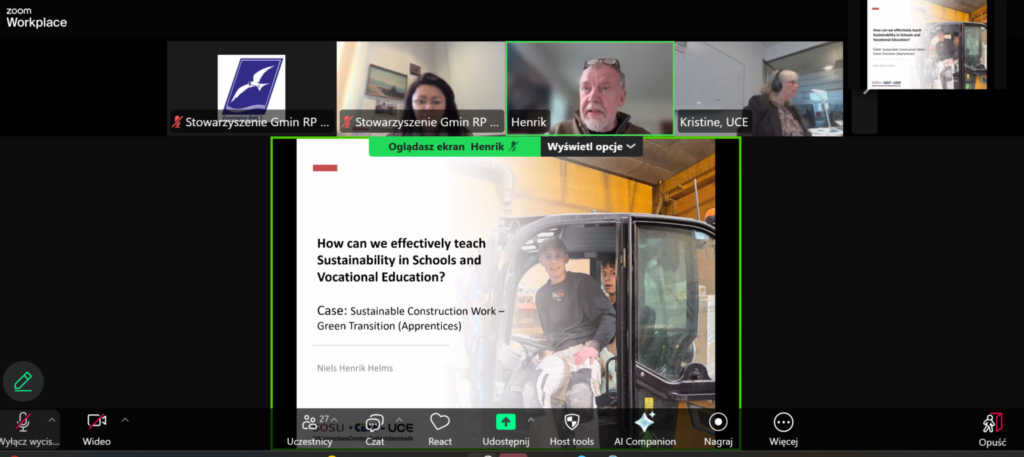
Za nami piąty webinar w ramach projektu SCONE - Sustainability Education! 13 kwietnia 2026 r. odbyło się kolejne spotkanie online skierowane do nauczycieli i edukatorów, poświęcone tematowi: „Jak skutecznie uczyć o zrównoważonym rozwoju w szkołach i edukacji zawodowej?”
Podczas webinaru uczestnicy mieli okazję zapoznać się z praktycznymi podejściami do edukacji na rzecz zrównoważonego rozwoju (ESD) oraz wymienić doświadczenia dotyczące wdrażania tych zagadnień w codziennej pracy dydaktycznej.
Prowadzącym spotkanie był Niels Henrik Helms, starszy konsultant w CELF, ekspert z bogatym doświadczeniem w zakresie rozwoju pedagogicznego, cyfryzacji oraz technologii uczenia się. Jego wystąpienie dostarczyło wielu inspiracji i konkretnych wskazówek dla nauczycieli oraz osób związanych z edukacją.
Dziękujemy wszystkim uczestnikom za obecność, aktywny udział i cenną dyskusję!
Finał Hackathonu w ramach projektu SCONE
Szkolny Hackathon
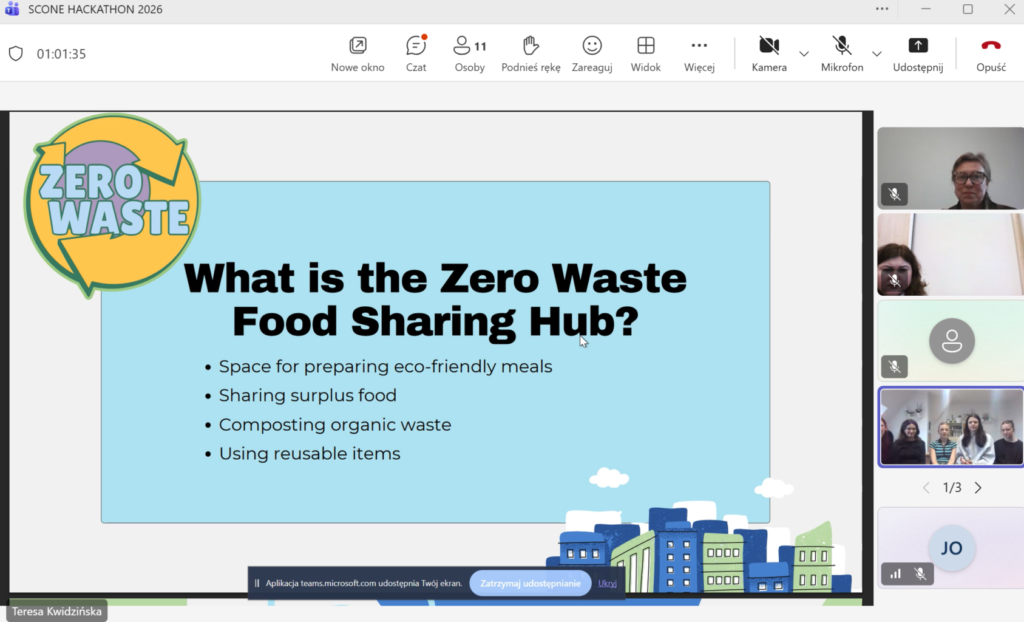
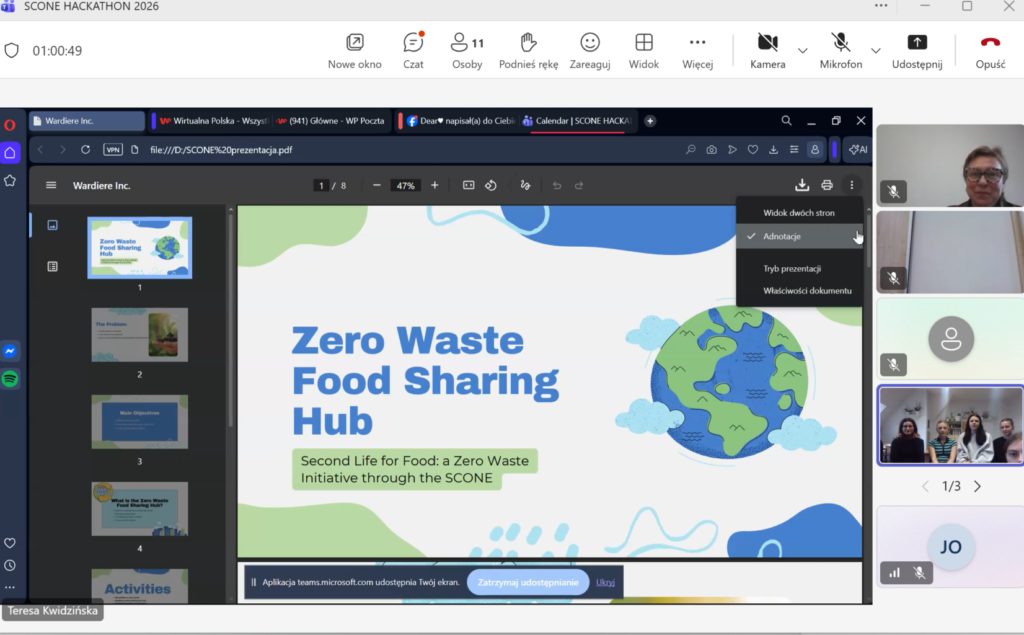
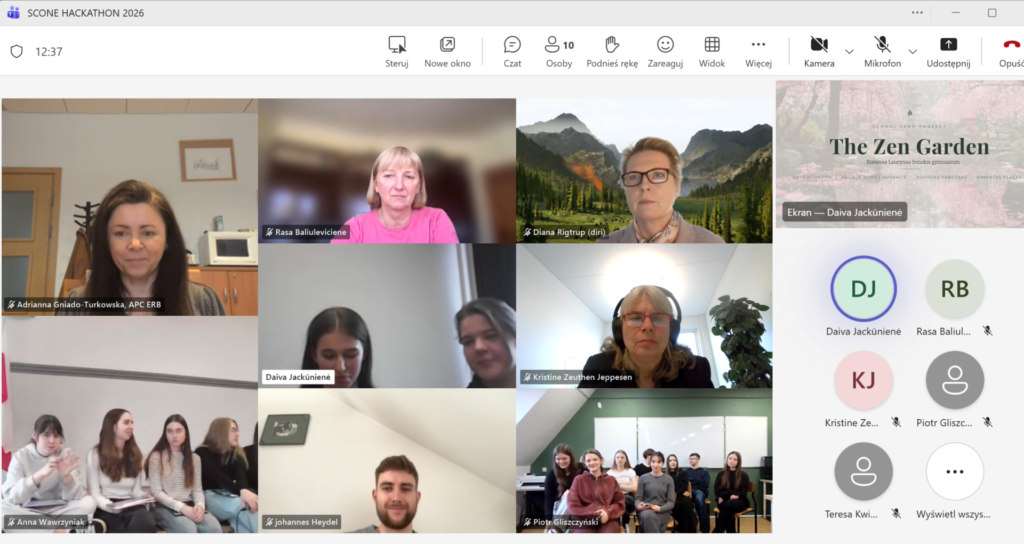
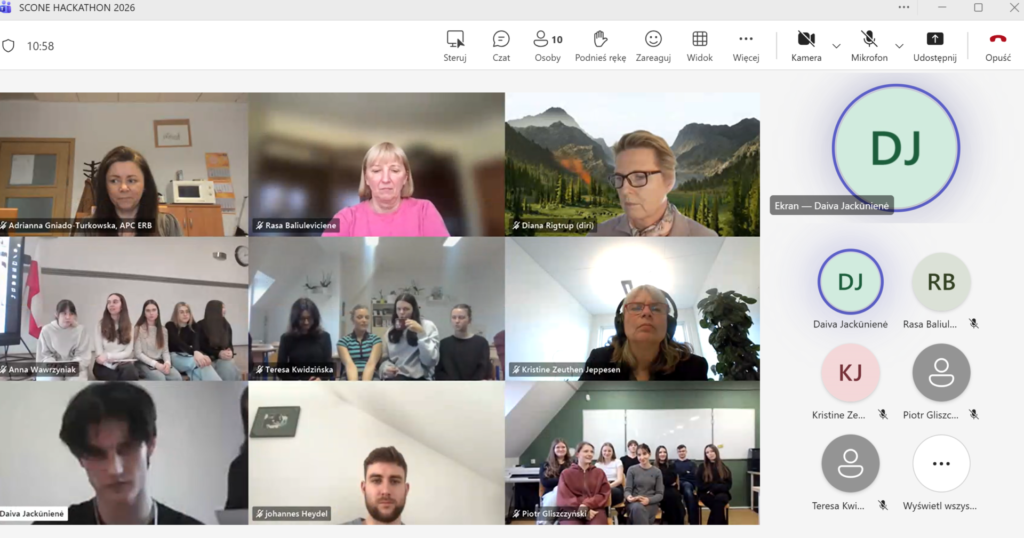
W dniu wczorajszym odbył się finałowy etap międzynarodowego szkolnego Hackathonu zorganizowanego w ramach projektu SCONE. Podczas wydarzenia nastąpiła prezentacja projektów dotyczących zrównoważonego rozwoju. Spotkanie zorganizowane zostało w formule on-line, a tematyka dotyczyła zrównoważonego rozwoju i zielonych innowacji.
Zespoły uczniowskie z Polski i Litwy zaprezentowały opracowane przez siebie pomysły projektowe przygotowane w trakcie wcześniejszych etapów pracy. Każdy zespół miał do 10 minut na przedstawienie swojego pomysłu, w tym krótką prezentację idei, celu projektu, proponowanych rozwiązań oraz potencjalnych korzyści dla środowiska i społeczności szkolnej. Prezentacje były skierowane zarówno do pozostałych uczestników wydarzenia, jak i do panelu ewaluacyjnego, który oceniał pomysły uczniów pod kątem ich innowacyjności, realności wdrożenia oraz znaczenia dla zrównoważonego rozwoju.
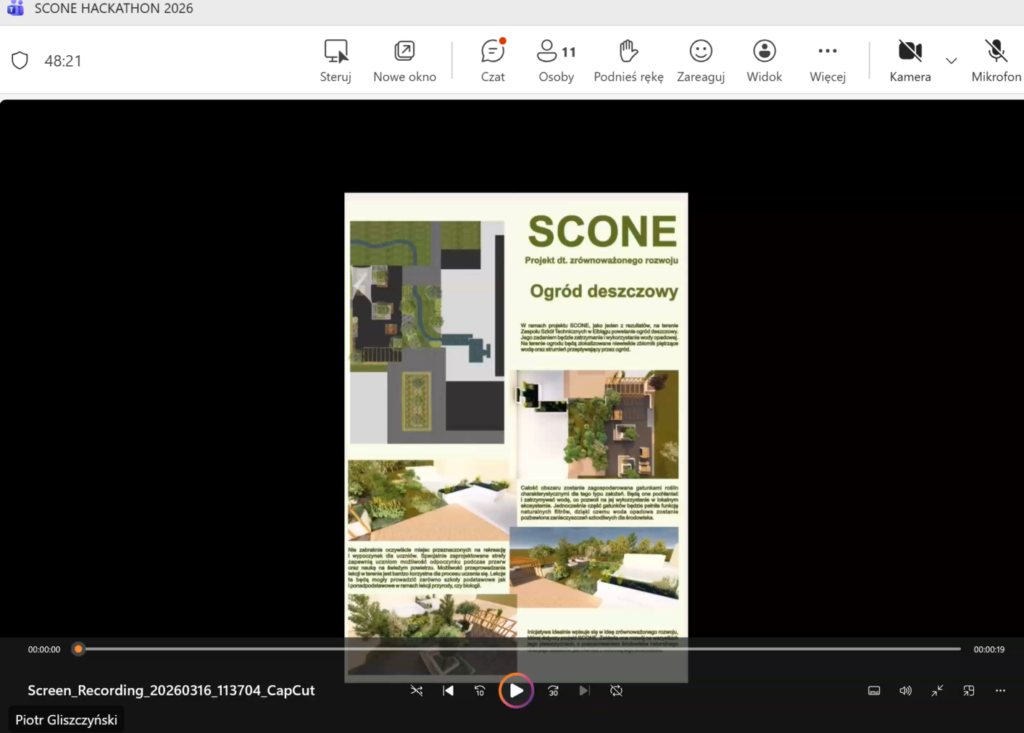
Wśród zaprezentowanych koncepcji znalazły się m.in. projekty dotyczące: tworzenia zielonych przestrzeni i ogrodów szkolnych, zarządzania wodą deszczową, ograniczania marnowania żywności, promowania ponownego wykorzystania przedmiotów, wykorzystania energii odnawialnej w szkołach oraz tworzenia przestrzeni edukacyjnych na świeżym powietrzu.
Hackathon był okazją do wymiany pomysłów między młodzieżą z różnych krajów oraz pokazania, że uczniowie potrafią tworzyć kreatywne i praktyczne rozwiązania wspierające zrównoważony rozwój.
Zaprezentowane projekty
The Zen Garden - Rietavas Laurynas Ivinskis Gymnasium,
The Green Around Me - II LO z Oddziałami Dwujęzycznymi im. Kazimierza Jagiellończyka w Elblągu,
Rain Water Management Pilot - Zespół Szkół Technicznych w Elblągu,
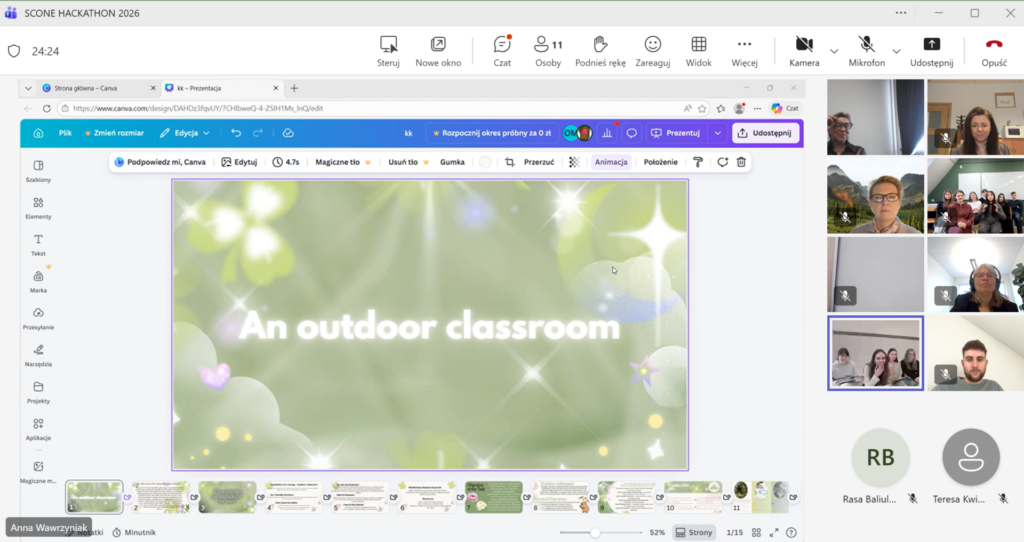
The Outdoor Classroom - Rietavas Laurynas Ivinskis Gymnasium,
Zero Food Waste - VI LO w ZSO nr 6 w Gdańsku,
Second Chance for Personal Stuff - Rietavas Laurynas Ivinskis Gymnasium,
Solar Hub - Rietavas Laurynas Ivinskis Gymnasium.
Warsztaty dla nauczycieli - dzień 3
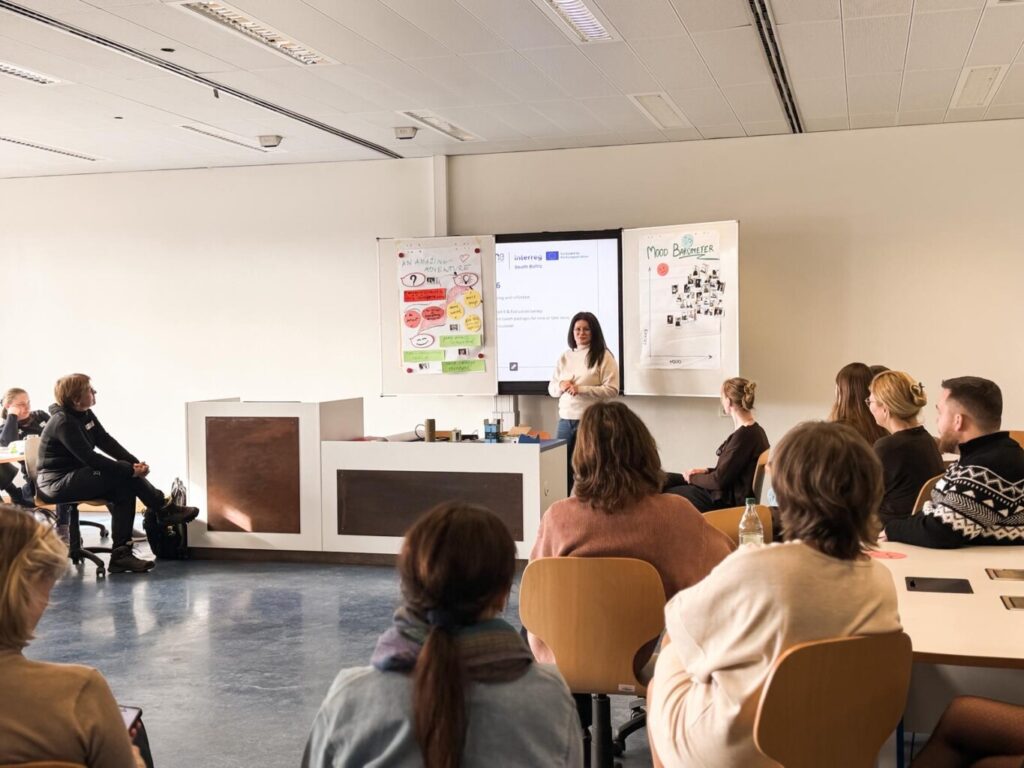
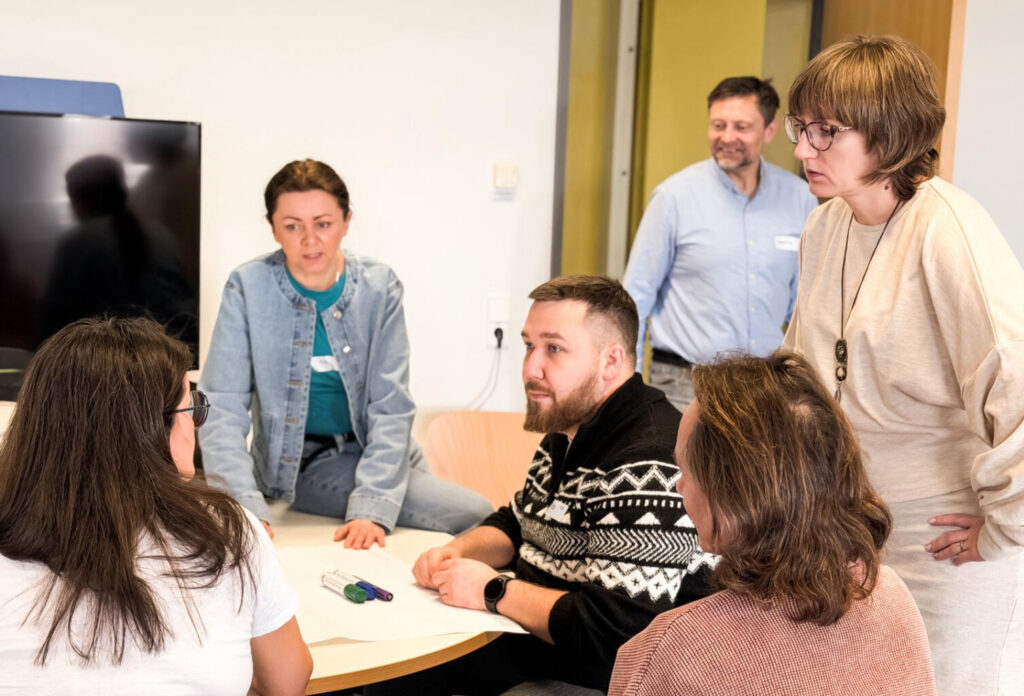
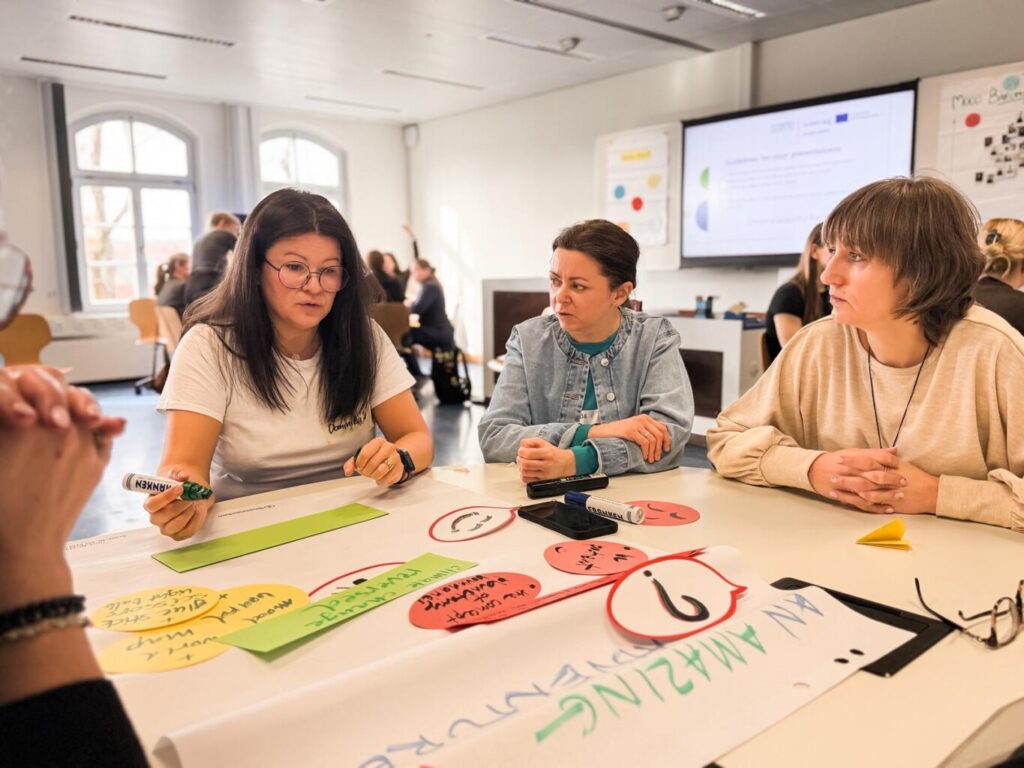
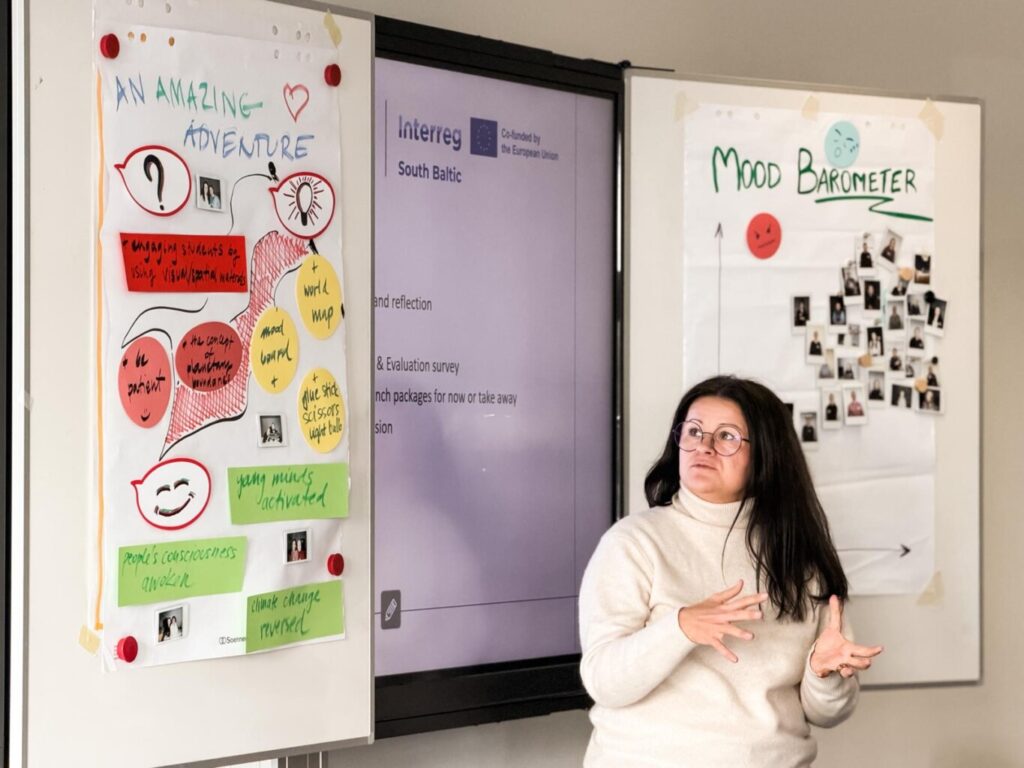
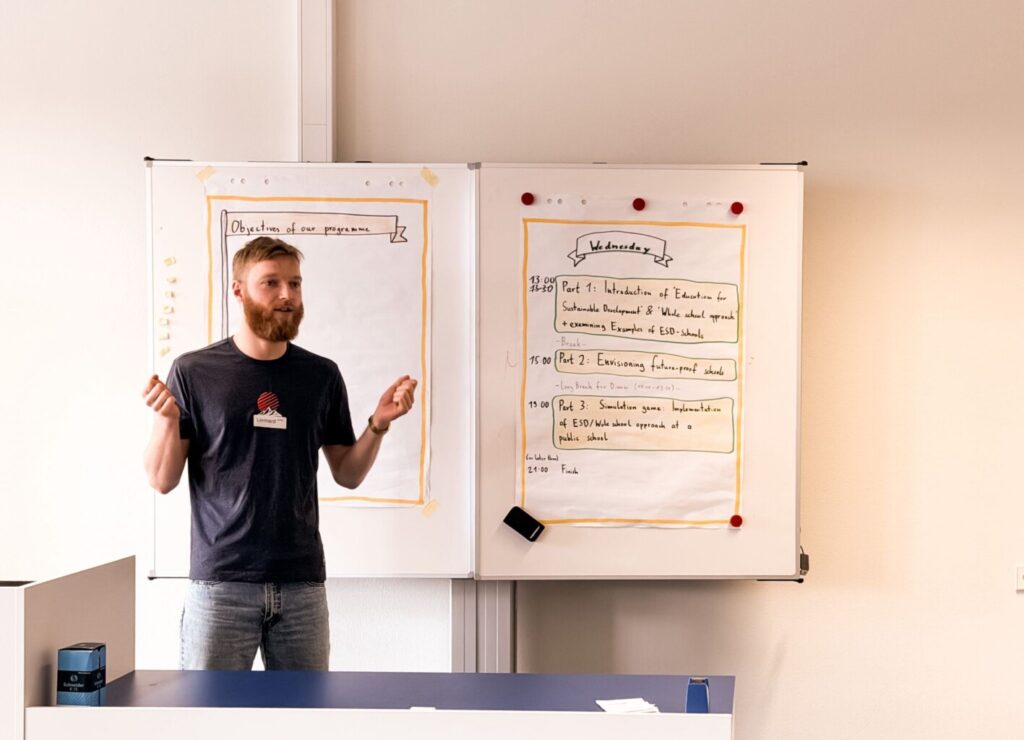
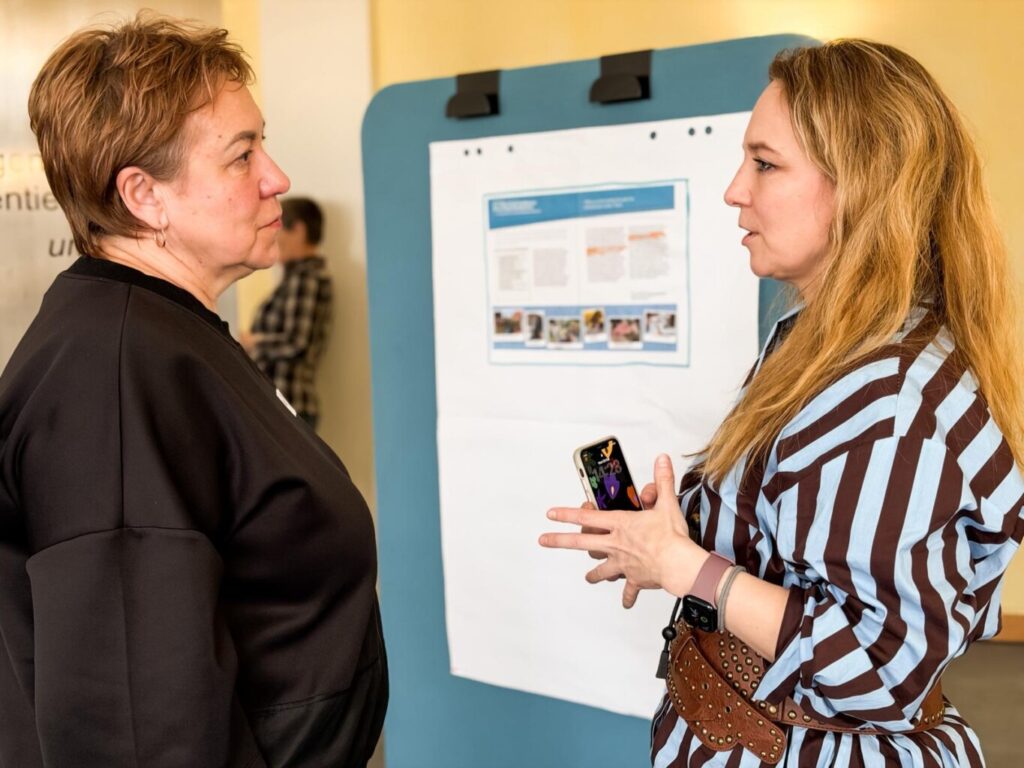
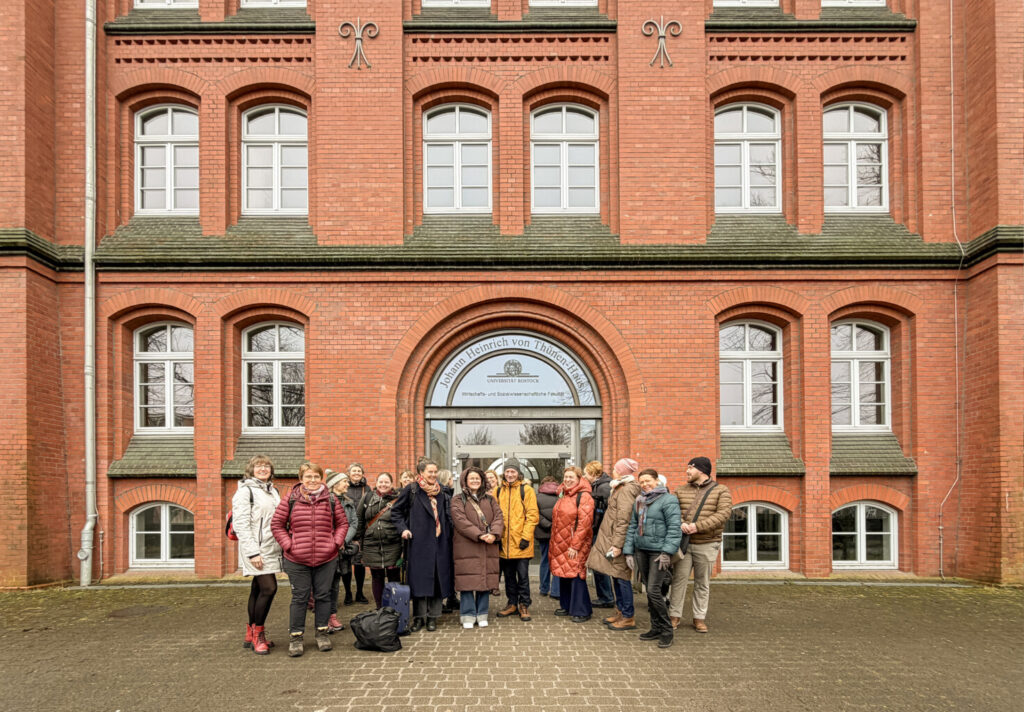
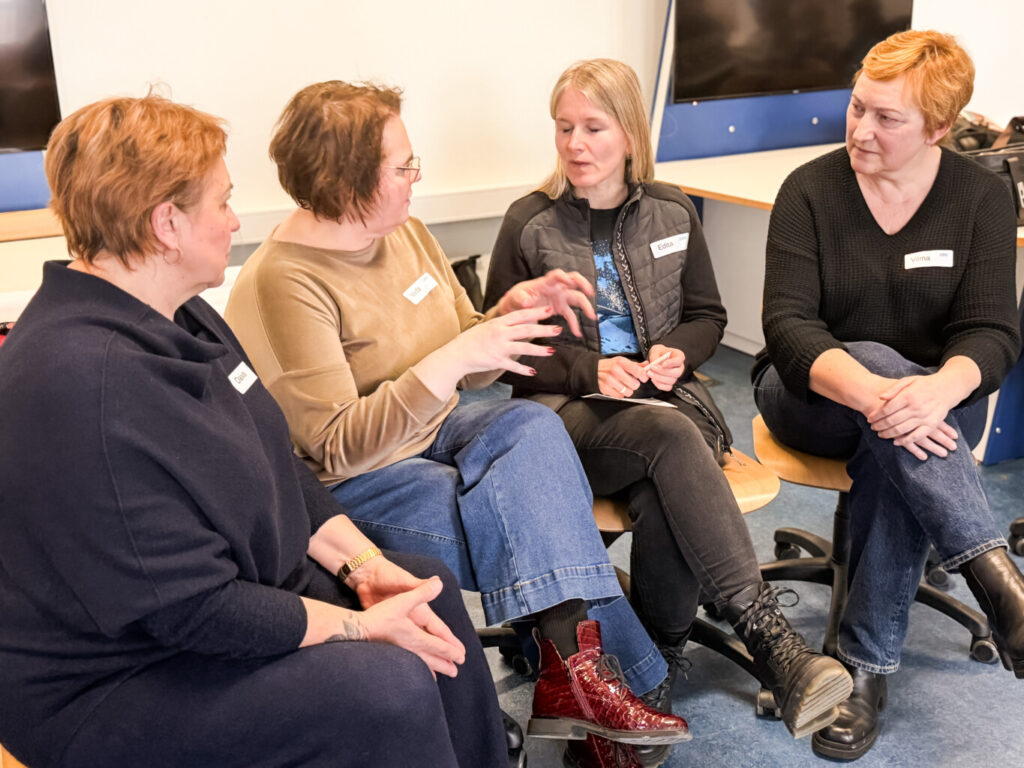
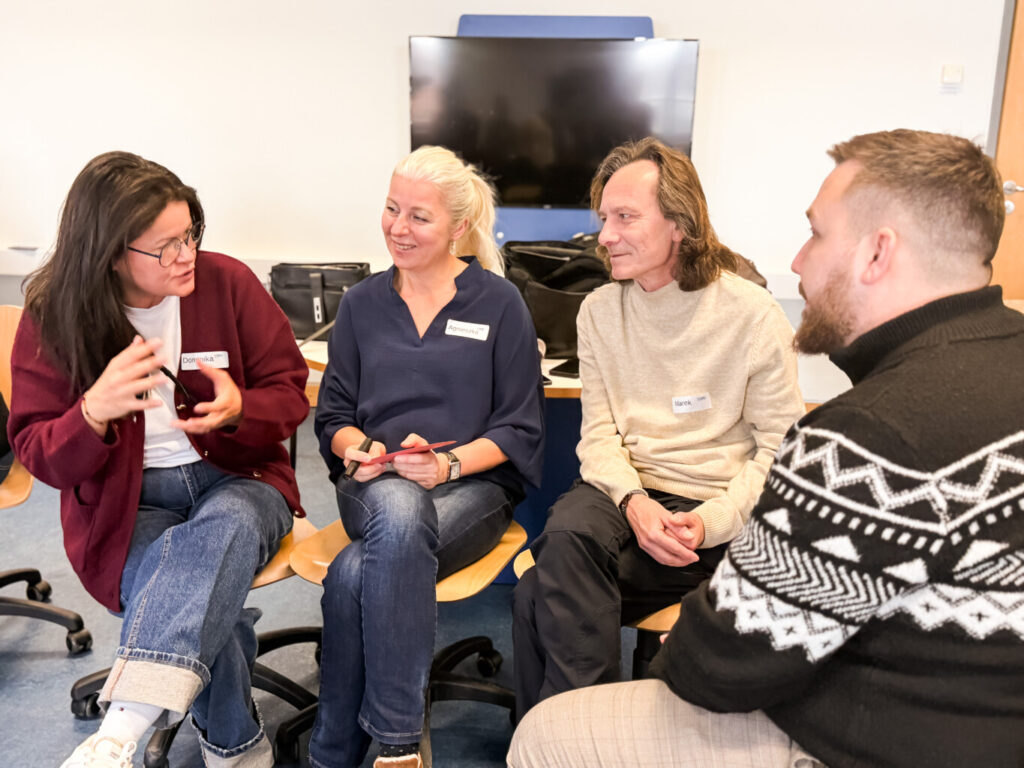
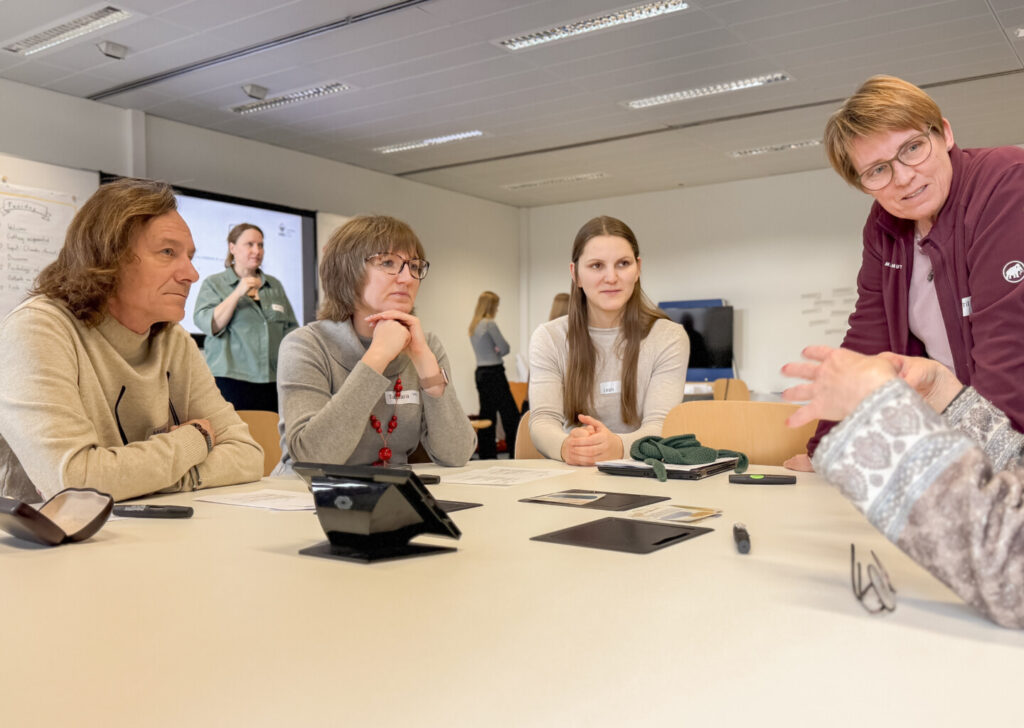
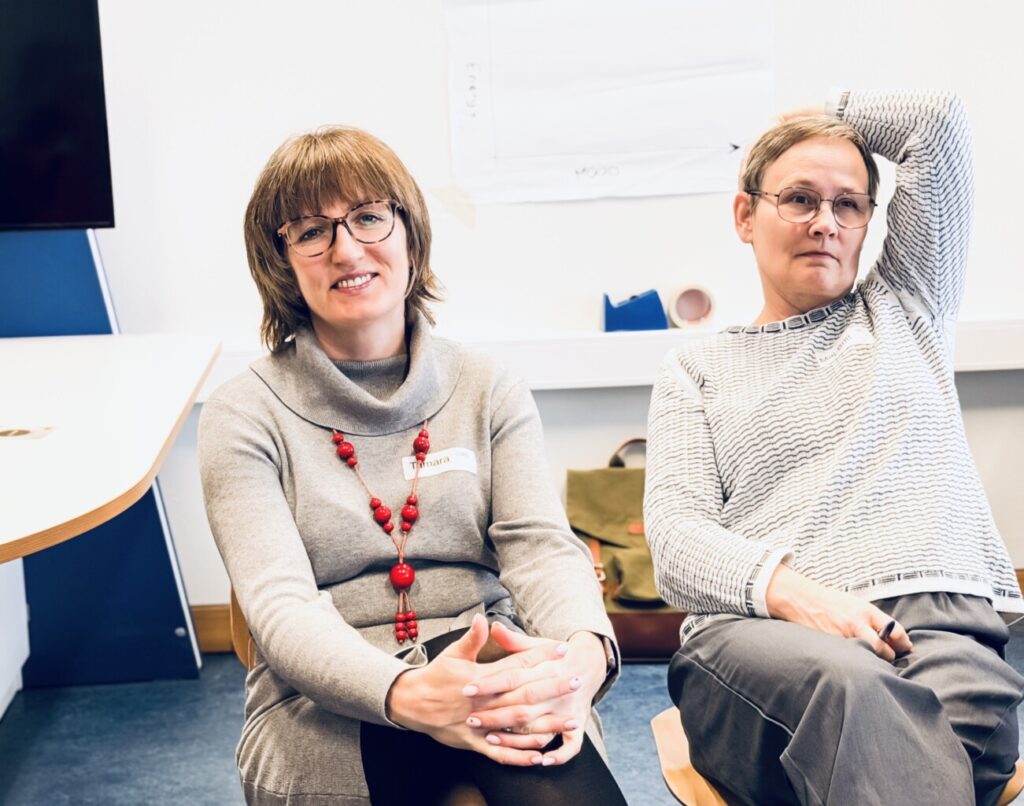
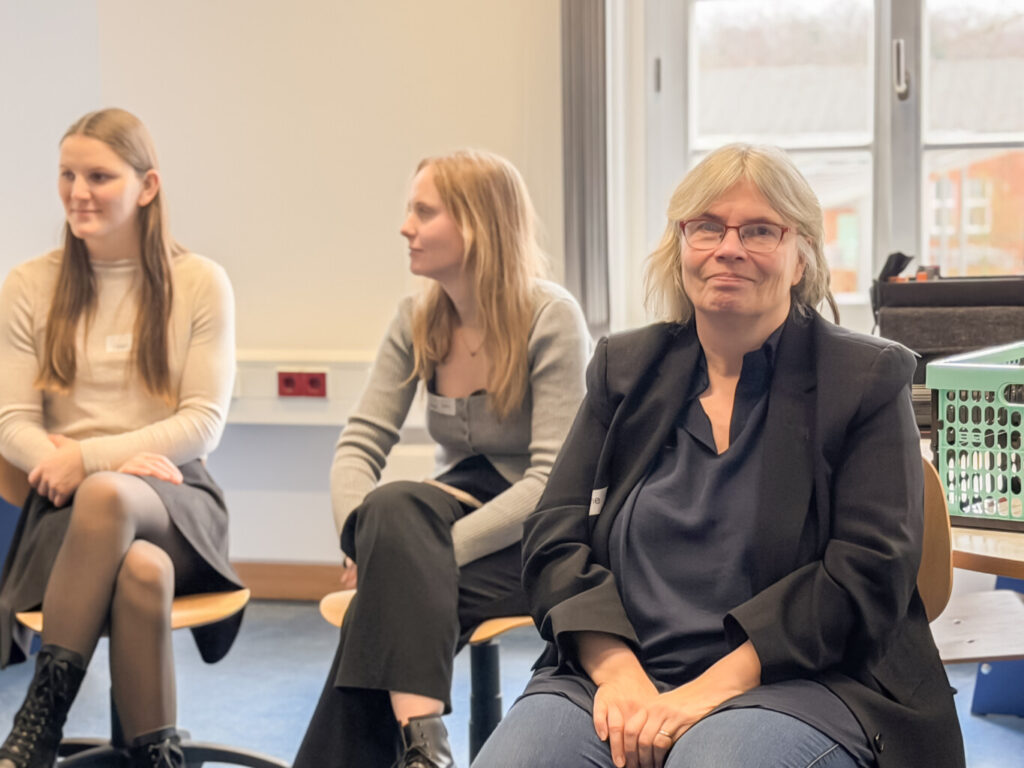
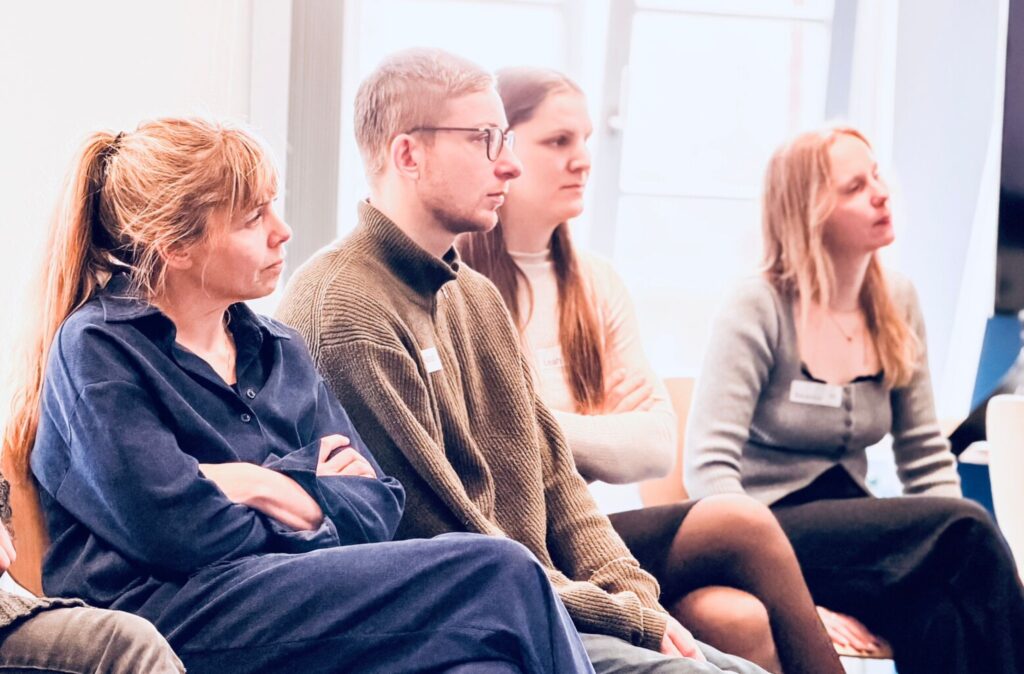
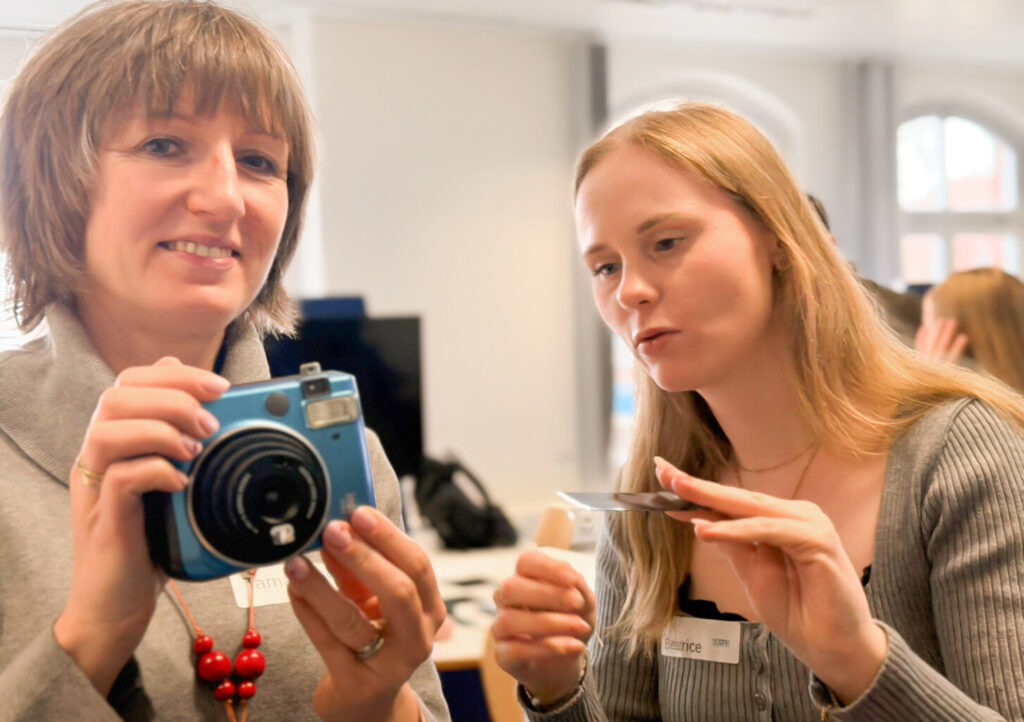
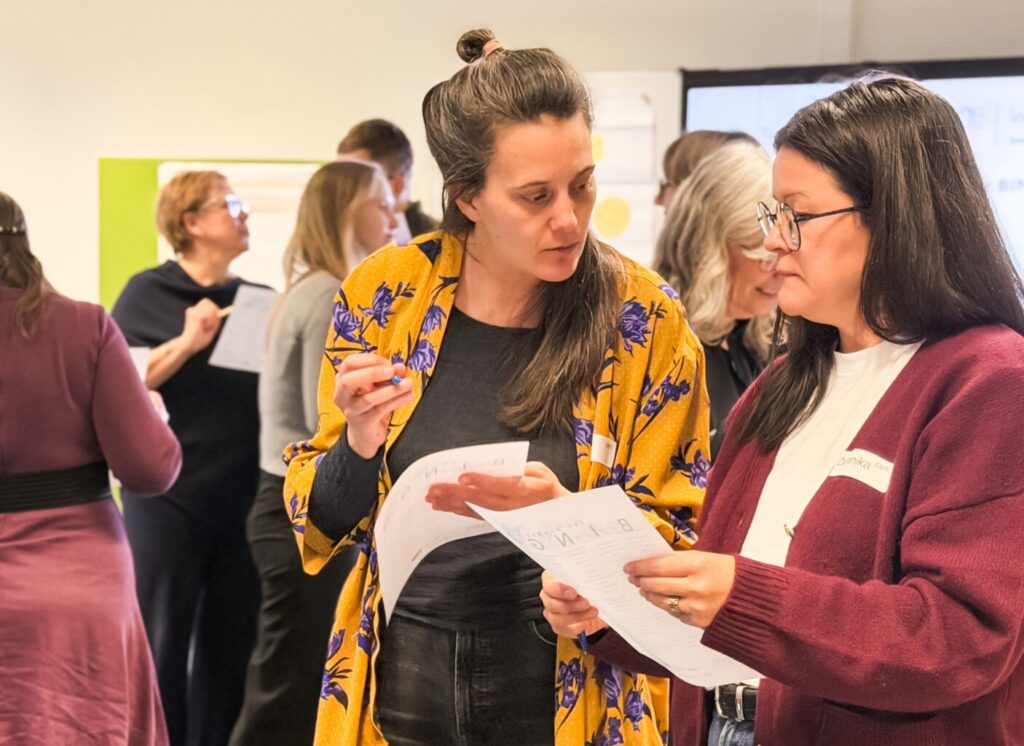
Trzeci, ostatni dzień warsztatów dla nauczycieli w ramach projektu #SCONE w Rostocku dobiegł końca.
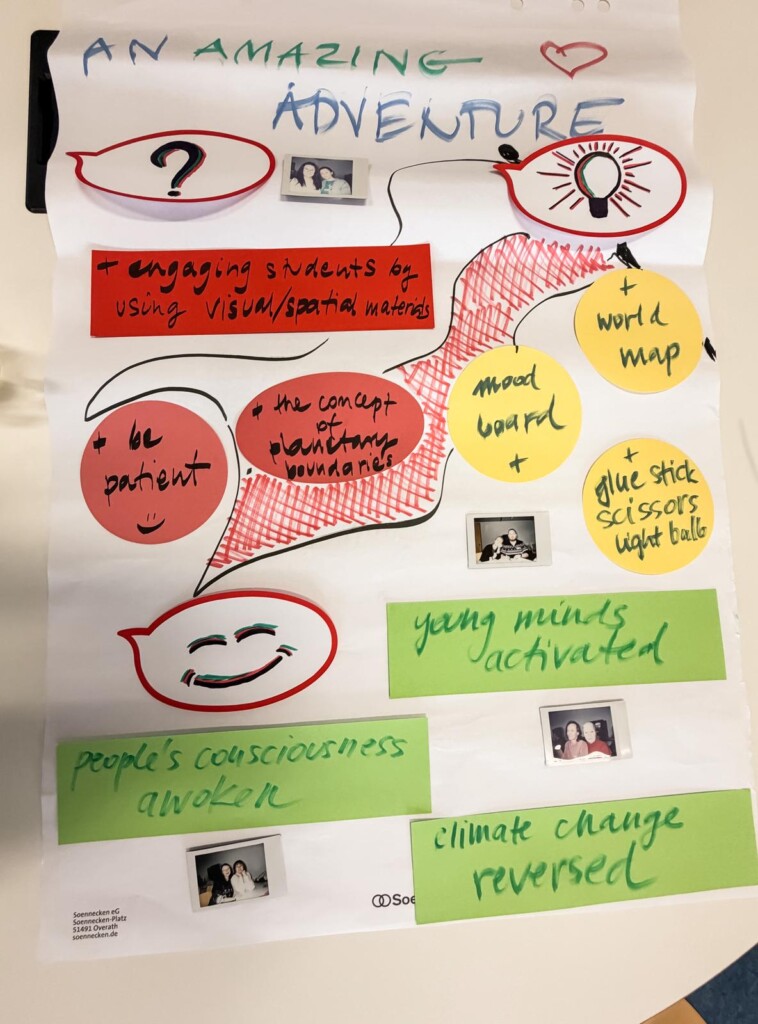
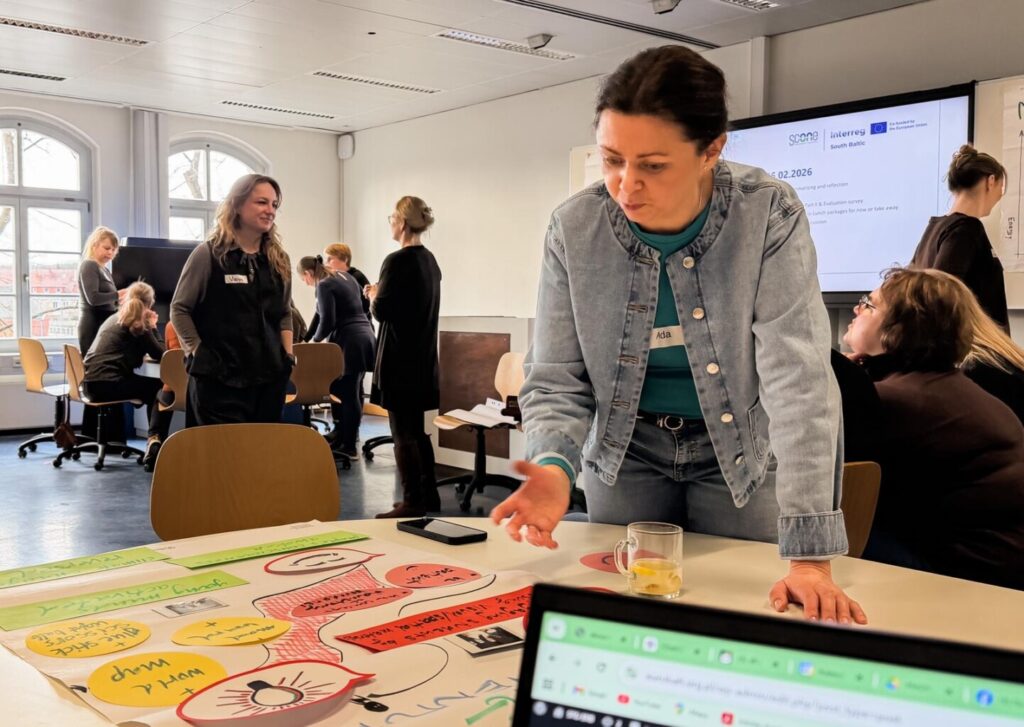
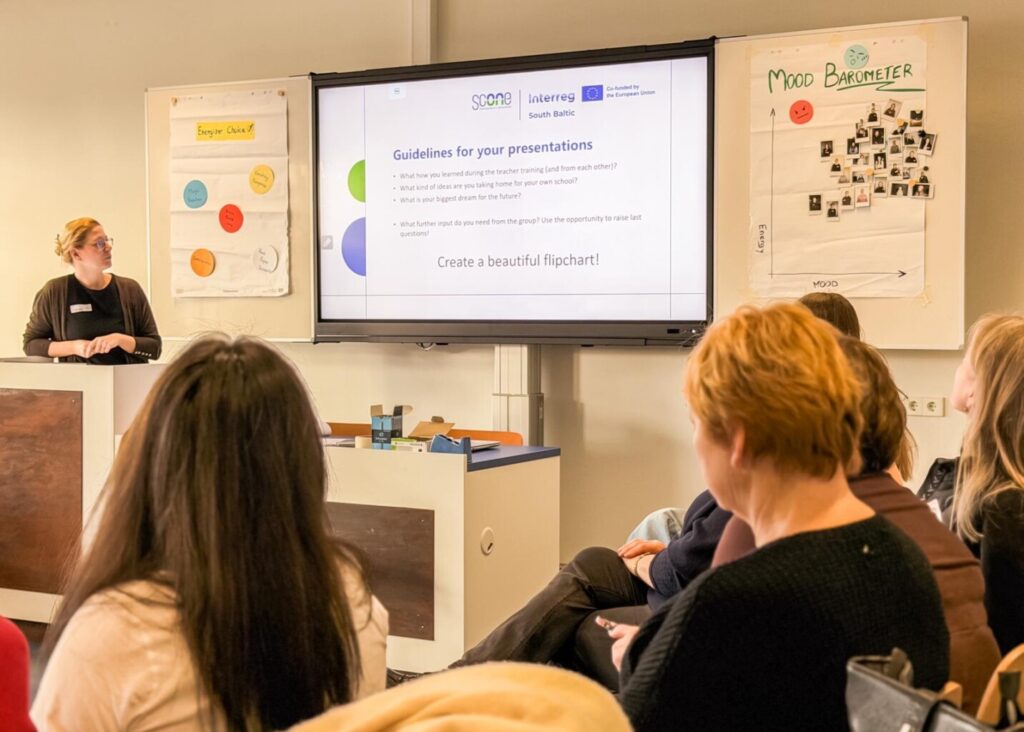
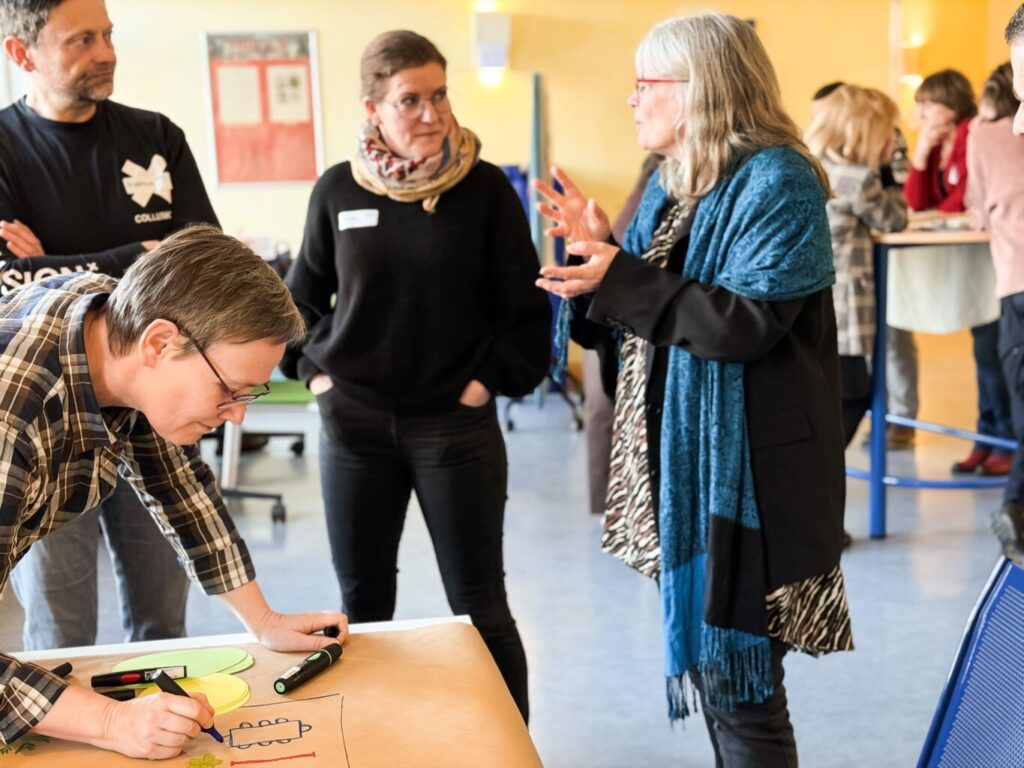
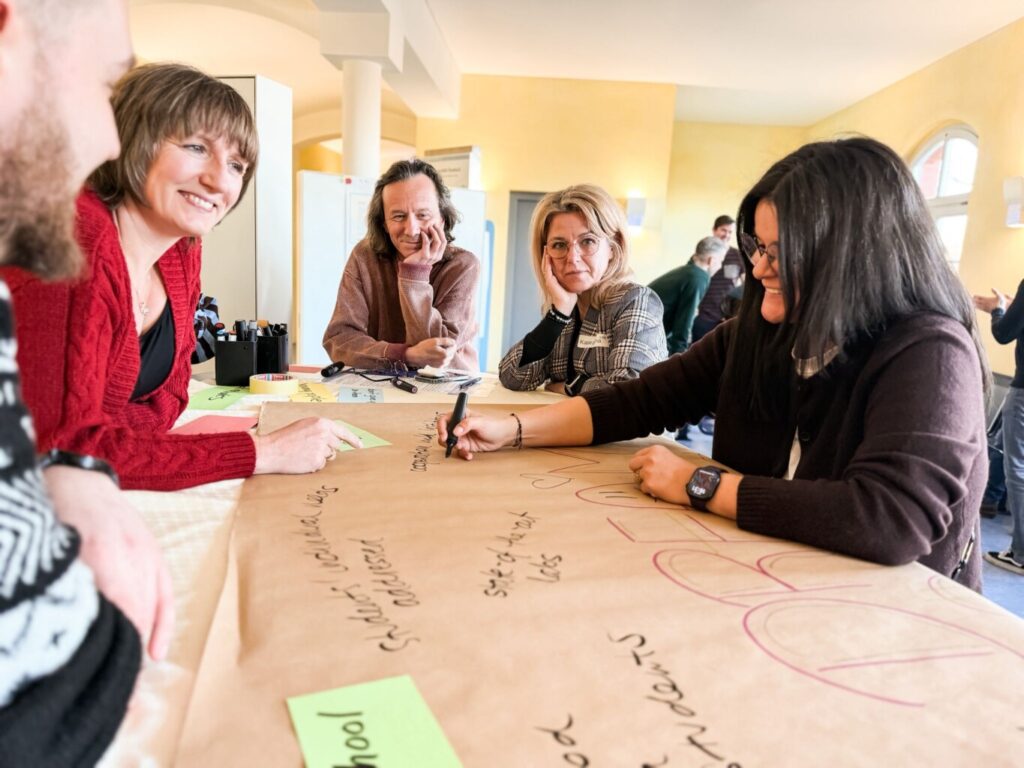
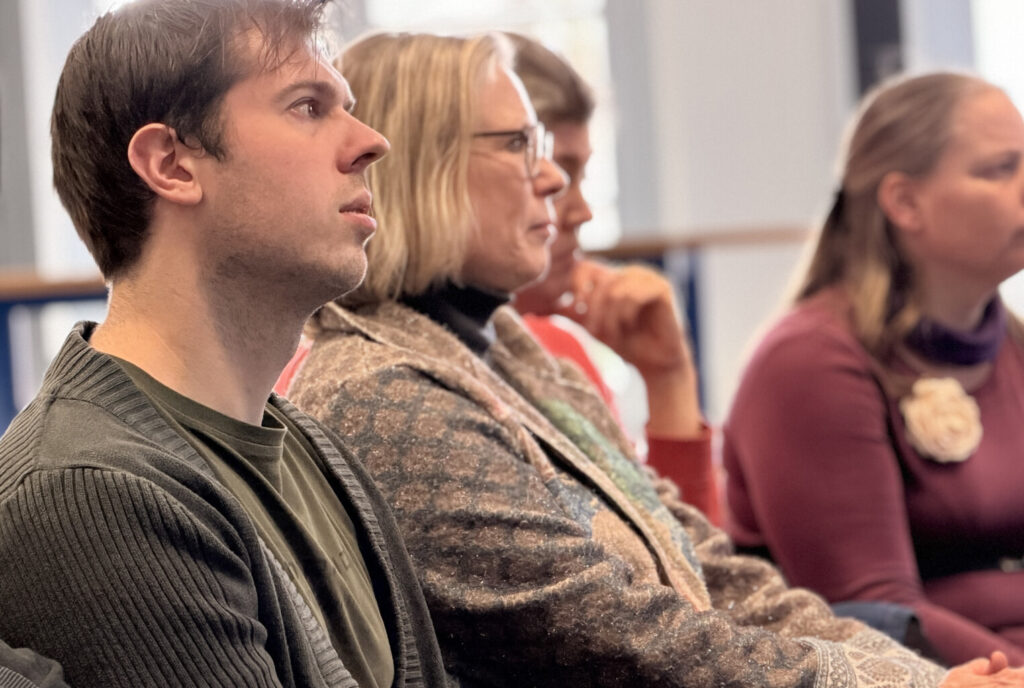
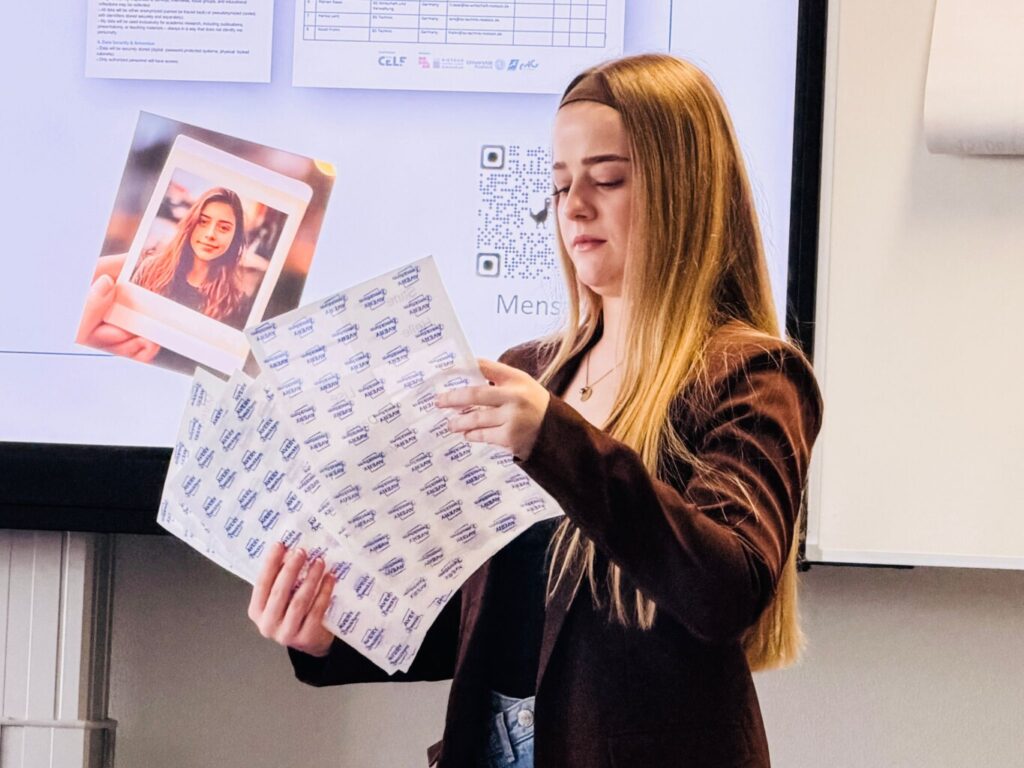
Trzeci dzień został poświęcony pracy podsumowującej i prezentacyjnej. Uporządkowane i dopracowane zostały efekty pracy zespołowej. Uczestnicy przygotowali swoje wystąpienia oraz ostateczne wersje wypracowanych materiałów.
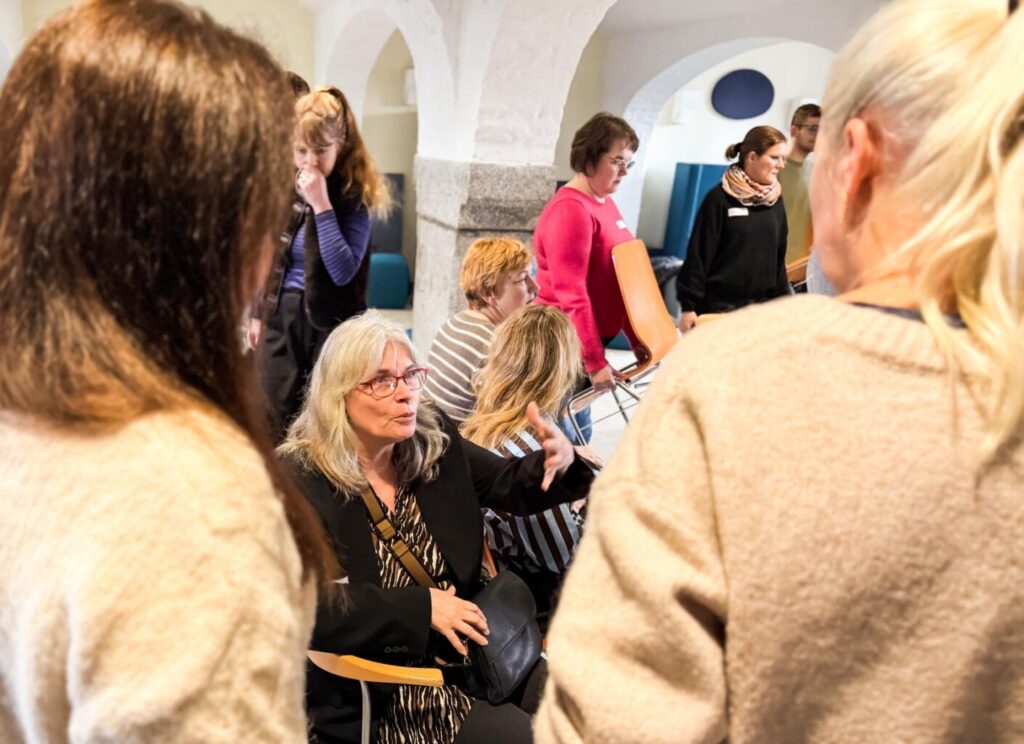
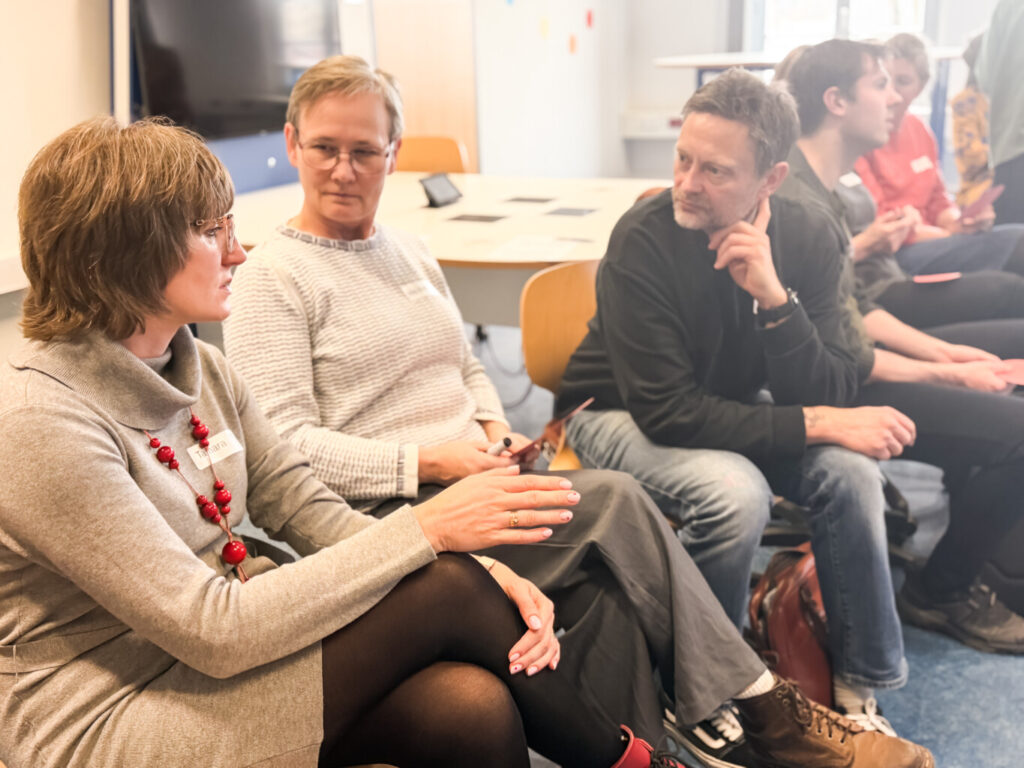
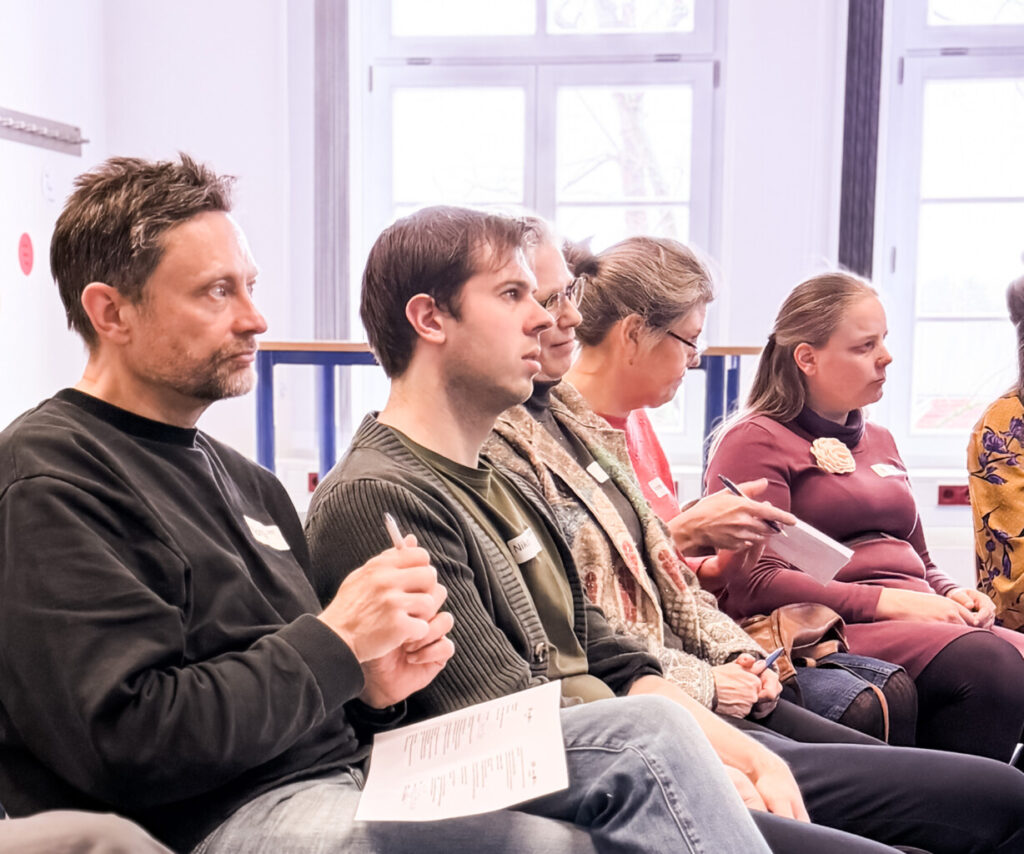
Pierwszą sesję prezentacyjną połączono z dyskusją. Zespoły przedstawiły konkretne propozycje działań oraz rozwiązania możliwe do wdrożenia w codziennej praktyce szkolnej, a wymiana opinii pozwoliła doprecyzować i wzmocnić zaproponowane kierunki działań.
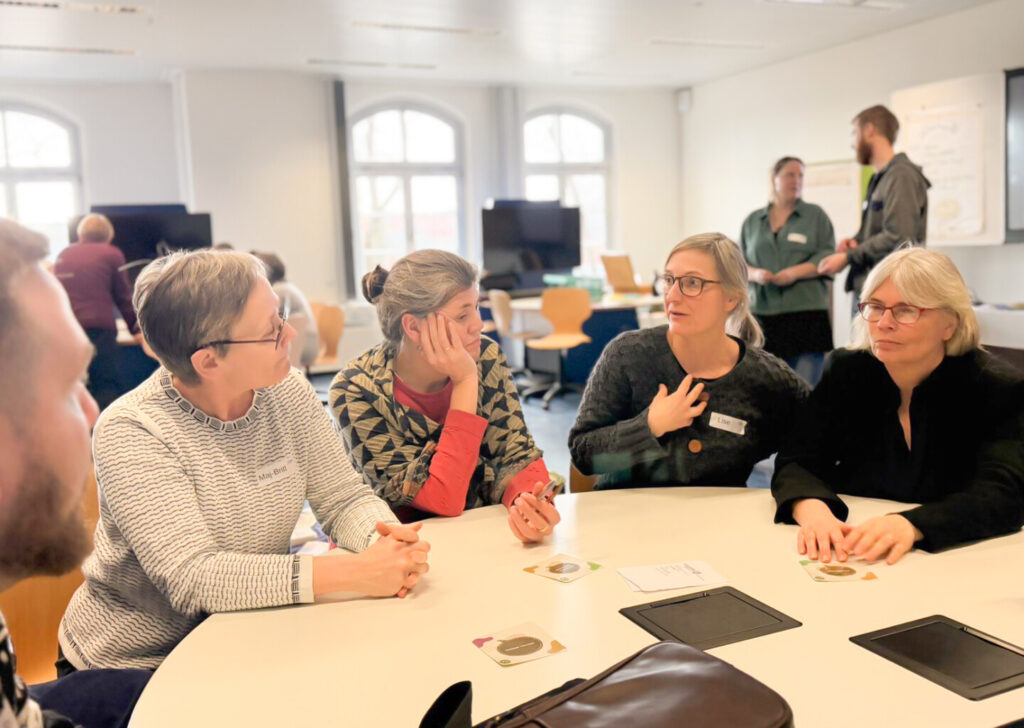
W kolejnej części spotkania powrócono do zaprezentowanych koncepcji, rozwijając je i pogłębiając dyskusję nad wypracowanymi wnioskami oraz rekomendacjami. Rozmowy pozwoliły uporządkować kluczowe założenia i nadać im bardziej operacyjny, praktyczny charakter. Rozmowy koncentrowały się na praktycznym wymiarze edukacji na rzecz zrównoważonego rozwoju, jak realnie przenosić wypracowane rozwiązania do codziennej pracy szkoły.
Istotnym elementem była także wymiana perspektyw dotyczących dalszej współpracy i kolejnych działań w ramach projektu.
To był intensywny i bardzo merytoryczny dzień, pełen wymiany wiedzy, refleksji i planów na kolejne działania.
SCONE - drugi dzień szkolenia nauczycieli w Rostocku
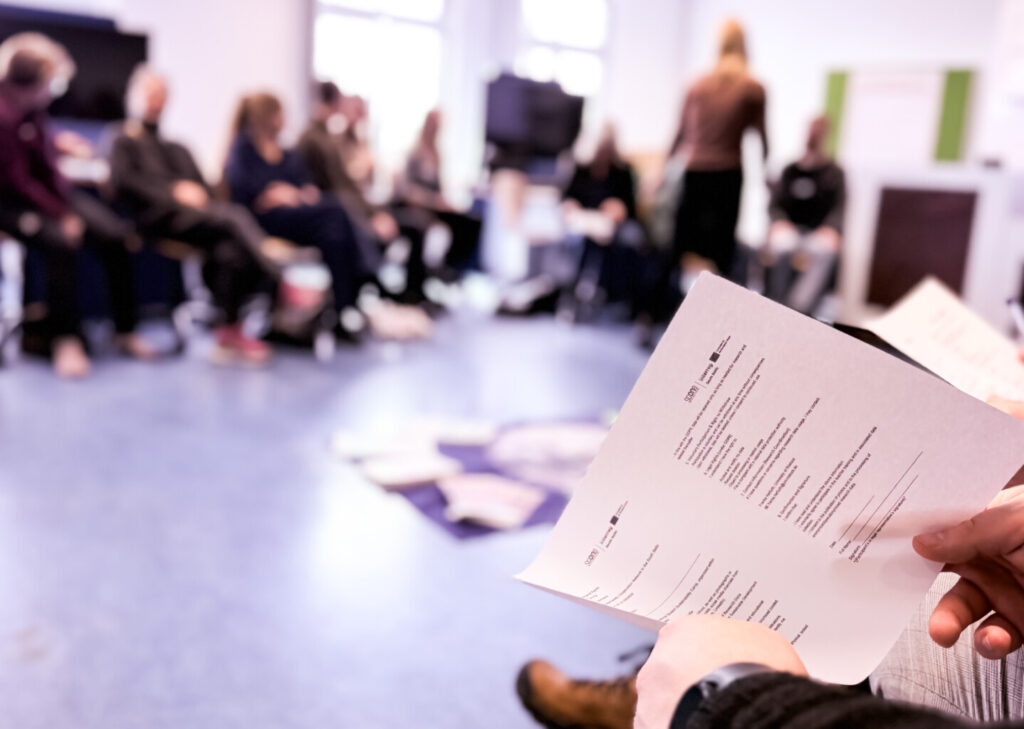
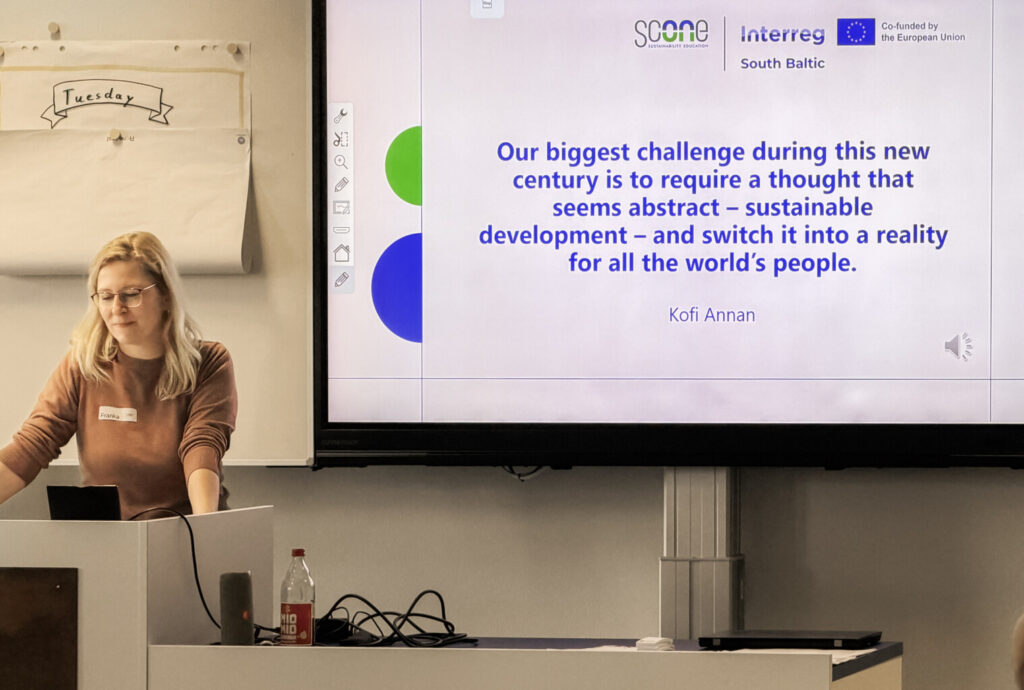
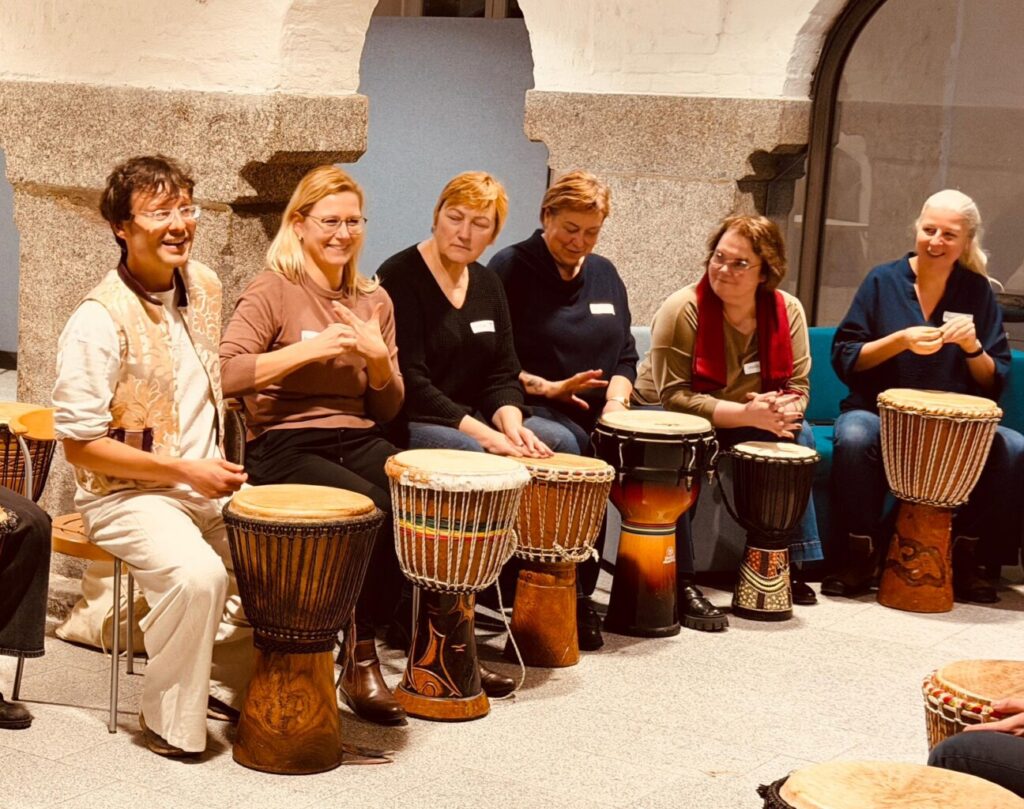
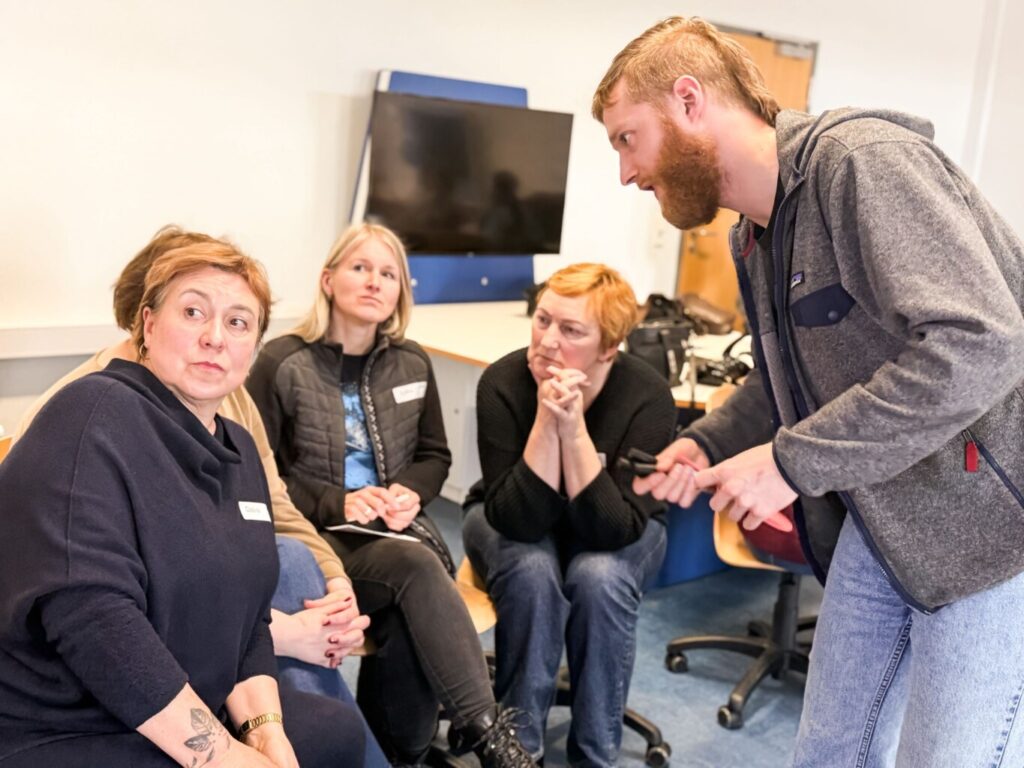
Drugi dzień szkolenia koncentrował się na łączeniu refleksji z konkretnym planowaniem działań w obszarze edukacji dla zrównoważonego rozwoju (ESD).
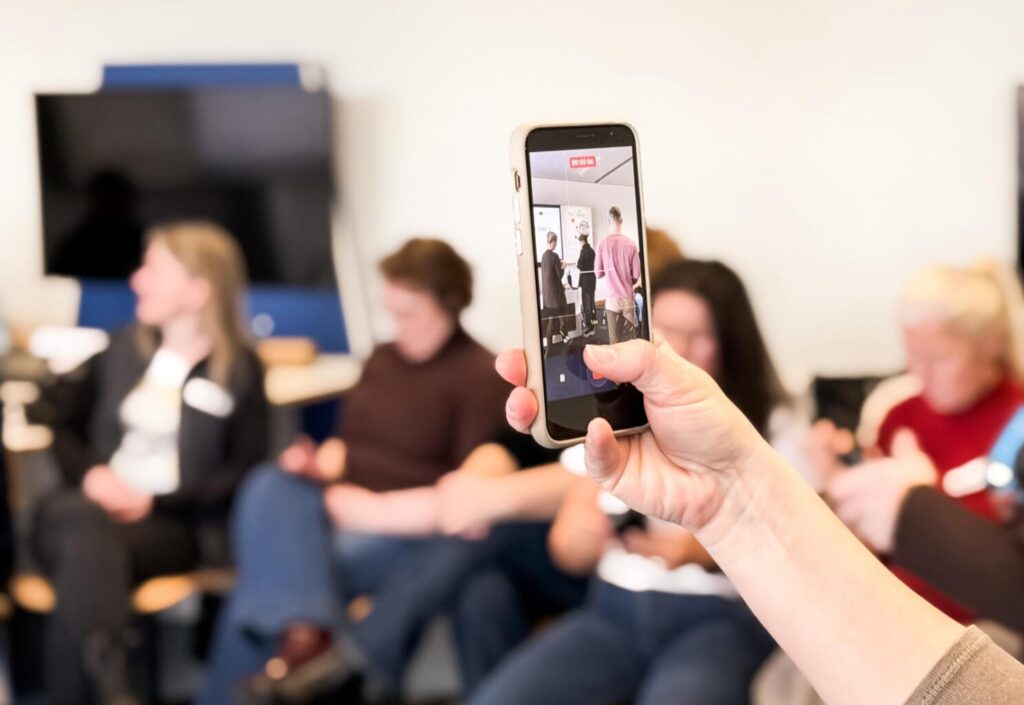
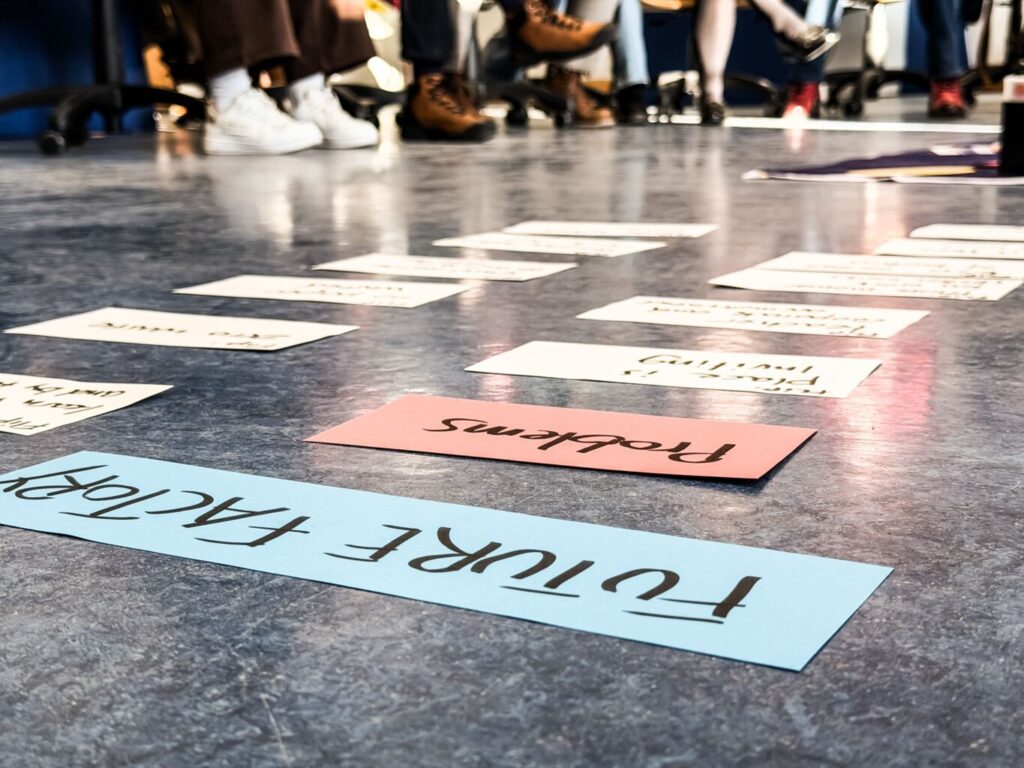
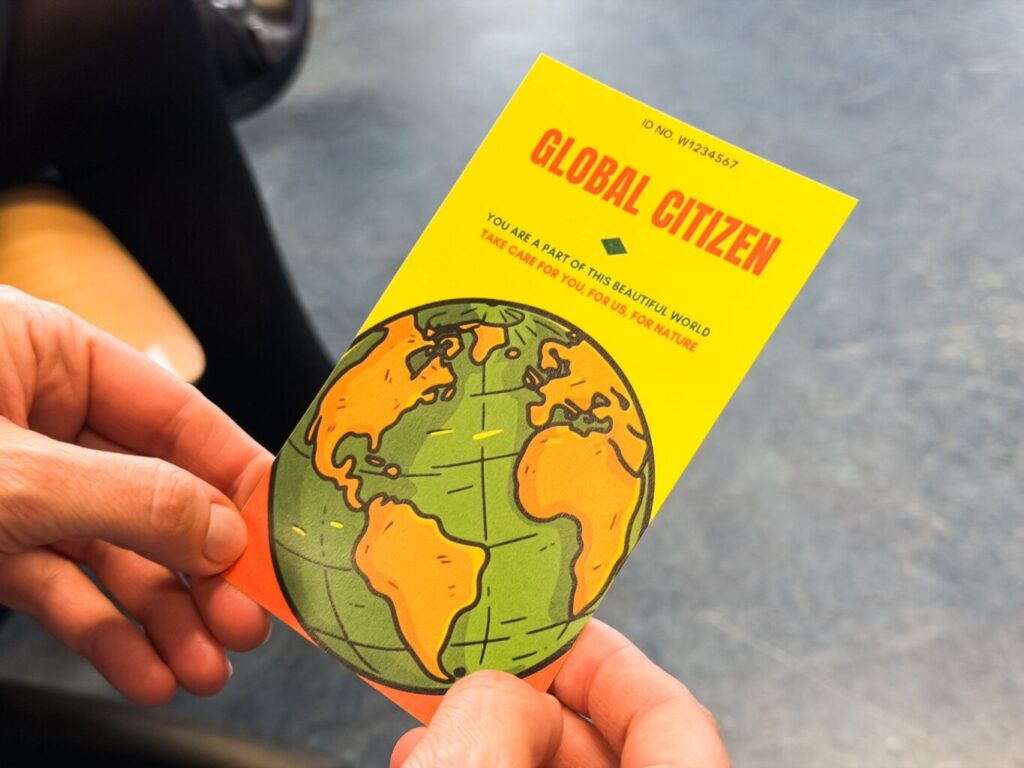
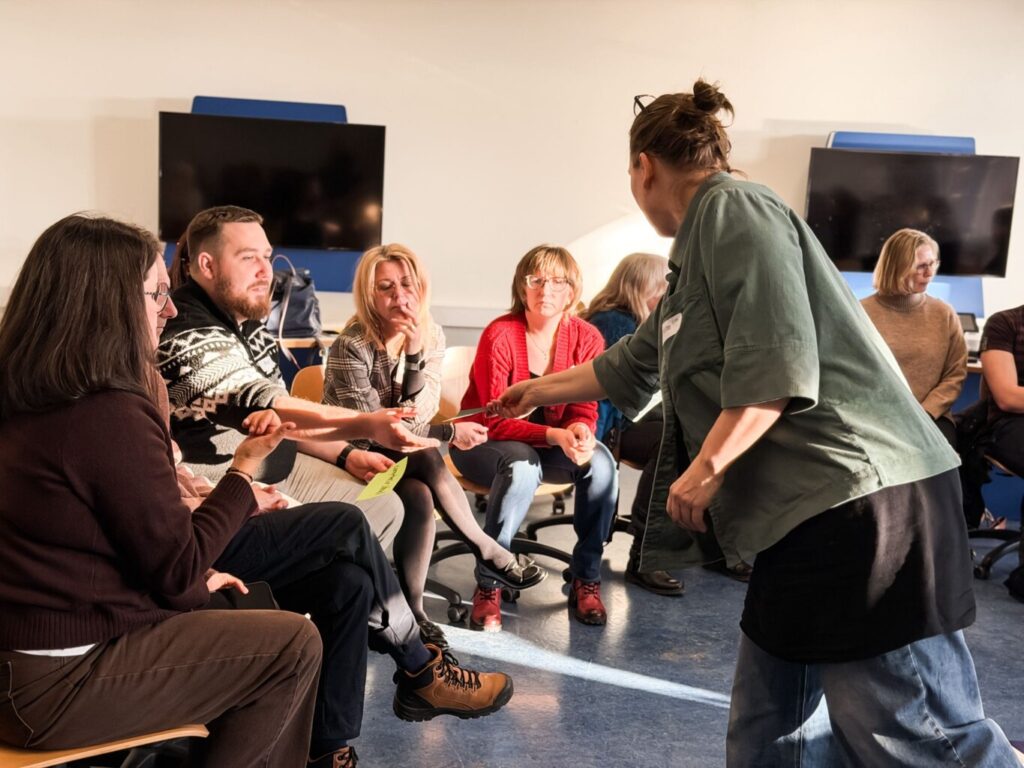
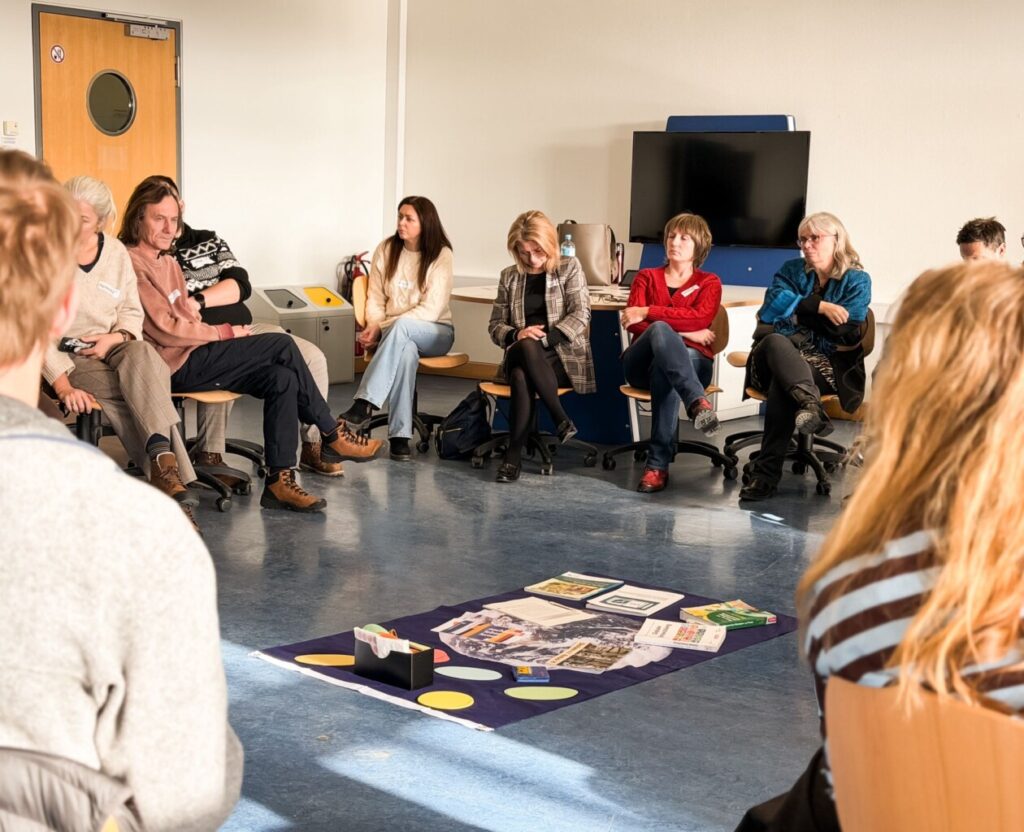
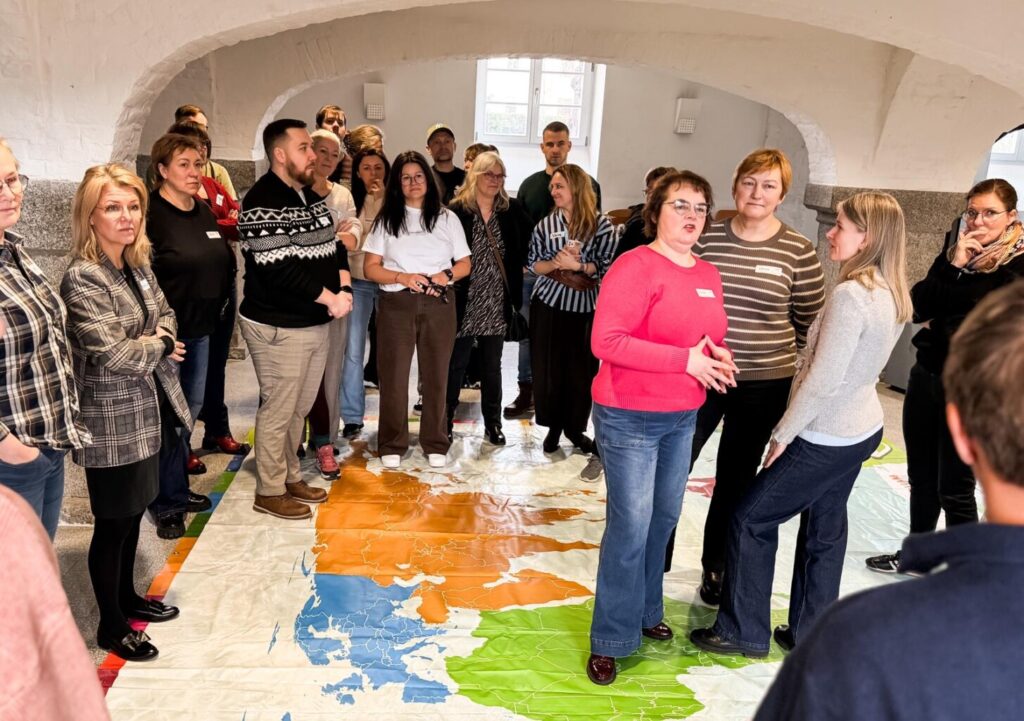
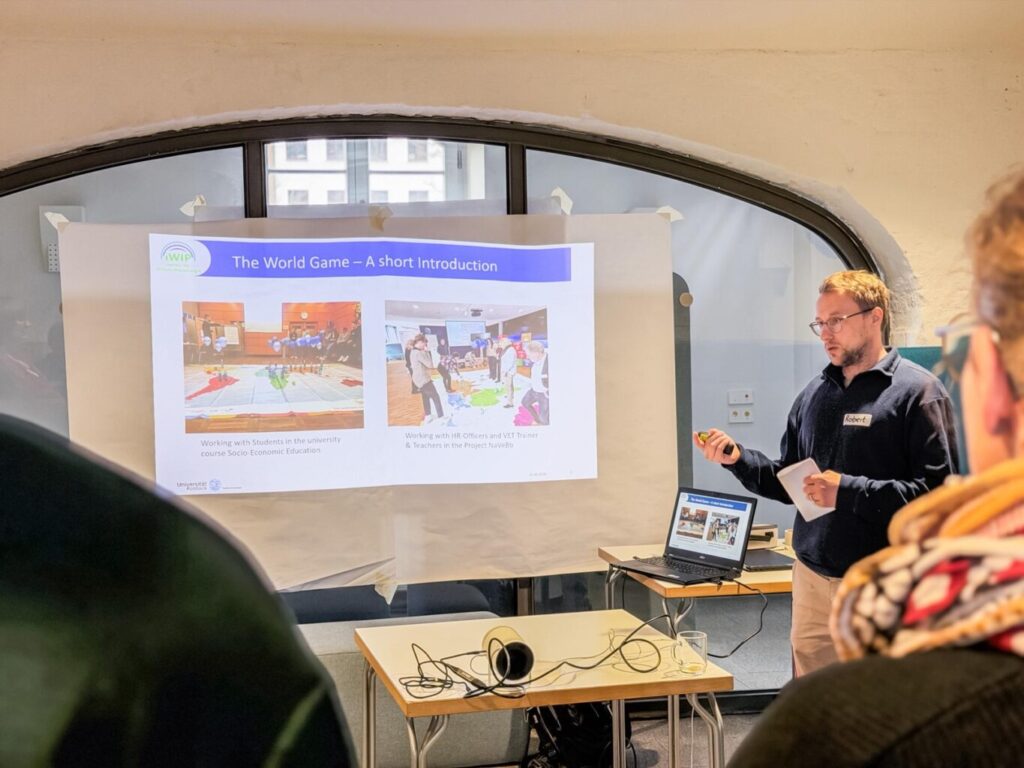
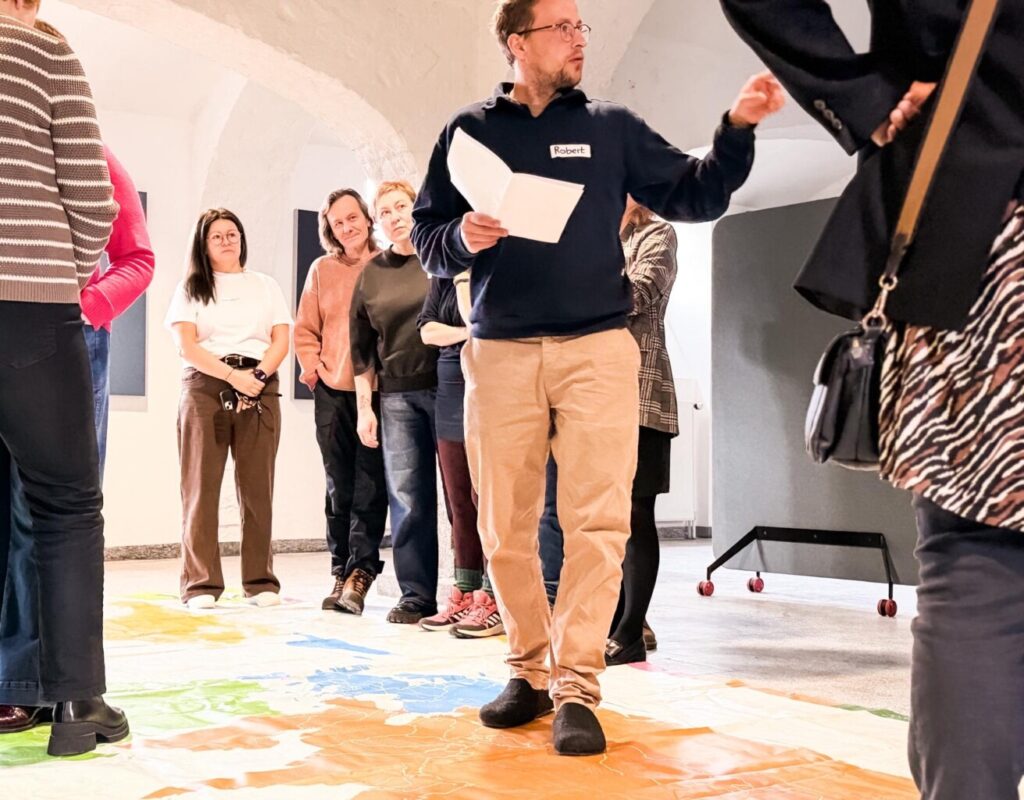
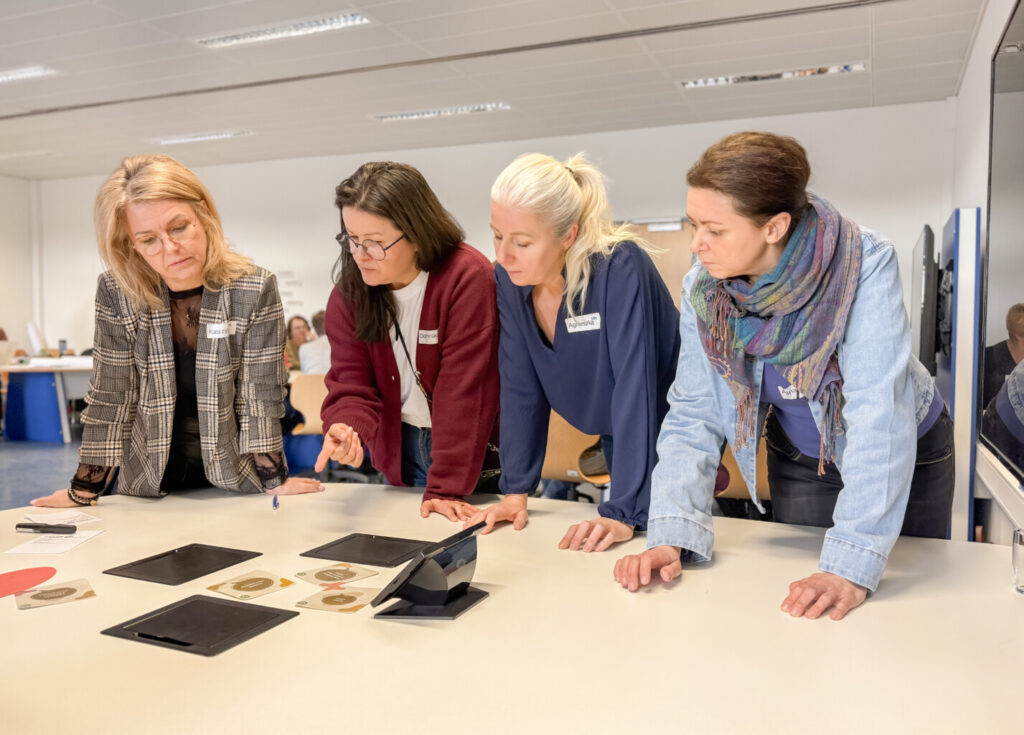
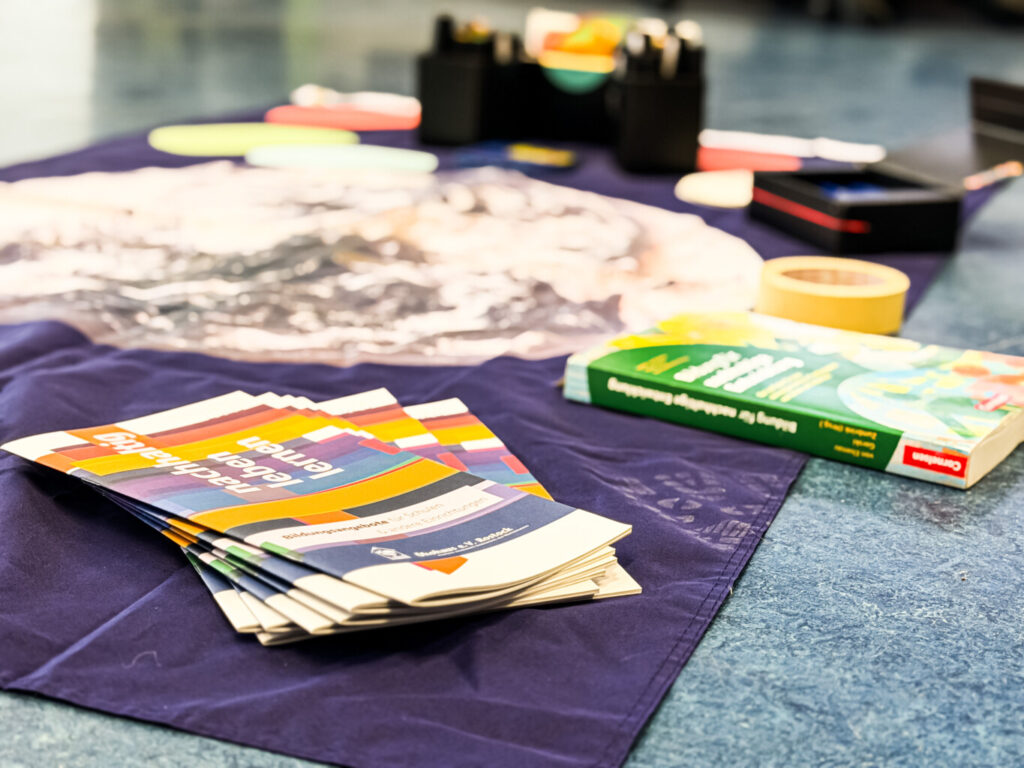
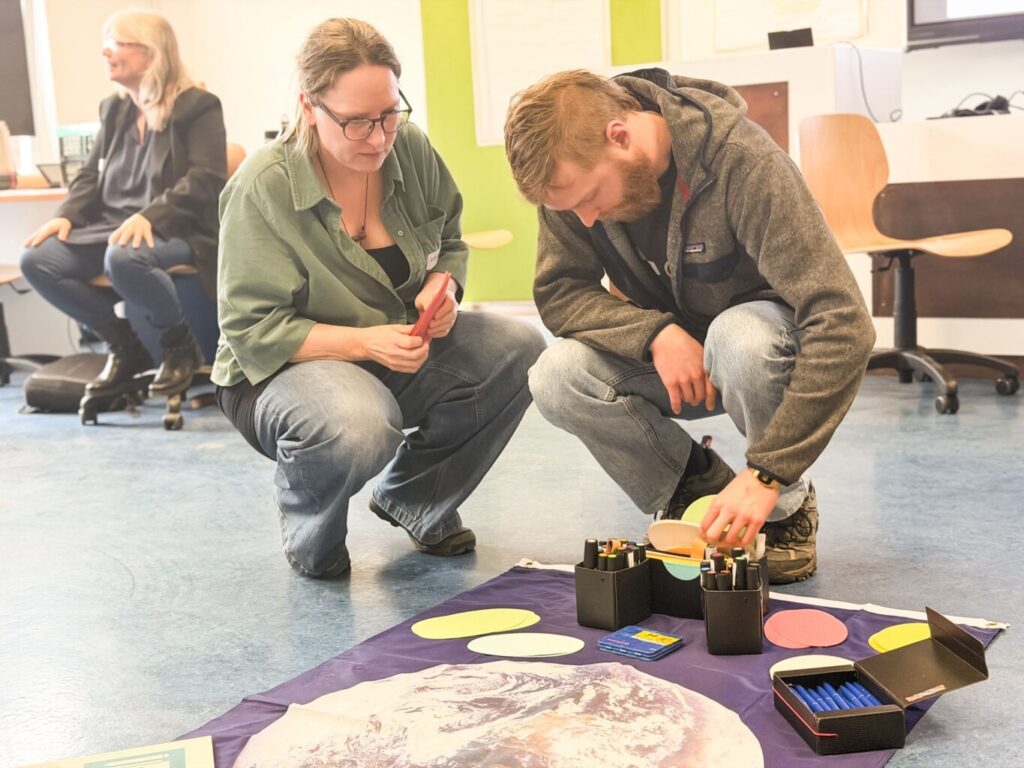
Gra „The World Game” stała się punktem wyjścia do rozmowy o globalnych współzależnościach, odpowiedzialności i złożoności wyzwań współczesnego świata. To doświadczenie otworzyło przestrzeń do myślenia systemowego.
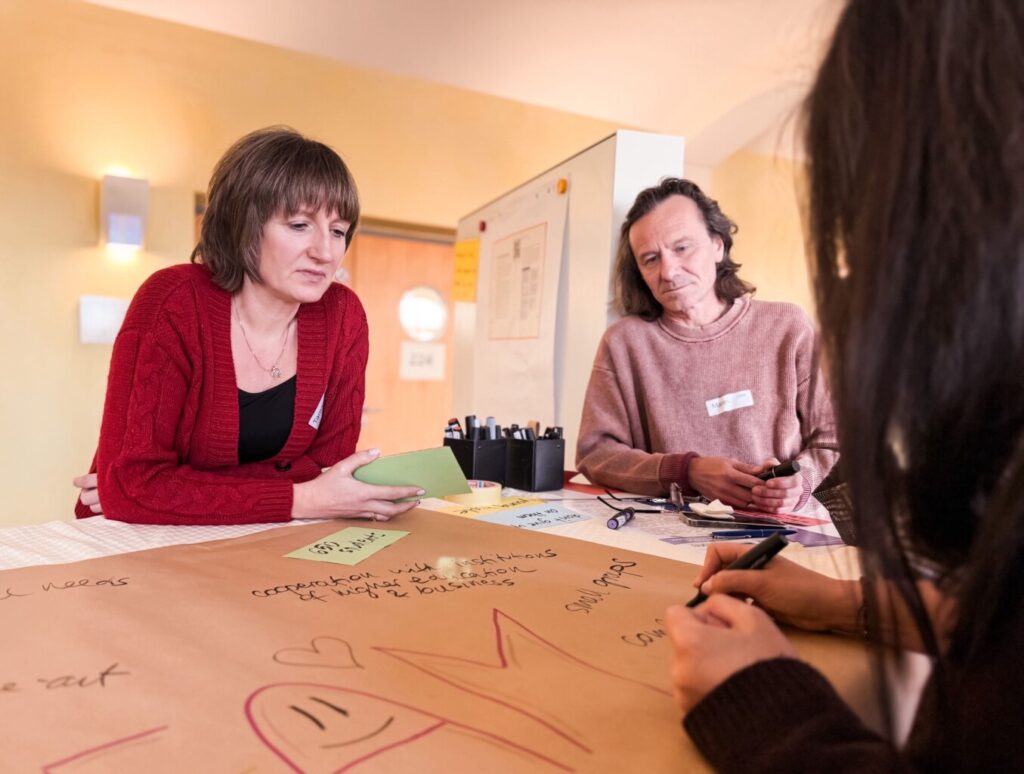
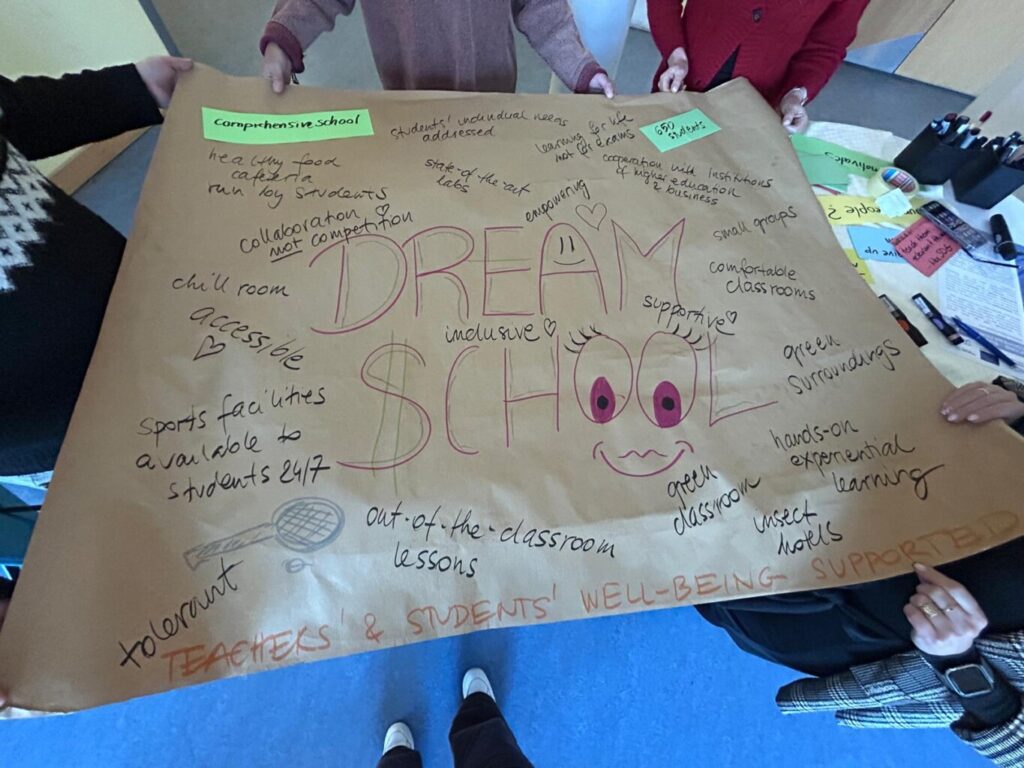
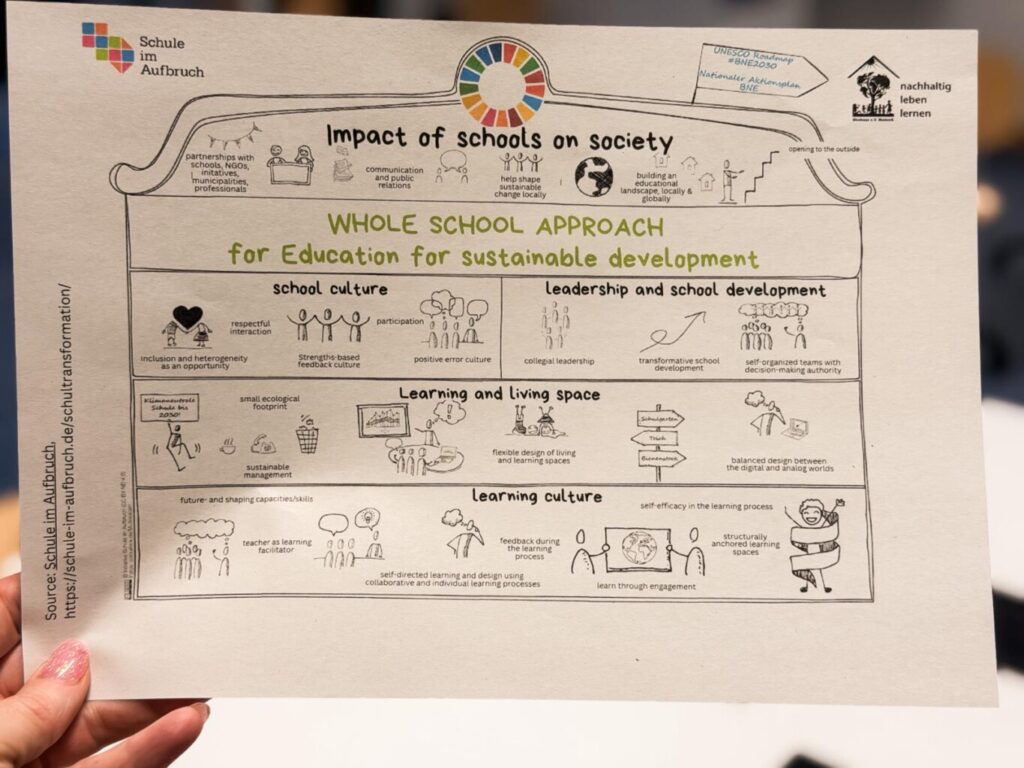
Uczestnicy przyjrzeli się ESD jako całościowemu podejściu edukacyjnemu oraz koncepcji Whole School Approach, która zakłada, że zmiana powinna obejmować wszystkie obszary funkcjonowania szkoły. Inspiracją był przykład Öko-Haus. Podczas warsztatu „Creating an ESD-School from scratch” powstawały wizje szkoły opartej na zasadach zrównoważonego rozwoju, analizowano bariery i planowano pierwsze kroki przed wdrażaniem zmian. Koncepcja „House of Change” pomogła uporządkować myślenie o procesie transformacji i określić, na jakim etapie znajdują się poszczególne szkoły.
To był dzień intensywnej pracy koncepcyjnej i strategicznej, pokazujący, że skuteczna edukacja dla zrównoważonego rozwoju wymaga zarówno wizji, jak i dobrze zaplanowanych działań.
SCONE - Jak uczyć o zrównoważonym rozwoju w praktyce - warsztaty dla nauczycieli w Rostocku
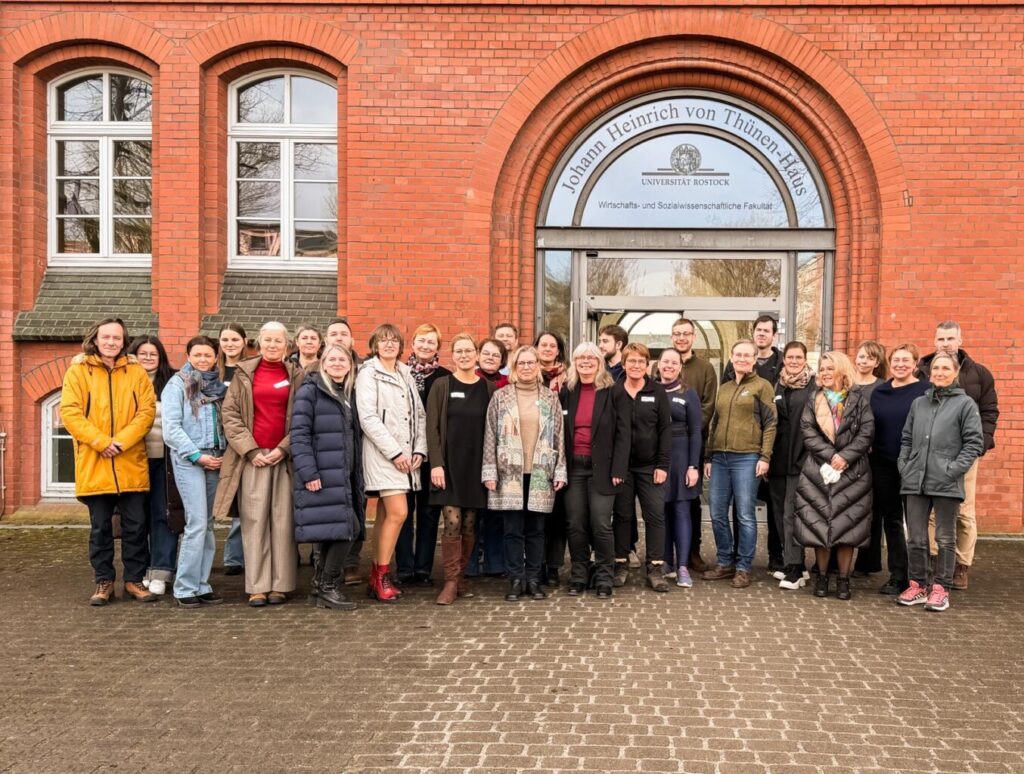
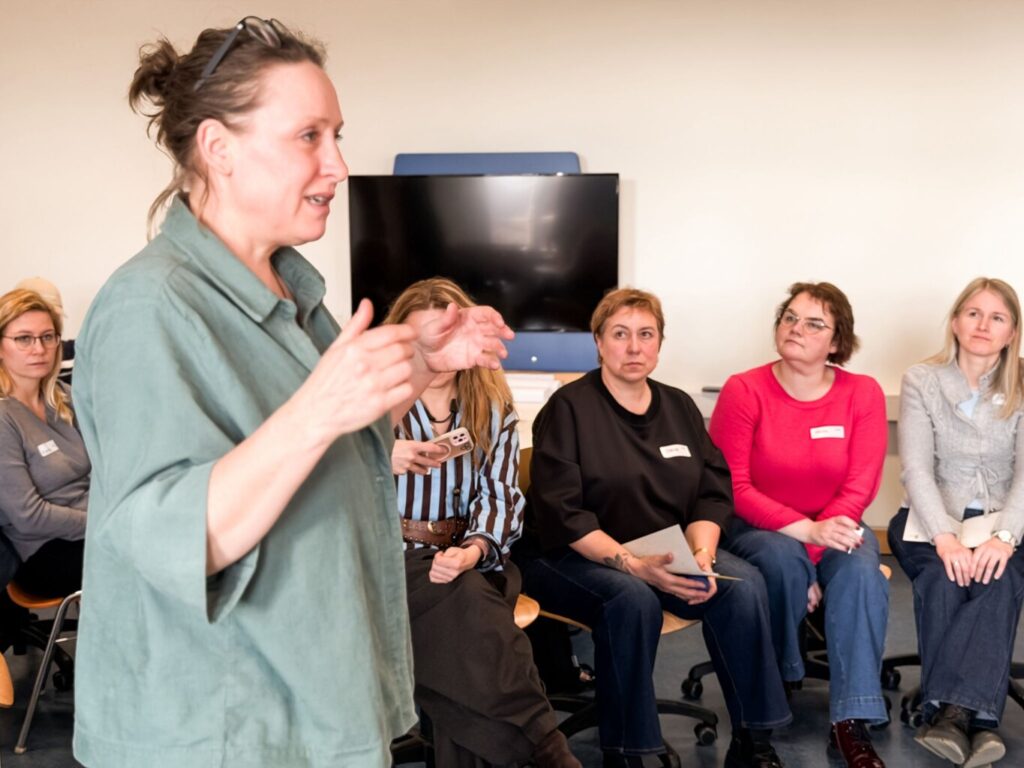
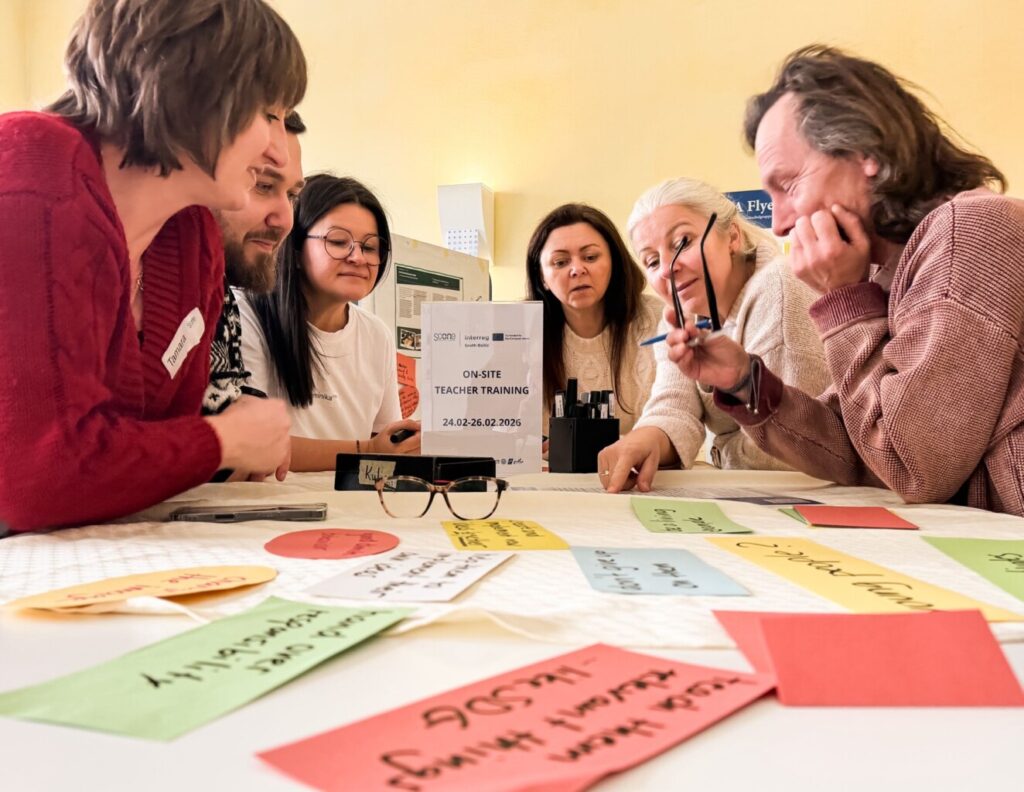
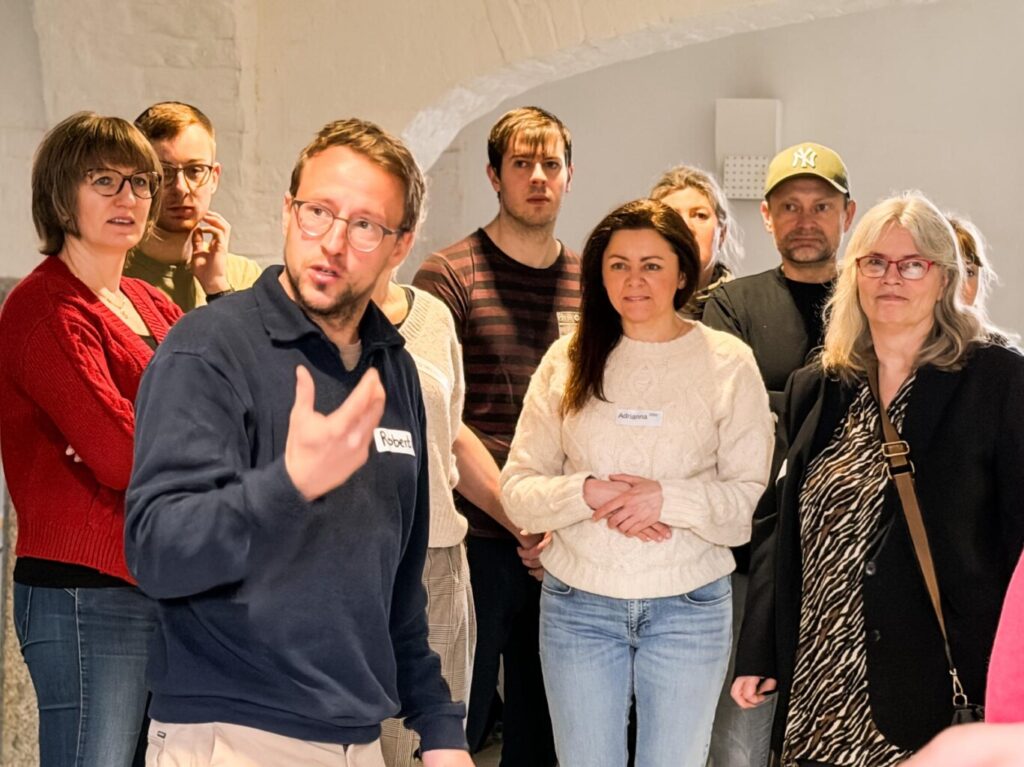
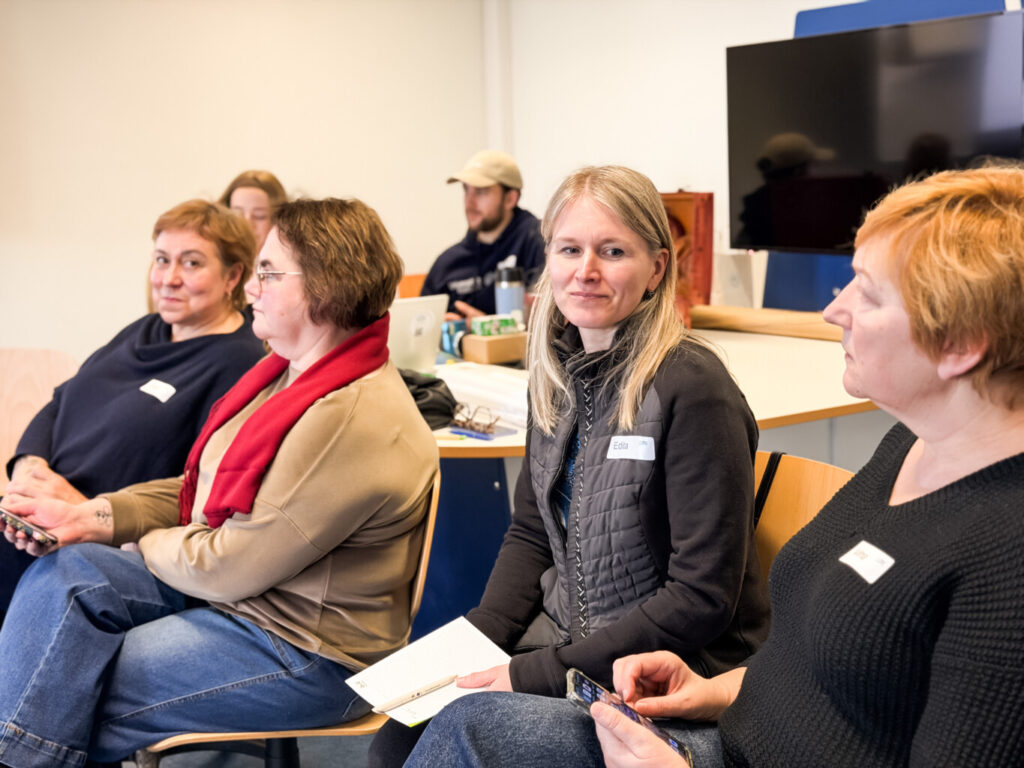
W dniach 24-26 lutego nauczyciele z Danii, Niemiec, Litwy i Polski uczestniczą w warsztatach dotyczących tematyki wdrażania edukacji na rzecz zrównoważonego rozwoju w codziennym funkcjonowaniu szkoły. Wydarzenie obywa się w Rostocku, a za część merytoryczną odpowiada Uniwersytet w Rostocku.
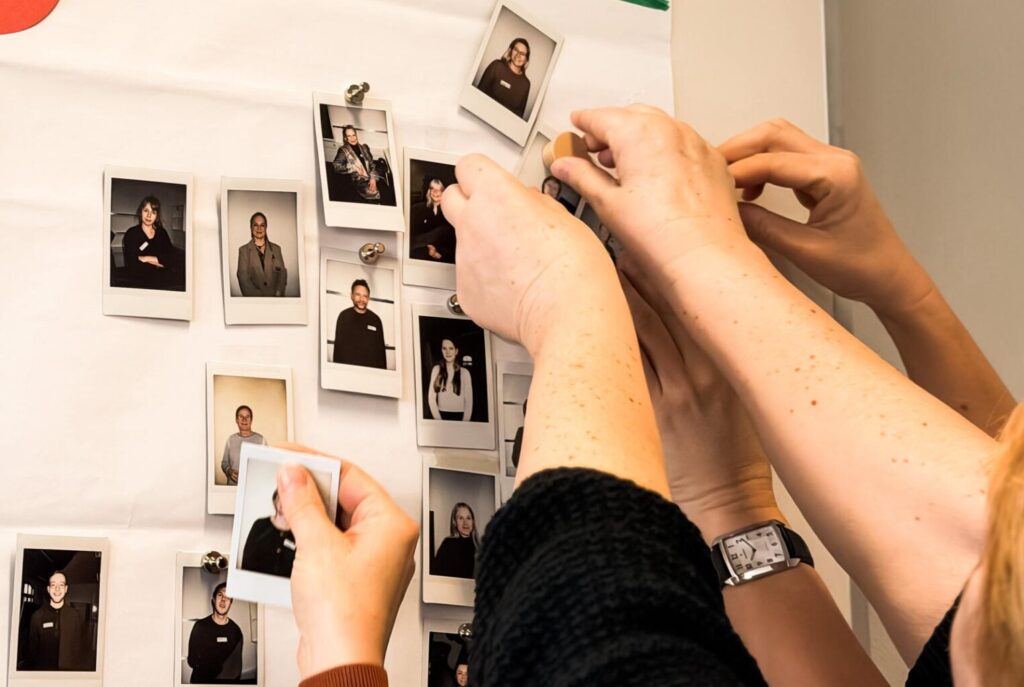
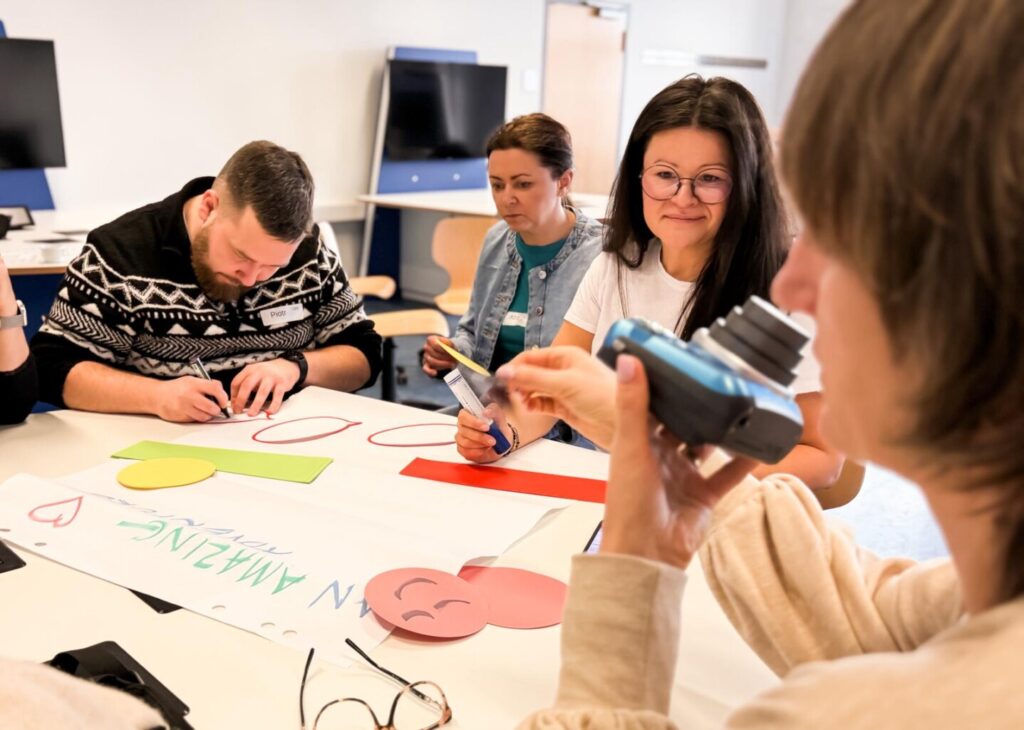
Pierwszy dzień wydarzenia rozpoczęliśmy od pracy nad European Sustainability Competence Framework, analizowaliśmy, jakie kompetencje są kluczowe w edukacji dla zrównoważonego rozwoju. Następnie skupiliśmy się na wartościach stojących za ESD i ich praktycznym wymiarze w codziennym funkcjonowaniu szkoły.
Ważnym elementem programu była sesja dotycząca psychologii climate anxiety i rozmowy o tym, jak pracować z lękiem i niepewnością uczniów w kontekście kryzysu klimatycznego. Był też czas na warsztatową wymianę doświadczeń i wspólne wypracowywanie rozwiązań.
To był intensywny i merytoryczny dzień, który wyznaczył kierunek naszej dalszej pracy.
SCONE - Kreatywne nauczanie dla zrównoważonego rozwoju
12 stycznia 2026 r. odbyło się kolejne webinarium dla nauczycieli realizowane w ramach projektu SCONE. Spotkanie zgromadziło partnerów projektu, nauczycieli, uczniów oraz studentów z krajów regionu Morza Bałtyckiego.
W wydarzeniu uczestniczyli przedstawiciele:
CELF – Center for Vocational Education Lolland Falster
University College Absalon
University of Rostock
Rietavas Laurynas Ivinskis Gymnasium
PI Rietavas Tourism and Business Information Centre
Stowarzyszenia Gmin RP Euroregion Bałtyk
W spotkaniu uczestniczyli również uczniowie i nauczyciele z polskich szkół:
II Liceum Ogólnokształcącego w Elblągu,
Zespołu Szkół Technicznych w Elblągu,
VI Liceum Ogólnokształcącego w Gdańsku.
Tematem webinarium było „Kreatywne nauczanie na rzecz zrównoważonego rozwoju: praktyczne działania i projekty, takie jak symulacje, odgrywanie ról oraz nauka w terenie, które aktywnie angażują uczniów.”
Wykład poprowadziła Dorrit Hansen, doświadczona edukatorka nauczycieli, która przedstawiła praktyczne metody angażowania uczniów poprzez aktywne formy nauki oraz omówiła znaczenie tworzenia warunków sprzyjających osiąganiu stanu „flow” w procesie edukacji.
Uczestnicy poznali przykłady kreatywnych metod dydaktycznych wspierających edukację na rzecz zrównoważonego rozwoju, rozwijających poczucie sprawczości, zaangażowanie oraz nadzieję na przyszłość.
Dziękujemy wszystkim uczestnikom za aktywny udział i inspirującą wymianę doświadczeń!