SB Nudging - National workshop to identify how polish municipalities want to work with nudging in regular project
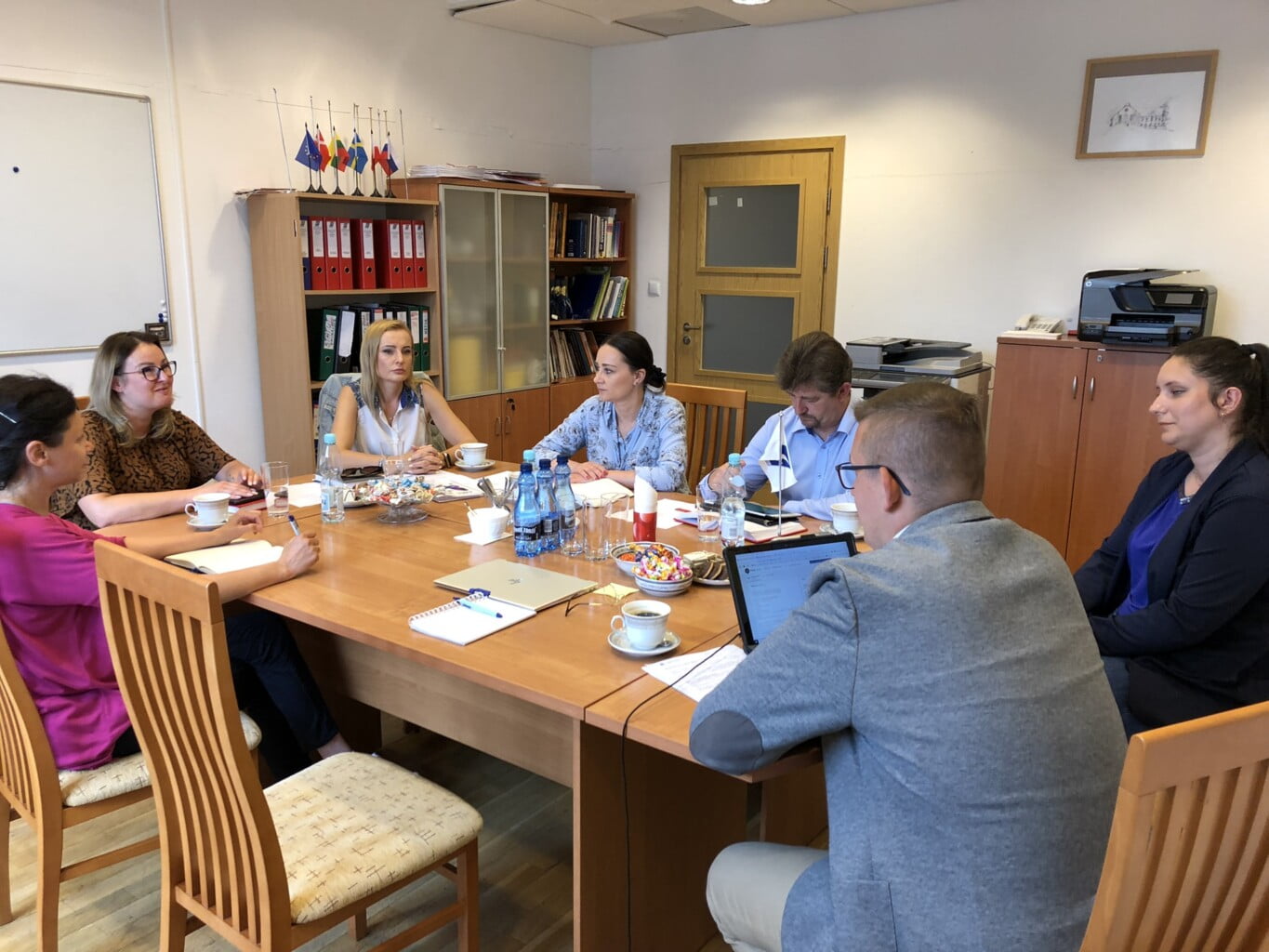
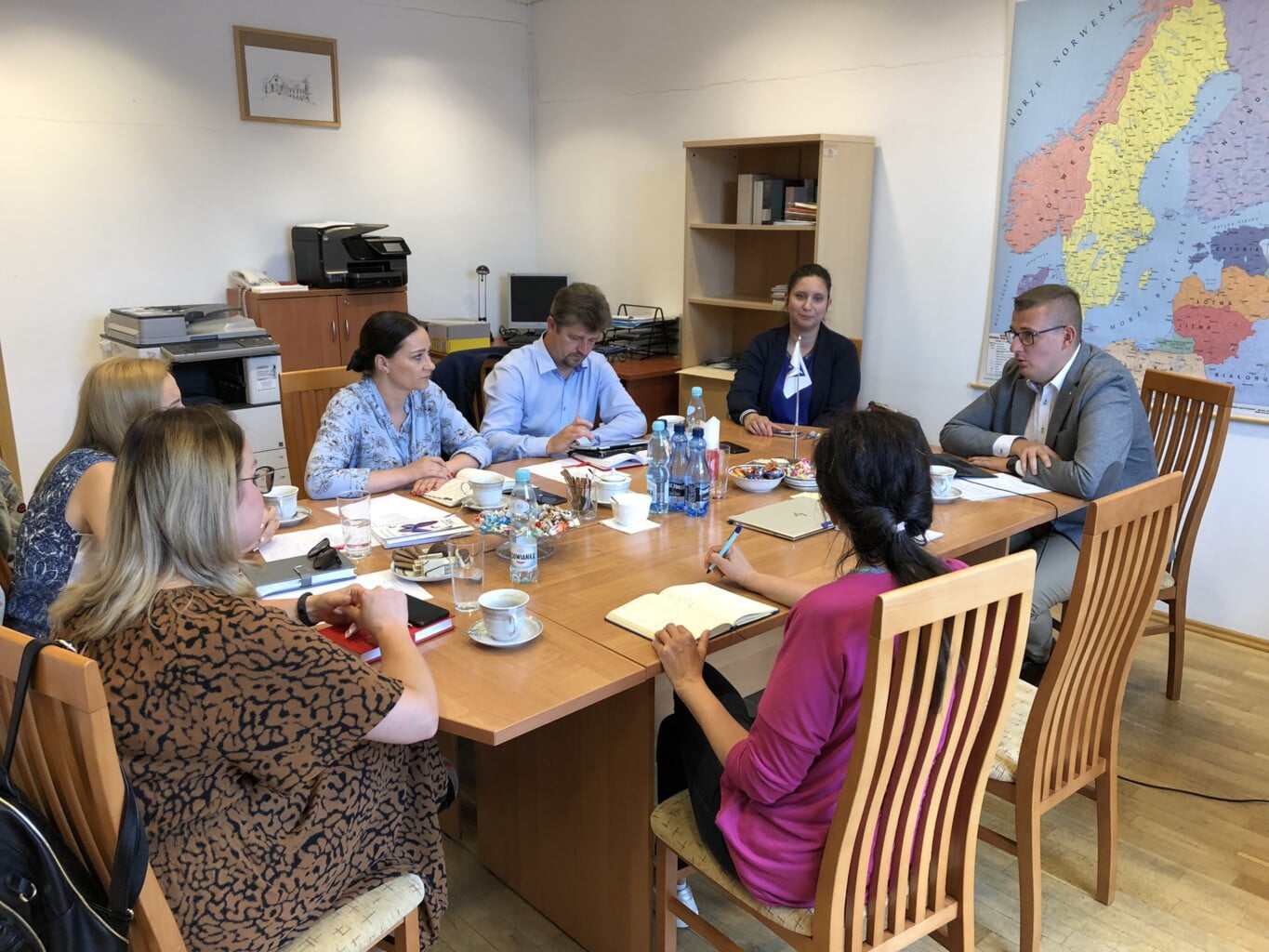
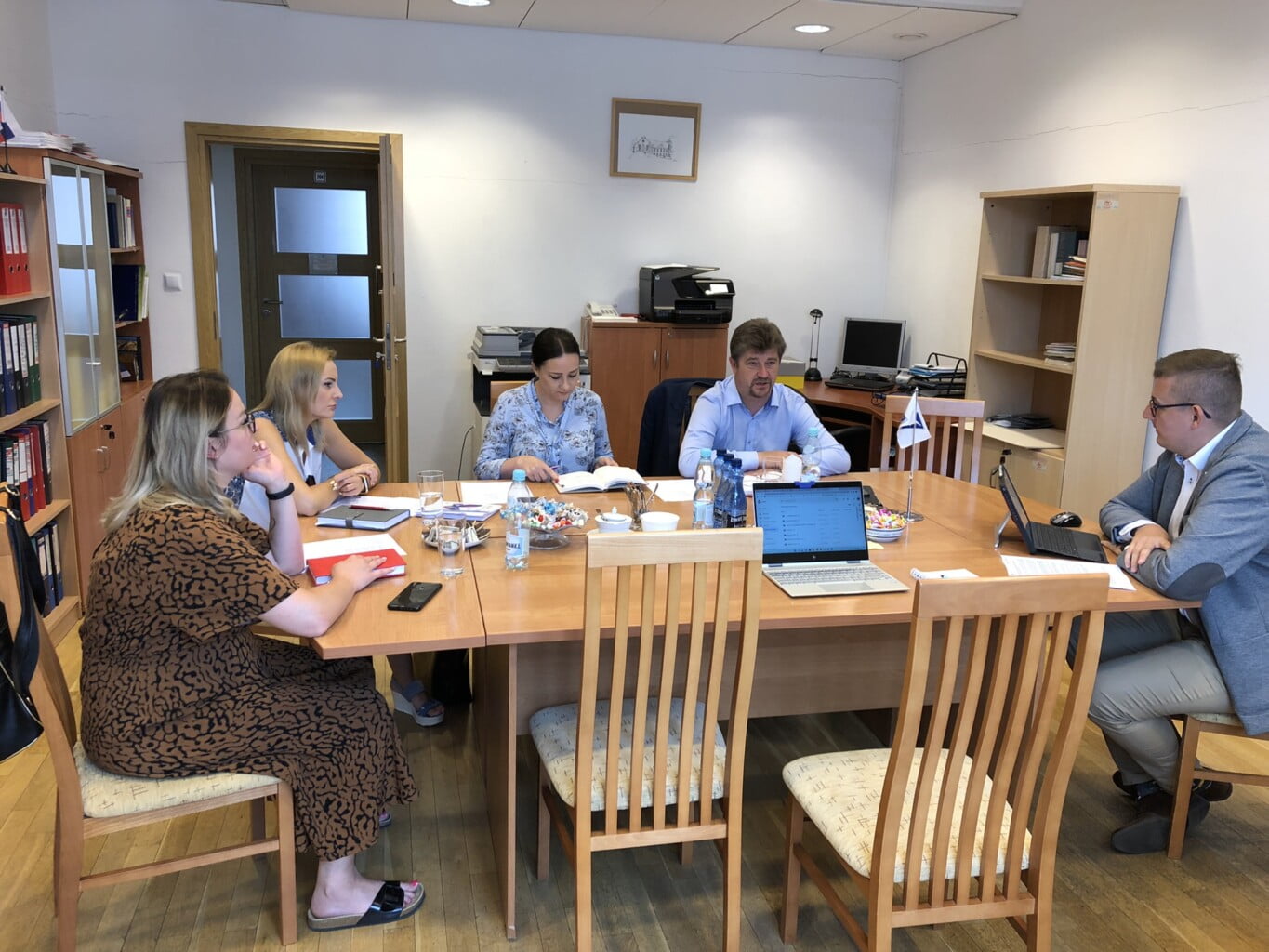
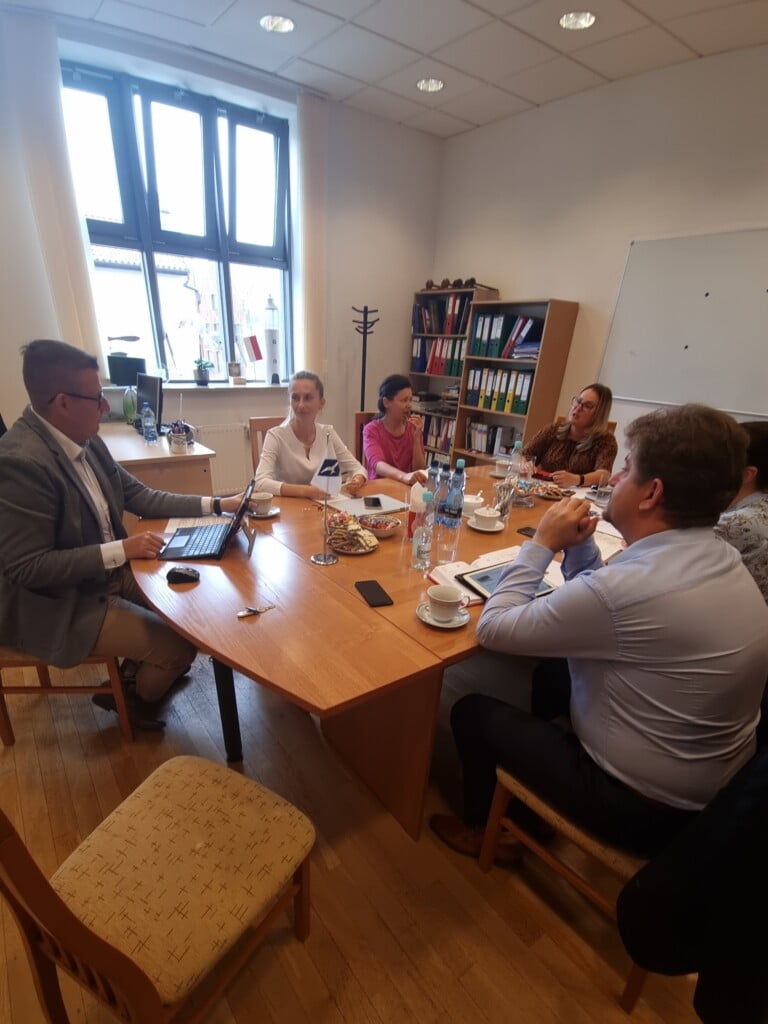
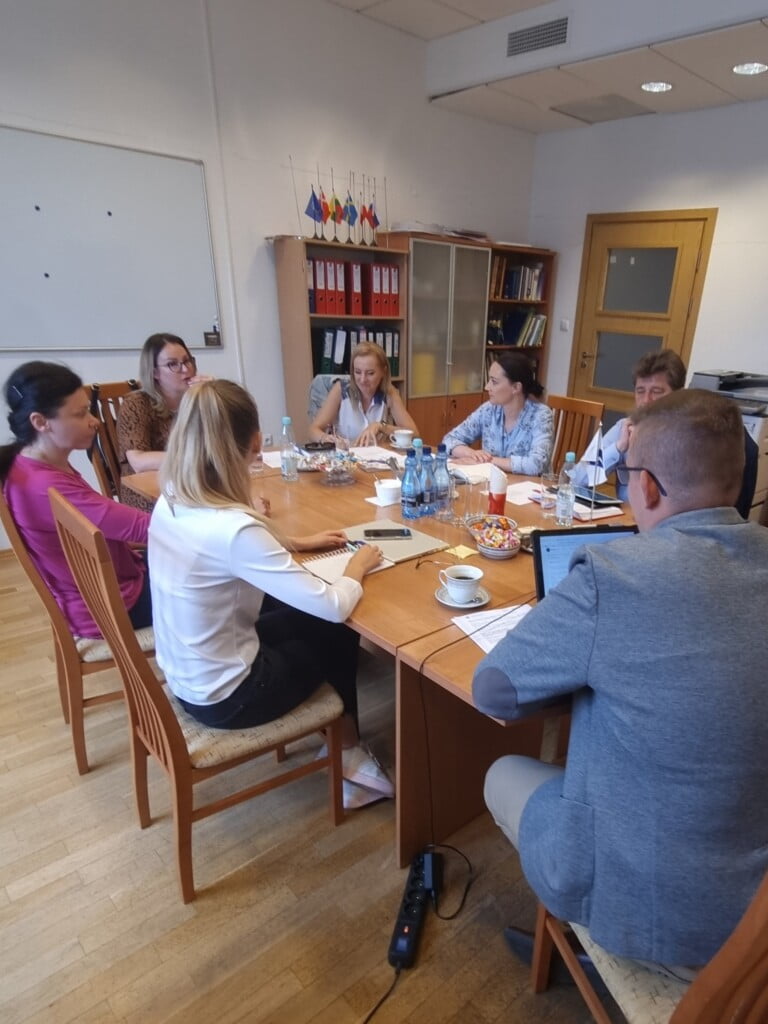
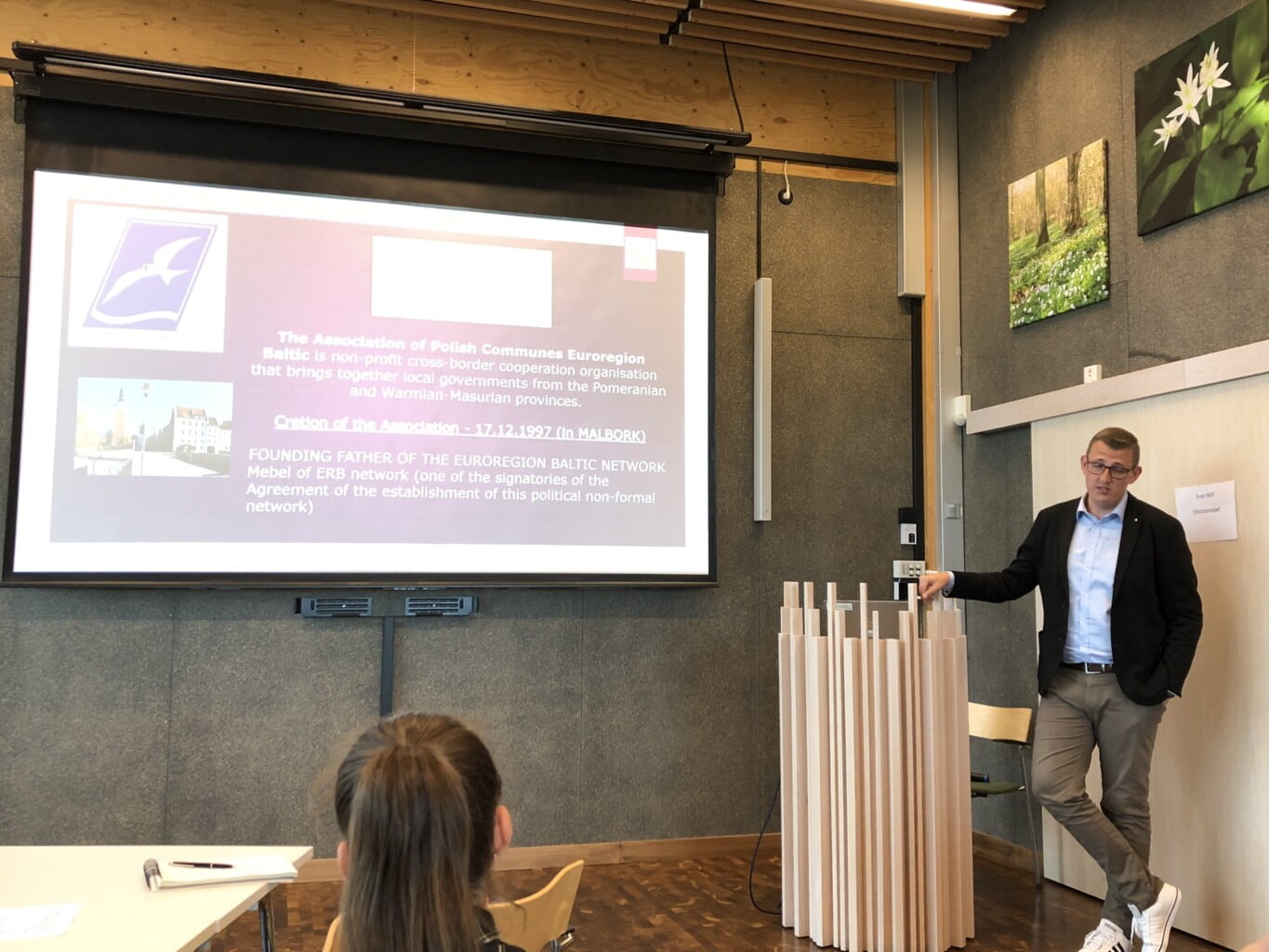
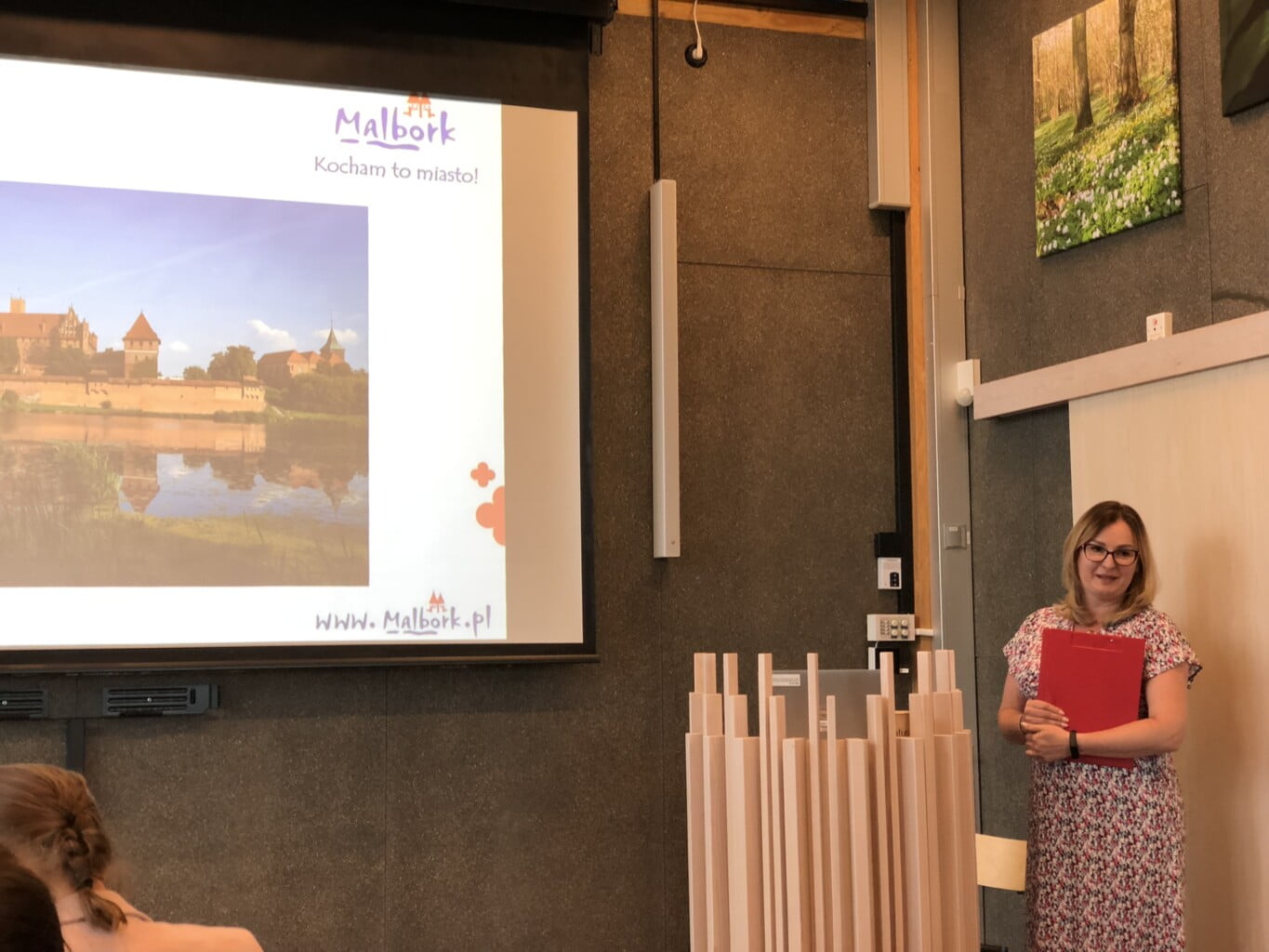
As part of the activity related to the organization of the national workshop and individual consultations, on 7 July 2022 took place meeting with the future partner of the regular project from the City of Malbork. During the brainstorming session and joint talks, the ideas of Malbork's representatives and additional ideas and possibilities of activities in the project were presented by the Association's representatives who were after the meeting with the partners of the seed money project.
Actions proposed by the City of Malbork:
1. Analysis of the type of garbage - research. Study visits of representatives of the authorities and people responsible for sorting rubbish in Malbork
2. Collecting plastic by residents and schools (processing into installations and furniture printed in 3D)
3. Conducting classes for children in schools and association research
4. Segregation of garbage in public places based on intuitive garbage cans printed from plastic using the 3D method
5. Changing the city's policy to be more "eco"
6. Notifications about organized actions in the "Blisko" application
7. Challenge actions to encourage residents
The city of Malbork in the SB Nudging project will try to operate in the area of culture as well as tourist and bicycle paths. It is a proposal of both the Association and the City of Malbork to combine these two sectors, which in the case of the city can be combined.
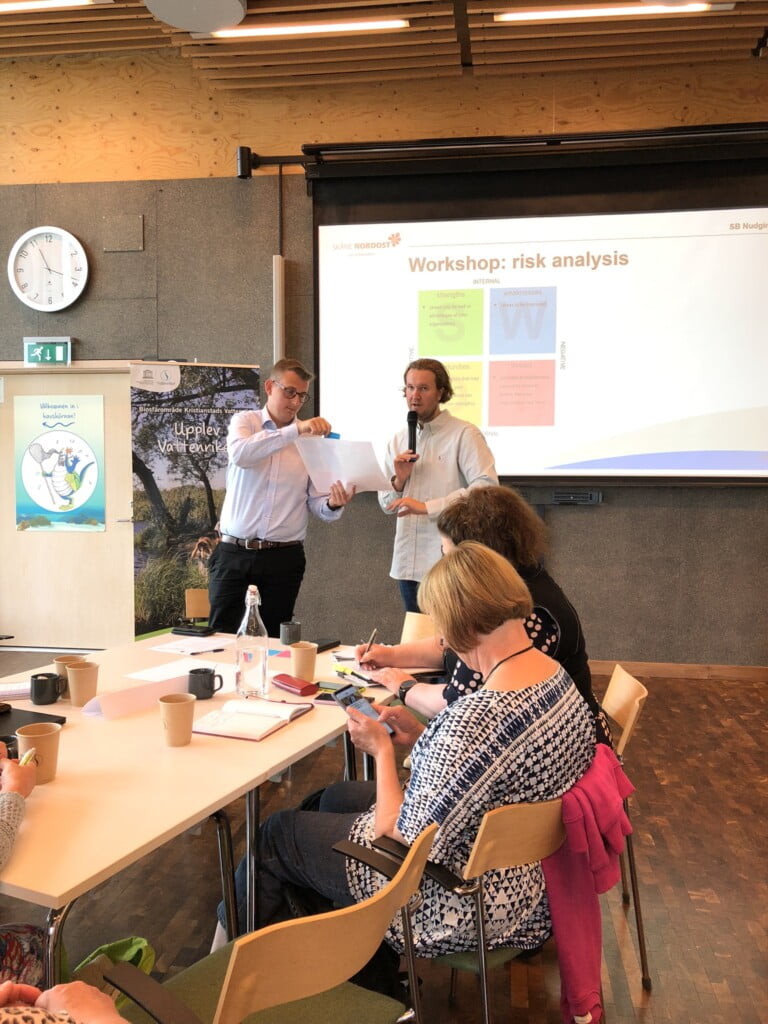
SB Nudging - workshop in Sweden 22-23.06.22
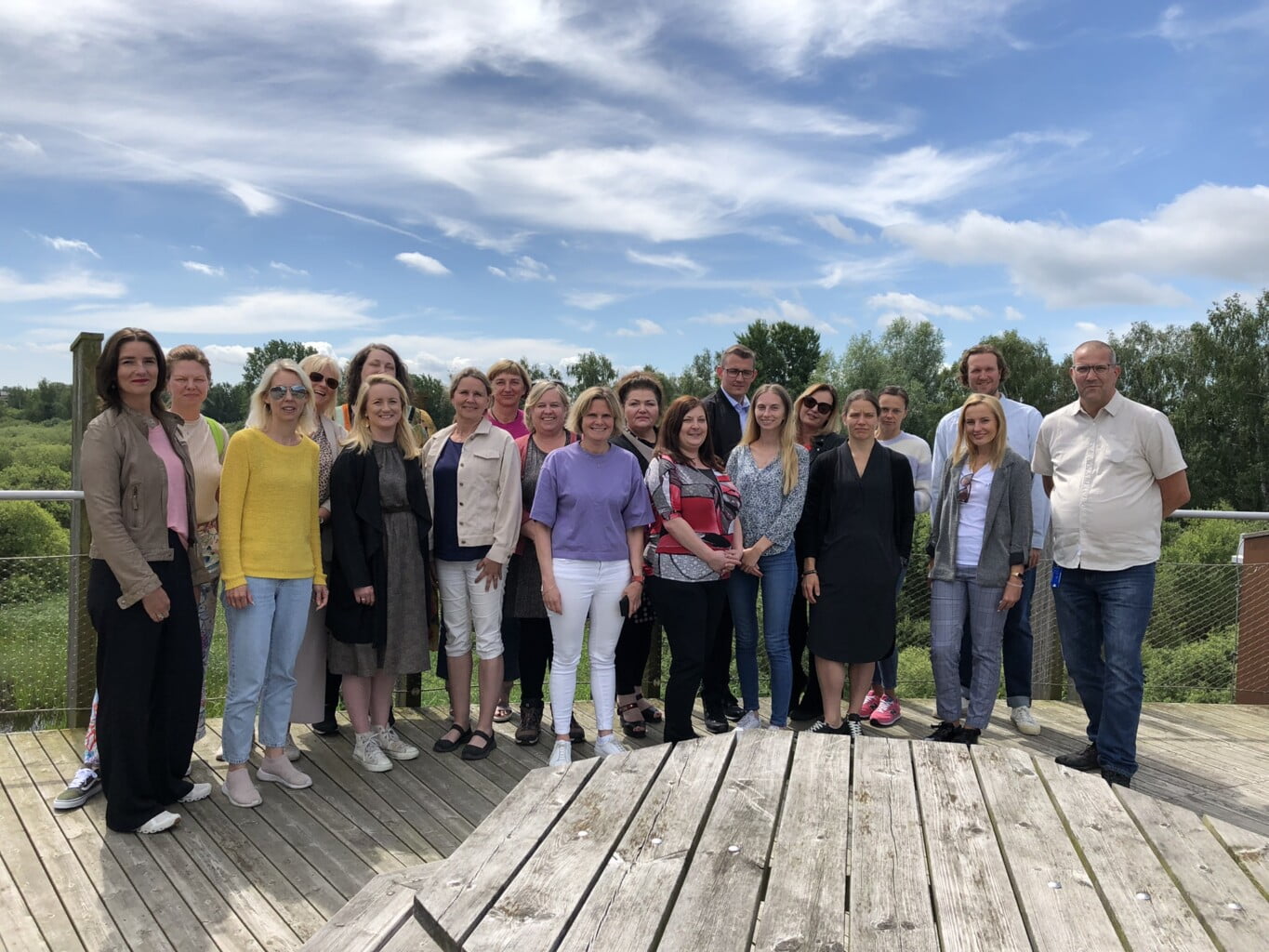
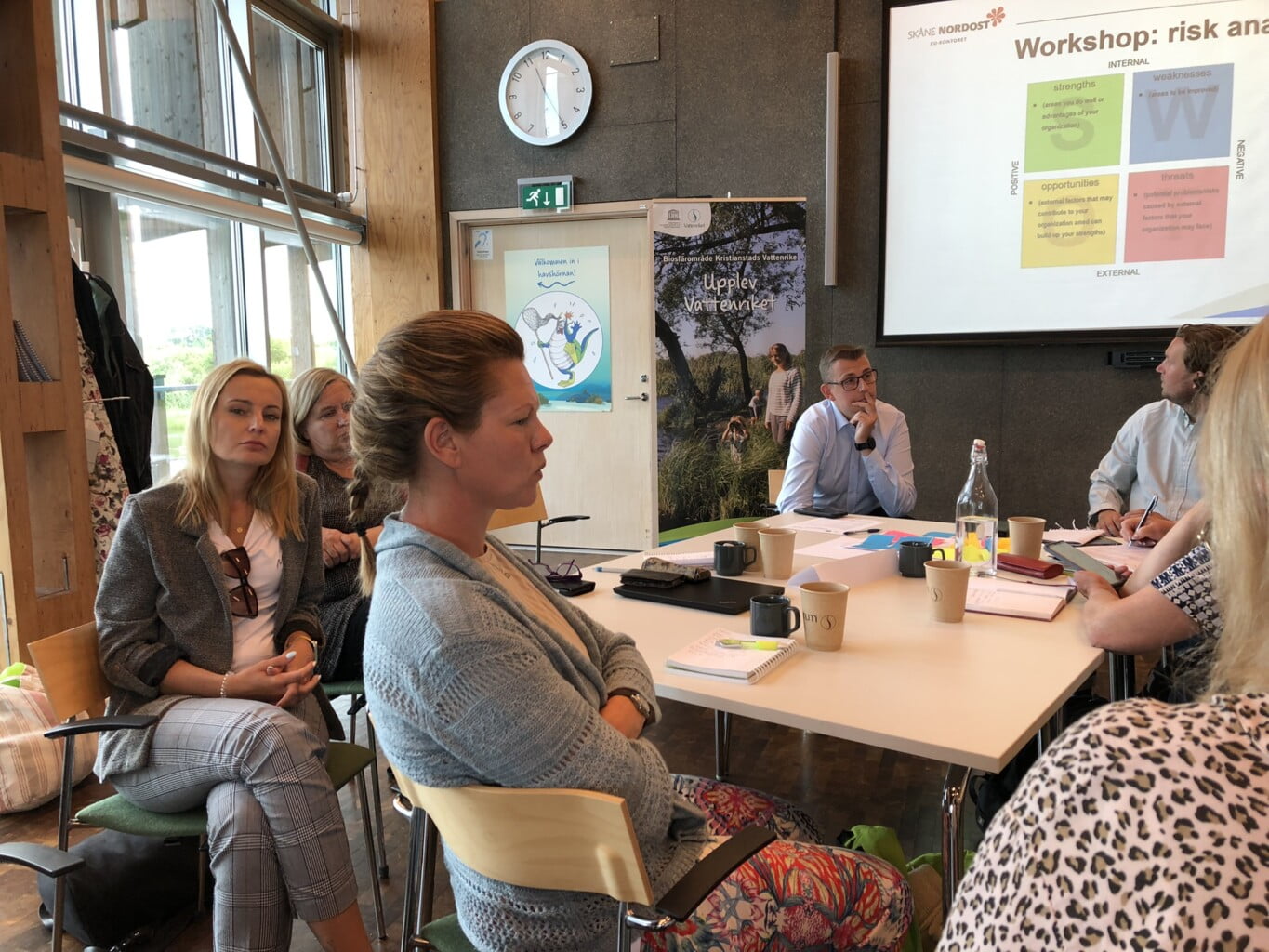
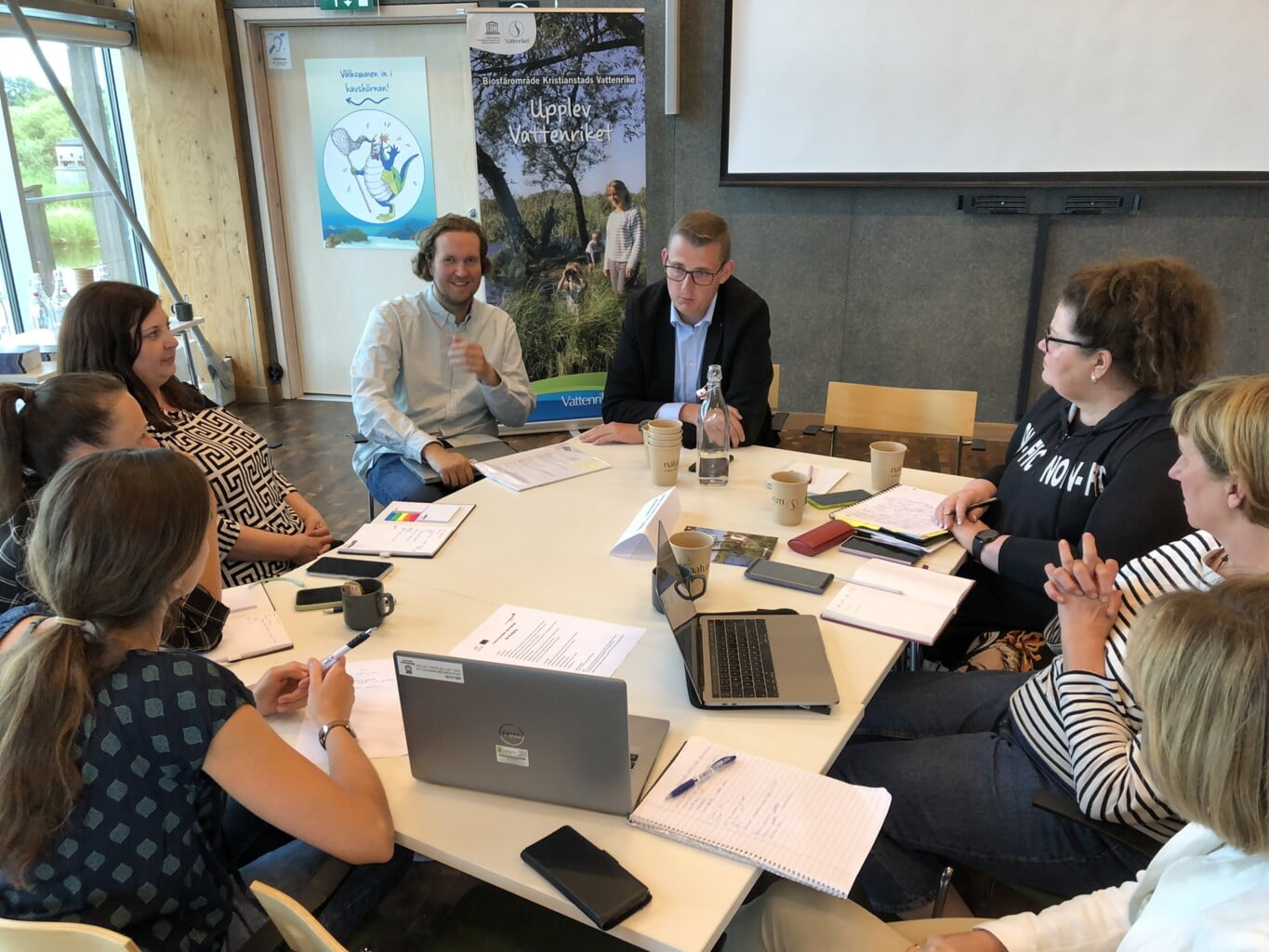
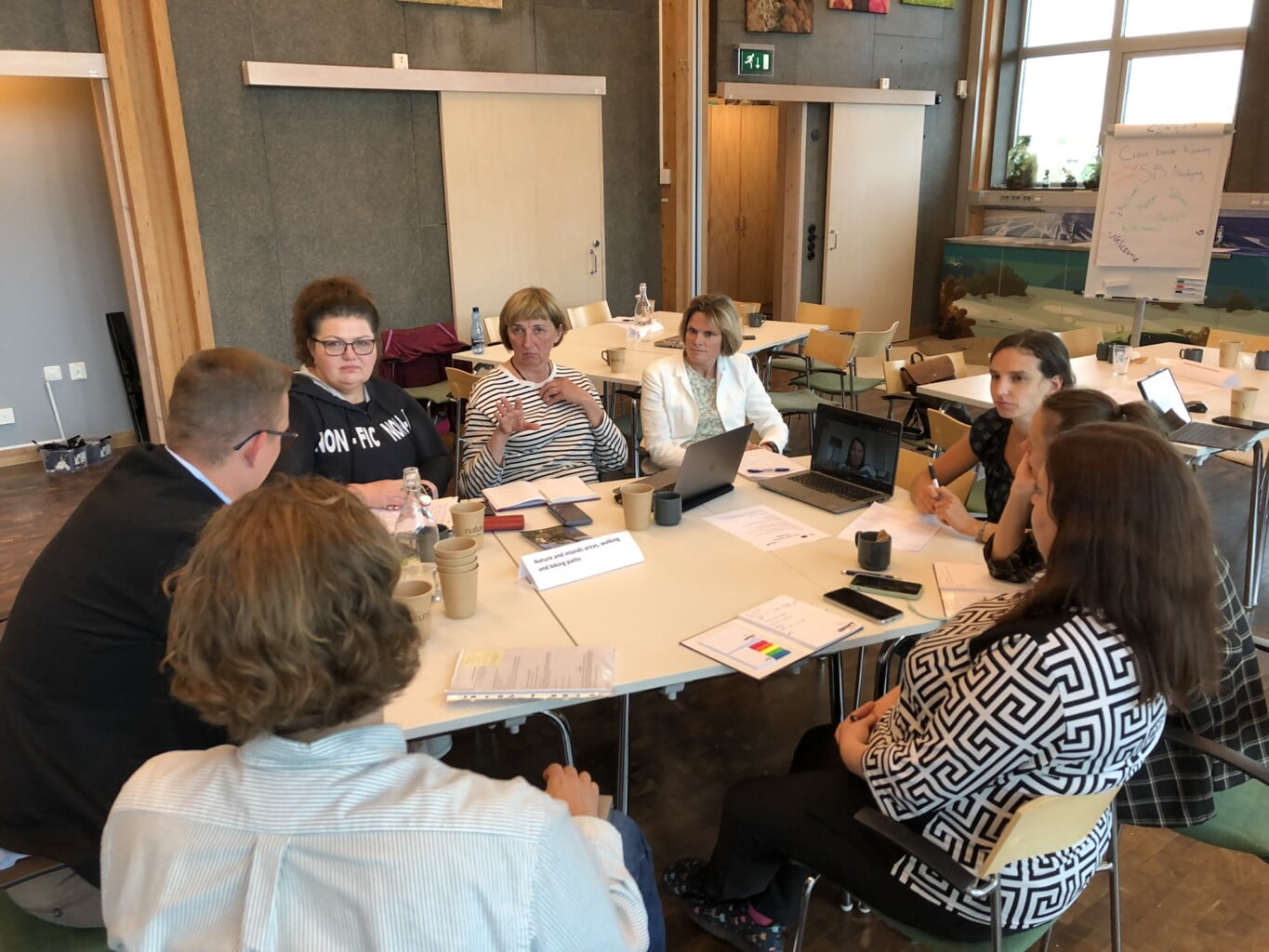
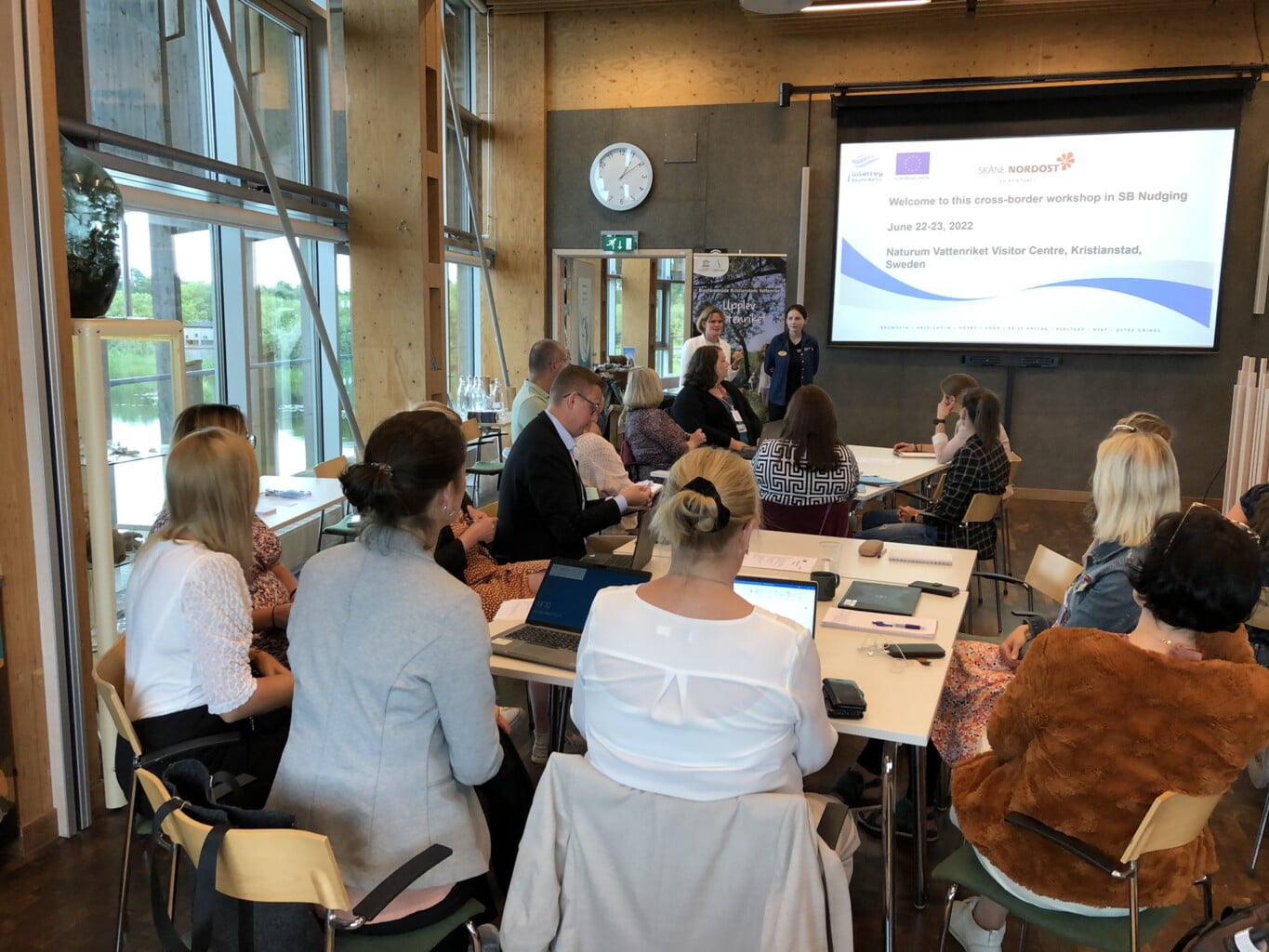
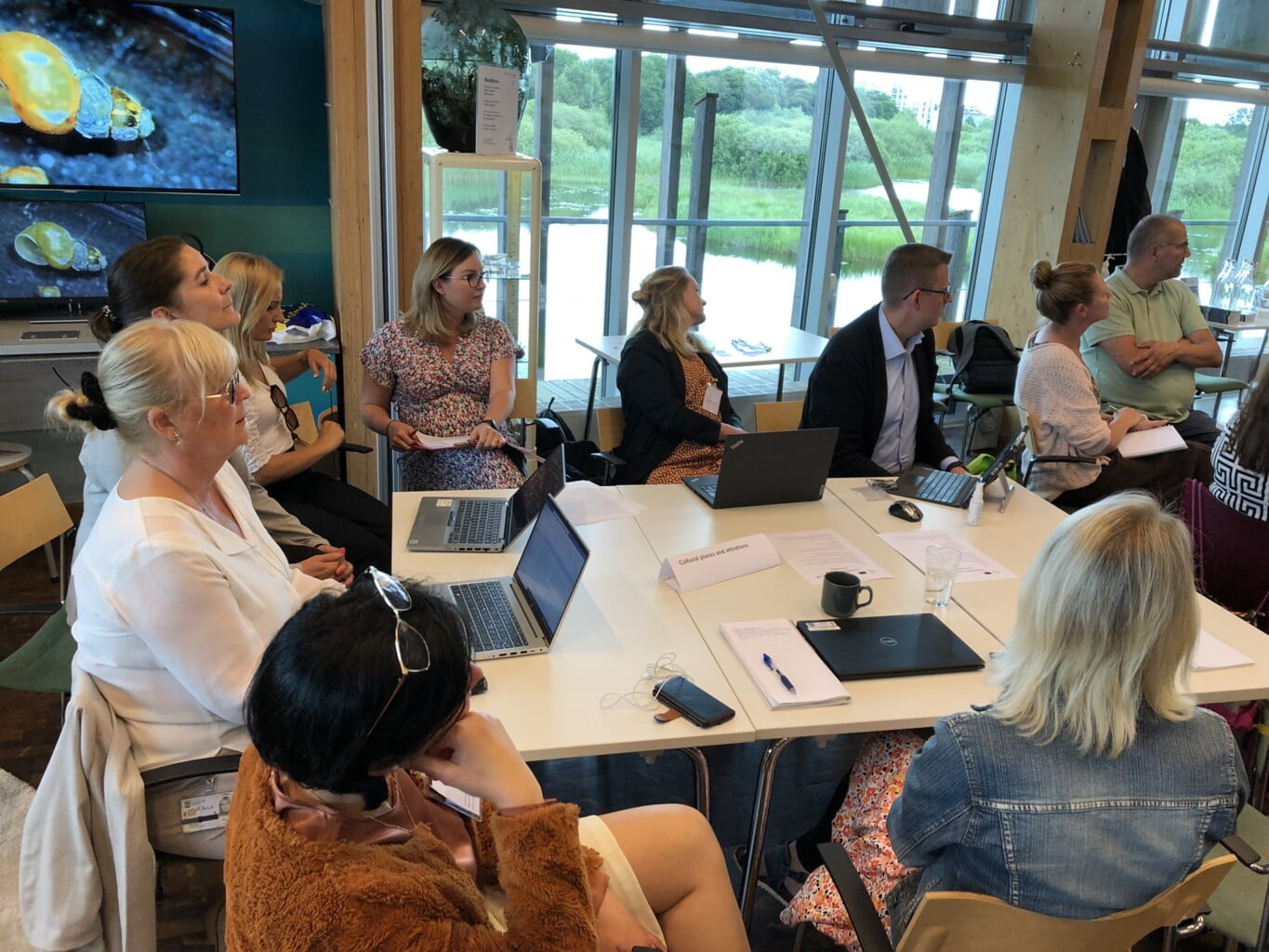
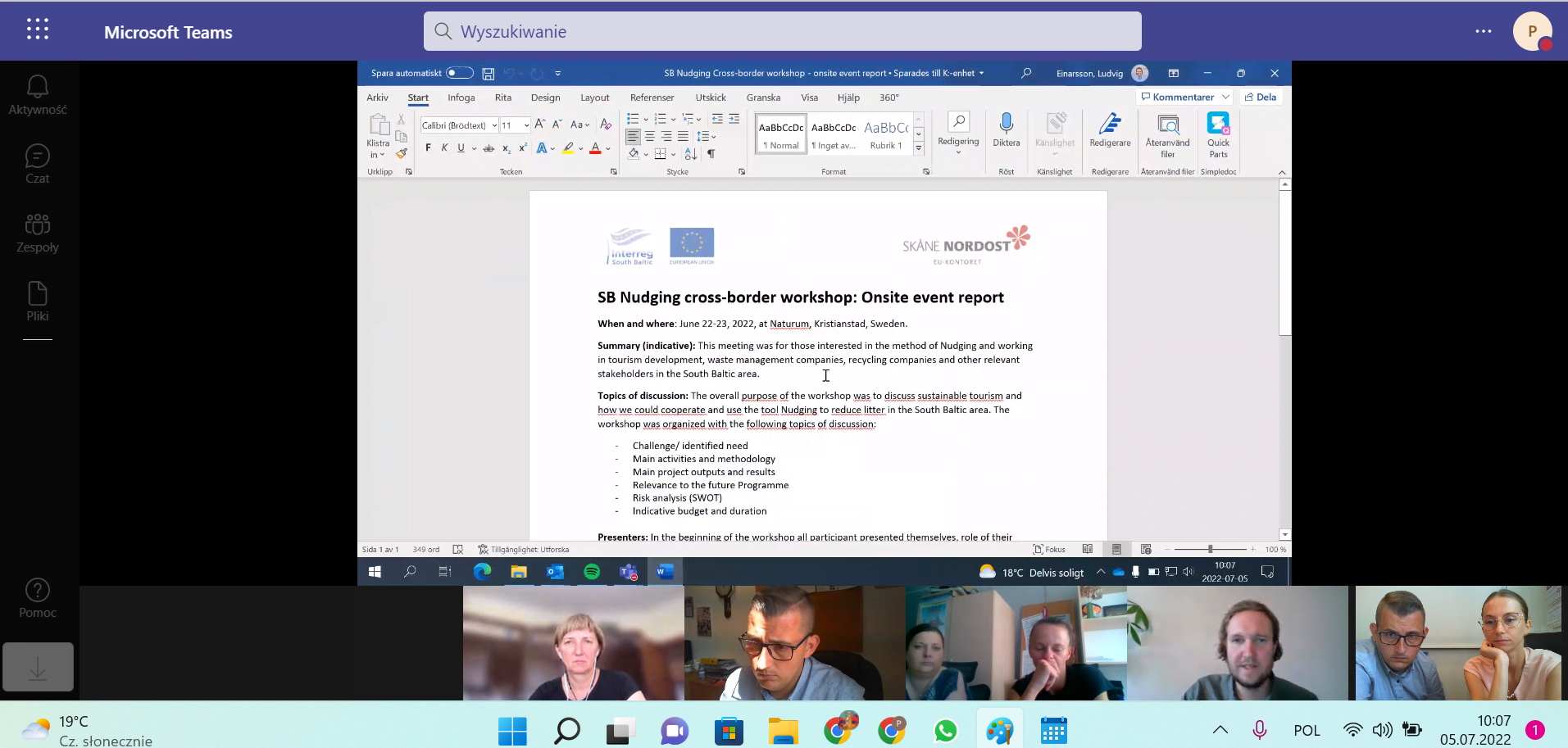
On June 22 and 23, 2022, we had a physical workshop and project partner meeting which took place in Sweden.
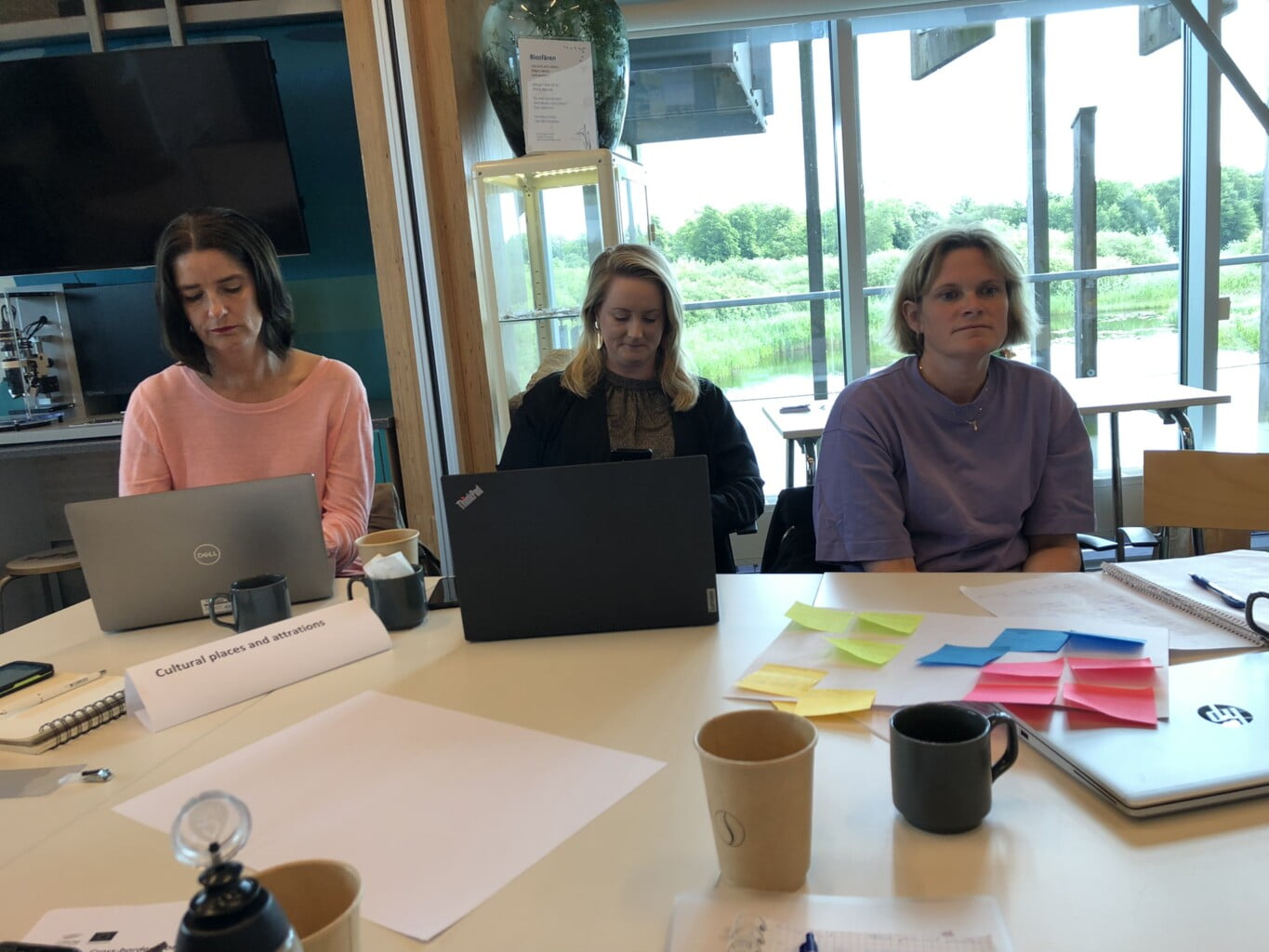
During two fruitful days, the partners of the SB Nudging project implemented under the Interreg South Baltic program had the opportunity to develop activities for the main project application jointly. Apart from the Association's representatives, the workshop was attended by representatives of the city of Malbork, who are interested in the topic of Nudging and would like to use the help of partners to introduce it to their city.
During the workshop, many interesting ideas were created that will be included in the future design application. Among other things, as part of the project, we want to:
- make urban space more attractive and pro-ecological
- reward people involved in positive change for their efforts
- identify residents and visitors territorially within a given place
- encourage people to reduce littering in the city during the season (double the amount of rubbish in and outside the rubbish bins)
- persuade people to clean up after themselves, animals and pets
- persuade people to segregate rubbish intuitively
The project will consist of full partners and associate partners from groups such as:
- Municipal and Housing Company
- Tourist Information Point
- Local schools
- Youth councils
- Local Businesses - Other self-goverments
We thank the project leader for organizing the EU-kontor Skåne Nordost workshop. Among the partners who took part in the meeting were:
Gdynia Sports Center,
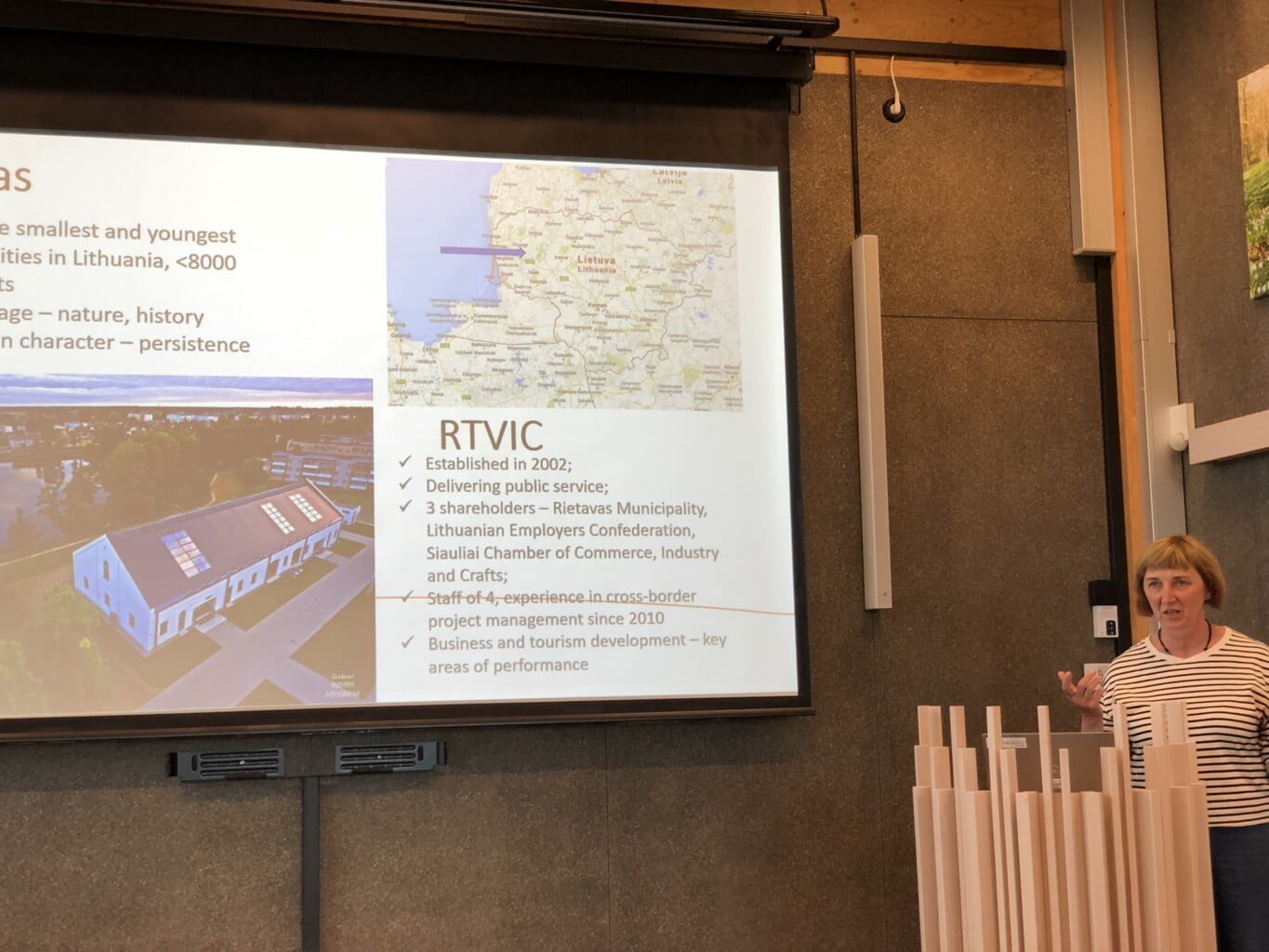
Public Institution Rietavas Tourism and Business Information Center,
On 20.06.2022 the sixth SB Nudging project consortium meeting dedicated to the development of the future major application within the regular call of the new perspective of the Interreg South Baltic programme 2021-2027 took place.
The main theme of the meeting was to prepare the methodological part of the future concept and to jointly work out an easy to understand and communicate project definition, which will serve as a guideline for the planning of the next activities and prepared workshops in Sweden 22.06-23.06). It is very important, because apart from NGOs the future application will be created mainly by local government units from 4 countries, which will be the implementers of both planned soft activities and pilot activities including infrastructure. Without proper understanding of the project premises, it will not be possible to design it properly.
In the context of the project, the method itself is innovative, as it refers to inducing pro-ecological and pro-environmental behaviour with the use of widely understood sociological and behavioural methods based on incentives and not, as it was previously practiced in the local perspective, on prescriptive or prohibitive systems.
Nudging was introduced in 2008 by Richard Thaler and Cass Sustein and defined as "any aspect of choice architecture that changes people's behaviour in a predictable way without prohibiting any options or significantly altering economic incentives. To count as a mere stimulus, the intervention must be easy and cheap to avoid. Nudging are not prescriptive. Richard Thaler, won the Nobel Prize in Economics for his contribution to nudge development to change public behaviour. Nudging is an approach that changes people's behaviour by changing the decision-making environment to influence people's decisions when deciding to act. Its implementation must be easy, cheap and optional (Thaler and Sustein, 2008). Pushing influences people's choice of action without limiting their options or enforcing rules and regulations. Instead, it guides people in a desired direction when making decisions by creating cues in the environment (Weßel et al., 2019).
The meeting also discussed the need to develop joint future activities based on local needs and challenges, examples of inspiration were provided and will be presented during the workshop in Sweden. The participants were reminded of the agenda of the meeting, the need to prepare a presentation of each case study site, prior consultations with the local government units involved. The aim of which will be to create a unified concept that can be extended through joint work.
Meeting of SB Nudging project partners - online
On Friday, June 10th 2022, another working meeting of the SB Nudging project partners took place.
The SB Nudging project aims to educate people through the use of a nudging tool that can be described as "pushing" / "encouraging" people to make changes. By doing so, it is possible to reduce the amount of waste and litter in tourist destinations and make them more environmentally sustainable. Tourists and visitors need to understand the importance of the environment and be more aware of the sustainable environment.
The meeting was attended by partners from Sweden (Skane Nordost), Poland (Association of Polish Communes Euroregion Baltic and Gdynia Sports Center), Germany (EUCC - The Coastal Union Germany) and Lithuania (Public Institution Rietavas Tourism and Business Information Center).
The following topics were covered:
Participants of international workshops
The program of international workshops
Affiliate agreement and signatures
The purpose of the physical meeting in Kristianstad (Sweden) will be to prepare the so-called concept paper document. During the joint workshop, the partners together with potential future project partners will work on the overall future of the extended concept. In addition, each participant will have the opportunity to get to know individual organizations.
SB Nudging Project - important partner meeting - 23.05.2022
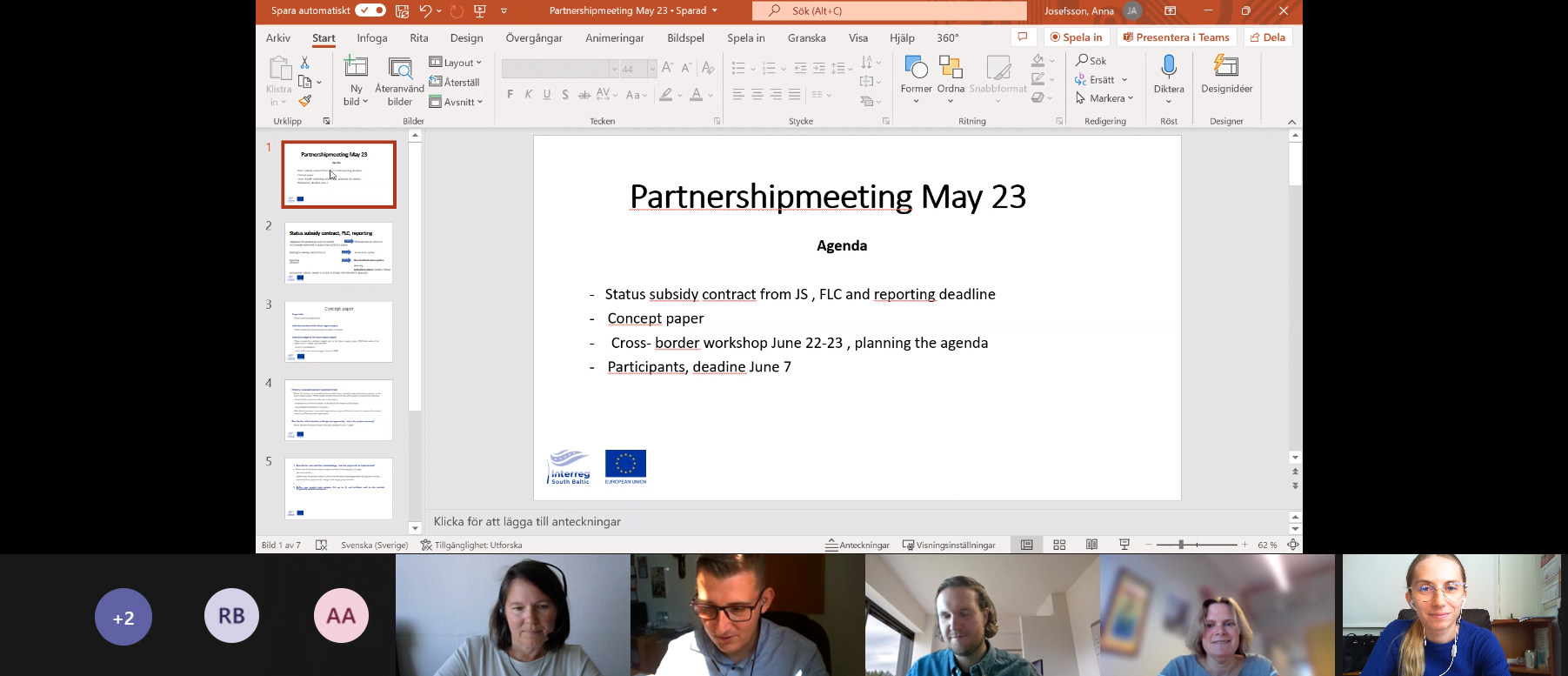
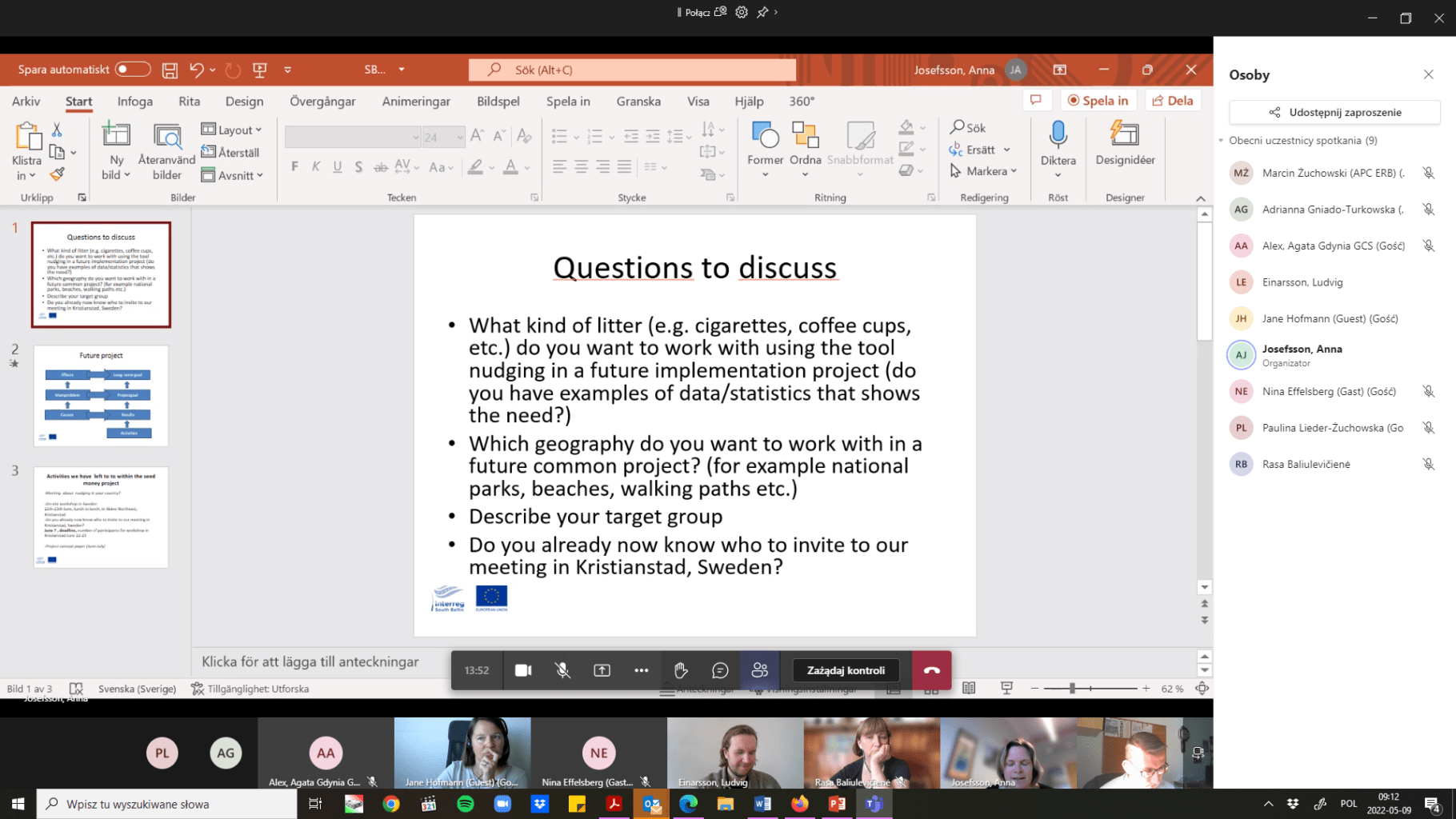
During today's online meeting, the SB Nudging project consortium (Polish-Lithuanian-German led by partners from Sweden) focused mainly on planning and had the opportunity to discuss the agenda of the upcoming workshop for future coalition partners in June in Kristianstad, Sweden.
It will be an open meeting and will be held on June 22-23 for all types of interested beneficiaries who would like to test and implement nudging activities in their local environment (including residents, tourists, environmental specialists) aiming to reduce the amount of arising and commonly flooding our areas trash in the Baltic Sea areas (especially in high season).
As part of this event, participants will create the foundations for a new project proposal aimed at introducing Nudging / Demonstrating a "push tool" in sensitive areas, determining its effectiveness as a complementary / alternative method to the existing environmental and ecological awareness activities. The aim will also be to develop a site-specific nugding strategy in sensitive areas.
WHAT IS NUDGING?
Definition of nudging: the power of persuasion - the use of behavioral economics and architecture of choice in local government environmental policy.
How to understand it? Nudging is increasing the influence on behavior and choosing the easiest cognitive path for the participant, in this case forcing specific pro-environmental and pro-ecological behavior. It is a way of building an incentive for a person subject to its influence based on developed systems of incentives and persuasion. Nudging / Poking takes away the decision and influences the subconscious correct choices. It can be a trick, a game or a challenge depending on the form chosen. Contrary to awareness-raising campaigns focused on information or knowledge, here we are dealing rather with subconsciously persuading the target group to behave in a specific way. The brain does not have to think, it has to act in a targeted manner, ensuring better results of actions aimed at reducing the amount of rubbish and cluttering the given locations.
THEME AREAS FOR FUTURE APPLICATION
Looking at the possibilities of partners, we can divide into 2 or 3 main categories to which we are looking for partners in the country and abroad:
• Coastal areas - Beaches (including: tourist offices, waste management companies, sports centers, municipalities, tourism and food business)
• Nature - Main inland areas: forest areas, ecologically valuable areas, i.e. lakes, rivers, uplands, trails, bicycle and bicycle paths (including: waste management companies, local authorities, tourist offices, local NGO dealing with environmental protection and forest management, such as parks, forests)
• Culture - public roots, historical and cultural attractions) - (including local authorities, museums, community centers, open-air museums, historical institutions, tourism and the food industry)
If you are interested in the project - please contact the Association's office to discuss the details!
The activities of the SB Nudging project are in full swing!
We have started the implementation of the project entitled SB Nudging - Nudging in the South Baltic Region ", led by Sweden (EU-office Skåne Northeast) in partnership with the Association of Polish Communes Euroregion Bałtyk, Gdynia Sports Center, Public Institution Rietavas Tourism and Business Information Center (Lithuania) and EUCC - The Coastal Union Germany (Germany). The project is financed within the South Baltic seed money program. The issue of the project is maintaining cleanliness in places visited by people.
Common littering is an affliction of many countries and this aspect will be tackled in this project by attempting to change behavior in society through interesting behavioral techniques. At the last meeting, which took place on May 9 this year. online, all partners presented the most pressing issues in the area of litter pollution.
Looking at the partners' capabilities, we can distinguish 2 or 3 main areas most exposed to pollution:
Coastal areas - mainly beaches (involving: tourist offices, waste management companies, sports centers, municipalities, tourism and food business)
Natural areas - main inland areas: forest areas, ecologically valuable areas, i.e. lakes, rivers, uplands, trails, bicycle paths (involving: waste management companies, local authorities, tourist offices, local non-governmental organizations dealing with environmental protection and forest management, parks, forests)
Culture - public areas, historical and cultural attractions (involving: local authorities, museums, community centers, open-air museums, historical and tourist institutions and the food industry)
The SB Nudging project is primarily the introduction of an innovative method / Demonstration of tools in sensitive areas / Determination of the effectiveness of the method in selected areas / Development of a method strategy in sensitive areas / testing small pilot investments.
The next steps will guide the partners towards the creation of a large project application submitted in autumn within the Interreg South Baltic program – regular call.
Interesting activities ahead of us and important social challenges!
Further work on building a regular project using the Nudging method – 07.05.2022 online
Another partnership meeting of the SB Nudging online application preparation team took place today 07.05.2022 with representatives from Poland, Lithuania and Sweden.
The meeting was chaired by Ludvig Einarsson representing the EU-coordinator EU Office Skåne Northeast, the leader of the current seed money project of the Interreg South Baltic programme.
The meeting focused on summarising the knowledge, data and inspiration gained during the workshop in Kristianstad (Sweden), which will be used to create a concept paper for the new application and to plan in detail the individual sets of tasks within the larger initiative of a future regular project under development.
During the meeting, attention was drawn to the cause-and-effect relationship between the individual case study sites and the need to build common comparable solutions, which will then be tested in the different Baltic Sea countries.
The future application is expected to address specific challenges:
- reduction of unsorted rubbish (general man-made waste);
- reduction of urban vandalism and respect for public property (tourists and residents)
- introducing a system of incentives and rewards for positive actions;
- enforcing people's intuitive behaviour and habits instead of prescriptive systems or simple education;
- the unification of actions, as the pro-environmental actions so far have been of a point character: each action created by a different sector, e.g. schools, municipalities - lack of coordination and coherence of actions
- social inclusion of different age groups (intergenerational integration): elderly, children, youth
- increased social responsibility for the common good (green spaces) and property (public good)
- greater responsibility of business, local companies
What do we want to achieve by developing the concept further?
- make urban space more attractive and environmentally friendly
- reward those involved in positive change for their efforts
- identify residents and visitors territorially with a place
- encourage people to reduce litter in the city in high season (double the amount of rubbish in and out of bins)
- encourage people to clean up after themselves, animals and pets
- persuade people to sort their rubbish intuitively
- show that the region's municipalities can be green and innovative cities using the latest methods and trends.
The partnership team is facing a busy summer period, as its task will now be to group all these challenges and needs together and create an application that is able to gather a strong partnership for the implementation of appropriate solutions and include answers and dedicated actions to achieve these goals while meeting the criteria of the future programme and thematic competition.
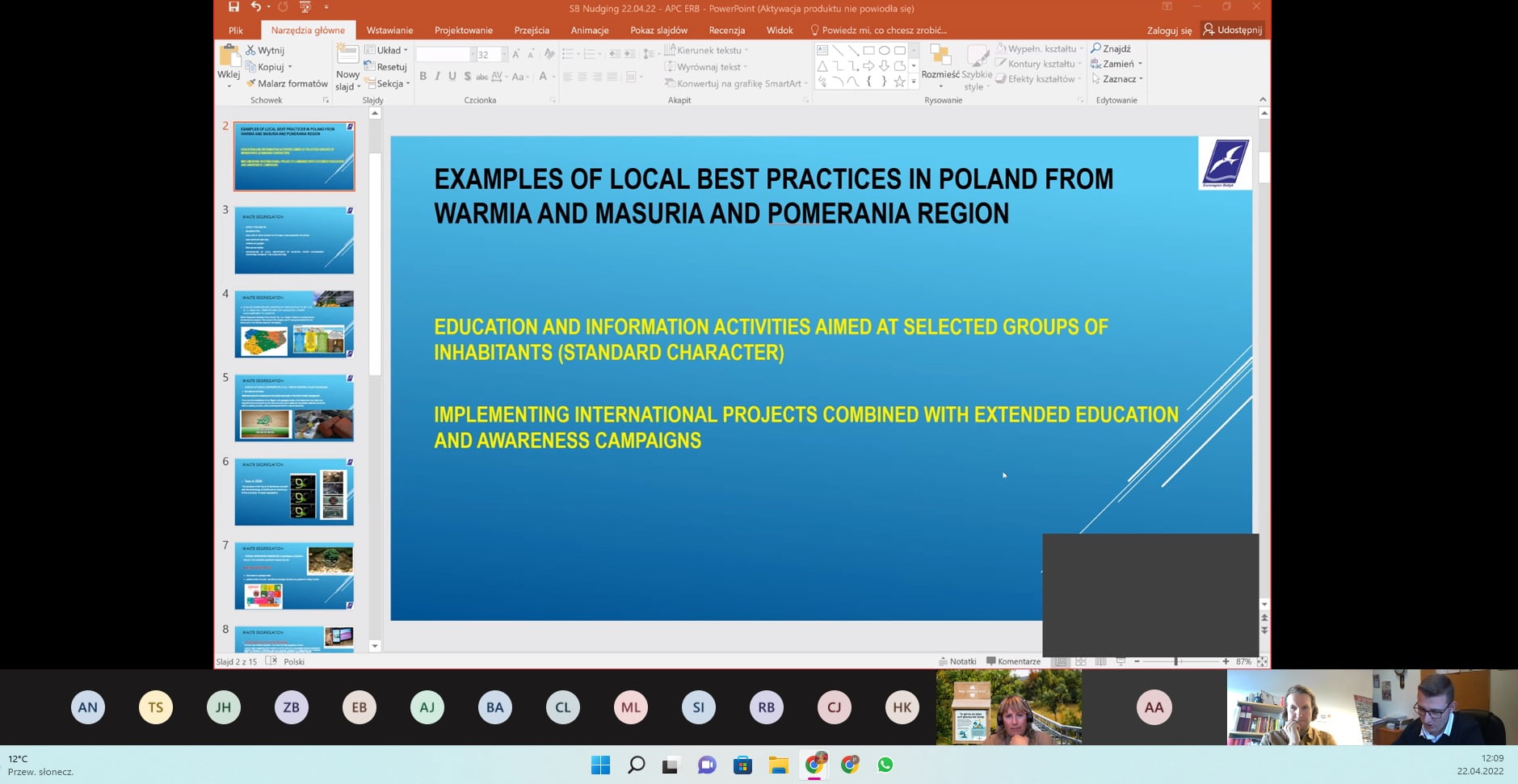
SB NUDGING - Kick-off Conference of the project, online, 22.04.2022
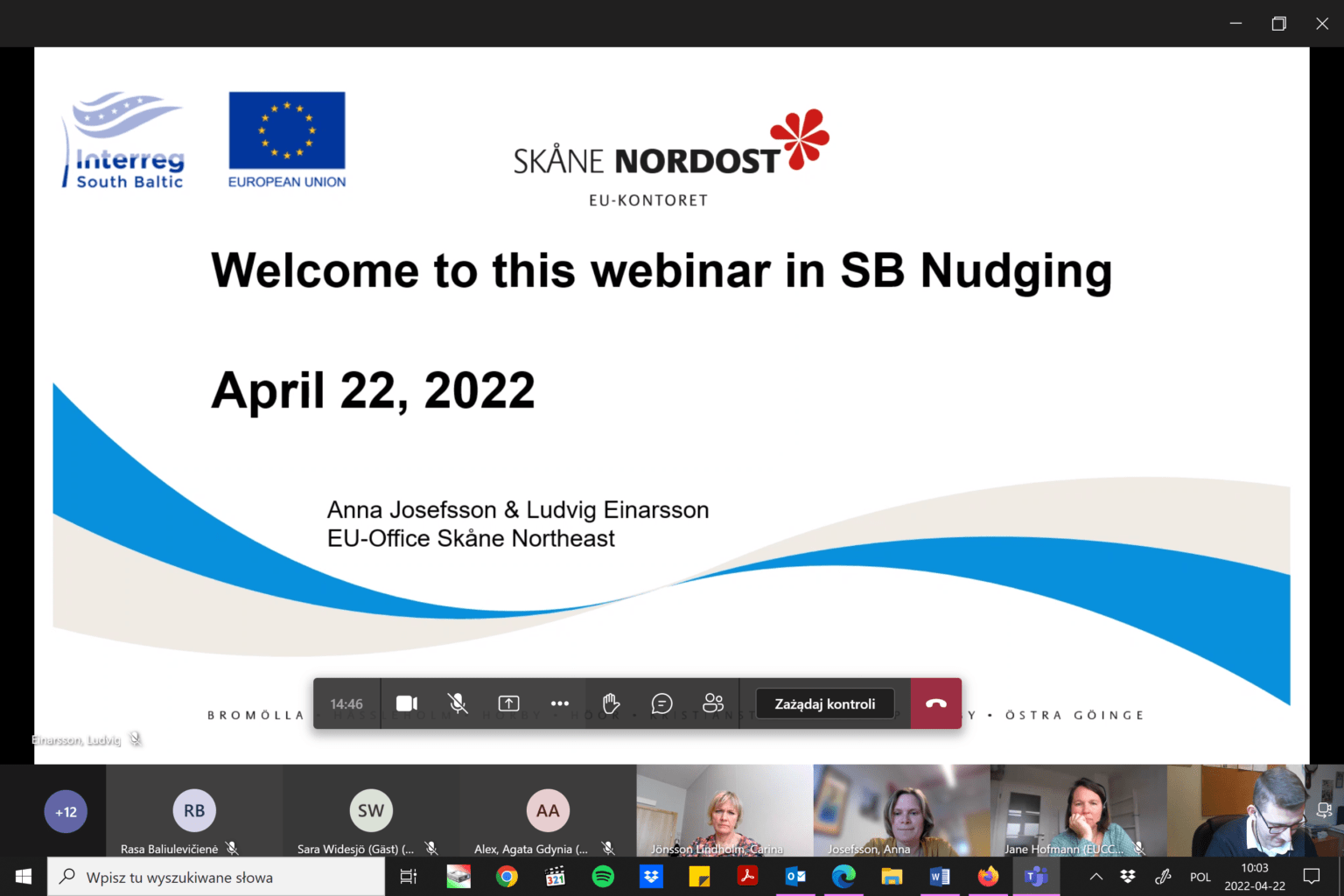
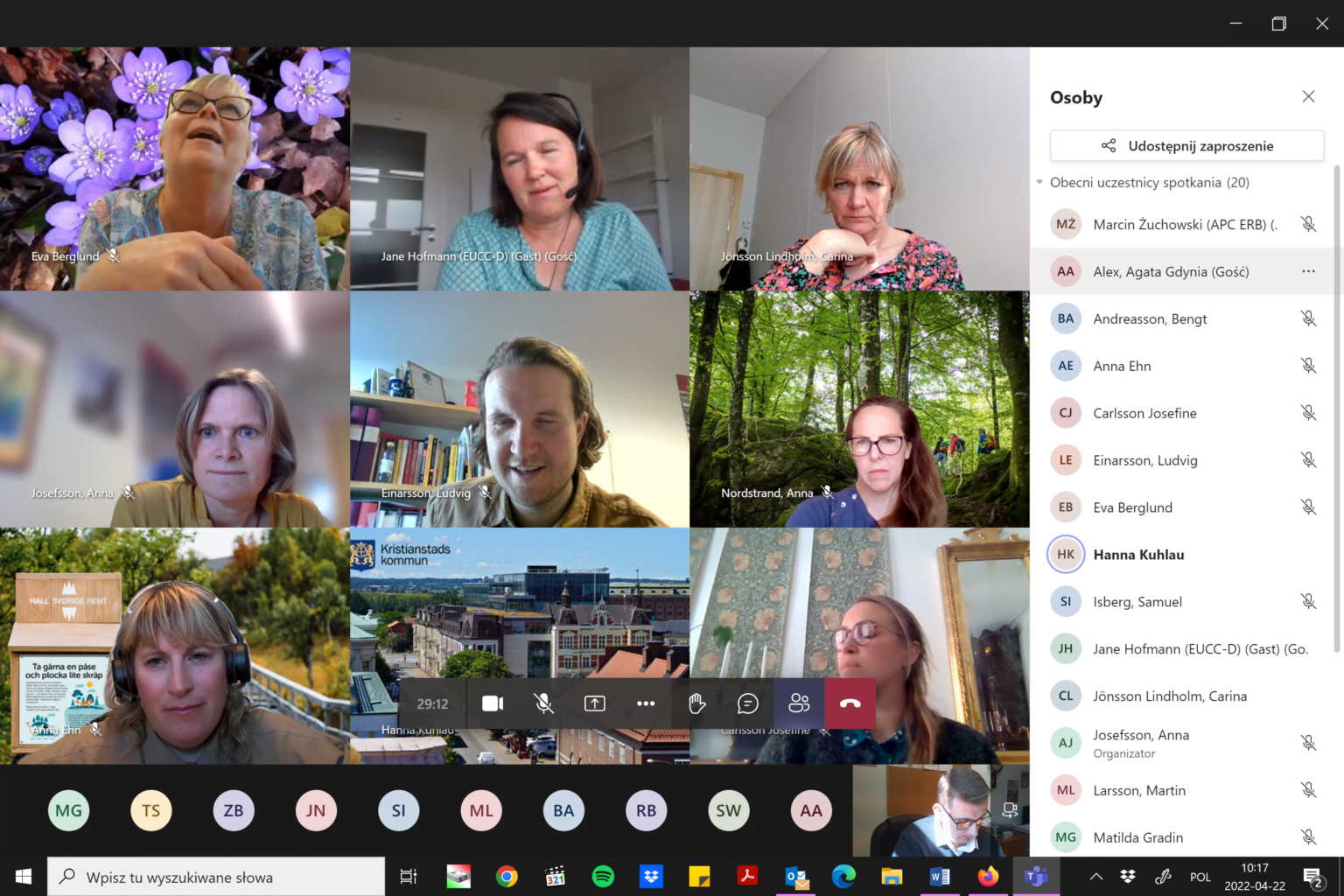
More than 20 participants from 3 countries took an active part in the project kick-off and launch of a new initiative called SB NUDGING, curious about this multidisciplinary field initiated by Skane Nordost and their Tourism group, wanting to expand their knowledge on this innovative concept and how it can be applied to reduce the level of pollution of our local areas and public places in the South Baltic area.
The online meeting on 22.04 started with a welcome by the hosts and initiators of the seed money concept - the Swedish umbrella organisation - EU SKANE NORDOST, whose staff thanked the participants for their contribution to the proposal and invited them to participate in the development of a regular project within the new perspective of the Interreg Baltic Sea Programme 2021-2027. At the same time a presentation was made on what the concept is and how it should contribute to pro-environmental and pro-ecological goals.
An important element of the meeting was the presentation of inspiration and good practices of implemented similar activities in individual countries.
Examples from Sweden:
a) How to reduce the negative footprint in nature - example of activities from the Tourism group in Skåne, Sweden presented by Josefine Carlsson;
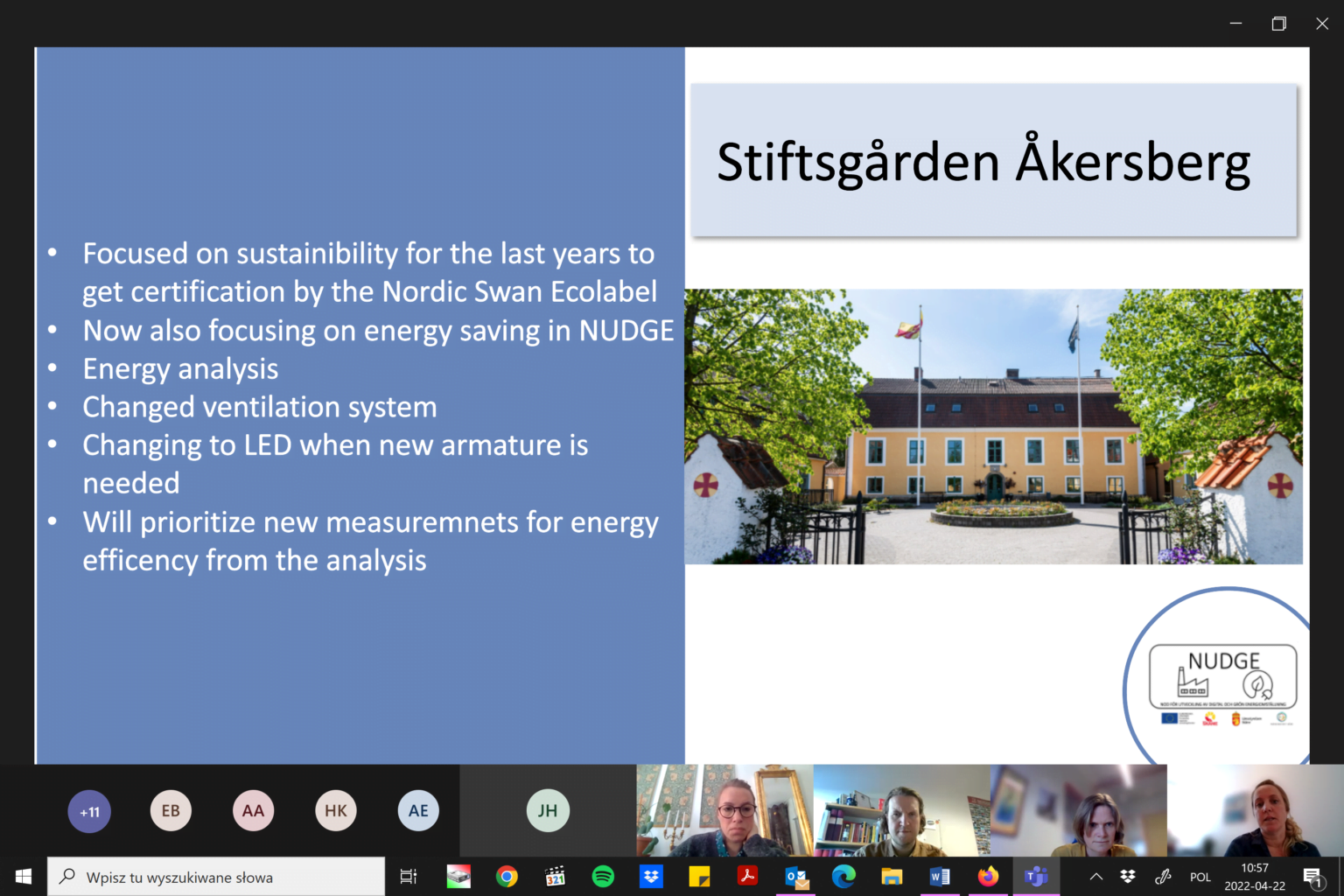
b) Experience from the project "Nudge", from the point of view of the local government units in Skåne (member organisation of municipalities in Skåne), presented by Matilda Gradin. During this session, participants learned more about how companies use the nudging tool. The main objective of the project "Nudge" is energy efficiency in small and medium sized enterprises in vulnerable industries during a pandemic. Target groups can include tourism-related businesses such as hotels and restaurants, and the manufacturing industry.
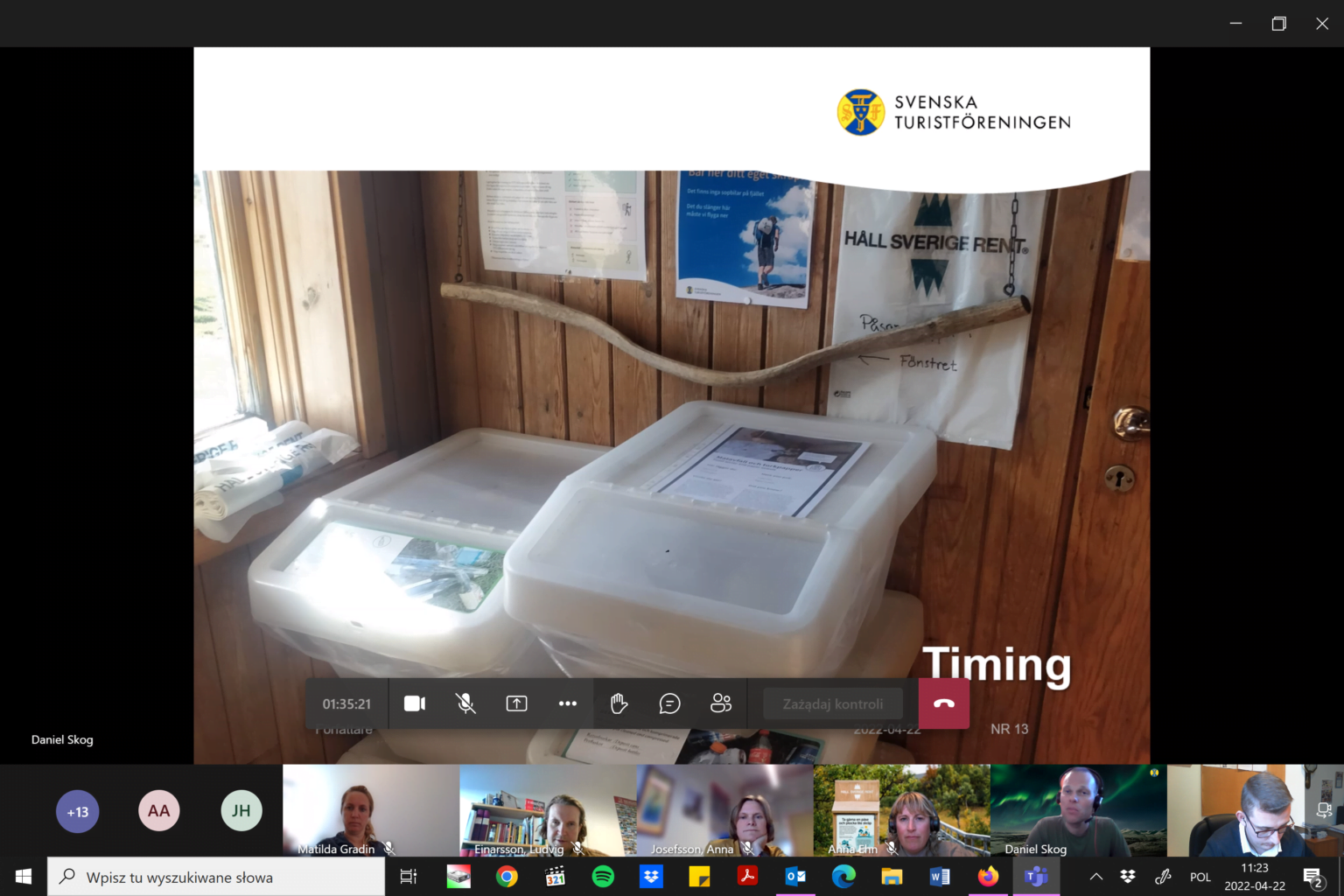
c) How to keep Sweden's mountains clean - Keep Sweden Tidy Foundation and Swedish Tourism Association, Anna Ehn and Daniel Skog. In this session the Swedish organisation "Keep Sweden Tidy", a local non-profit organisation that promotes recycling and combating environmental impact, showed how to use the Nudge method in practice and how to reduce litter through public campaigns and environmental education. During the presentation, representatives of the organisation answered a number of questions from the audience and shared their experiences of litter reduction in tourist destinations in the Swedish mountains.
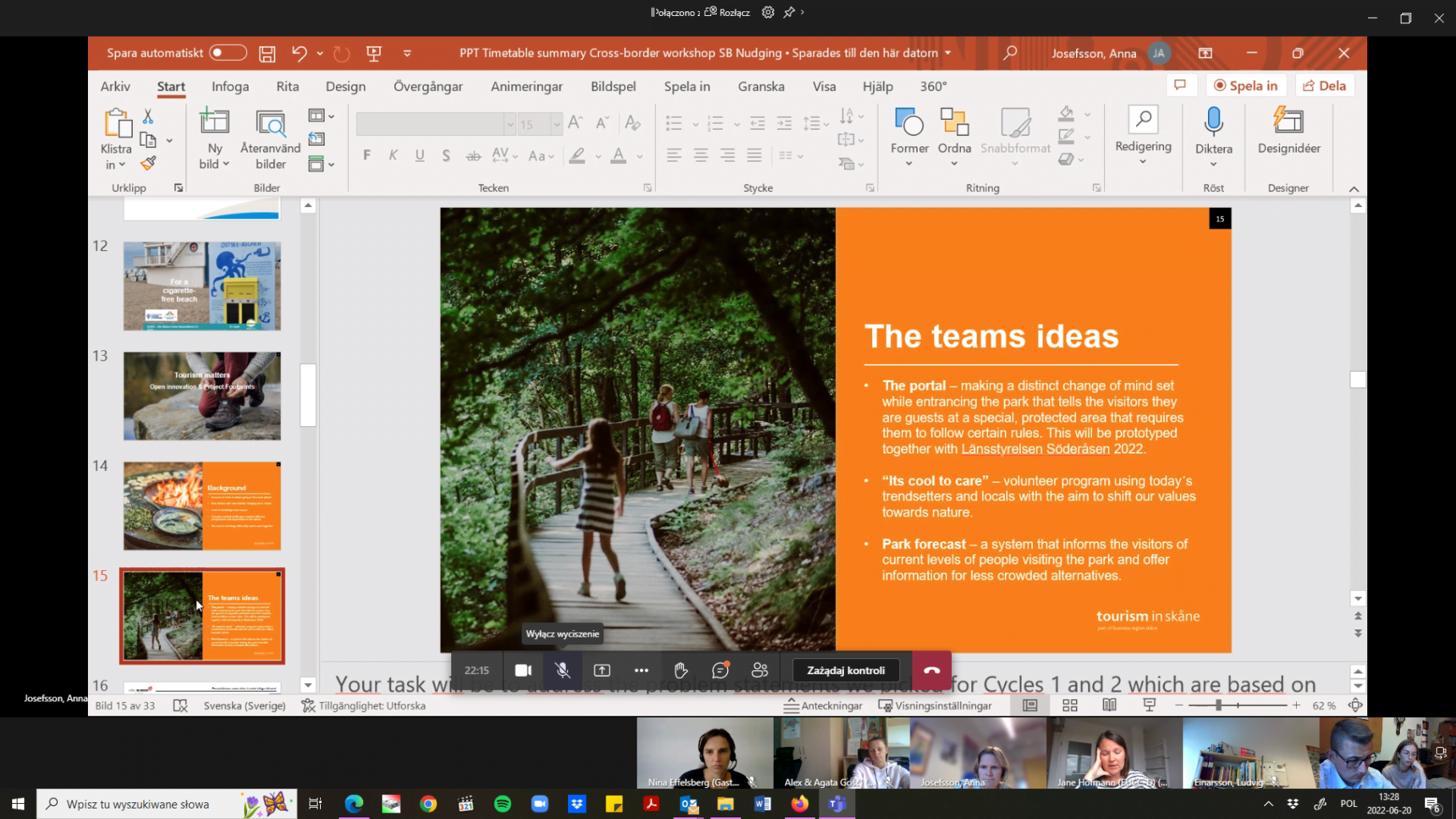
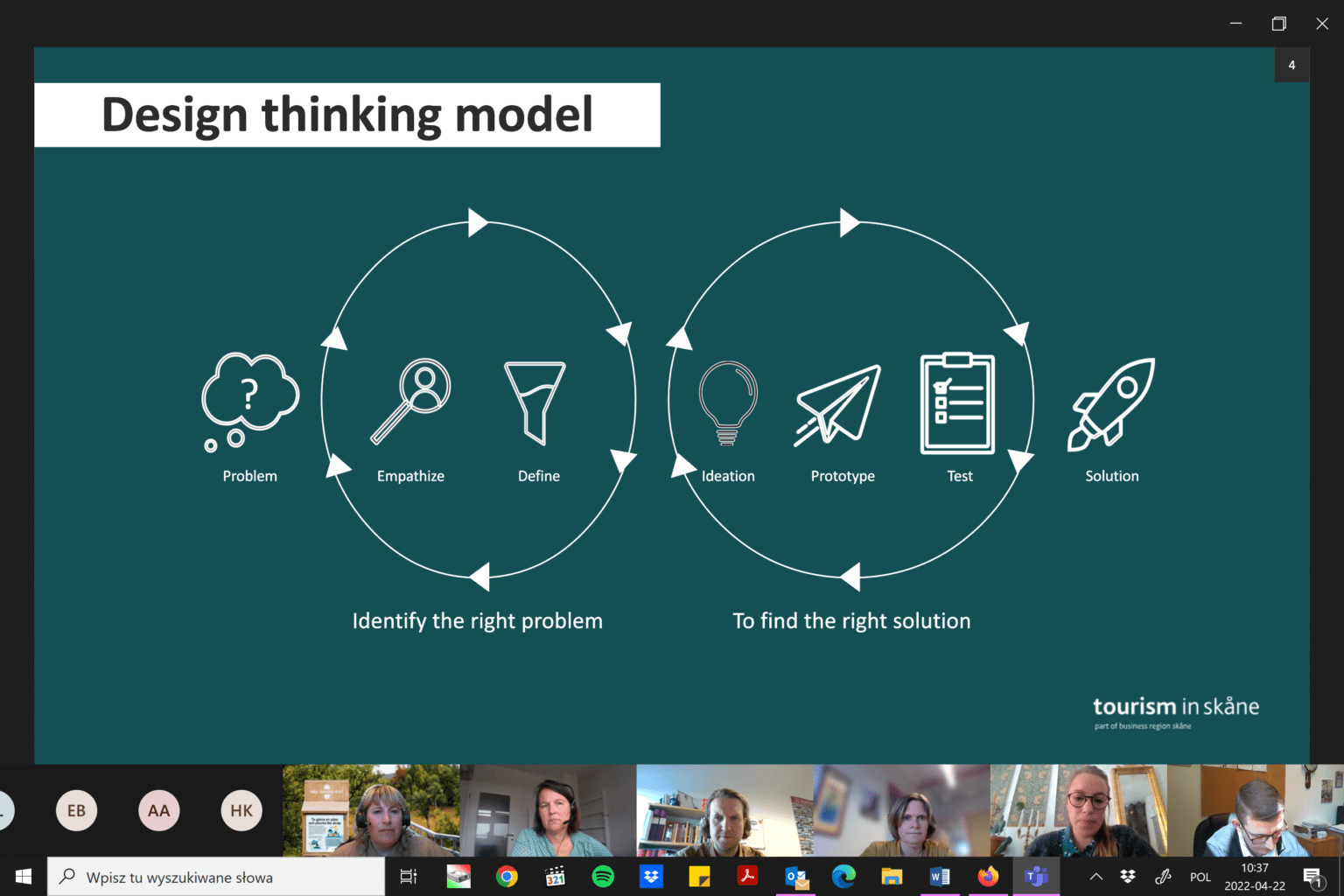
d) Swedish Film Example "Leave Only Footprints" is a documentary about innovation by Tourism in Skåne, Sweden. In the film, participants with different experience and knowledge attend an innovation workshop in Söderåsen National Park in southern Sweden. The mission was to investigate whether... it was possible to increase the visitors' bond with nature and thus reduce their negative footprint in nature.
During this session, additionally the Tourism Group in Skåne shared their experiences creating this film, why they created the film, what they learned, how Tourism in Skåne relies on innovation and prompting tools.
The second part of the meeting was further exchange of good practices based on experiences
in Germany
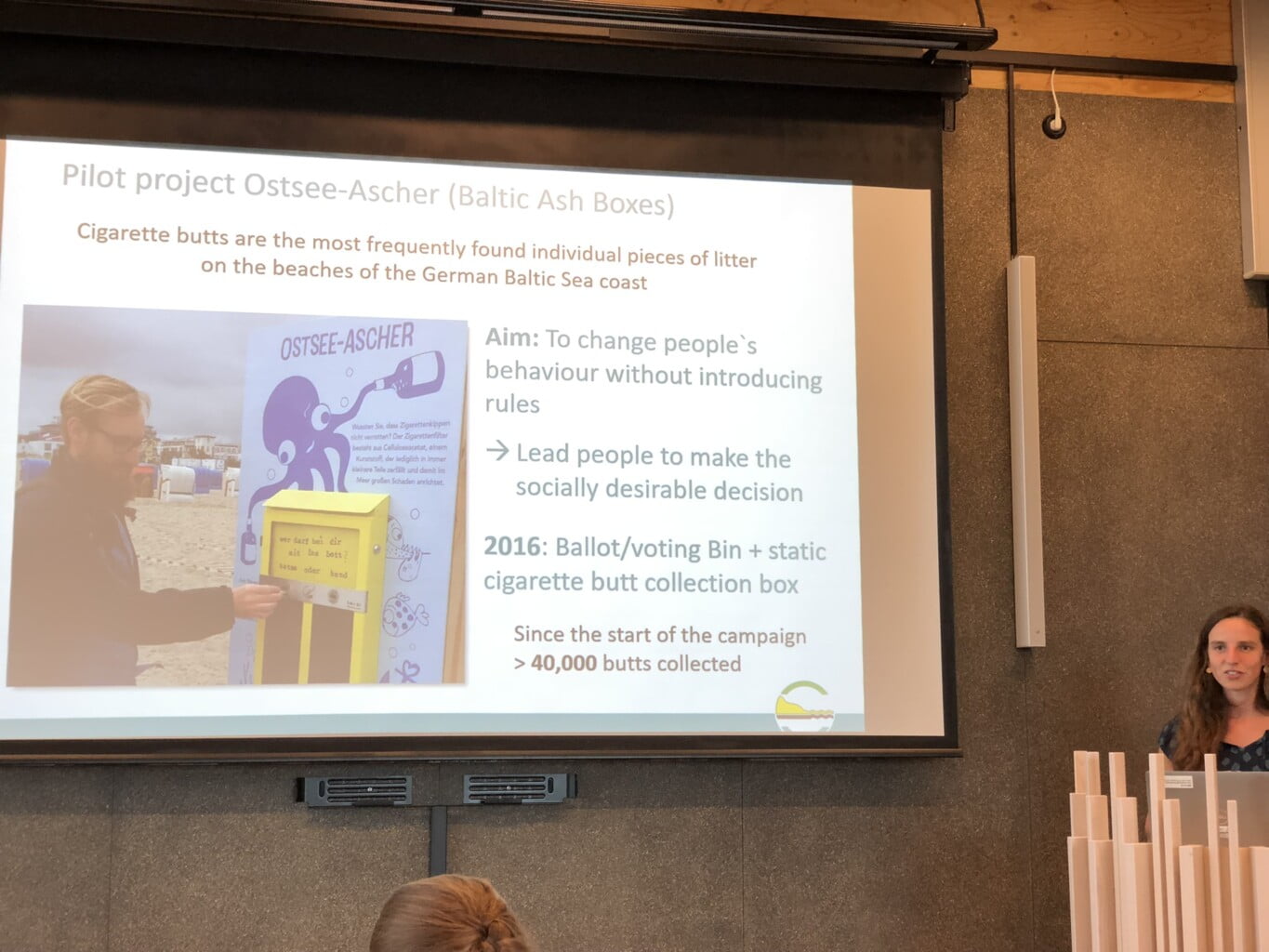
e) Encouraging litter prevention - an example in Mecklenburg-Vorpommern, Germany, EUCC-D Jane Hoffman
in Lithuania
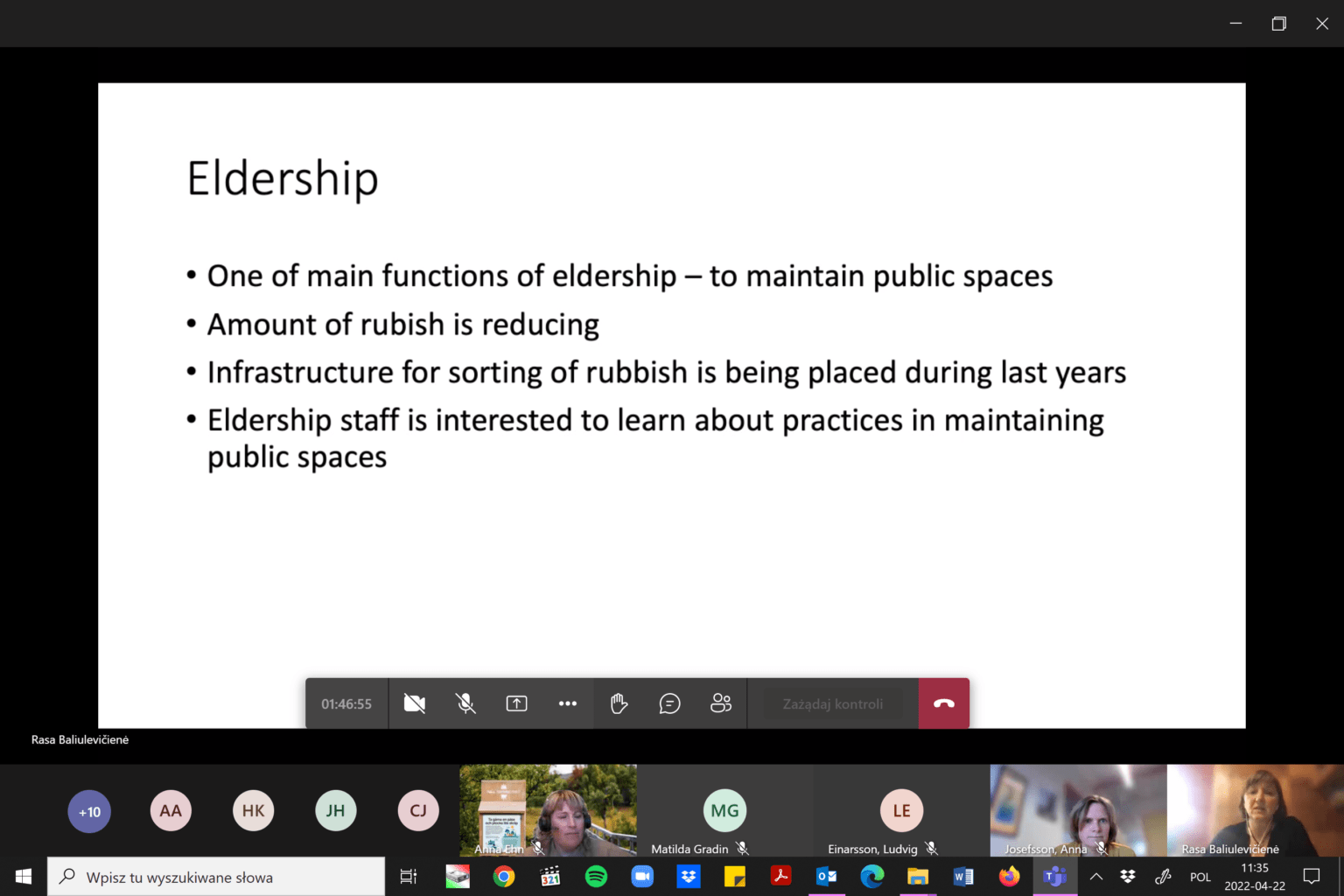
f) Example from Rietavas municipality, Lithuania, Rasa Baliulevičienė, Rietavas Tourist and Business Information Centre During this session, the participants learned more about how Rietavas municipality cooperates with taking care of public spaces and what are the challenge areas in this field.
in Poland
g) Eco Diving Day - an example from the municipality of the City of Gdynia, presented by Aleksandra Wójcik, rep. of the Gdynia Sports Centre and the City of Gdynia. During this session, the City of Gdynia will share an example of an event organised by the city together with an educational festival for children and young people. The example shows what kind of waste can be found at the bottom of the bay, close to the shore, and how it can be prevented by engaging large numbers of citizens. The example also shows how an initiative can be used to: educate and change behaviour, starting with the youngest and ending with adults.
h) Examples of good practices and challenges collected by the Euroregion Baltic Association of Municipalities of the Republic of Poland showing the activities carried out so far in northern Poland by individual local governments and their units. It was also a presentation of a potential pilot location, i.e. the Municipality of Malbork, which expressed its willingness to join this initiative.
The meeting ended with an invitation to further work on the development of the concept and participation in subsequent dedicated meetings in the online format.