Launch of the Oceanograf research cruise as part of the Baltwreck project
The BALTWRECK Project — Launch of the Next Phase of Research in the Baltic Sea
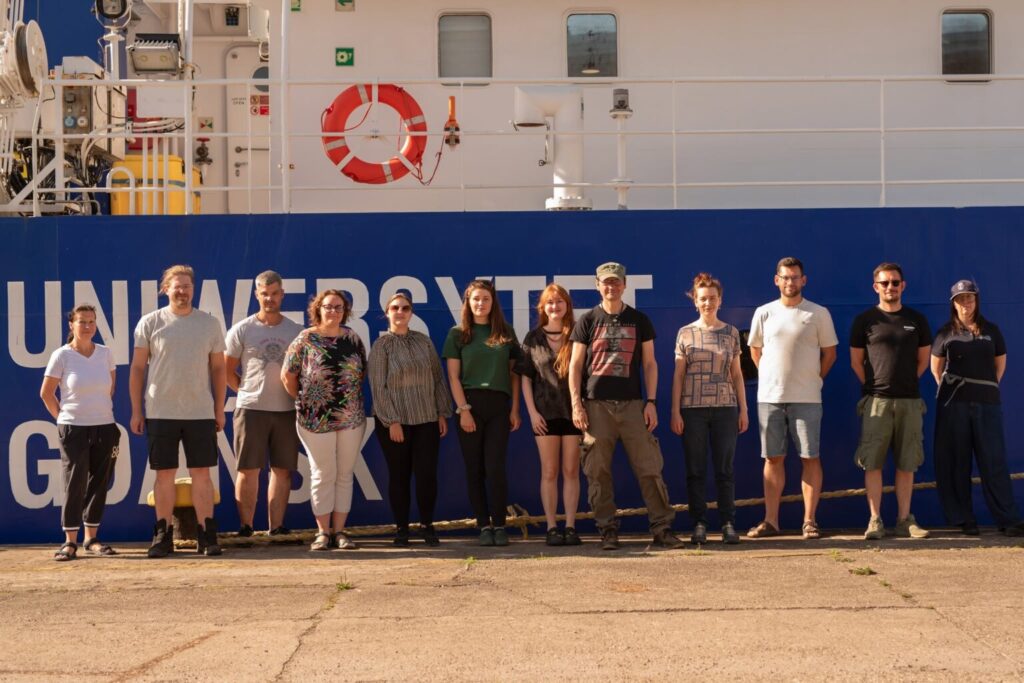
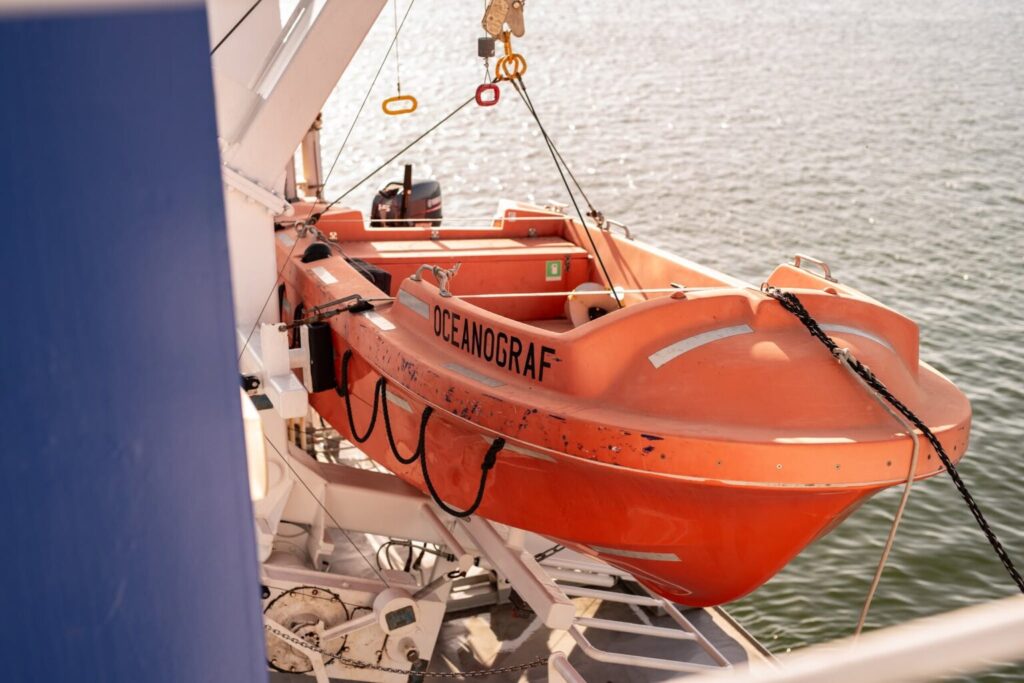
Today, aboard the research vessel Oceanograf, the next phase of the research cruise conducted as part of the BaltWreck project began. A team of scientists set sail to study shipwrecks lying on the bottom of the Baltic Sea.
The work focuses on three key sites—the Steuben, the Terra, and the Stuttgart—which are being analyzed for their technical condition and potential impact on the marine environment.
The scope of the research included, among other things, seafloor surveys using sonar, profiling of subsea structures, inspections using ROVs and AUVs, collection of seafloor sediment samples, conducting research fishing, and installing measuring devices in the vicinity of the wrecks.
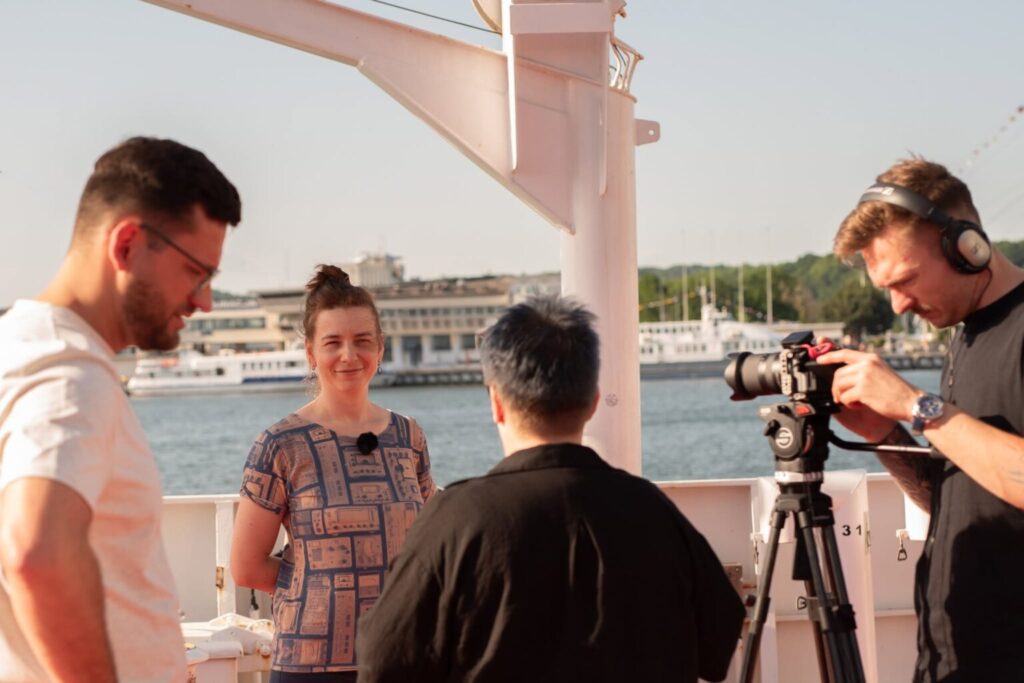
It is worth noting that the Baltwreck project will also be featured in a science-promotion video produced by the Experyment Science Center in Gdynia. Today, the expedition participants had the opportunity to give interviews to the filmmakers and discuss their work on the project.
Watch the Video Report from the Panel “Hidden ‘Treasures’ of the BSR”
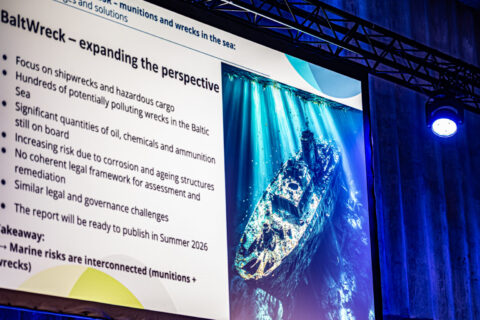
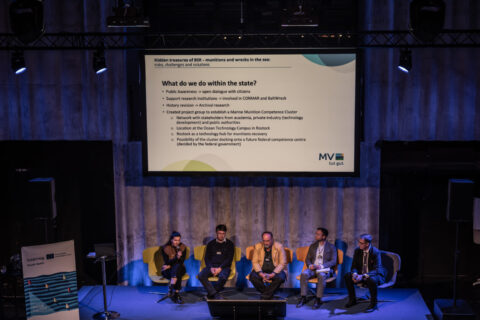
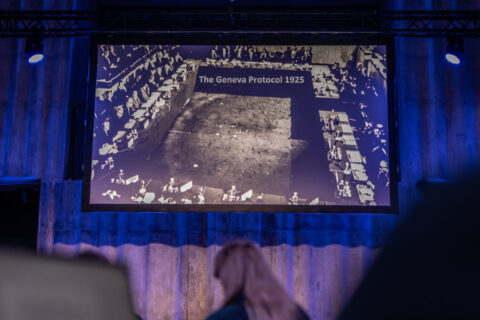
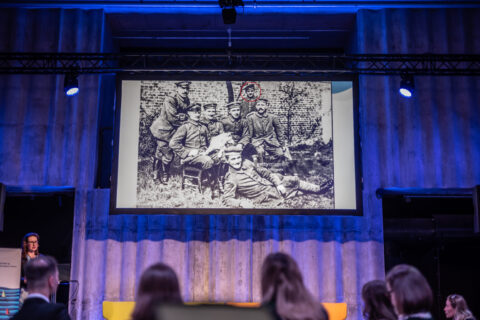
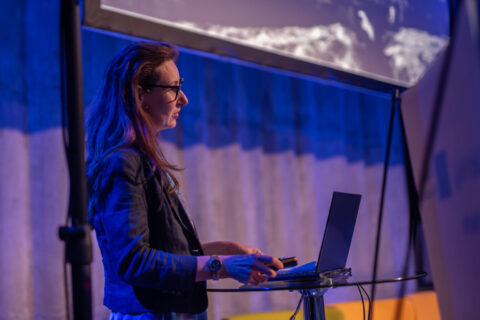
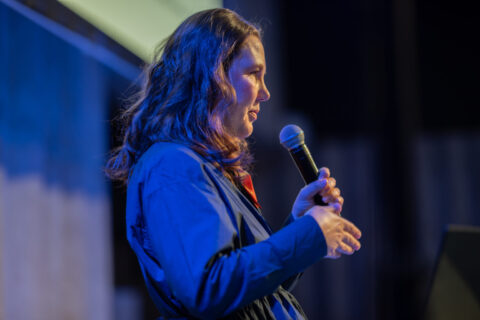
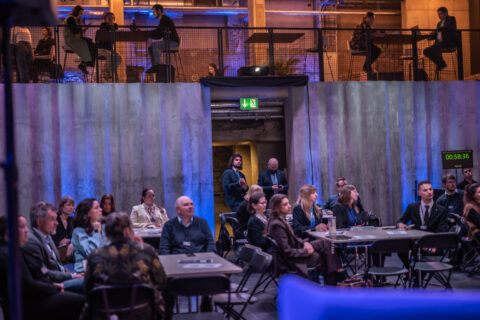
On 12 May 2026, during the 17th Annual Forum of the EU Strategy for the Baltic Sea Region (EUSBSR Annual Forum) in Tallinn, the panel “Hidden ‘Treasures’ of the BSR – Munitions and Wrecks in the Sea: Risks, Challenges and Solutions” brought together experts to discuss the risks posed by shipwrecks and submerged munitions resting on the seabed of the Baltic Sea.
We invite you to watch the full video report from the event, featuring the panel discussion, expert presentations and exchanges on the challenges and solutions related to protecting the Baltic Sea from the impacts of historical underwater contamination.
🎥 The video is available below:
BALTWRECK Mid-term Assessment & Communication Event for Project Partners and Stakeholders Held in Klaipėda
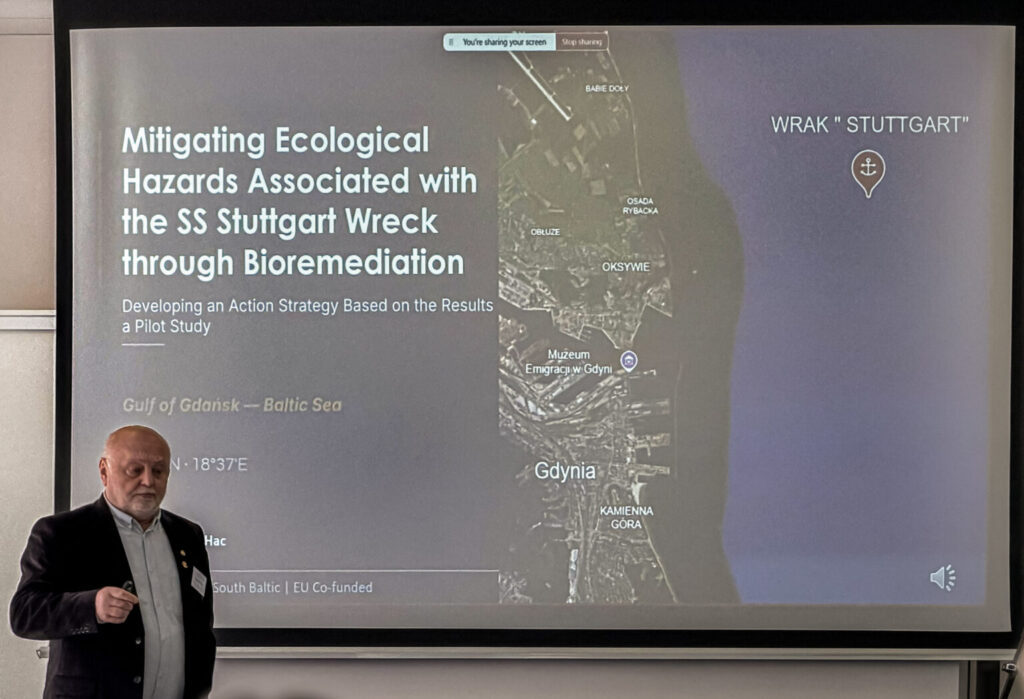
On 27–28 May 2026, project partners and stakeholders gathered in Klaipėda, Lithuania, for the BALTWRECK Mid-term Assessment & Communication Event for Project Partners and Stakeholders. The meeting marked the halfway point of the project and provided an important opportunity to review progress achieved so far, share research results, exchange knowledge, and discuss priorities for the next phase of implementation. The event brought together representatives of research institutions, environmental authorities, project partners, and other stakeholders working to address the environmental risks posed by leaking shipwrecks and underwater munitions in the Baltic Sea. Through presentations, discussions, and practical exchanges, participants assessed the project's achievements and explored future directions for strengthening the management of hazardous wrecks in the South Baltic region. The first day focused on presenting scientific findings and technical developments generated within the project. Experts shared updates on the environmental conditions around selected wreck sites, results from recent BALTWRECK expeditions, and innovative methods for detecting fuel residues and munitions using advanced technologies. Participants also learned about ongoing efforts to minimise ecological risks associated with hazardous wrecks, including the development of bioremediation-based approaches and management strategies informed by pilot studies.
Several presentations highlighted the project's growing knowledge base and decision-support capabilities. Topics included the development of tools for wreck management and prioritisation, molecular laboratory studies, and multi-biomarker ecotoxicological assessments aimed at better understanding the environmental impacts of underwater hazards. Together, these contributions demonstrated the project's interdisciplinary approach, combining environmental science, technology, risk assessment, and policy development.
The programme also included a study visit to historical military heritage sites in the Klaipėda region. Participants visited the Museum 39/45 and the Coastal Battery Memel Nord, gaining additional insight into the historical context of wartime activities in the Baltic region and their long-term environmental legacy.
The second day was dedicated to cooperation among project partners and future project activities. A workshop on project promotion, communication, and visualisation provided an opportunity to exchange experiences and strengthen outreach efforts. Partners discussed effective ways to communicate complex environmental issues to different target groups and shared good practices for increasing the visibility and impact of project results. The partner meeting that followed offered a comprehensive overview of progress across all work packages. Project partners and work package leaders reviewed achievements, presented ongoing activities, and discussed plans for the coming months. The discussions helped ensure alignment across the consortium and reinforced the collaborative approach that is central to the success of BALTWRECK.
As the project reaches its midpoint, the meeting in Klaipėda demonstrated the significant progress already achieved in improving knowledge about hazardous wrecks and underwater munitions in the Baltic Sea. At the same time, it highlighted the importance of continued international cooperation in developing practical solutions that contribute to the protection of the marine environment and the prevention of large-scale chemical pollution.
BALTWRECK project - Mid-Term Interviews
The BALTWRECK project has now reached its mid-term stage. Since the beginning of the project, partners and experts from the Baltic Sea Region have been working together to address environmental risks associated with shipwrecks and potential leaks of hazardous substances.
We present a video in which representatives of the project consortium summarize the progress achieved so far, share insights from the first phase of implementation, and outline priorities for the coming months. The interviews also highlight the importance of international cooperation in protecting the marine environment of the Baltic Sea.
In the interviews, the experts speak about: the key achievements and results of the project so far, conclusions from the first phase of project implementation, activities already completed and current priority areas, motivations and inspirations behind the project activities, expected outcomes and future goals of the project.
We invite you to watch the video:
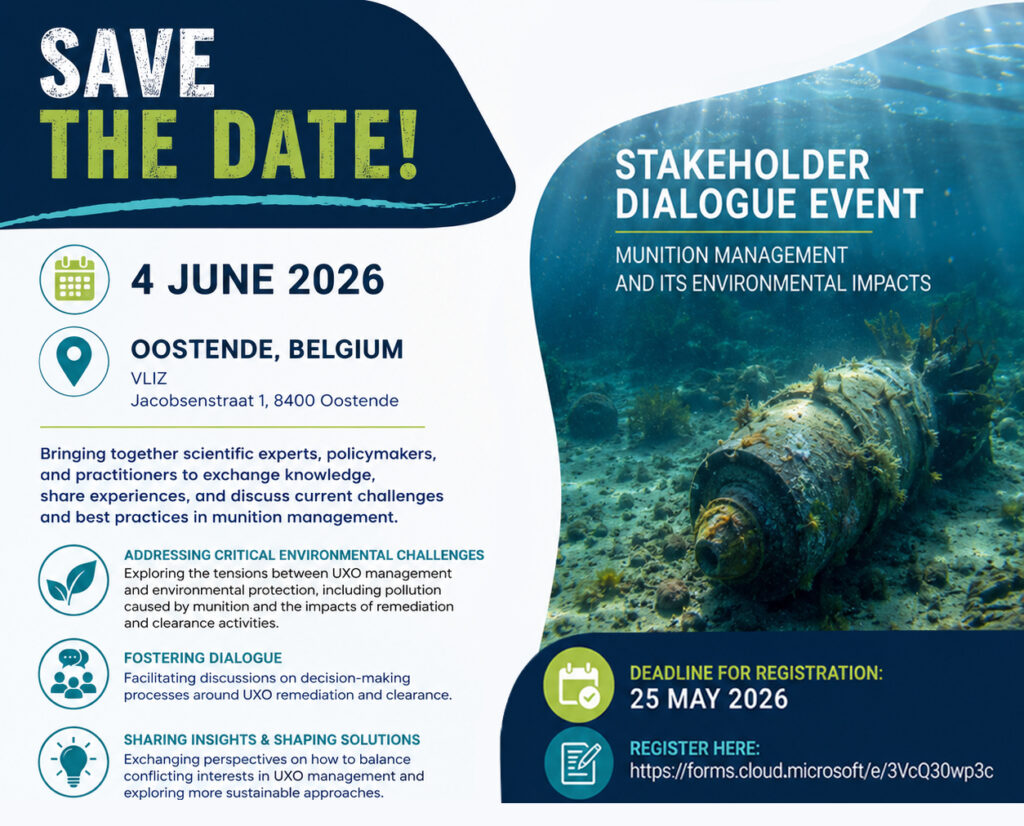
Management of sunken munitions and their environmental impact - registration for the Stakeholder Dialogue Event in Belgium
Managing submerged munitions and their environmental impact is one of the key topics of international cooperation in Europe’s marine regions.
On 4 June 2026, the Stakeholder Dialogue Event will take place in Oostende, Belgium, organized within the REMARCO project (https://lnkd.in/dU2Q3yNr) - an initiative carried out by an international consortium of partners from the North Sea region, also cooperating with projects addressing threats related to submerged munitions and wrecks in the Baltic Sea region, including the Baltwreck project.
The event will focus on decision-making processes concerning the removal of unexploded ordnance (UXO), as well as challenges related to the protection of the marine environment. The meeting will bring together scientific experts, policymakers, and practitioners dealing with submerged munitions and the management of contaminated marine areas. Discussions will cover, among other topics, the environmental impact of munitions, the potential consequences of remediation activities, and the search for more sustainable solutions for UXO management. In the field of research and international cooperation, the MUNIMAP and CONMAR Munition projects are also linked to these efforts.
Cooperation and resilience of regions take center stage at the EUSBSR Annual Forum 2026 in Tallinn
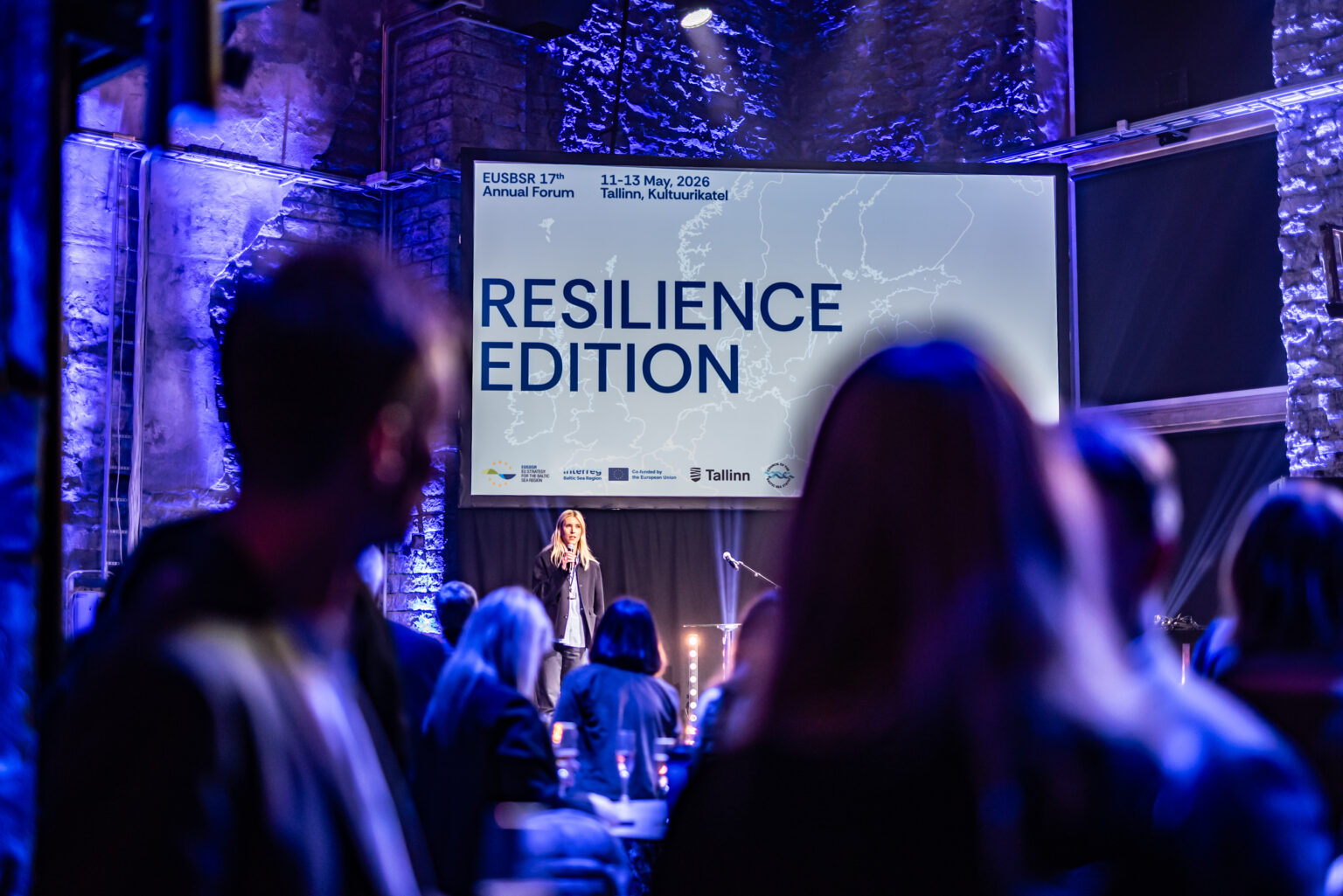
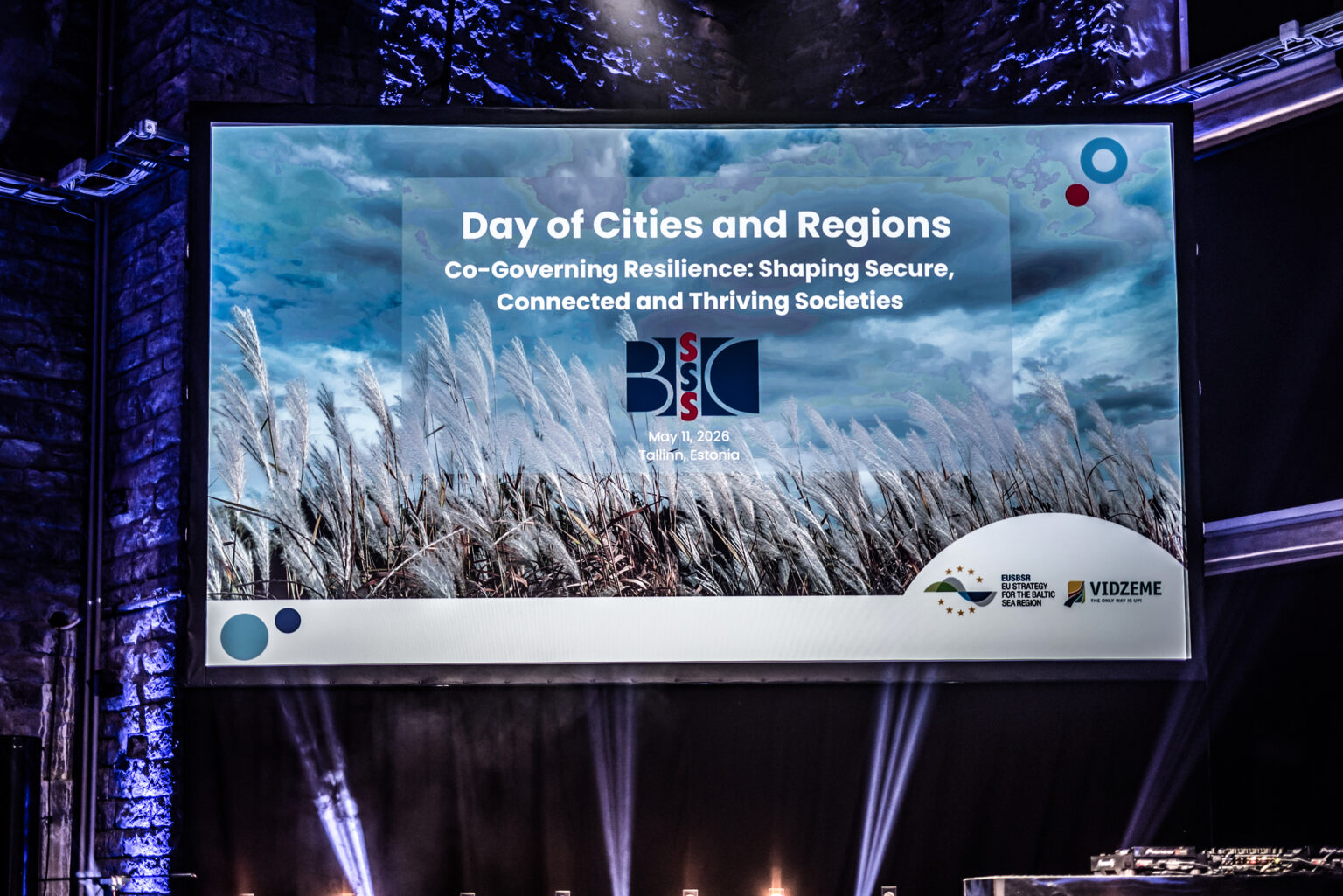
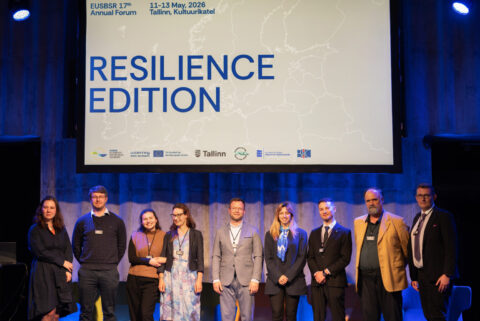
Resilience Edition EUSBSR Annual Forum 2026 and BSSSC Day of Cities and Regions in Tallinn. Promotion of the BaltWreck, CircularMuse and D-Effect projects.
Discussions on the future and resilience of the Baltic Sea Region in Tallinn
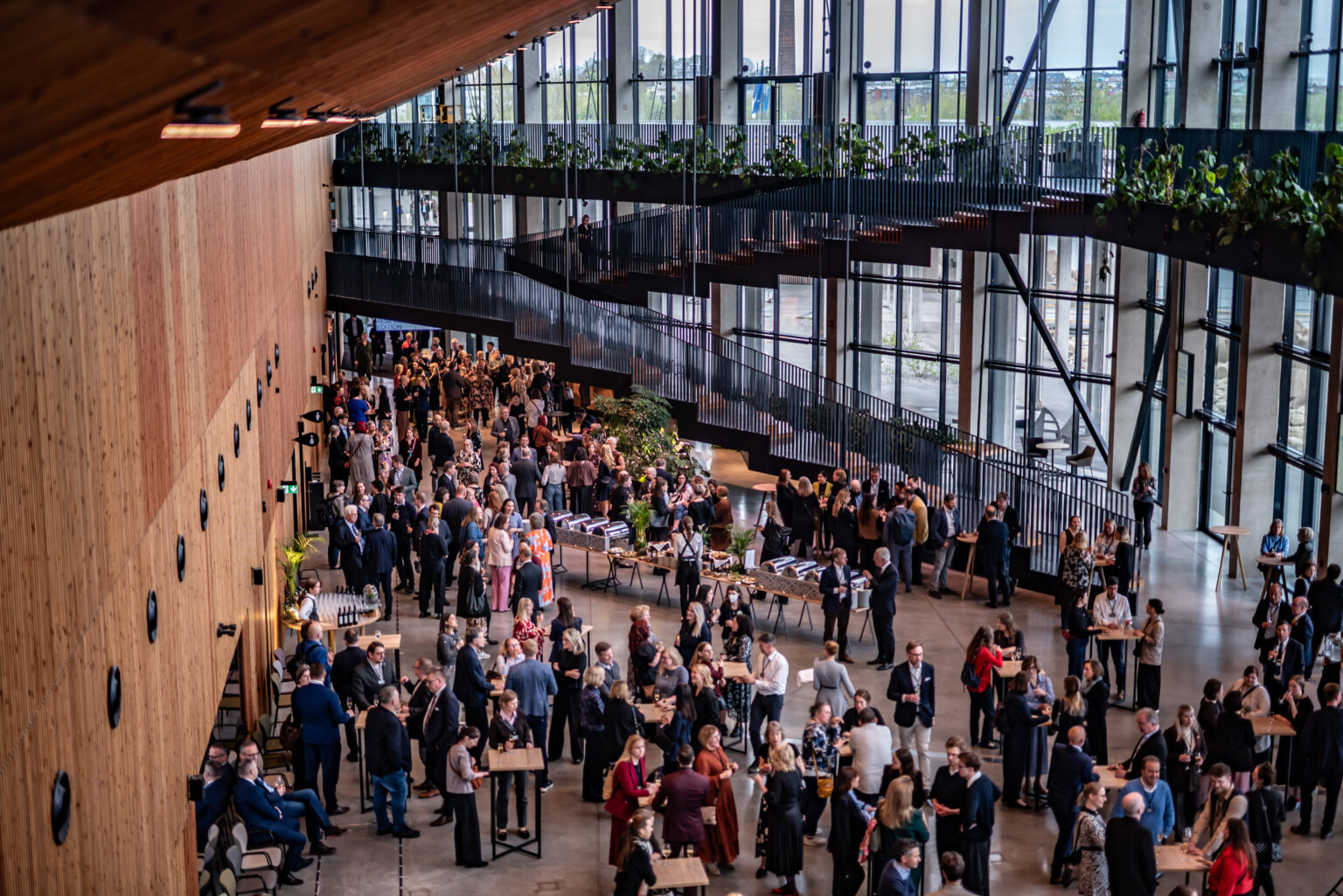
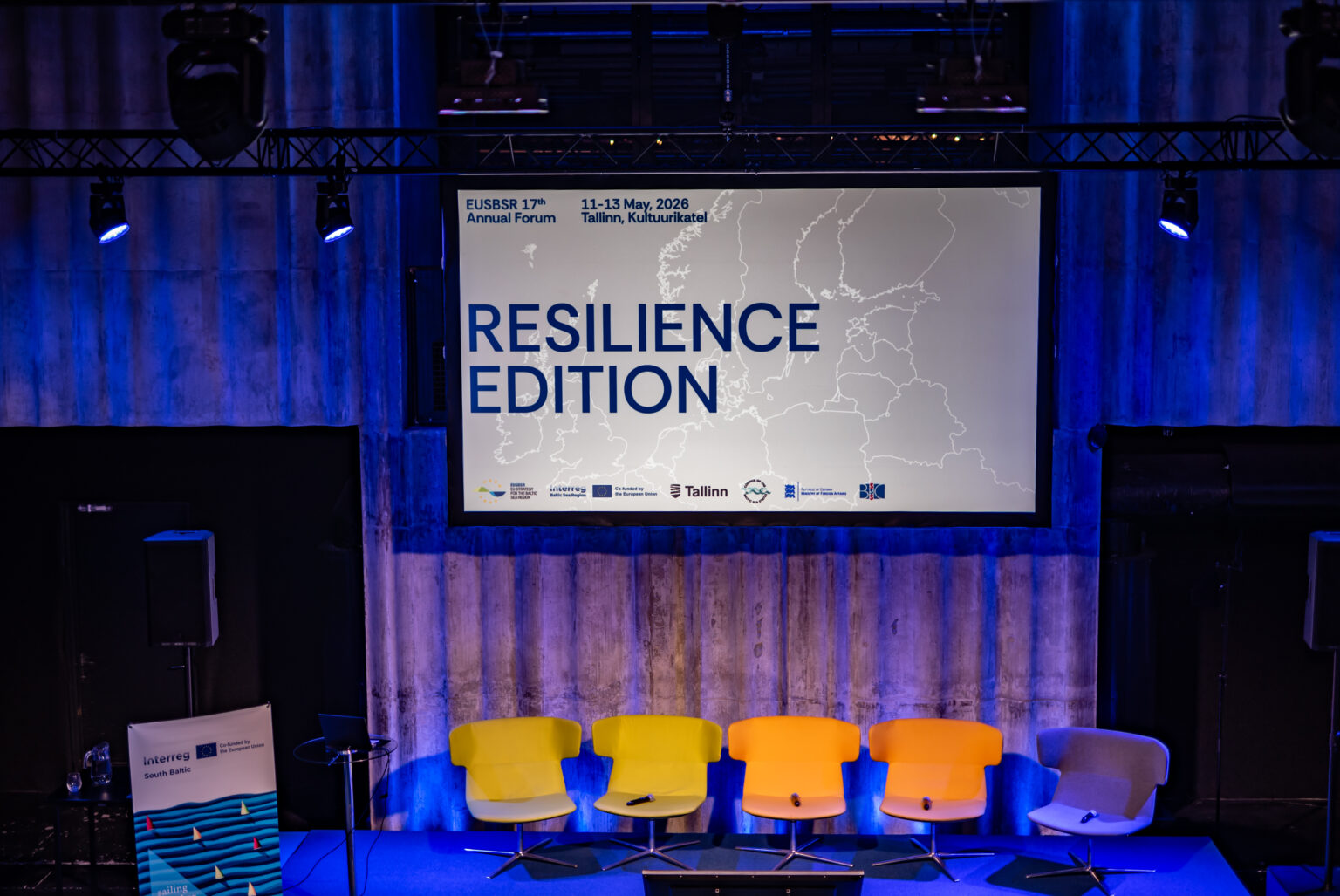
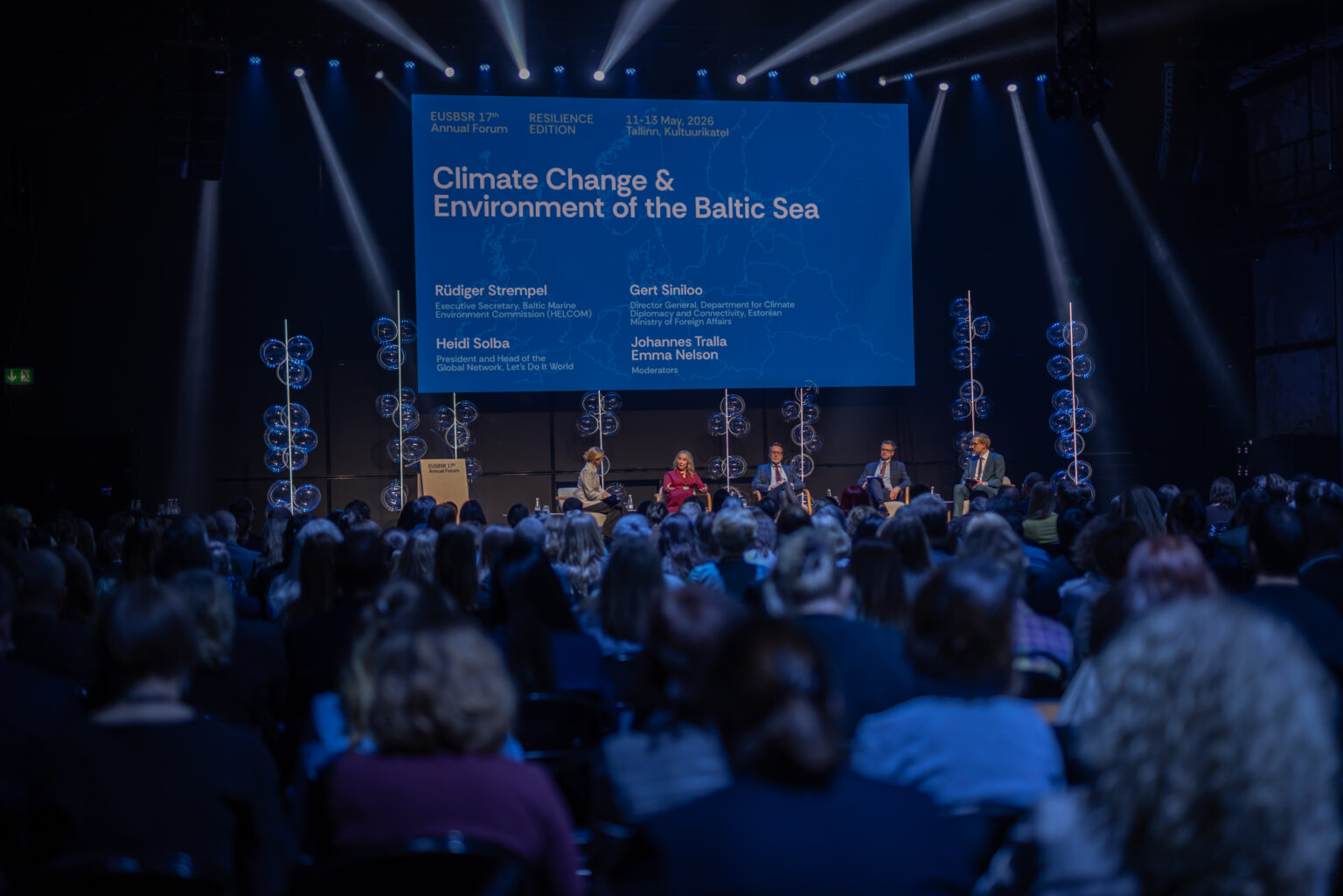
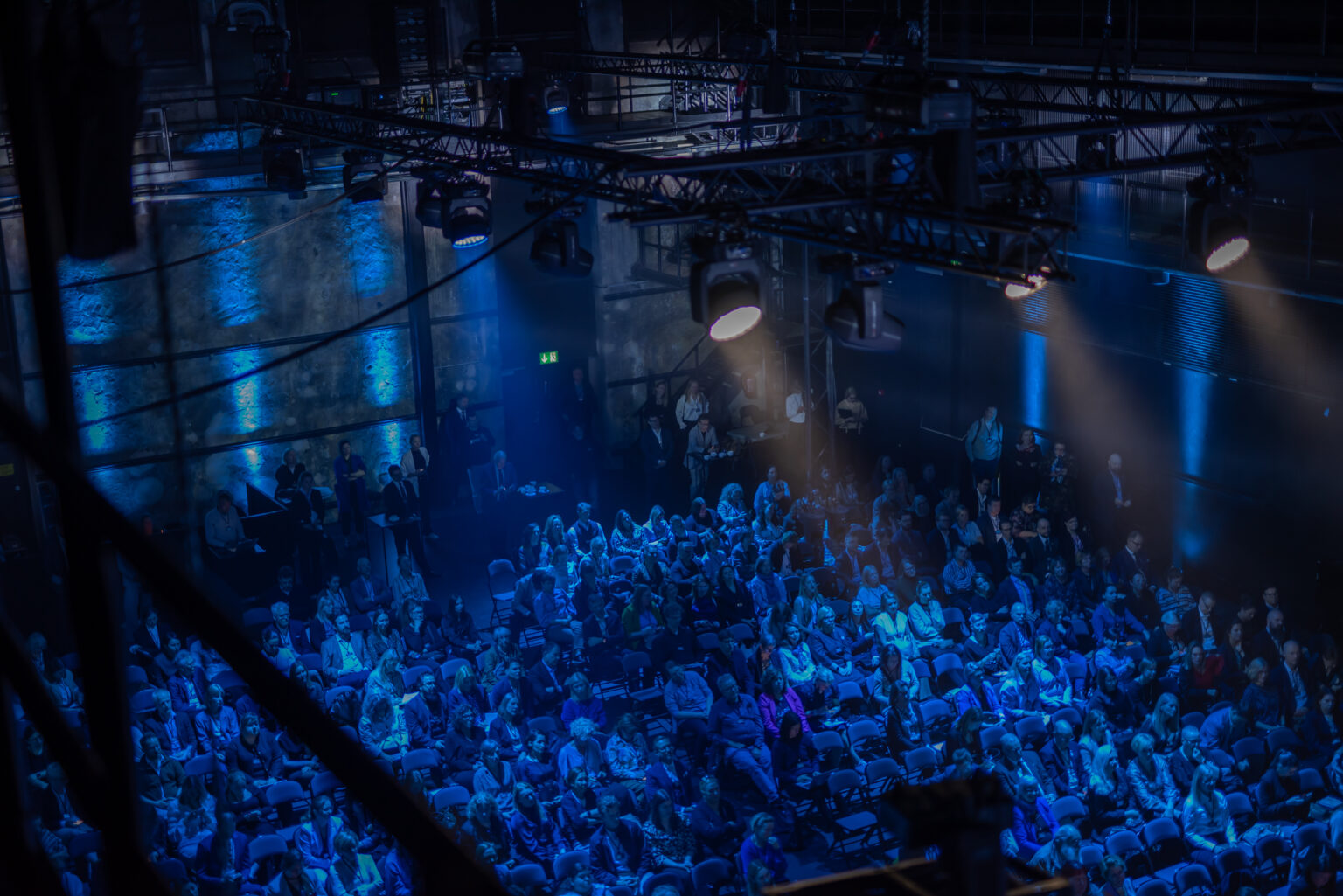
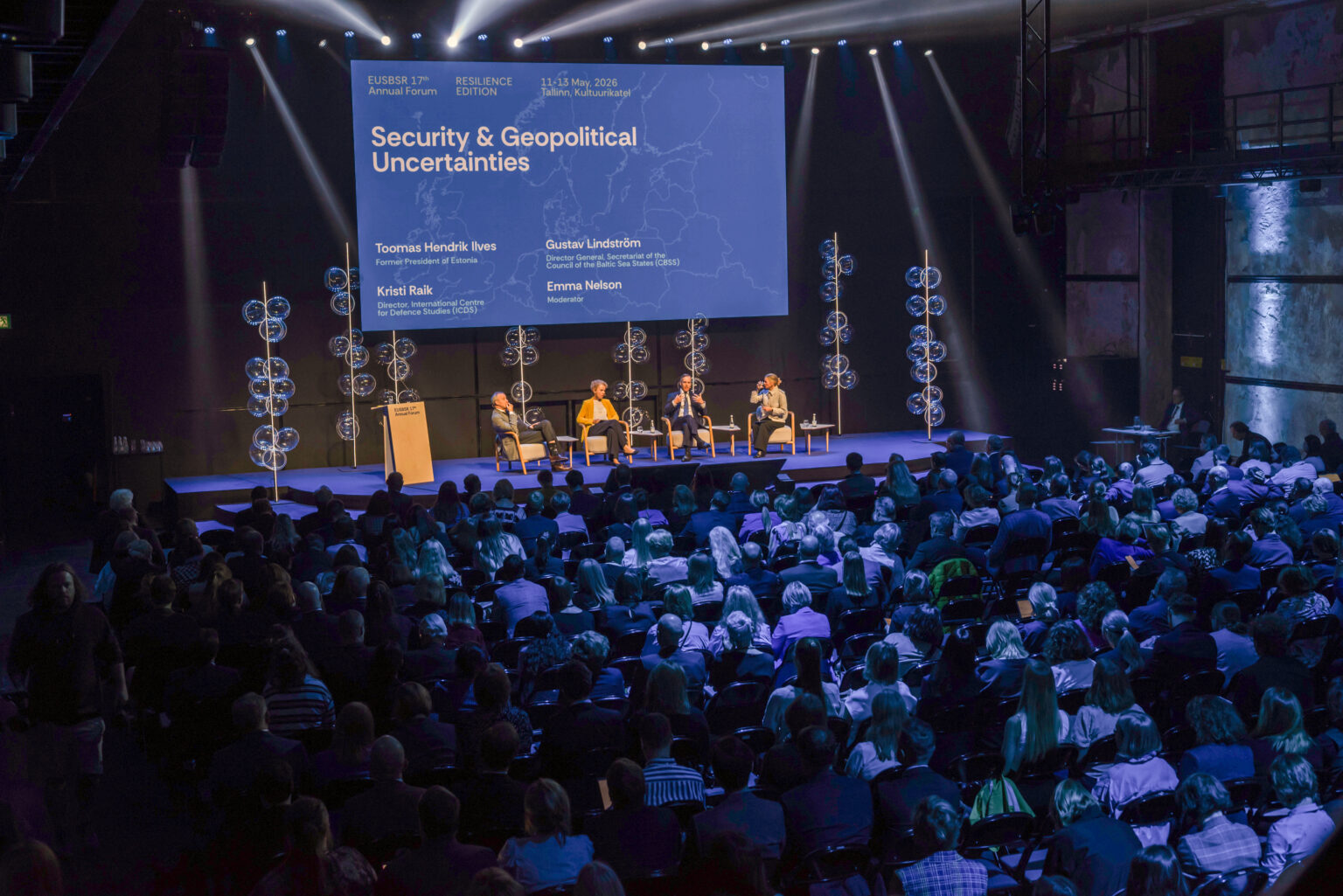
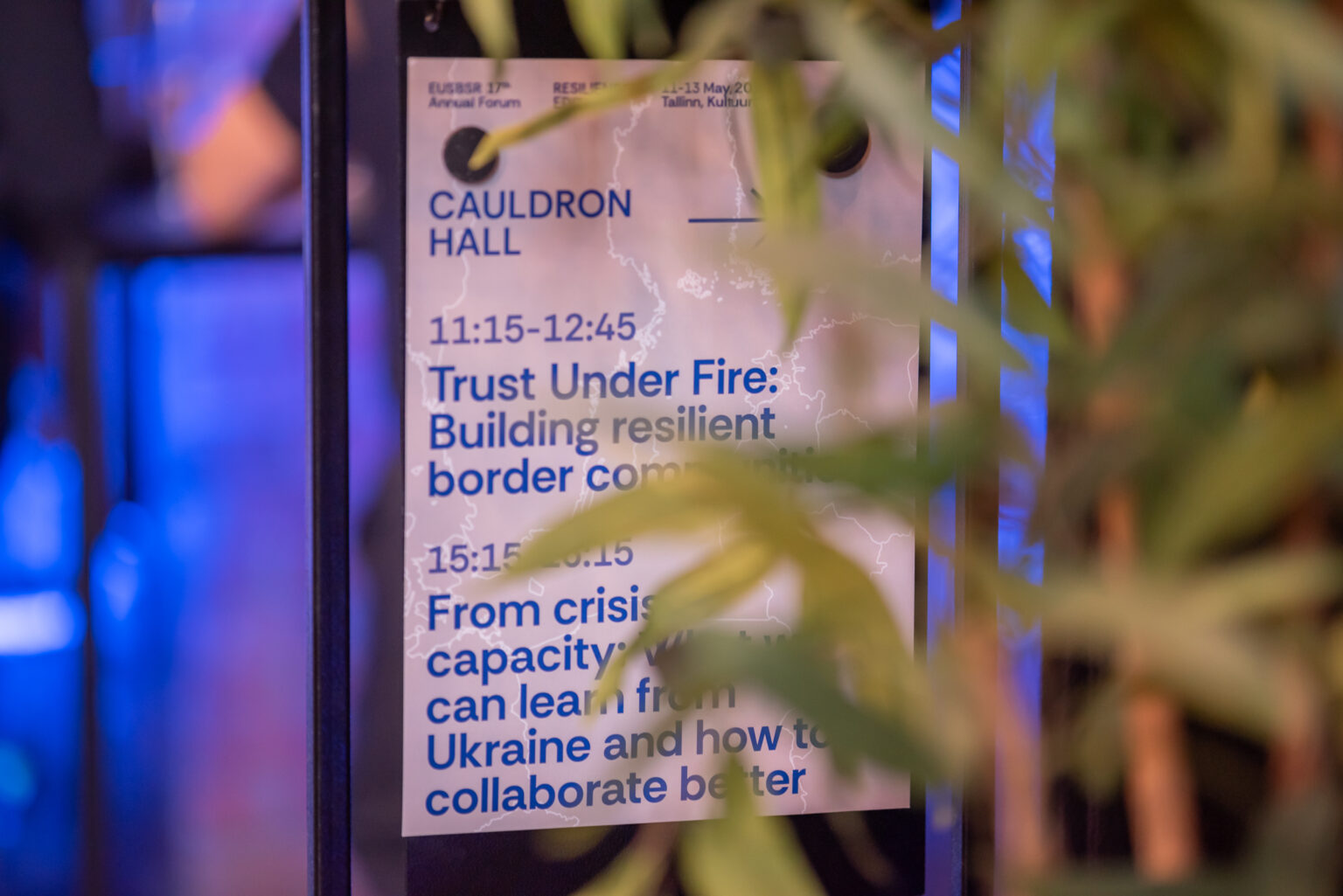
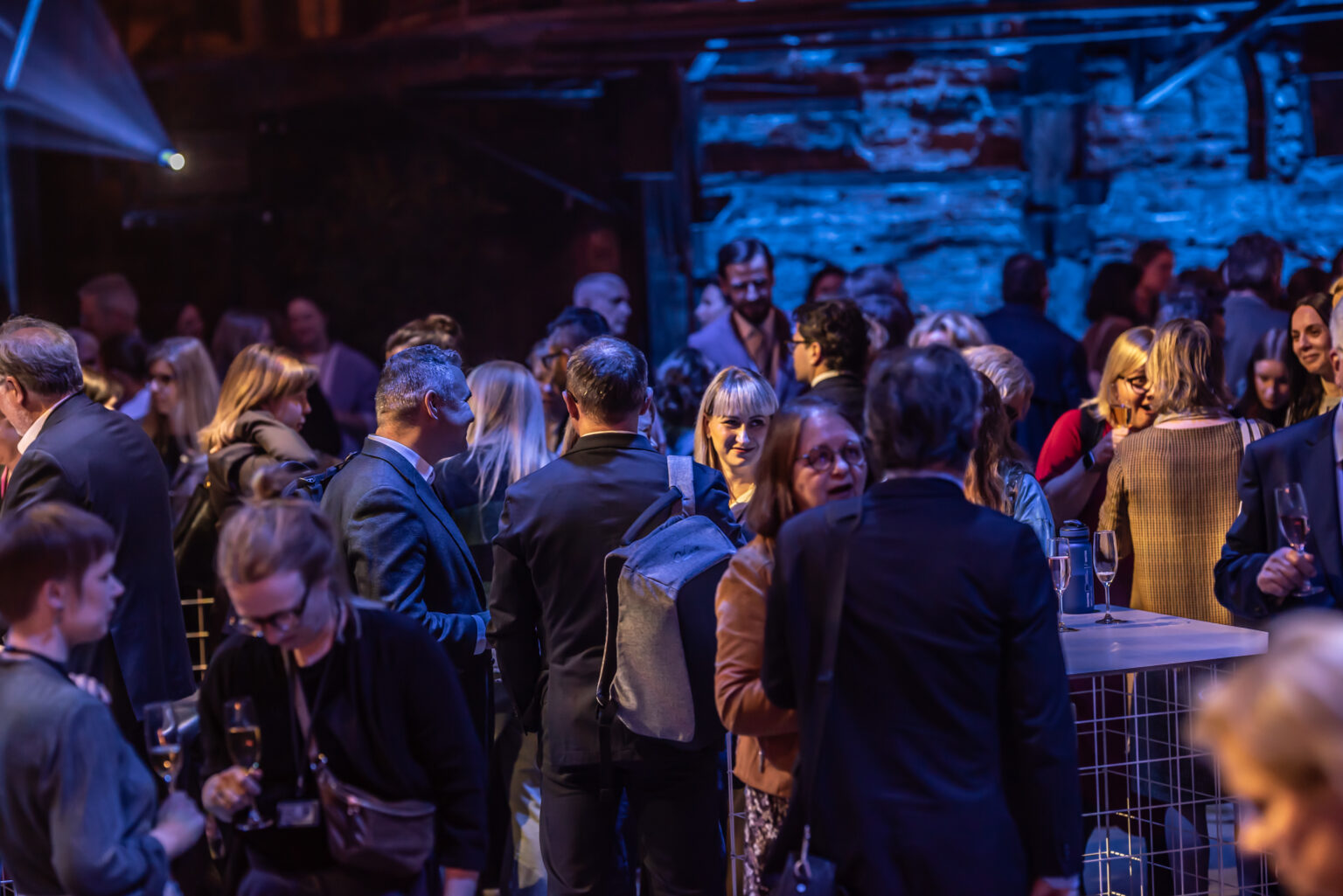
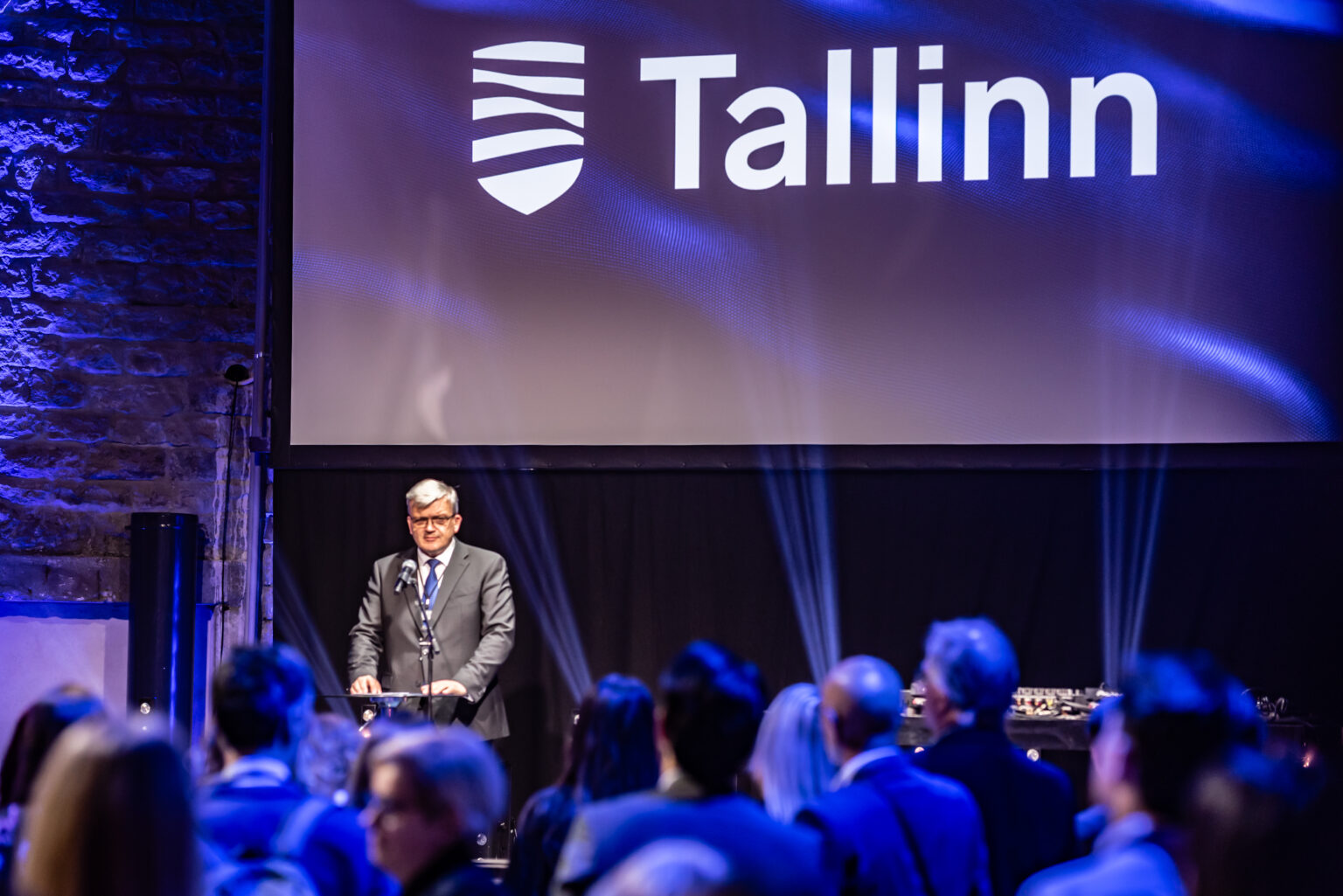
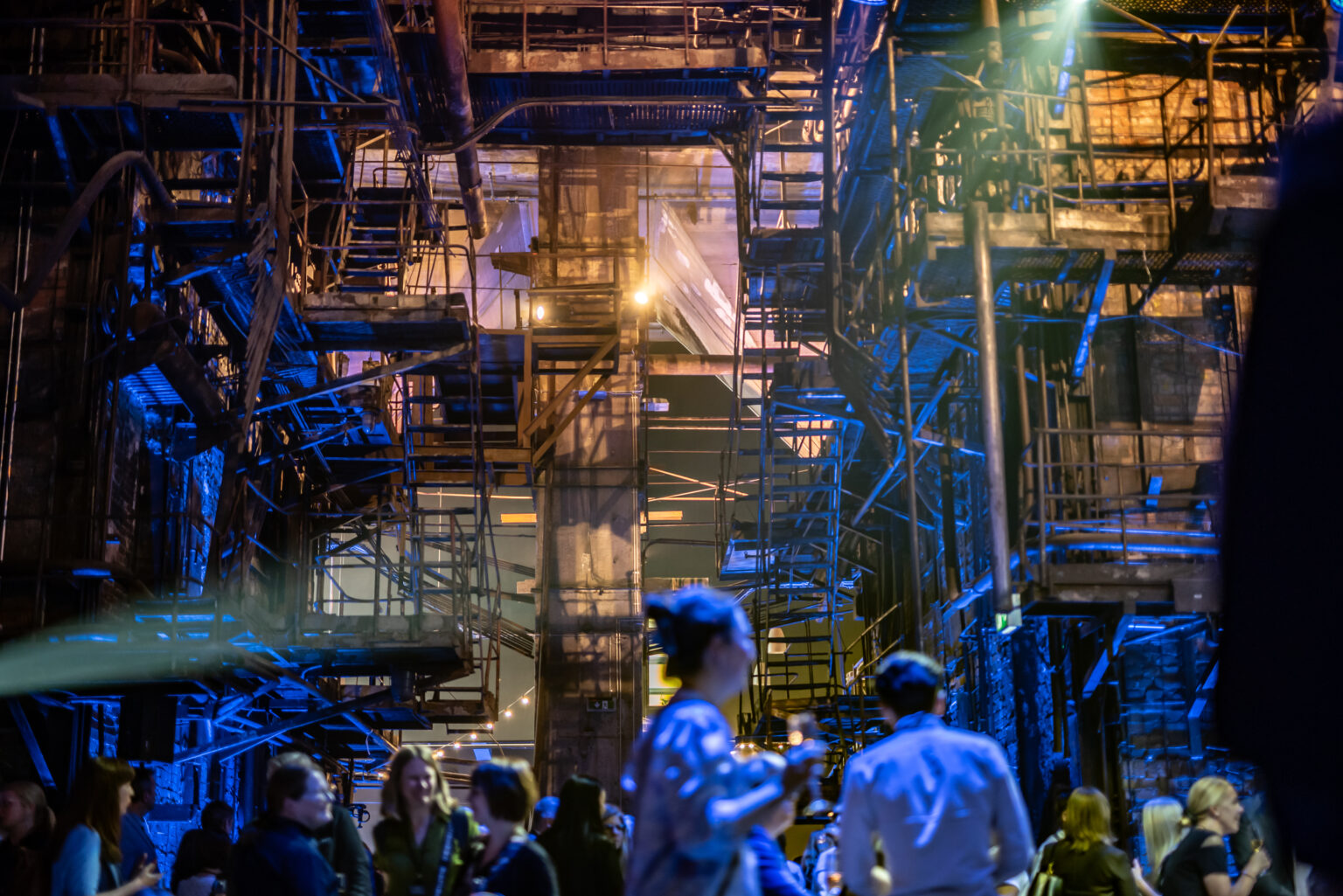
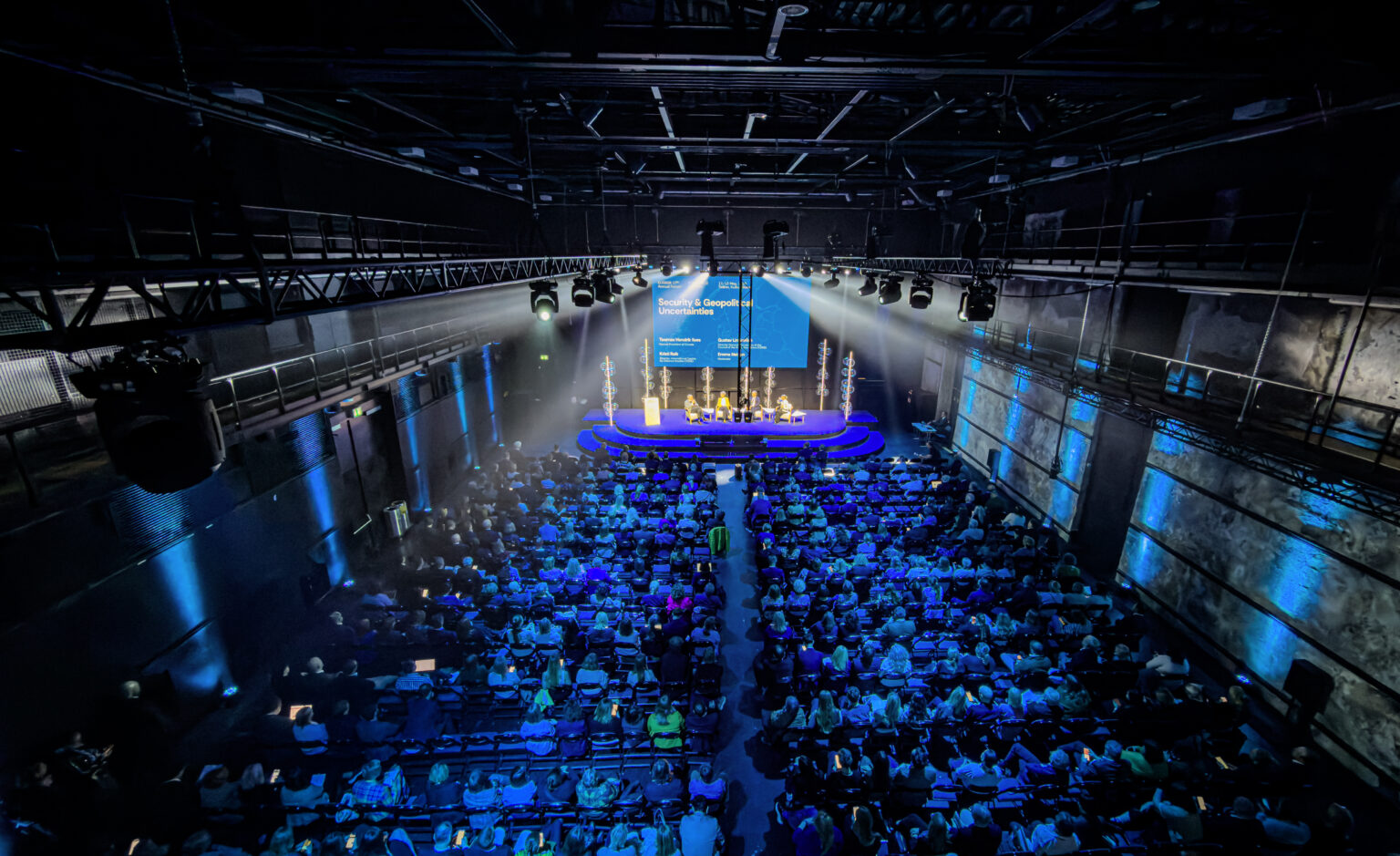
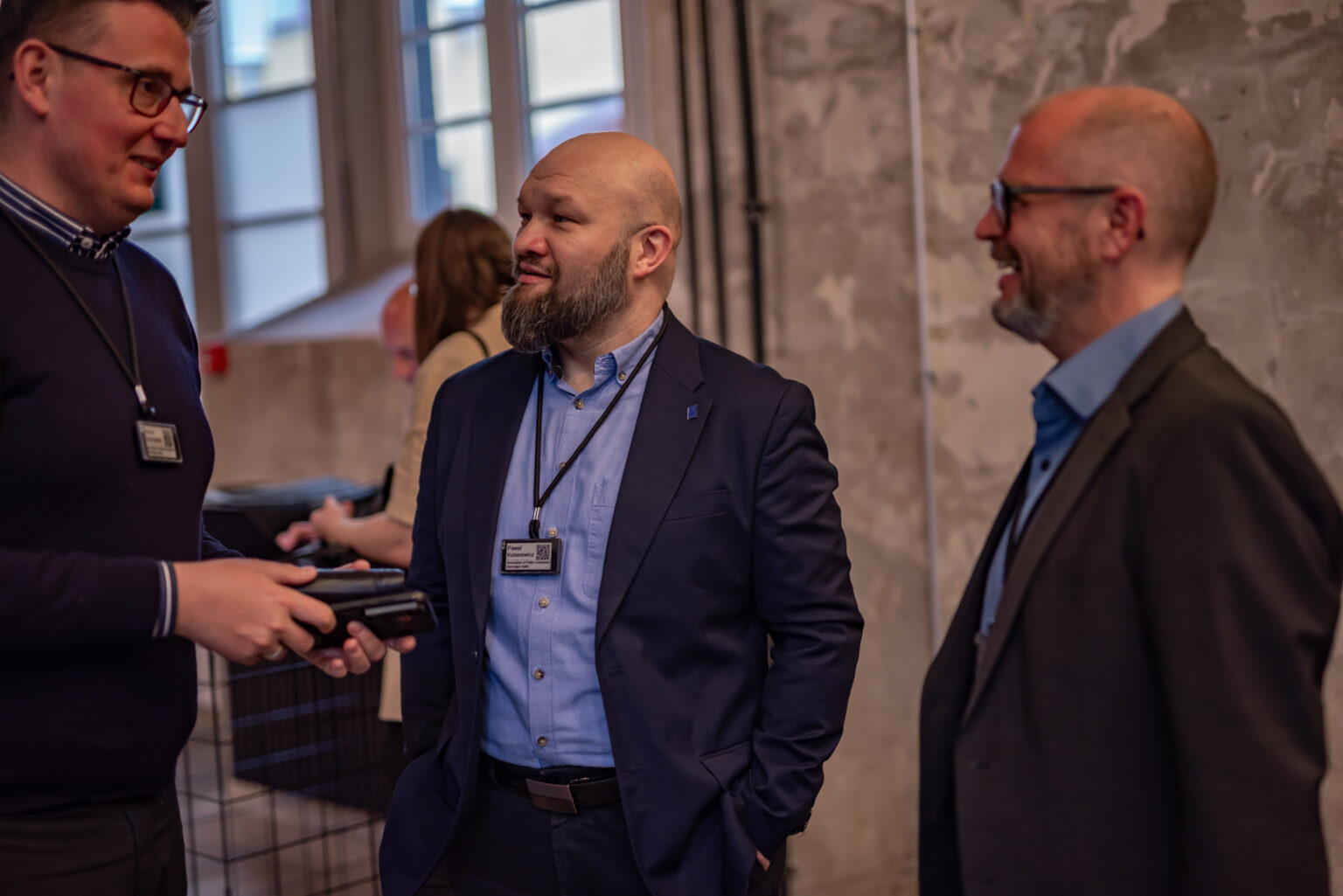
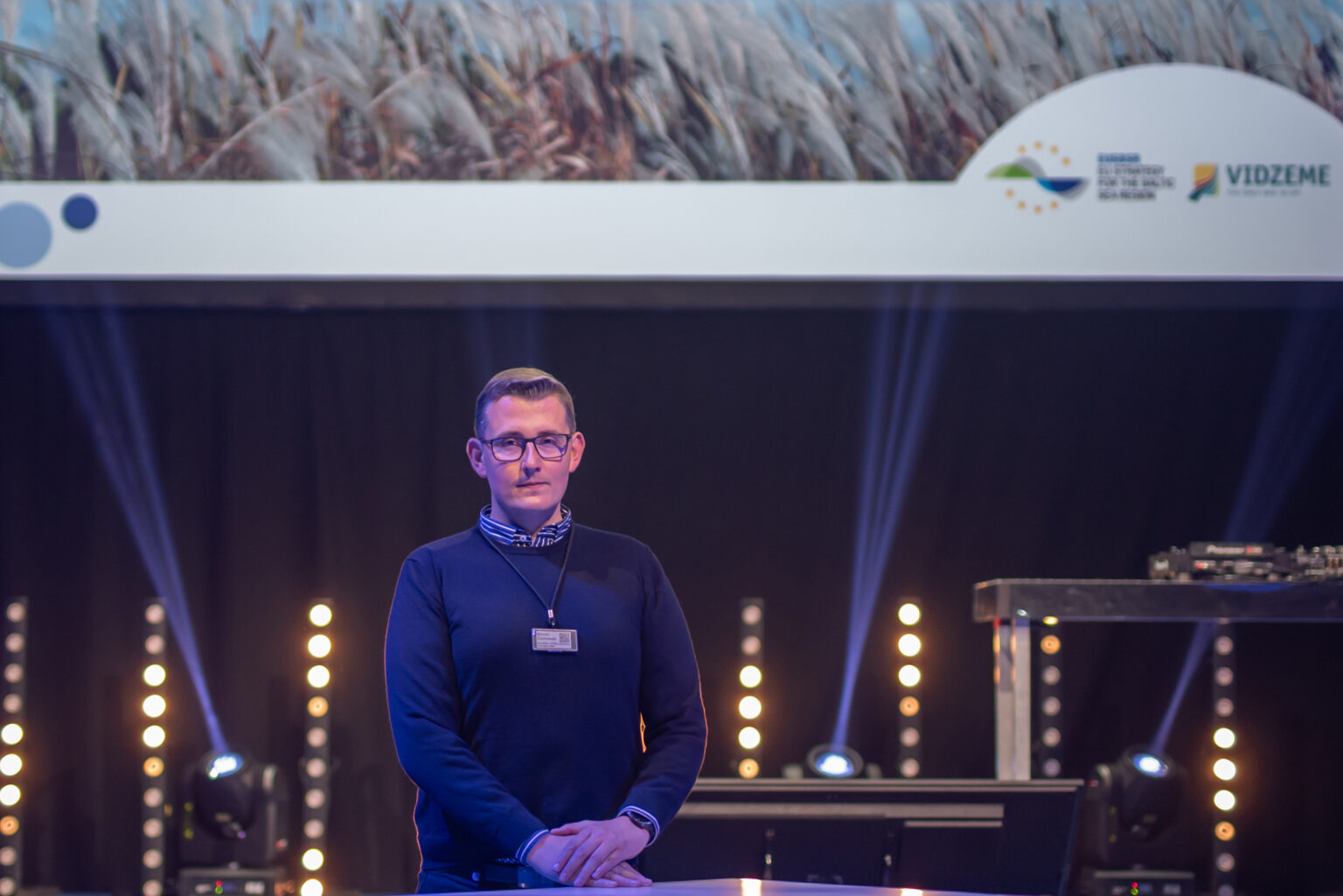
On 11–13 May, the Kultuurikatel conference centre in Tallinn hosted a series of events dedicated to regional cooperation, security, and strengthening the resilience of the Baltic Sea Region within the framework of the BSSSC Day of Cities and Regions and the EUSBSR Annual Forum 2026.
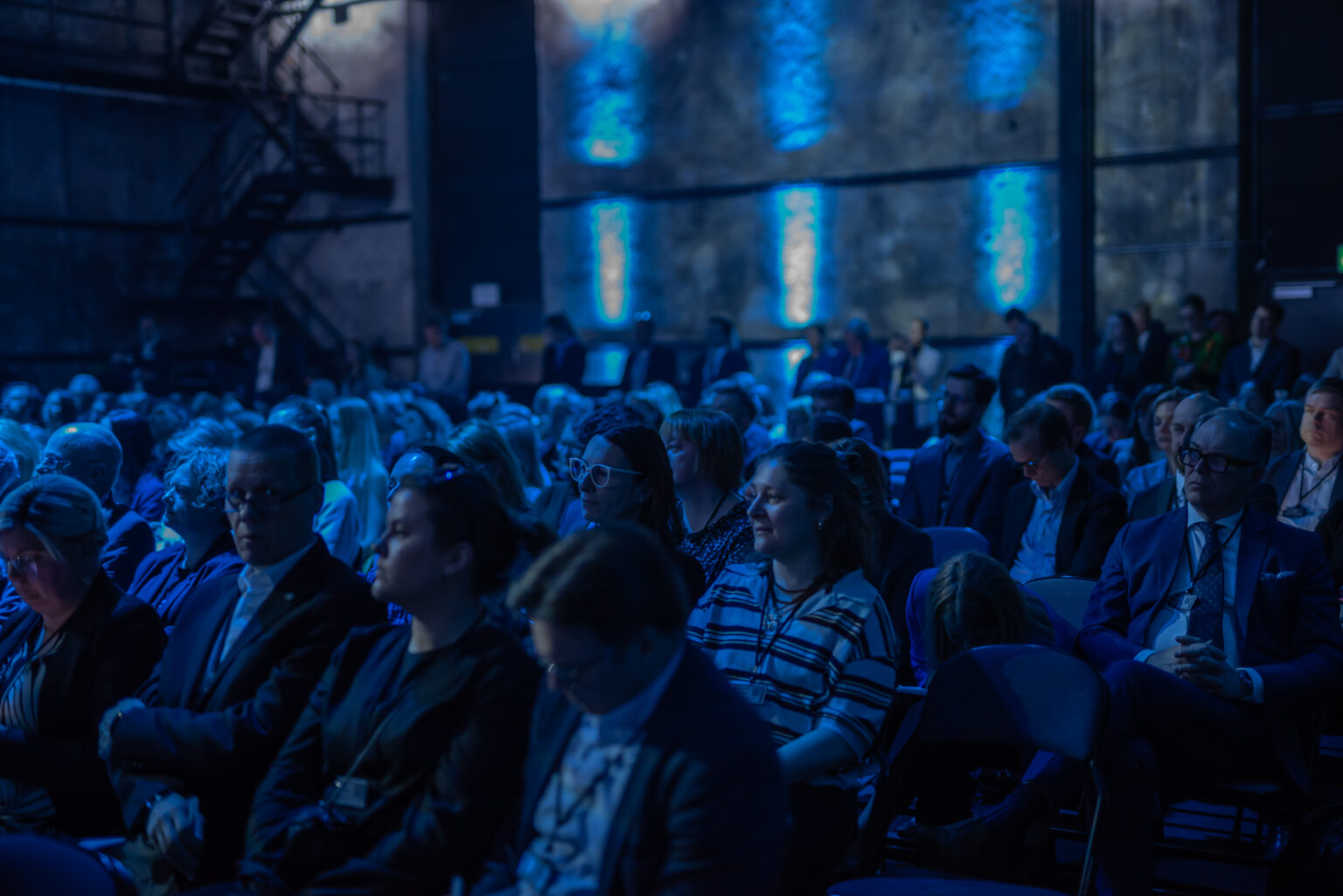
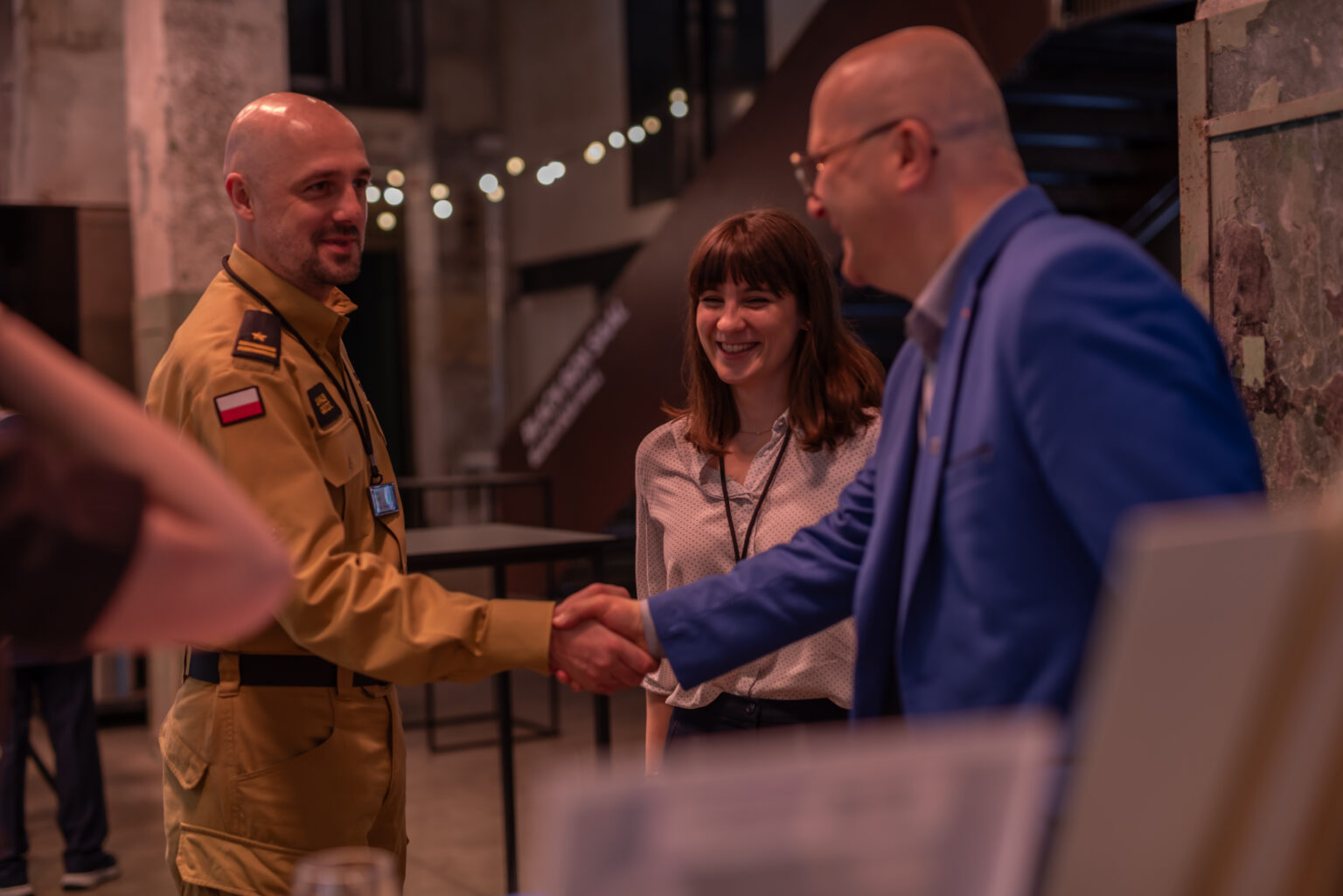
The meeting brought together representatives of local and regional authorities, public administrations, international organisations, EU institutions, academia, and youth networks from across the Baltic Sea Region.
Security, energy transition and cross-border cooperation at the core of debates
The programme focused on the key challenges facing the Baltic Sea Region. Major topics included regional security and resilience, cross-border cooperation, energy transition, climate change adaptation, and the development of social innovation.
Participants also discussed the future of cooperation programmes beyond 2027, demographic challenges, regional competitiveness, and joint actions aimed at sustainable development and strengthening the social and economic resilience of the countries of the Baltic Sea Region.
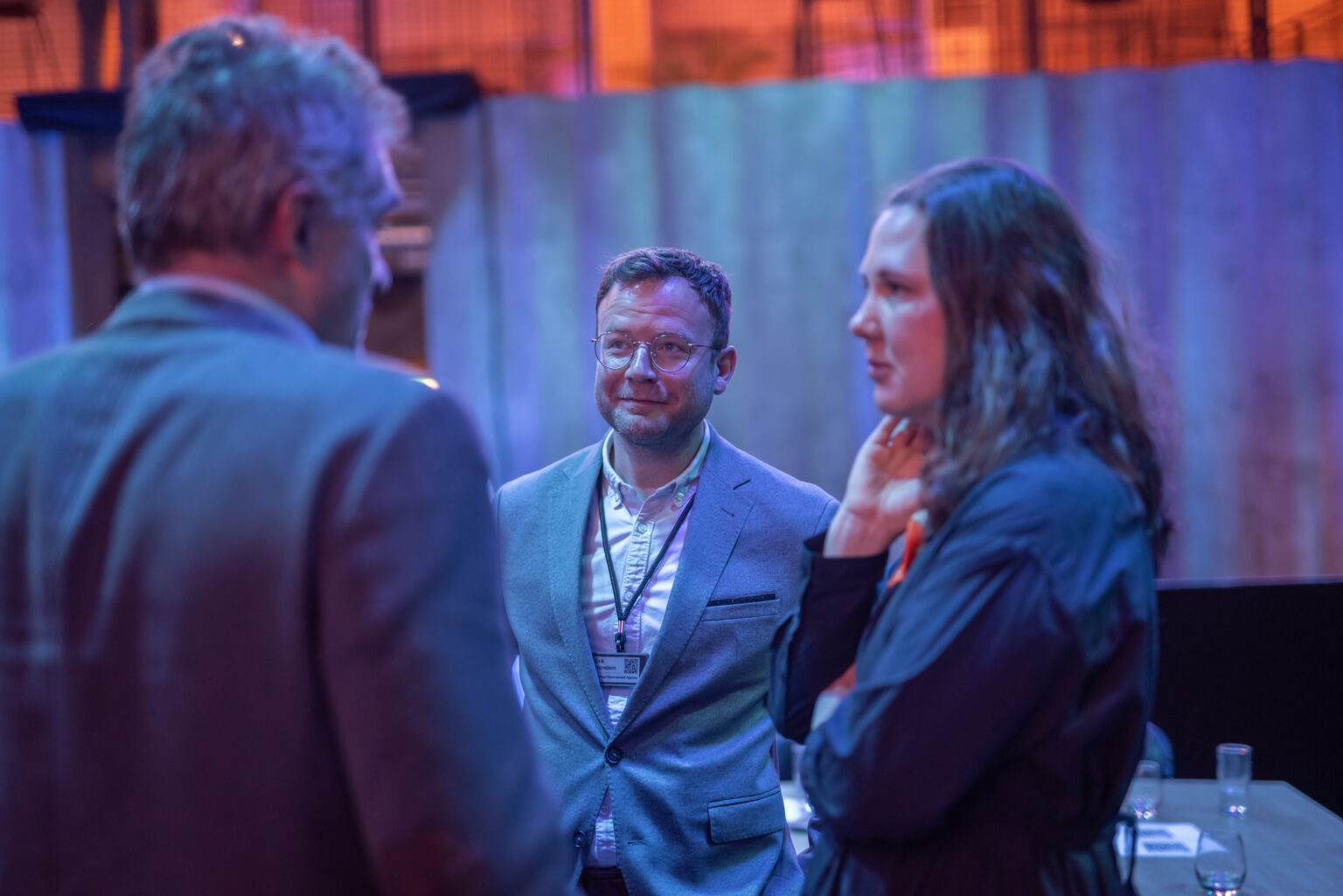
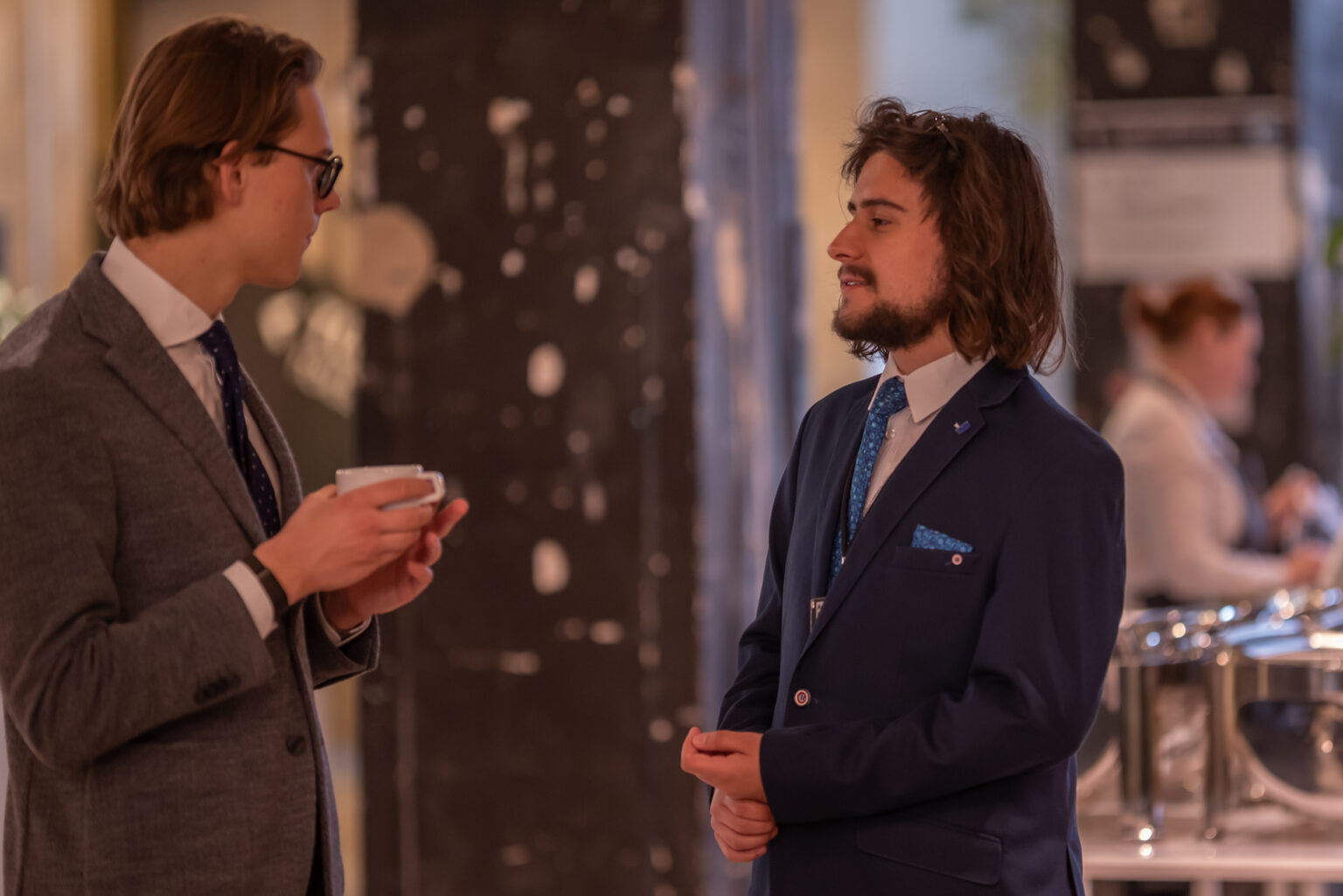
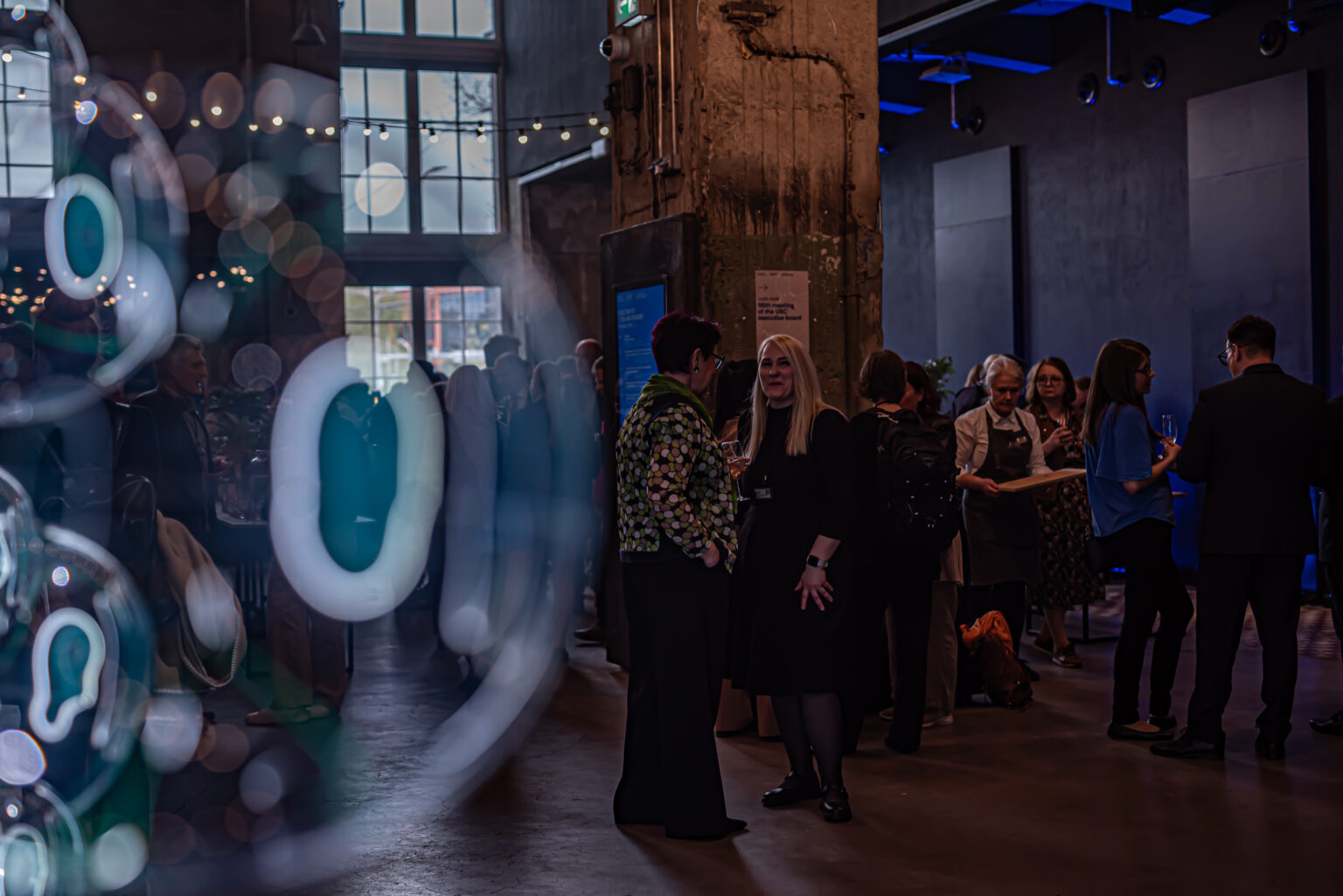
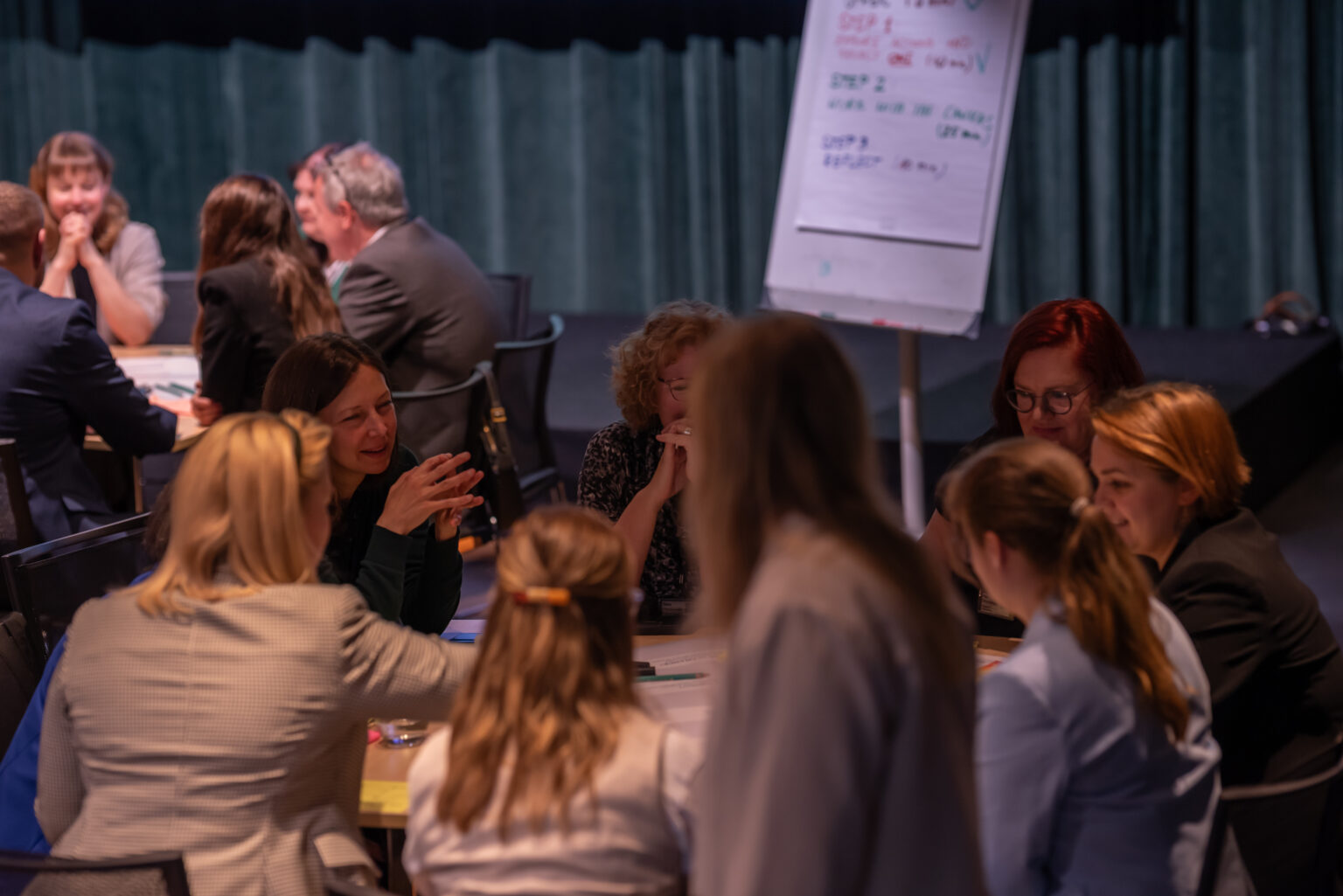
Networking sessions and workshops also played an important role, enabling knowledge exchange and the development of cooperation between partners from different countries.
Promotion of the BaltWreck, CircularMuse and Deffect projects
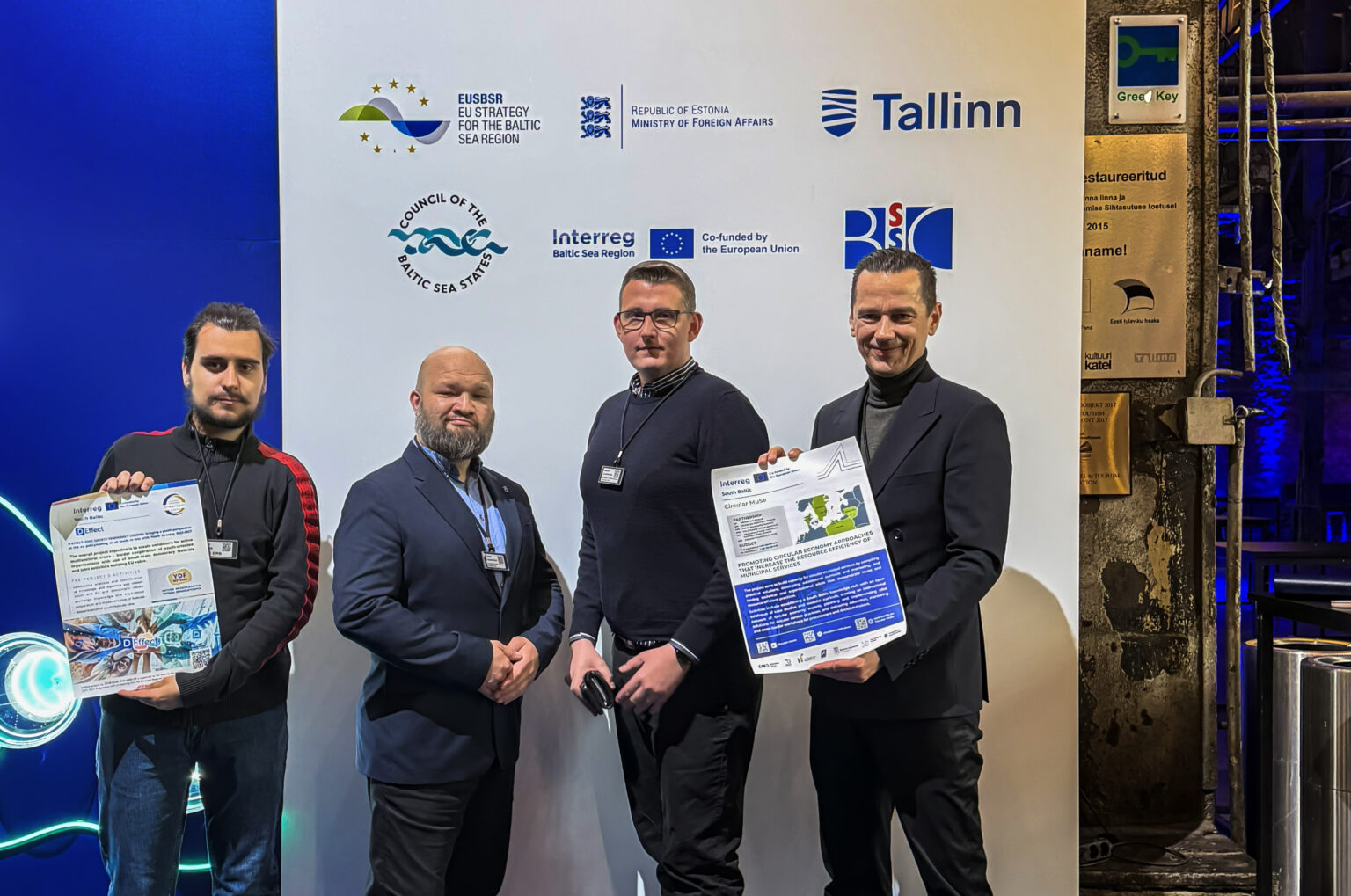
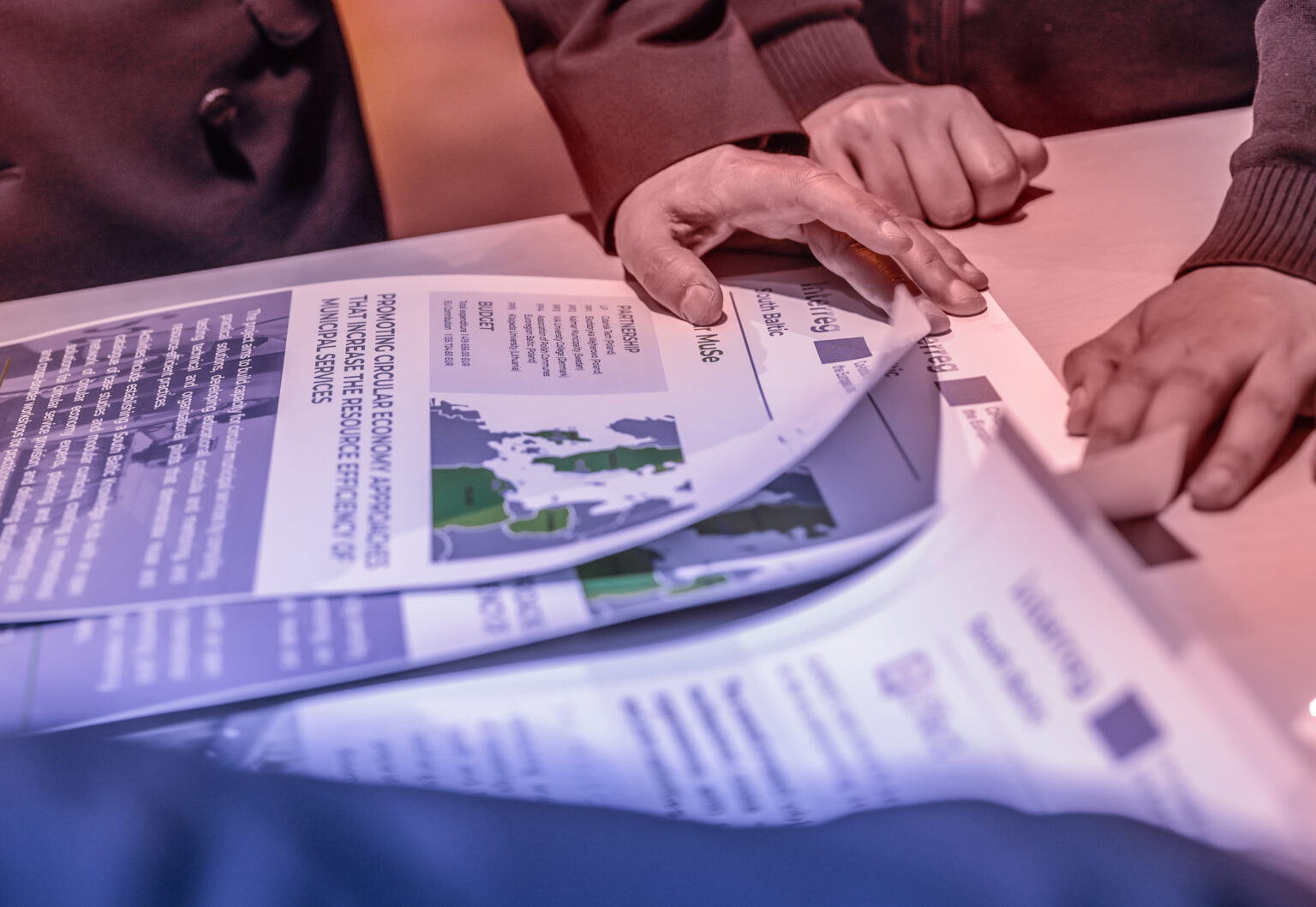
During the event, the CircularMuse, Deffect, and BaltWreck projects were actively promoted.
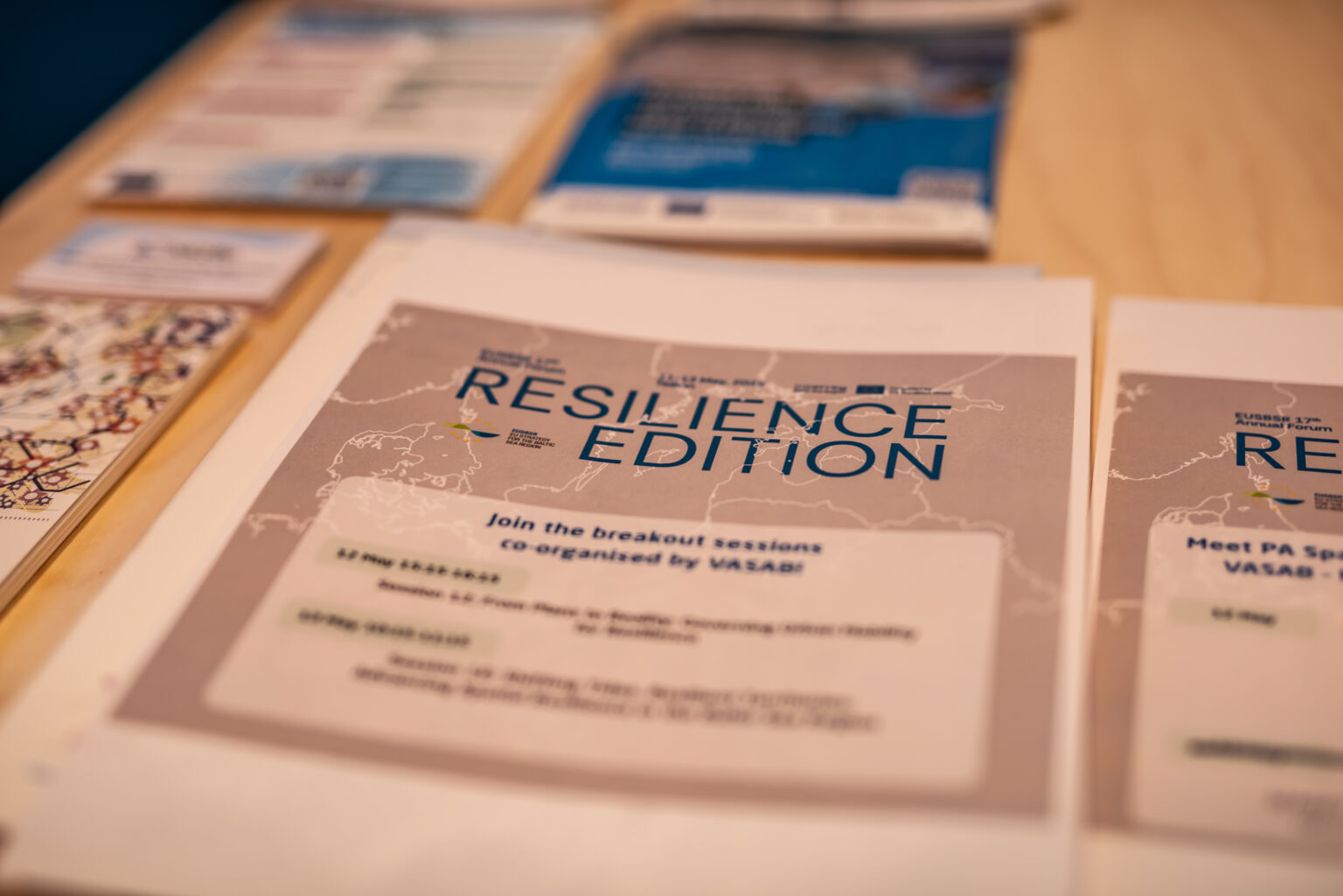
Informational materials presenting ongoing activities were displayed in the forum’s networking area, and project representatives actively participated in thematic discussions on regional cooperation, environmental protection, and sustainable development.
International debate on wrecks and submerged munitions in the Baltic Sea
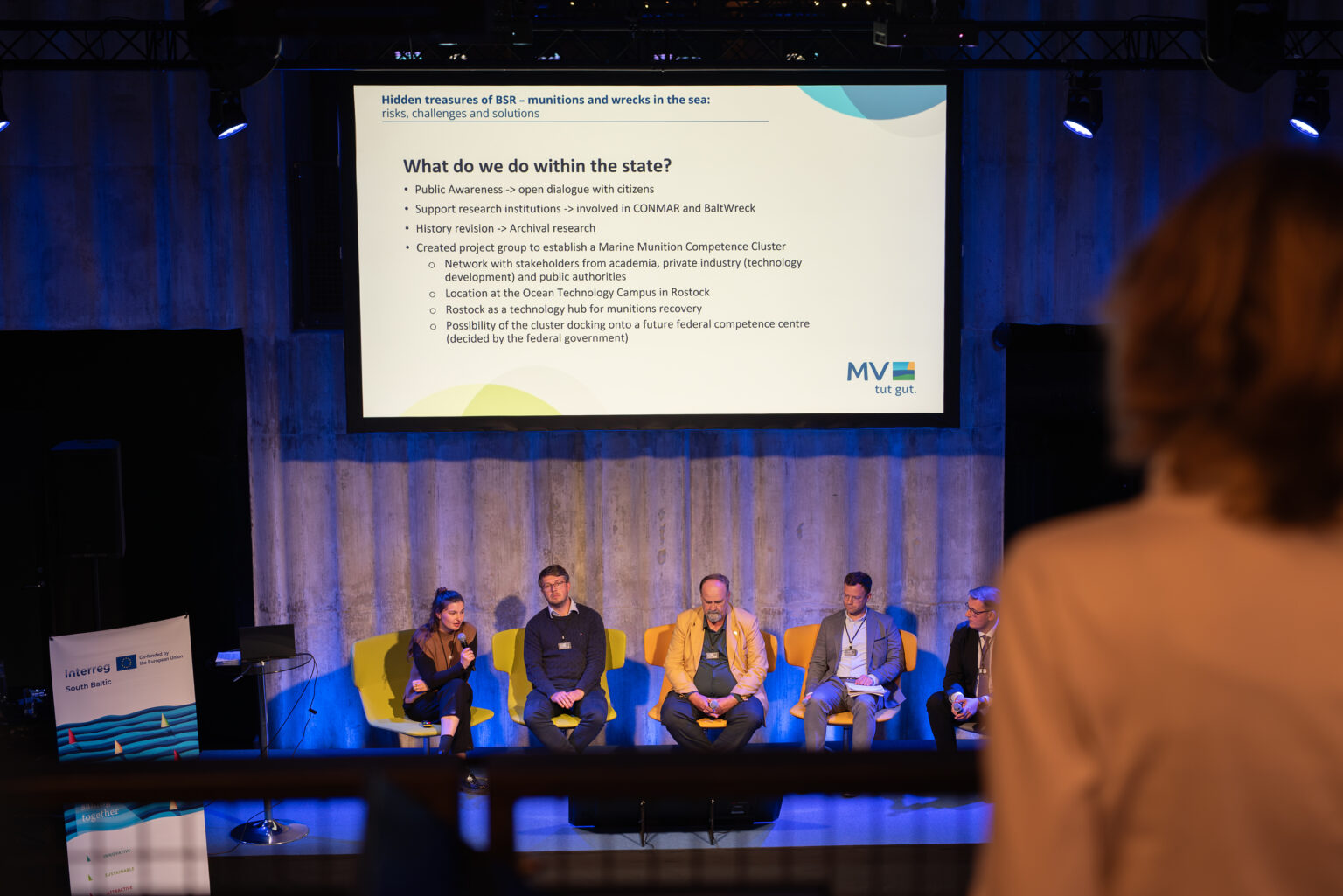
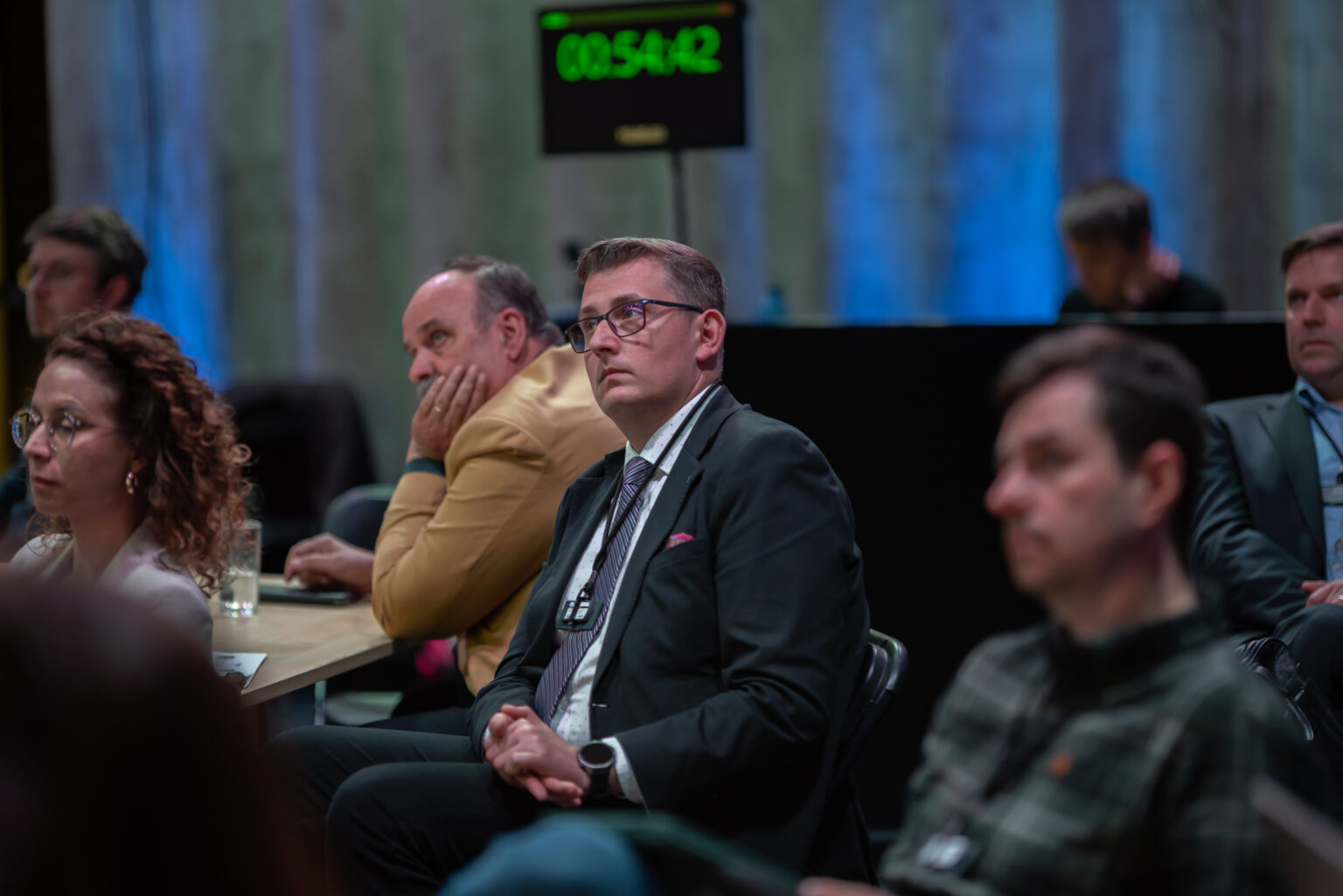
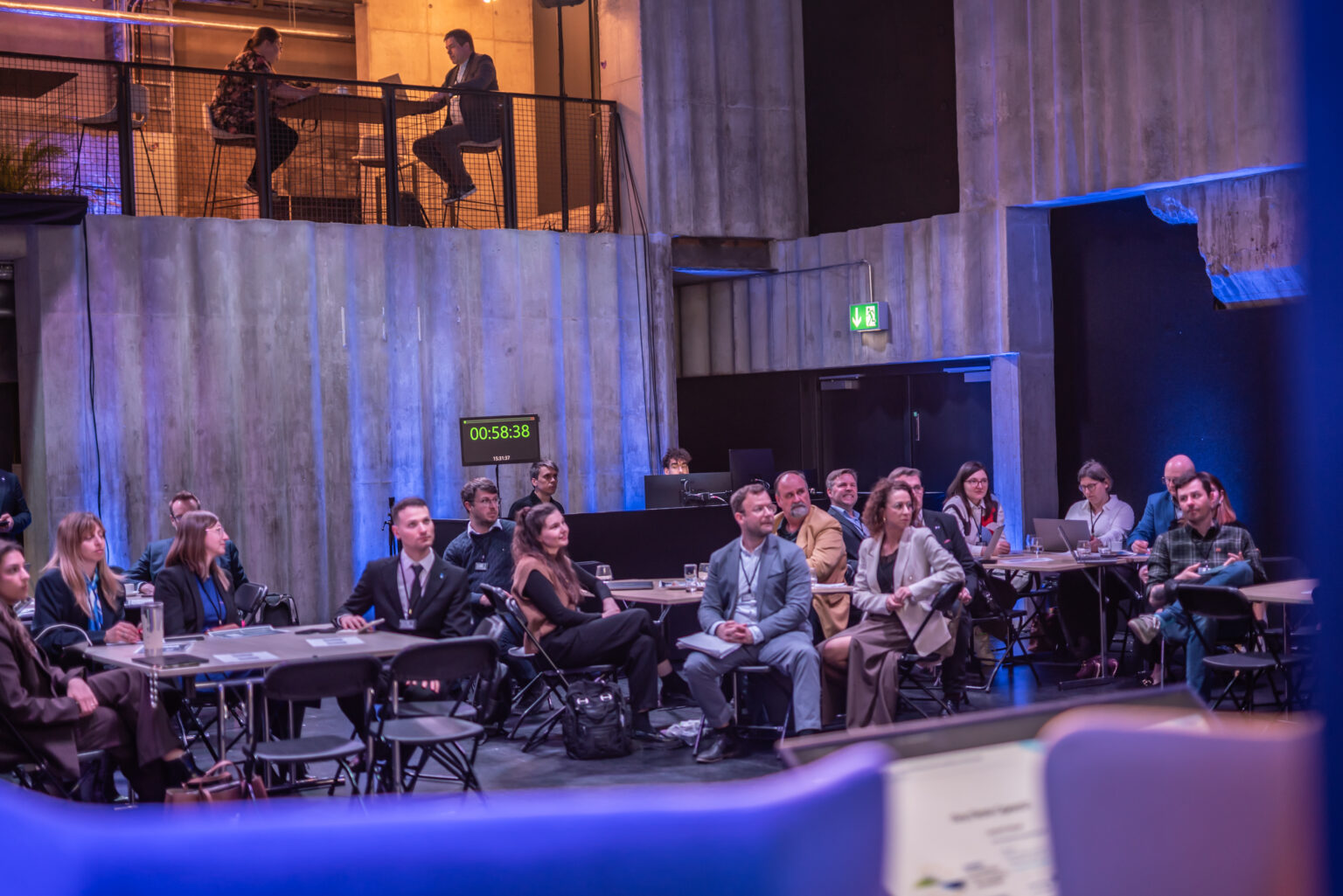
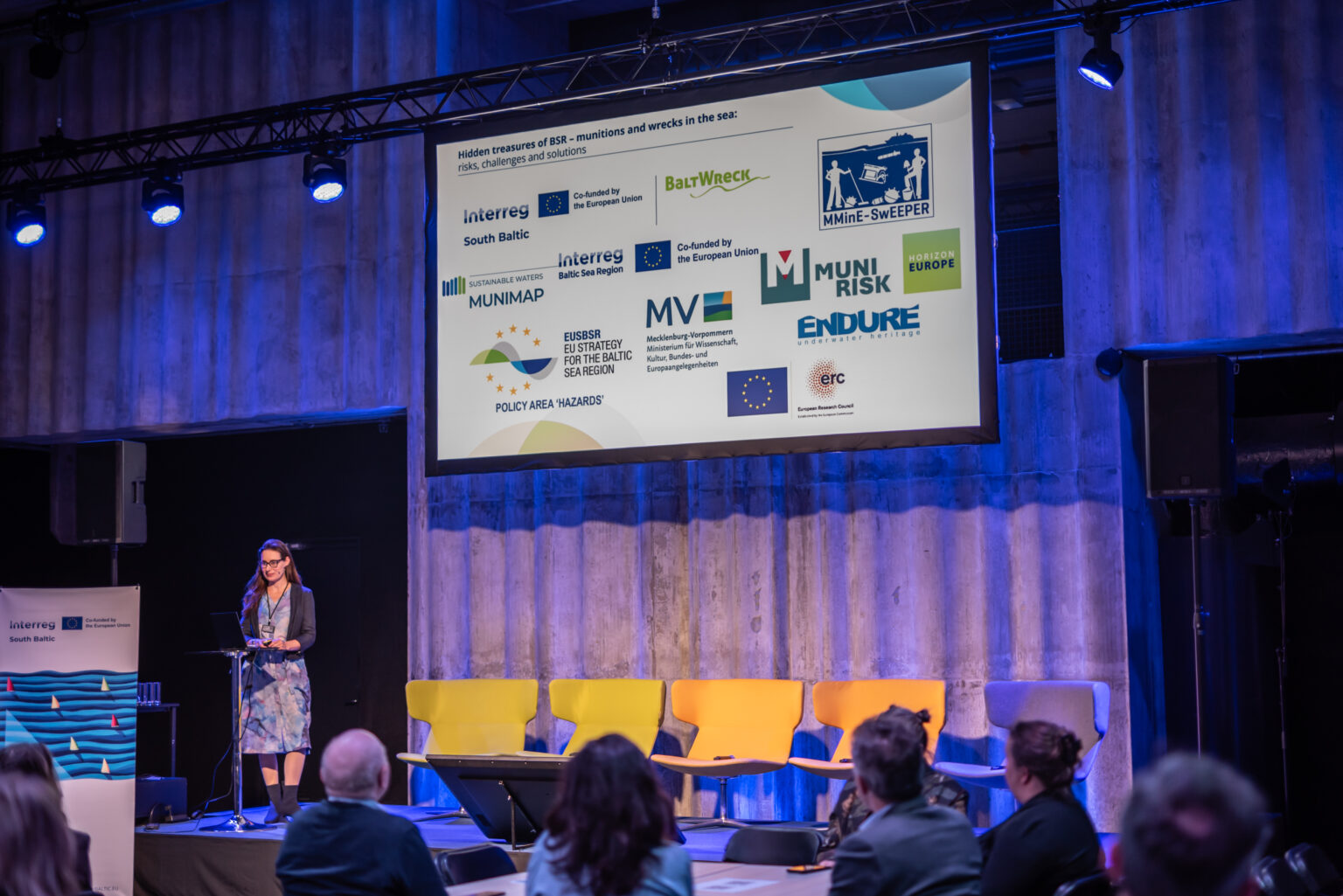
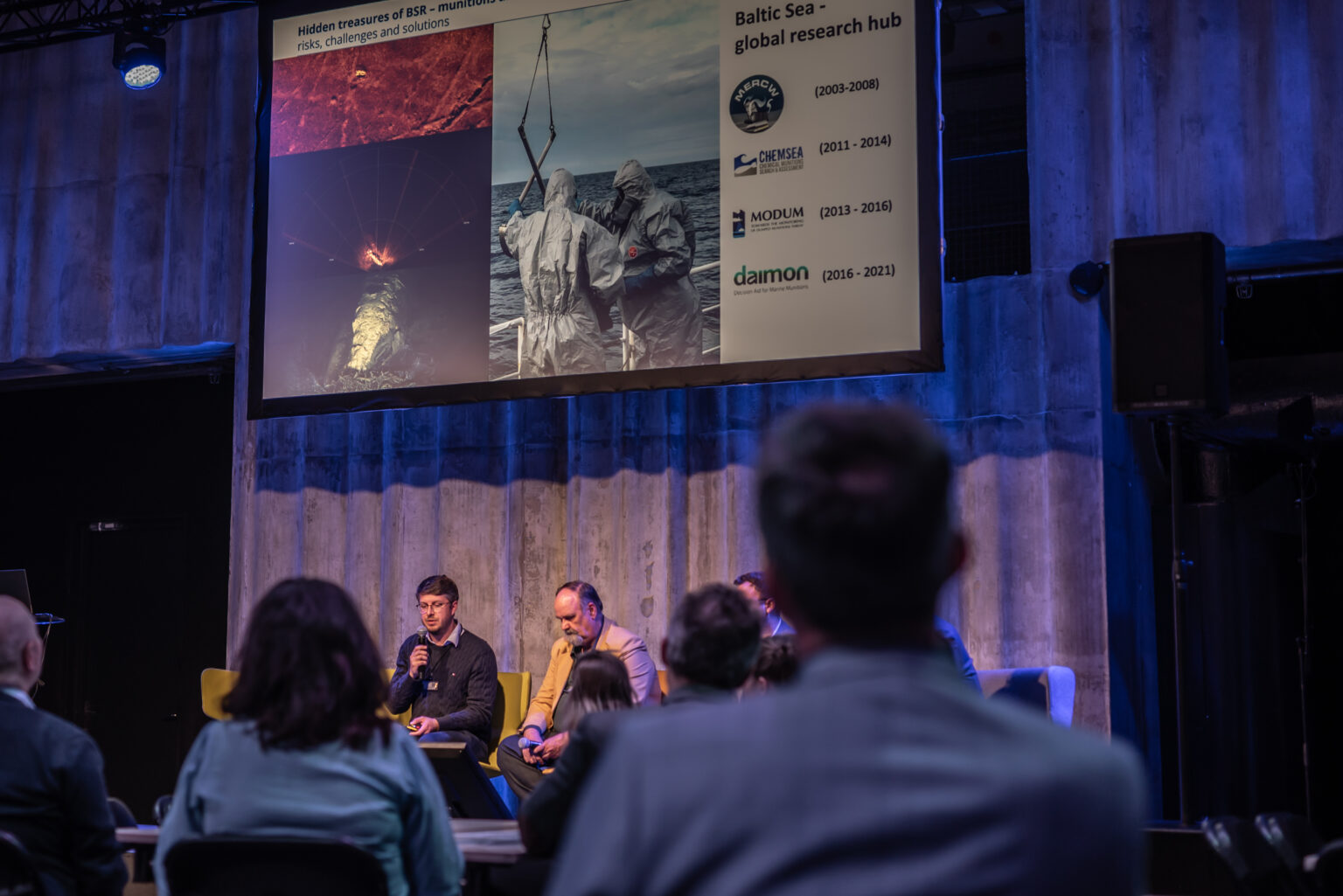
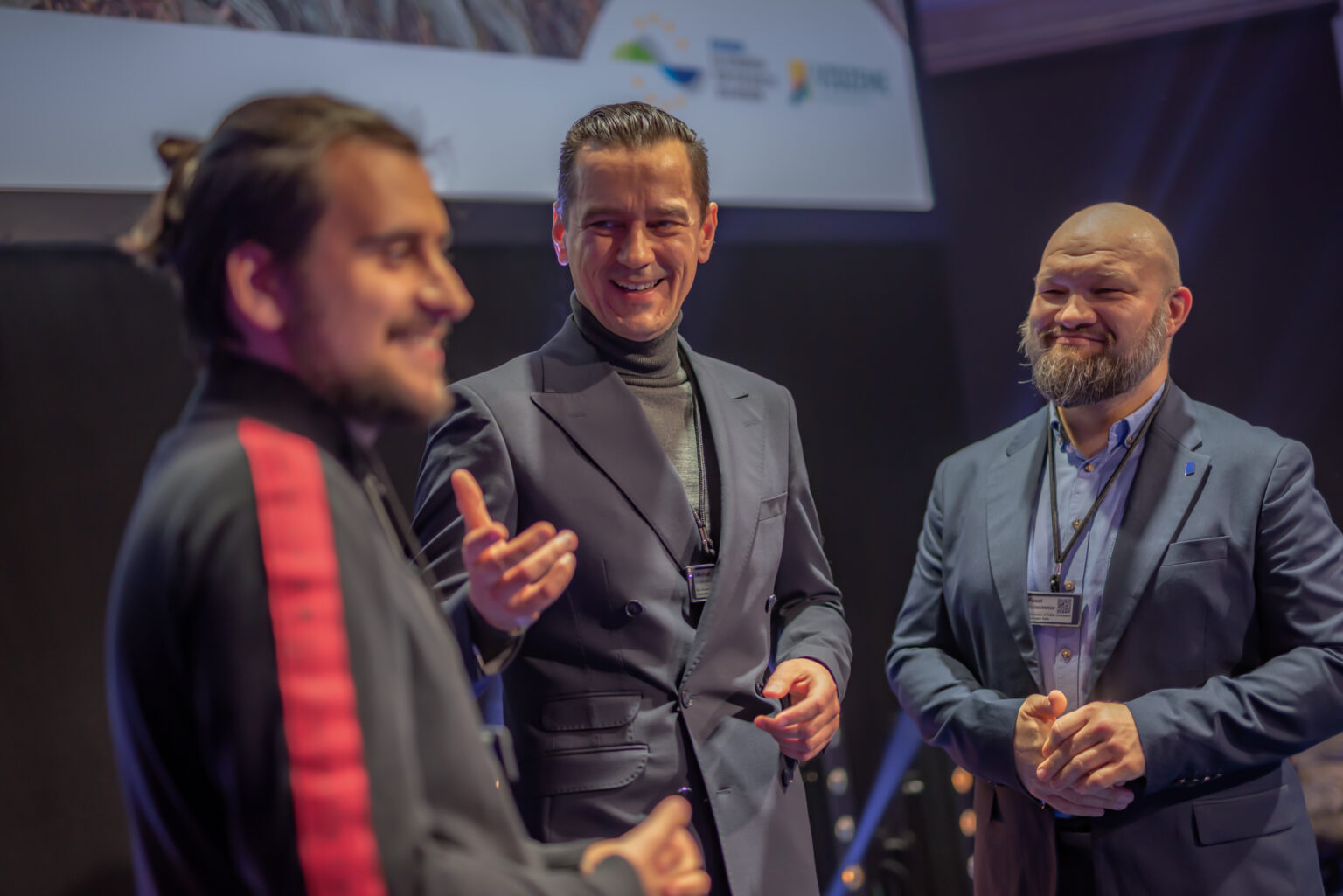
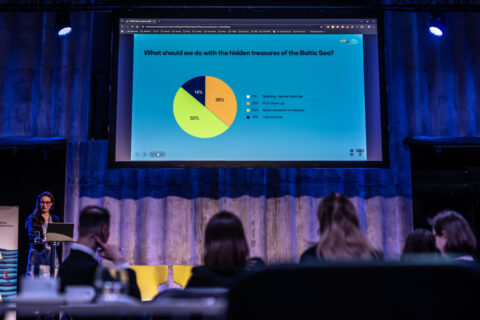
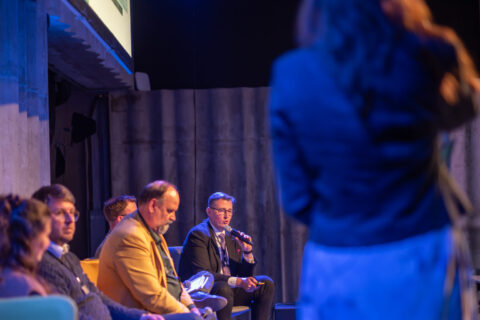
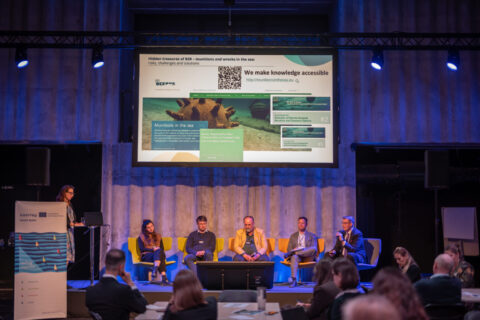
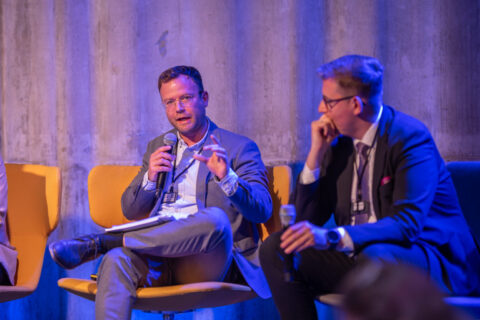
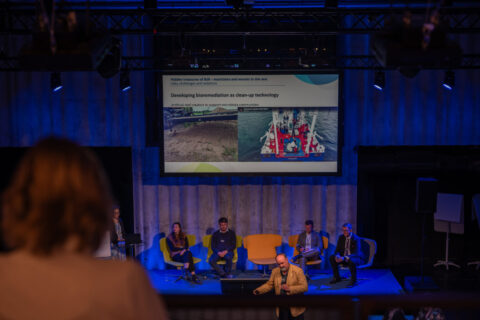
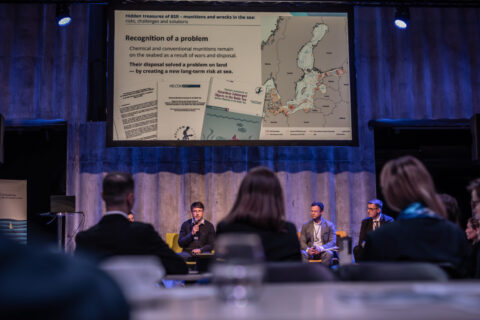
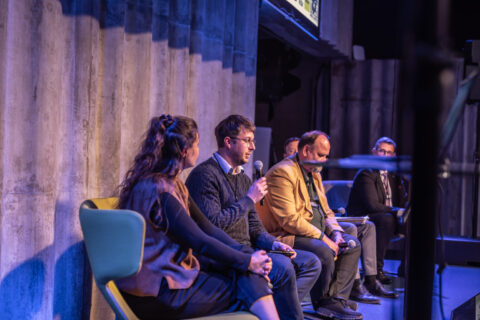
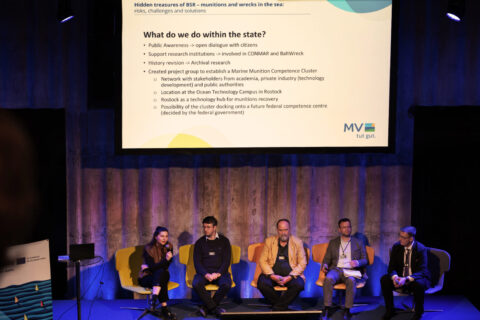
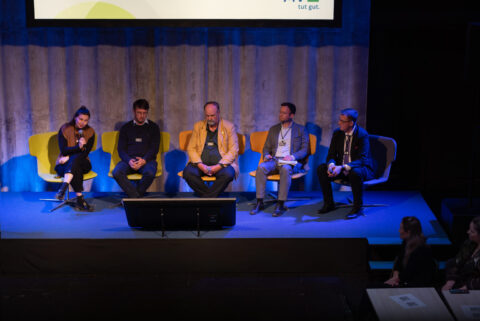
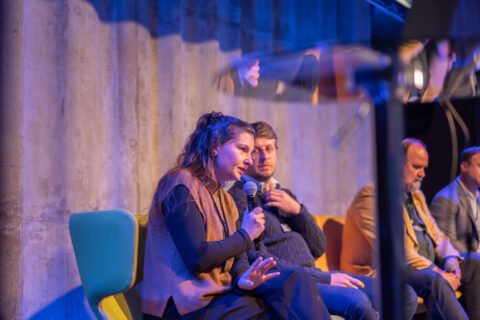
On the second day of the event, within the parallel sessions, the panel “Hidden ‘Treasures’ of the BSR – Munitions and Wrecks in the Sea: Risks, Challenges and Solutions” was held, focusing on environmental threats and maritime safety in the Baltic Sea Region.
The panel addressed the issue of shipwrecks and submerged munitions lying on the seabed of the Baltic Sea. Experts presented the scale of environmental risks associated with corrosion of wrecks and the release of hazardous substances into the marine environment, as well as measures being undertaken to monitor and mitigate these risks.
The BaltWreck project was also represented in the discussion, showcasing its activities aimed at addressing risks related to hazardous wrecks and protecting the marine environment of the Baltic Sea.
Regional cooperation as a key to the future of the Baltic Sea
The Tallinn event served as an important platform for exchanging experience, building partnerships, and strengthening cooperation between cities, regions, and organisations across the Baltic Sea Region.
The discussions demonstrated that effectively addressing current challenges – from environmental security to energy transition – requires long-term international cooperation and jointly developed solutions for the entire region.
Photo: Jolanta Olszewska
Experts on the hidden dangers at the bottom of the Baltic Sea
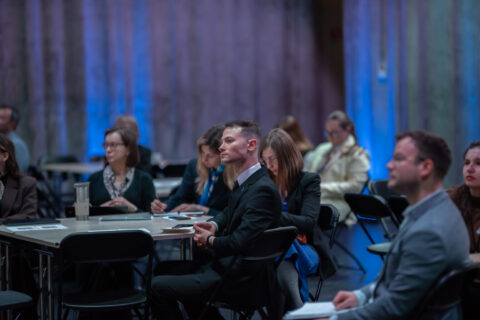
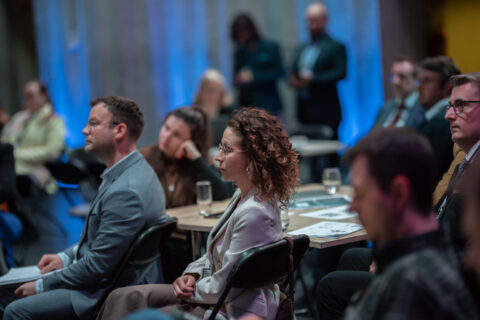
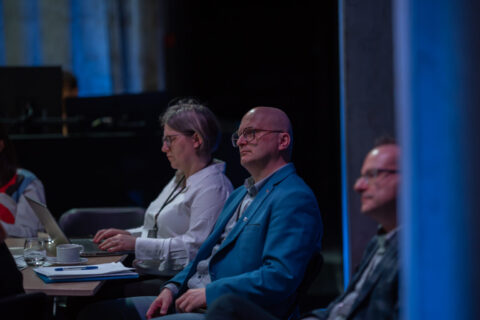
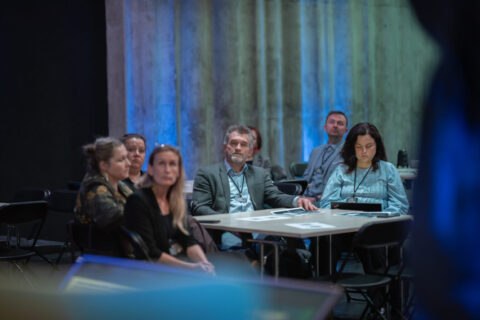
“Hidden ‘Treasures’ of the Baltic Sea” under expert scrutiny. International debate on wrecks and submerged munitions during the EUSBSR Annual Forum 2026 in Tallinn Experts from the Baltic Sea Region discussed environmental threats hidden on the seabed
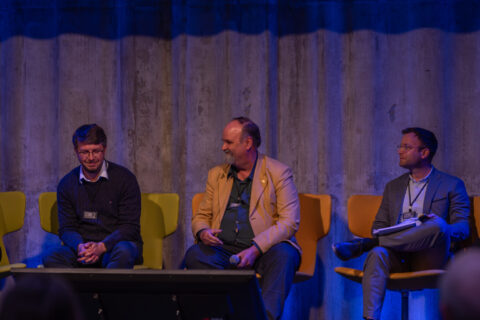
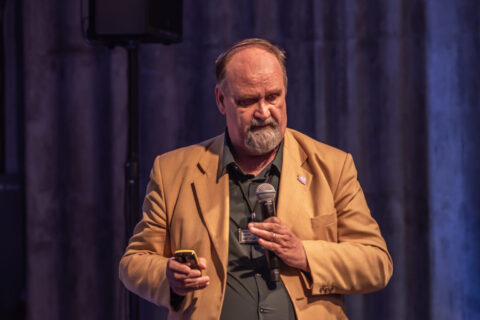
During the international EUSBSR Annual Forum 2026 in Tallinn, a panel session was held dedicated to one of the most pressing environmental challenges of the Baltic Sea Region – shipwrecks and submerged munitions lying on the seabed.
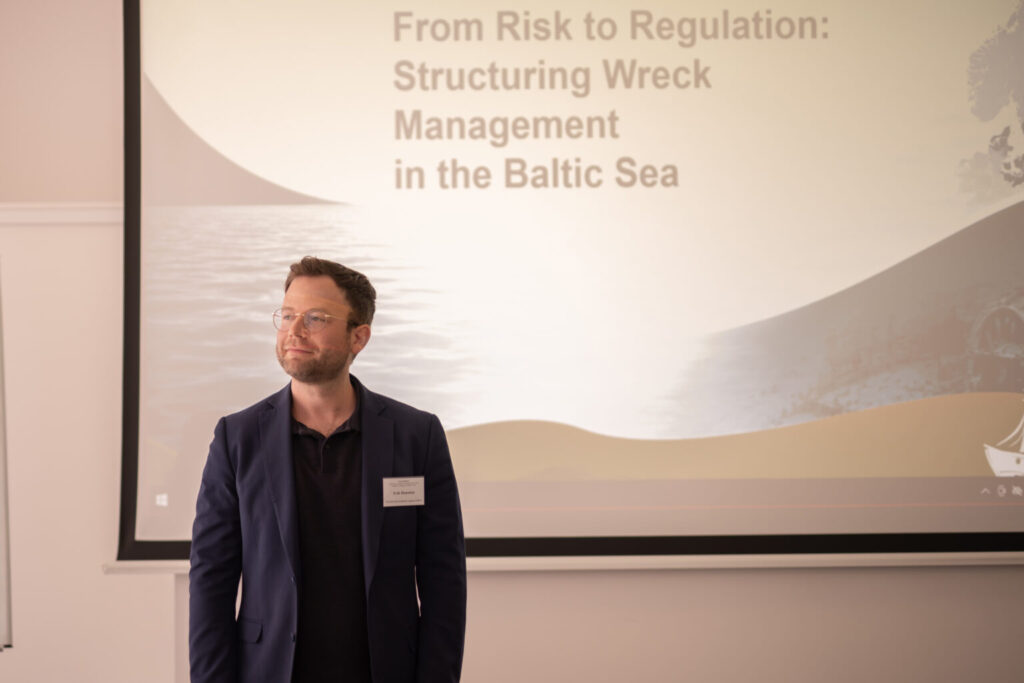
The panel “Hidden ‘Treasures’ of the BSR – Munitions and Wrecks in the Sea: Risks, Challenges and Solutions” was co-organised by partners of the BaltWreck project in cooperation with partners of European initiatives focused on marine environmental safety and mitigating risks related to hazardous objects on the Baltic seabed.
Shipwrecks and submerged munitions as a real threat to the Baltic Sea
Experts participating in the debate emphasised that historical shipwrecks and ammunition resting on the seabed of the Baltic Sea pose an increasing challenge to the natural environment, the maritime economy, and regional safety.
Progressive corrosion of wrecks may lead to the release of hazardous substances into the marine environment, affecting Baltic ecosystems and living organisms. As a result, monitoring activities, risk assessment, and the development of safe mitigation methods are becoming increasingly important.
The session was prepared in cooperation between partners of the BaltWreck, MMinE-SwEEPER, MUNIMAP, ENDURE, and MUNIRISK projects, which share the common goal of strengthening international cooperation in the field of Baltic Sea environmental protection.
International group of experts and research institutions
The debate brought together representatives of public administration, academia, and organisations engaged in environmental safety in the Baltic Sea Region:
Nora S. Klasen - Ministerium für Wissenschaft, Kultur, Bundes- und Europaangelegenheiten
Michał Czub - Instytut Oceanologii PAN,
Adam Cenian - Instytut Maszyn Przepływowych im. R. Szewalskiego, Polska Akademia Nauk (IMP PAN)
Erik Hanstein - Umweltbundesamt - German Environment Agency
Marcin Żuchowski - Stowarzyszenie Gmin RP Euroregion Bałtyk
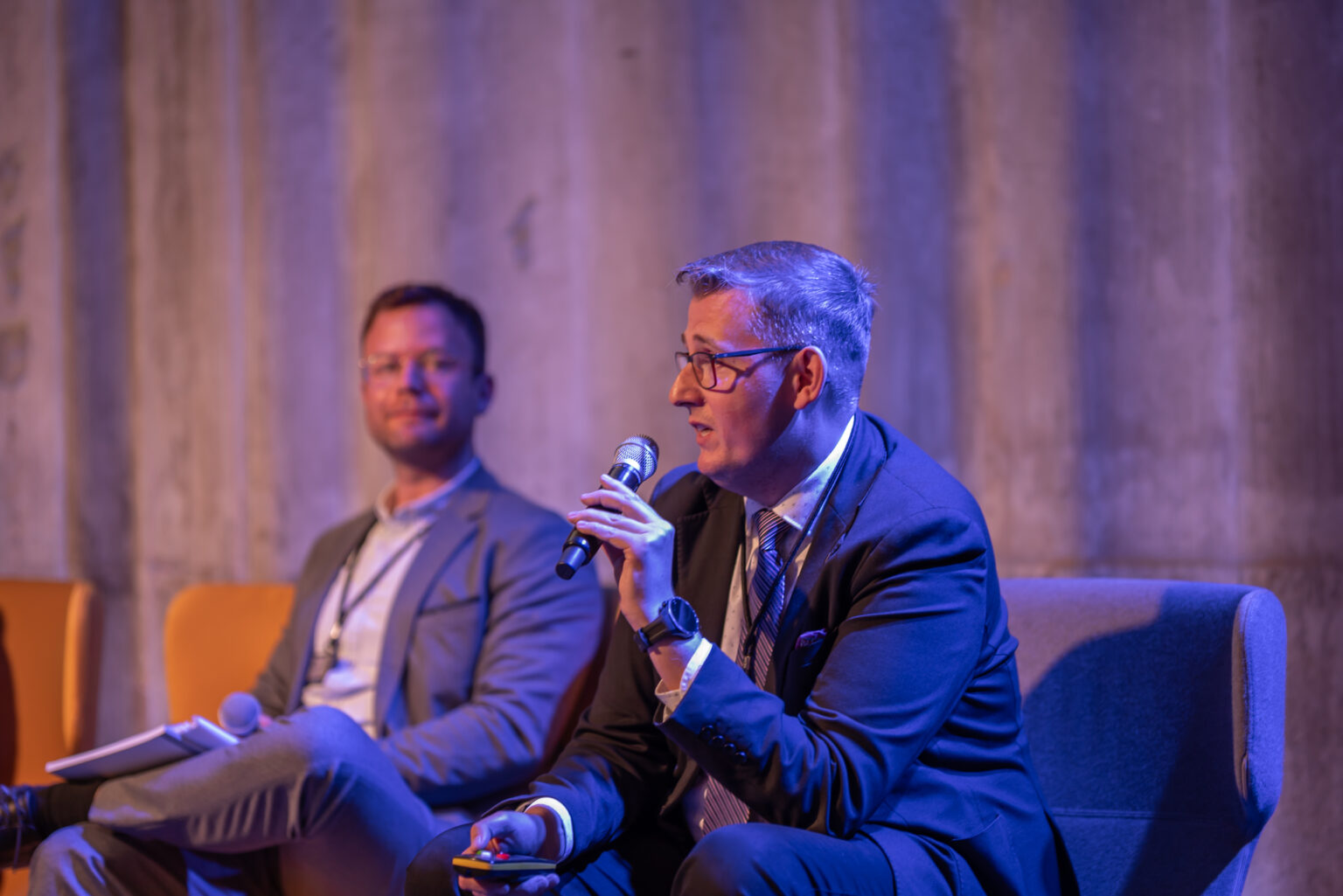
The session was opened by Louise Floman, while the panel was moderated by Katarzyna Fidler.
International cooperation as a key to protecting the Baltic Sea
Throughout the discussion, it was repeatedly stressed that effective response to threats posed by wrecks and submerged munitions requires close cooperation between Baltic Sea Region countries, exchange of expert knowledge, and joint development of modern environmental risk management approaches.
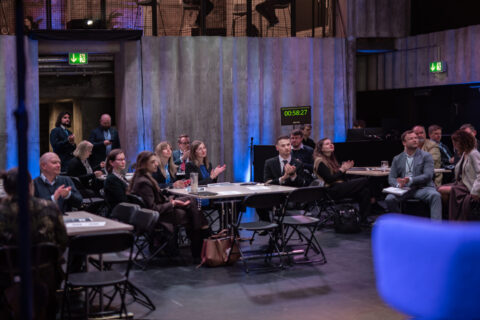
The debate combined a high level of substantive expertise with an accessible presentation of issues related to maritime safety and environmental protection. It also provided a space for knowledge exchange between representatives of projects implemented across different parts of the Baltic Sea Region.
The BaltWreck project supports Baltic Sea environmental safety
The BaltWreck project focuses on reducing risks associated with shipwrecks and hazardous substances lying on the seabed of the Baltic Sea. Activities implemented within the project include environmental monitoring, risk analysis, and the development of marine ecosystem protection methods.
Participation in the Tallinn conference provided an opportunity to promote project activities, strengthen international cooperation, and contribute to joint discussions on the future of environmental safety in the Baltic Sea Region.
---------------- In the link below, you can watch a film that is an integral part of the event: https://lnkd.in/dPXpAuak
Photo: Jolanta Olszewska
Baltic wrecks
An important phase of the fieldwork for the BALTWRECK project, carried out on board the research vessel RV ALKOR, has now been completed.
The collected data provided valuable information on the technical condition of the investigated wrecks and their potential impact on the Baltic Sea environment. The survey covered wrecks of significant environmental importance: Torpedoboat T34, Destroyer Z28, Minesweeper M14, Wreck 231123, Submarine W19, Submarine U-768, Stuttgart, Franken, Elbing IX, and Sizilien. During the expedition, a comprehensive research programme was carried out, including: - detailed mapping of the seabed and wreck structures - inspections using autonomous underwater vehicles (AUVs) and remotely operated vehicles (ROVs) - oceanographic measurements (CTD) - collection of water, sediment, and marine organism samples - visual documentation and geophysical measurements
An important part of the voyage also included port visits in Klaipėda and Gdynia, which provided a valuable space for exchanging experiences and discussing the monitoring and management of environmental risks related to wrecks resting on the seabed.
The attached video features footage from selected wrecks examined during the expedition.