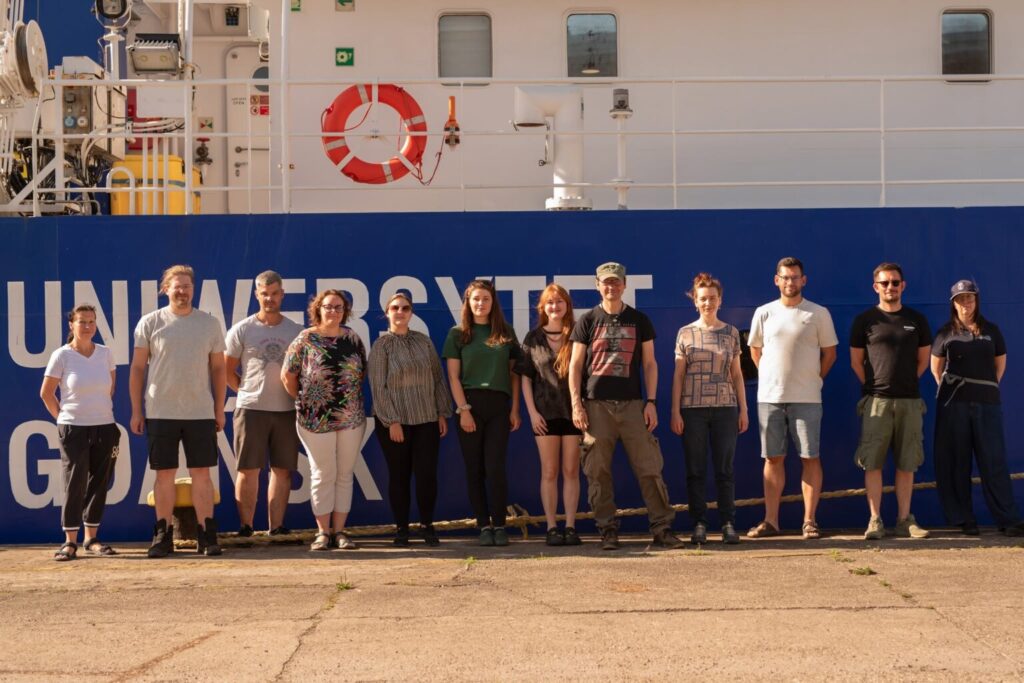
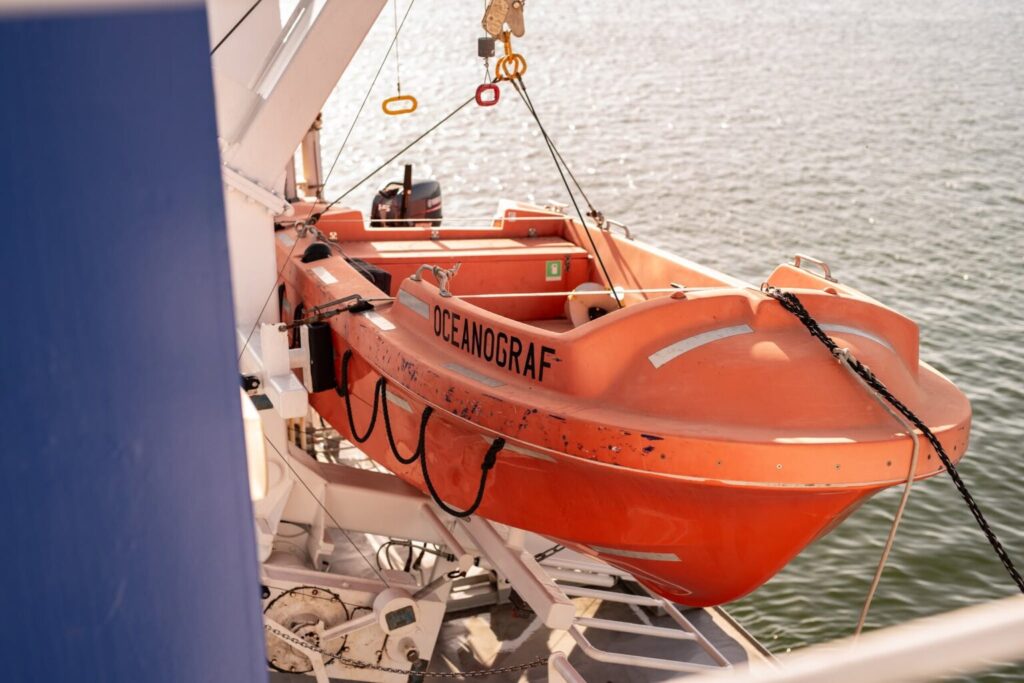
Start rejsu badawczyego Oceanograf w ramach projektu Baltwreck
Projekt BALTWRECK - start kolejnego etapu badań na Morzu Bałtyckim
Dziś na pokładzie jednostki Oceanograf rozpoczął się kolejny etap rejsu badawczego realizowanego w ramach projektu BaltWreck. Zespół naukowców wypłynął, aby prowadzić badania wraków zalegających na dnie Morza Bałtyckiego.
Prace koncentrują się na trzech kluczowych obiektach - Steuben, Terra oraz Stuttgart, analizowanych pod kątem ich stanu technicznego oraz potencjalnego oddziaływania na środowisko morskie.
Zakres badań obejmował m.in. badania dna morskiego z wykorzystaniem sonarów, profilowanie struktur poddennych, inspekcje z użyciem pojazdów ROV i AUV, pobieranie próbek osadów dennych, prowadzenie połowów badawczych, a także instalację urządzeń pomiarowych w rejonie wraków.
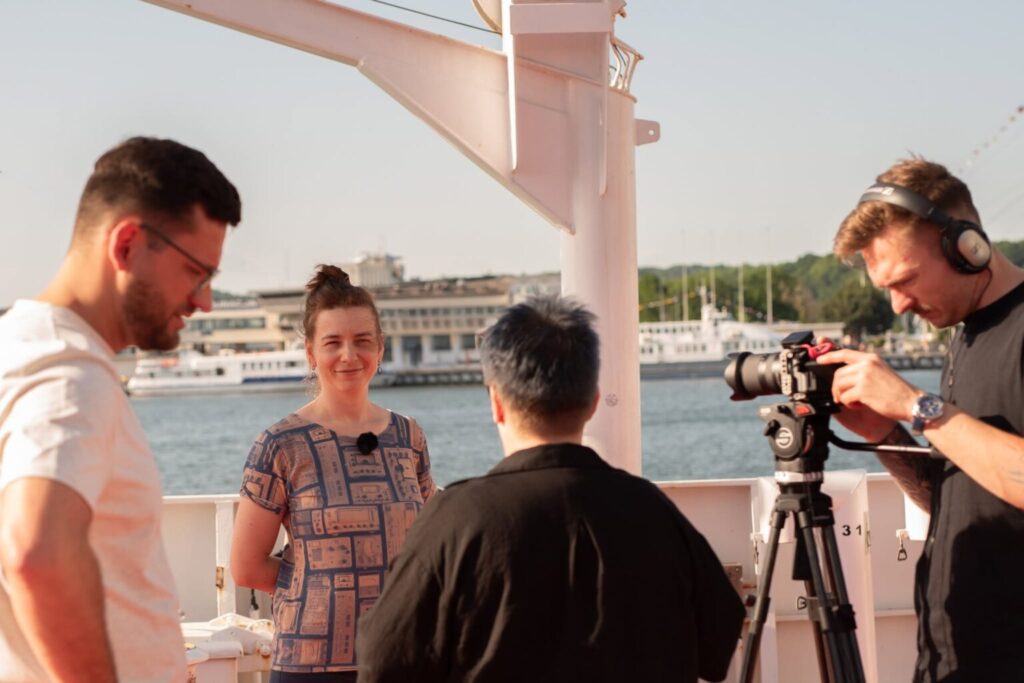
Warto wspomnieć, że projekt Baltwreck będzie również prezentowany w materiale filmowym promującym naukę, realizowanym przez Centrum Nauki Experyment z Gdyni. W dniu dzisiejszym uczestnicy rejsu mieli okazję udzielić wywiadów realizatorom i opowiedzieć o pracy w ramach projektu.
Zobacz relację filmową z panelu „Hidden ‘Treasures’ of the BSR”
Zobacz relację filmową z panelu „Hidden ‘Treasures’ of the BSR”
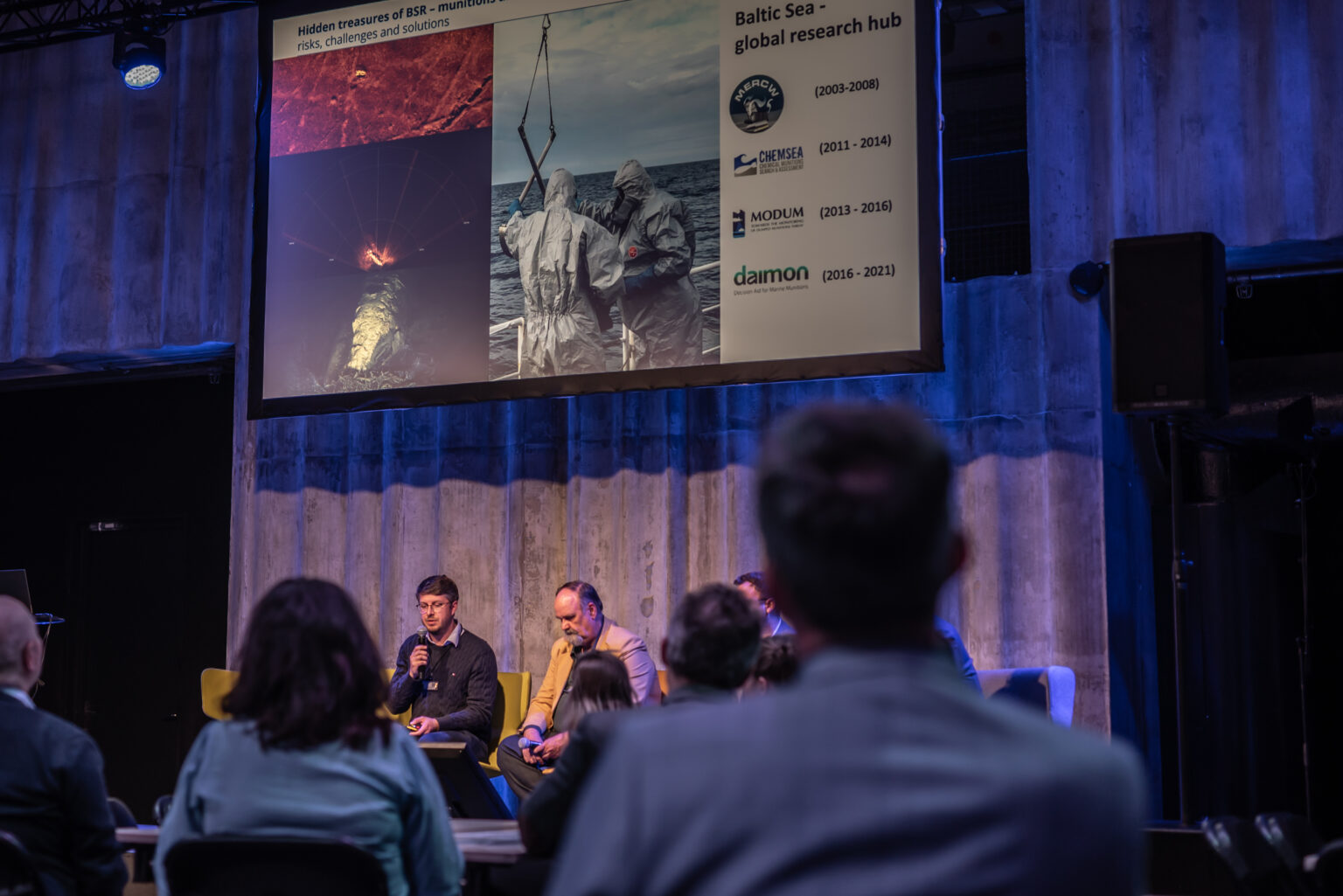
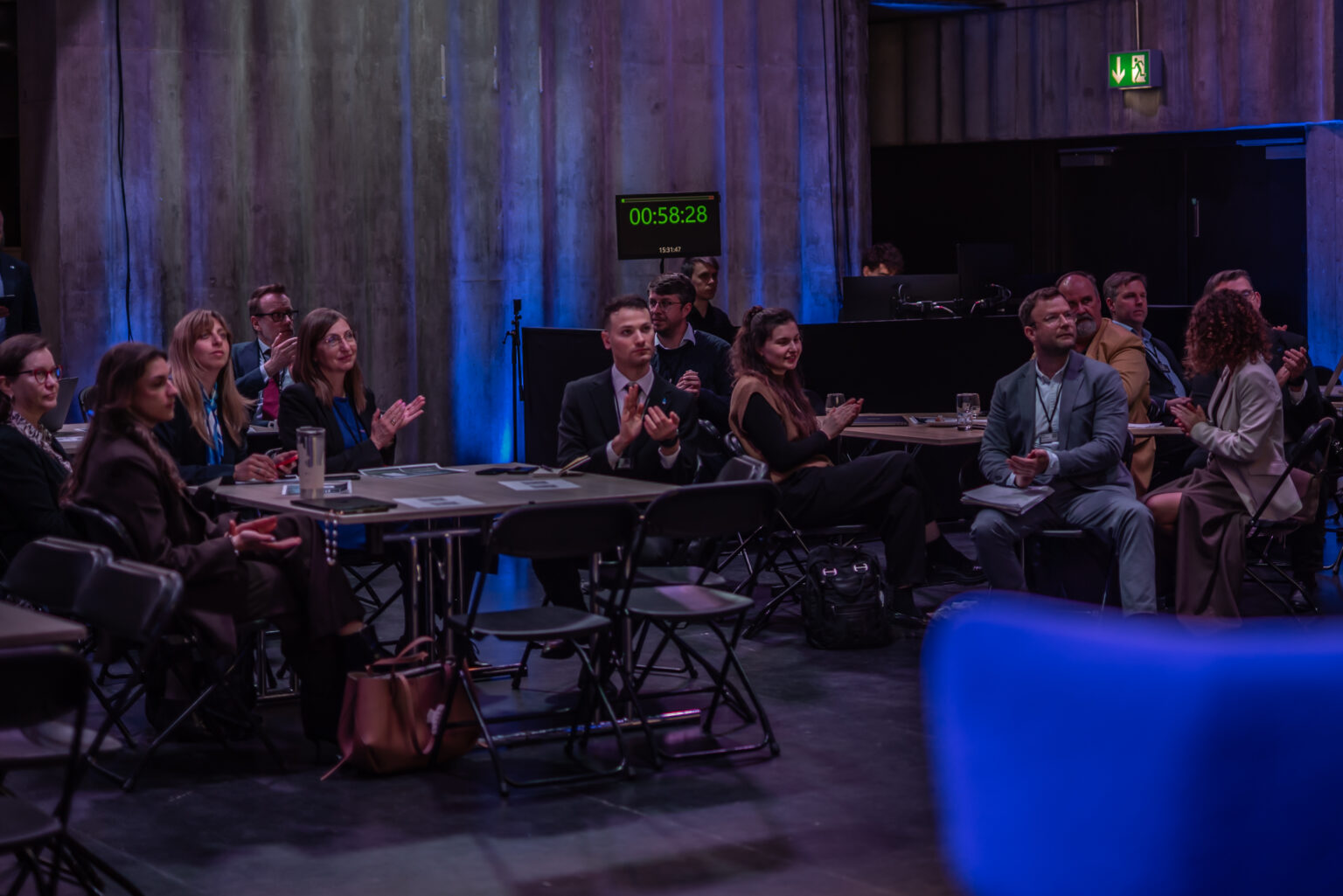
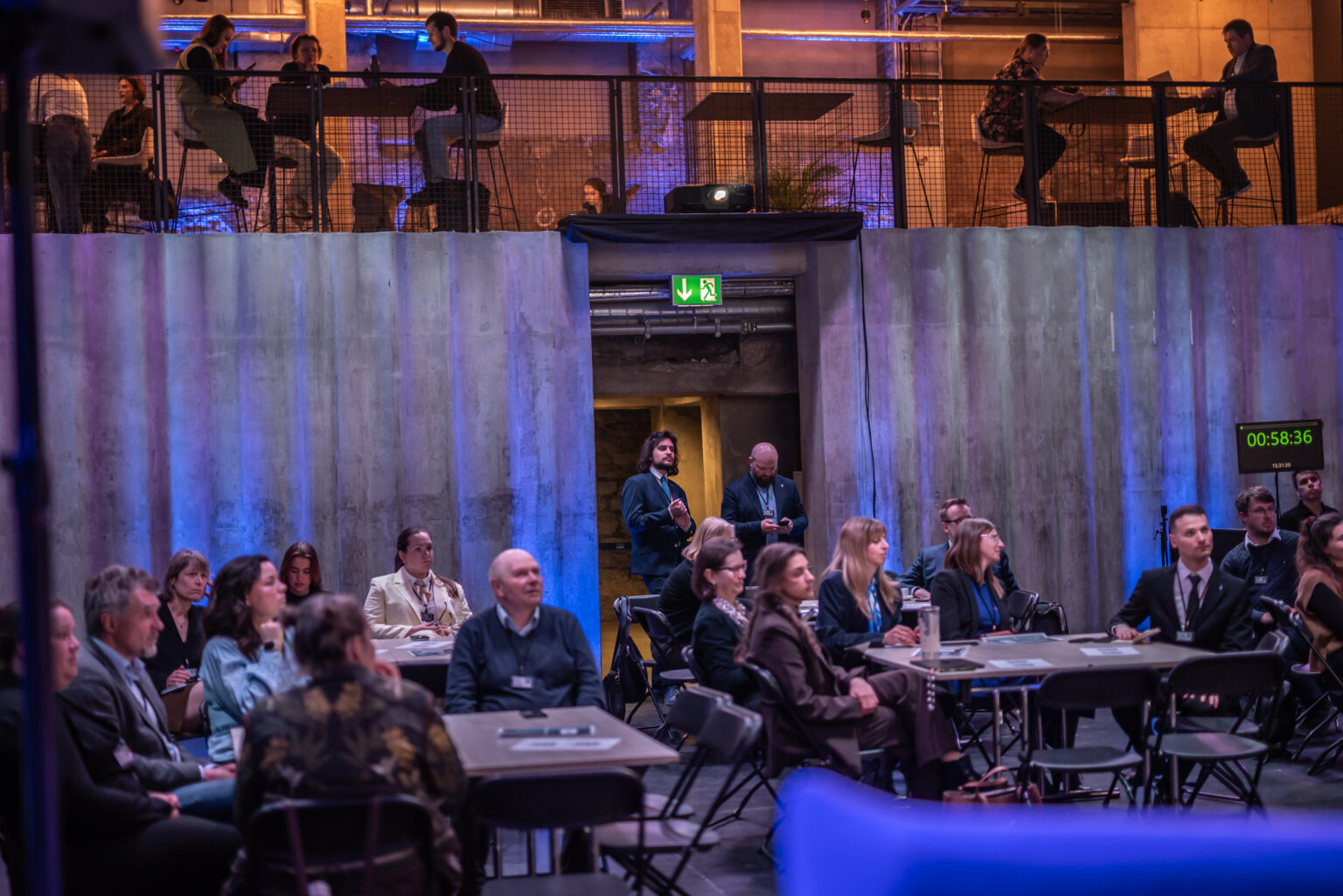
12 maja 2026 r. podczas 17. Dorocznego Forum Strategii Unii Europejskiej dla Regionu Morza Bałtyckiego (EUSBSR Annual Forum) w Tallinnie odbył się panel „Hidden ‘Treasures’ of the BSR – Munitions and Wrecks in the Sea: Risks, Challenges and Solutions”, poświęcony zagrożeniom związanym z zalegającymi na dnie Morza Bałtyckiego wrakami statków i zatopioną amunicją.
Zapraszamy do obejrzenia pełnej relacji filmowej z wydarzenia, prezentującej przebieg panelu, wystąpienia ekspertów oraz dyskusję poświęconą wyzwaniom i rozwiązaniom w zakresie ochrony Morza Bałtyckiego przed skutkami historycznych zanieczyszczeń.
🎥 Film dostępny jest poniżej:
BALTWRECK - Spotkanie oceny śródokresowej i wydarzenie komunikacyjne dla partnerów projektu i interesariuszy w Kłajpedzie
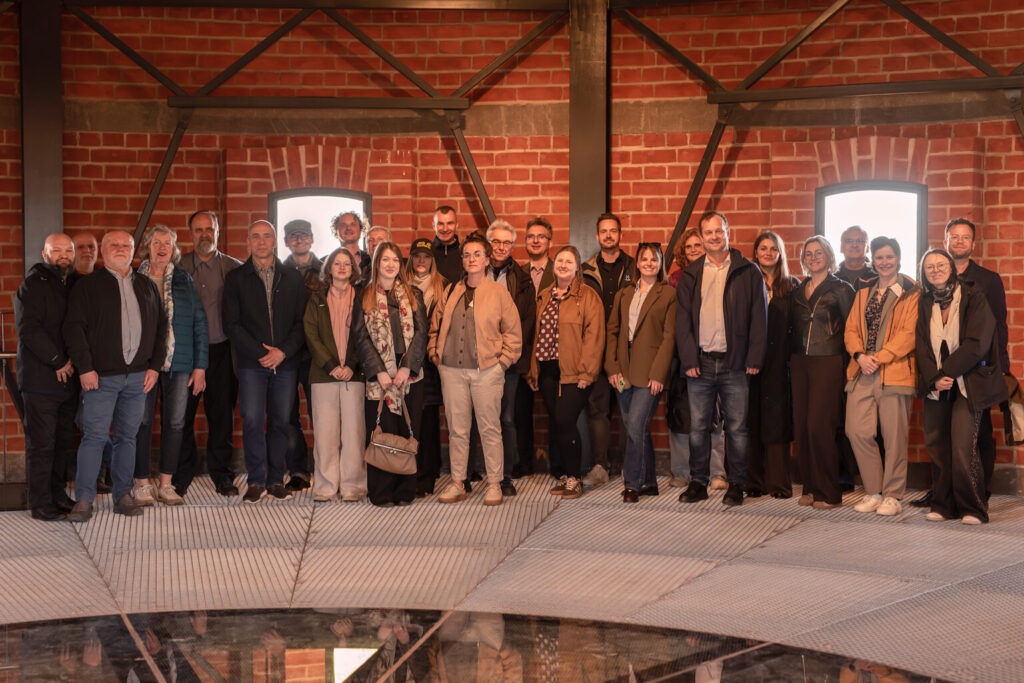
W dniach 27–28 maja 2026 r. partnerzy projektu oraz interesariusze spotkali się w Kłajpedzie, aby wziąć udział w BALTWRECK Mid-term Assessment & Communication Event for Project Partners and Stakeholders. Spotkanie stanowiło półmetek realizacji projektu i było ważną okazją do podsumowania dotychczasowych rezultatów, wymiany wiedzy, prezentacji wyników badań oraz omówienia priorytetów na kolejną fazę wdrażania.
W wydarzeniu uczestniczyli przedstawiciele instytucji badawczych, administracji środowiskowej, partnerzy projektu oraz inni interesariusze zaangażowani w ograniczanie ryzyka środowiskowego związanego z wrakami statków i zatopioną amunicją na dnie Morza Bałtyckiego.
Podsumowanie pierwszego dnia – wyniki naukowe i rozwój technologii
Pierwszy dzień wydarzenia poświęcono prezentacji wyników naukowych oraz rozwiązań technicznych wypracowanych w ramach projektu.
Omówiono m.in. aktualny stan środowiska wokół wybranych wraków, wyniki najnowszych ekspedycji BALTWRECK oraz nowoczesne metody wykrywania pozostałości paliw i materiałów wybuchowych przy użyciu zaawansowanych technologii.
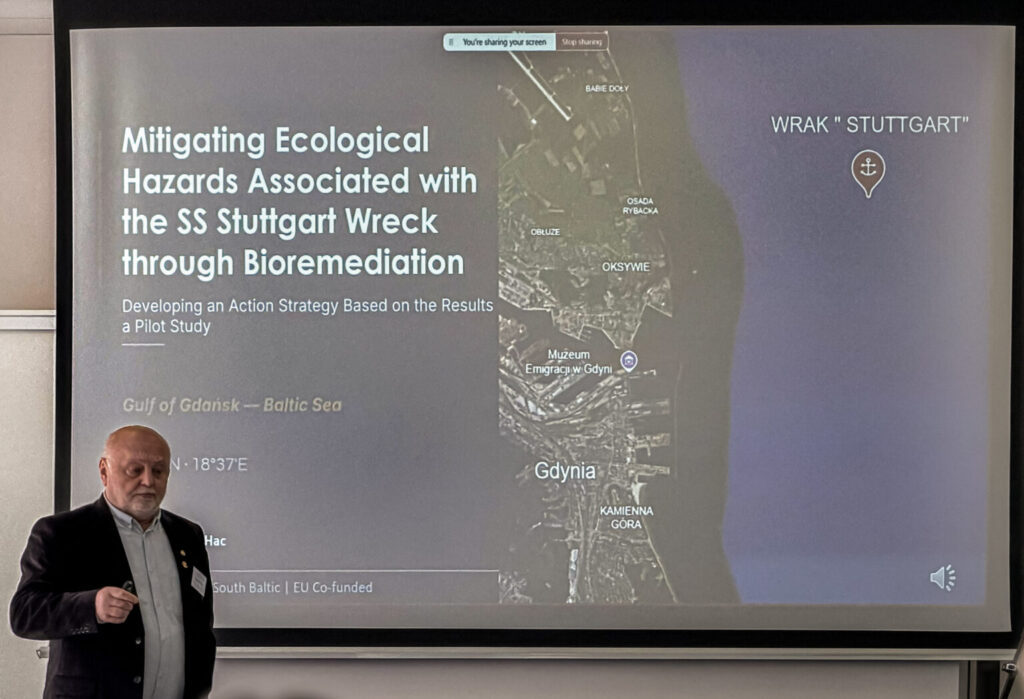
Przedstawiono również działania ukierunkowane na ograniczanie ryzyka ekologicznego, w tym rozwój podejść opartych na bioremediacji oraz strategie zarządzania wynikające z badań pilotażowych.
Rozwój narzędzi i podejście interdyscyplinarne
W prezentacjach podkreślono rosnącą bazę wiedzy projektu oraz jego potencjał wspierania decyzji.
Poruszane tematy obejmowały rozwój narzędzi do zarządzania i priorytetyzacji wraków, badania laboratoryjne na poziomie molekularnym oraz wielobiomarkerowe analizy ekotoksykologiczne.
Całość potwierdziła interdyscyplinarne podejście projektu, łączące nauki środowiskowe, technologie pomiarowe, ocenę ryzyka oraz komponenty polityki środowiskowej.
Wizyta studyjna – dziedzictwo historyczne regionu Kłajpedy
Program obejmował również wizytę studyjną w obiektach historyczno-wojskowych regionu Kłajpedy: Muzeum 39/45 oraz Coastal Battery Memel Nord.
Uczestnicy mieli możliwość zapoznania się z historycznym kontekstem działań wojennych w regionie Morza Bałtyckiego oraz ich długoterminowymi konsekwencjami środowiskowymi.
Drugi dzień – komunikacja, współpraca i planowanie
Drugi dzień poświęcono współpracy partnerów oraz dalszym działaniom projektowym.
W ramach warsztatu dotyczącego promocji i komunikacji wymieniono doświadczenia w zakresie komunikowania złożonych zagadnień środowiskowych, omówiono skuteczne metody dotarcia do różnych grup odbiorców oraz zaprezentowano dobre praktyki zwiększania widoczności rezultatów projektu.
Spotkanie partnerów – przegląd postępów
Podczas spotkania konsorcjum przedstawiono kompleksowy przegląd realizacji wszystkich pakietów roboczych.
Omówiono dotychczasowe osiągnięcia, bieżące działania oraz plan pracy na kolejne miesiące. Dyskusje pozwoliły na wzmocnienie spójności działań w ramach projektu oraz potwierdziły znaczenie współpracy partnerskiej dla jego powodzenia.
Znaczenie spotkania i dalsze działania
Spotkanie w Kłajpedzie potwierdziło istotny postęp projektu w zakresie rozpoznania zagrożeń związanych z wrakami i zatopioną amunicją na Morzu Bałtyckim.
Jednocześnie podkreślono kluczową rolę dalszej współpracy międzynarodowej w opracowywaniu praktycznych rozwiązań służących ochronie środowiska morskiego i zapobieganiu dużym zanieczyszczeniom chemicznym.
Projekt BALTWRECK – działania, osiągnięcia i rezultaty w połowie realizacji projektu.
Projekt BALTWRECK osiągnął obecnie etap śródokresowy
Od początku projektu partnerzy i eksperci z regionu Morza Bałtyckiego współpracują w celu przeciwdziałania ryzykom środowiskowym związanym z wrakami statków oraz potencjalnymi wyciekami niebezpiecznych substancji.
Przedstawiamy film, w którym przedstawiciele konsorcjum projektowego podsumowują dotychczasowe postępy, dzielą się wnioskami z pierwszej fazy realizacji oraz przedstawiają priorytety na kolejne miesiące. Wywiady podkreślają również znaczenie współpracy międzynarodowej w ochronie środowiska Morza Bałtyckiego.
W wywiadach eksperci omawiają:
najważniejsze osiągnięcia i rezultaty projektu do tej pory,
wnioski z pierwszej fazy realizacji projektu,
działania już zrealizowane,
obecne obszary priorytetowe,
motywacje i inspiracje stojące za działaniami projektowymi,
oczekiwane rezultaty,
przyszłe cele projektu.
Zapraszamy do obejrzenia materiału wideo:
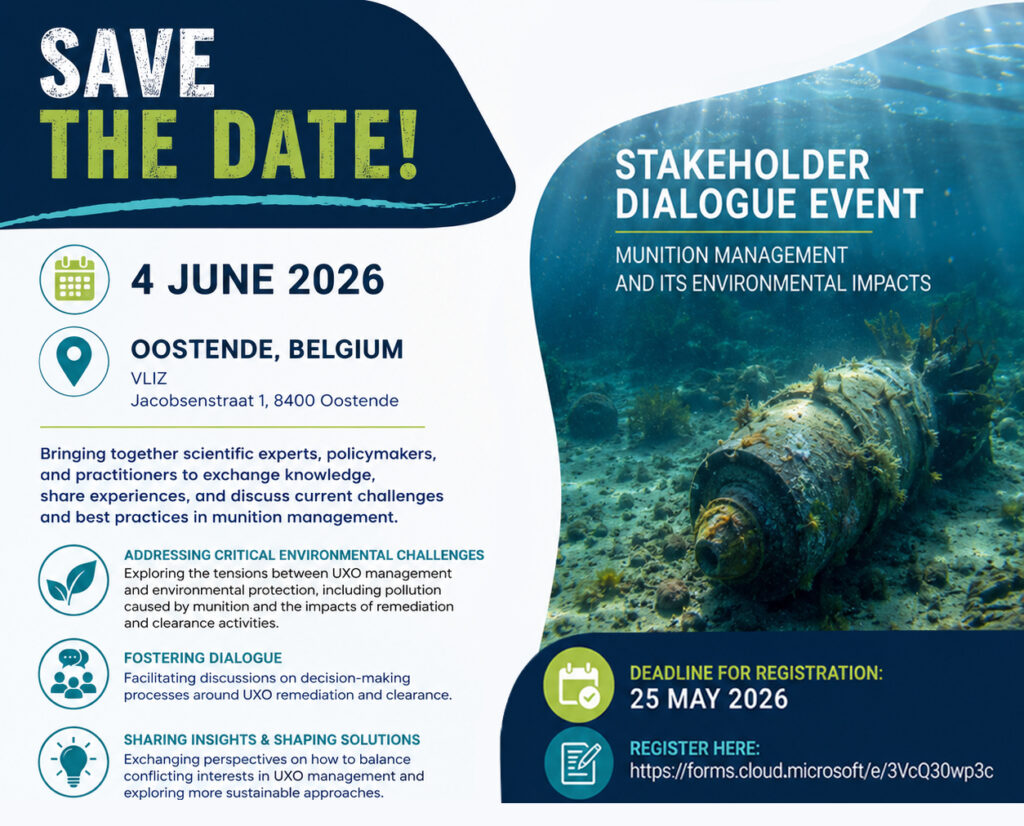
Zarządzanie zatopioną amunicją i jej wpływem na środowisko - zapisy na Forum Dialogu Interesariuszy w Belgii
Zarządzanie zatopioną amunicją i jej wpływem na środowisko to jeden z kluczowych tematów współpracy międzynarodowej w regionach morskich Europy.
4 czerwca 2026r. w Oostende w Belgii odbędzie się Forum Dialogu Interesariuszy, organizowany w ramach projektu REMARCO (https://www.interregnorthsea.eu/remarco) – inicjatywy realizowanej przez międzynarodowe konsorcjum partnerów z regionu Morza Północnego, współpracujące również z projektami dotyczącymi zagrożeń związanych z zatopioną amunicją i wrakami w regionie Morza Bałtyckiego, w tym z projektem #BALTWRECK.
Wydarzenie poświęcone będzie procesom decyzyjnym dotyczącym usuwania niewybuchów i niewypałów (UXO), a także wyzwaniom związanym z ochroną środowiska morskiego. W spotkaniu udział wezmą eksperci naukowi, decydenci oraz praktycy zajmujący się problematyką zatopionej amunicji i zarządzania obszarami skażonymi.
Dyskusje będą dotyczyć m.in. wpływu amunicji na środowisko, potencjalnych skutków działań remediacyjnych oraz poszukiwania bardziej zrównoważonych rozwiązań w zakresie zarządzania UXO. W obszarze badań i współpracy międzynarodowej powiązane są także projekty MUNIMAP oraz CONMAR Munition.
Współpraca i odporność regionów w centrum dyskusji podczas EUSBSR Annual Forum 2026 w Tallinie
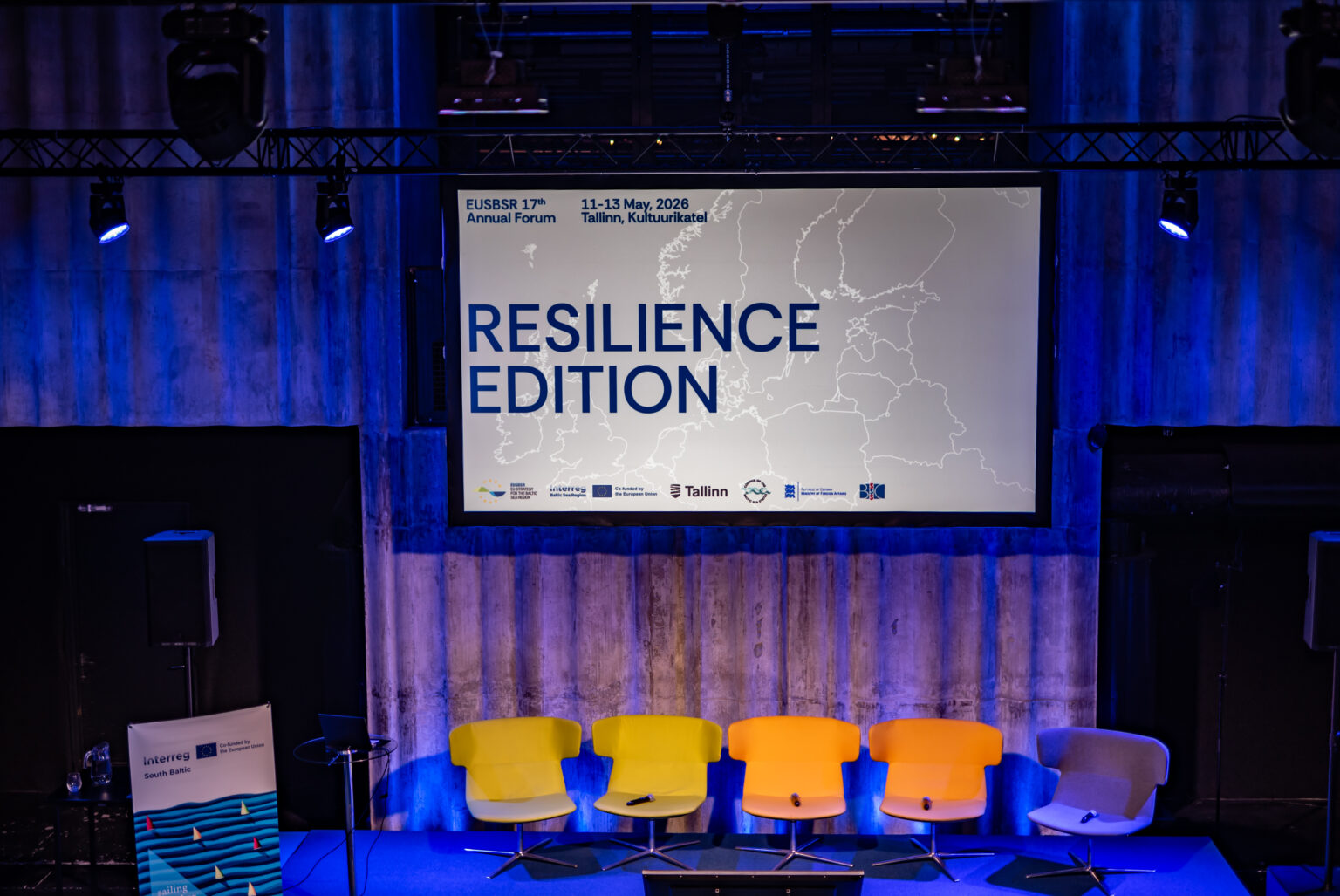
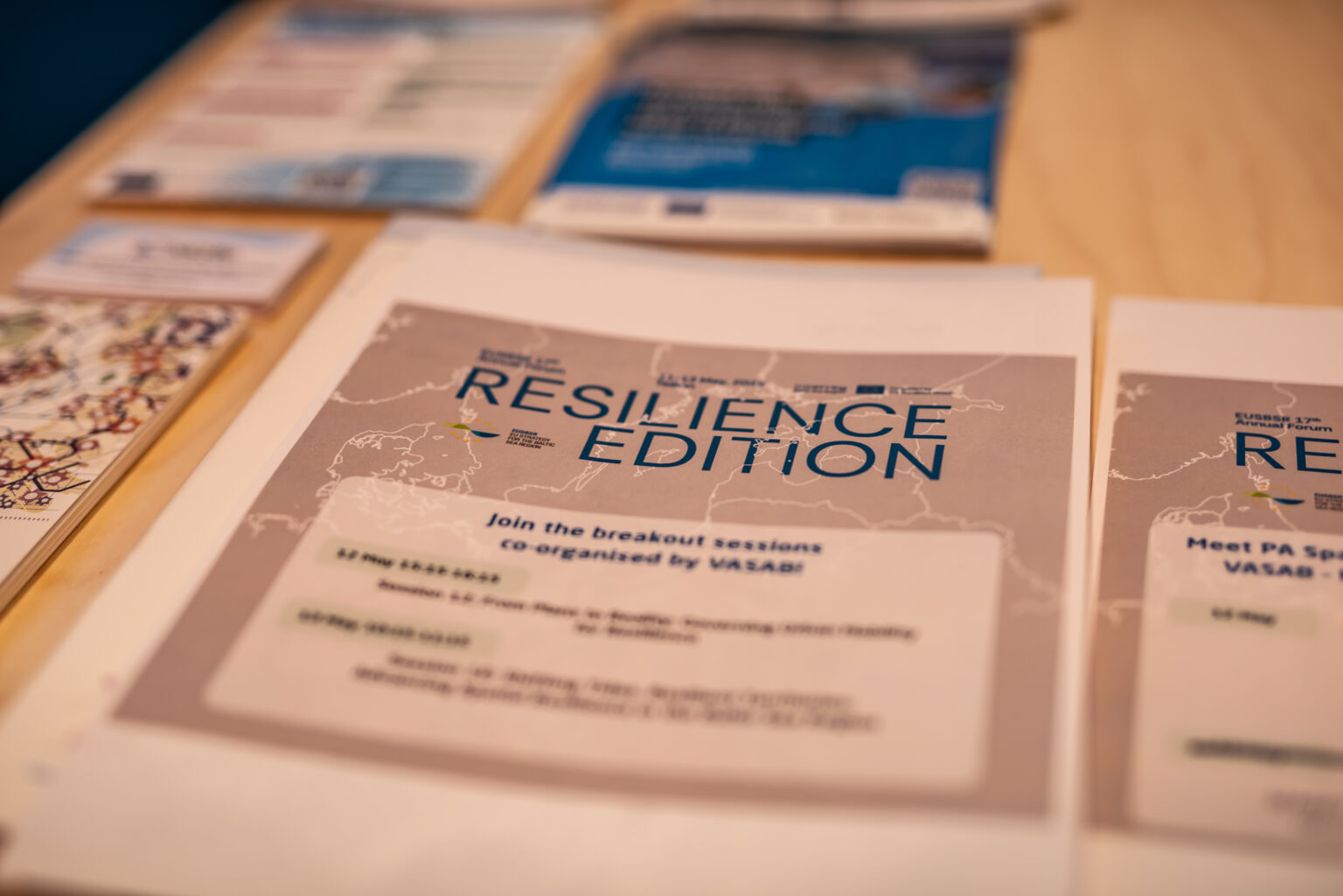
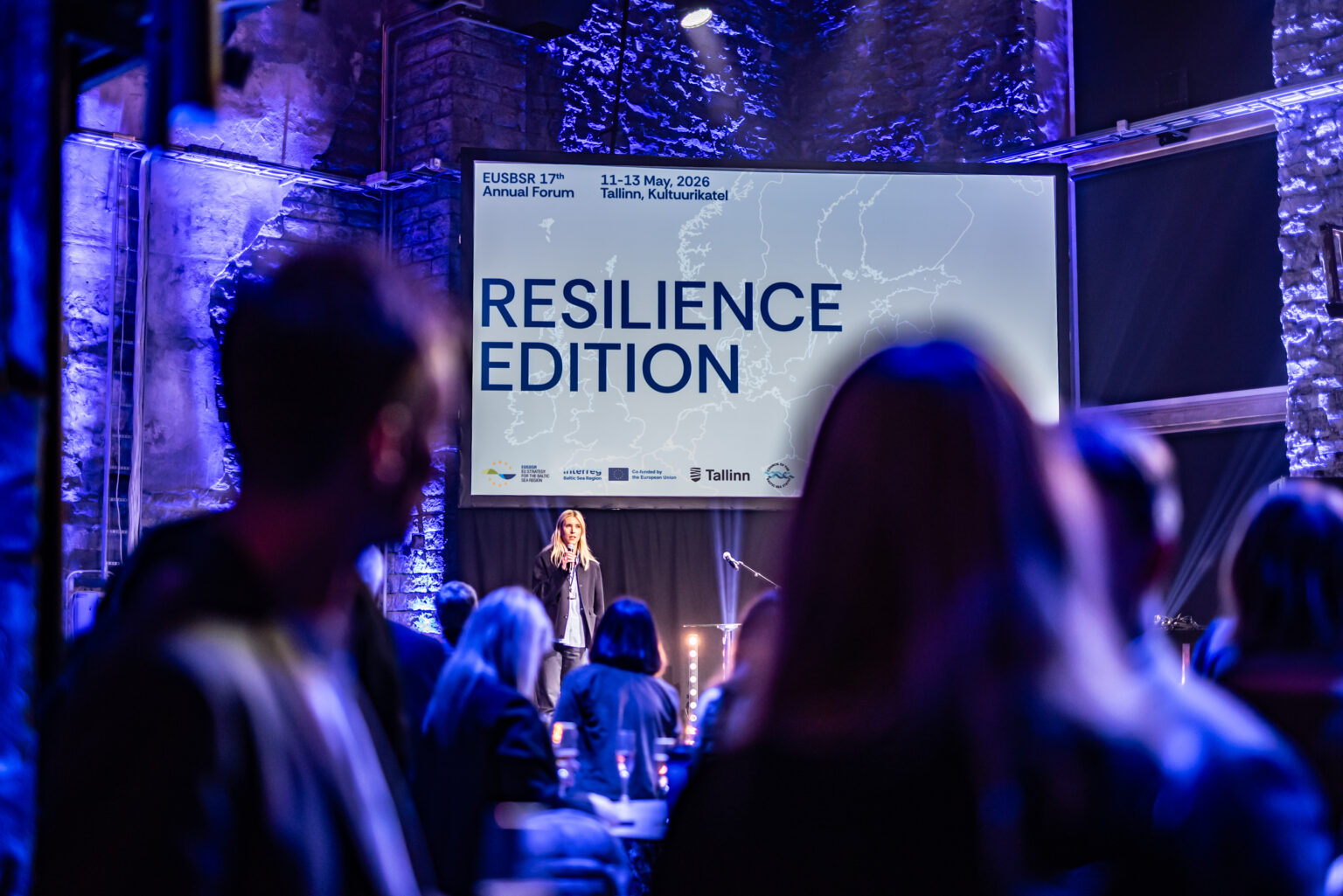
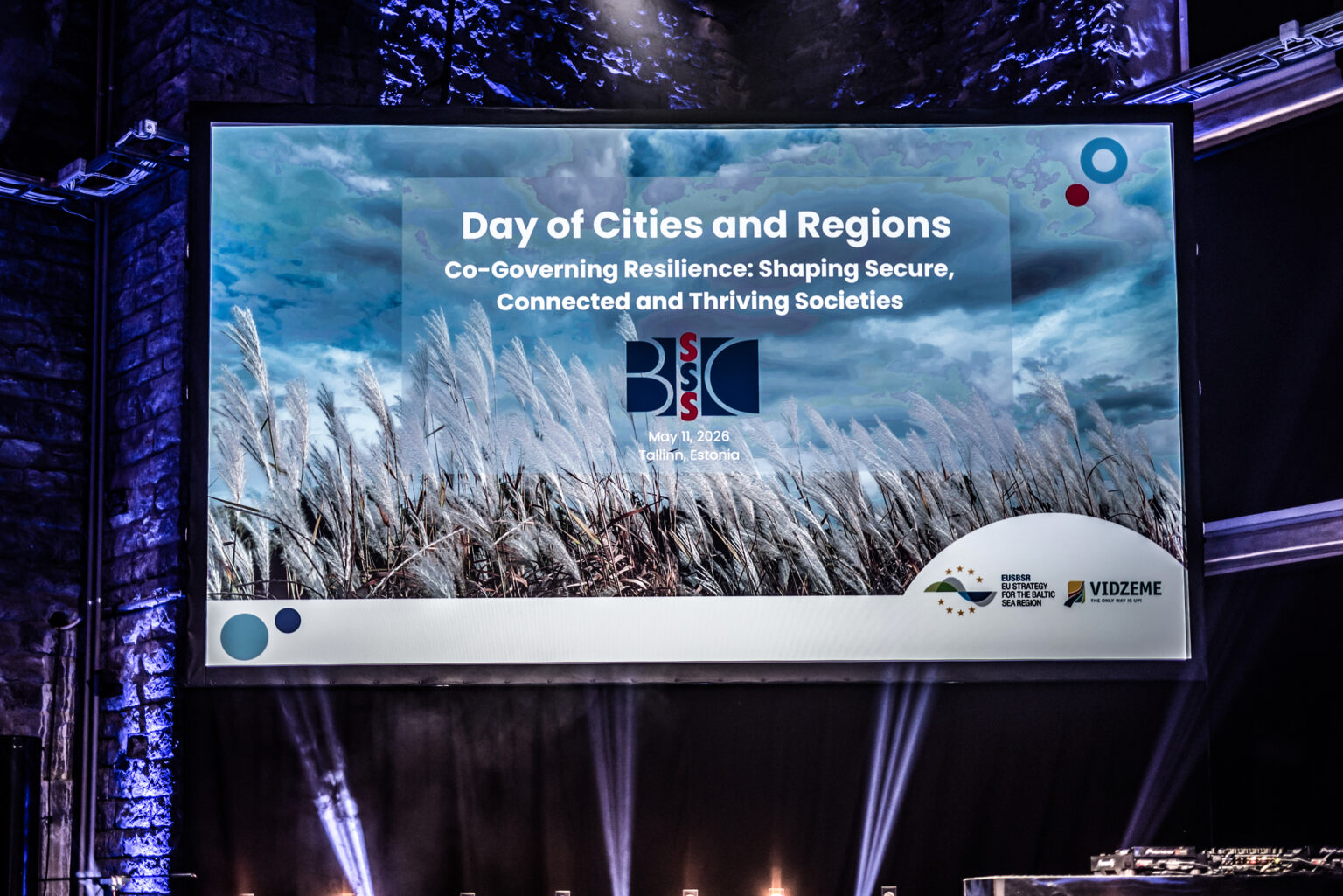
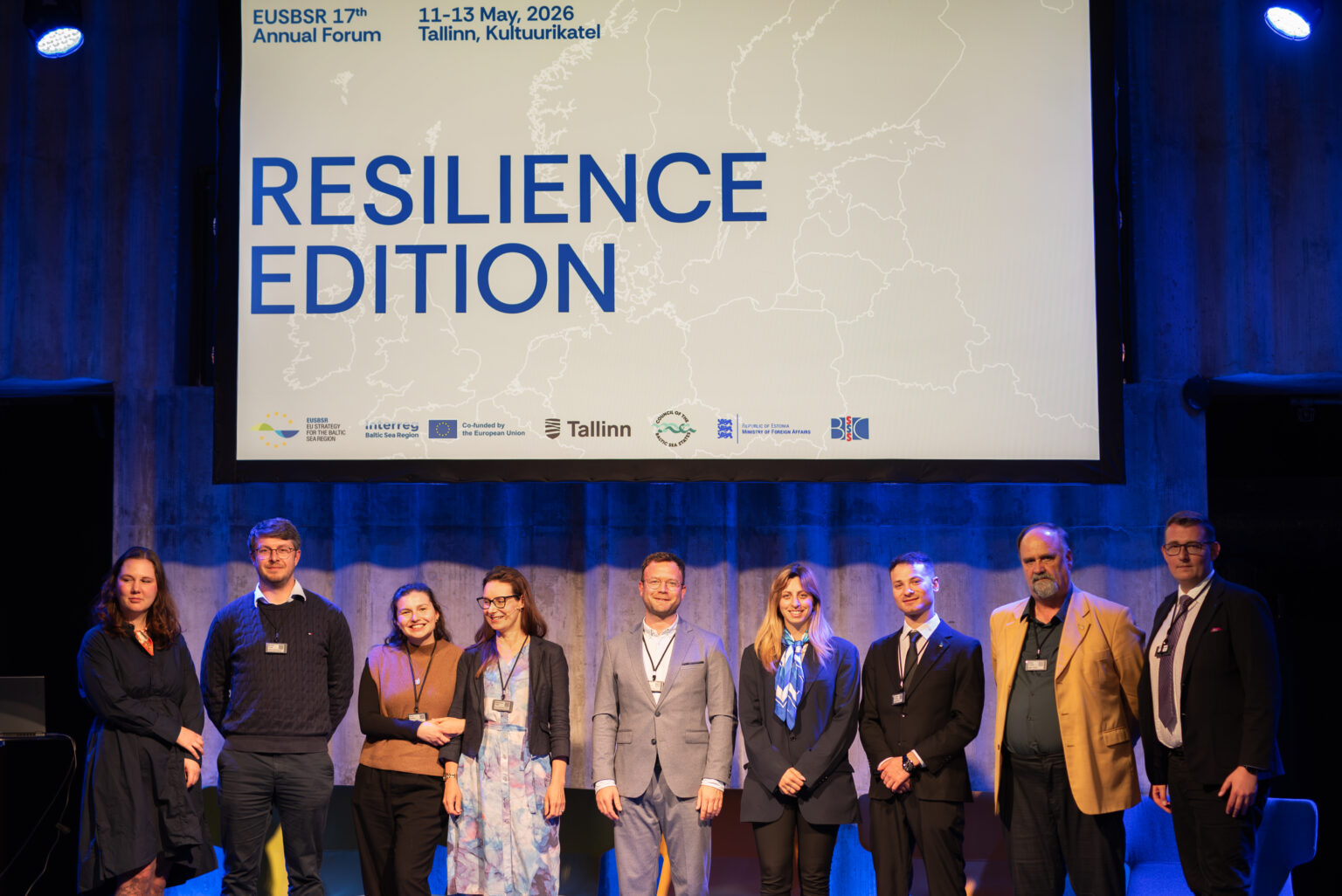
Resilience Edition EUSBSR Annual Forum 2026 i BSSSC Day of Cities and Regions w Tallinie. Promocja projektów BaltWreck, CircularMuse i D-Effect
W Tallinie dyskutowano o przyszłości i odporności regionu Morza Bałtyckiego
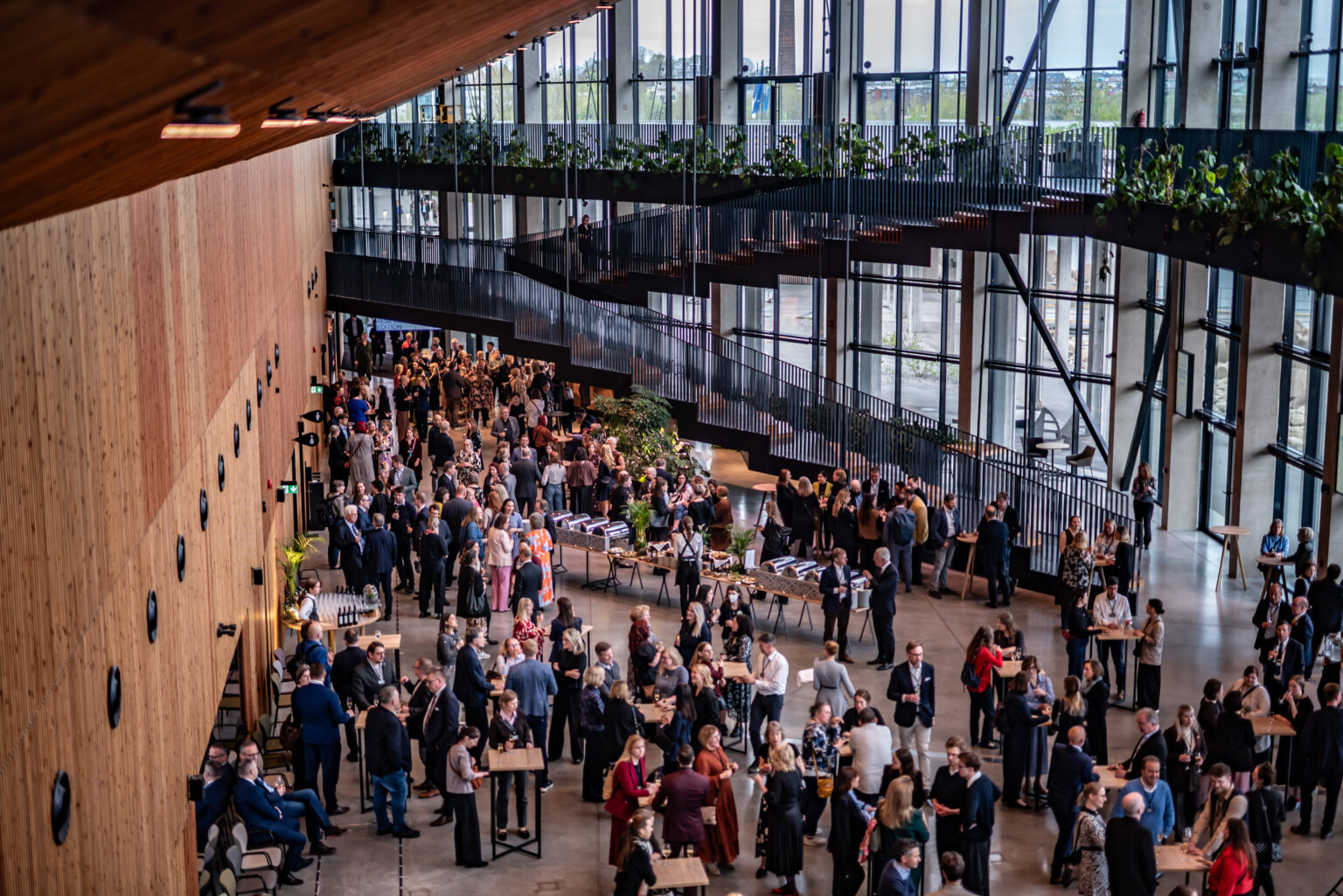
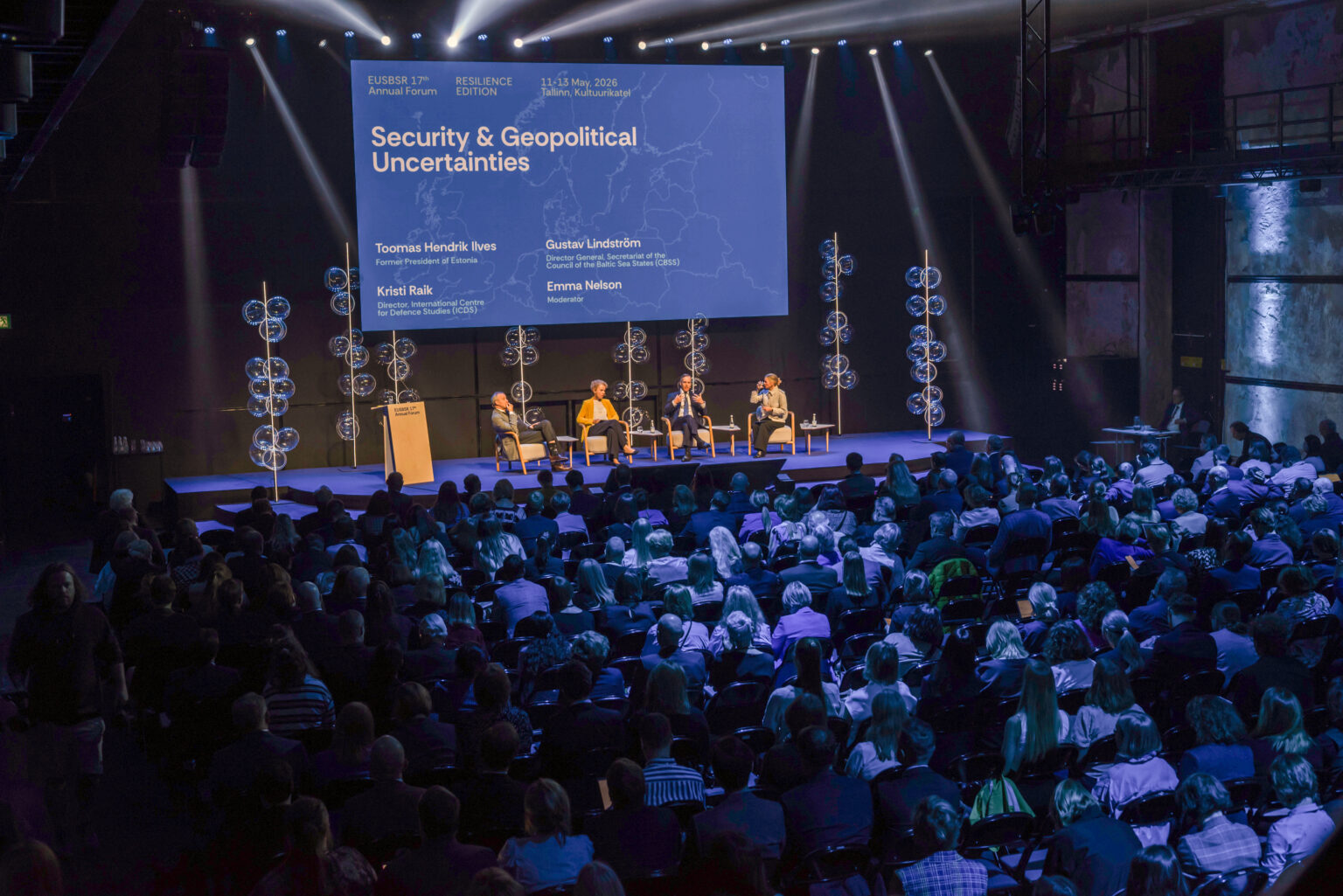
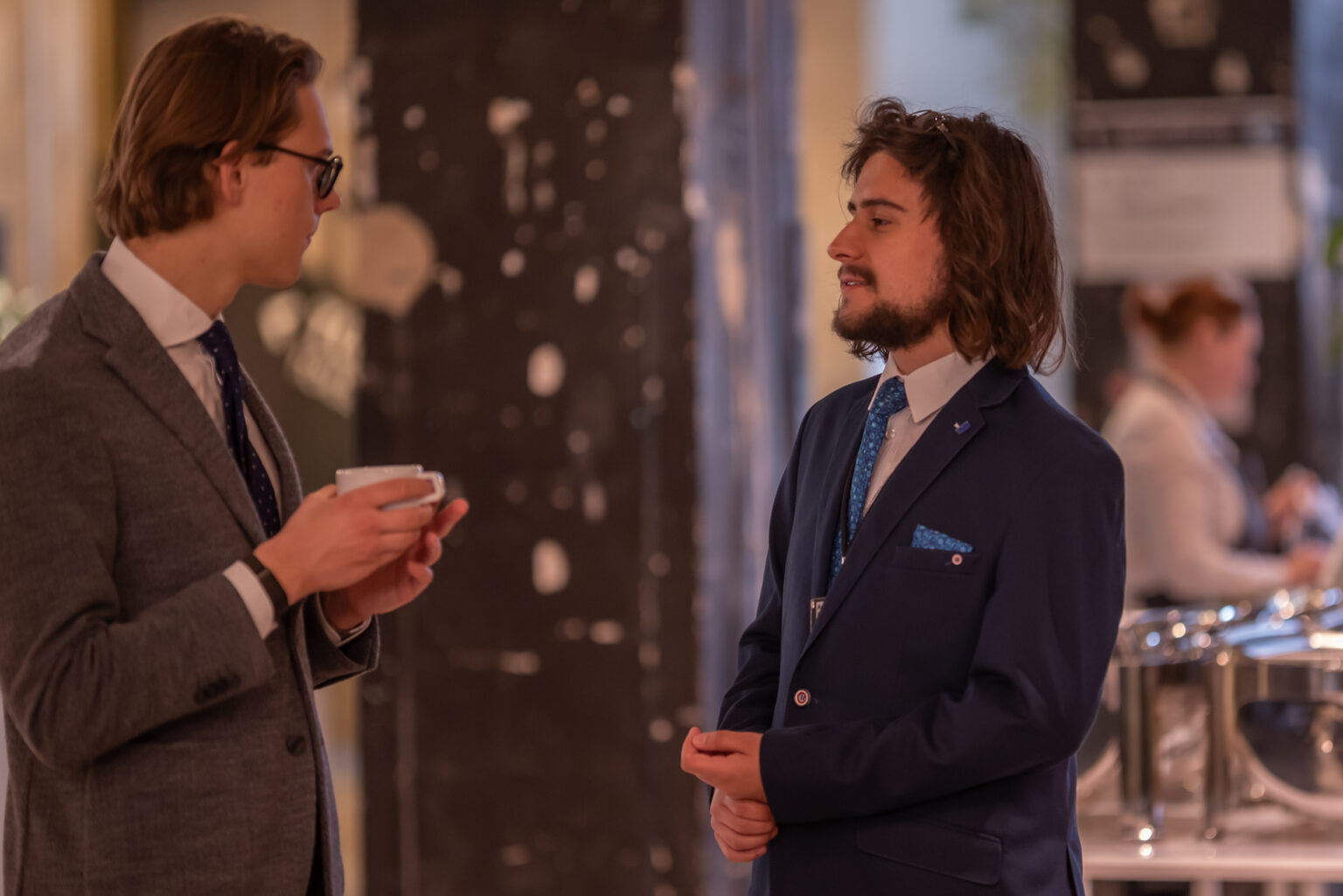
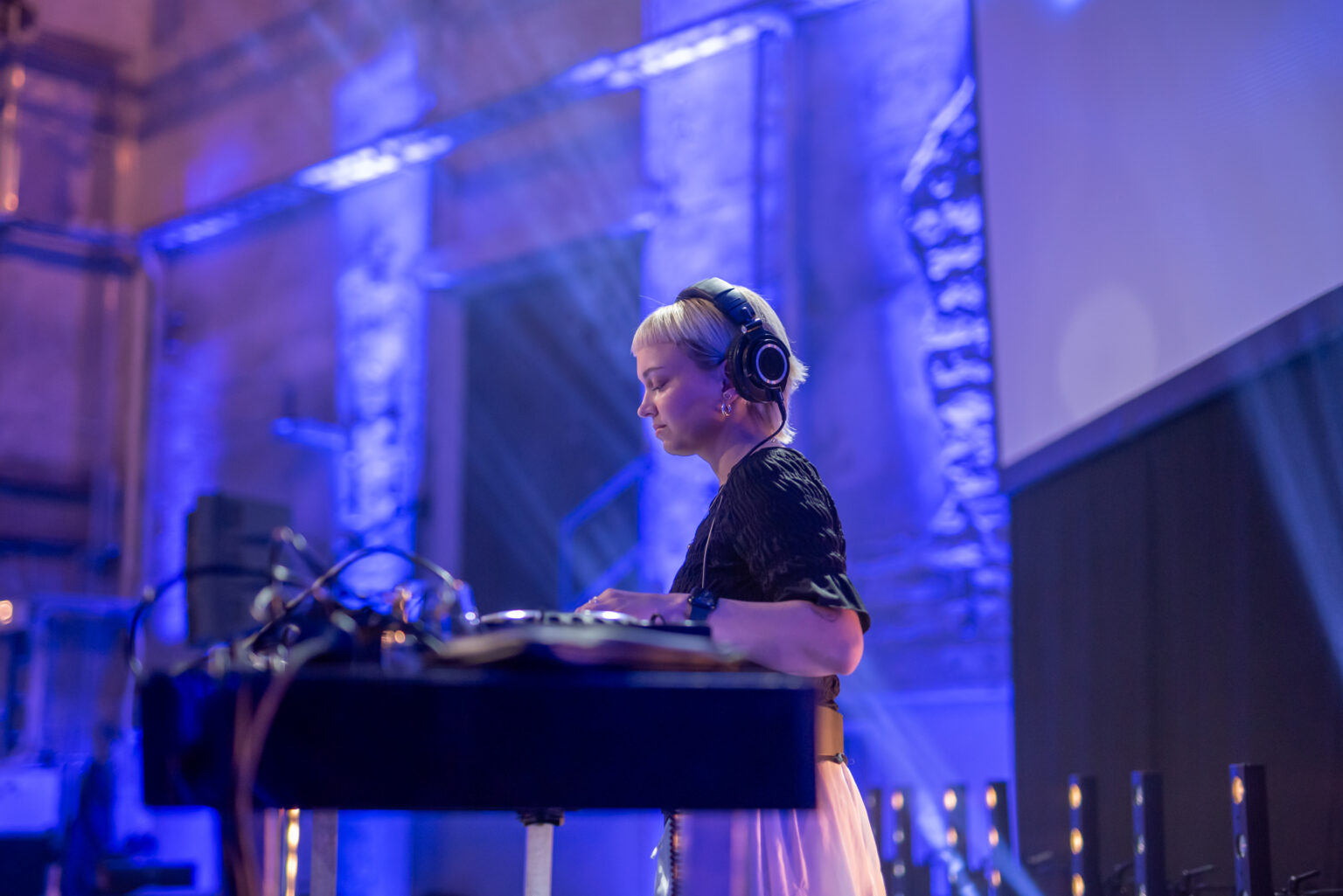
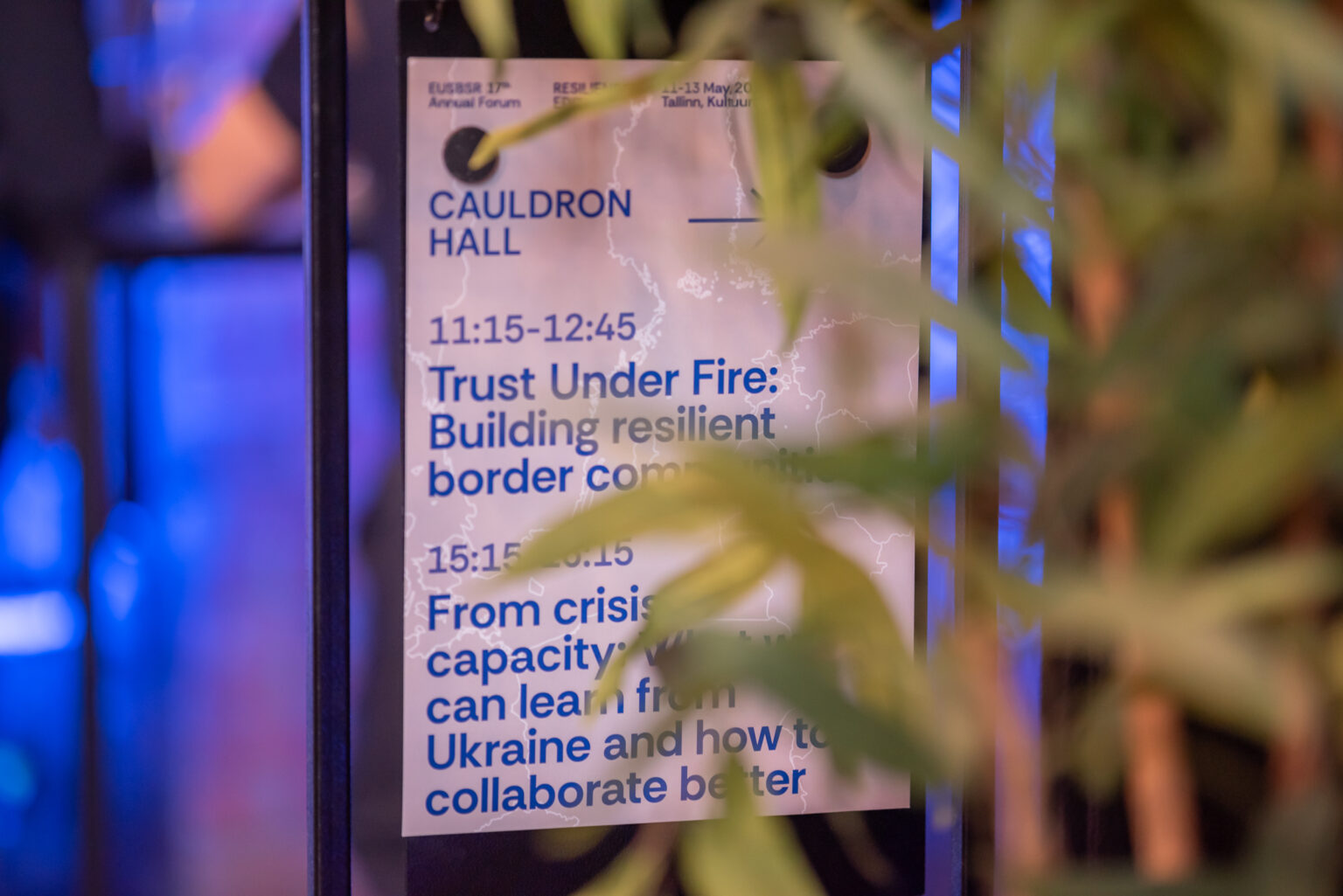
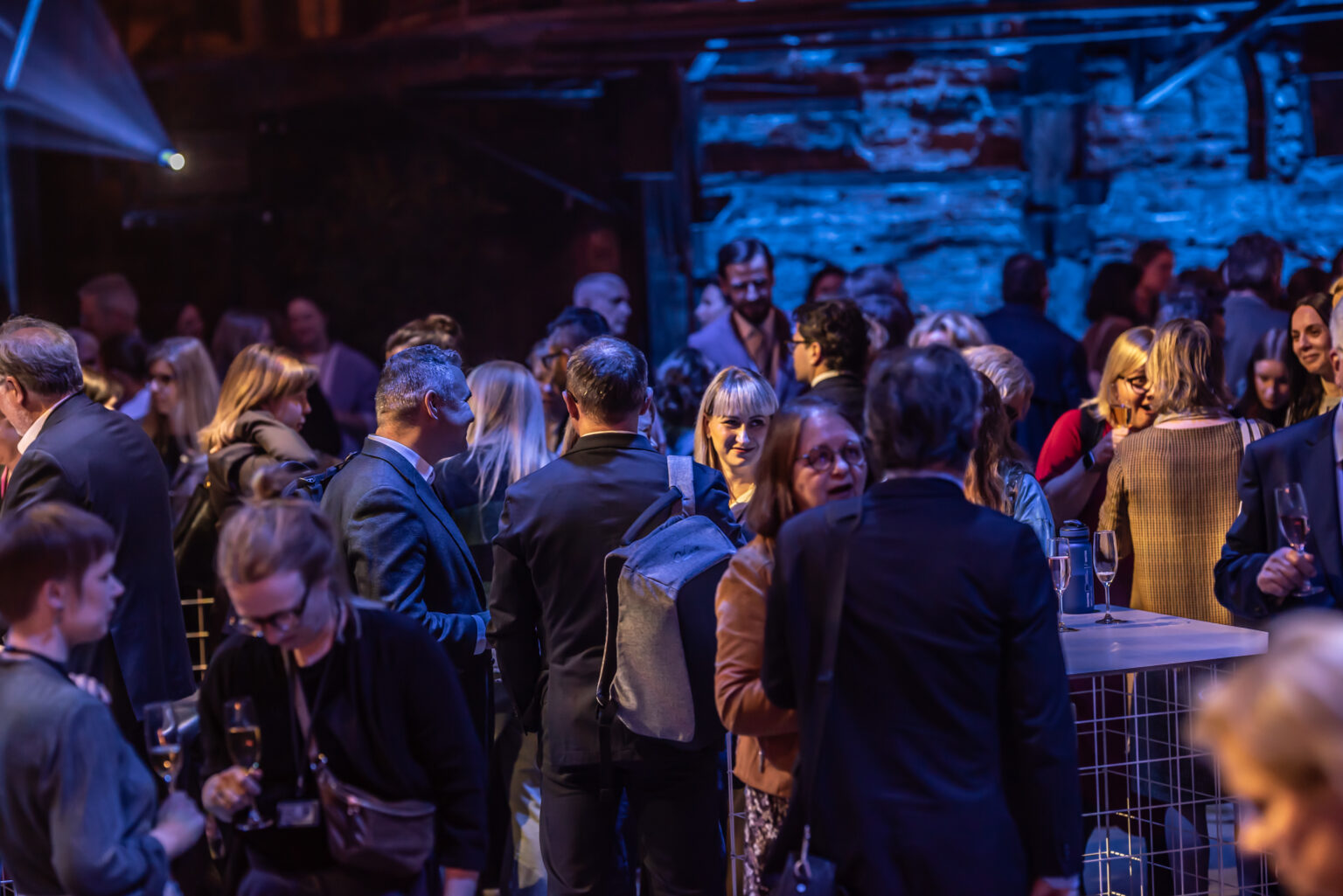
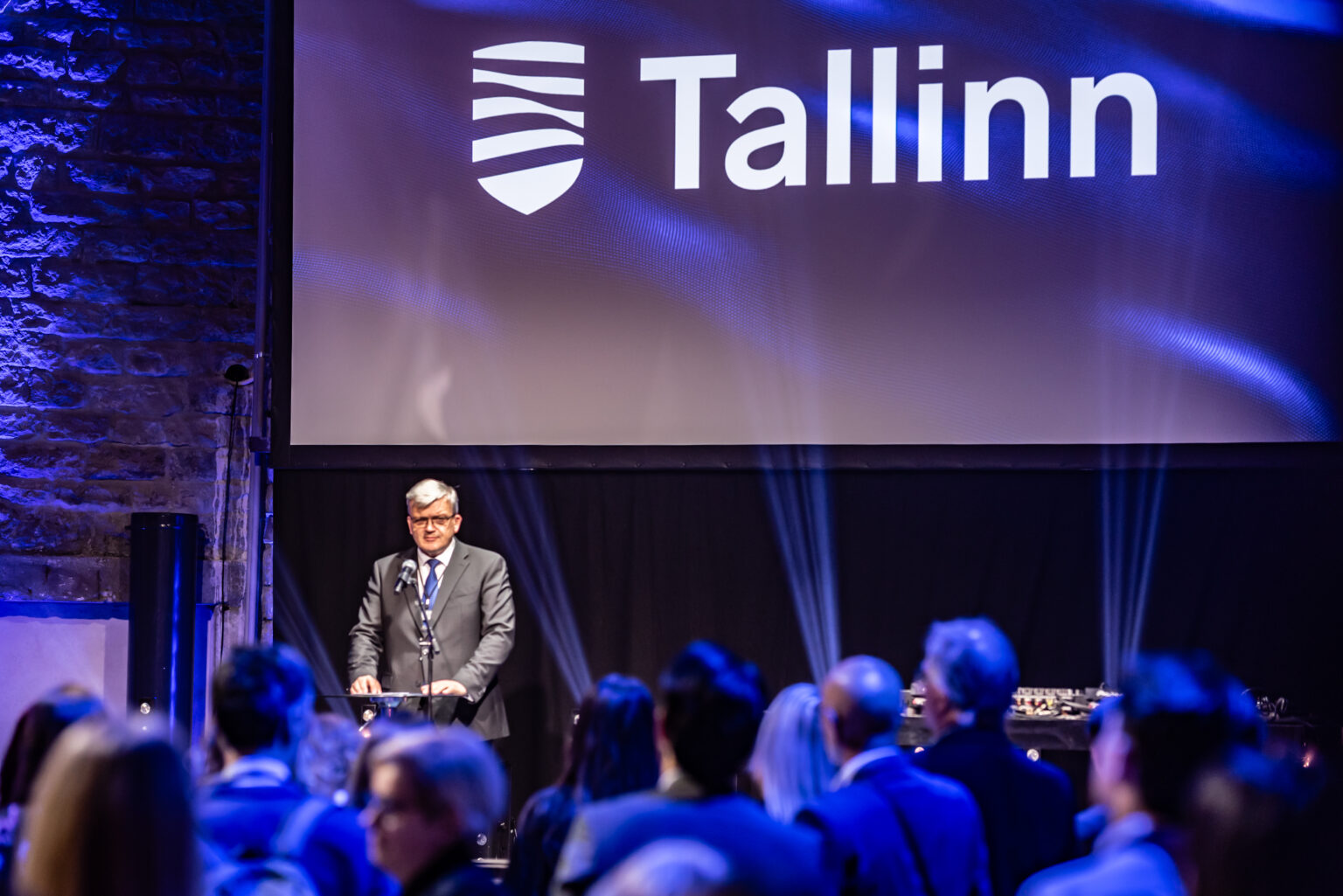
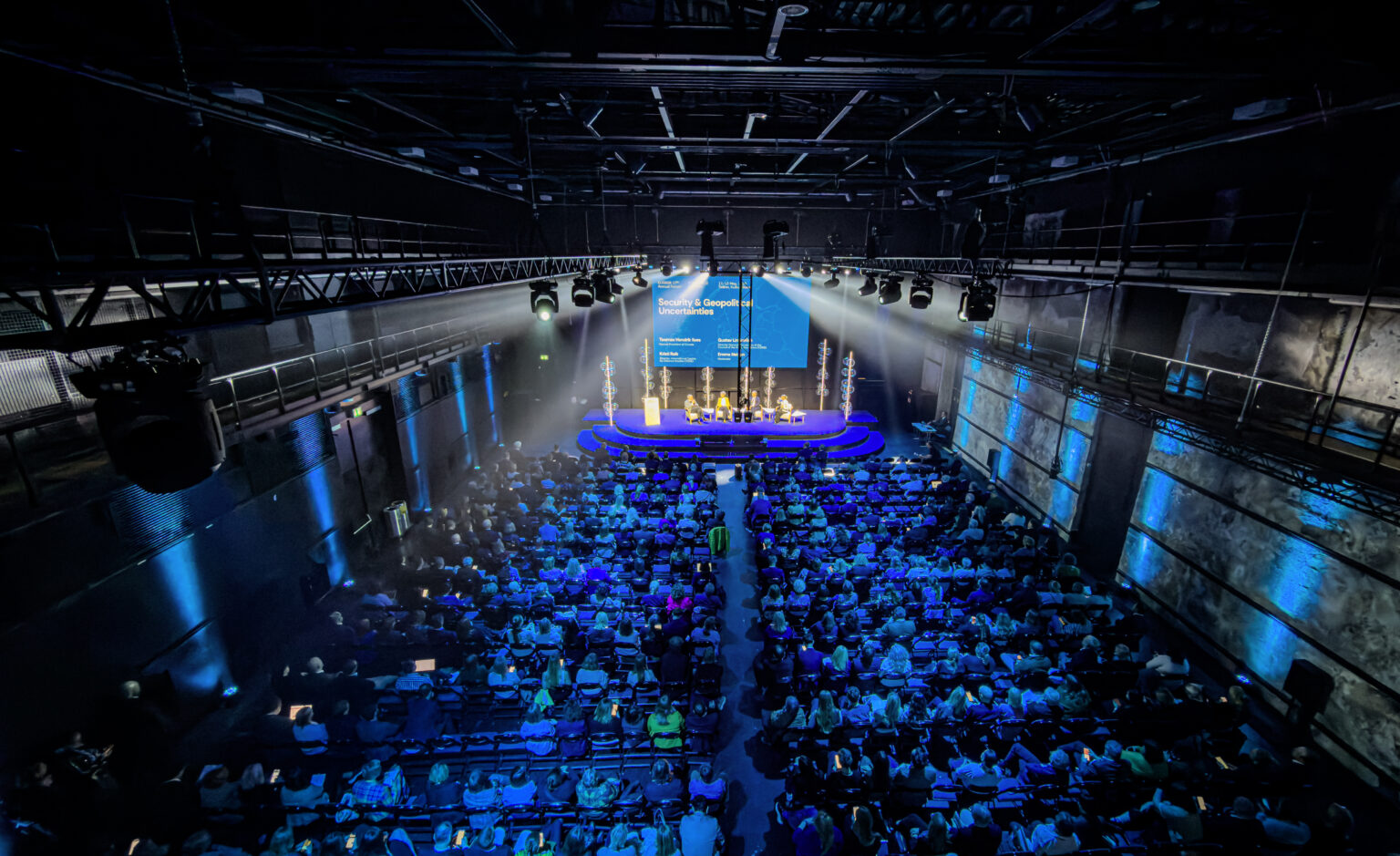
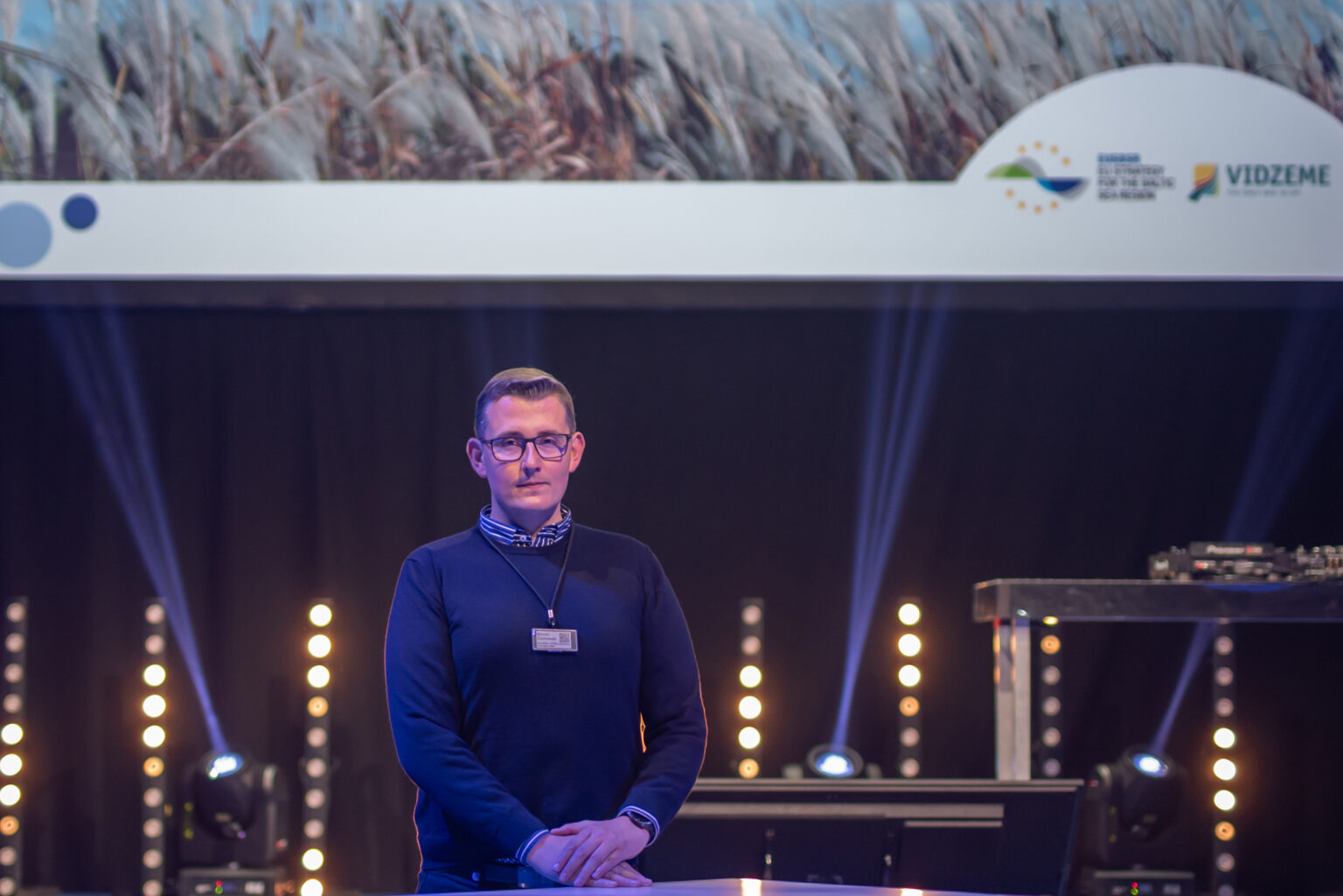
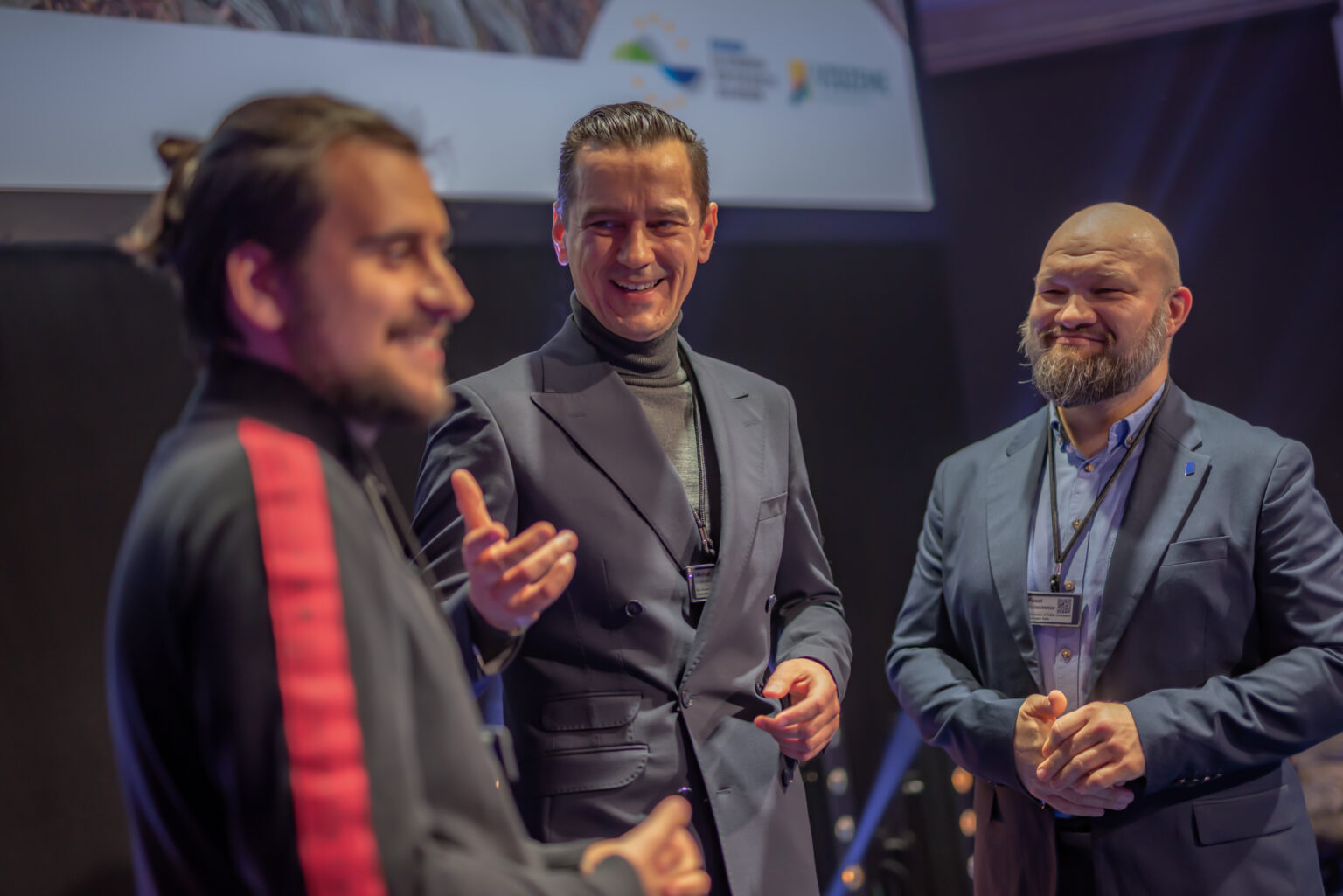
W dniach 11–13 maja w centrum konferencyjnym Kultuurikatel w Tallinie odbyły się wydarzenia poświęcone współpracy regionalnej, bezpieczeństwu oraz budowaniu odporności regionu Morza Bałtyckiego w ramach BSSSC Day of Cities and Regions oraz EUSBSR Annual Forum 2026.
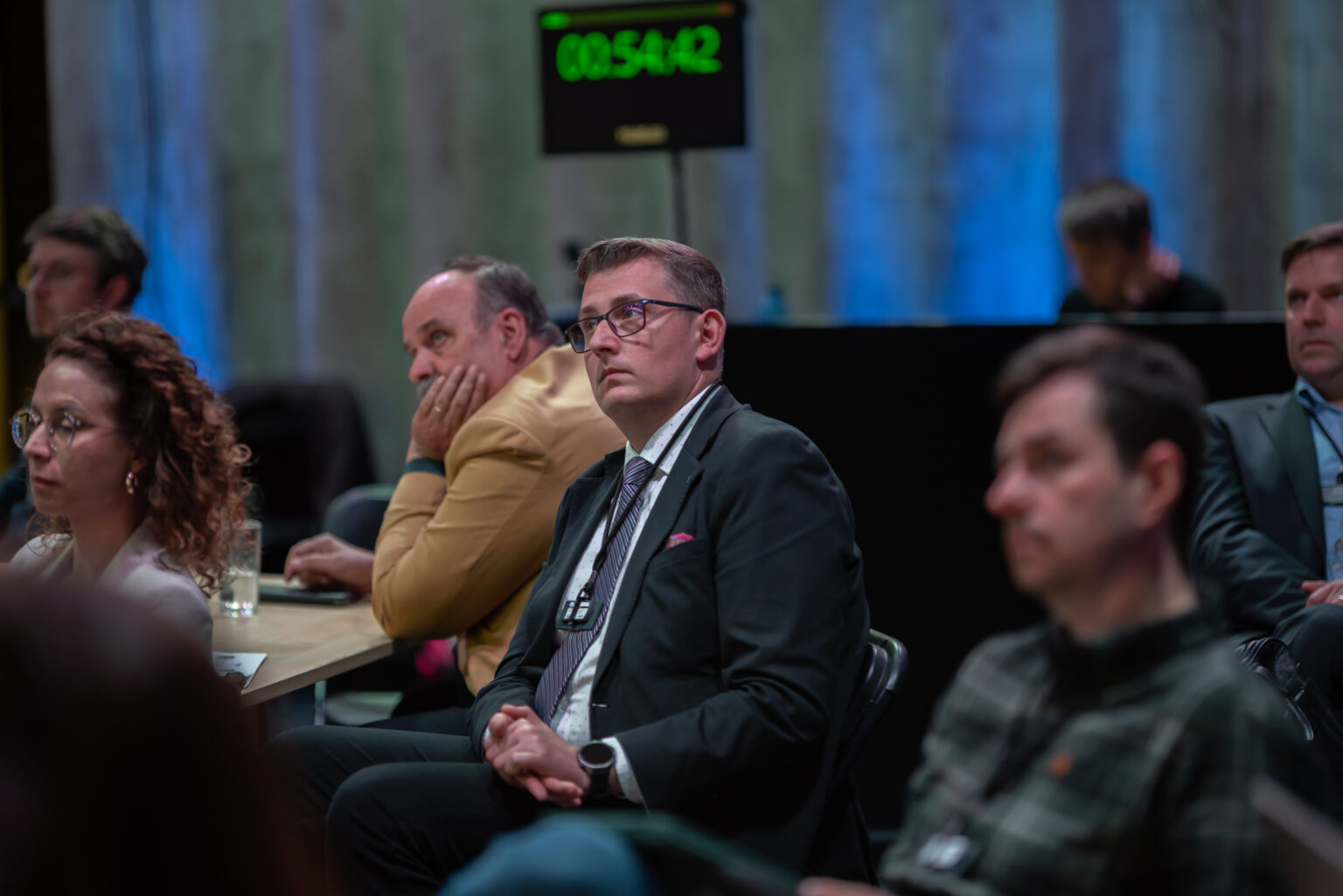
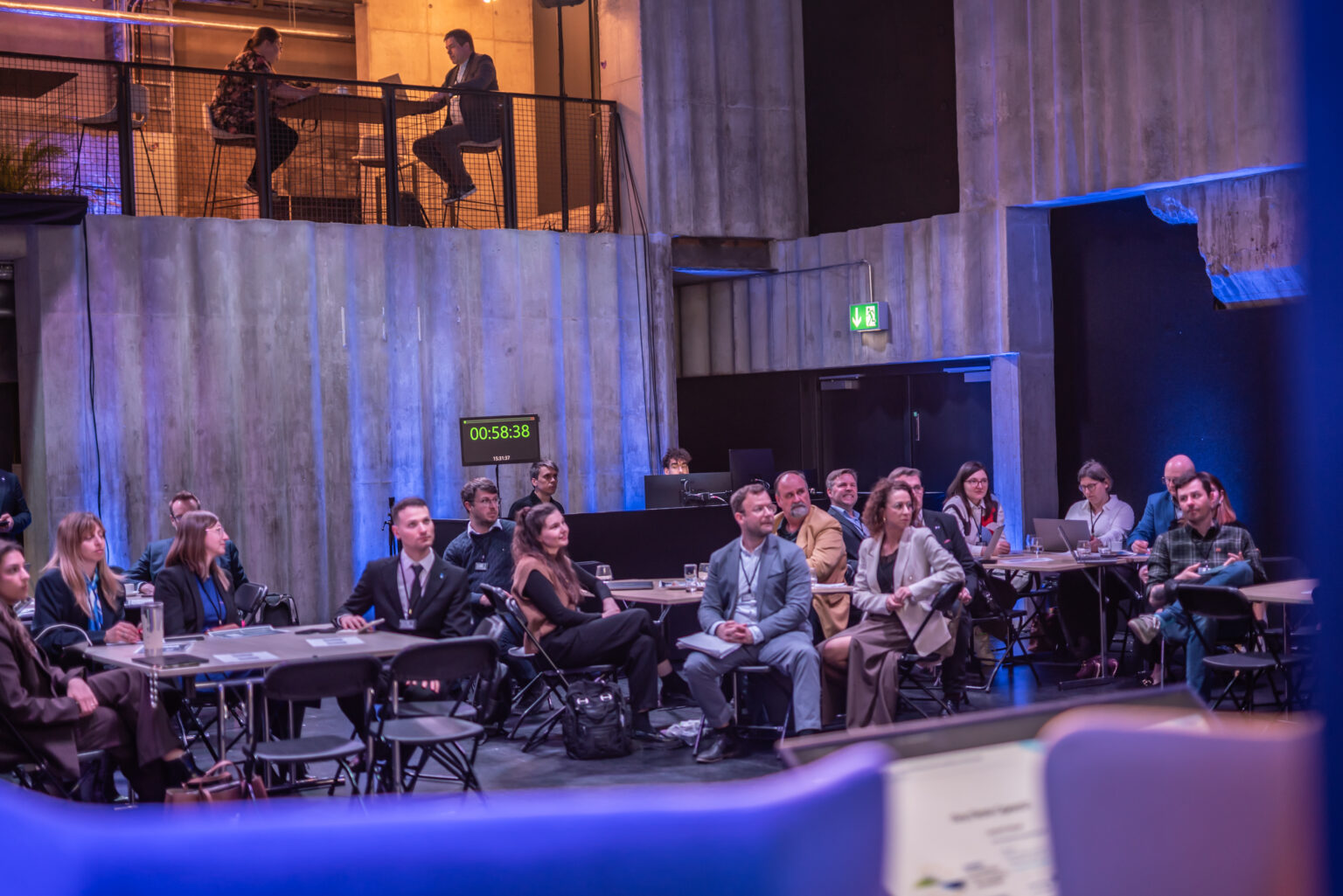
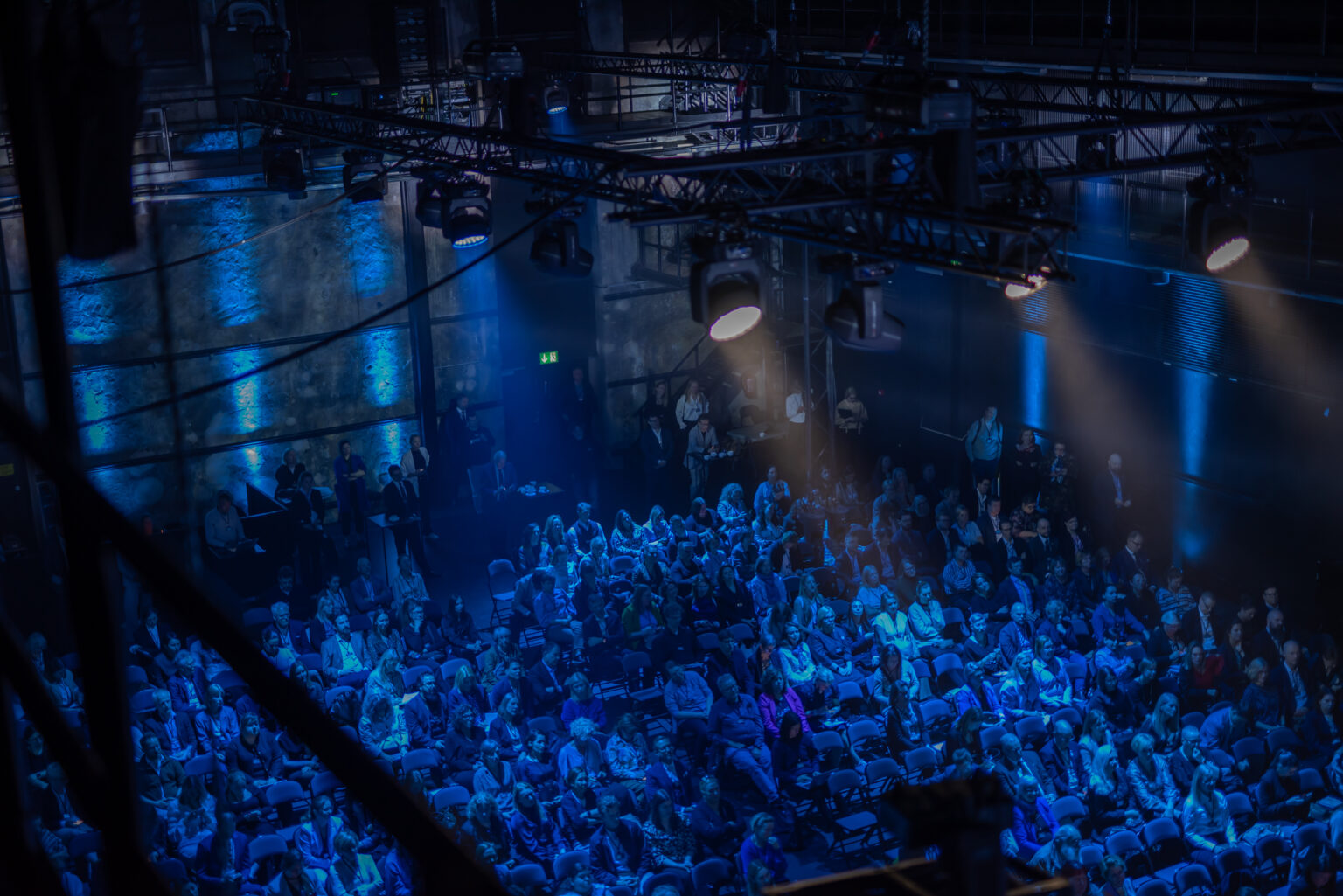
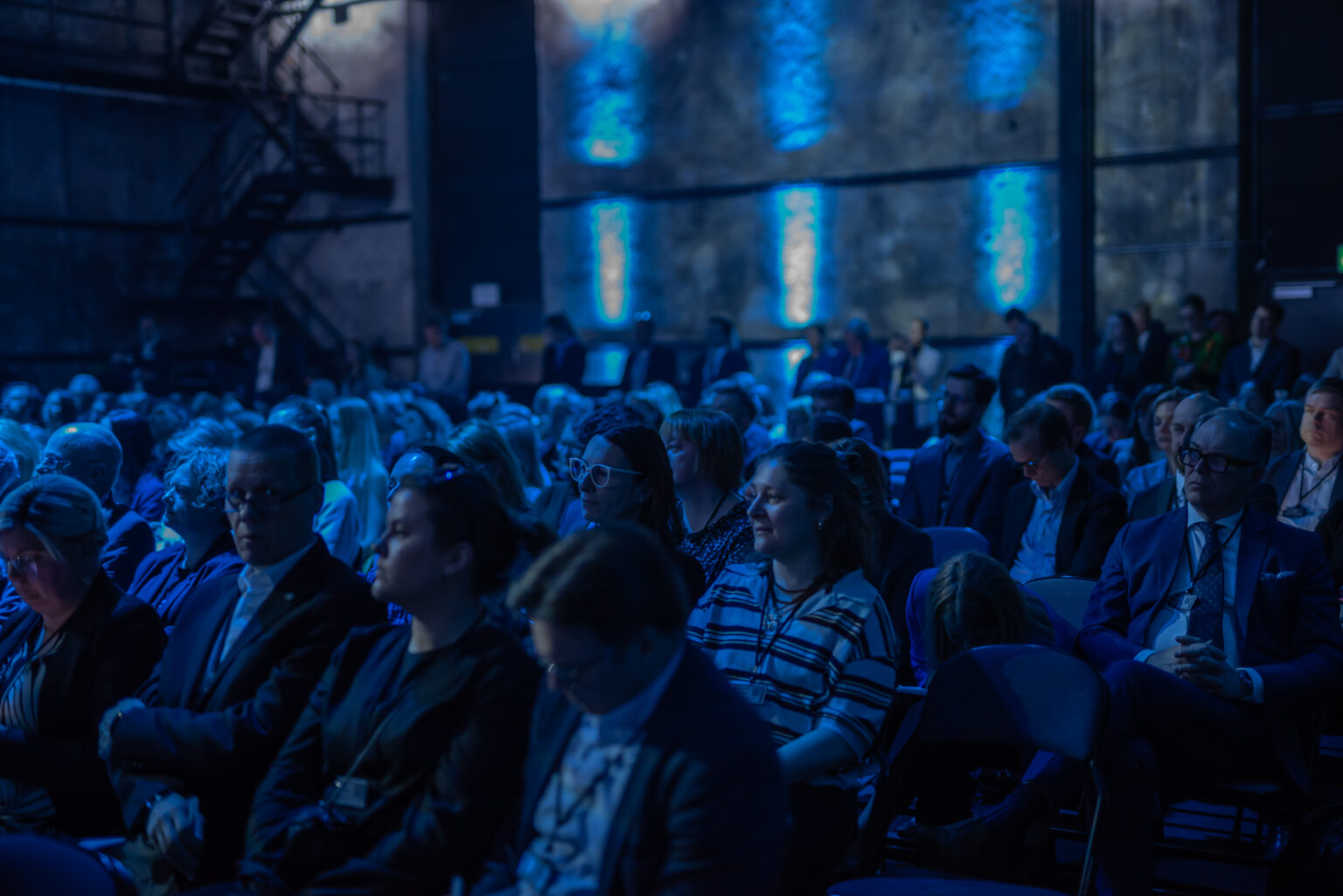
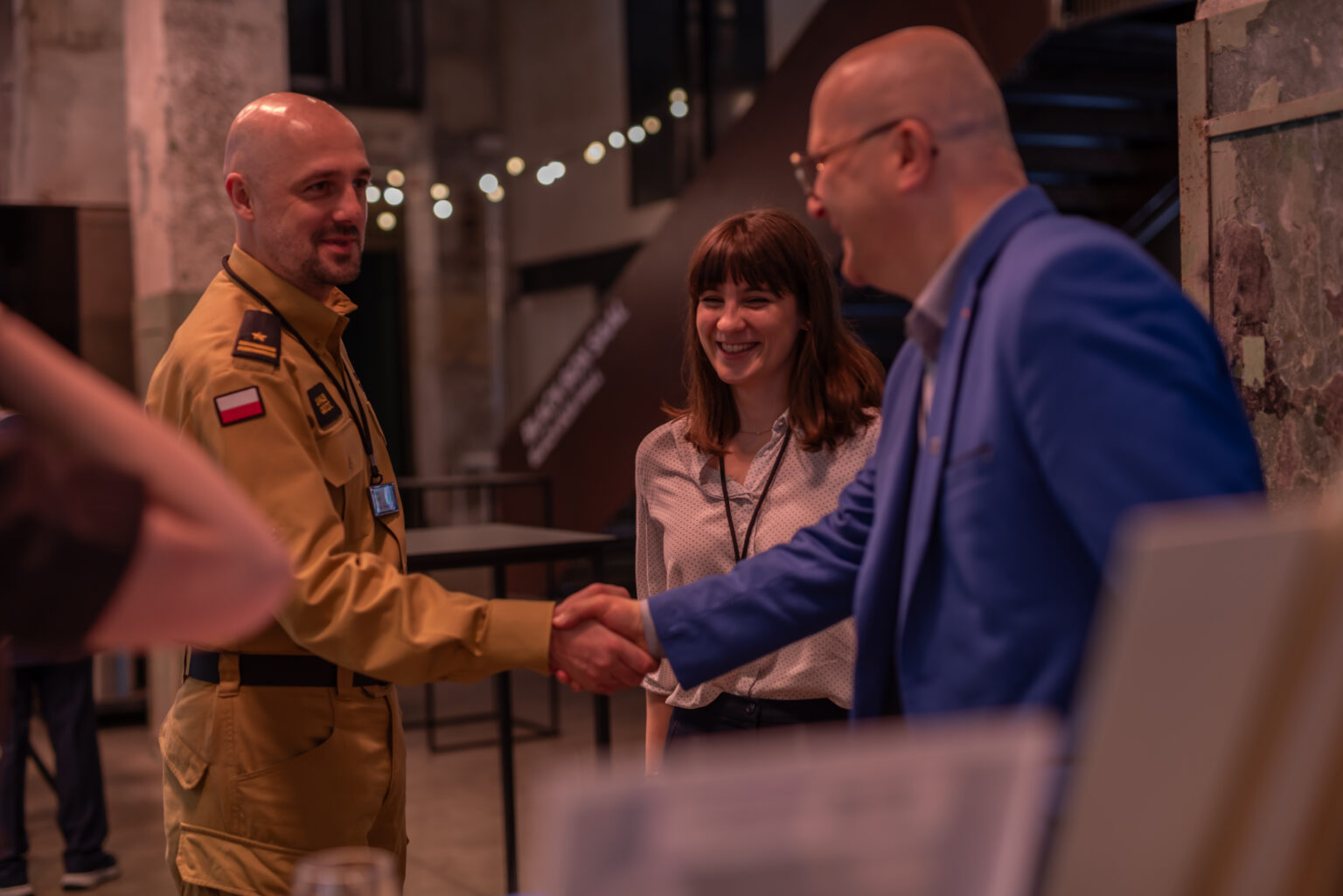
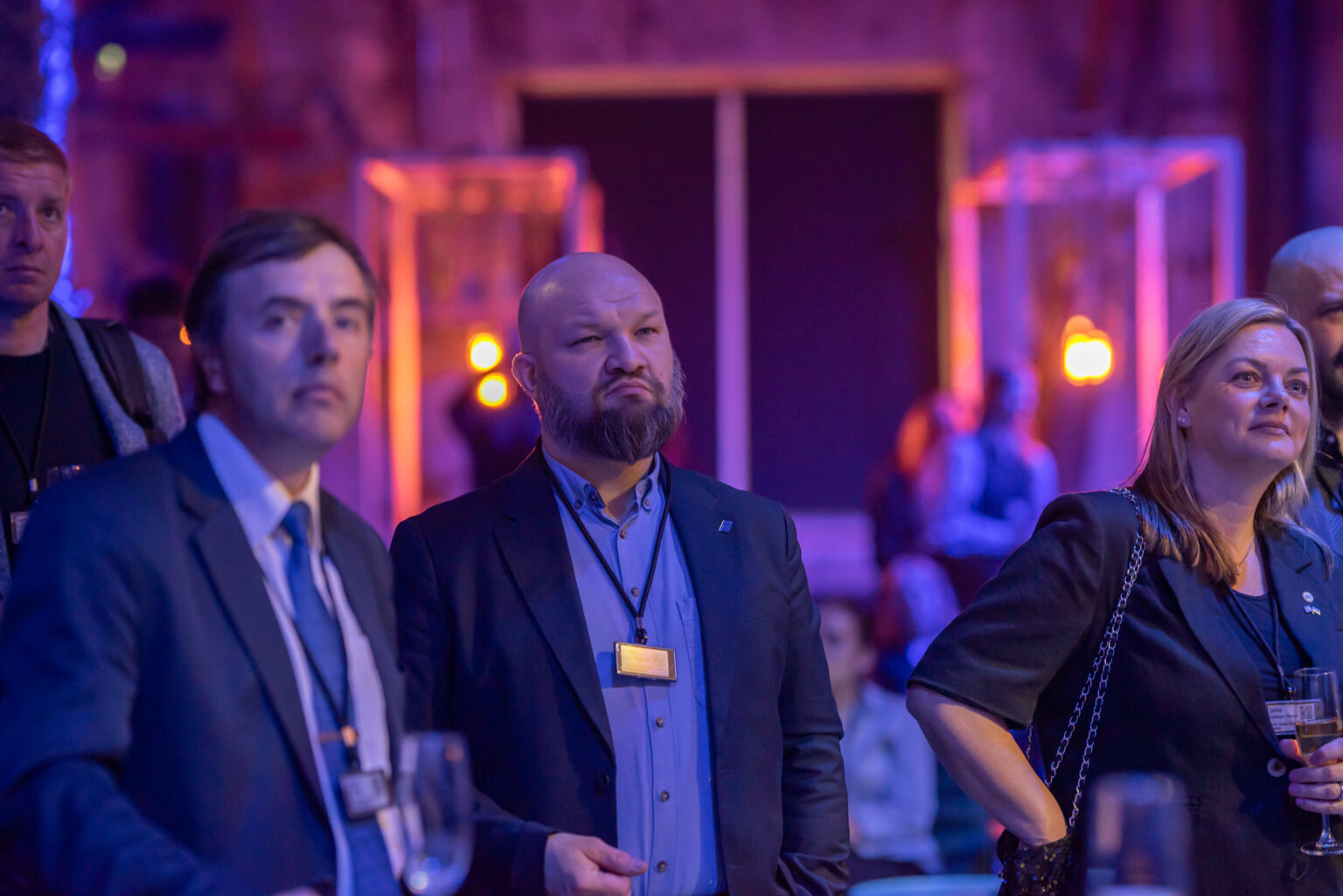
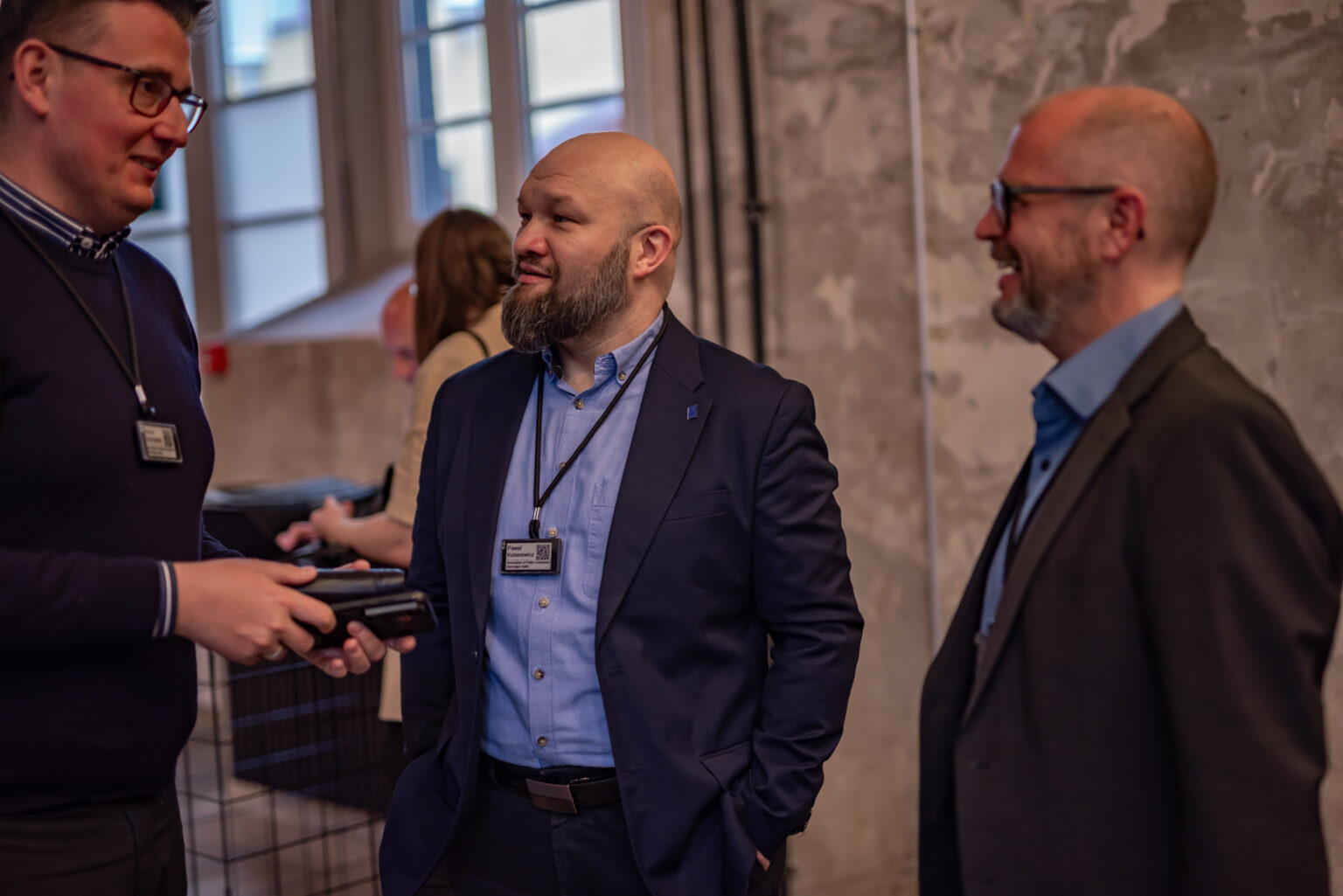
Spotkanie zgromadziło przedstawicieli samorządów, administracji publicznej, organizacji międzynarodowych, instytucji unijnych, środowisk naukowych oraz sieci młodzieżowych z państw regionu Morza Bałtyckiego.
Bezpieczeństwo, transformacja energetyczna i współpraca transgraniczna w centrum debat
Program wydarzenia koncentrował się na najważniejszych wyzwaniach stojących przed regionem Morza Bałtyckiego. Wśród głównych tematów debat znalazły się kwestie związane z bezpieczeństwem i odpornością regionów, współpracą transgraniczną, transformacją energetyczną, adaptacją do zmian klimatu oraz rozwojem innowacji społecznych.
Uczestnicy rozmawiali również o przyszłości programów współpracy po 2027 roku, wyzwaniach demograficznych, konkurencyjności regionów oraz wspólnych działaniach na rzecz zrównoważonego rozwoju i wzmacniania odporności społecznej oraz gospodarczej państw regionu Morza Bałtyckiego.
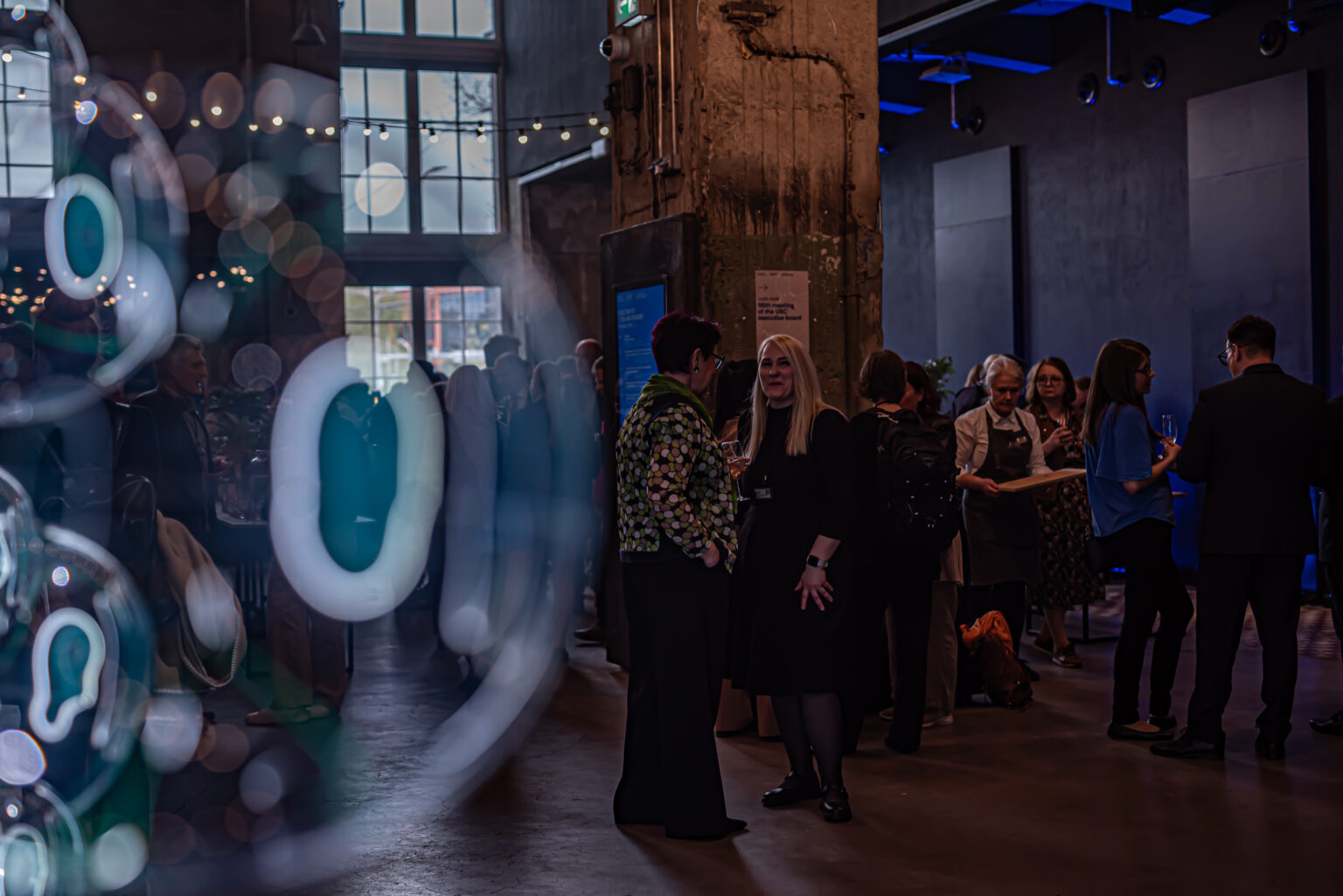
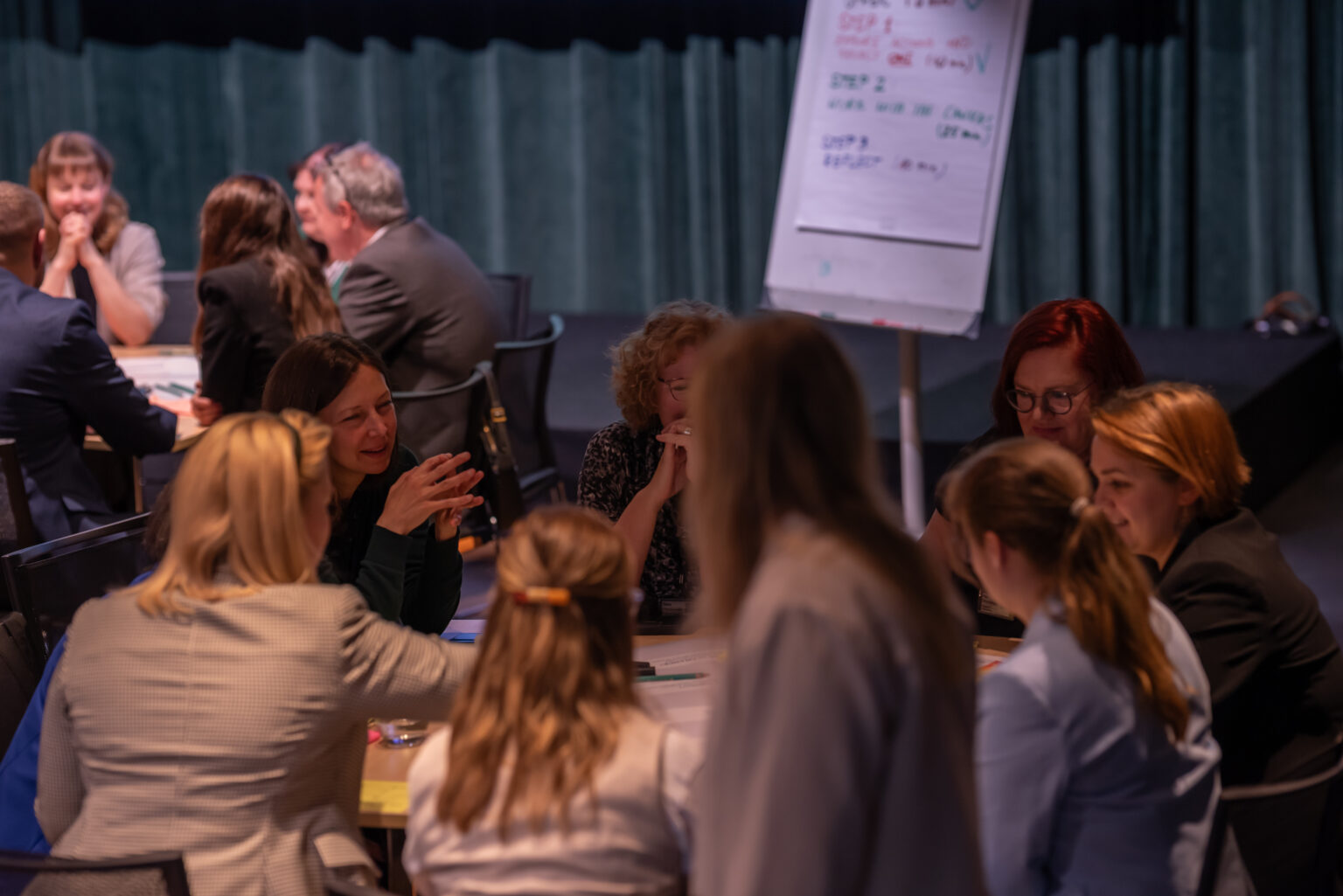
Istotnym elementem wydarzenia były także sesje networkingowe oraz warsztaty umożliwiające wymianę doświadczeń i rozwijanie współpracy pomiędzy partnerami z różnych krajów.
Promocja projektów BaltWreck, CircularMuse i D-Effect
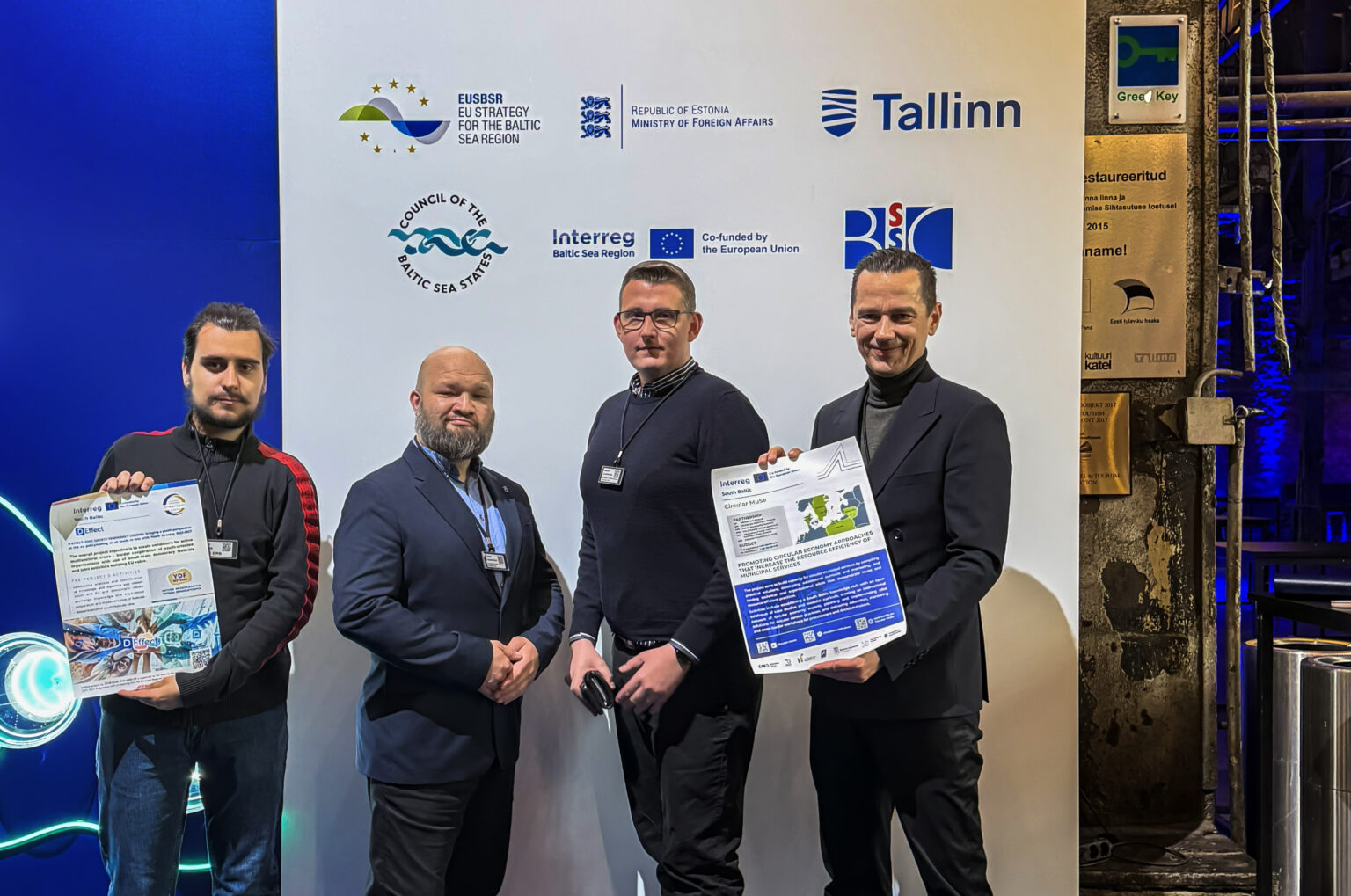
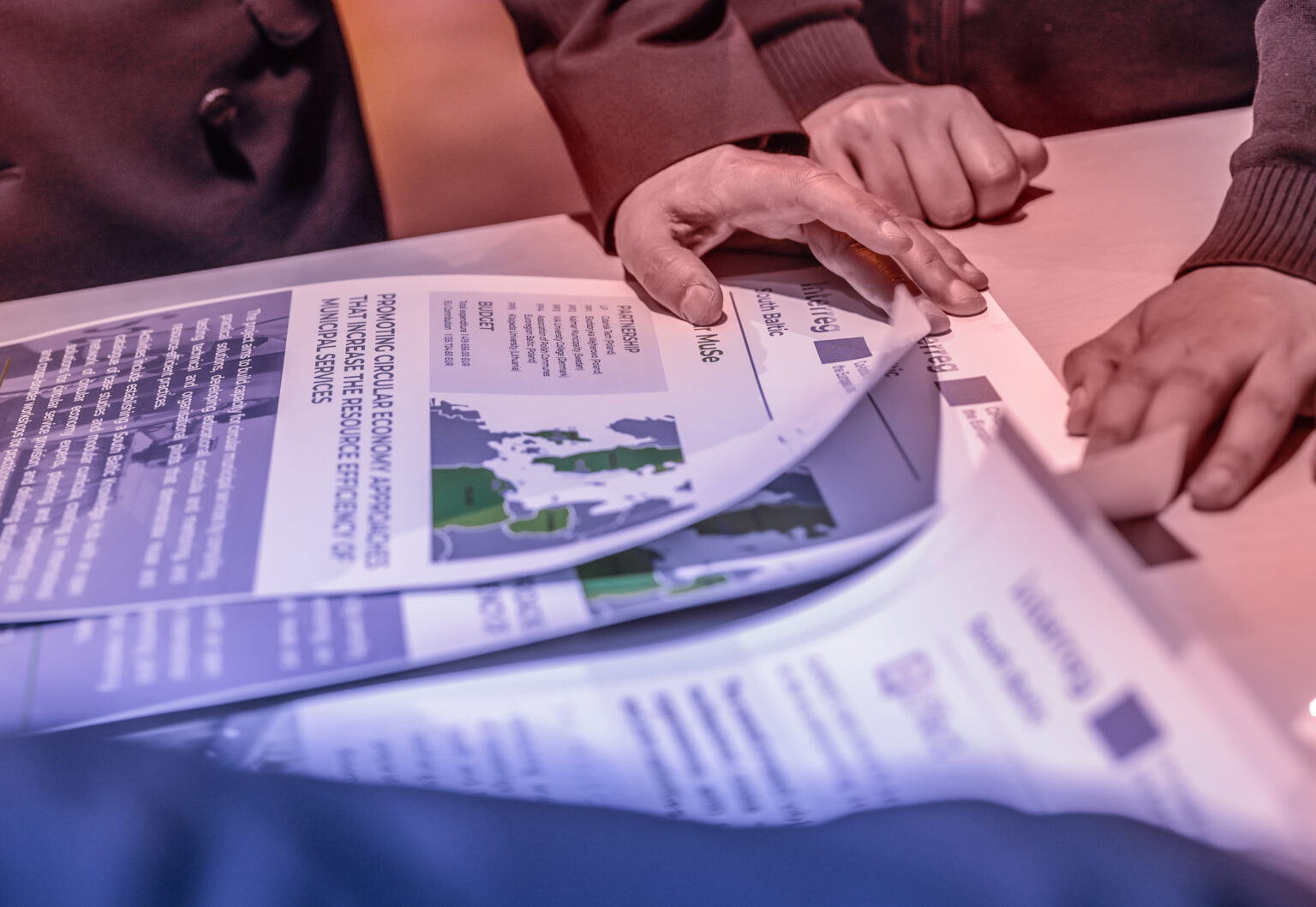
Podczas wydarzenia promowane były projekty CircularMuse, D-Effect oraz BaltWreck.
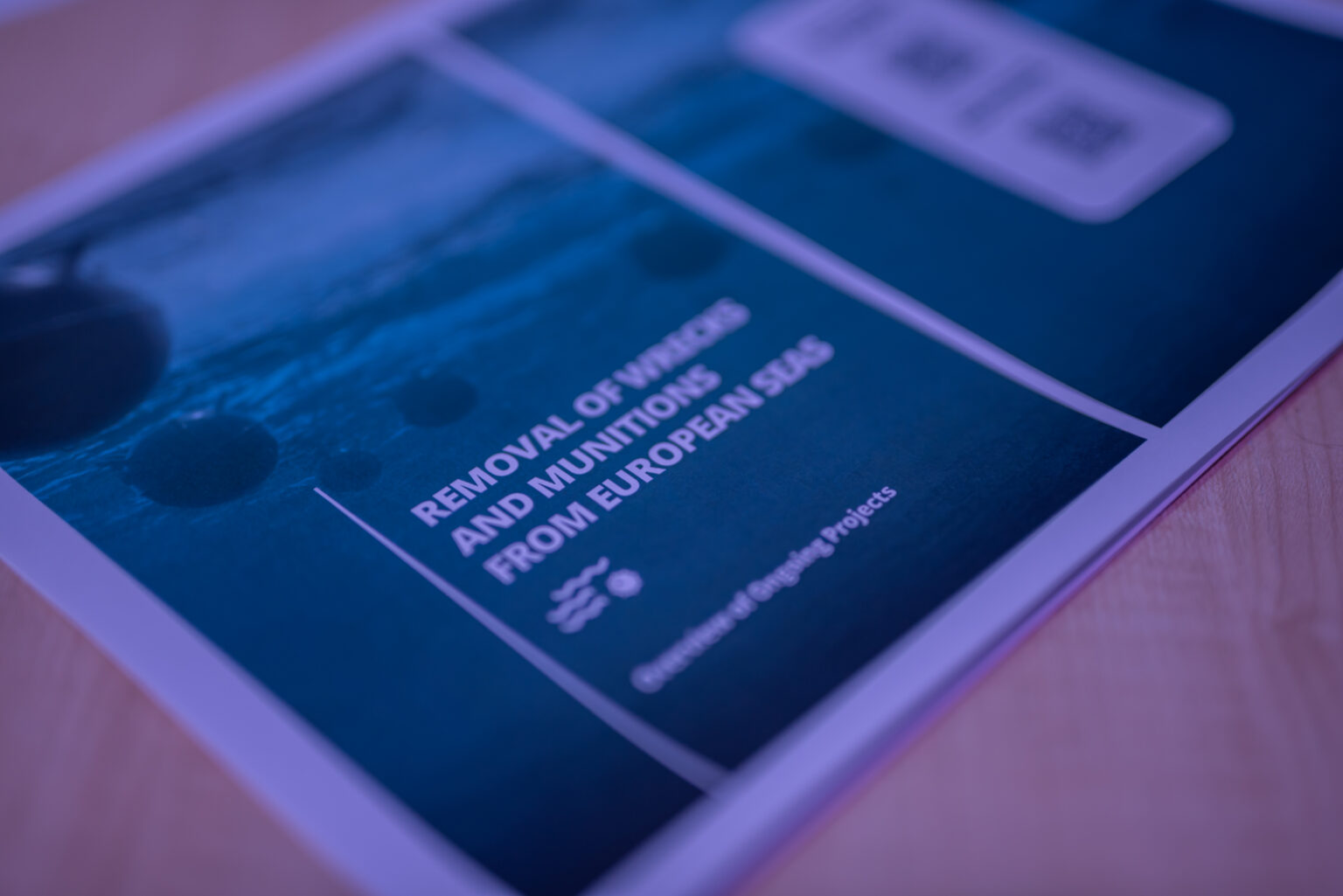
W przestrzeni networkingowej forum zaprezentowano materiały informacyjne dotyczące realizowanych działań, a przedstawiciele projektów aktywnie uczestniczyli w dyskusjach tematycznych poświęconych współpracy regionalnej, ochronie środowiska oraz zrównoważonemu rozwojowi.
Międzynarodowa debata o wrakach i zatopionej amunicji w Morzu Bałtyckim
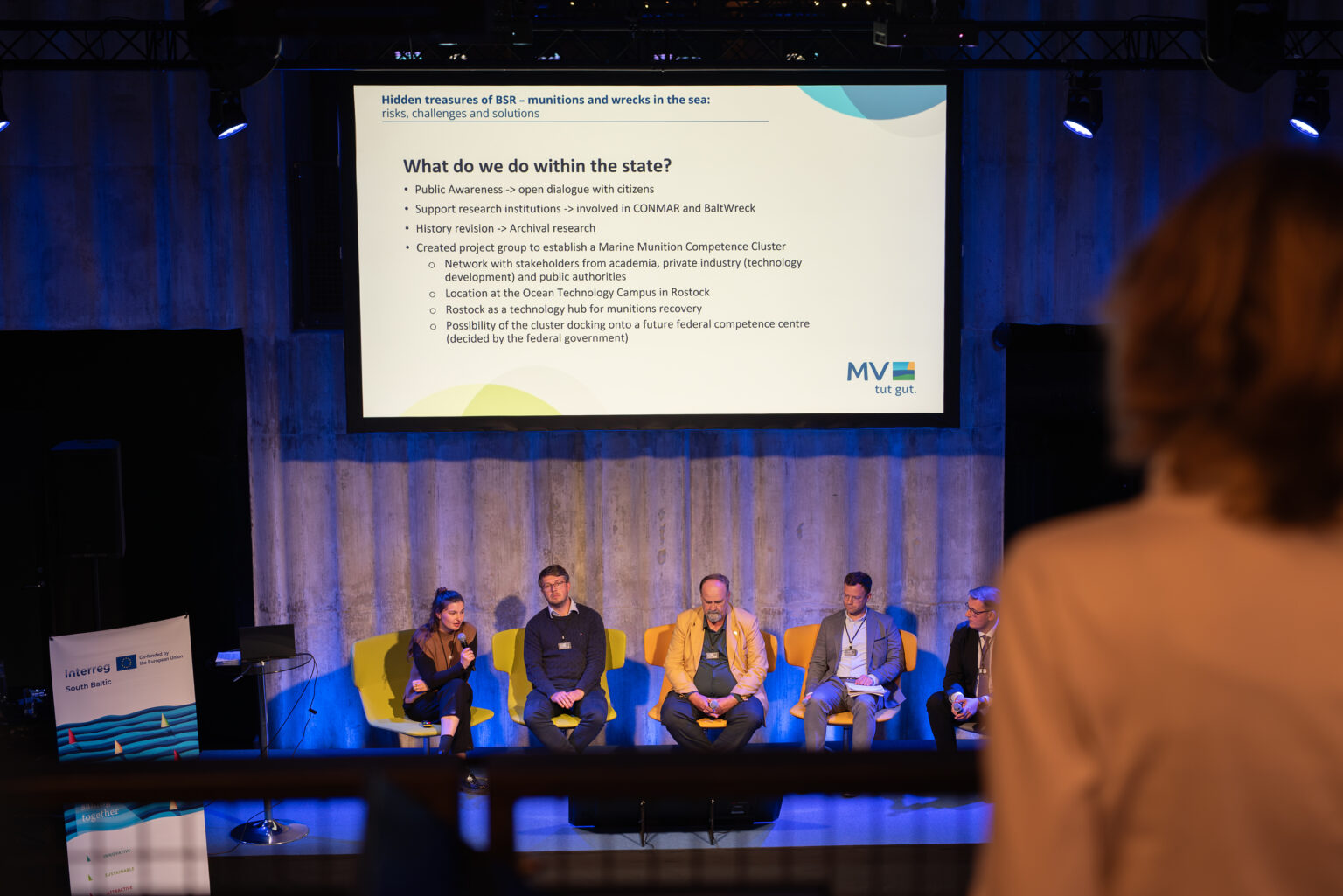
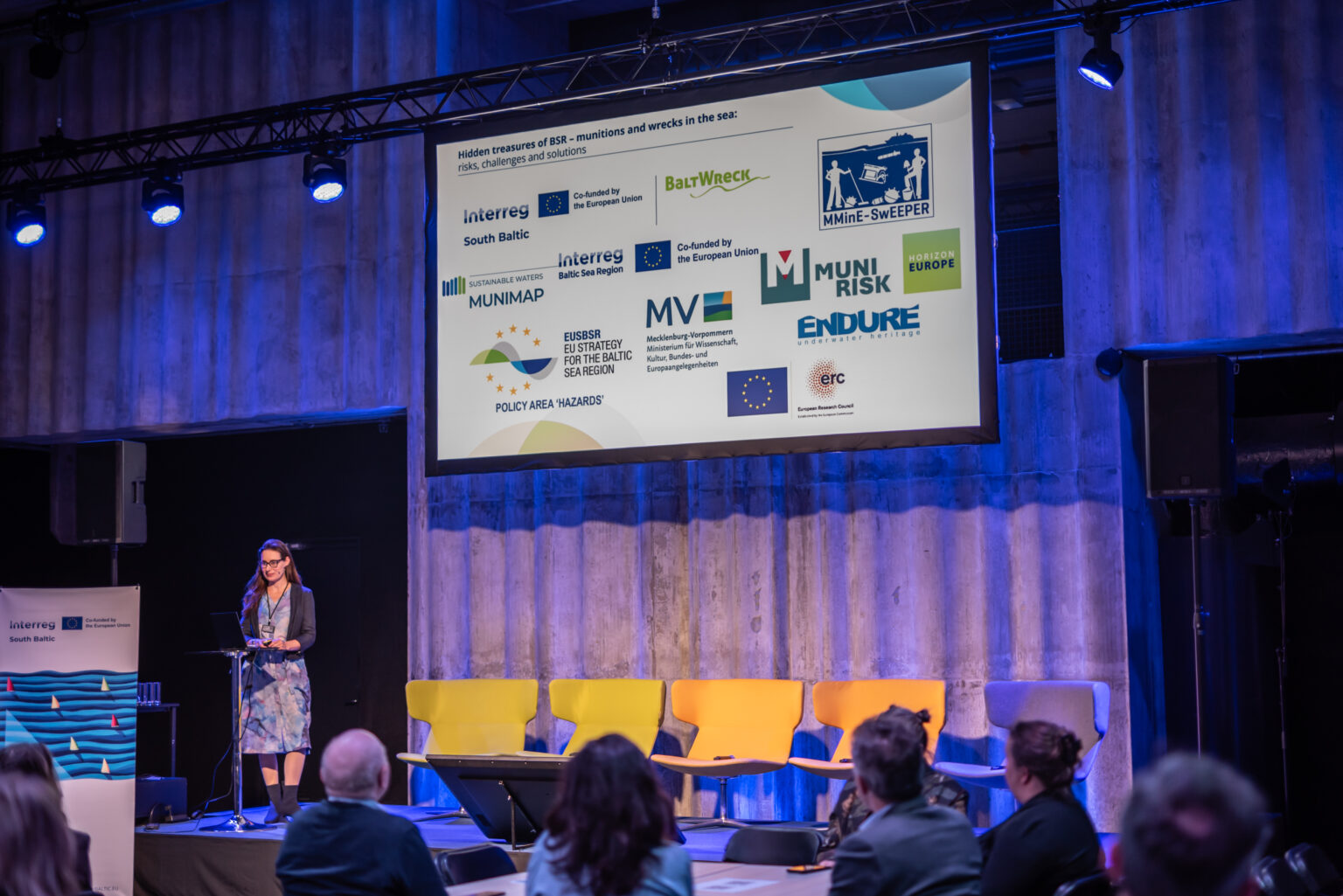
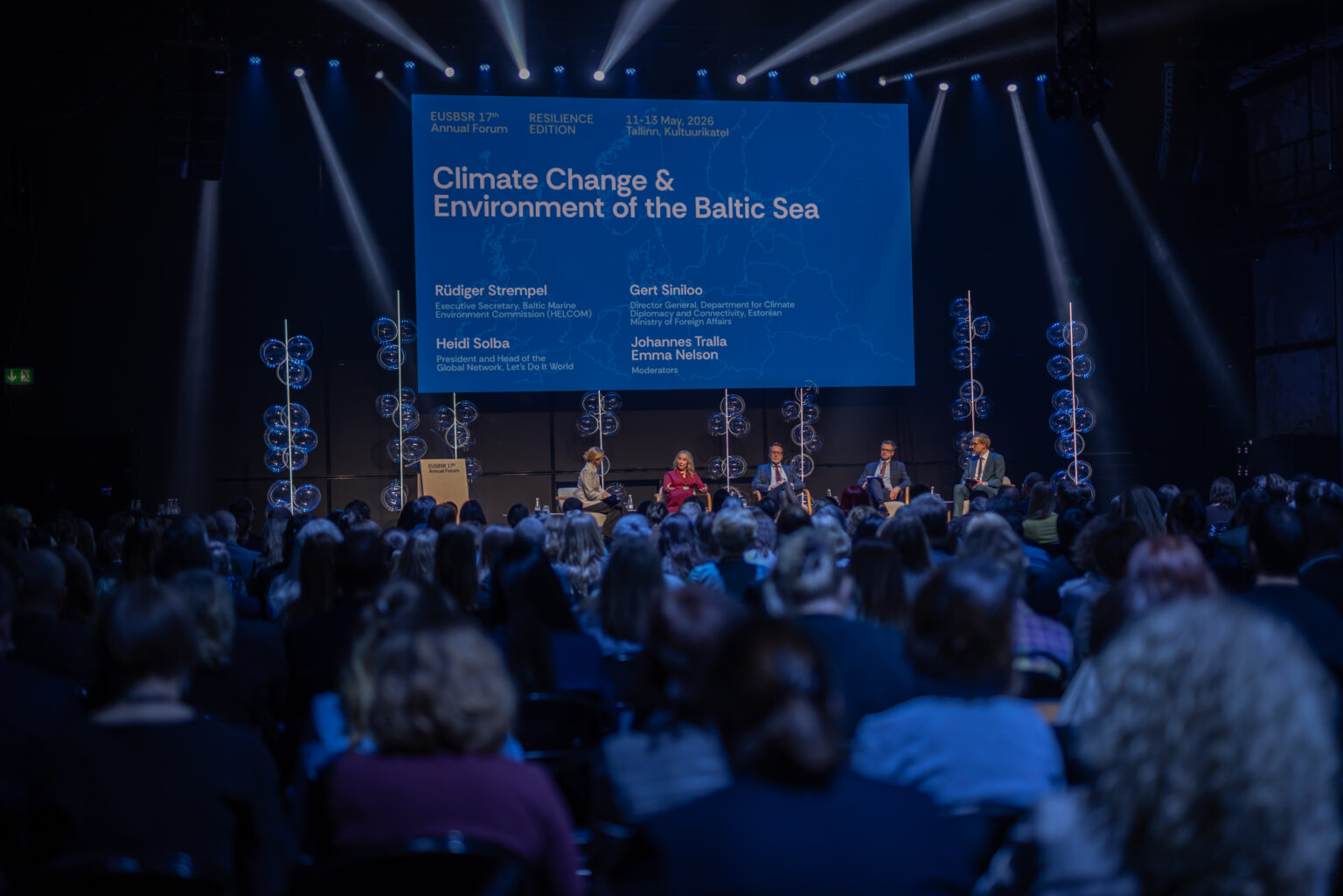
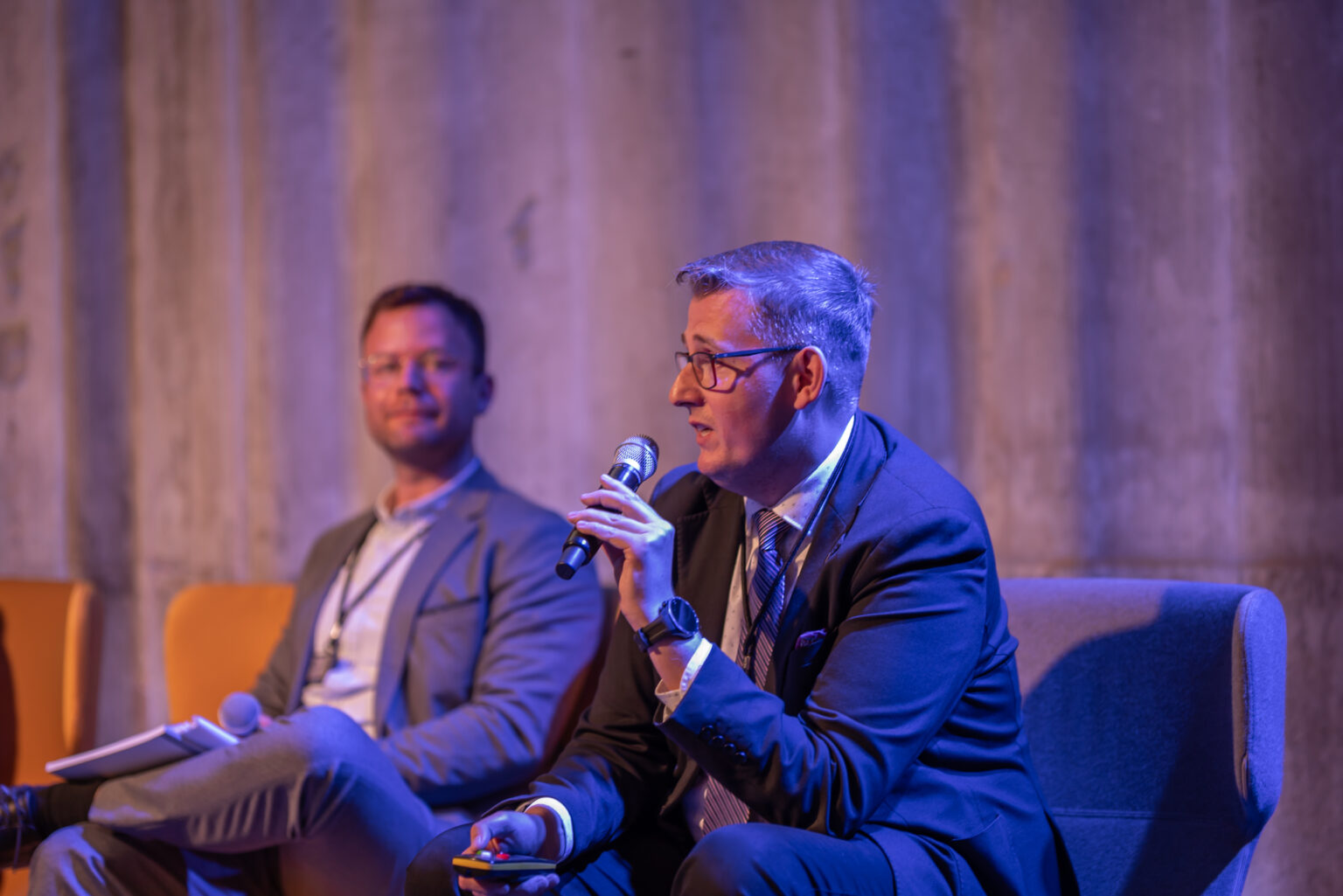
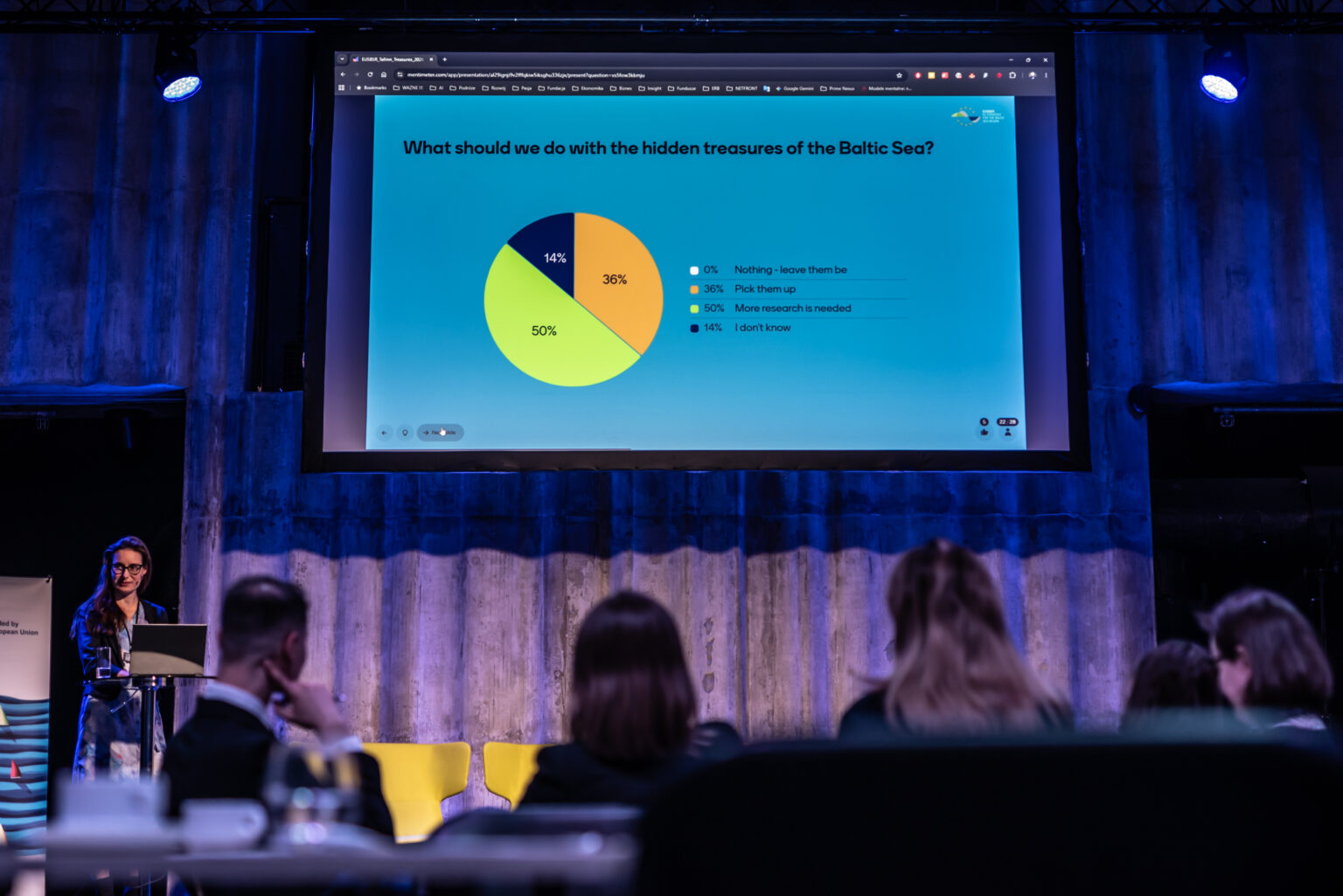
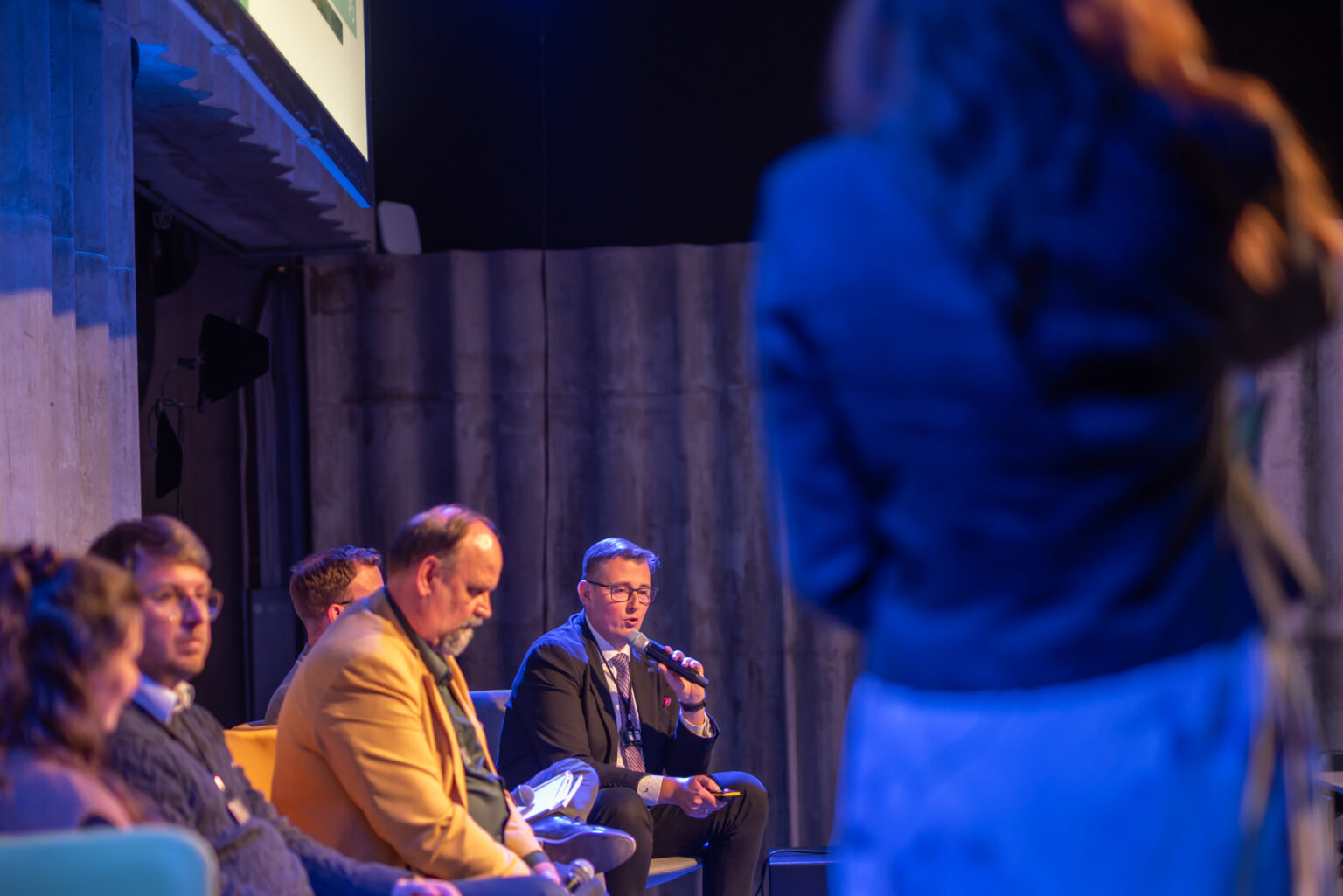
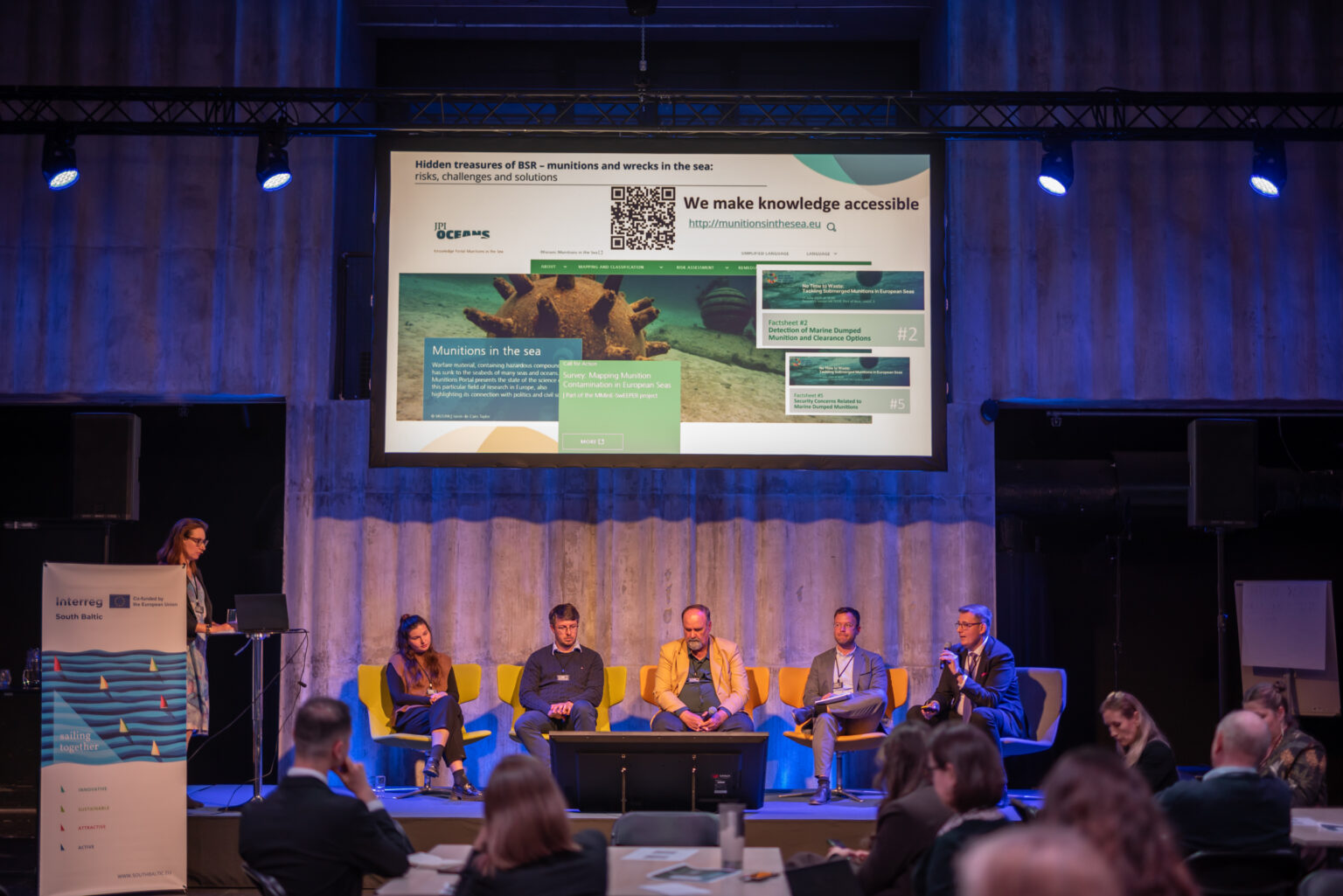
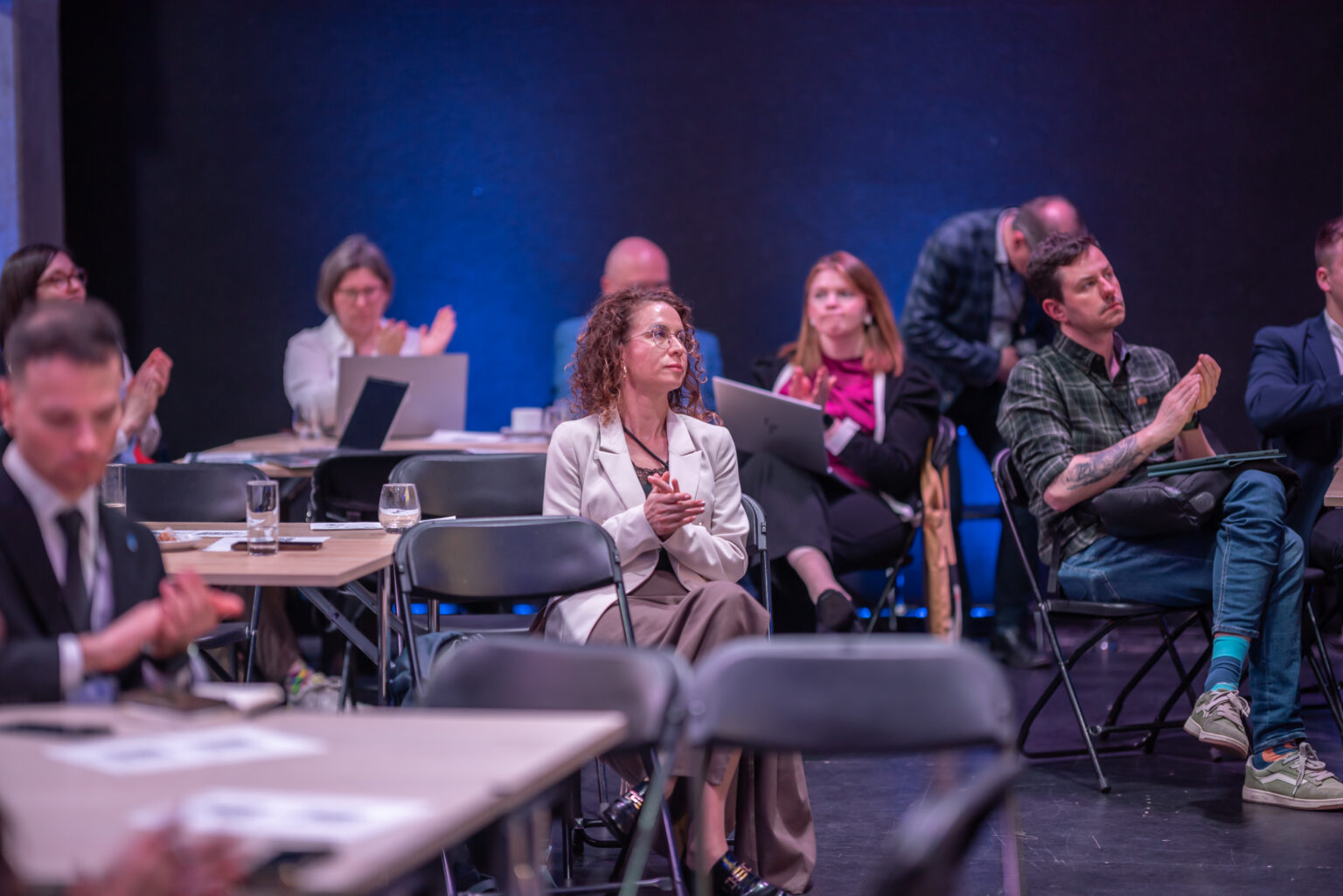
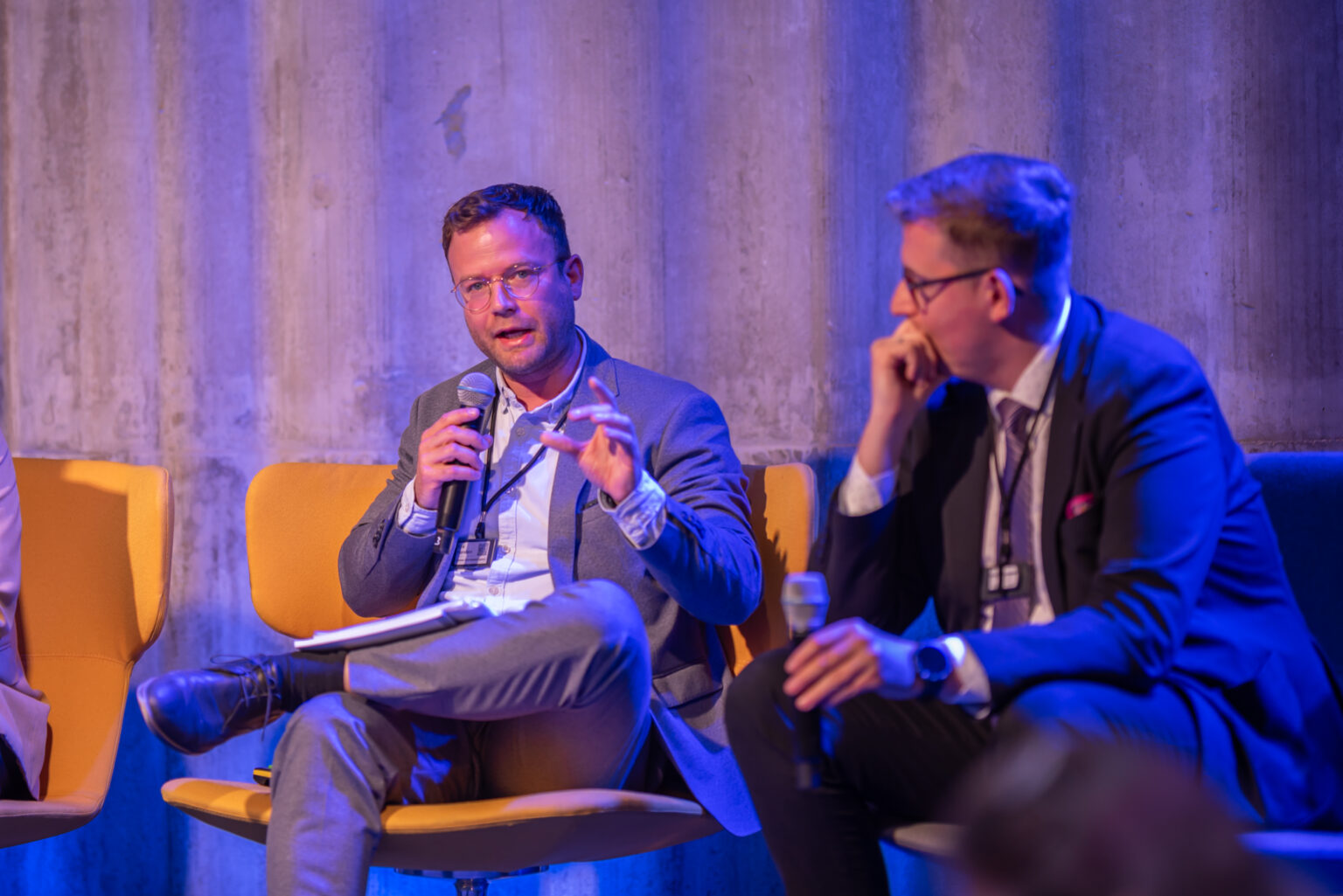
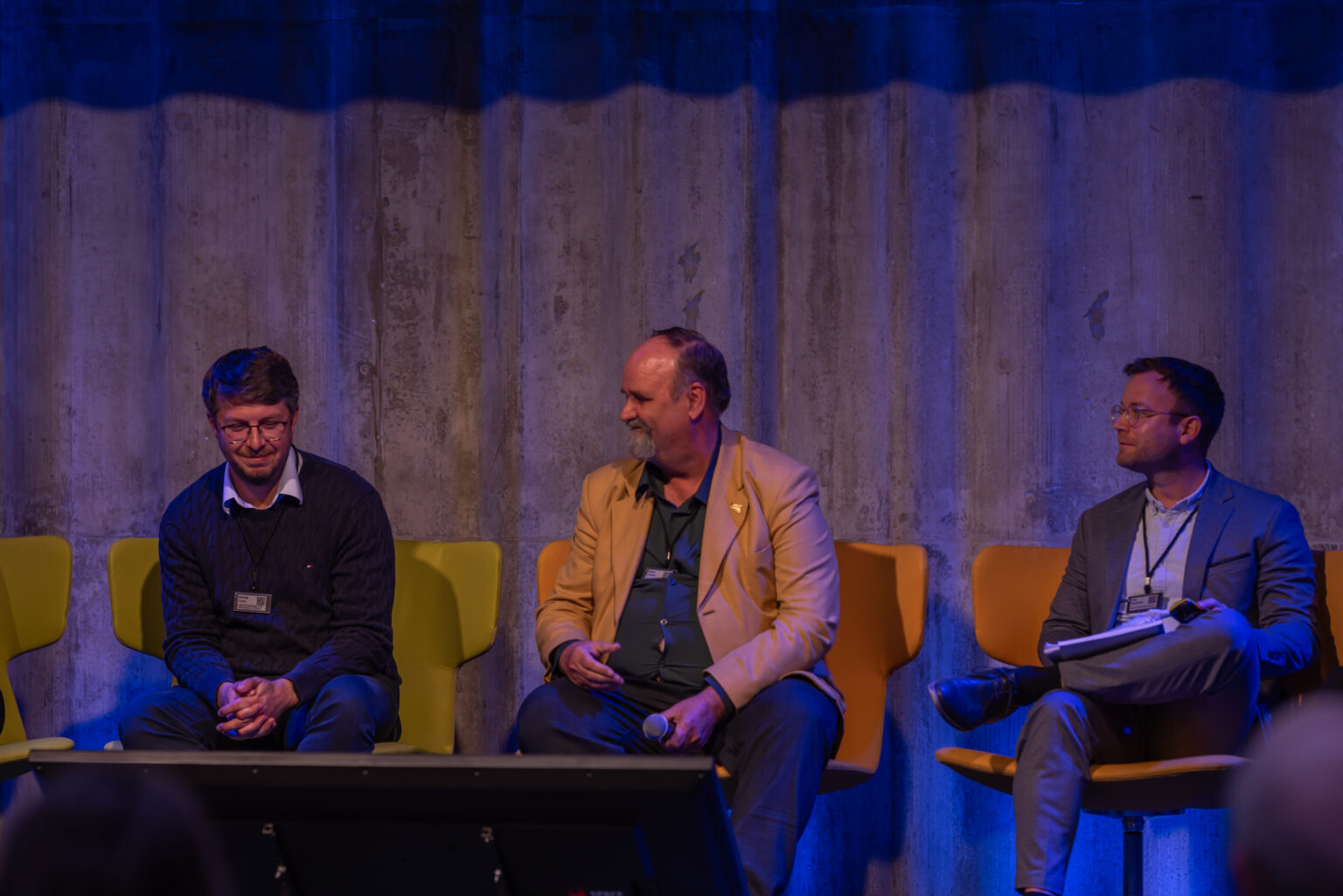
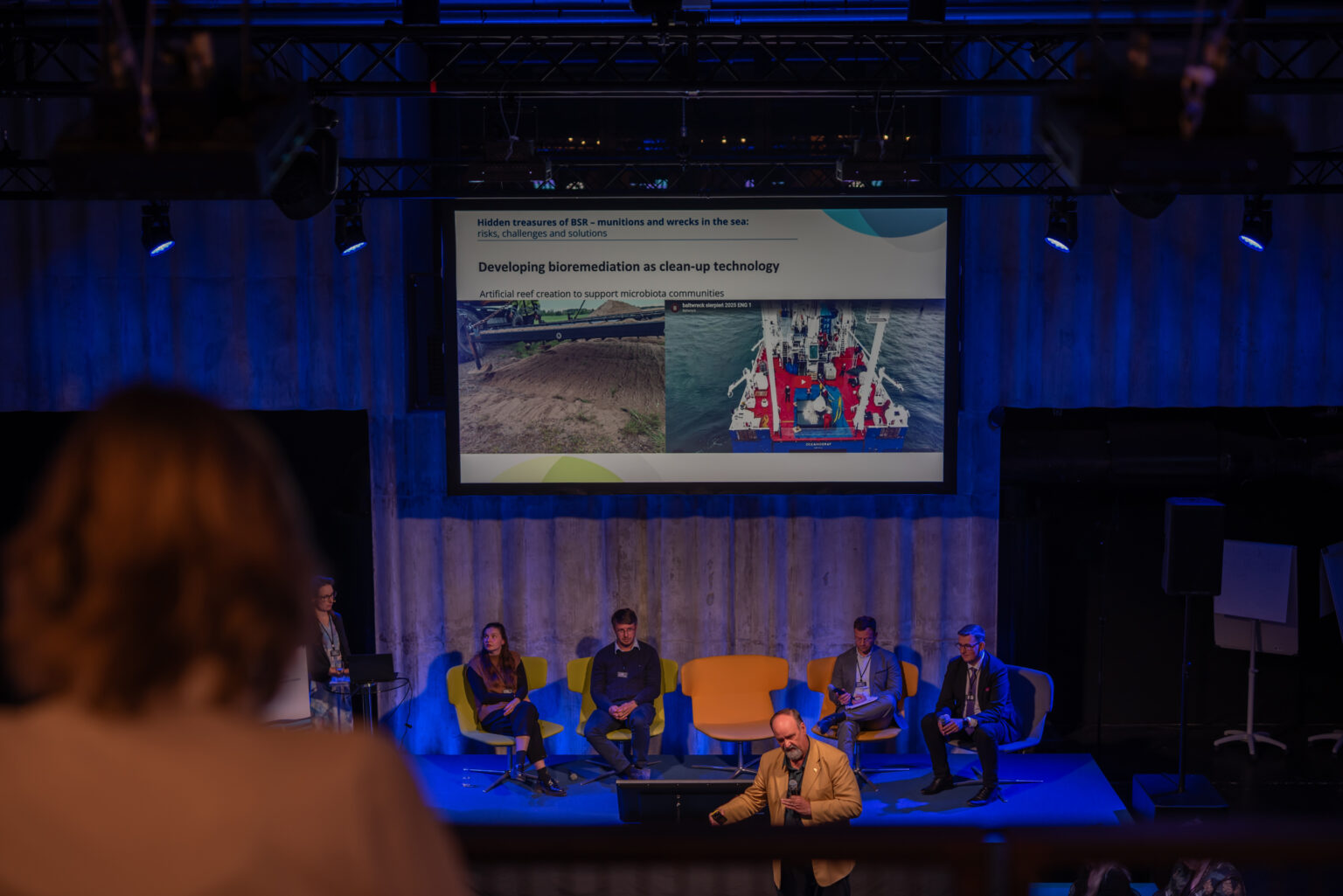
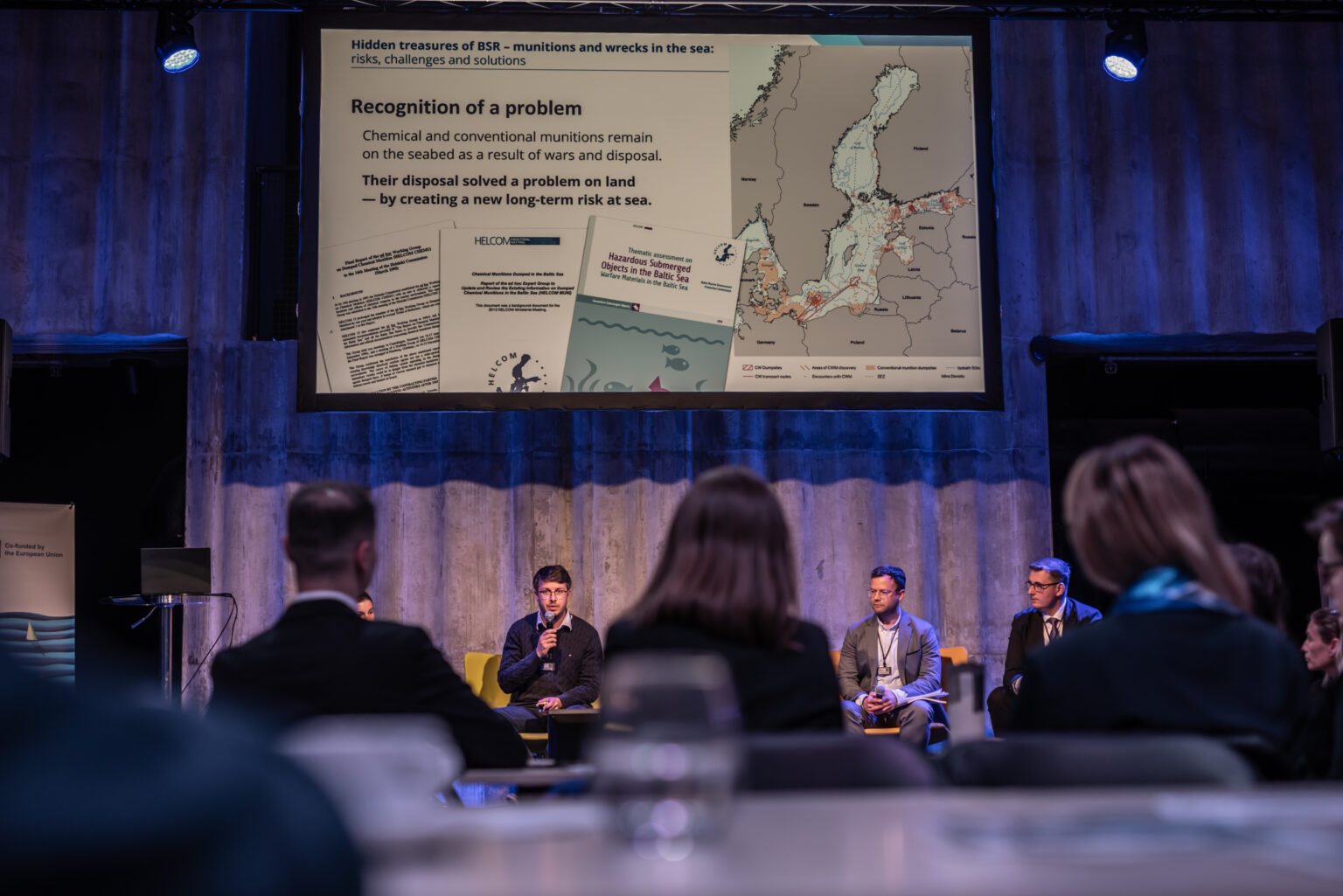
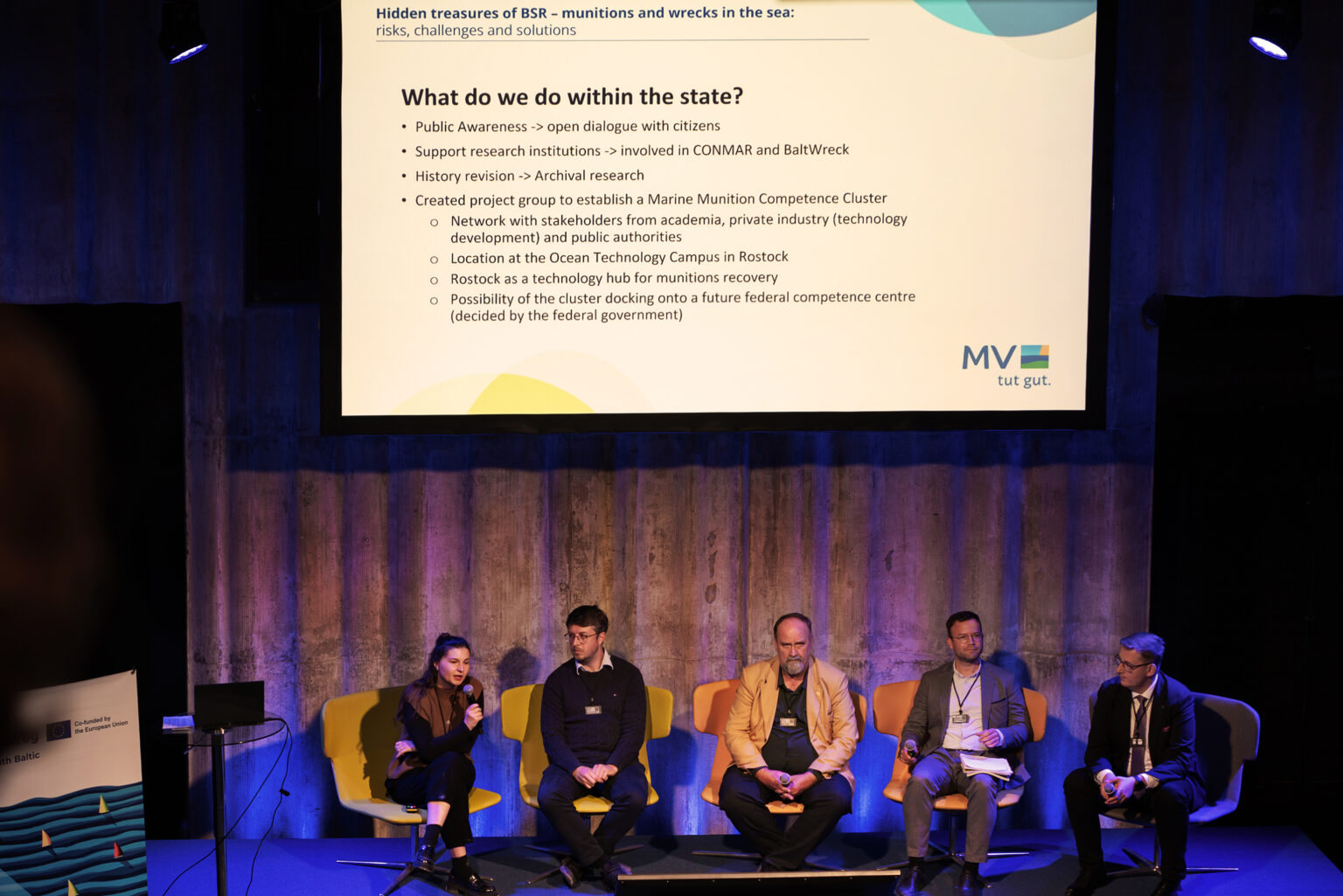
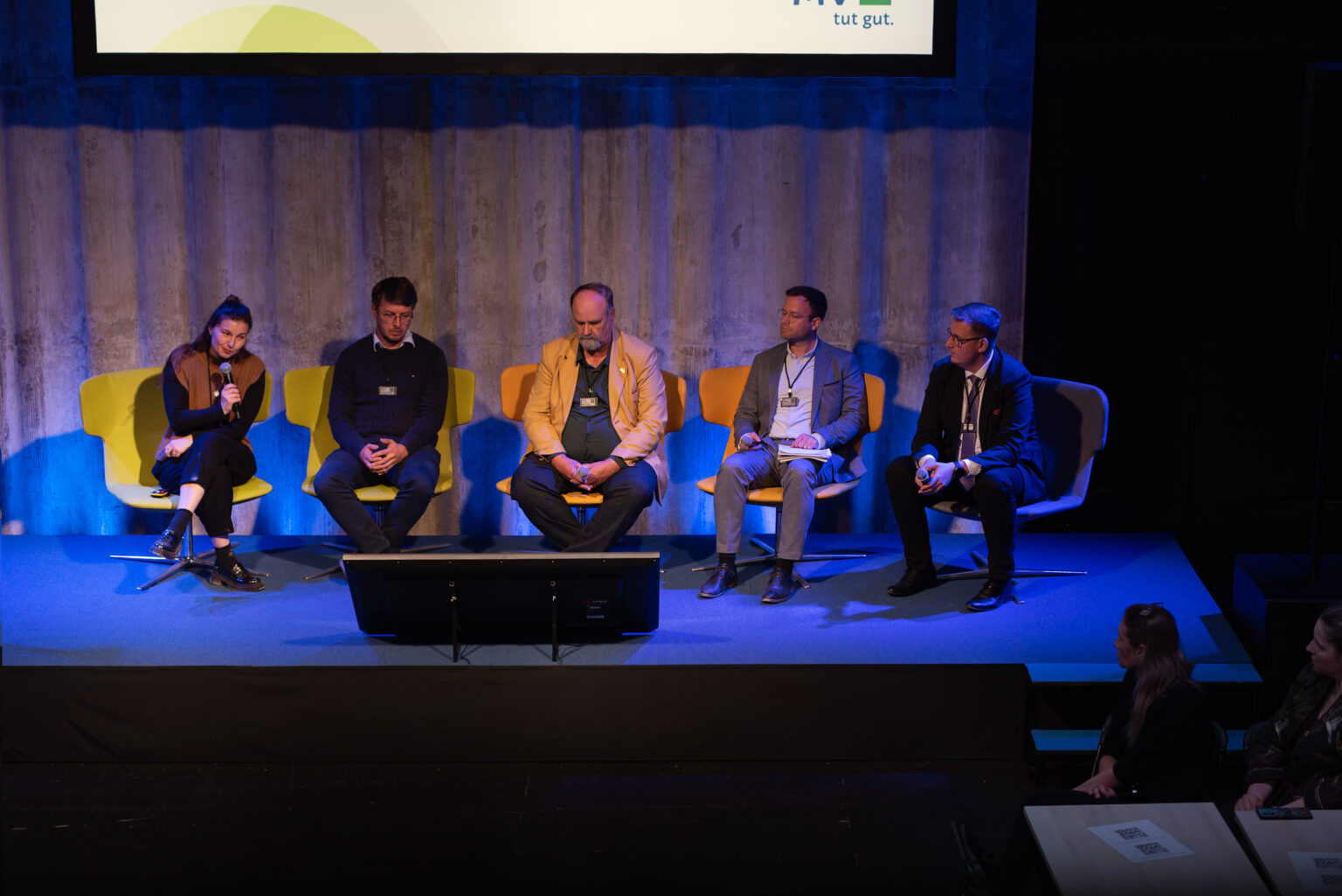
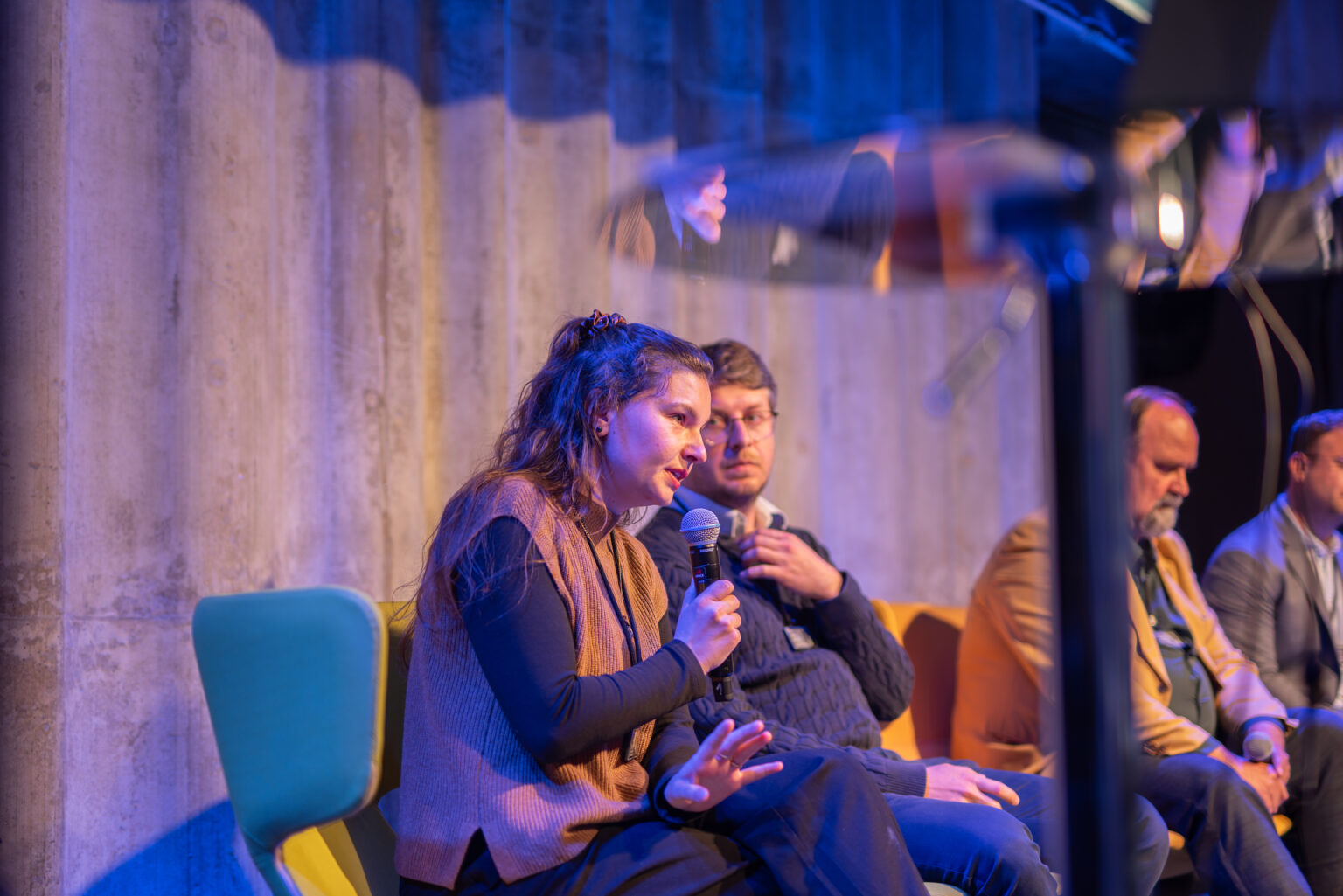
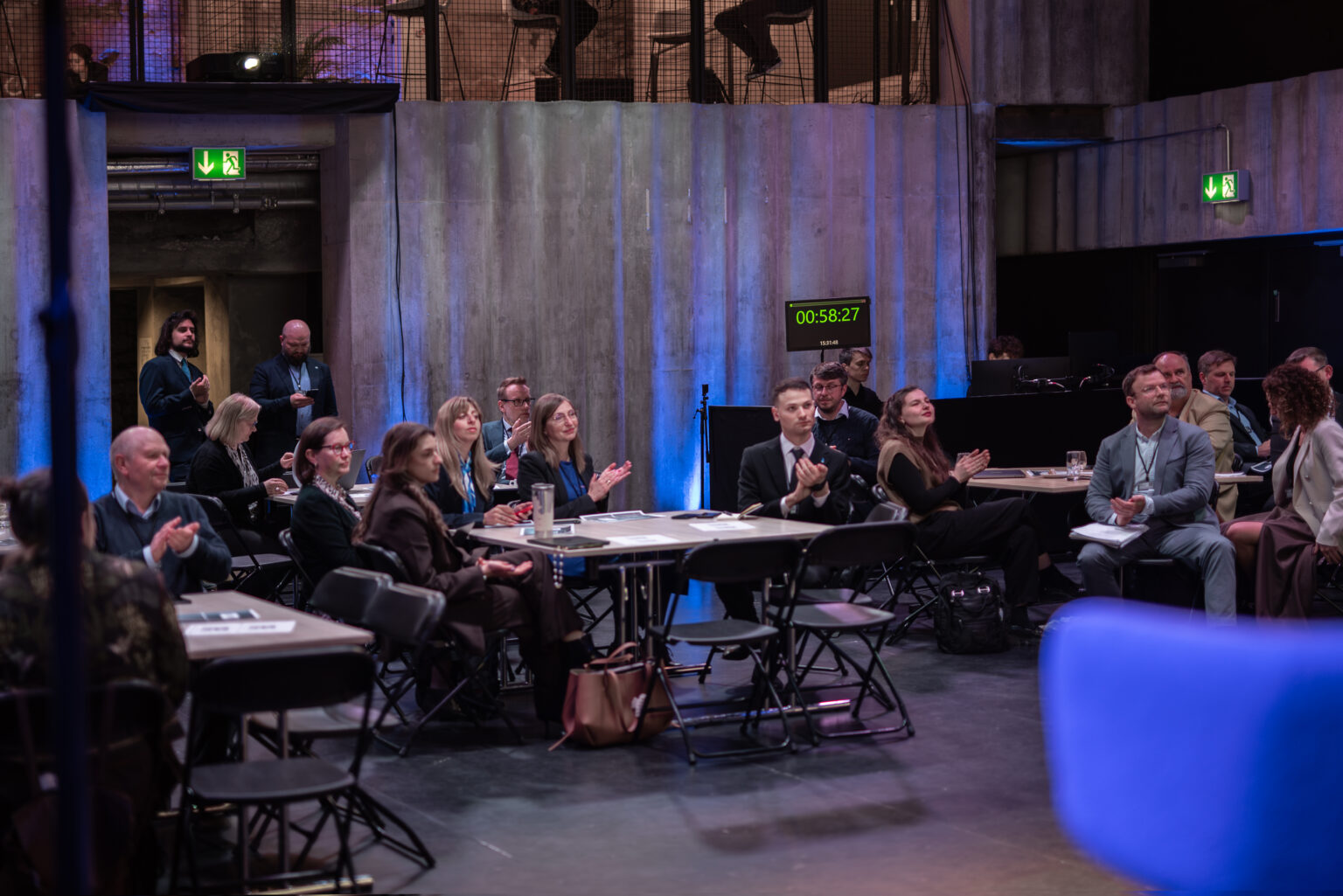
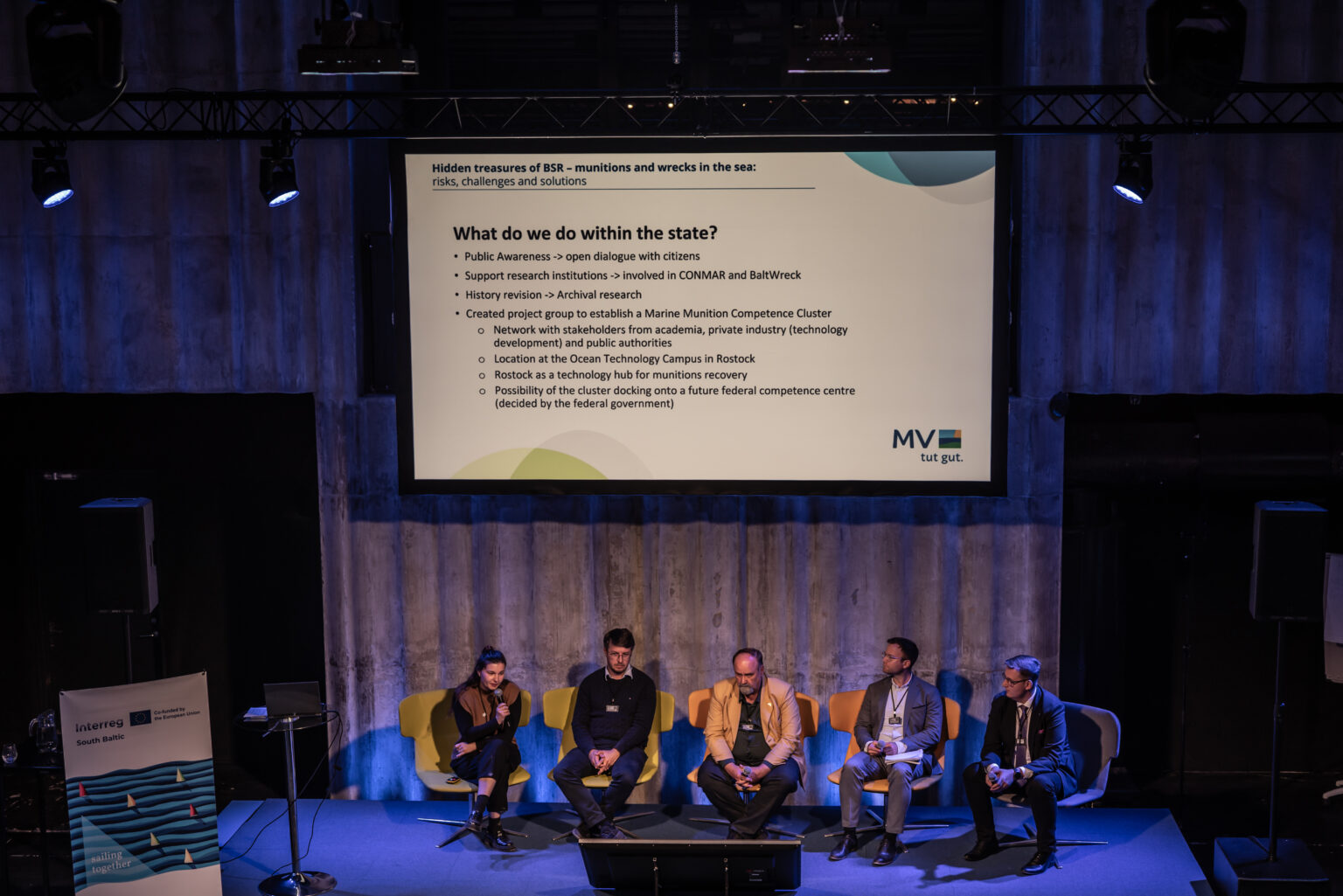
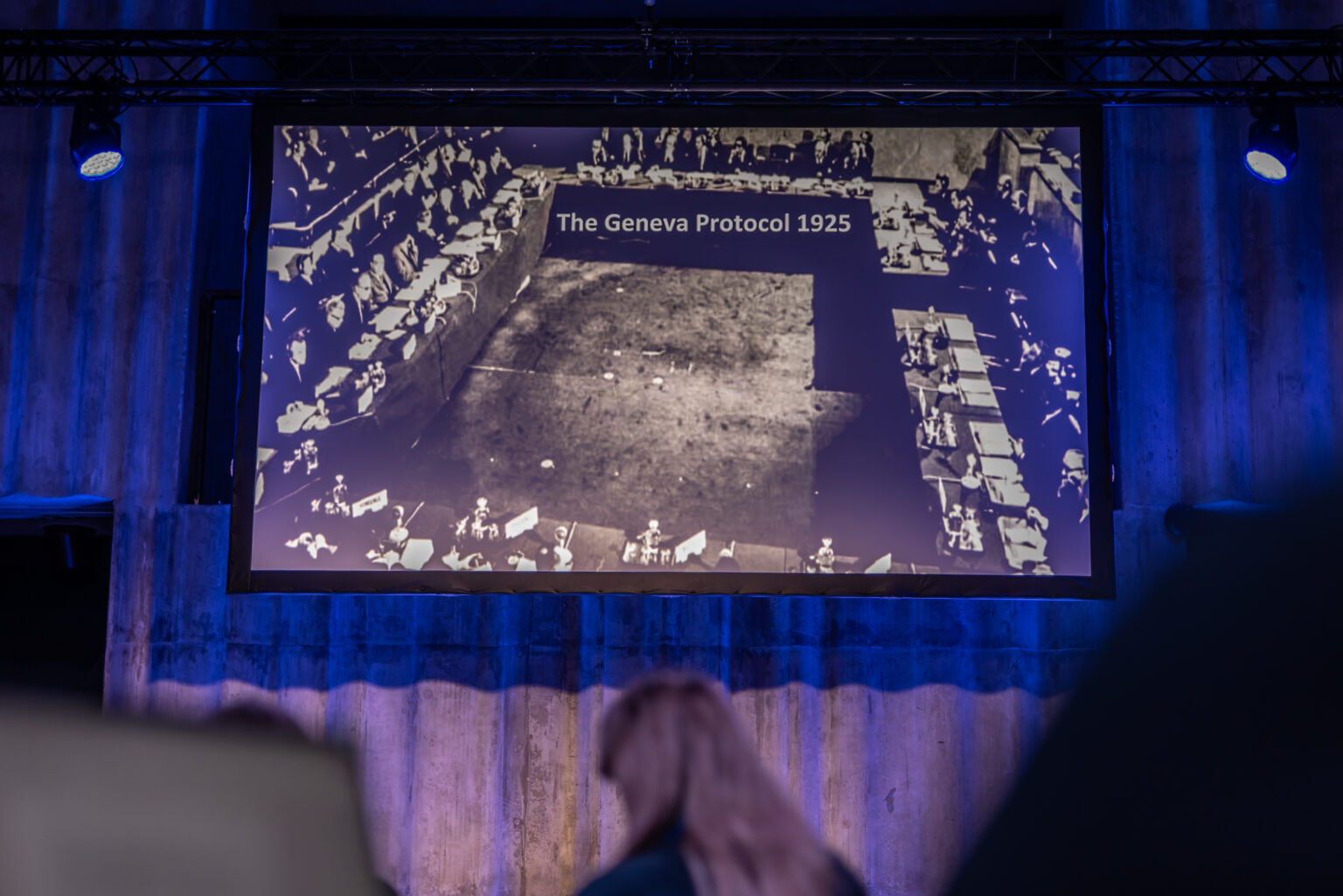
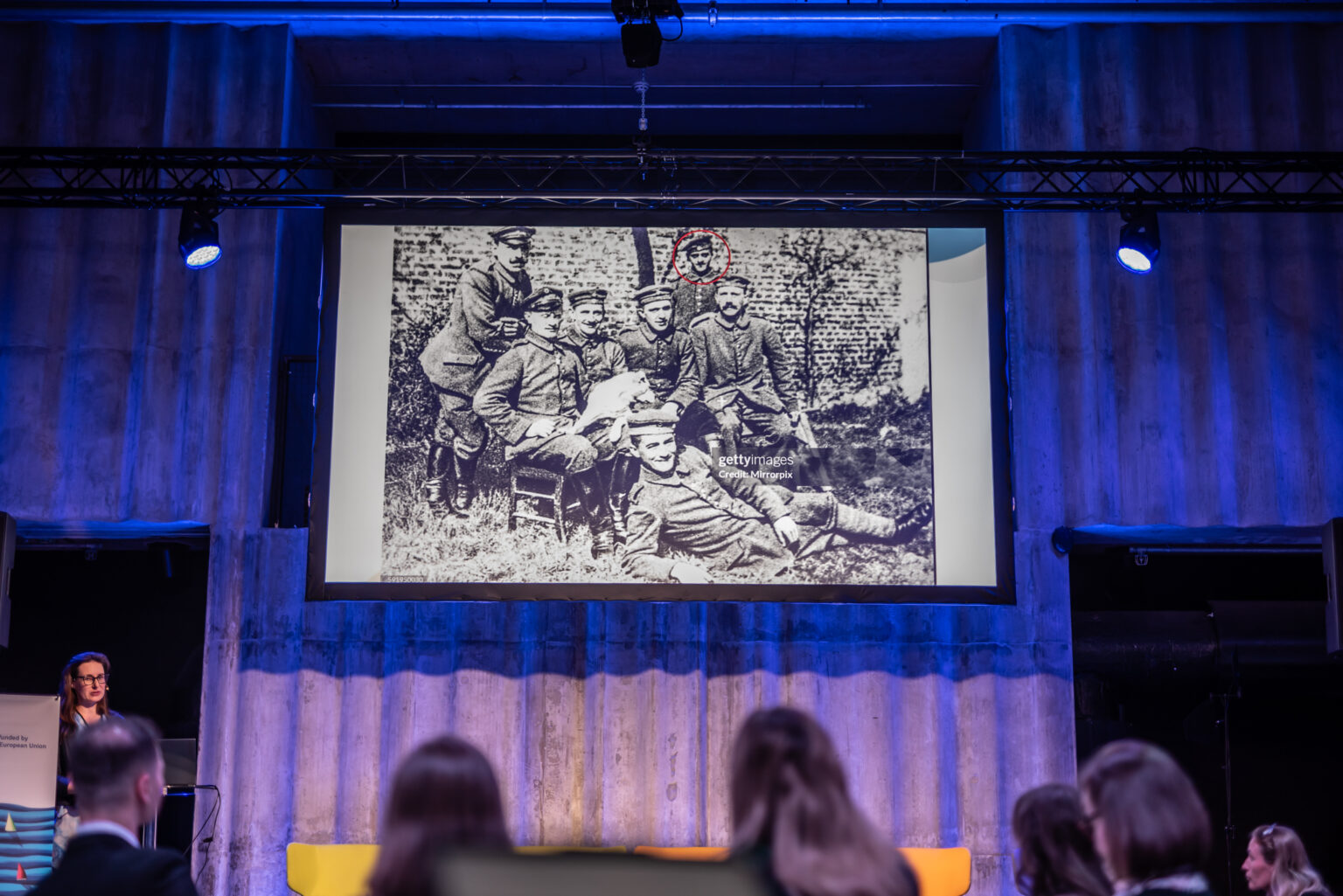
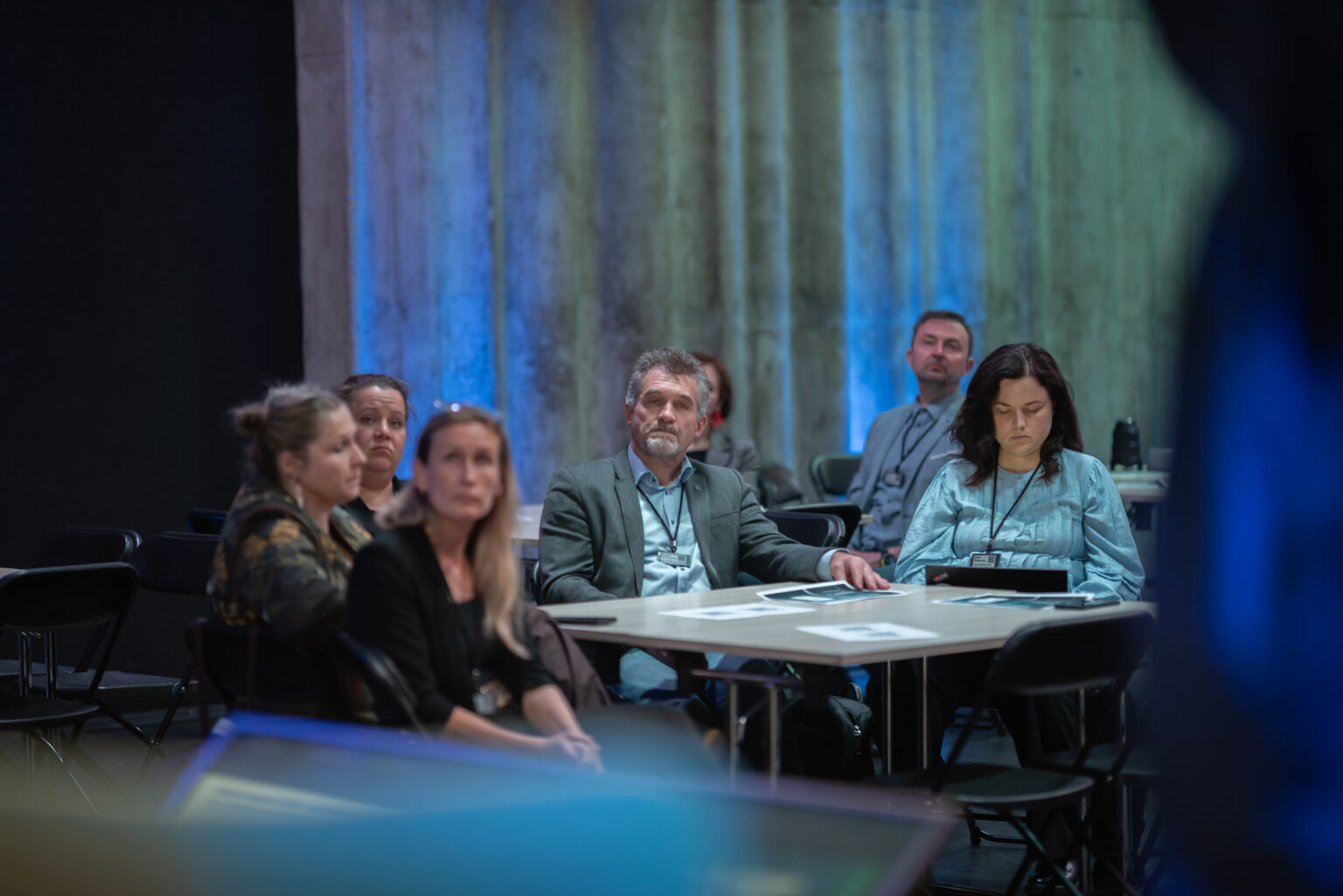
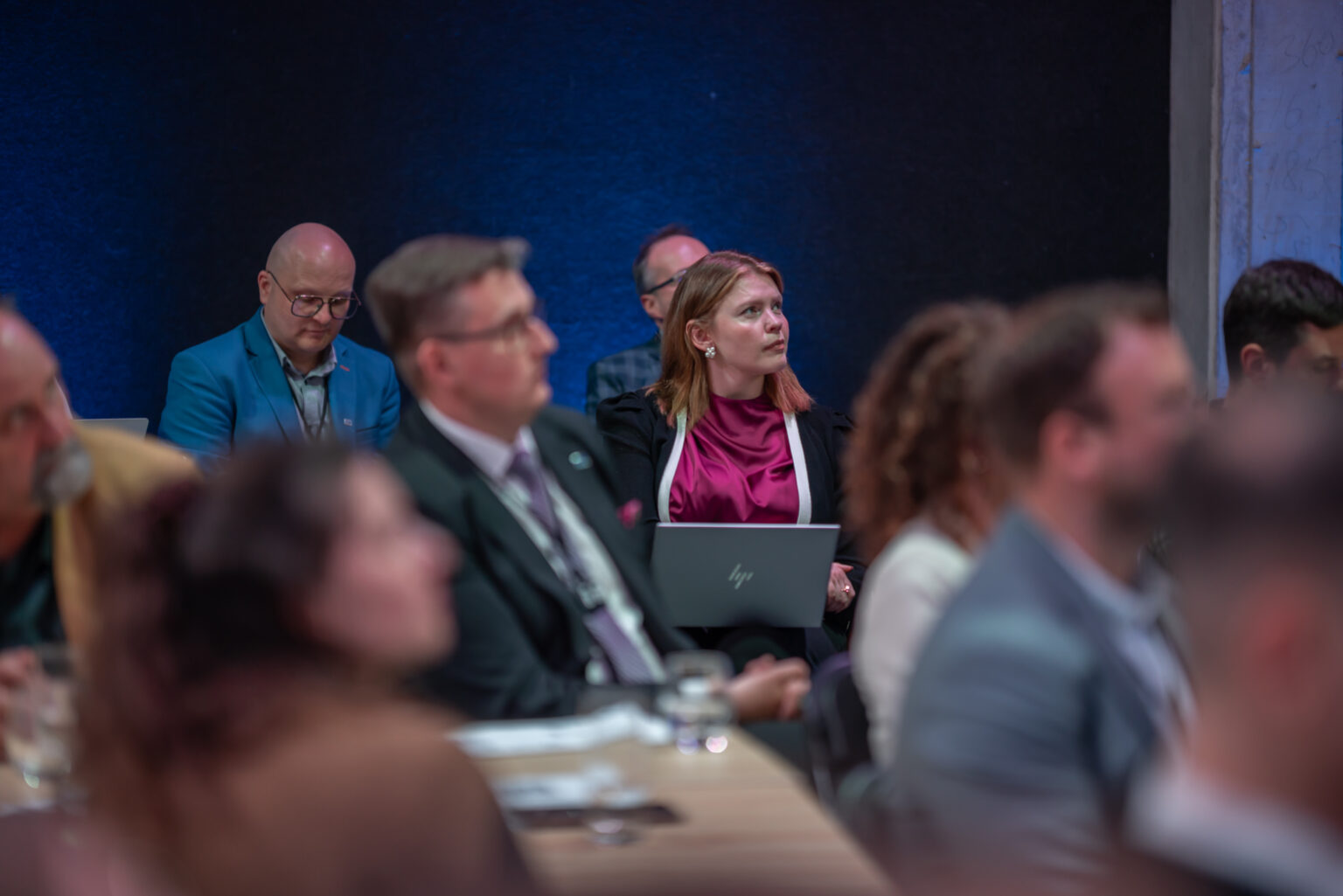
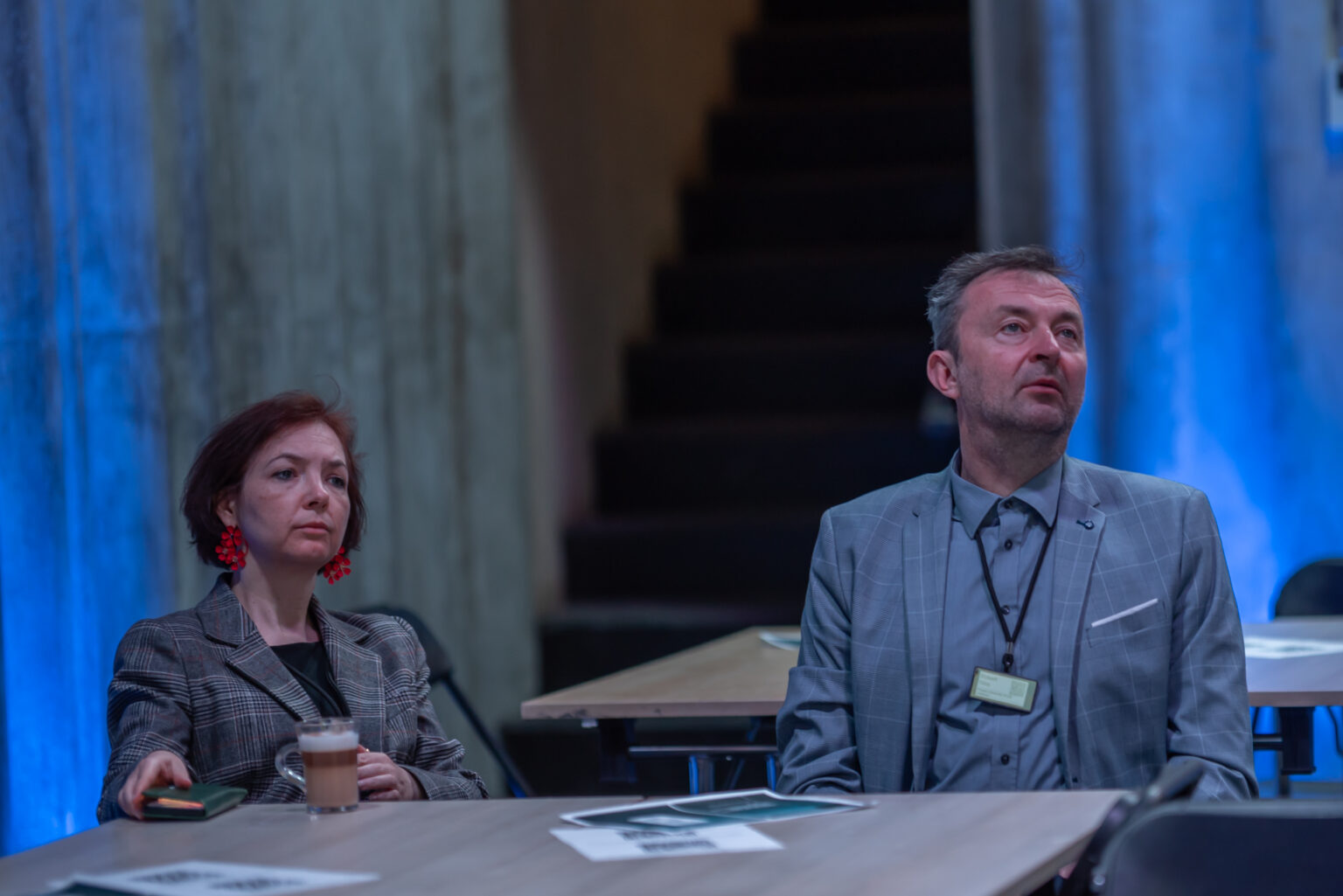
Drugiego dnia wydarzenia, w ramach sesji równoległych, odbył się panel „Hidden ‘Treasures’ of the BSR – Munitions and Wrecks in the Sea: Risks, Challenges and Solutions”, poświęcony zagrożeniom środowiskowym i bezpieczeństwu morskiemu w regionie Morza Bałtyckiego.
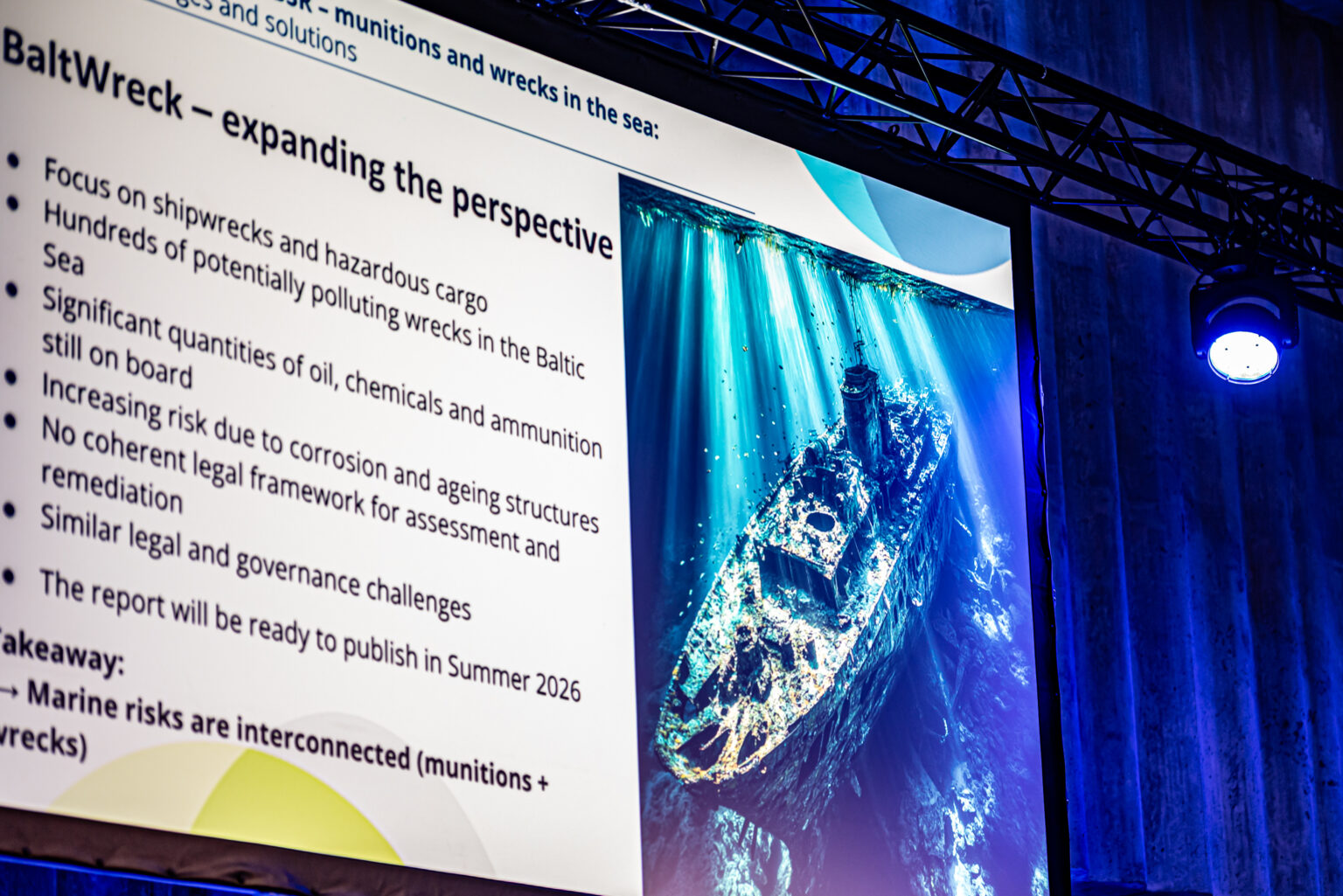
Panel dotyczył problematyki wraków statków oraz zatopionej amunicji zalegającej na dnie Bałtyku. Eksperci przedstawili skalę zagrożeń środowiskowych związanych z korozją wraków i uwalnianiem niebezpiecznych substancji do środowiska morskiego, a także omówili działania podejmowane w celu monitorowania i ograniczania ryzyka.
W debacie obecny był również projekt BaltWreck, którego działania koncentrują się na przeciwdziałaniu zagrożeniom związanym z niebezpiecznymi wrakami i ochronie środowiska Morza Bałtyckiego.
Współpraca regionalna kluczowa dla przyszłości Bałtyku
Wydarzenie w Tallinie stało się ważną platformą wymiany doświadczeń, budowania partnerstw oraz wzmacniania współpracy pomiędzy miastami, regionami i organizacjami państw Morza Bałtyckiego.
Dyskusje prowadzone podczas forum pokazały, że skuteczne reagowanie na współczesne wyzwania – od bezpieczeństwa środowiskowego po transformację energetyczną – wymaga długofalowej współpracy międzynarodowej oraz wspólnego wypracowywania rozwiązań dla całego regionu.
Fot. Jolanta Olszewska
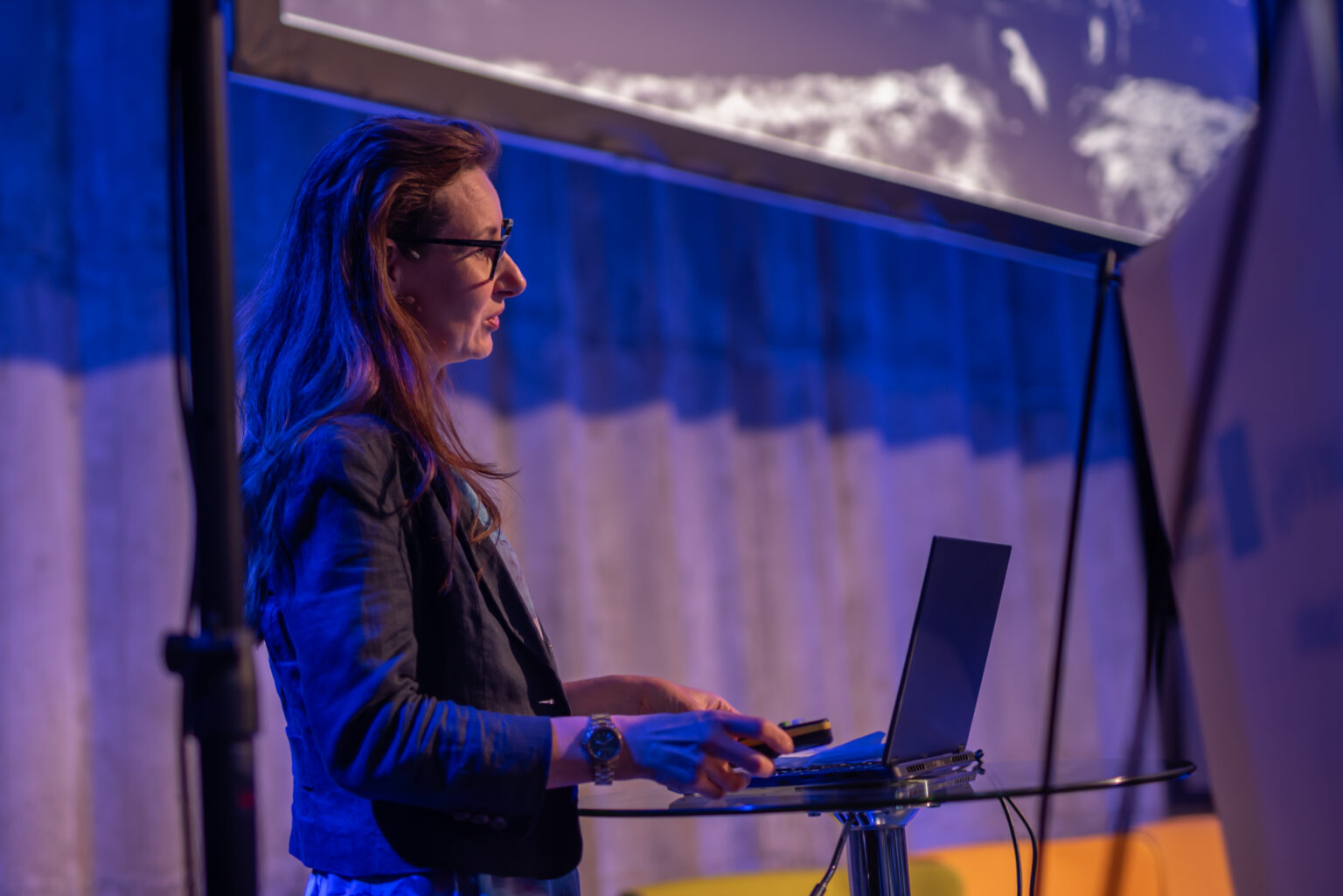
Eksperci o zagrożeniach ukrytych na dnie Bałtyku
„Ukryte skarby” Bałtyku pod lupą ekspertów. Międzynarodowa debata o wrakach i zatopionej amunicji podczas EUSBSR Annual Forum 2026 w Tallinie
Eksperci z regionu Morza Bałtyckiego dyskutowali o zagrożeniach środowiskowych ukrytych na dnie morza
Podczas międzynarodowej konferencji EUSBSR Annual Forum 2026 w Tallinie odbyła się sesja panelowa poświęcona jednemu z najważniejszych wyzwań środowiskowych regionu Morza Bałtyckiego – zalegającym na dnie morza wrakom statków oraz zatopionej amunicji.
Panel „Hidden ‘Treasures’ of the BSR – Munitions and Wrecks in the Sea: Risks, Challenges and Solutions” został współorganizowany przez partnerów projektu BaltWreck we współpracy z partnerami europejskich inicjatyw zajmujących się bezpieczeństwem środowiska morskiego i ograniczaniem zagrożeń wynikających z obecności niebezpiecznych obiektów na dnie Bałtyku.
Wraki statków i zatopiona amunicja realnym zagrożeniem dla Bałtyku
Eksperci uczestniczący w debacie podkreślali, że historyczne wraki statków oraz zalegająca na dnie Morza Bałtyckiego amunicja stanowią coraz większe wyzwanie dla środowiska naturalnego, gospodarki morskiej oraz bezpieczeństwa regionu.
Postępująca korozja wraków może prowadzić do uwalniania substancji niebezpiecznych do środowiska morskiego, wpływając na ekosystem Bałtyku oraz organizmy żywe. Coraz większe znaczenie mają więc działania związane z monitoringiem, oceną ryzyka oraz opracowywaniem bezpiecznych metod neutralizacji zagrożeń.
Sesja została przygotowana we współpracy partnerów projektów BaltWreck, MMinE-SwEEPER, MUNIMAP, ENDURE oraz MUNIRISK, których wspólnym celem jest rozwijanie międzynarodowej współpracy w zakresie ochrony środowiska Morza Bałtyckiego.
Międzynarodowe grono ekspertów i instytucji naukowych
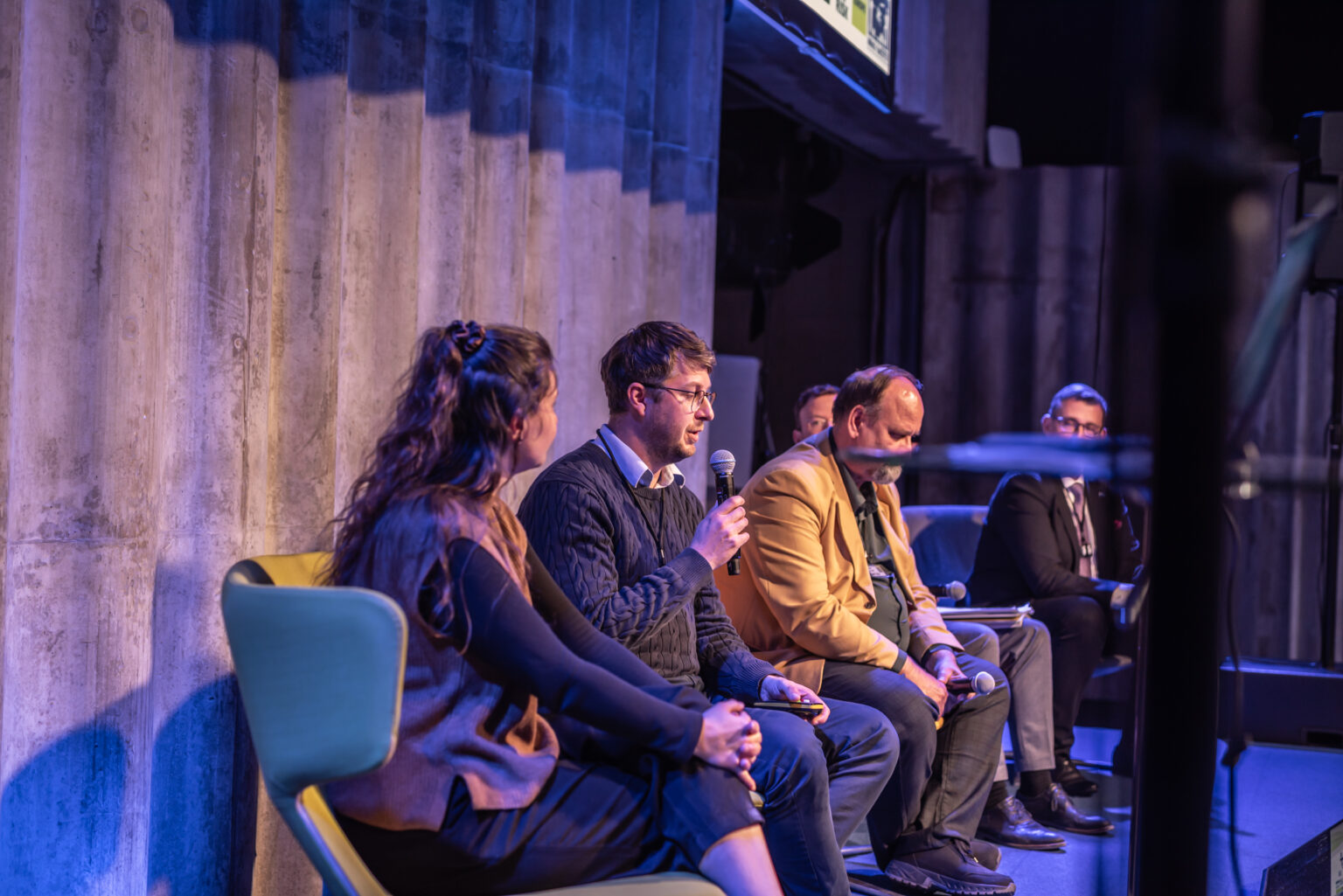
W debacie udział wzięli przedstawiciele administracji publicznej, środowiska naukowego oraz organizacji zaangażowanych w działania na rzecz bezpieczeństwa ekologicznego Bałtyku:
Nora S. Klasen - Ministerium für Wissenschaft, Kultur, Bundes- und Europaangelegenheiten
Michał Czub - Instytut Oceanologii PAN,
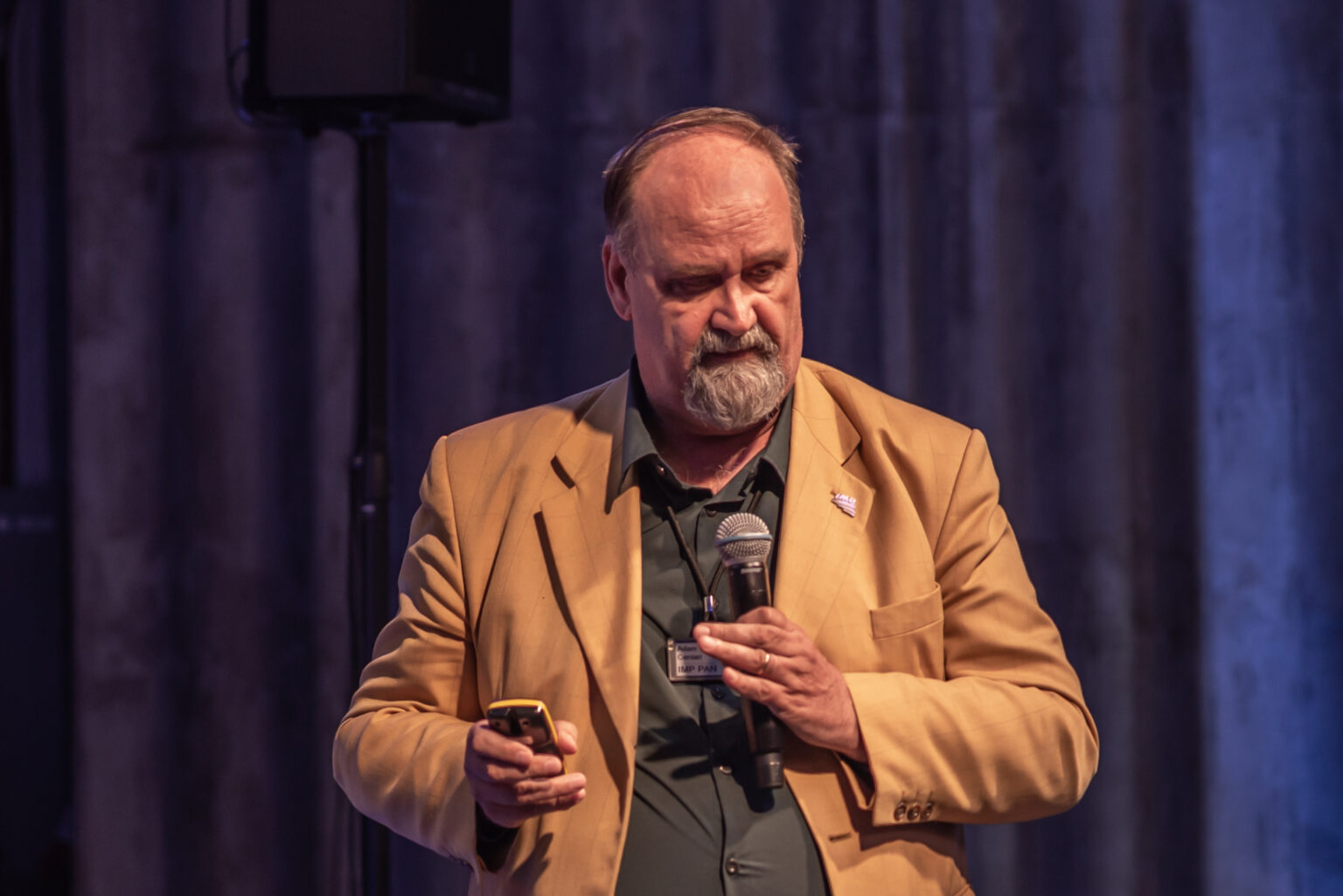
Adam Cenian - Instytut Maszyn Przepływowych im. R. Szewalskiego, Polska Akademia Nauk (IMP PAN)
Erik Hanstein - Umweltbundesamt - German Environment Agency
Marcin Żuchowski - Stowarzyszenie Gmin RP Euroregion Bałtyk
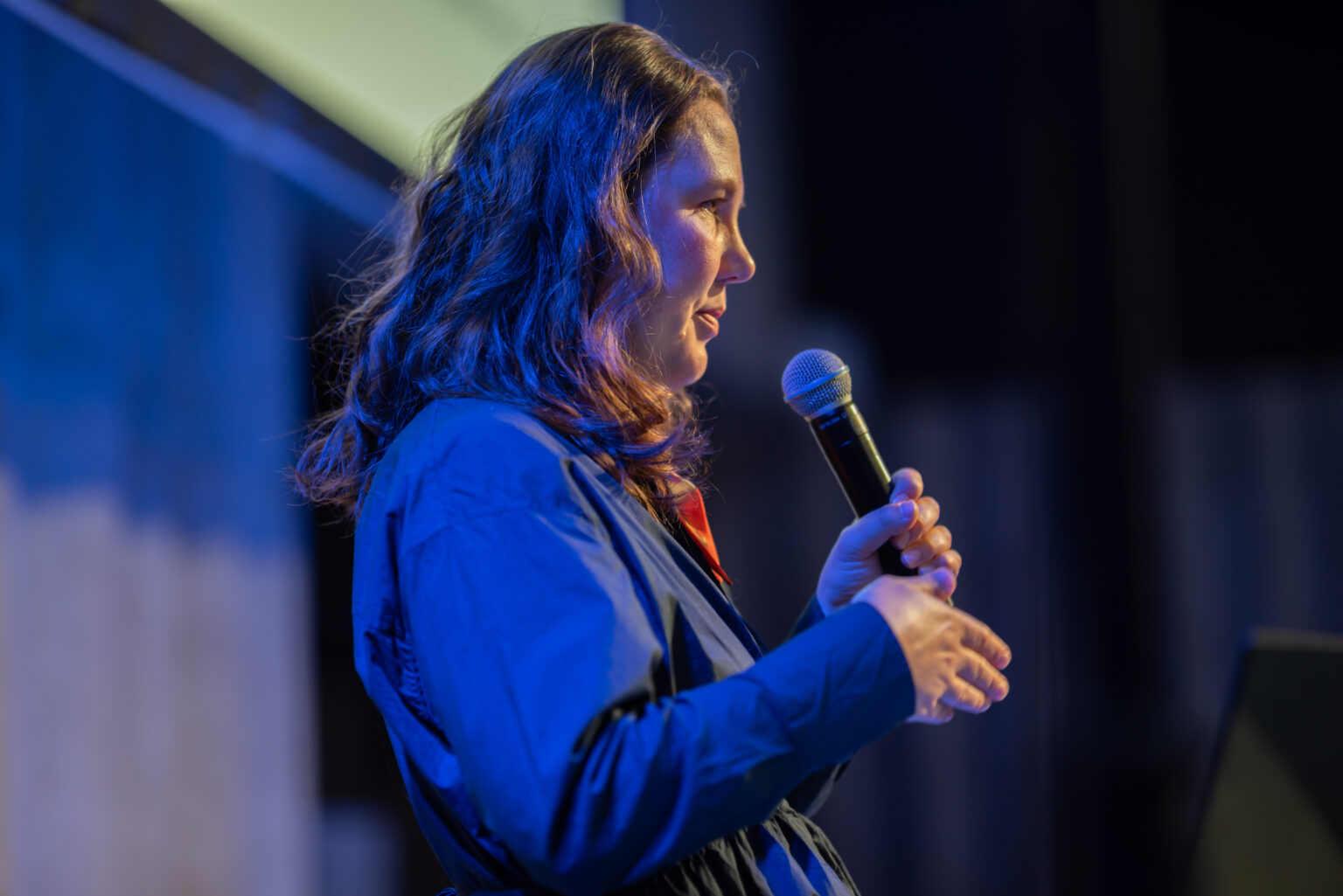
Sesję otworzyła Louise Floman, natomiast moderację panelu prowadziła Katarzyna Fidler.
Współpraca międzynarodowa kluczowa dla ochrony Morza Bałtyckiego
Podczas dyskusji wielokrotnie podkreślano, że skuteczne przeciwdziałanie zagrożeniom wynikającym z obecności wraków i zatopionej amunicji wymaga ścisłej współpracy państw regionu Morza Bałtyckiego, wymiany wiedzy eksperckiej oraz wspólnego rozwijania nowoczesnych metod zarządzania ryzykiem środowiskowym.
Debata połączyła wysoki poziom merytoryczny z przystępnym przedstawieniem zagadnień związanych z bezpieczeństwem morskim i ochroną środowiska. Spotkanie stało się również przestrzenią do wymiany doświadczeń pomiędzy przedstawicielami projektów realizowanych w różnych częściach regionu Morza Bałtyckiego.
Projekt BaltWreck wspiera działania na rzecz bezpieczeństwa ekologicznego Bałtyku
Projekt BaltWreck koncentruje się na ograniczaniu zagrożeń związanych z wrakami statków oraz niebezpiecznymi substancjami zalegającymi na dnie Morza Bałtyckiego. Działania realizowane w ramach projektu obejmują między innymi monitoring środowiskowy, analizę ryzyka oraz rozwój metod ochrony ekosystemu morskiego.
Udział w konferencji w Tallinie był okazją do promocji działań realizowanych w projekcie, budowania współpracy międzynarodowej oraz wspólnej dyskusji o przyszłości bezpieczeństwa środowiskowego regionu Morza Bałtyckiego.
---------------- W linku poniżej można obejrzeć film będący integralną częścią wydarzenia: https://lnkd.in/dPXpAuak
Fot. Jolanta Olszewska
Bałtyckie wraki
Zakończył się ważny etap prac terenowych projektu BALTWRECK, realizowany na pokładzie jednostki badawczej RV ALKOR.
Zebrane dane dostarczyły informacji dotyczących stanu technicznego badanych wraków oraz ich potencjalnego wpływu na środowisko Morza Bałtyckiego. Badaniami objęto wraki o istotnym znaczeniu środowiskowym: Torpedoboat T34, Destroyer Z28, Minesweeper M14, Wreck 231123, Submarine W19, Submarine U-768, Stuttgart, Franken, Elbing IX oraz Sizilien.
W trakcie rejsu zrealizowano program badawczy obejmujący m.in.:
szczegółowe mapowanie dna morskiego i struktur wraków,
inspekcje z wykorzystaniem pojazdów autonomicznych AUV oraz zdalnie sterowanych ROV,
pomiary oceanograficzne (CTD),
pobór próbek wody, osadów i organizmów morskich,
dokumentację wizyjną oraz pomiary geofizyczne.
Istotnym elementem rejsu były również wizyty portowe w Kłajpedzie i Gdyni, które stały się cenną przestrzenią do wymiany doświadczeń i rozmów na temat monitorowania oraz zarządzania ryzykiem środowiskowym związanym z zalegającymi na dnie wrakami.
Na załączonym filmie znajdują się ujęcia z wybranych wraków zbadanych podczas rejsu.