3rd Round Table in Elbląg – Young People and Adults Jointly Develop the Programme for the Youth Democracy Festival
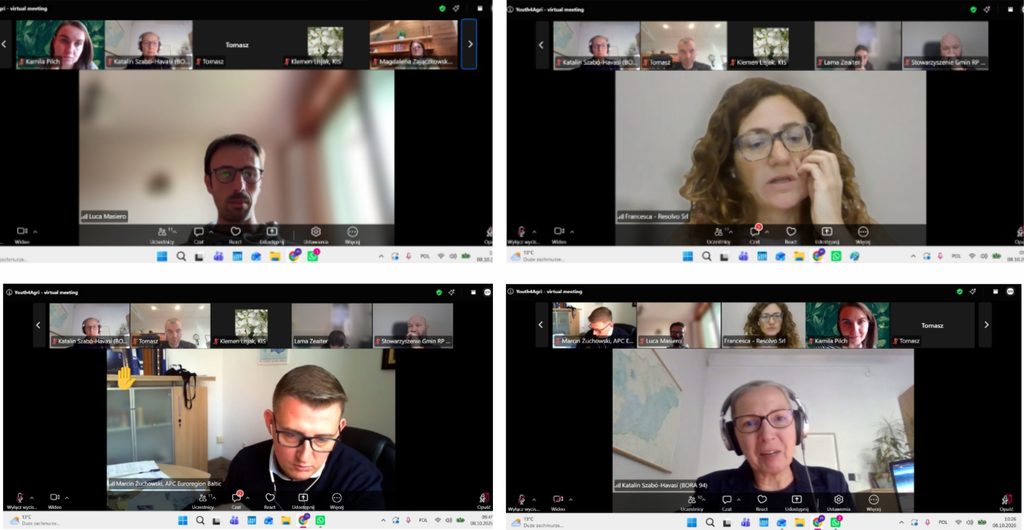
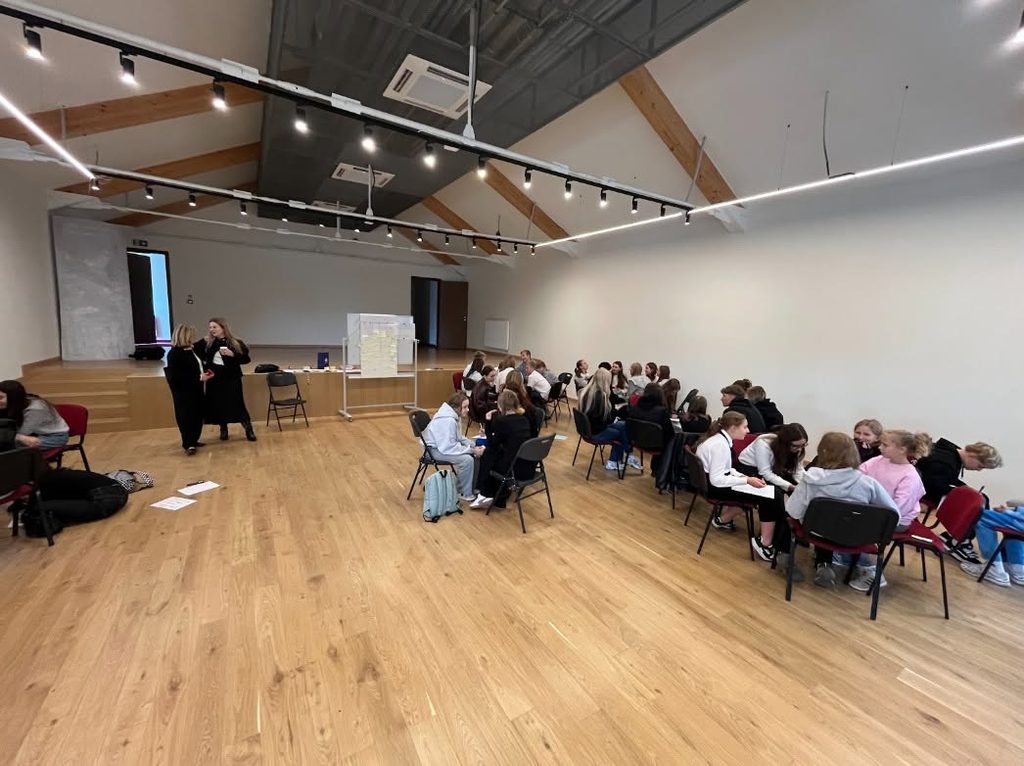
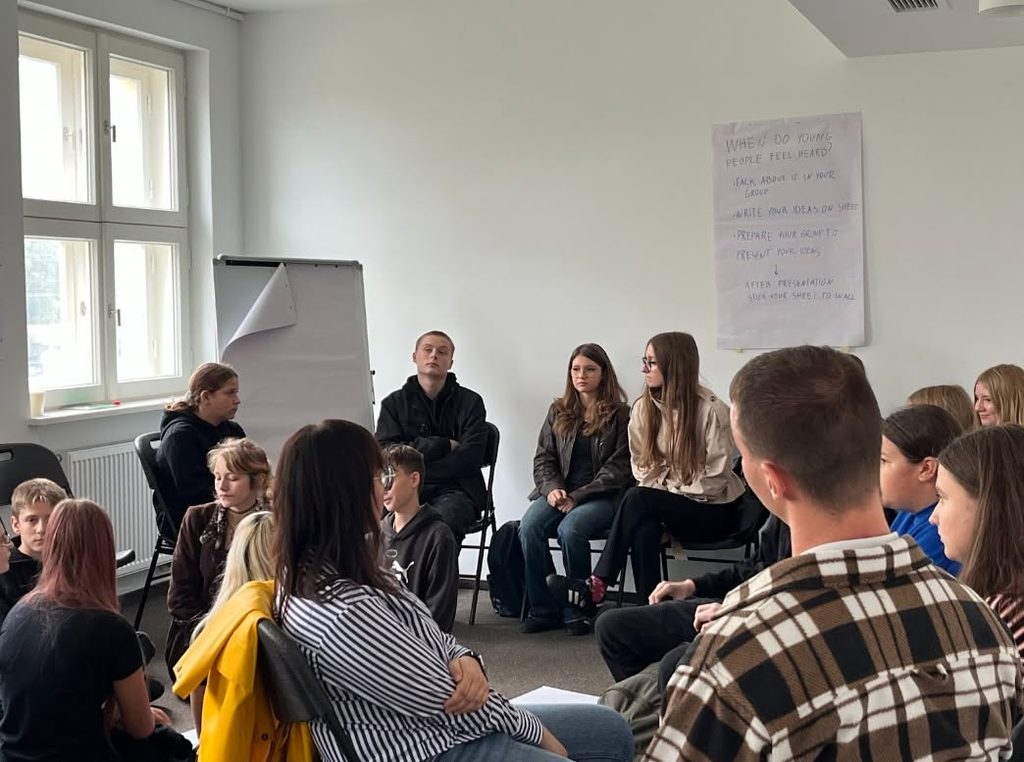
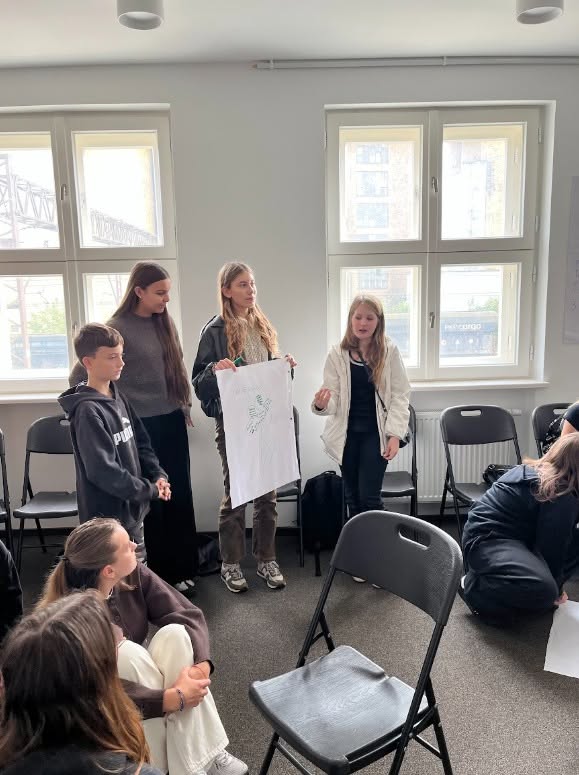
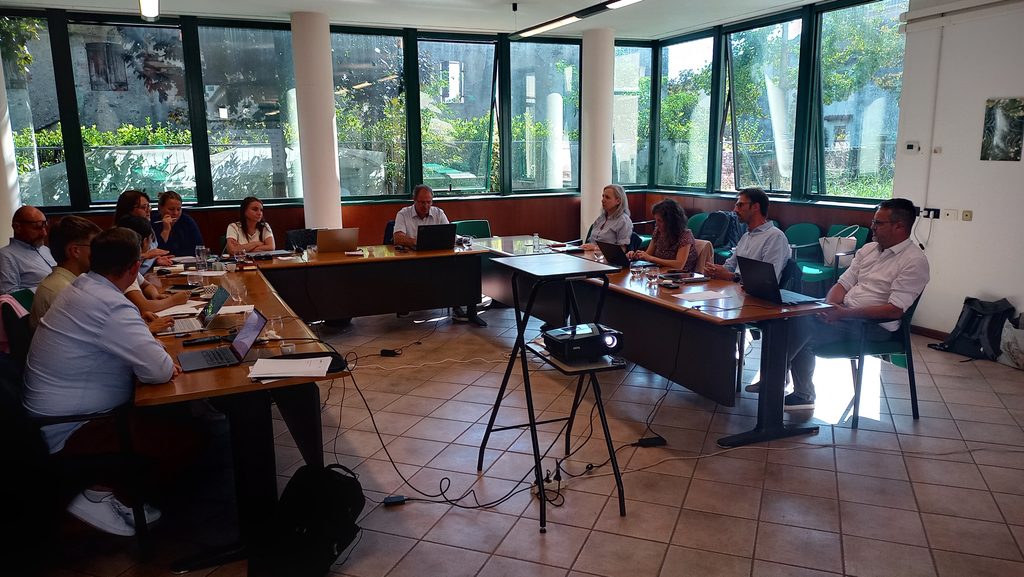
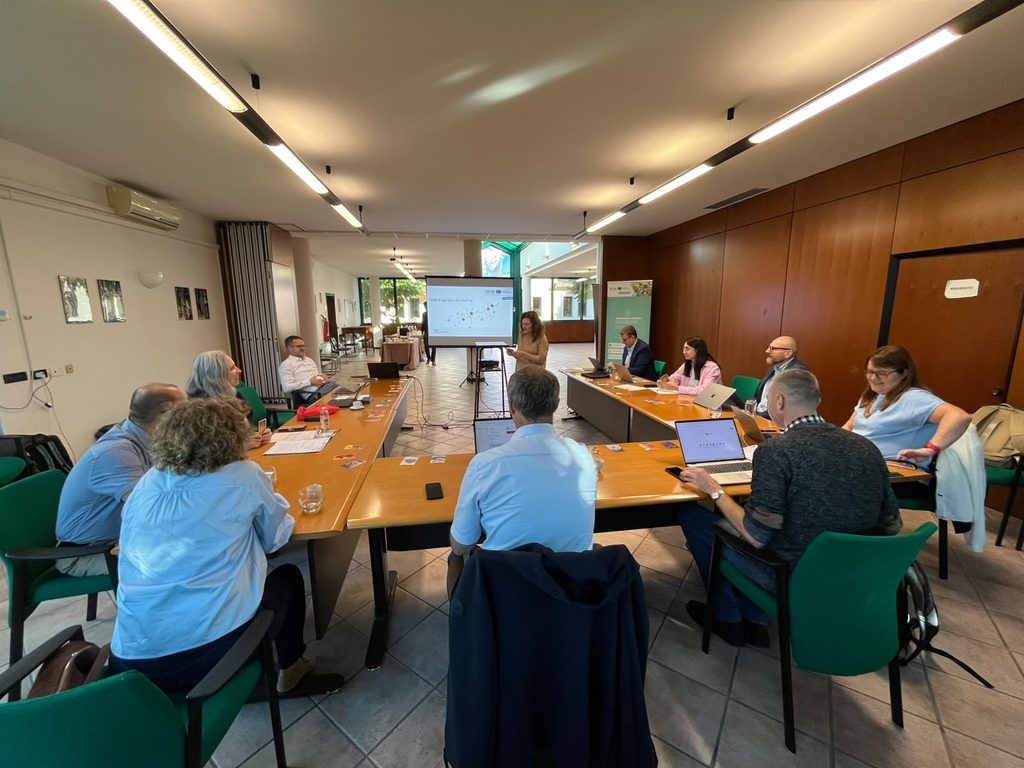
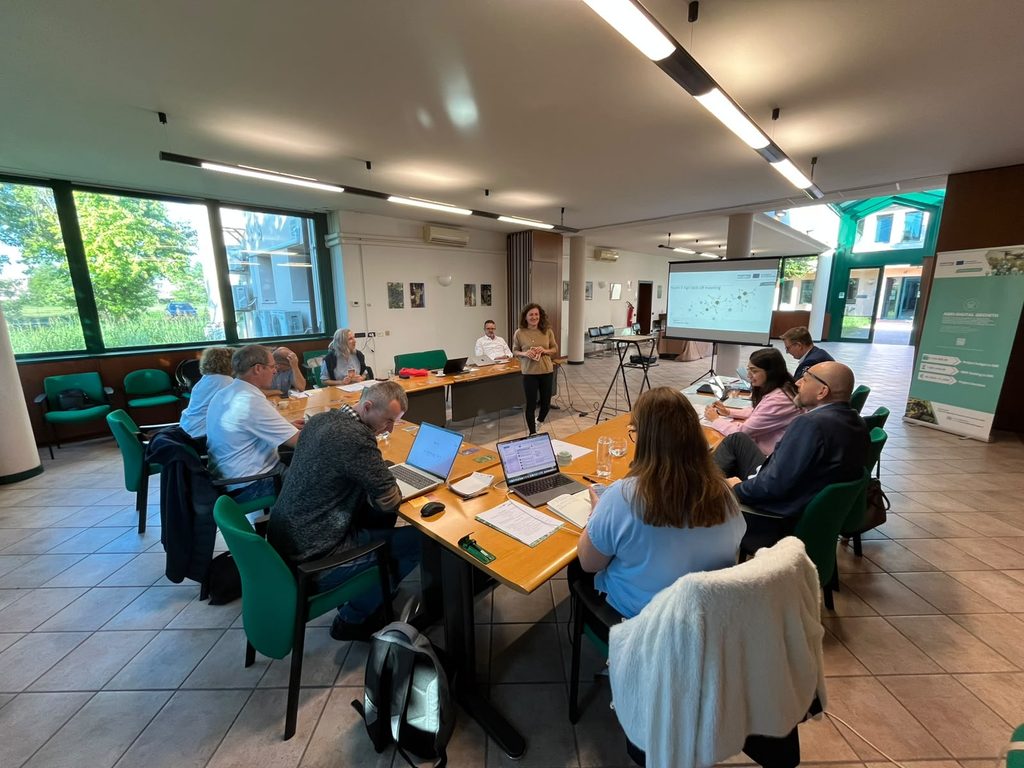
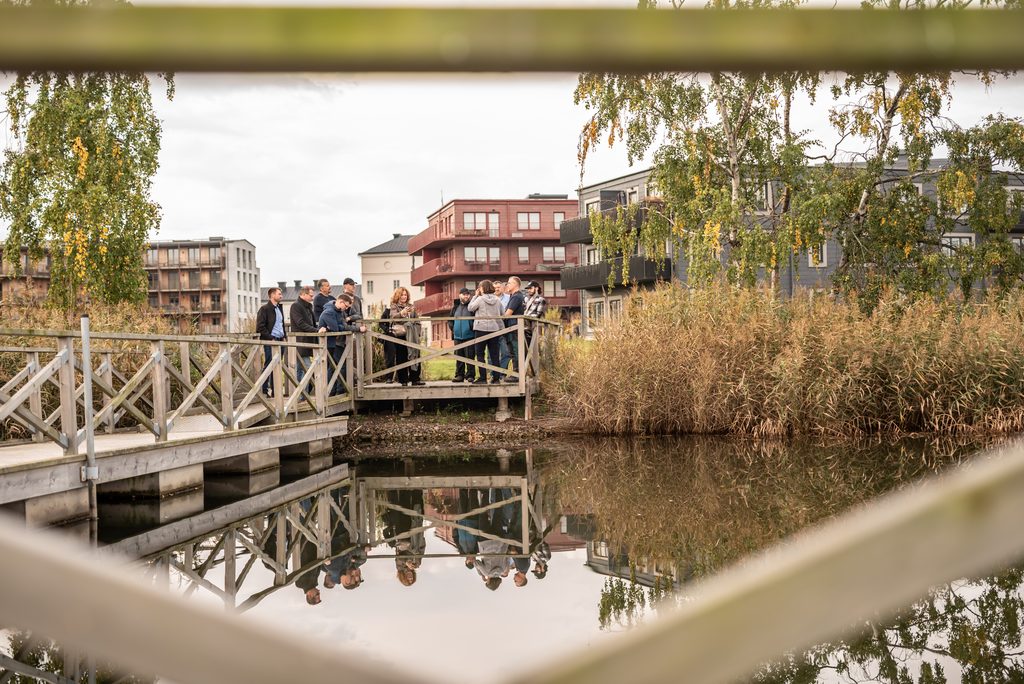
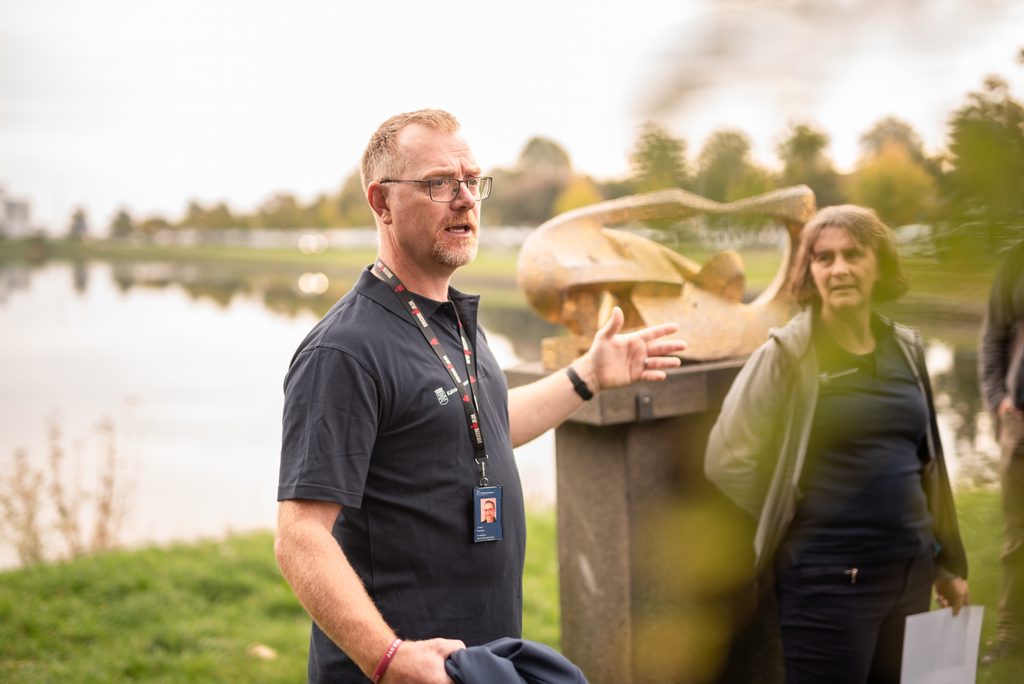
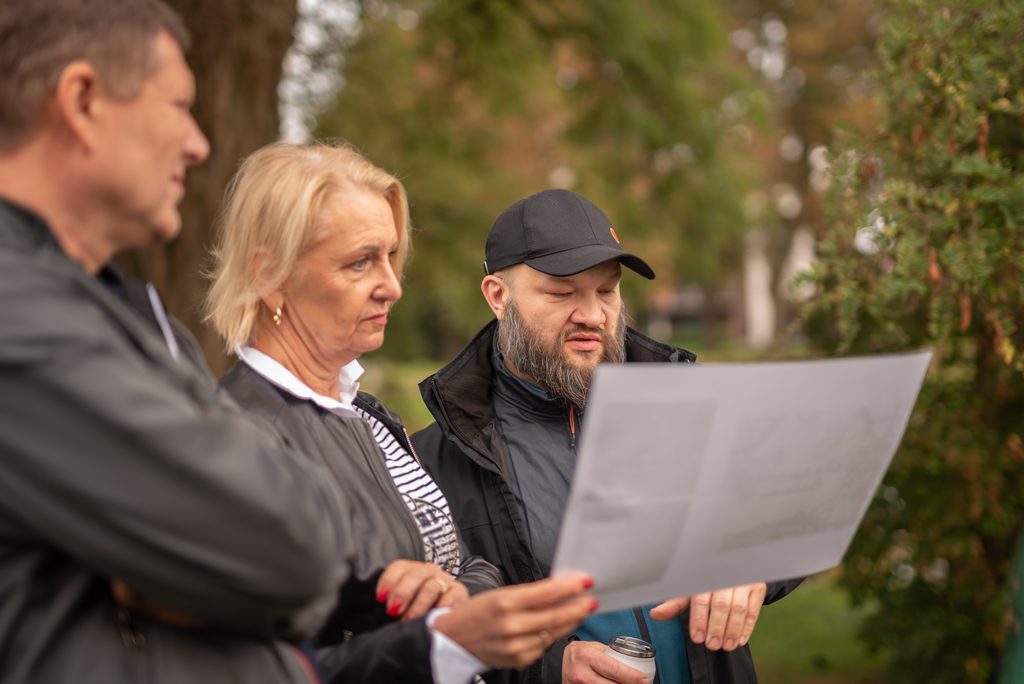
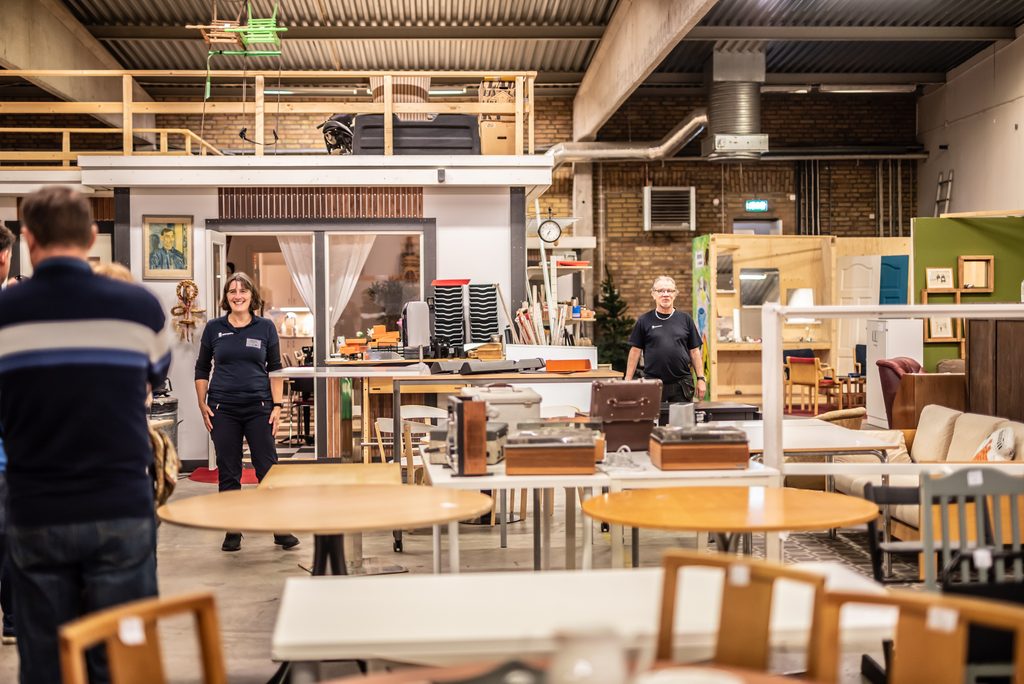
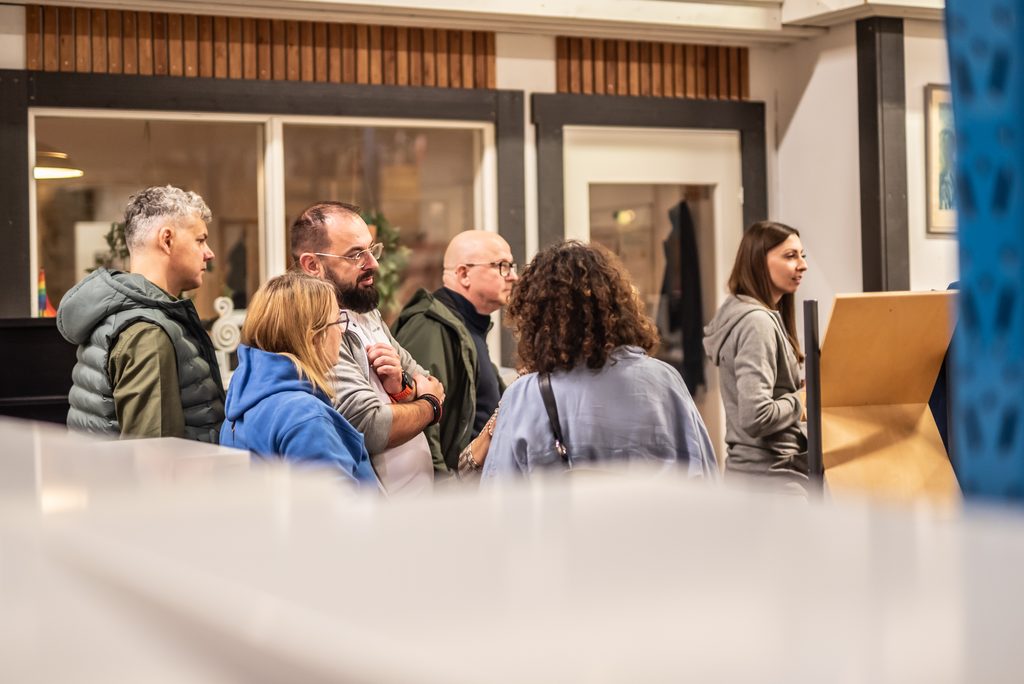
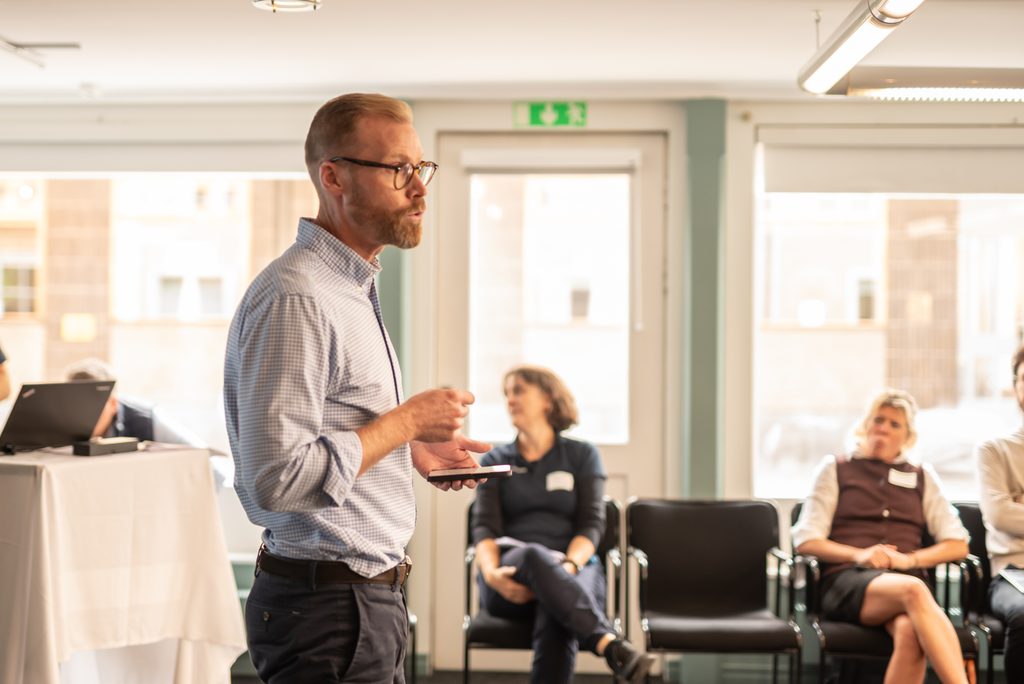
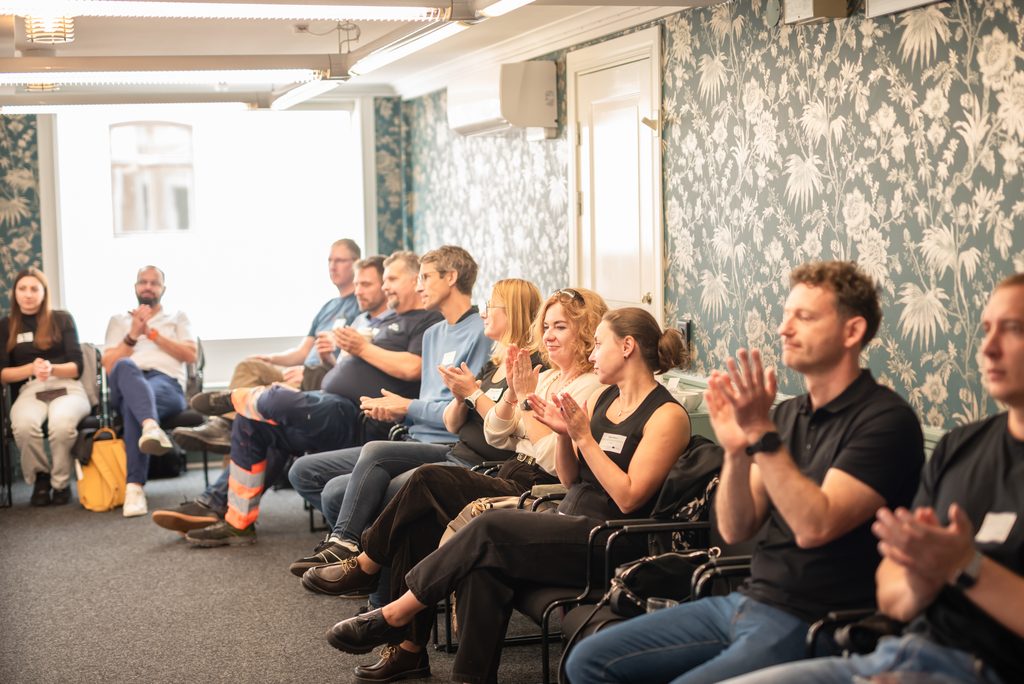
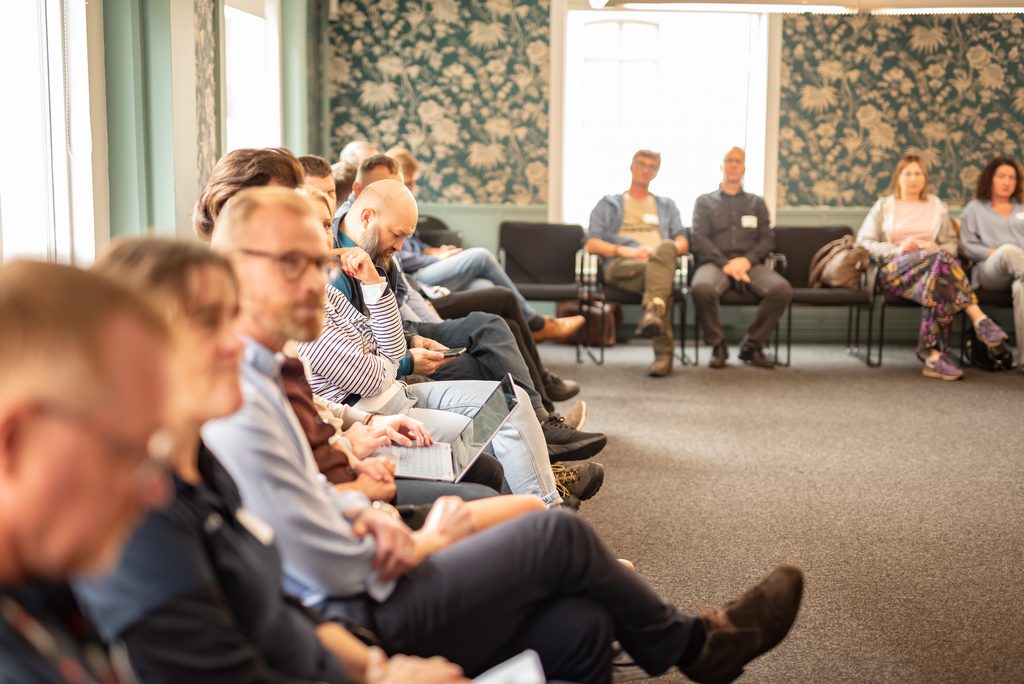
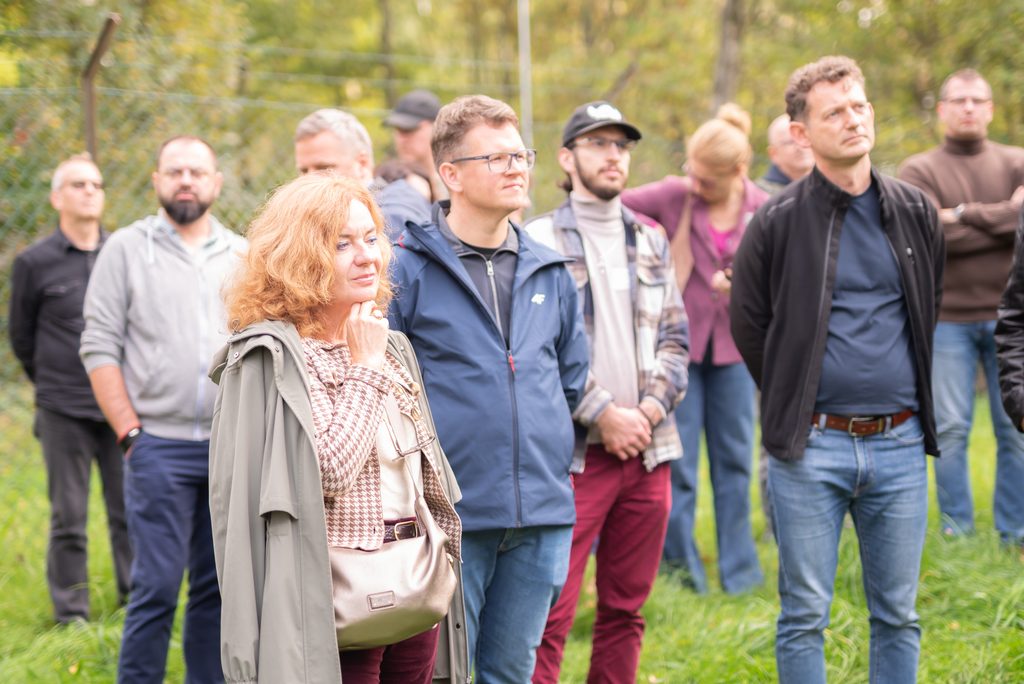
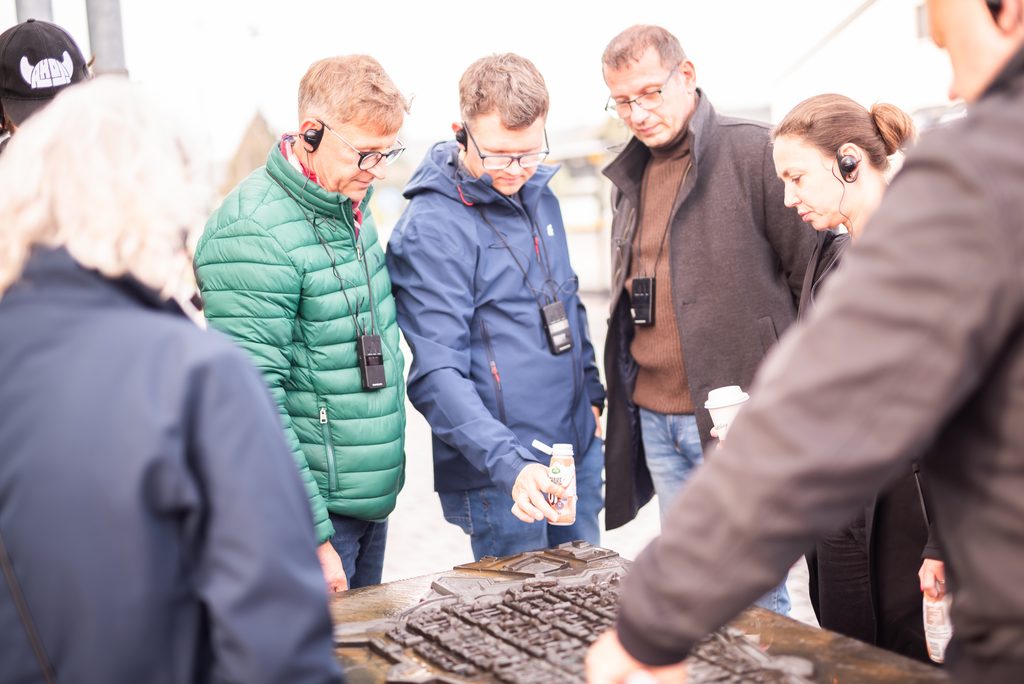
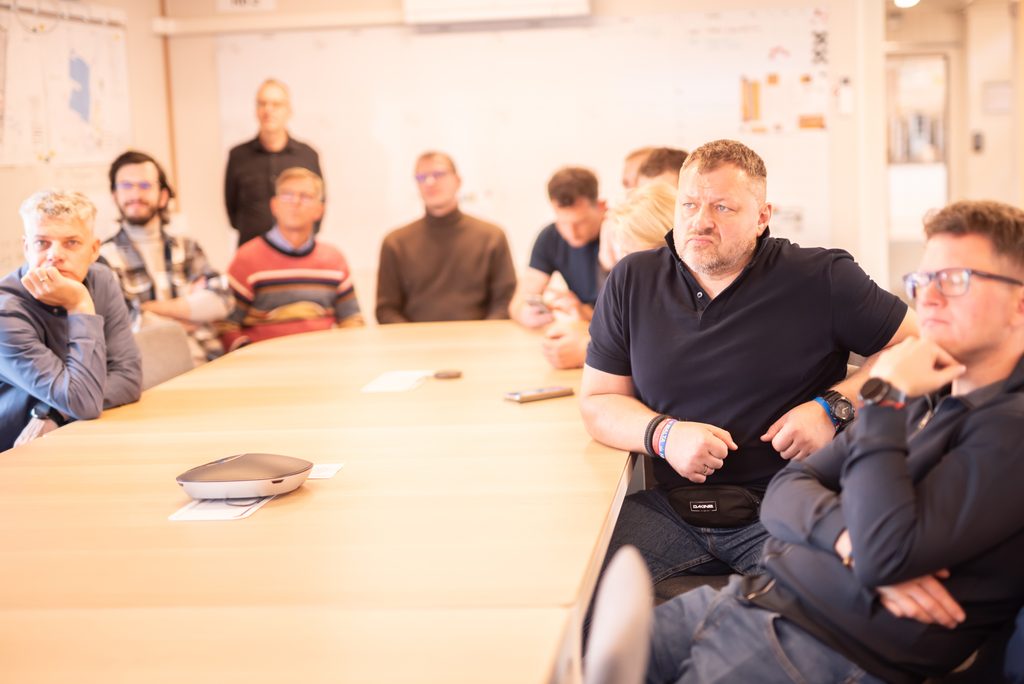
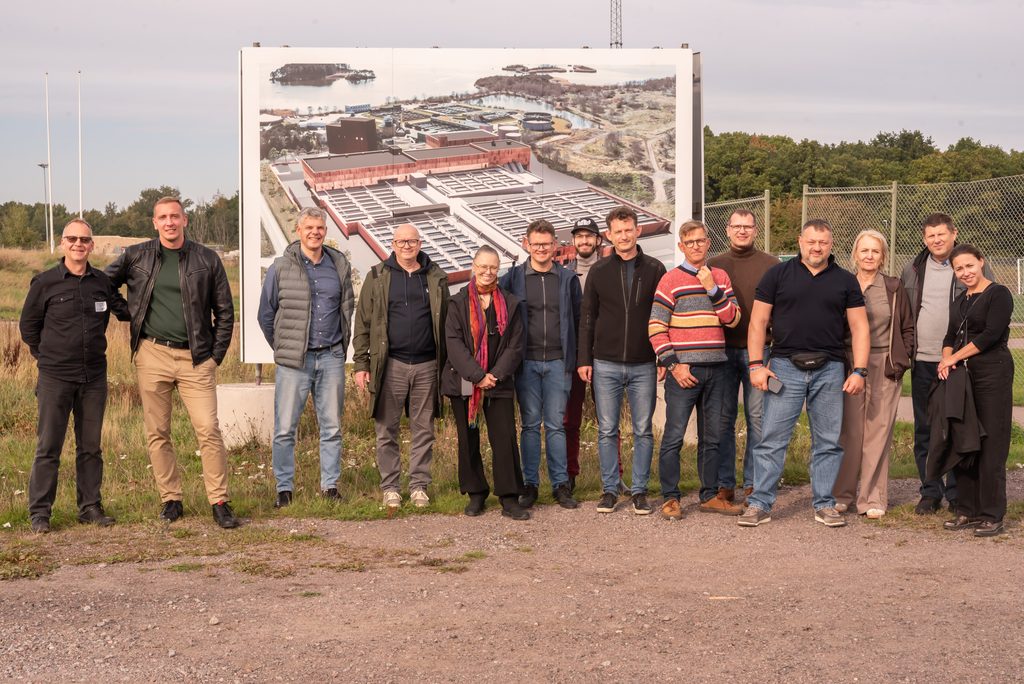
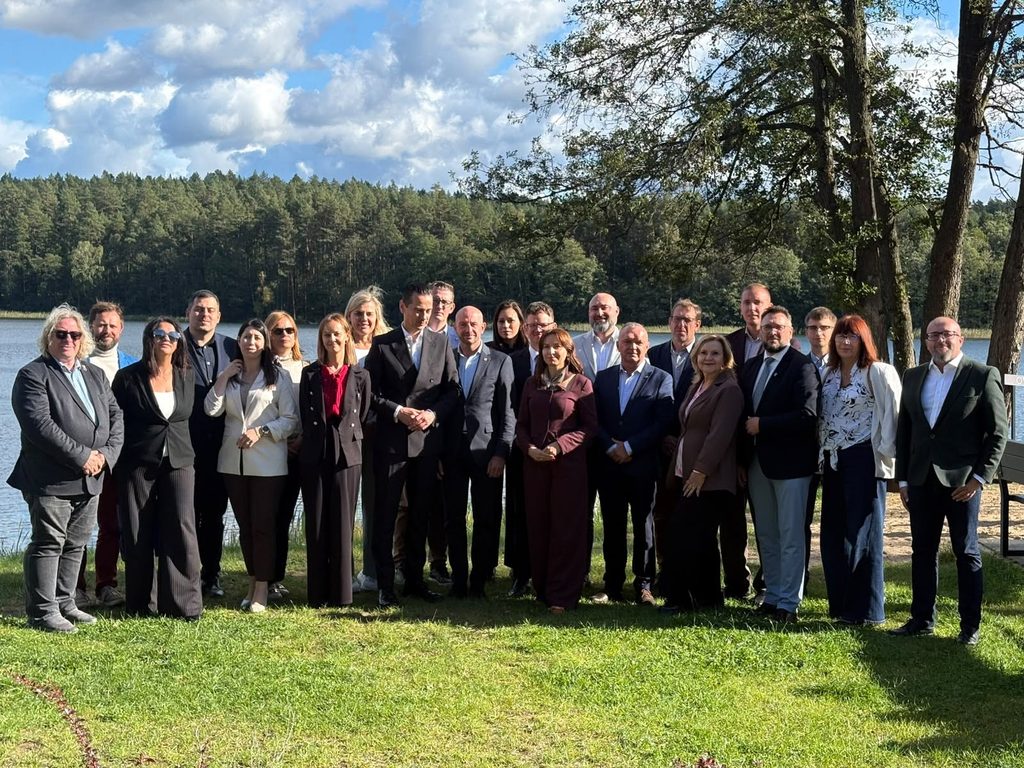
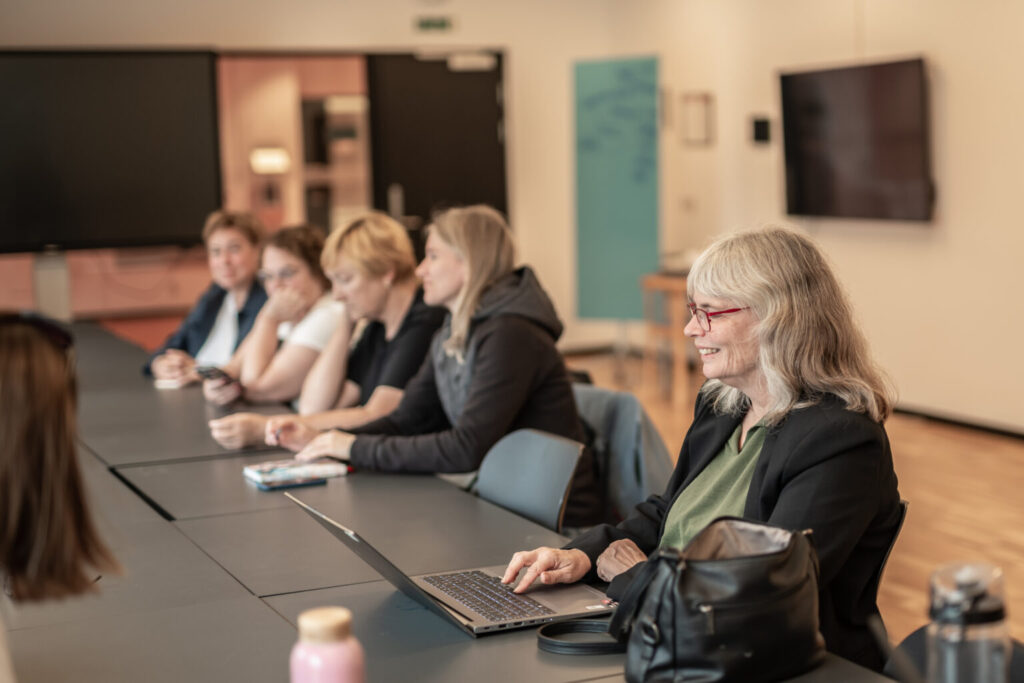
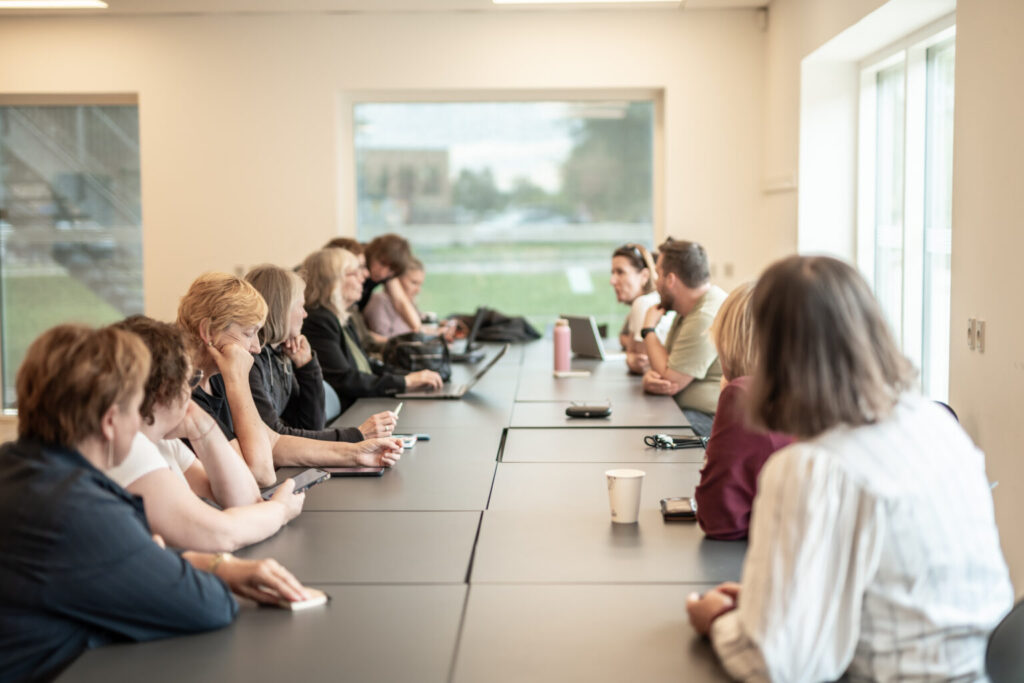
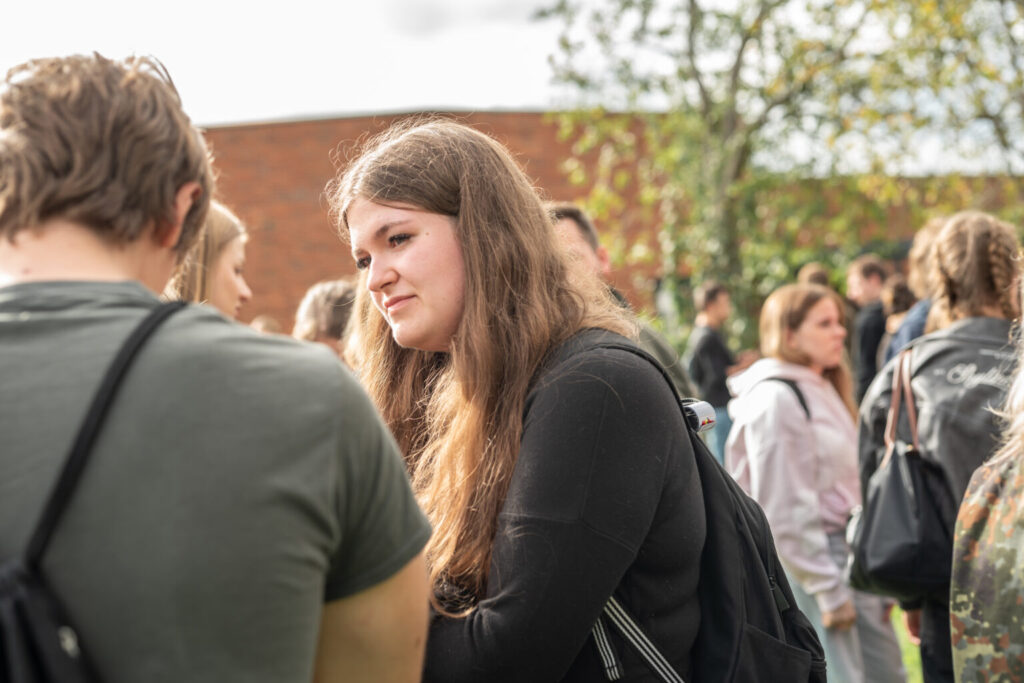
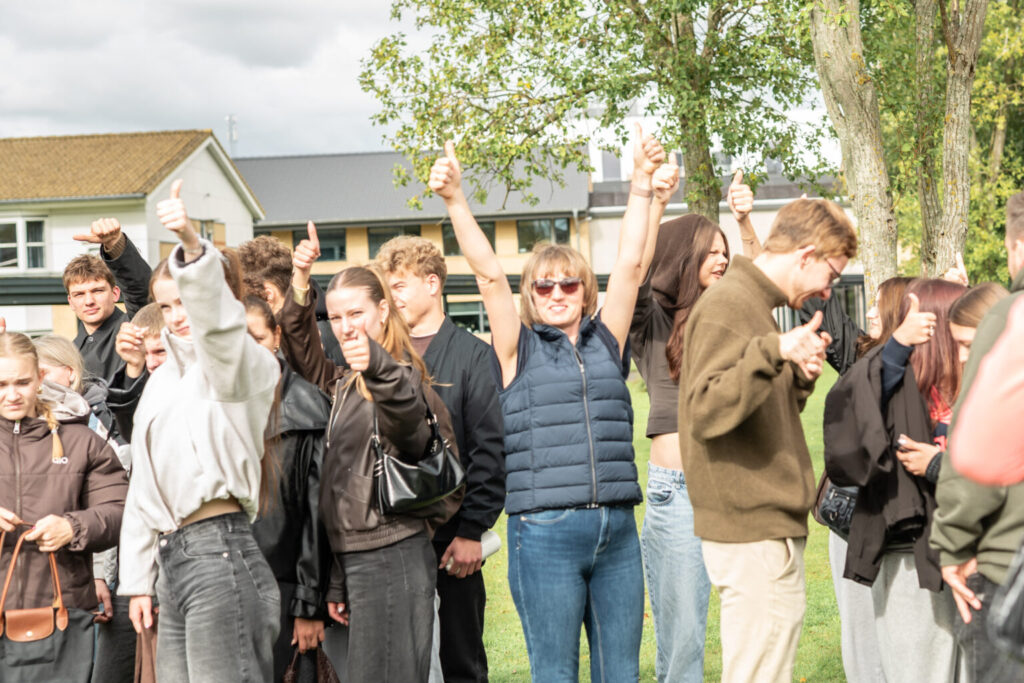
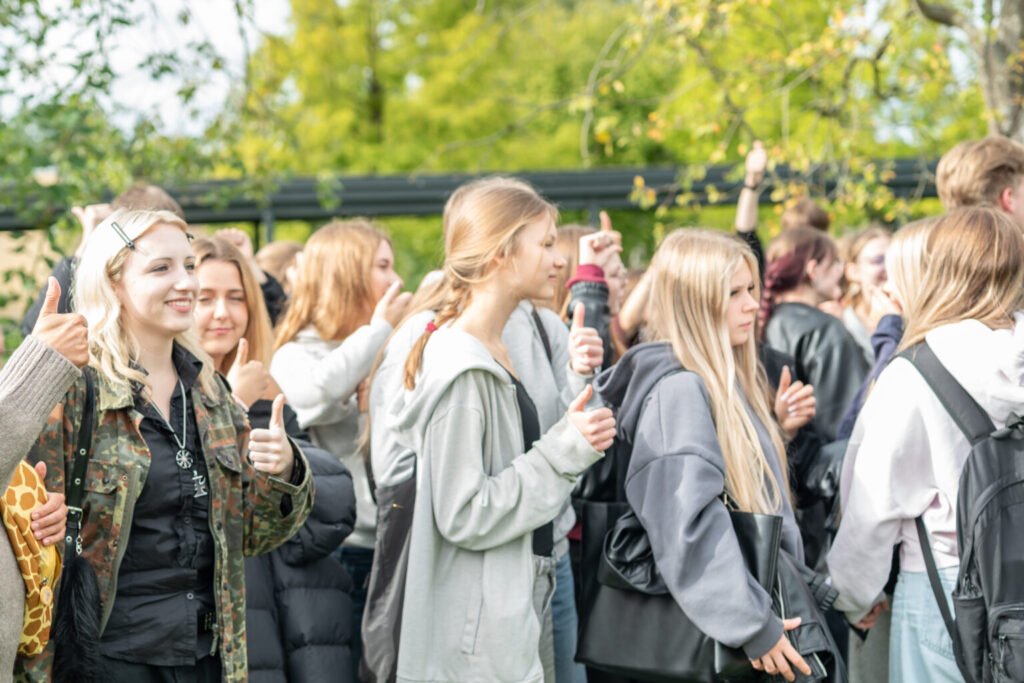
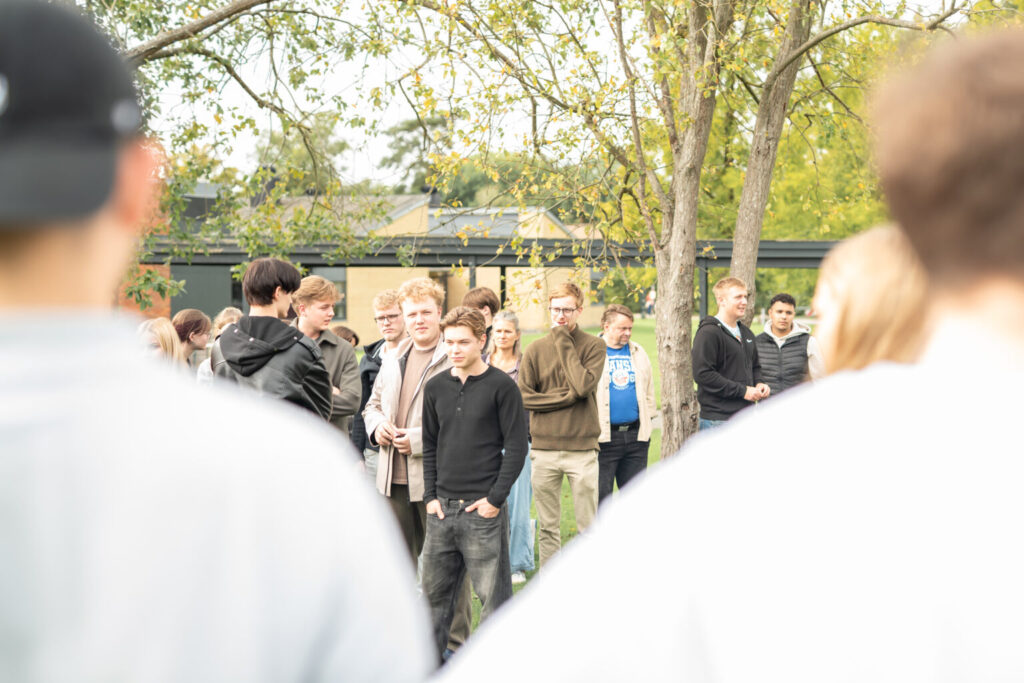
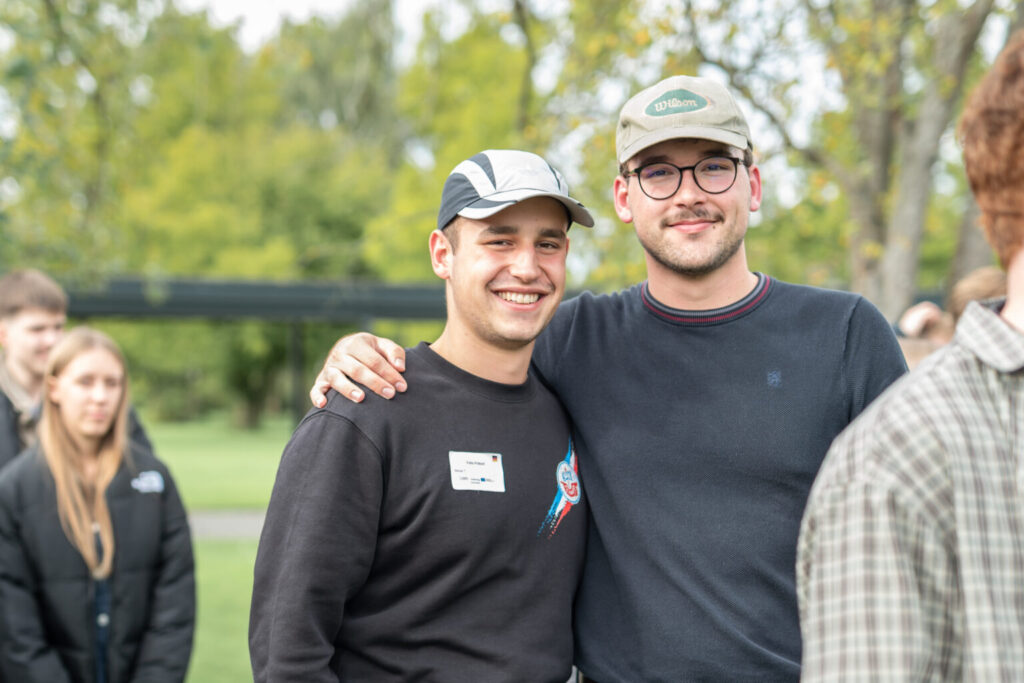
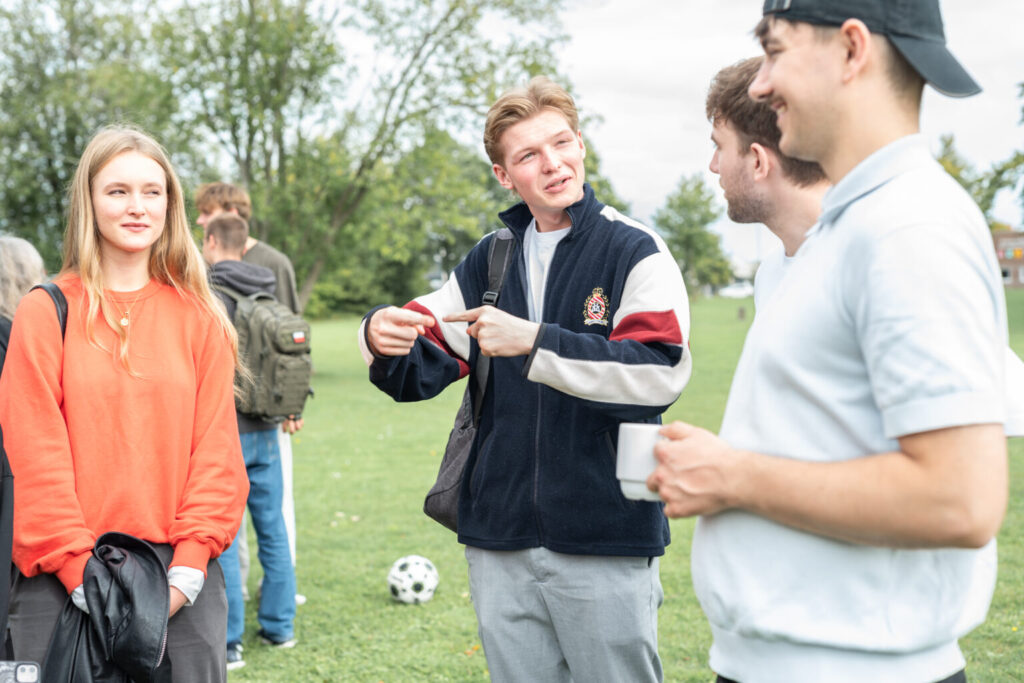
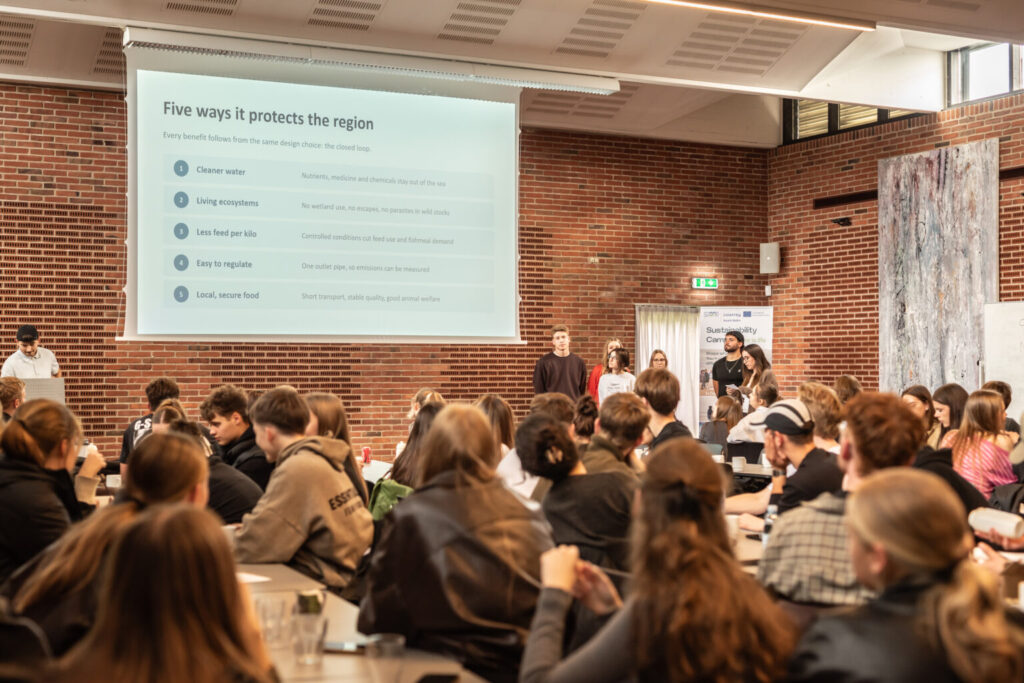
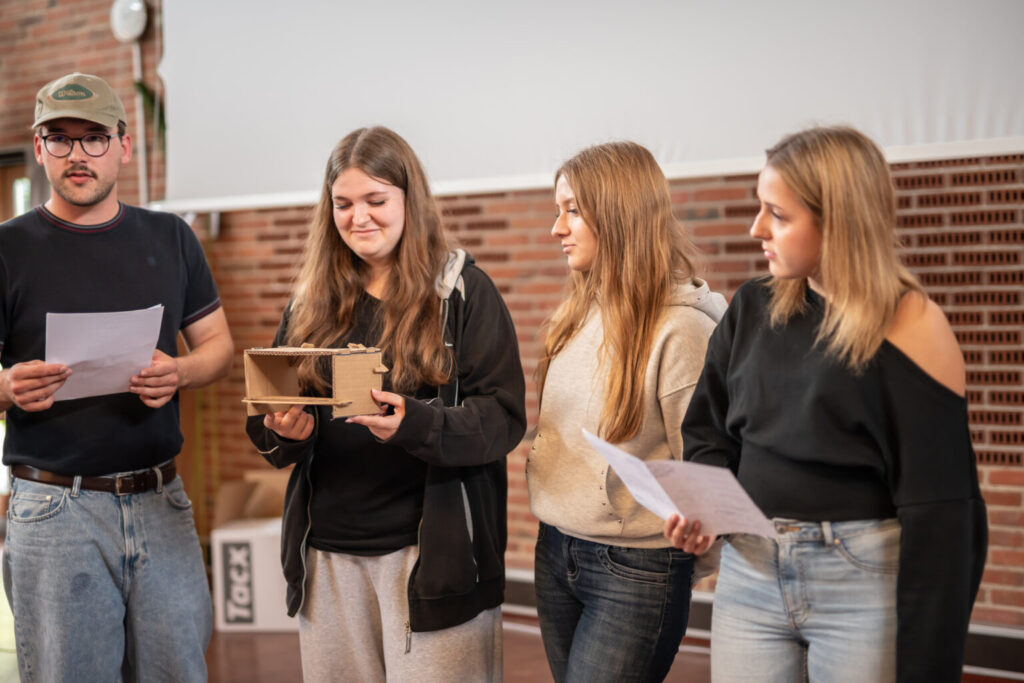
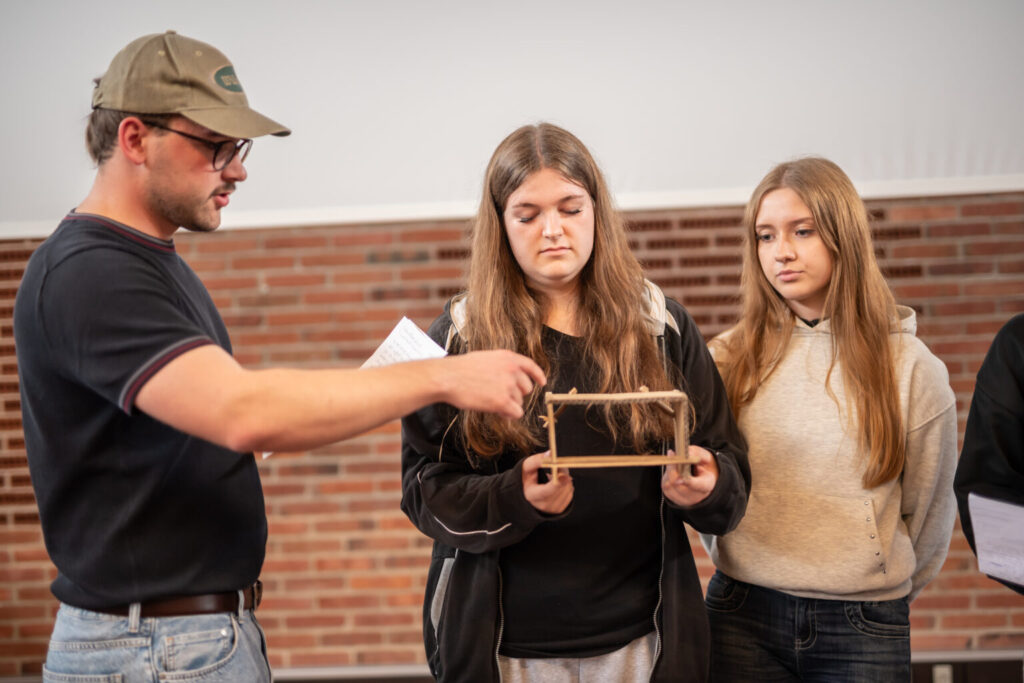
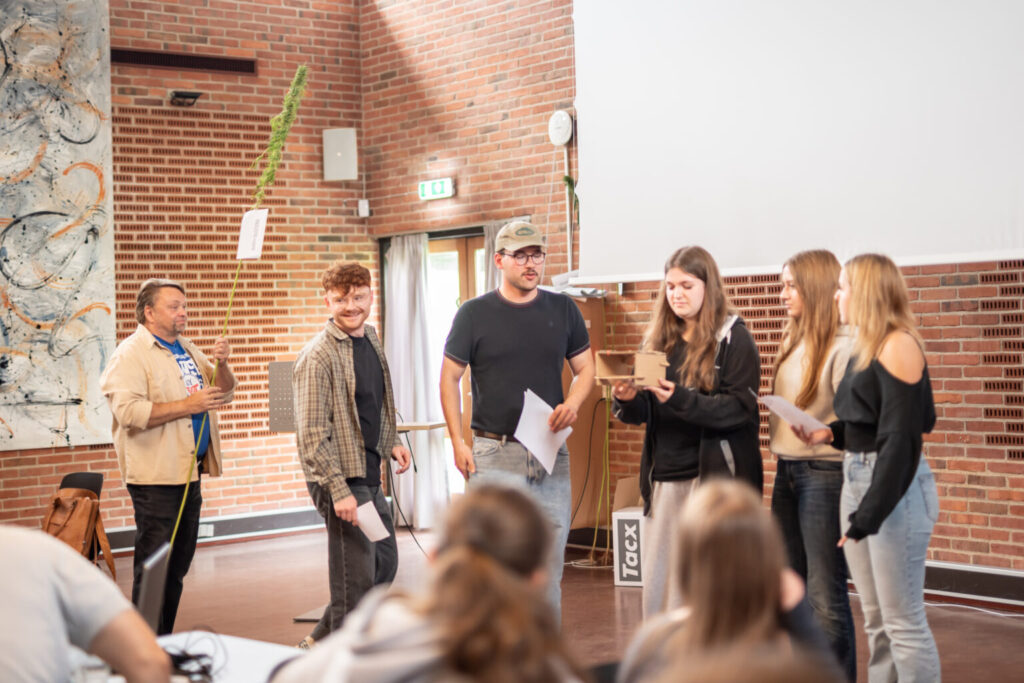
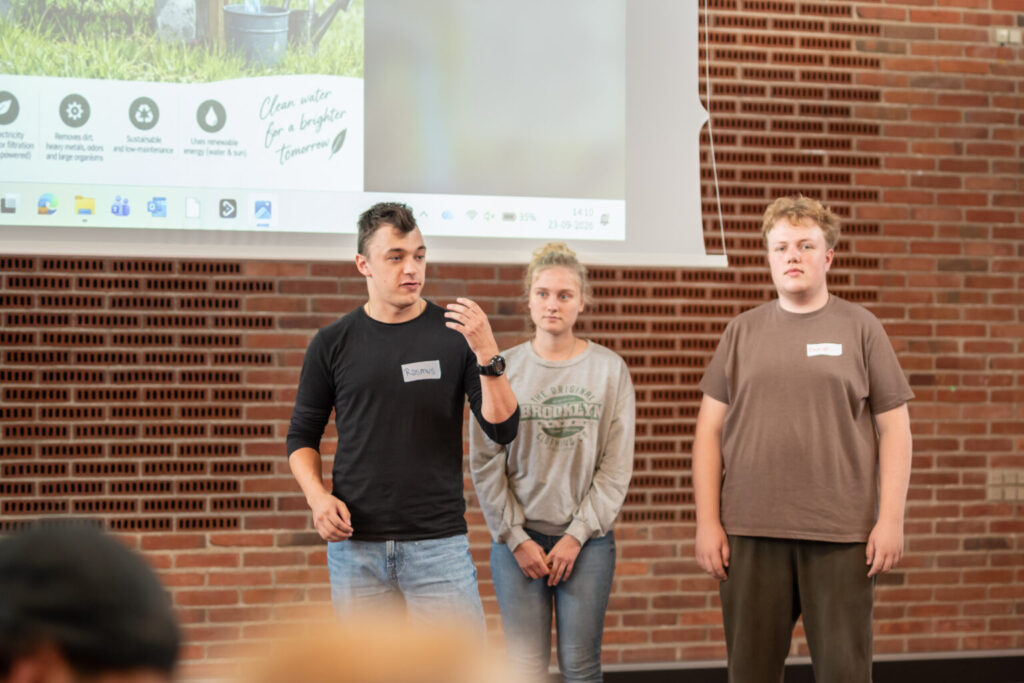
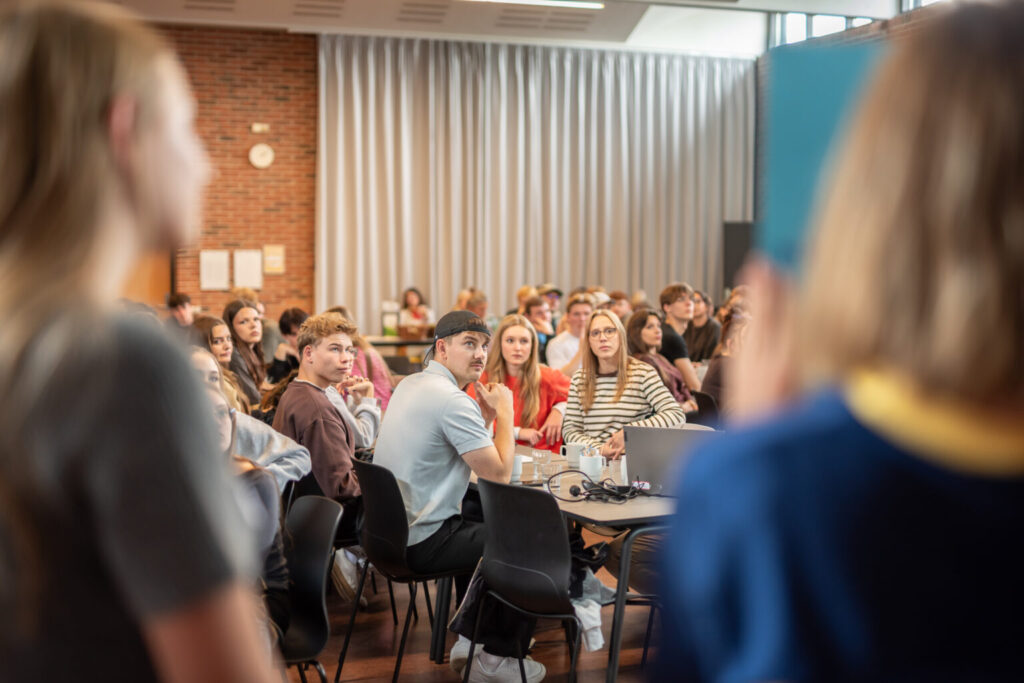
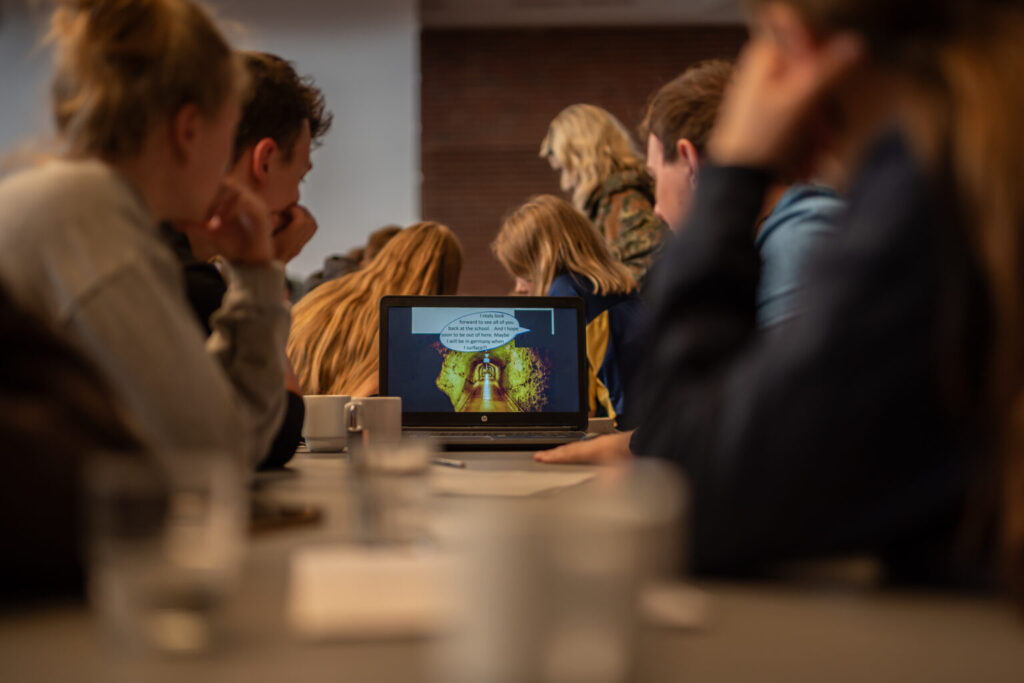
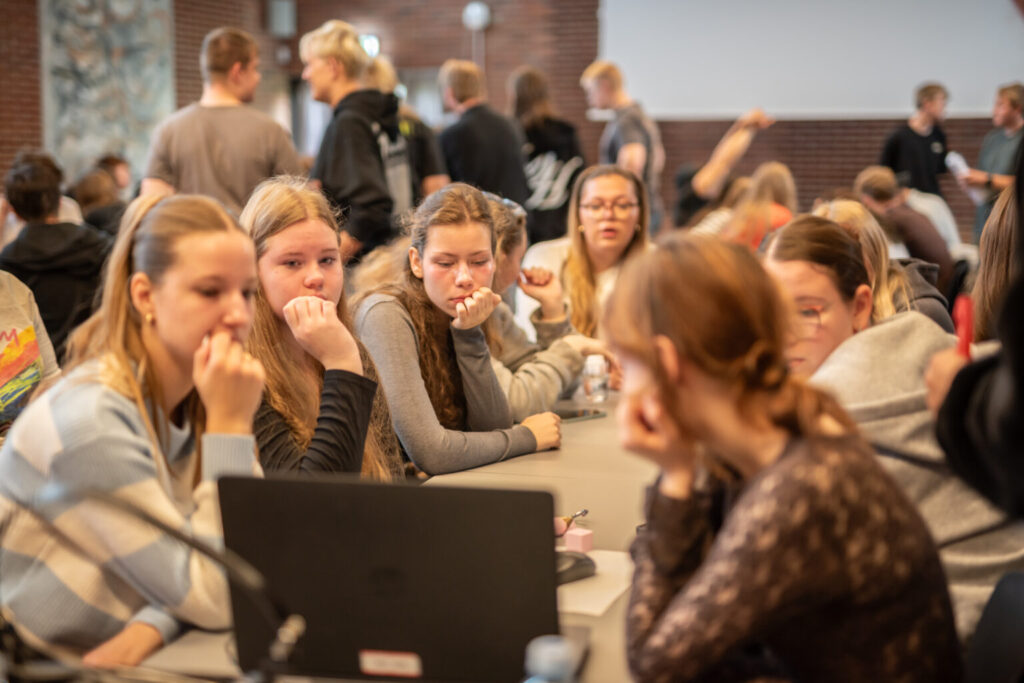
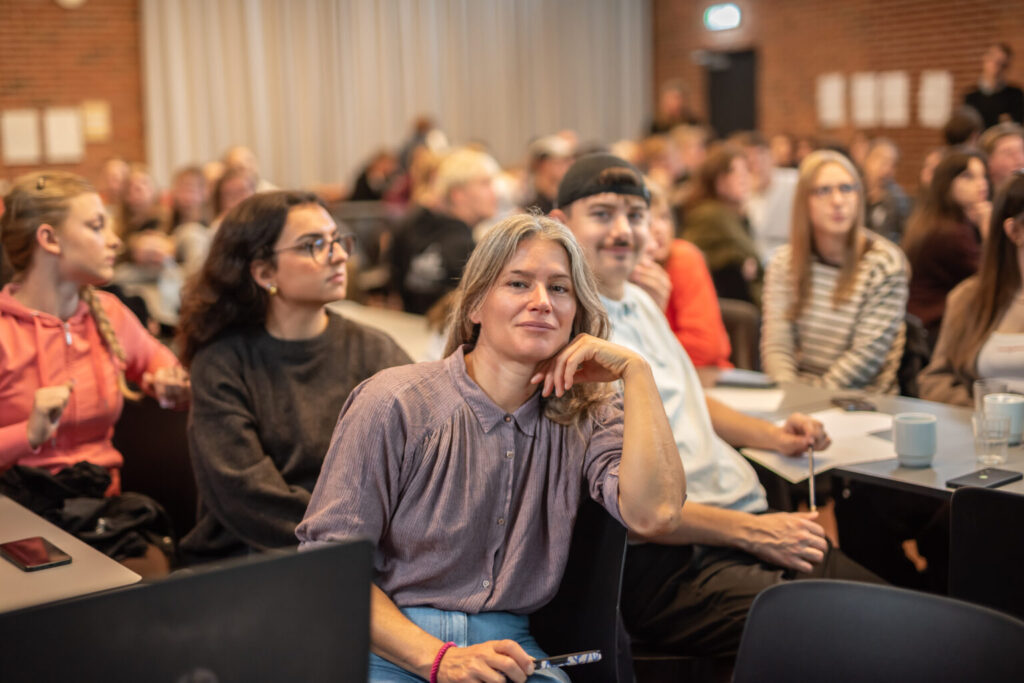
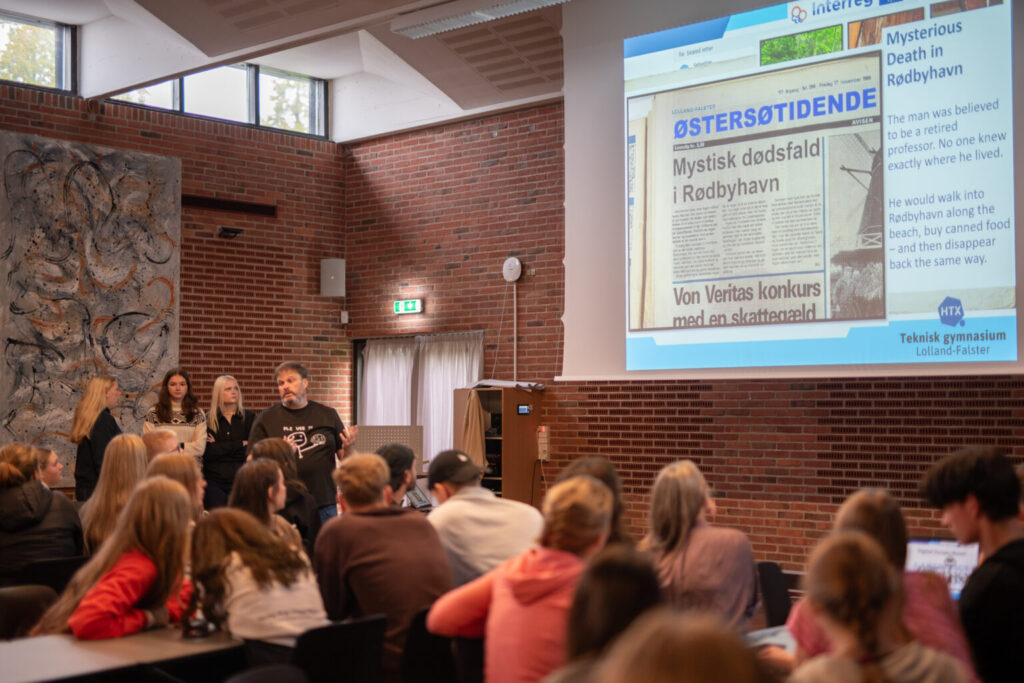
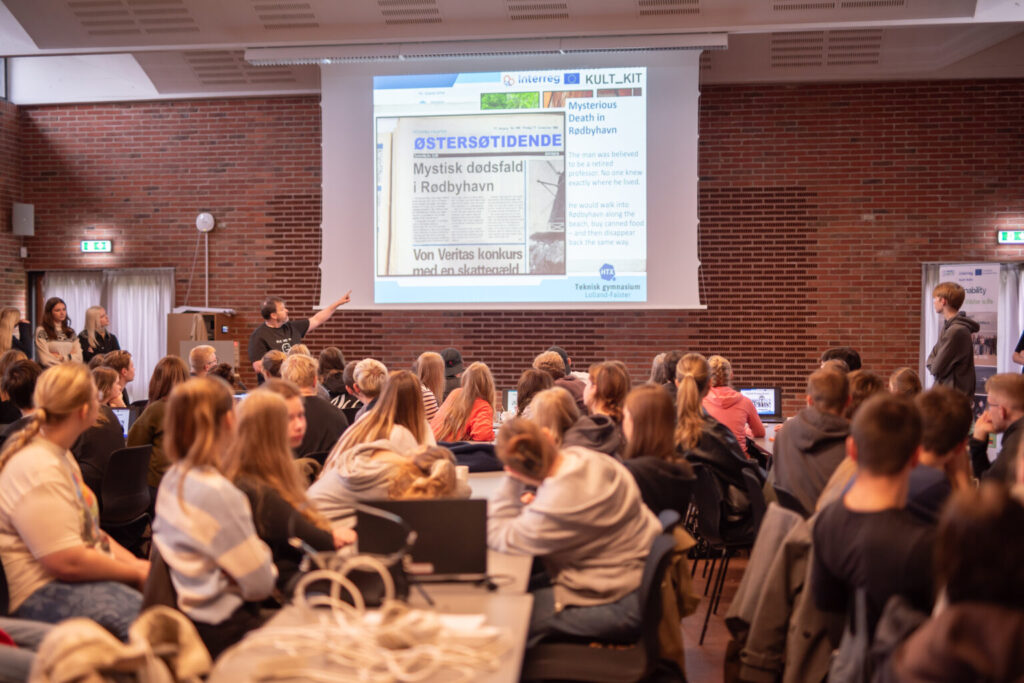
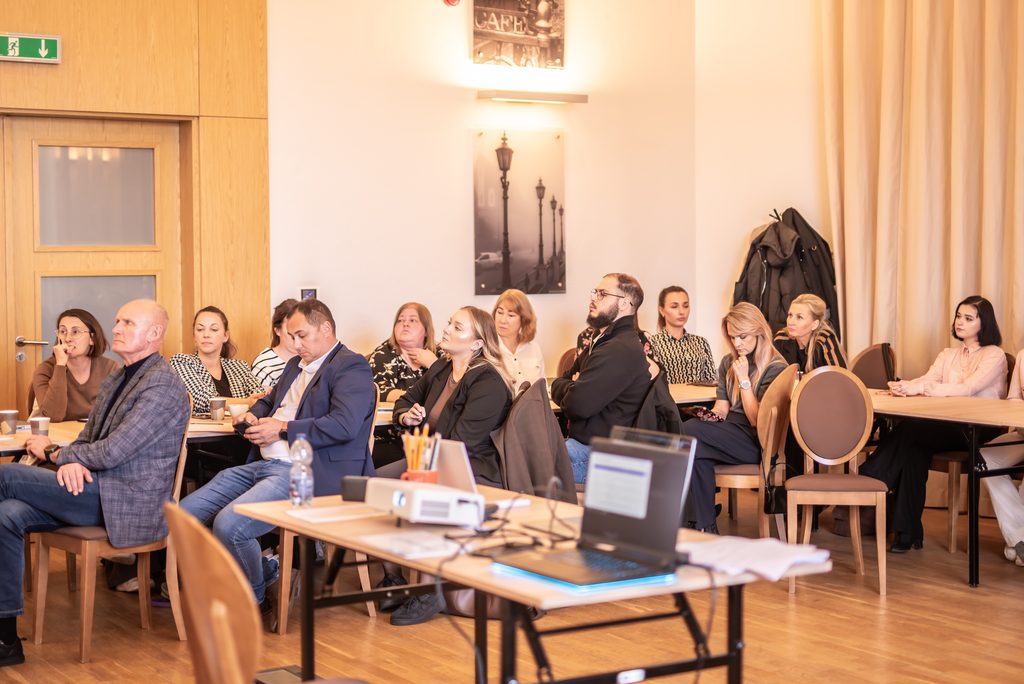
On 7 October 2026, the third and final Round Table meeting was held in Elbląg as part of the D-effect project, focusing on preparations for the Youth Democracy Festival (YDF), scheduled for November. During the meeting, young people and adults worked together to develop the festival programme, drawing on experiences from previous festivals and ideas generated during earlier consultations.
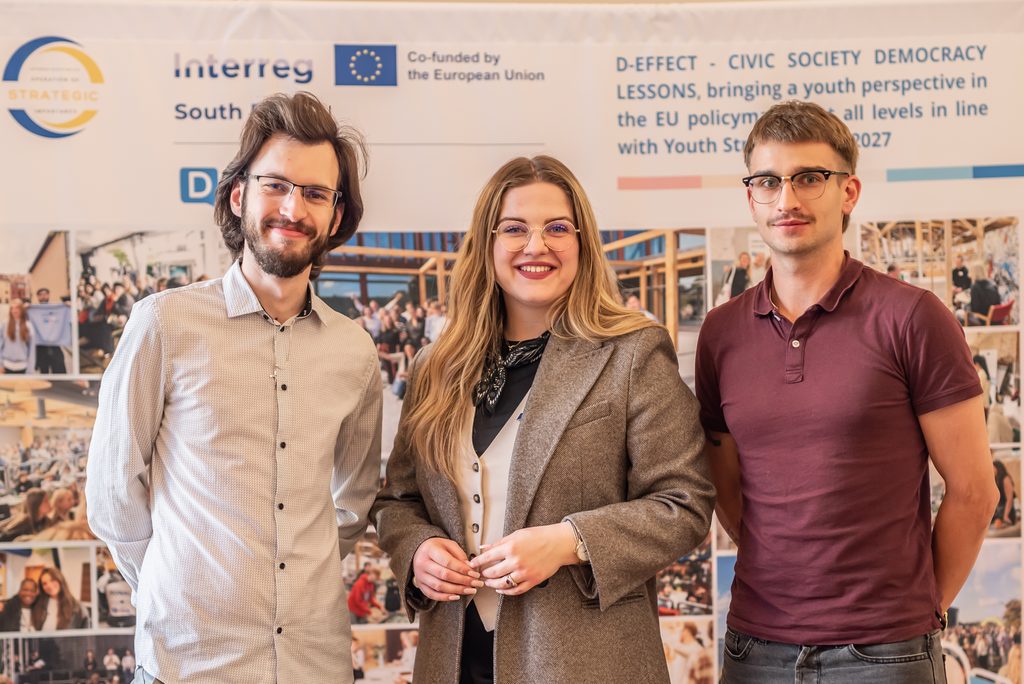
The meeting marked the culmination of several months of preparations based on intergenerational dialogue and active participation of the local community. Its main objective was to turn the collected proposals into a preliminary festival agenda, ensuring that the event would not only be aimed at young people but, above all, developed with their direct involvement.
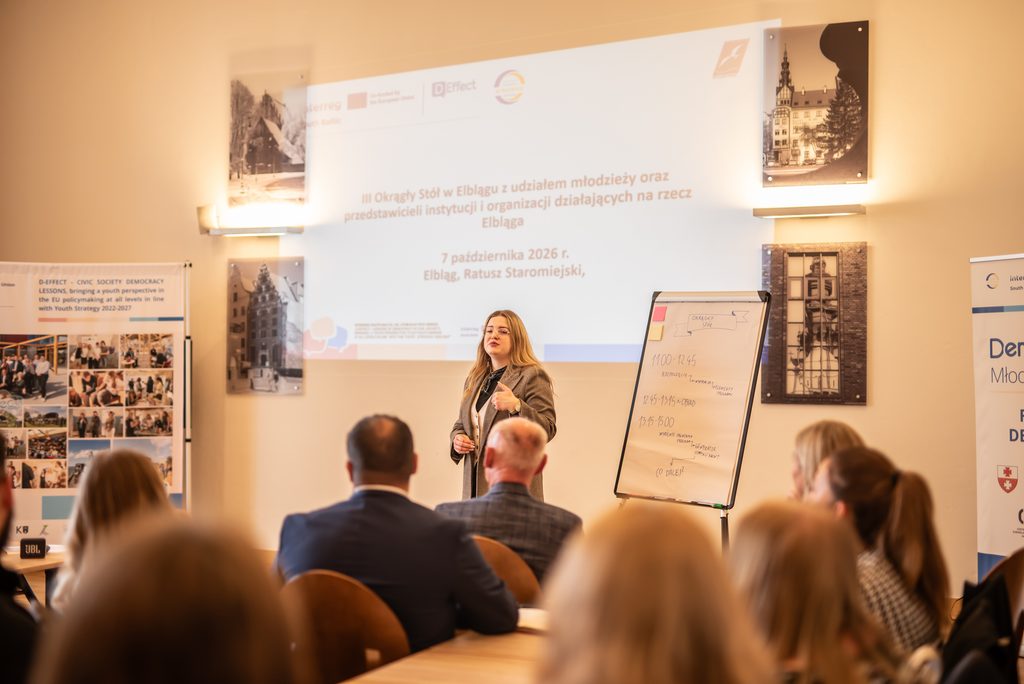
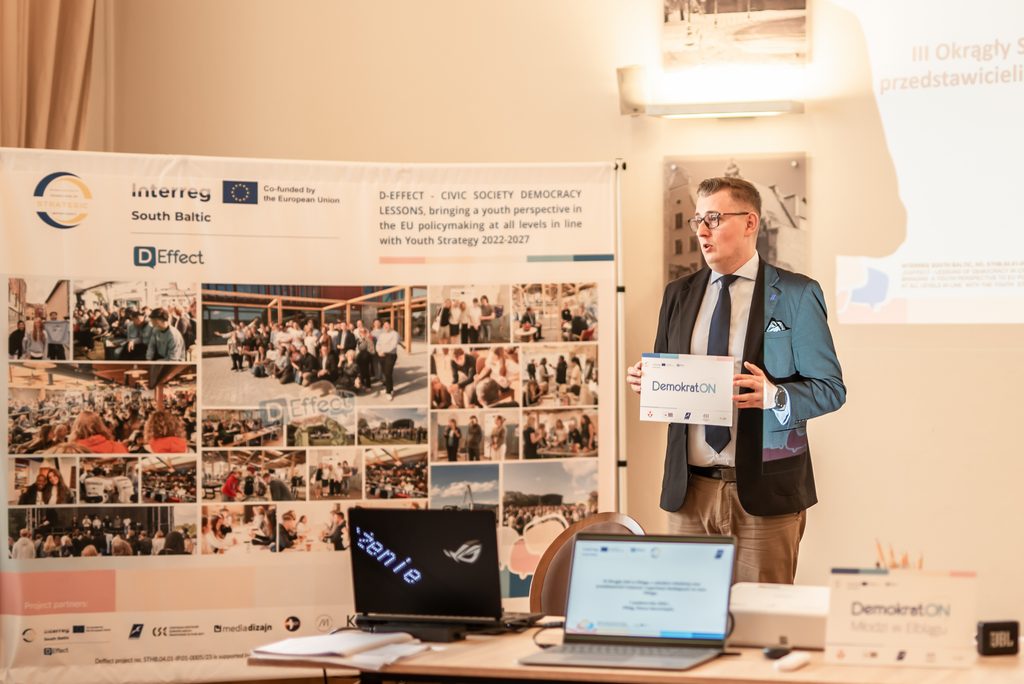
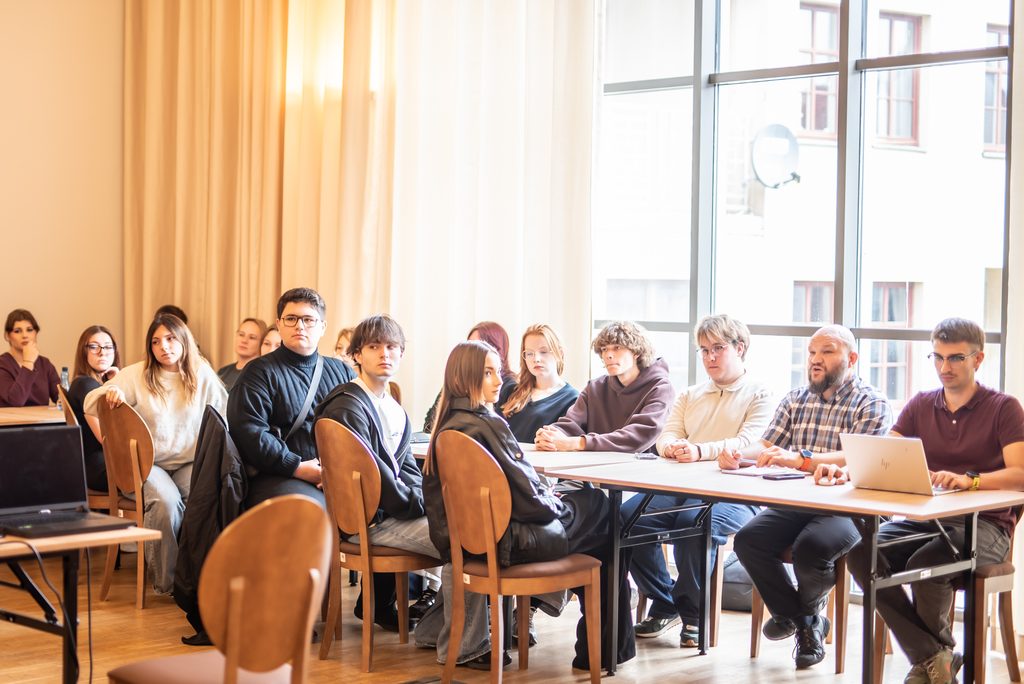
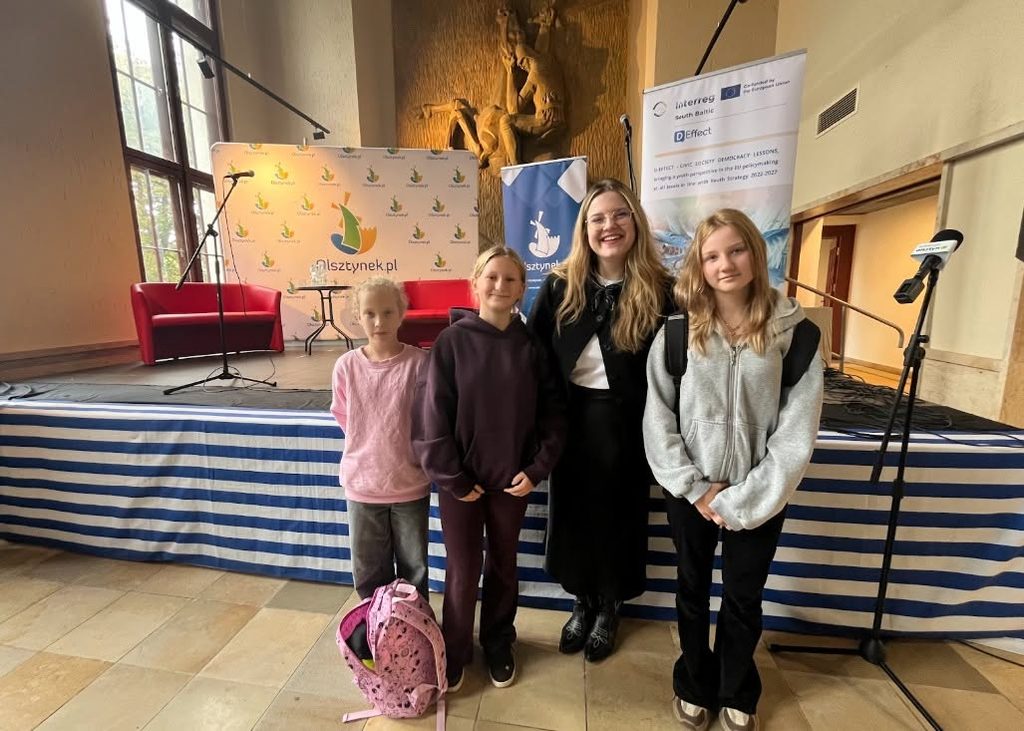
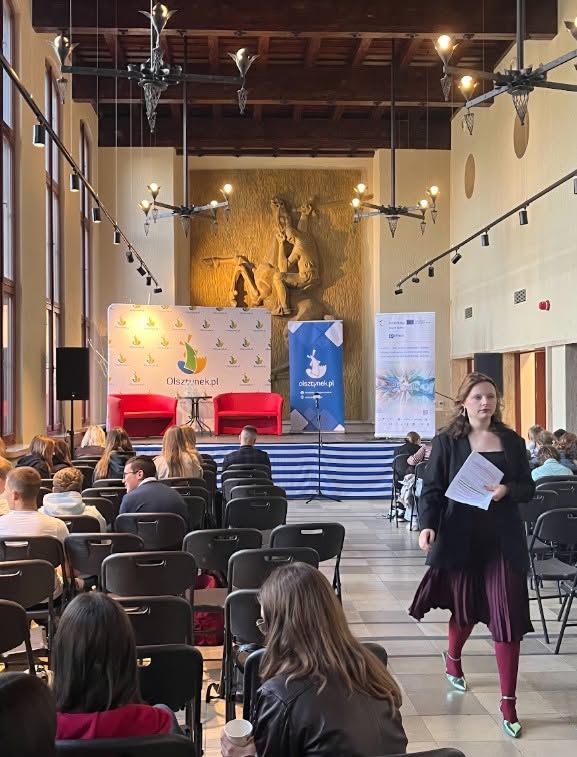
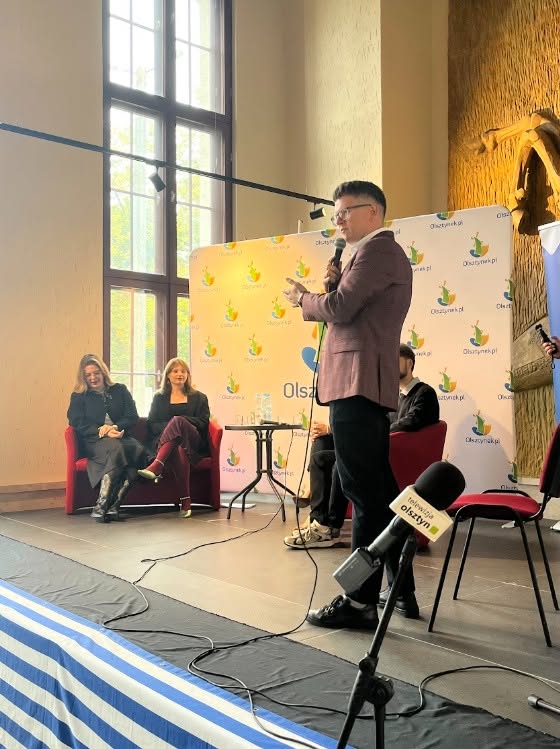
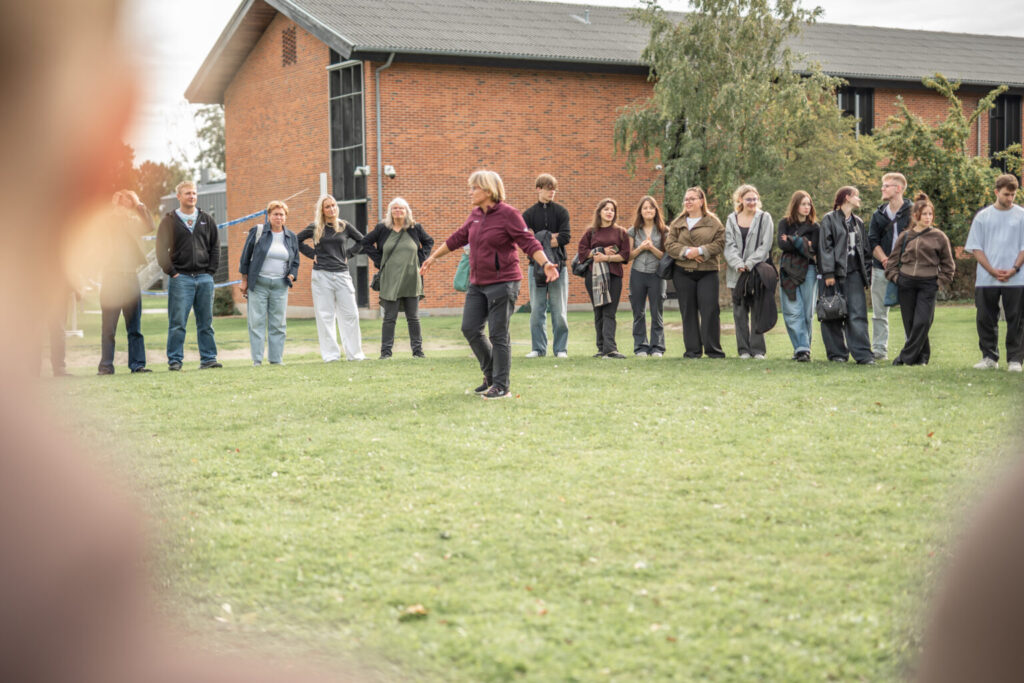
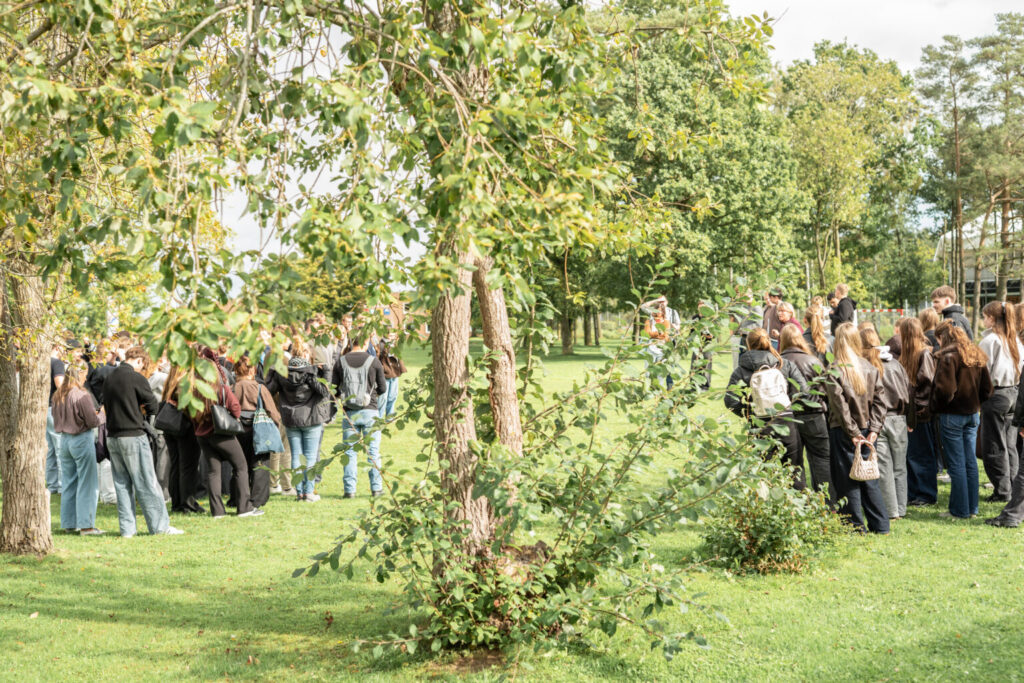
An important part of the meeting was the exchange of experiences among young people who had previously participated in Youth Democracy Festivals held in Kretinga, Lithuania, Odsherred, Denmark, and Olsztynek and Dzierzgoń, Poland.
The young participants identified both the most valuable aspects of these events and areas for improvement. They highlighted the importance of international integration, appropriate division of participants into groups, communication in English, and maintaining a balance between workshops, discussions and time for informal conversations.
They also emphasised the need for greater youth involvement in organising events, reducing the length of panel discussions, and preparing alternative activities in case of unfavourable weather conditions.
These conclusions provided a foundation for further work on the programme of the festival in Elbląg.
Democracy, Disinformation and Intergenerational Dialogue
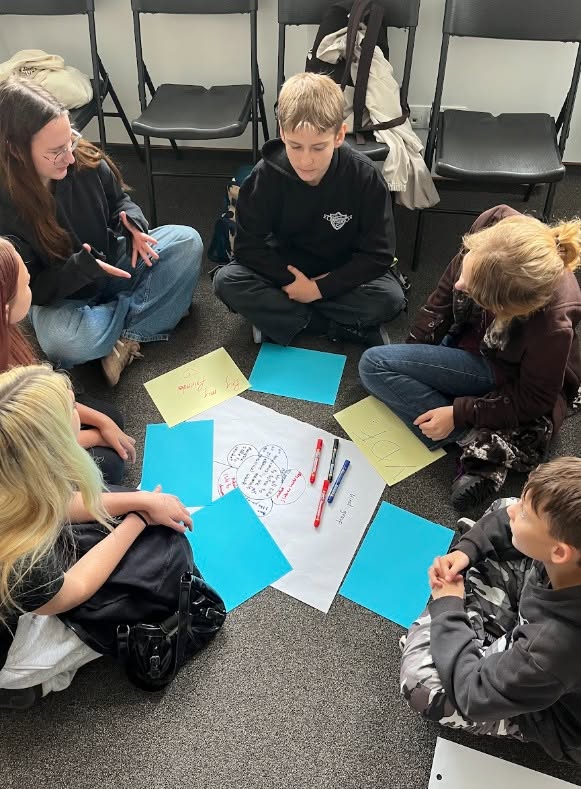
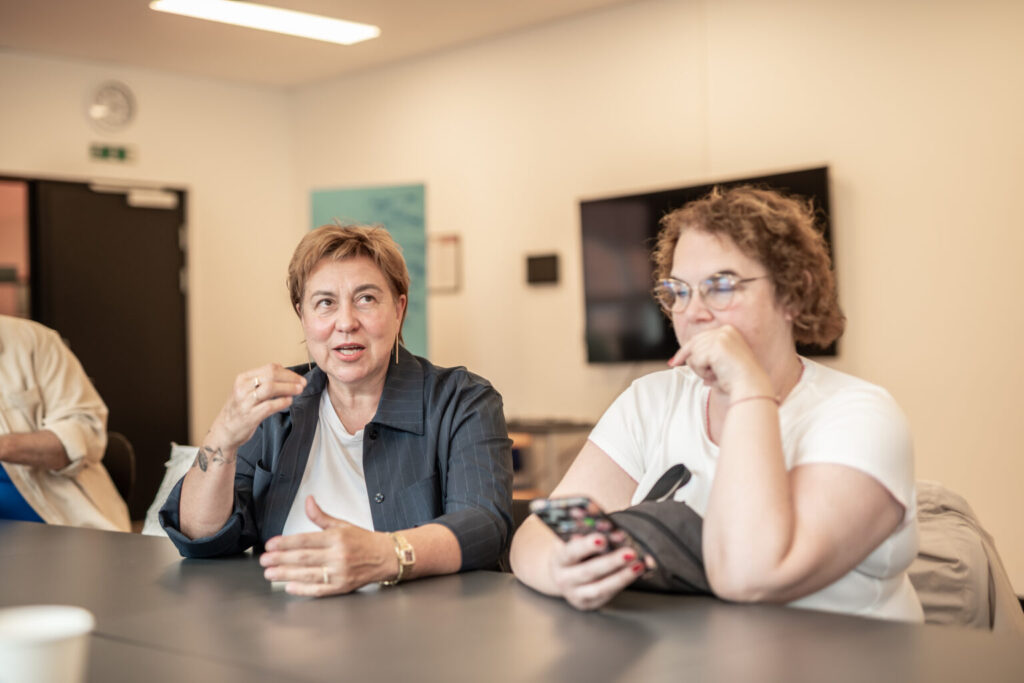
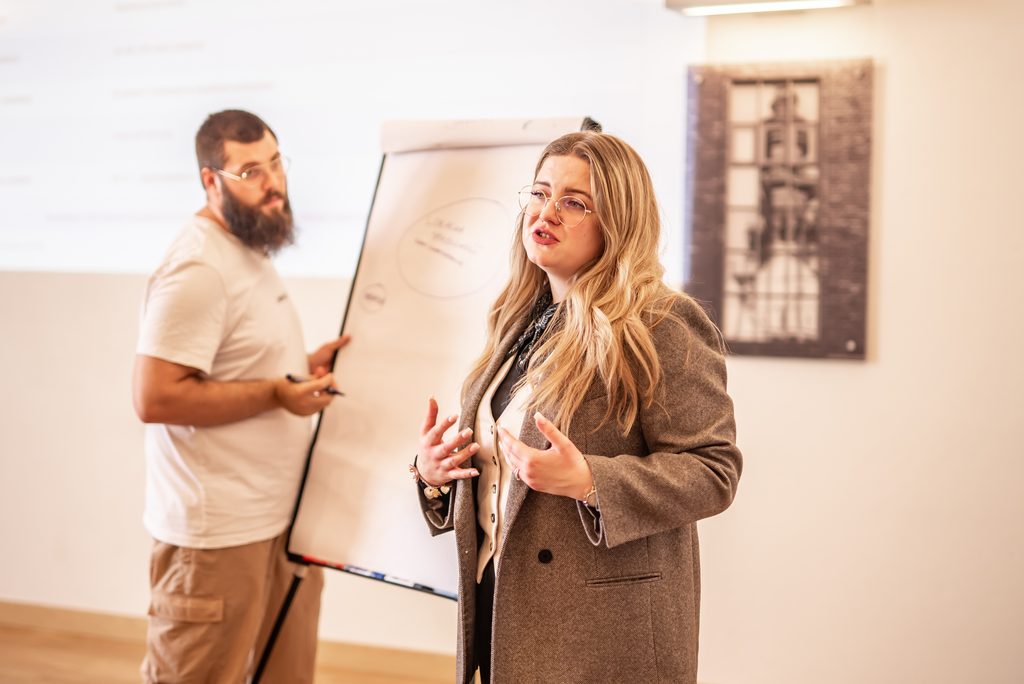
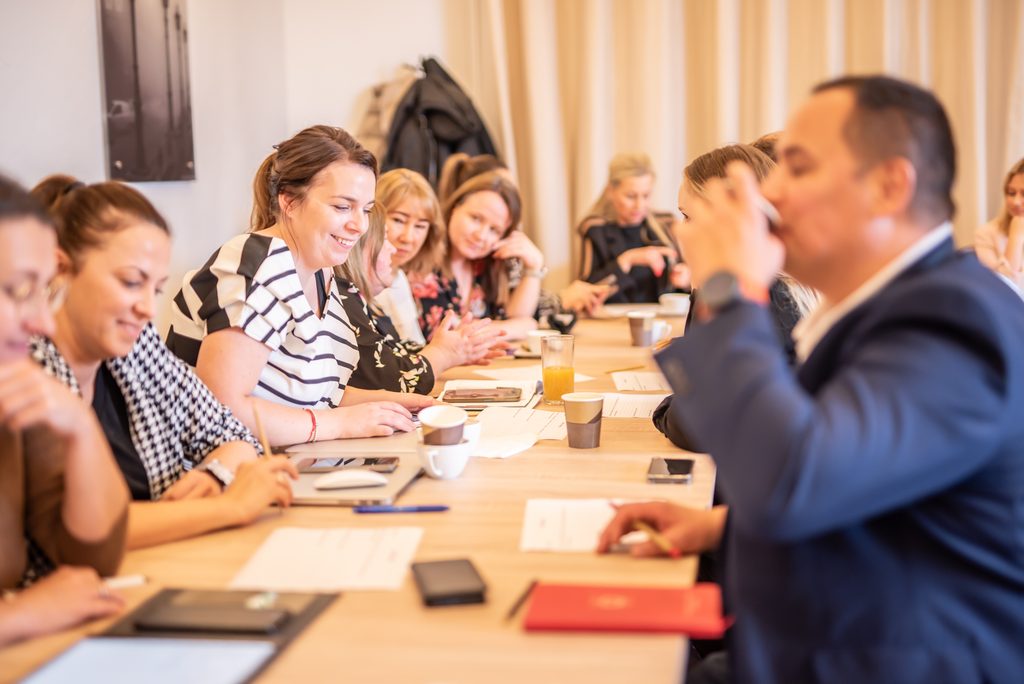
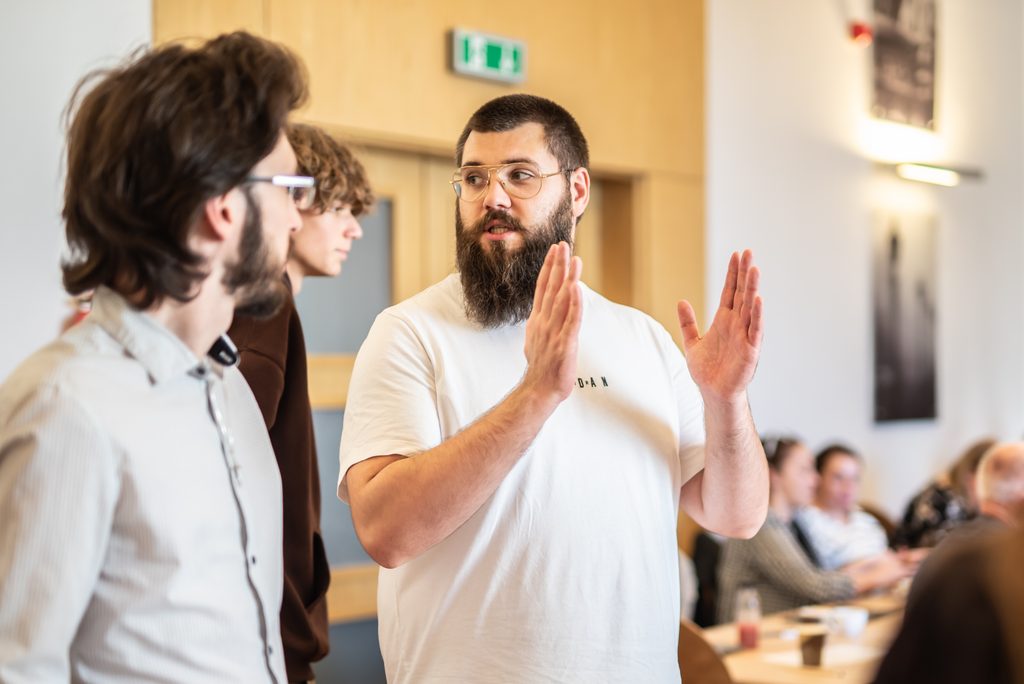
During the workshops, participants developed numerous proposals concerning both the themes and format of the upcoming event. Ideas included a mock trial addressing the issue of hate speech, workshops on disinformation and the manipulation of health-related information, debates on cultural differences, and activities focusing on civic education and the functioning of e-government services.
Intergenerational relations also played an important role in the discussions. Participants proposed activities that would enable young people and senior citizens to exchange experiences and discuss their mutual expectations and challenges.
Participants stressed that the festival should combine education with active participation and social integration. This led to proposals for intercultural quizzes, dance workshops, artistic events and even a stand-up comedy performance focused on democracy.
The First Outline of a Two-Day Festival
One of the most significant outcomes of the third Round Table meeting was the development of a preliminary programme for the Youth Democracy Festival.
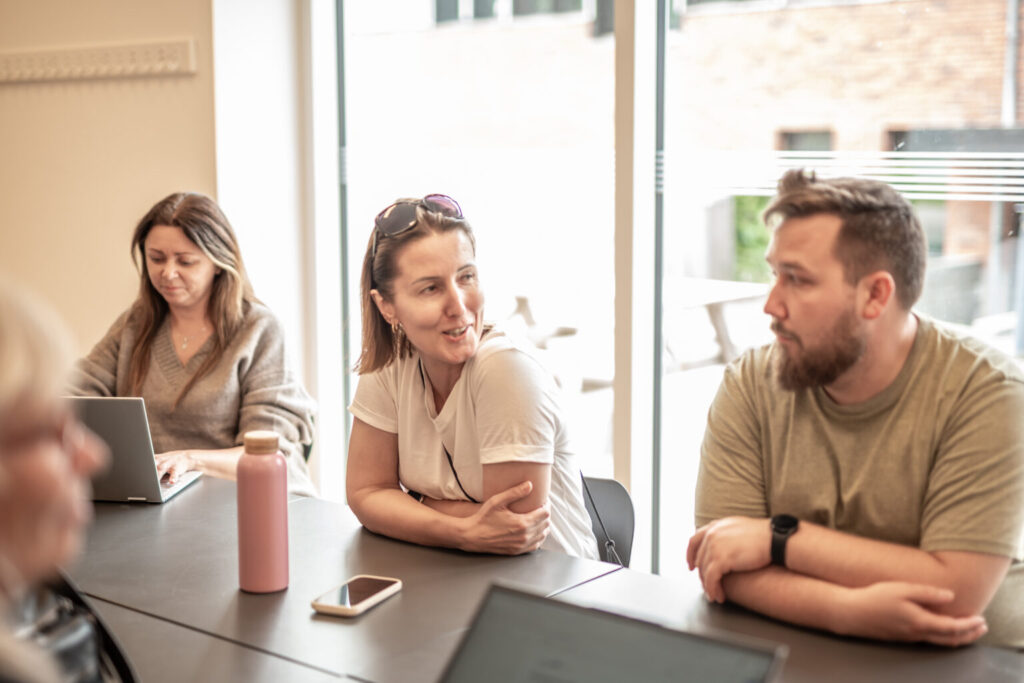
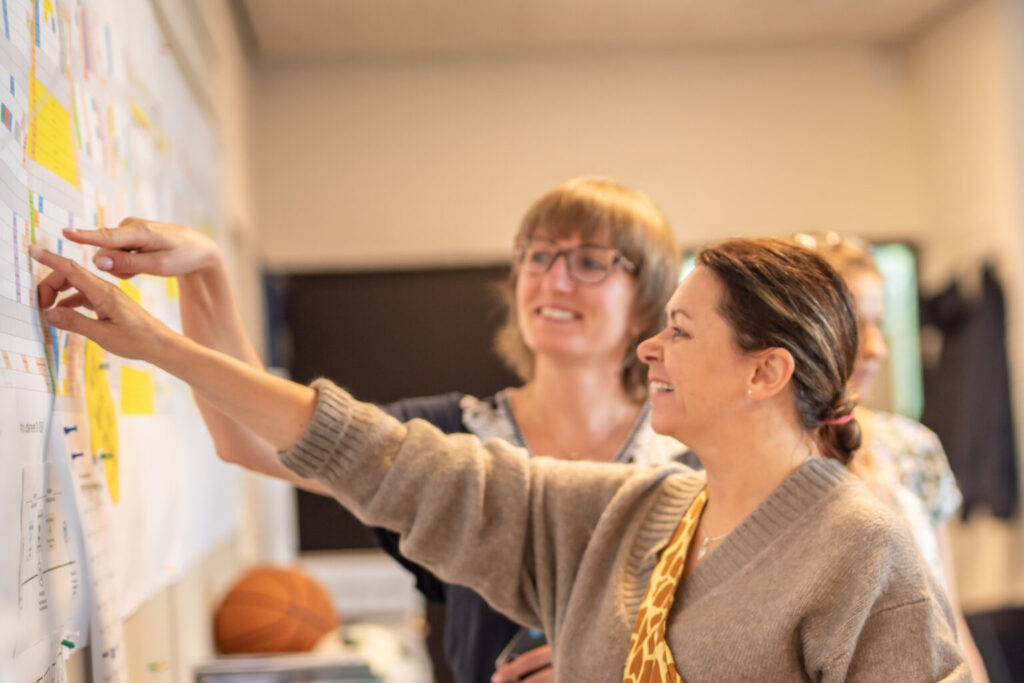
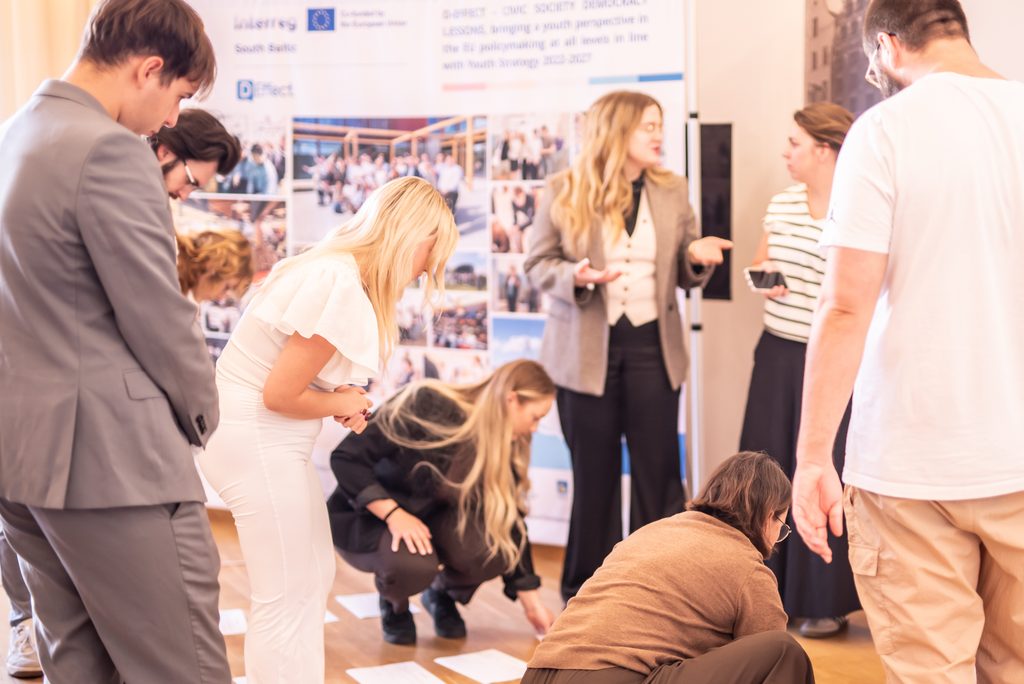
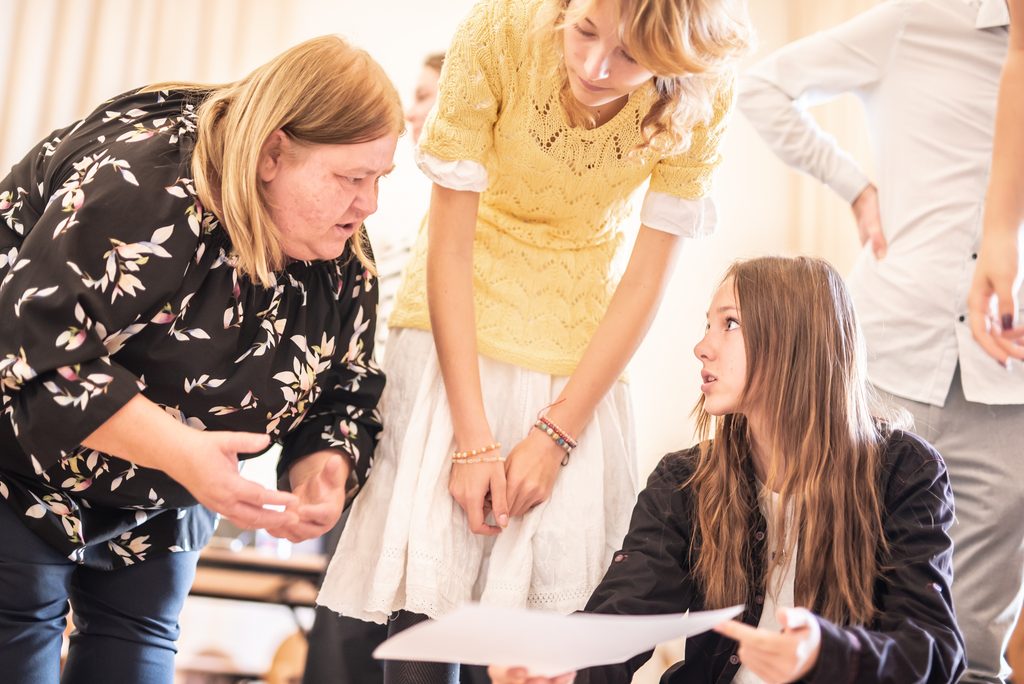
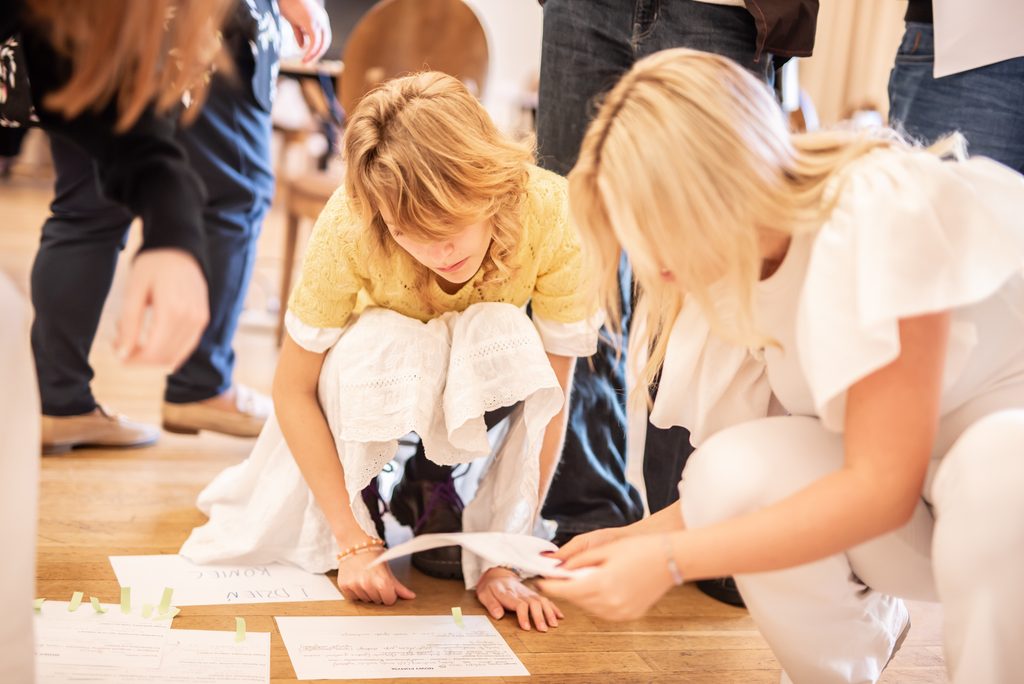
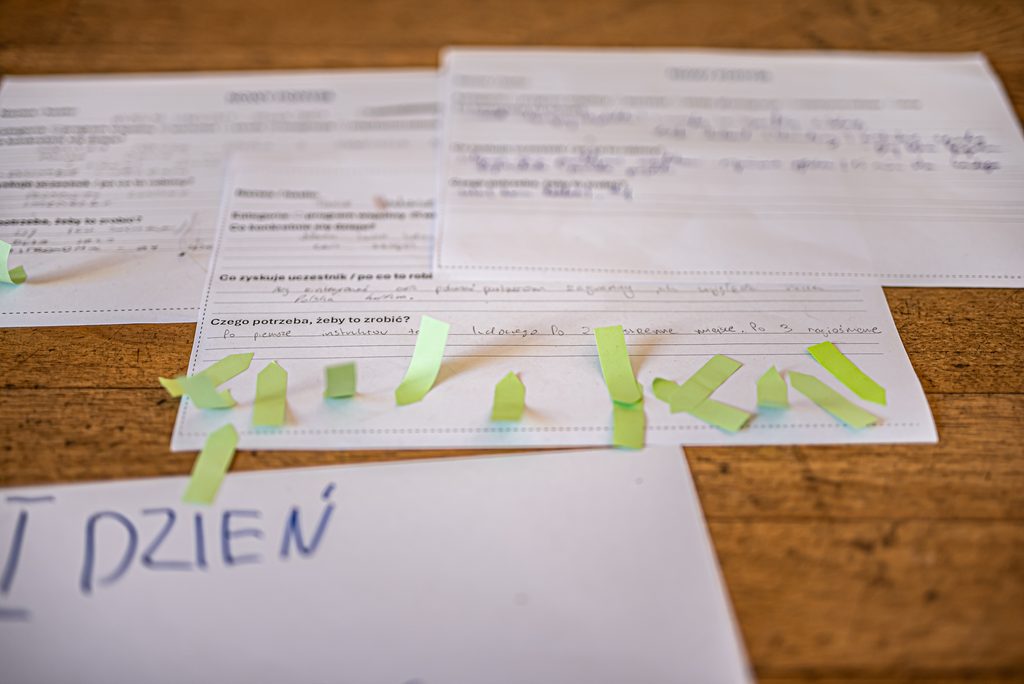
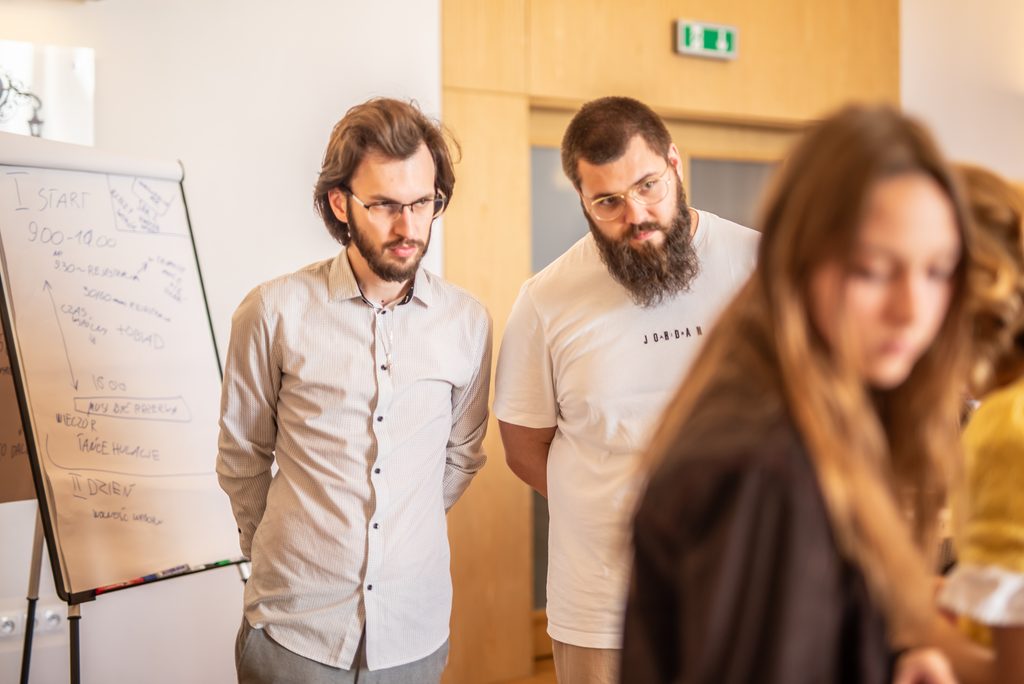
Participants jointly selected priority activities, arranged them along a timeline and discussed how the different parts of the event should unfold. The draft programme included thematic workshops, group activities, opportunities for social interaction and accompanying events.
Participants also worked on a name for the festival. Among the suggestions were "Demokraton" and "Discokracja", reflecting the ideas of democracy, youth engagement and the inclusive nature of the event.
Another important stage of the workshops involved testing the programme "through the eyes of a participant". This exercise allowed participants to assess the planned event from a young person's perspective, considering its attractiveness, accessibility and organisation.
The resulting agenda is preliminary and will serve as a basis for further preparations for the festival in November.
Young People Not Only Participate but Also Help Make Decisions
The third Round Table meeting demonstrated the importance of genuinely involving young people in decision-making processes when organising civic events. Their experiences, needs and ideas became the main reference point for shaping the programme of the upcoming festival.
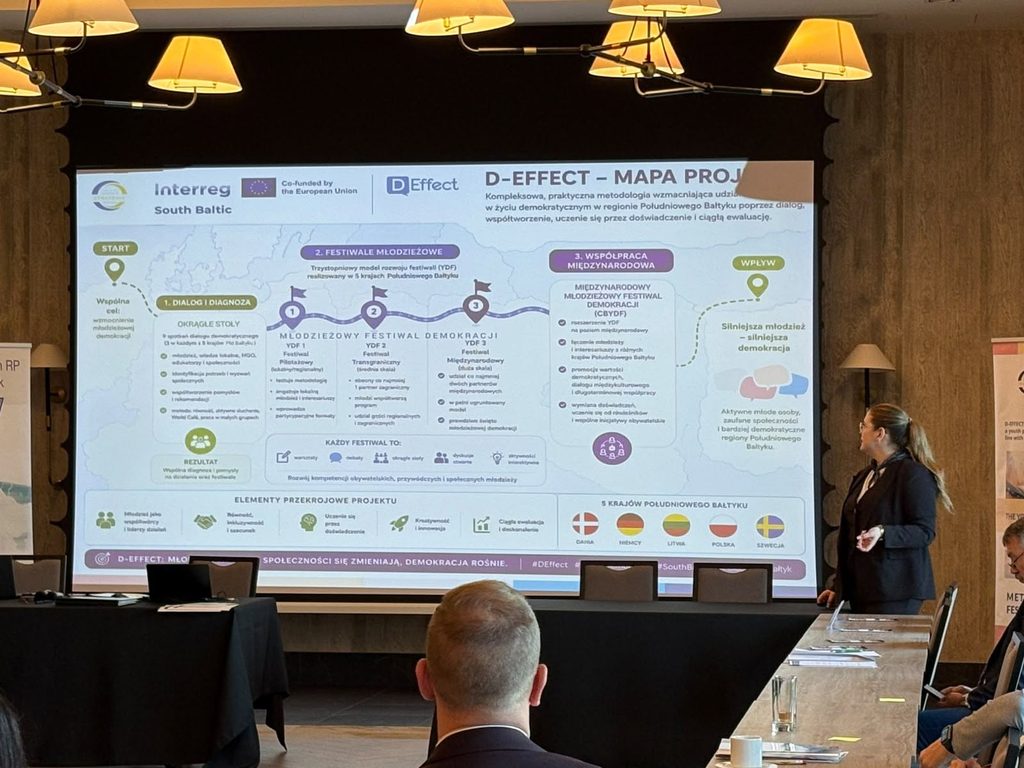
This approach lies at the heart of the participatory Youth Democracy Festival methodology, developed within the D-effect project. It aims to create opportunities for dialogue, intergenerational cooperation and active youth participation in social and civic life.
The Youth Democracy Festival in Elbląg, scheduled for November, will provide another opportunity to put this methodology into practice and demonstrate that young people can have a real influence on the events organised in their city.
More information about the Youth Democracy Festival methodology and the tools developed as part of the D-effect project can be found at: