A New Chapter in Cooperation in the Baltic Sea Region - Euroregion Baltic with Legal Personality – a Historic Decision by the Polish Ministry of Foreign Affairs

15 January 2026 marked a significant moment in the history of Baltic cooperation. On that day, the Ministry of Foreign Affairs of the Republic of Poland officially entered the European Grouping of Territorial Cooperation with limited liability Euroregion Baltic (EGTC Ltd Euroregion Baltic) into the ministerial register.
This formal recognition concluded more than three years of efforts aimed at granting legal personality to what had previously been an informal network of cooperation.

Seven Partners – One Shared Goal

The new grouping is formed by seven founding organisations from three countries of the Baltic Sea region:

🇩🇰 Denmark

🇵🇱 Poland

🇸🇪 Sweden

This partnership brings together experience, administrative capacity, and a shared vision for the development of the south-eastern part of the Baltic Sea region.
Why is the EGTC so important?

The establishment of a European Grouping of Territorial Cooperation is much more than a mere formality. It is a practical instrument for action that enables:

🤝 strengthening cooperation between local and regional authorities,

🚀 more efficient implementation of strategic and transnational projects,

🌱 supporting the sustainable development of the entire Baltic Sea region,

📑 more effective access to and management of European funds.

Solid Foundations for the Future

The EGTC Ltd Euroregion Baltic will operate on the basis of its Convention and Statutes, which clearly define the objectives, structure, and principles governing the organisation’s functioning. These documents provide a stable legal framework for long-term, coordinated cooperation.

CONVENTION AND STATUTES - https://www.eurobalt.org/wp-content/uploads/2026/01/EUWT-Podpisane-Konwencja-i-Statut.pdf

Ambitious plans for the BALTWRECK project for 2026. Partners inaugurate a new phase of cooperation

The new year marks a new chapter in the mission to protect the Baltic ecosystem. The BALTWRECK project partners inaugurated 2026 with a meeting during which key research goals for the coming months were set and the project's strategy for participation in key international forums was discussed, including the upcoming EUSBSR Annual Forum in Tallinn.

Partners inaugurate a new phase of cooperation

With the arrival of the new year, the BALTWRECK project consortium returned to regular working meetings to set directions for the coming months. The first "Partner Monthly Meeting" in 2026 provided a platform for extensive discussion on research progress and the strategy for presenting project results internationally.

Strategic planning and progress monitoring During the meeting, participants discussed key issues related to project management (WP1). Representatives of the project partners held an initial discussion on plans for further activities, with particular emphasis on preparations for the midterm visit to Lithuania and ongoing communication, which is the responsibility of the Association of Polish Municipalities Euroregion Baltic (APC ERB).

An important point of the meeting was the analysis of the achievements and outcomes of the research cruises to date. Experts reviewed the results obtained during the expeditions of the OCEANOGRAF vessel (WP2). Participants discussed not only the achieved results but also the identified technical challenges, which will allow for even better preparation of subsequent expeditions.

Technical and Biological Development: Representatives of the Institute of Fluid-Flow Machinery of the Polish Academy of Sciences and ITP Kiel presented the current status of work within WP3, including important data provided by the BIOTA research group.

Technological Perspectives: Partners from the NRC and NIO discussed the status of work on modern solutions (WP4 and WP5), presenting a schedule for future technical activities.

BALTWRECK at the EU Strategy for the Baltic Sea Region Forum. During the discussions, much attention was paid to building the project's visibility in the region. Consortium representatives discussed opportunities to present their work to date at the upcoming EUSBSR Annual Forum in Tallinn. Participation in this prestigious event aims not only to disseminate research findings but also to strengthen cooperation with decision-makers and institutions responsible for the purity of Baltic waters.

The joint development and implementation of national wreck management programs will effectively reduce pollution, thus protecting the unique Baltic ecosystem for future generations.

BaltWreck project - ongoing work

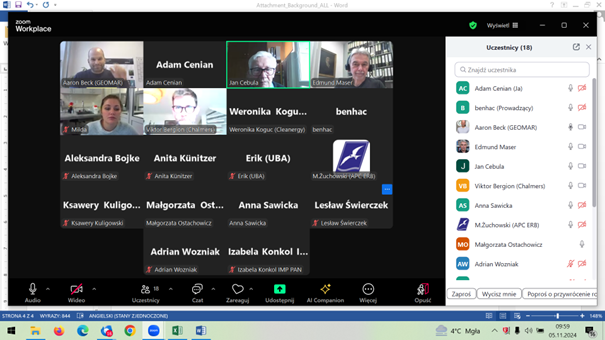
Today's (5.11.2024) BaltWreck partnership meeting was held online and concerned discussions on Work Package 2 and 3 (WP 2 and WP 3).

Prof. Jacek Bełdowski from the University of Gdansk, leader of WP 2, presented the wreck selection procedure (wrecks considered include Stuttgart, Steuben, Franken, some wrecks near Świnoujście, etc.). The Lithuanian partners (Nature Research Centre) will propose possible locations for the wrecks in the Lithuanian marine area. GEOMAR will enable this choice to be explored in the German maritime area. GEOMAR as well as the University of Gdansk may also investigate Polish and Lithuanian locations. A special meeting concerning the final decision on the investigated wrecks should be organised soon by the project leader.

As part of Work Package 3 (WP3), the project leader, the Institute of Fluid Flow Machinery of the Polish Academy of Sciences, is starting laboratory experiments with aerobic bacteria. The main focus will be on methods to deliver oxygen appropriately for pilot activities. JT Ship Service (partner no. 7) is discussing the experiment plan with the University of Gdansk, while Gdynia Maritime University (partner no. 4)

The next partner online meeting - December 3rd.

SCONE project - sustainable development initiative

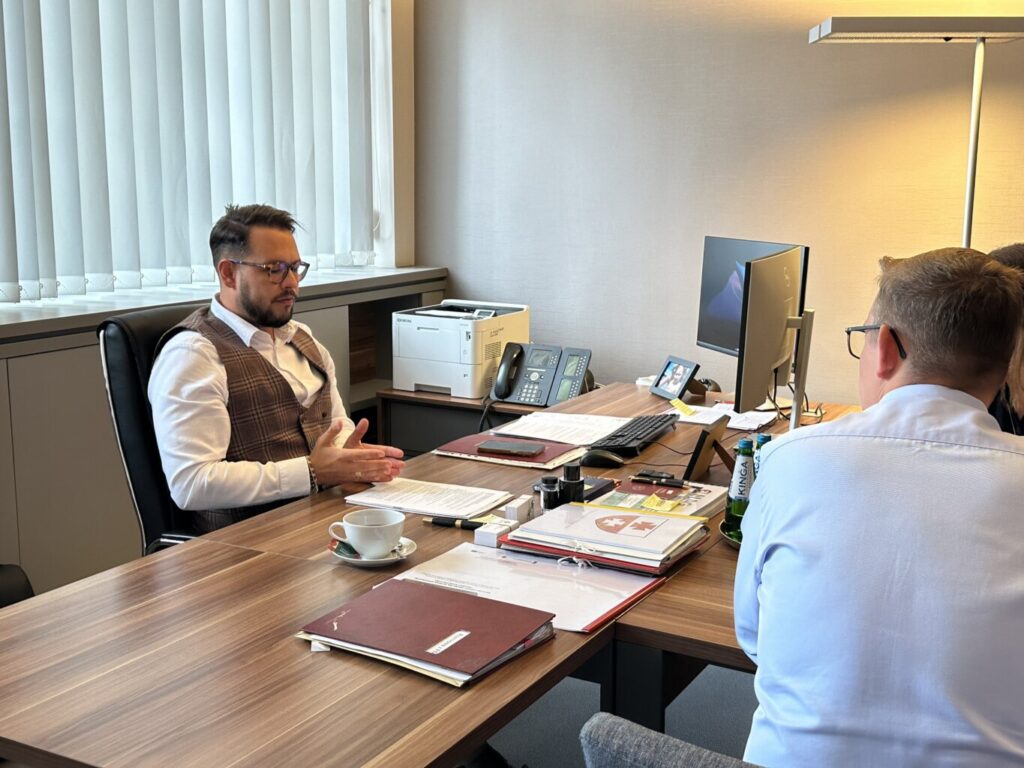
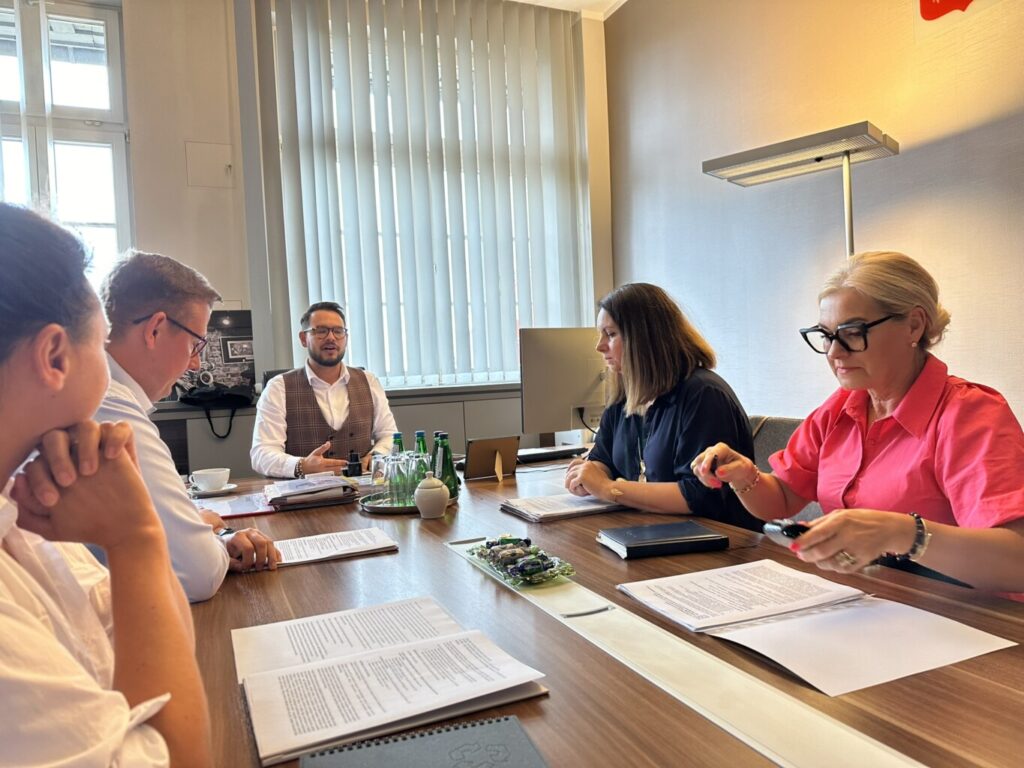
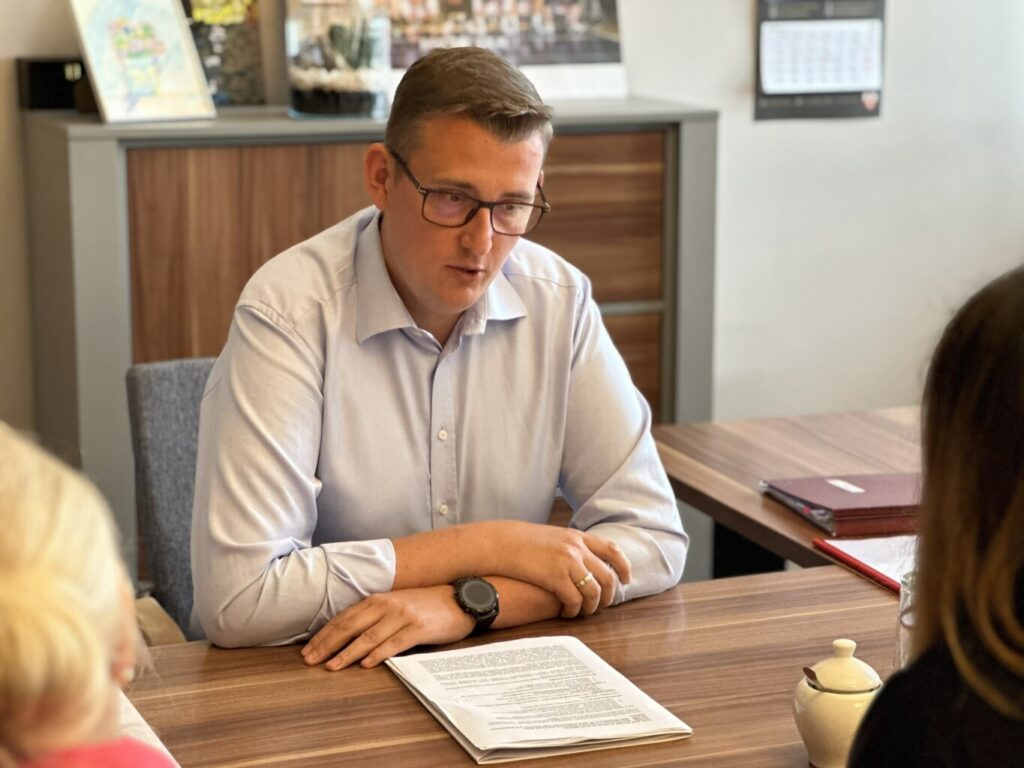
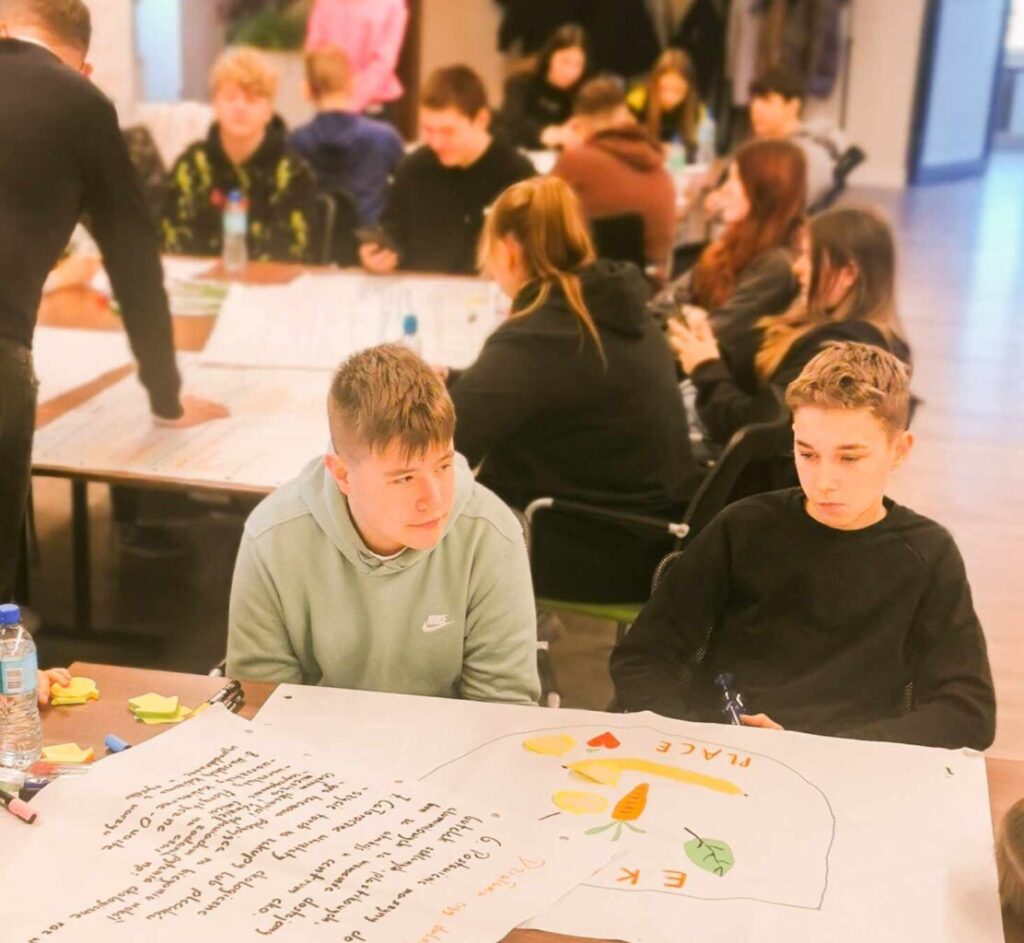
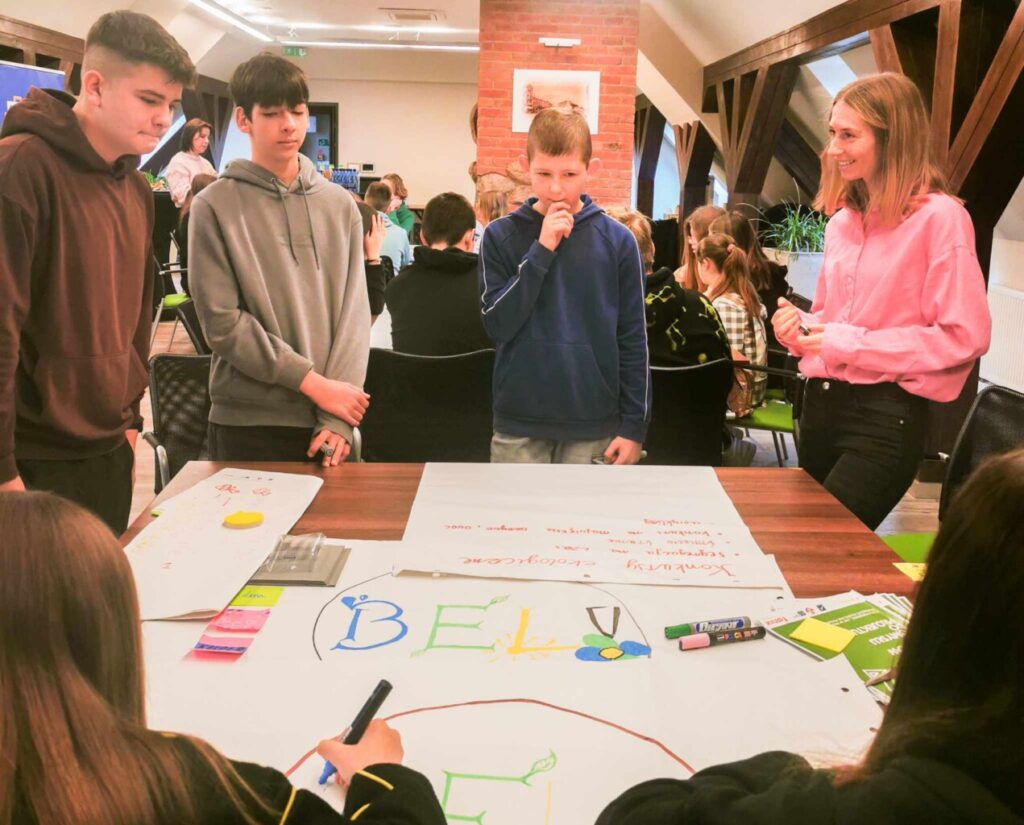
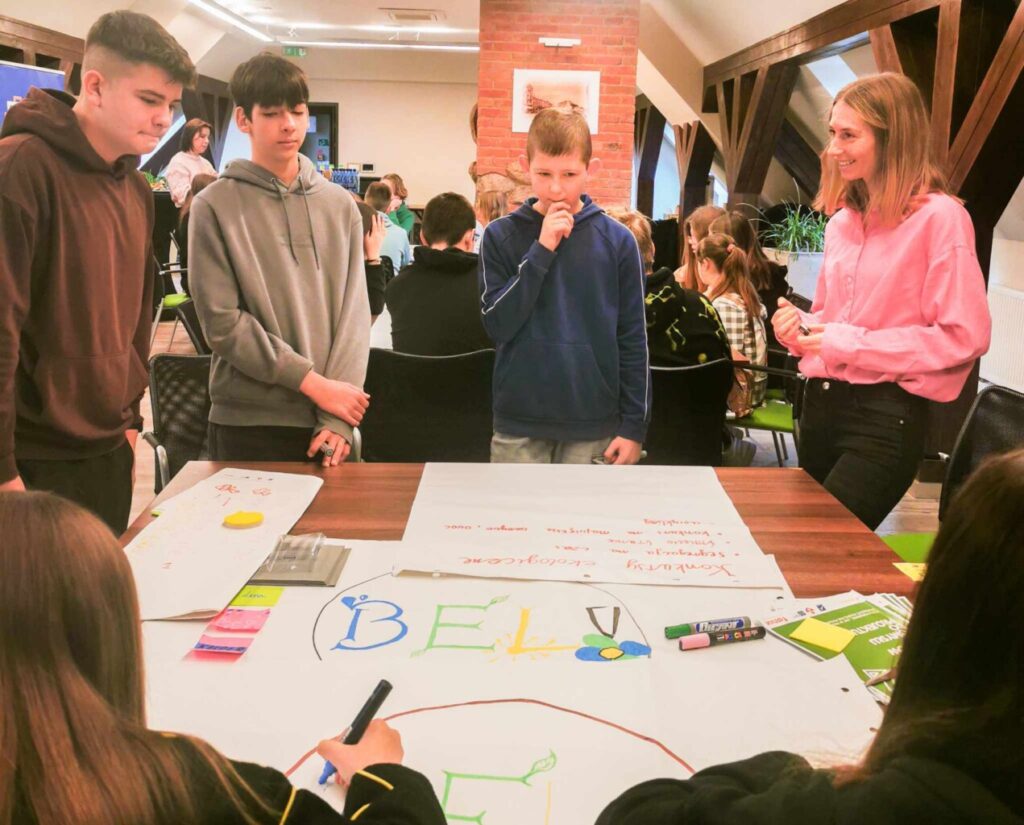
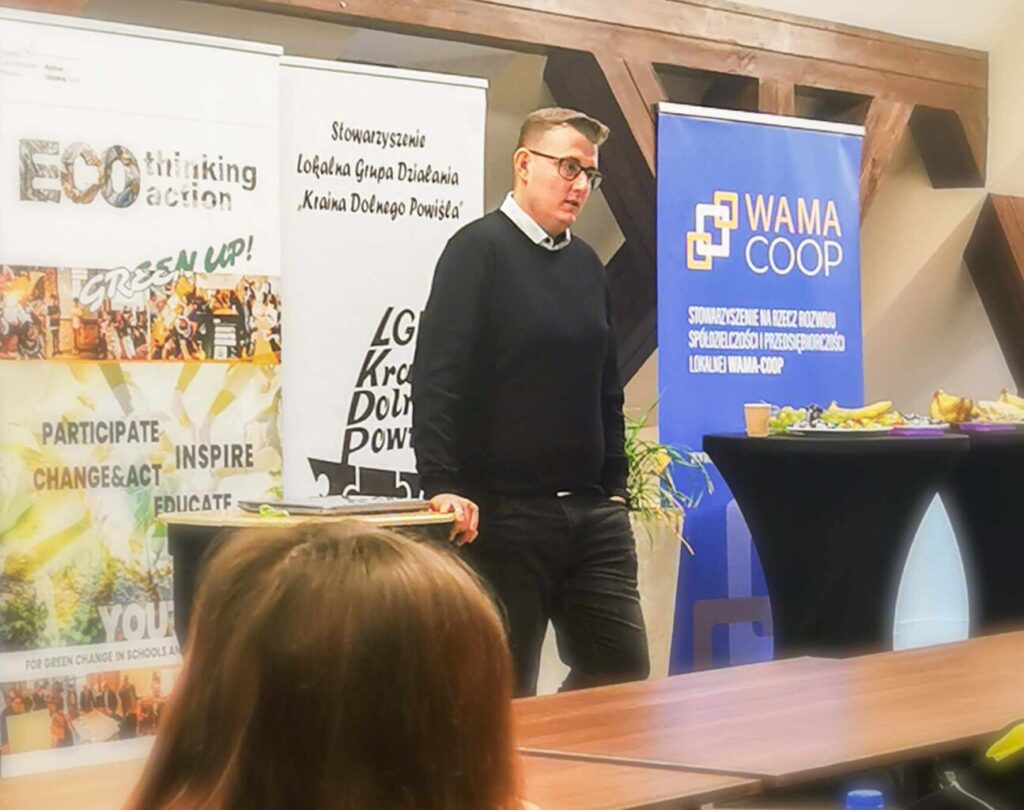
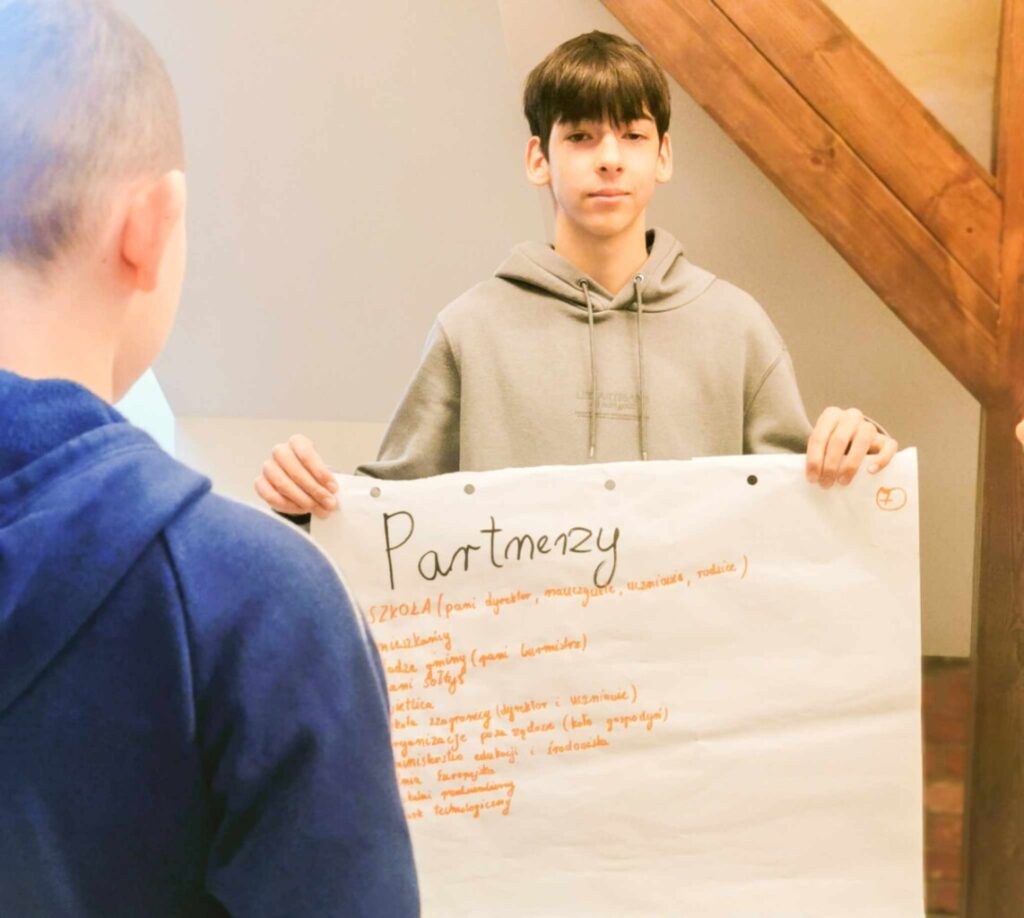
The first working meeting of Elbląg partners of the SCONE project is behind us. It was attended by: Piotr Kowal Vice President of the City of Elbląg, Hanna Mierzejewska - Director of the Complex of Technical Schools in Elbląg, Agnieszka Jurewicz - Director of the Second High School in Elbląg, and employees of the Association of Municipalities of the Republic of Poland Euroregion Baltic with its Director, Marcin Żuchowski. In the office of the Deputy Mayor, the most important elements of the project talking about the benefits for the involved educational institutions from Elblag were discussed, as well as formal issues related to the course of the project activities.

During today's meeting, plans for the next few months were discussed. The next working meeting of Polish partners is scheduled for September with the participation of all Polish partners, from Gdansk and Elblag.

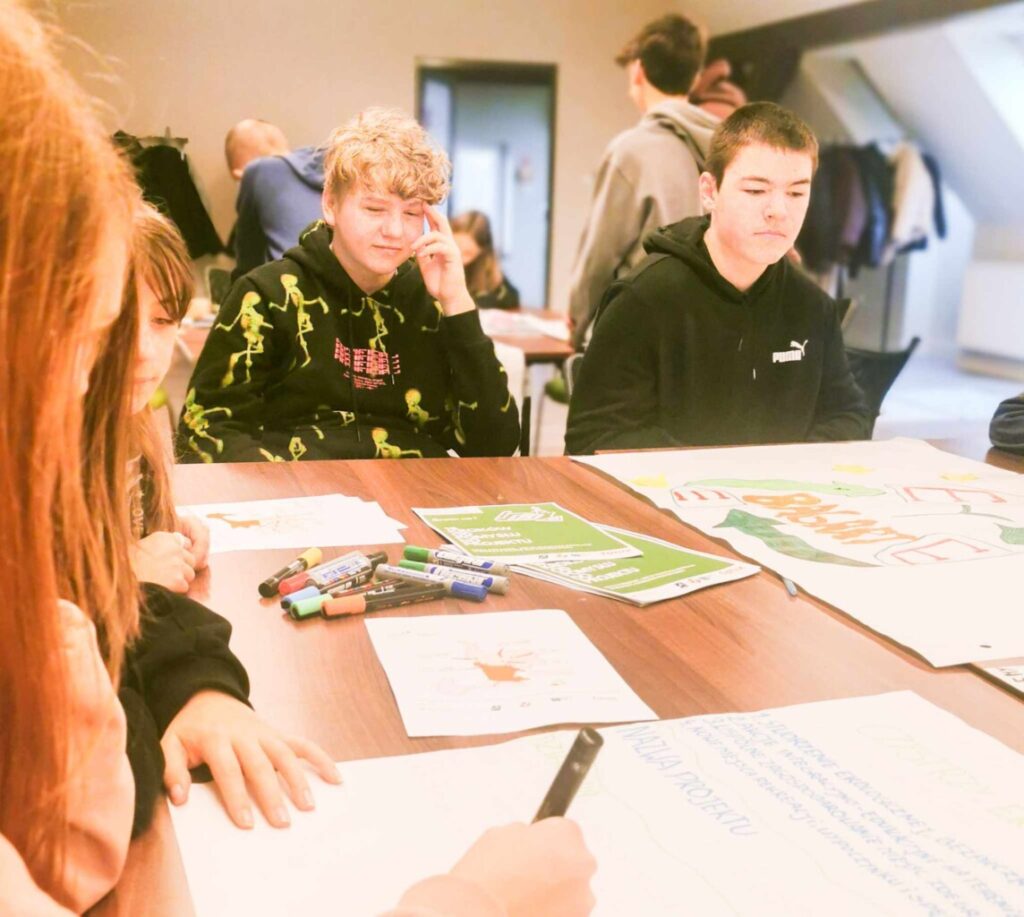
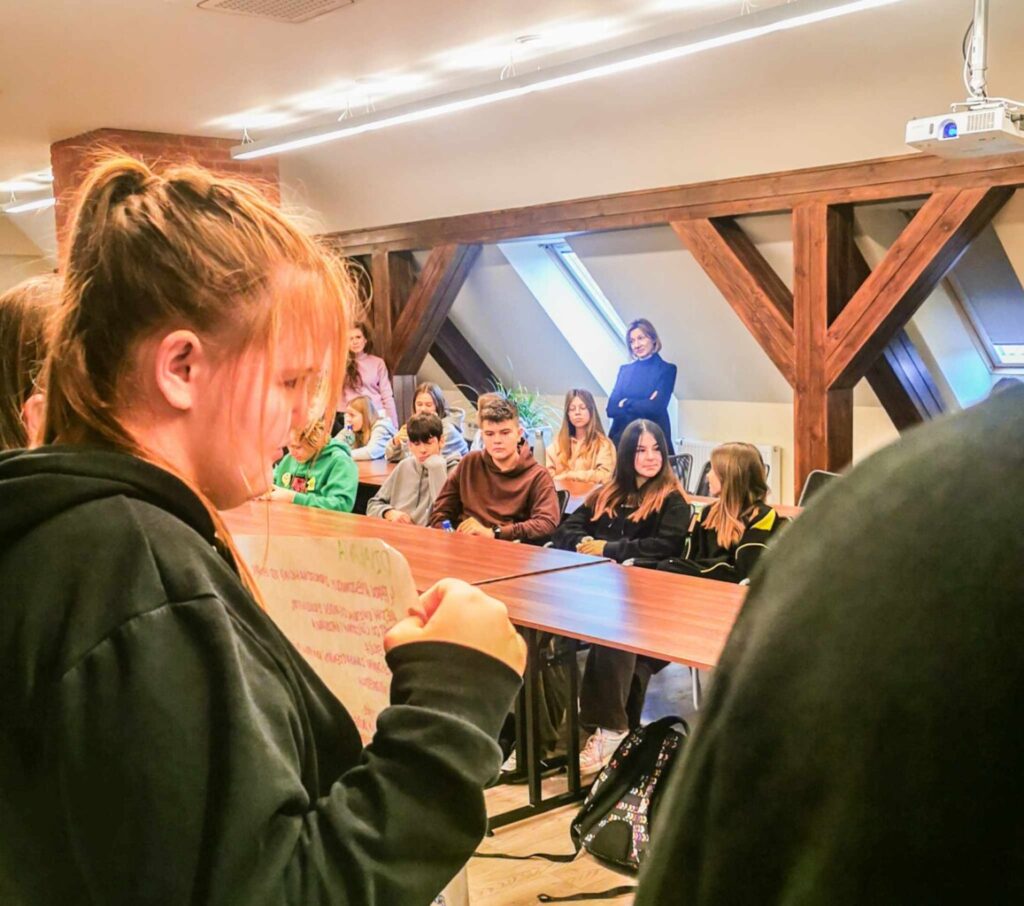
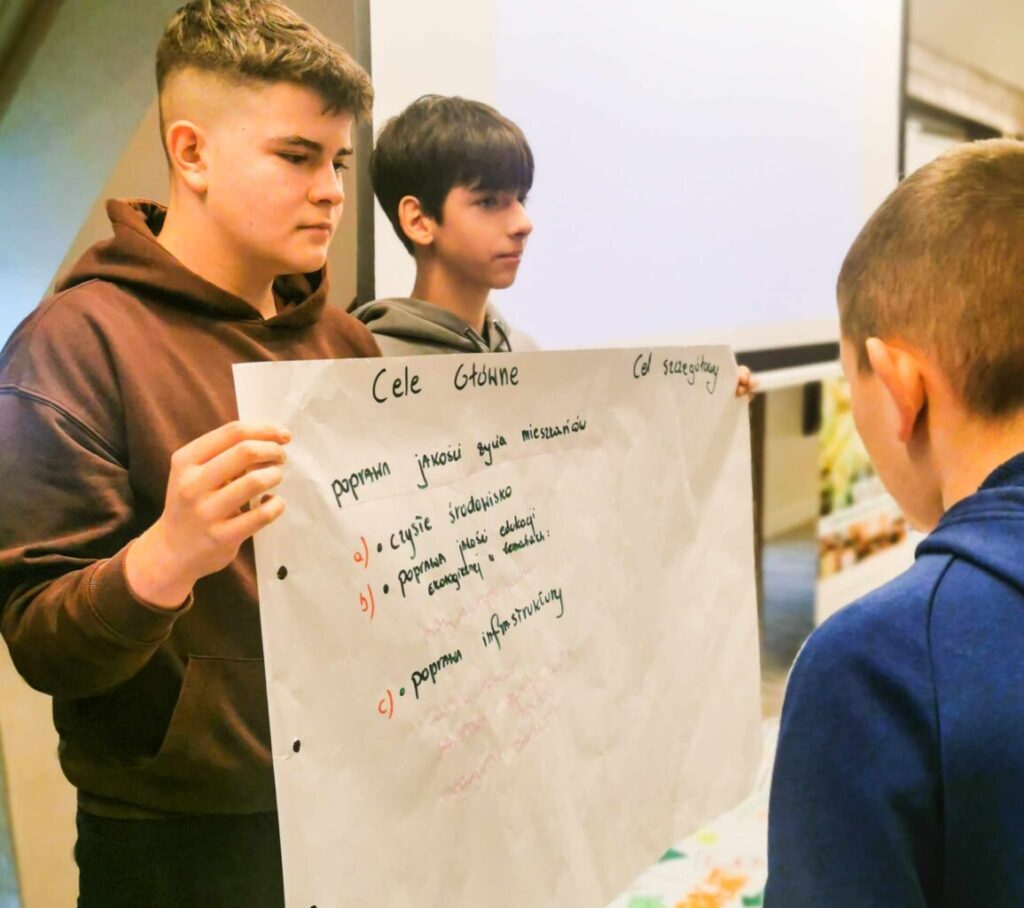
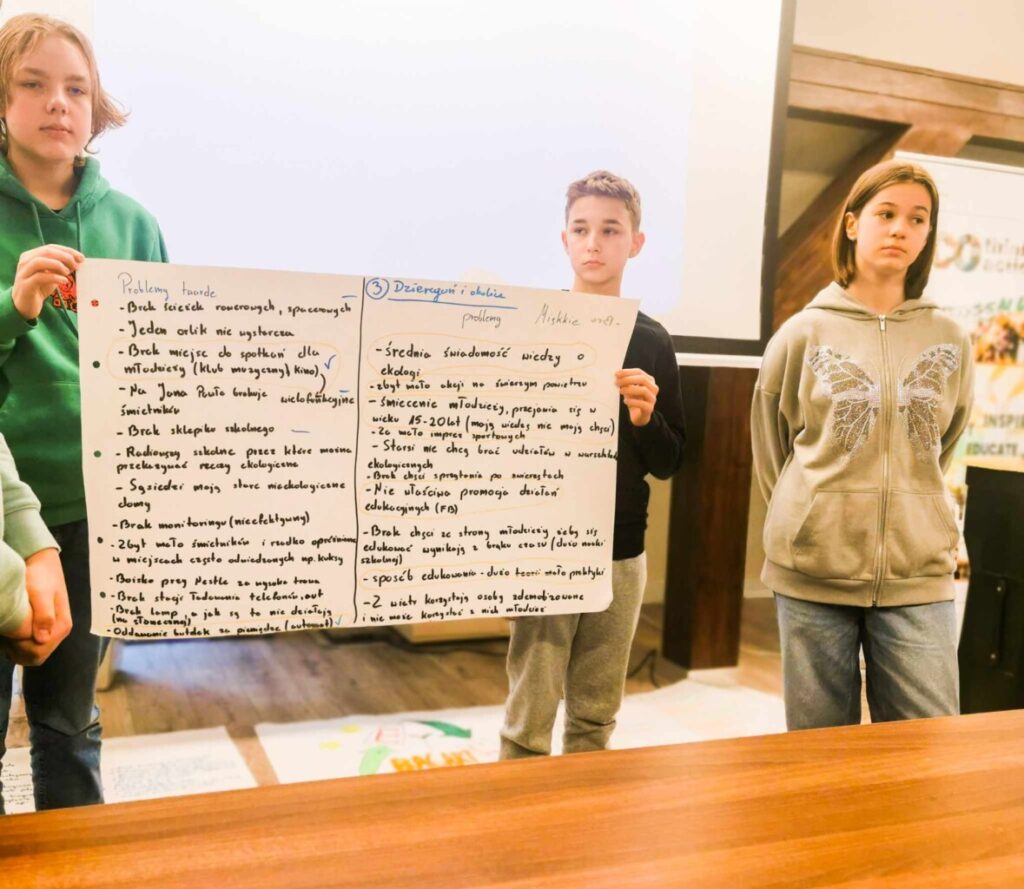
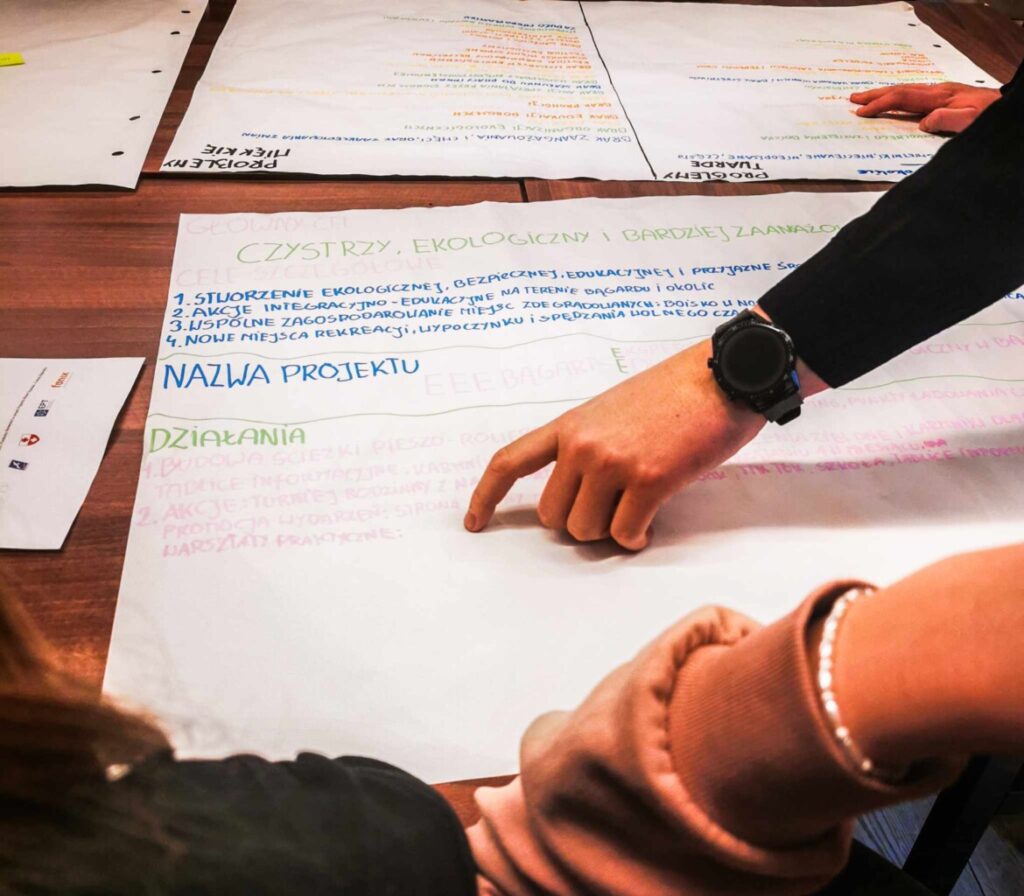
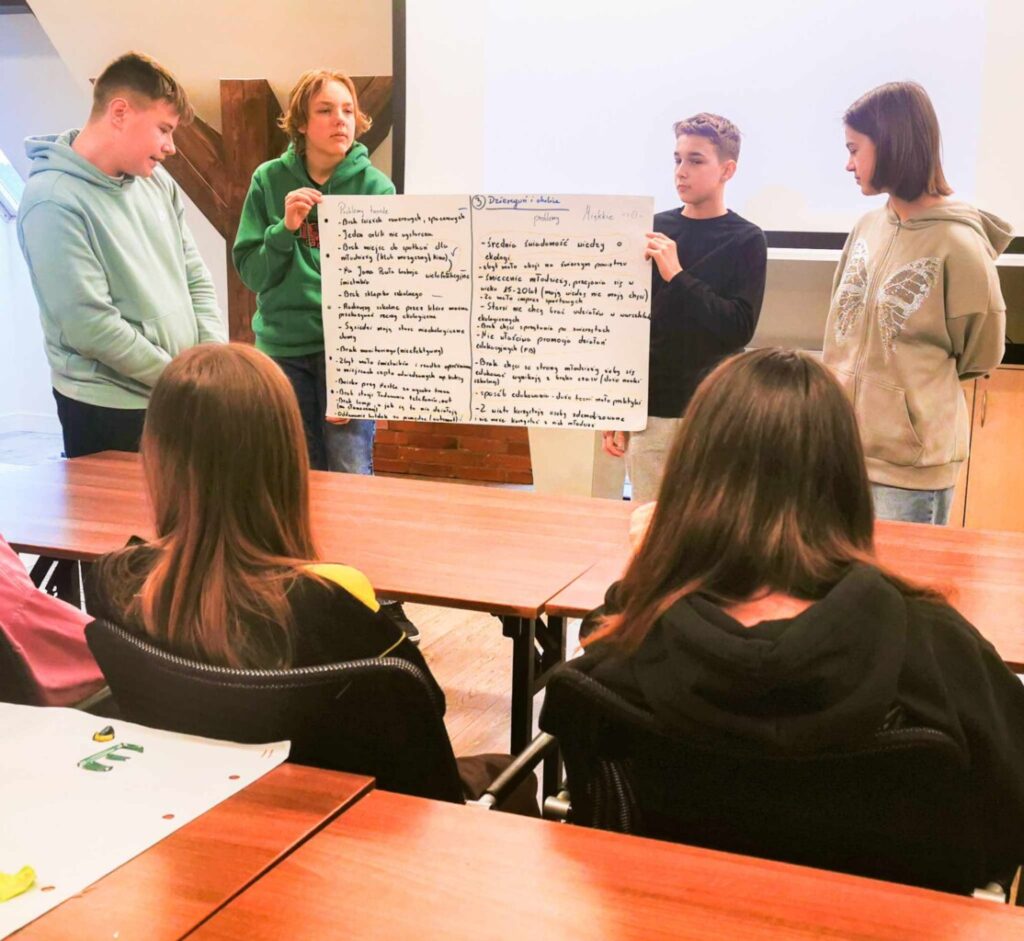
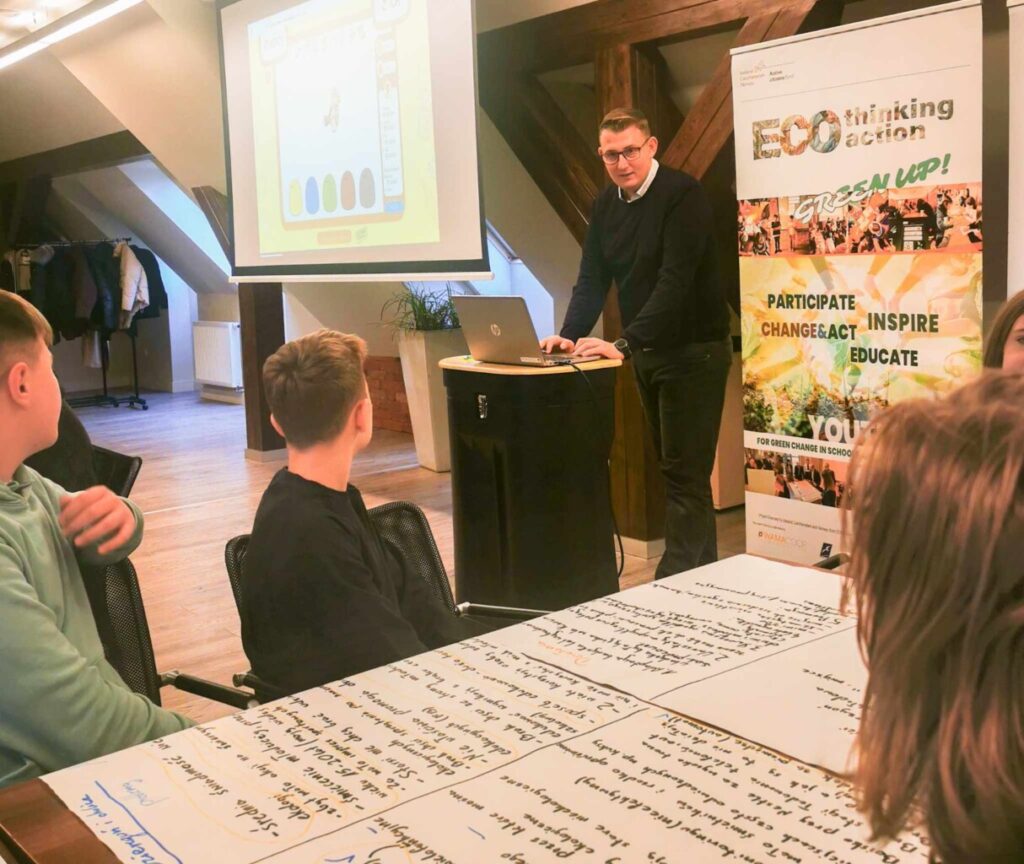
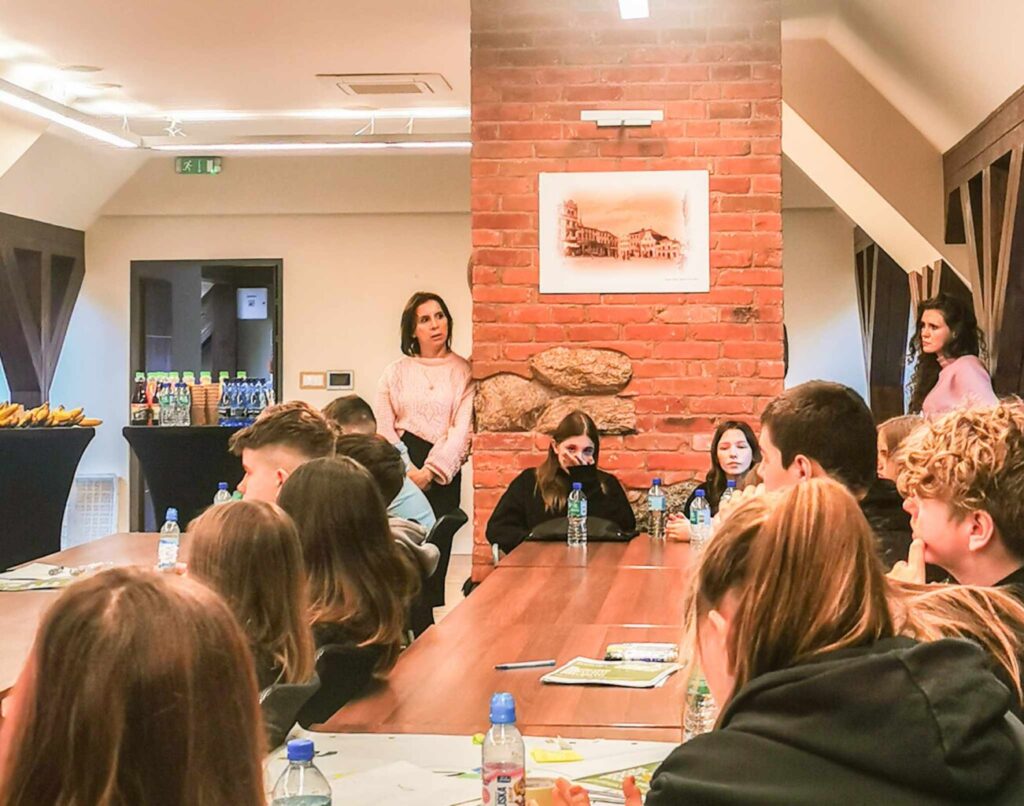
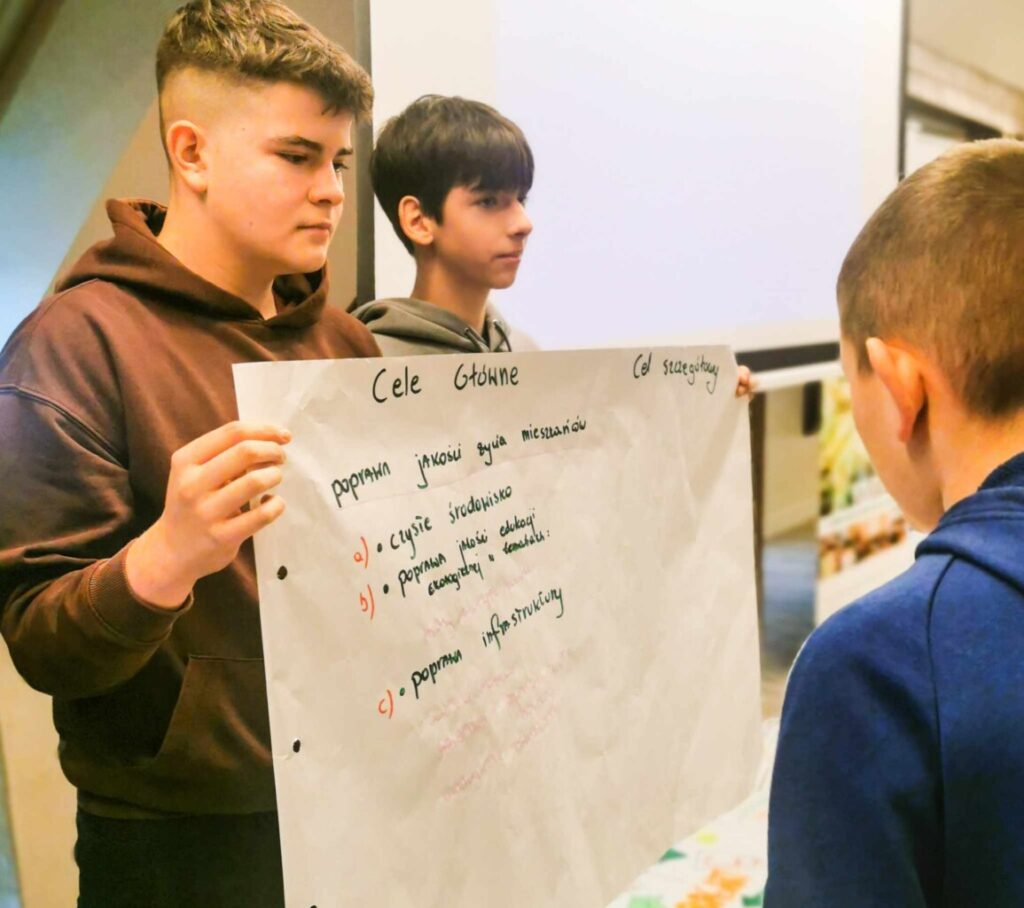
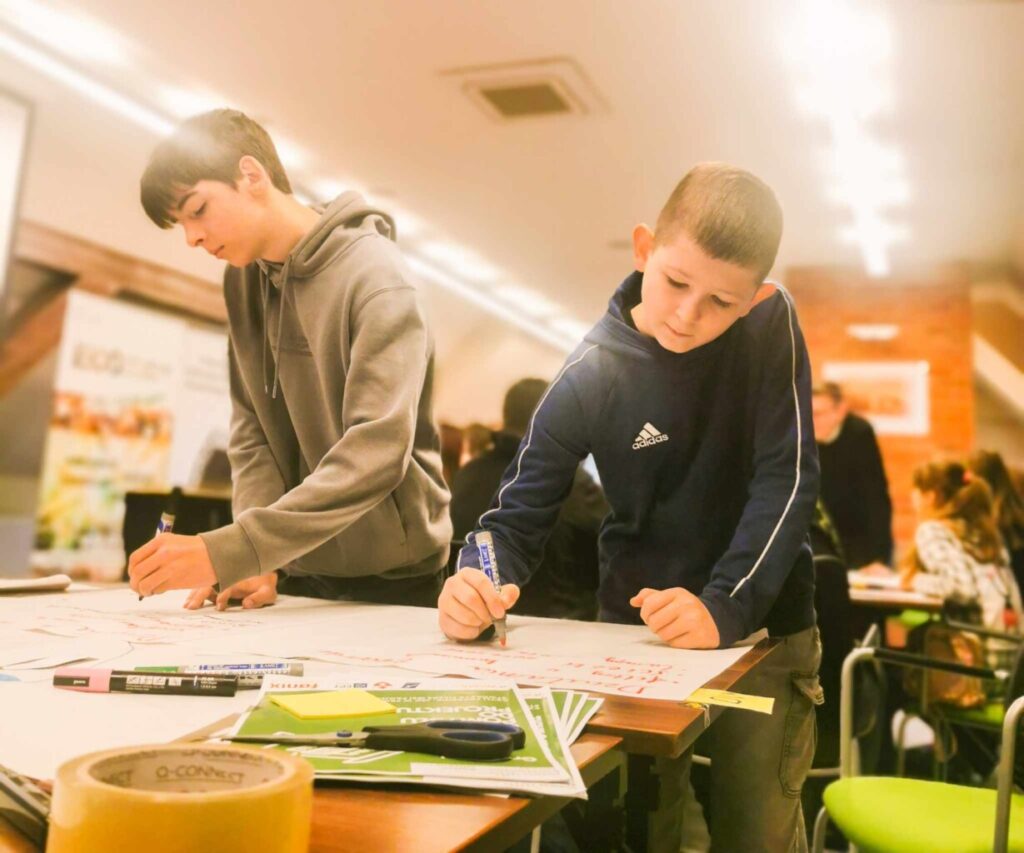
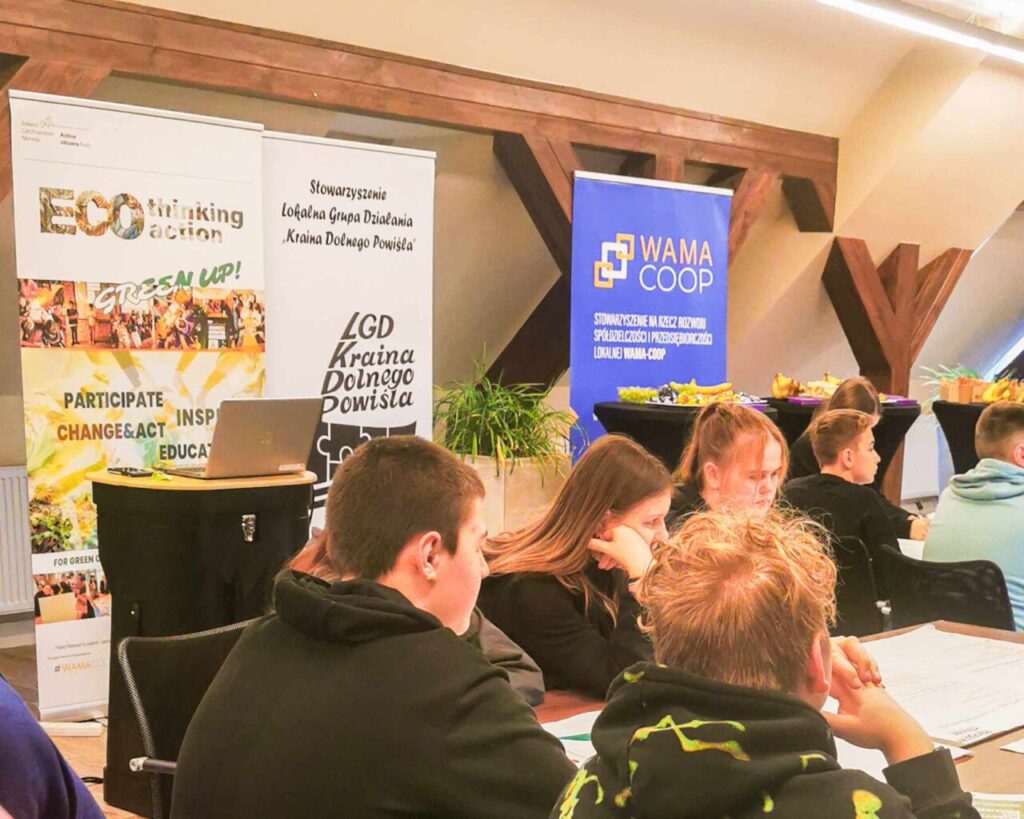
The project's focus is on high school sustainability development and pro-environmental activities, working with teachers and students and strengthening non-formal learning. The project aims to fill this critical gap by developing and implementing innovative educational programs that equip youth with the knowledge and skills they need to take meaningful action in the face of the global climate crisis. In this project, we seek to inspire and equip the coming generations to be leaders in the fight against climate change.

The project will result in the creation of a network of organizations that will work closely together. These organizations will work together to promote sustainability using a holistic approach involving individual educational institutions. Teachers at secondary schools and teachers' colleges will have the opportunity to increase their ability to collaborate by focusing on education for sustainability as a teaching practice.

SCONE is a 3-year initiative that involves many South Baltic area stakeholders, including those from Elblag, but it is also not the only sustainability-themed initiative targeting the city. We are also including Elblag in the emerging USALL project on urban land conservation and development, an initiative co-created with residents.

Council of Baltic Sea States - call for proposals is open!

The Secretariat of the Council of the Baltic Sea States (CBSS/CBSS) has published information on the opening of the call for applications under theProject Support Facility for 2024 (PSF, https://cbss.org/psf/psf-2024/ ), open to eligible entities from Denmark, Estonia, Finland, Germany, Iceland, Latvia, Lithuania, Norway, Poland and Sweden. The project must involve partners from at least three of the aforementioned countries, and the grant for the project can amount to a maximum of EUR 65,000 (see the documentation on the website for details).

Applications can be submitted until March 31, 2024, according to the guidelines and information posted on the PSF 2024 Call page. Only one call is planned, the amount to be distributed is about EUR 300 thousand.

The PSF was established by the CBSS member states in 2012 to co-finance projects developing and strengthening cooperation in the Baltic Sea region. Poland makes an annual contribution to the PSF for projects.
Projects in 2024 are to focus on strengthening resilience, security, cooperation and trust in the Baltic Sea region. In particular, innovative projects that foster understanding, cooperation and mutual trust-building for more resilient societies are encouraged. Submitted projects should relate to one of the three long-term priorities of the CBSS. Specific thematic areas under the Safe and Secure Region priority are also indicated.
PSF 2024 Thematic Priorities:

1. Safe and secure region, where the following three thematic areas were specifically identified:

  1. "Regional identity"
  2. "Sustainable and Prosperous Region"

If you have any questions about PSF 2024, please contact the CBSS Secretariat directly, where Ms. Katerina Popova, CBSS Project Support Facility Coordinator, is in charge of recruitment, +46 73 801 55 20, psf@cbss.org

The 1st call for applications for small projects in the Interreg South Baltic Program 2021-2027 is launched

In just a few days, the 1st call for applications for small-scale projects under the Interreg South Baltic Program 2021-2027 will be launched. Small-scale projects are a new type of projects supported by the Program, aimed primarily at encouraging new institutions and smaller organizations to take advantage of the Program's offer. The smaller financial scale of the projects (total combined budget - up to EUR 200,000), simplified partial settlements (lump sums) should serve as a "safe first step" in testing cross-border cooperation on smaller projects.

Application deadline: 22.02.2024 - 21.03.2024

The deadline for registration for this event is February 23.

Events organized by the Joint Secretariat will be held in English.

Detailed information and application forms are available on the Program website https://southbaltic.eu/-/1st-small-scale-projects-call-to-be-opened-soon-terms-of-reference-and-supporting-measures

WE ESPECIALLY ENCOURAGE NEW ENTITIES TO PARTICIPATE IN THIS COMPETITION AND GAIN INTERNATIONAL EXPERIENCE IN THE PARTNERSHIP OF BALTIC ENTITIES!